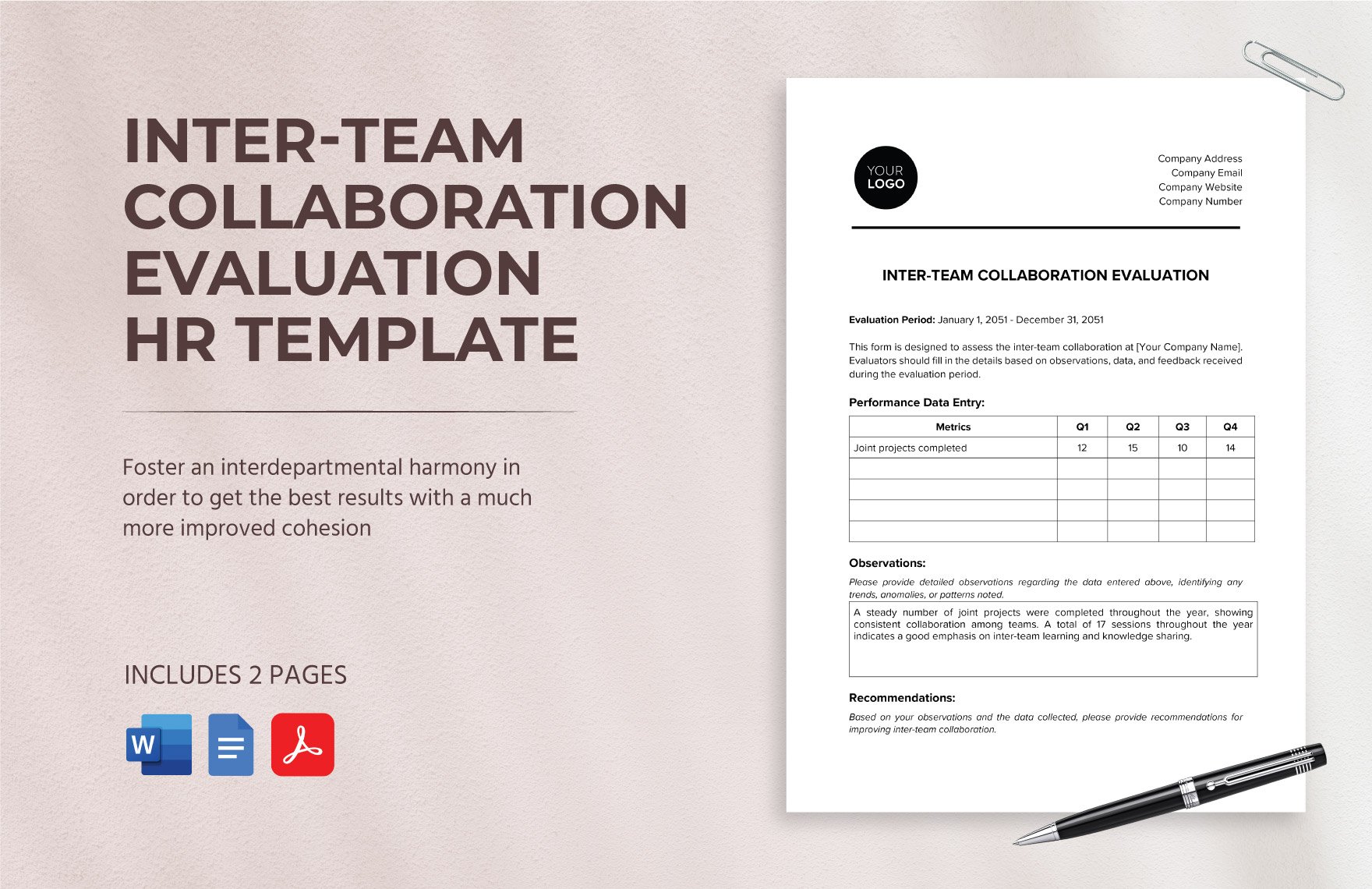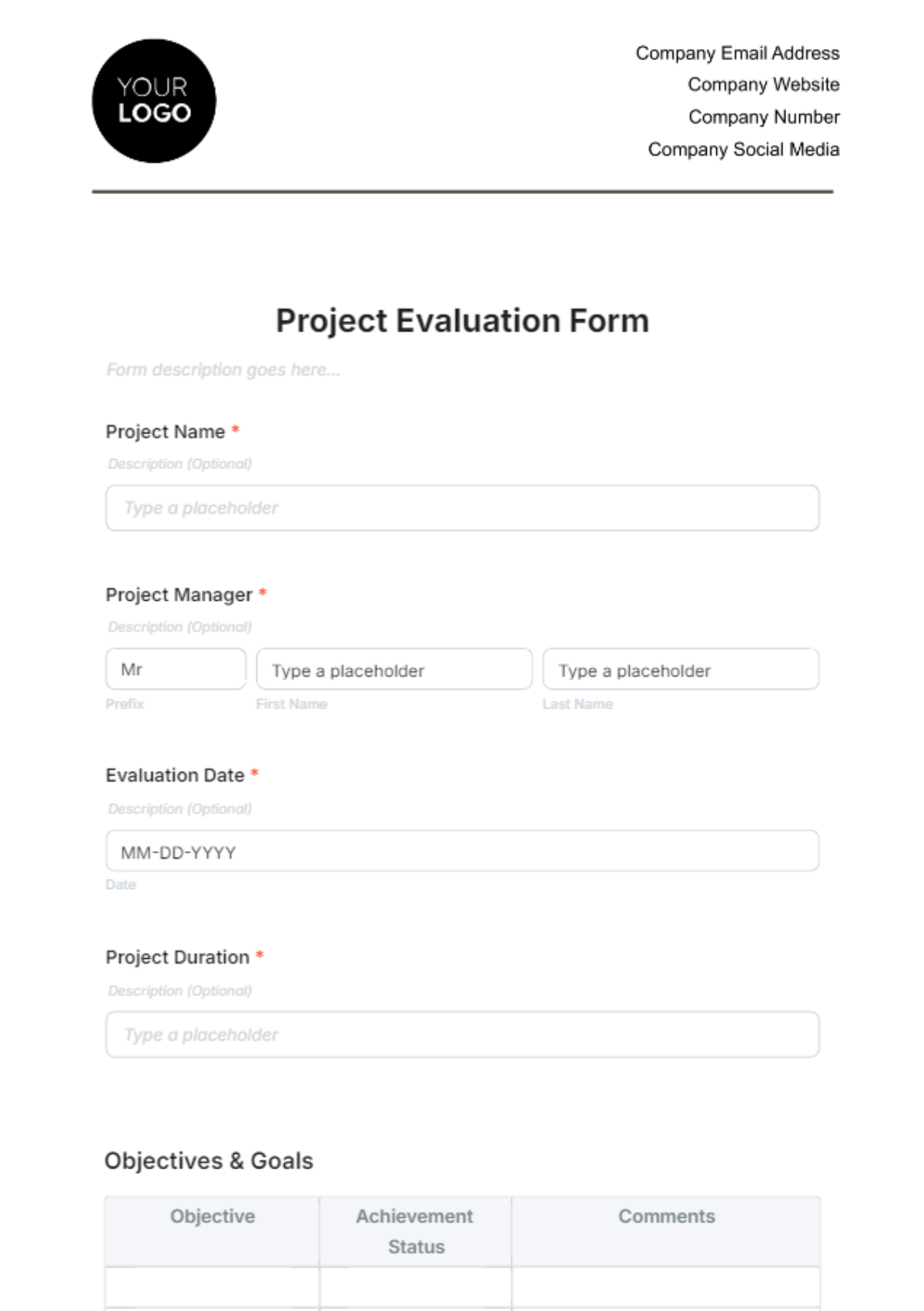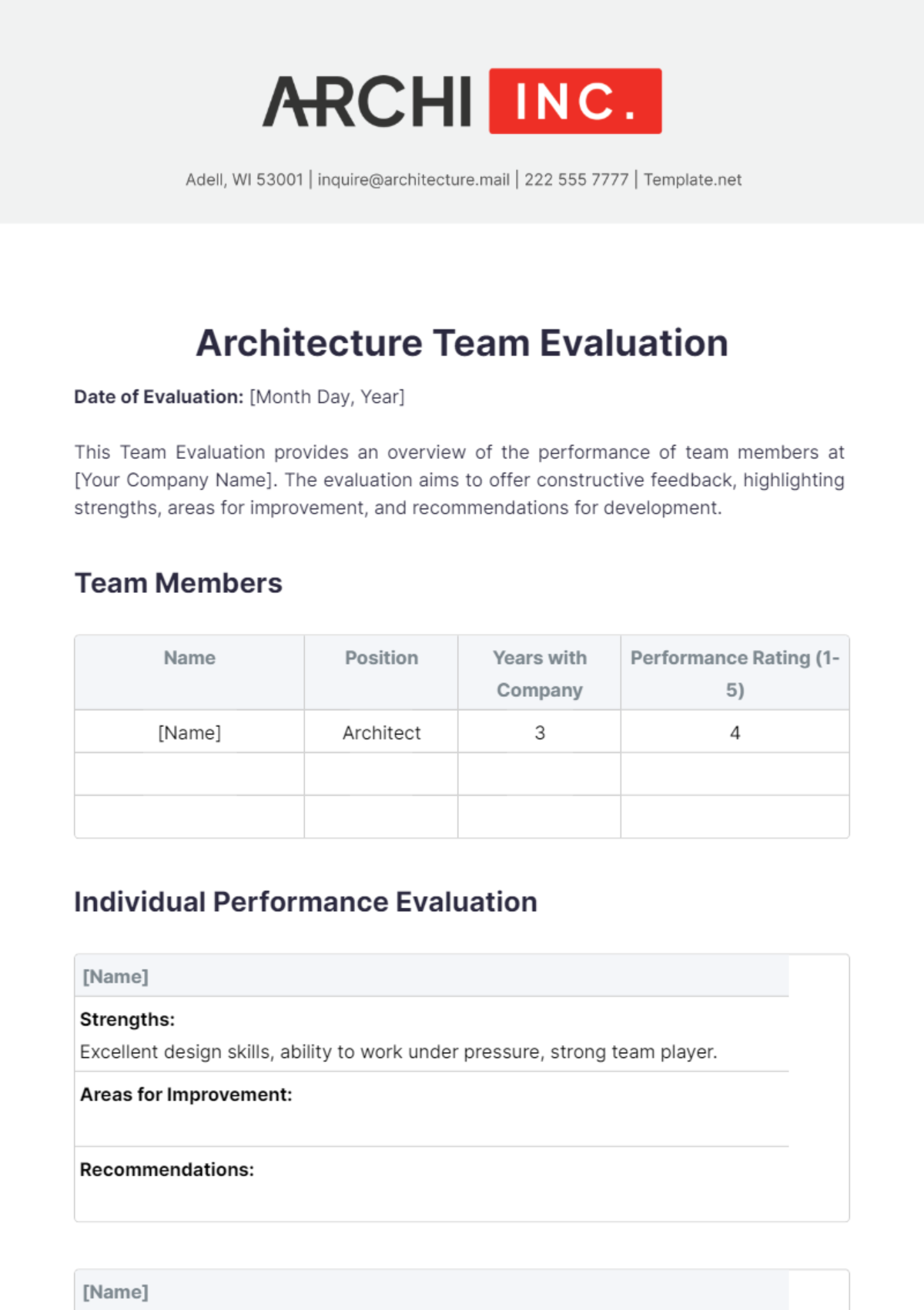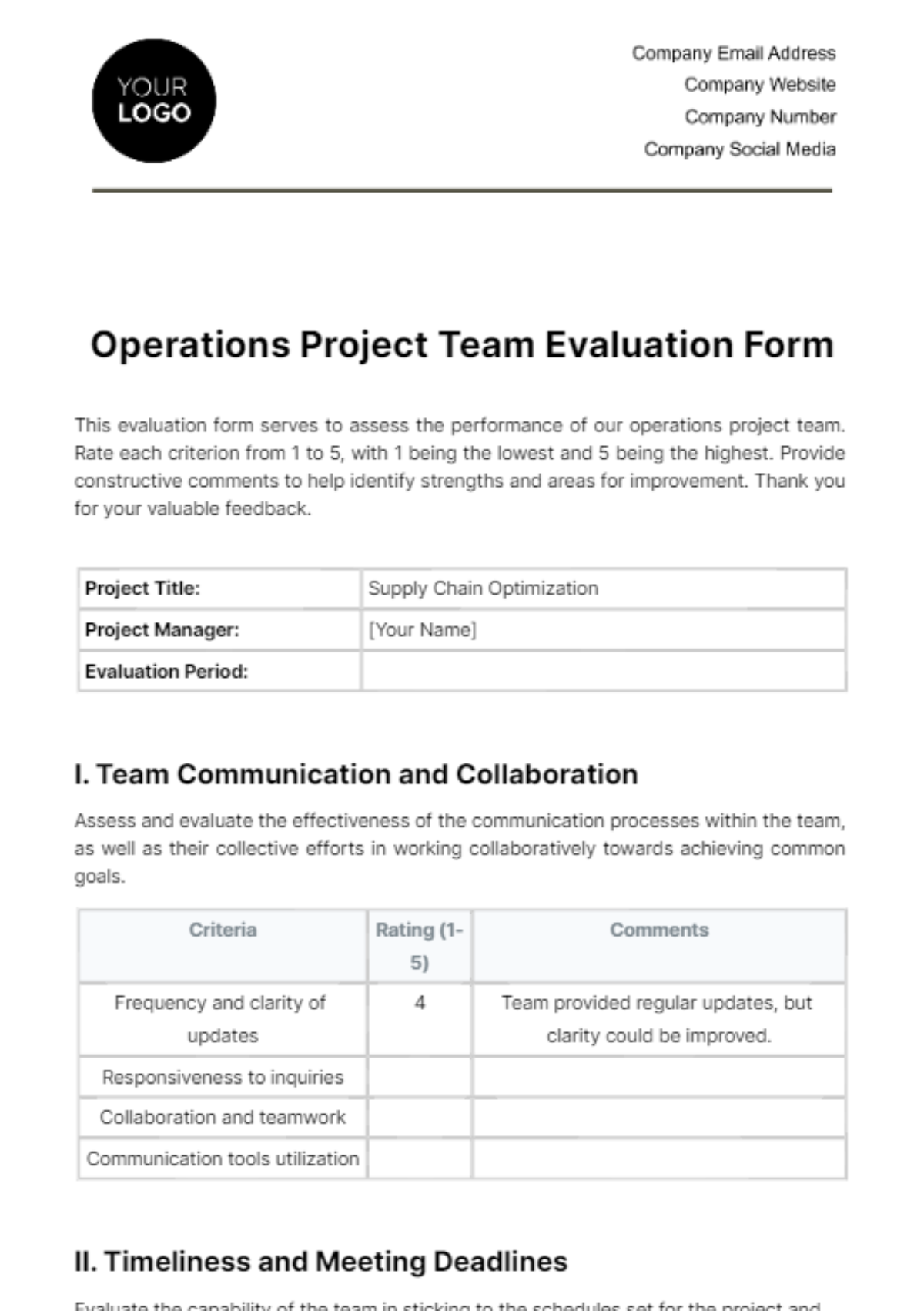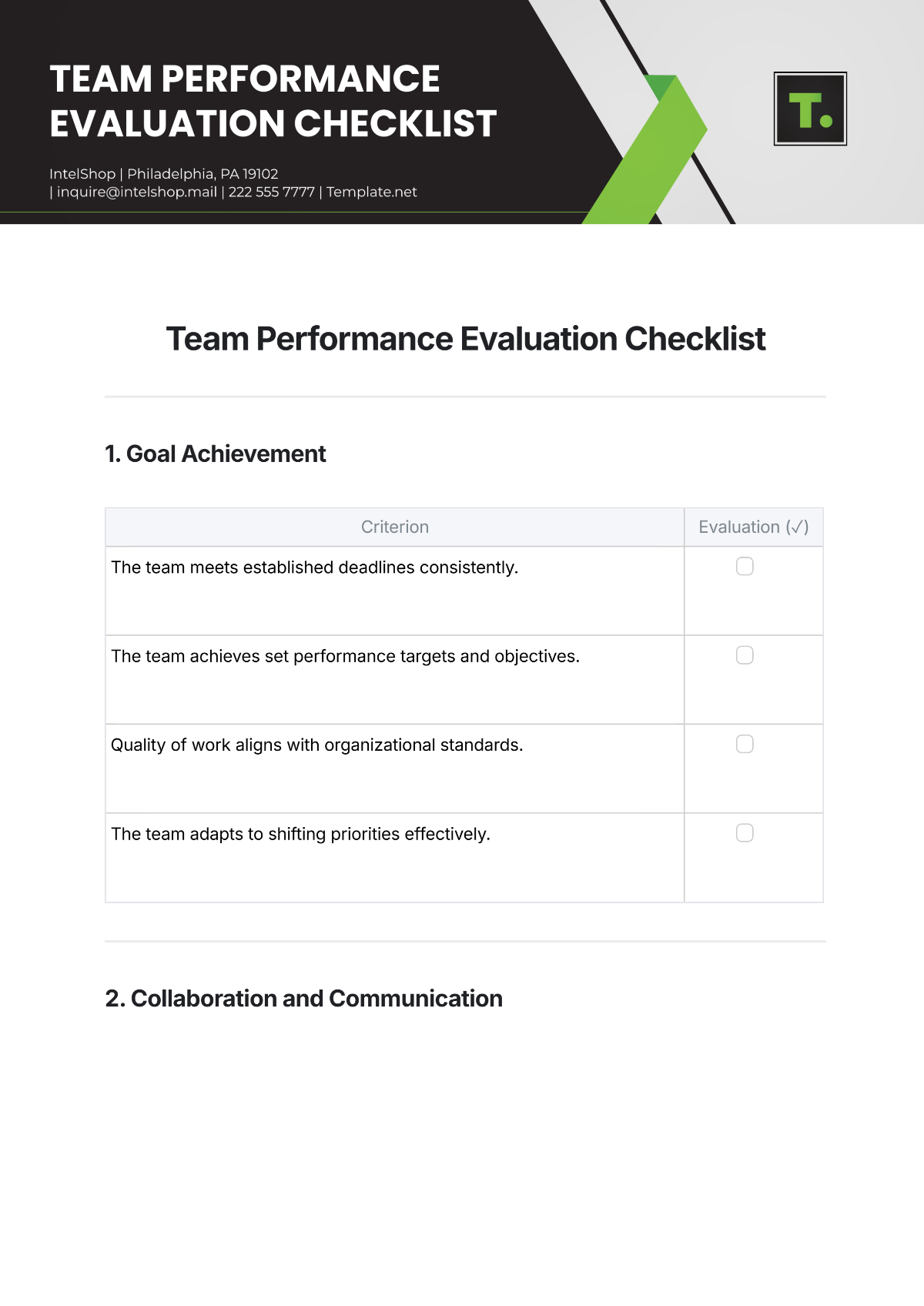
Project Team Evaluation Template serves as the cornerstone of any successful project management framework, especially in dynamic Asian markets where teamwork, harmony, and precision converge. By establishing a clear, repeatable evaluation process, managers can nurture high-performance groups, align individual strengths with organizational goals, and drive continuous improvement across every phase of a project.
Why a Project Team Evaluation Template Matters
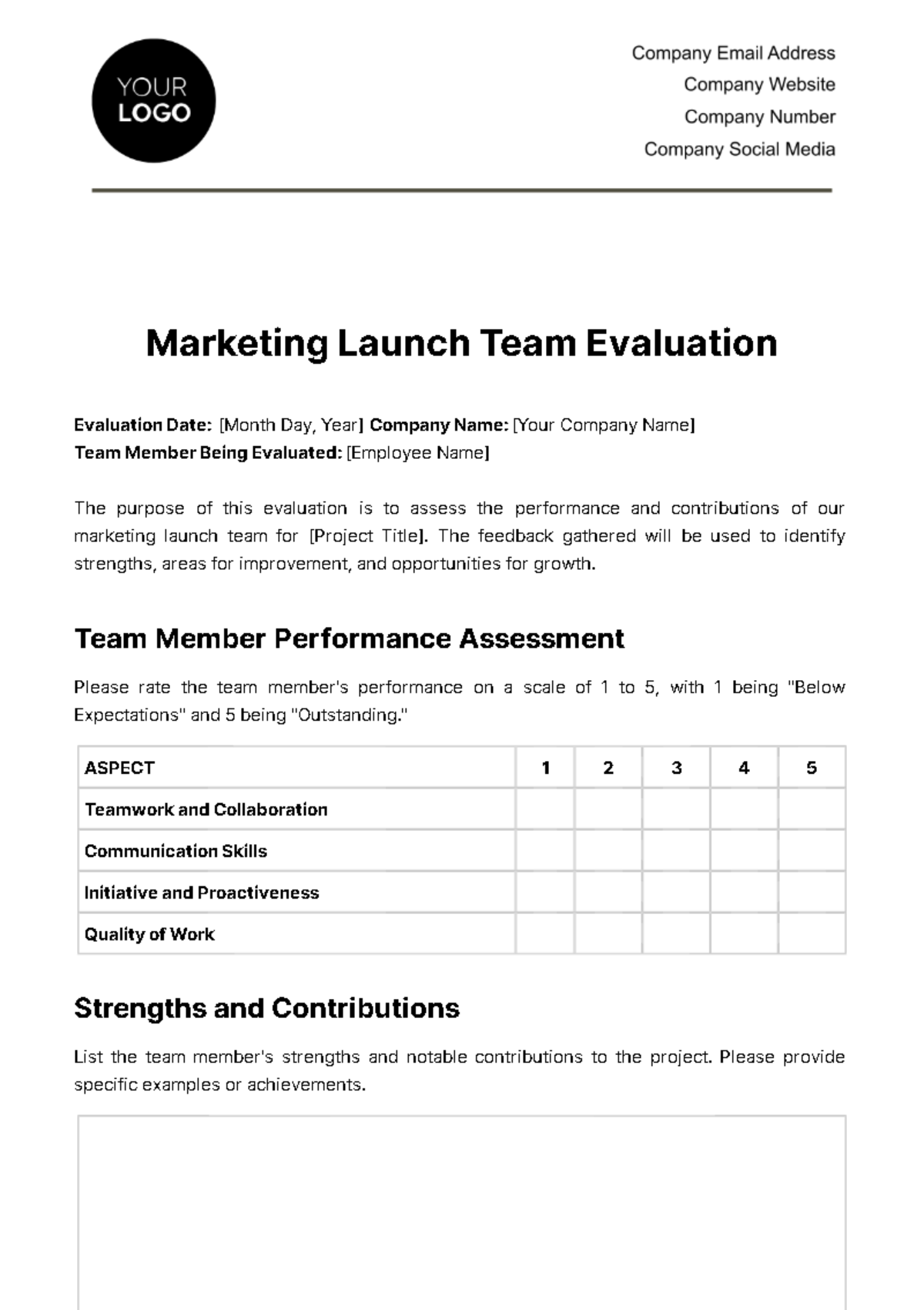
In fast-paced industries, teams often juggle multiple deliverables, shifting priorities, and tight deadlines. Without a structured assessment tool, managers risk overlooking gaps in skill sets, misaligned expectations, and unaddressed interpersonal challenges. A well-designed template standardizes evaluation criteria, ensures consistency, and transforms raw data into actionable insights. For Asian enterprises where collective achievement is prized, it also reinforces shared accountability and mutual respect.
Key Components of an Effective Template
Roles and Responsibilities
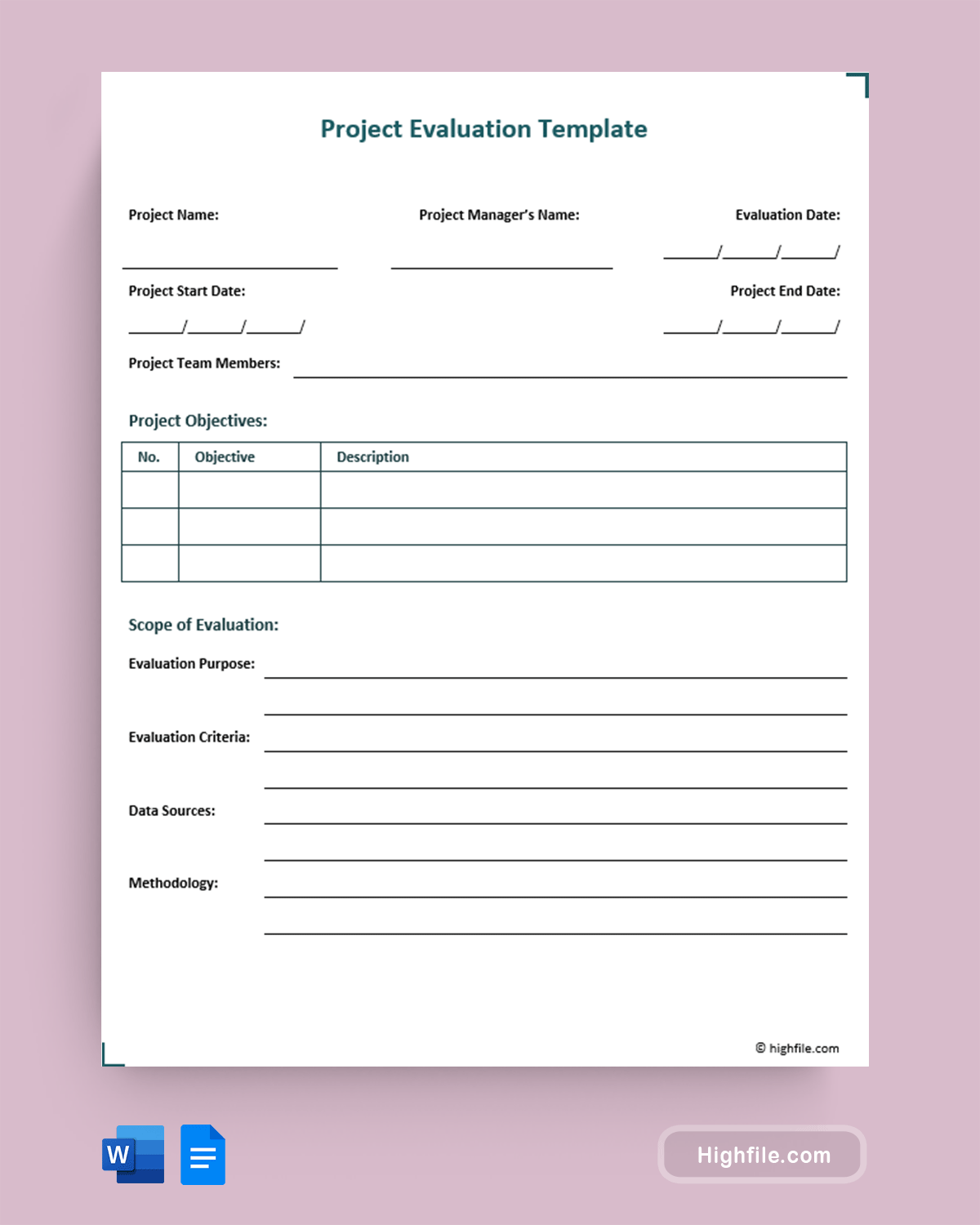
Start by mapping each team member’s core responsibilities. A simple table with columns for Role, Primary Tasks, and Key Deliverables clarifies expectations from day one. Include a field for dependency mapping—highlight who relies on whom—to surface potential bottlenecks early.
Performance Metrics
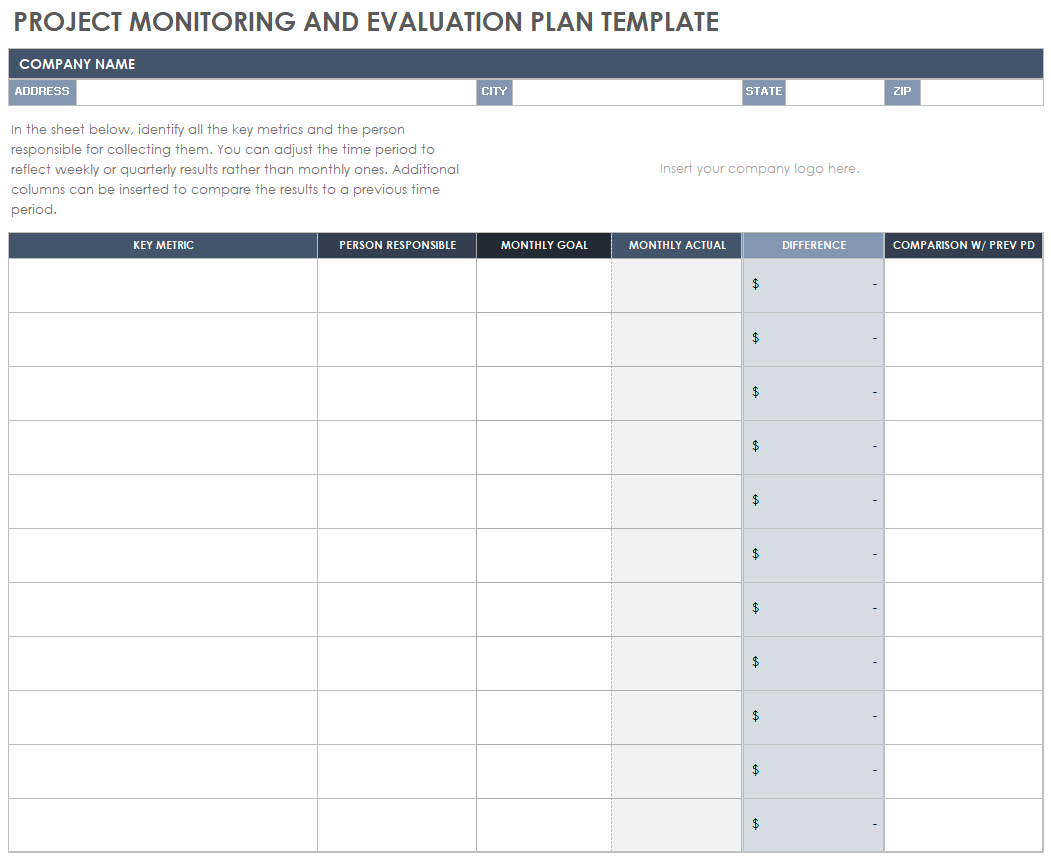
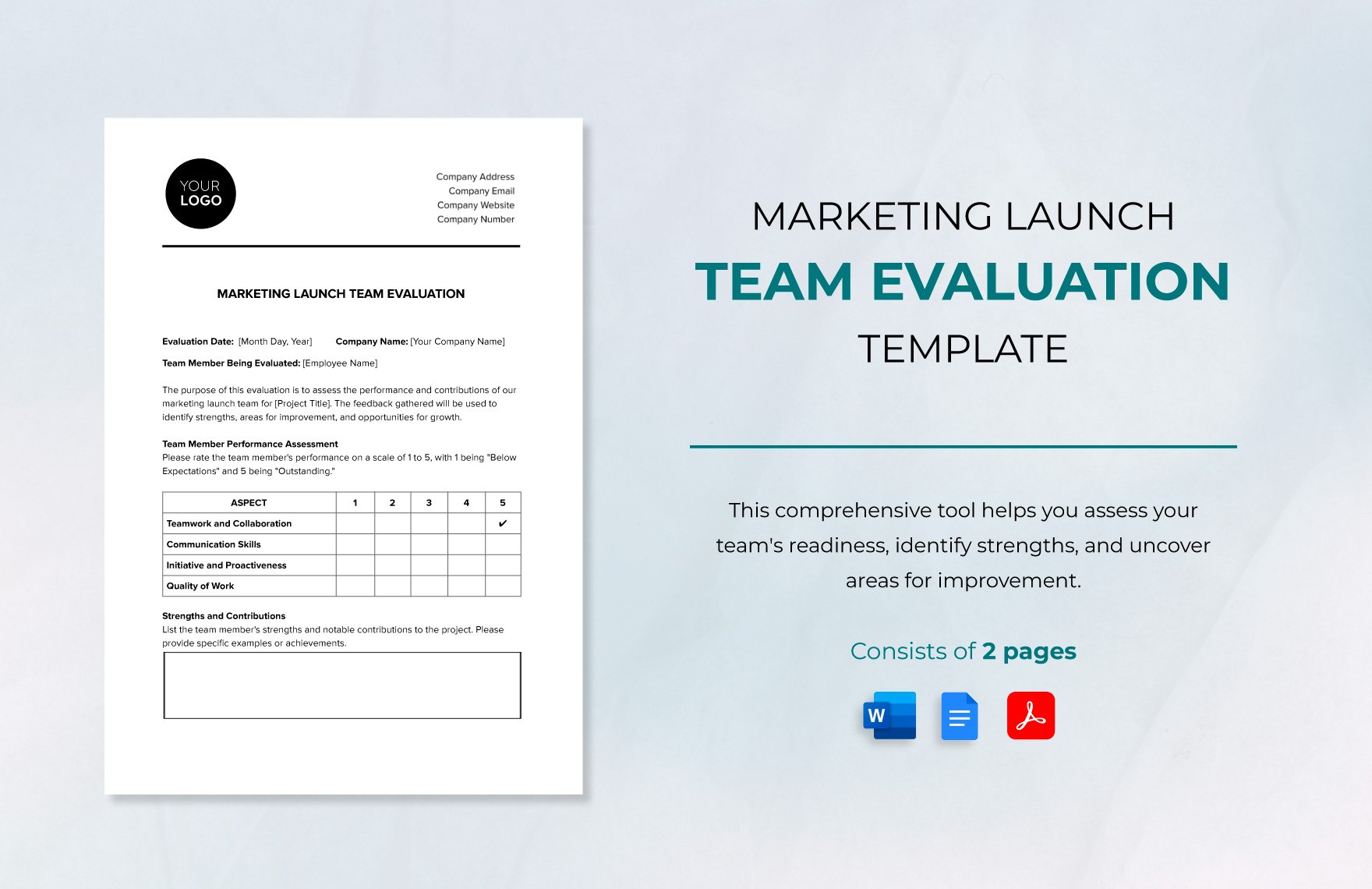
Quantitative metrics provide an objective baseline. Consider indicators such as On-Time Delivery, Quality Score, and Stakeholder Satisfaction Index. For qualitative assessment, use a Likert scale (1–5) to gauge attributes like Communication Effectiveness, Problem-Solving Aptitude, and Adaptability to Change. Balance both data sets to paint a comprehensive picture.
Feedback Mechanisms
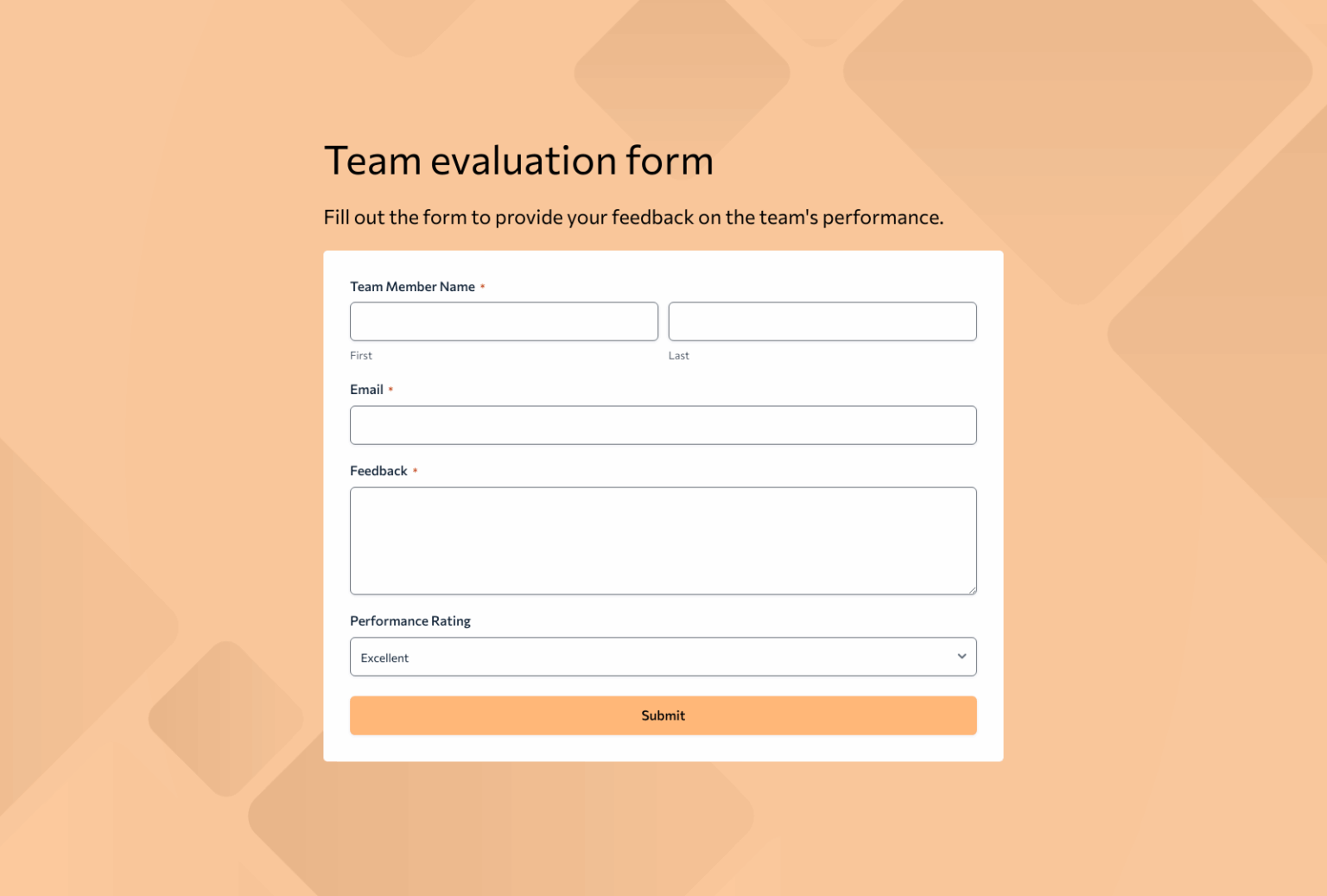
Embed structured feedback loops. Allocate separate sections for Self-Assessment, Peer Review, and Managerial Evaluation. Encourage honest dialogue by ensuring anonymity for peer inputs and setting clear guidelines on constructive language. This triadic approach captures diverse perspectives and mitigates bias.
How to Customize the Template for Your Asian Cultural Context

Respecting Hierarchy and Harmony
In many Asian cultures, hierarchical respect and group cohesion are paramount. Adjust the template to include a section for Team Cohesion Score and Respect for Leadership. Highlight collaborative achievements and collective milestones, reinforcing the idea that success belongs to the group rather than individuals alone.
Language Nuances
Opt for language that blends formality with approachability. Use respectful titles (e.g., Chief Engineer, Senior Analyst) and avoid slang. For multinational teams, provide bilingual options or glossaries to ensure everyone grasps the evaluation terms accurately.
Visual Design Preferences
Asian visual aesthetics often favor clean lines, balanced color palettes, and subtle gradients. Choose muted tones—soft blues or jade greens—to evoke calm and focus. Use iconography sparingly to avoid clutter, and keep tables with ample white space so data stands out.
Implementing the Template in Your Organization
Training Your Team
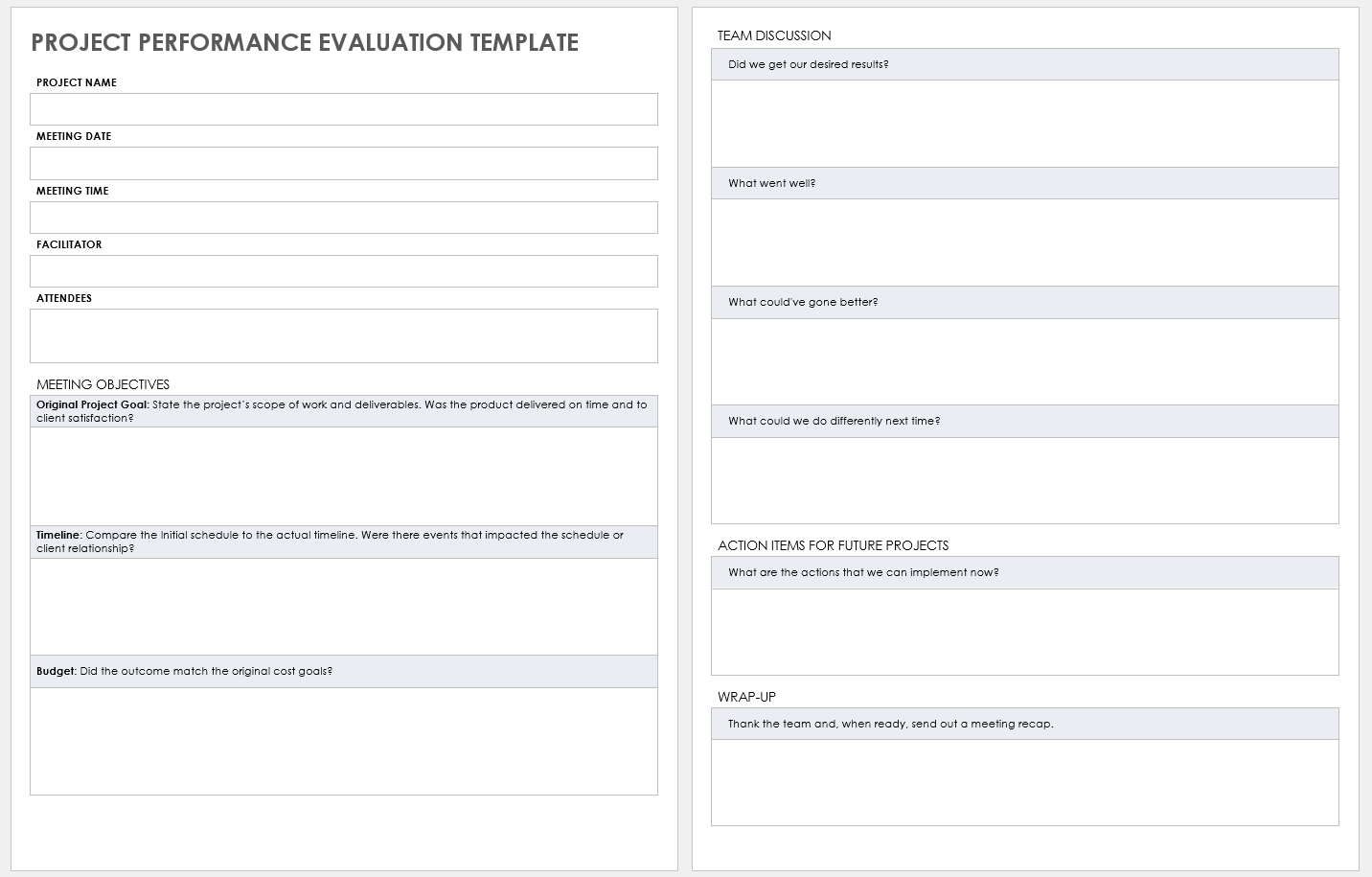
Run workshops that walk team members through each section. Use real project scenarios to demonstrate how to rate performance objectively. Reinforce the importance of honesty and emphasize that the template is a growth tool, not a punitive measure.
Integrating with Existing Tools
Many organizations already use project management platforms like Asana, Trello, or Jira. Embed the evaluation template as a custom form or add it to the project dashboard. This integration ensures that data collection is seamless and reduces manual entry errors.
Tracking Progress Over Time
Set evaluation intervals—quarterly, semi-annual, or per sprint—to monitor development. Store historical data in a central repository, allowing managers to spot trends, celebrate improvements, and flag recurring issues early. Visual dashboards with line graphs or heat maps can make these patterns instantly visible.
Real-World Example: A Mid-Sized Tech Company in Singapore
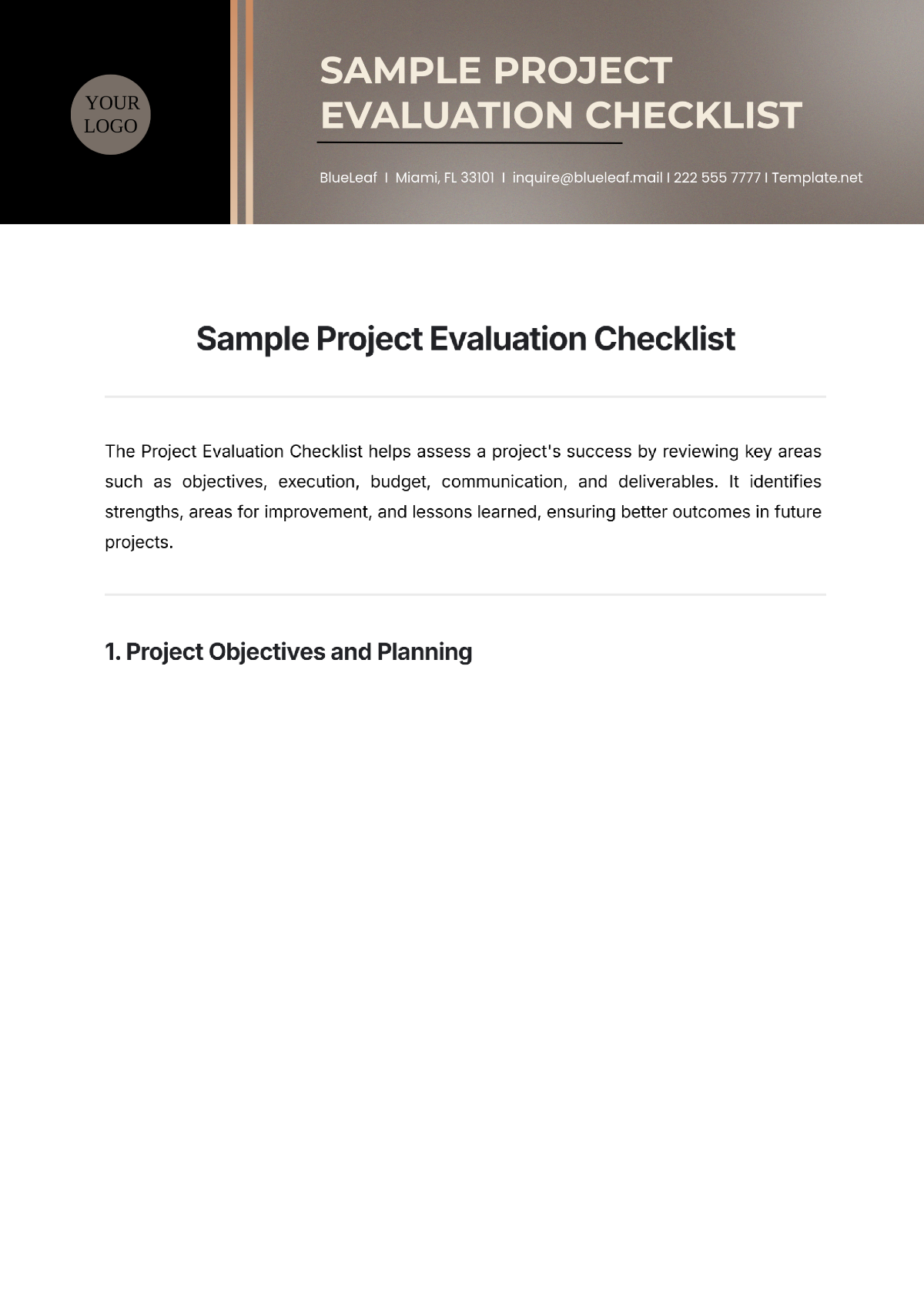
Singapore-based InnovateTech, a software development firm with 75 employees, faced high turnover and uneven project quality. After adopting a customized Project Team Evaluation Template, the company introduced a quarterly assessment cycle. Each team member filled out a self-assessment, peers provided feedback via the platform’s anonymous tool, and managers added final scores. The template captured metrics on code quality, sprint velocity, and client satisfaction. Over six months, InnovateTech saw a 15% reduction in late deliveries and a noticeable increase in team morale, as measured by a 20% rise in the Team Cohesion Score.
Common Pitfalls and How to Avoid Them
Even a robust template can fall short if misused. Below are frequent missteps and corrective measures:
- Overloading with Metrics: Too many KPIs can dilute focus. Keep the list to 5–8 key indicators.
- Ignoring Context: A low score may reflect external constraints rather than personal failure. Include a Context Notes section for explanations.
- Infrequent Updates: Delayed evaluations lose relevance. Mandate completion within 48 hours of the assessment window.
- Bias Toward Senior Roles: Ensure peer reviews are balanced; use random selection to avoid favoritism.
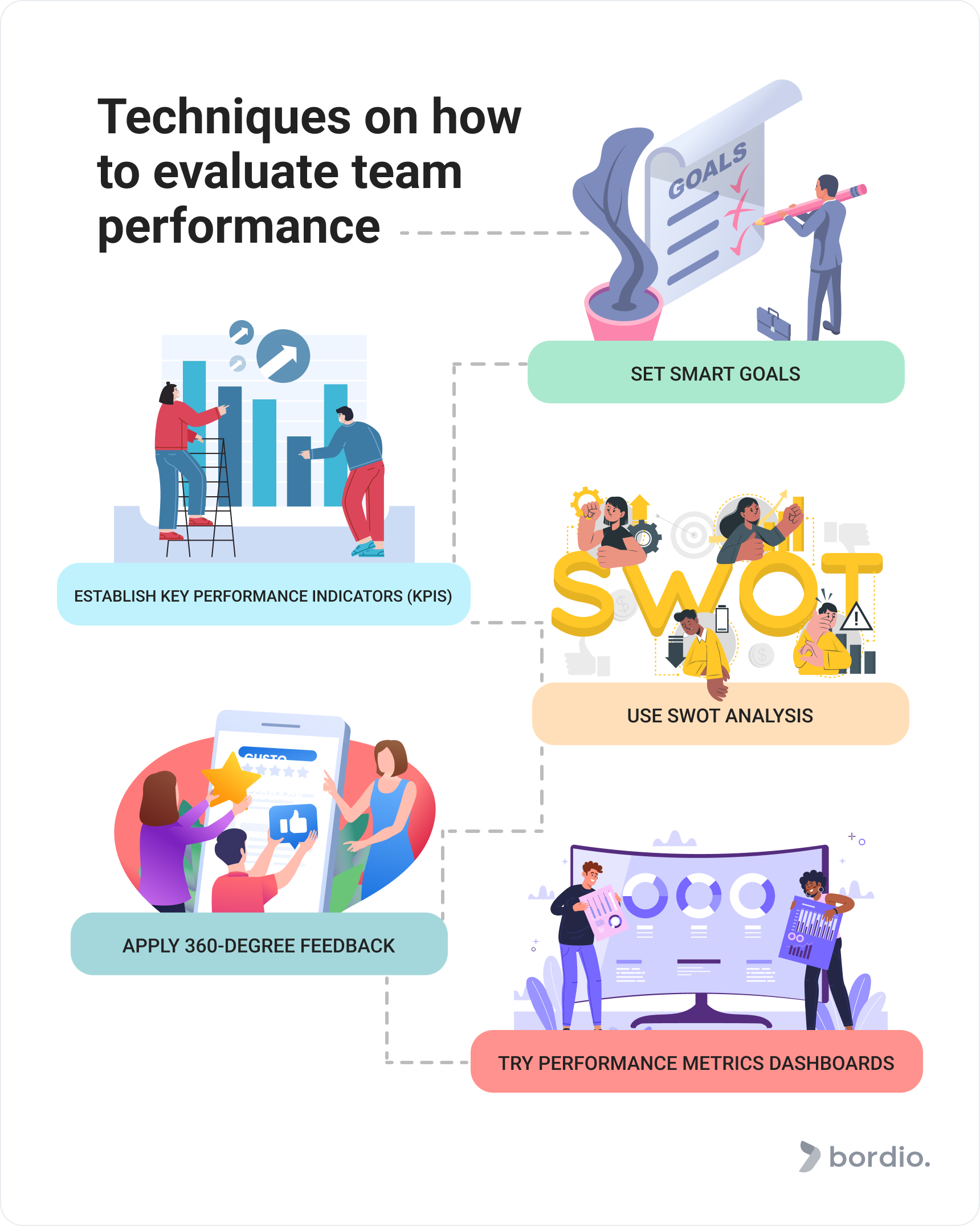
- Neglecting Development Plans: Evaluation should link to actionable growth. Add a Development Objectives column with SMART goals.
Frequently Asked Questions (FAQ)

Is the template suitable for remote teams?
Yes. By digitalizing the form and integrating it with collaboration tools, remote members can contribute seamlessly, ensuring equal participation.
Can I share the template across different departments?
Absolutely. The core structure is universal, but customize metrics per department (e.g., marketing vs. engineering) to reflect domain-specific priorities.
How often should I update the template?
Review it annually or after major project cycles to incorporate new learning, emerging technologies, and shifting organizational objectives.
What if a team member disagrees with their score?
Encourage a dialogue. Use the Discussion Log section to document concerns, propose evidence, and arrive at a mutually agreed resolution.
Conclusion
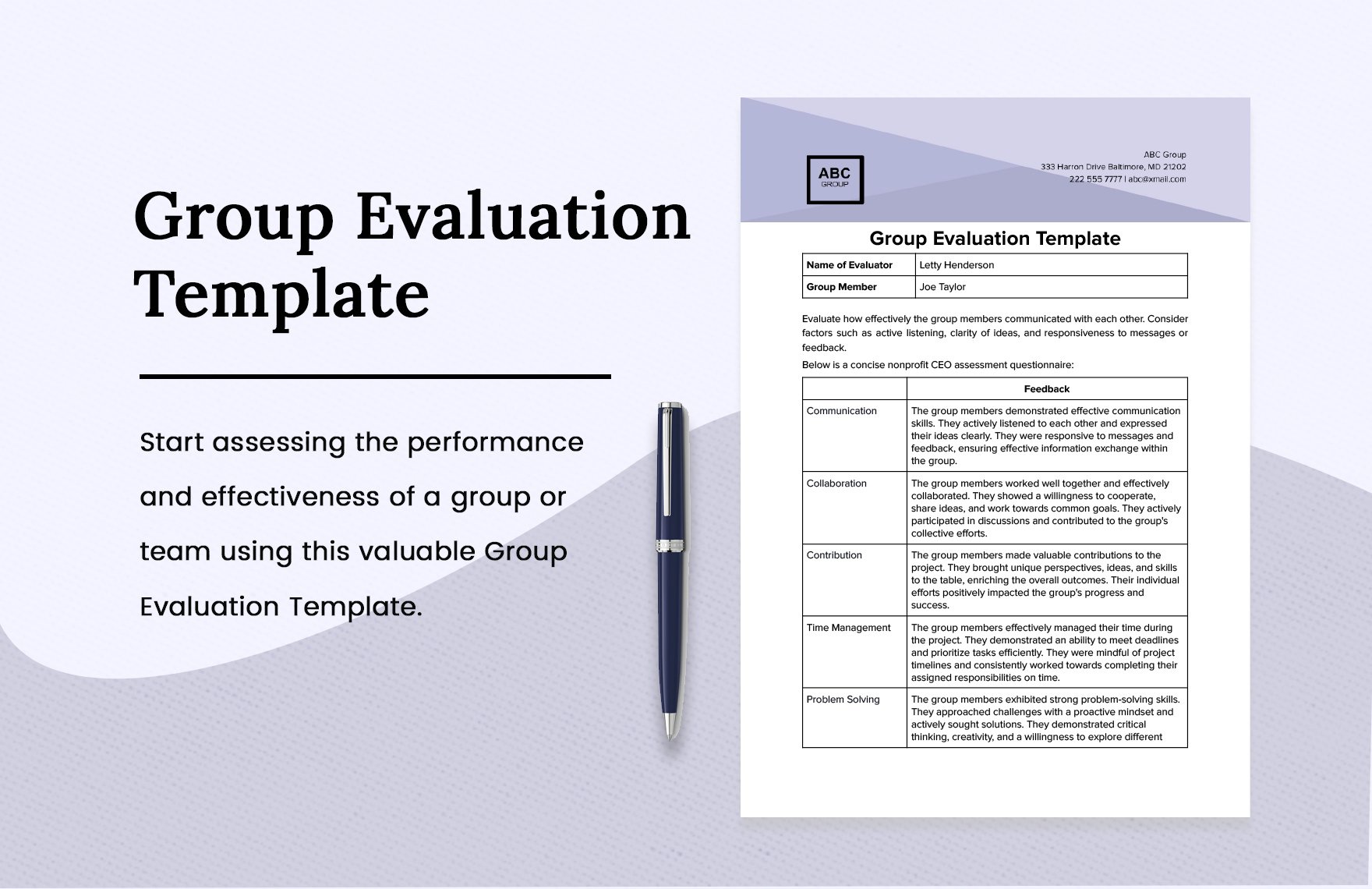
A Project Team Evaluation Template is more than a reporting tool—it is a catalyst for cultural alignment, performance clarity, and collective growth. By embedding structured assessment into the rhythm of your projects, you empower teams to recognize strengths, confront challenges, and pursue continuous improvement. Whether you operate in a bustling metropolitan hub or a quiet regional office, a thoughtfully tailored evaluation framework will guide your organization toward sustained excellence and harmonious collaboration.