Bia Business Impact Analysis Template is the dark heart of any resilient organization, the silent ledger where risk meets reality and survival strategies are forged in ink and data. In a world where cyber‑threats, natural disasters, and supply‑chain disruptions loom like storm clouds, a meticulously crafted BIA template transforms uncertainty into a battlefield map, pinpointing critical processes, quantifying loss exposure, and illuminating the path to continuity. This guide pulls back the veil on the essential components, step‑by‑step execution, and real‑world applications that turn a static document into a living, breathing defense mechanism.
Why a BIA Template Is Non‑Negotiable
Without a structured BIA, organizations wander blind, reacting to crises with ad‑hoc measures that often cost more in time, money, and reputation. A robust template enforces consistency, ensures stakeholder alignment, and provides the data backbone for disaster recovery plans, risk registers, and compliance reporting. In the darkest scenarios—ransomware encrypting critical databases or a power outage halting production—decision‑makers rely on the BIA’s hard facts to prioritize restoration, allocate resources, and communicate with confidence.
Core Elements of an Effective BIA Template
Process Identification and Prioritization
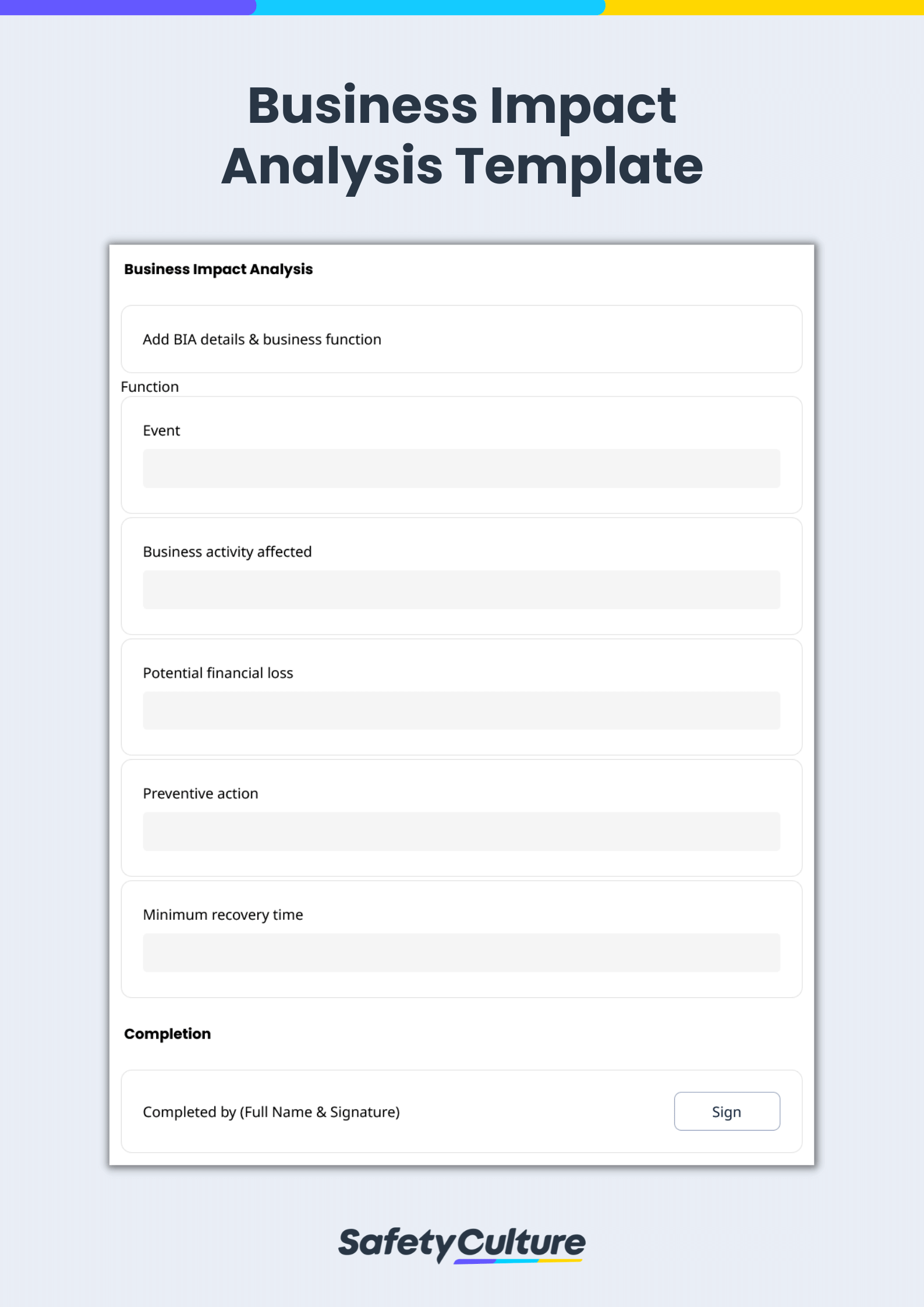
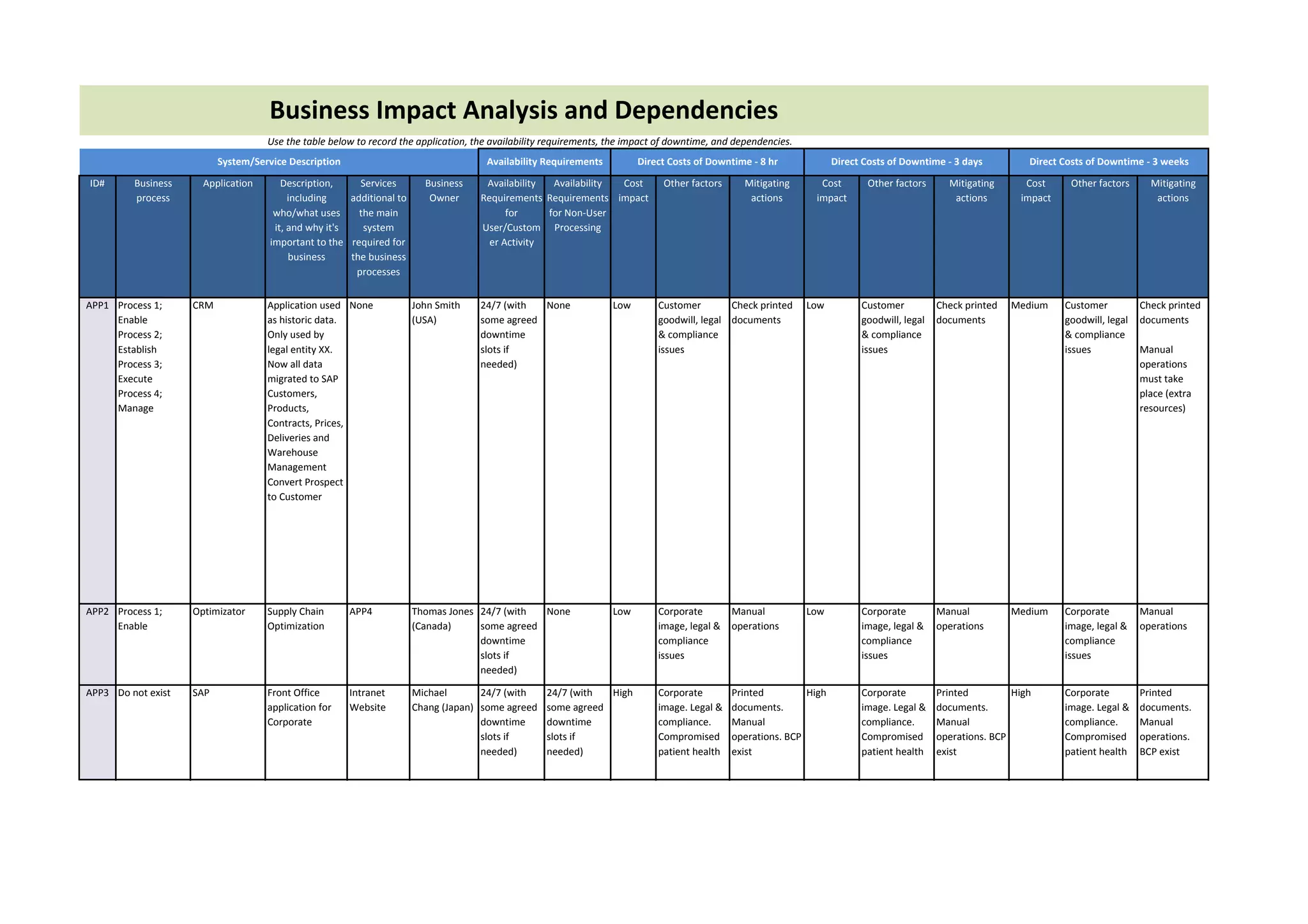
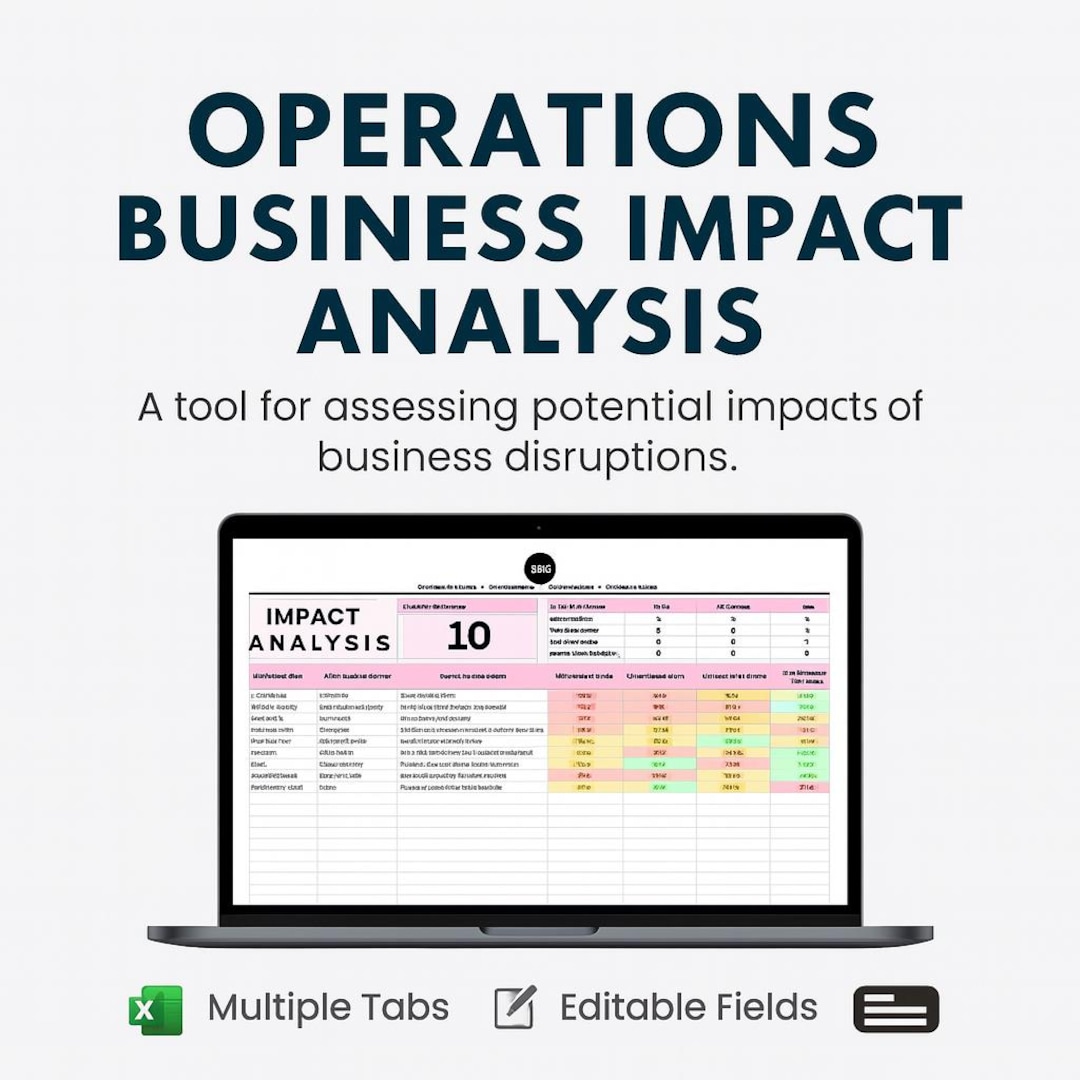
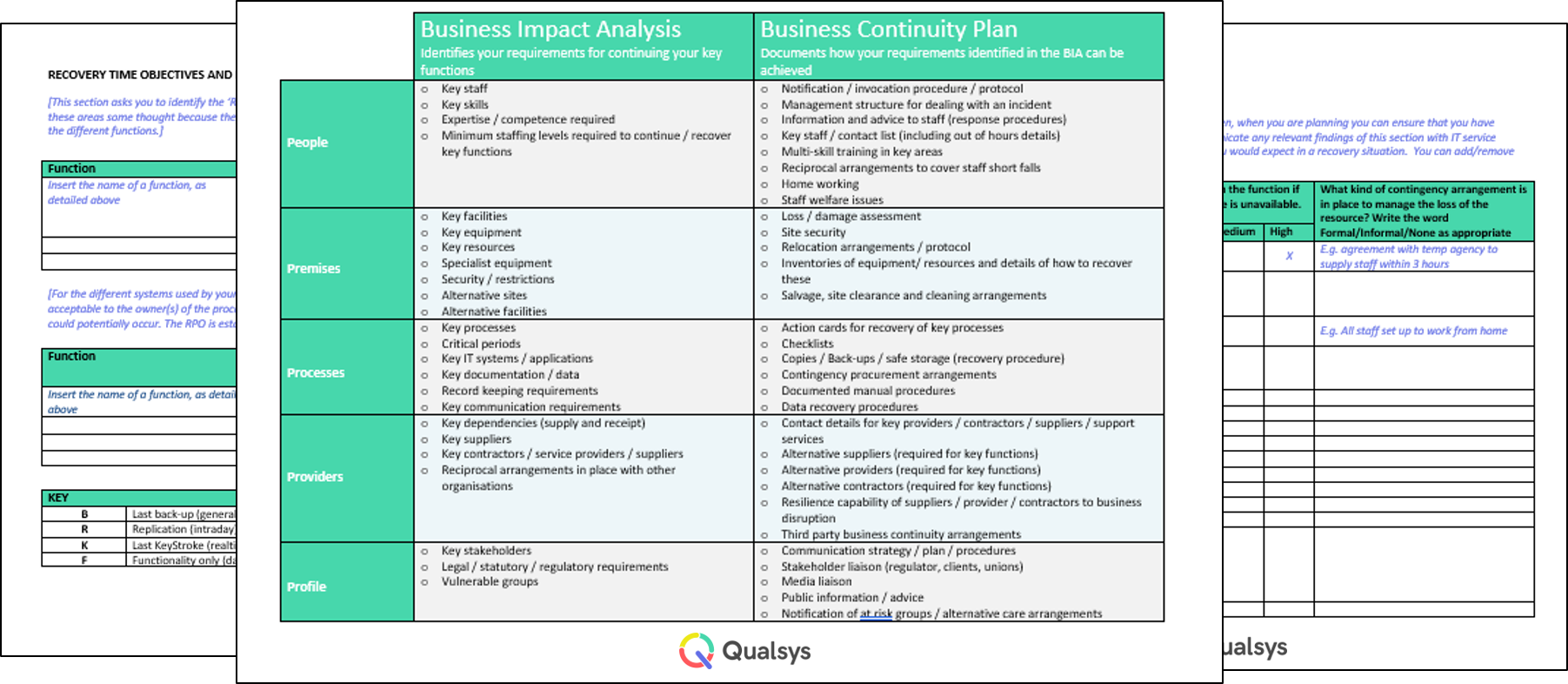
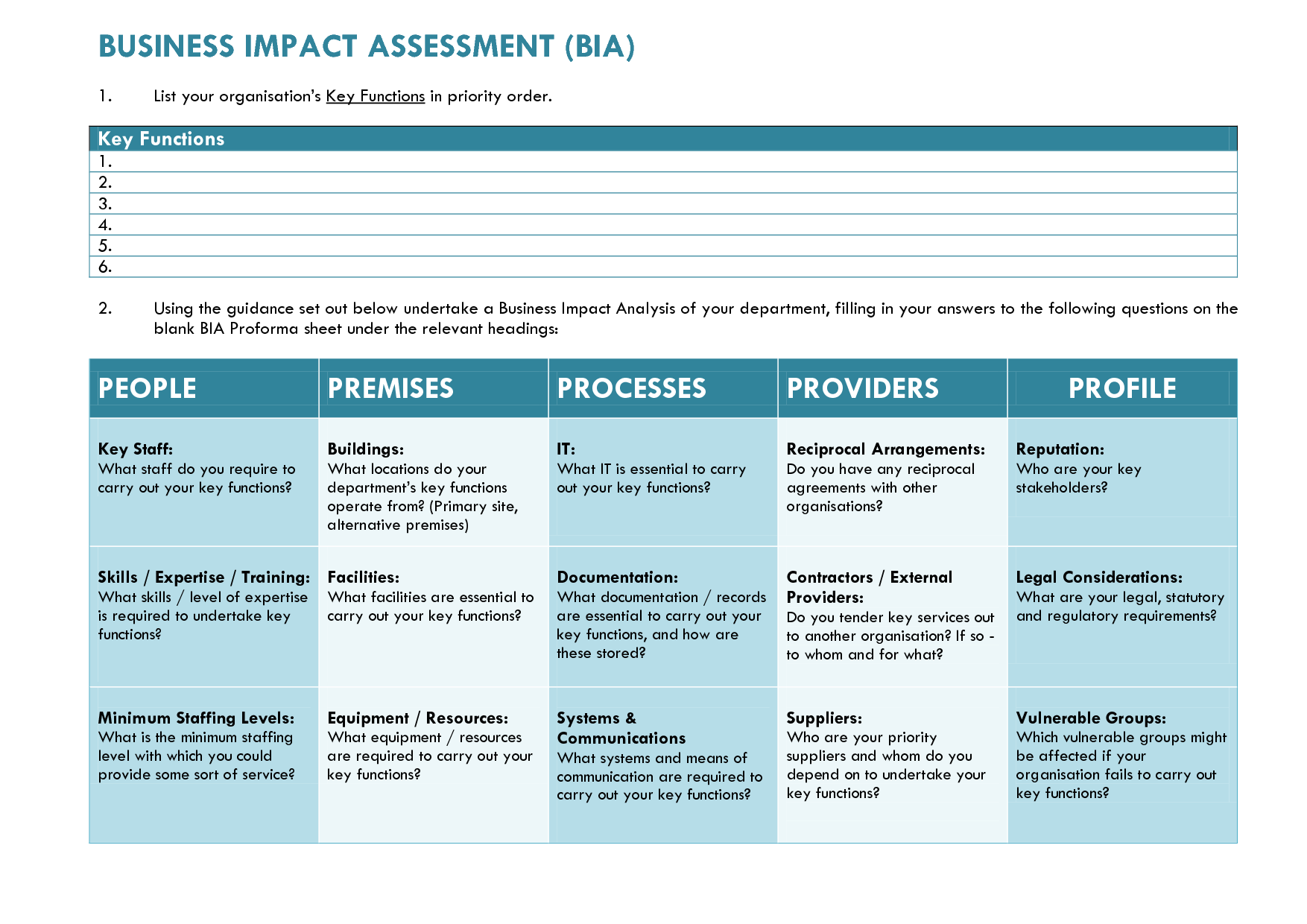
Begin by cataloguing every business function, from customer service call centers to core manufacturing lines. Assign a unique identifier, a brief description, and a responsible owner. Prioritization hinges on two metrics: the maximum tolerable downtime (MTD) and the financial impact of disruption. Use a scale (e.g., 1–5) to rate each process, but back the rating with quantitative data—lost revenue per hour, contractual penalties, or regulatory fines.
Impact Scenarios and Loss Quantification
Map out realistic disruption scenarios—cyber‑attack, supply‑chain failure, equipment breakdown, or pandemic lockdown. For each scenario, estimate three tiers of impact: operational, financial, and reputational. Operational impact may include reduced output or delayed order fulfillment; financial impact quantifies lost sales, overtime costs, and recovery expenses; reputational impact gauges brand erosion, customer churn, and media fallout. Populate the template with these figures, citing sources such as historical incident reports or industry benchmarks.
Resource Dependencies
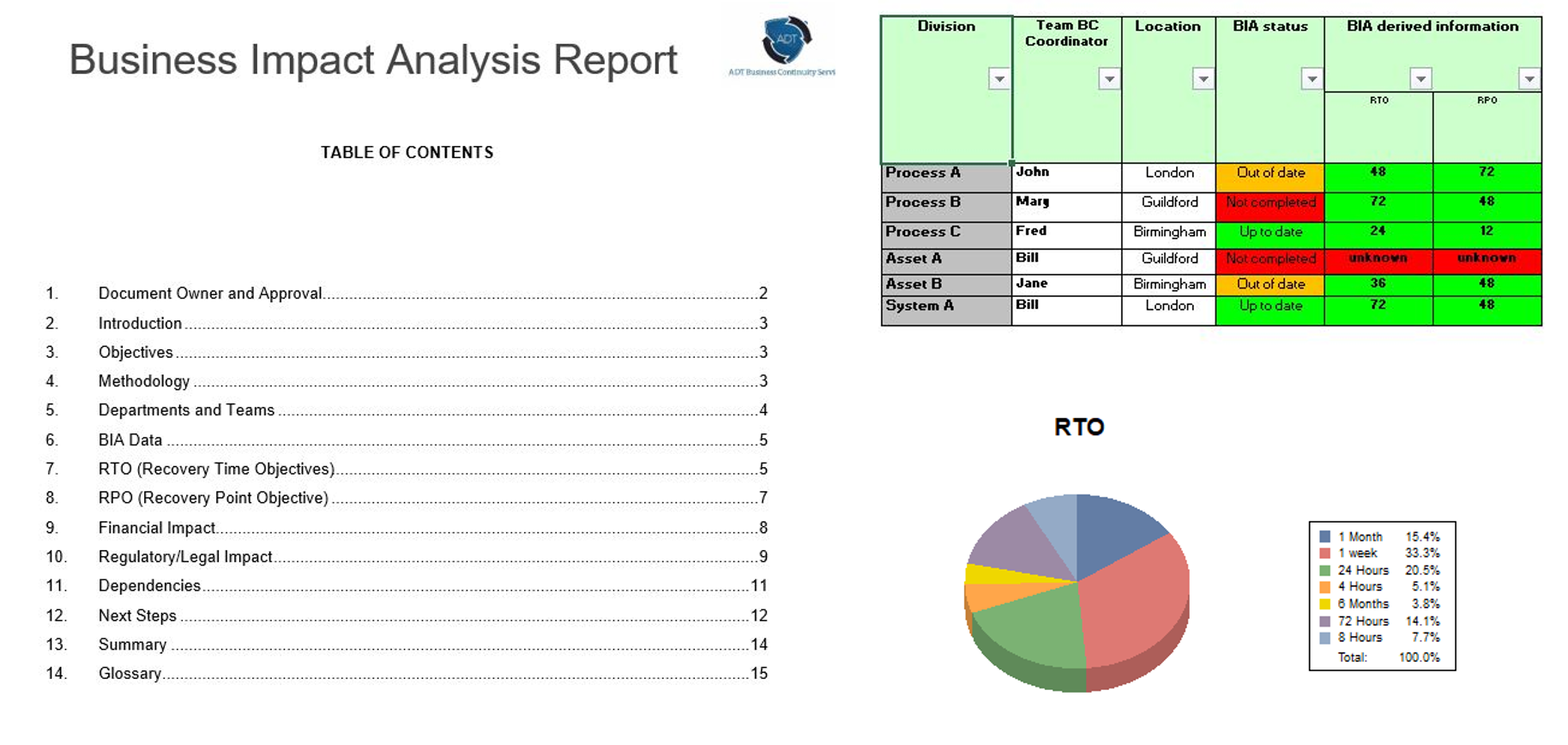
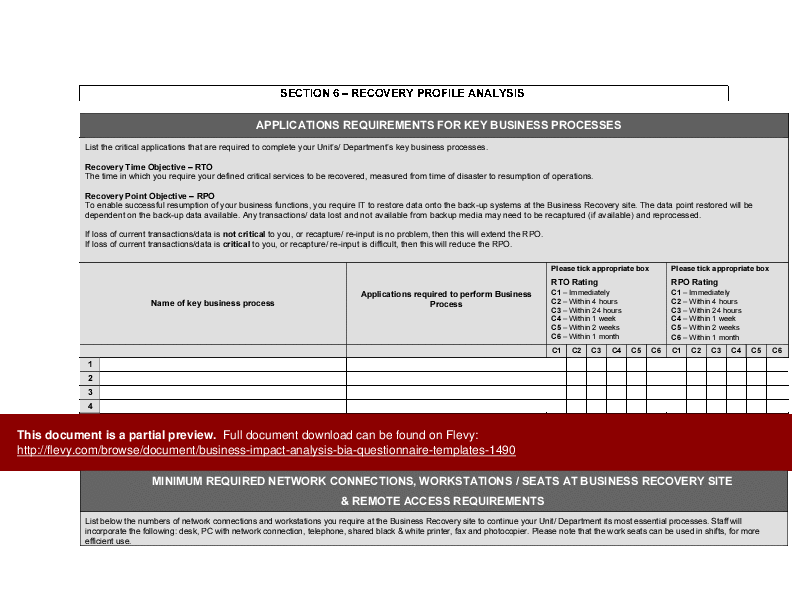
No process exists in isolation. List every critical resource: personnel, technology platforms, data repositories, third‑party vendors, and physical facilities. Include recovery time objectives (RTOs) and recovery point objectives (RPOs) for each resource. Highlight single‑point‑of‑failure components—servers without redundancy, sole suppliers, or key staff with unique expertise—so mitigation strategies can be crafted early.
Risk Assessment Matrix
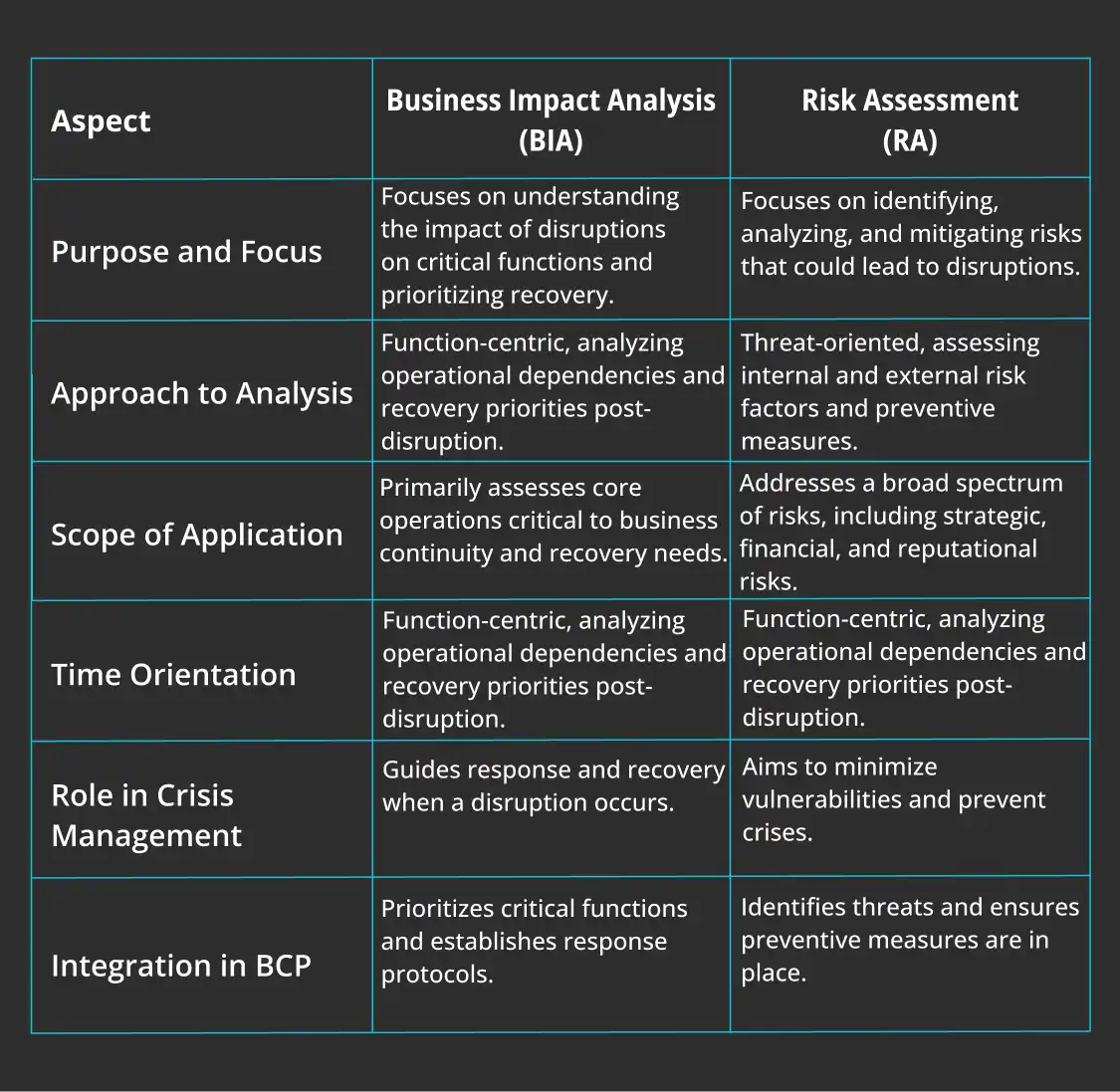
Integrate a risk matrix that cross‑references likelihood and impact. Assign probability scores to each scenario (e.g., rare, possible, likely) and combine them with impact tiers to calculate a risk rating. This visual representation helps executives focus on high‑risk, high‑impact zones that demand immediate attention.
Mitigation Strategies and Controls
For each identified risk, outline concrete controls: backup solutions, alternate suppliers, redundant network paths, or cross‑training programs. Specify owners, timelines, and measurable success criteria. A well‑filled template transforms risk identification into actionable remediation, turning theory into practice.
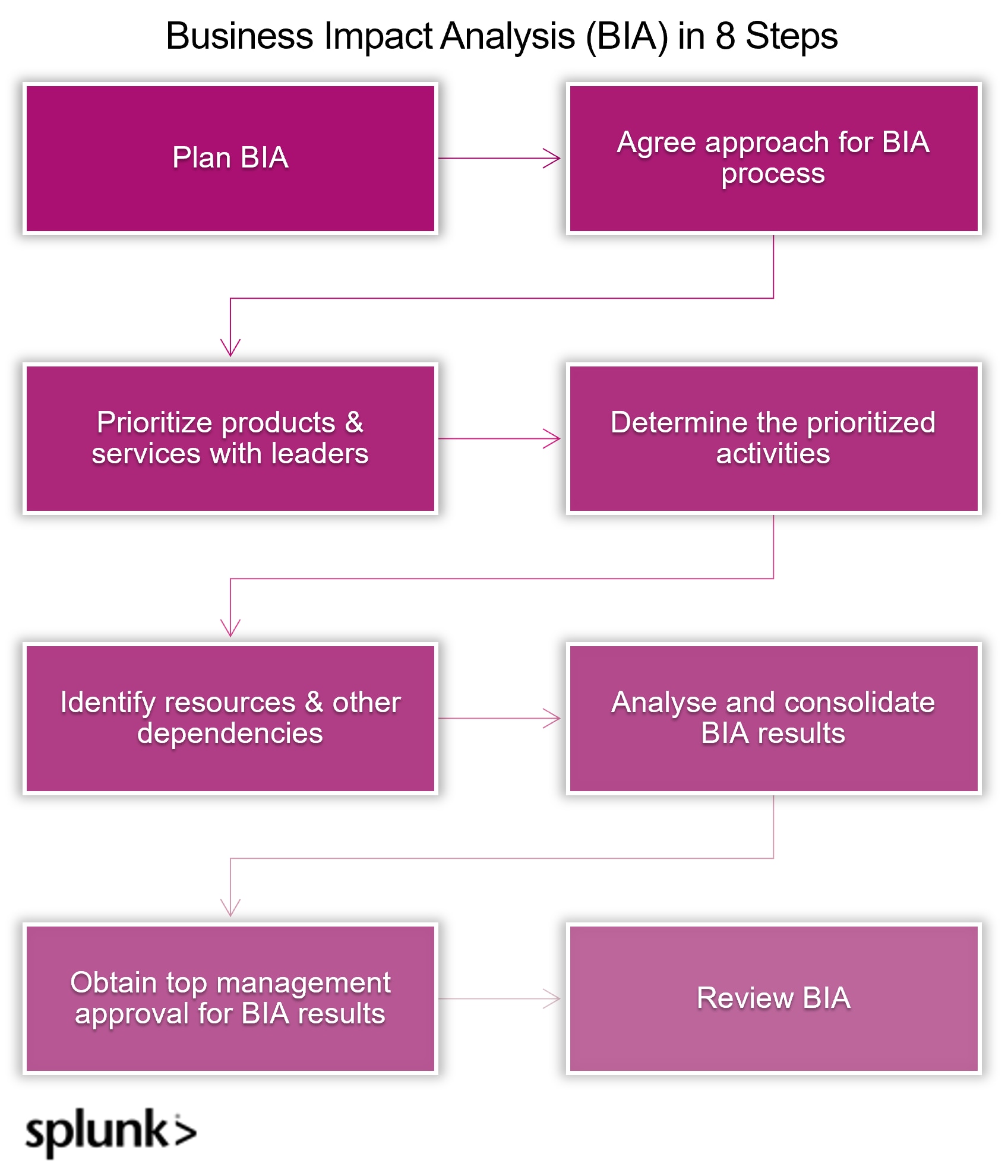
Step‑by‑Step Guide to Populate the Template

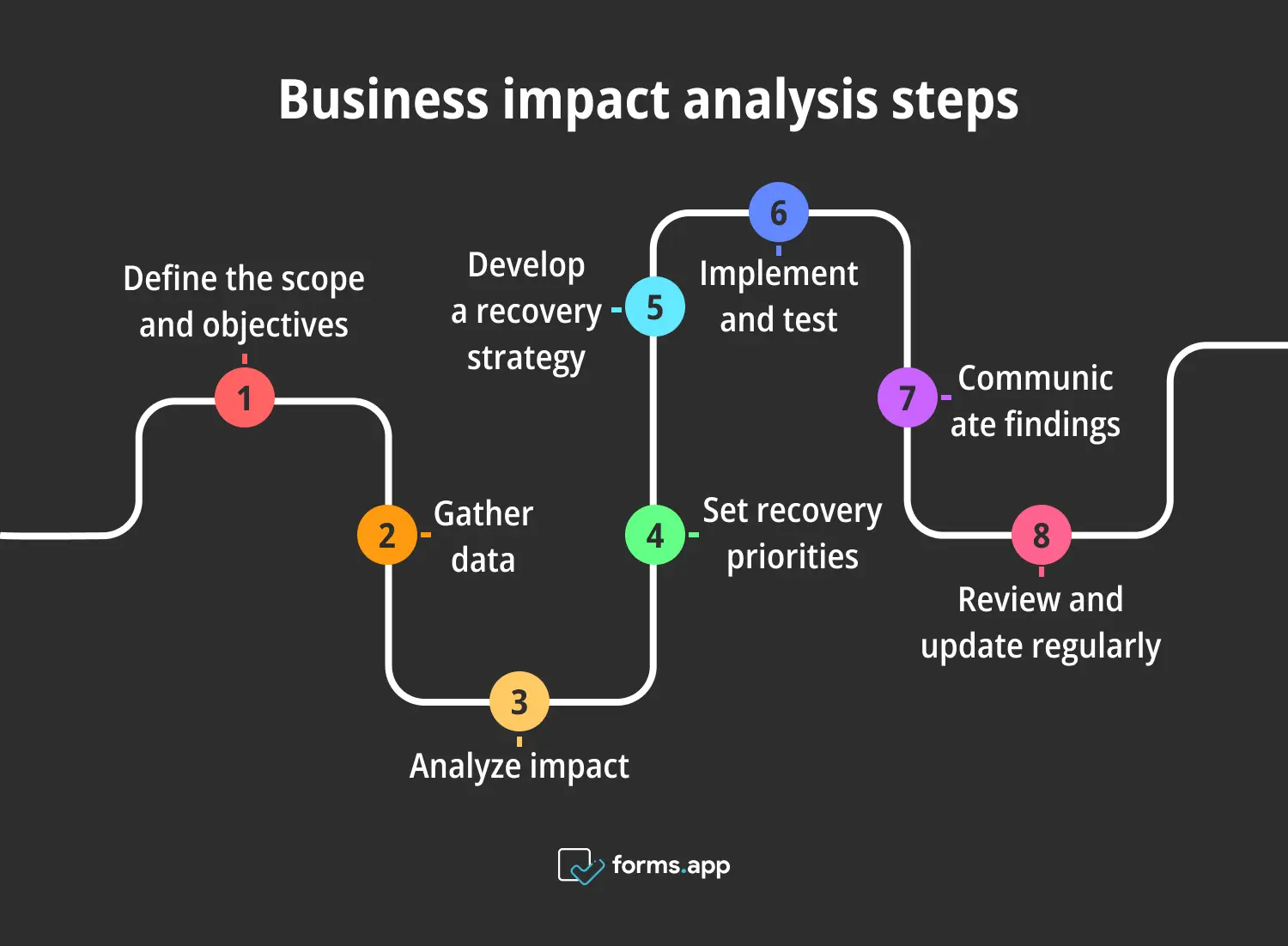
1. Assemble a Cross‑Functional BIA Team
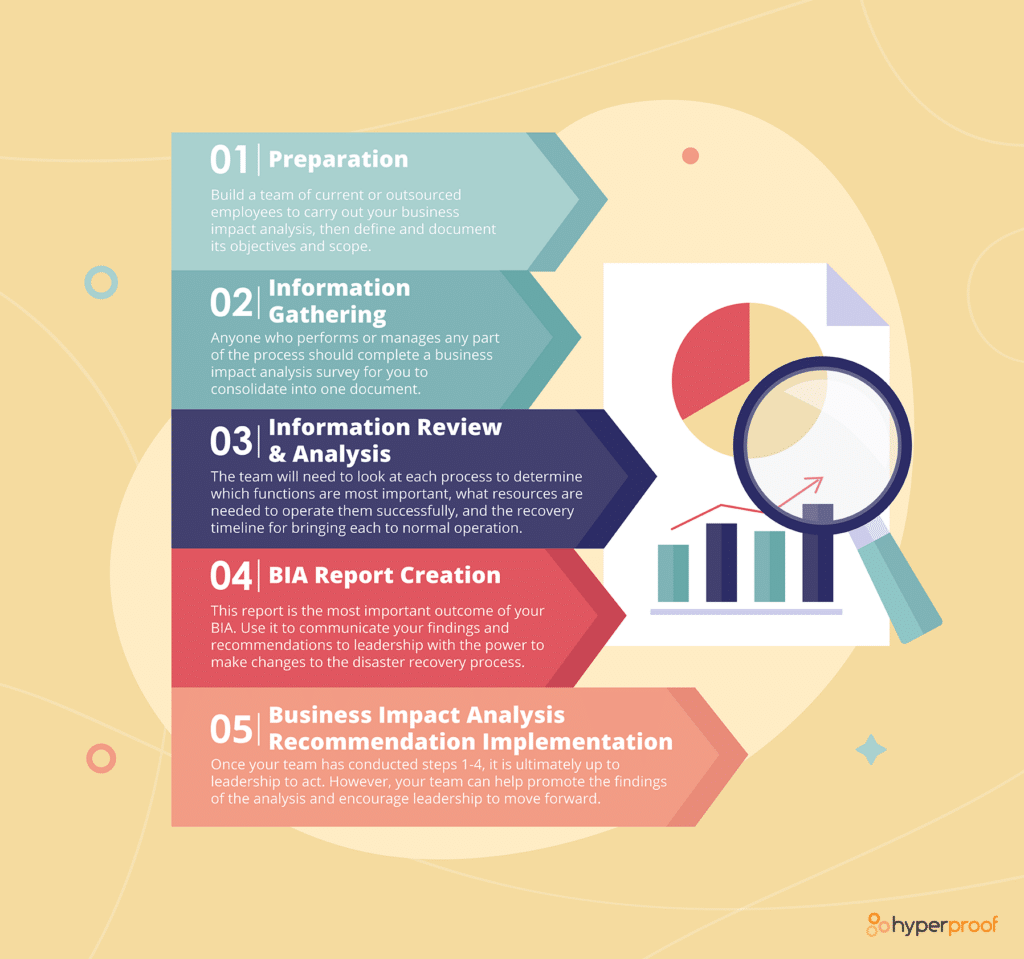
Pull together representatives from IT, finance, operations, legal, and senior leadership. Diversity ensures that blind spots are uncovered and that the template reflects the full breadth of organizational risk. Assign a project manager to keep the effort on schedule and maintain version control.
2. Conduct Stakeholder Interviews
Use structured interview scripts to extract process details, dependency maps, and impact estimates. Probe for hidden dependencies—such as a legacy system that feeds data to multiple applications—and capture anecdotal evidence that can be quantified later. Record responses in a shared spreadsheet that mirrors the template’s layout.
3. Gather Historical Incident Data
Mine past outage reports, incident tickets, and financial statements for hard numbers. If a previous server crash cost $200,000 in lost sales over four hours, embed that figure directly into the financial impact column. Historical data lends credibility and reduces speculation.
4. Perform Financial Impact Calculations
Apply the formula: Impact per hour = (Average daily revenue ÷ 24) × Impact factor. Adjust the factor for seasonality or peak periods. For regulatory penalties, reference the specific statutes that apply to your industry and insert the fine amounts. This rigor ensures the template stands up to auditors and board scrutiny.
5. Validate RTOs and RPOs with Technical Teams
Collaborate with infrastructure engineers to confirm realistic recovery objectives. If a database can be restored from snapshot within 30 minutes, set the RTO accordingly; if the RPO is limited by backup frequency, document the exact point‑in‑time coverage. Aligning technical capabilities with business expectations prevents costly overruns during an actual event.
6. Review and Refine with Executive Oversight
Present the draft BIA to senior leadership for validation. Encourage challenges on assumptions, ask for clarification on risk tolerances, and incorporate feedback promptly. This step cements ownership and ensures the template becomes a governance artifact rather than a forgotten spreadsheet.
Real‑World Example: Manufacturing Firm’s BIA in Action
A mid‑size automotive parts manufacturer faced a ransomware attack that encrypted its ERP system, halting order processing. Because its BIA template had pre‑identified the ERP as a critical resource with an RTO of two hours, the incident response team immediately invoked the backup restoration plan. The template also listed a secondary cloud‑based data replica, which was brought online within the RTO window, allowing partial order fulfillment to continue. Financial impact calculations projected a $250,000 loss per day of downtime; thanks to the rapid switch, the actual loss was limited to $75,000. The BIA’s mitigation controls—regular offline backups, multi‑factor authentication, and a vendor‑managed recovery service—proved their worth, saving the company both money and reputation.
Integrating the BIA Template with Business Continuity Planning
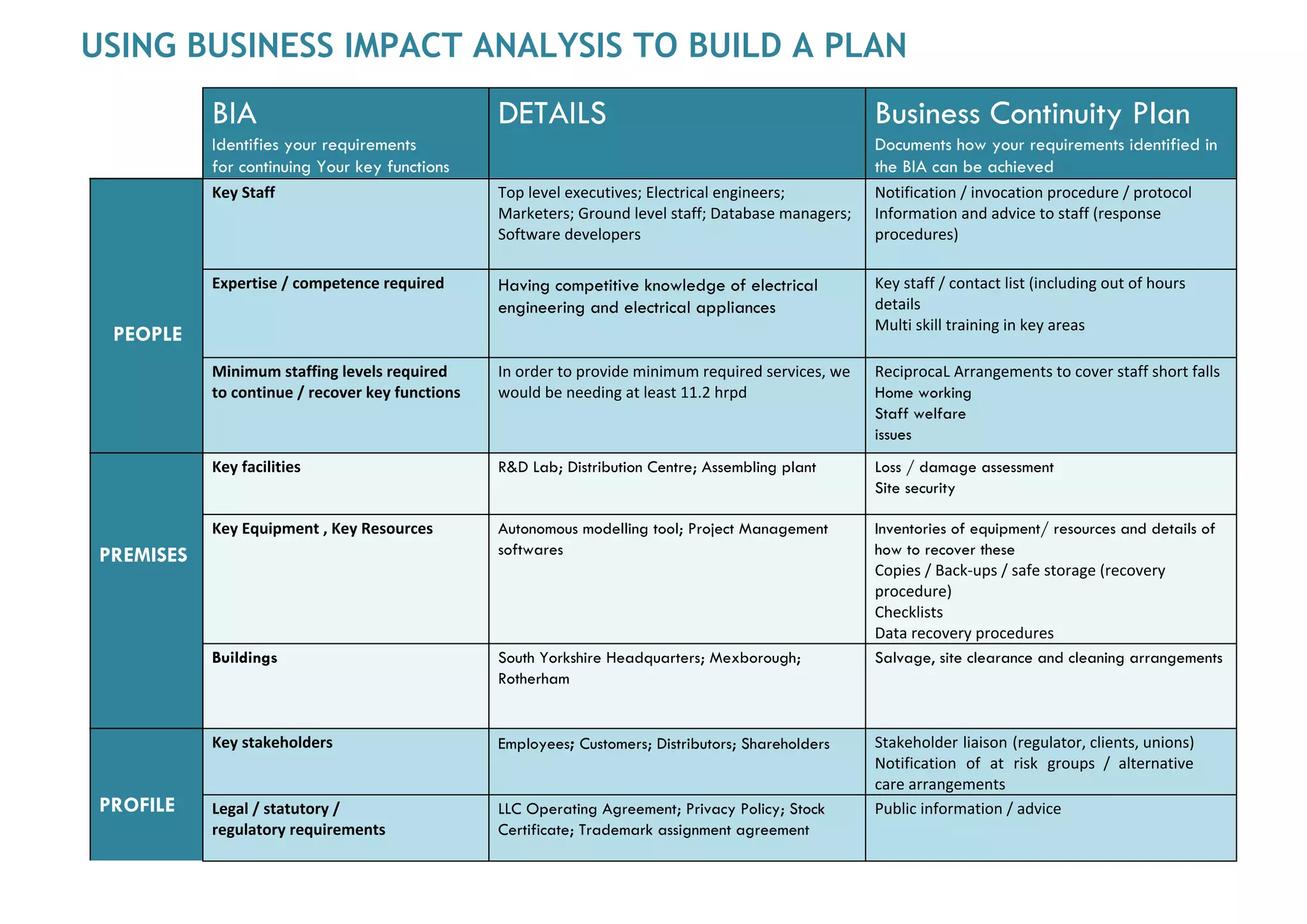
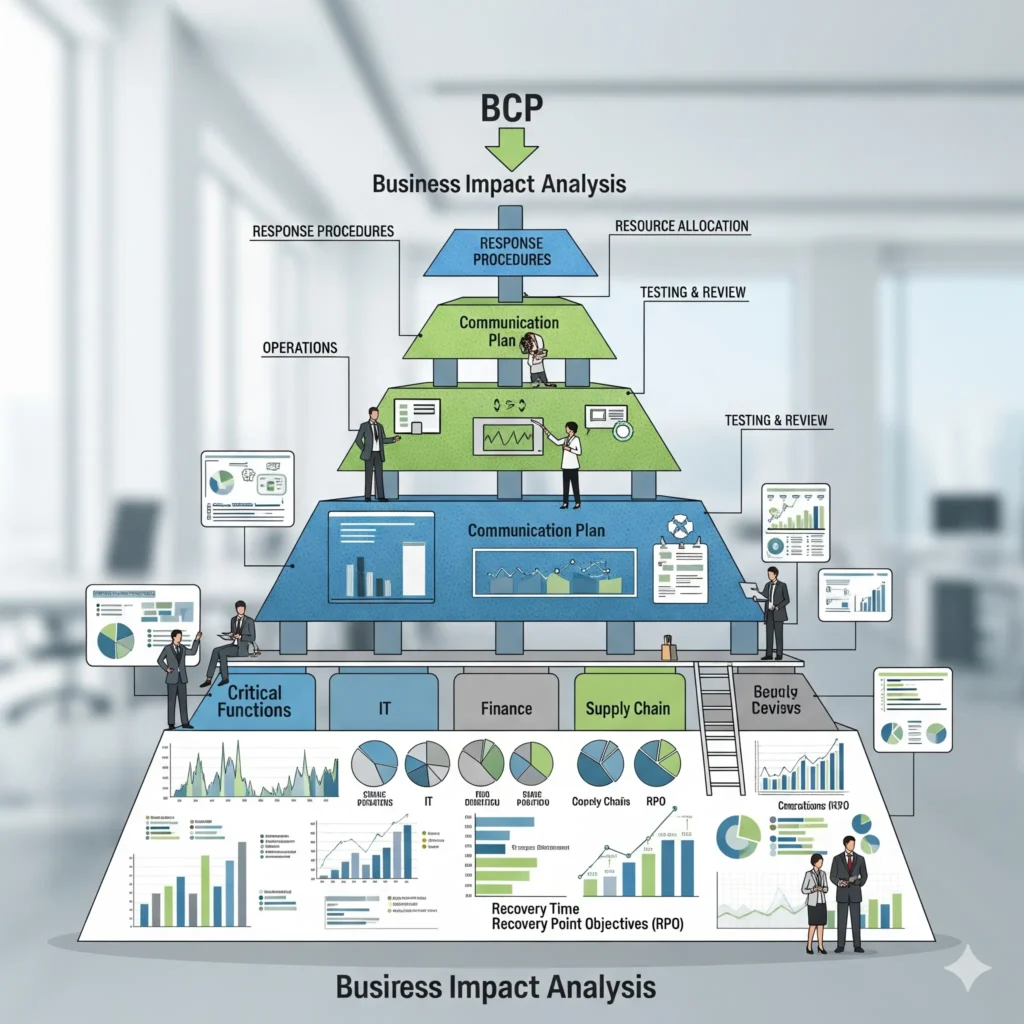
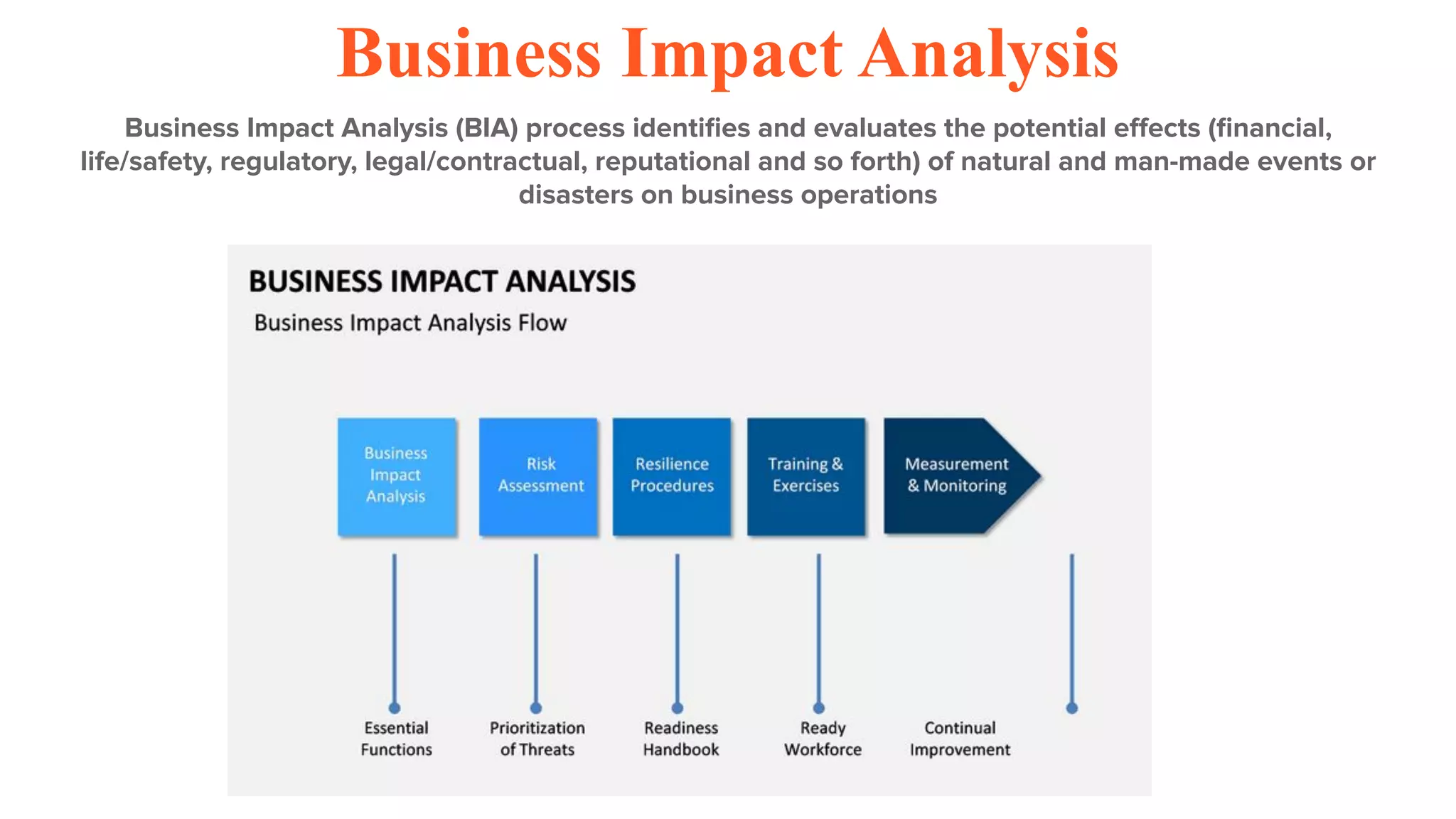
The BIA is not a standalone artifact; it fuels the broader Business Continuity Plan (BCP). Once the template is complete, extract the prioritized processes and recovery objectives to populate the BCP’s emergency response procedures, communication plans, and resource allocation charts. Align the BCP’s testing schedule with the BIA’s identified high‑risk scenarios, ensuring that tabletop exercises and live simulations focus on the most threatening events. This seamless integration creates a feedback loop: test results feed back into the BIA, refining impact estimates and updating mitigation controls.
Maintaining and Updating the Template
A BIA is a living document. Schedule quarterly reviews to capture changes in technology stacks, vendor relationships, or regulatory environments. Automate data collection where possible—use configuration management databases (CMDB) to pull real‑time dependency information, and integrate financial reporting tools to refresh impact figures. Document every change with version numbers and a change log, preserving historical context for audit trails.
Common Pitfalls and How to Avoid Them
Over‑Reliance on Qualitative Data
While narrative descriptions are valuable, they must be backed by quantitative metrics. Convert “high impact” statements into dollar values, time estimates, or compliance penalties to give the BIA teeth.
Neglecting Third‑Party Dependencies
Many organizations underestimate the ripple effect of a supplier failure. Extend the template’s dependency matrix to include all critical vendors, and assess their own continuity capabilities through questionnaires or service‑level agreements.
Skipping Executive Sponsorship
Without senior endorsement, the BIA becomes a bureaucratic exercise. Secure a champion at the C‑suite level who can allocate resources, enforce timelines, and champion the BIA’s role in strategic decision‑making.
Failure to Test Assumptions
Assumptions about recovery times or financial impacts must be validated through drills. Conduct mock recoveries, simulate data loss, and measure actual RTOs against the template’s targets. Adjust the template based on real performance data.
SEO‑Friendly Keywords Embedded Naturally
Throughout this guide, terms such as “business impact analysis,” “BIA template,” “risk assessment,” “continuity planning,” “maximum tolerable downtime,” and “recovery time objective” appear organically, enhancing discoverability for professionals seeking actionable guidance. By weaving these keywords into headings, subheadings, and body text, the article aligns with search intent while delivering substantive value.
Conclusion

The Bia Business Impact Analysis Template is more than a paperwork requirement; it is the strategic cornerstone that enables organizations to anticipate disruption, allocate resources wisely, and emerge from crises with minimal damage. By rigorously defining processes, quantifying impacts, mapping dependencies, and embedding mitigation controls, the template transforms abstract risk into concrete, actionable intelligence. Regular updates, executive sponsorship, and integration with broader continuity plans ensure that the BIA remains a dynamic shield against an ever‑evolving threat landscape. Embrace the darkness, chart the unknown, and let the BIA guide you toward resilient, uninterrupted operation.