Public Forum Debate Summary Speech Template is the secret sauce that can turn a shaky round into a triumphant victory, and if you’ve ever wished your summary could sound like a witty stand‑up routine while still slapping the opposition’s arguments into oblivion, you’re in the right place.
Why a Summary Speech Matters
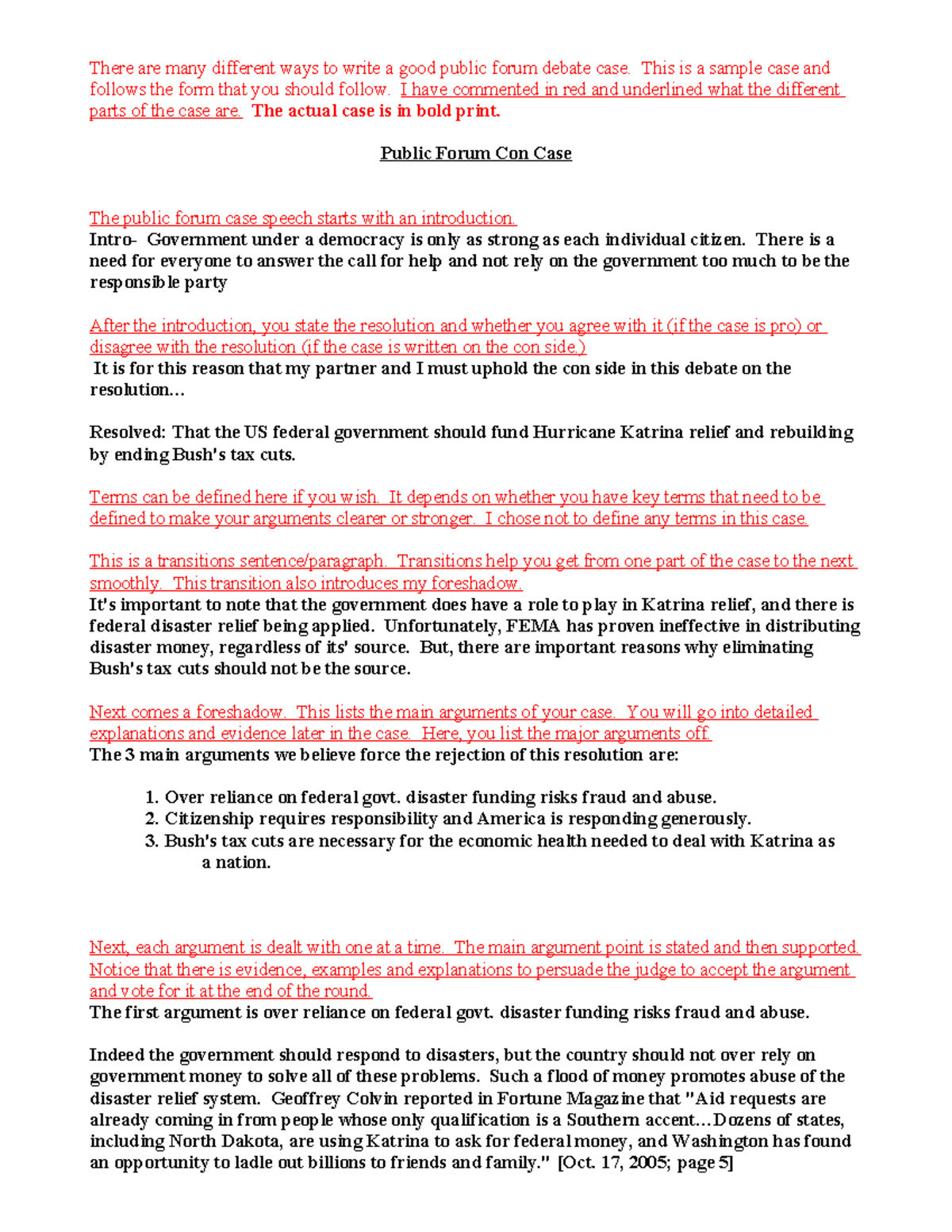
In Public Forum Debate, the summary speech is the grand finale—the moment when you get to showcase your rhetorical fireworks and convince the judge that you’re the undisputed champion of logic, evidence, and pure charisma. Think of it as the dessert after a three‑course meal; it’s what people remember, and it can either leave them licking their plates clean or spitting out the sugar.
Beyond the drama, the summary is your last chance to:
- Re‑frame the clash in your favor.
- Highlight the most potent impacts.
- Neutralize any lingering doubts the opposition may have seeded.
- Showcase your team’s strategic brilliance in a compact, memorable package.
When executed with a polished template, you can hit all those goals without sounding like a broken record, all while keeping the audience chuckling (or at least smiling).
Core Components of a Winning Template
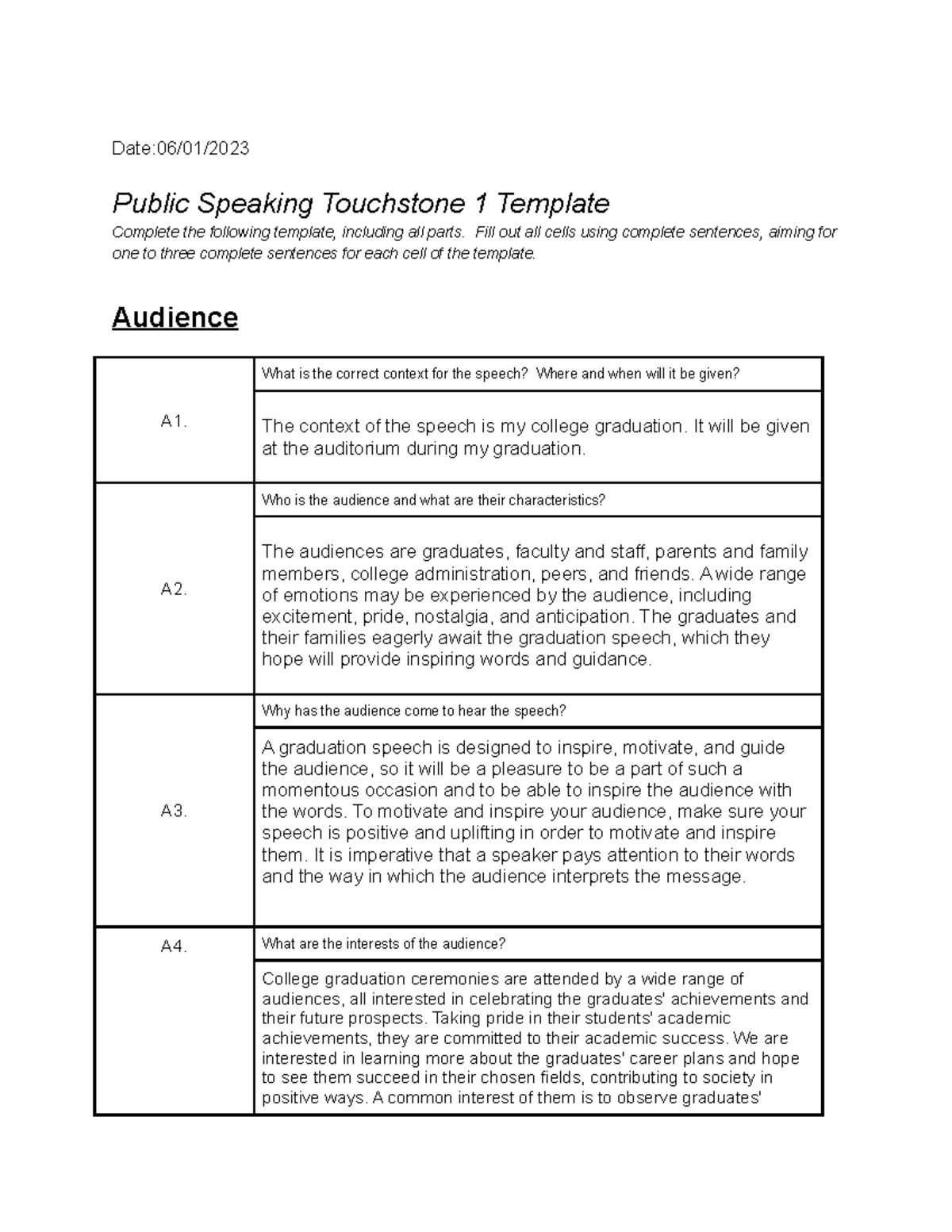
Hook and Context
The opening line of your summary is the hook that reels the judge in. It should be punchy, memorable, and instantly remind the judge of the round’s central conflict. A well‑crafted hook might riff on a pop‑culture reference, a clever pun, or a vivid metaphor that encapsulates the debate’s stakes.
Rebuttal Recap
Next, you’ll need a rapid‑fire recap of the most damaging rebuttals you delivered. This is where you say, “Remember that time I demolished their claim about X? Yeah, we did that, and here’s why it matters.” Keep it succinct—no need to re‑hash every single point; focus on the high‑impact blows.
Impact Calculus
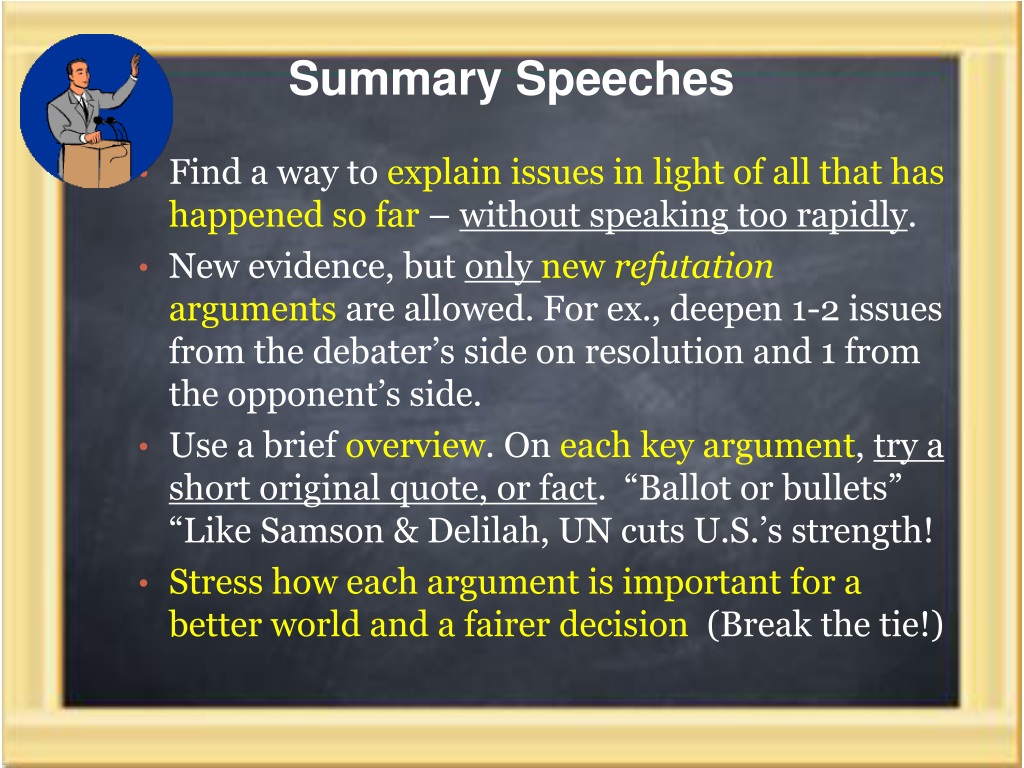
Impact is the heart‑beat of PF. In the summary, you must compare the magnitude, probability, and timeframe of your impacts versus the opposition’s. Use a clear structure: “Our economic impact outweighs their environmental claim by a factor of three, and it hits sooner.” The audience (and judge) should walk away with a crystal‑clear hierarchy of importance.
Framework Reminder
If you introduced a specific framework—say, “Weighing the Economic vs. Moral”—the summary is the perfect moment to remind the judge of that lens. A quick, one‑sentence reminder reinforces your narrative and prevents the opposition from hijacking the evaluation criteria.
Closing Zinger
End with a mic‑drop moment. A witty one‑liner that ties the whole debate together, such as “In short, our plan is the superhero, their plan is the villain—only the superhero gets the trophy.” A strong close ensures the judge leaves the room humming your argument.
Step‑by‑Step Walkthrough
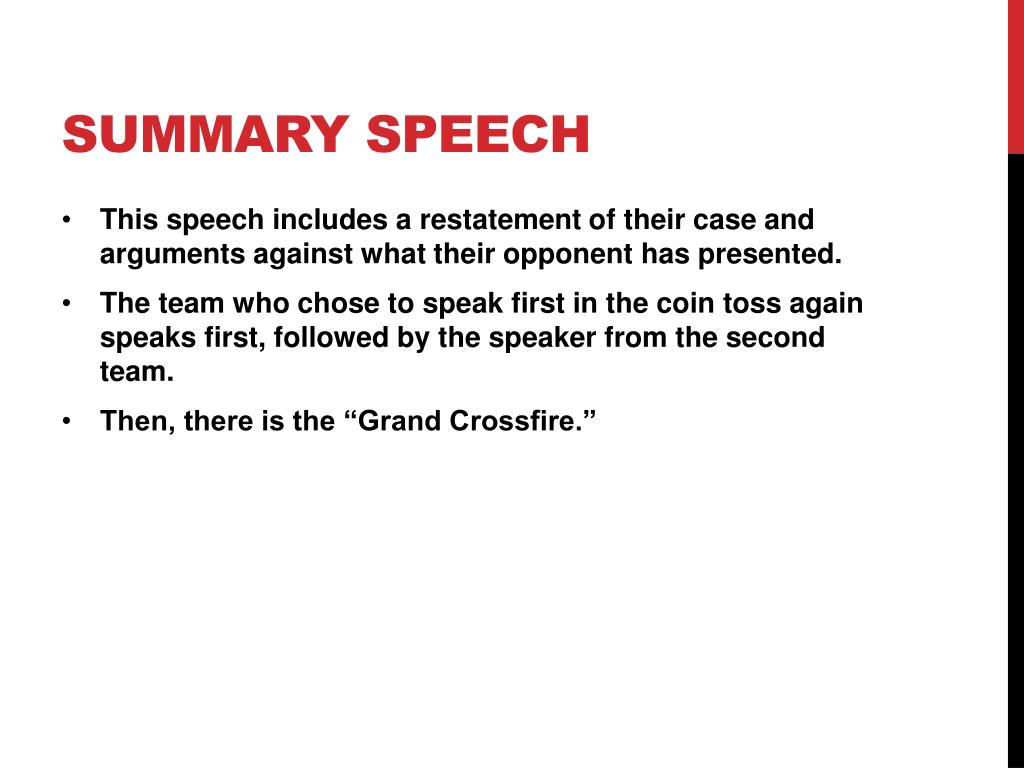
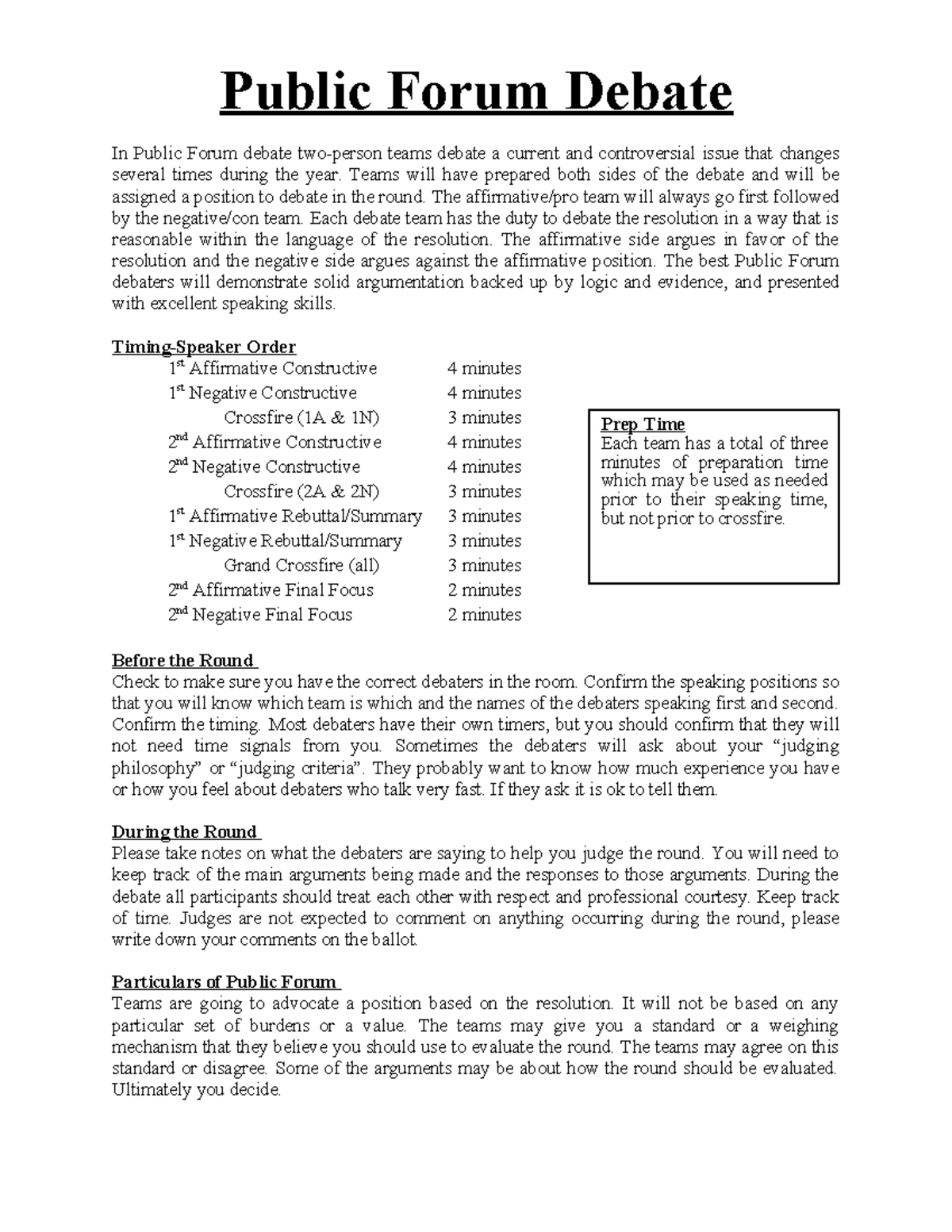
- Step 1: Draft the Hook. Write three candidate hooks, each no longer than 12 words. Choose the one that best captures the round’s essence and makes the judge grin.
- Step 2: List Key Rebuttals. Jot down the top three rebuttals that most seriously undercut the opponent. Keep each bullet to a single sentence.
- Step 3: Map Impacts. Use a mini‑table in your notes: Impact → Magnitude → Probability → Timeframe. Then translate that into a concise comparative sentence.
- Step 4: Reinforce the Framework. Insert a one‑sentence reminder, prefaced with “Remember our framework…” or “As we agreed…”.
- Step 5: Craft the Closing Zinger. Brainstorm three witty closers, test them on a teammate, and pick the one that lands hardest.
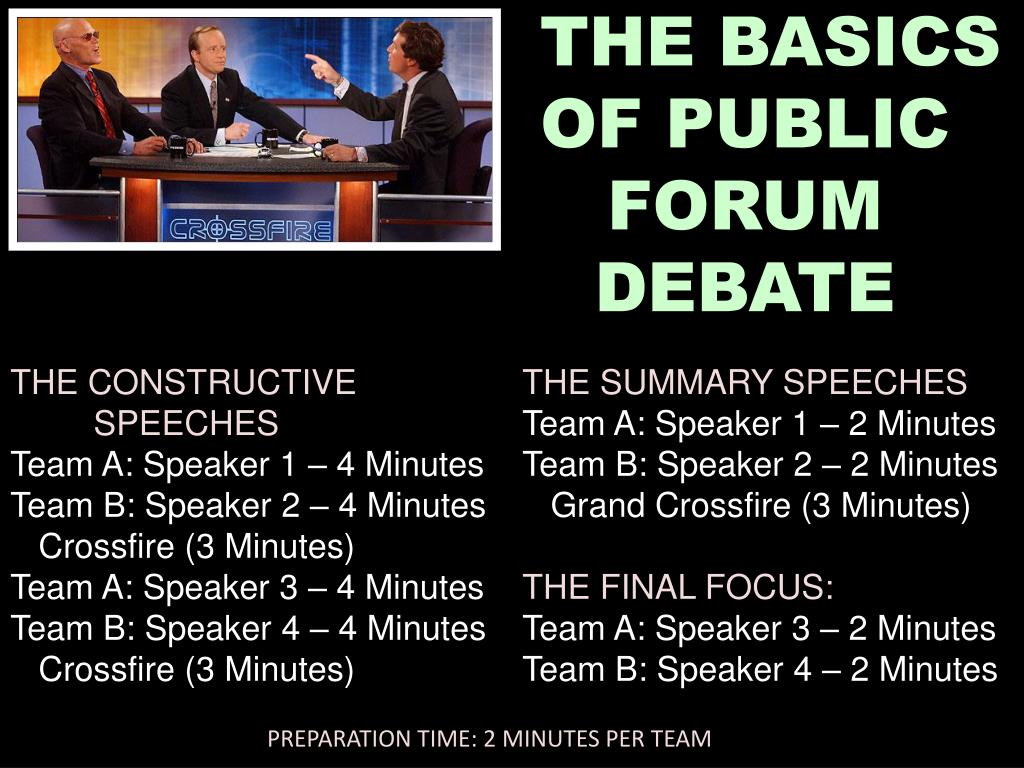
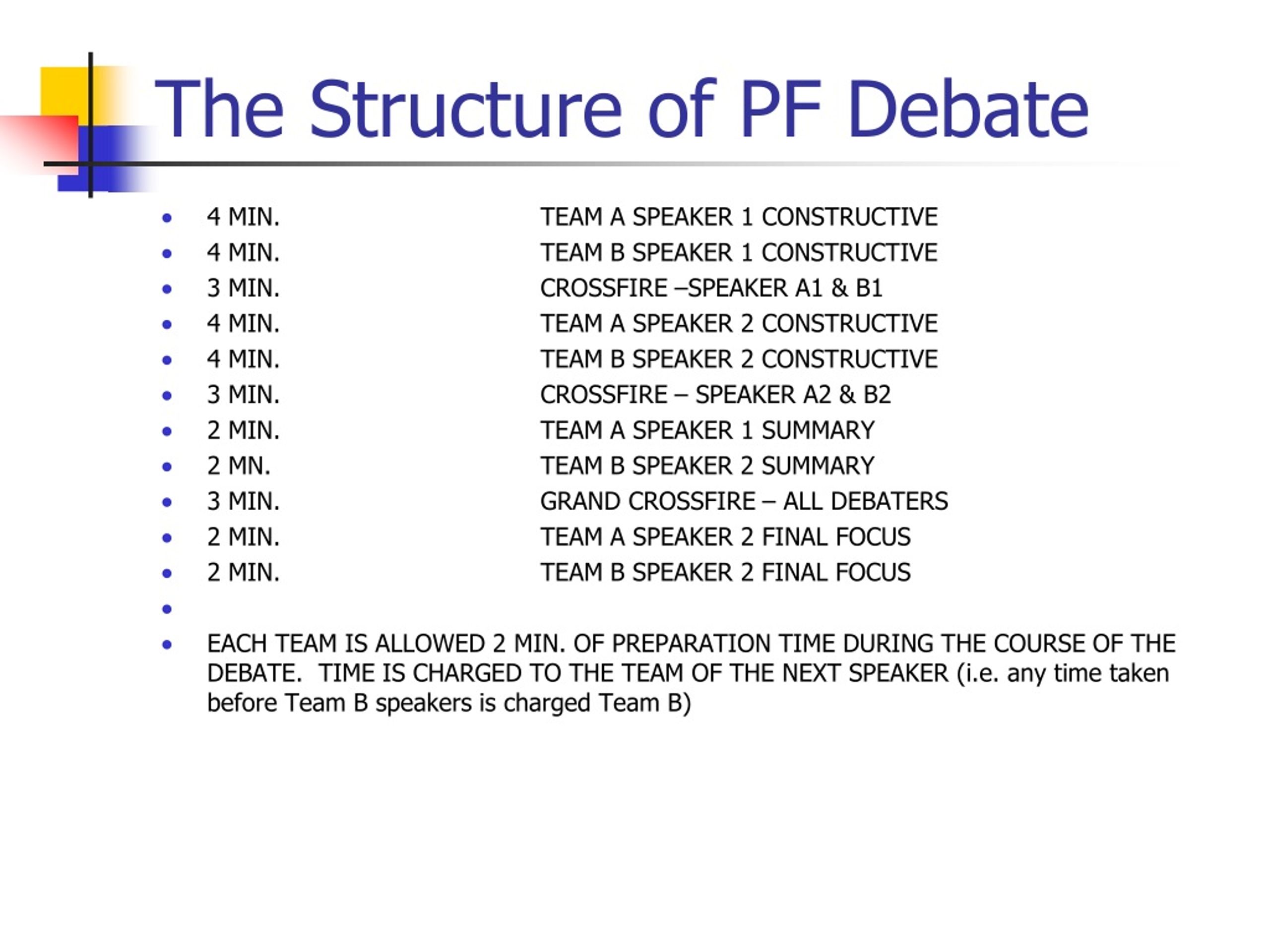
- Step 6: Time Check. Read the whole script aloud. It should sit comfortably between 1 minute 30 seconds and 2 minutes. Trim any excess fluff.
- Step 7: Practice with Emotion. Deliver the script with varying tones—serious, playful, urgent—to find the rhythm that feels both authentic and persuasive.
Common Pitfalls and How to Avoid Them

Overloading with Evidence
It’s tempting to cram every statistic you have into the summary, but the judge will tune out after the first “According to the 2023 Economic Review…”. Stick to the most compelling evidence that directly supports your impact hierarchy.
Repeating the Same Language
Using identical phrasing from the constructive or rebuttal can make the summary feel redundant. Instead, rephrase key points with fresh synonyms or a different rhetorical device to keep the listener engaged.
Neglecting the Opponent’s Strongest Points
If you ignore the most persuasive argument the opposition made, the judge may suspect you’re avoiding a critical flaw. Acknowledge it briefly, then demolish it with a stronger counter‑impact.
Running Out of Time
Going over the time limit can be fatal. Practice with a stopwatch, and if you’re consistently over, cut a sentence or two. Remember, brevity is the soul of wit—and of a winning summary.
Tips for Delivering with Charisma
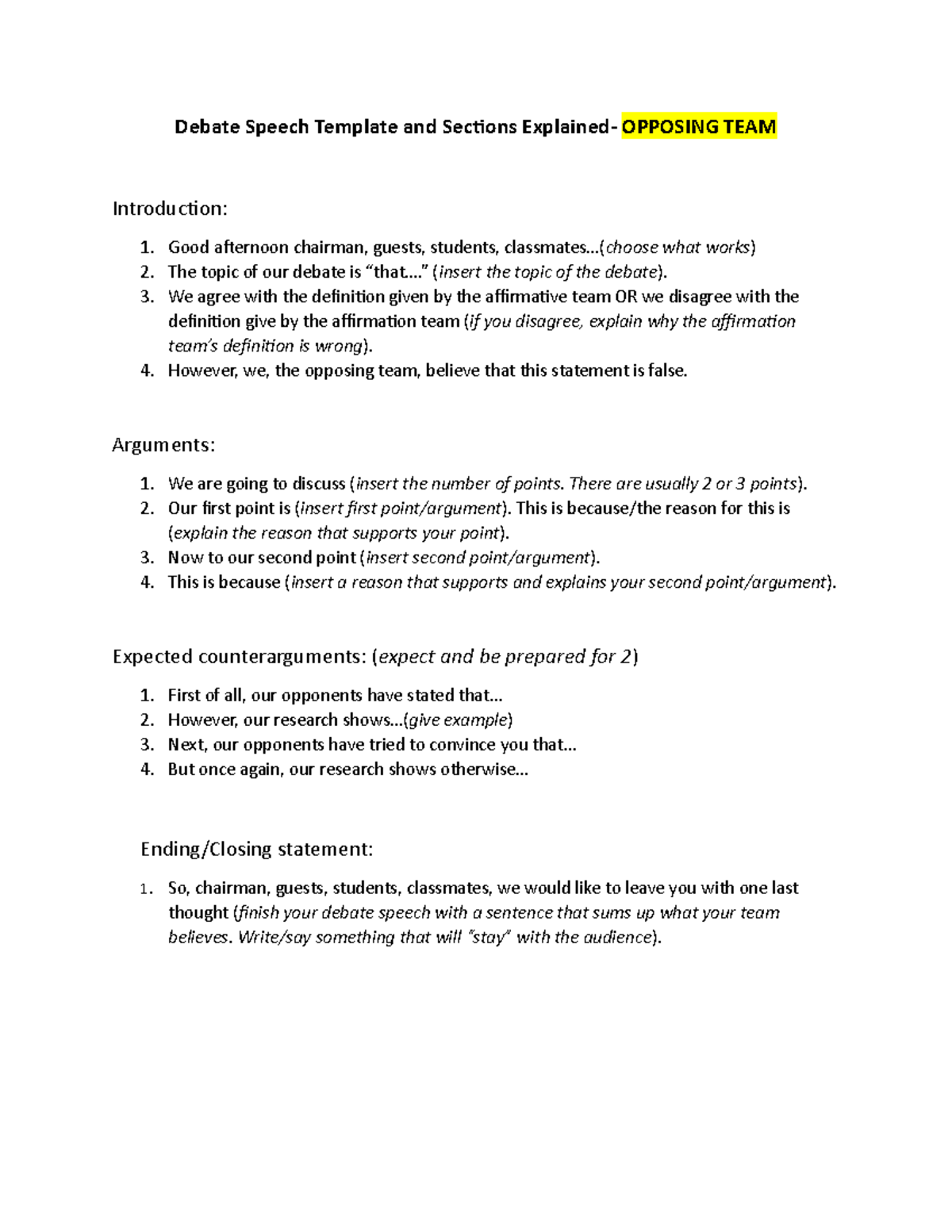
Use Vocal Variety
Shift your pitch, pace, and volume at strategic moments. Drop your voice for serious impact statements, then brighten it for the closing zinger. This keeps the judge’s auditory attention glued.
Employ Strategic Pauses
A well‑placed pause before a punchline gives the judge time to absorb the information and builds anticipation. Try pausing for two beats after you say “In short…” before delivering the final kicker.
Maintain Eye Contact
Even though you’re speaking to a judge, the illusion of eye contact (by looking slightly above them) conveys confidence and sincerity. Avoid staring at notes; glance up often.
Body Language Matters
Stand tall, use purposeful hand gestures to underscore key points, and avoid fidgeting. A confident posture can subtly persuade the judge that you truly believe in your case.
Real‑World Example: From Draft to Victory
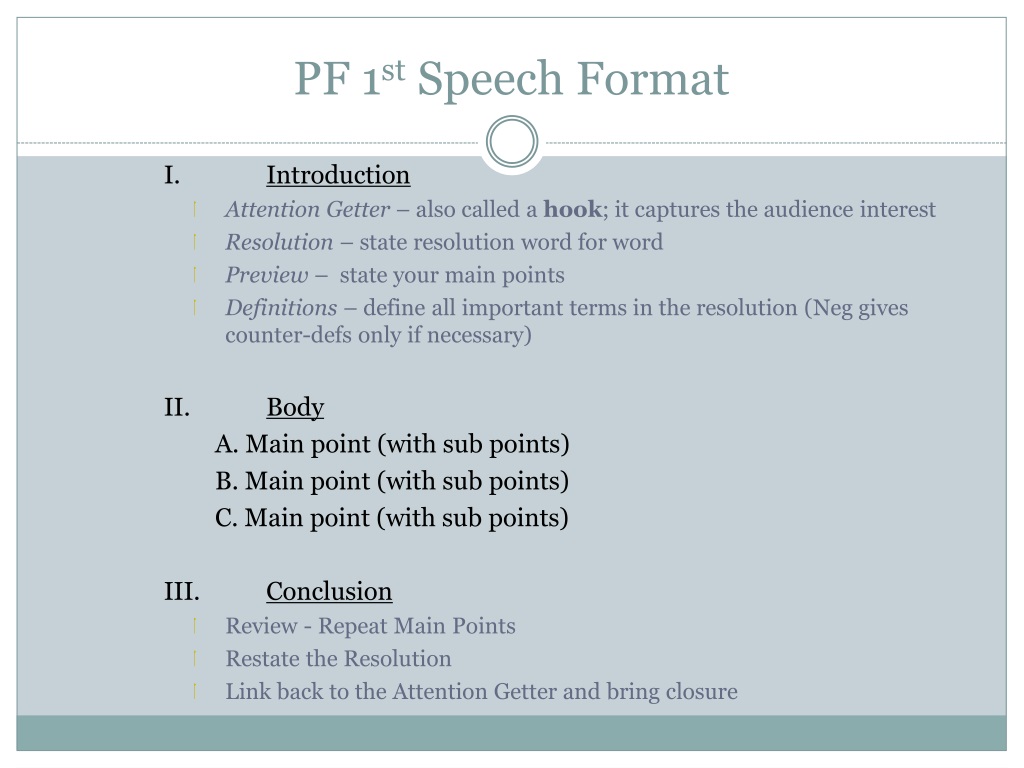
Imagine a debate on “Should the United States implement a universal basic income (UBI)?” Team A (pro‑UBI) uses a template to craft their summary. Here’s a condensed version of their final speech:
Hook: “Picture a nation where every citizen can afford a latte without selling a kidney—welcome to UBI, the economic espresso shot we all need.”
Rebuttal Recap: “We dismantled the ‘UBI kills work ethic’ myth by showing that labor‑force participation actually rises when people have a safety net. We also exposed the opposition’s budget‑hole claim as a mis‑calculation of tax revenue potential.”
Impact Calculus: “Our economic impact—reducing poverty by 15% within two years—outweighs the opposition’s environmental impact claim, which remains speculative and far‑off. Moreover, the social cohesion boost we propose will manifest within months, while their environmental benefits won’t materialize for decades.”
Framework Reminder: “Remember our framework: prioritize immediate human welfare over distant, uncertain gains.”
Closing Zinger: “In short, UBI is the superhero cape for the American worker; the opposition’s plan is a cape made of paper—great for a costume party, terrible for real life.”
Judge’s feedback: “The summary was crisp, funny, and nailed the impact hierarchy. You left no doubt why your plan wins.” Team A walked away with the win, thanks largely to a polished template that balanced humor with hard‑hitting logic.
SEO Boost: Keywords to Sprinkle
- Public Forum Debate summary speech
- debate summary template
- how to write a debate summary
- PF debate strategies
- effective debate closing
- debate impact analysis
- funny debate speech examples
- public forum debate tips
- debate delivery techniques
- winning debate template
Embedding these phrases naturally throughout your speech notes, handouts, and any online content can help future debaters discover your template via search engines, ensuring your witty wisdom spreads far and wide.
Conclusion
Mastering the Public Forum Debate Summary Speech Template is less about memorizing a rigid script and more about internalizing a flexible framework that lets you showcase logic, impact, and personality in a compact, memorable package. By following the core components, avoiding common pitfalls, and delivering with charisma, you’ll turn every summary into a show‑stopping performance that leaves judges cheering for you—and maybe even laughing a little along the way.