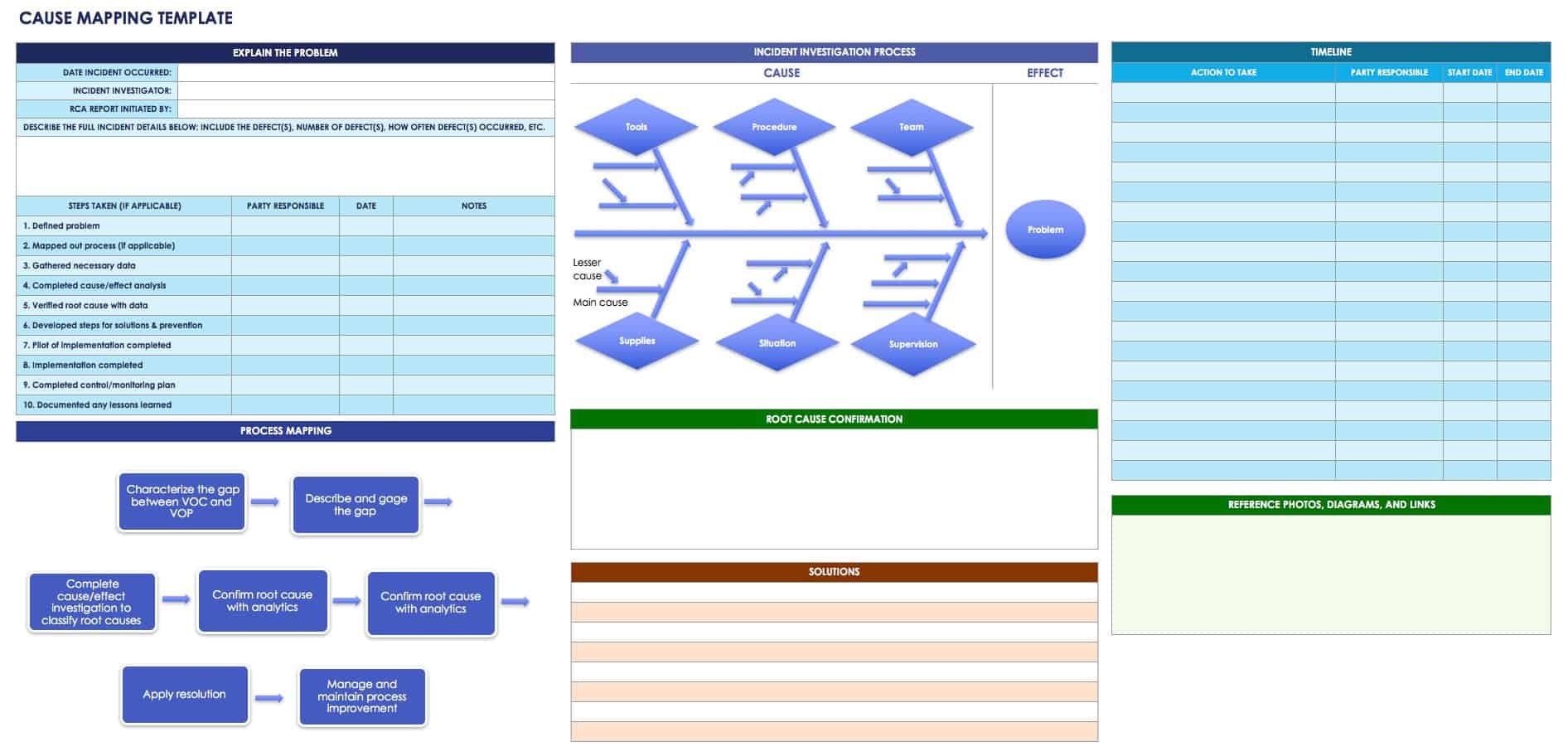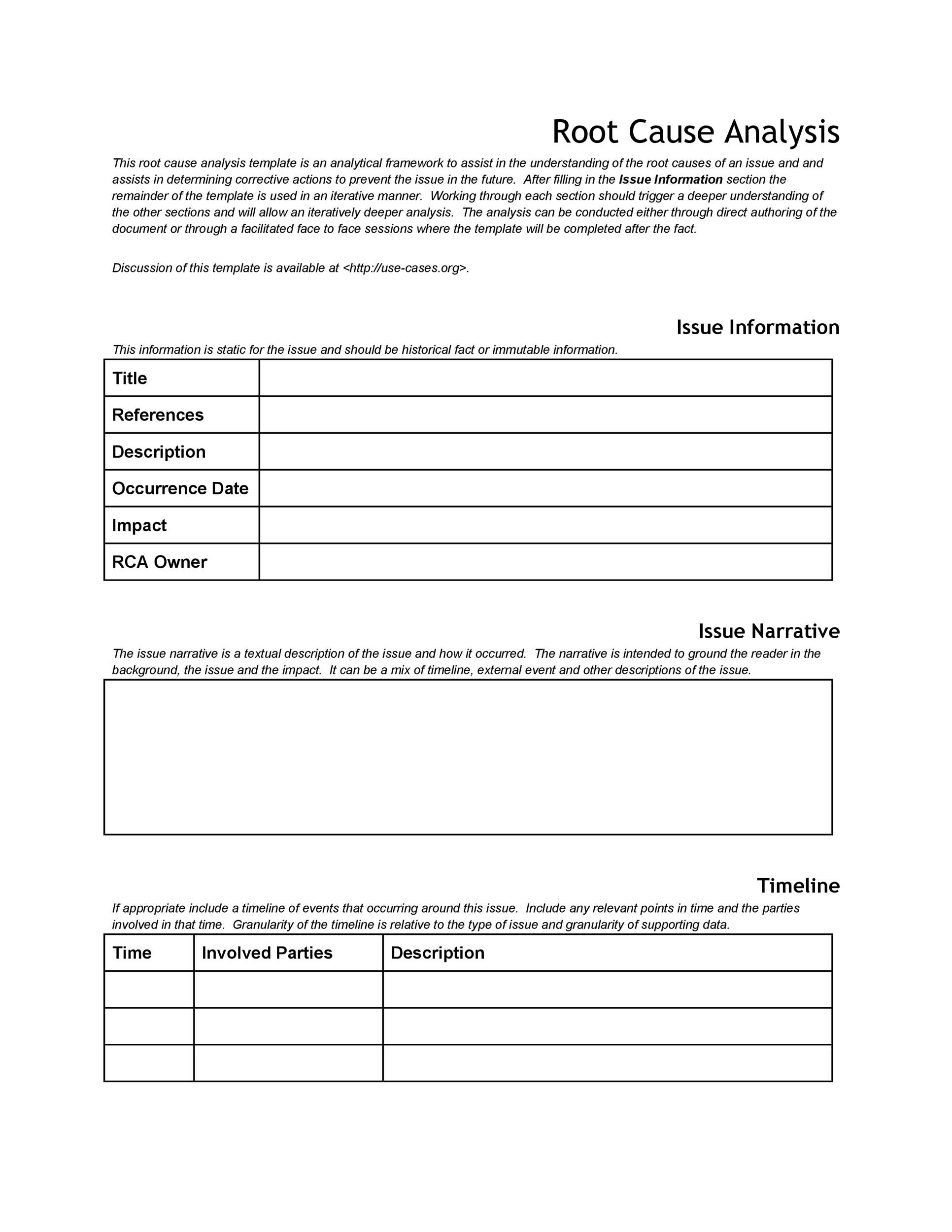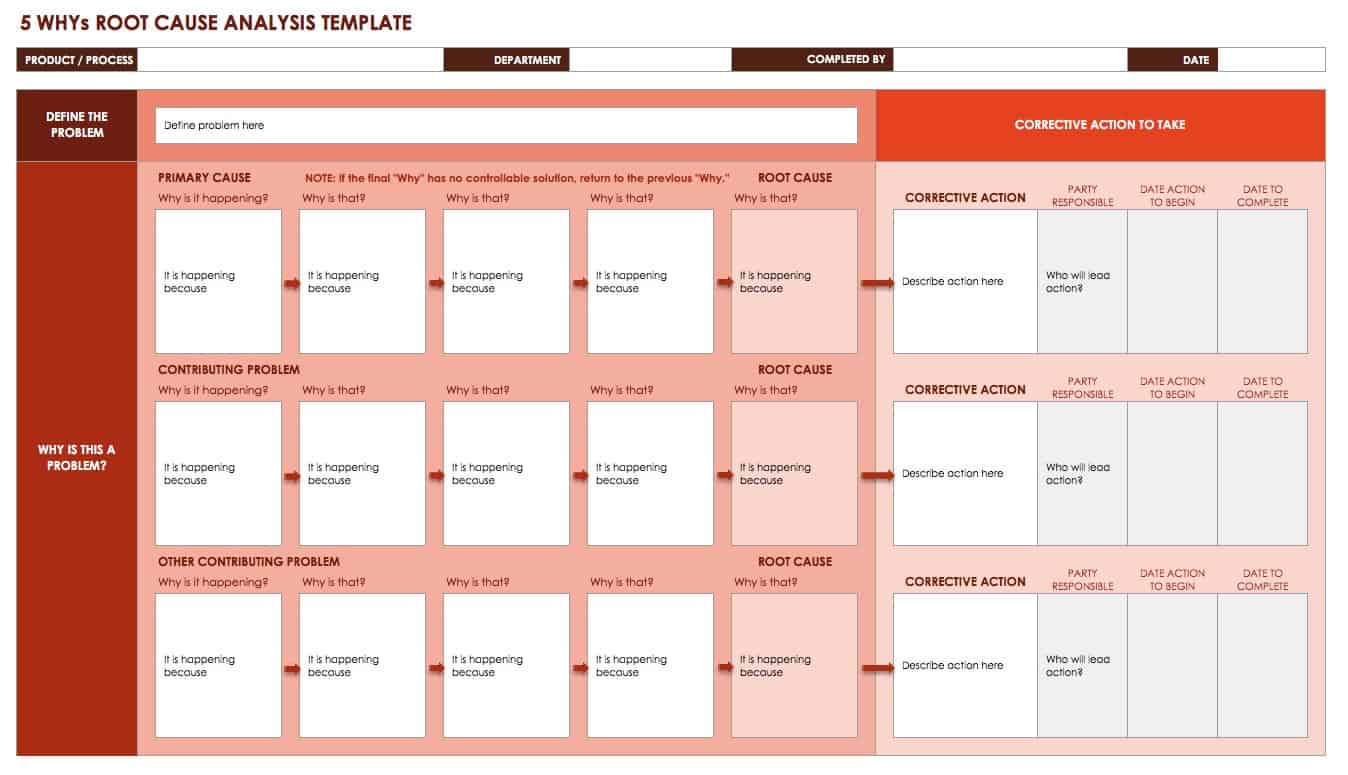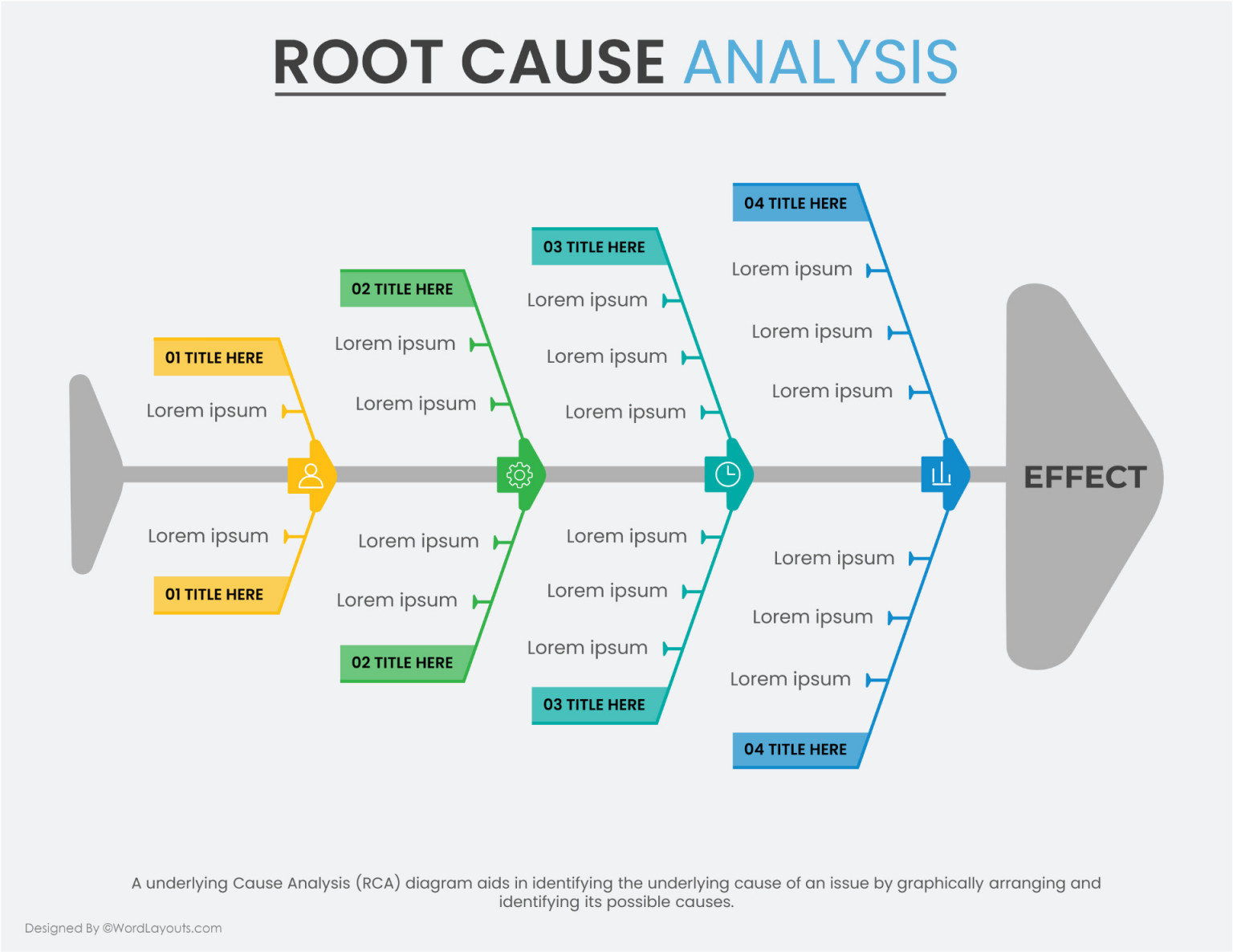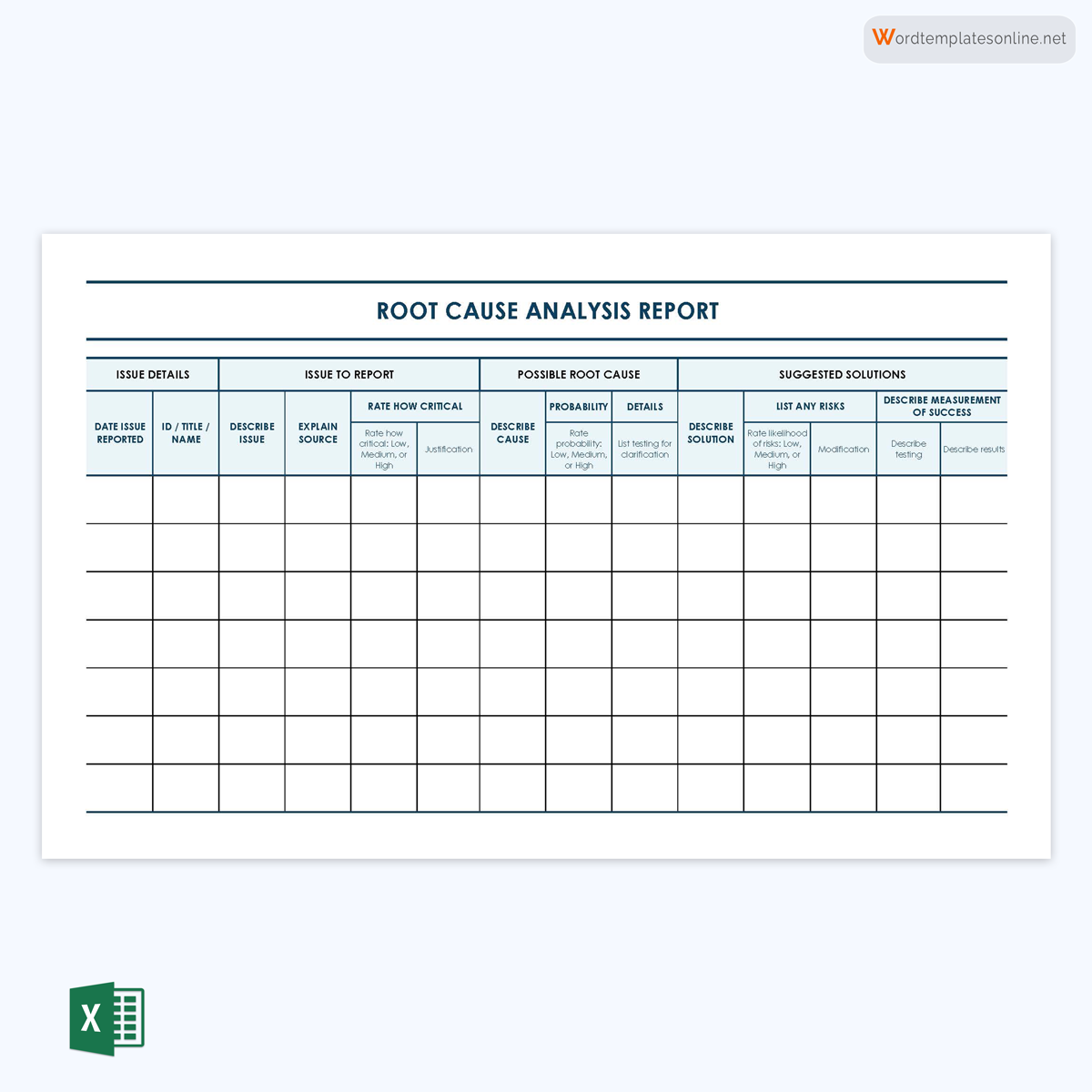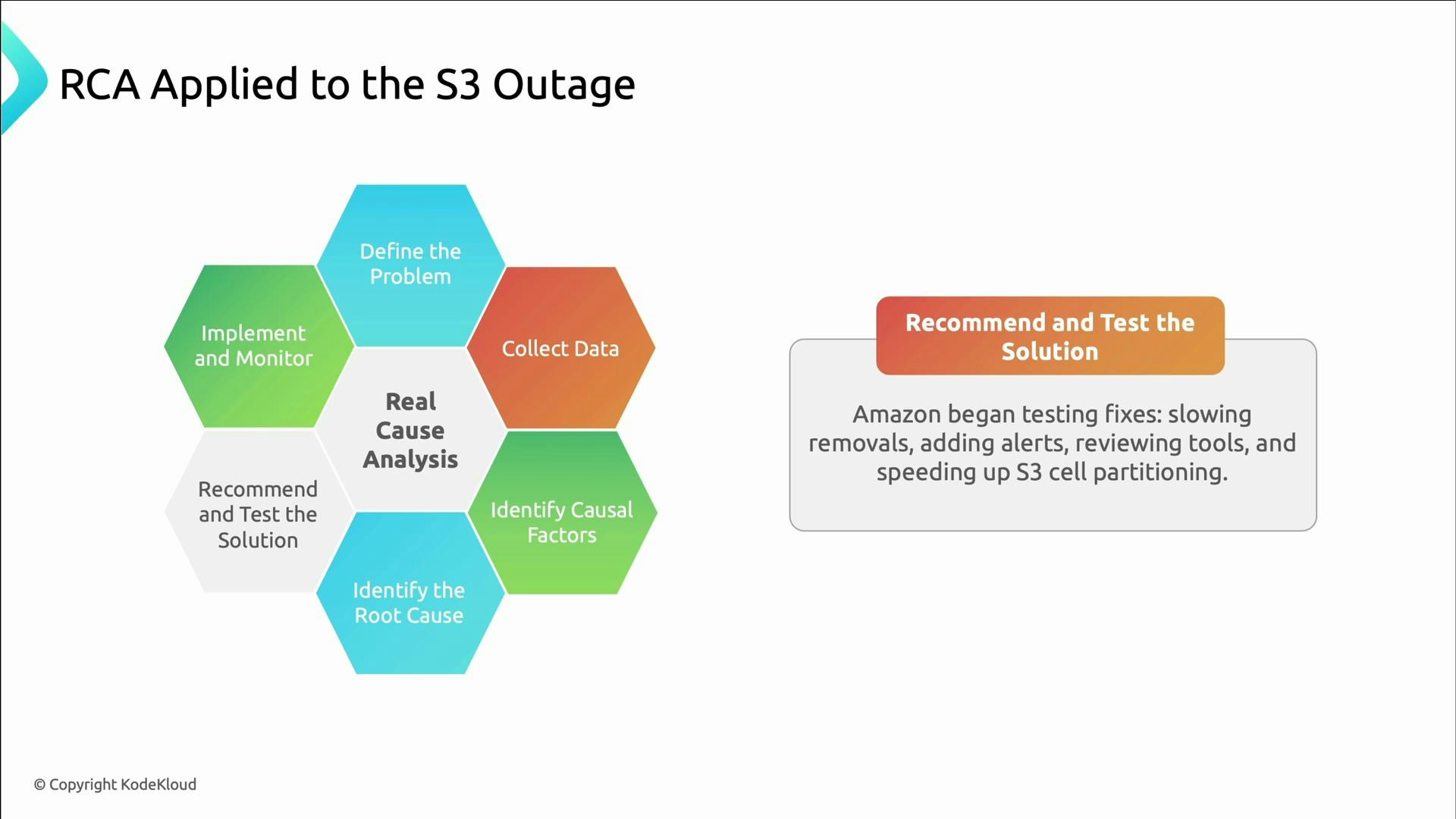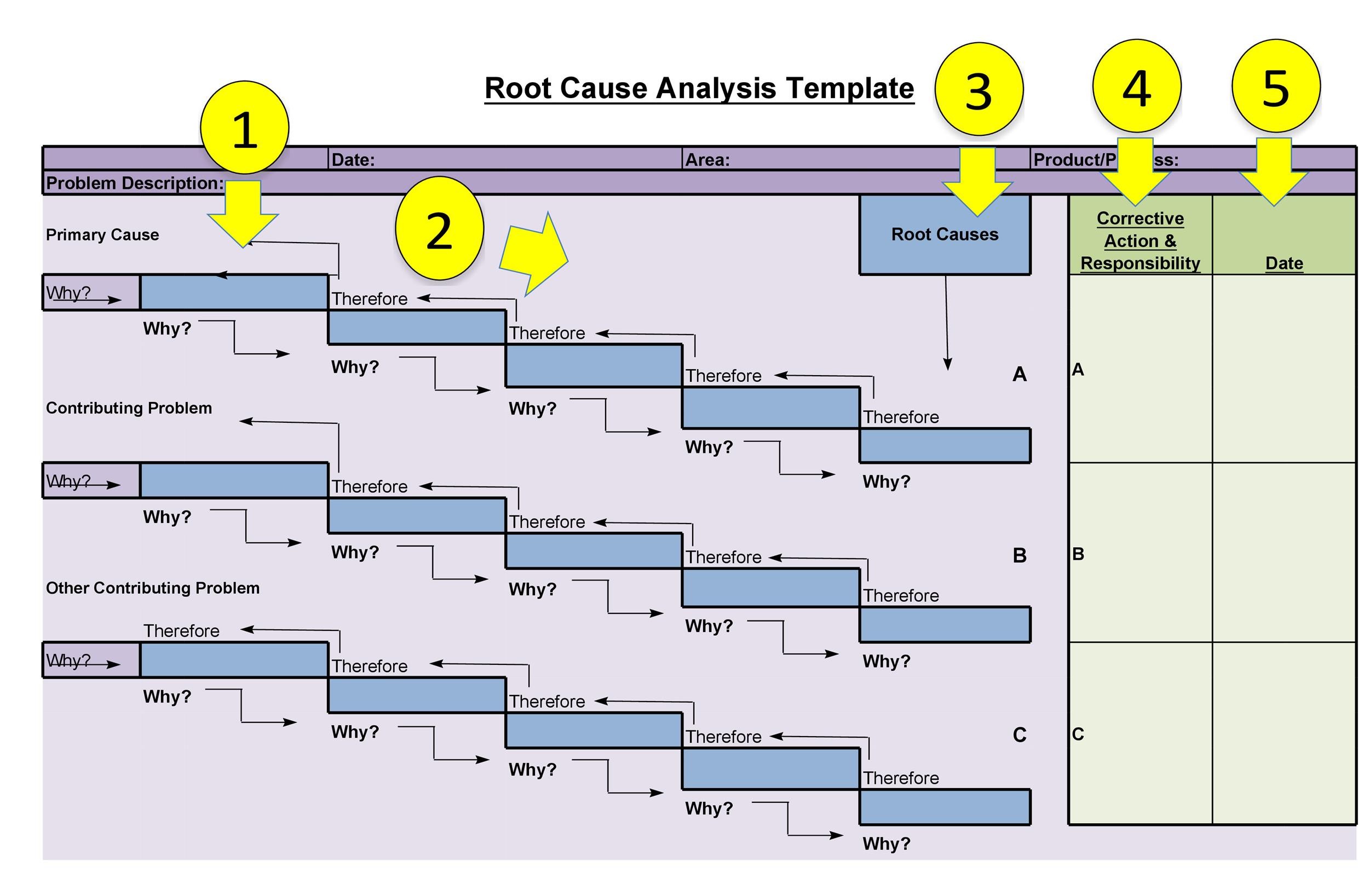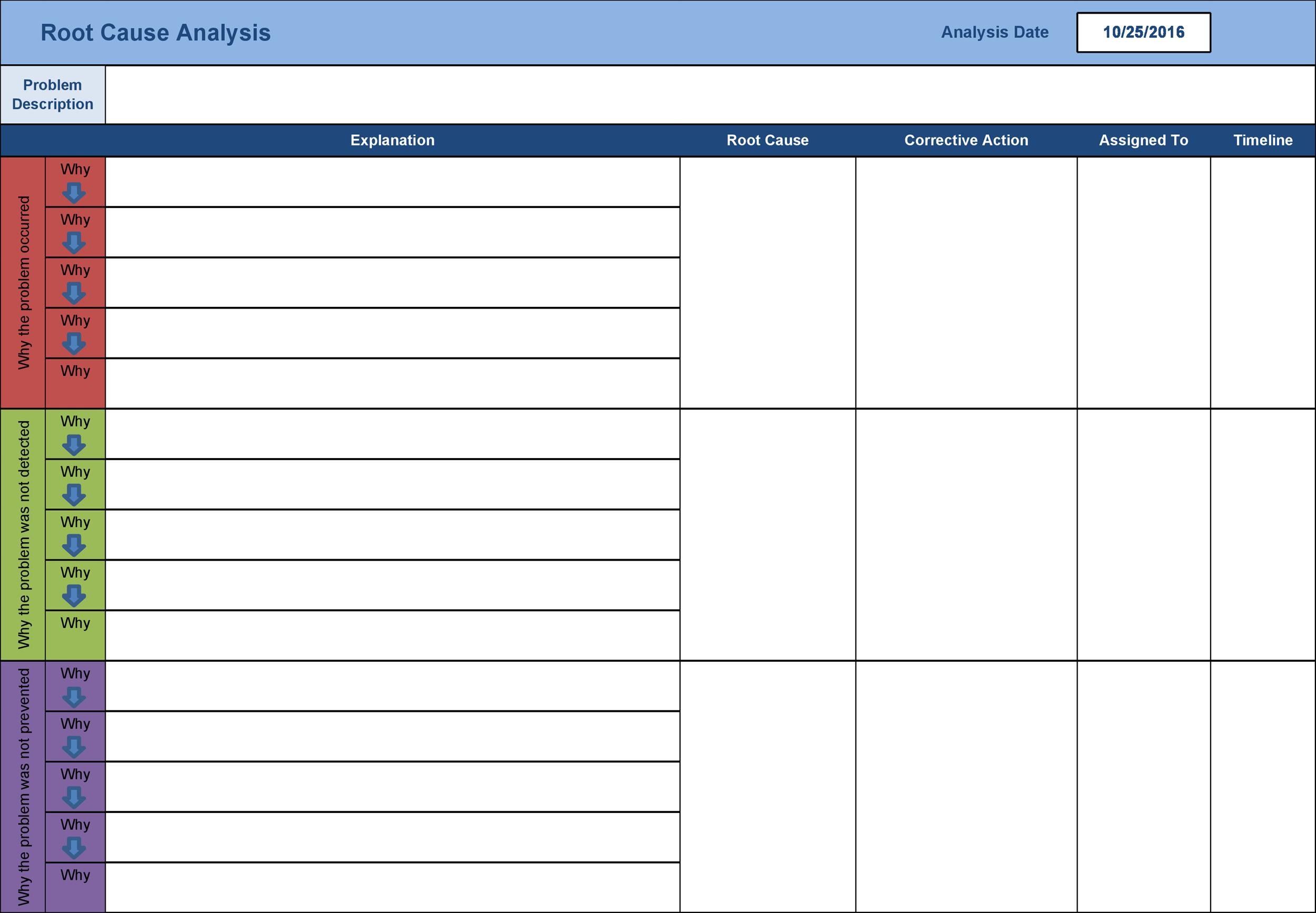
Network Outage Root Cause Analysis Template is the definitive tool every IT professional needs to turn chaotic downtime into a systematic learning opportunity. By guiding teams through structured questions, evidence gathering, and corrective actions, the template turns fragmented incident details into a cohesive narrative that not only resolves the issue but also prevents future repeats.
Understanding Network Outages
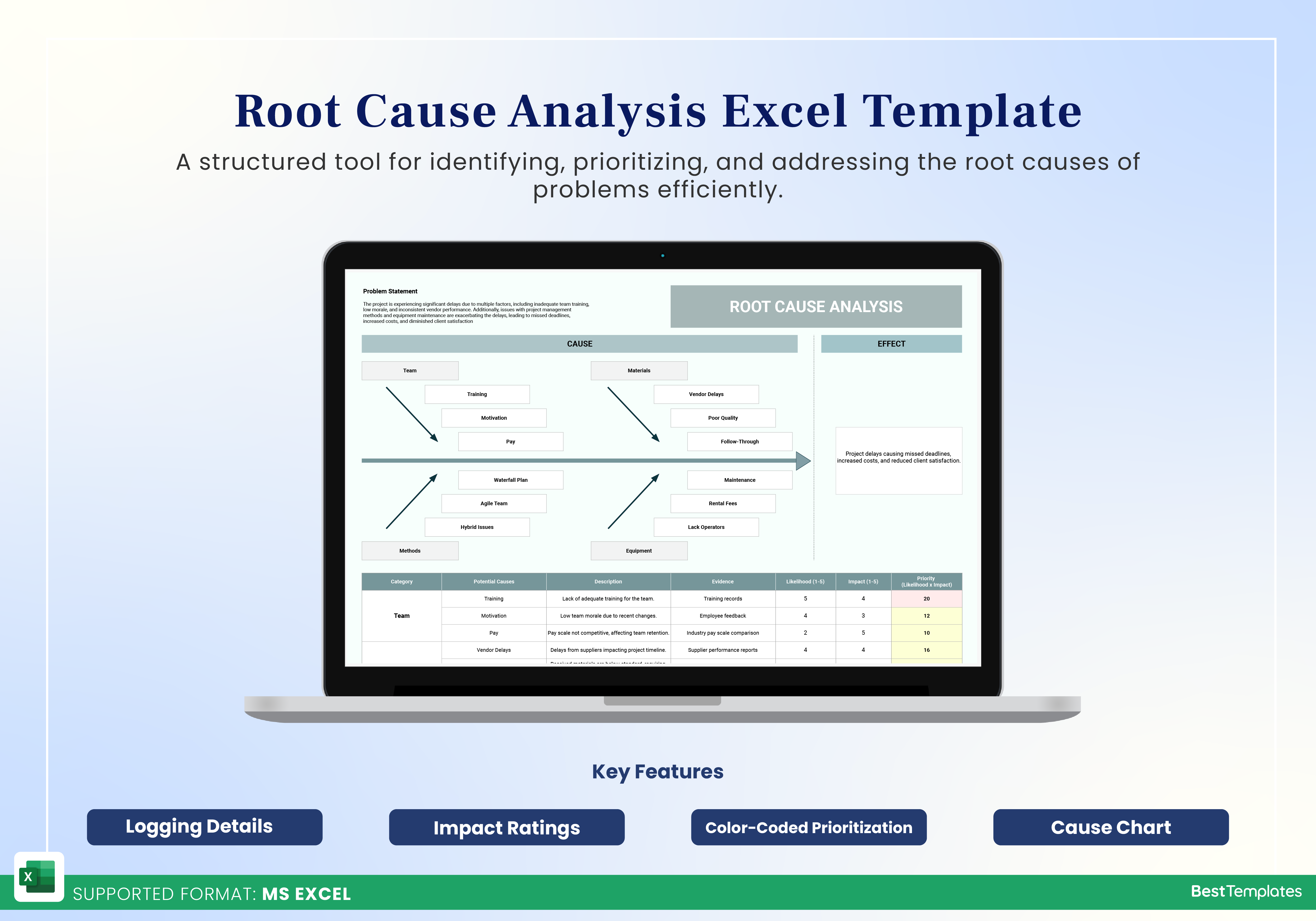
Network outages can arise from software bugs, hardware failures, configuration errors, or even environmental factors such as power interruptions. The consequences range from minor service hiccups to crippling business losses. Before diving into analysis, it is crucial to recognize the common signs that signal a broader failure: latency spikes, packet loss, sudden drops in throughput, or complete loss of connectivity across multiple zones. Accurate detection often starts with automated monitoring alerts, but the human analyst must contextualize those alerts within business impact and network topology.
Benefits of a Structured Root Cause Analysis Template
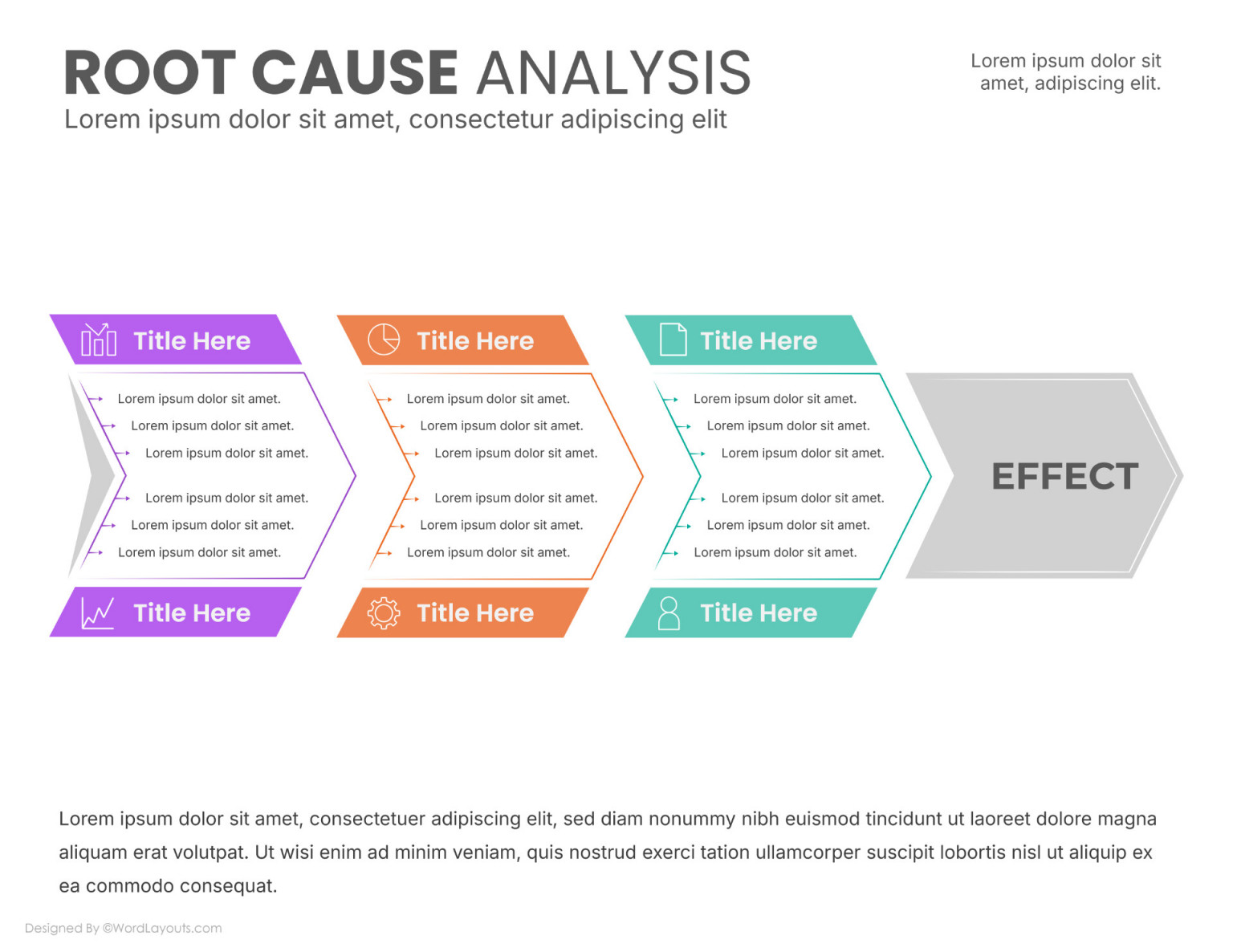
A well‑crafted template offers several tangible advantages:
- Consistency: Every incident is evaluated against the same criteria, ensuring comparable data across time.
- Speed: Structured questions cut down on ad‑hoc brainstorming, reducing the average time to closure.
- Accountability: Clear sections for owners and deadlines make follow‑up inevitable.
- Knowledge retention: A written record becomes a reference for future incidents and training.
- Compliance: Many regulatory frameworks demand documented root‑cause analyses; the template satisfies audit requirements.
Key Components of the Template
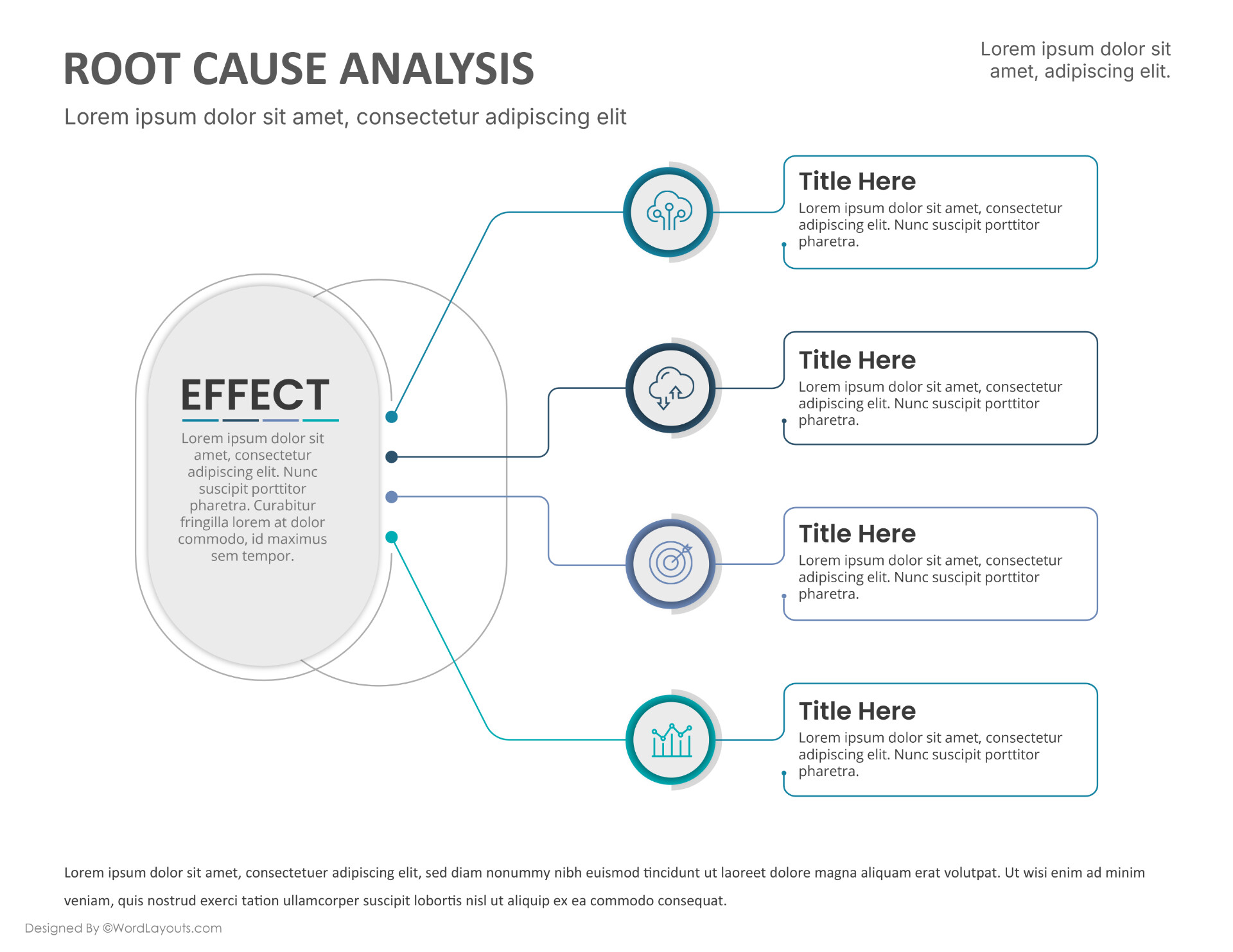
Incident Summary
Briefly capture the what, when, and where of the outage. Include timestamps, affected services, and a concise description of the problem. This snapshot aids anyone reviewing the report to understand the high‑level context without parsing through the entire document.
Impact Assessment
Detail the business and technical repercussions: downtime hours, financial loss estimates, customer impact, and any compliance violations. Quantifying impact turns analysis into a business‑critical exercise rather than a technical checkbox.
Preliminary Hypotheses
List initial theories about the cause. For example, “Router firmware corruption”, “Power surge on rack 3”, or “Misconfigured ACL”. Each hypothesis should be short, testable, and linked to observable evidence.
Evidence Collection
Document all gathered data: log snippets, SNMP traps, packet captures, configuration files, and eyewitness statements. Organize evidence chronologically and by source to support a clear reconstruction of events.
Analysis Methods
Select analytical techniques—cause‑effect diagrams, 5‑Why analysis, or failure mode and effects analysis (FMEA)—to interrogate the evidence. Each method should be applied systematically and documented within the template.
Corrective Actions
Describe the remedial steps taken or planned. Assign owners, set deadlines, and define success metrics. Include preventive measures to stop recurrence, such as firmware updates or redundant routing paths.
Follow‑Up and Verification
After implementing fixes, outline verification tests, monitoring adjustments, and confirmation that normal operations resume. This section ensures the solution is durable, not just a temporary patch.
Step‑by‑Step Guide to Using the Template

Step 1: Gather Immediate Data
As soon as an outage is detected, pull real‑time metrics from monitoring dashboards, retrieve router syslogs, and confirm the extent of the failure with end‑user reports. Capture this baseline data before any changes are made.
Step 2: Identify Symptoms
Translate raw numbers into human‑readable symptoms. For instance, “Ping to gateway drops from 99 % to 0 %” or “HTTP 504 errors spike to 70 % of traffic.” Symptom mapping helps validate hypotheses later.
Step 3: Map Network Topology
Draw or retrieve the most recent topology diagram. Highlight all paths, redundancy layers, and key devices. A visual reference clarifies where a failure may have originated and how it propagates.
Step 4: Apply Fishbone Diagram
Group potential causes under categories such as Hardware, Software, Process, Human, and Environment. Populate each branch with specific items—e.g., under Hardware: “Failed NIC”, “Power supply malfunction”. This brainstorming surface is then cross‑checked against evidence.
Step 5: Verify Root Cause
Cross‑reference each hypothesis with evidence. Discard unsupported theories. Use a decision matrix or weighted scoring if multiple causes are plausible, ensuring the final root cause is statistically justified.
Step 6: Implement Fix
Apply the corrective action outlined in the template. If a firmware bug is identified, schedule a controlled update; if a misconfigured ACL is at fault, re‑apply the correct policy and monitor for regressions.
Step 7: Conduct Post‑mortem
After the network stabilizes, conduct a post‑mortem meeting. Review the root cause, the effectiveness of the response, and lessons learned. Update the template with any new insights and distribute the findings to stakeholders.
Real‑World Case Studies
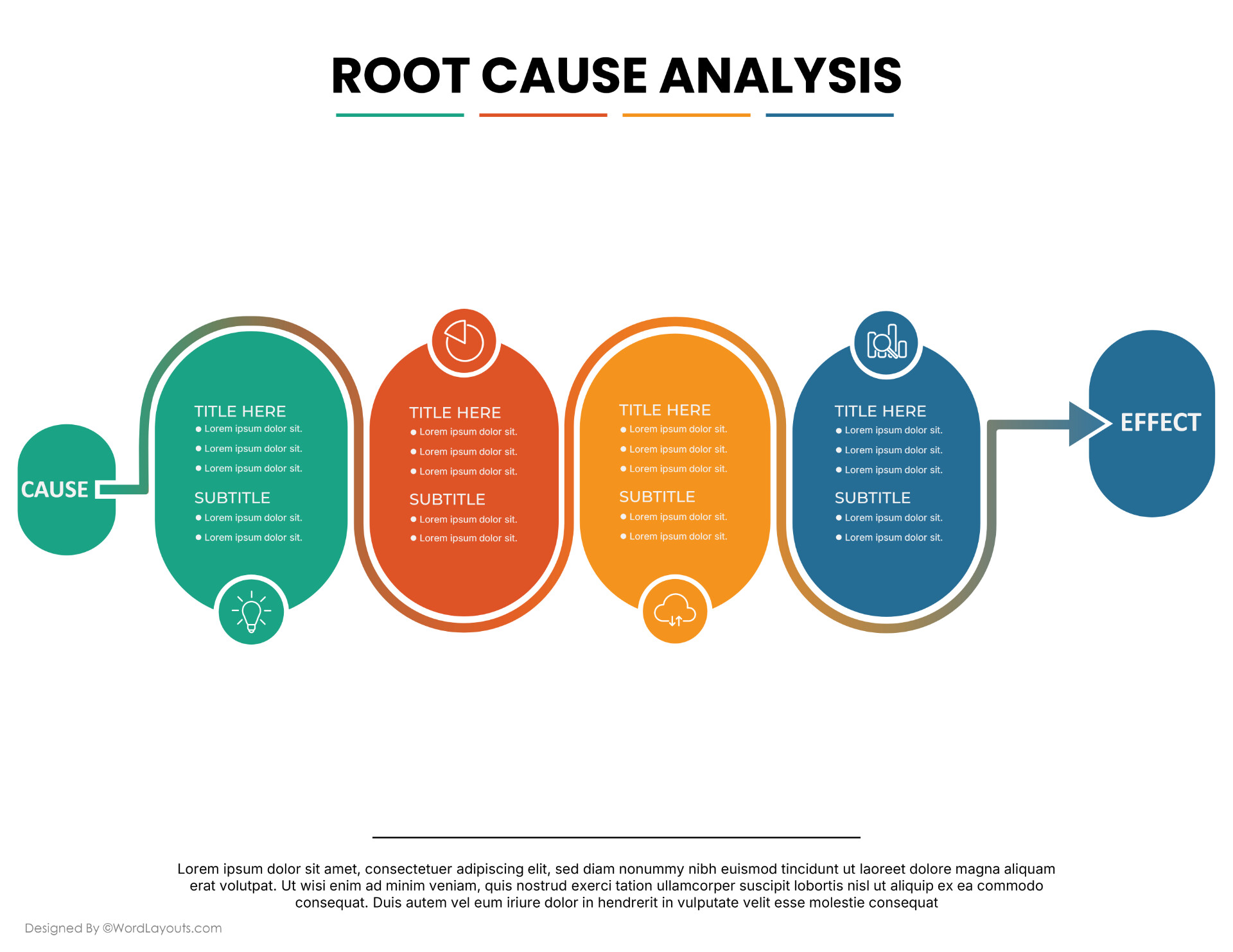
Case 1: A mid‑size e‑commerce platform lost connectivity during peak holiday sales. The template revealed that a single point of failure—an outdated firewall—had been overloaded by traffic spikes. The root cause was a misconfigured traffic shaping rule. The corrective action involved upgrading the firewall firmware and adding a secondary firewall for load balancing. Post‑mortem data showed a 30 % reduction in similar incidents over the next year.
Case 2: A municipal network suffered a month‑long outage after a lightning strike. Evidence collection pointed to a UPS failure in the main data center. The analysis section highlighted that the UPS firmware had an unpatched memory leak. Fixing the firmware and adding a secondary UPS in a different rack eliminated outages during subsequent storms.
Common Pitfalls and How to Avoid Them
1. Incomplete Data Capture: Rushing to fix can mean missing crucial logs. Always complete the “Evidence Collection” section before initiating a fix.
2. Confirmation Bias: Anchoring on an initial hypothesis can blind the team. Use a structured analytical method to test every theory.
3. Overlooking Human Factors: Many outages stem from misconfigurations or accidental deletions. Include a “Human” category in the fishbone diagram to flag training needs.
4. Skipping Follow‑Up: Implementing a temporary patch without verification leads to recurrence. The template’s “Follow‑Up and Verification” section ensures durability.
Integrating the Template into Incident Management
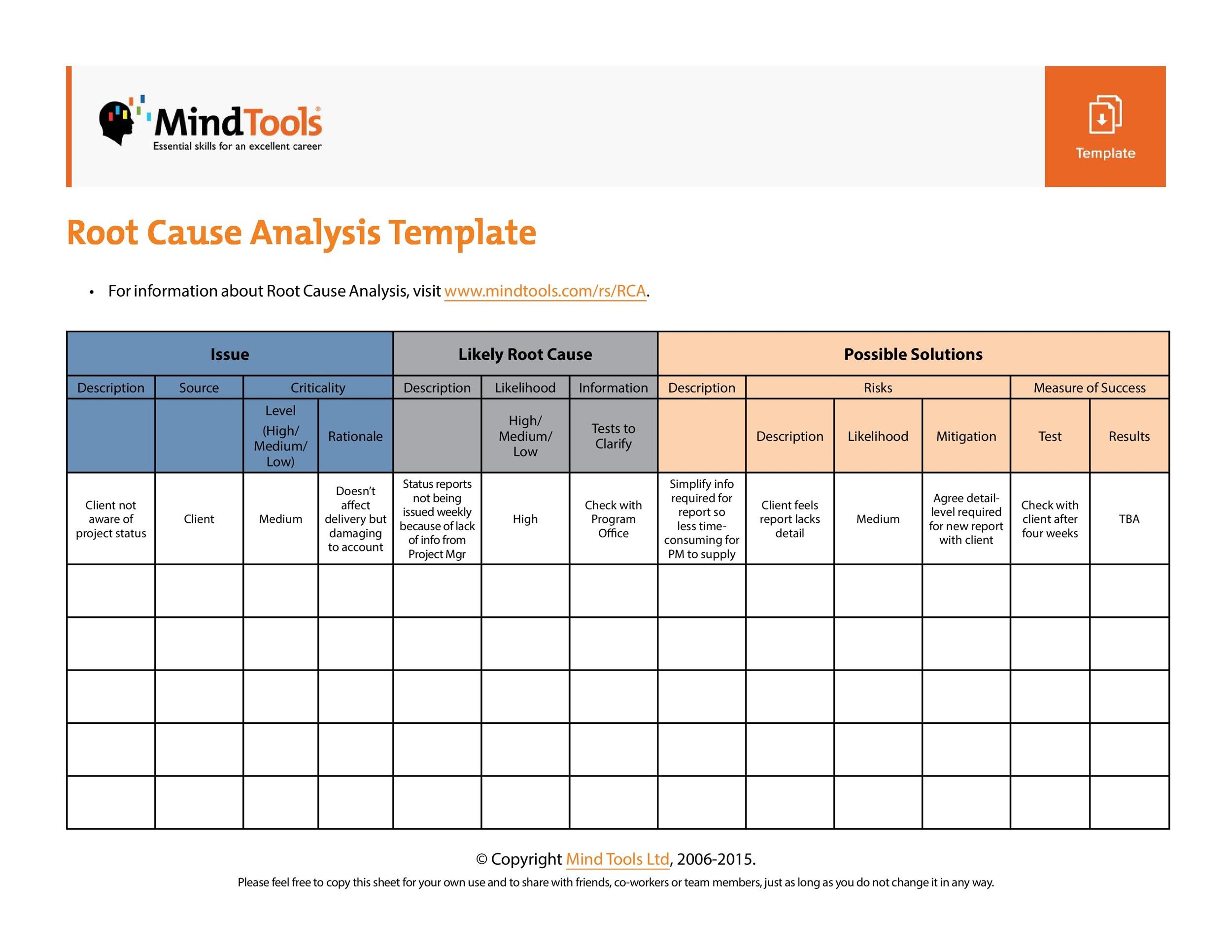
Embedding the root‑cause template into the organization’s IT service management (ITSM) tool streamlines documentation and promotes a culture of accountability. Automate data pulls—such as log files and SNMP counters—into the template’s evidence fields to reduce manual effort. Train incident responders on template usage through tabletop exercises that simulate outages of varying complexity.
Customizing for Different Environments
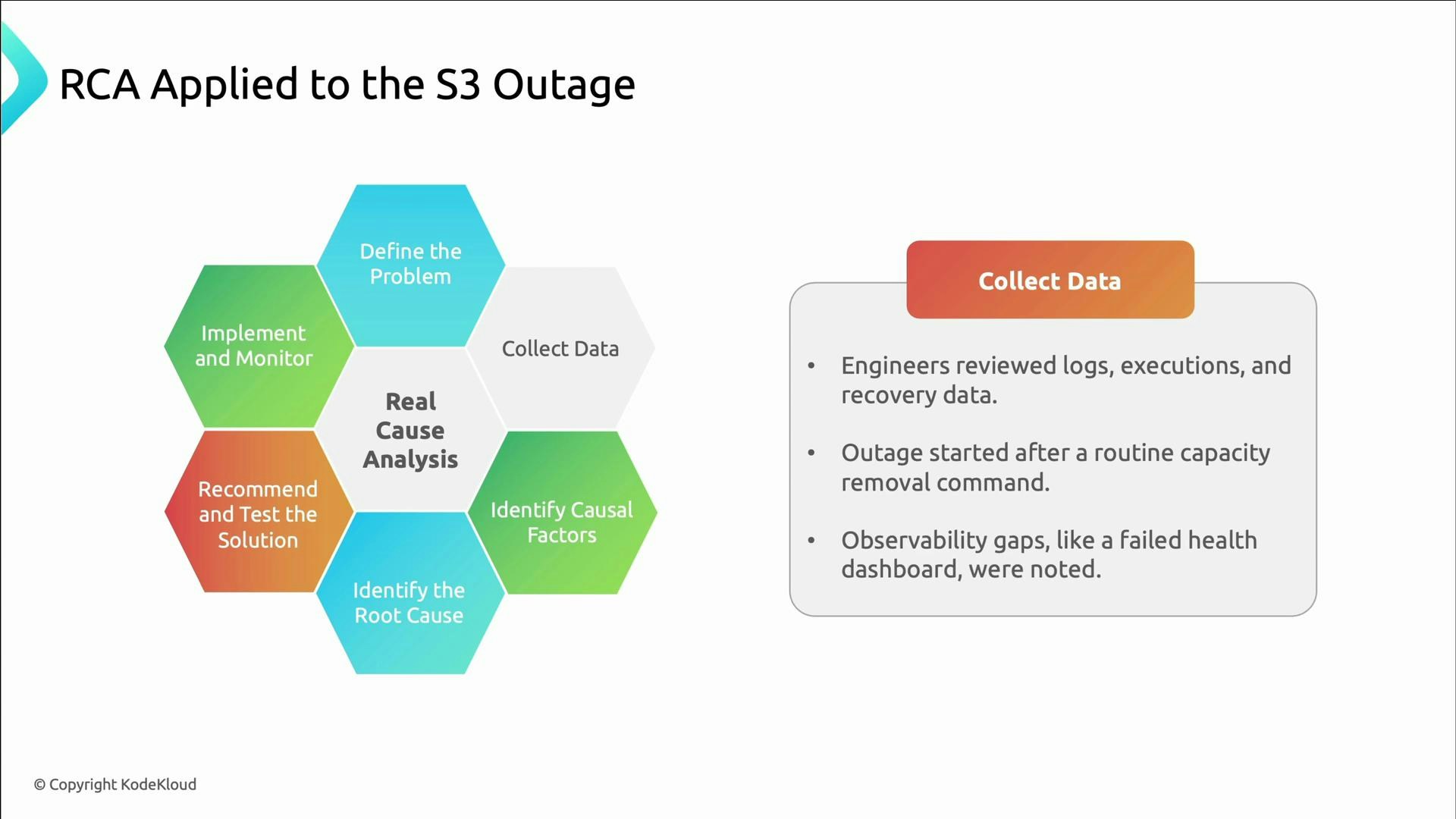
While the core structure remains the same, adapt the template to suit your context:
- Enterprise WAN: Add sections for BGP routing anomalies and link‑state convergence times.
- Data Center Core: Include details on fiber cuts, spine‑leaf architecture, and power distribution.
- Cloud‑First Architectures: Record VPC peering issues, security group changes, and auto‑scaling events.
- IoT Deployments: Add metrics for device firmware versions, MQTT broker health, and sensor node clustering.
Conclusion

A Network Outage Root Cause Analysis Template is more than a checklist—it is a disciplined framework that turns reactive firefighting into proactive improvement. By standardizing how data is gathered, hypotheses are tested, and solutions are verified, organizations gain visibility into their most disruptive incidents, reduce recurrence rates, and build a repository of institutional knowledge. Whether you’re a small startup or a global enterprise, adopting this template empowers teams to respond with speed, precision, and confidence, ultimately turning network outages from costly disruptions into catalysts for continuous resilience enhancement.