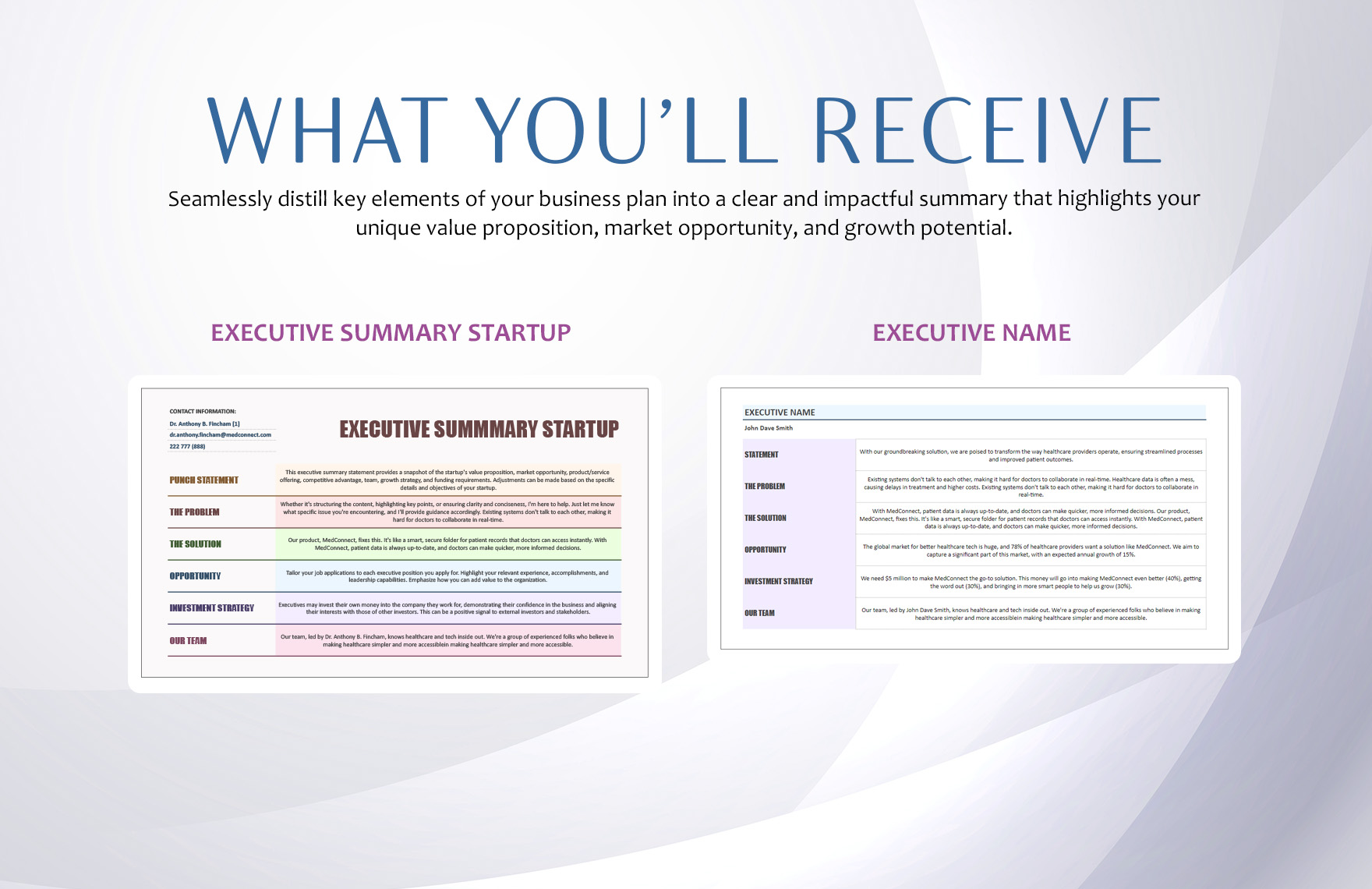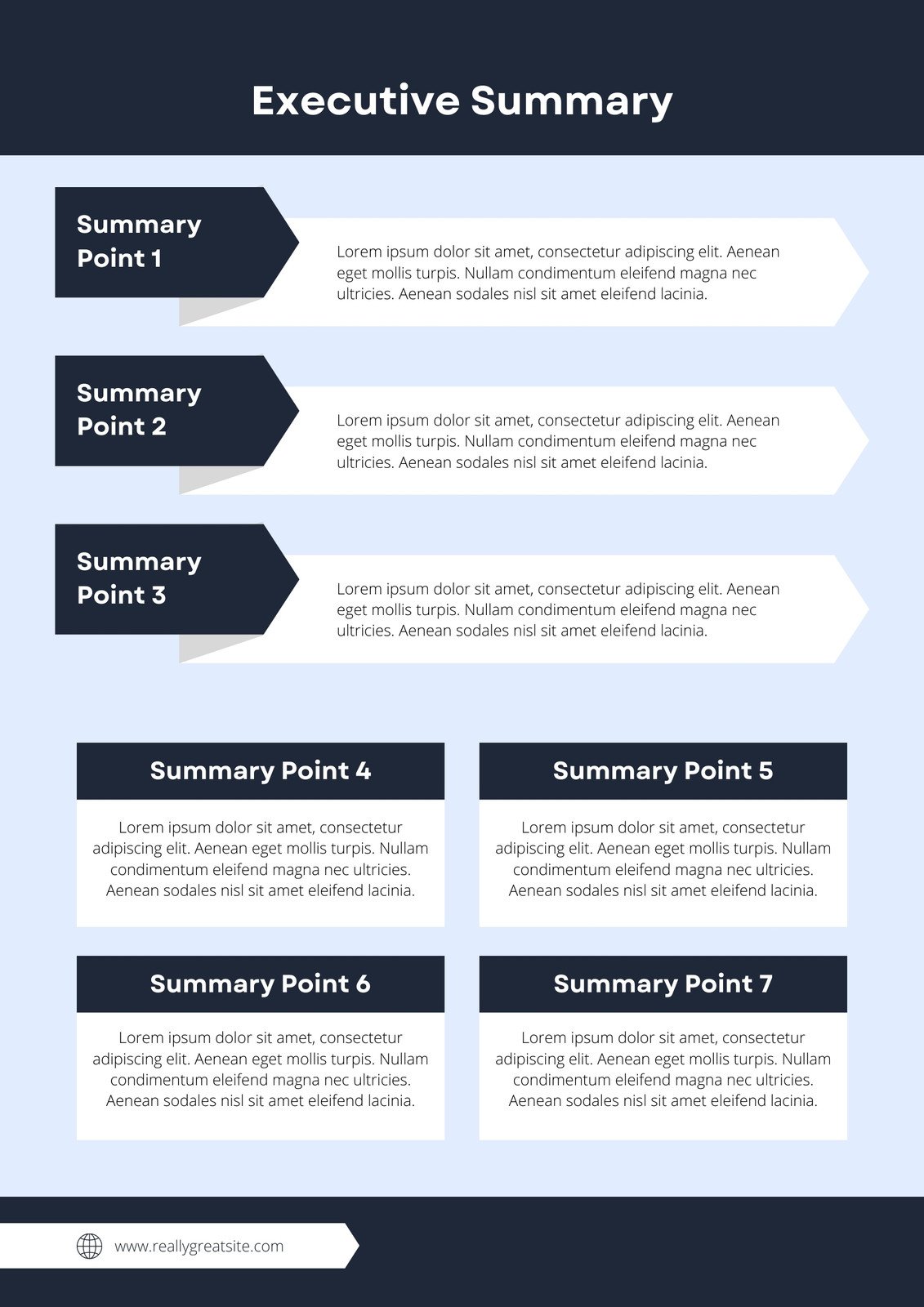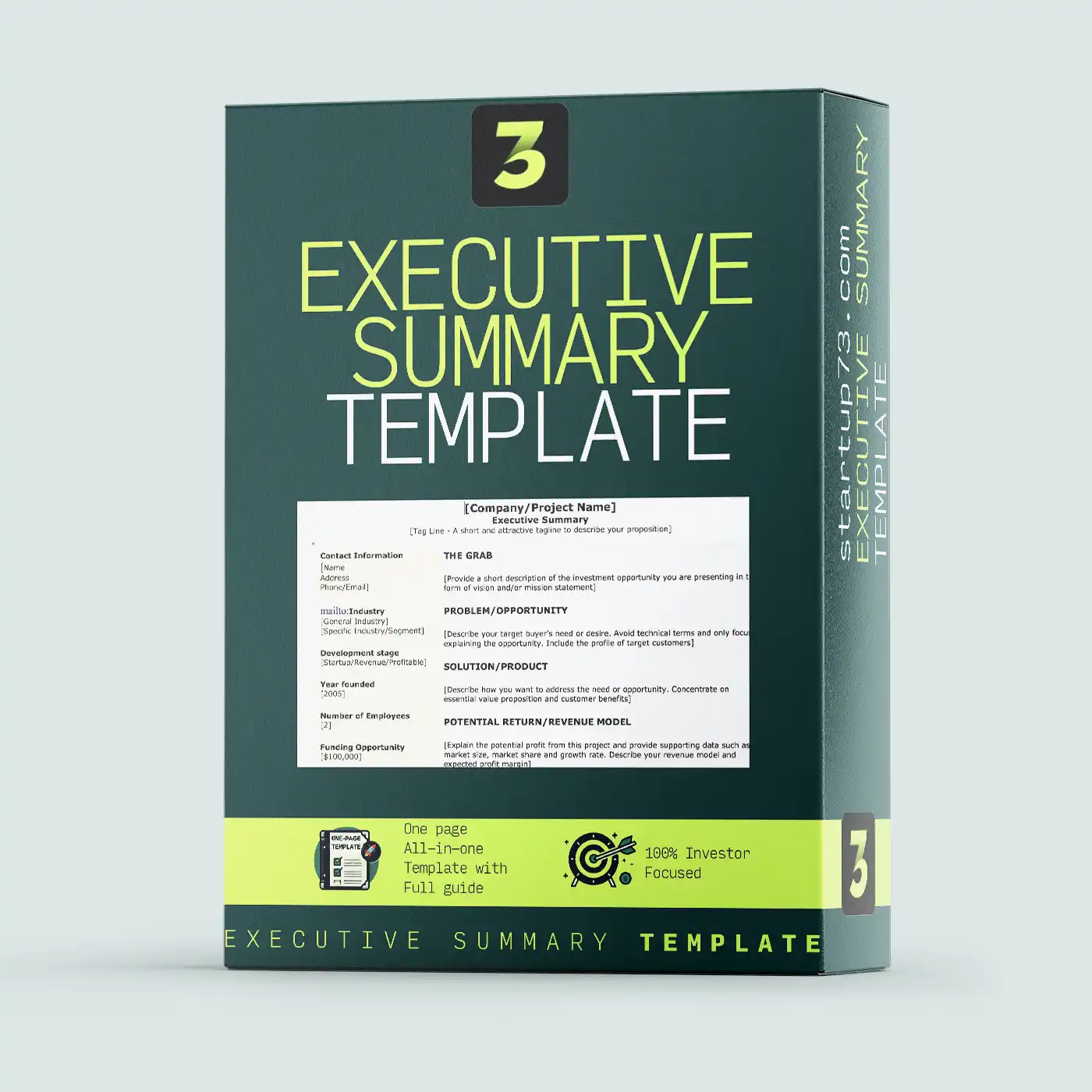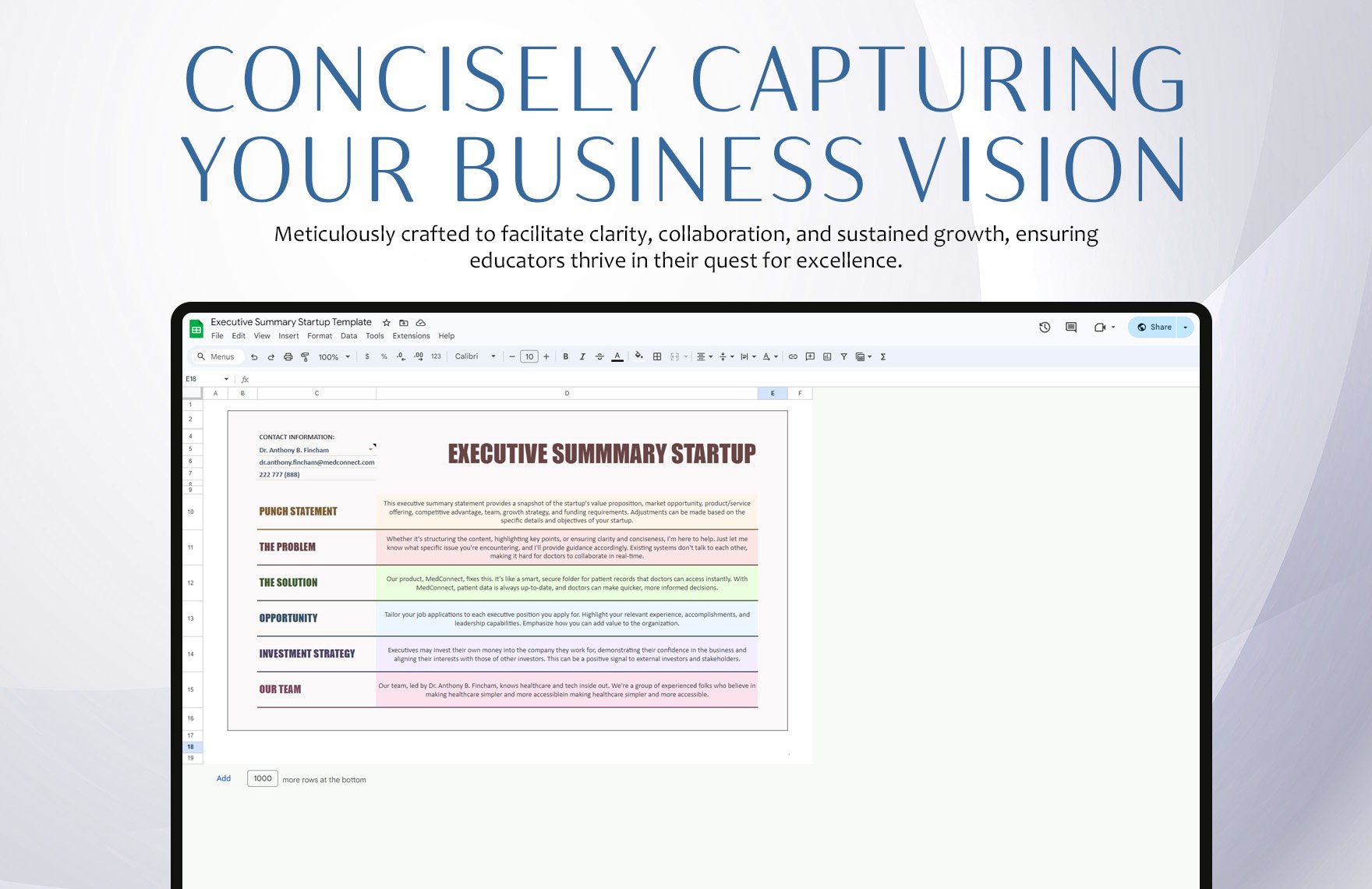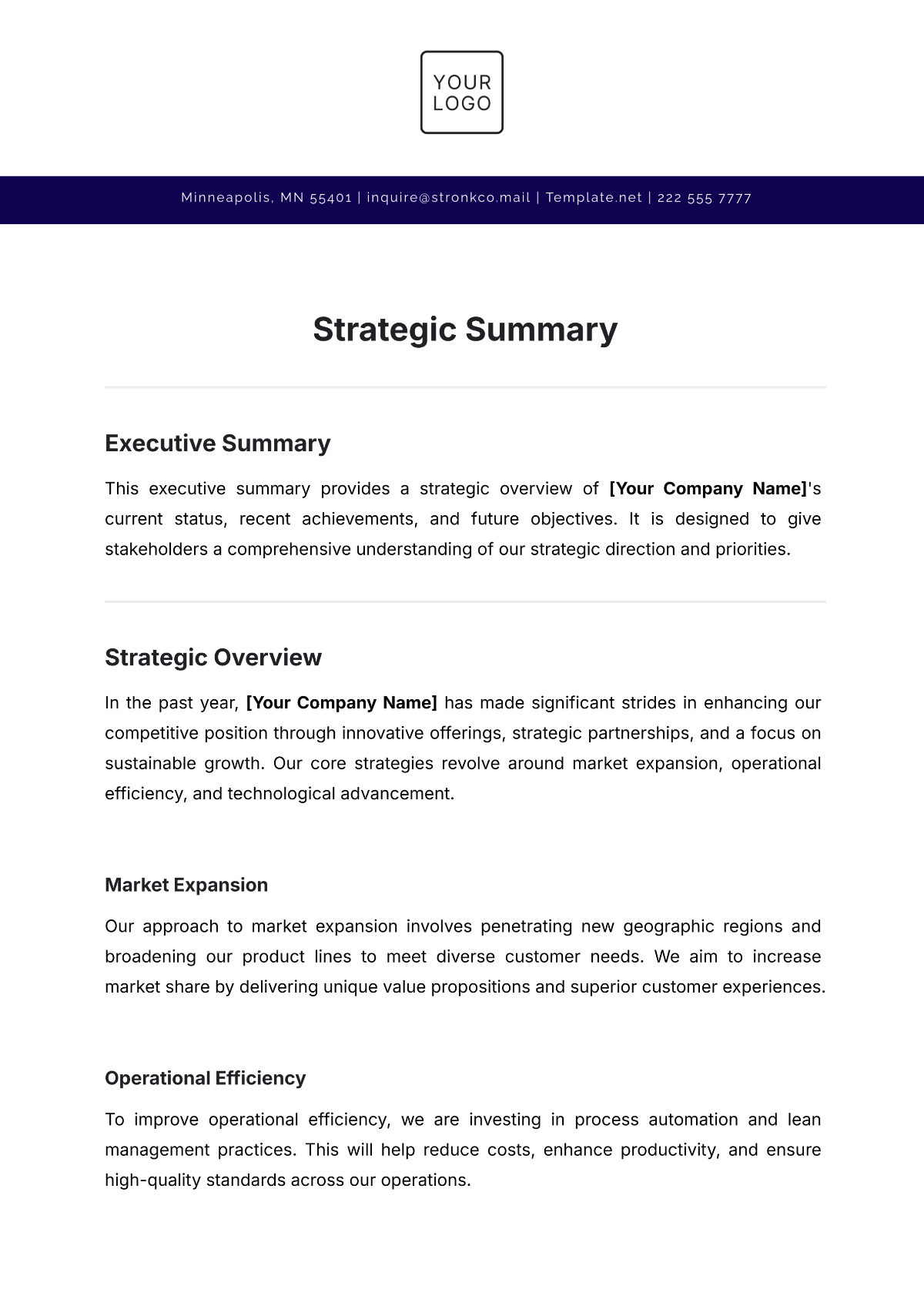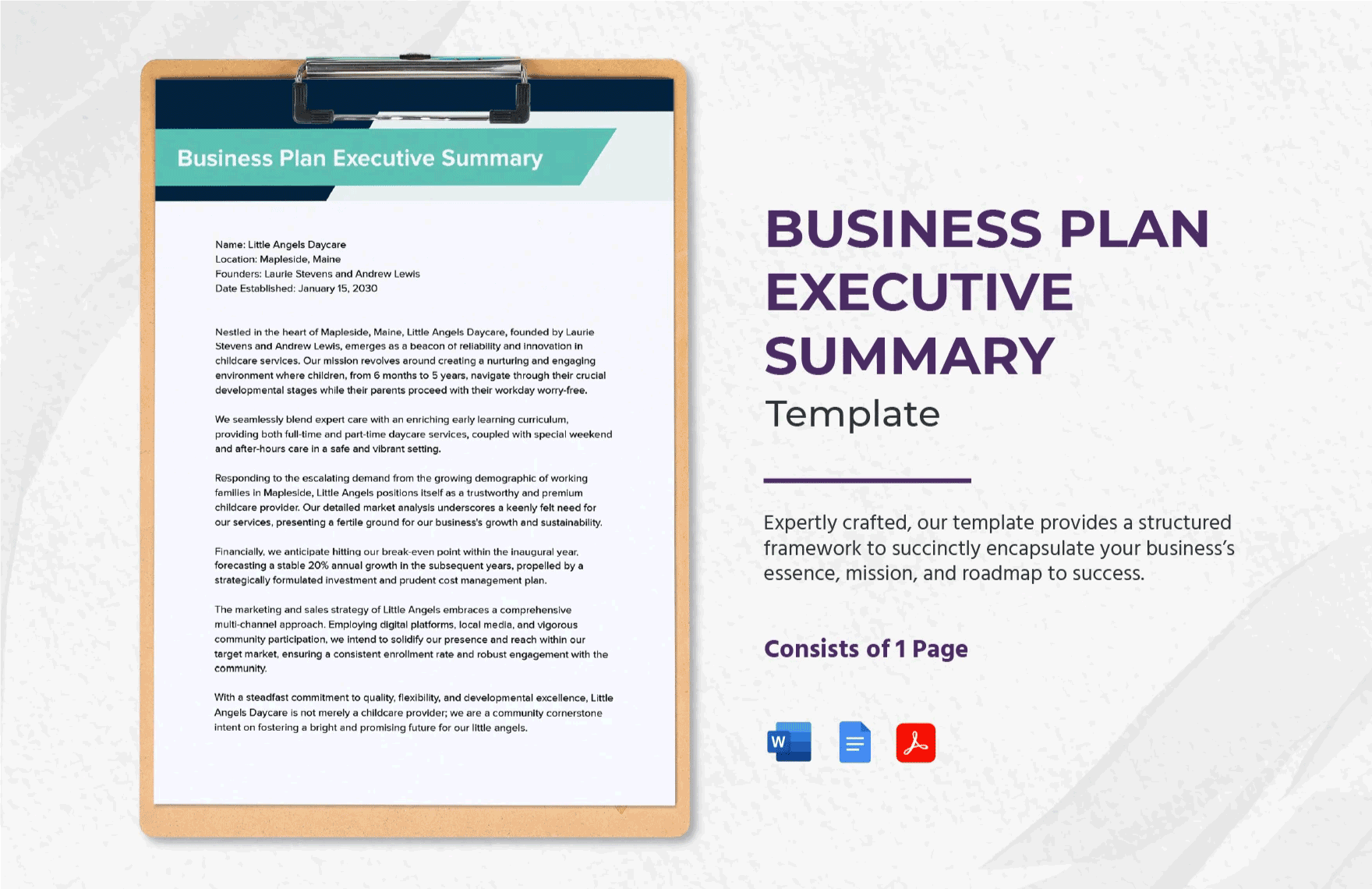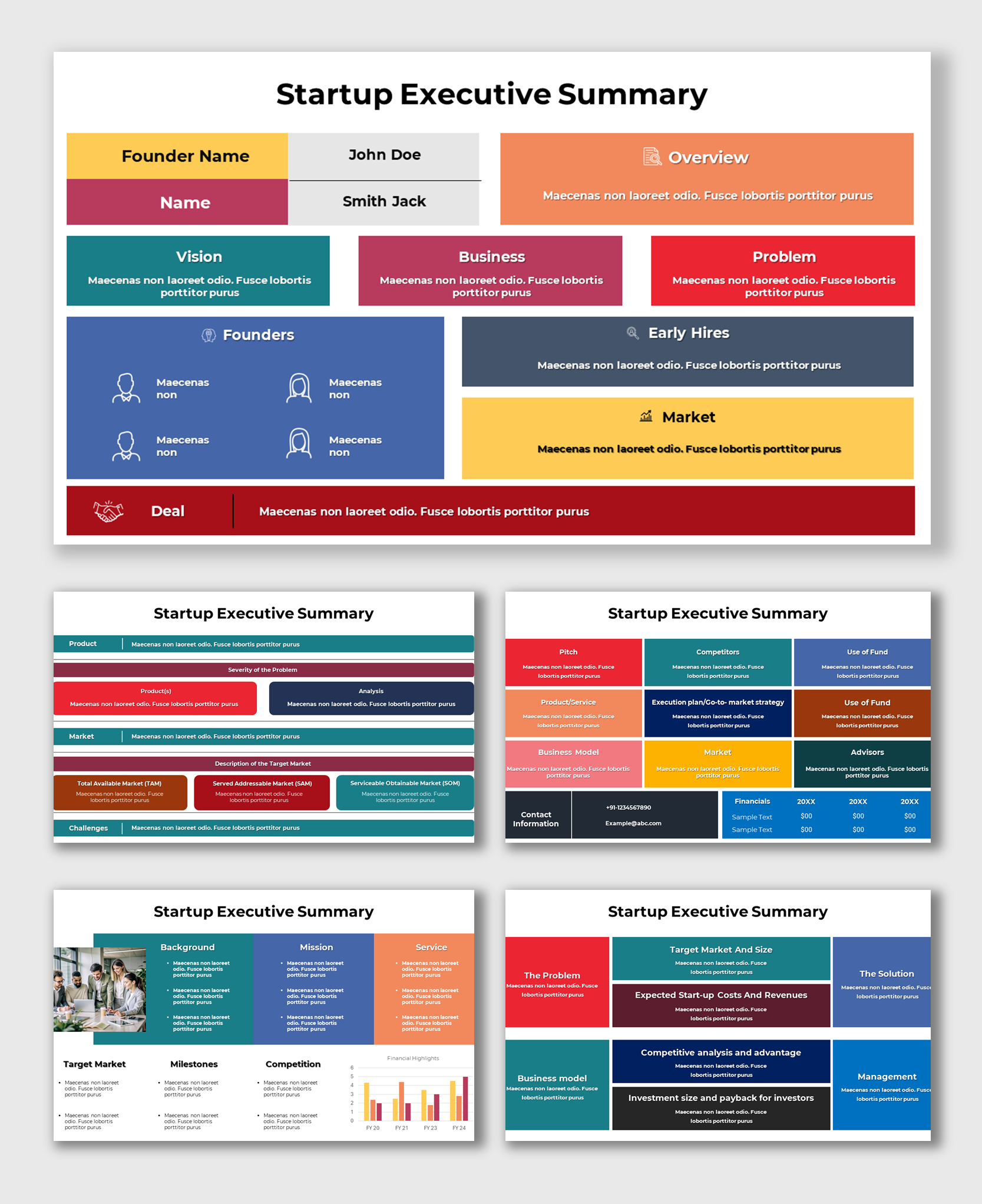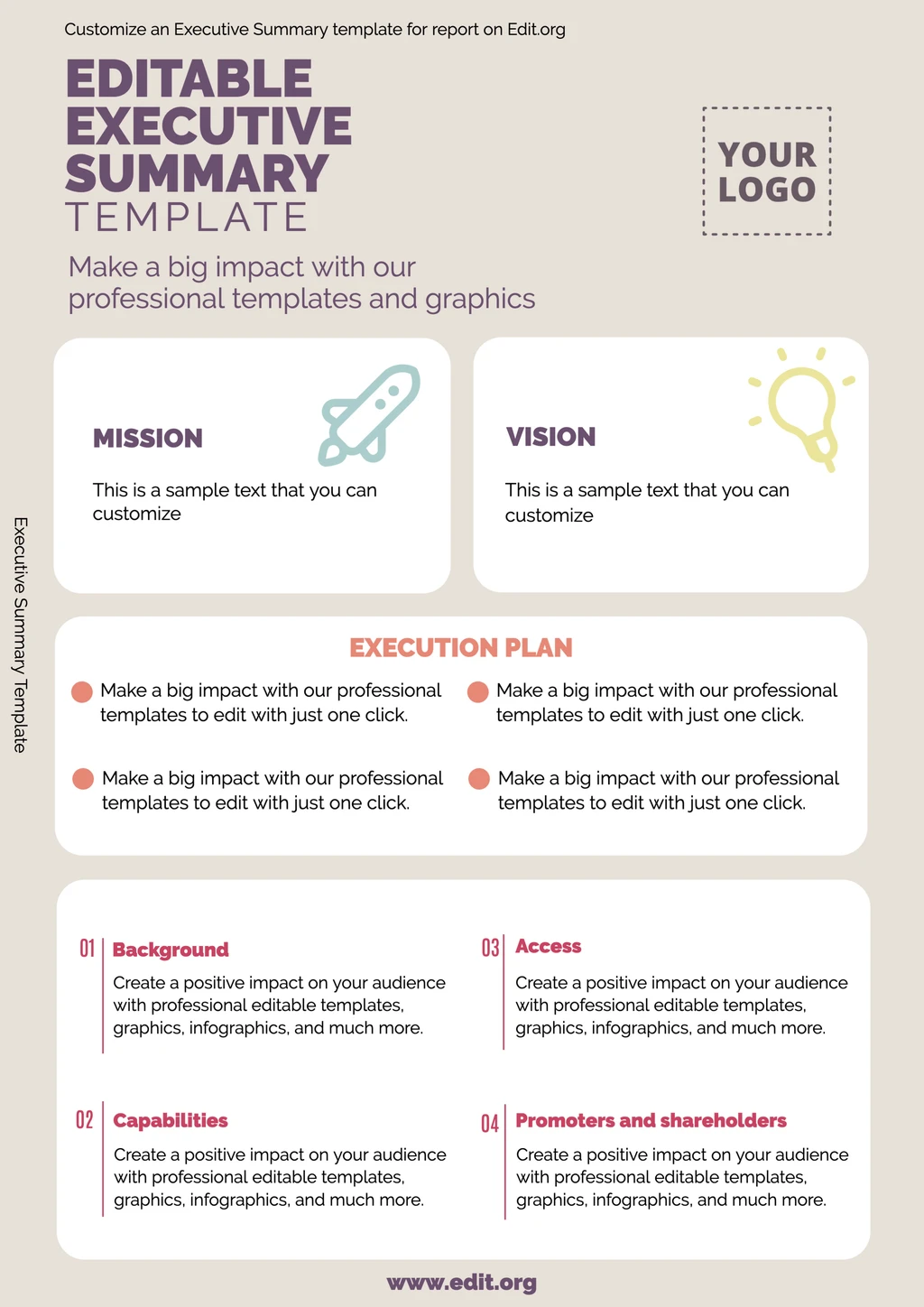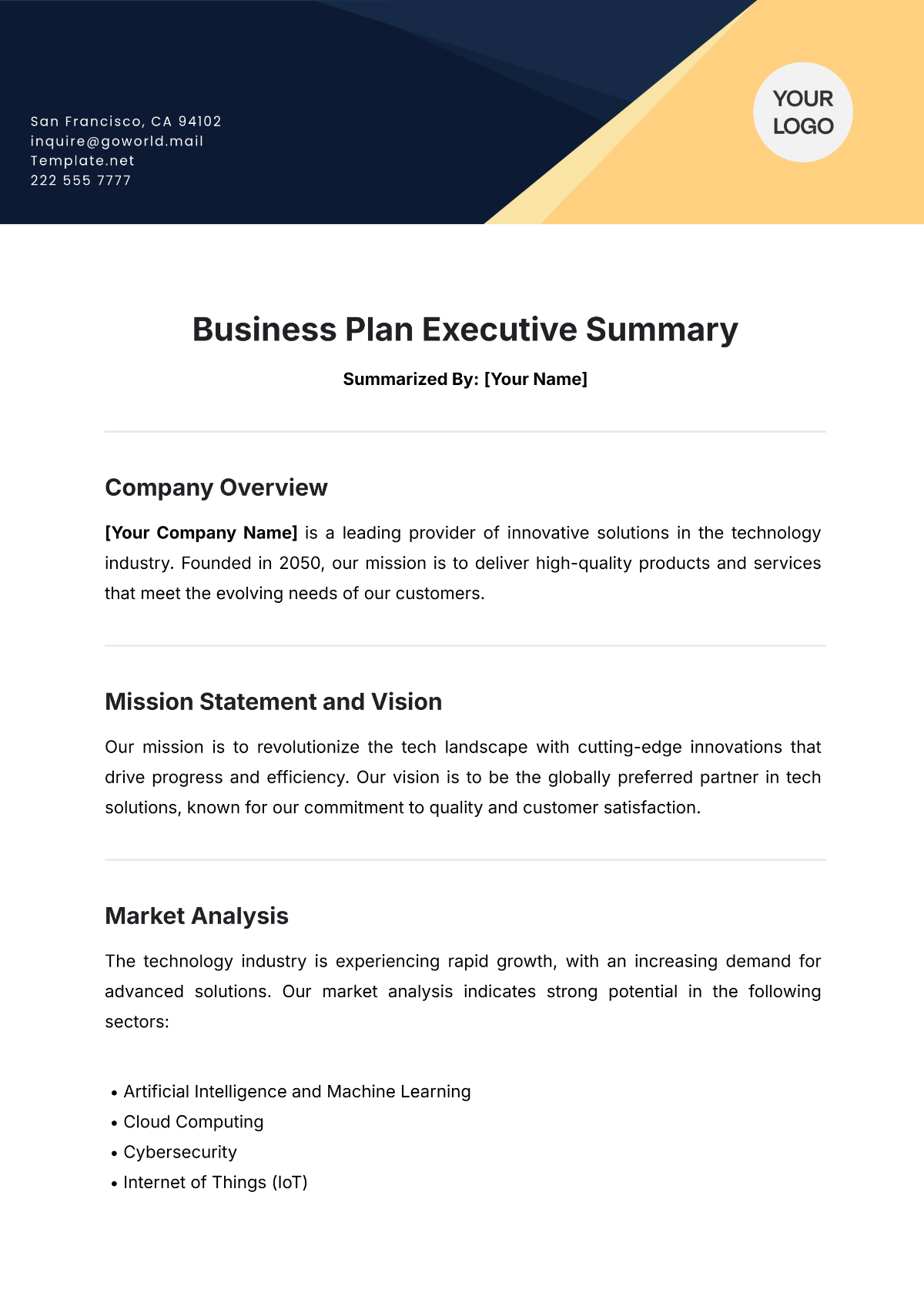
Executive Summary Template For Startups is the secret sauce that turns a scribbled napkin idea into a polished pitch that even your grandma would fund, and it’s the first thing investors read while sipping their overpriced lattes.
Why Every Startup Needs an Executive Summary
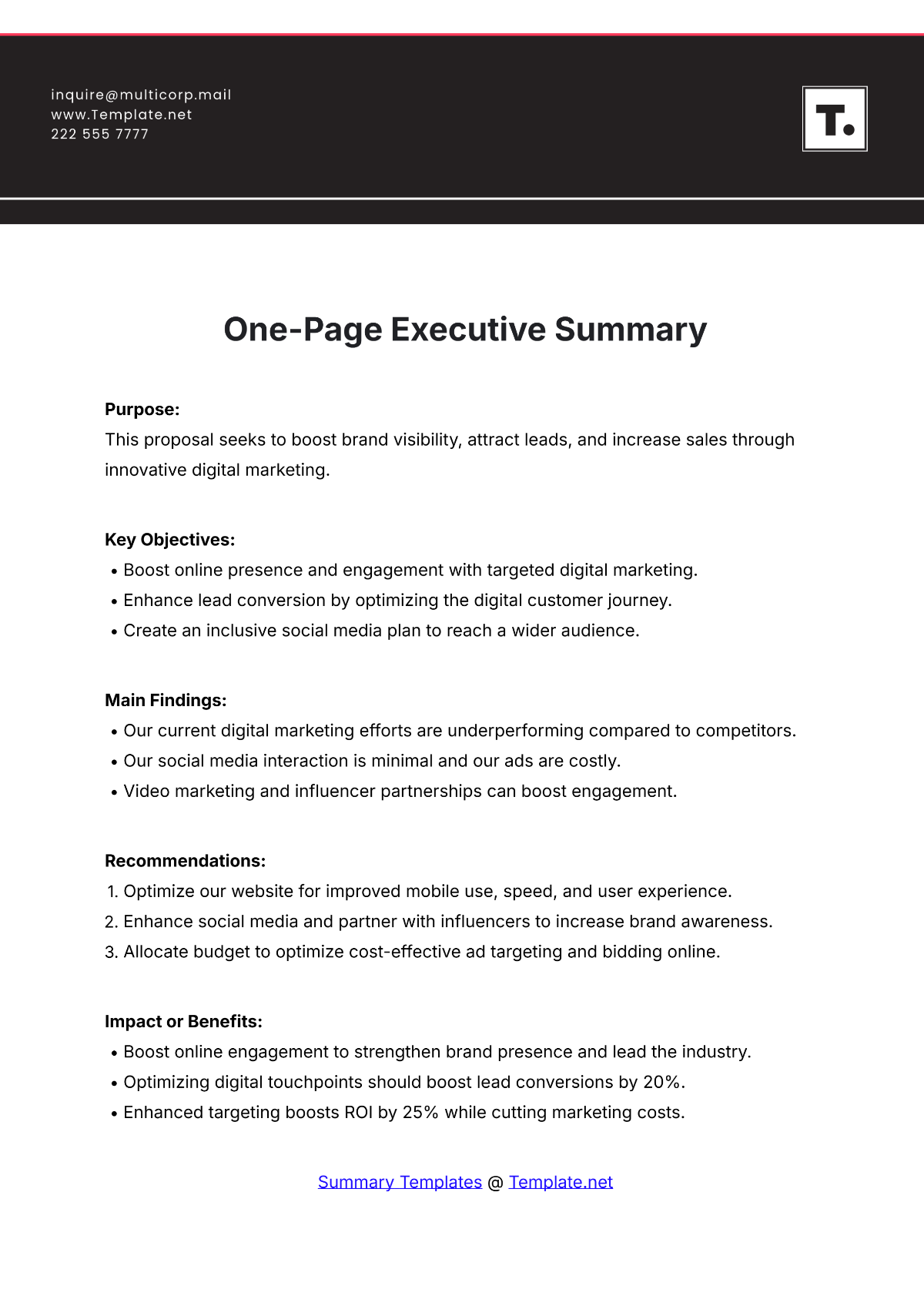
Imagine you’re at a speed‑dating event for investors. You have 30 seconds to impress a room full of money‑hungry strangers. That 30‑second moment is the executive summary. It’s the “elevator pitch on paper” that convinces a busy VC to hit the “read more” button instead of swiping left.
Beyond the romance analogy, the executive summary does three heavyweight jobs:
- First‑Impression Magnet: It filters out the “meh” ideas before you waste anyone’s time.
- Roadmap Snapshot: It outlines the problem, solution, market, and business model in a bite‑sized, digestible format.
- Confidence Booster: A polished summary shows you’ve done your homework and can communicate clearly—two traits investors adore.
Skipping this step is like trying to sell a spaceship without a launch checklist; you’ll probably crash and burn before you even leave the runway.
Key Elements of a Killer Executive Summary
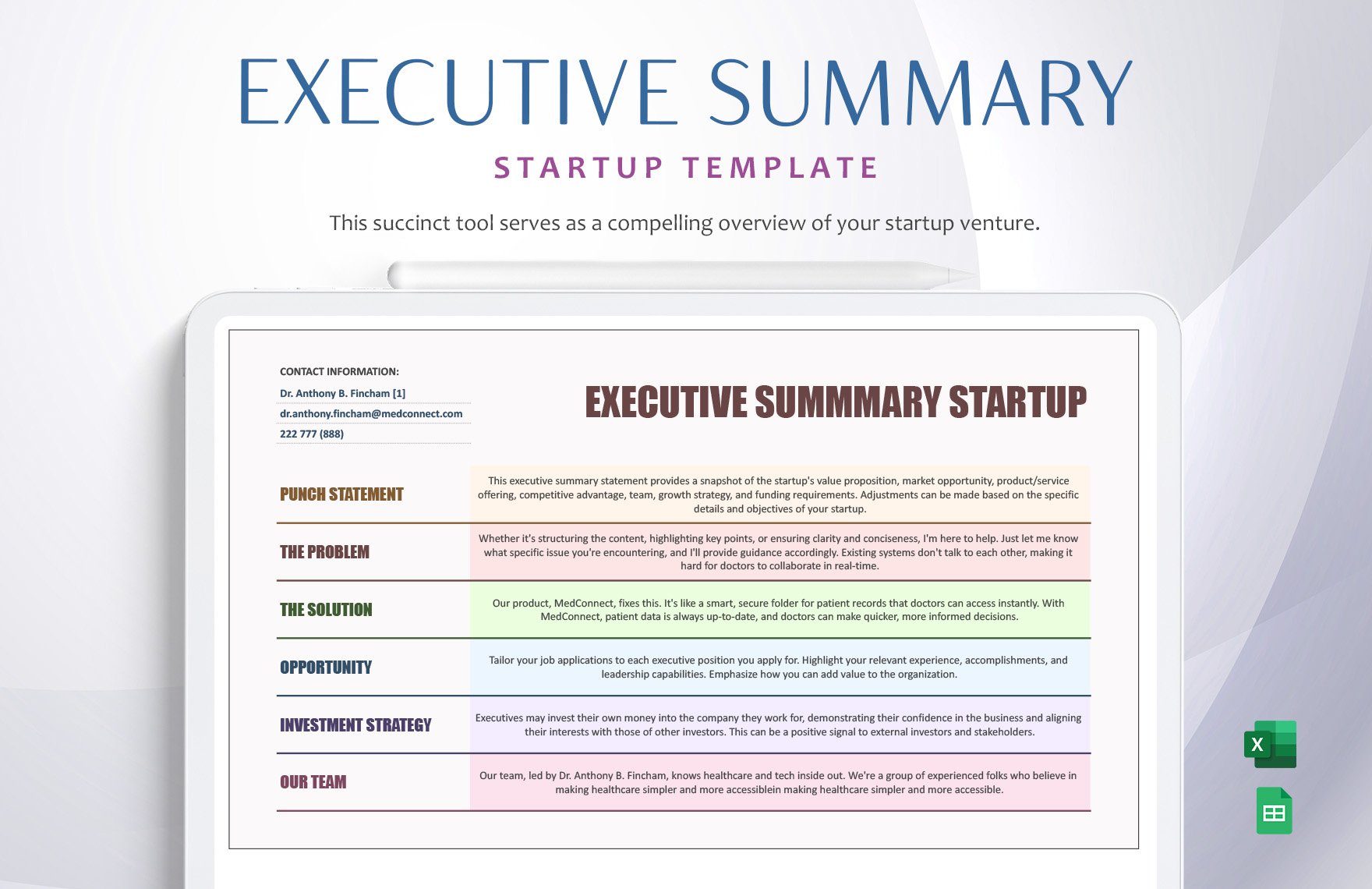
Think of the executive summary as a multi‑layered sandwich. Each ingredient must be fresh, balanced, and placed in the right order, otherwise you end up with a soggy mess that no one wants to bite into.
The Problem (aka The Cry for Help)
Start with a vivid, relatable pain point. Use concrete statistics, but keep it punchy. For example: “80% of small businesses lose revenue due to inefficient invoicing.” This tells the reader you understand the market’s agony.
The Solution (Your Superhero Cape)
Now reveal your product or service as the hero that swoops in to save the day. Avoid jargon; instead, describe the value in plain English: “Our SaaS platform automates invoicing, cutting processing time by 70%.”
Market Opportunity (The Treasure Chest)
Show the size of the gold mine. Mention total addressable market (TAM), serviceable available market (SAM), and your target segment. A quick formula works: TAM = 10 billion, SAM = 1 billion, Target = 50 million.
Business Model (How You’ll Make It Rain)
Explain how you’ll generate revenue. Subscription fees? Transaction commissions? Licensing? Be crystal clear because investors love numbers more than poetry.
Traction (Proof That You’re Not a Fantasy)
List real milestones: beta users, revenue, partnerships, media mentions. Even a handful of enthusiastic early adopters can be powerful if you frame them right.
Team (The Dream Squad)
Briefly highlight the founders and key hires, focusing on relevant experience. “Jane Doe, former PM at Google, leads product; John Smith, ex‑investment banker, handles finance.”
Financial Snapshot (The Numbers Game)
Provide a high‑level view: projected revenue for three years, gross margin, and cash burn. Keep it simple—no need for a full spreadsheet here, just the headline figures.
The Ask (What You Want and Why)
State the amount of capital you’re seeking, the intended use of funds, and the equity you’re offering. Be realistic; over‑promising is a fast track to disappointment.
Step‑by‑Step Walkthrough Using a Template

Now that you know the ingredients, let’s assemble the sandwich using a ready‑made executive summary template. Follow these steps and you’ll have a draft that even a skeptical investor can’t ignore.
Step 1: Download or Open a Blank Template
Start with a clean, one‑page layout. Most templates have predefined sections that match the key elements listed above. Choose a format that looks professional—think clean fonts, ample white space, and a modest logo.
Step 2: Fill In the Problem Section
Write a two‑sentence hook that paints the pain point. Example: “Small retailers lose an average of $15,000 annually due to inventory mismanagement.” Use a bold statement to grab attention.
Step 3: Craft the Solution Paragraph
Explain your product in 30‑40 words. Highlight the unique selling proposition (USP). Avoid buzzwords; instead, say, “Our AI‑powered platform predicts stock levels, reducing waste by 40%.”
Step 4: Populate the Market Opportunity
Insert a concise market sizing paragraph. Use credible sources (industry reports, government data) and cite them indirectly: “According to a recent industry study…”
Step 5: Outline the Business Model
State the revenue streams in bullet form for clarity:
- Monthly subscription fees
- Transaction‑based commissions
- Premium analytics add‑on
Step 6: Add Traction Metrics
Show numbers that matter: “Beta launch attracted 500 users, generating $12,000 in ARR within two months.” Include any notable partnerships or press coverage.
Step 7: Highlight the Team
Use a short list with titles and relevant achievements. Keep it punchy: “CEO – former CTO at Stripe; COO – ex‑McKinsey consultant with 10 years in retail ops.”
Step 8: Insert the Financial Snapshot
Provide a mini‑table or a paragraph with three‑year projections: “Year 1: $200k revenue; Year 2: $1.2M; Year 3: $5M.” Mention gross margin and cash burn to show you understand the financial runway.
Step 9: Write the Ask
Be direct: “We are raising $750k for 15% equity to accelerate product development, expand sales, and hire two senior engineers.” End with a confidence‑boosting line: “With your partnership, we’ll dominate the niche market within 24 months.”
Step 10: Polish, Proofread, and Add Visual Flair
Read the whole thing aloud. Remove filler words, fix typos, and ensure consistent formatting. Add a subtle chart or graph if the template allows—it makes the numbers pop.
Common Mistakes (And How to Dodge Them)
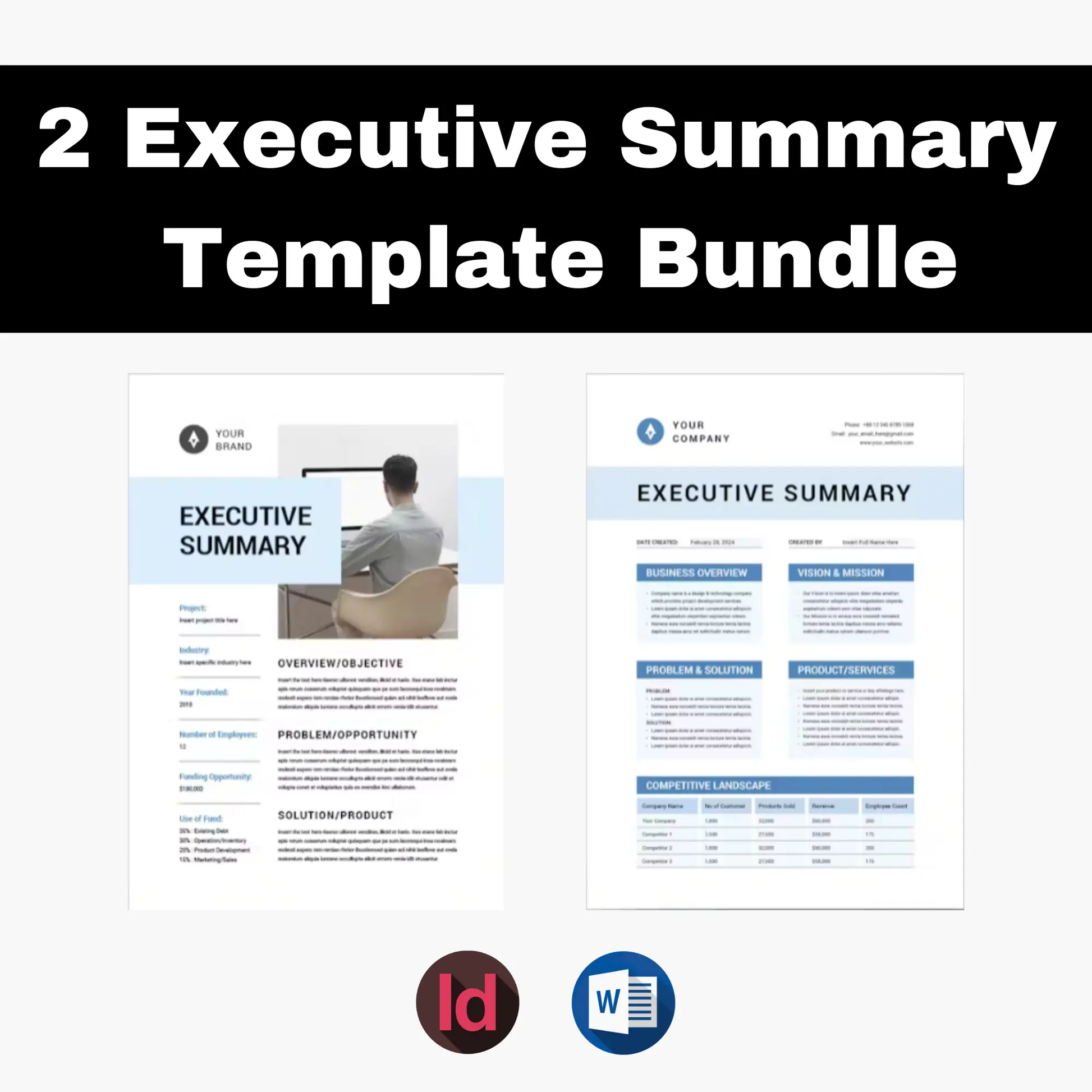
Even the best‑intentions can backfire if you slip into these classic traps.
Overloading with Jargon
Tech‑savvy founders love acronyms, but investors appreciate clarity. Replace “B2B SaaS platform leveraging AI‑ML algorithms” with “A cloud‑based software that uses artificial intelligence to streamline business processes.”
Lengthy Narratives
The executive summary should be a one‑pager. Anything longer looks like a novel you’re trying to sell without an editor. Trim redundancies; every sentence must earn its place.
Vague Numbers
“We expect massive growth” is not a number. Provide concrete figures, even if they’re conservative. It shows you’ve done the math.
Ignoring the Competition
Never claim you’re the only player in the market. Acknowledge competitors and explain your competitive advantage. It demonstrates market awareness and strategic thinking.
Missing the Hook
The first sentence of your summary should be a hook that makes the reader sit up. Skip the bland “Our company does X” and opt for a startling fact or a bold claim.
Tips for Making Your Summary Stand Out
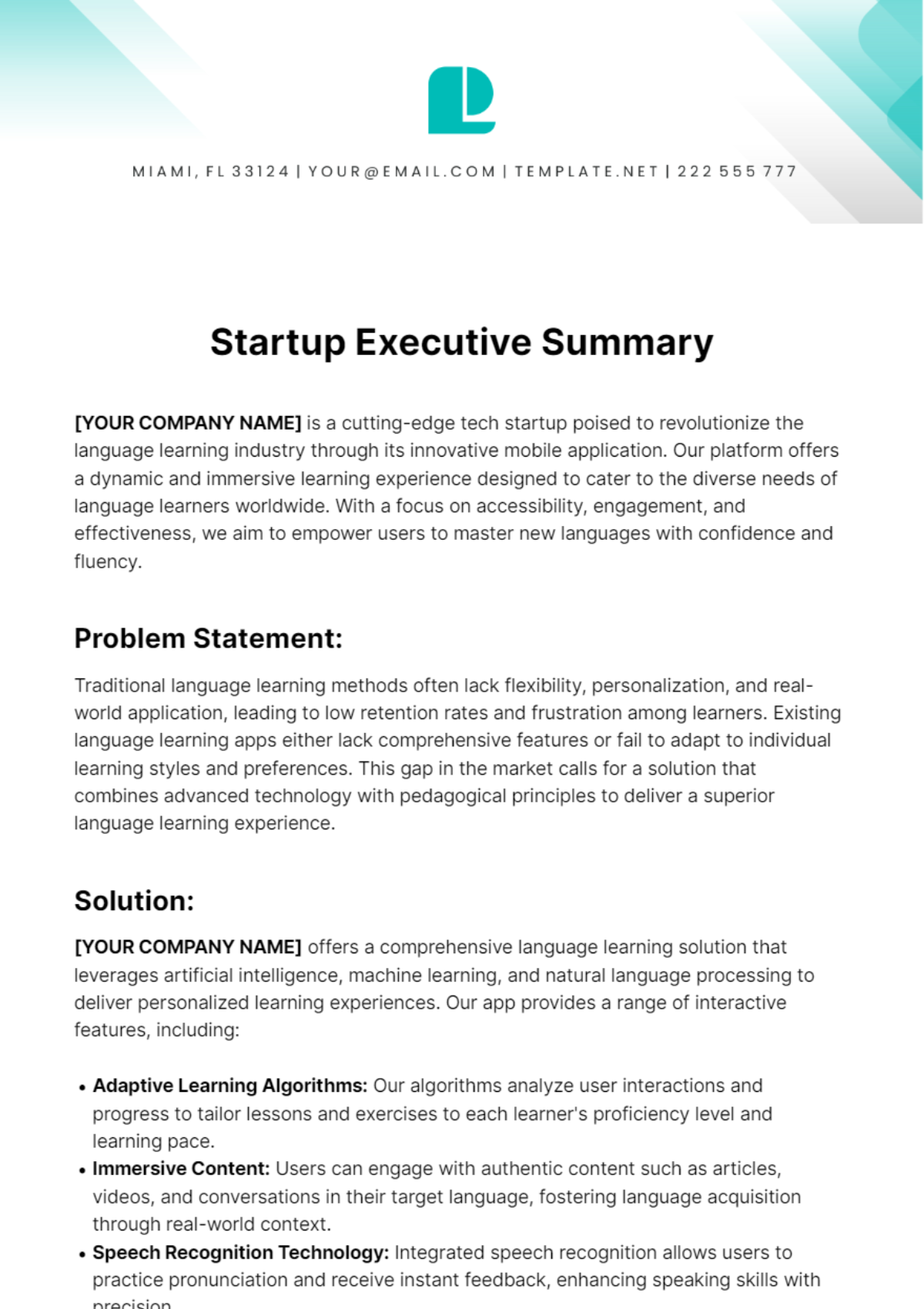
Now that you’ve avoided the pitfalls, sprinkle a few extra spices to make your executive summary unforgettable.
Use Storytelling Techniques
Start with a short anecdote that illustrates the problem. For instance, “When Sarah’s boutique ran out of a bestseller, she lost $3,000 in sales that weekend.” Stories stick better than statistics alone.
Leverage Visual Elements
Even in a one‑page document, a small chart, icon, or infographic can break up text and highlight key metrics. Keep it simple and high‑resolution.
Inject Personality (But Not Too Much)
A dash of humor can humanize your brand, but keep it professional. A witty tagline like “Turning inventory headaches into profit smiles” can be memorable.
Tailor to the Audience
If you’re pitching an angel investor who loves sustainability, emphasize any eco‑friendly aspects. Customizing the narrative shows you’ve done your homework.
Include a Call‑to‑Action
Close with a clear next step: “Let’s schedule a 15‑minute call next week to discuss how we can collaborate.” It nudges the reader toward action.
Free Template Resources (No URLs, Just Guidance)
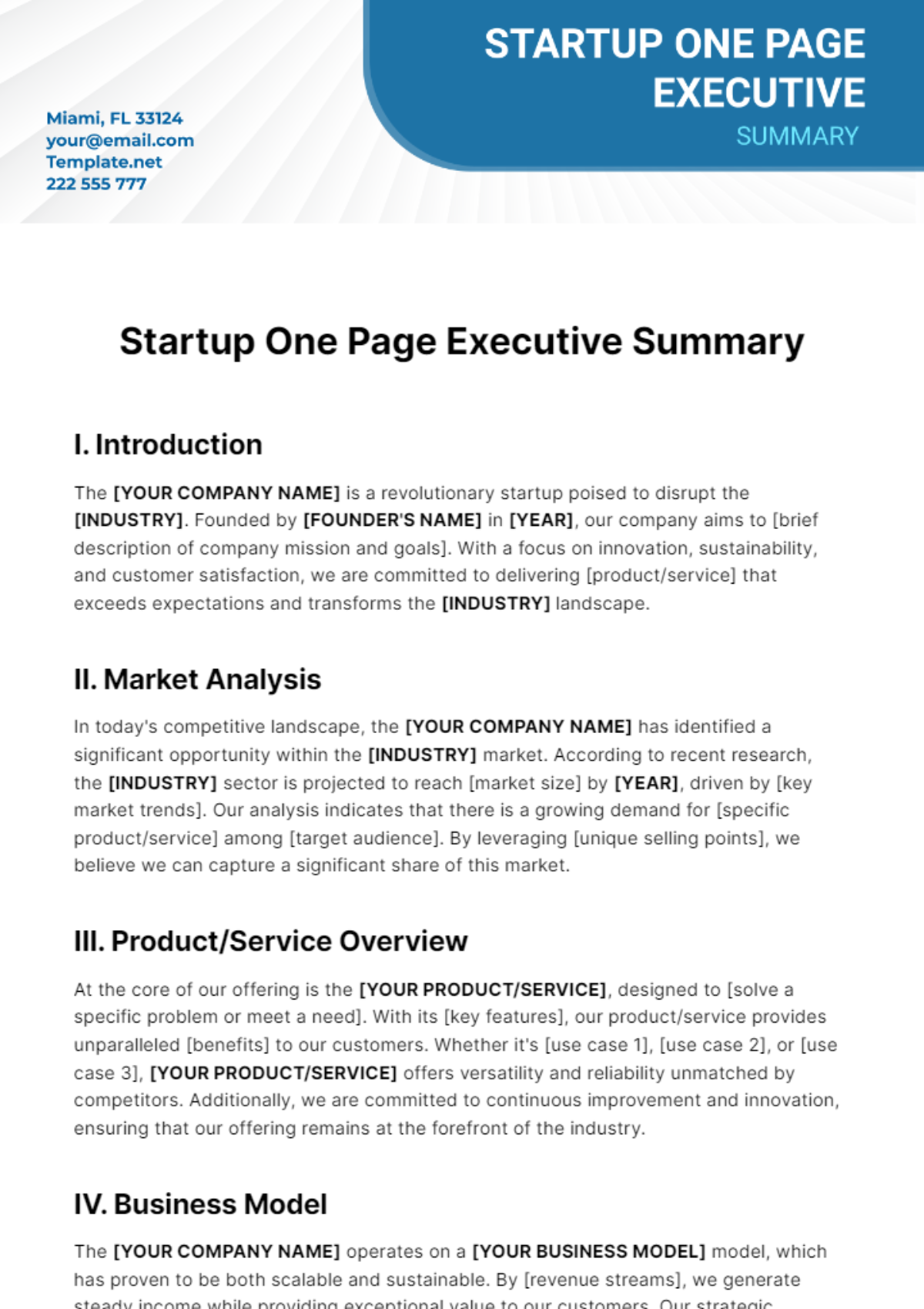
While we can’t drop direct links, here’s how to locate high‑quality executive summary templates without getting lost in a sea of spammy PDFs:
- Search for “free executive summary template for startups” on reputable sites that specialize in business documents.
- Check out the resource libraries of incubators and accelerators—many offer downloadable templates as part of their mentorship programs.
- Visit university entrepreneurship centers; they often publish polished templates for student ventures that work equally well for real‑world startups.
- Look for templates that include placeholders for each of the key elements discussed above. A good template will have sections labeled “Problem,” “Solution,” “Market,” and so on.
- Read reviews or community feedback to ensure the template is up‑to‑date and visually appealing.
Once you’ve secured a template, plug in the content you crafted in the step‑by‑step walkthrough and you’ll be ready to wow investors.
Conclusion

Crafting an Executive Summary Template For Startups isn’t rocket science, but it does require a blend of strategic thinking, concise writing, and a pinch of humor to keep the reader engaged. By following the structured framework—problem, solution, market, business model, traction, team, financials, and the ask—you’ll produce a one‑page masterpiece that acts as your startup’s calling card.
Remember to avoid jargon, keep it short, back up claims with hard numbers, and inject a little personality to make your summary memorable. Use a reputable template as your canvas, fill it with the insights from this guide, and you’ll have a document that not only opens doors but also makes investors eager to walk through them.
Now go forth, polish that executive summary, and turn those coffee‑shop ideas into funded realities—because every great startup story starts with a killer one‑pager.