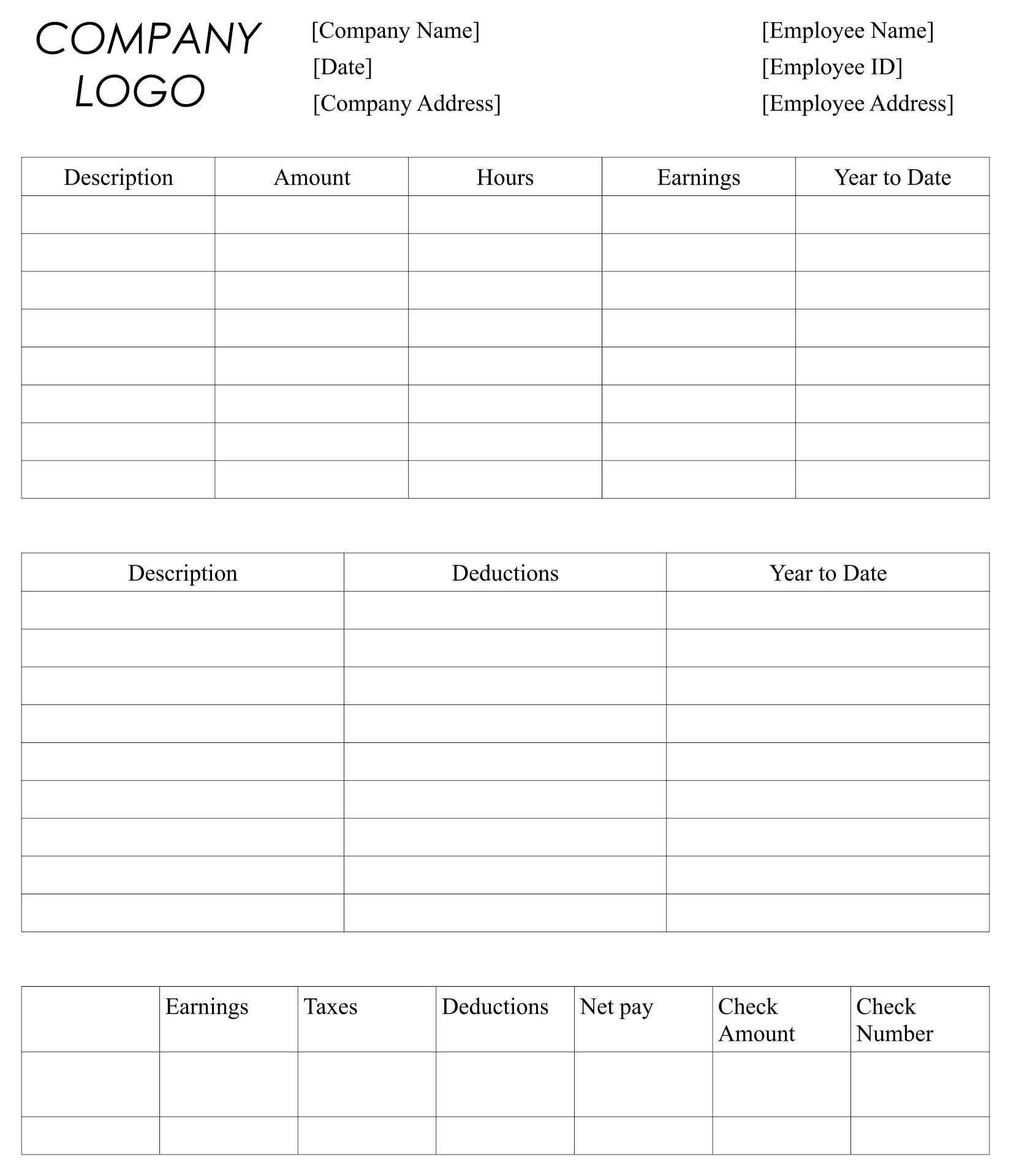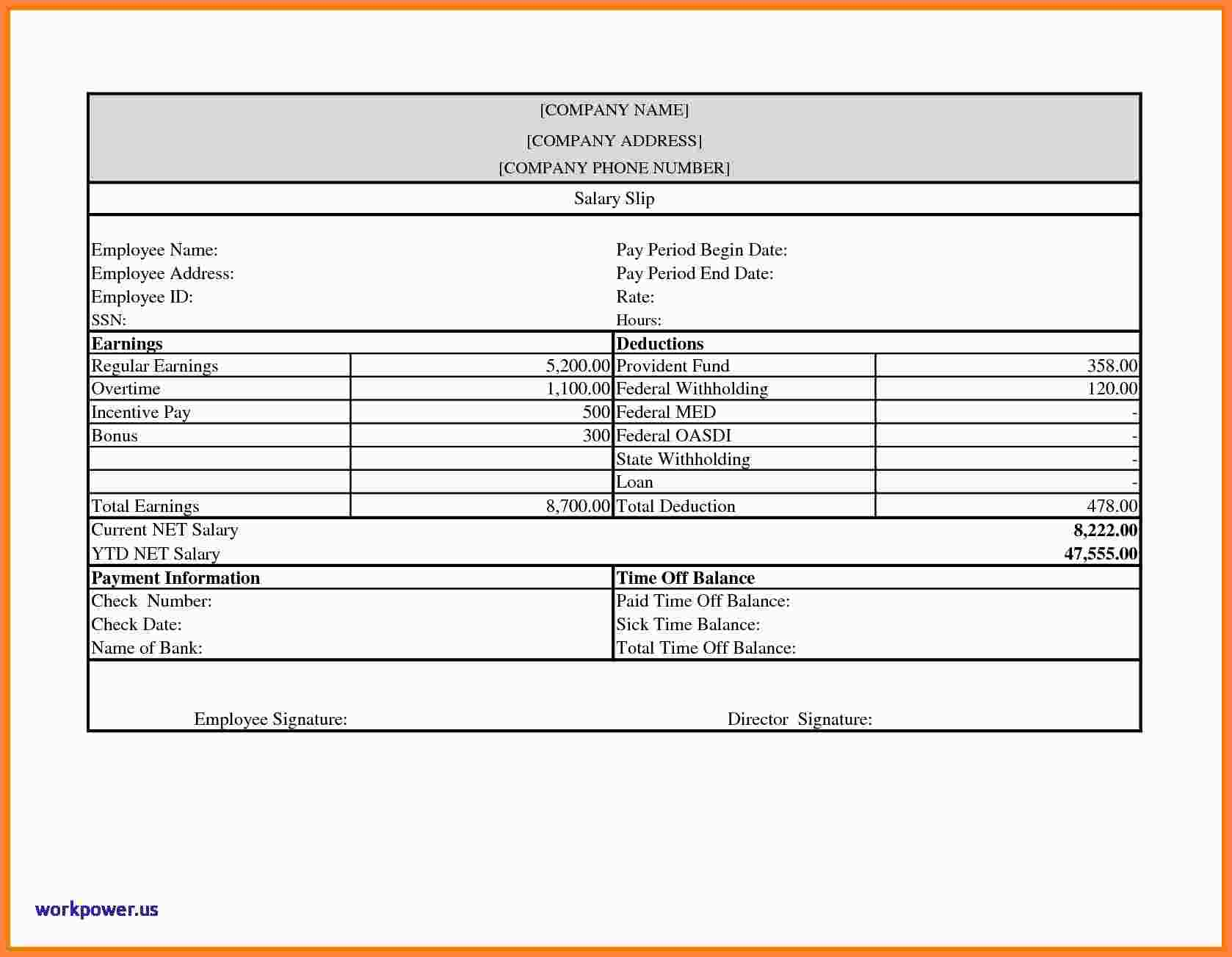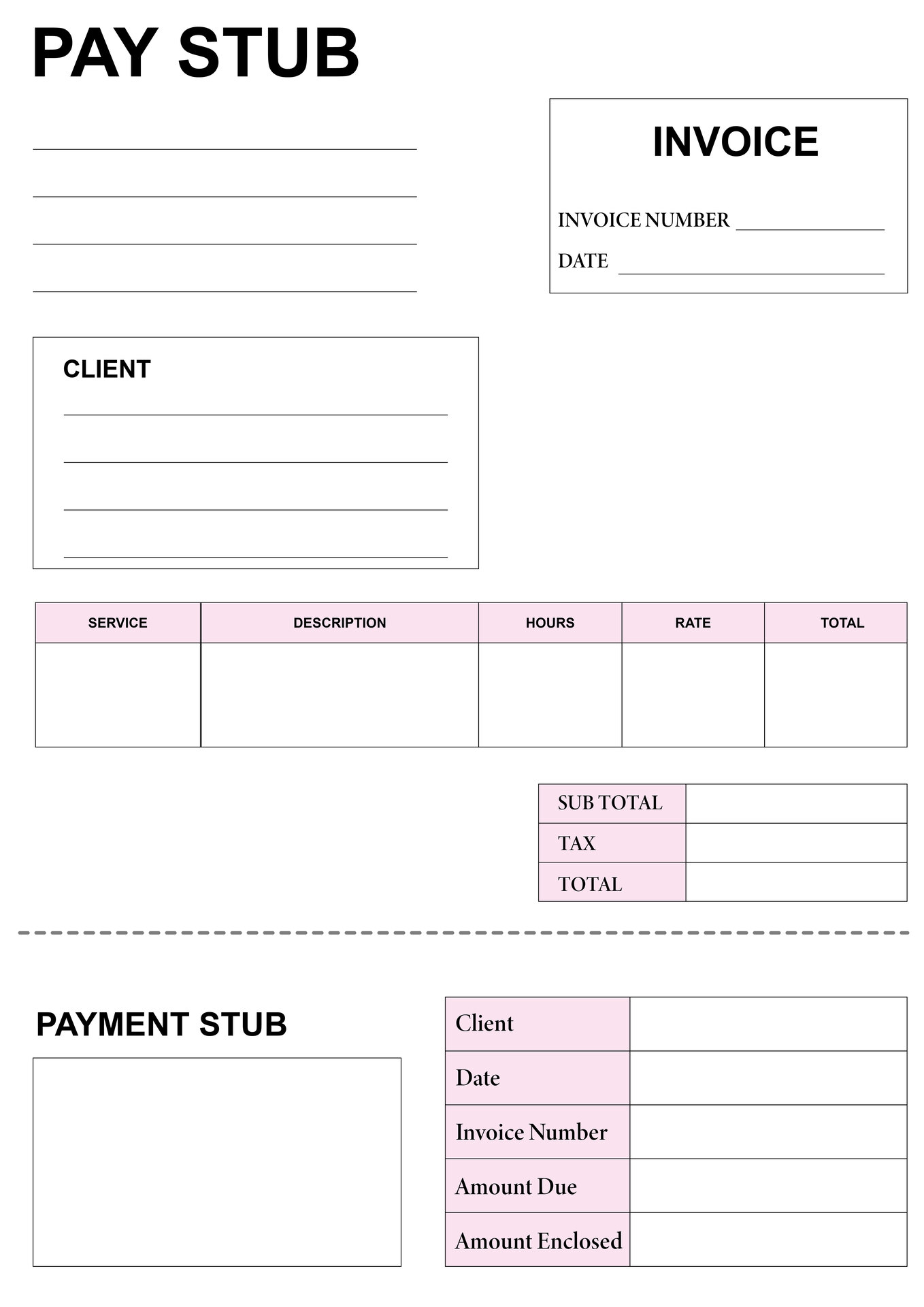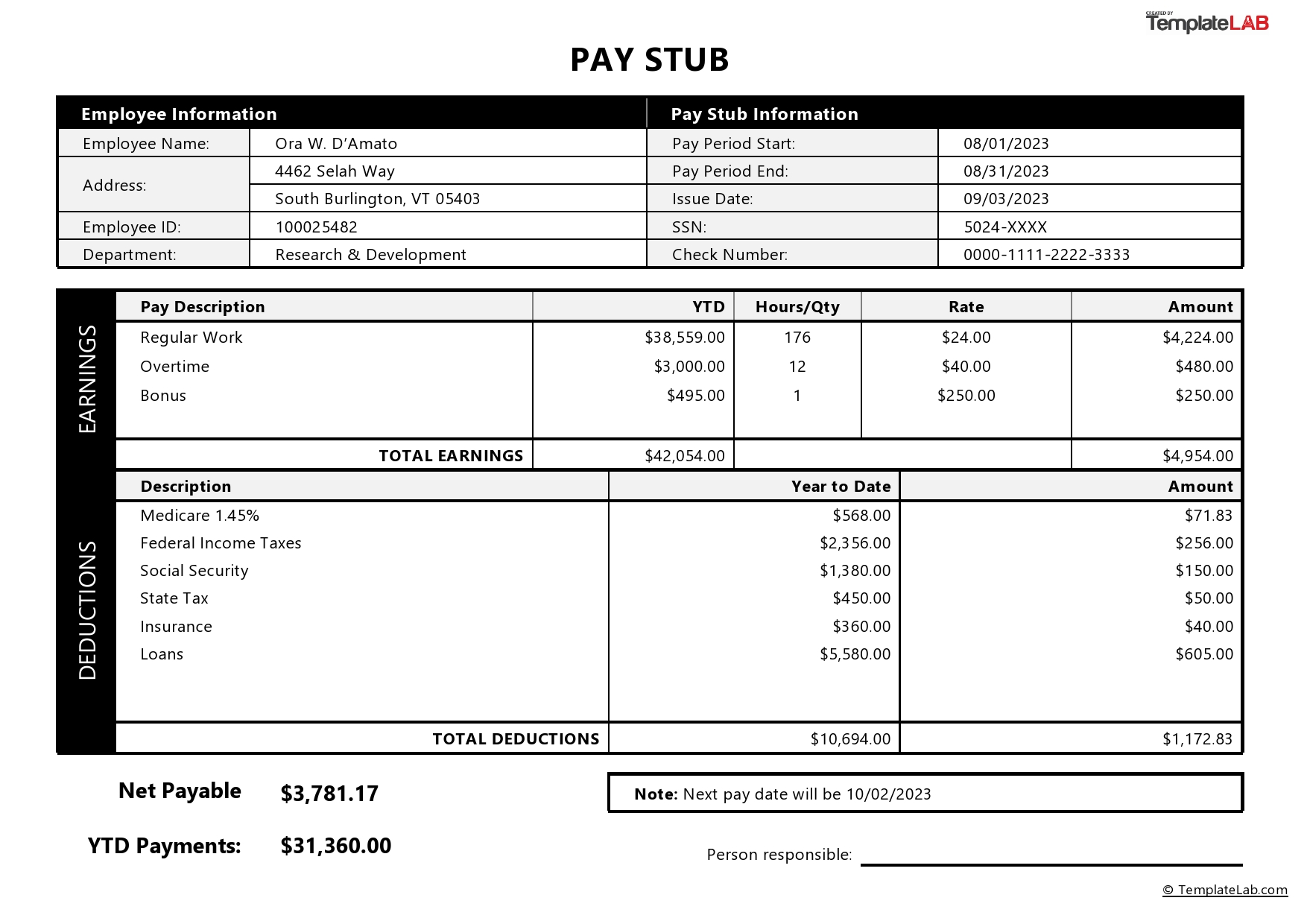
Blank Pay Stubs Template is a cornerstone for businesses and freelancers who need a reliable way to document earnings, deductions, and net pay for their employees or contractors. A well‑crafted pay stub not only provides clarity for the recipient but also serves as a critical audit trail for the employer. By leveraging a professionally designed template, companies can streamline payroll processes, maintain compliance, and protect themselves from costly errors.
What Is a Blank Pay Stub?
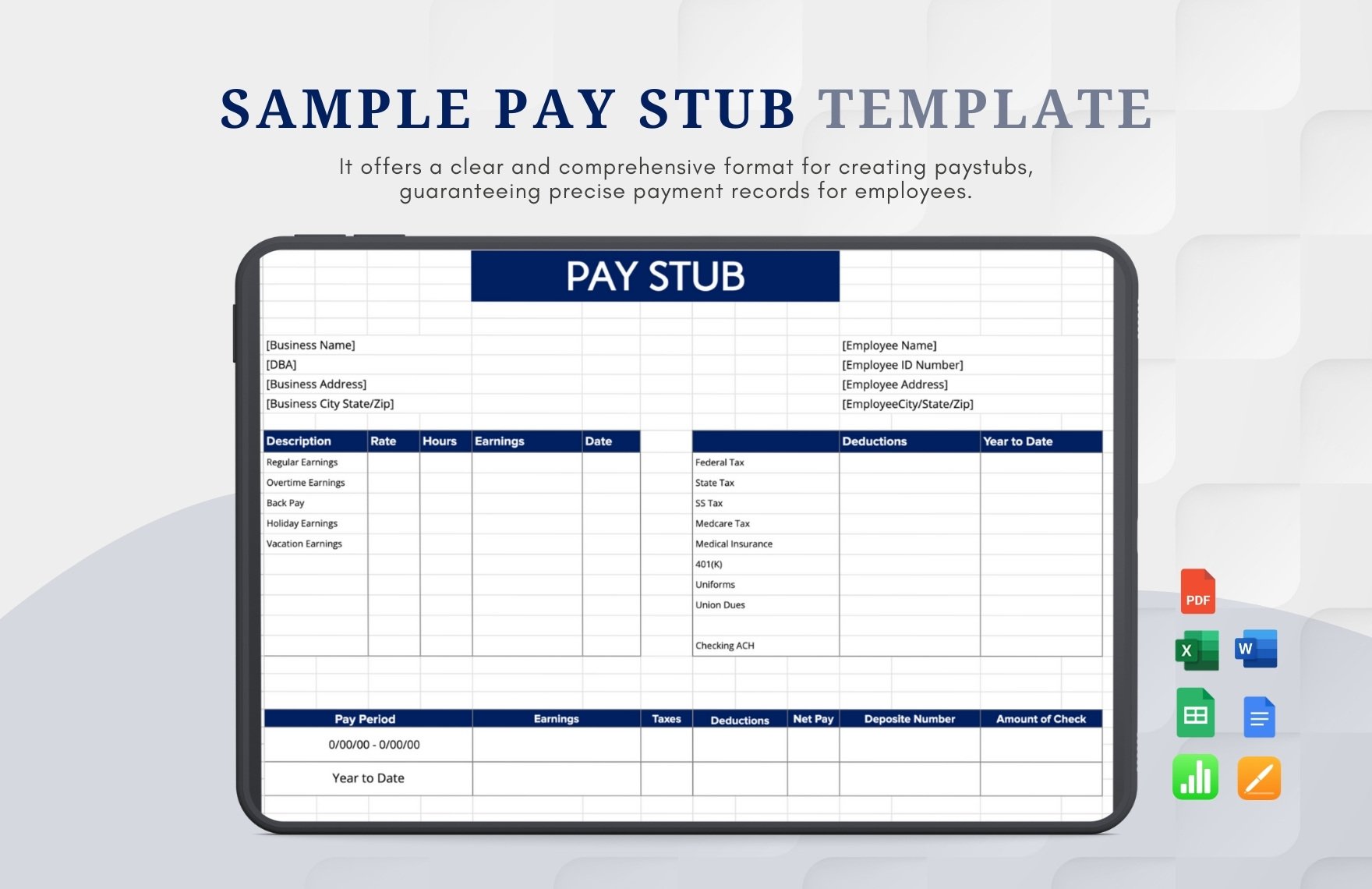
A blank pay stub is a pre‑formatted document that displays all the essential information related to a worker’s compensation for a specific pay period. Unlike a simple receipt, it includes detailed breakdowns of gross wages, various deductions, tax withholdings, and net payout. While some businesses use proprietary payroll software to generate these documents, others prefer a template that can be customized manually.
Legal Purpose
Under federal and state labor laws, employers must provide employees with a written record of each payment. This requirement ensures that employees can verify the accuracy of their pay and that employers remain accountable for lawful wage practices.
Record‑Keeping
Employers maintain pay stubs as part of their payroll records, which are subject to retention rules that vary by jurisdiction. A blank template that adheres to these rules helps organizations avoid legal disputes and ensures documentation is readily accessible during audits.
Payroll Compliance
Pay stubs must contain specific elements, such as tax identification numbers, tax rates, and benefits summaries. A template that incorporates all mandatory fields reduces the risk of non‑compliance and the associated penalties.
Benefits of Using a Blank Pay Stub Template
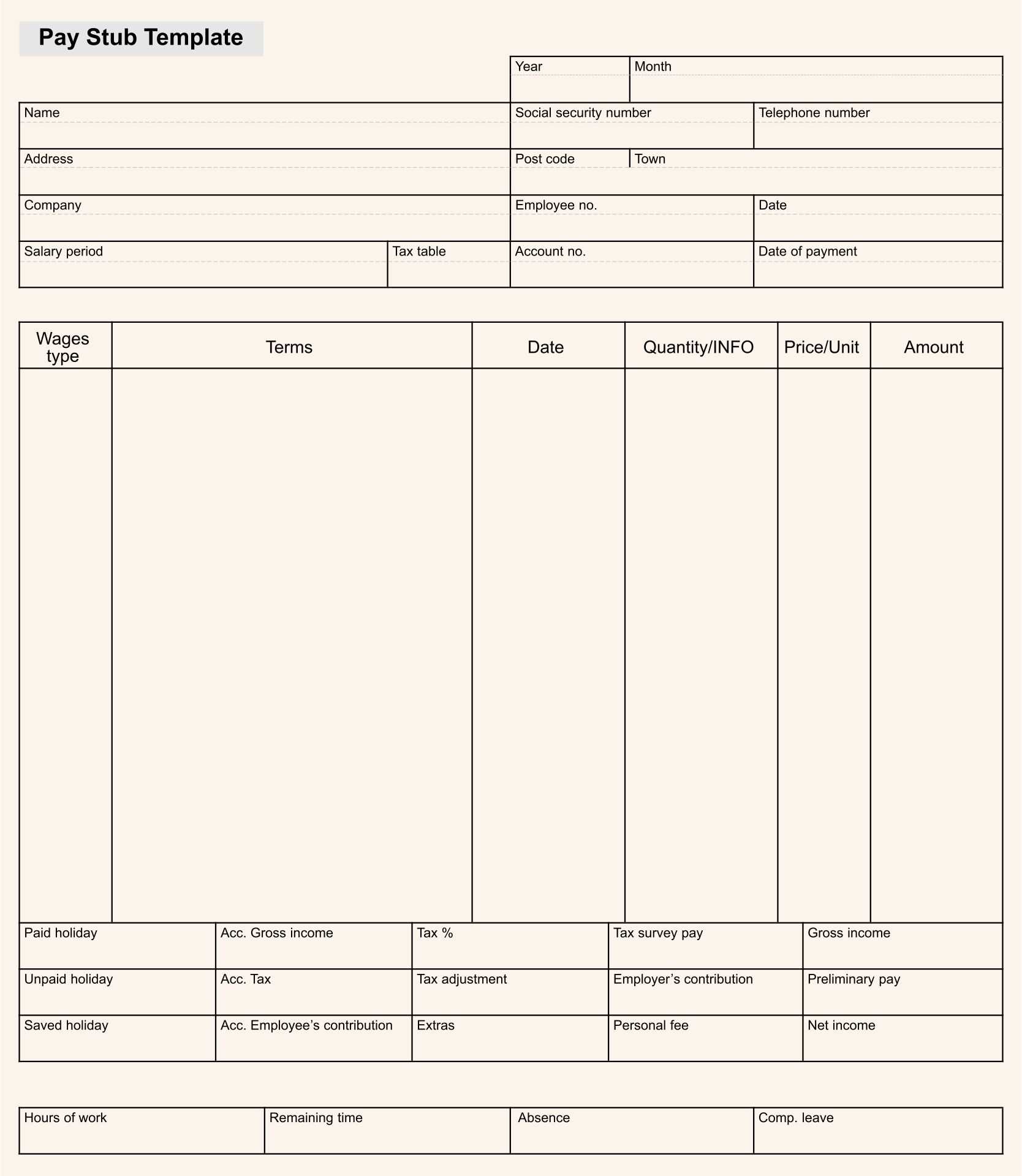
Adopting a template offers a range of advantages that can transform a company’s payroll workflow.
Time‑Saving
- Instantly populated fields for repetitive information like company name and address.
- Pre‑defined formulas that calculate gross and net amounts with a single click.
- Quick editing for overtime or bonus entries without re‑creating the document.
Customization
Templates allow the insertion of a company logo, brand colors, and unique payment terms, creating a professional and cohesive look across all documents.
Accuracy
Built‑in formulas reduce the likelihood of human error. Even small miscalculations can lead to payroll discrepancies and disgruntled employees.
Audit Readiness
A standardized template ensures consistency, making it easier for auditors to review past pay stubs and verify compliance with labor regulations.
Key Components of a Comprehensive Pay Stub
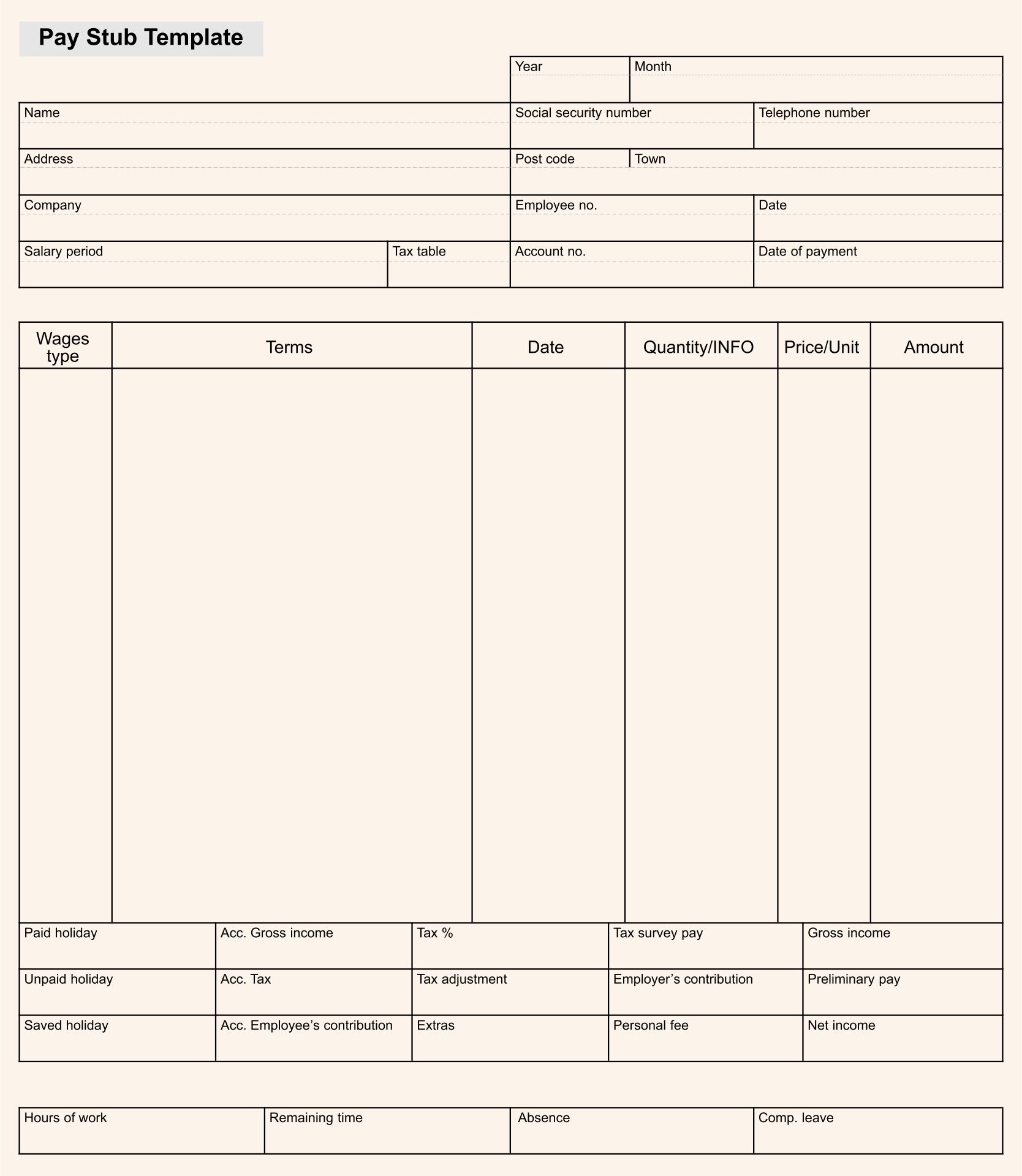
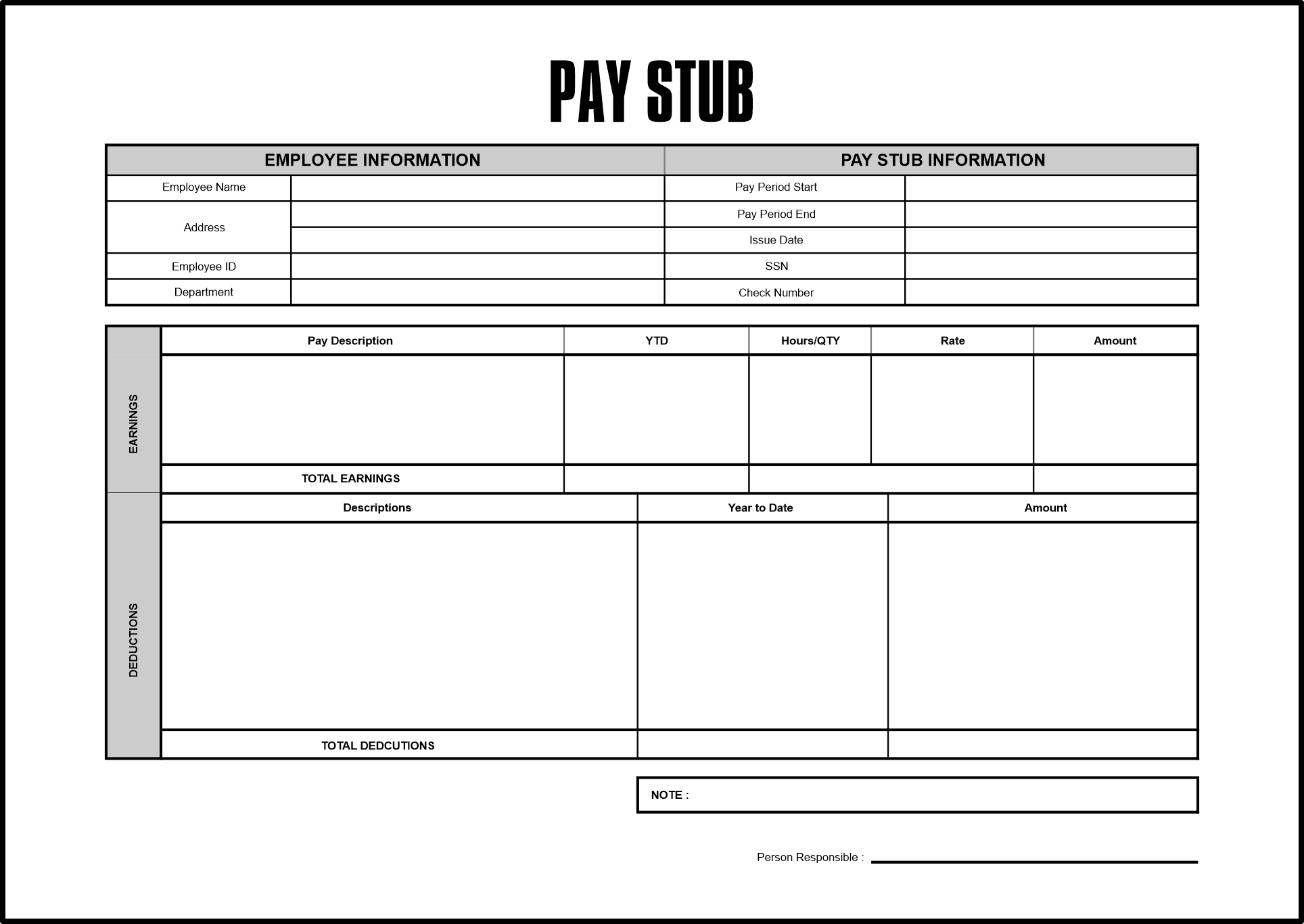
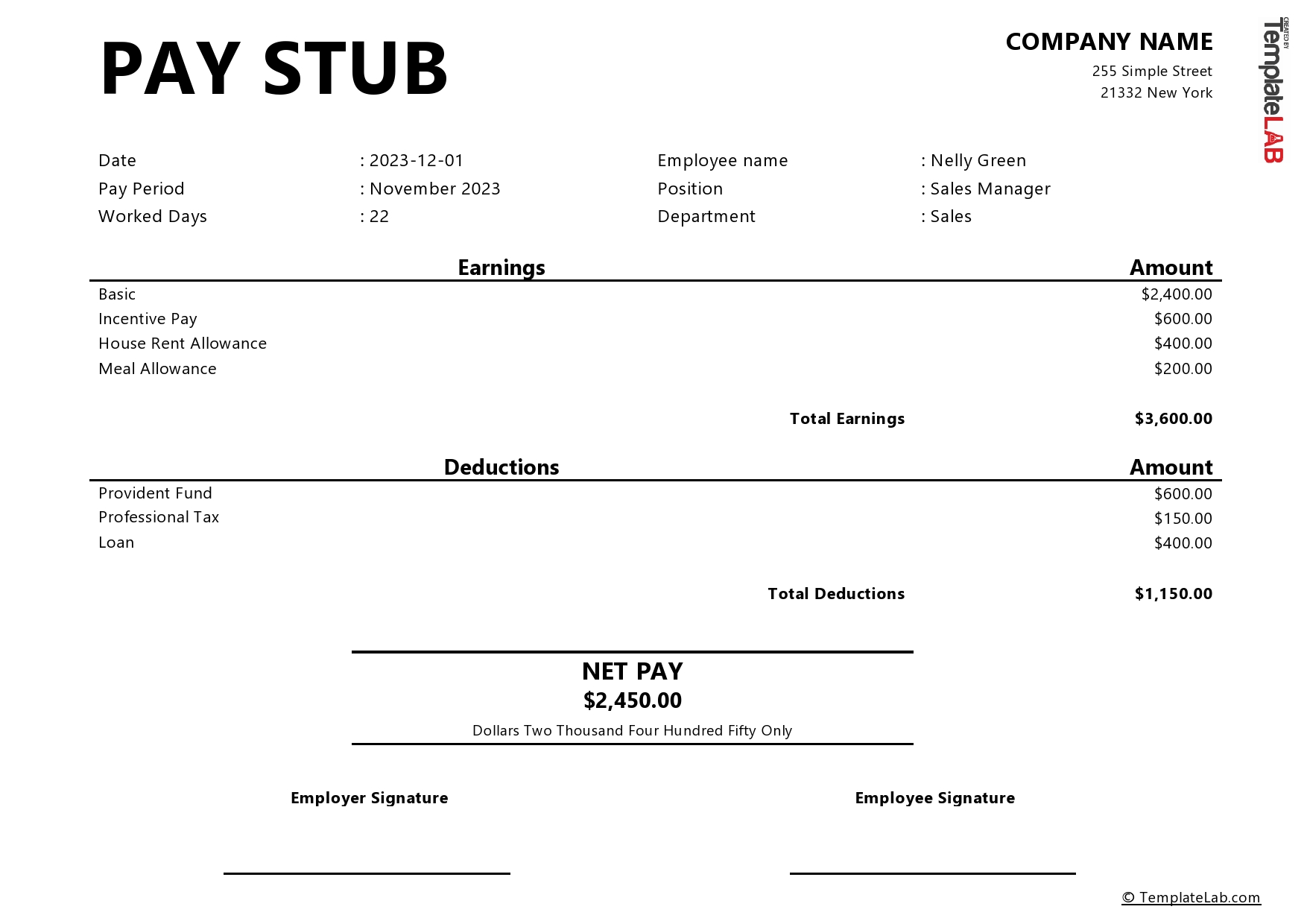
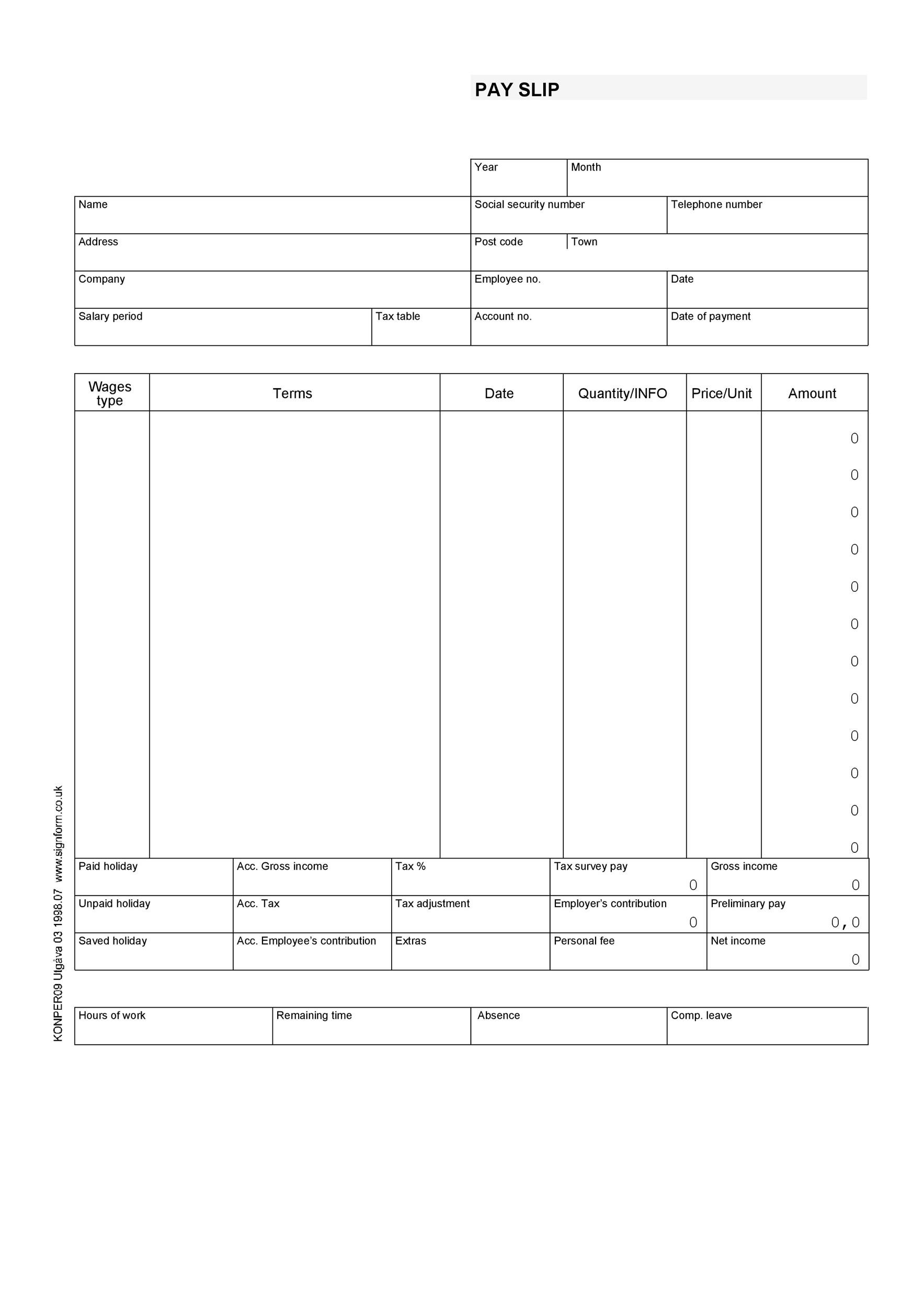
A top‑tier pay stub covers every line item that an employee or contractor may expect to see on a paycheck.
Employee Details
- Full name and address
- Social Security Number or Tax ID
- Position or job title
- Employee ID or reference number
Company Information
- Company name, address, and phone number
- Employer Identification Number (EIN)
- Pay period dates (start and end)
Earnings Breakdown
- Regular hours and pay rate
- Overtime hours and rates
- Bonuses, commissions, or incentive pay
- Other supplemental earnings such as tips or allowances
Deductions
- Federal income tax withholding
- State and local taxes
- Social Security and Medicare contributions
- Health insurance premiums, retirement plan contributions, and other voluntary deductions
Tax Information
Each deduction should carry a clear label and the corresponding tax code, facilitating easier reconciliation with payroll reports.
Net Pay
The final line sums all deductions from the total gross earnings, producing the amount the employee receives.
How to Choose the Right Template
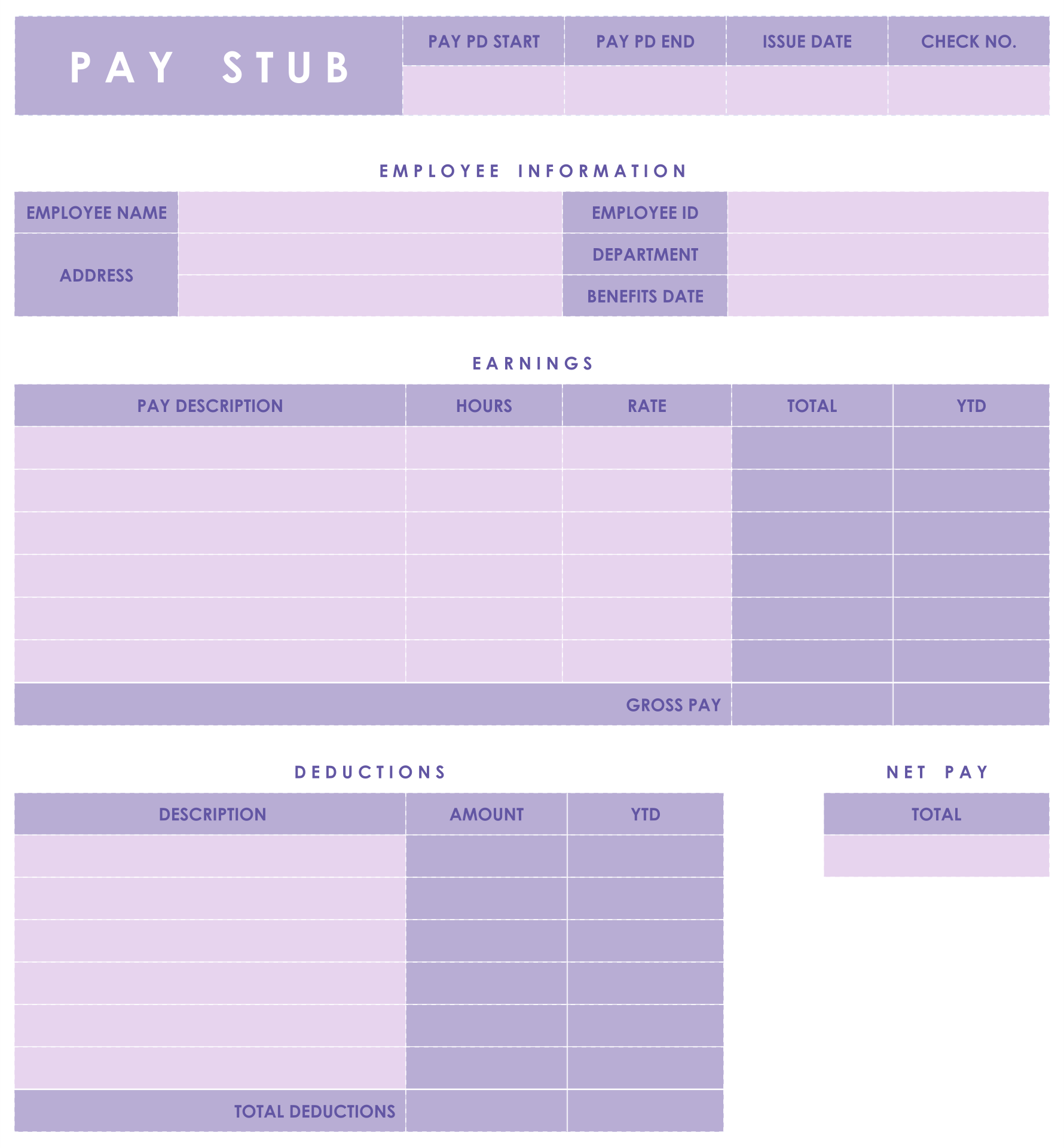
Not all pay stub templates are created equal. When selecting a template, consider the following factors to ensure it meets your business needs.
Format
- PDF for secure, non‑editable files.
- Word or Excel for editable documents that allow real‑time calculations.
- Web‑based options for integration with cloud payroll systems.
Accessibility
Templates should be compatible with screen readers and comply with accessibility standards to support all employees.
Compatibility
Ensure the template can integrate seamlessly with your current payroll software or HRIS platform.
Branding
A template that allows logo insertion and color customization helps maintain a professional image across all communications.
Step‑by‑Step Guide to Creating a Pay Stub from a Template
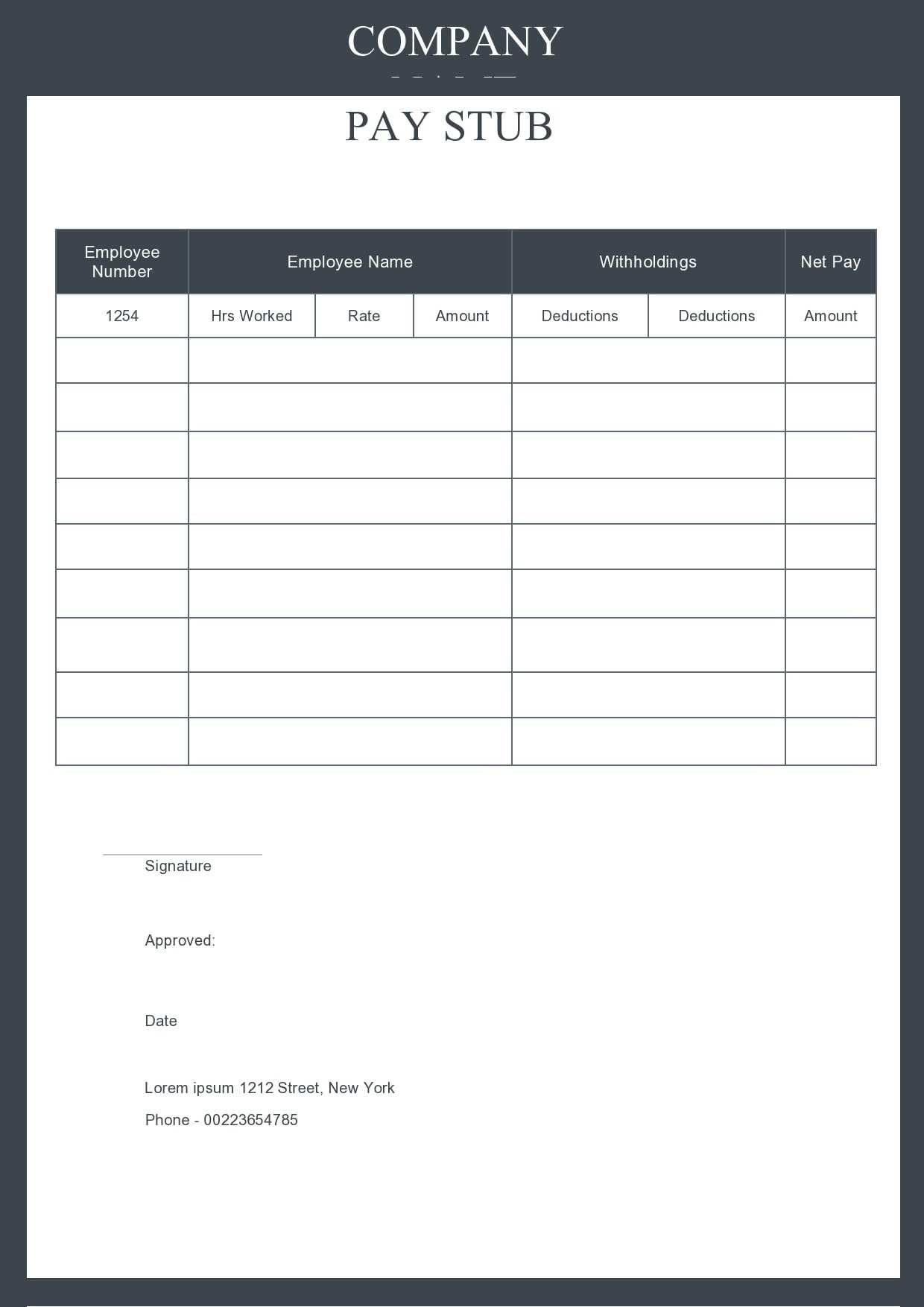
Using a blank template can feel daunting if you’re new to payroll. Follow these steps for a smooth, error‑free creation process.
Selecting a Template
- Identify your business size and payroll frequency.
- Choose a template that matches your needs (monthly, bi‑weekly, or custom).
- Download the template in your preferred format.
Customizing Fields
- Enter company details in the designated header sections.
- Insert employee information for each row of the document.
- Adjust pay rates and hours based on the current period.
Calculating Totals
If using a spreadsheet template, formulas automatically compute gross earnings, deductions, and net pay. In a word document, double‑check manually or use an embedded calculator.
Adding a Company Logo
Insert the logo in the header area for brand consistency. Ensure the image is appropriately sized and resolution‑optimized for print and digital distribution.
Saving and Printing
- Save the final document as PDF for archival and distribution.
- Print hard copies on high‑quality paper if required by company policy.
- Distribute electronic copies via email or a secure portal.
Common Mistakes to Avoid

Even the most well‑intentioned payroll process can stumble. Avoid these pitfalls for smoother operations.
Incorrect Tax Calculations
Verify all tax tables and ensure that the appropriate rates are applied to each employee’s bracket.
Overlooking State‑Specific Requirements
States may mandate unique deductions or reporting lines. A template that updates automatically with local changes is highly valuable.
Duplicate Entries
Always cross‑check hours, overtime, and bonuses to prevent double counting, which can inflate wages and trigger compliance issues.
Real‑World Application Scenarios

Blank Pay Stubs Templates are versatile tools across various industries.
Small Businesses
A small retail store may use a simple template to manage a handful of hourly workers and part‑time staff, keeping paperwork minimal while staying compliant.
Freelancers and Contractors
Independent contractors who issue their own pay stubs to clients benefit from a template that clarifies tax withholdings and net receipts, aiding in financial planning.
Temporary Payroll
Seasonal hires often require rapid deployment of pay stubs; a ready‑made template speeds up the onboarding process and ensures accurate time tracking.
HR Departments
Human resources teams can standardize pay stub production across multiple departments, ensuring every employee receives consistent, legally compliant documentation.
Tips for Maintaining Accuracy and Compliance
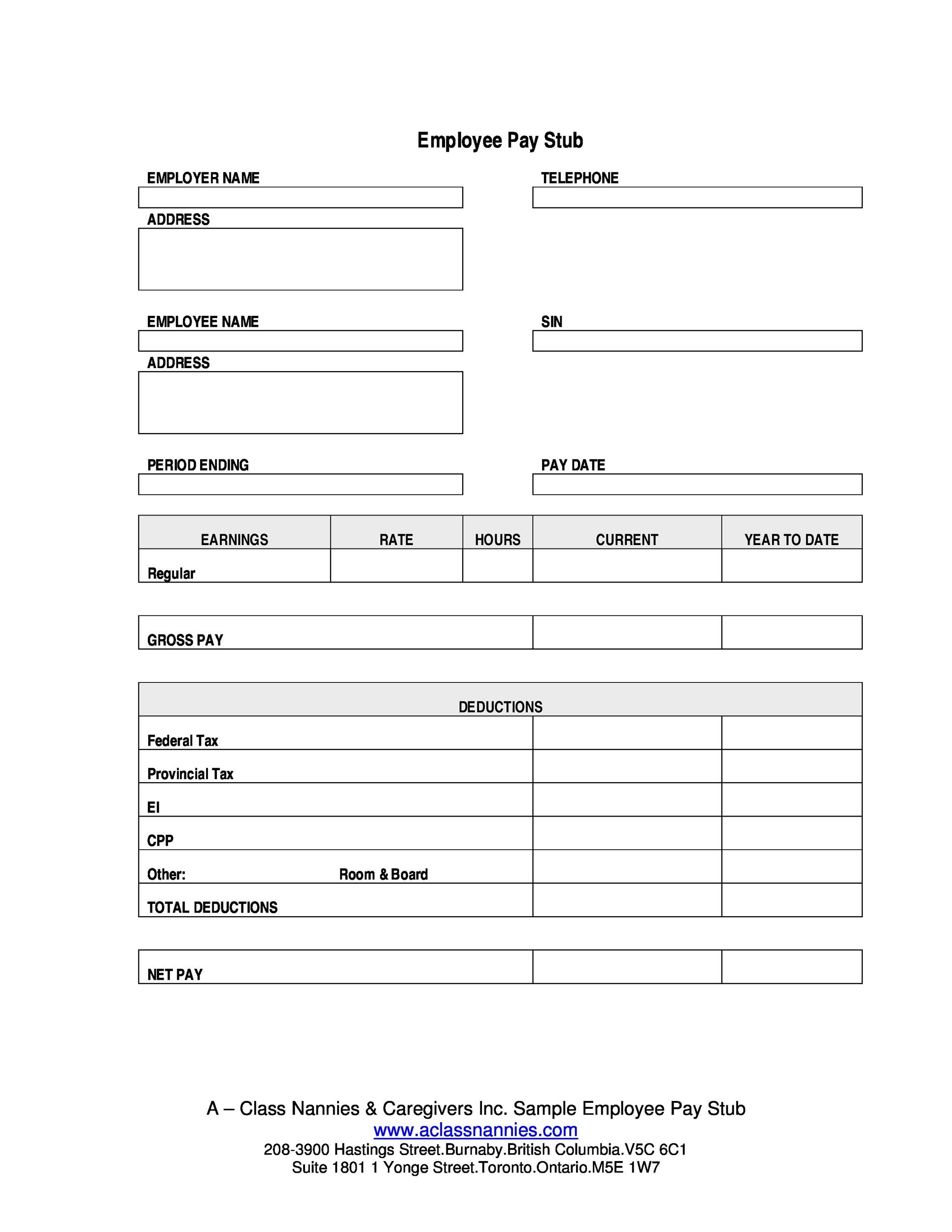
Regular review and maintenance of pay stub processes are essential for long‑term reliability.
Regular Updates
Keep the template updated with current tax rates, benefit changes, and labor law adjustments. Set a quarterly review schedule to incorporate any amendments.
Double‑Check Formulas
Perform a quick audit of the formulas after each update to confirm they still calculate correctly and reflect any new deduction categories.
Use Professional Software
When payroll volume grows, consider migrating to dedicated payroll software that can auto‑populate templates and synchronize with accounting systems.
Integrating Blank Pay Stub Templates with Payroll Software
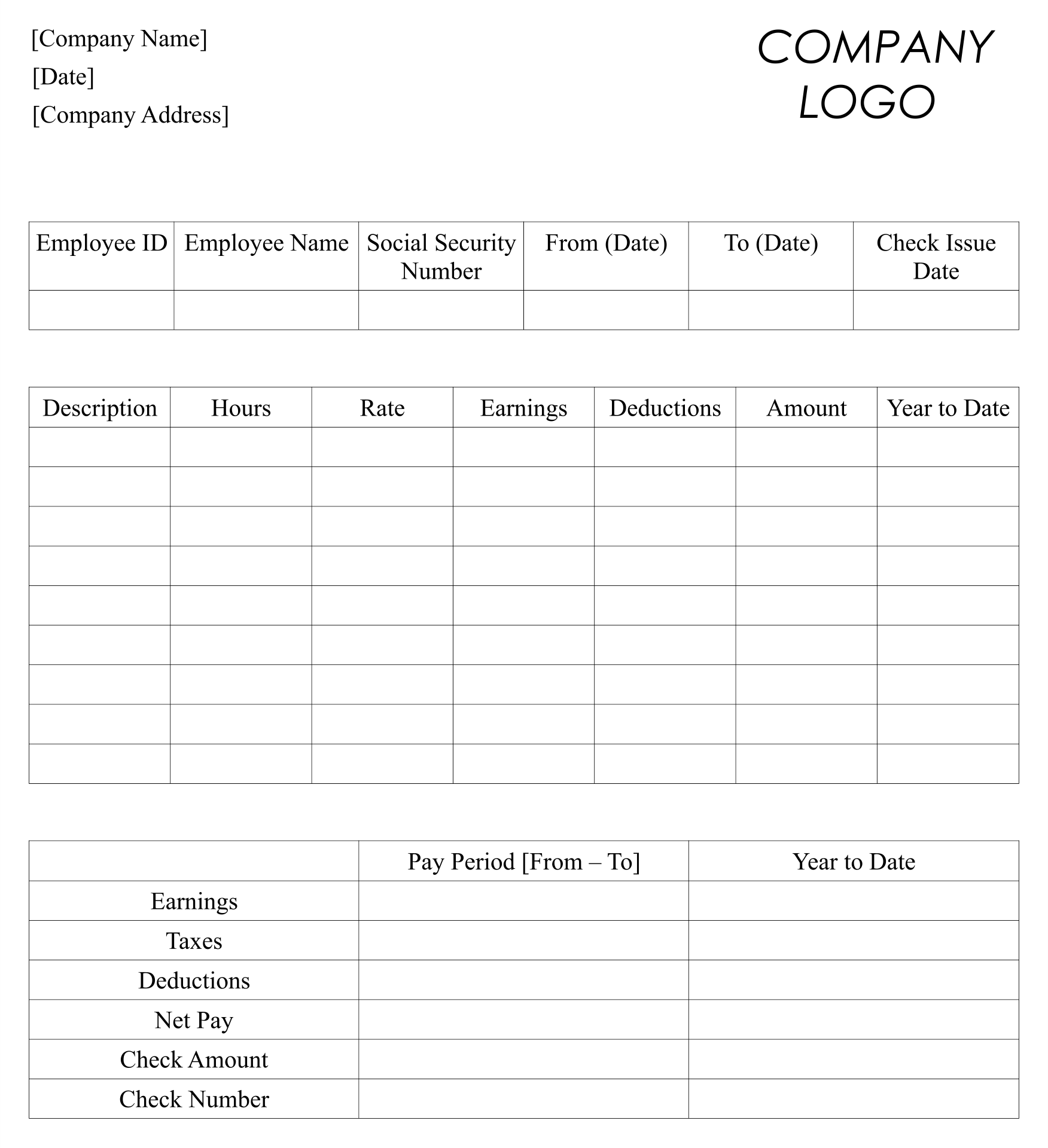
For large organizations, integration is key to eliminating manual entry errors.
Export Options
Payroll systems often export data in CSV or XML formats that can feed directly into a template, populating fields in real time.
Data Mapping
Define clear data mapping rules between payroll software and template columns, ensuring consistency in fields such as employee ID, tax codes, and benefit deductions.
Automation
Automated workflows can trigger template generation once a payroll run is completed, then route documents via email or an internal portal, reducing manual intervention.
Conclusion
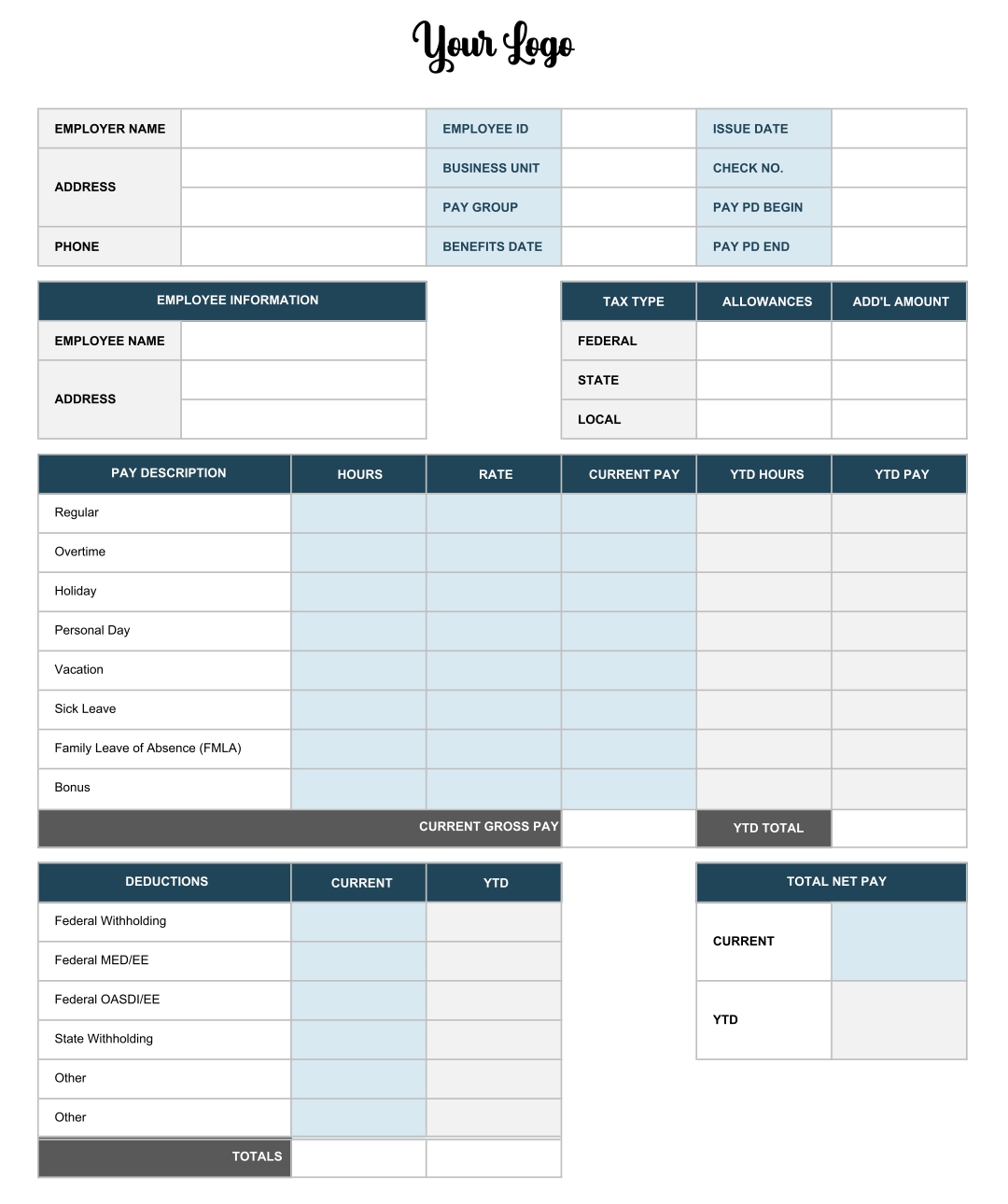
A well‑crafted Blank Pay Stubs Template empowers businesses to deliver accurate, compliant, and professional wage statements. By understanding its components, selecting the right format, and integrating it with existing payroll systems, companies can streamline processes, minimize errors, and maintain clear records. Whether you’re a small business owner, HR professional, or freelancer, a reliable pay stub template is an indispensable tool for transparent compensation management and long‑term operational success.