
In the world of strategic decision-making, Blank Force Field Analysis Template serves as a timeless compass, guiding leaders through complex choices with clarity and calm.
Understanding the Foundations of a Force Field Analysis
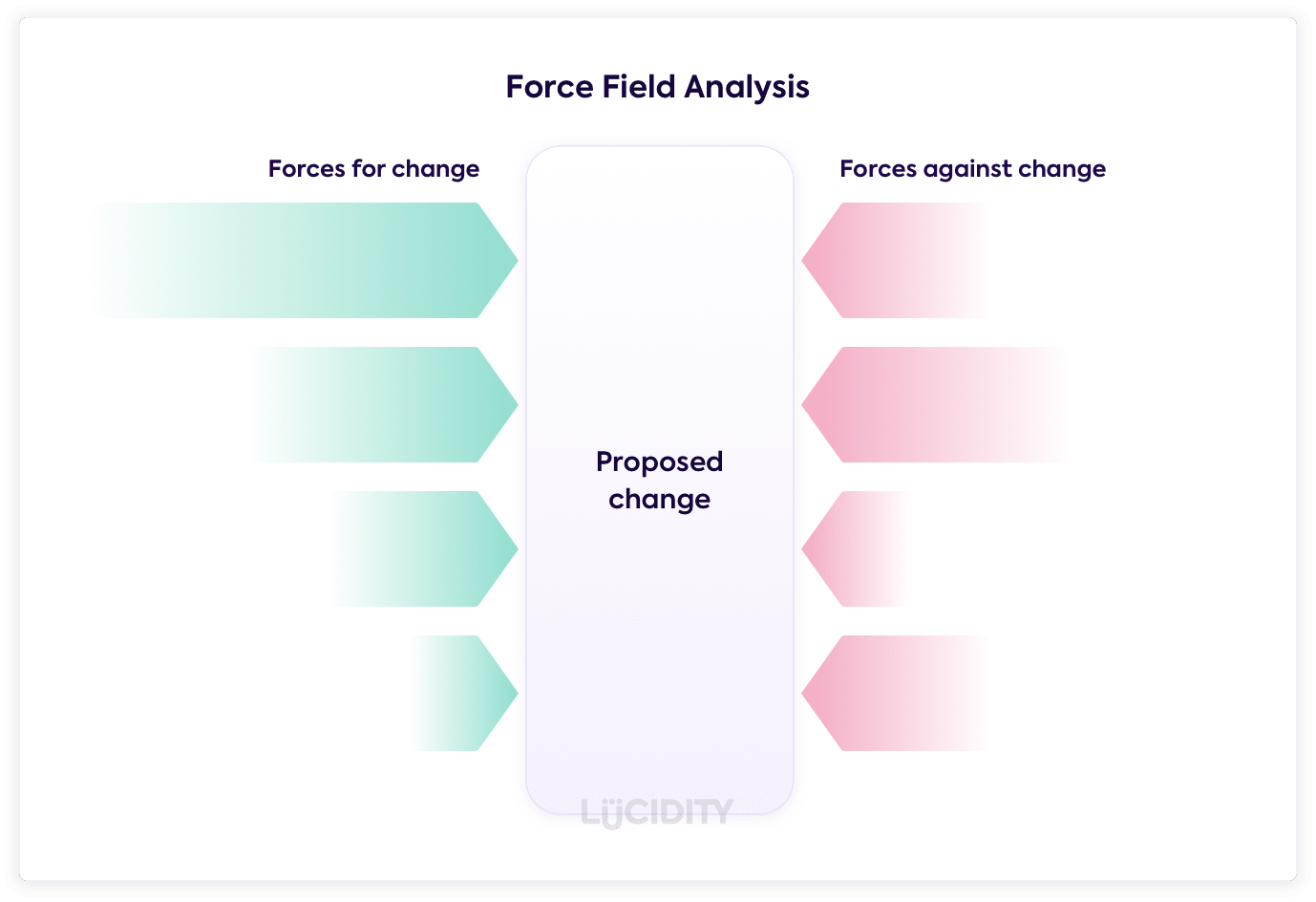
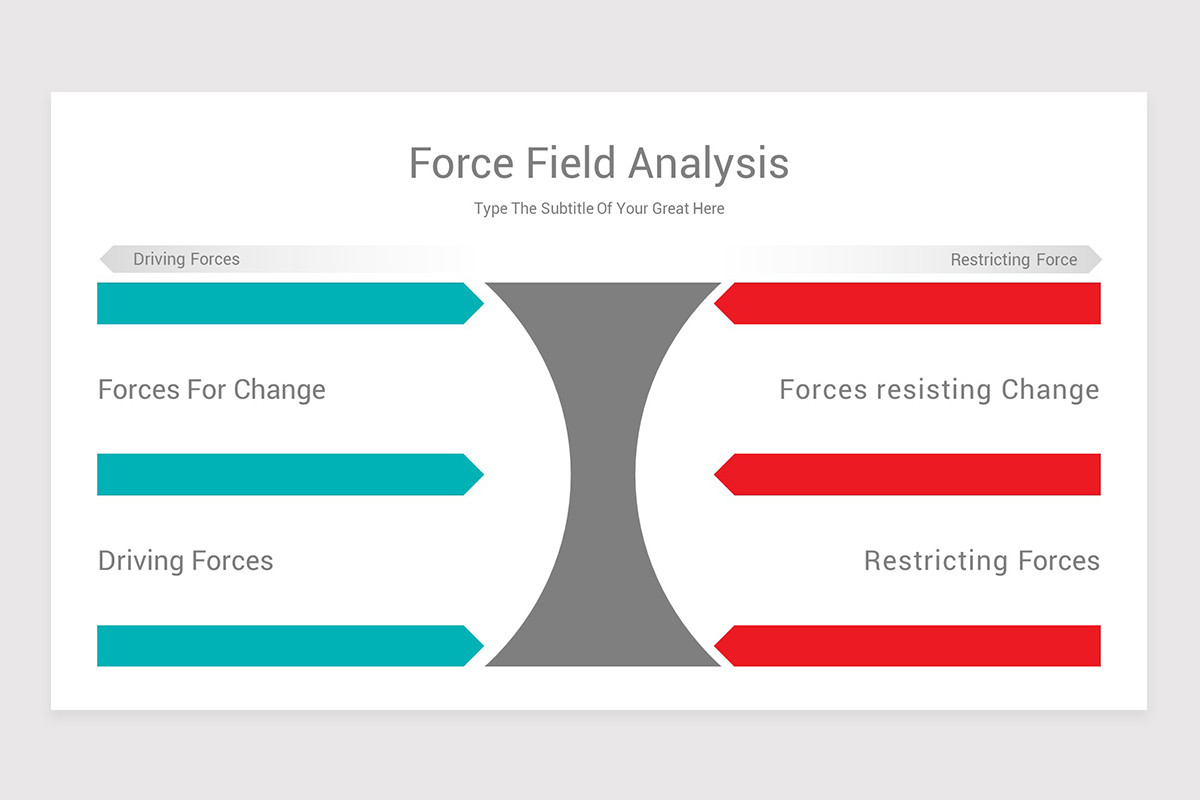
Before diving into the template itself, it’s essential to grasp the core concept behind Force Field Analysis. Originated by Kurt Lewin, this framework views any change as a battle between driving forces that push for progress and restraining forces that resist movement. By mapping these forces, decision-makers can visualize the balance of power, identify leverage points, and craft interventions that tip the scales toward desired outcomes.
In many Asian cultures, balance and harmony are central themes, mirroring the Force Field principle. Just as a seasoned tai chi practitioner reads the flow of chi between opposing forces, a strategist can read the forces shaping a project and find the most graceful path forward.
Key Components of the Analysis
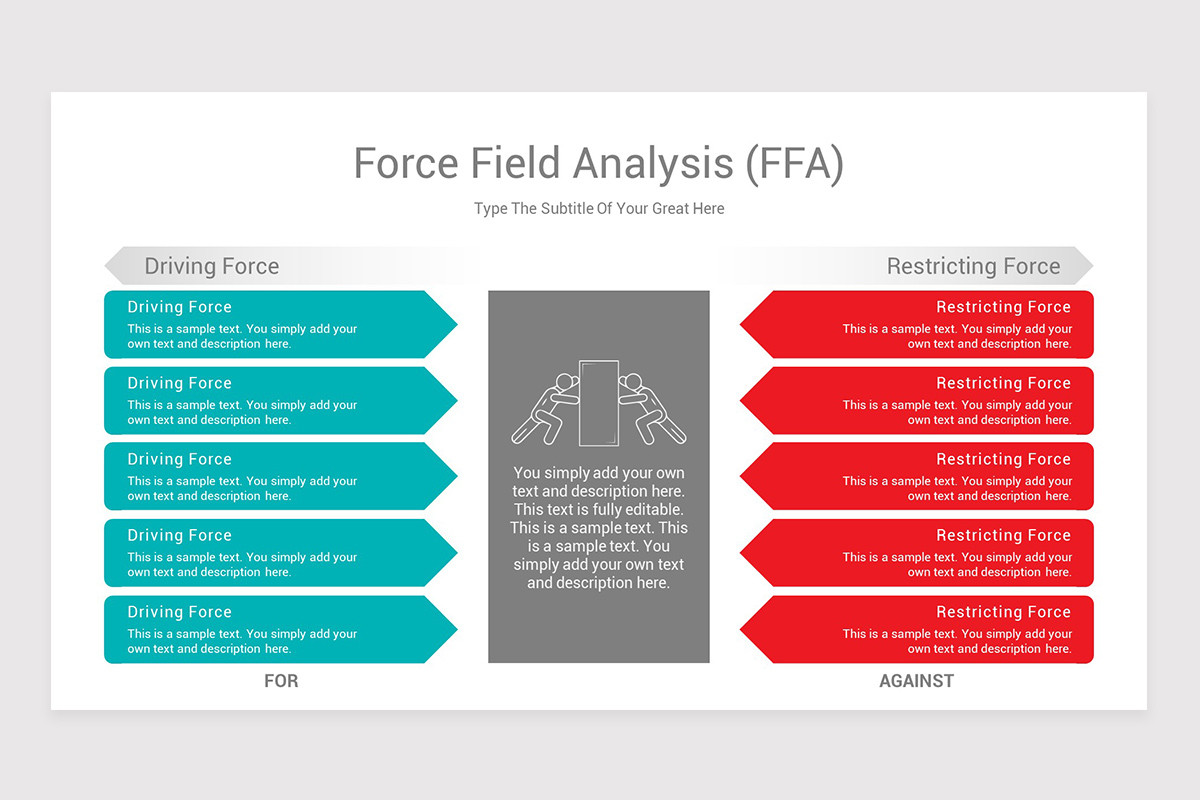
- Driving Forces: Motivators that support the change—such as market demand, technological innovation, or employee enthusiasm.
- Restraining Forces: Barriers that hinder progress—like budget constraints, legacy systems, or organizational inertia.
- Outcome: The ultimate goal or target state the team aims to achieve.
Why the Template Matters
While the theory is powerful, translating it into practice requires structure. A well‑designed template turns abstract concepts into tangible, actionable insights. It forces teams to confront each force systematically, reduces bias, and ensures that decisions are data‑driven rather than emotion‑driven.
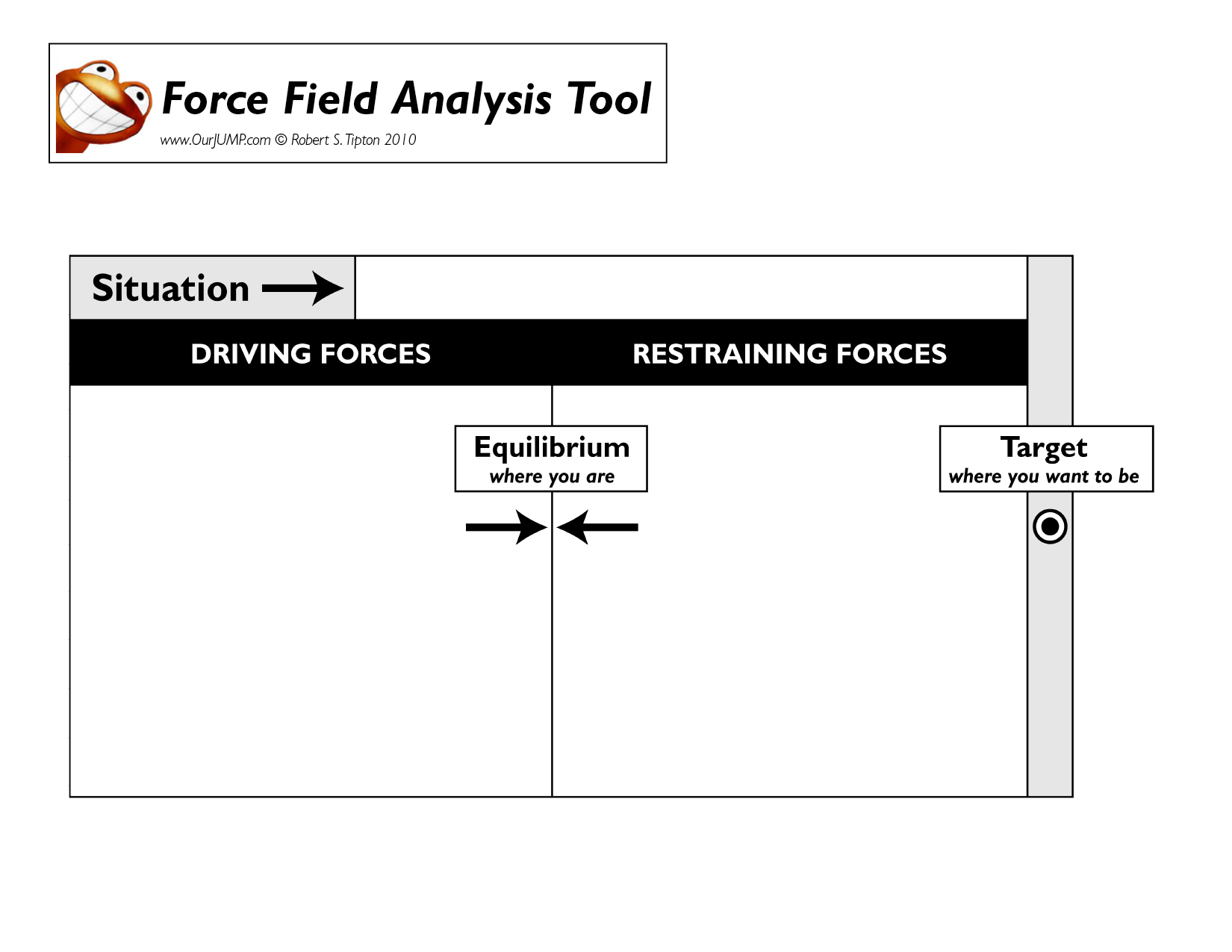
The Anatomy of a Blank Force Field Analysis Template
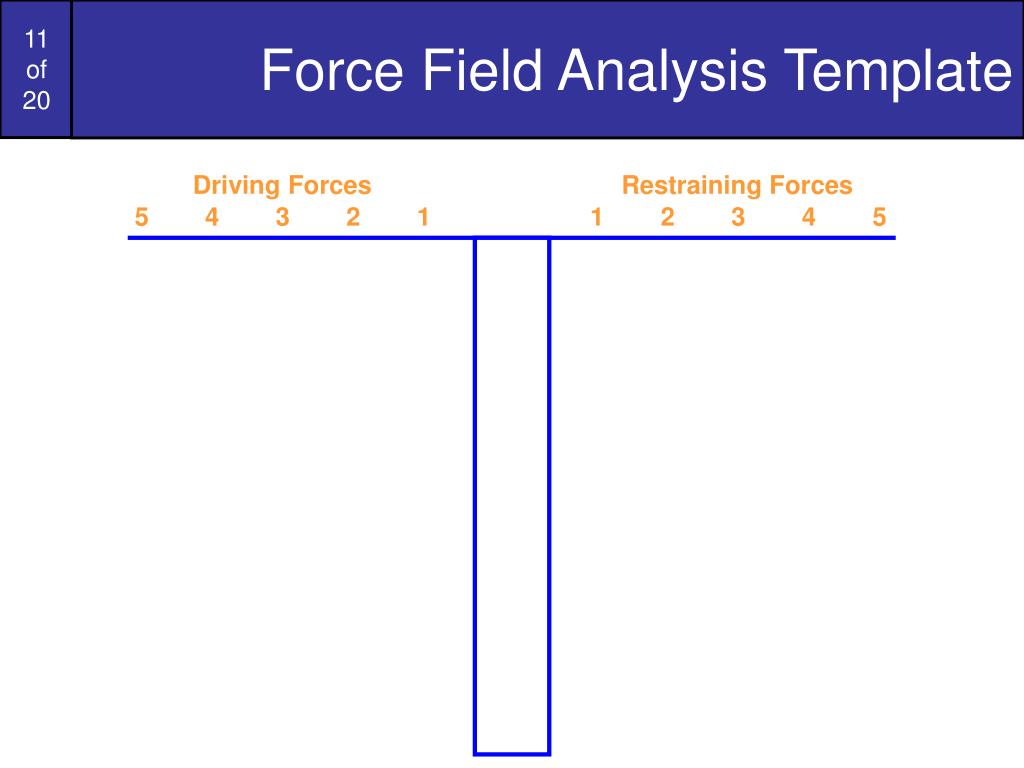
A robust template is more than a blank sheet; it’s a roadmap that anticipates the needs of diverse stakeholders.
Section Breakdown
- Title and Date: Identifies the specific analysis session and keeps versions organized.
- Context Statement: A brief narrative that explains the change scenario, stakeholders, and urgency.
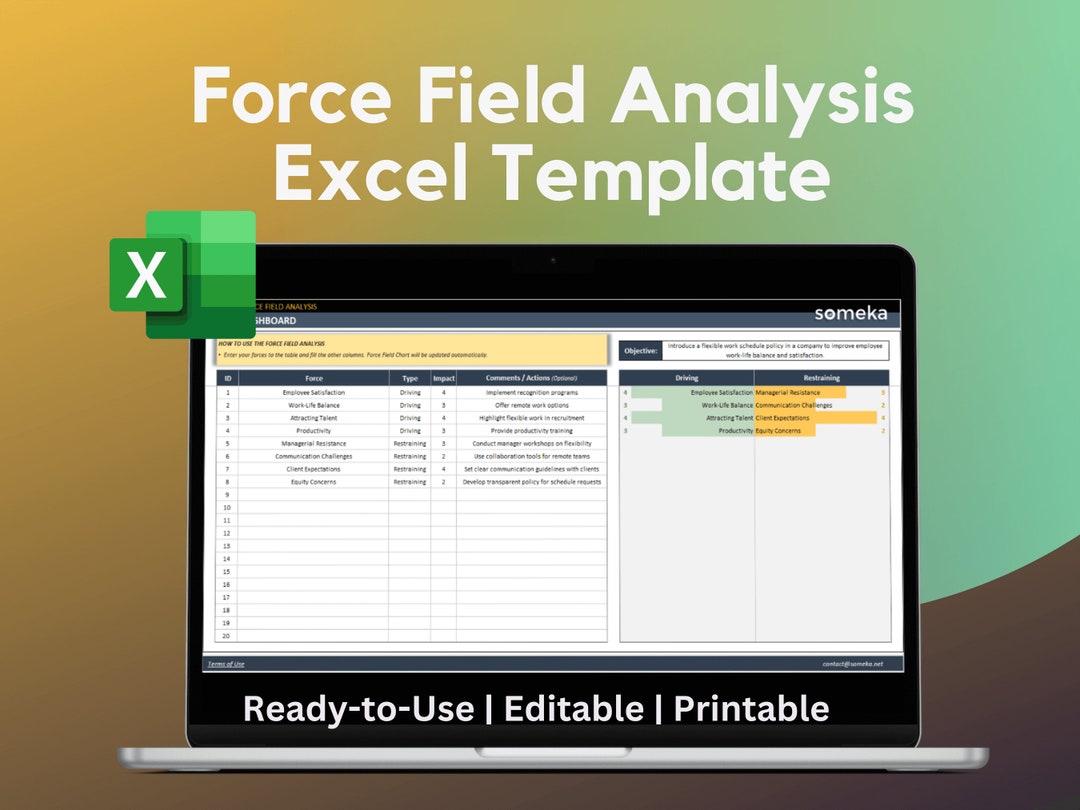
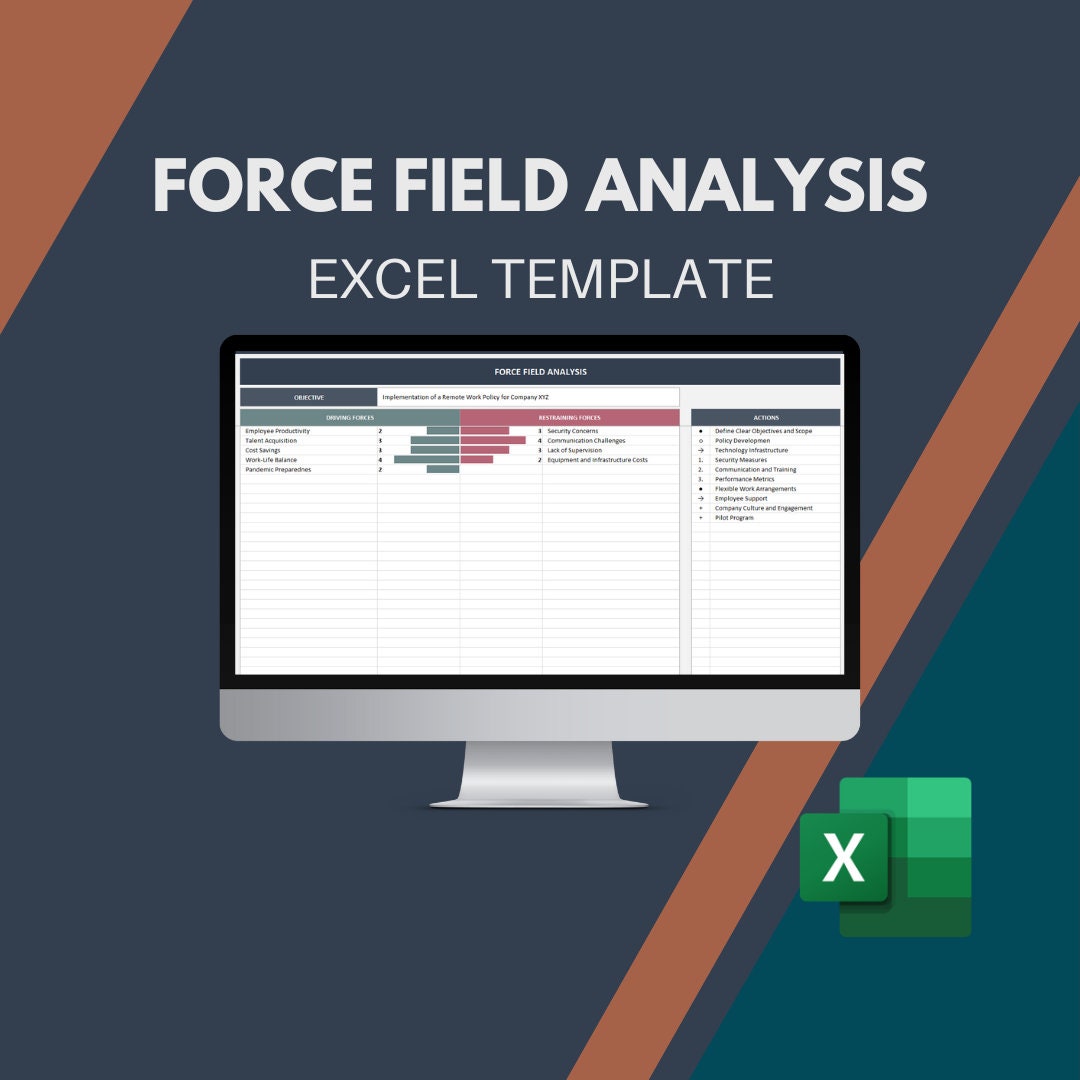
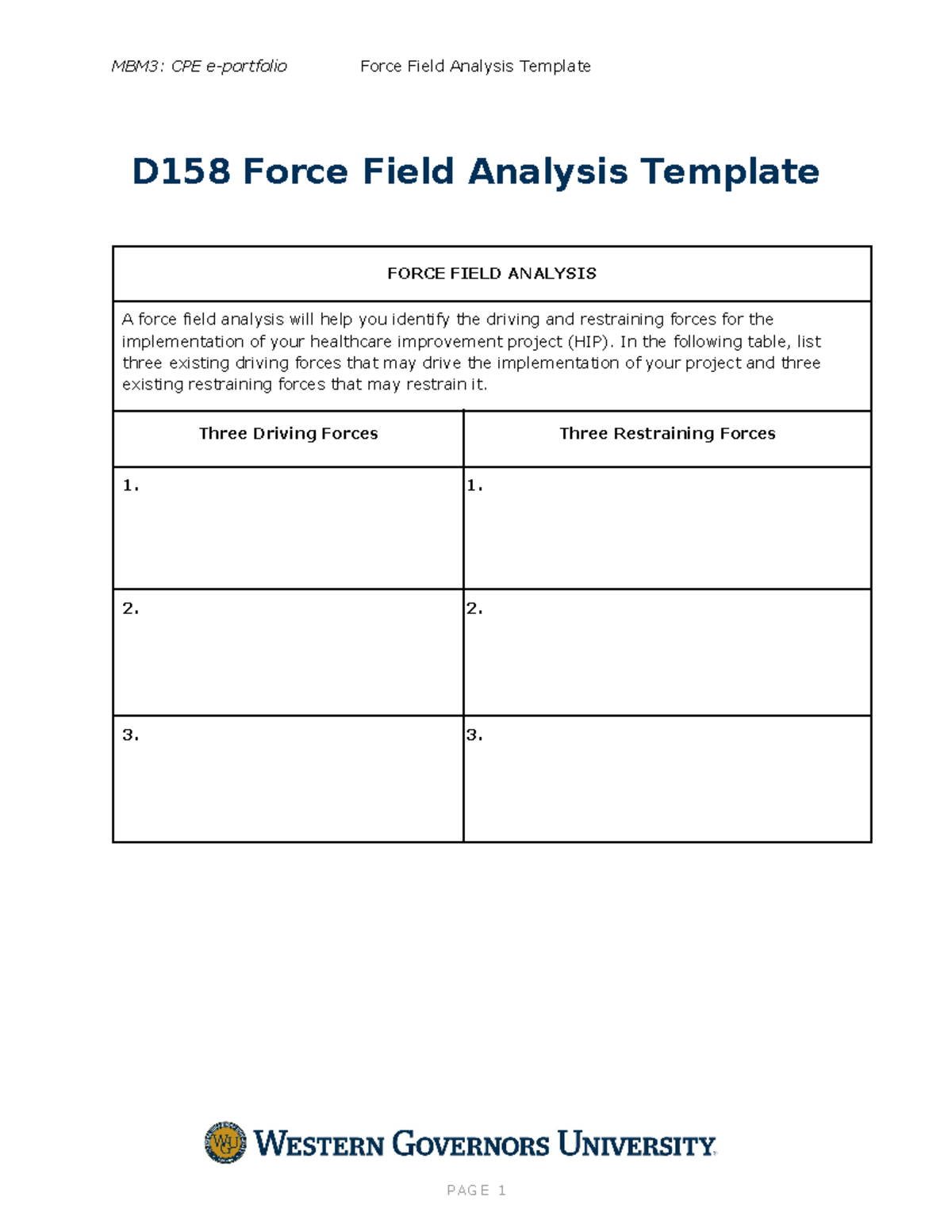
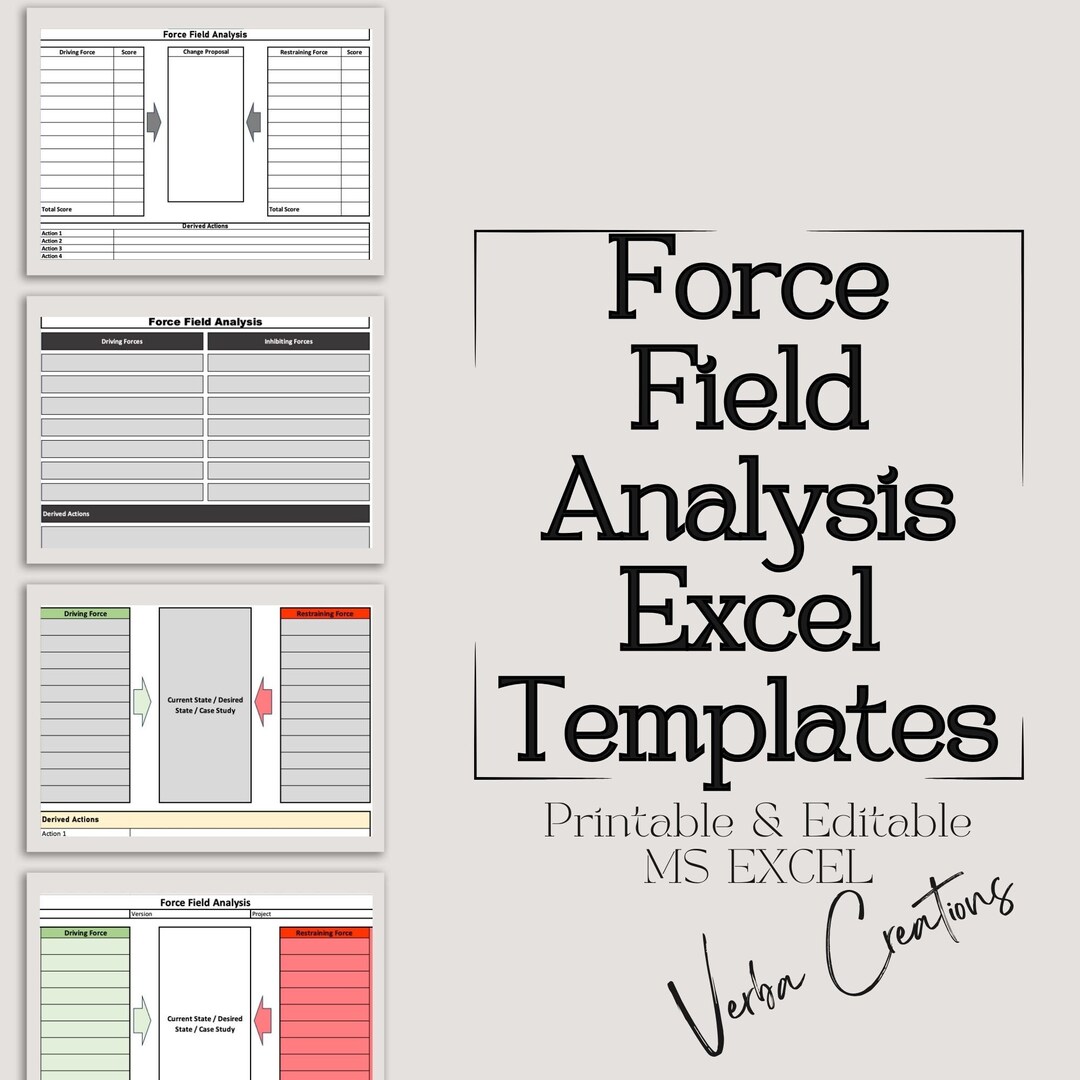
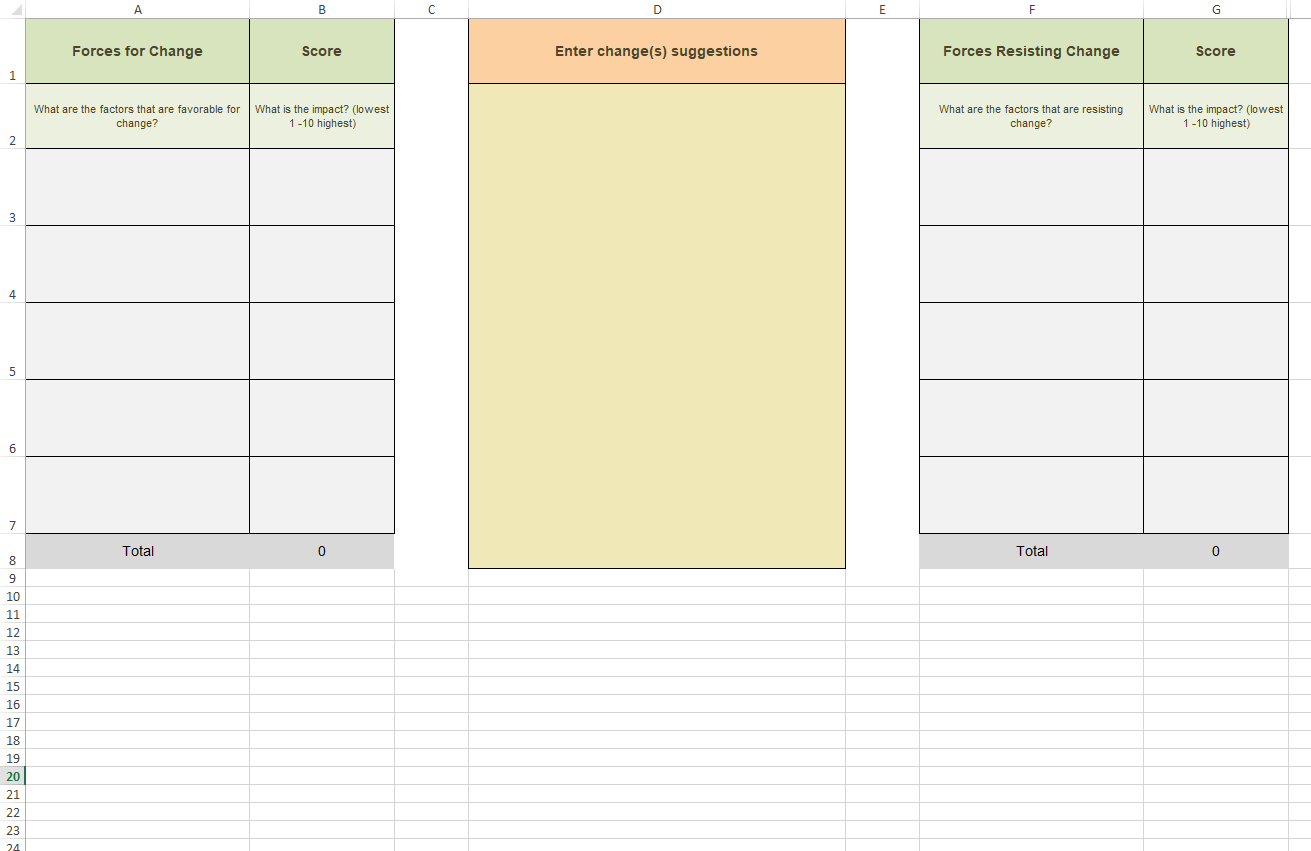
- List of Forces: Two distinct columns—one for driving forces and one for restraining forces—each accompanied by a numeric strength rating.
- Impact Assessment: A column for scoring the overall impact of each force on the desired outcome.
- Action Plan: Space for proposed interventions, responsible parties, and deadlines.
- Review and Reflection: Section to capture lessons learned and next steps.
Visual Design Tips
- Use a grid layout to keep columns aligned.
- Employ contrasting colors to differentiate driving versus restraining forces.
- Incorporate icons that resonate with Asian aesthetics—like lotus flowers for growth or bamboo for resilience—while keeping the interface minimal.
Step-by-Step Guide to Filling the Template
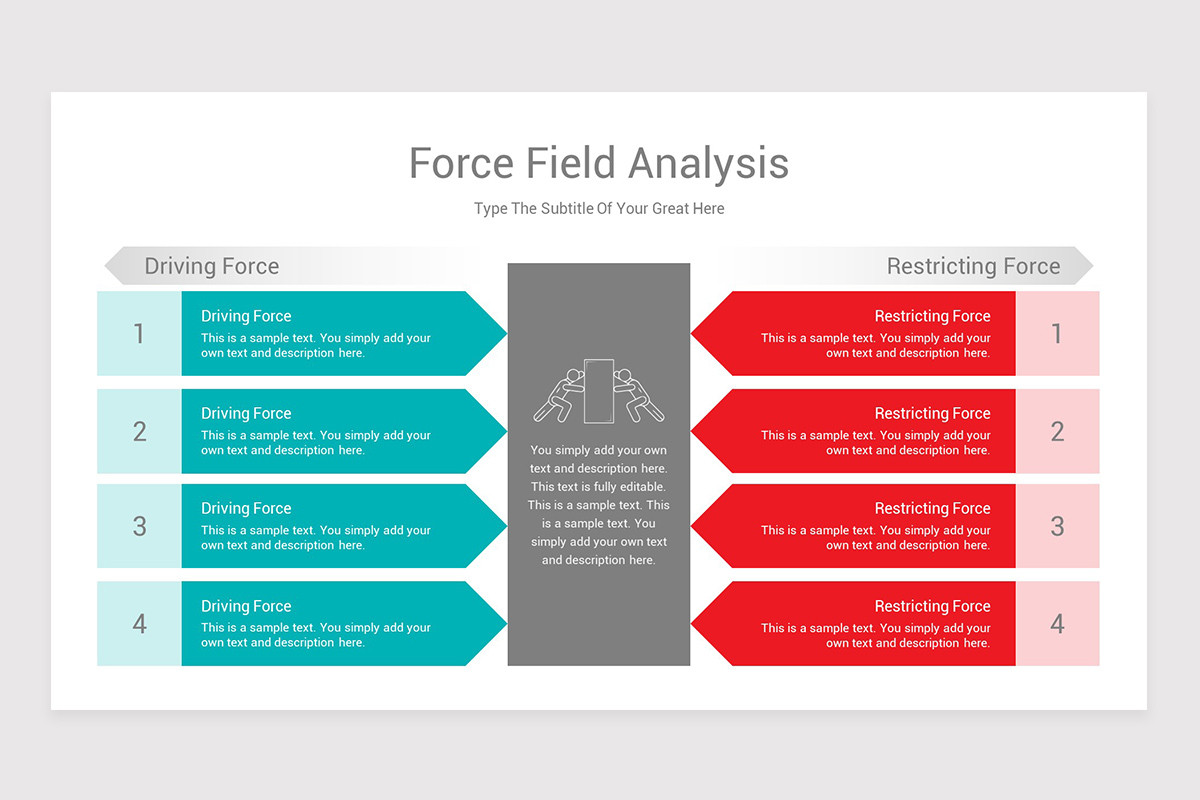
Translating theory into practice begins with a structured, collaborative effort.
1. Gather Your Team
Invite representatives from all impacted functions: finance, operations, marketing, and HR. The diversity of perspectives mirrors the multi‑layered nature of a Japanese tea ceremony, where each participant adds depth to the collective experience.
2. Define the Desired Outcome
Write a concise, measurable objective. For example, “Reduce customer onboarding time from 30 days to 10 days by Q4.” This clarity sets the stage for identifying relevant forces.
3. Brainstorm Driving Forces
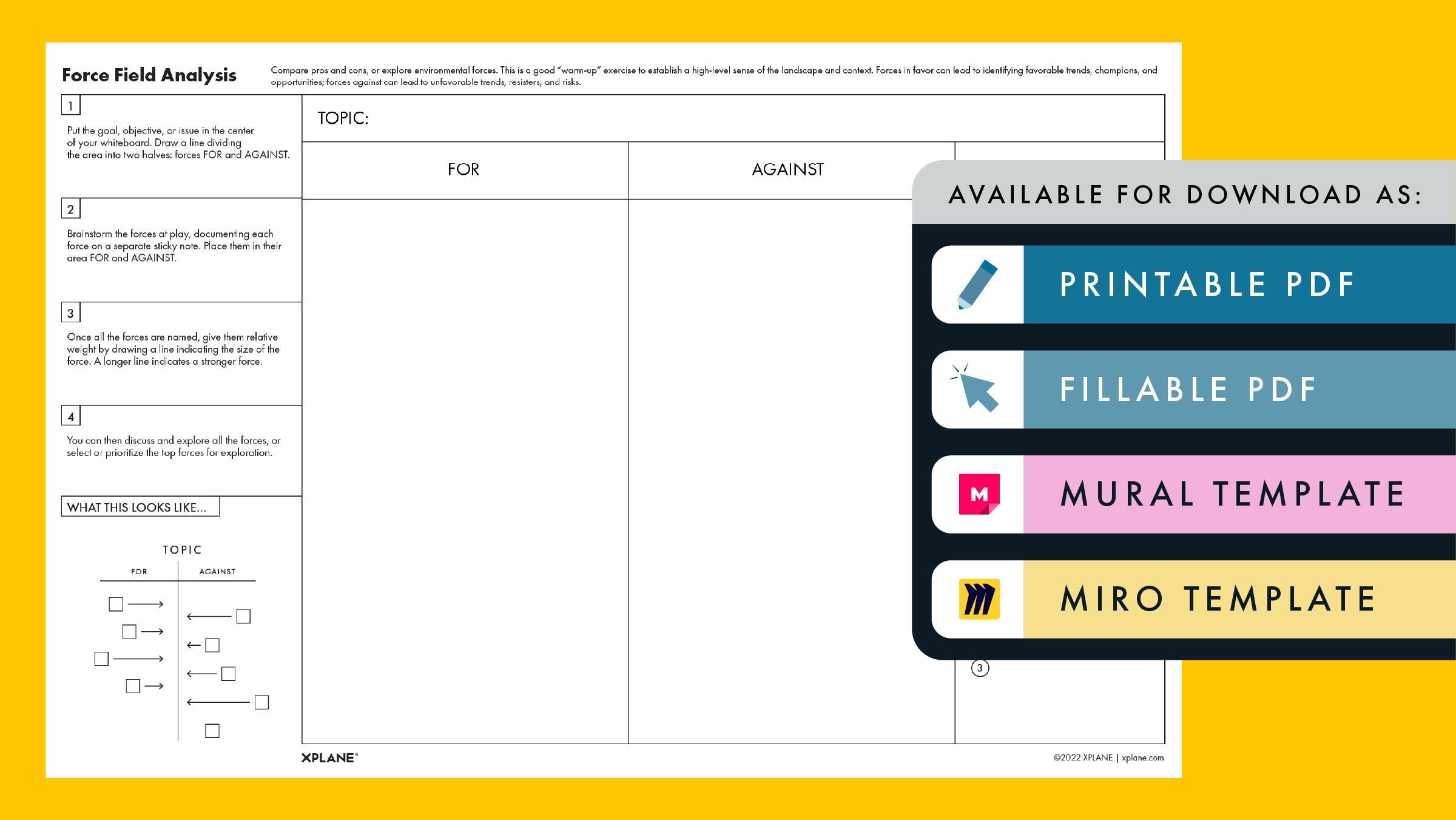
Allocate 15–20 minutes for open brainstorming. Use sticky notes or a shared document. Encourage wild ideas—“automation,” “customer feedback loops,” “cross‑training.” Once captured, cluster similar ideas and assign a strength score from 1 to 5.
4. Identify Restraining Forces
Repeat the process for restraining forces. Ask probing questions: “What existing policies limit speed?” or “Which skills gaps exist?” Assign strength scores to quantify resistance.
5. Weight the Forces
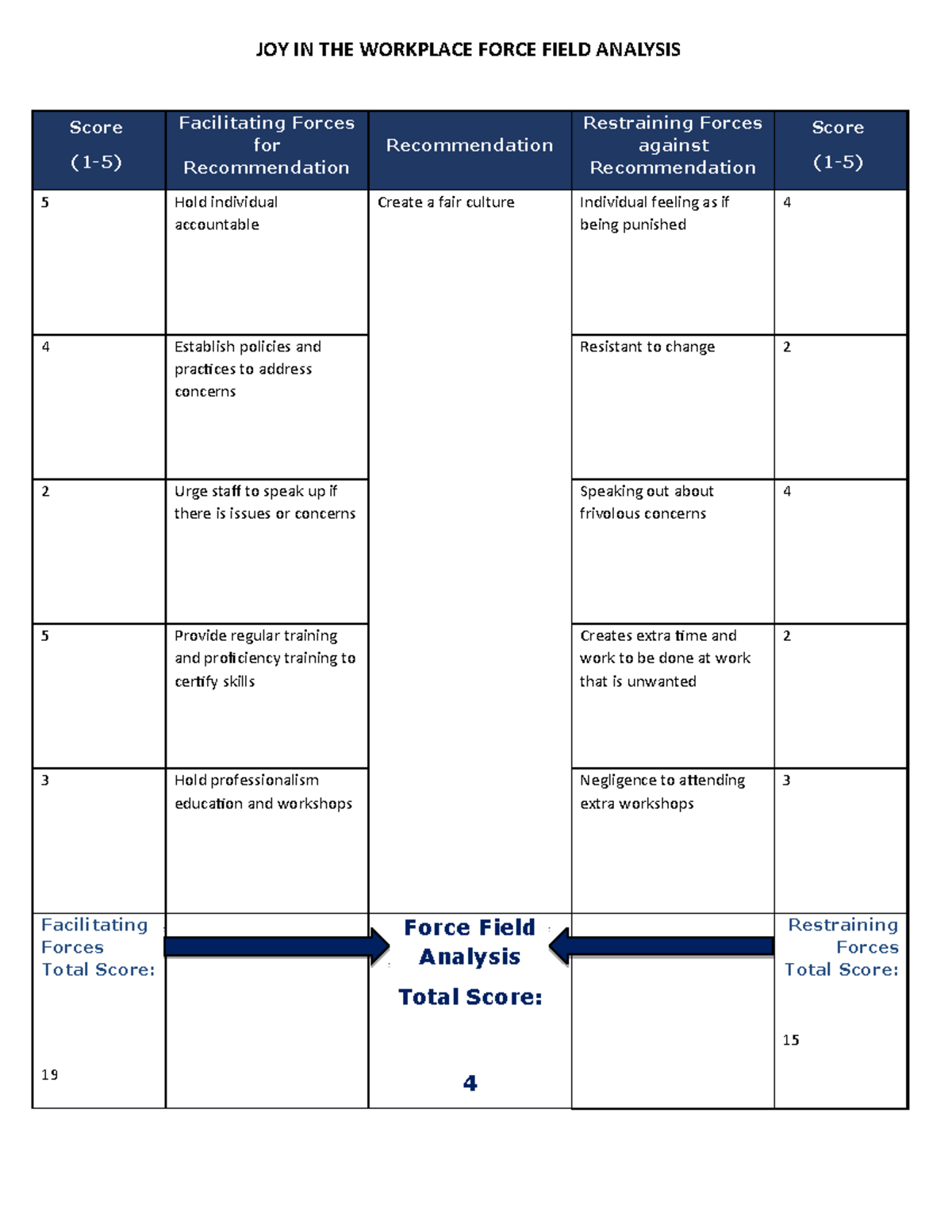
Multiply each force’s strength by its impact rating. Sum the totals for driving and restraining columns separately. This calculation offers a quick snapshot of the net pressure toward change.
6. Prioritize Interventions
For each restraining force, brainstorm specific actions. For example, if “lack of skilled personnel” is a restraining force, a possible intervention could be “implement a targeted training program.” Assign owners and due dates.
7. Review and Iterate
Conduct a quick walk‑through with the team, confirming that all forces are represented and that interventions are realistic. Adjust scores as new data emerges.
8. Document Lessons Learned
At the end of the session, capture insights for future analyses. This reflective practice aligns with the Asian philosophy of continuous improvement (kaizen).
Real-World Applications: From Business to Personal Growth

The Blank Force Field Analysis Template is versatile, fitting contexts ranging from corporate projects to personal development goals.
Corporate Scenario: Market Expansion
A manufacturing firm wants to enter a new country. Driving forces: rising demand, favorable trade agreements, brand reputation. Restraining forces: language barriers, regulatory hurdles, supply chain complexity. By scoring and addressing each force, the firm can design a phased entry strategy, securing pilot customers before full launch.
Personal Goal: Career Transition
An individual aspiring to shift from engineering to product management identifies driving forces such as passion for user experience, strong analytical skills, and industry connections. Restraining forces might include limited managerial experience and a tight job market. The template helps them map out a learning path—certifications, mentorship, side projects—to strengthen their résumé.
Community Initiative: Urban Green Space
Local volunteers aim to convert an abandoned lot into a community garden. Driving forces: community support, available volunteers, grant eligibility. Restraining forces: zoning restrictions, lack of funding, potential vandalism. By visualizing these forces, the group can lobby city officials, secure sponsorships, and implement security measures.
Enhancing the Template with Cultural Wisdom
Incorporating cultural insights can deepen engagement and resonate with team members who value tradition.
Incorporate Respectful Hierarchies
When assigning owners for interventions, consider existing organizational hierarchies. In many Asian workplaces, seniority is respected; thus, assigning a seasoned leader to oversee a high‑impact intervention can garner buy‑in.
Use Storytelling Techniques
Frame the outcome as a narrative—“our journey from current state to future success.” Storytelling, a staple in Japanese business presentations, makes the analysis more memorable and motivates collective action.
Emphasize Group Harmony
During reviews, encourage collaborative dialogue rather than confrontational debate. This approach mirrors the Japanese concept of wa (harmony), fostering an environment where ideas flow freely and solutions emerge organically.
Common Pitfalls and How to Avoid Them
Even with a solid template, teams may fall into traps that diminish effectiveness.
Overlooking Minor Forces
Small but persistent barriers—such as a single outdated policy—can derail change if ignored. Allocate time to surface these hidden forces through targeted questioning.
Neglecting Quantitative Scoring
Qualitative descriptions, while vivid, can create bias. Always pair narrative with numeric ratings to maintain objectivity.
Failing to Revisit the Analysis
Business environments evolve; what was a driving force today may become restraining tomorrow. Schedule periodic reviews to keep the analysis current.
Ignoring Stakeholder Feedback
If the analysis feels like a top‑down exercise, disengage. Invite stakeholders to validate forces, ensuring the template reflects shared reality.
Customizing Your Template for Different Scenarios
One size does not fit all. Tailor the template to fit your unique context.
Adjust the Scale
For high‑level strategic decisions, use a broader scale (1–10) to capture nuanced differences. For quick tactical decisions, a simple 1–3 scale suffices.
Integrate Visual Analytics
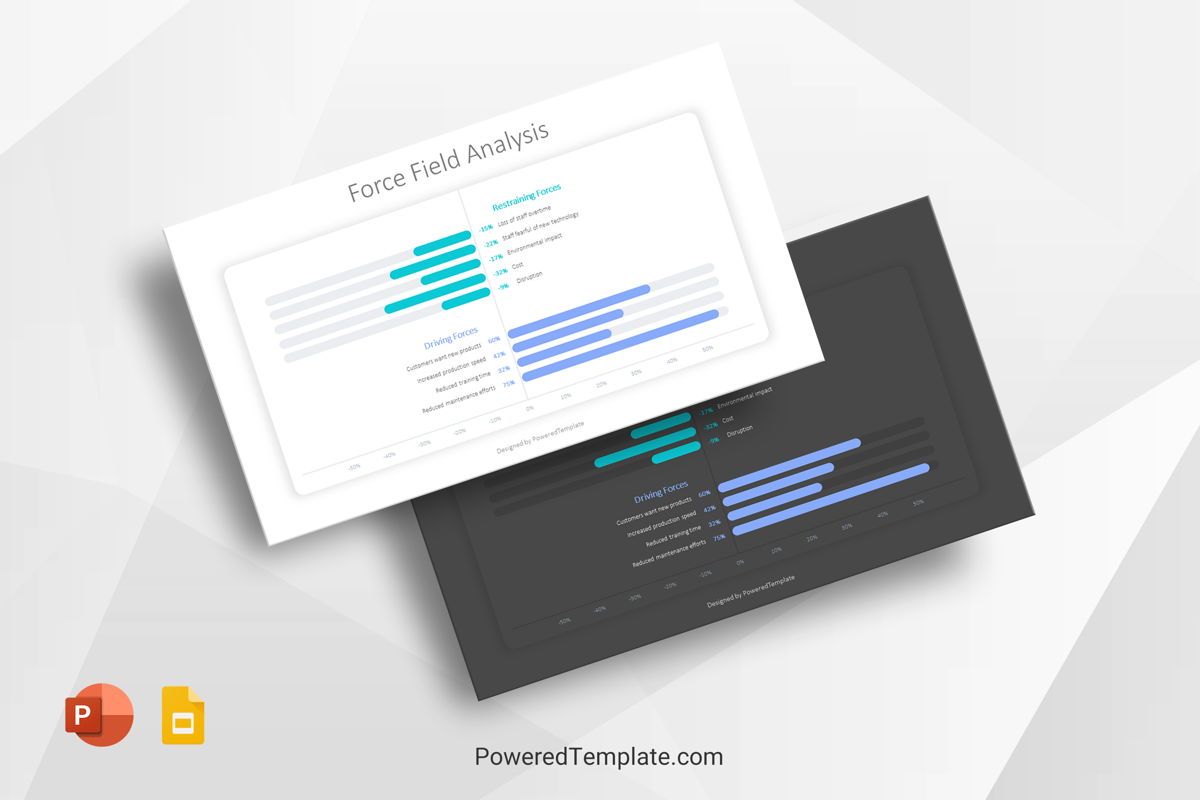
Embed simple bar charts or heat maps directly into the template to visualize force magnitudes at a glance.
Language Adaptations
In multinational teams, translate key sections into the primary languages of participants. This inclusivity enhances clarity and participation.
Link to KPI Dashboards
Connect restraint interventions to key performance indicators. For example, if “staff burnout” is a restraining force, link its mitigation to employee satisfaction scores.
Conclusion

The Blank Force Field Analysis Template is more than a worksheet; it is a bridge between theory and practice, between aspiration and action. By systematically mapping driving and restraining forces, assigning measurable weights, and crafting targeted interventions, teams can navigate change with precision. Whether you’re steering a multinational corporation toward a new market, embarking on a personal career pivot, or nurturing a community garden, this template offers a structured, culturally sensitive framework that turns uncertainty into opportunity. Embrace the balance it promotes, iterate with humility, and let the forces you uncover guide you toward lasting, harmonious success.



Related posts of "Blank Force Field Analysis Template"
