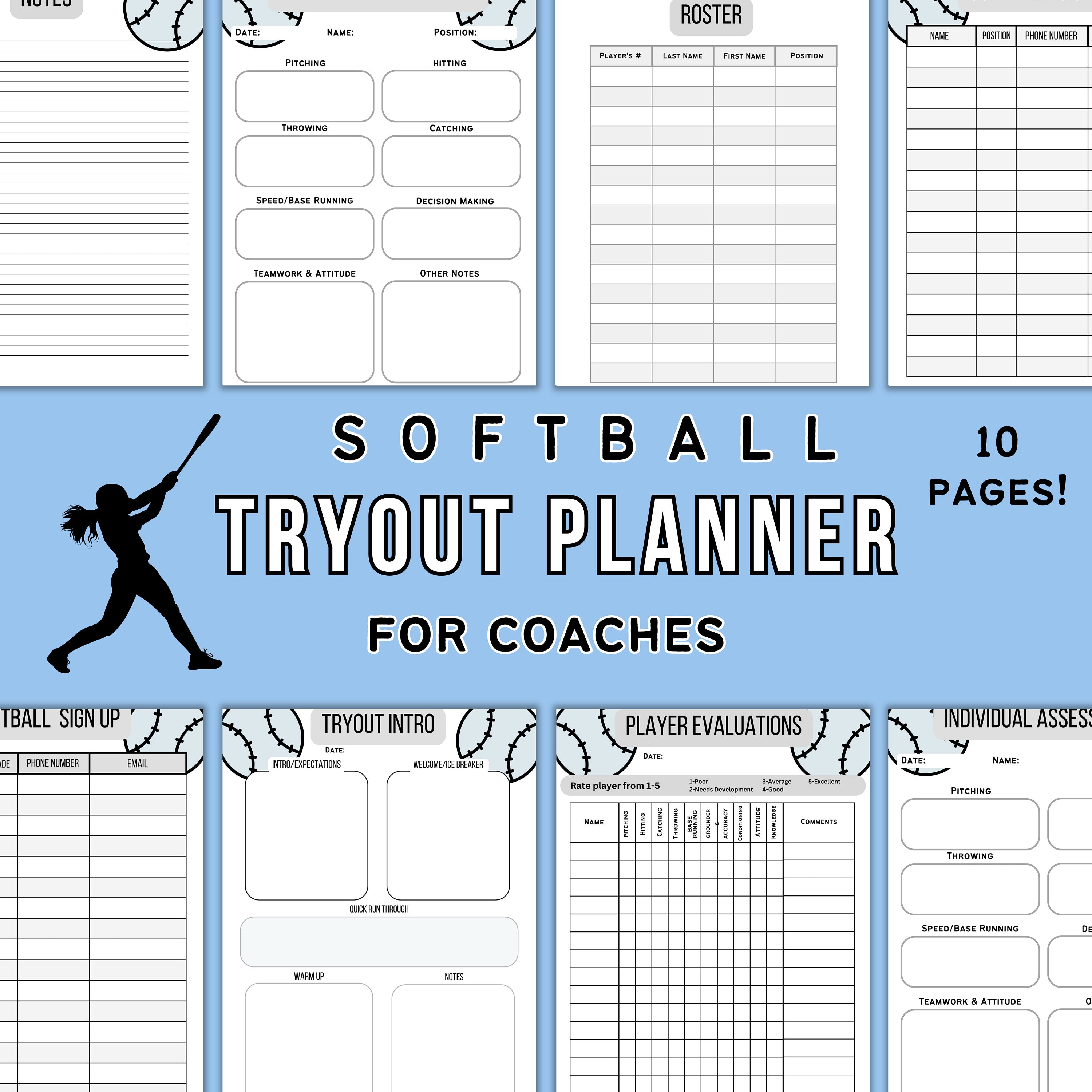
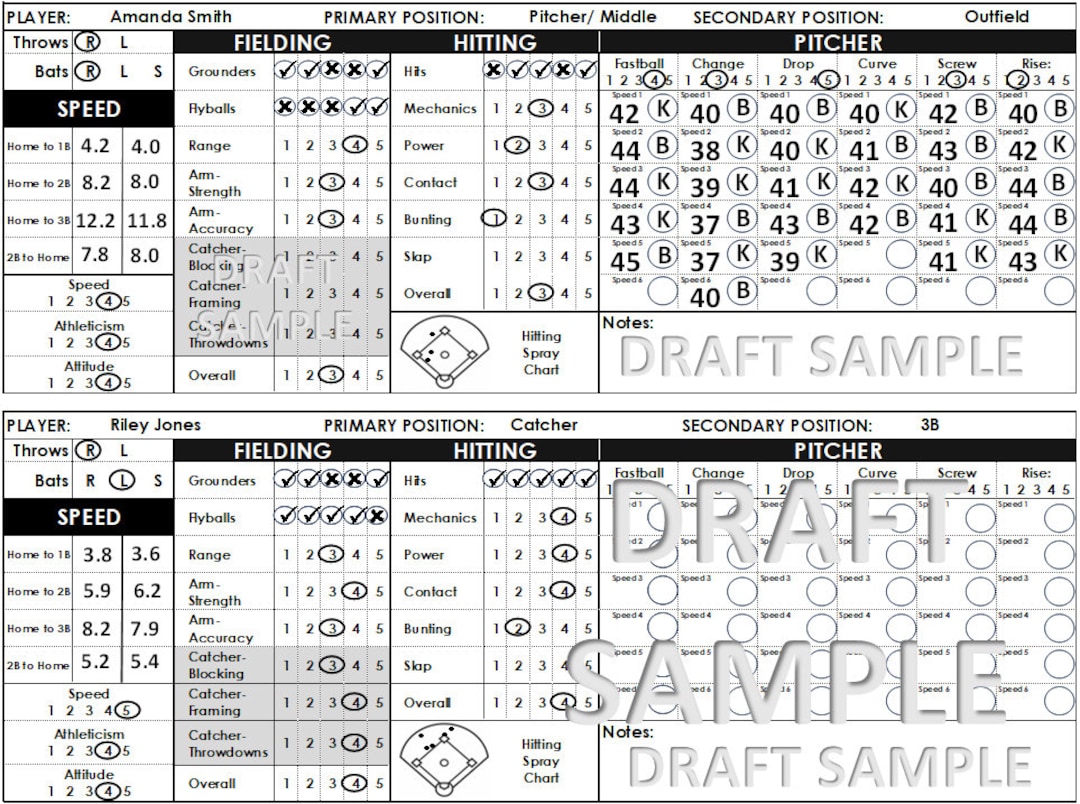
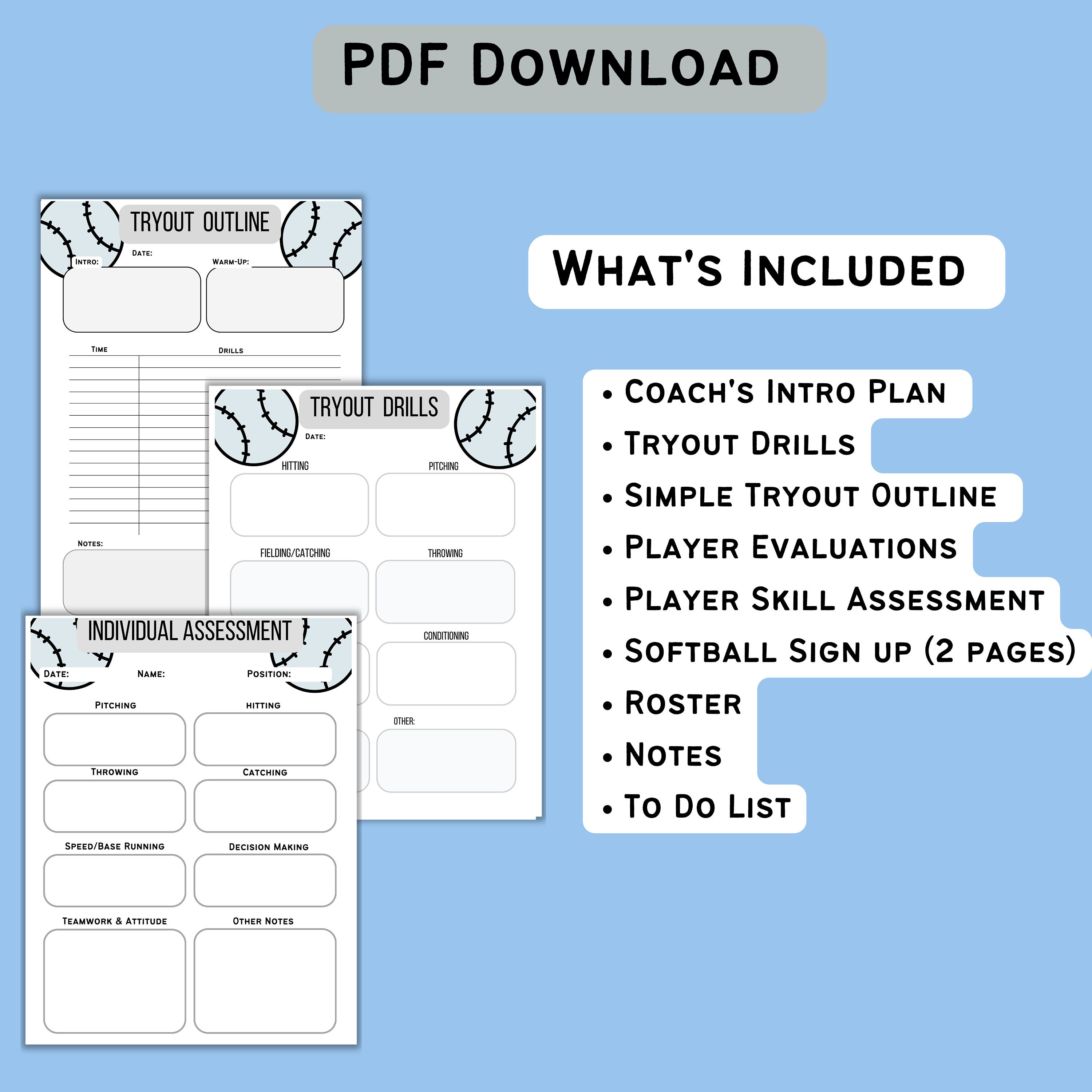
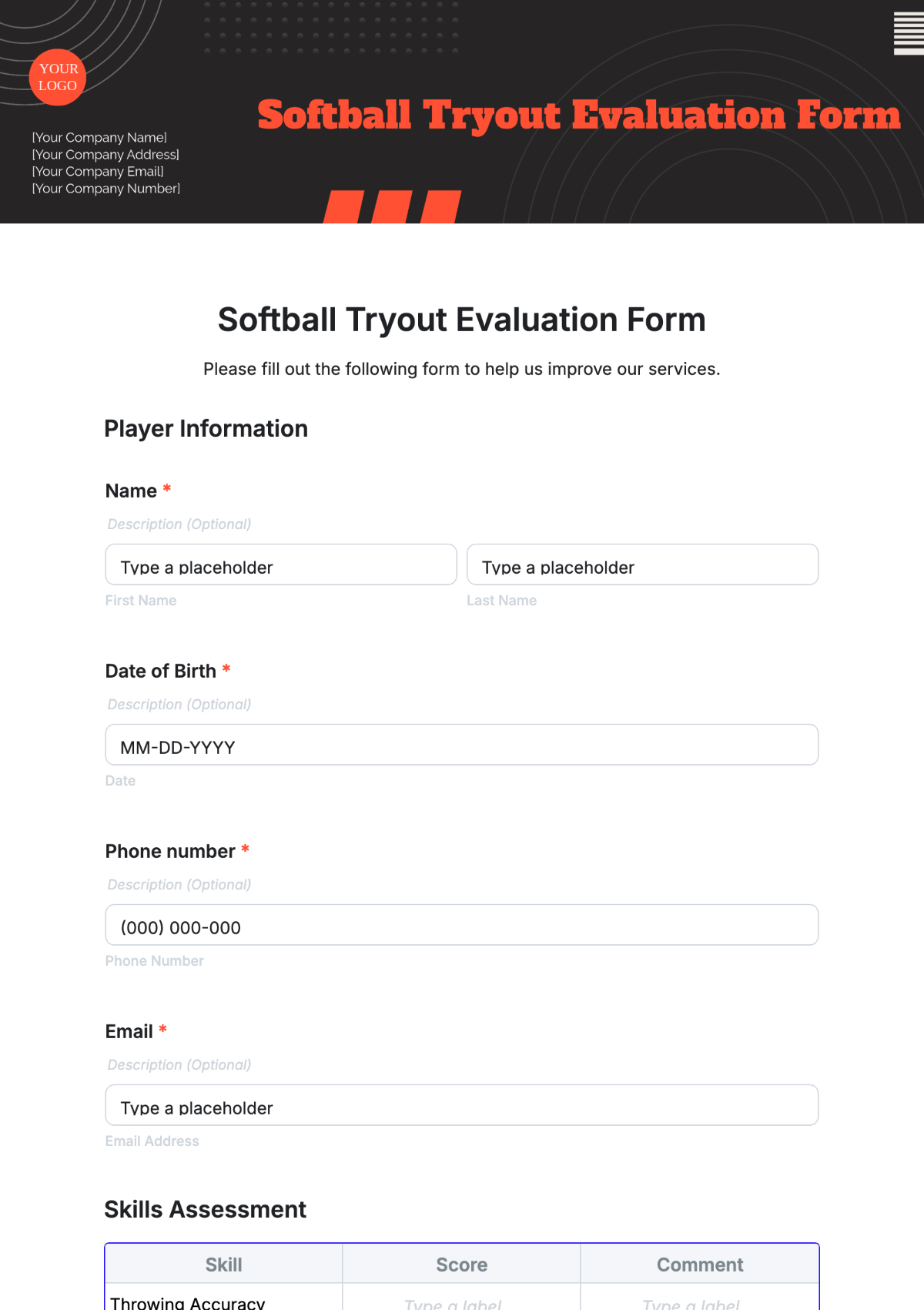
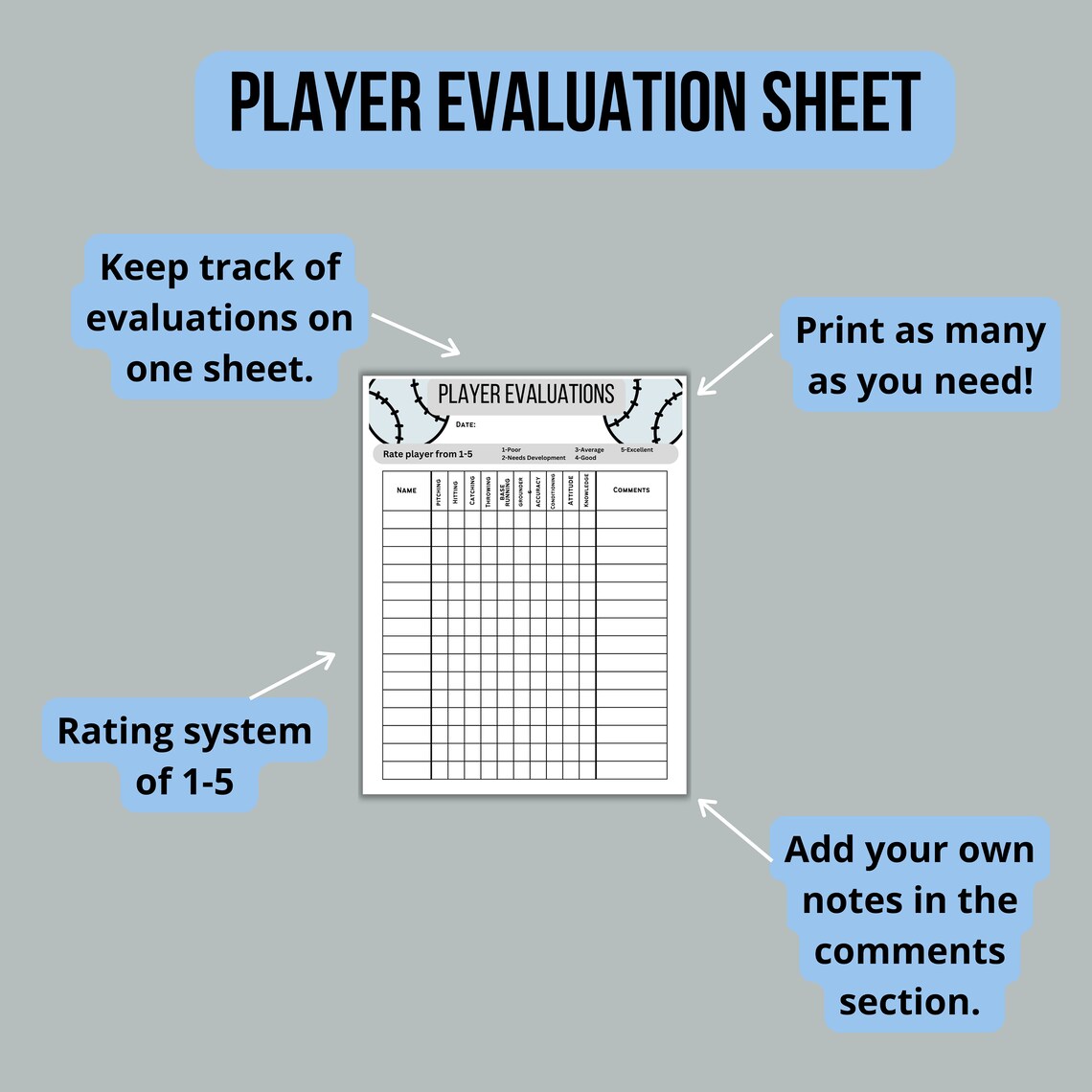
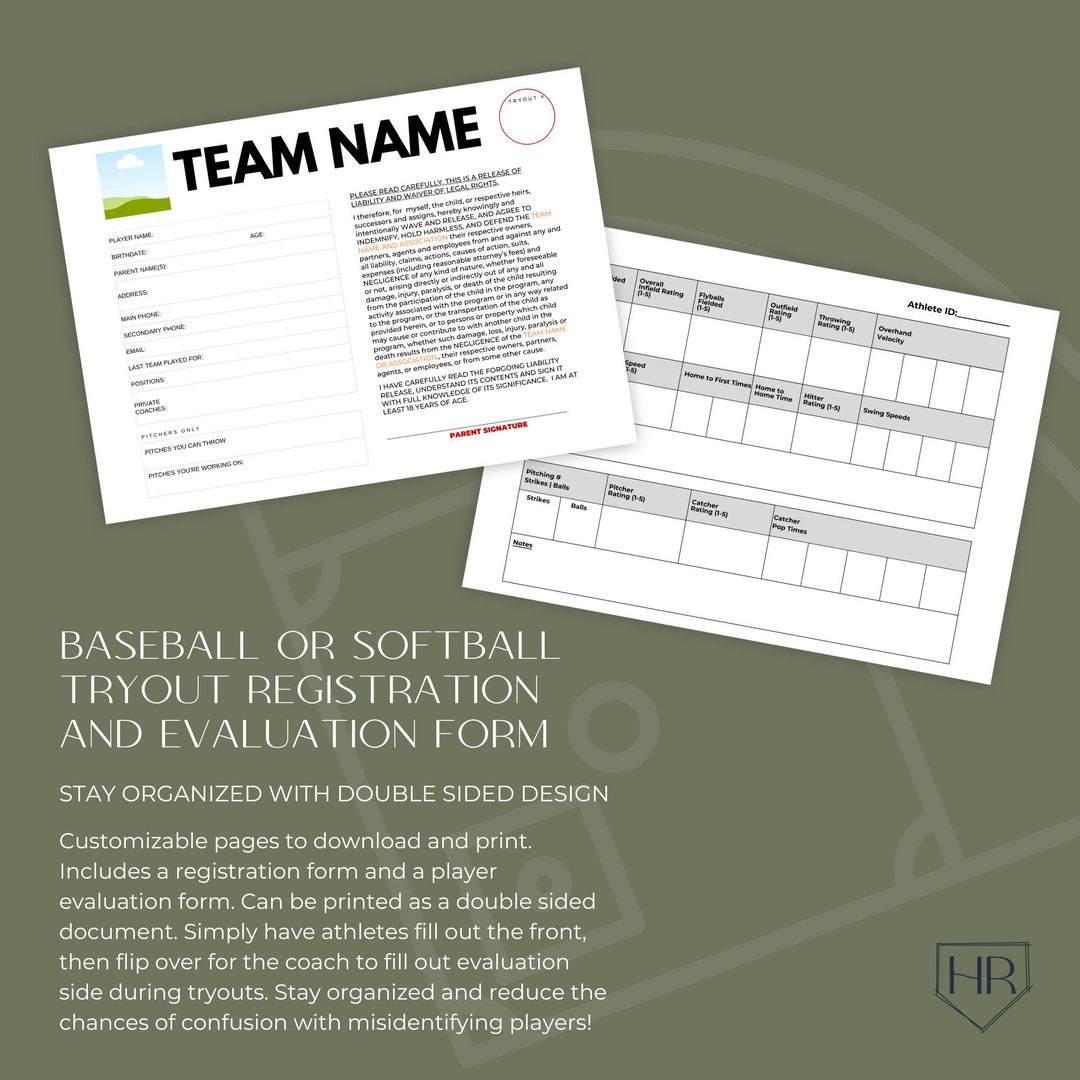
Softball Player Evaluation Template is a powerful tool that transforms a coach’s assessment process from a subjective guess into a precise, actionable roadmap. By embedding cultural values of respect, humility, and continuous learning—hallmarks of many Asian coaching philosophies—this template helps you communicate progress, celebrate achievements, and guide players toward excellence.
Why a Structured Template Matters

In a fast‑paced sport like softball, talent and skill can be hidden beneath routine drills. A well‑designed template provides a clear lens through which both the coach and player view performance. It turns fleeting observations into concrete metrics, ensuring every evaluation is fair, consistent, and aligned with team goals.
Clarity for Coaches and Players
Coaches can quickly reference a single sheet that lists key performance indicators (KPIs). Players, on the other hand, gain transparency: they know exactly what the coach is looking for, reducing ambiguity and fostering trust.
Alignment with Team Philosophy
Asian coaching cultures often emphasize collective harmony over individual flair. A template that incorporates team‑wide metrics—such as communication on base paths, adherence to defensive rotations, and cooperation during practice—reflects this ethos, reinforcing unity.
Data‑Driven Decision Making
When decisions about playing time, lineup changes, or player development are grounded in documented data, coaches can justify choices confidently, both to players and parents. This accountability strengthens the coach‑player relationship.
Core Components of an Effective Evaluation
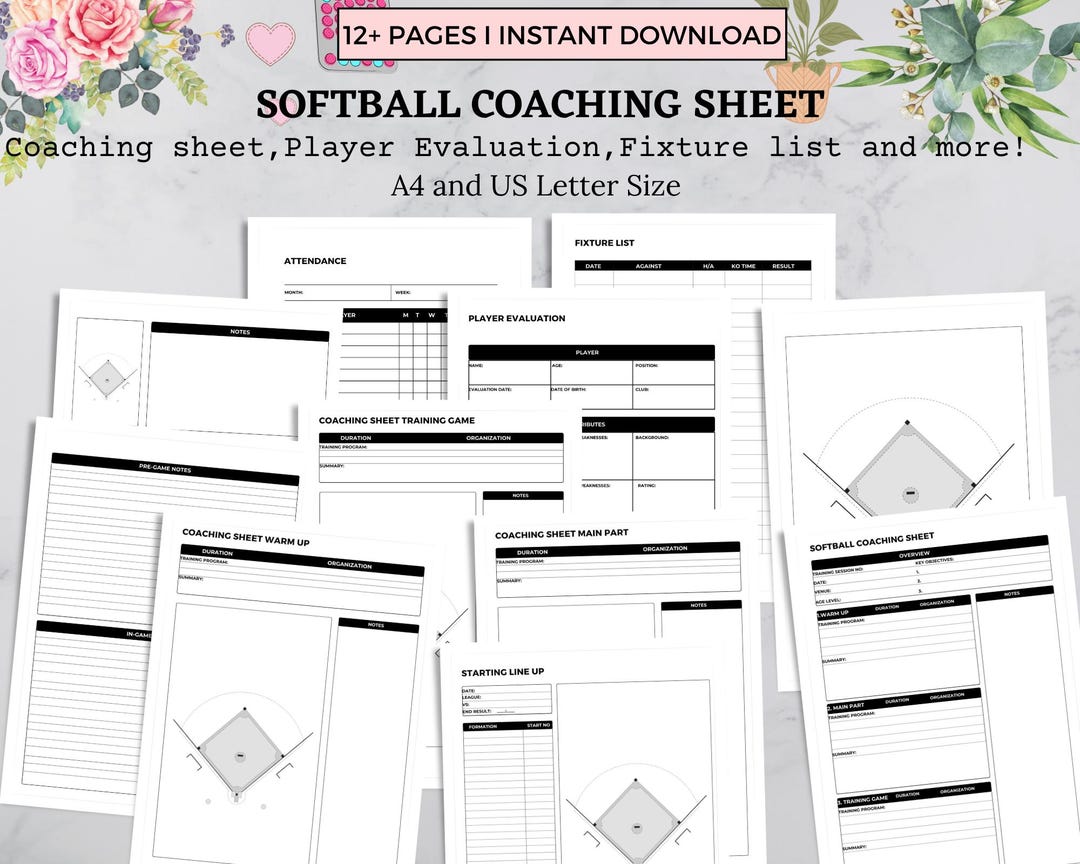
Building a comprehensive template involves selecting the right categories. Each component should capture a distinct dimension of a player’s contribution.
Physical Skills
- Batting Average: Hits divided by at‑bats, indicating contact consistency.
- Fielding Percentage: Successful outs over total chances, showing defensive reliability.
- Speed Metrics: Base‑running times, sprint speed, and agility drills.
Technical Proficiency
- Pitching Mechanics: Release point, arm angle, and stride consistency for pitchers.
- Swing Mechanics: Swing path, bat speed, and timing for hitters.
- Throwing Accuracy: Precision in short‑ and long‑range throws.
Tactical Understanding
- Situational Awareness: Ability to read game context (e.g., defensive positioning, base‑running decisions).
- Strategy Execution: Adherence to game plans, such as bunting in specific scenarios.
- Opposition Analysis: Insight into opposing pitcher’s tendencies or hitter’s weaknesses.
Attitude and Character
- Work Ethic: Commitment to drills, willingness to improve, and punctuality.
- Team Spirit: Encouragement of teammates, respectful communication, and readiness to accept constructive criticism.
- Resilience: Response to setbacks, such as a bad inning or a missed opportunity.
Step‑by‑Step Guide to Using the Template

Adopting a template is only half the journey. Implementing it effectively requires a disciplined routine.
1. Pre‑Game Preparation
- Review the player’s previous evaluation to identify trends.
- Set specific goals for the upcoming session (e.g., improve fielding percentage by 5%).
- Prepare the template on a tablet or printed sheet for quick access.
2. Observation During Practice
- Take real‑time notes using shorthand codes for common plays.
- Mark moments of excellence and areas needing correction.
- Use a stopwatch to time sprints or base‑running intervals.
3. Post‑Practice Debrief
- Fill out the template immediately to capture fresh insights.
- Discuss each section with the player, encouraging self‑reflection.
- Set actionable objectives for the next practice (e.g., focus on release point).
4. Regular Review Sessions
- Schedule monthly evaluation reviews with the entire team.
- Use aggregated data to highlight team strengths and gaps.
- Celebrate milestones to reinforce positive behavior.
Tailoring the Template for Different Age Groups

Coaches must adapt the evaluation framework to the developmental stage of each player group.
Youth Players (U‑12 to U‑14)
- Emphasize fundamentals: grip, stance, and basic footwork.
- Use qualitative descriptors (e.g., “steady, needs practice with back‑hand throws”).
- Incorporate fun, gamified feedback to maintain engagement.
High School Athletes (U‑16 to U‑18)
- Introduce advanced metrics: on‑base percentage, slugging.
- Add situational drills and scenario analysis.
- Encourage peer‑review sessions to build leadership.
College and Adult Levels
- Focus on analytics: advanced batting curves, defensive shift data.
- Incorporate video analysis links within the template.
- Align evaluations with academic and athletic goals.
Integrating Feedback for Continuous Improvement
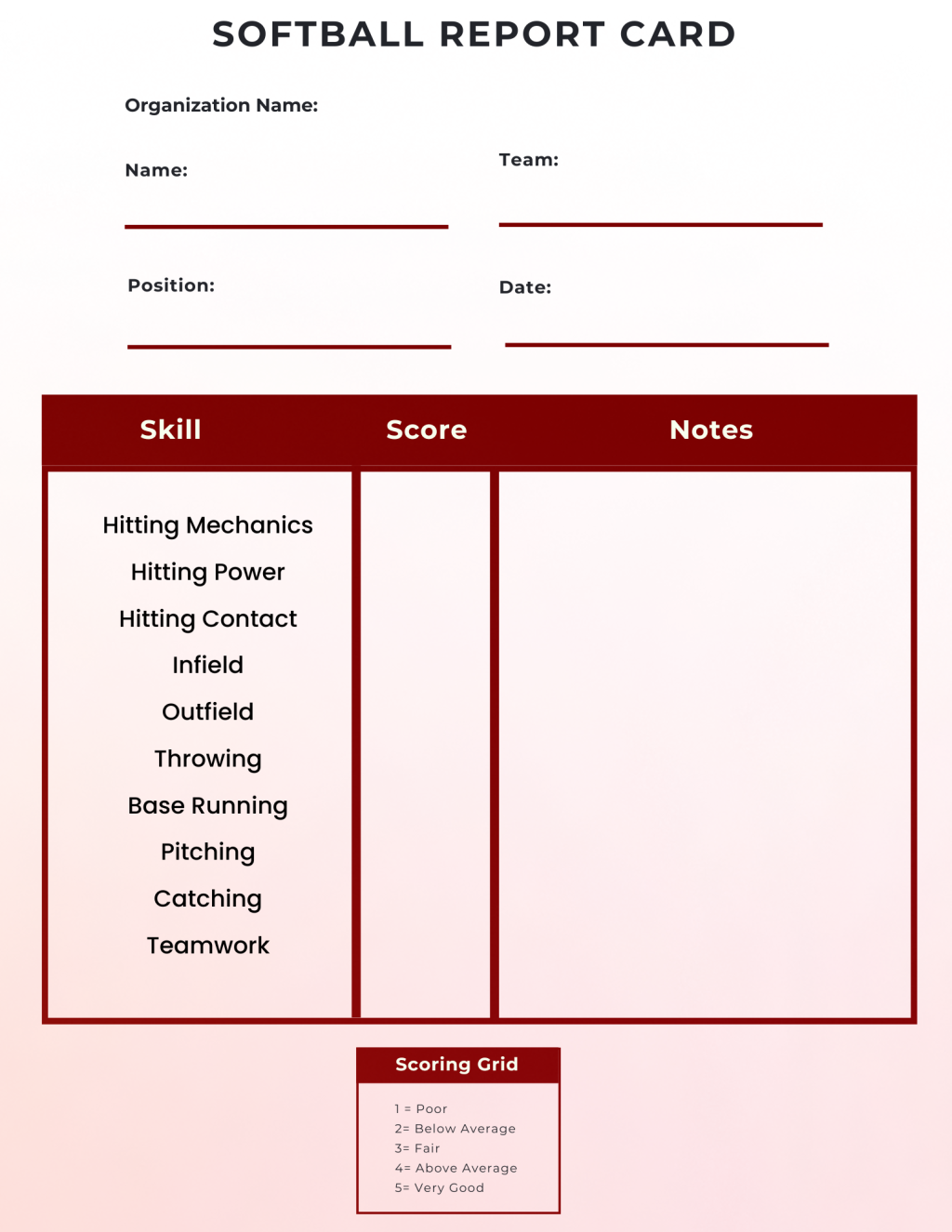
Feedback loops close the gap between evaluation and growth.
Self‑Assessment
After completing the template, ask players to rate each area on a scale of 1 to 10. Compare with the coach’s rating to identify perception gaps.
Peer Feedback
Incorporate brief statements from teammates about a player’s contribution to team morale or on‑field communication.
Parent Involvement (Youth Programs)
Share summary reports with parents, encouraging them to reinforce positive habits at home. Maintain respectful communication, emphasizing collective goals.
Common Pitfalls and How to Avoid Them
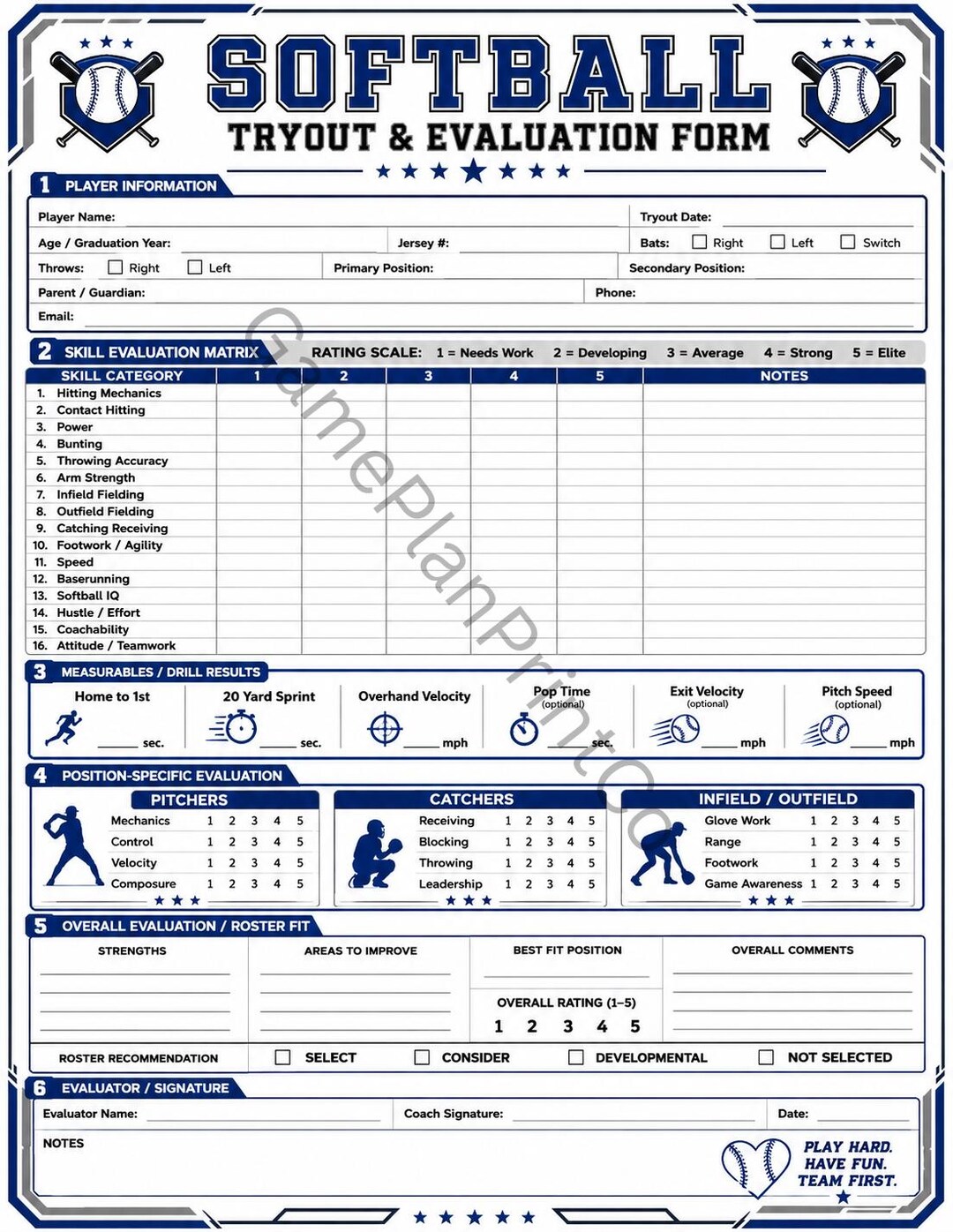
Even the most robust template can fail if misapplied. Recognize and mitigate these common issues.
Over‑Quantifying Soft Skills
Attempts to assign a number to attitude or teamwork often lead to subjective bias. Instead, use descriptive comments and real‑world examples.
Inconsistent Scoring
If multiple coaches use the same template, ensure a standard rubric is agreed upon. Hold calibration meetings to align scoring criteria.
Neglecting Context
A single low batting average in a rain‑delayed game should not define a season. Always consider situational variables before marking a negative trend.
Data Overload
Too many metrics can overwhelm players. Prioritize 5–7 key indicators that align with your season objectives.
Tools and Resources to Enhance Evaluation

Technology can streamline data collection and visualization.
Digital Sheets and Apps
- Cloud‑based spreadsheets allow real‑time editing and sharing.
- Mobile apps can capture video clips and annotate them directly.
Video Analysis Platforms
Use short clips to illustrate proper technique. Overlay slow‑motion frames for detailed study.
Statistical Dashboards
Aggregate player data into dashboards that highlight trends, making it easier to spot long‑term improvements or plateaus.
Conclusion
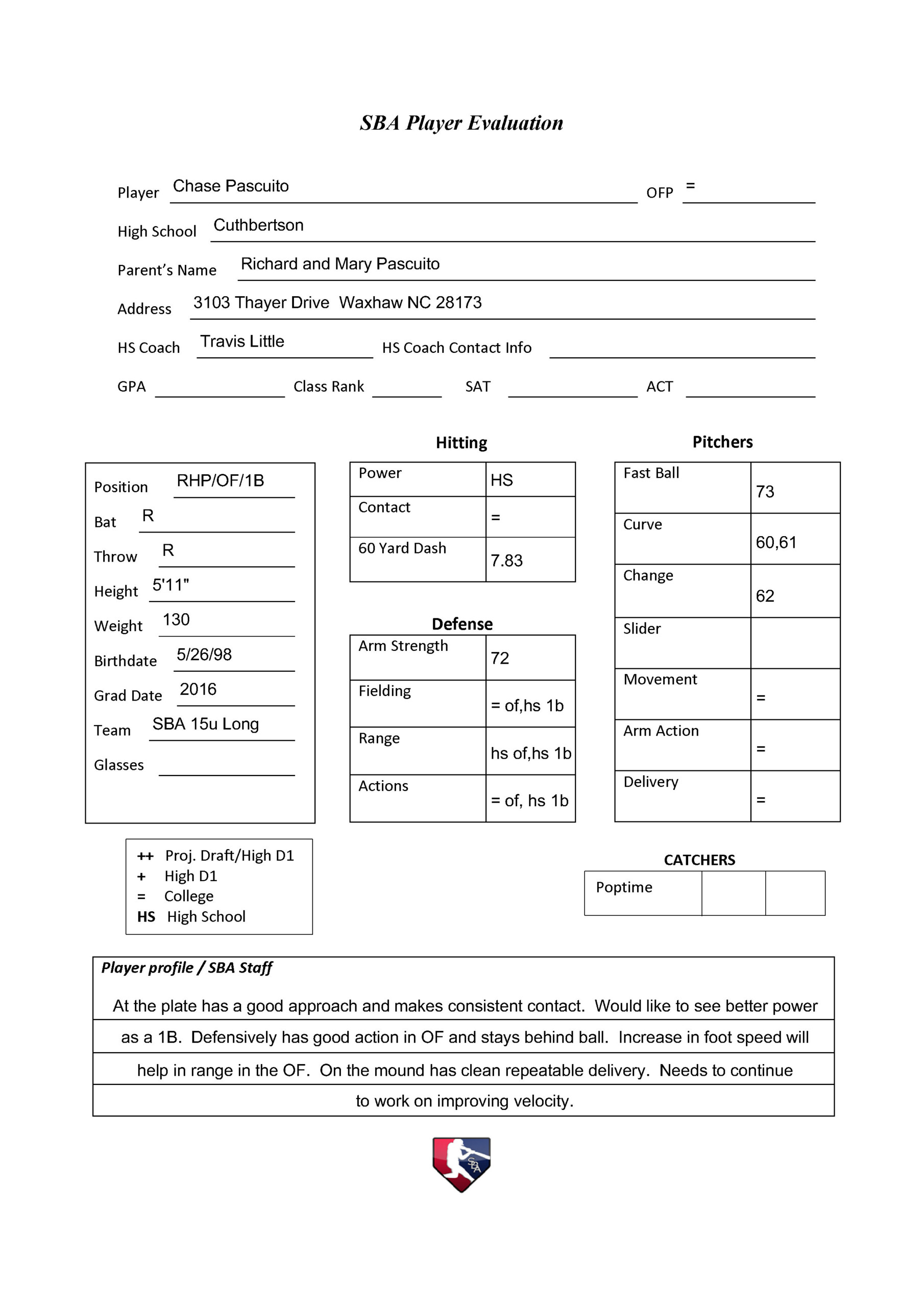
A Softball Player Evaluation Template is more than a form; it is a bridge between coaching intent and player realization. By integrating structured assessment, cultural respect, and continuous feedback, coaches create an environment where athletes thrive, teams synchronize, and the sport’s spirit flourishes. When every player sees a clear, fair map of their progress, they move forward with confidence, purpose, and a shared commitment to excellence.



Related posts of "Softball Player Evaluation Template"
