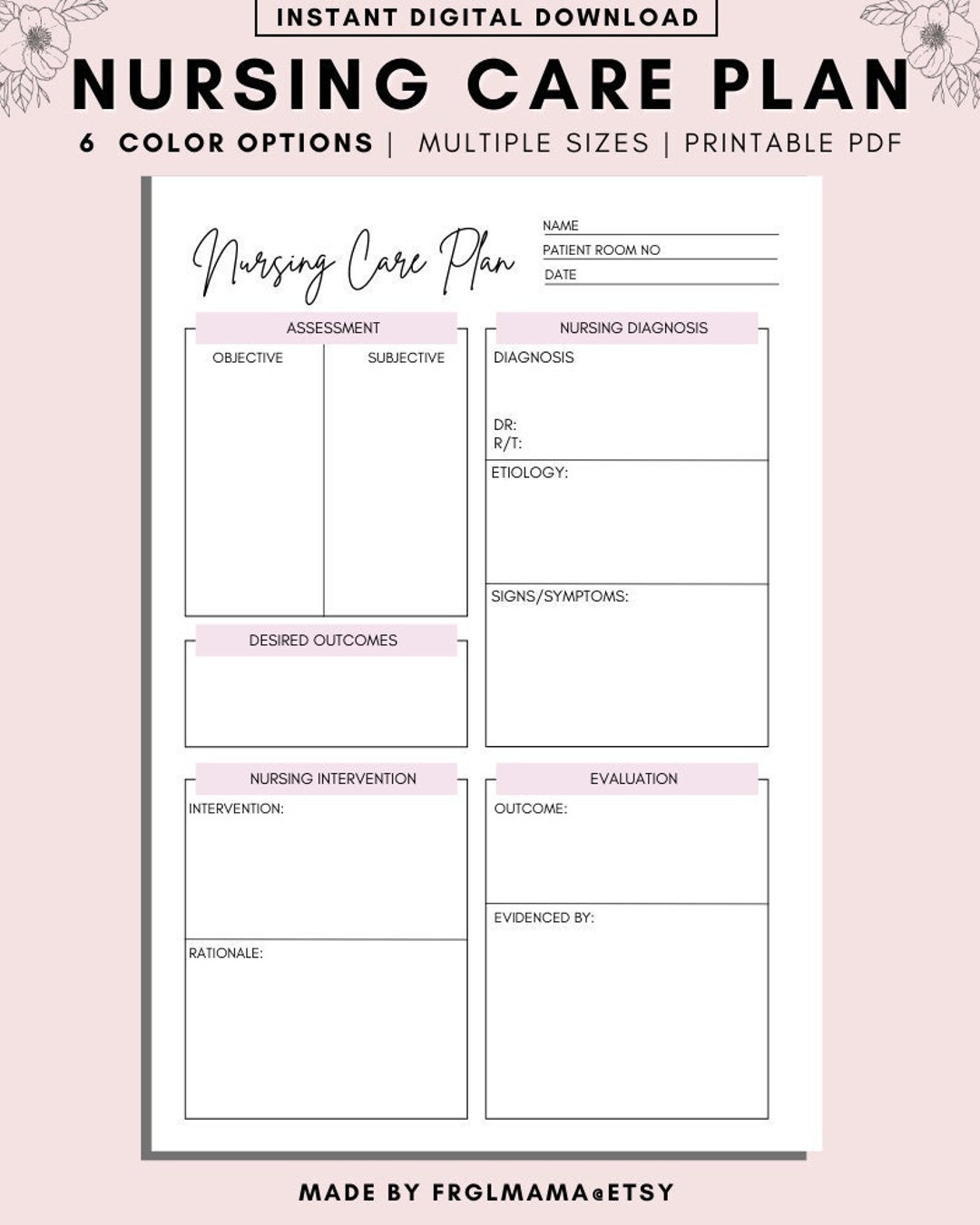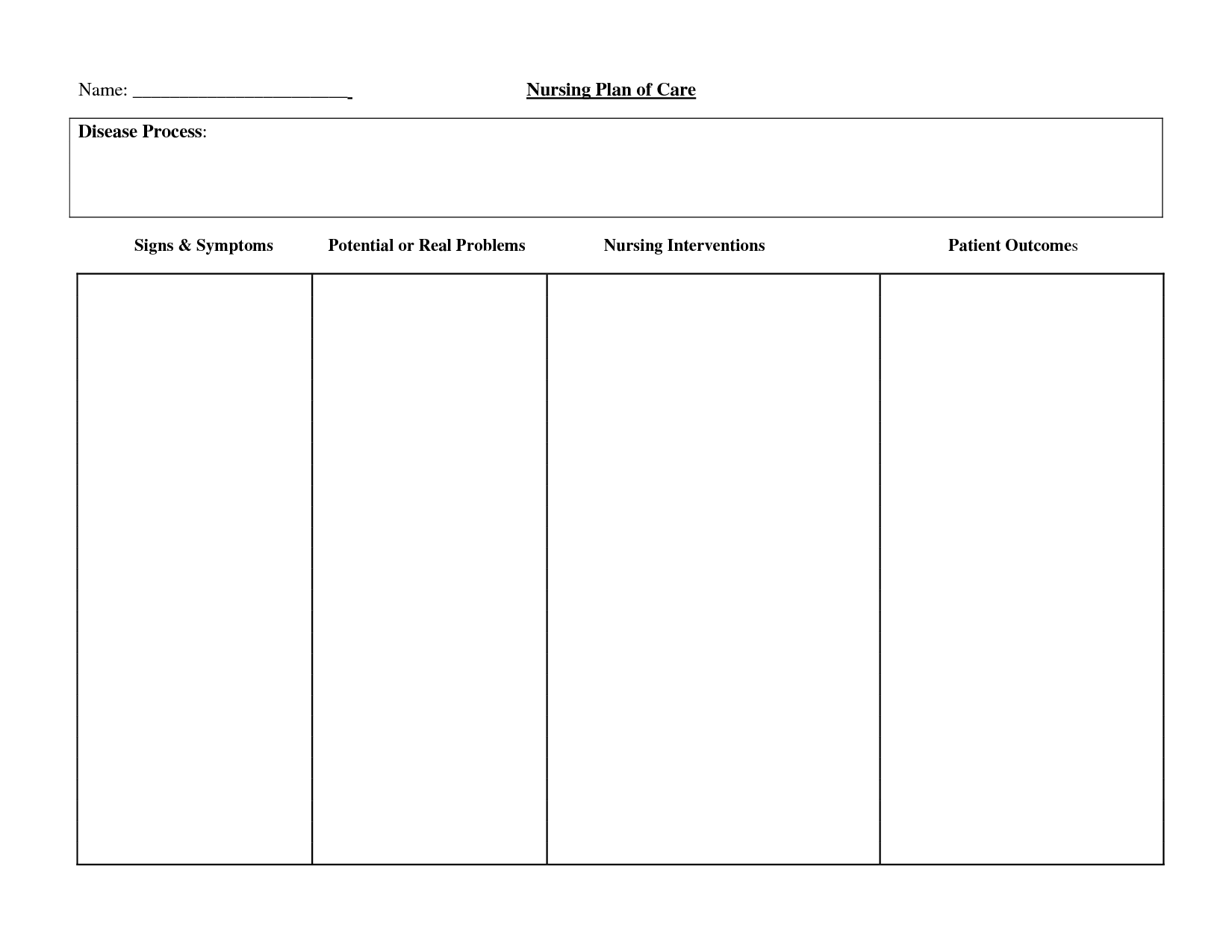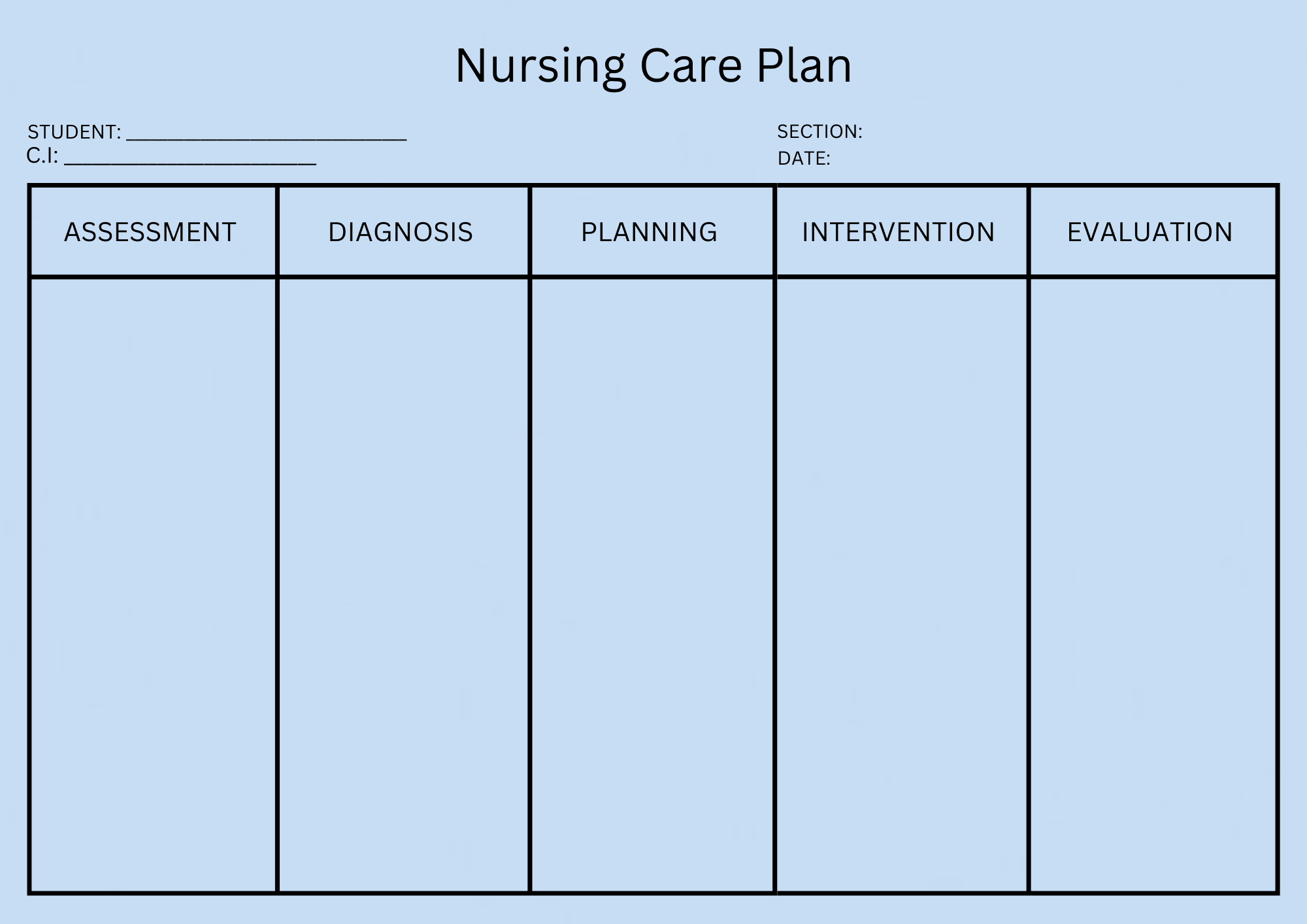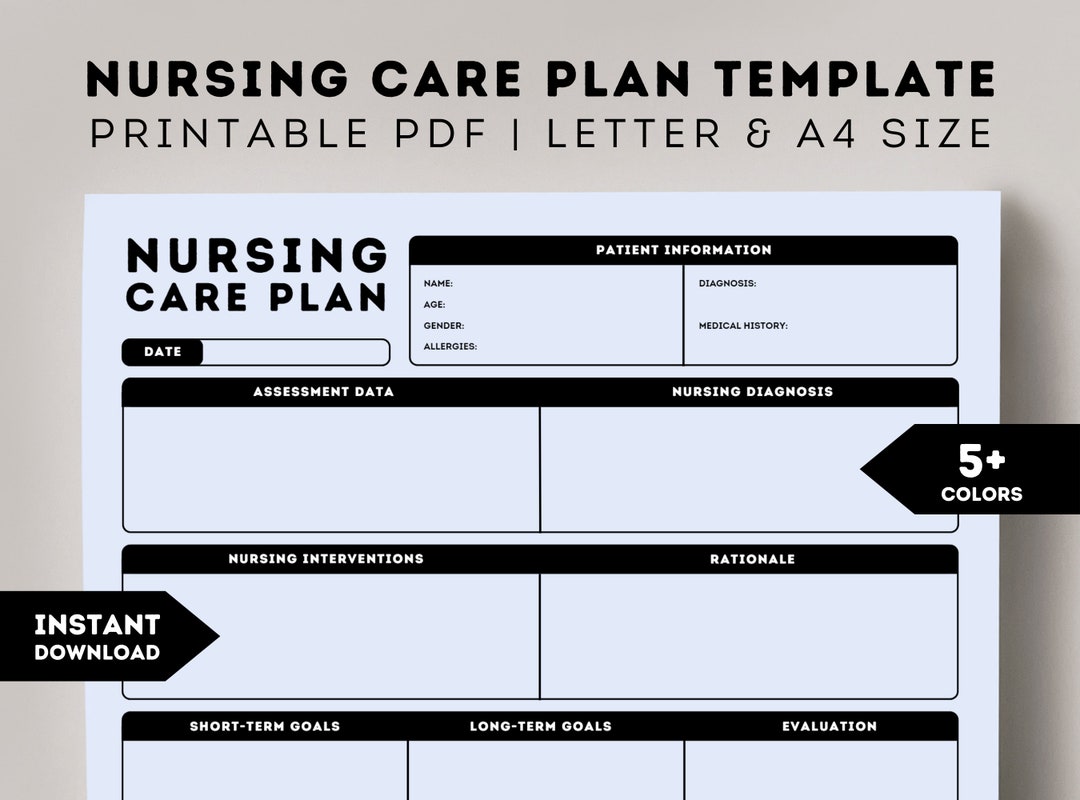
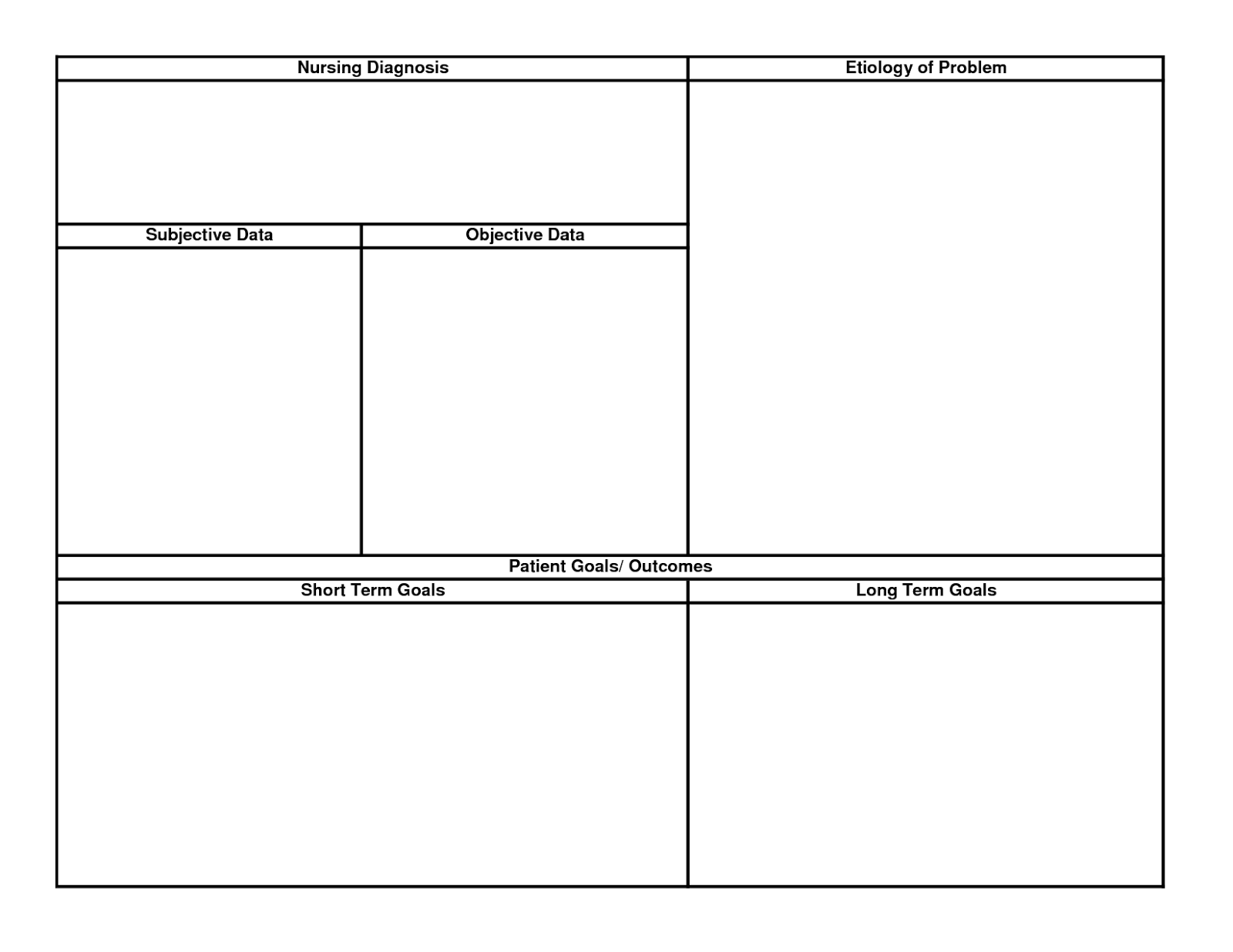
Nursing Care Plan Templates Blank provide a structured pathway for nurses to document patient needs, interventions, and outcomes efficiently. These ready‑to‑use frameworks help keep care consistent across shifts and disciplines, ensuring every patient receives thorough, evidence‑based support. In this guide, we explore how to select, customize, and use blank nursing care plans to streamline workflows and elevate patient outcomes.
Understanding the Purpose of Blank Nursing Care Plans
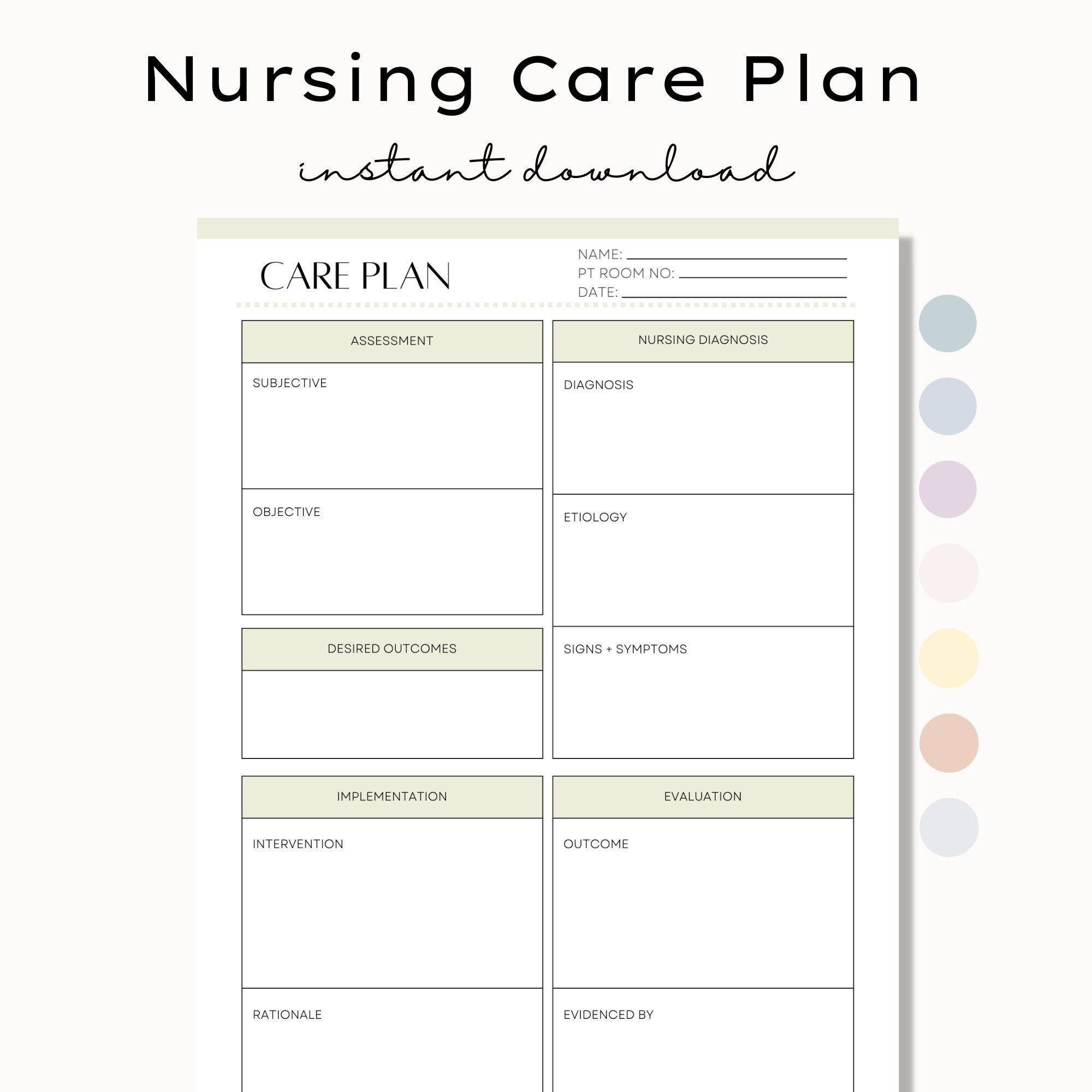
Nursing care plans are more than paperwork; they are living documents that guide bedside decision making and track progress toward recovery. When a template is blank, it serves as a blank canvas that you can shape around specific patient scenarios. This flexibility is essential in fast‑paced settings like emergency departments, intensive care units, or community health clinics where time and resources are limited.
Key Benefits of Using a Blank Template
- Standardization: Uniform sections for assessment, diagnosis, and interventions reduce variability.
- Efficiency: Pre‑defined headings cut down on the time spent formatting, allowing nurses to focus on patient care.
- Documentation Accuracy: Structured fields help capture essential details for compliance, billing, and quality improvement.
- Team Collaboration: A shared template ensures that all care providers, from physicians to aides, are on the same page.
Core Components of an Effective Blank Template
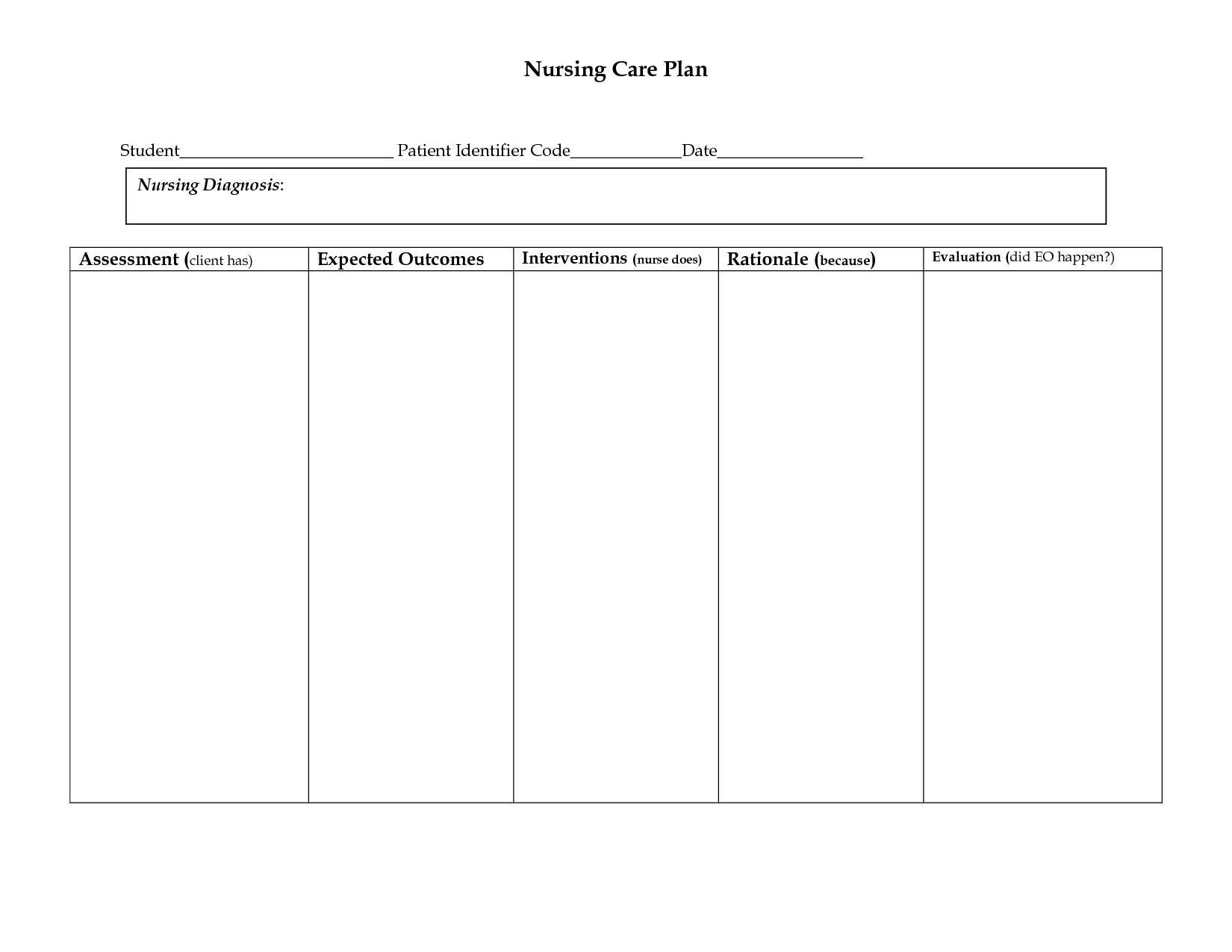
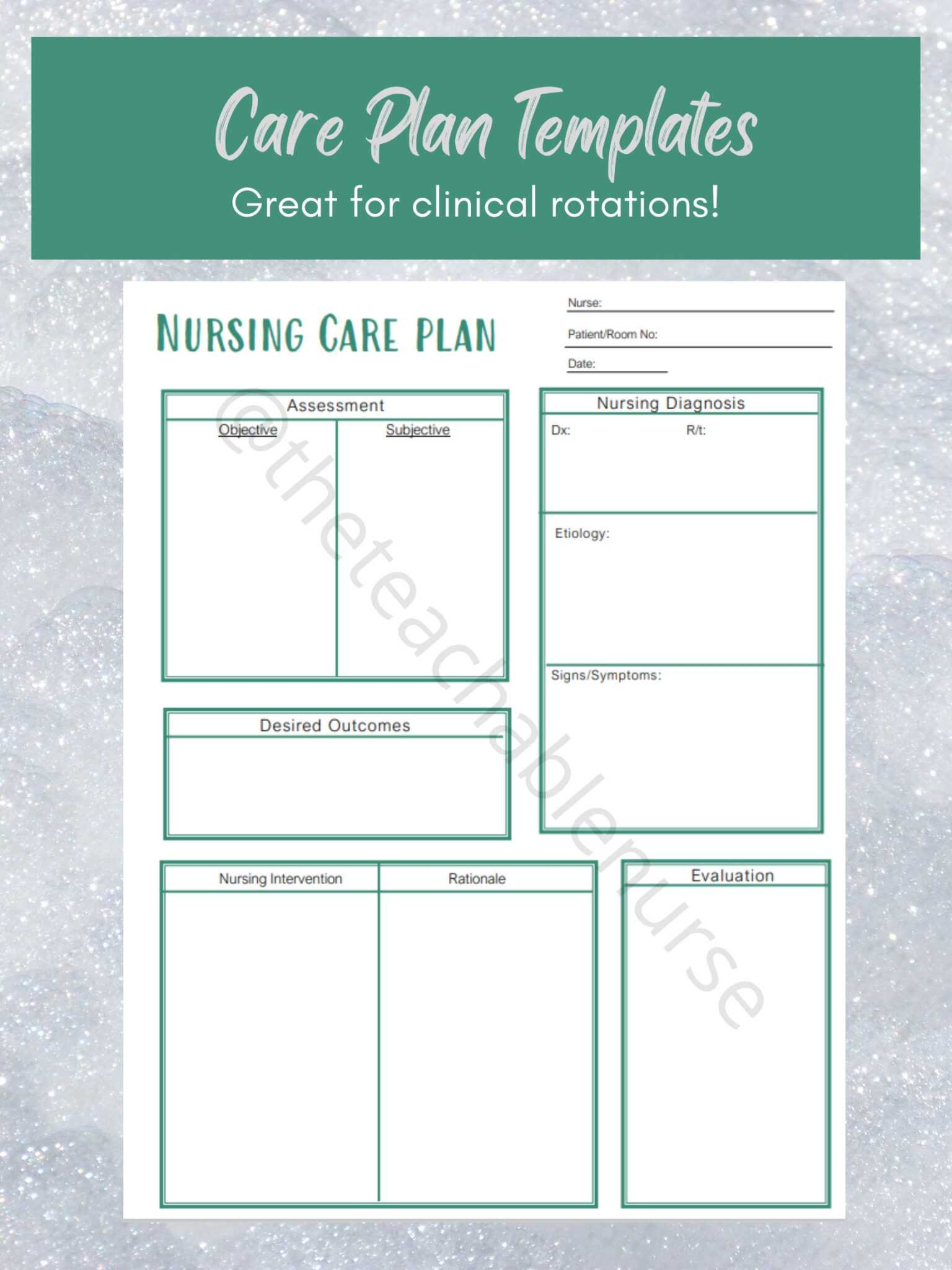
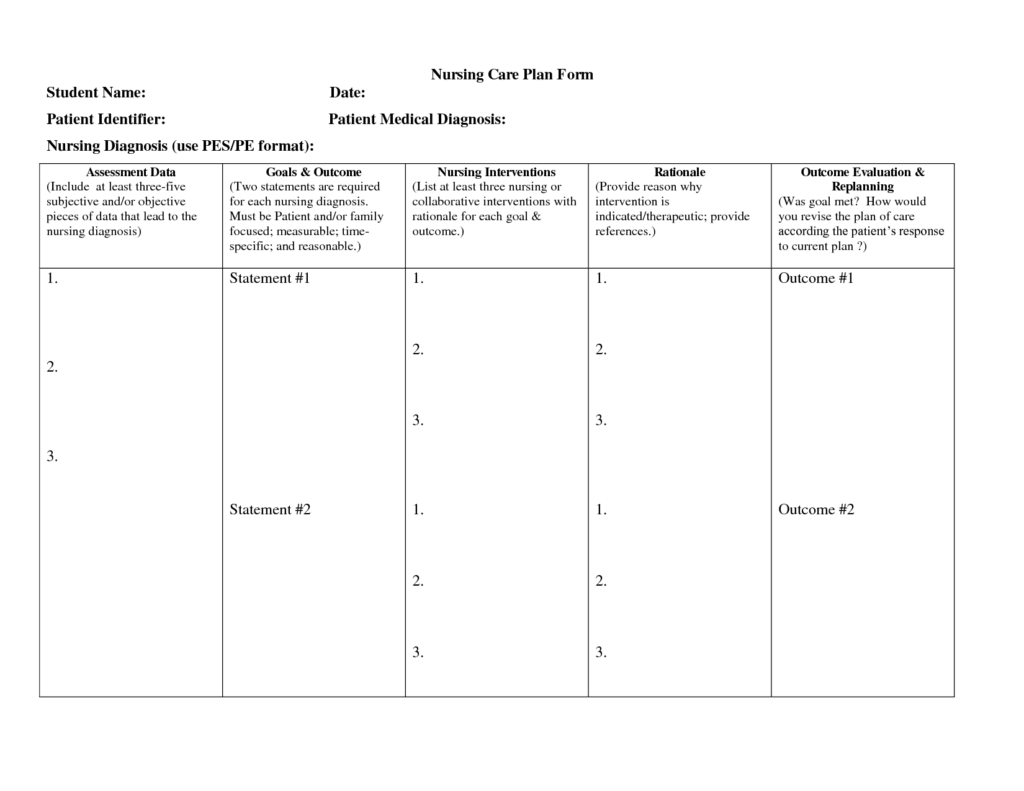
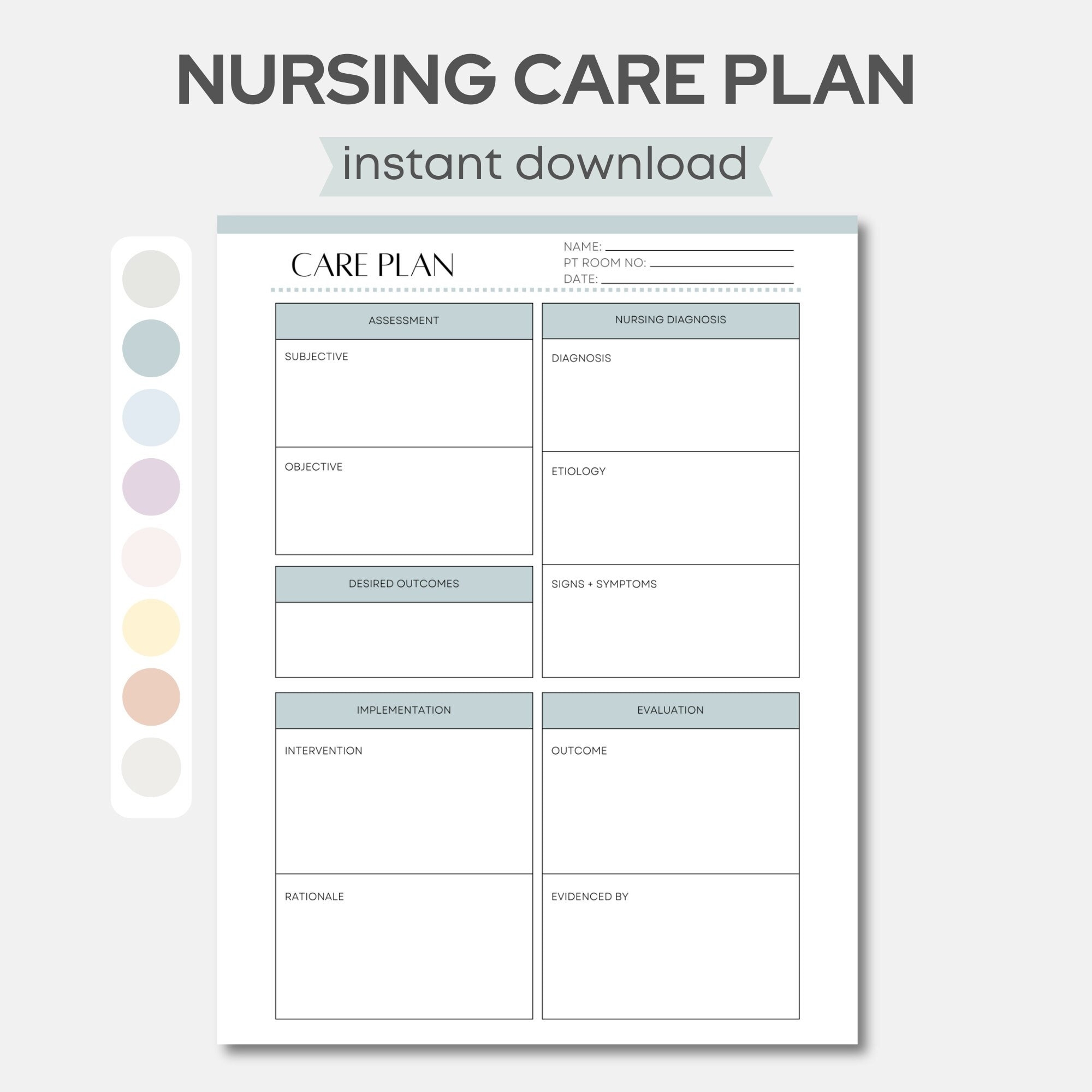
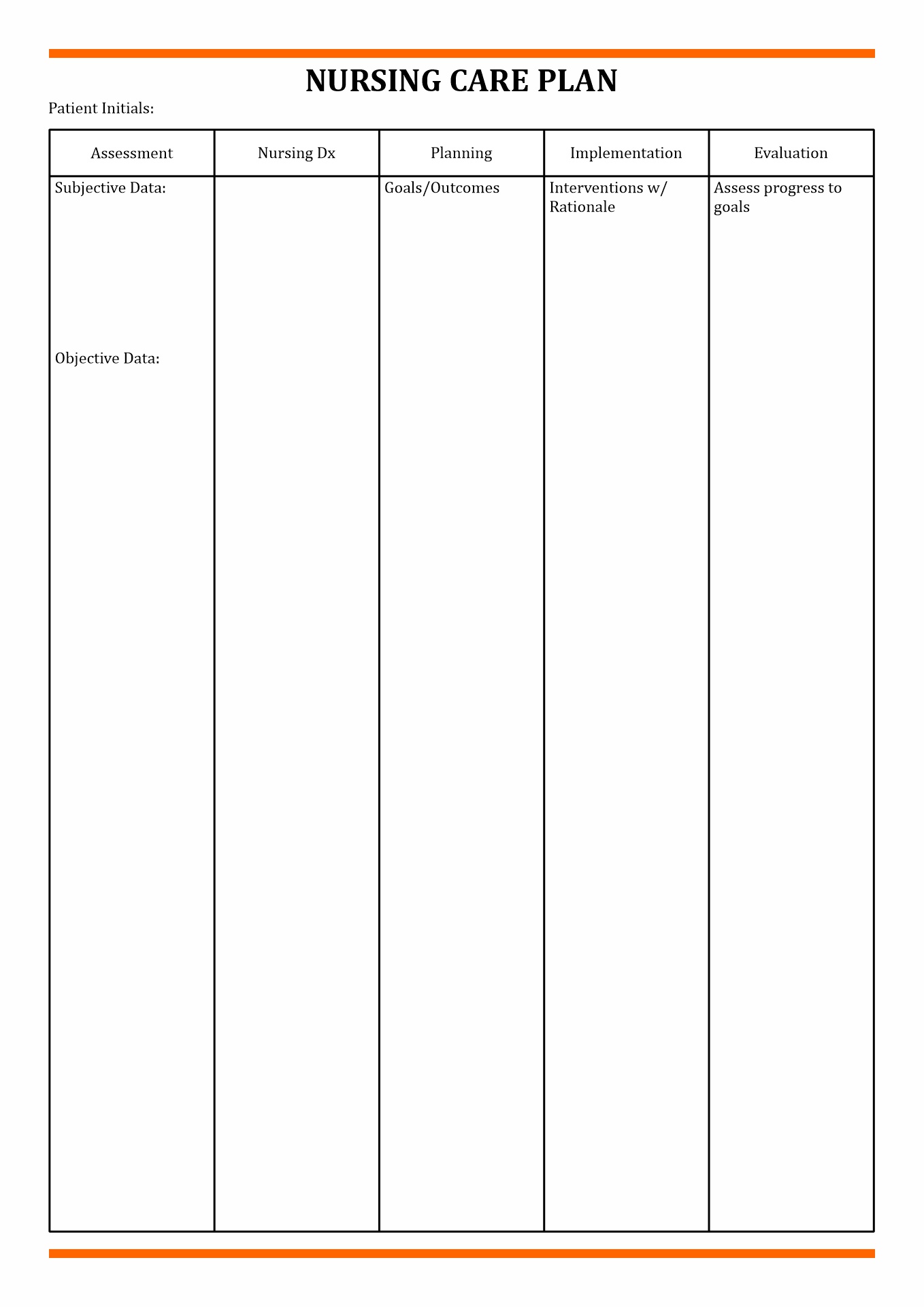
A well‑designed template incorporates four pillars that guide the entire care planning cycle: assessment, nursing diagnoses, interventions, and evaluation.
1. Assessment Section
This opening block gathers vital patient information—demographics, medical history, vital signs, and psychosocial factors. It often includes checklists for pain scales, mobility status, and cognitive function. By systematically documenting these data points, nurses create a baseline against which progress is measured.
2. Nursing Diagnoses
Based on the assessment, the template prompts the nurse to select from a list of standardized diagnoses (such as the NANDA taxonomy). Providing drop‑down options or checkboxes for common conditions—e.g., “Risk for Infection” or “Impaired Mobility”—ensures that diagnoses are evidence‑based and compliant with clinical documentation standards.
3. Interventions and Action Plans
Each diagnosis is paired with a set of interventions. Blank spaces allow the nurse to tailor actions—like “Administer IV antibiotics” or “Teach patient about deep‑breathing exercises”—to the individual’s needs. This section often includes timing, responsible staff, and required resources.
4. Evaluation and Outcomes
Finally, the template captures measurable outcomes such as changes in pain scores, wound size reduction, or improved mobility. This data is critical for determining the effectiveness of interventions and for adjusting care plans as needed.
Choosing the Right Blank Nursing Care Plan Template
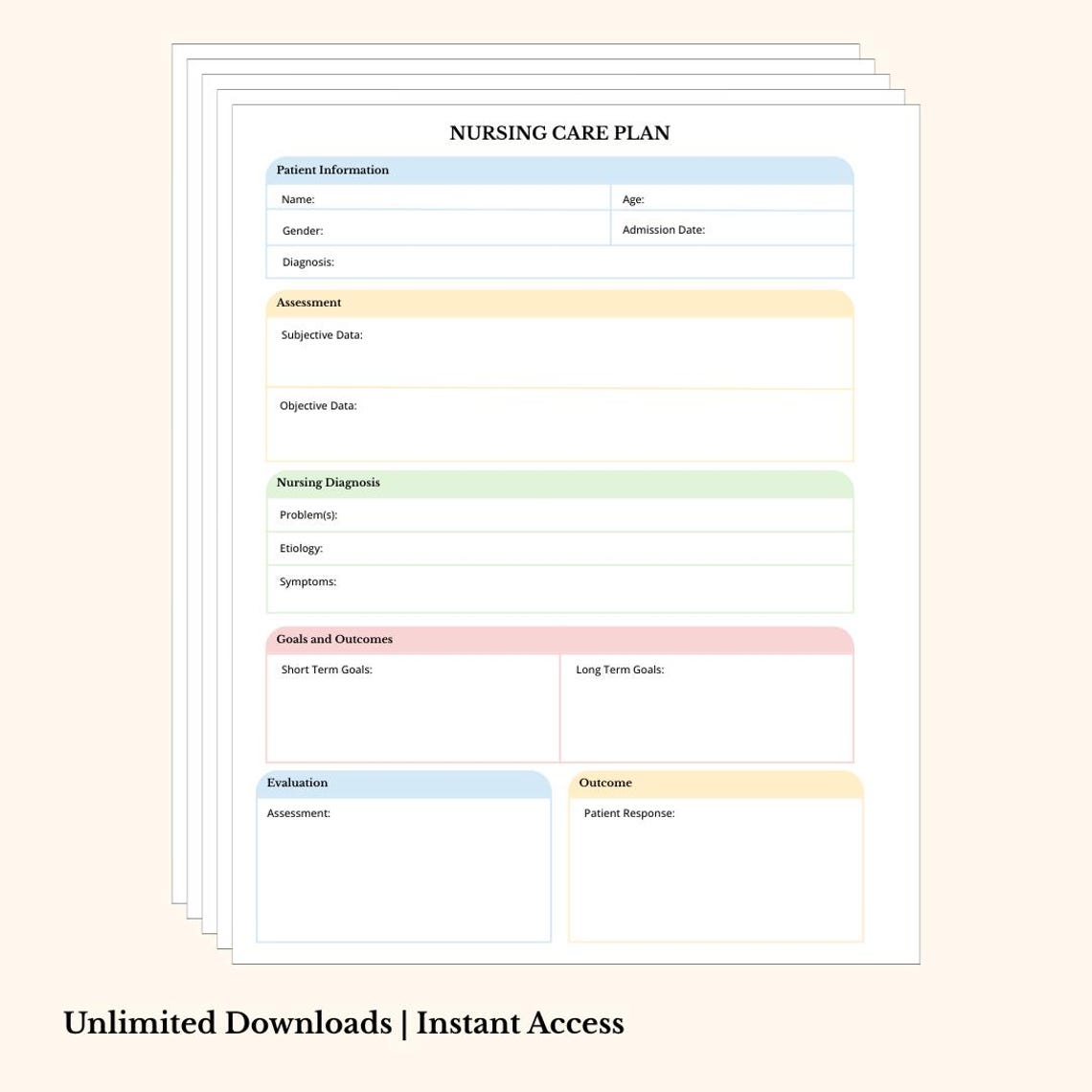
Not all templates are created equal. Your selection should align with clinical setting, patient population, and regulatory requirements.
Assess Your Clinical Context
Consider whether you are working in a hospital, long‑term care facility, or home health agency. Hospital templates often emphasize rapid assessment and interventions for acute conditions, whereas long‑term care templates prioritize chronic disease management and functional goals.
Match the Template to Your Documentation System
Integration with electronic health records (EHRs) is essential for efficiency. Choose a template that can be easily exported into your EHR’s nursing module, or a PDF format that can be filled digitally if your system does not support templated forms.
Compliance with Standards
Ensure the template reflects current nursing taxonomy and coding guidelines (e.g., NANDA, NIC, NOC). This alignment reduces billing errors and enhances audit readiness.
Step‑by‑Step Guide to Filling Out a Blank Nursing Care Plan

Below is a practical workflow that nurses can follow when documenting a patient’s care plan. Each step is illustrated with an example to reinforce learning.
Step 1: Gather Complete Assessment Data
Before opening the template, spend 5–10 minutes reviewing the patient chart, vital signs, and any recent lab results. Take note of any new symptoms, changes in medication, or family concerns. Fill in the assessment section meticulously, ensuring no critical data is omitted.
Step 2: Identify Nursing Diagnoses
Using the assessment, cross‑reference with a diagnosis list. For instance, a patient post‑hip surgery might have “Impaired Physical Mobility” and “Risk for Falls.” Mark these diagnoses clearly in the template, noting the related facts that support each choice.
Step 3: Draft Interventions
For each diagnosis, brainstorm a set of interventions tailored to the patient. For “Impaired Physical Mobility,” interventions could include “Assist with ambulation 3 times daily” and “Order physical therapy evaluation.” Use the template’s intervention column to outline who will perform each task and when.
Step 4: Set Measurable Outcomes
Define success metrics such as “Patient will walk 10 meters without assistance by day 3.” Enter these outcomes in the evaluation section, using numeric or descriptive targets that can be tracked over time.
Step 5: Review and Sign Off
Once the plan is complete, review for accuracy, completeness, and compliance with policies. Sign or electronic endorse the plan before handing it to the next shift or care team member.
Customizing Blank Templates for Different Patient Populations

While a standard template is a solid starting point, certain populations require additional considerations.
Gerontological Care
Older adults often present with multiple comorbidities and sensory deficits. Add sections for cognitive status, medication reconciliation, and fall prevention strategies to the template.
Pediatric Patients
In pediatric settings, include growth charts, developmental milestones, and parent‑education components. A child‑friendly template can improve family engagement.
Chronic Disease Management
For conditions like diabetes or COPD, embed routine self‑monitoring tools, medication adherence reminders, and lifestyle modification plans directly into the template.
Digital vs Printable Templates: Choosing the Right Format

Both digital and printable versions have distinct advantages.
Digital Templates
Integrated EHR templates allow for auto‑populating patient data, real‑time alerts, and audit trails. They also enable quick edits and data export for reporting.
Printable Templates
Physical forms may be more accessible in settings with limited technology or for quick hand‑off between staff. PDF templates that can be annotated digitally still offer flexibility without full EHR integration.
Tips for Maximizing Efficiency with Blank Nursing Care Plans
Use Short‑Cut Codes
Incorporate abbreviations that your team commonly uses to speed up documentation, but keep a legend in the template for clarity.
Pre‑Fill Common Sections
For recurring patients (e.g., oncology follow‑ups), pre‑populate sections like medication lists or baseline vital ranges to reduce repetitive work.
Leverage Templates for Quality Improvement
Collect aggregated data from completed care plans to identify trends—such as average time to wound healing or incidence of pressure ulcers—and refine protocols accordingly.
Common Pitfalls to Avoid When Using Blank Templates
- Over‑reliance on generic interventions that do not address unique patient needs.
- Filling the template in a rushed manner, which can lead to incomplete data and inaccurate diagnoses.
- Ignoring updates in nursing taxonomy, which can make the plan outdated and non‑compliant.
- Failing to involve interdisciplinary team members in reviewing and validating the care plan.
Real‑World Case Studies

Case 1: Post‑Operative Hip Replacement
A 68‑year‑old patient returns from a hip replacement. Using a blank template, the nurse documents pain level, mobility assessment, and risk for deep vein thrombosis. Interventions include pain management with scheduled NSAIDs, early ambulation with a walker, and compression stockings. The evaluation section tracks pain scores every 4 hours and daily mobility milestones. Over five days, the plan successfully reduces pain and improves mobility, allowing discharge to a home health program.
Case 2: Pediatric Asthma Exacerbation
A 10‑year‑old child presents with wheezing and shortness of breath. The pediatric template includes sections for spirometry, peak flow, and caregiver education. Interventions involve administering nebulized albuterol, teaching the child and parents how to use the inhaler correctly, and scheduling a follow‑up with the asthma educator. The outcome metrics focus on achieving a peak flow of ≥80% predicted and a 50% reduction in nighttime symptoms by the end of the hospitalization.
Case 3: Diabetes Management in a Community Clinic
In a rural clinic setting, a 45‑year‑old patient with type 2 diabetes requires a comprehensive care plan. The blank template captures HbA1c trends, insulin dosing schedules, and dietary counseling. Interventions include a referral to a dietitian, a daily glucose log, and education on foot care. Evaluation measures include target HbA1c <7% and a documented plan for medication adjustment based on weekly labs.
Conclusion
Blank nursing care plan templates are indispensable tools that streamline documentation, foster collaboration, and improve patient outcomes. By selecting a template that matches your clinical environment, customizing it to fit specific populations, and following a structured filling process, nurses can transform patient care from routine to exceptional. Remember to keep the templates updated with current nursing standards, involve the entire care team, and use the collected data to drive continuous quality improvement. With these strategies in place, you’ll harness the full power of Nursing Care Plan Templates Blank to deliver precise, patient‑centered care every shift.

.png)