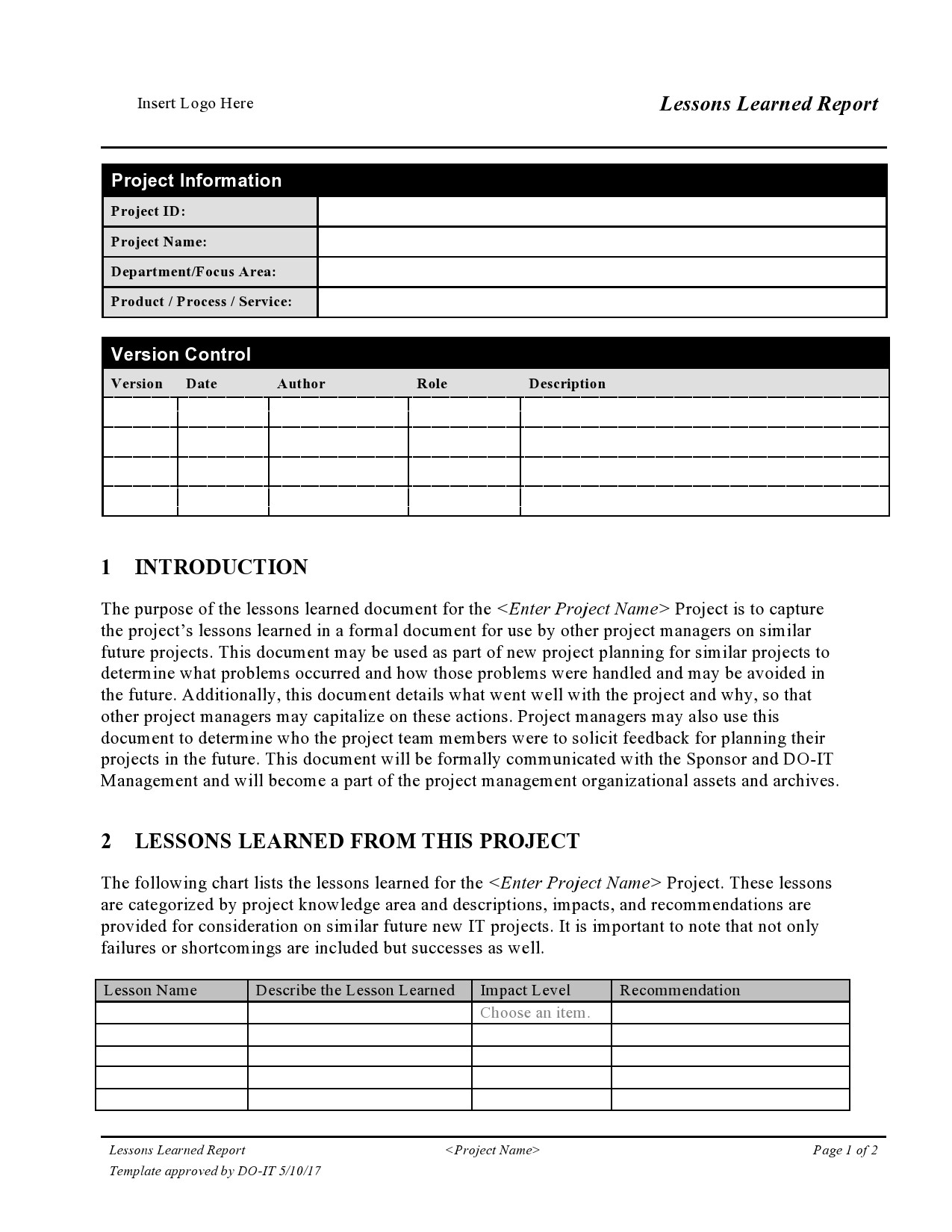
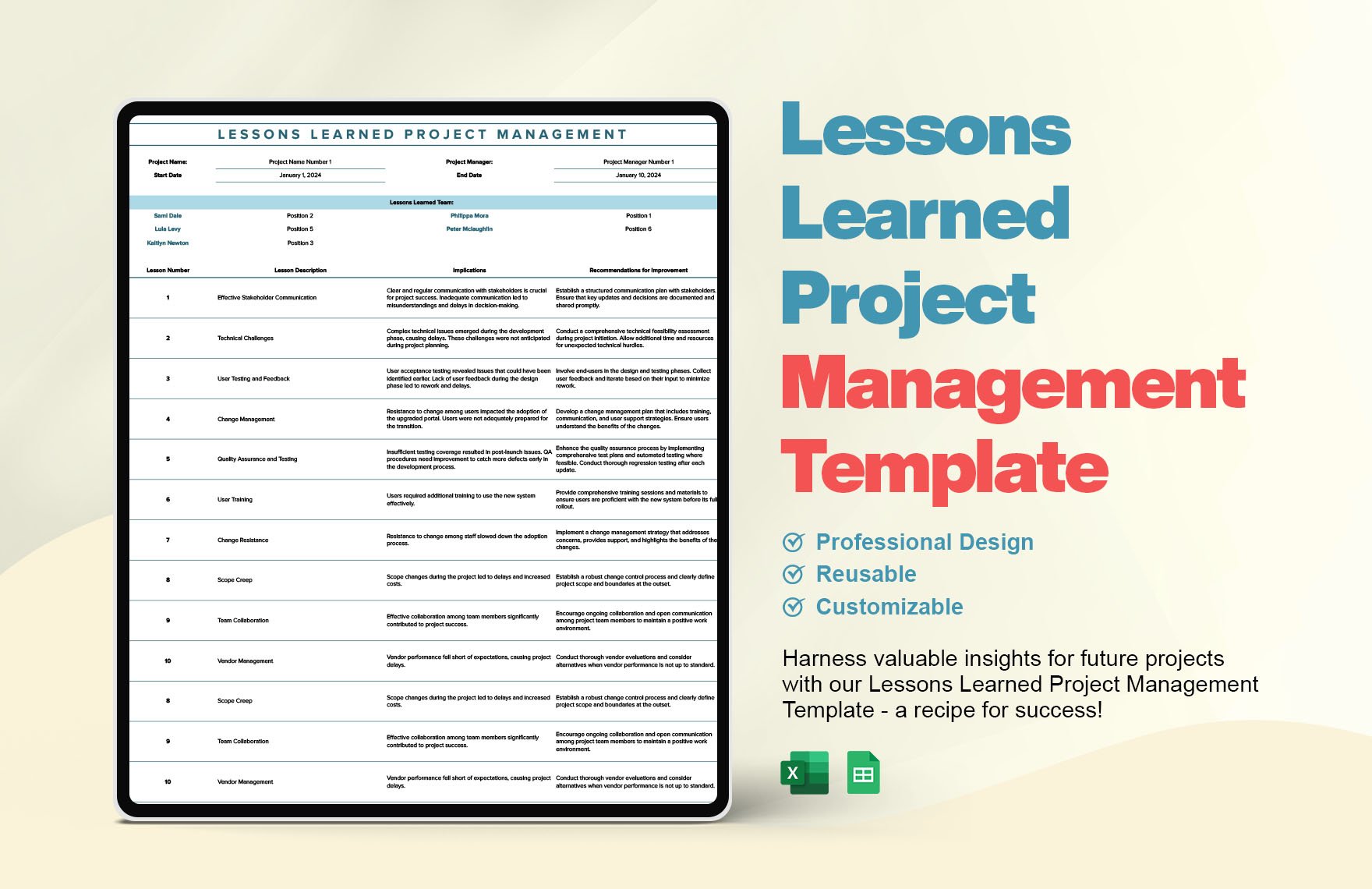
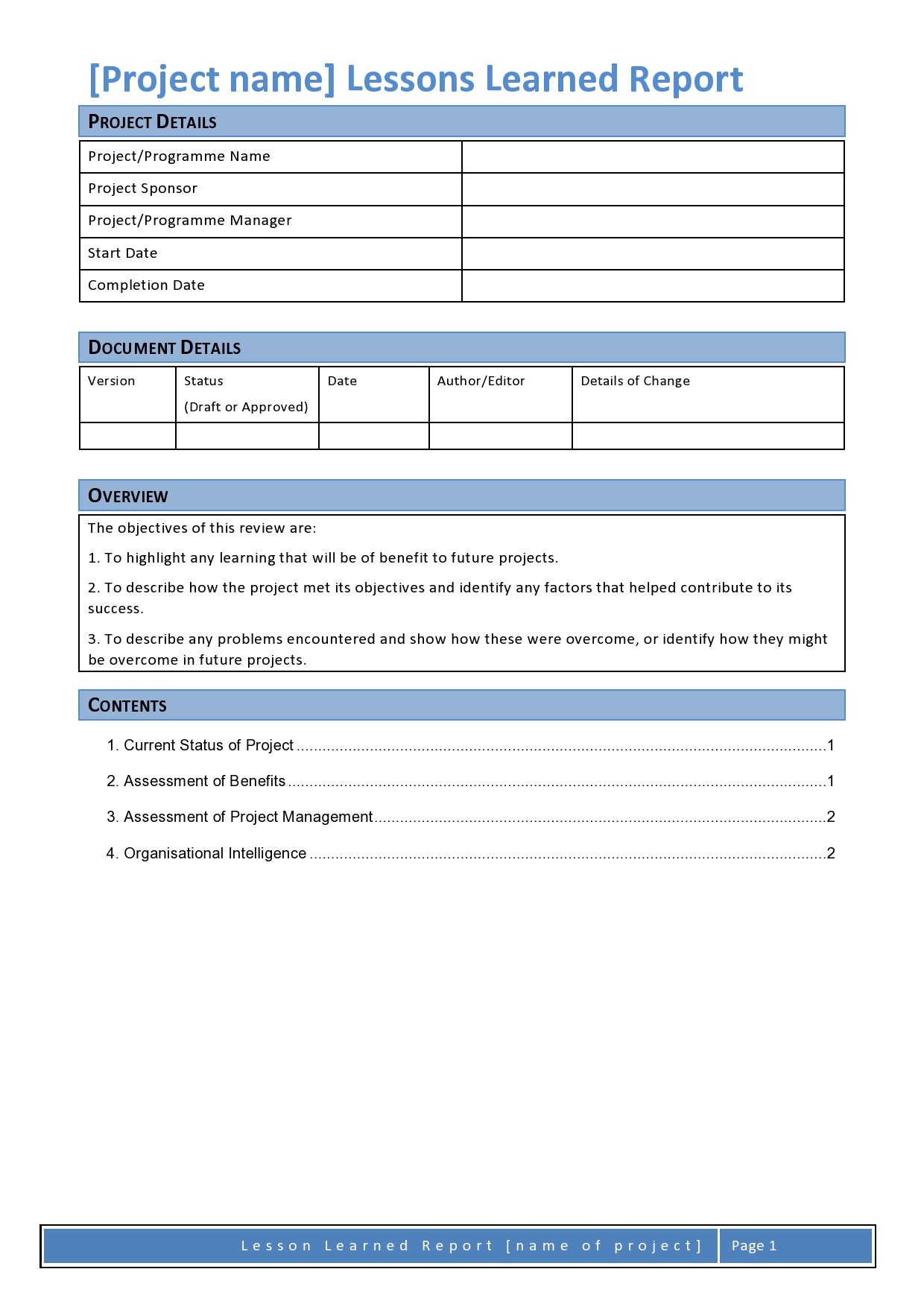
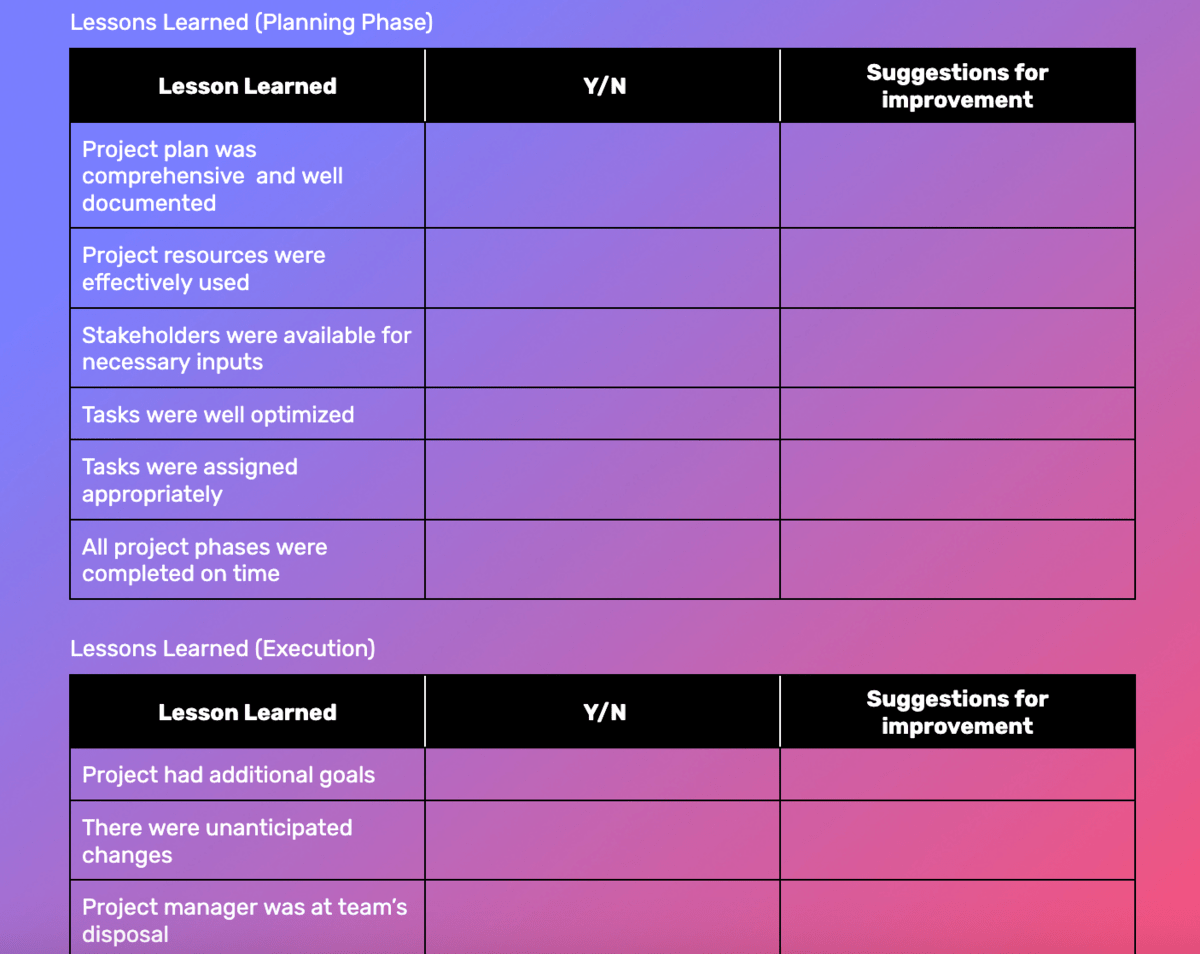
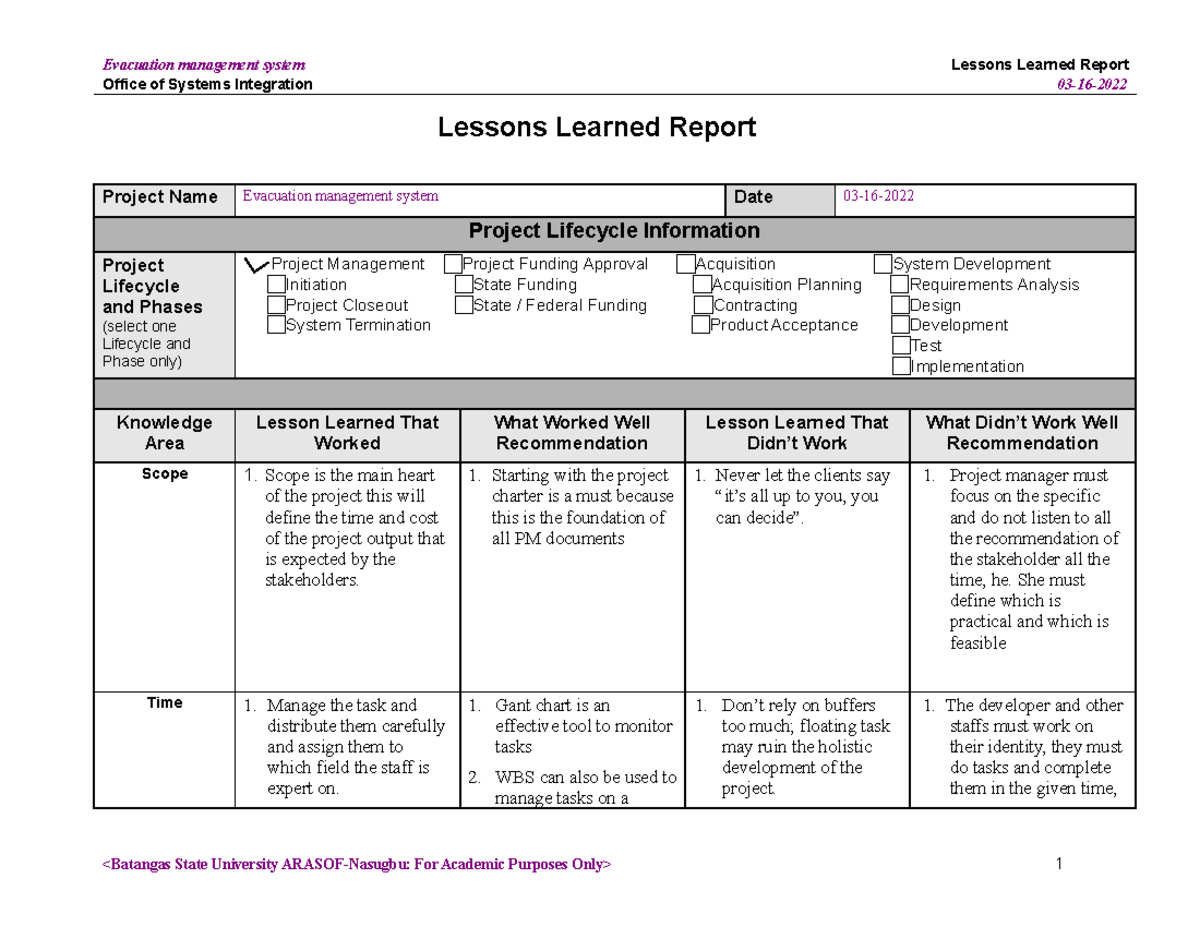
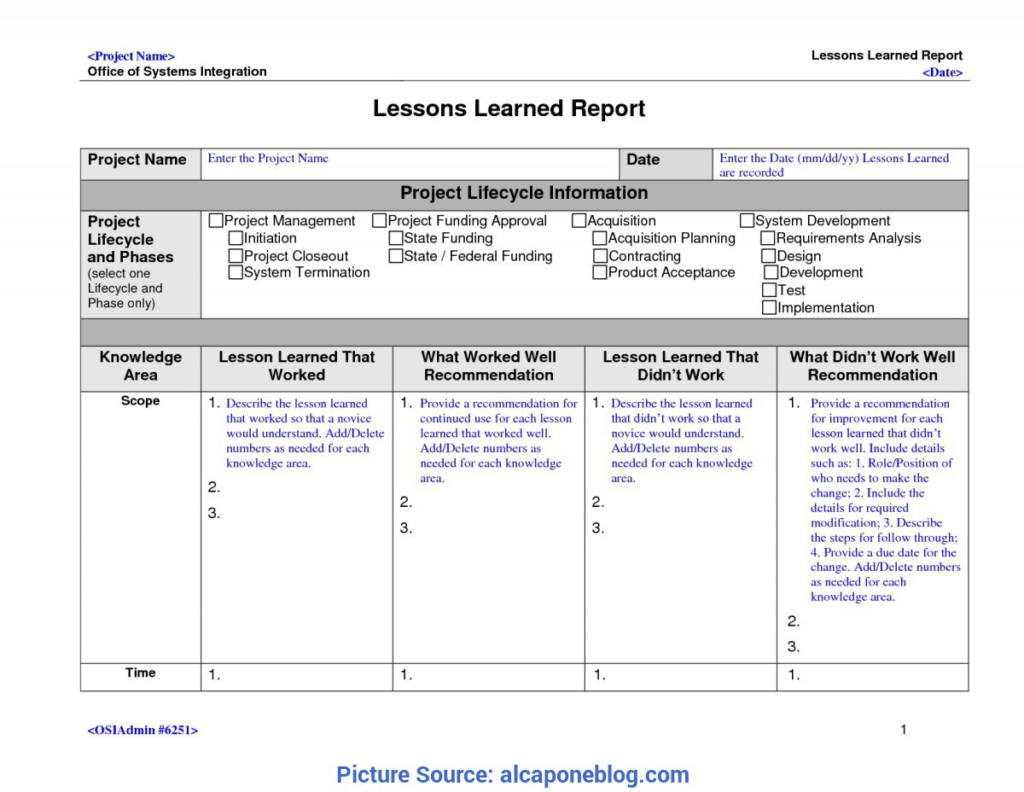
Lessons Learnt Report Template is the cornerstone of continuous improvement for any organization that values insight, accountability, and cultural harmony, especially within the dynamic and fast‑moving business environments of Asia.
Why a Lessons Learnt Report Template Matters

In the bustling corridors of Asian corporations, where rapid growth meets deep‑rooted traditions, capturing what worked and what didn’t is more than a procedural step—it’s a strategic imperative. A well‑crafted template transforms scattered anecdotes into actionable knowledge, ensuring that successes are replicated and missteps are not repeated across projects, departments, and even subsidiaries.
Moreover, the template serves as a bridge between senior leadership and front‑line teams, fostering a culture of openness. When employees see that their observations are systematically recorded and valued, they become more engaged, and the organization benefits from a richer pool of ideas and solutions.
Capturing Cultural Nuances
Asian workplaces often balance respect for hierarchy with collaborative decision‑making. A good template respects this balance by providing sections for both individual reflections and collective team insights. It encourages junior staff to voice concerns in a structured format, while allowing senior managers to add strategic context, thus preserving the nuanced harmony that characterises many Asian enterprises.
Driving Strategic Alignment
Every lesson captured can be mapped to broader corporate objectives—be it market expansion, product innovation, or operational efficiency. By linking each insight to a specific strategic pillar, the template ensures that learning is not an isolated activity but a driver of long‑term vision.
Core Components of an Effective Template
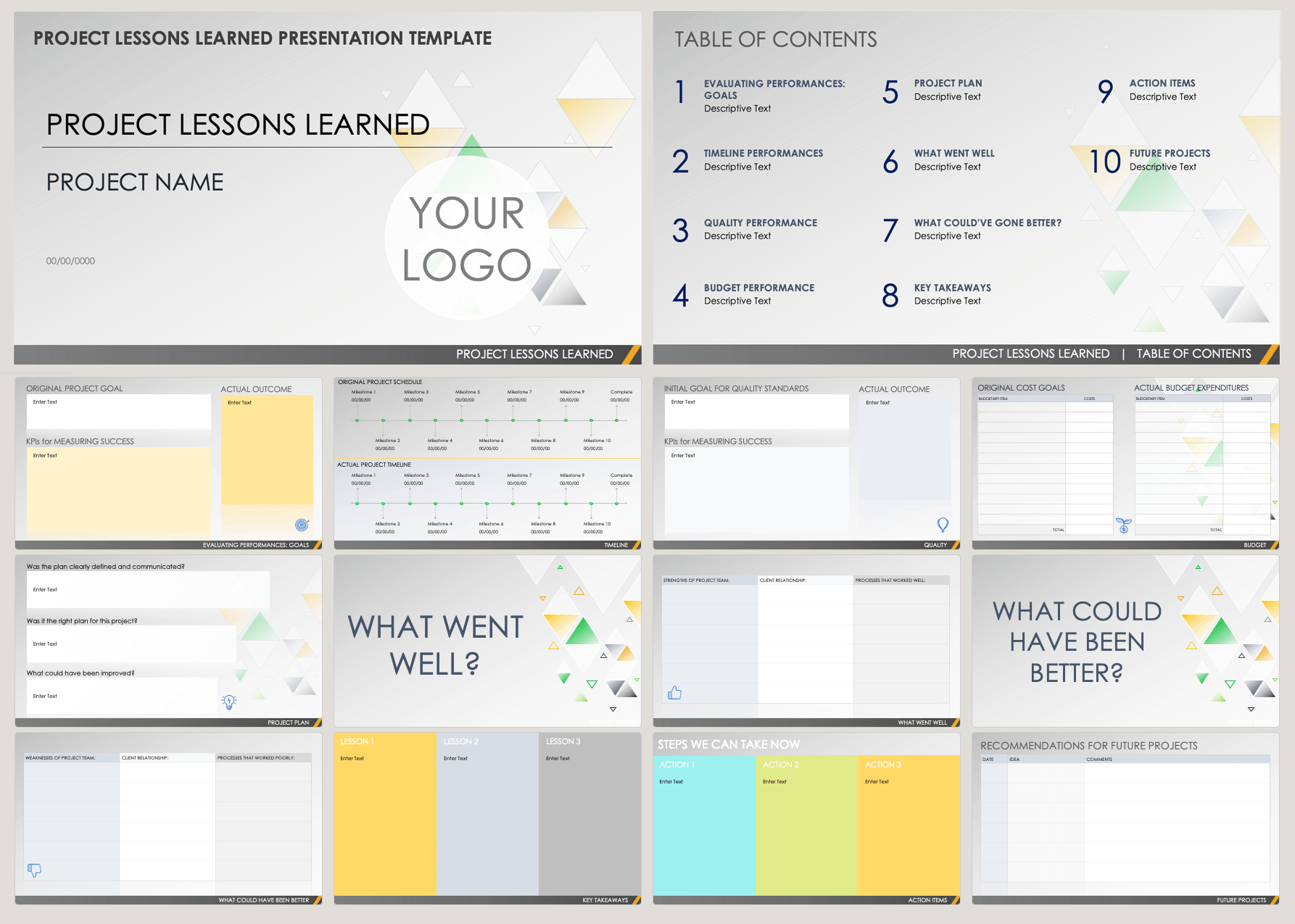
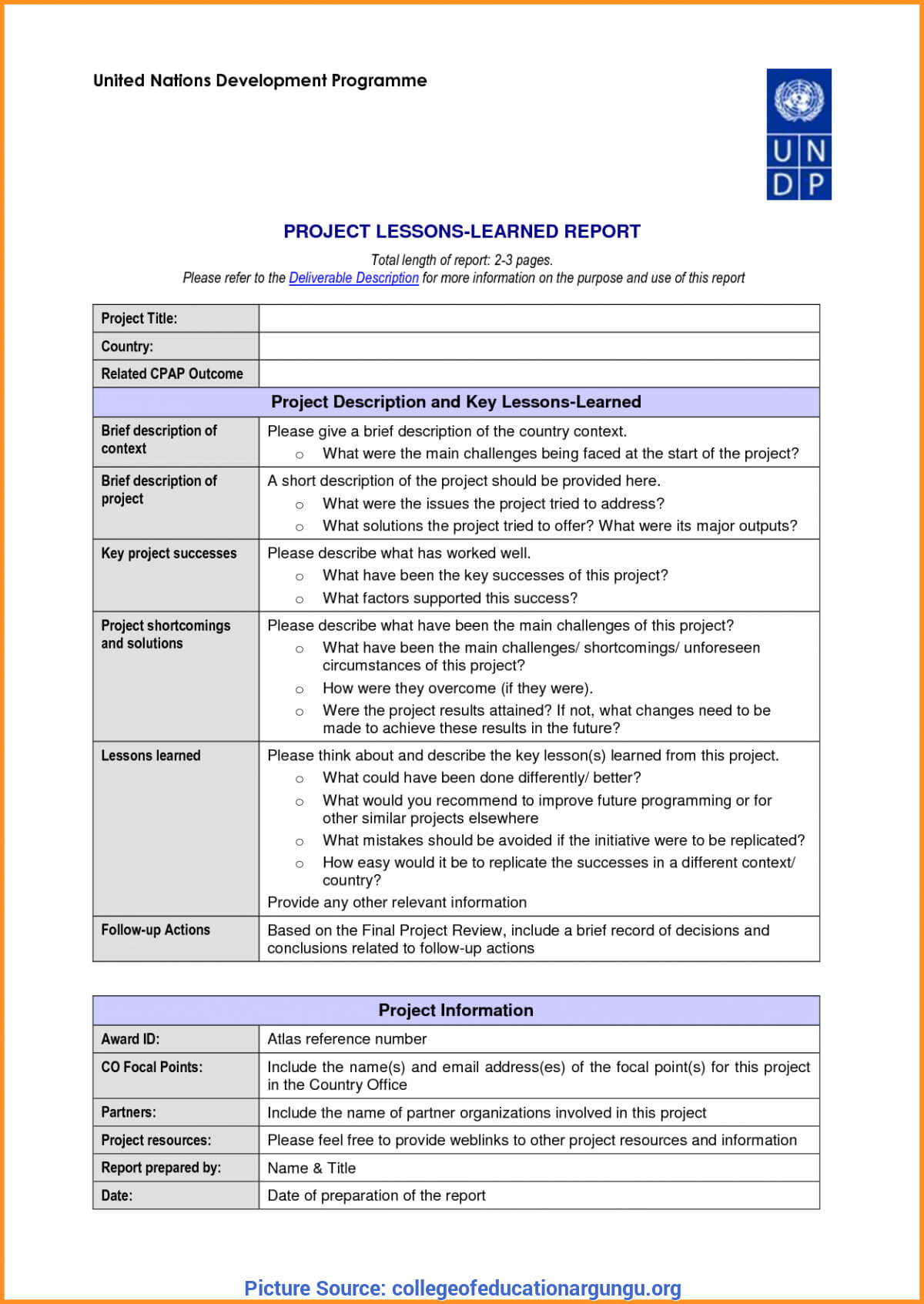
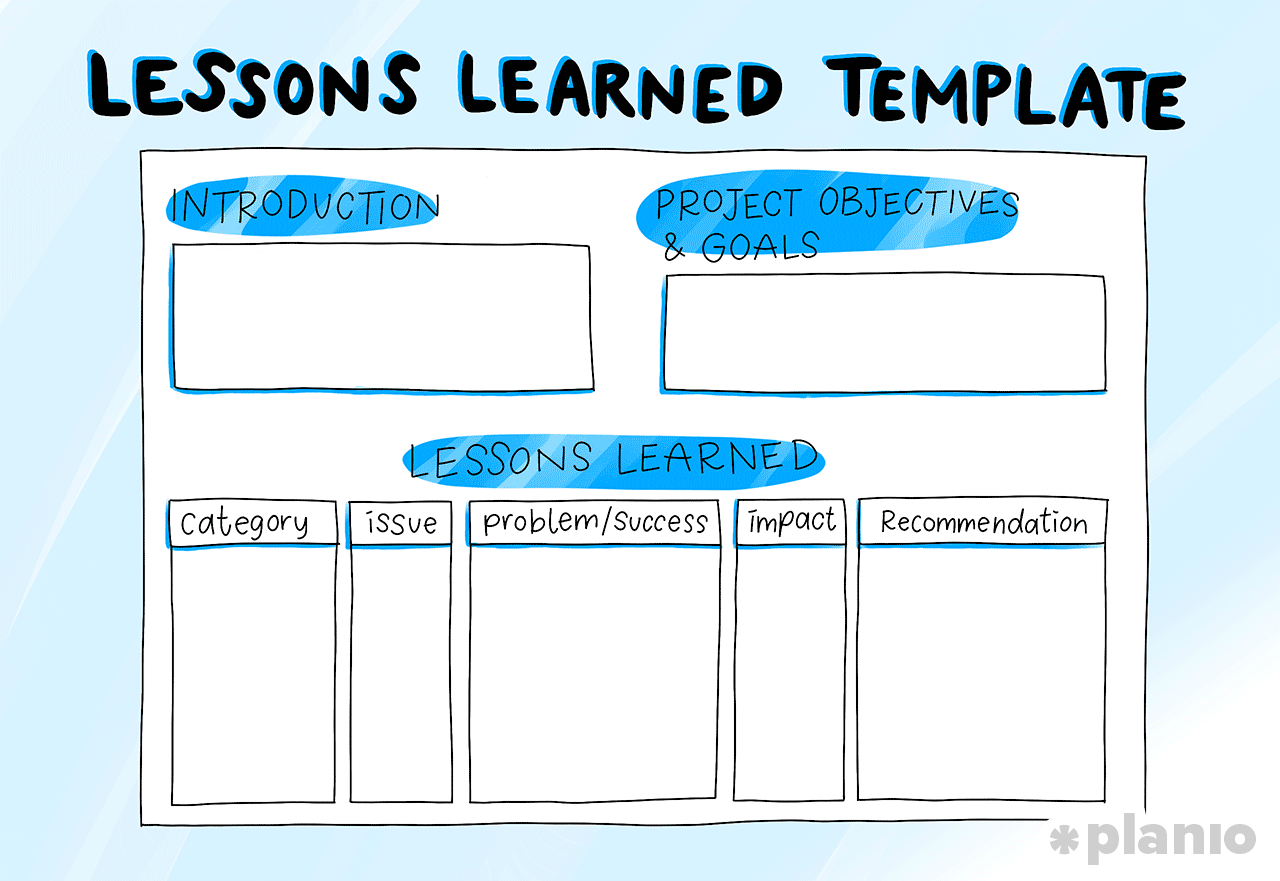
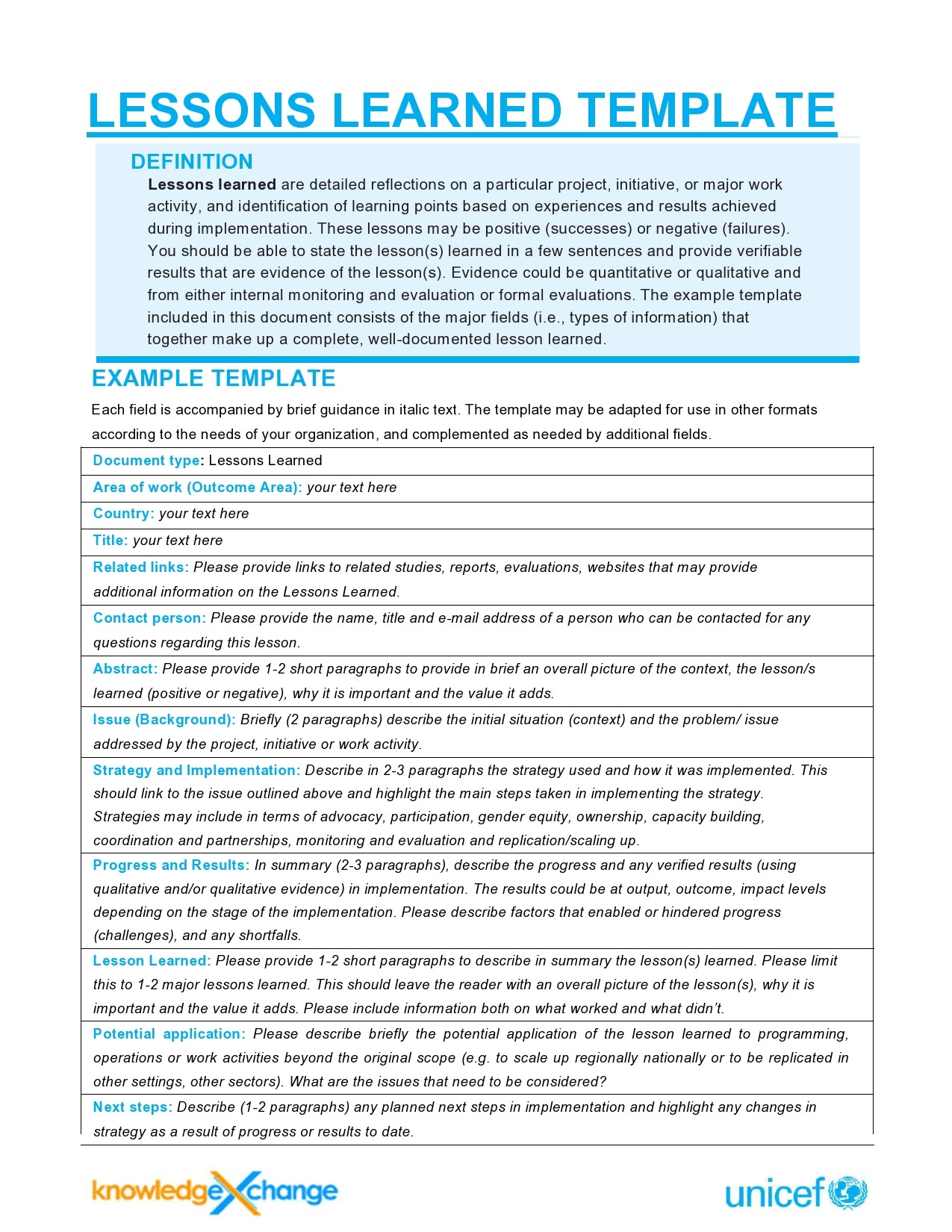
Project Overview
A concise snapshot of the project sets the stage. Include the project name, timeline, budget, key stakeholders, and the primary objectives. This section helps readers quickly gauge the context before diving into detailed analysis.
Successes and Highlights
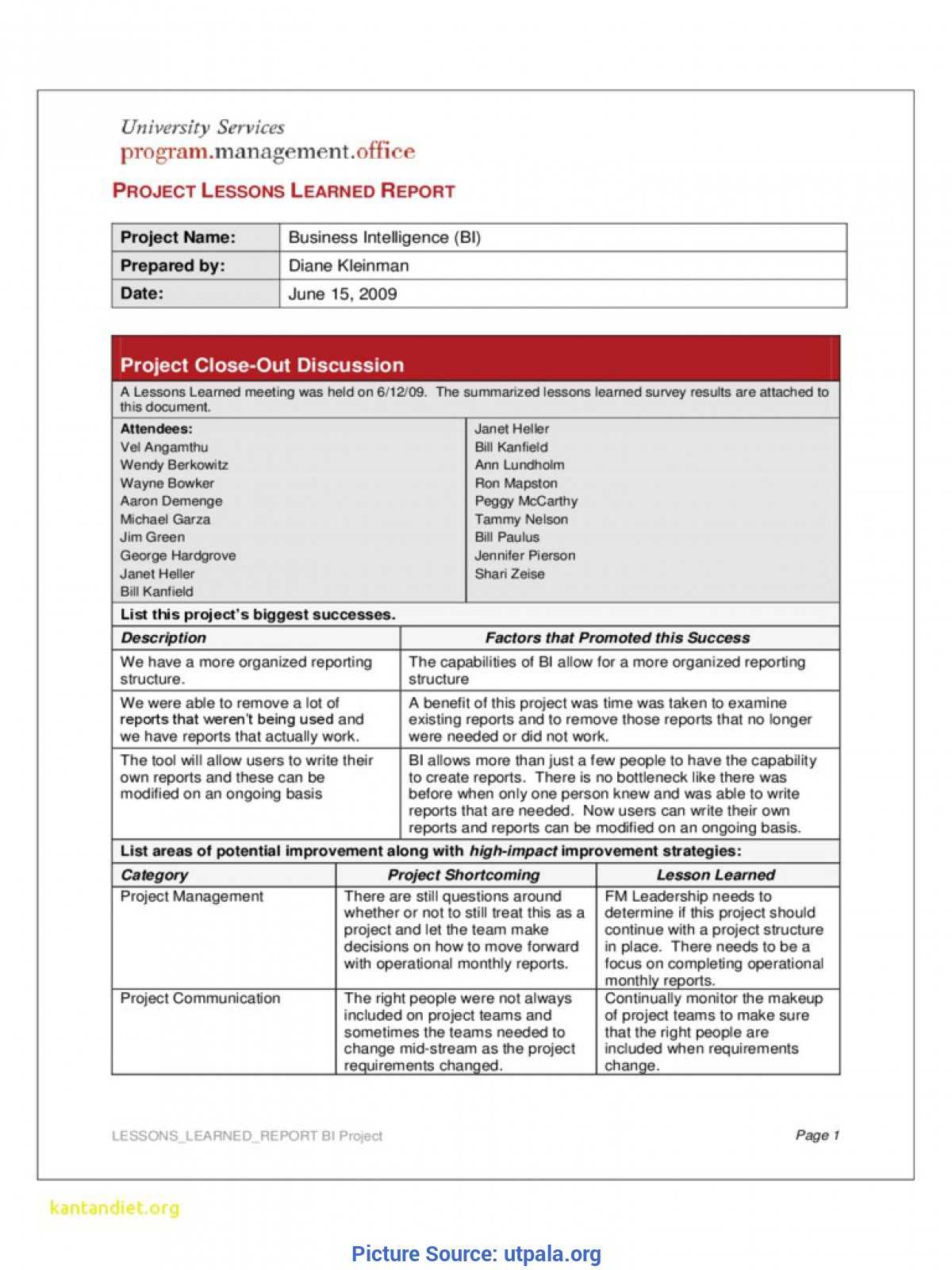
List the achievements that exceeded expectations. Use bullet points for clarity, and whenever possible, quantify the impact—e.g., “Reduced production lead time by 15 %” or “Achieved a 12 % increase in market share within three months.”
- Clear articulation of what went right.
- Quantitative metrics that demonstrate value.
- Recognition of team members or departments that contributed significantly.
Challenges and Obstacles
Detail the hurdles faced, ranging from resource constraints to regulatory nuances specific to Asian markets. Be candid but constructive, focusing on root causes rather than blame.
- Identify internal and external factors.
- Explain how cultural or regional specifics influenced the challenge.
- Highlight any mitigation attempts and their outcomes.
Root‑Cause Analysis
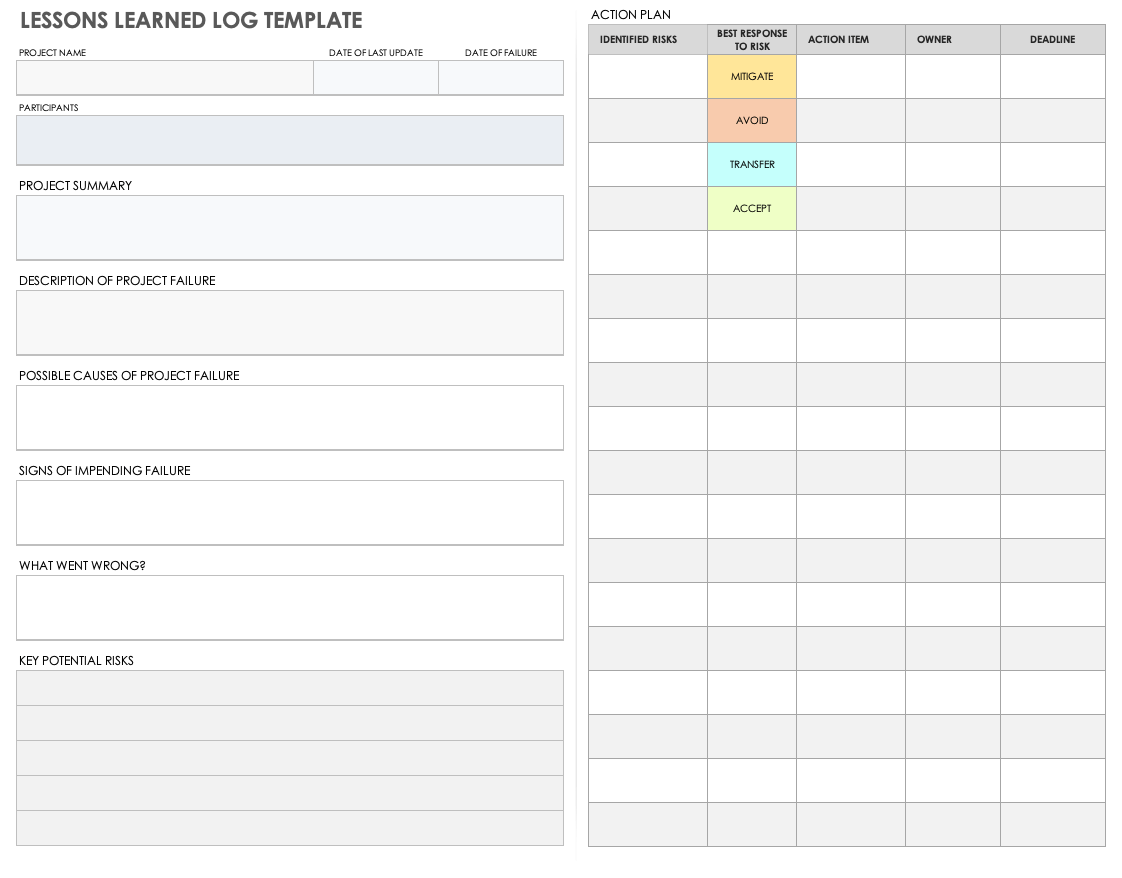
Employ proven techniques such as the 5 Why’s or Fishbone diagrams within the template. This section should walk readers through the logical steps that uncovered the underlying reasons behind each challenge.
Actionable Recommendations
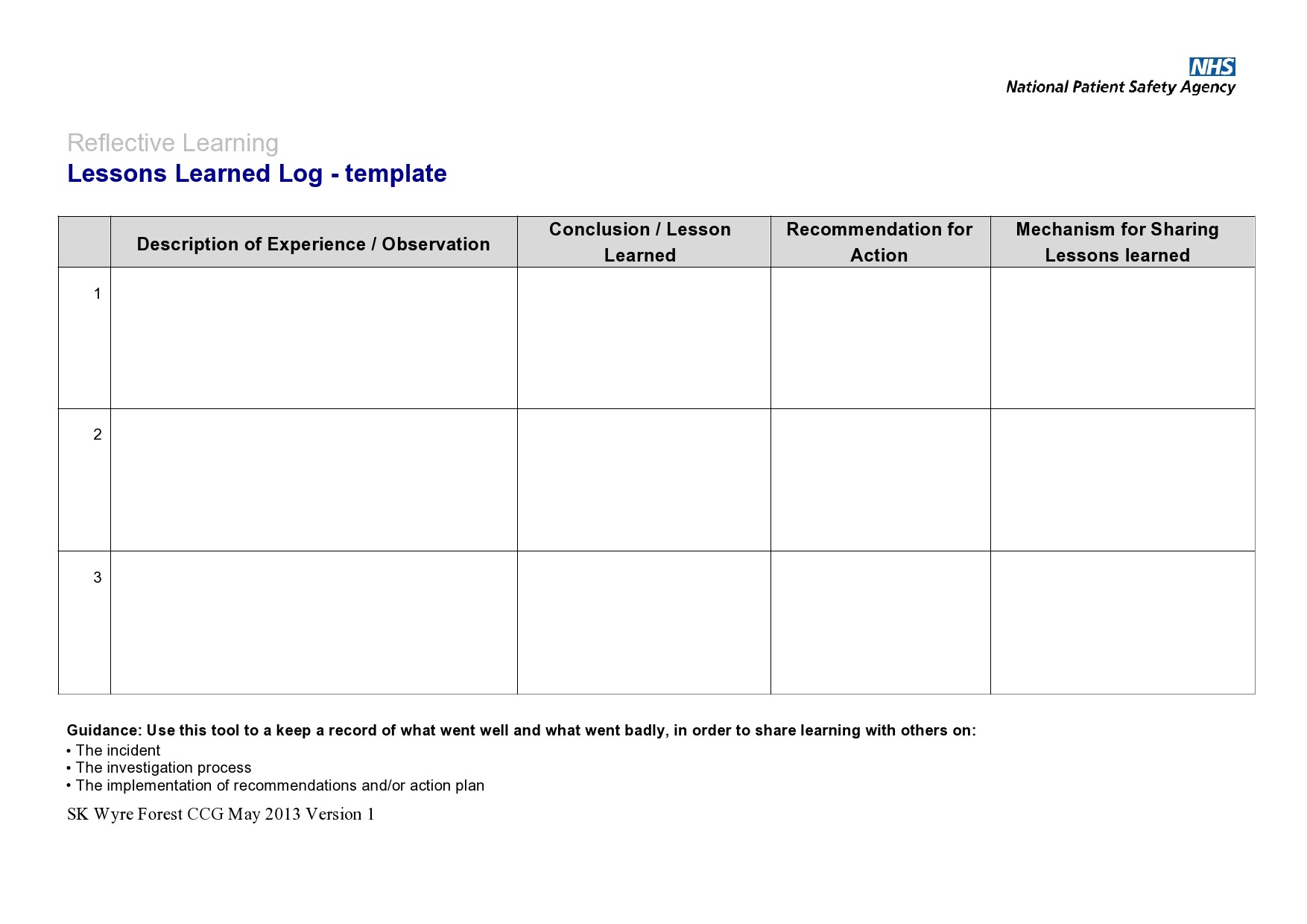
Translate insights into concrete steps. Each recommendation should be paired with an owner, a deadline, and a success metric. This transforms the report from a static document into a living roadmap for improvement.
Knowledge Transfer Plan
Specify how the lessons will be disseminated—through workshops, training modules, or internal wikis. In Asian contexts, leveraging community‑based learning, such as “knowledge sharing circles,” can be especially effective.
Step‑by‑Step Guide to Filling Out the Template
1. Gather Data Immediately After Project Closure
Timing is critical. Conduct a debrief within one to two weeks of project completion while details are still fresh. Use surveys, interviews, and performance data to capture a comprehensive view.
2. Populate the Project Overview
Fill in the basic facts accurately. Cross‑check dates, budgets, and stakeholder lists against the project charter to avoid inconsistencies.
3. Document Successes First
Starting with positives sets a constructive tone and encourages honest reflection. Celebrate wins before moving to challenges, which helps maintain morale.
4. Dive Deep into Challenges
Ask the “why” repeatedly until you reach the core issue. For example, if a supplier delay occurred, probe whether it stemmed from communication gaps, contractual ambiguities, or regional holidays.
5. Draft Recommendations with Cultural Sensitivity
When proposing changes, frame them in a way that respects seniority and collective decision‑making. Use language such as “We recommend exploring…” rather than “We must change…”.
6. Assign Ownership and Timelines
Clearly indicate who is responsible for each action item and set realistic deadlines. In Asian firms, aligning these owners with existing cross‑functional committees can streamline execution.
7. Review and Validate
Circulate the draft to key stakeholders for feedback. Incorporate their input, especially when senior leaders add strategic perspective that may adjust recommendations.
Tips for Asian Teams to Maximise the Template’s Impact

Leverage “Guanxi” and Relationship Networks
Use established relationships to gather candid feedback. Trusted intermediaries can facilitate honest conversations that might otherwise be withheld due to hierarchical norms.
Incorporate Local Regulatory Insights
Asia’s regulatory landscape varies dramatically across countries. Ensure the template has a dedicated field for compliance lessons, capturing nuances such as data‑privacy laws in Singapore or labor regulations in Vietnam.
Utilise Visual Storytelling
Asian audiences often respond well to visual aids. Complement textual findings with simple charts, heat maps, or infographics that highlight key metrics and trends.
Schedule Regular “Lesson Sharing” Sessions
Transform the static report into a dynamic learning event. Host quarterly gatherings where teams present their reports, discuss lessons, and brainstorm cross‑project improvements.
Common Pitfalls and How to Avoid Them
Superficial Reporting
When teams only list generic statements like “communication was good,” the report loses value. Encourage specificity—mention exact communication tools, frequency, and outcomes.
Overloading the Document
A report that tries to capture every minute detail becomes unreadable. Prioritise high‑impact lessons and keep the document concise, ideally under ten pages for a mid‑size project.
Neglecting Follow‑Up
Without a mechanism to track implementation of recommendations, the template becomes a paper exercise. Set up a simple tracking spreadsheet or integrate the action items into project management software to ensure accountability.
Ignoring Cultural Context
Applying a generic Western template without adaptation can miss critical cultural insights. Customize sections to capture regional holidays, local market behaviours, and team dynamics unique to Asian settings.
Tools and Software That Complement the Template
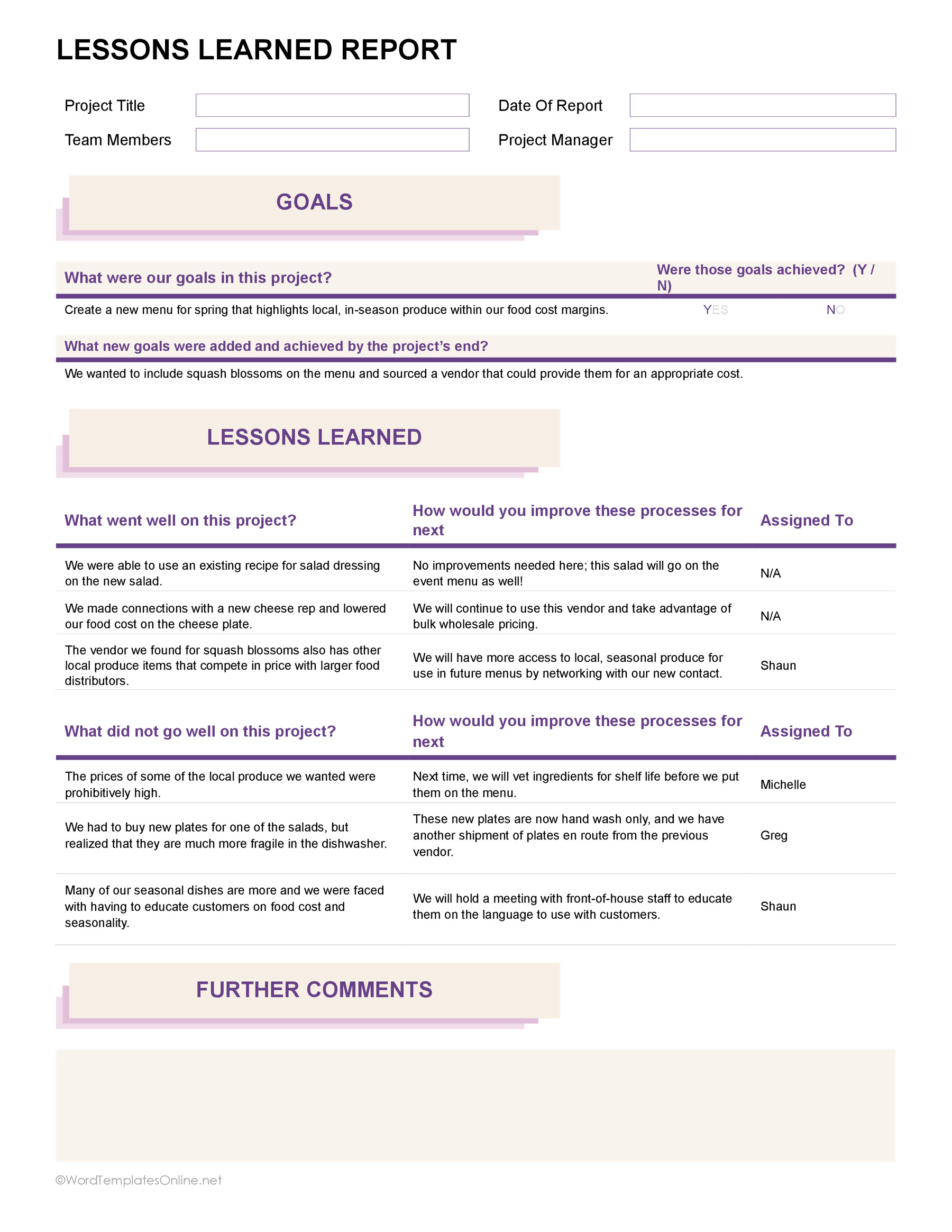
While a printable template works, digital tools enhance collaboration and version control. Consider using cloud‑based platforms such as Smartsheet, Microsoft Teams, or Asana, which allow real‑time editing, comments, and integration with existing workflows. Many of these tools also support custom fields, making it easy to embed the core components outlined above.
For organisations that prefer a more visual approach, mind‑mapping software like XMind or Miro can help illustrate root‑cause analysis and knowledge transfer pathways, turning static text into interactive diagrams.
Real‑World Example: A Manufacturing Firm’s Turnaround
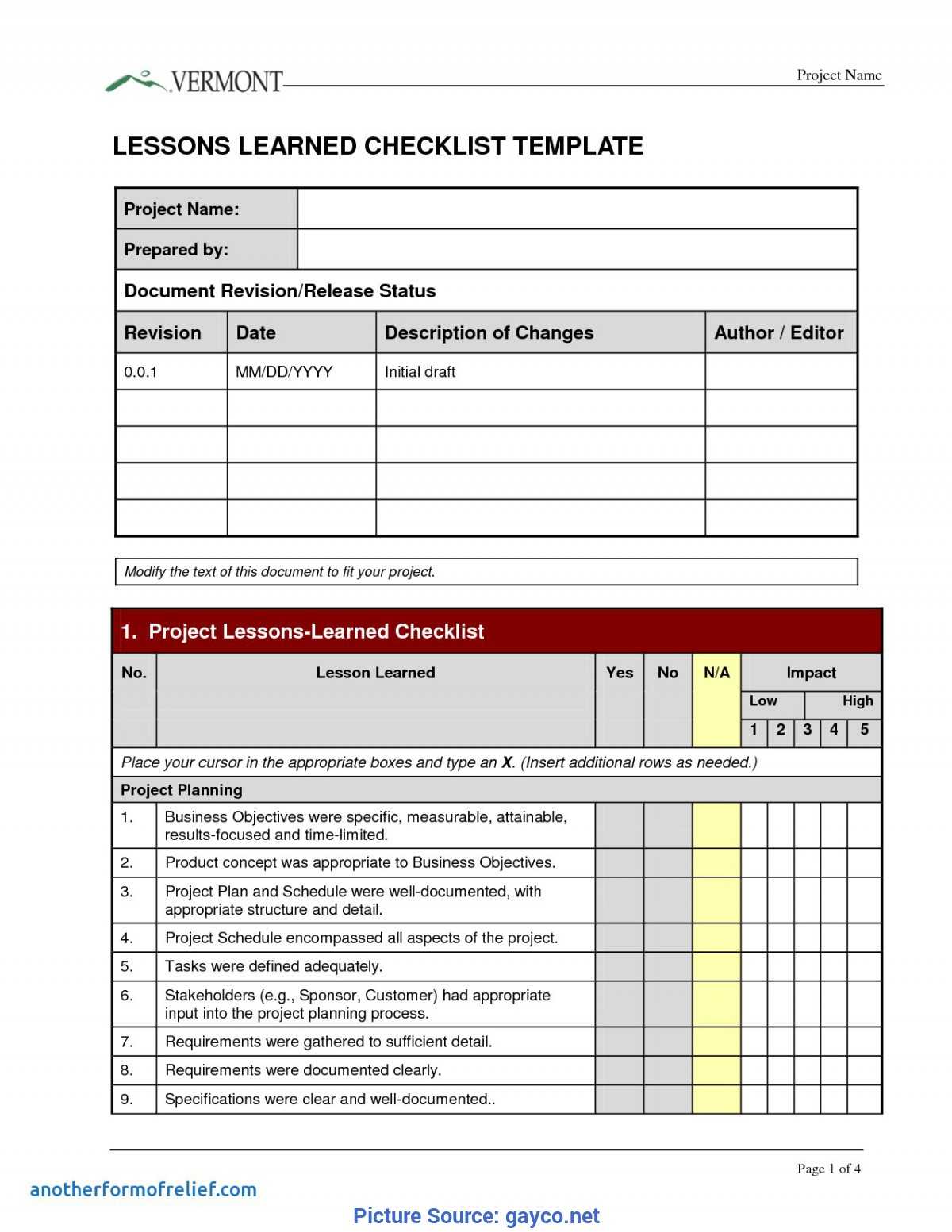
ABC Electronics, a mid‑size manufacturer operating across Thailand and Malaysia, faced recurring delays in its new product rollout. By implementing a Lessons Learnt Report Template tailored to its cross‑border teams, the company uncovered three critical issues:
- Misalignment of production schedules due to differing public holiday calendars.
- Inconsistent quality checks caused by varied interpretation of inspection standards.
- Limited communication channels between the design and supply‑chain departments.
The template’s root‑cause analysis section revealed that the holiday misalignment stemmed from a lack of a shared calendar. The actionable recommendation was to adopt a unified digital calendar with auto‑updates for regional holidays. Ownership was assigned to the regional HR lead, with a target implementation within one month.
Within six weeks, ABC Electronics reported a 20 % reduction in lead time and a 15 % improvement in first‑time‑right production quality. The success was celebrated in a company‑wide “Lesson Sharing” session, reinforcing the template’s role as a catalyst for continuous improvement.
Benefits of Institutionalising the Lessons Learnt Report Template
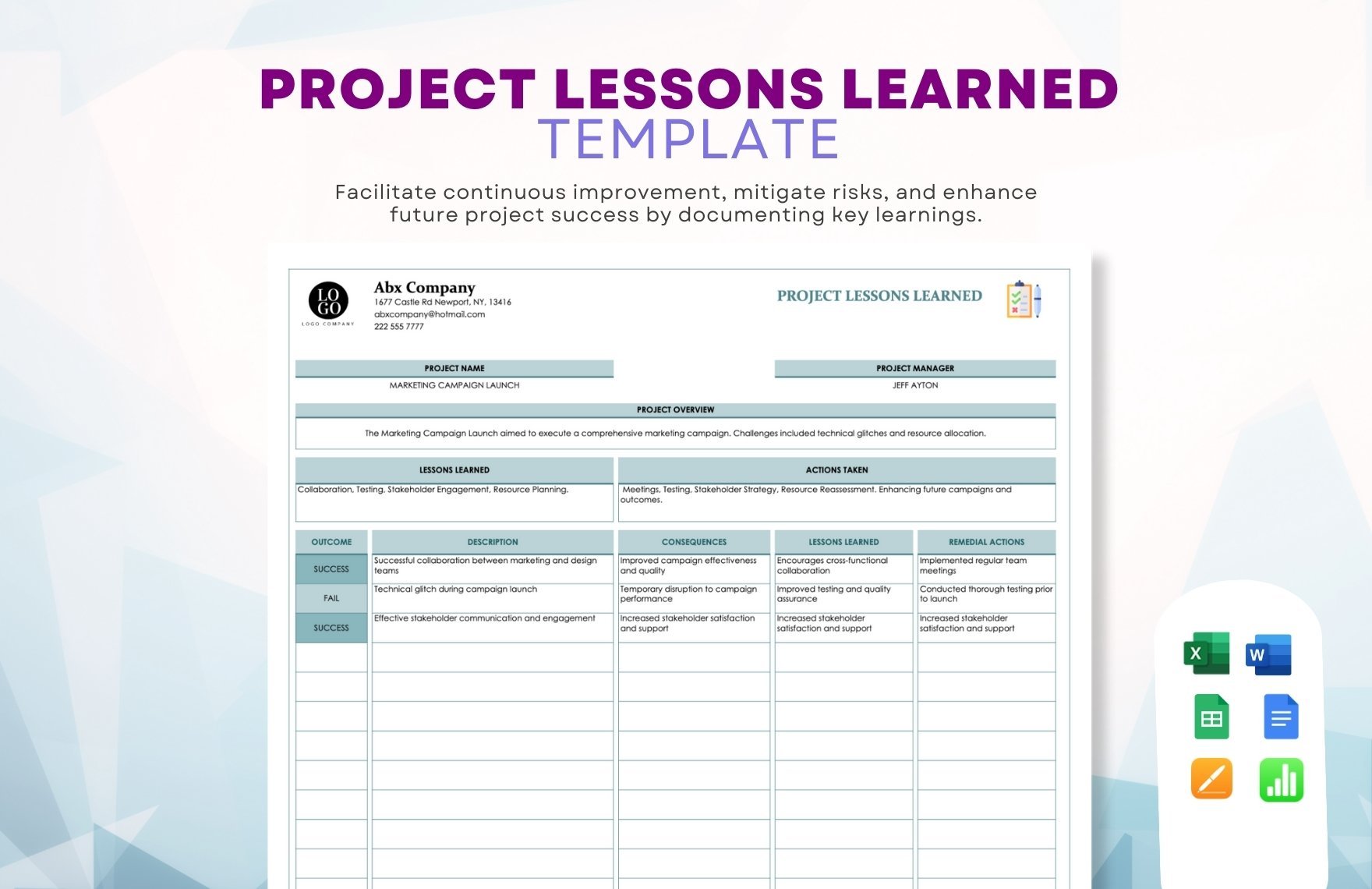
When consistently applied, the template yields measurable advantages:
- Enhanced Decision‑Making: Leaders base future strategies on concrete evidence rather than intuition.
- Reduced Rework: Teams avoid repeating known mistakes, saving time and resources.
- Strengthened Knowledge Culture: Employees feel heard and see their insights driving change.
- Improved Risk Management: Early identification of recurring issues enables proactive mitigation.
- Competitive Edge: Continuous learning accelerates innovation, a key differentiator in fast‑moving Asian markets.
Conclusion
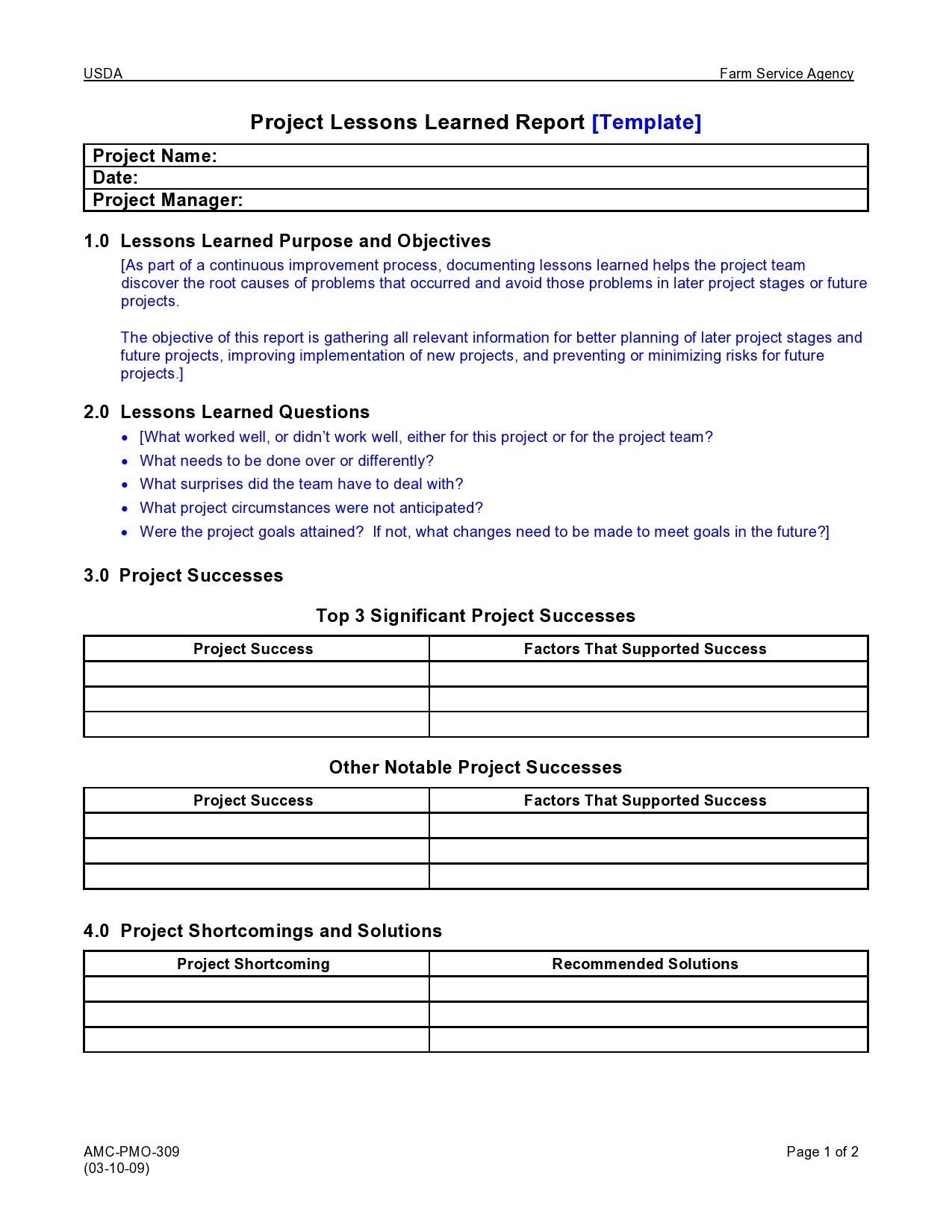
A well‑designed Lessons Learnt Report Template is not merely a checklist; it is a strategic instrument that captures the collective intelligence of an organisation, respects cultural subtleties, and fuels sustainable growth. By embedding the core components—project overview, successes, challenges, root‑cause analysis, recommendations, and knowledge transfer—into a disciplined process, Asian teams can turn every project into a stepping stone toward excellence. The key lies in timely data collection, culturally aware communication, and diligent follow‑up. When these elements align, the template becomes a living repository of wisdom, empowering businesses to navigate complexities, innovate confidently, and stay ahead in an ever‑evolving marketplace.

Related posts of "Lessons Learnt Report Template"
