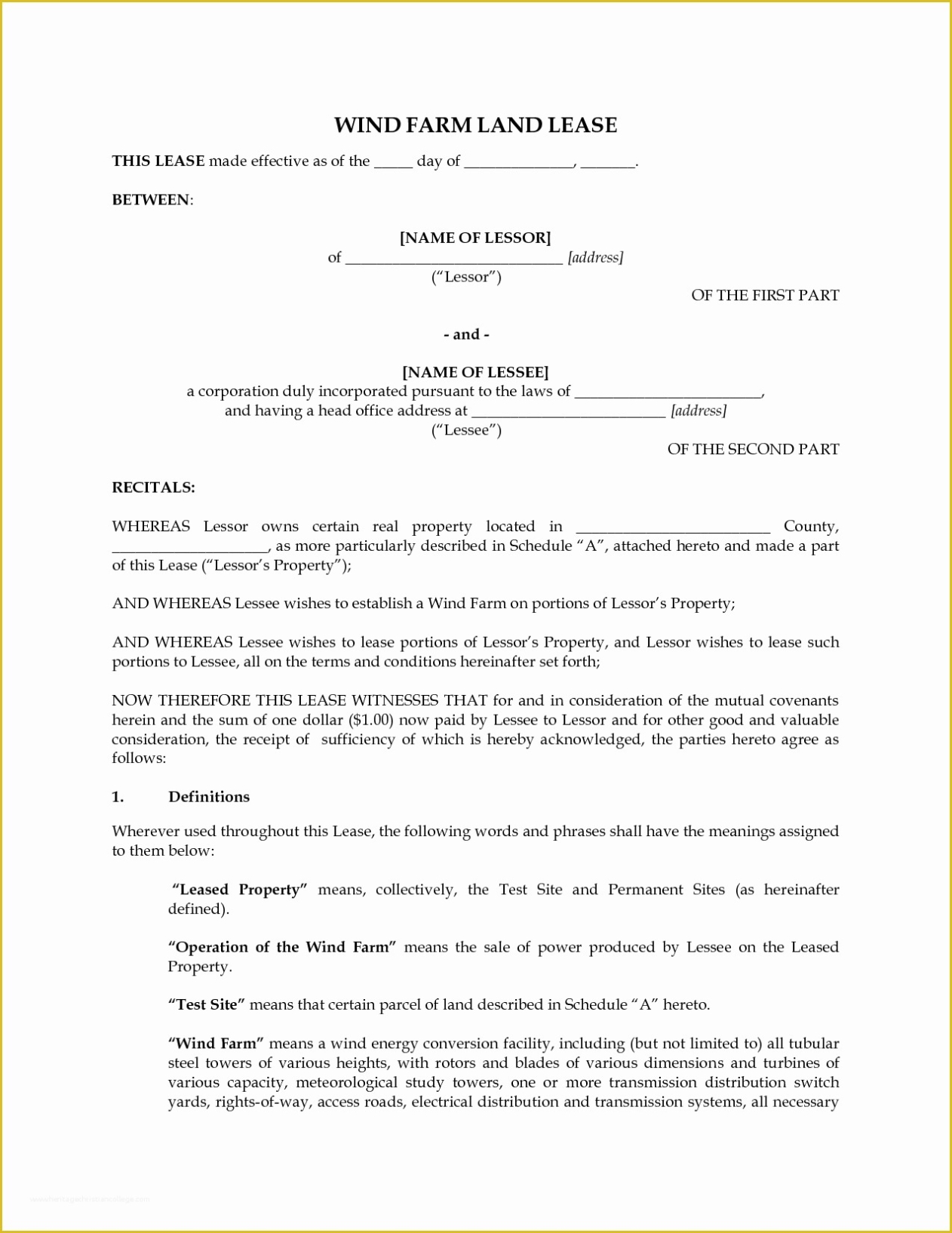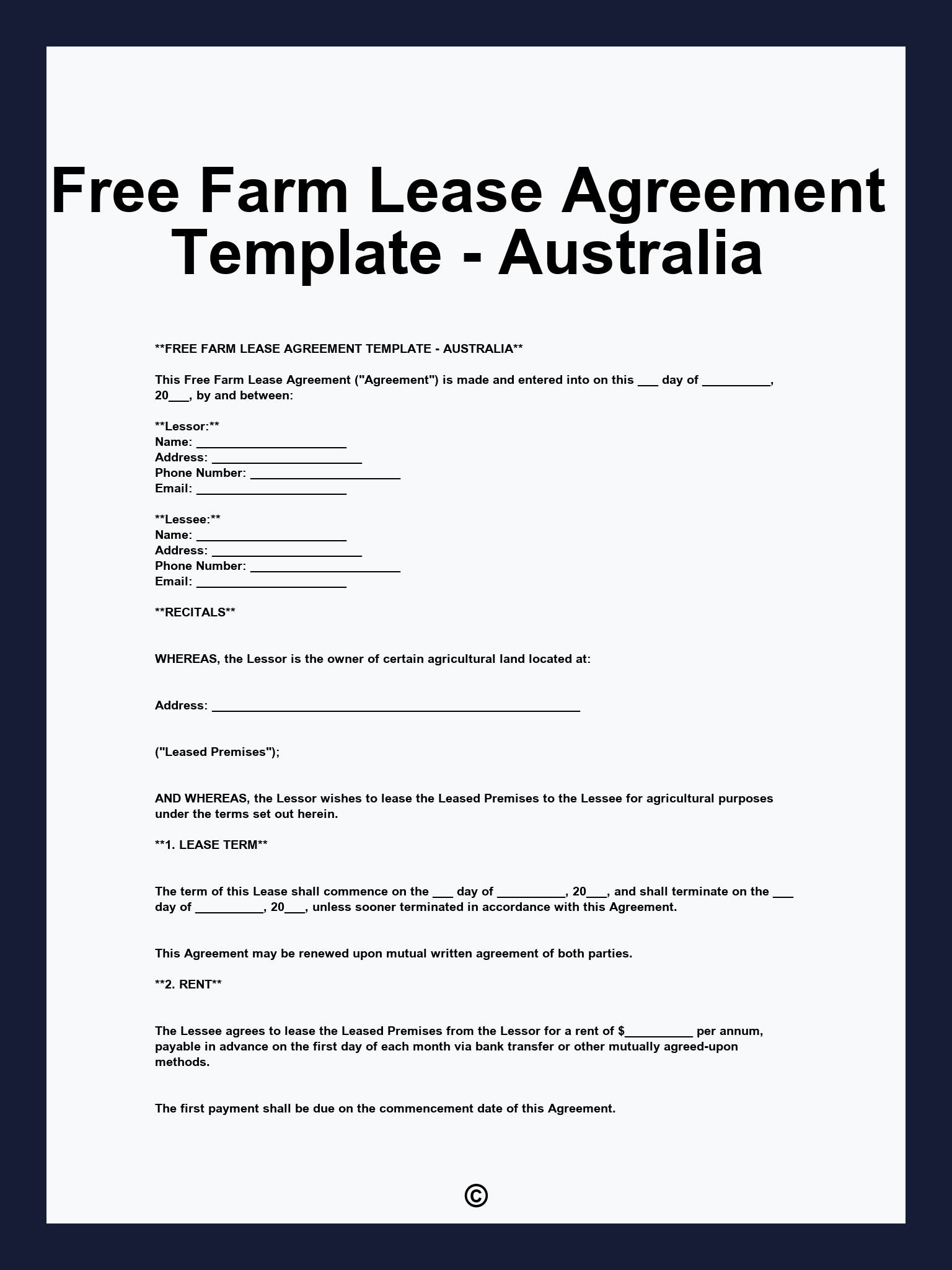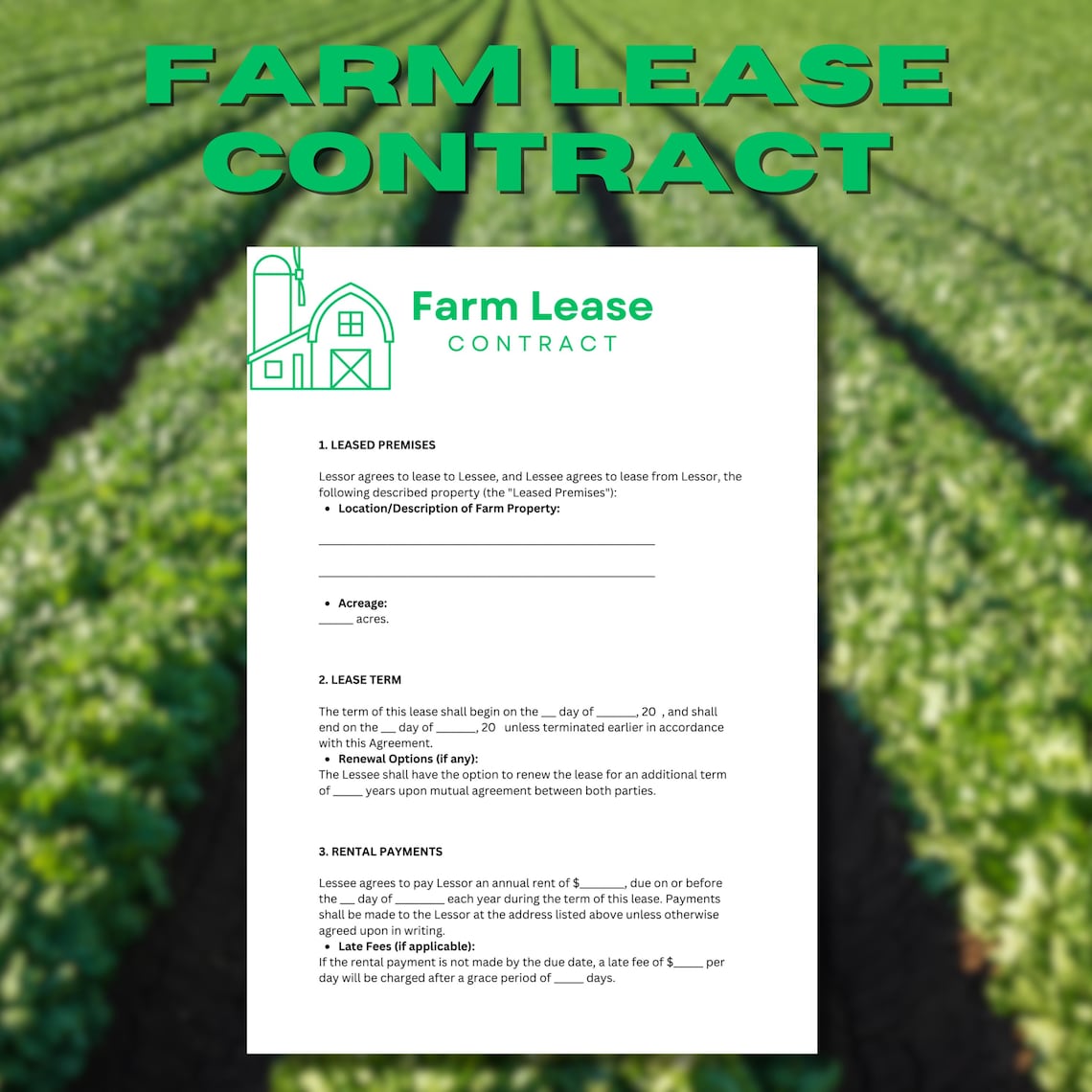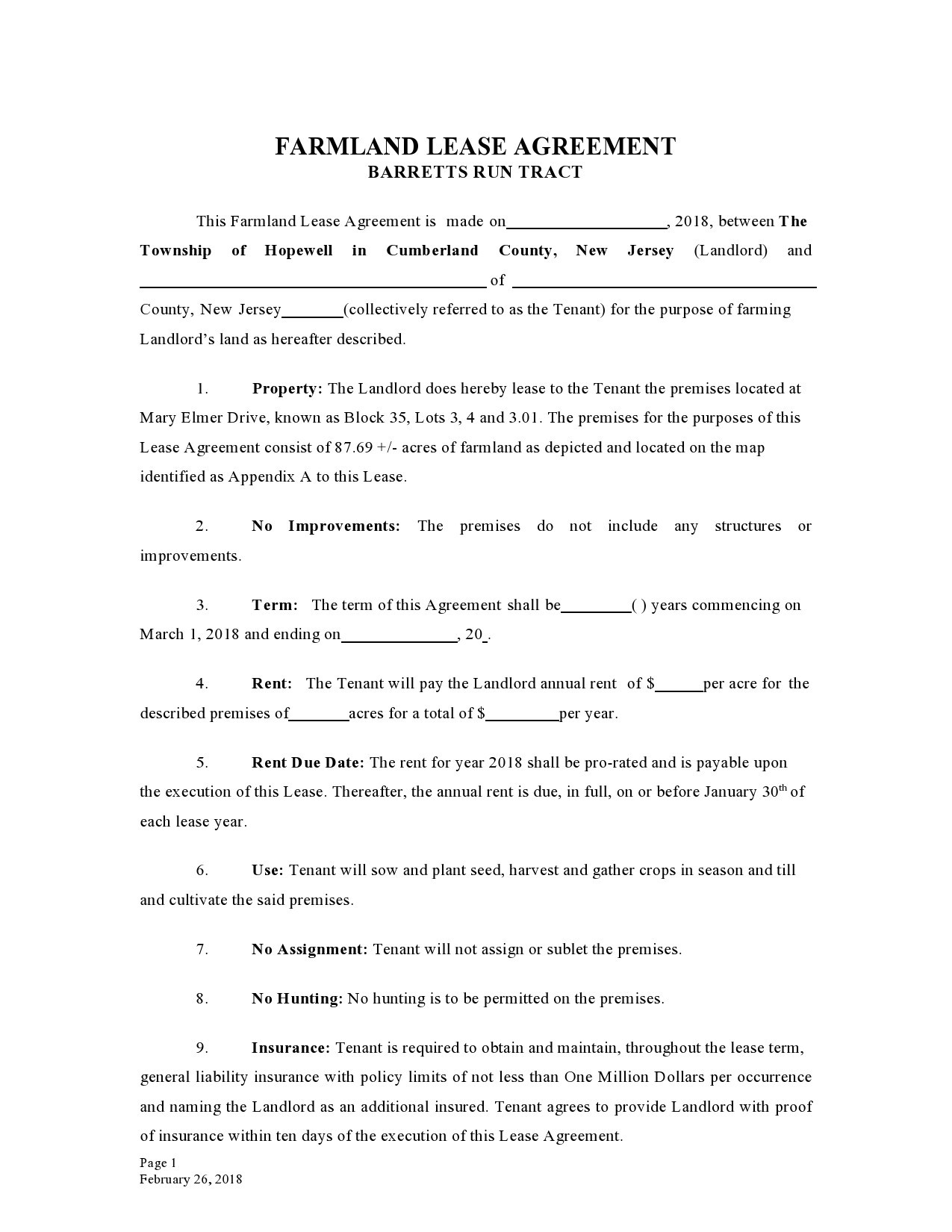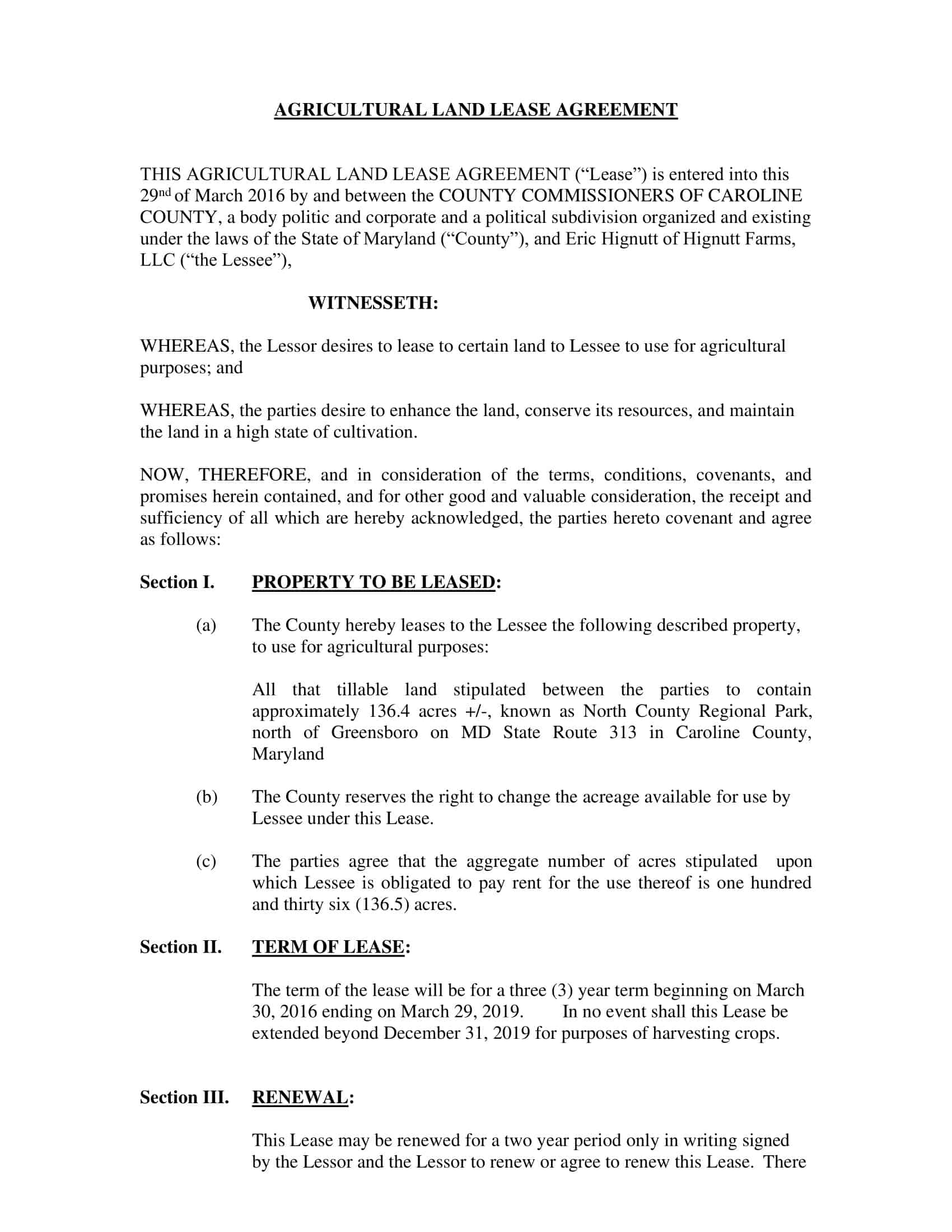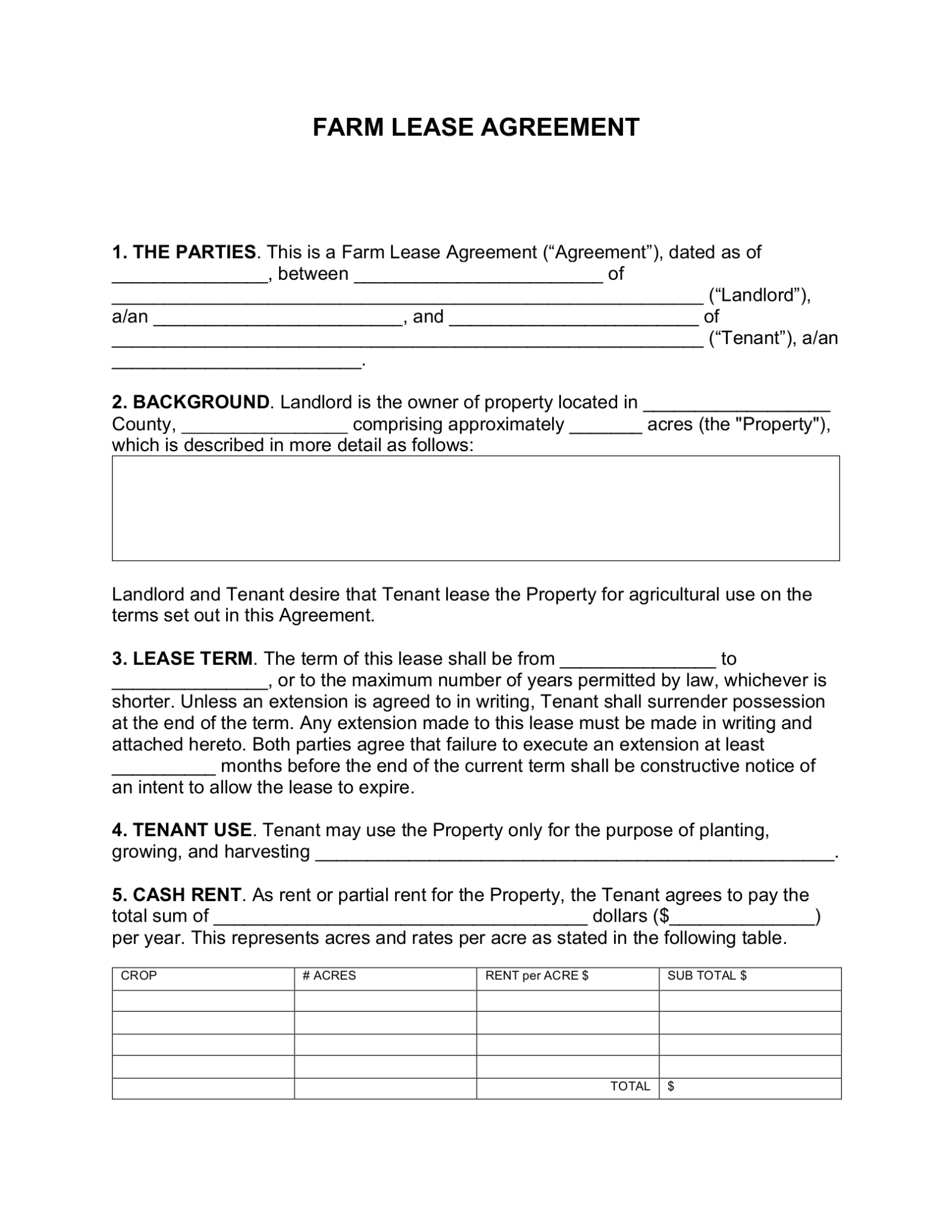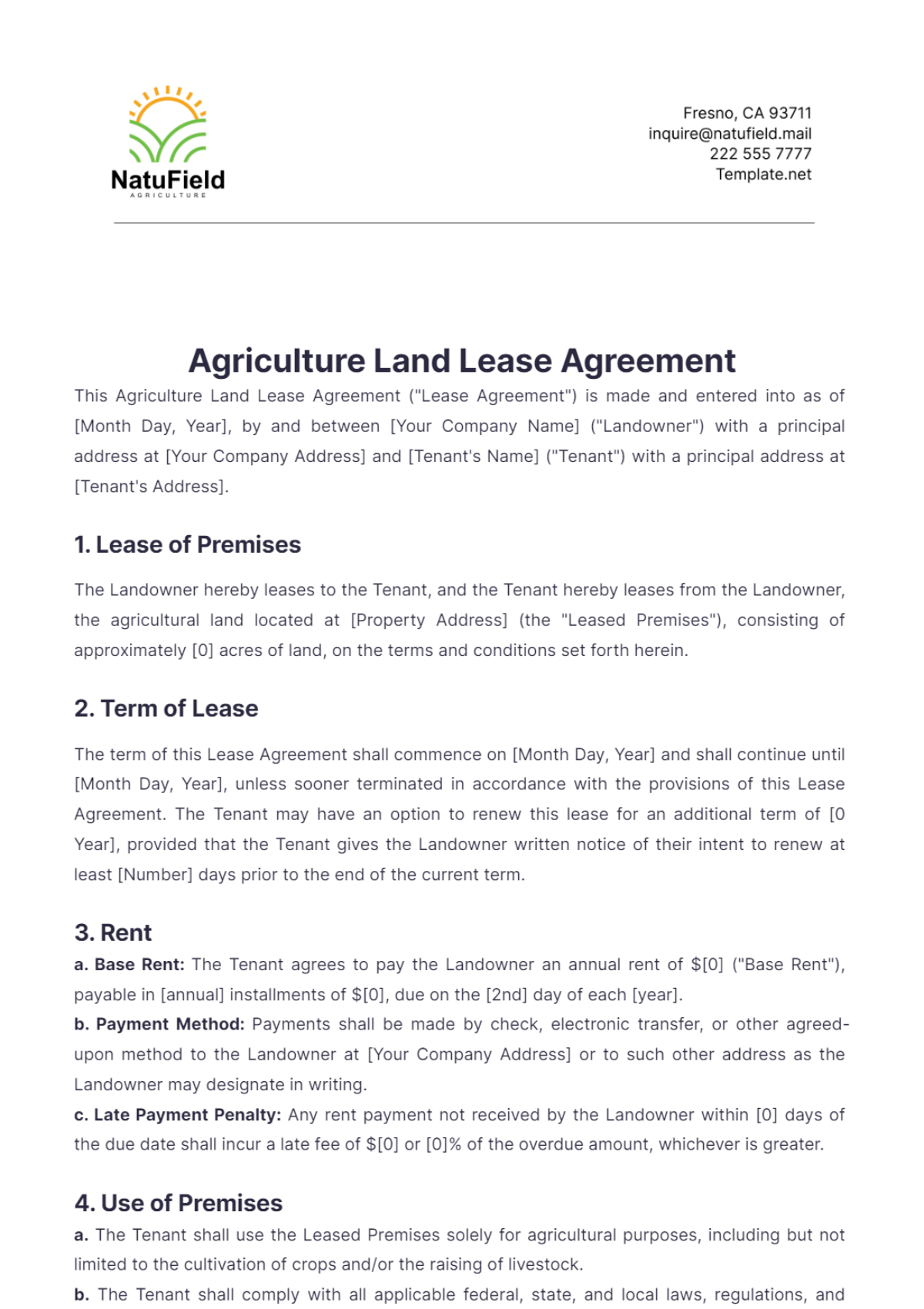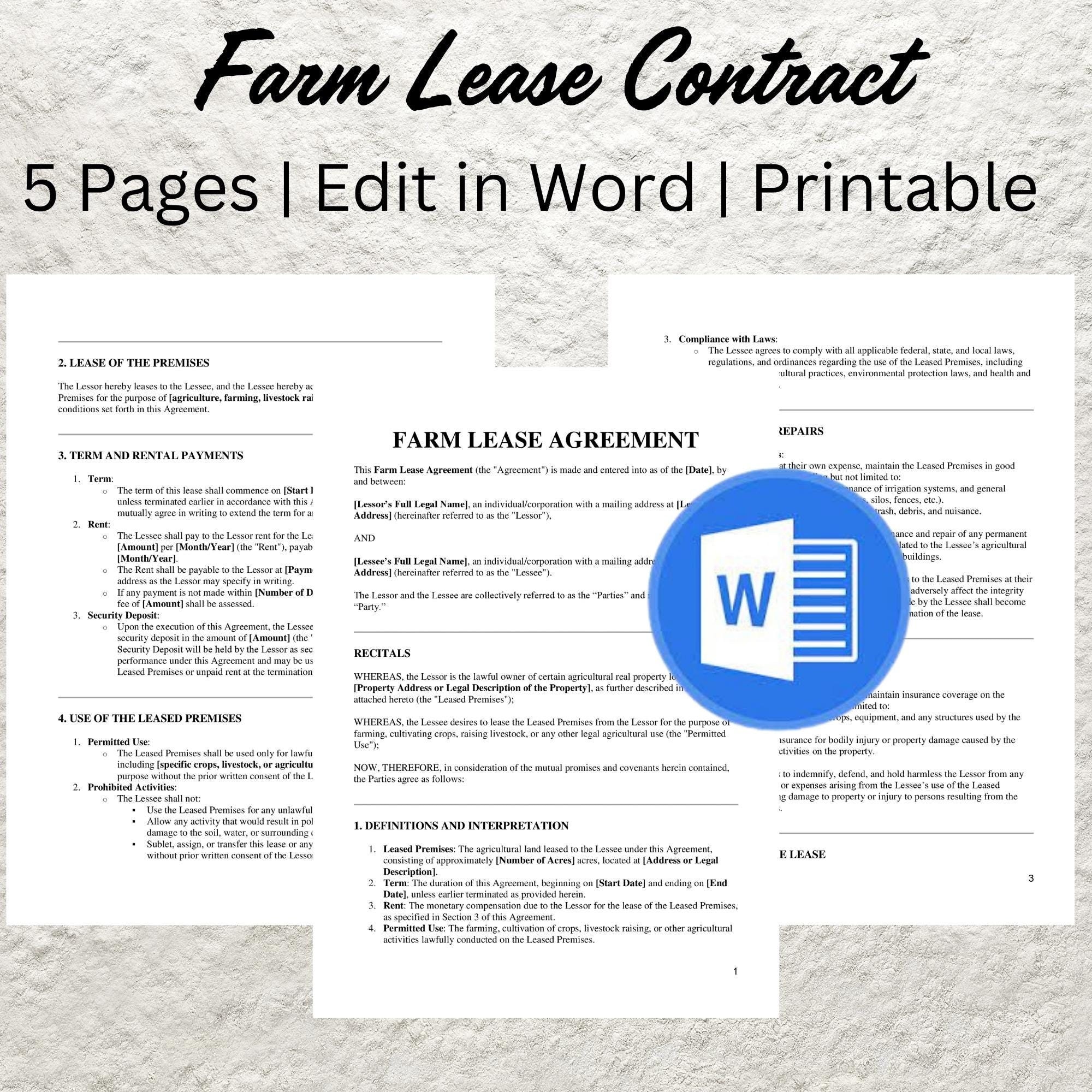
Farm Land Lease Agreement Template is more than a simple document; it’s the foundation that defines rights, responsibilities, and expectations between a landowner and a tenant, ensuring a productive partnership that thrives across seasons. In the world of agriculture, where variables span from market volatility to climate change, a well-crafted lease can protect both parties, promote sustainable practices, and foster long‑term stewardship of the land.
Why a Farm Land Lease Agreement Matters
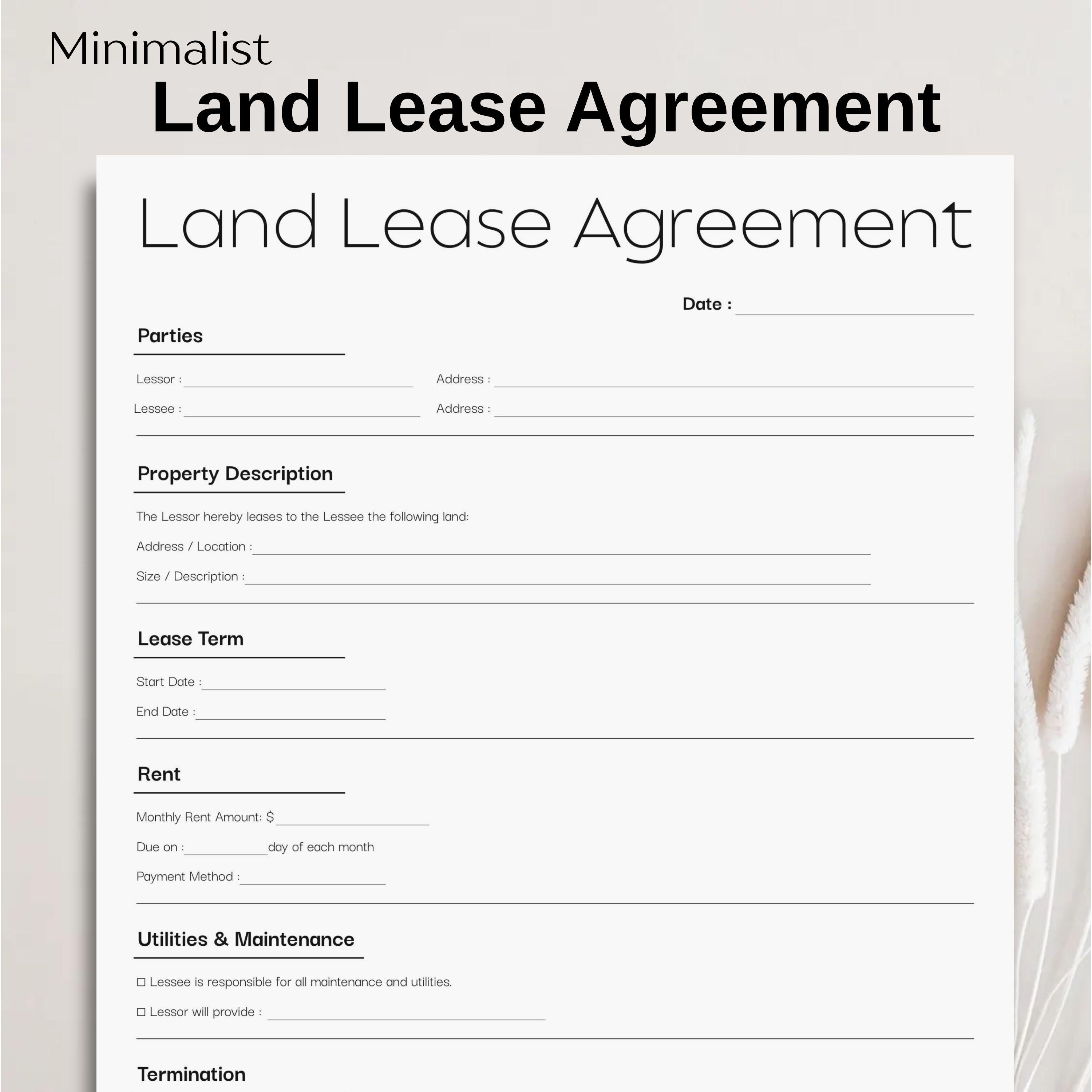
Farm leasing is a cornerstone of agricultural economics, allowing landowners to generate income while tenants gain access to prime acreage without the upfront capital required to purchase land. A clear agreement:
- Prevents misunderstandings that could lead to costly disputes.
- Ensures compliance with state and federal regulations, such as the Conservation Reserve Program and the Clean Water Act.
- Encourages investment in soil health and infrastructure by outlining maintenance responsibilities.
- Supports continuity of operations, especially when a lease includes renewal options or succession plans.
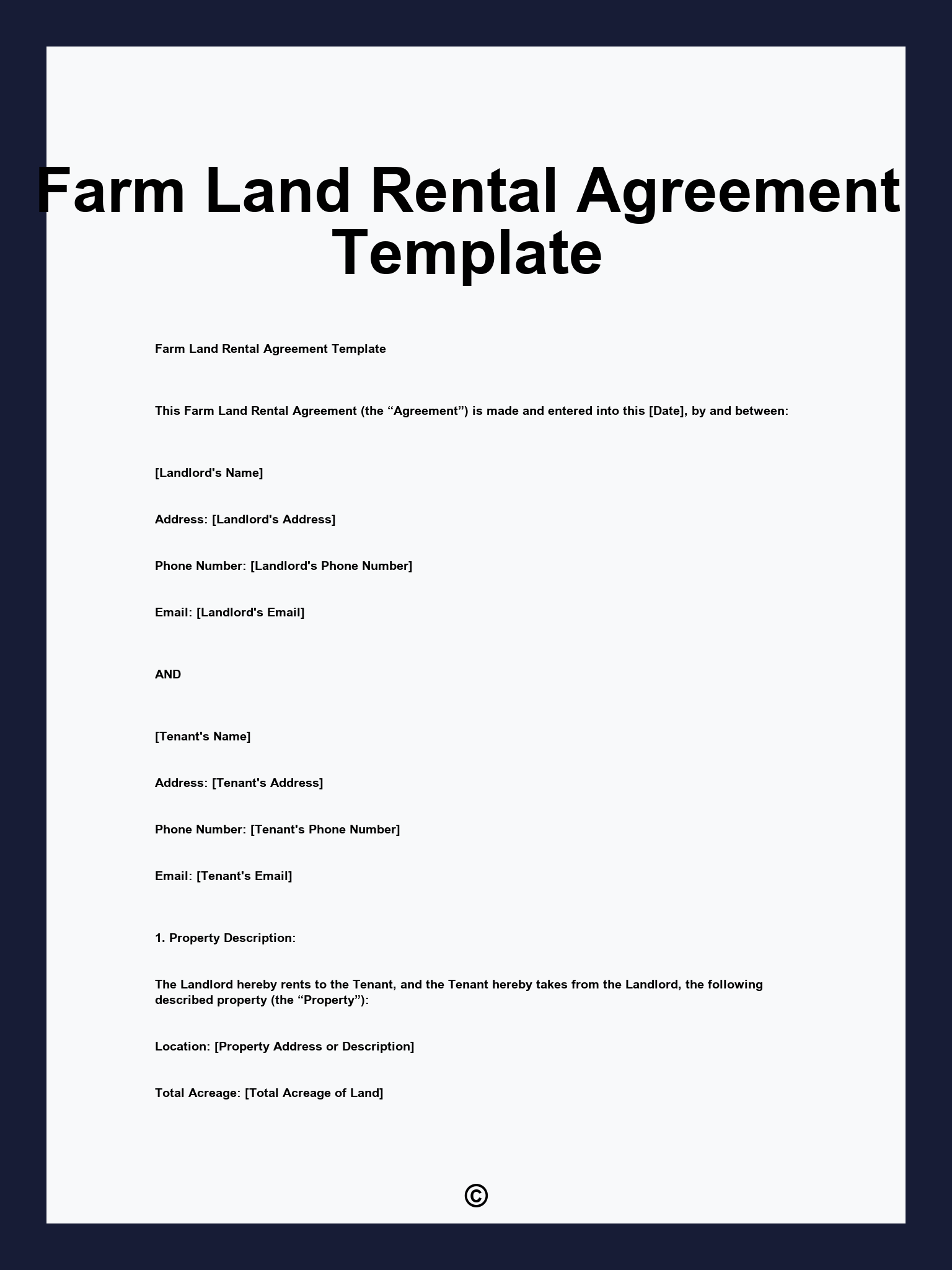
Key Components of a Farm Land Lease Agreement Template
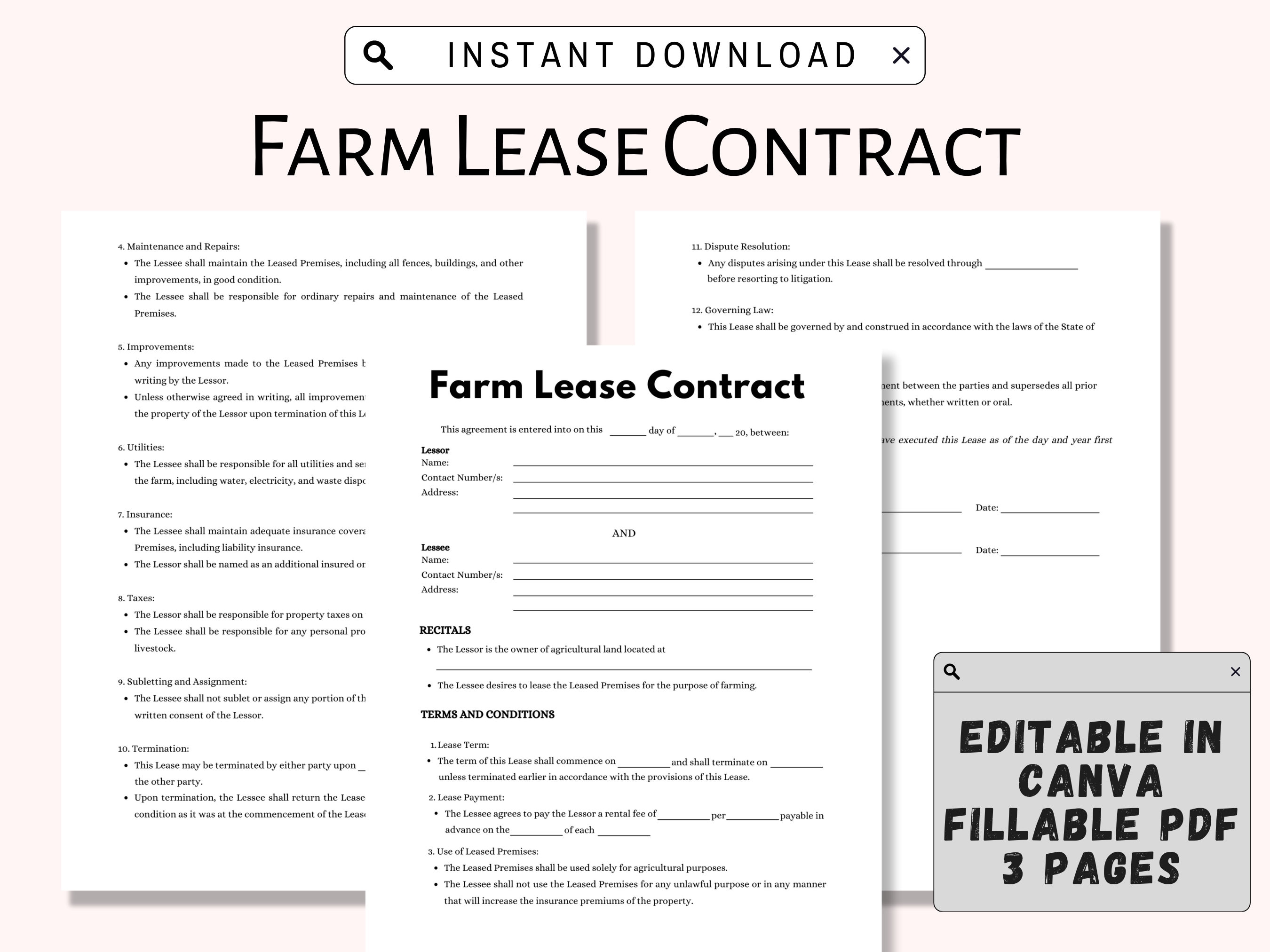
Parties Involved
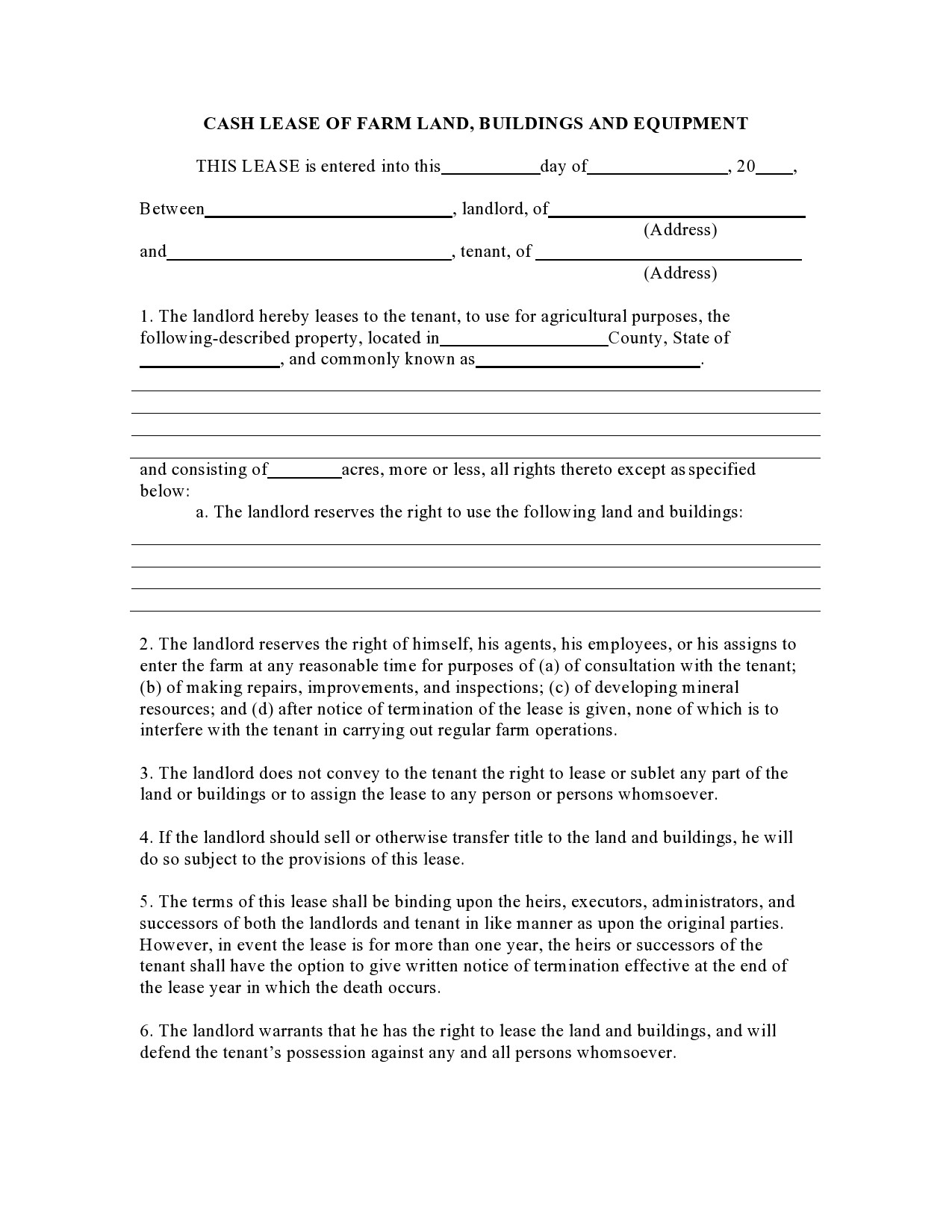
The agreement must identify the landowner (lessor) and tenant (lessee), including legal names, addresses, and any relevant business entities. Adding a signature section for witnesses or notaries adds an extra layer of enforceability.
Land Description
Use a precise, legal description—often a survey or a parcel reference number—to eliminate ambiguity. Attach an accompanying map or deed addendum if necessary.
Lease Term and Renewal
Specify the start and end dates, whether the term is fixed (e.g., 5 years) or seasonal (e.g., until a crop harvest). Include clear renewal mechanisms, such as automatic extensions, rent reviews, or a lease‑to‑purchase option if applicable.
Rent and Payment Structure
Detail the monetary amount, payment schedule (monthly, quarterly, or tied to crop output), and any escalation clauses. For crop‑based leases, consider a share‑cropping model where rent is a percentage of yield or revenue.
Maintenance and Repairs
Assign responsibilities for routine upkeep—fencing, irrigation, drainage—and major repairs. Clarify who pays for capital improvements and whether the tenant can make modifications with written approval.
Water Rights and Irrigation
In regions where water is a scarce resource, specify water usage rights, delivery methods, and any conservation requirements. Address rights to expand irrigation systems or incorporate new technologies, like drip lines or rainwater harvesting.
Insurance, Liability, and Environmental Compliance
Require the tenant to carry adequate liability and crop insurance. Outline how environmental regulations—such as pesticide application limits and nutrient runoff controls—will be met and monitored.
Dispute Resolution and Termination
Include mediation or arbitration clauses and specify grounds for early termination, such as nonpayment, breach of environmental covenants, or failure to maintain soil fertility. Provide a notice period for termination to allow for transition planning.
Miscellaneous Provisions
Address confidentiality, non‑compete clauses if the tenant plans to expand operations to nearby parcels, and any special covenants such as wildlife preservation or community access.
Customizing Your Template for Different Farming Scenarios
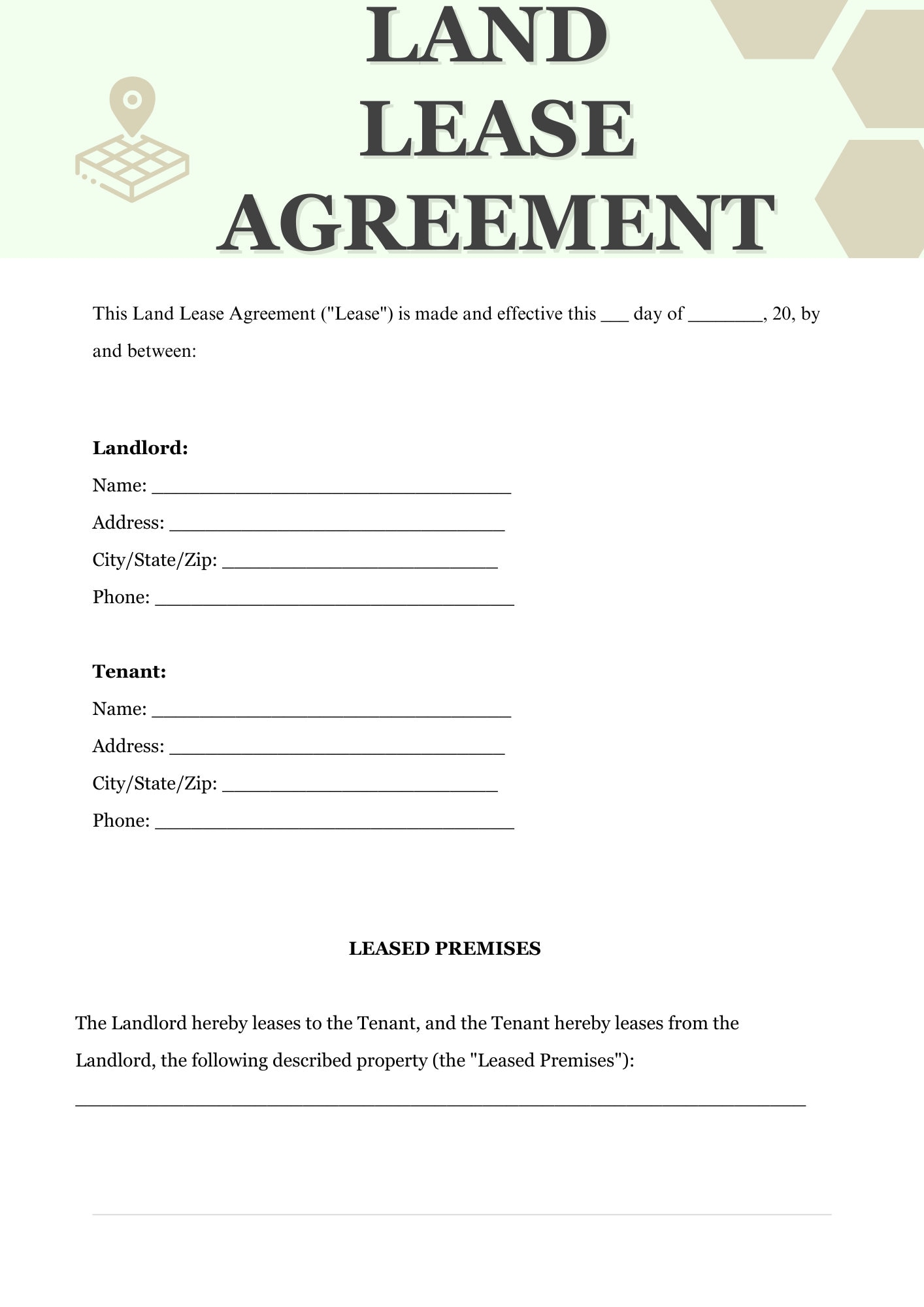
Crop Leasing
For dedicated crop producers, the lease might feature a rent‑per‑acre base rate plus a bonus for meeting soil health standards. Include crop rotation schedules to preserve soil nutrients and reduce pest pressure.
Livestock Operations
When the tenant raises cattle or poultry, add sections on waste management, pasture rotation, and fencing specifications. Provide guidelines for manure application rates to prevent nutrient loading in nearby water bodies.
Agroforestry and Mixed Use
Leases that combine timber, fruit trees, and crop production require detailed plans for canopy management, tree spacing, and harvest schedules. Outline rights for timber harvesting and how revenues are shared.
Urban and Community Farms
Leases in urban settings often involve short‑term agreements or community‑owned plots. Include clauses that cover shared irrigation networks, composting programs, and access for local school groups or farmers’ markets.
Practical Tips for Drafting and Executing

Legal Compliance and State‑Specific Rules
Consult local agricultural departments or legal counsel to incorporate state statutes governing land use, tenancy, and environmental protection. Some states require lease disclosures or provide farmer‑friendly clauses.
Clear, Simple Language
Avoid legalese that can confuse tenants. Use plain language and include definitions for technical terms. Provide a glossary if the template contains specialized terminology.
Record Keeping and Documentation
Encourage the tenant to maintain crop logs, soil test results, and irrigation records. These documents support compliance, provide evidence of stewardship, and can be referenced if disputes arise.
Inclusion of Renewal and Exit Strategies
Offer a built‑in exit strategy for both parties: a “right of first refusal” for the tenant to renew or a clause allowing the owner to re‑lease the property if the tenant fails to meet obligations. This flexibility can secure long‑term relationships and reduce turnover.
Regular Communication and Review
Schedule annual or semi‑annual meetings to review performance, discuss soil health initiatives, and adjust rent or covenants as market conditions shift. Documentation of these meetings reinforces transparency.
Common Pitfalls and How to Avoid Them
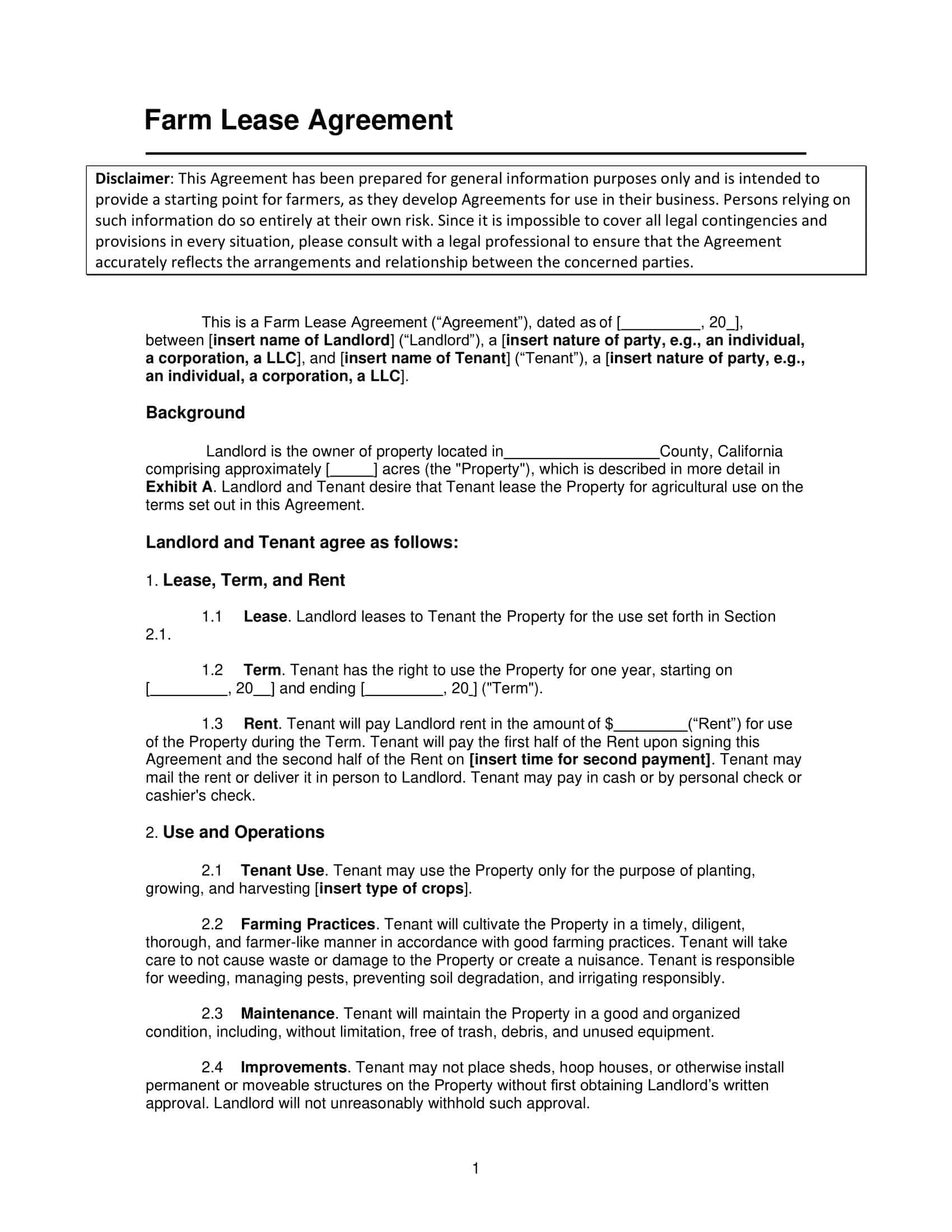
Ambiguous Language
Terms such as “reasonable maintenance” or “sufficient water supply” can be interpreted differently. Define each obligation with measurable criteria or reference specific statutes.
Neglecting Soil Health Covenants
Ignoring soil testing or cover crop requirements can lead to erosion and reduced yield. Mandate regular soil tests and incorporate credit for meeting or exceeding recommended practices.
Overlooking Insurance Requirements
Failing to specify adequate insurance can expose the owner to liability if a pest outbreak or accident occurs. Include minimum coverage limits and require proof of insurance upon lease initiation.
Inadequate Dispute Resolution Mechanisms
Relying solely on litigation can be costly and time‑consuming. Provide a structured mediation or arbitration pathway to resolve conflicts efficiently.
Real‑World Case Studies
Small Family Farm
John, a seasoned heir, leased 50 acres to his nephew for corn and soybeans. By adopting a fixed rent with a quarterly crop share adjustment, they balanced cash flow while rewarding the tenant’s sustainable practices. Regular soil tests documented improvements, and the lease’s renewal clause ensured continuity for the next generation.
Corporate Agribusiness
A regional cooperative leased 200 acres to an agritech start‑up for precision farming trials. The lease included a detailed irrigation and data‑collection covenants, ensuring that sensor outputs were shared weekly. This partnership allowed the cooperative to pilot new nutrient‑delivery algorithms before scaling across its portfolio.
Urban Community Farm
In a downtown city, a former warehouse owner leased a vacant lot to a nonprofit community garden. The lease emphasized low‑impact practices, requiring the tenant to use compost and rainwater harvesting. The agreement’s flexible term—three years with automatic renewal—supported long‑term community engagement while maintaining the owner’s ability to re‑lease for redevelopment if needed.
Frequently Asked Questions
What should I include to protect my land from overuse?
Insert a detailed crop rotation and pasture rest schedule. Require the tenant to maintain a minimum soil fertility threshold and to obtain a soil test each planting season.
Can I change the rent after the lease begins?
Only if the lease contains an escalation clause or a renewal process that allows renegotiation. Otherwise, rent changes typically require a mutual amendment signed by both parties.
How do I enforce environmental covenants?
Include an inspection clause, permitting the owner or a third‑party auditor to verify compliance. Specify penalties for non‑compliance, such as rent adjustments or lease termination.
Is a lease-to-buy option common?
Yes, especially for long‑term agricultural partnerships. A lease-to-buy clause allows the tenant to accumulate a portion of rent toward a down payment, providing a clear pathway to ownership.
Final Thoughts
A Farm Land Lease Agreement Template that is meticulously tailored, legally sound, and transparent can transform a simple tenancy into a resilient partnership. By outlining every critical component—from rent structures and maintenance duties to environmental safeguards and dispute resolution—you empower both landowners and tenants to focus on what matters most: productive, sustainable farming. Whether you’re managing a modest family operation or a sprawling agribusiness, investing time in a robust lease today safeguards your land’s future and secures prosperity for generations to come.