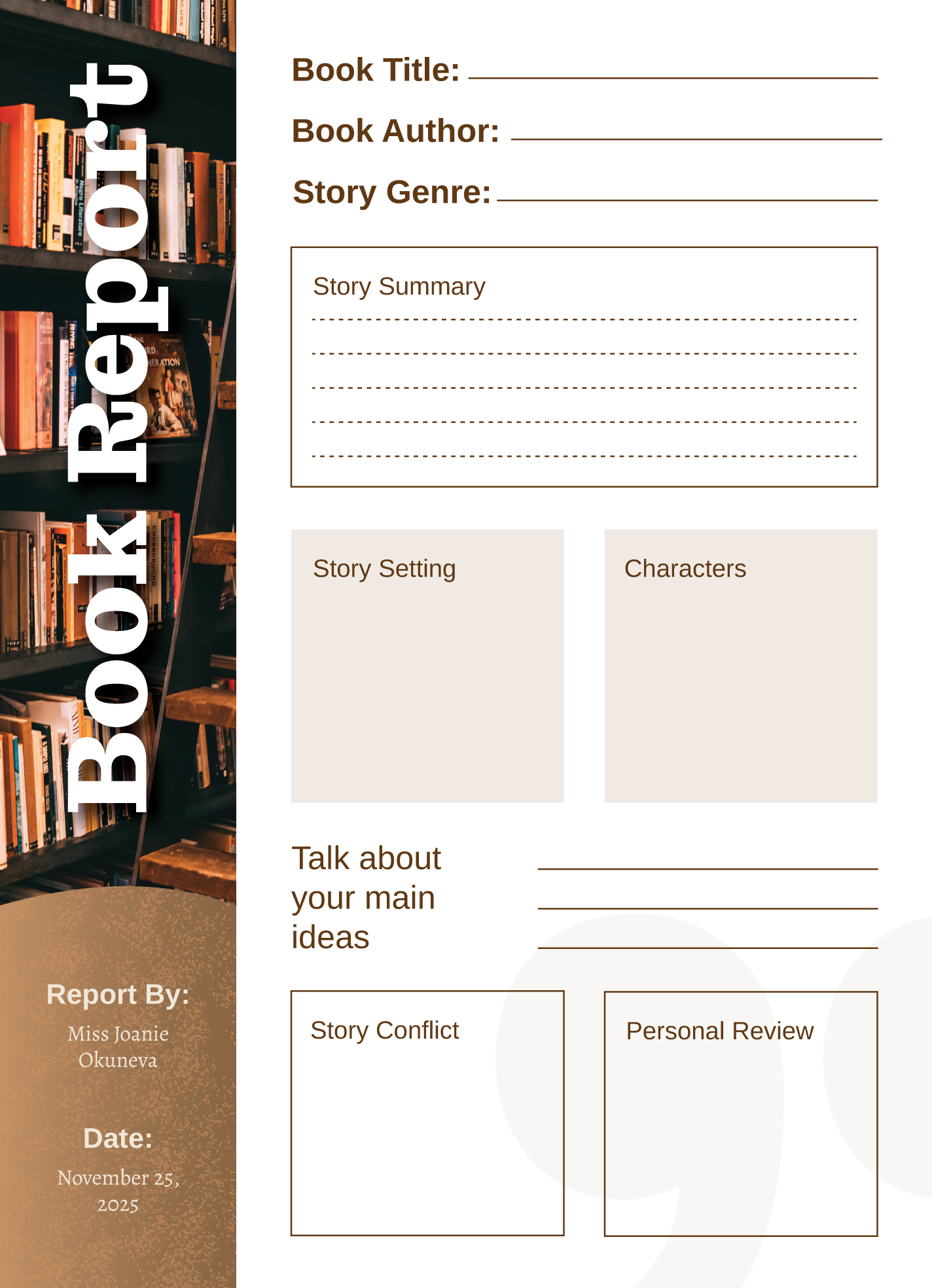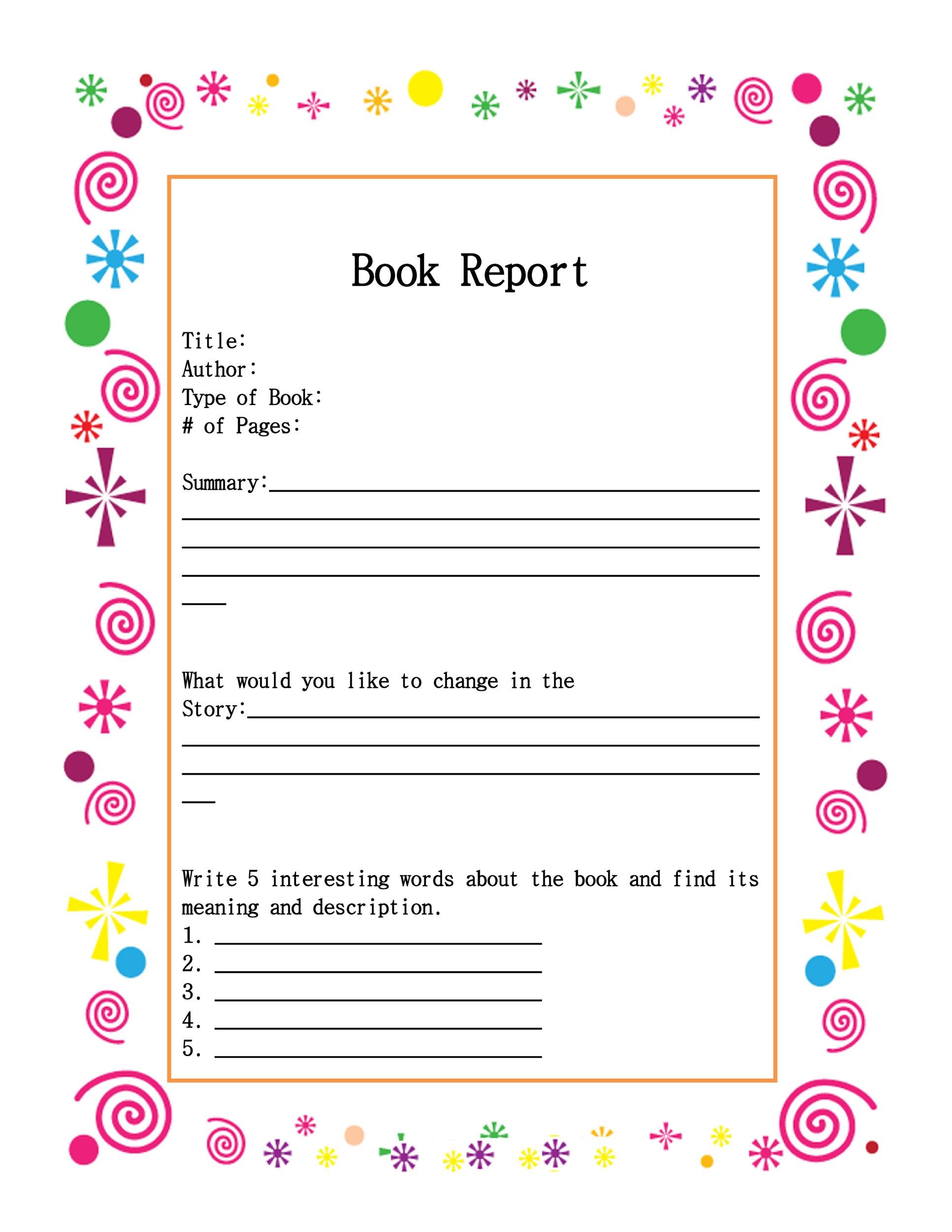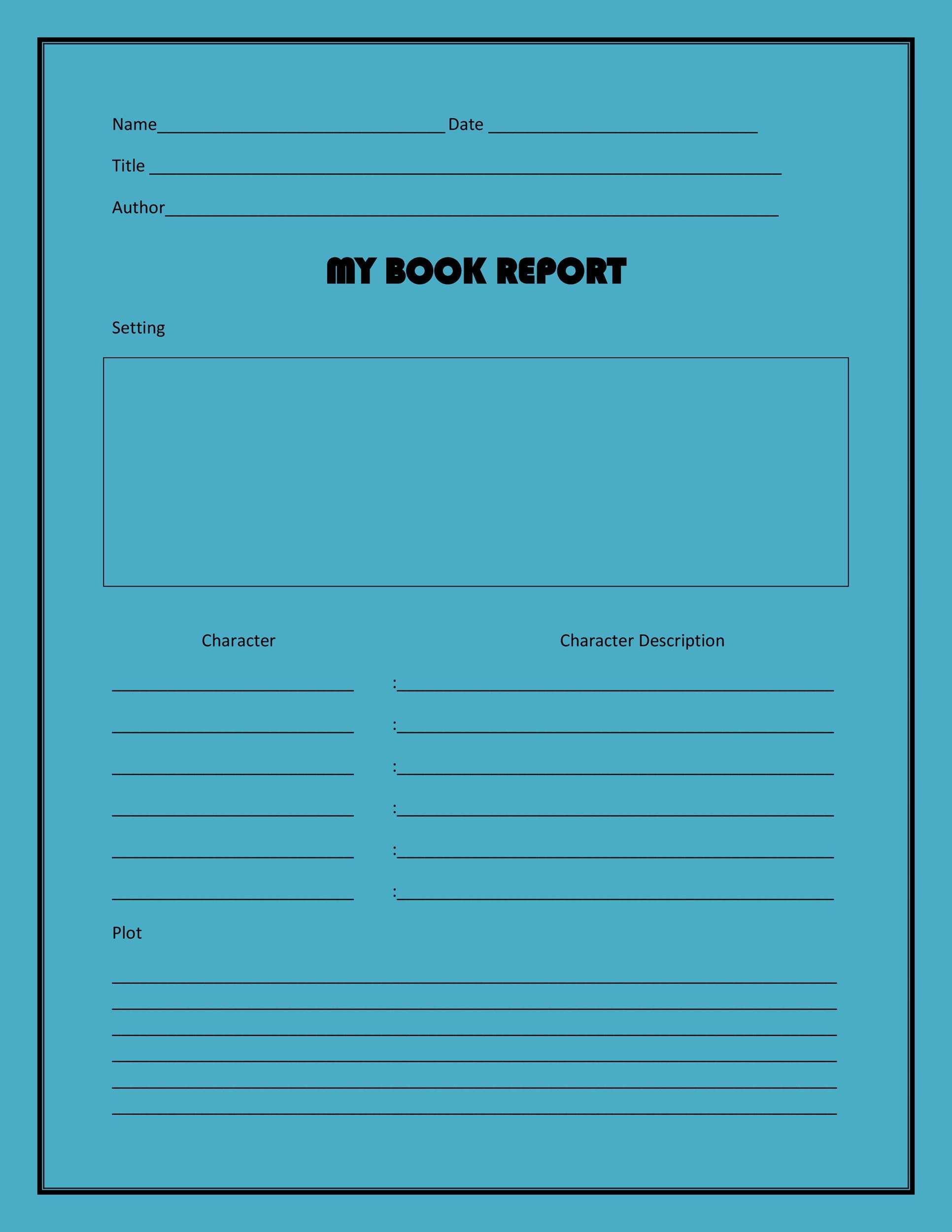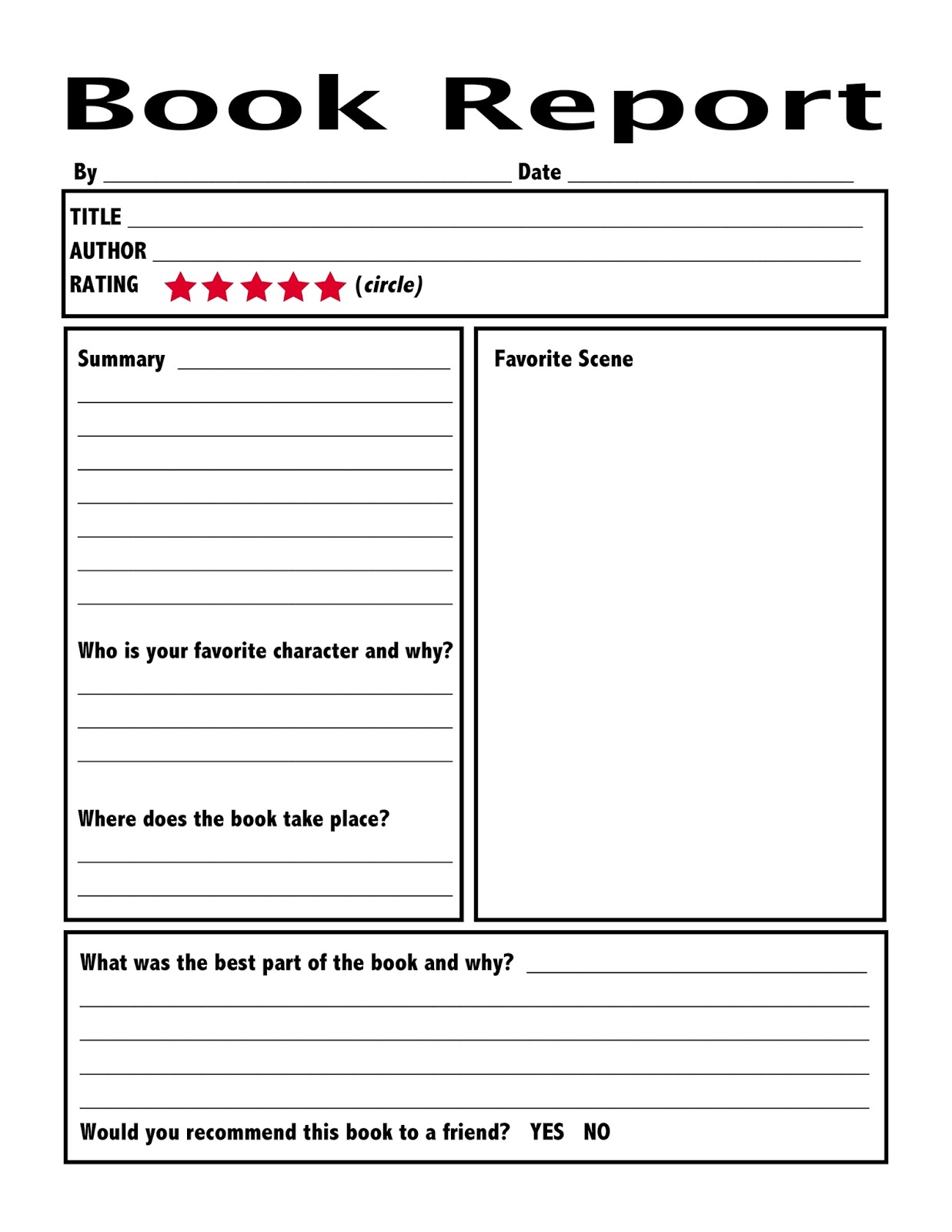
College Book Report Template serves as a reliable roadmap that turns a daunting assignment into a structured, polished document. By following a clear layout and focusing on key elements, students can showcase their insights while saving time on formatting and design. Below is a step-by‑step guide that explains how to build, customize, and perfect a book report using an effective template.
Understanding the Purpose of a Book Report
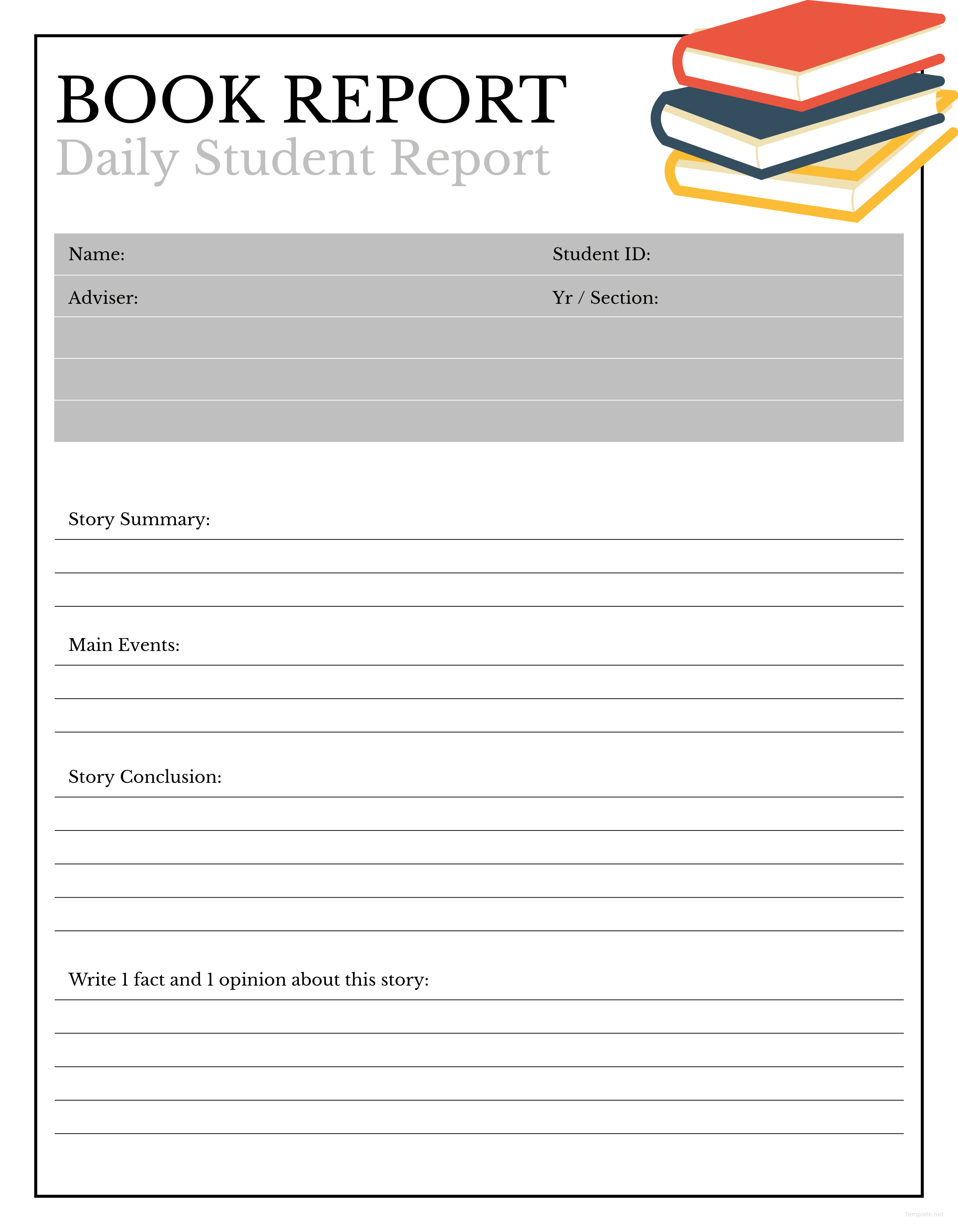
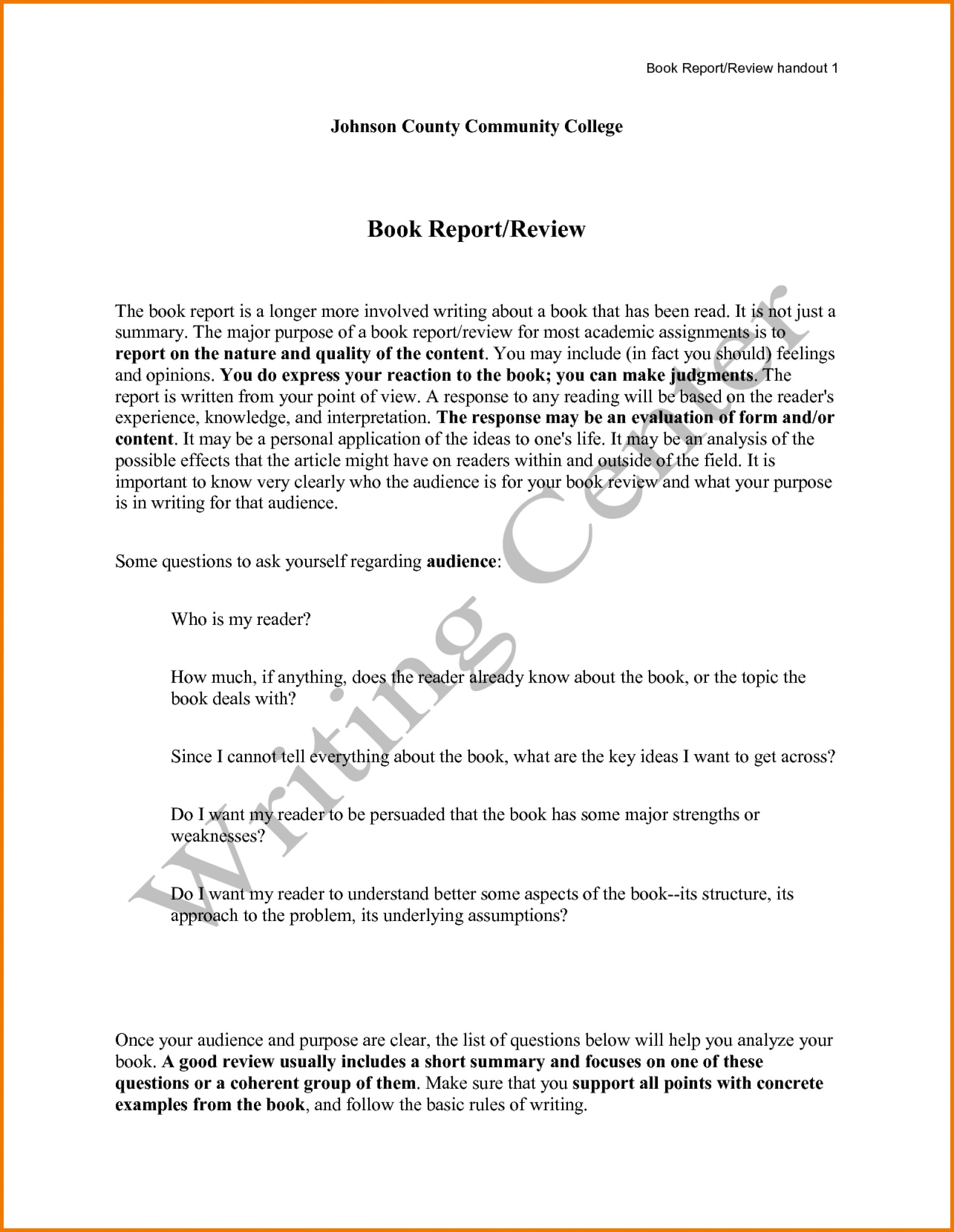
A college book report is more than a summary; it is an analytical critique that demonstrates comprehension, critical thinking, and the ability to connect literature to broader contexts. A well‑crafted template guides the writer to address essential questions—what is the narrative arc, who are the characters, what themes emerge, and how does the text relate to contemporary issues? By answering these questions in a logical sequence, students produce a coherent argument that satisfies faculty expectations.
Key Components of a Robust Template

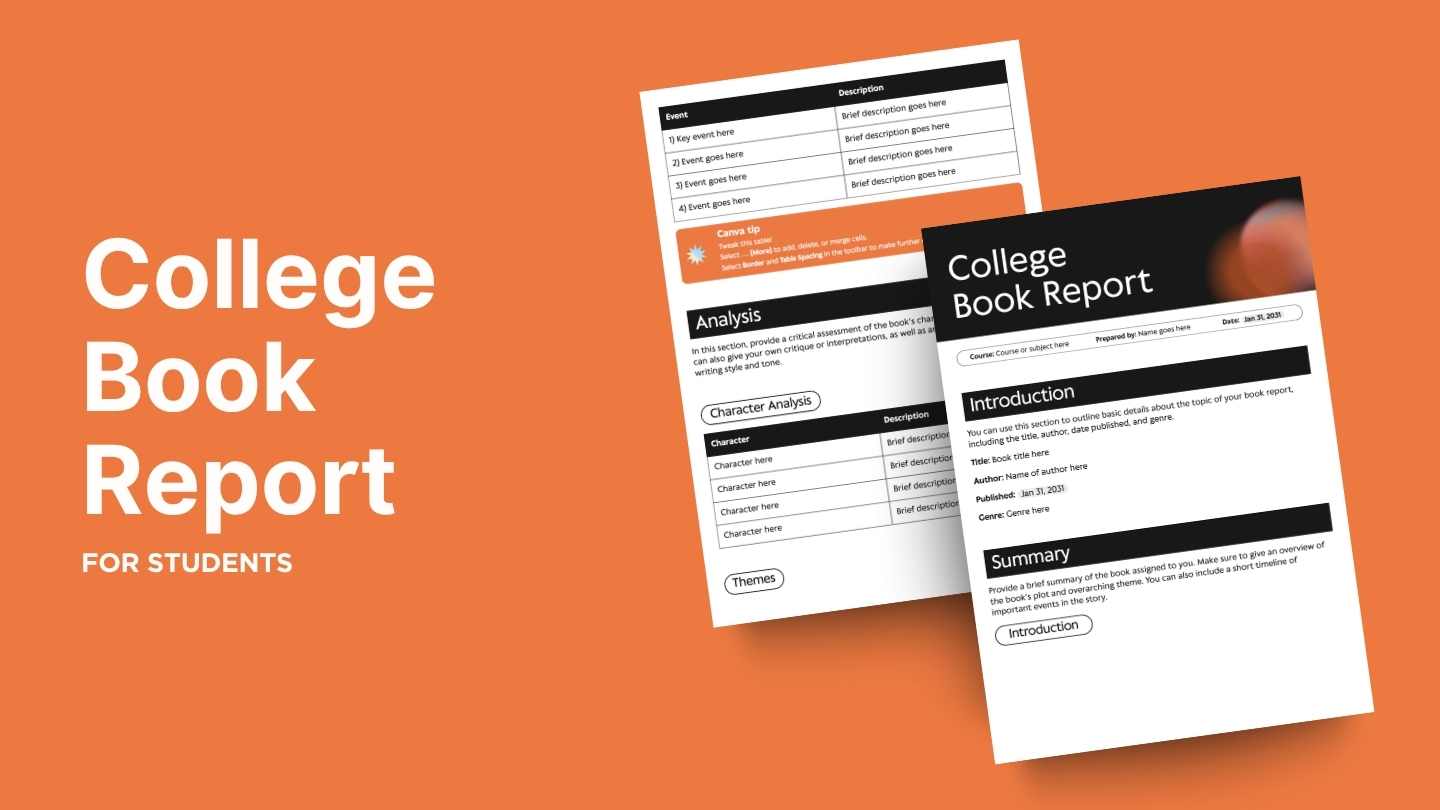
1. Title and Bibliographic Information
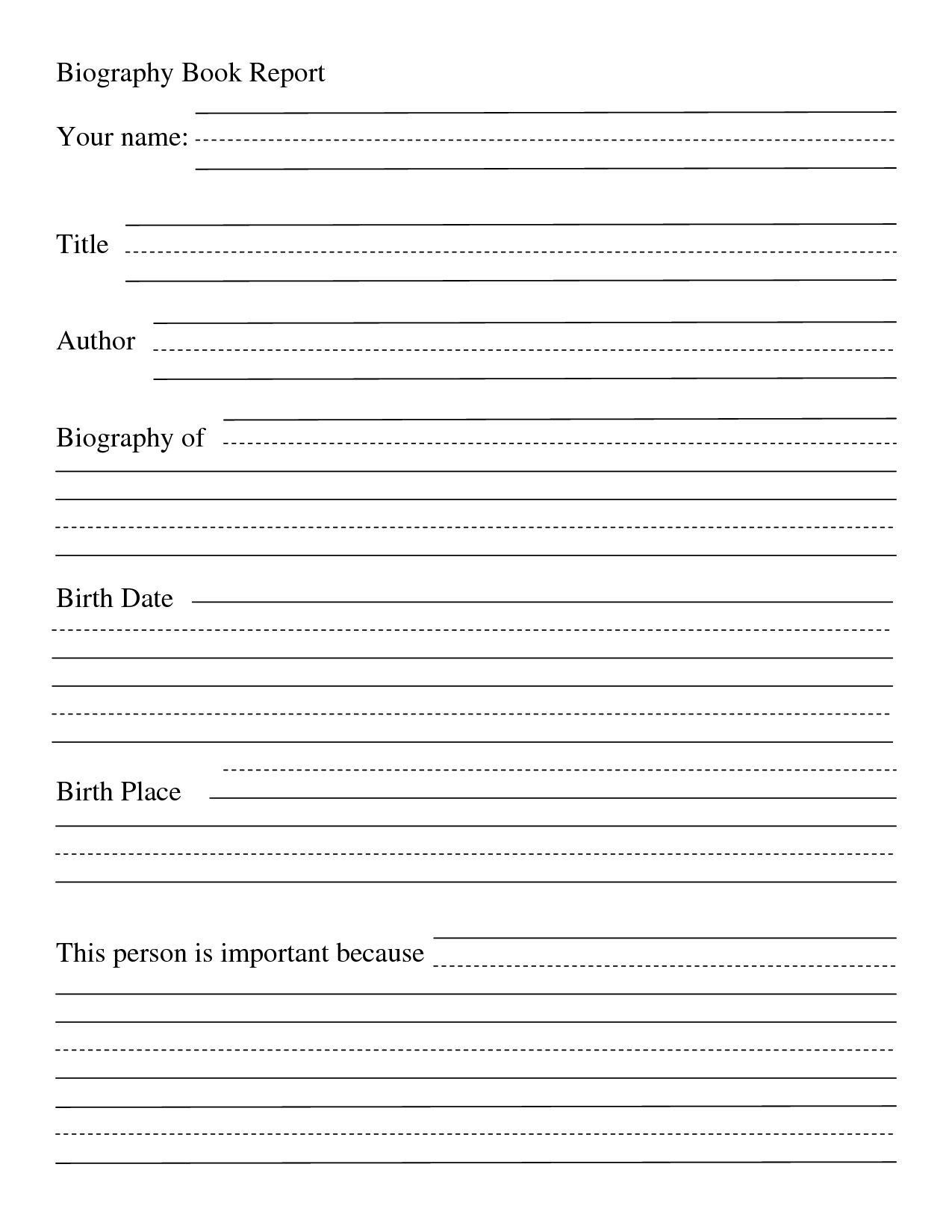
The opening of your report should provide all identifying details. Use a clean format such as:
- Title of the book
- Author’s full name
- Publisher and publication year
- Medium (e.g., print, e‑book)
- Your name and course details
Place this information on a separate heading to maintain visual hierarchy.
2. Introduction
An engaging introduction sets the tone and previews the analysis. Start with a hook—a compelling quote, a surprising fact, or a brief anecdote—and then state the book’s main premise. Conclude the paragraph with a clear thesis that outlines the analytical lens you will apply.
3. Summary of the Narrative
Present a concise summary that covers the plot without revealing spoilers that could ruin the reader’s experience. Focus on main events, character motivations, and pivotal turning points. Keep this section within 150–200 words to avoid redundancy with the analysis.
4. Thematic Exploration
Identify at least two central themes and discuss how they are developed through plot, character, and setting. Use evidence from the text—direct quotations or specific scenes—to support your claims. Demonstrate how the themes resonate with contemporary social issues or personal experiences.
5. Character Analysis
Choose key characters and explore their growth or conflict. Discuss motivations, relationships, and the role each character plays in advancing the story’s themes. Compare and contrast character arcs to highlight narrative dynamics.
6. Literary Techniques
Analyze the author’s use of style, point of view, imagery, and symbolism. Explain how these techniques reinforce the themes or influence the reader’s perception. Provide concrete examples for each device you discuss.
7. Conclusion
Reiterate your thesis and summarize the main analytical points. Reflect on the overall impact of the book and its relevance to modern readers. End with a thoughtful closing sentence that invites further discussion or reflection.
8. Bibliography and Citations
Include a bibliography in APA, MLA, or Chicago style—whichever is required by your instructor. Use consistent formatting and double‑check for accuracy. If you quote directly, insert appropriate in‑text citations.
Choosing a Template Design

White, Clean Layouts for Academic Writing
When selecting a visual template, prioritize readability. Use ample white space, a simple sans‑serif font for body text, and a contrasting font for headings. Avoid decorative borders or excessive color. A minimalist design ensures that content remains the focal point.
Professional vs. Creative Templates
- Professional templates feature clean lines, simple section dividers, and a neutral color palette. Ideal for formal courses.
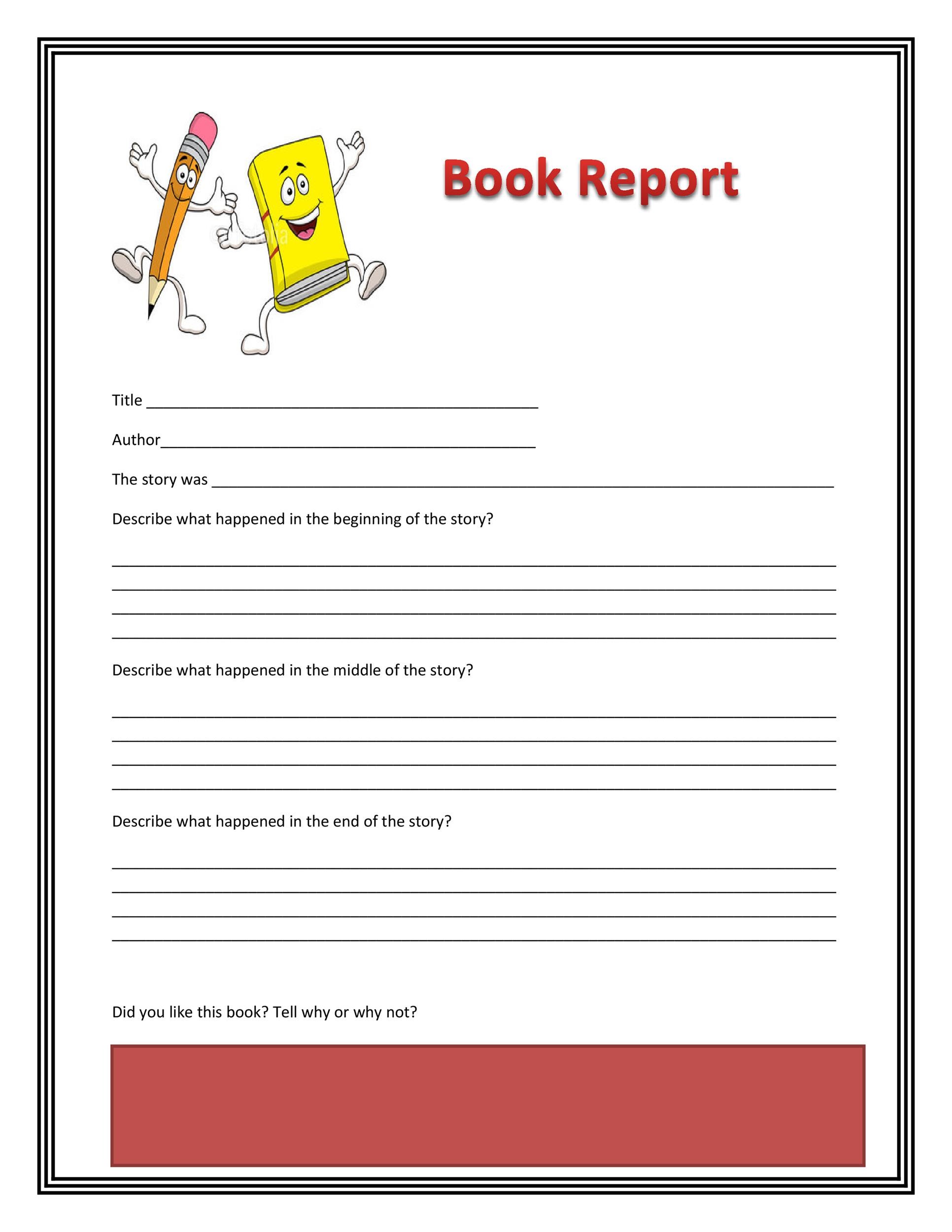
- Creative templates may include subtle illustrations or a muted background. Use them sparingly, ensuring they do not distract from the analysis.
Customizing Your Template for Different Genres
Novels and Long Fiction
For longer works, add subheadings within each main section to break up analysis—e.g., “Early Conflicts,” “Mid‑Plot Development,” “Climactic Moments.” This granularity helps readers navigate dense information.
Non‑Fiction and Academic Texts
Shift the focus to thesis statements, methodology, and argument structure. Replace “Character Analysis” with “Author’s Argument” and “Evidence Assessment.” The same layout remains, but the content adapts to analytical demands.
Step‑by‑Step Guidance to Populate the Template
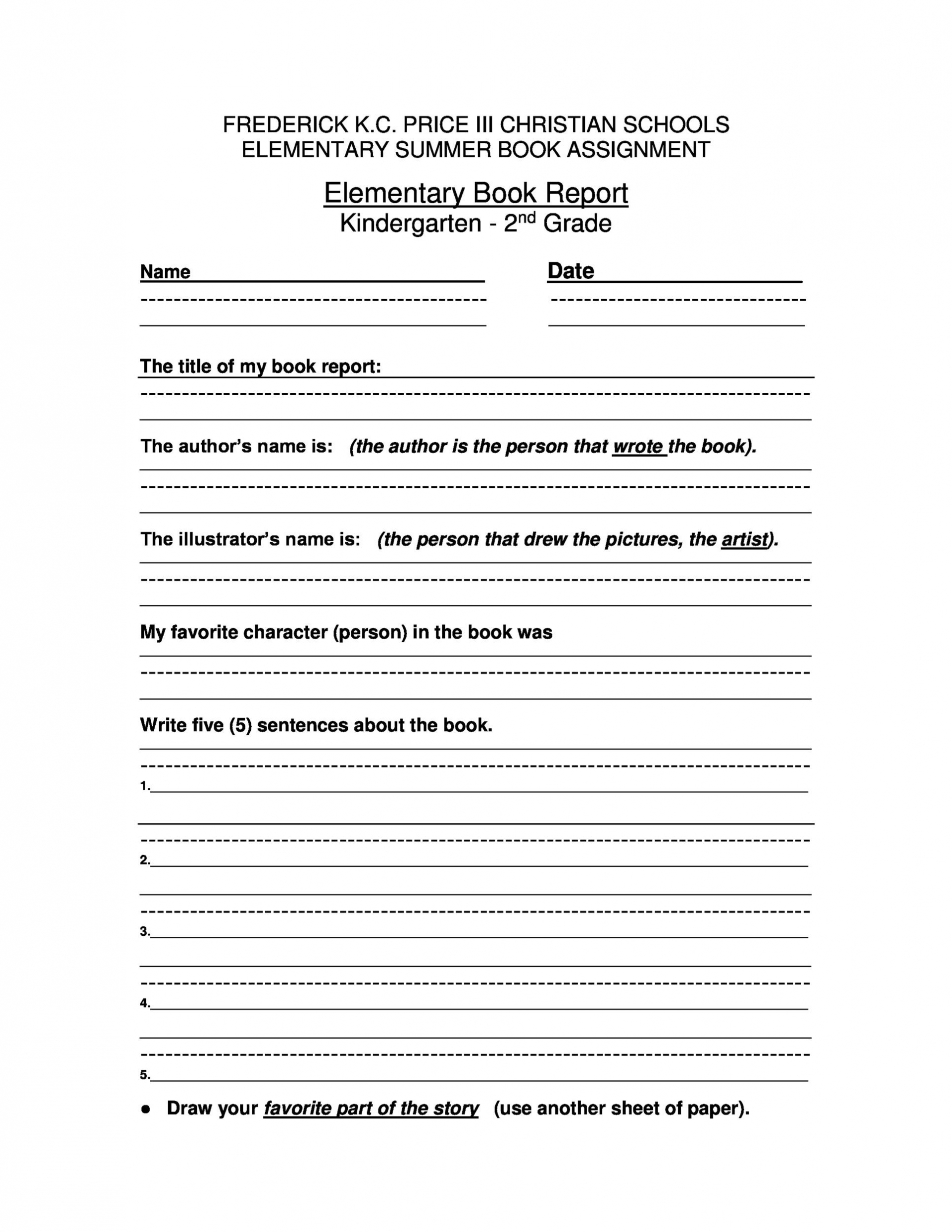
Step 1: Read with Purpose
Mark passages that illustrate key themes, character motivations, and stylistic choices. Use sticky notes or a digital note‑taking app to keep track of important quotes.
Step 2: Outline Your Report
Create a skeletal outline using the template’s headings. Fill in bullet points for each section, noting where evidence will be inserted.
Step 3: Draft the Introduction
Craft a hook that captures your audience. State your thesis clearly so readers know the analytical direction.
Step 4: Summarize Efficiently
Write a narrative summary that highlights the core plot while avoiding exhaustive detail. Keep it factual and objective.
Step 5: Dive Into Analysis
For each thematic point, present your interpretation followed by supporting evidence. Use a balanced mix of paraphrasing and quoting. Ensure each paragraph begins with a topic sentence that ties back to the thesis.
Step 6: Revise for Cohesion
Read your report aloud to spot awkward transitions. Add connecting sentences that guide the reader from one section to the next.
Step 7: Format Consistently
Apply the chosen template’s font styles, line spacing, and margin settings. Double‑check heading levels for consistency.
Step 8: Proofread
Check for grammatical errors, typos, and citation accuracy. Use tools like Grammarly or peer reviews for a final polish.
Real‑World Examples of Effective Book Reports

Example 1: Analyzing a Classic Novel
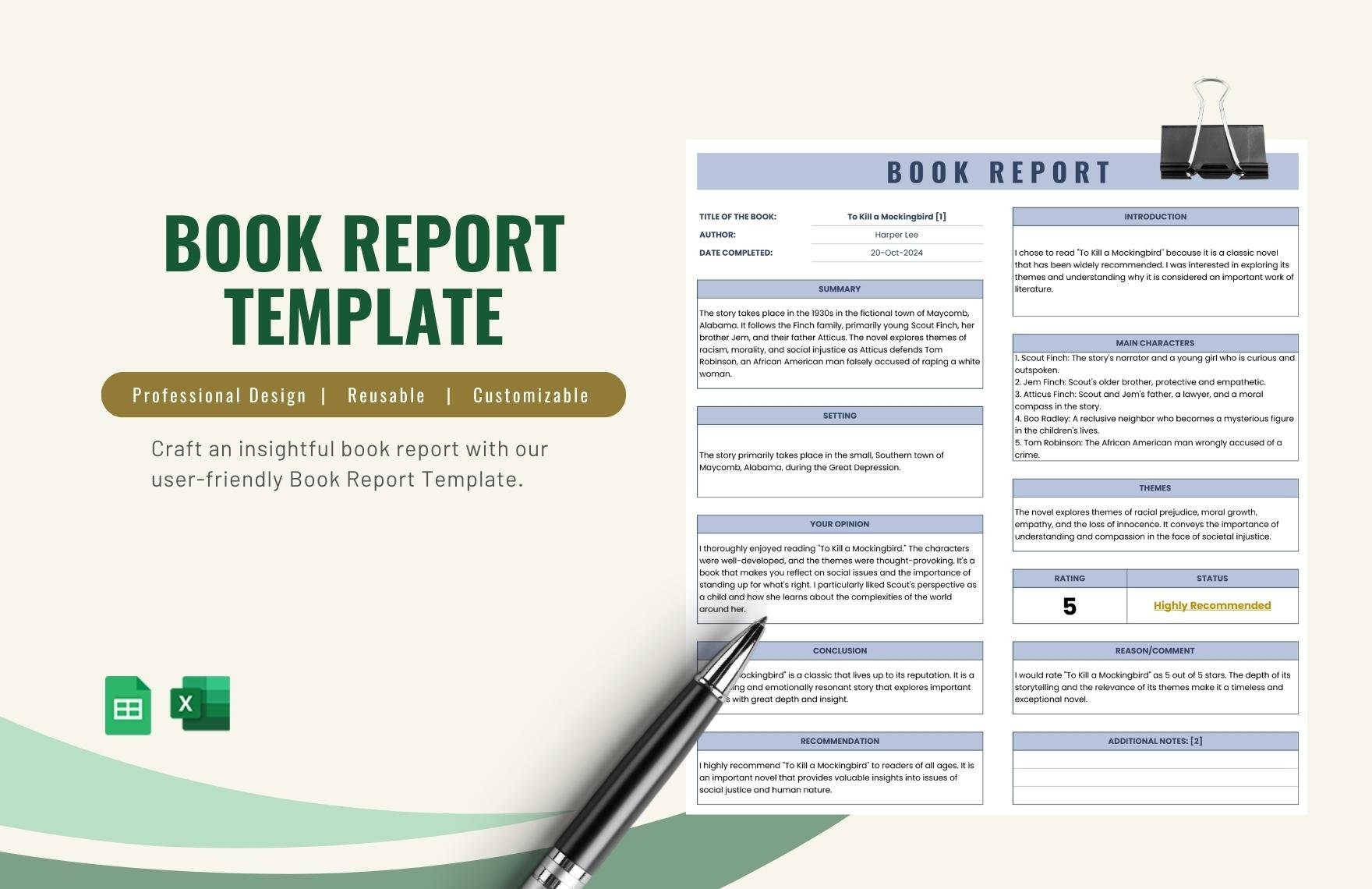
In a report on *To Kill a Mockingbird*, the template guides the writer to examine themes of racial injustice, moral growth, and the loss of innocence. By linking specific scenes to broader social contexts, the report offers a fresh perspective that aligns with contemporary discussions on equality.
Example 2: Evaluating a Modern Non‑fiction Work
A report on *The Sixth Extinction* uses the same structure but replaces character analysis with an evaluation of the author’s arguments and evidence. The thesis focuses on the urgency of ecological action, supported by scientific data extracted from the text.
Common Mistakes to Avoid
Overloading the Summary
A detailed summary can dilute analytical depth. Aim for brevity and focus on the most relevant plot points.
Inconsistent Citations
Failing to follow a single citation style undermines credibility. Pick the required style early and apply it uniformly.
Neglecting the Thesis
Without a clear thesis, the report becomes a random collection of observations. Ensure each section reinforces the central argument.
Ignoring Formatting Guidelines
Many professors require specific line spacing or margin sizes. Double‑check the course instructions before finalizing the layout.
Tools to Enhance Your Template Experience

Word Processors with Built‑in Templates
- Microsoft Word and Google Docs offer pre‑designed academic templates.
- Export to PDF to preserve formatting before submission.
Citation Management Software
Tools like Zotero, EndNote, and Mendeley simplify bibliography creation and in‑text citation insertion.
Online Proofreading Services
Platforms such as Hemingway Editor and ProWritingAid help refine sentence structure and improve readability.
Conclusion
A College Book Report Template is more than a formatting guide; it is a strategic framework that transforms raw reading into thoughtful critique. By integrating clear sections—bibliographic data, introduction, summary, thematic analysis, character or argument study, and a concise conclusion—you produce a polished document that showcases analytical depth and academic rigor. Customize the template to fit the genre, maintain consistency with style guidelines, and use reliable tools to streamline the process. With practice, this structured approach will become an invaluable resource for every academic assignment that demands critical engagement with literature.