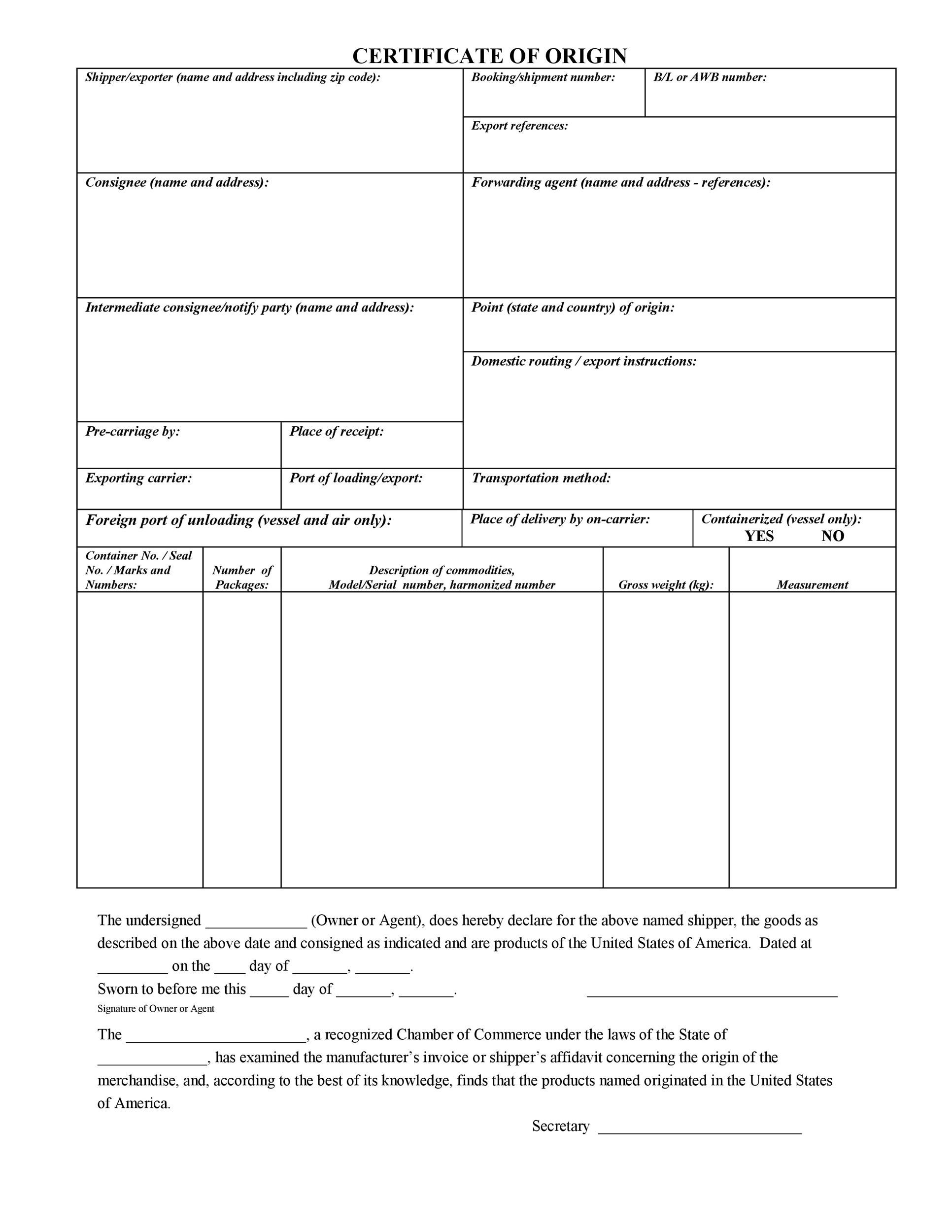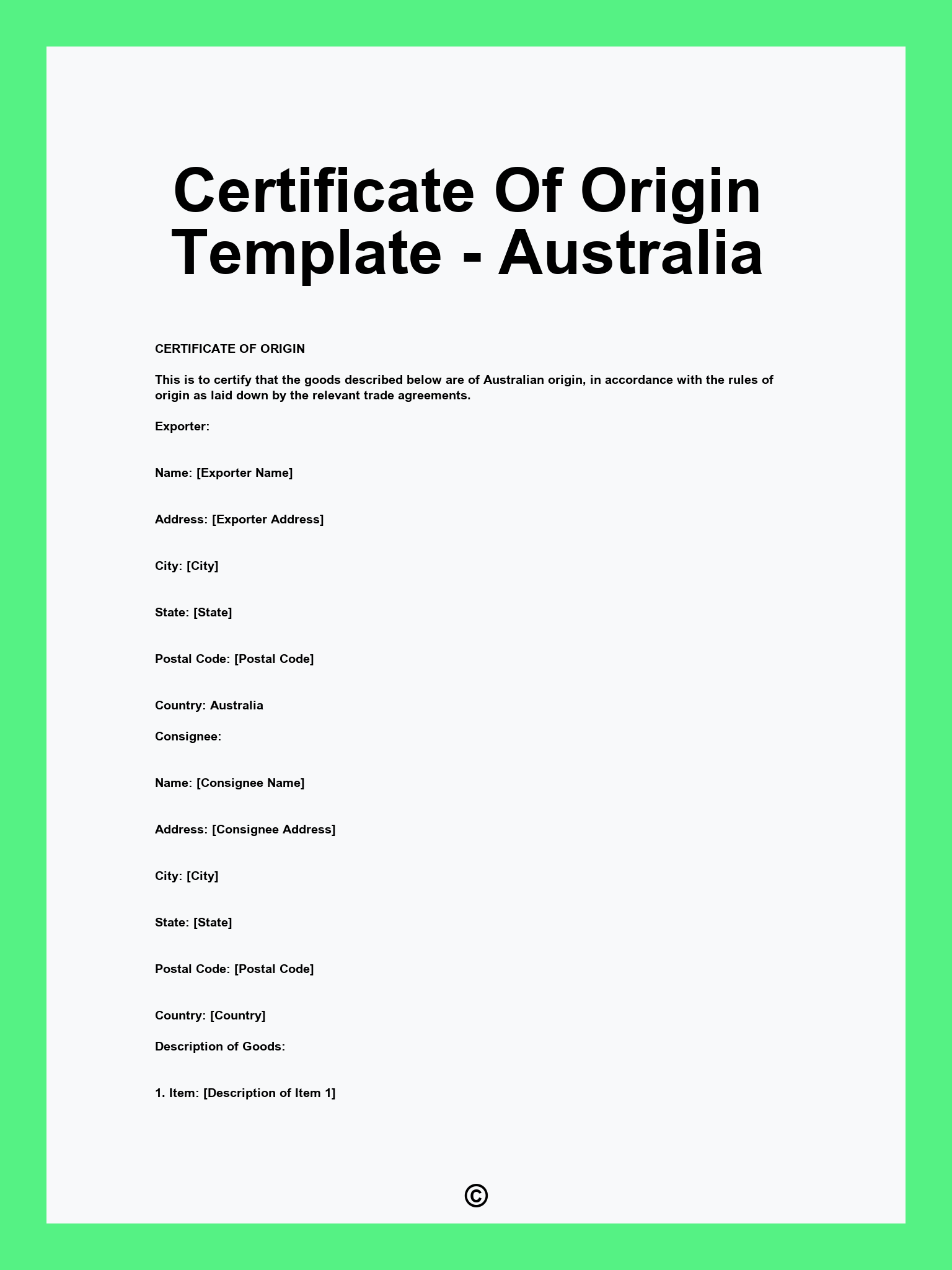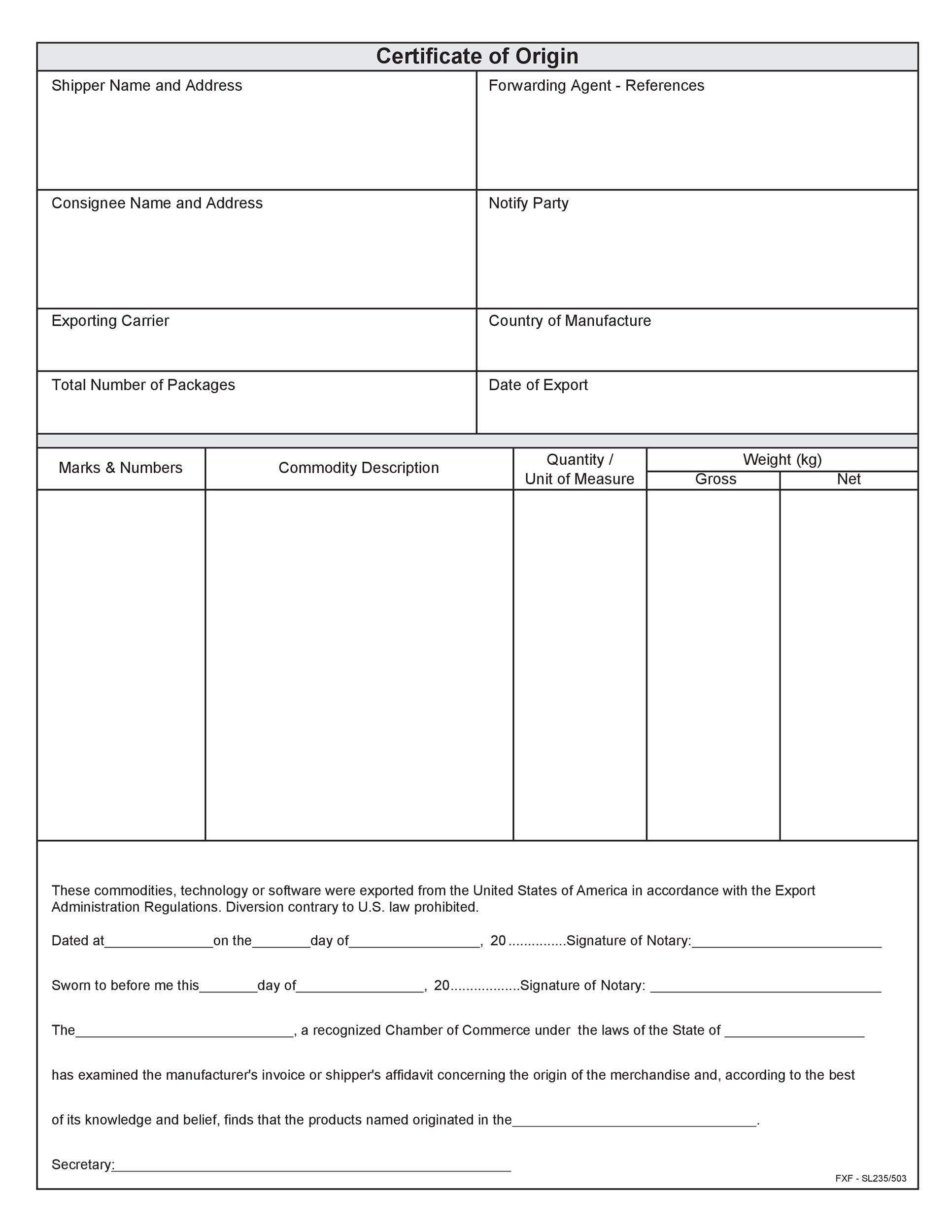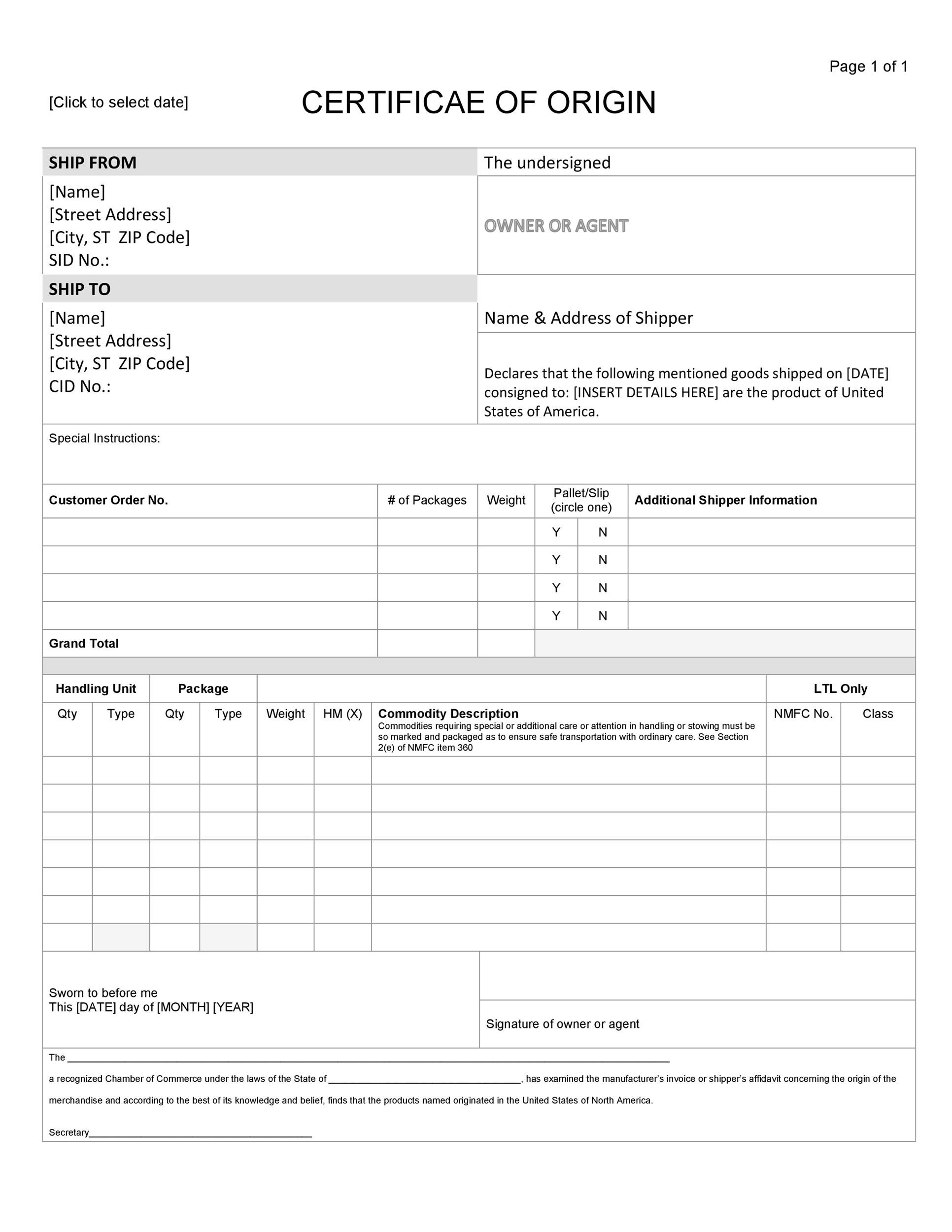
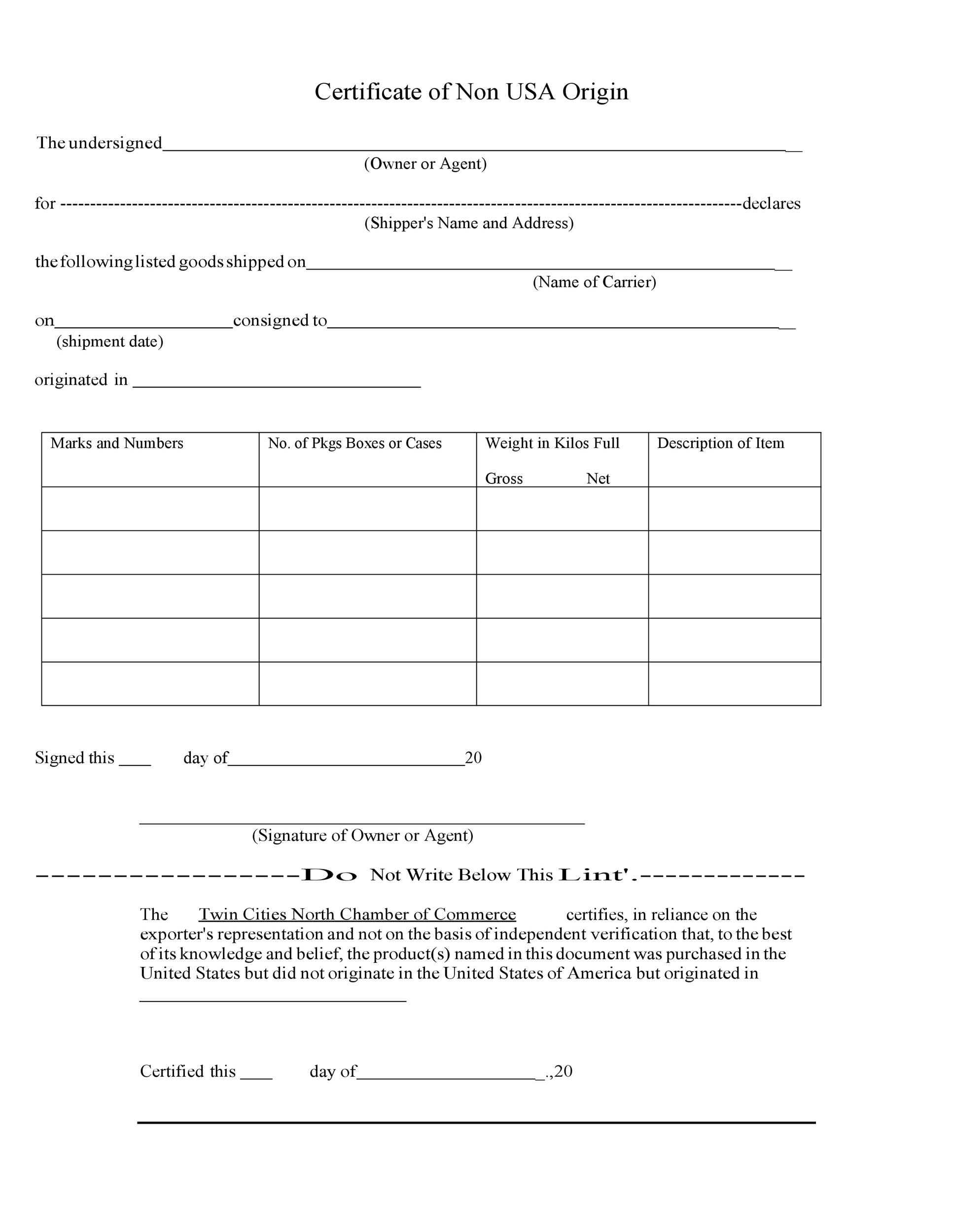
Certificate Of Origin Template Word is a pivotal document that validates the country where goods were manufactured, and using a well‑crafted Word template streamlines the process for businesses of all sizes, ensuring compliance with customs regulations while reducing administrative overhead.
Understanding the Certificate of Origin
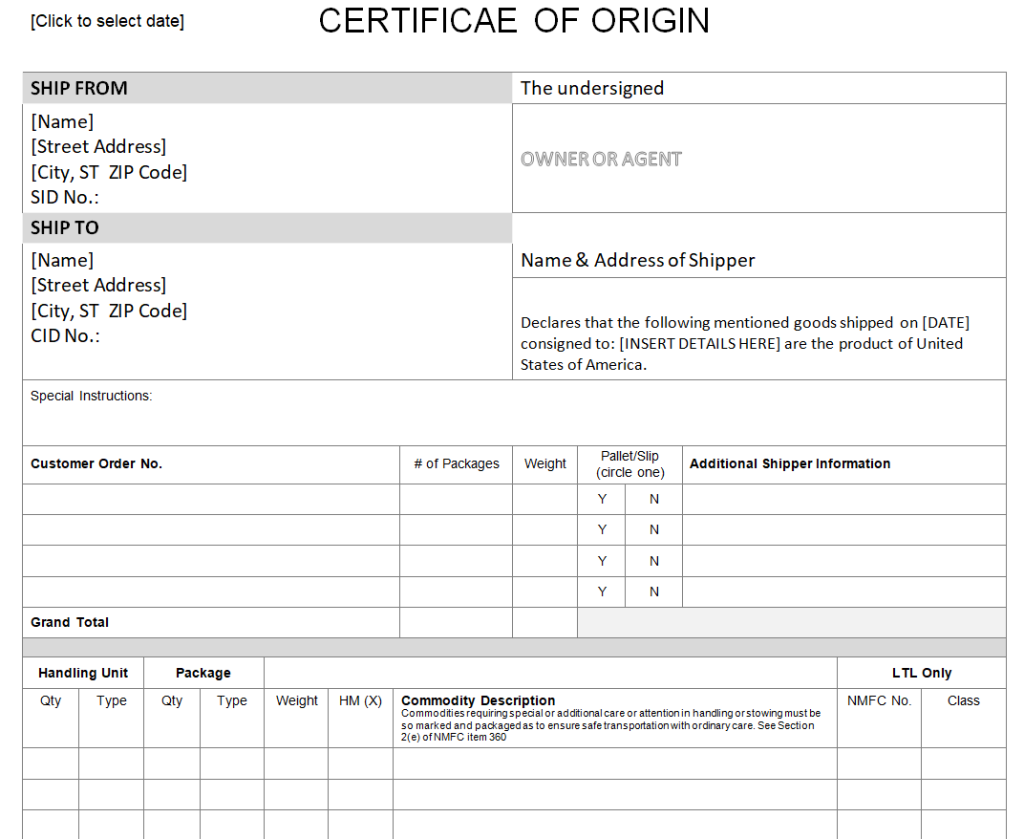
A Certificate of Origin (CO) is an official statement, typically issued by a chamber of commerce, affirming the origin of exported goods. Customs authorities, importers, and trade partners rely on this document to determine eligibility for preferential tariffs, verify compliance with trade agreements, and assess duties.
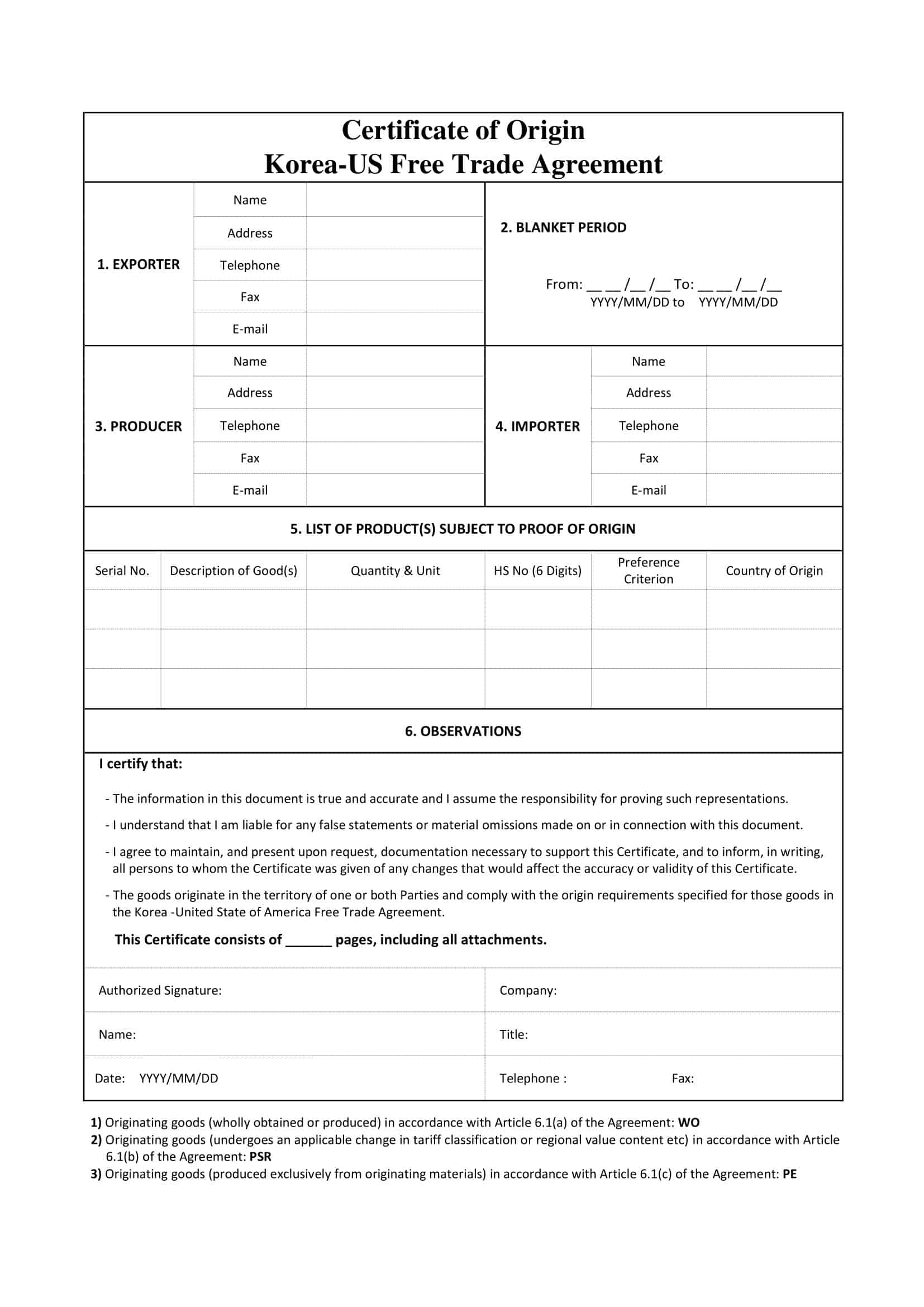
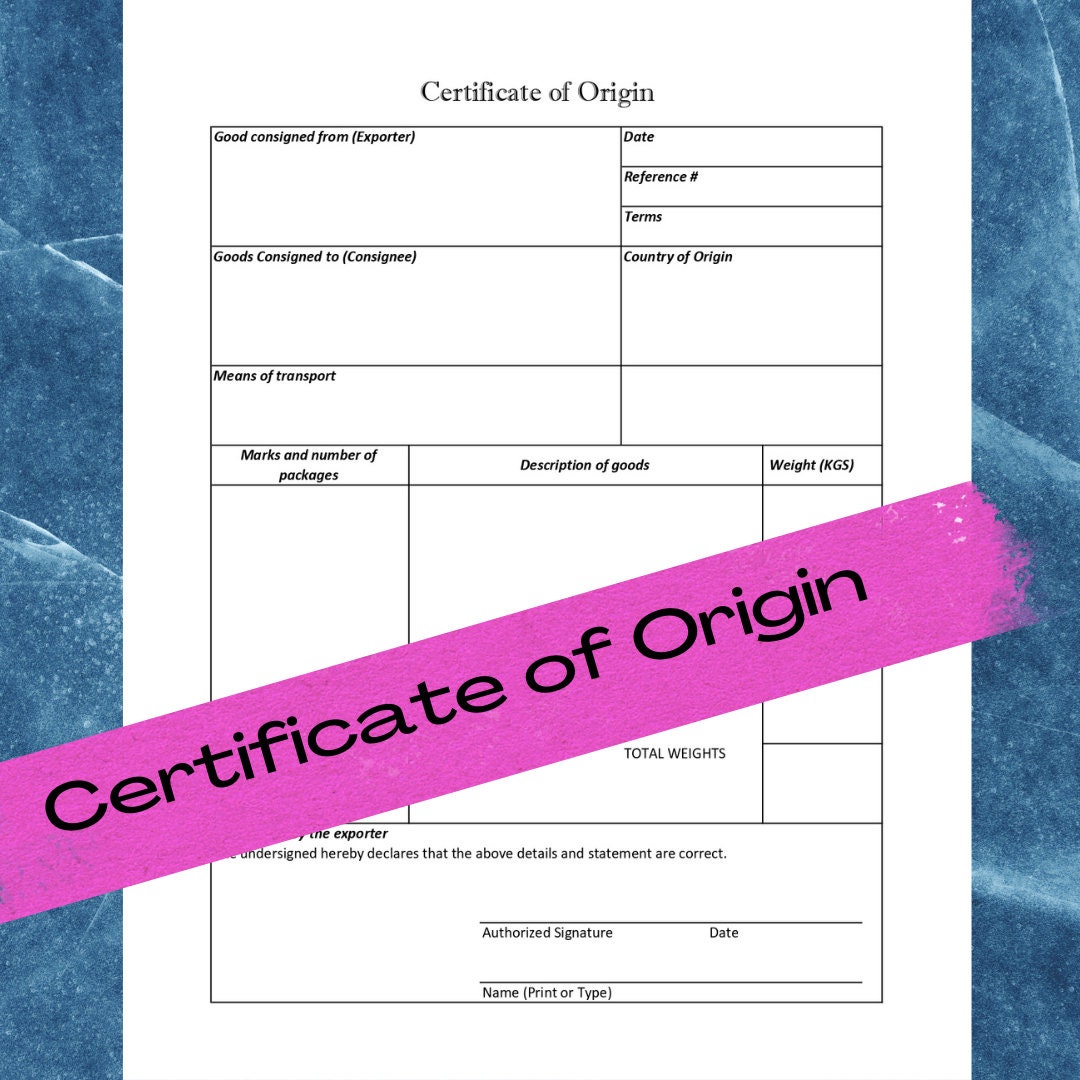
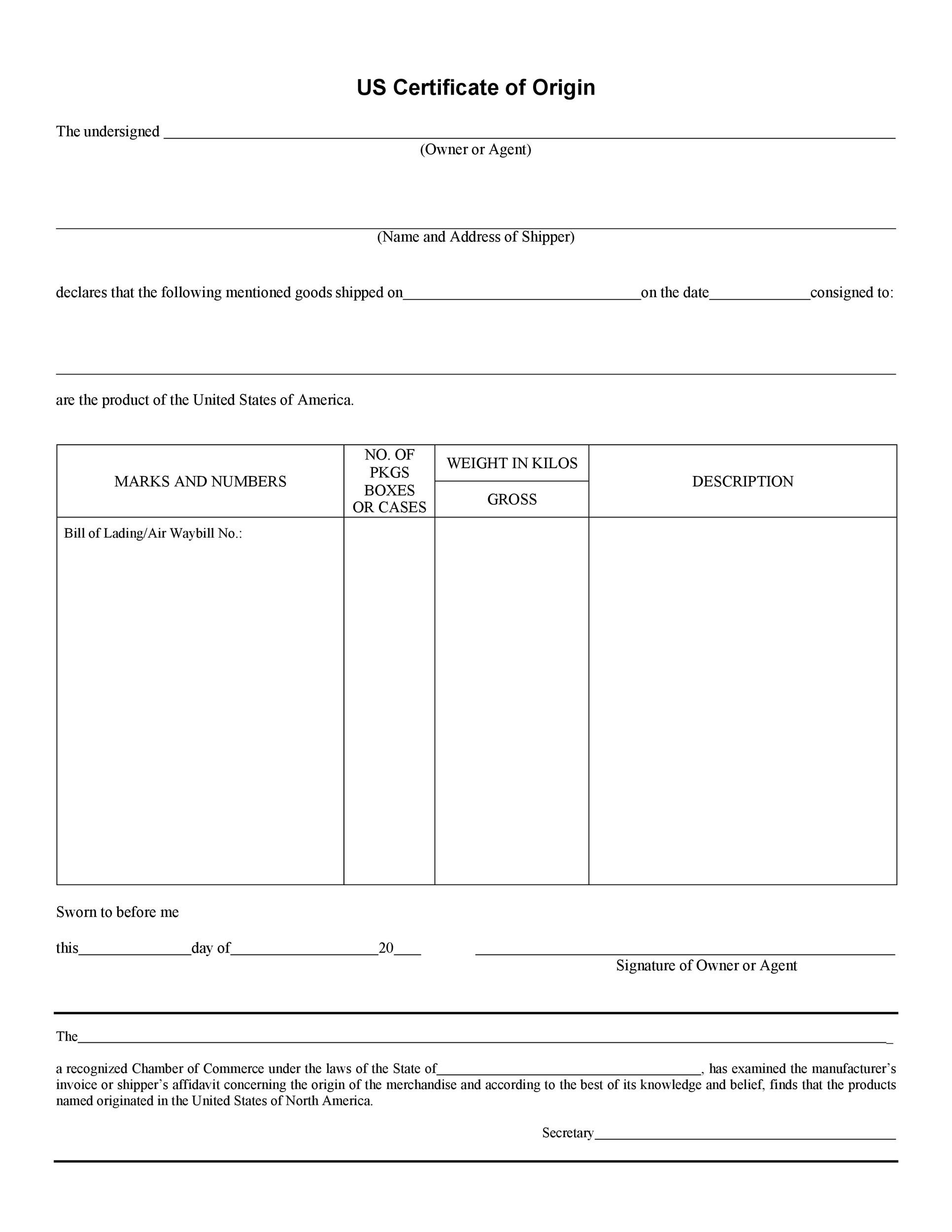
The CO includes critical details such as the exporter’s name, description of the goods, HS code, country of manufacture, and the signature of an authorized official. Errors or omissions can trigger delays, additional inspections, or even fines, making precision essential.
Why a Word Template Is the Smart Choice
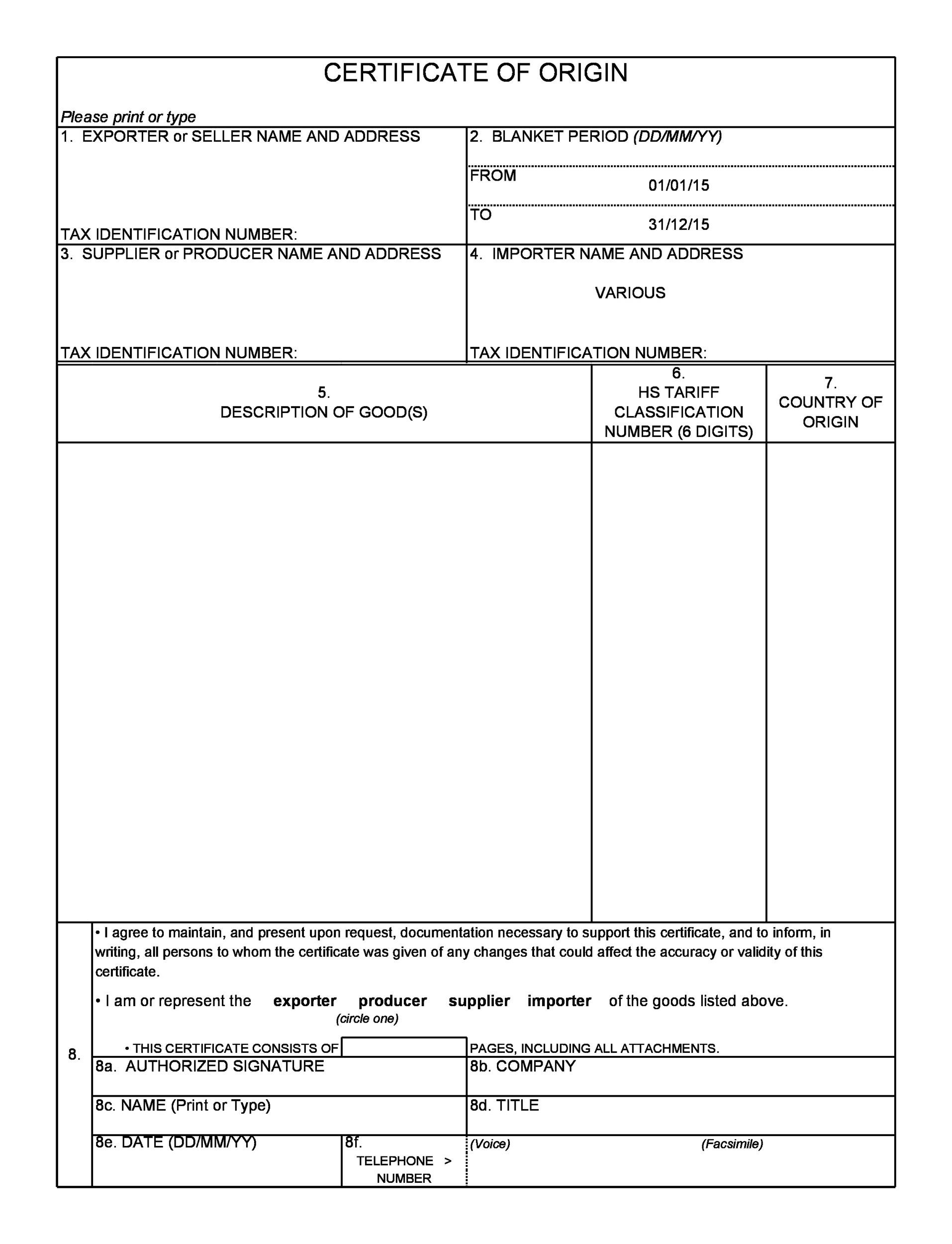
While PDFs and specialized software exist, a Word template offers unmatched flexibility:
- Editable Layout: Easily adjust fields, fonts, and spacing to match specific chamber requirements.
- Compatibility: Microsoft Word is universally installed, ensuring that all stakeholders can open, edit, and print the document without conversion issues.
- Automation Potential: With Word’s content controls and merge fields, you can auto‑populate repetitive information from Excel or a database, cutting down manual entry time.
- Cost‑Effective: No need for expensive licensing; a one‑time purchase of a template often suffices for years.
Selecting the Right Certificate Of Origin Template Word
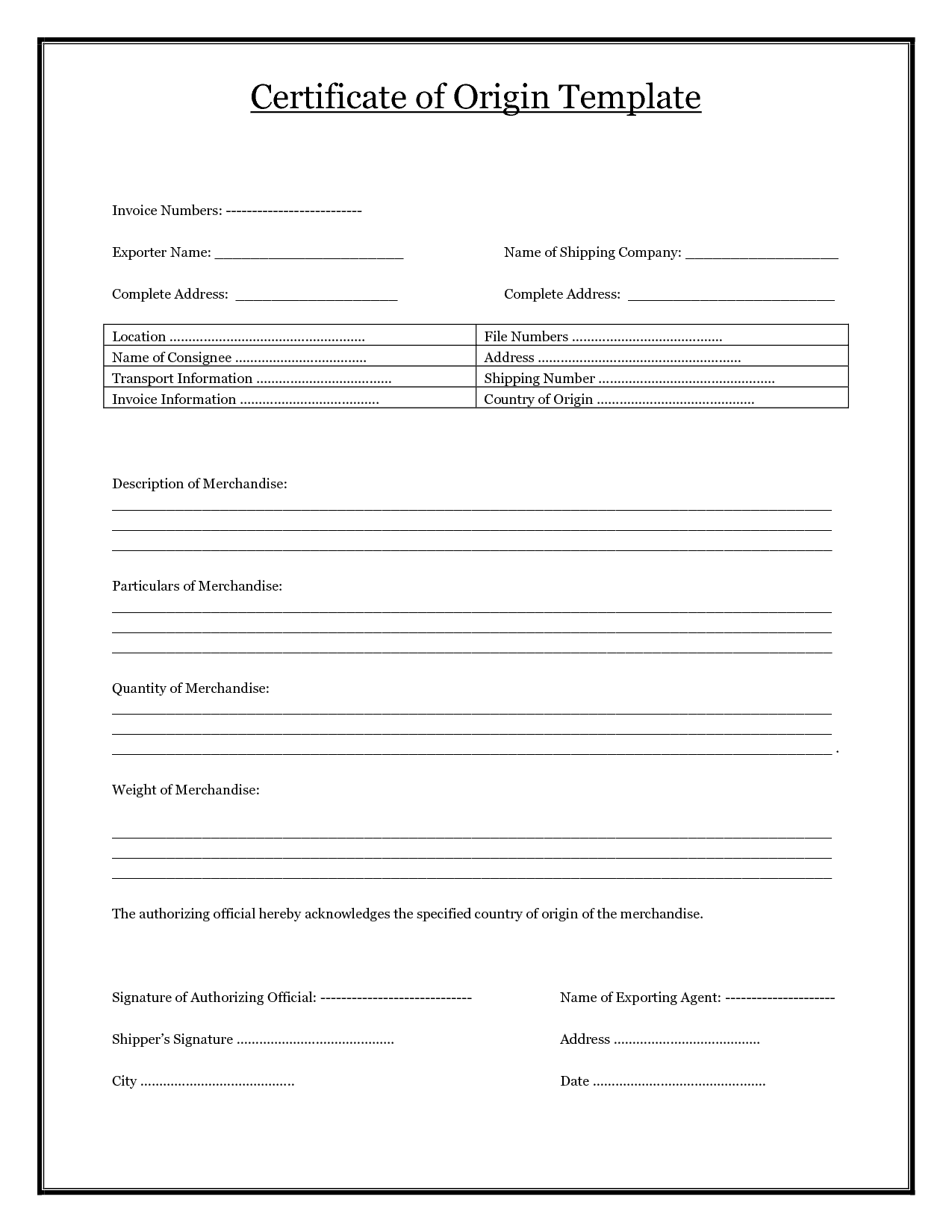
Assess Your Industry Requirements
Different industries—textiles, electronics, automotive—may have unique data fields. Review the specific regulations governing your sector and verify that the template accommodates those fields.
Check for Compliance with Trade Agreements
Templates designed for NAFTA, EU‑GSP, or ASEAN trade agreements often include dedicated sections for preferential tariff codes. Choose a template that aligns with the agreements relevant to your export destinations.
Evaluate Customization Features
Look for templates that incorporate content controls, dropdown lists, and placeholders. These features enable you to lock certain sections (like the chamber’s seal area) while keeping others editable.
Consider Visual Clarity
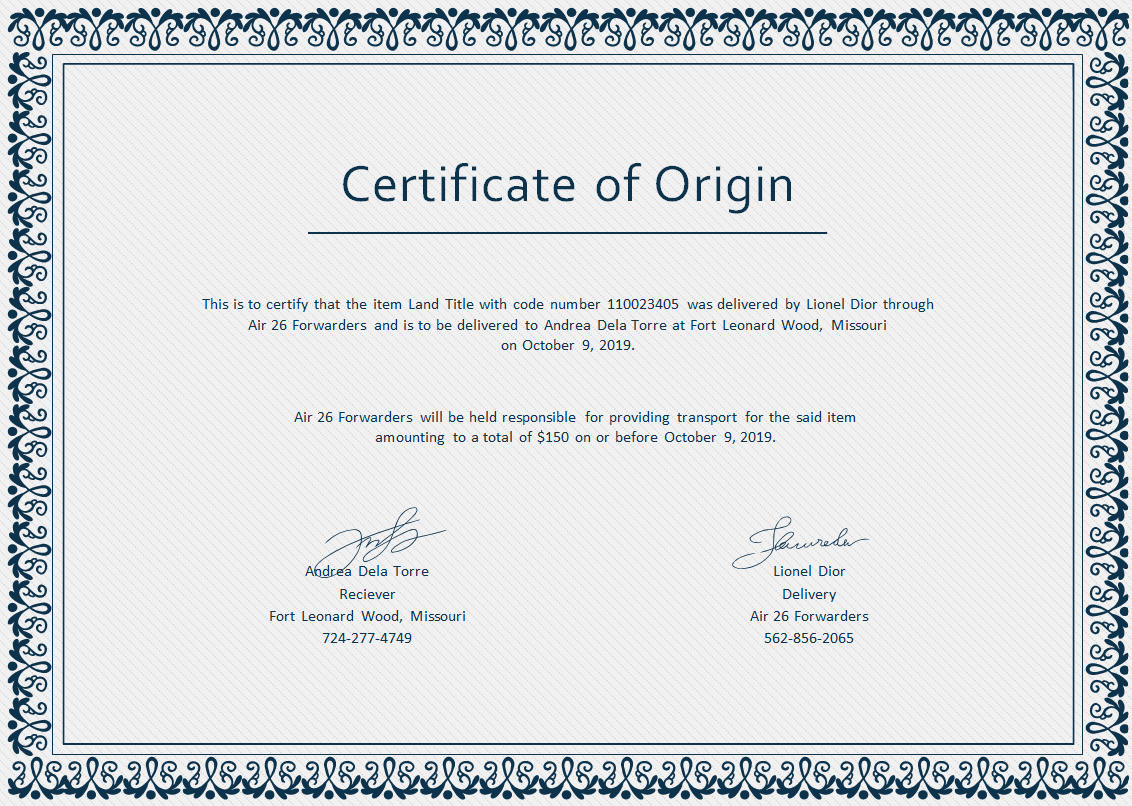
A clean, professional layout not only meets legal standards but also conveys credibility to importers. Ensure the template uses readable fonts, adequate margins, and clear section headings.
Step‑by‑Step Guide to Customizing Your Certificate Of Origin Template Word

1. Download and Open the Template
Save the template to a secure folder, then open it in Microsoft Word. Enable editing if the file opens in protected view.
2. Populate Exporter Information
Replace placeholder text with your company’s official name, address, and contact details. Use the “Header” section if the template includes one for branding.
3. Insert Product Details
Accurately describe each item, including the HS (Harmonized System) code, quantity, weight, and unit price. For multiple products, duplicate the rows in the table section while preserving the template’s formatting.
4. Specify Country of Origin
Enter the precise country where the goods were manufactured. If the product is assembled from components sourced in different nations, follow the rules of the relevant trade agreement to determine the qualifying origin.
5. Add Certification Statements
Most certificates require a declaration such as “I, the undersigned, hereby certify that the information provided is true and accurate.” Insert the authorized signatory’s name, title, and date.
6. Incorporate Official Seals and Signatures
If your chamber of commerce requires a physical seal, leave a blank space labeled “Seal”. For electronic submissions, attach a scanned image of the seal or use a digital signature field if supported.
7. Review Formatting and Alignment
Run a final check to ensure that all text aligns correctly, tables do not overflow the page margins, and any page breaks occur at logical points.
8. Save as a Master File and Export Copies
Save the customized version as a master template (e.g., “CO_Template_Master.docx”). For each shipment, create a copy, fill in shipment‑specific data, and export the final document as a PDF for submission, preserving formatting integrity.
Common Mistakes and How to Avoid Them

Incorrect HS Codes
Using an inaccurate HS code can lead to misclassification, resulting in higher duties or customs holds. Cross‑reference your product description with the official tariff database before finalizing the document.
Omitting Required Signatures
Some jurisdictions mandate signatures from both the exporter and a chamber official. Double‑check the signature block requirements for each destination country.
Inconsistent Country Naming
Always use the official country name as listed in the trade agreement (e.g., “United States of America” instead of “USA”). Inconsistent naming may trigger verification queries.
Failing to Update Template Versions
Regulations evolve. Subscribe to updates from reputable template providers or your local chamber to ensure you are using the latest version that reflects current legal standards.
Legal Considerations and Compliance
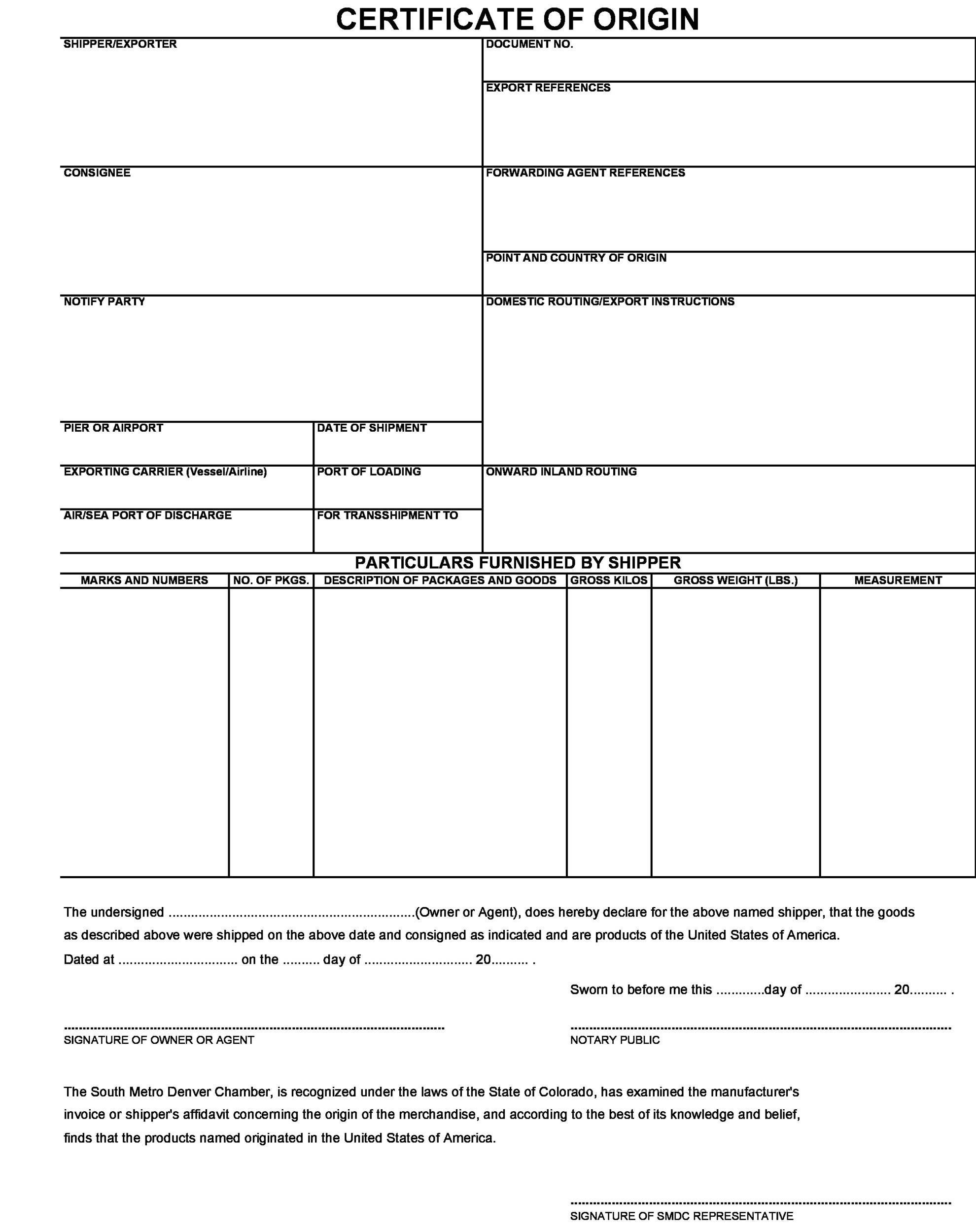
Certificates of Origin are legally binding documents. Providing false information can result in penalties ranging from fines to criminal prosecution. It is essential to maintain accurate records of all supporting documentation—purchase orders, manufacturing records, and supplier invoices—to substantiate the origin claim if audited.
Many free trade agreements include “rules of origin” that define the minimum amount of local content required. Understanding these rules helps you decide whether a “preferential” or “non‑preferential” CO is appropriate for a given shipment.
For electronic submissions, ensure that the digital signature complies with the e‑signature regulations of both the exporting and importing countries. In the United States, the ESIGN Act governs electronic signatures, while the European Union follows eIDAS standards.
Practical Tips for International Shipping and Trade
Maintain a Centralized Document Repository
Store all CO templates, completed certificates, and supporting documents in a secure, cloud‑based folder with version control. This practice simplifies retrieval during audits and reduces the risk of using outdated forms.
Leverage Mail Merge for Bulk Shipments
If you regularly ship multiple consignments, set up a mail‑merge workflow linking an Excel spreadsheet of shipment data to your Word template. This automation reduces manual entry errors and accelerates turnaround time.
Coordinate with Freight Forwarders
Provide forwarders with a copy of the finalized CO early in the shipping process. Many carriers require the document before loading to ensure that customs clearance can proceed without delay.
Track Changes and Approvals
Use Word’s “Track Changes” feature when multiple parties review the CO. This creates a transparent audit trail of who made which edits, facilitating smoother internal approvals.
Stay Informed About Trade Policy Shifts
Governments periodically adjust tariff rates and origin rules. Subscribe to newsletters from trade organizations or government trade ministries to stay ahead of changes that could affect your CO requirements.
Frequently Asked Questions

Can I use a free Certificate of Origin template for commercial purposes?
Yes, many free templates are available for commercial use, but verify the licensing terms. Some templates may require attribution or may not include the latest regulatory updates.
Do I need a notarized signature on the Certificate of Origin?
Not always. The requirement varies by country and chamber. Some jurisdictions accept a plain signature, while others demand notarization or an official seal.
How long should I retain copies of issued Certificates of Origin?
Best practice is to keep records for at least five years, aligning with typical customs audit windows. Some countries may require longer retention periods.
Is a digital copy of the Certificate of Origin accepted for customs clearance?
Increasingly, yes. Many customs agencies now accept PDF submissions with electronic signatures, provided they meet the destination country’s e‑document standards.
What should I do if a customs officer disputes the declared origin?
Provide supporting documentation such as supplier invoices, manufacturing records, and material sourcing certificates. Promptly address the dispute to avoid shipment delays.
Conclusion
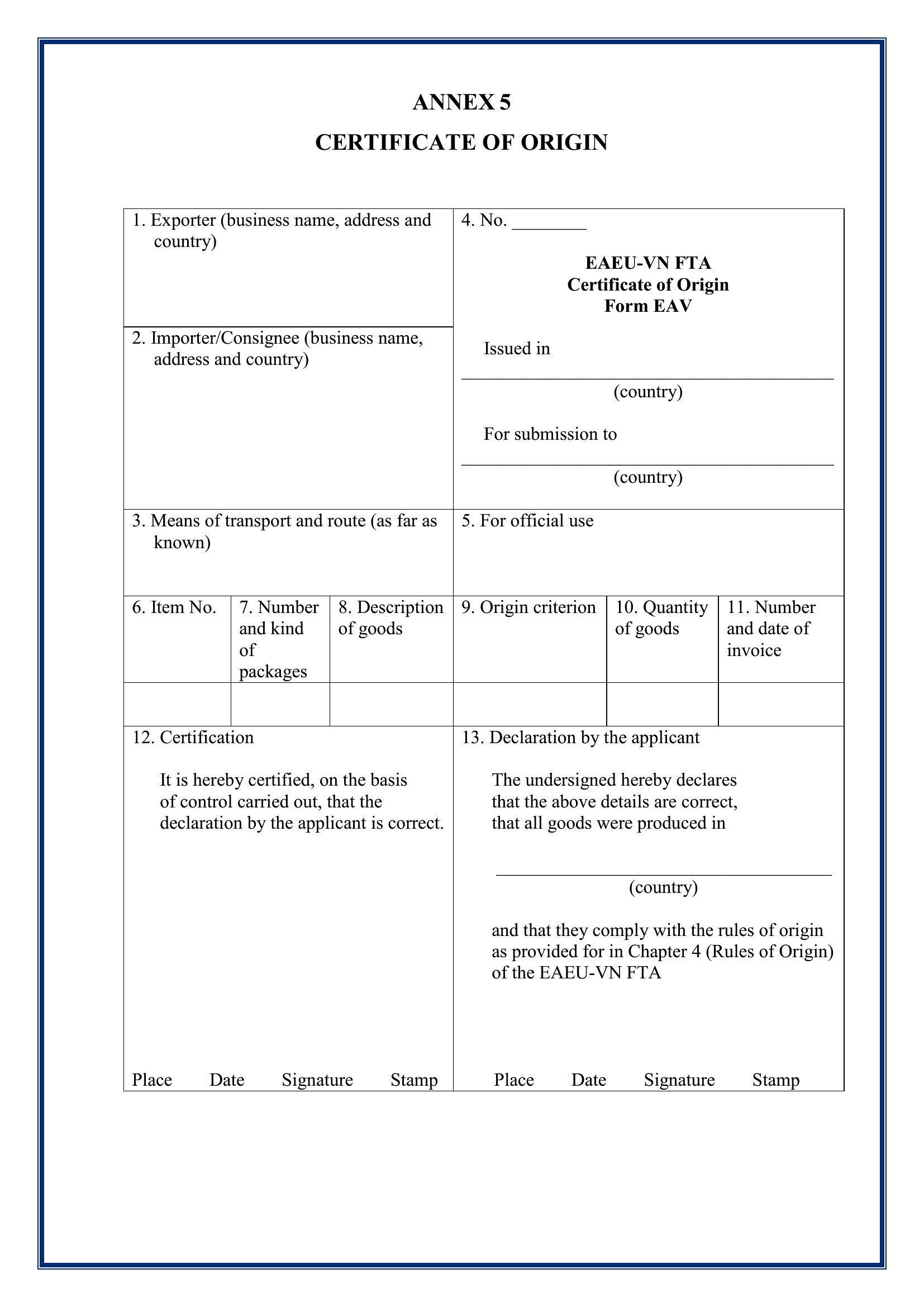
Utilizing a Certificate Of Origin Template Word empowers businesses to produce accurate, compliant, and professionally formatted certificates with speed and confidence. By selecting a template that aligns with industry standards, customizing it meticulously, and adhering to legal requirements, exporters can avoid costly delays, secure preferential tariff treatment, and maintain strong relationships with global trade partners. Continuous learning, regular template updates, and leveraging Word’s automation capabilities ensure that your documentation remains a strategic asset in the fast‑moving world of international commerce.