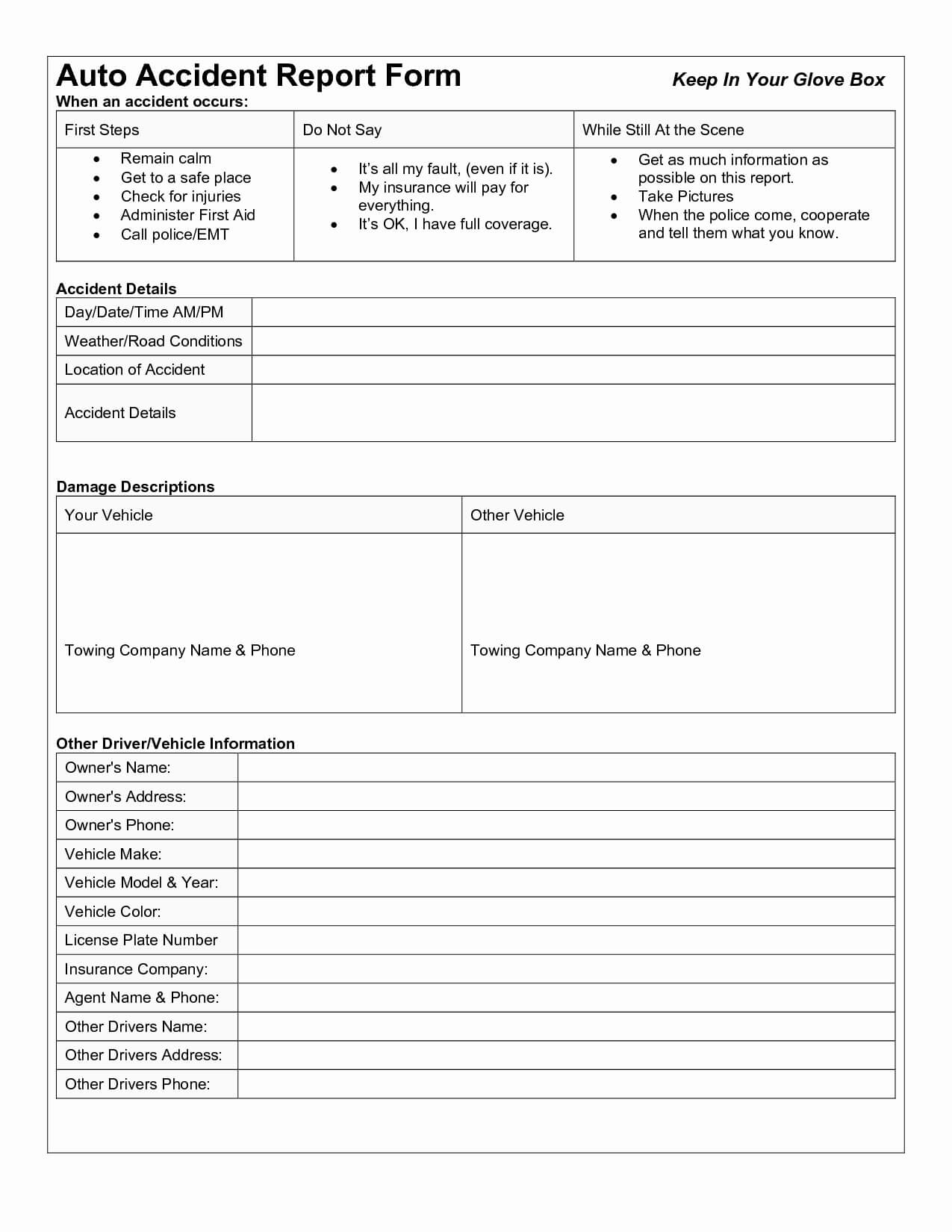
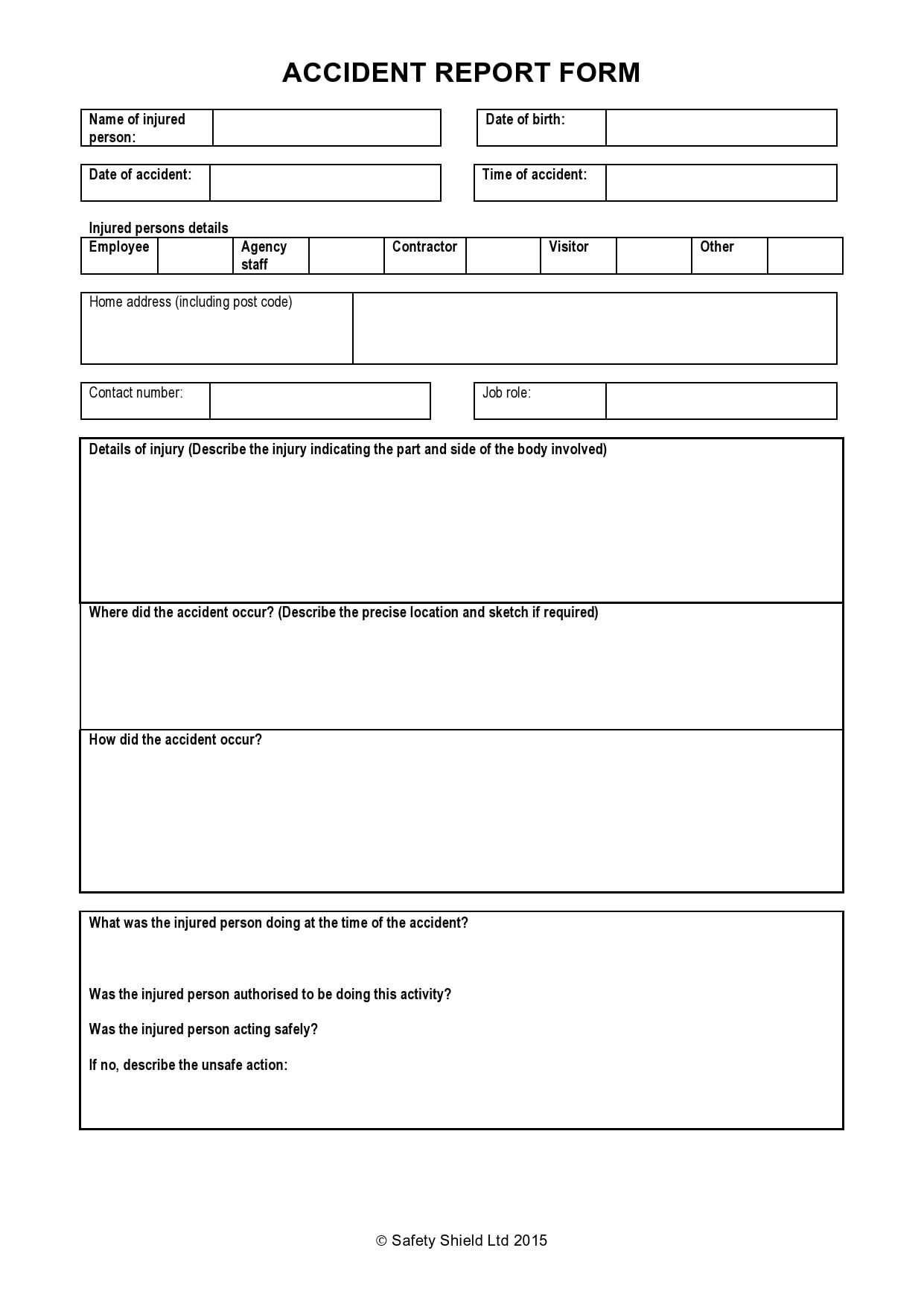
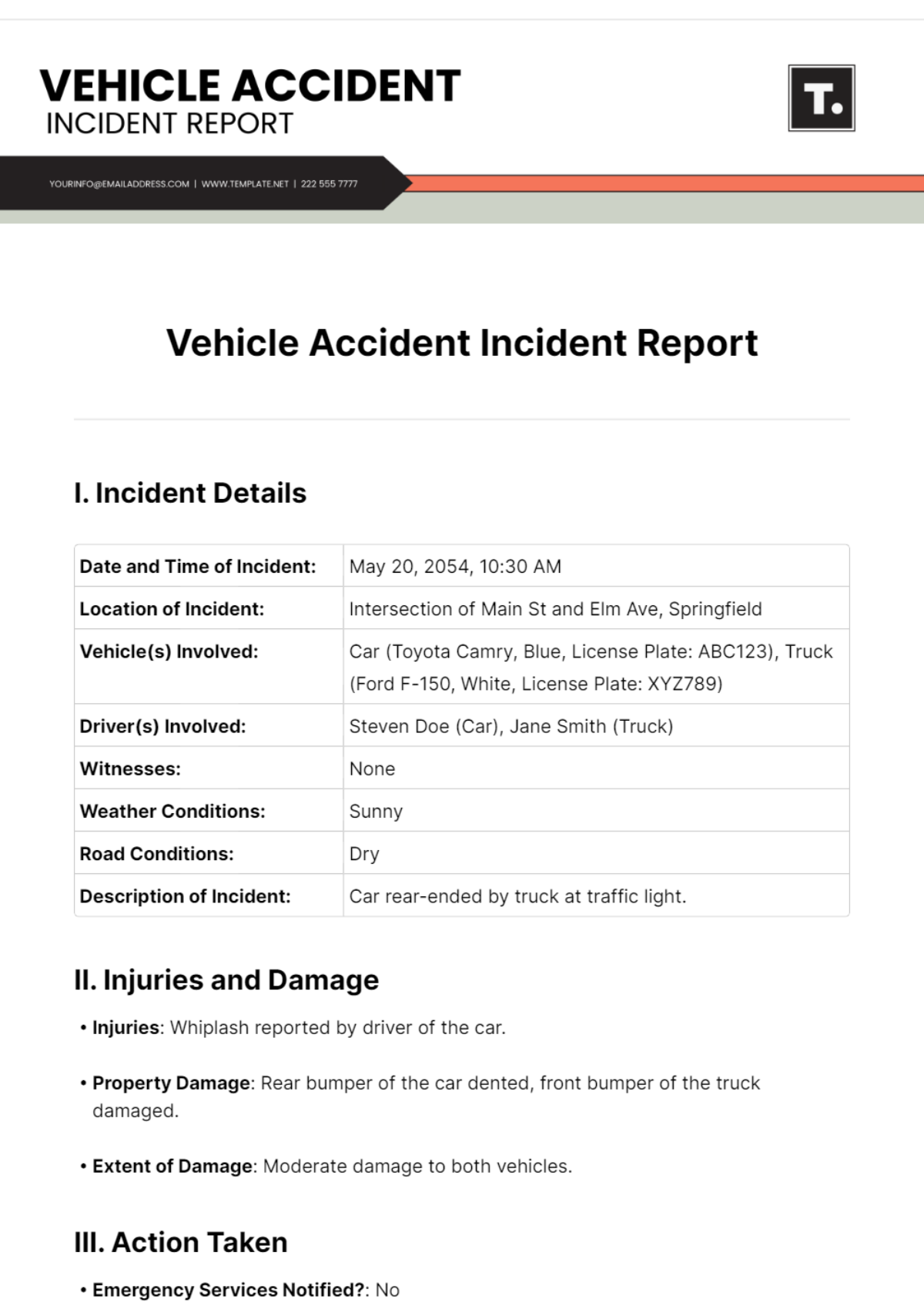
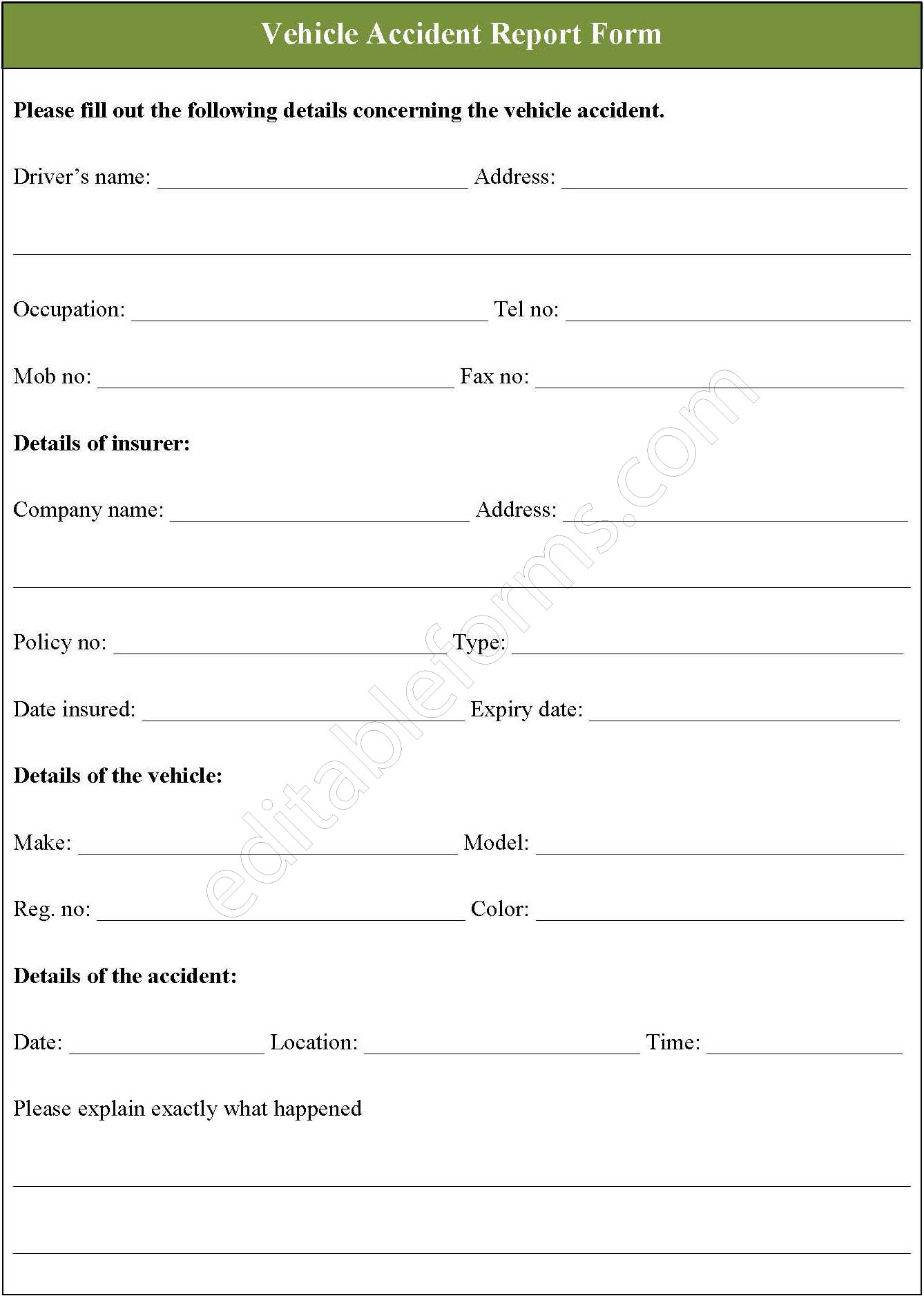
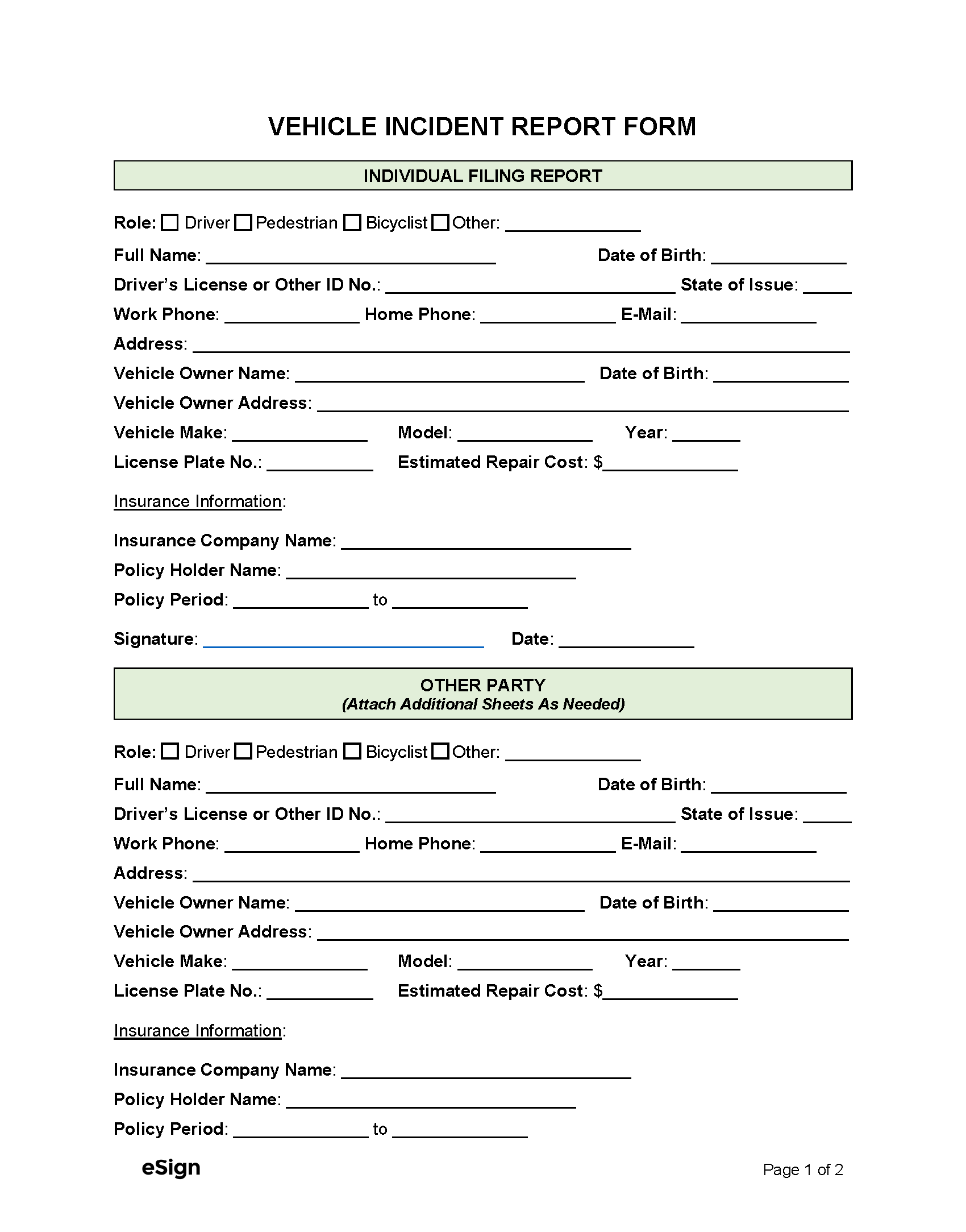
Vehicle Accident Report Template is the unsung hero of every fender-bender, the secret sauce that turns a chaotic crash into a tidy paperwork masterpiece, and yes, it can even make you chuckle while you’re filling out those dreaded boxes.
Why Every Driver Needs a Good Accident Report Template

Imagine trying to describe a car crash to an insurance adjuster without a template – it’s like trying to explain a joke in Morse code. A well‑crafted template guides you to capture the crucial facts, eliminates guesswork, and helps you avoid the dreaded “I don’t remember exactly” syndrome. Plus, it shows you’re organized, responsible, and possibly even a little bit nerdy – which is always a plus when your insurance company asks for details.
Core Elements of an Effective Report
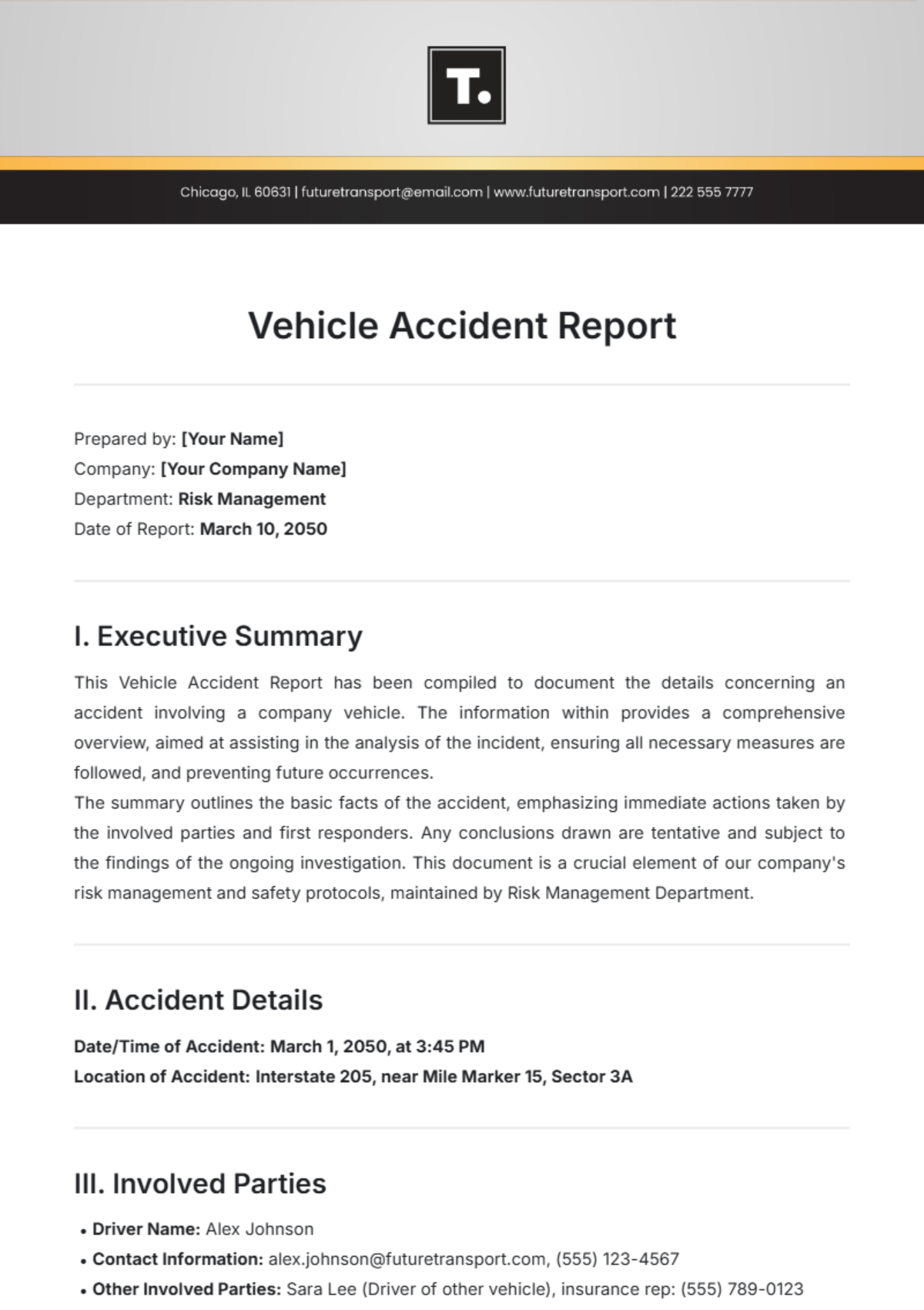
Basic Incident Information
- Date and Time: Write down the exact date and the hour, minute, and even the second if you feel like living on the edge.
- Location: Include street name, mile marker, and nearby landmarks (e.g., “next to the giant inflatable donut” for extra color).
- Weather Conditions: Sunny, rainy, foggy, or “the kind of weather that makes you question whether you’re in a movie set.”
Vehicle Details
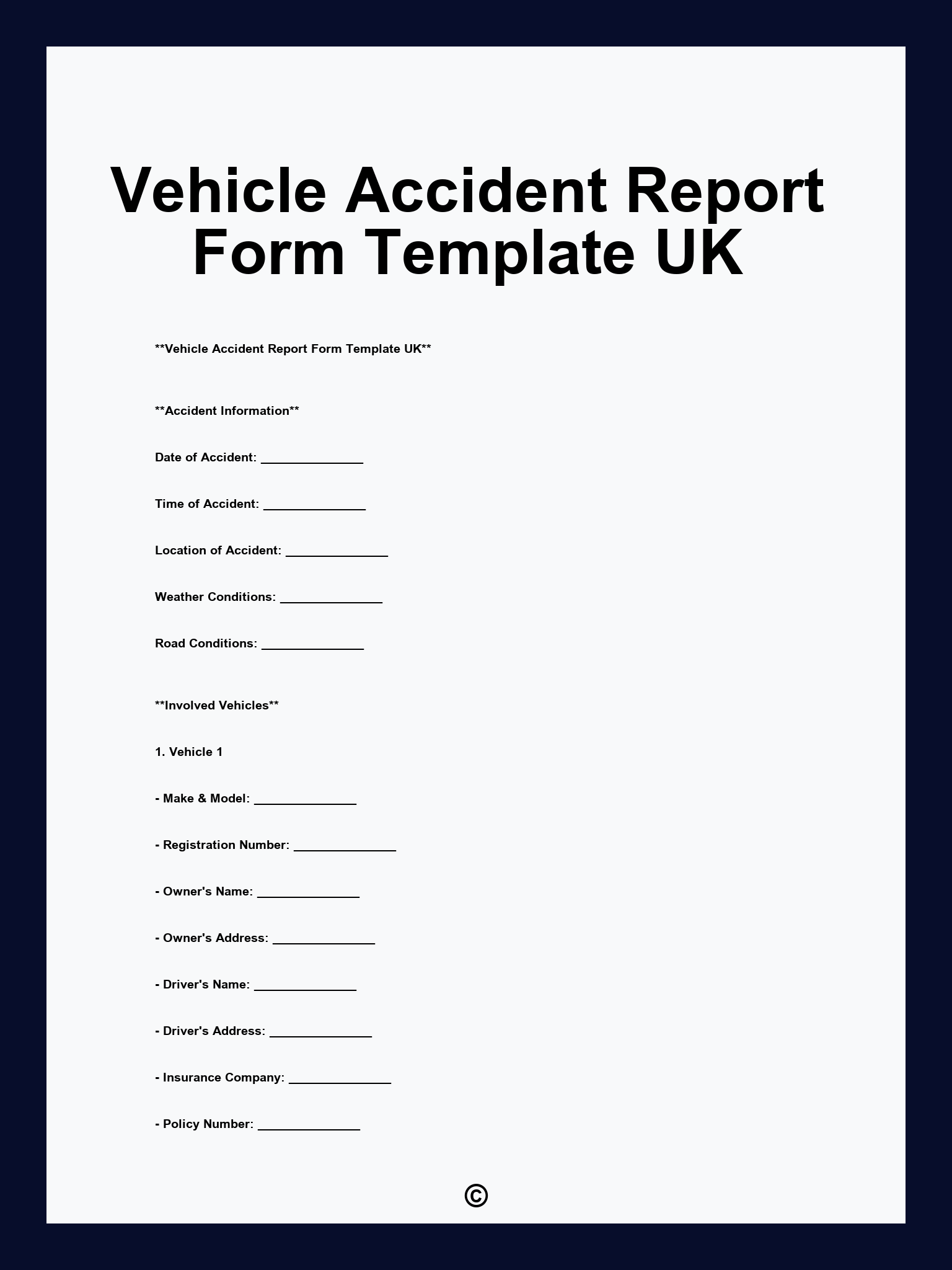
- Make, Model, Year: “2018 Toyota Camry” beats “the car thingy I was driving.”
- License Plate: Write it down before the officer asks you to repeat it three times.
- Vehicle Identification Number (VIN): Not just for detectives; it’s the ultimate fingerprint for your ride.
Driver and Witness Information
- Driver’s Name and Contact: Include phone, email, and a favorite pizza topping if you want to keep things lively.
- Witnesses: Even the guy who was walking his goldfish‑named dog can provide a fresh perspective.
- Insurance Details: Policy number, company name, and the name of the agent who once called you “the most reliable client.”
Damage Assessment
- Photographs: Snap pictures of every dent, scratch, and mysterious “squiggle” on the hood. Bonus points for a selfie with the damage.
- Estimated Repair Costs: Use a reputable source or ask a mechanic; don’t guess “maybe $5,000, maybe $10,000, maybe a new car.”
- Diagram: Sketch the vehicles’ positions – stick figures are acceptable if you label them clearly.
Police and Emergency Response
- Officer Name and Badge Number: Handy for future reference or if you need to send a thank‑you card.
- Report Number: The magical number that turns a chaotic story into an official record.
- Medical Assistance: Note any injuries, even if it’s just “sprained ego.”
How to Fill Out the Template Without Losing Your Sanity
First, breathe. Accident reports can feel like filling out a tax form while riding a roller coaster, but follow these steps and you’ll emerge victorious.
Step 1: Gather Your Evidence
Before you even think about opening the template, collect all physical evidence: photos, videos, police reports, and that weird dent that looks like a smiley face. If you’re still at the scene, use your phone’s voice memo to record a quick “What happened?” summary – it’s easier to transcribe later than to rely on a fuzzy memory.
Step 2: Use Plain Language, Not Legalese
Write as if you’re explaining the crash to a friend who drinks coffee with extra foam. Avoid jargon like “proximate cause” unless you enjoy confusing yourself. Clear, concise sentences score points with insurance adjusters and court clerks alike.
Step 3: Stick to the Facts
“I think the other driver was texting” is a guess, not a fact. Record observable actions: “Driver A’s vehicle swerved left into the lane of Driver B.” If you’re unsure, note it as “unclear” rather than fabricating details.
Step 4: Double‑Check Numbers
Typos in license plates or policy numbers can cause delays. Verify each digit twice, thrice, or as many times as needed to ensure accuracy.
Step 5: Review and Sign
Give the entire report a once‑over. Look for missing fields, spelling errors, or accidental emojis. Sign and date the document – it’s the official “I swear this is true” stamp.
Digital vs. Paper Templates: The Great Debate

Both formats have their fans. Paper feels classic, like a detective’s notebook, while digital versions are sleek, searchable, and environmentally friendly. Here’s a quick comparison to help you decide.
Paper Templates
- Pros: No battery required, easy to fill out with a pen, great for on‑site completion.
- Cons: Can get lost in a filing cabinet, susceptible to spills, and not as easy to share instantly.
Digital Templates
- Pros: Auto‑save, cloud backup, instant sharing via email, and you can embed photos directly.
- Cons: Requires a device, potential for software glitches, and you might be tempted to add a GIF of a crashing car.
For most drivers, a hybrid approach works best: fill out the digital version at home, print a copy for the police officer, and keep both versions archived.
Legal Considerations You Can’t Ignore

Accident reports are more than a checklist; they’re legal documents that can influence liability, claims, and even court outcomes. Keep these legal pointers in mind.
Honesty Is the Best Policy
Falsifying details can lead to claim denial, policy cancellation, or even criminal charges. Stick to the truth, even if it makes you look a little foolish.
Statute of Limitations
Most states require you to file a report within a certain timeframe (often 24–48 hours). Delay can jeopardize your right to compensation.
Privacy and Data Protection
When storing digital copies, use password‑protected files or encrypted cloud services. You don’t want your accident details floating around like a free‑for‑all.
Tips for Making Your Report Stand Out (In a Good Way)

Insurance adjusters read hundreds of reports every week. Give yours a sprinkle of personality (without overdoing it) to make it memorable.
Use Clear Headings
Bold headings like “Damage Overview” or “Witness Statements” help readers skim quickly.
Include Visual Aids
Attach a simple diagram showing vehicle positions. Even a stick‑figure sketch can convey spatial relationships better than paragraphs.
Add a Light‑Hearted Quote
End your “Narrative” section with a humorous line such as, “If I had a dollar for every dent, I’d be buying a new car already.” It shows you’re human, not a robotic claimant.
Real‑World Example: Turning Chaos Into Clarity
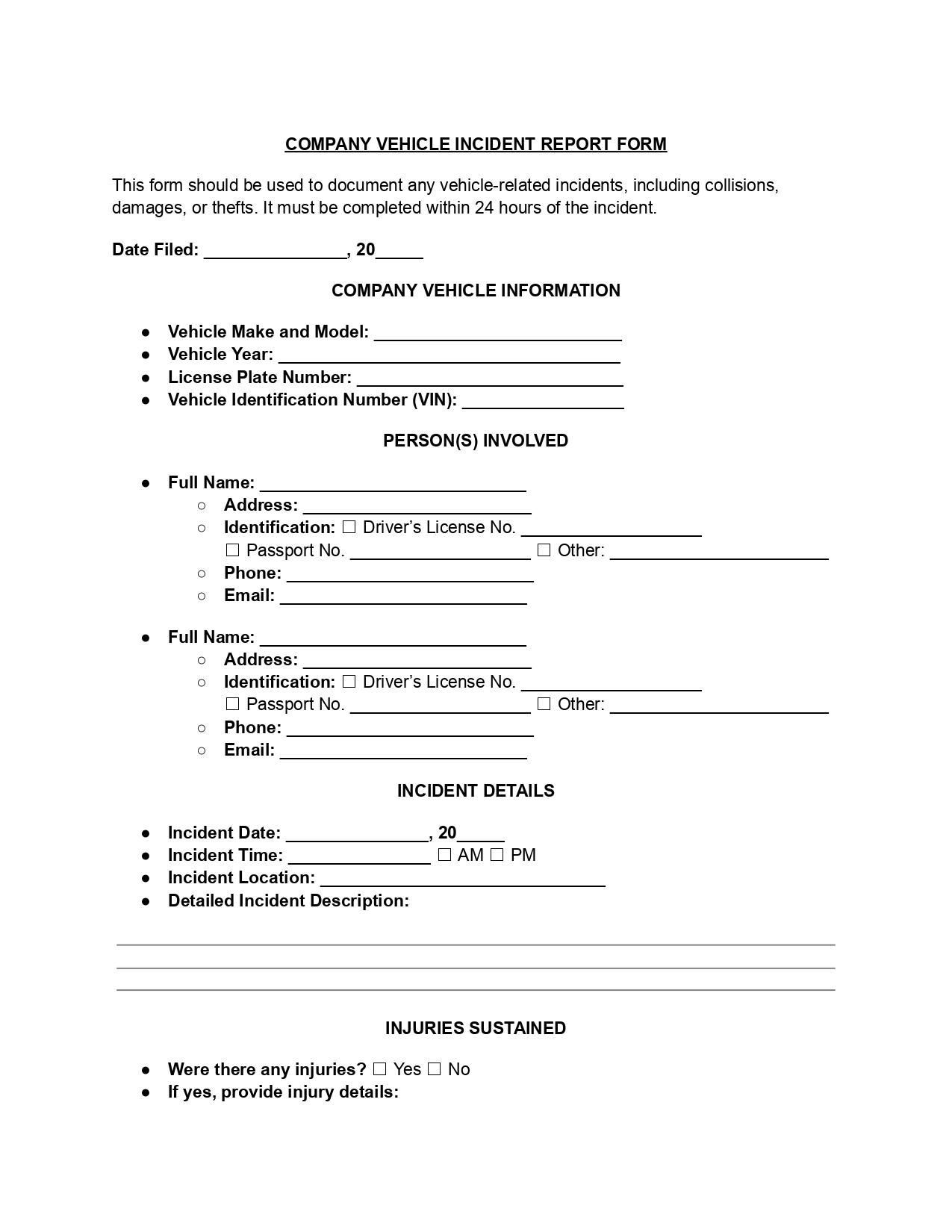
Let’s walk through a fictional – yet plausible – scenario to illustrate how a top‑notch template saves the day.
The Scene
Jane Doe is driving her 2020 Honda Civic down Maple Avenue at 3:27 PM. A delivery truck makes a sudden left turn, colliding with Jane’s front bumper. The truck driver, distracted by a sandwich, apologizes profusely.
Filling the Template
- Date/Time: 04/15/2024, 15:27.
- Location: Intersection of Maple Ave & 5th St, near the “World’s Largest Rubber Duck” mural.
- Weather: Overcast, light drizzle – perfect for dramatic lighting.
- Vehicle Details: Jane’s 2020 Honda Civic (VIN: 1HGCM82633A004352, Plate: ABC‑1234). Truck: 2019 Freightliner (Plate: XYZ‑9876).
- Driver Info: Jane (555‑0123), Truck driver Mike (555‑0456).
- Witnesses: Tom (pedestrian, 555‑0789), Sarah (bystander, 555‑0110).
- Damage: Front bumper crushed, right headlight shattered, minor rear‑end dent on truck.
- Photos: Five high‑resolution images uploaded to the digital file.
- Police Report: Officer Ramirez, Badge #4421, Report #2024‑0378.
- Medical: No injuries reported, but Jane mentions a sore neck.
Jane adds a brief narrative: “While cruising at a reasonable speed, my Civic was abruptly struck by a truck that turned without signaling. The driver apologized, citing a sandwich‑induced distraction. Both vehicles suffered cosmetic damage; no one was injured.” She signs, dates, and sends the report to her insurer within 12 hours.
Outcome
Because Jane’s report was thorough, the insurance company processed her claim within three days, covered the repair costs, and even offered a complimentary car wash as a goodwill gesture. Mike’s insurer appreciated the clear documentation and avoided a drawn‑out dispute.
Best Practices for Storing and Sharing Your Report

Once your masterpiece is complete, treat it like a prized artifact.
Physical Copies
- File in a fire‑proof, waterproof safe.
- Keep a copy in your vehicle’s glove compartment (in a sealed envelope).
Digital Copies
- Save in PDF format to preserve layout.
- Store on a reputable cloud service with two‑factor authentication.
- Backup on an external hard drive for extra redundancy.
Sharing With Stakeholders
When emailing the report, use a clear subject line like “Vehicle Accident Report – Jane Doe – 04/15/2024.” Attach the PDF, reference any additional evidence in the body, and keep the tone professional (save the jokes for the internal notes).
Common Mistakes and How to Avoid Them

Even seasoned drivers slip up. Here’s a cheat‑sheet of pitfalls and preventive measures.
Leaving Fields Blank
Insurance adjusters treat blank spaces like red flags. If a field truly doesn’t apply, write “N/A” rather than leaving it empty.
Vague Descriptions
Replace “The car was damaged” with specifics: “The driver’s side door panel was dented approximately 4 inches above the window, and the rear bumper exhibited a 2 inch crack.”
Inconsistent Information
Cross‑check the details you provide with any police reports or witness statements. Inconsistencies can delay claim processing.
Over‑Embellishing
Adding dramatic flair (e.g., “The car exploded in a fireworks display”) might be entertaining, but it undermines credibility. Keep it factual.
Customizing Your Template for Different Scenarios
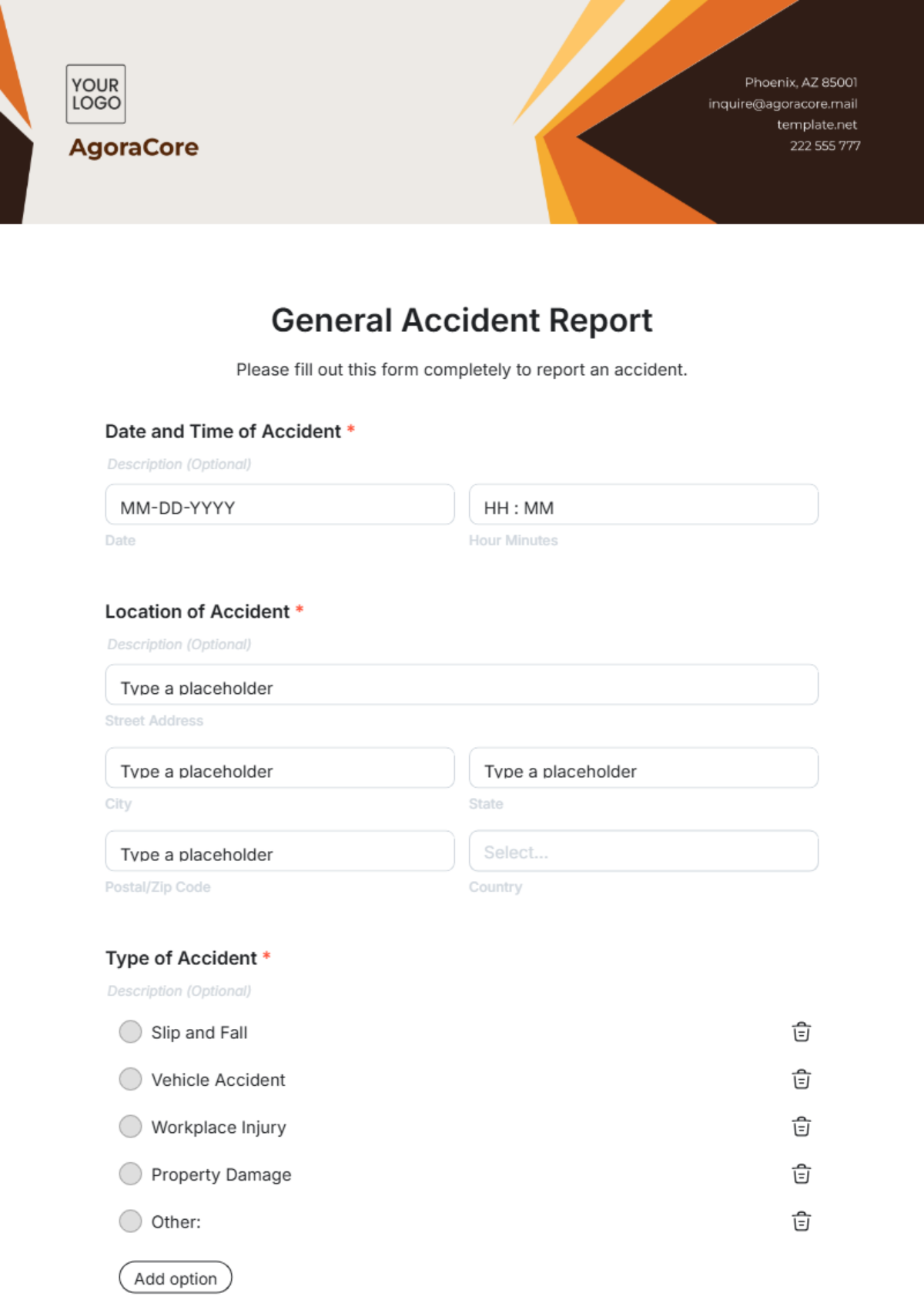
Not all accidents are created equal. Tailor your template to match the situation.
Single‑Vehicle Collisions
Focus on vehicle damage, road conditions, and any personal injury. You won’t need a “Other Driver” section, but you might want a “Road Hazard” field.
Multi‑Vehicle Pile‑Ups
Include a table listing each vehicle, driver, and insurance information. A diagram becomes essential.
Hit‑and‑Run Incidents
Document everything you can: license plate fragments, vehicle description, and a thorough narrative. Even a sketch can help investigators.
Frequently Asked Questions About Accident Report Templates

Do I need a template for a minor fender‑bender?
Yes. Even a small scrape can lead to hidden damage, and a documented report protects you from future disputes.
Can I reuse the same template for multiple accidents?
Absolutely. Just make a fresh copy for each incident to keep records separate and organized.
Is a police report mandatory?
Not always, but it adds credibility. If the police are called, always request the report number and officer’s name.
How long should I keep my accident reports?
Most experts recommend retaining them for at least seven years, or until any related legal or insurance matters are fully resolved.
Conclusion
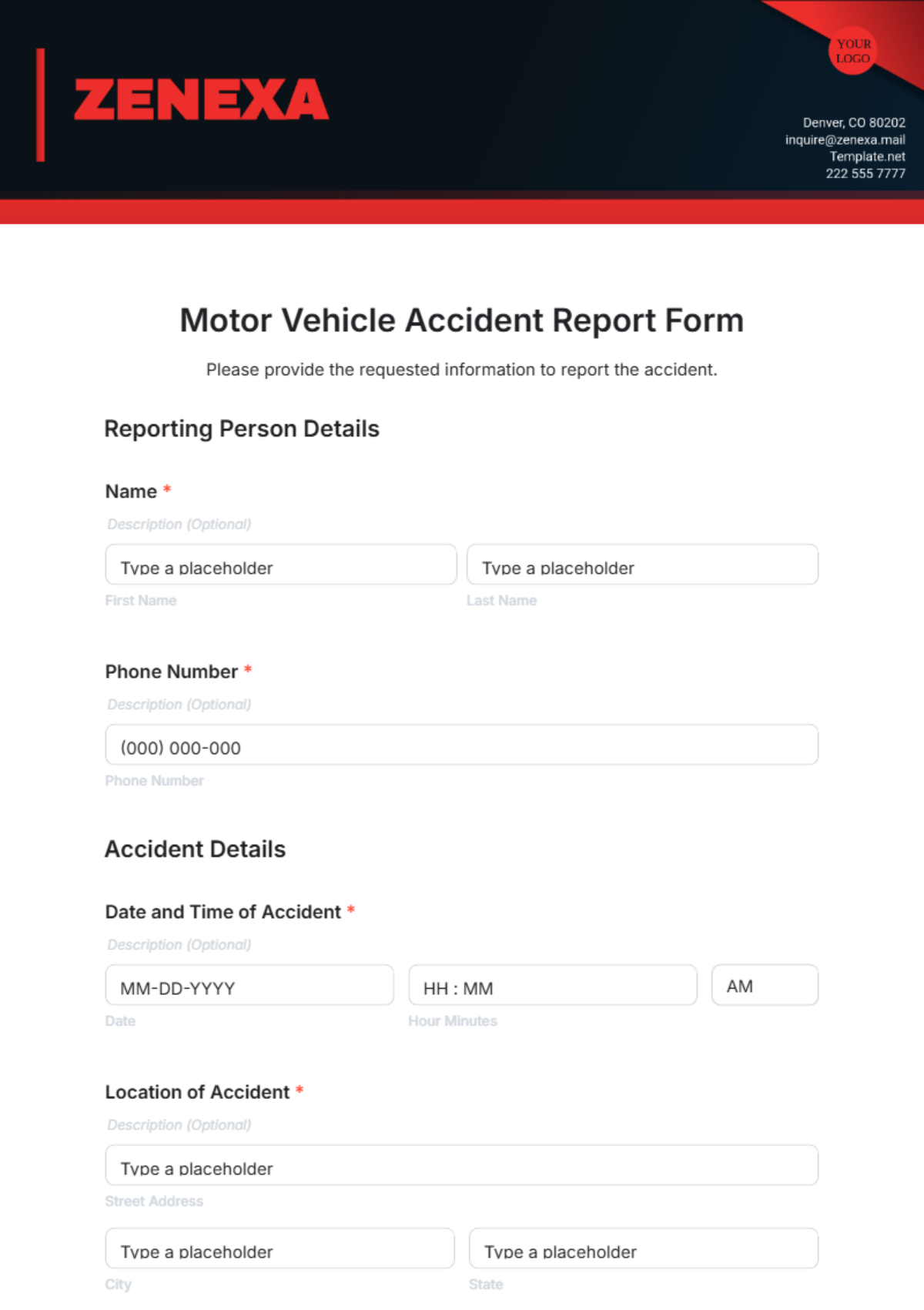
A well‑designed Vehicle Accident Report Template transforms chaos into clarity, saves you time, and shields you from costly disputes. By capturing essential details, following a step‑by‑step filling process, and storing the document securely, you’ll navigate the aftermath of a crash with confidence, humor, and a dash of professionalism. So next time the road throws you a curveball, pull out your trusty template, snap a few photos, and let the paperwork do the heavy lifting – all while you keep a smile on your face.