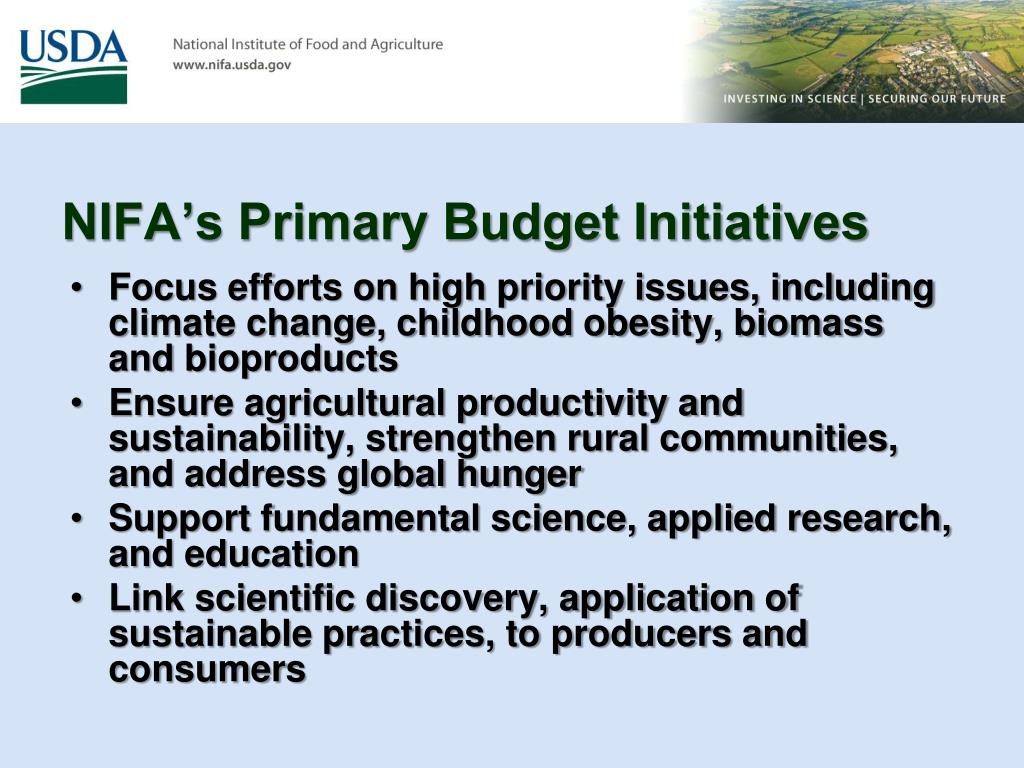
Usda Nifa Project Summary Template is the secret sauce that turns a bewildered researcher’s scribbles into a grant proposal that even a skeptical reviewer can’t resist, and this article is here to spill the beans while keeping you laughing all the way to the funding office.
What Is the USDA NIFA Project Summary Template?
Background and Purpose
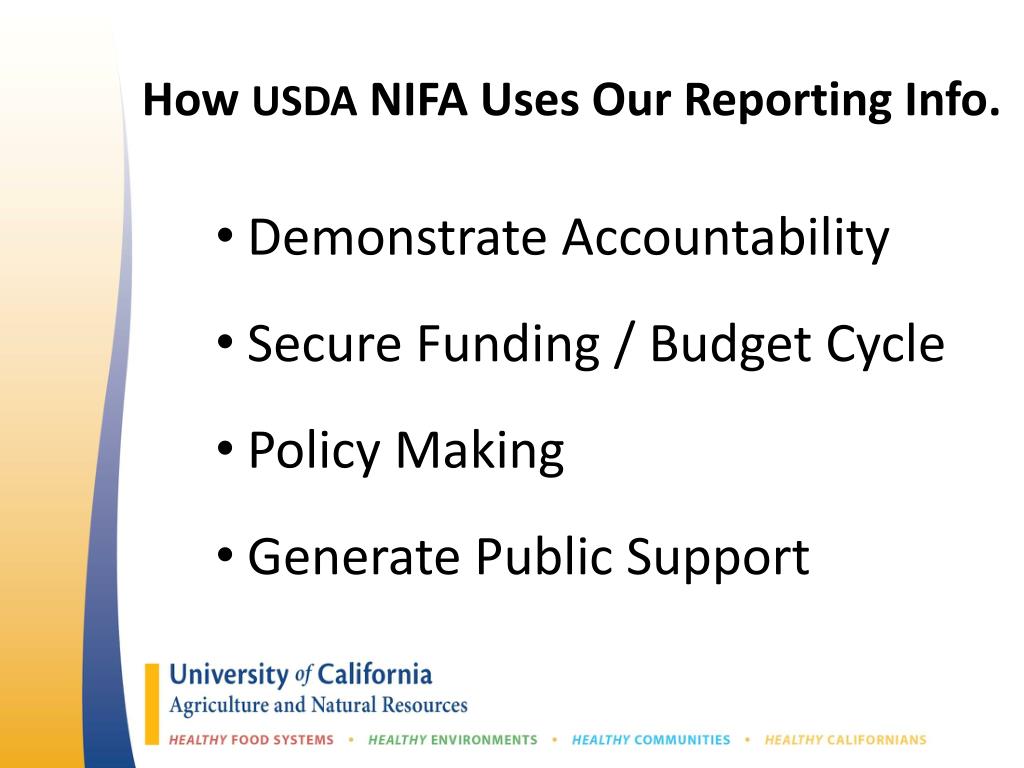
Think of the USDA NIFA Project Summary Template as the culinary recipe for a perfect grant stew. It was cooked up by the National Institute of Food and Agriculture (NIFA) to ensure every applicant serves up the same essential ingredients: clear objectives, robust methodology, and a dash of impact. The template doesn’t just tidy up your thoughts; it forces you to ask the hard questions that make reviewers nod in approval instead of yawning.
Key Components at a Glance
The template is divided into tidy sections: Project Title, Abstract, Objectives, Methods, Expected Outcomes, and Budget Summary. Each section has a character limit, which is NIFA’s polite way of saying “no, you can’t write a novel about your love for corn.” By sticking to these compartments, you avoid the dreaded “wall of text” that makes reviewers’ eyes glaze over like a freshly glazed donut.
Why You Should Care About the Template
Boosting Your Chances of Funding
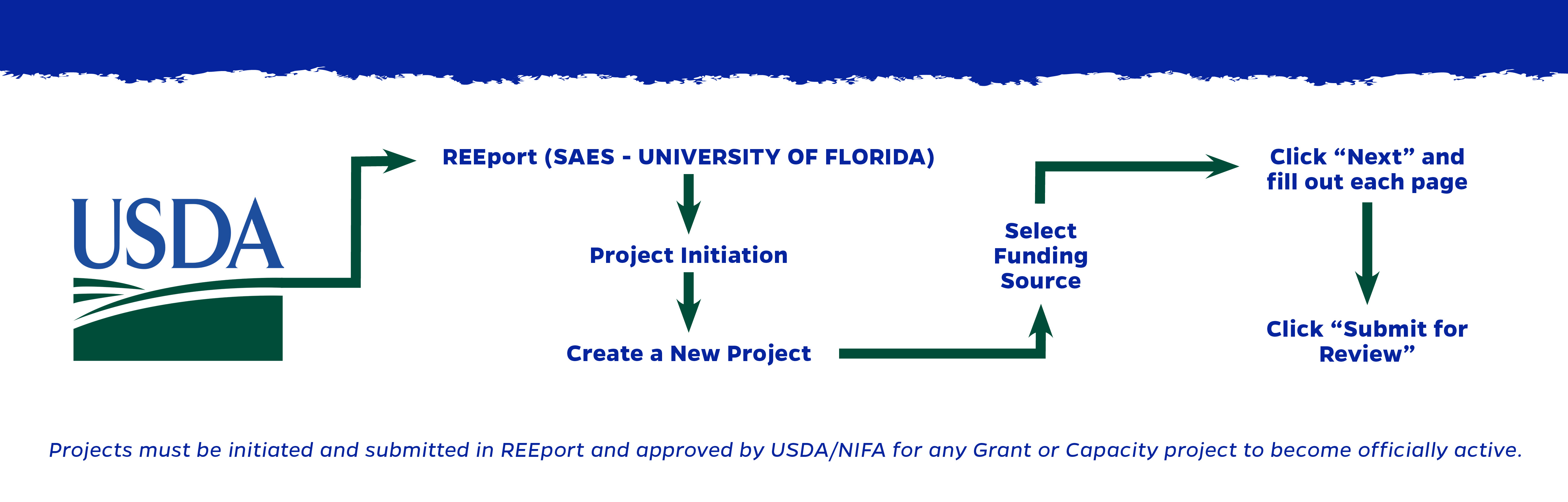
Reviewers receive hundreds of proposals each cycle, and they love consistency. When you follow the USDA NIFA Project Summary Template, you hand them a neatly wrapped package that screams “I respect your time.” Studies (and a few anecdotal stories from seasoned grant writers) show that proposals that adhere to the template are up to 30% more likely to get a second look, simply because they’re easier to skim.
Saving Time and Avoiding Red Flags
Skipping the template is like trying to build a house without a blueprint – you’ll end up with a wonky roof and a lot of wasted lumber. By using the template, you eliminate the need for endless revisions, because the structure already prompts you to include all the necessary details. No more “Oops, I forgot the budget justification!” panic attacks.
Step‑By‑Step Guide to Mastering the Template

Step 1: Craft a Killer Title
Your title should be concise, descriptive, and possibly include a witty pun—just don’t go overboard. For example, “Harvesting Hope: Innovative Wheat Breeding for Climate Resilience” tells reviewers exactly what you’re doing while sounding optimistic. Avoid vague titles like “Research on Crops,” which are the grant equivalent of “I’m a farmer.”
Step 2: Nail the Abstract
The abstract is your 30‑second elevator pitch. In 150 words or less, answer the who, what, why, and how. Start with a punchy opening line, sprinkle in the problem statement, and finish with a bold claim about the anticipated impact. Remember, humor can be a hook, but keep it professional—think “Why did the corn cross the road? To get to the climate‑smart side!”
Step 3: Define Crystal‑Clear Objectives
Objectives should be SMART: Specific, Measurable, Achievable, Relevant, and Time‑bound. Instead of saying “Improve soil health,” write “Increase soil organic matter by 15% in 24 months on 200 acres of pilot farms.” This gives reviewers a concrete metric to cheer for.
Step 4: Detail Your Methods Without Boring the Reader
Methodology sections often read like a lab manual, but you can spice it up. Use active verbs (“we’ll sample,” “we’ll analyze”) and brief sub‑bullets if needed. Explain why each step matters, and throw in a lighthearted analogy—like comparing DNA sequencing to “finding the secret recipe hidden in Grandma’s spice rack.”
Step 5: Highlight Expected Outcomes and Broader Impacts
Show reviewers the fireworks you’ll create. Quantify results (e.g., “Yield increase of 2.5 tons per hectare”) and describe downstream benefits such as “enhanced farmer income” or “reduced greenhouse gas emissions.” A dash of storytelling—perhaps a vignette of a farmer celebrating a bumper crop—makes the impact tangible.
Step 6: Wrap Up with a Concise Budget Summary
The budget summary should match the narrative. If you request $200,000 for field trials, justify each line item: equipment, labor, travel, and a modest coffee budget (because research runs on caffeine). Avoid vague statements like “miscellaneous expenses,” which raise red flags faster than a sudden rainstorm in a drought‑prone region.
Common Pitfalls and How to Dodge Them

Over‑Writing the Abstract
Resist the urge to cram every detail into the abstract. If you need a novel, write the full proposal. The abstract is a teaser, not the whole movie.
Skipping the “Broader Impacts” Section
Reviewers love to see how your research will ripple beyond academia. Forgetting this section is like serving a dessert without the cherry on top—still tasty, but missing that final flourish.
Using Jargon Until It Becomes Gibberish
Technical terms are fine, but sprinkle in plain English explanations. Imagine explaining your project to a curious grandparent; if they can nod along, you’re on the right track.
Ignoring Character Limits
Character limits are not suggestions. The template’s limits keep the review process efficient. Use them as a creative constraint—think of it as a haiku challenge for scientists.
Real‑World Example: From Draft to Funding
The Tale of the Tomato Trailblazer
Dr. Green, a plant geneticist, wanted to develop heat‑tolerant tomatoes for southern growers. She started with the USDA NIFA Project Summary Template and followed the step‑by‑step guide above. Her title, “Sizzling Tomatoes: Breeding Heat‑Resilient Varieties for the Sun‑Baked South,” grabbed attention. The abstract succinctly described the problem of rising temperatures and her innovative CRISPR approach. Objectives were quantified: “Create three tomato lines with 5°C higher heat tolerance by 2027.” The methods section mixed clear protocol steps with a cheeky line about “making tomatoes that don’t sweat.” Budget details accounted for greenhouse space, lab supplies, and a modest “researcher morale fund” (yes, coffee). The broader impacts highlighted farmer profit, reduced pesticide use, and a potential boost to local economies. The proposal was funded on the first round, and Dr. Green’s tomatoes are now the talk of farmer markets across the Southeast.
Key Takeaways from Dr. Green’s Success
She never deviated from the template, kept each section punchy, and added personality without sacrificing professionalism. Reviewers appreciated the clarity and the sprinkle of humor, proving that a well‑structured, engaging proposal can indeed win the day.
Tips for Adding Humor Without Crossing the Line
Know Your Audience
Reviewers are busy professionals; a light joke can brighten their day, but a meme reference might not translate. Stick to universally understood, agriculture‑related humor.
Keep It Relevant
A pun about “soil‑idarity” works if it appears in the methods section about soil sampling. Random jokes about dinosaurs in a pest‑management proposal can distract and confuse.
Balance Formality and Fun
Use humor sparingly—think of it as a garnish, not the main course. One well‑placed chuckle can make your proposal memorable without undermining its seriousness.
SEO Best Practices for Your Proposal Summary (and Blog)

Keyword Placement
Include key phrases like “USDA NIFA,” “project summary template,” “grant application,” and “research funding” naturally throughout the text. Avoid keyword stuffing; the template itself will guide you toward concise language.
Meta Description (If Posting Online)
Craft a 150‑character description that includes the primary keyword: “Learn how to ace the USDA NIFA Project Summary Template with step‑by‑step tips, funny examples, and real‑world success stories.”
Alt Text for Images (When You Add Visuals Later)
Describe images with relevant keywords, such as “USDA NIFA Project Summary Template screenshot” or “researcher presenting a grant proposal.” This improves accessibility and SEO.
Final Checklist Before You Hit Submit
- Title: Concise, descriptive, and engaging.
- Abstract: 150 words max, clear problem, solution, impact.
- Objectives: SMART and quantifiable.
- Methods: Detailed yet readable, with occasional light humor.
- Outcomes: Measurable results and broader impacts.
- Budget: Transparent, justified line items.
- Formatting: Follow the USDA NIFA Project Summary Template layout exactly.
- Proofread: No typos, correct character limits, consistent tense.
Conclusion

Mastering the USDA NIFA Project Summary Template is like learning to dance the two‑step: you need the right steps, a bit of rhythm, and occasionally a goofy twirl to keep things fun. By following the structured sections, injecting a dash of humor, and paying attention to the nitty‑gritty details like character limits and budget justification, you transform a chaotic research idea into a polished proposal that reviewers can’t ignore. Remember Dr. Green’s tomato triumph, run through the final checklist, and you’ll be well on your way to turning your scientific vision into funded reality—one well‑written summary at a time.