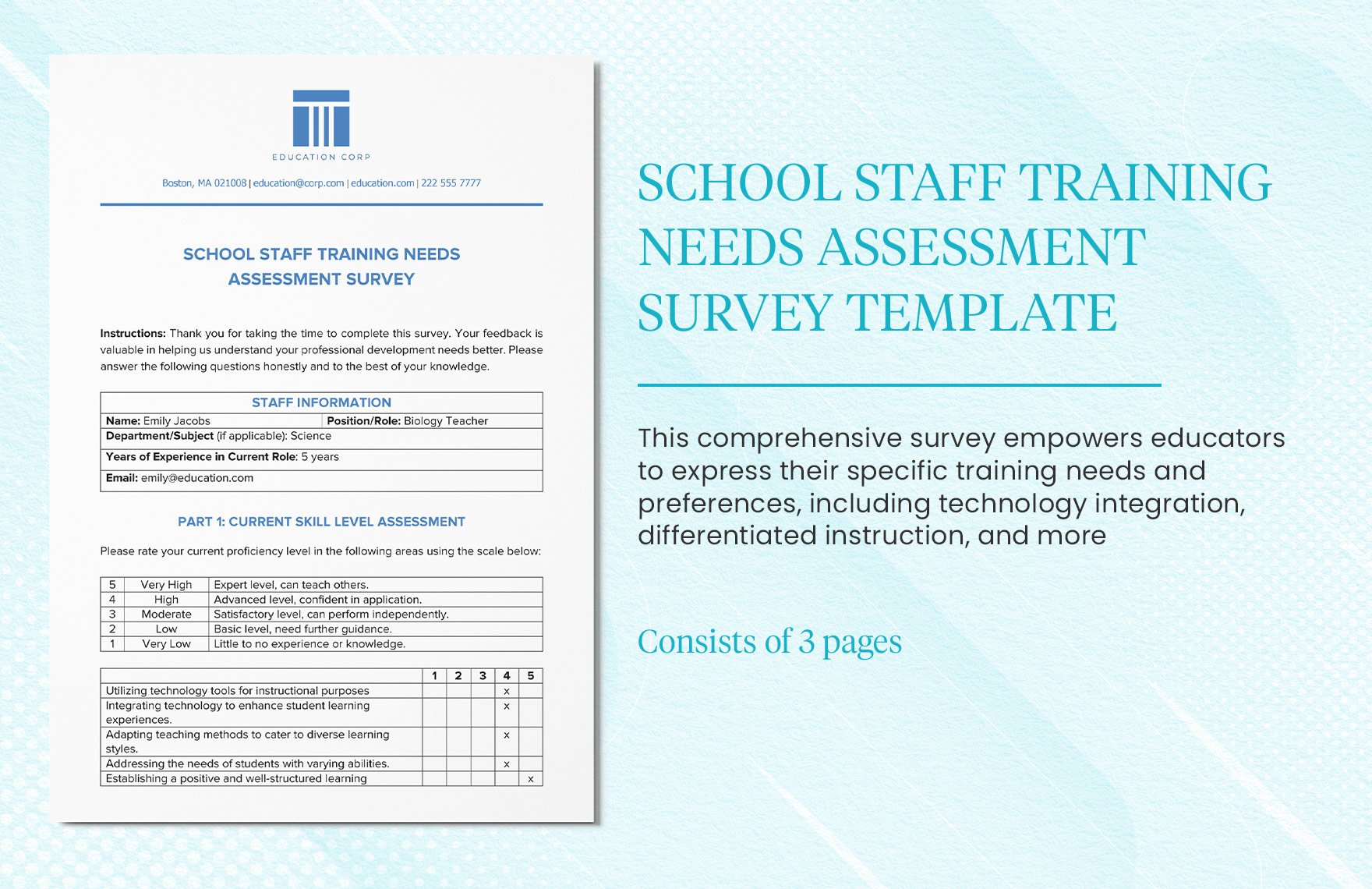
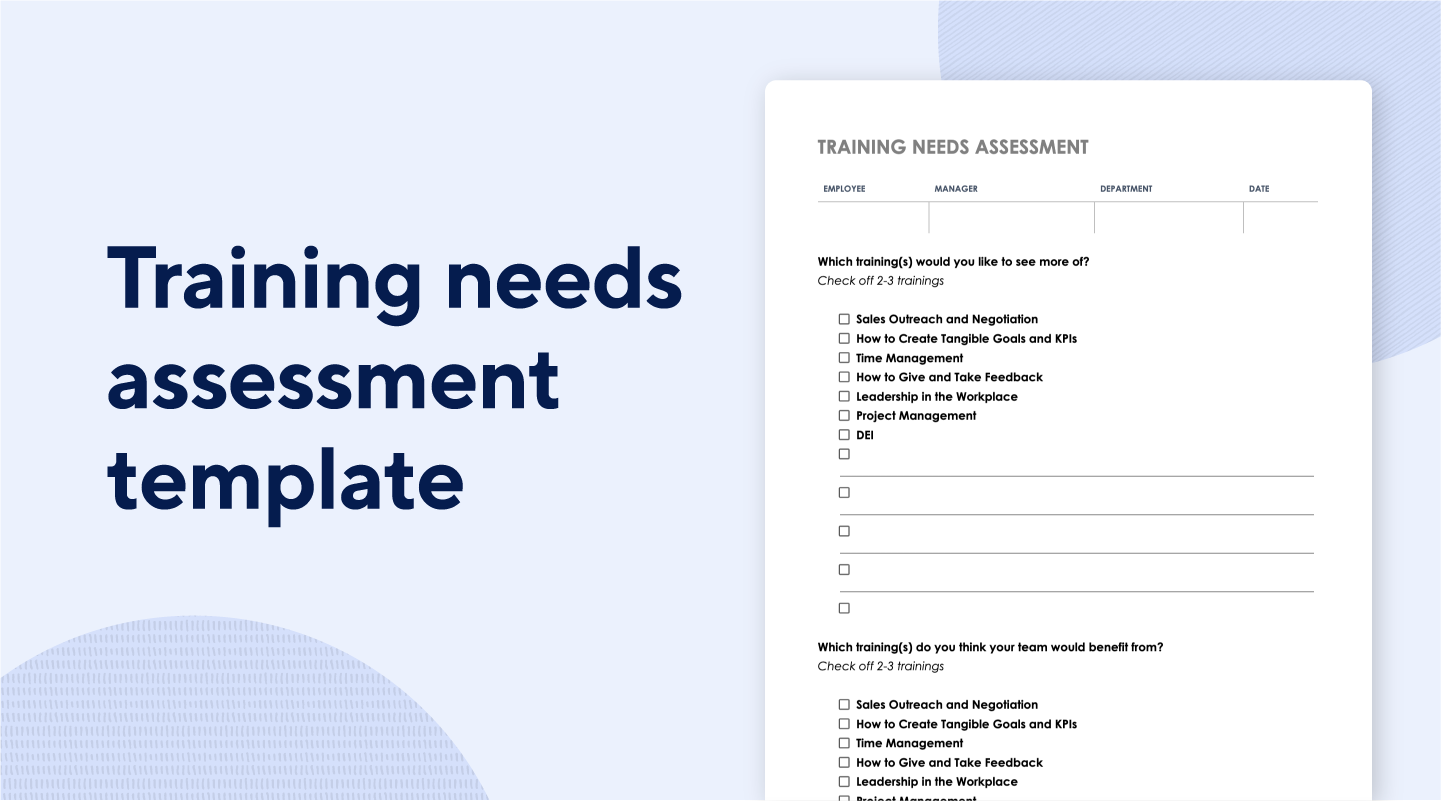
In today’s rapidly evolving business landscape, the Training Needs Analysis Survey Template serves as a compass that guides organizations toward strategic learning initiatives, ensuring every employee’s growth aligns with corporate goals. By systematically capturing skill gaps, knowledge deficiencies, and motivational drivers, companies—especially those rooted in Asian work cultures—can design training programs that resonate with employees’ values and aspirations, leading to higher engagement, retention, and productivity.
Understanding Training Needs Analysis

What Is Training Needs Analysis?
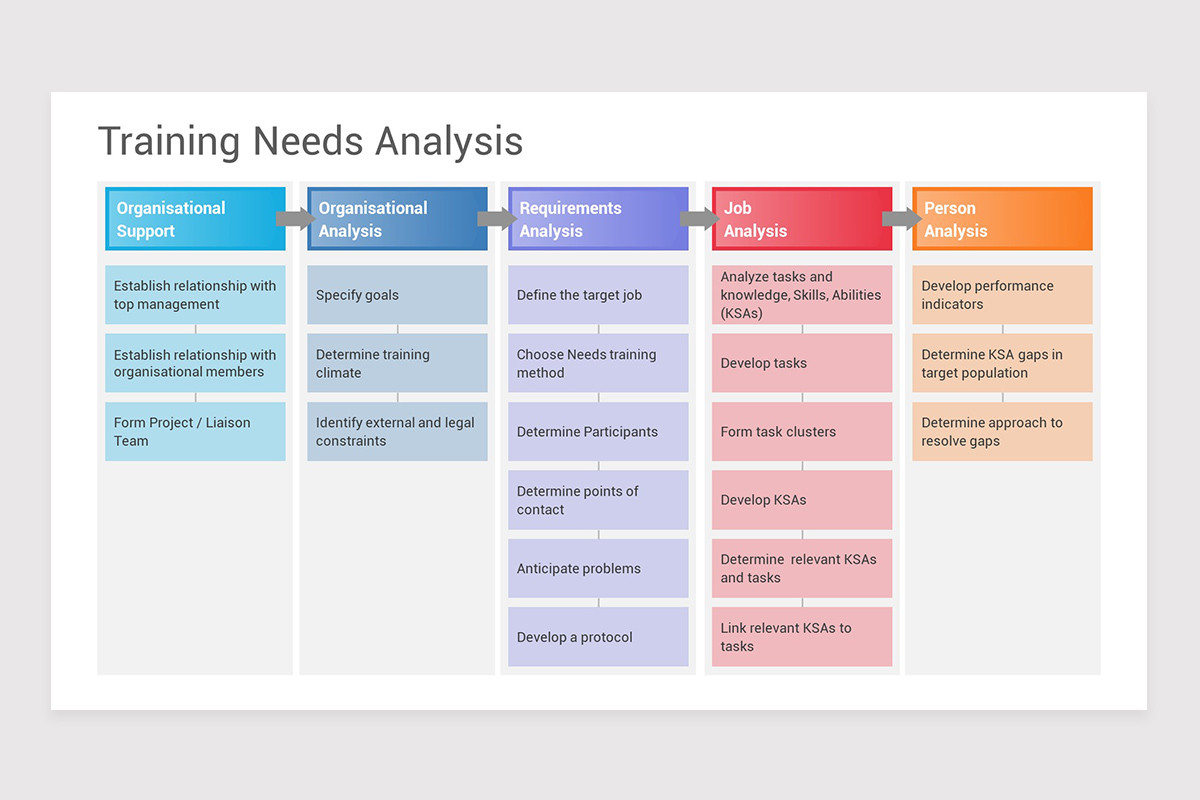
Training Needs Analysis (TNA) is a structured evaluation process that identifies the learning requirements of an organization. It examines what employees know and what they need to know to perform their jobs effectively, and aligns these insights with strategic objectives. TNA moves beyond generic training offerings, allowing leaders to allocate resources where they have the most impact.
Why TNA Is Vital in Asian Corporate Settings
Asian companies often emphasize collective harmony, respect for hierarchy, and continuous improvement (kaizen). A well‑crafted TNA respects these cultural nuances by involving supervisors and peers in the assessment, fostering a sense of shared responsibility. Moreover, by capturing data across diverse regional offices—whether in Tokyo, Jakarta, or Hong Kong—organizations can uncover localized skill gaps that standard training modules might miss, ensuring that programs are both globally aligned and locally relevant.
Building an Effective Survey Template: Step‑by‑Step Guide

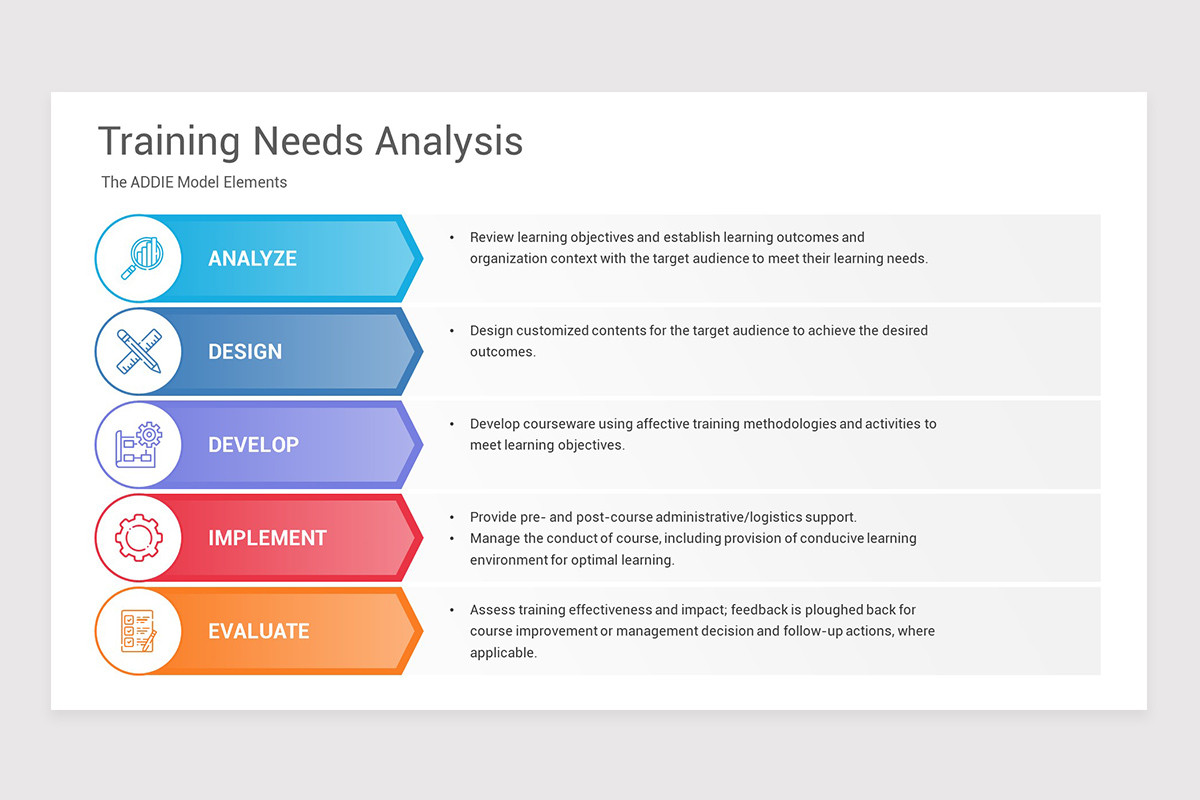
Step 1: Define Clear Objectives
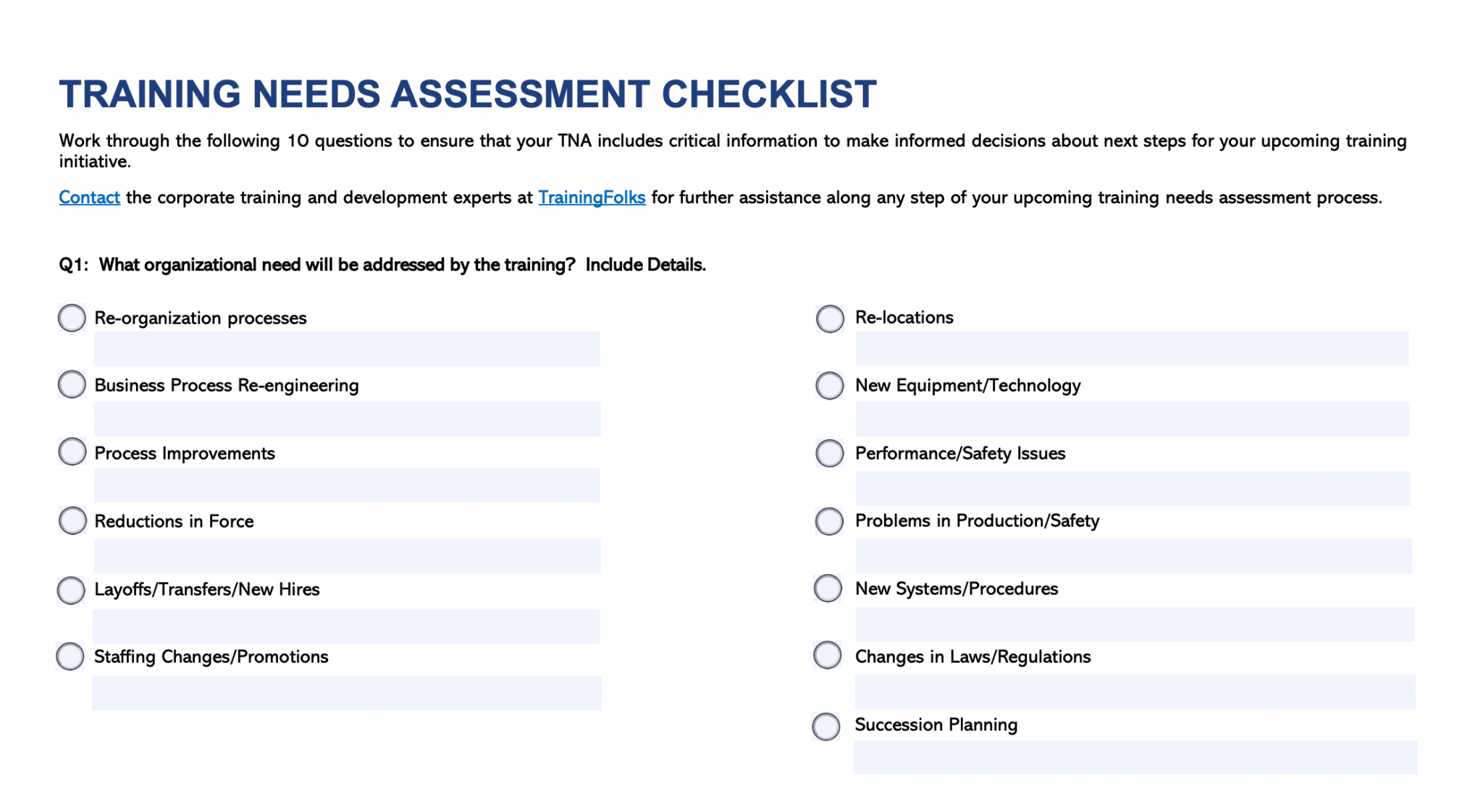
Before drafting questions, outline what you aim to achieve: Is the goal to improve customer service in a call center, enhance technical skills for a software team, or elevate leadership capabilities across mid‑level managers? Clear objectives inform the tone, length, and focus of the survey, preventing redundancy and survey fatigue.
Step 2: Identify Your Target Audience
Segment respondents by role, department, seniority, and location. This segmentation allows you to tailor question wording, ensuring relevance and encouraging honest feedback. For example, a frontline sales rep will value different metrics than an HR manager overseeing talent development.
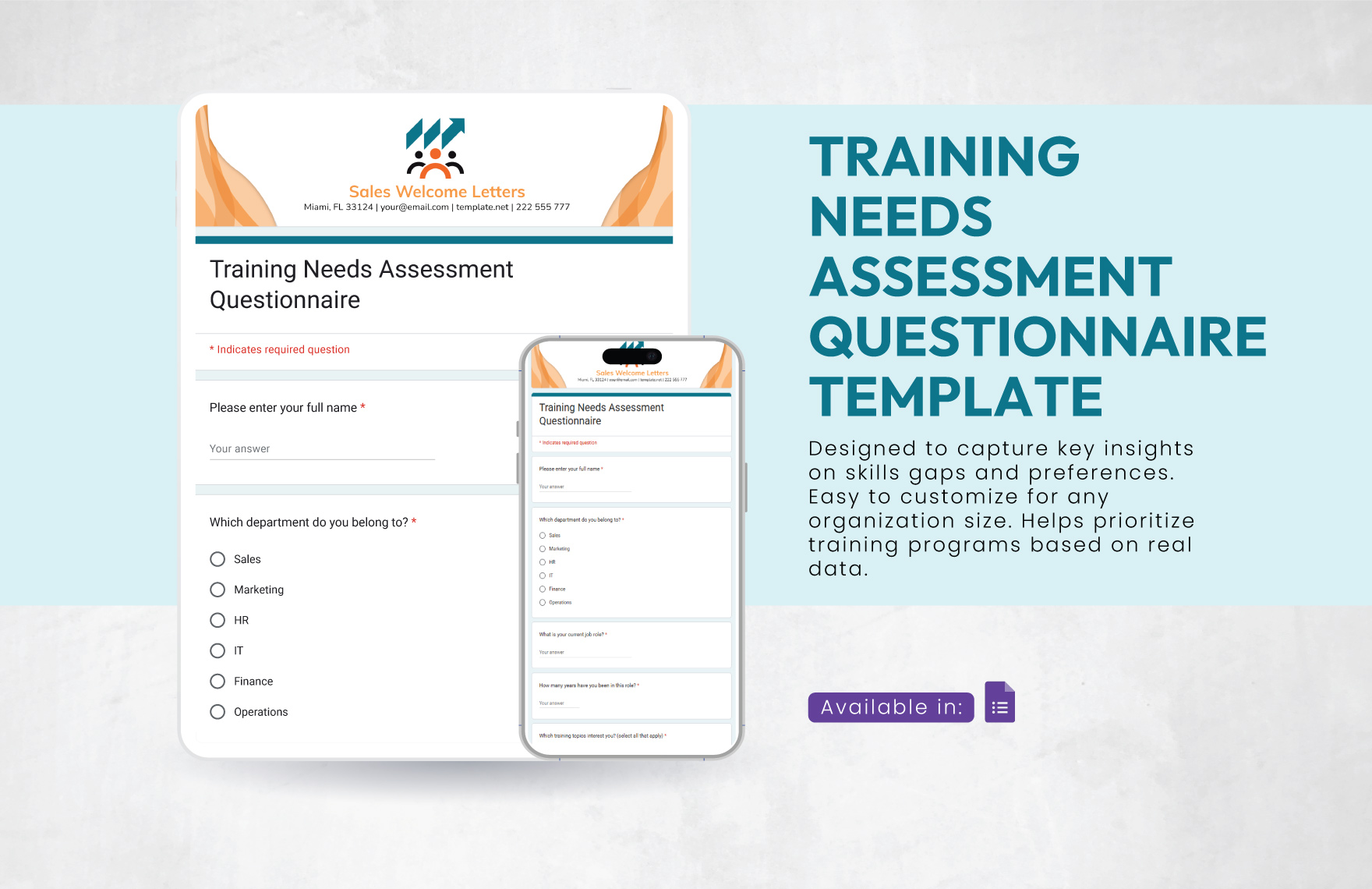
Step 3: Design Diverse Question Types
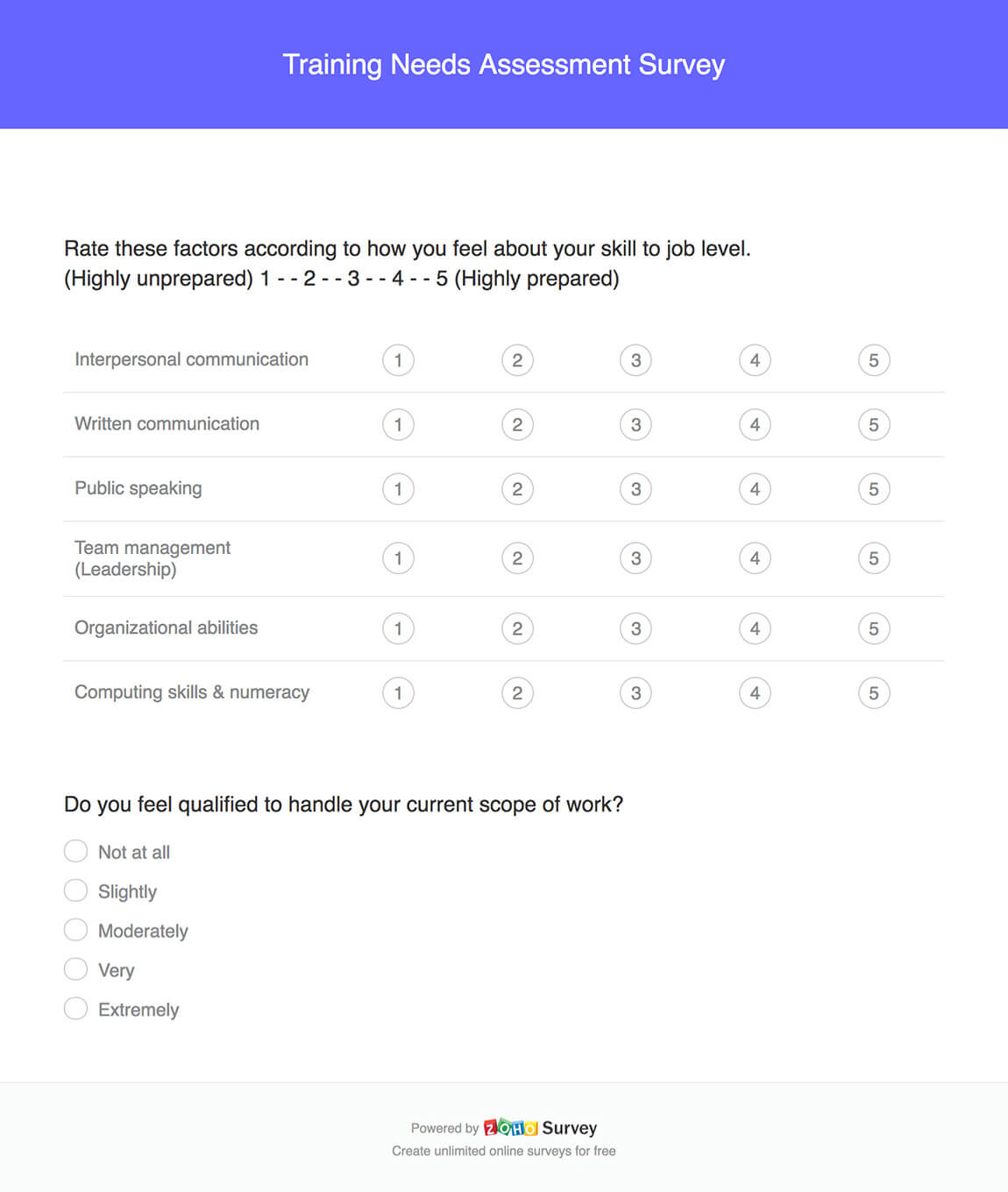
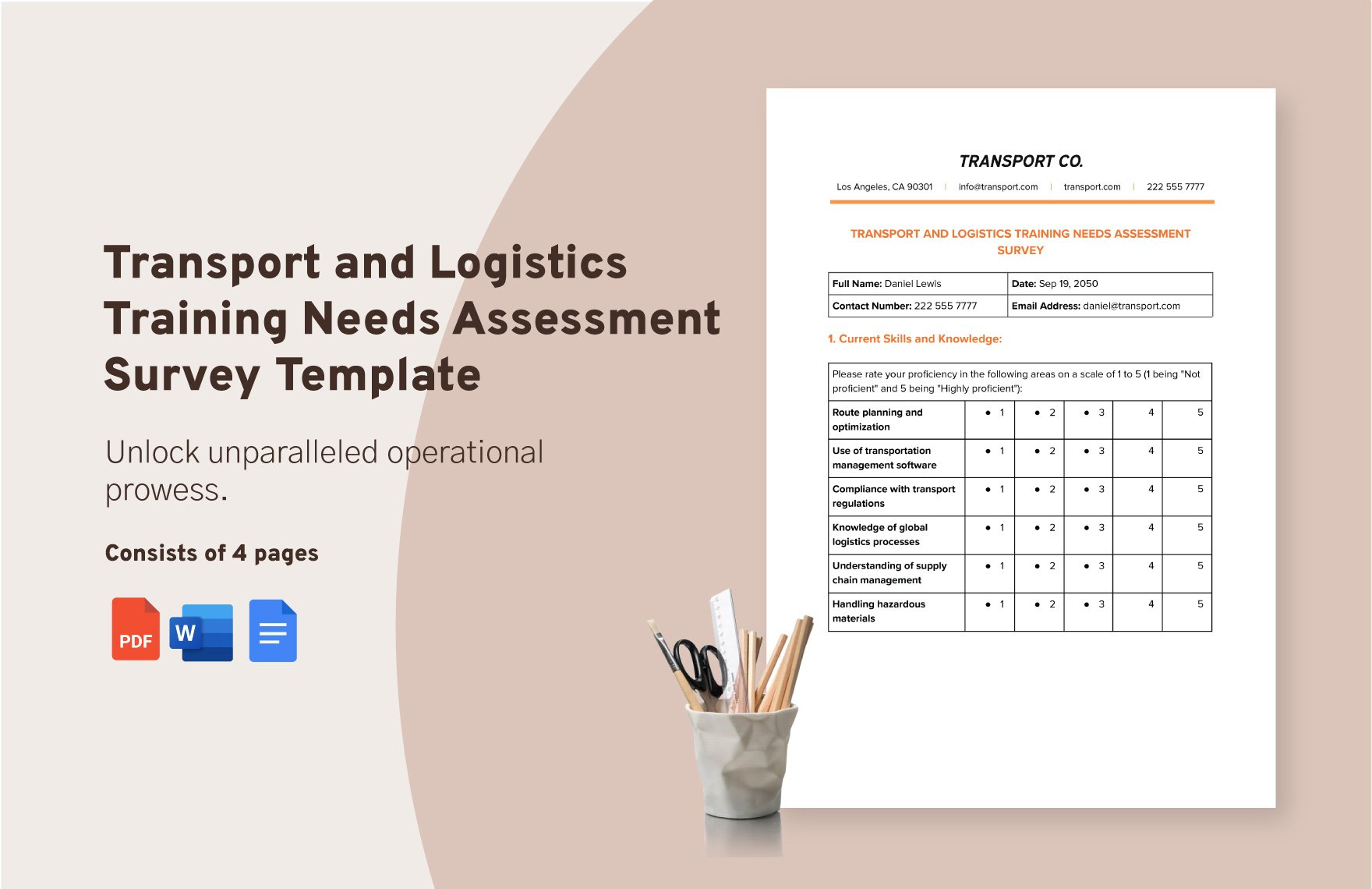
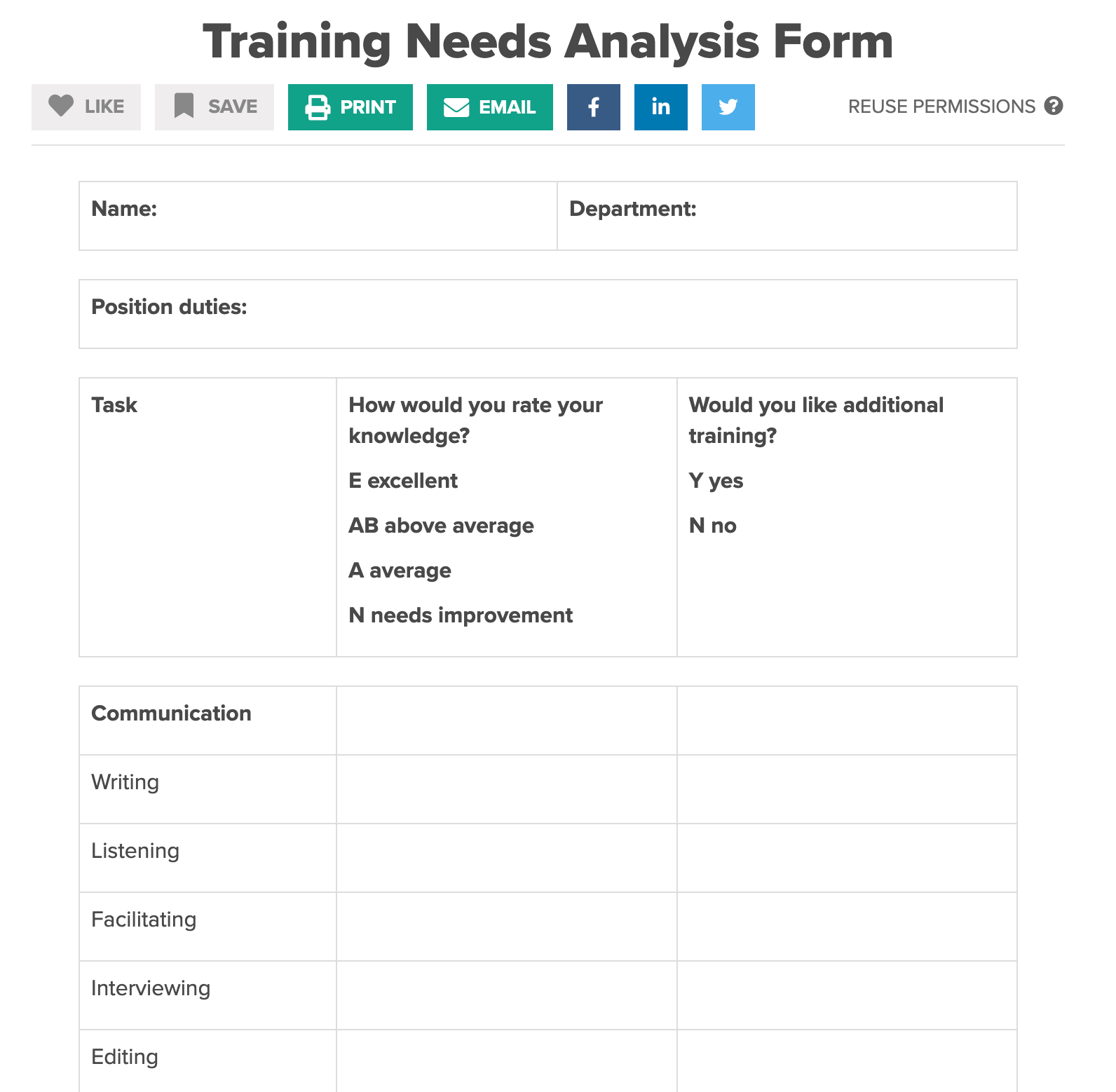
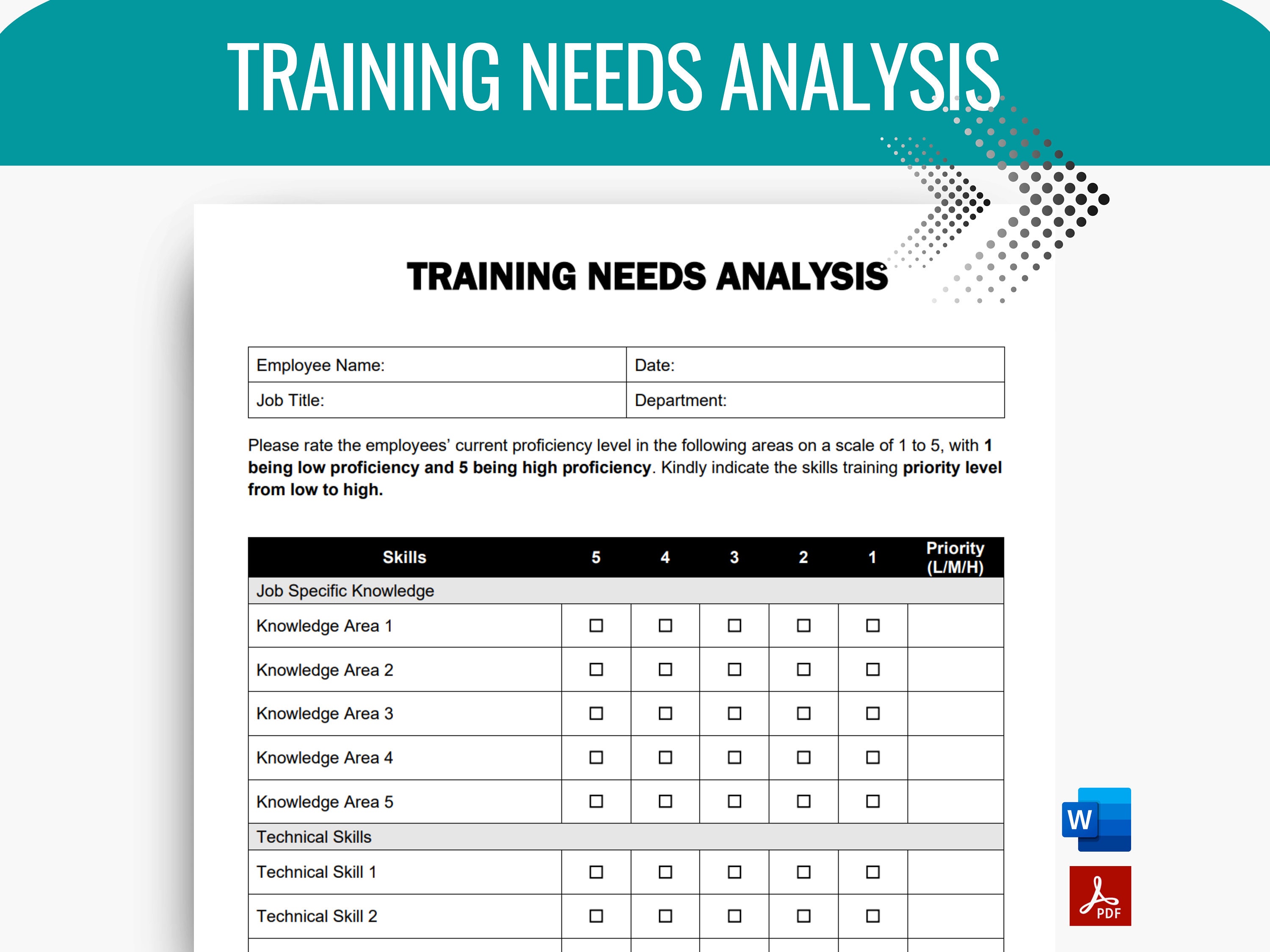
Blend multiple‑choice, rating scales, and open‑ended questions. A 5‑point Likert scale can capture perceived competence, while open responses uncover hidden challenges. Avoid jargon; instead, use clear, concise language that resonates with the local context.
Step 4: Pilot the Survey
Select a small, representative group to test the survey. Gather feedback on question clarity, survey length, and technical glitches. Pilot results help refine wording, reduce ambiguity, and ensure the template collects the intended data.
Step 5: Analyze and Translate Insights into Action
Compile responses into a dashboard that highlights top skill gaps, common themes, and regional variations. Prioritize findings based on business impact, employee readiness, and resource availability. Translate insights into curriculum design, workshop schedules, or micro‑learning modules.
Sample Question Formats for a Comprehensive TNA Survey
Knowledge Assessment
“Rate your familiarity with our company’s product line on a scale from 1 (no knowledge) to 5 (expert).” This question establishes baseline awareness and flags knowledge deficiencies requiring remedial content.
Skill Evaluation
“Which of the following tools do you use daily? (Check all that apply) – Excel, Salesforce, SAP, None.” This list reveals tool proficiency gaps and informs technical training plans.
Attitude & Motivation
“How motivated do you feel to apply new skills in your current role? 1 (Not motivated) to 5 (Highly motivated).” Motivation scores help identify whether additional coaching or incentive structures are needed.
Gap Analysis
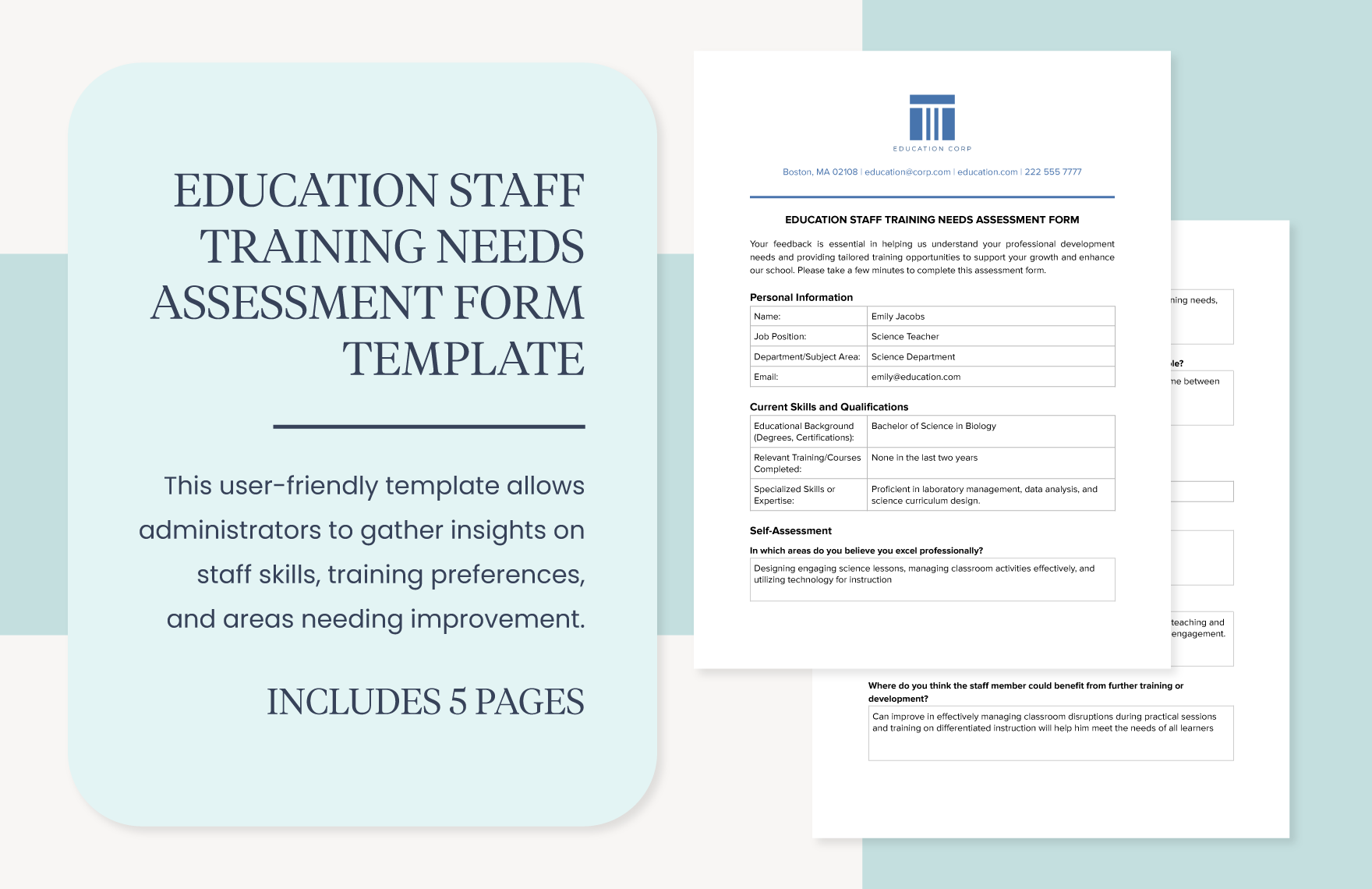
“What is the most critical skill you believe will enhance your performance in the next quarter?” This open response invites employees to self‑identify growth areas, providing authentic insights for program design.
Best Practices for Deploying TNA Surveys in Asian Work Environments
Cultural Sensitivity and Language Adaptation
Translate the survey into local languages and adapt idioms to suit cultural contexts. For instance, in Japan, using “Please share your thoughts” instead of “Let’s improve together” acknowledges hierarchical communication norms while still encouraging input.
Ensuring Anonymity and Trust
Guarantee confidentiality to reduce response bias. Emphasize that insights will guide training rather than performance evaluations, fostering honest and candid answers.
Integration with Learning Management Systems (LMS)
Embed survey results into the LMS so that suggested courses appear automatically in employees’ learning paths. This seamless integration ensures that training is delivered promptly and tracked effectively.
Real‑World Success Story: A Japanese Manufacturing Firm

Case Study Overview
In 2022, a mid‑size automotive component manufacturer in Osaka introduced a TNA survey to address declining on‑the‑job accuracy. The survey revealed that 68% of line‑workers were unfamiliar with the latest safety protocols, and 45% lacked confidence in operating new automated machinery.
Implementation and Outcomes
Armed with these insights, the company rolled out a blended learning program: hands‑on workshops for machinery skills, paired with short e‑learning modules on safety. Within six months, defect rates dropped by 23%, and employee satisfaction scores rose by 15%. The firm also reported a 12% reduction in overtime costs, as employees could work more efficiently without additional training time.
Tools and Resources to Enhance Your TNA Survey

Recommended Software Platforms
Platforms such as SurveyMonkey, Google Forms, and Microsoft Forms support multilingual surveys and data analytics. Choose a tool that allows easy export of results for further analysis or integration with HR systems.
Free Template Libraries
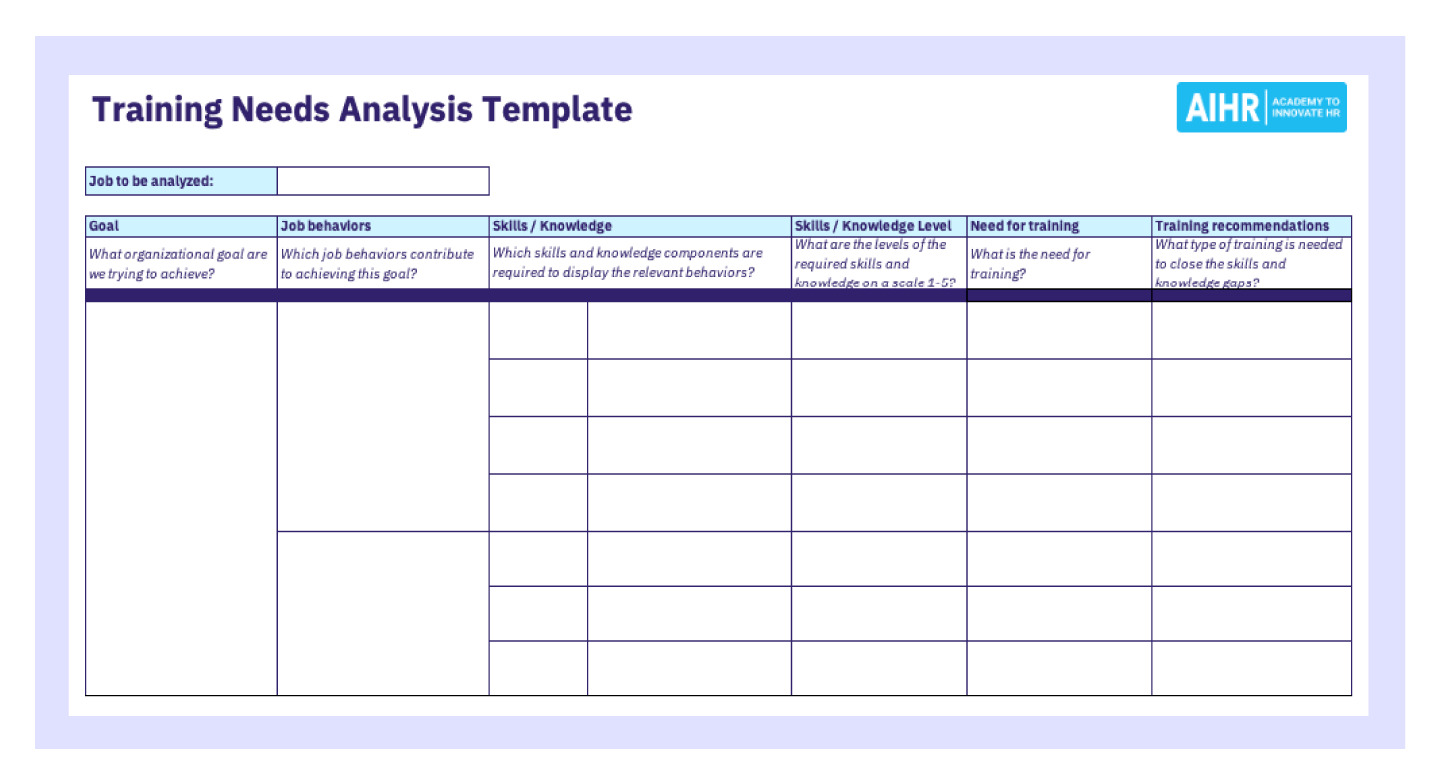
Many online communities and professional associations offer downloadable TNA templates. These resources often include pre‑written questions, scoring rubrics, and reporting templates that can be adapted to fit your organization’s needs.
Conclusion
By thoughtfully constructing a Training Needs Analysis Survey Template that reflects both strategic objectives and cultural context, Asian organizations can unlock the full potential of their workforce. A systematic approach—starting with clear goals, precise audience segmentation, diverse question types, rigorous piloting, and data‑driven action plans—ensures that training programs are not only relevant but also impactful. As companies navigate global competition and local expectations, a well‑executed TNA becomes a cornerstone of sustainable talent development, driving performance, fostering engagement, and securing long‑term success.


Related posts of "Training Needs Analysis Survey Template"
