
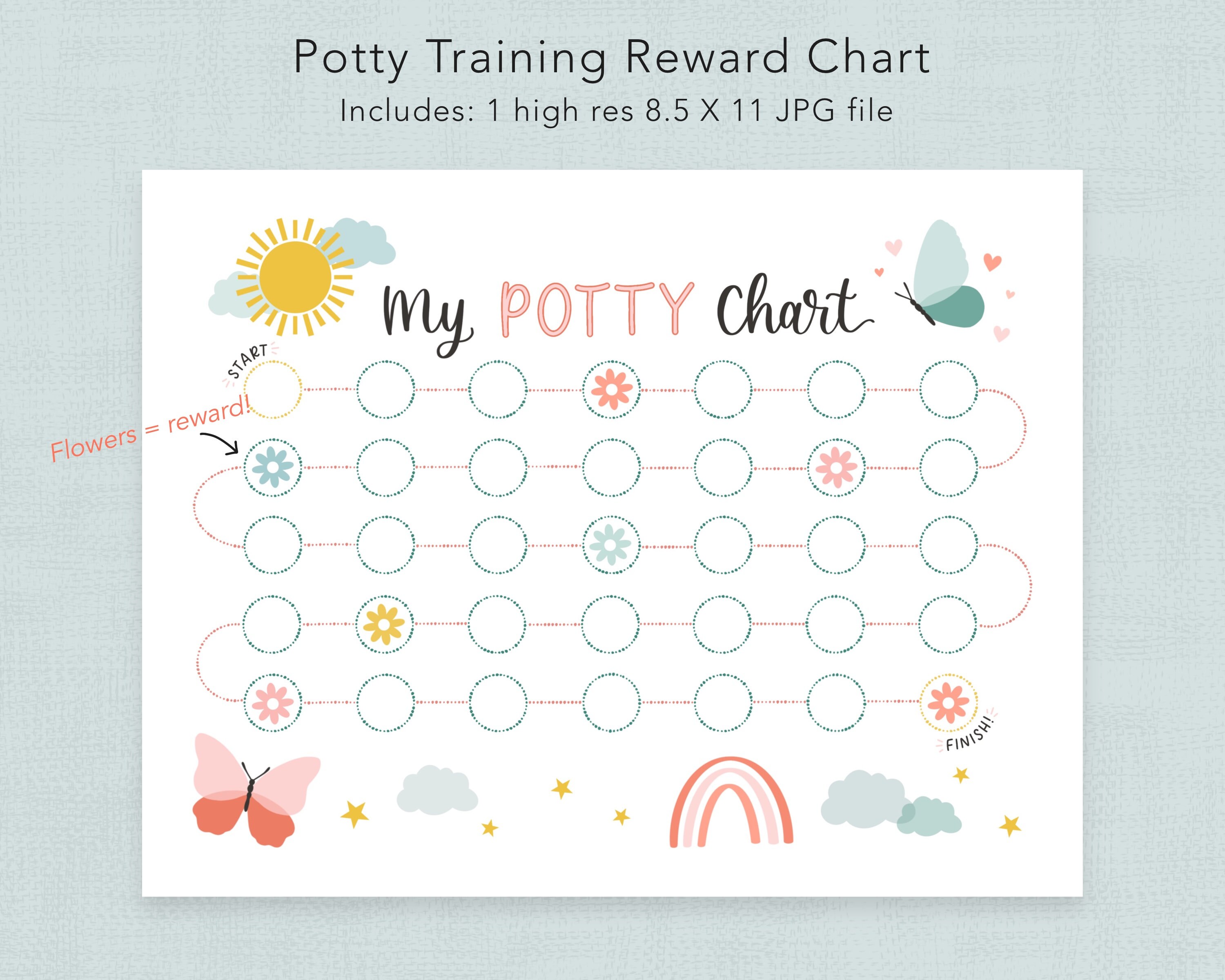
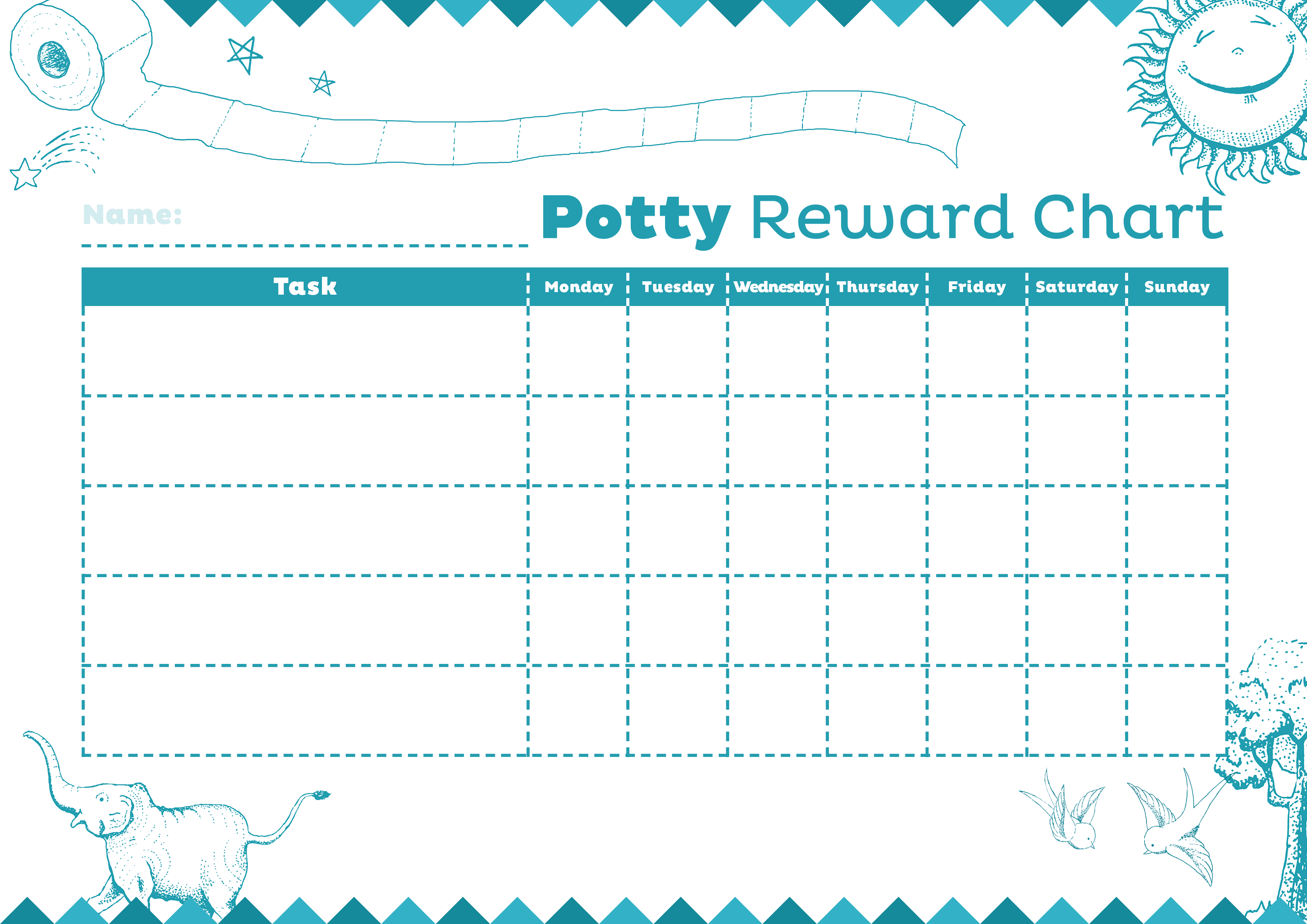
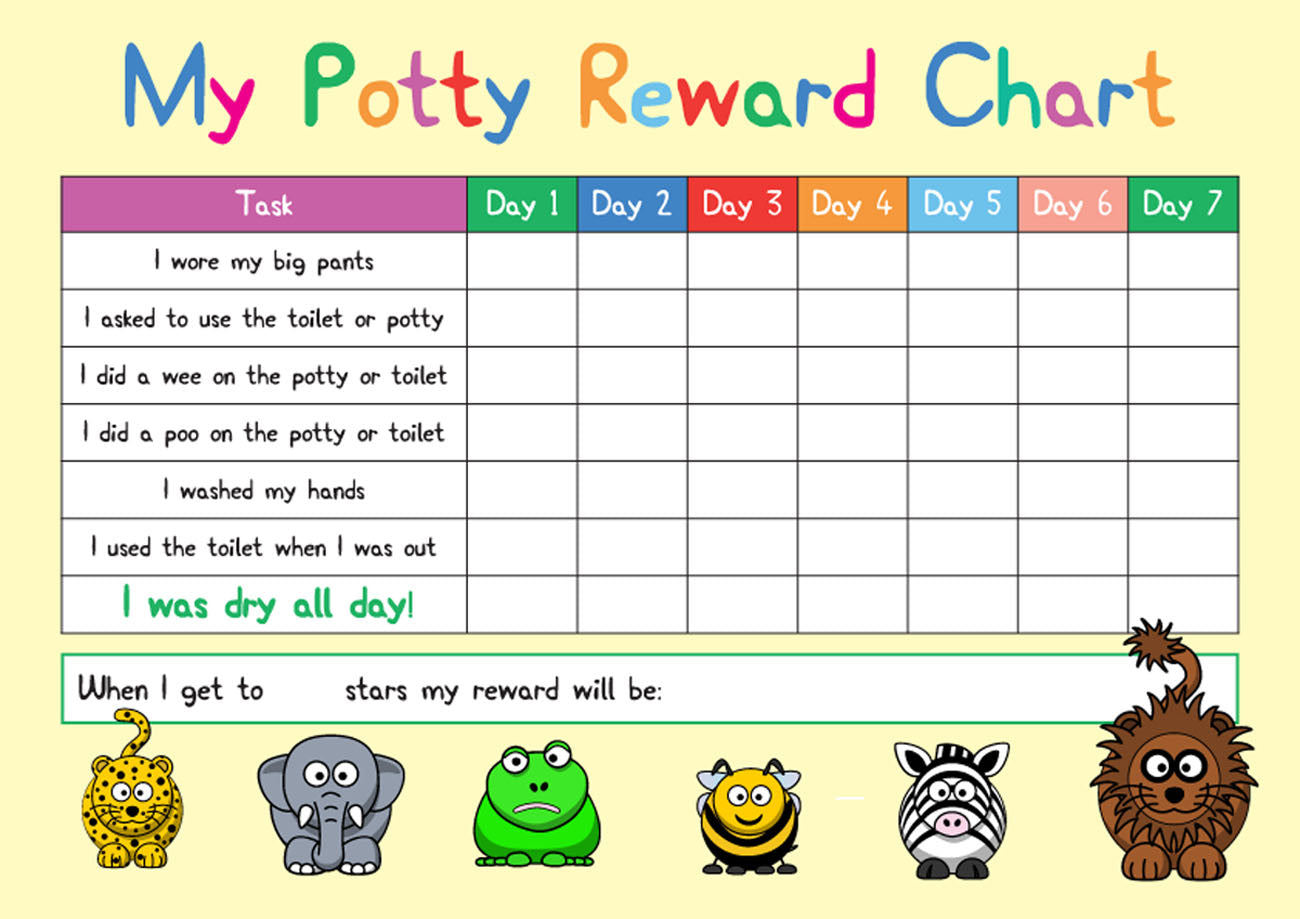
Toilet Training Reward Chart Template isn’t just a piece of paper—it’s a covert weapon in the nightly battle between toddler tantrums and parental sanity, forged in the shadows of patience and drenched in the grit of real‑world trial and error.
Why a Reward Chart Works When Everything Else Fails
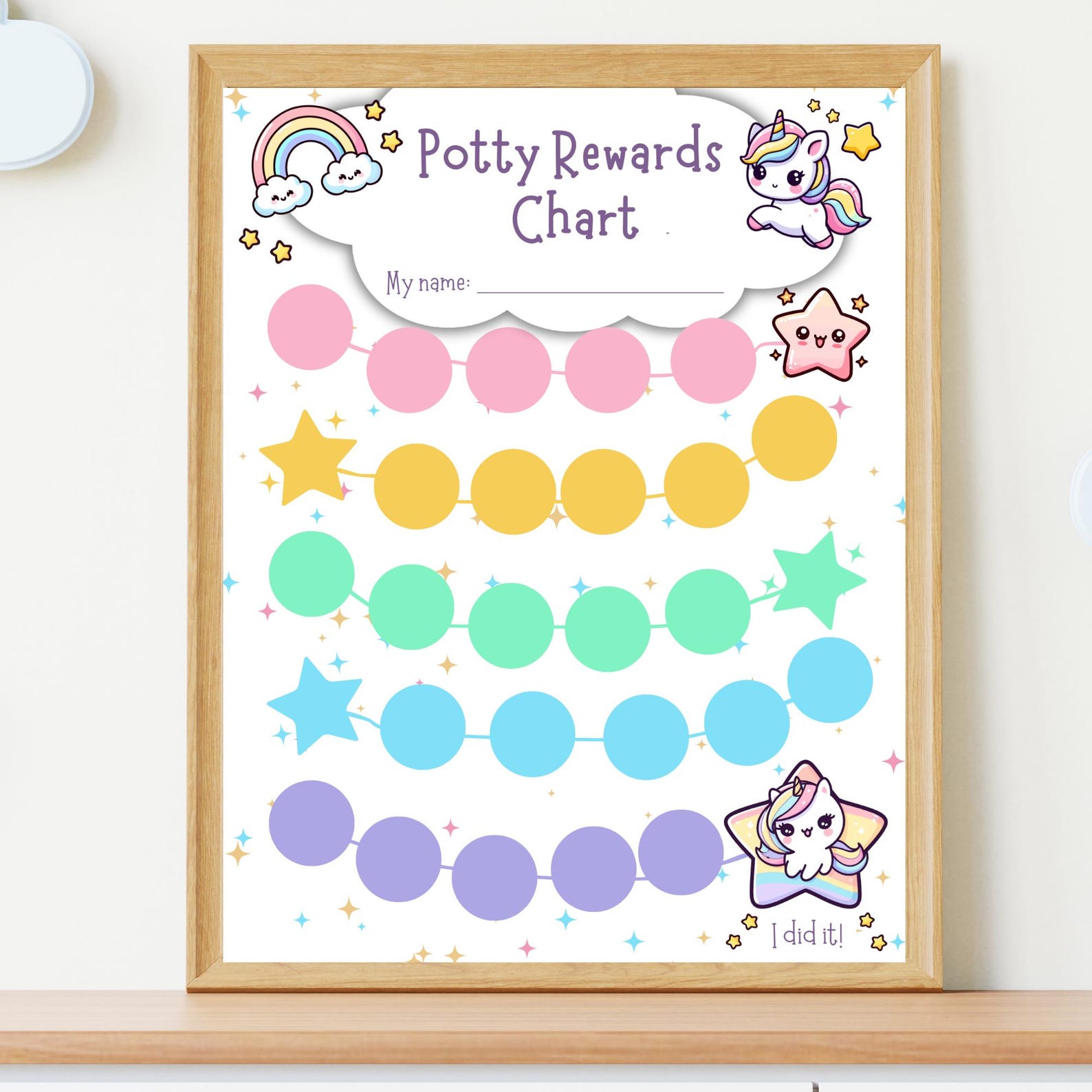
Kids live in the world of instant feedback. A gold star for a job well done lights up their brain like a neon sign, while a missed chance passes unnoticed. A reward chart translates that fleeting moment of triumph into a visual roadmap they can actually see, touch, and chase. The black‑tone approach strips away the sugar‑coated fluff and delivers a stark reminder: “Earn your freedom, or stay in the mess.” This brutal honesty taps into the same psychological wiring that makes video‑game leaderboards irresistible.
Visual Cue Over Verbal Prompt
When a toddler hears “Good job!” ten times a day, the phrase loses weight. A bright sticker plastered on a chart, however, becomes a permanent, tangible record of progress. The brain registers the visual cue faster than auditory praise, reinforcing the habit loop: cue → routine → reward.
Consistency Is the Grim Reaper of Chaos
Without a consistent system, every day feels like a random roll of the dice. The chart imposes a rigid structure that removes ambiguity. Each morning, the child knows exactly what is expected; each night, they see whether they earned the coveted reward. The stark, no‑nonsense layout eliminates the “maybe tomorrow” excuse that fuels resistance.
Designing a Killer Toilet Training Reward Chart Template

The devil is in the details, and the template you choose determines whether you’ll be celebrating small victories or drowning in a sea of missed chances. Below is a step‑by‑step guide to crafting a chart that feels both ominous and motivating.
Choose the Right Size
Too small, and the child can’t see the whole picture; too large, and the wall becomes a cluttered battlefield. Aim for an A4 or letter‑size sheet that fits comfortably on a fridge door or a low‑height corkboard.
Set Clear Milestones
Break the journey into bite‑size goals: “First successful sit,” “First night without accidents,” “Three days straight.” Each milestone should be distinct, achievable, and spaced just far enough apart to keep the tension alive.
Pick a Dark Palette
Black or deep charcoal backgrounds paired with high‑contrast neon stickers or metallic markers create an atmosphere of seriousness. The stark contrast makes each added sticker pop like a victory flag on a battlefield.
Include a “Failure” Zone
Don’t shy away from showing setbacks. A small, shaded area labeled “Oops” reminds the child that missteps are part of the process, but they come with consequences—like losing a previously earned star. This encourages accountability without outright shame.
Reward Box or Tiered System?
Decide whether you want a single grand prize after a set number of stickers or a tiered approach where each level unlocks a new treat. Tiered systems keep momentum alive; a single prize can feel like a distant, unattainable mountain.
Printing and Customizing the Template

Even the darkest chart can be a generic template that feels cold and impersonal. Personalization turns it into a weapon forged for your household.
Use Printable Software
Programs like Canva, Adobe Spark, or even Google Slides let you drag‑and‑drop icons, adjust fonts, and export a PDF ready for ink. Stick to heavy‑weight cardstock for durability; a flimsy sheet will tear under the weight of countless stickers.
Add Your Child’s Name and Photo
A custom header with the child’s name in a bold, gothic font makes the chart feel like a personal quest log. A tiny photo placed in the corner can serve as a visual anchor, reminding them who the hero is.
Integrate a QR Code for Digital Rewards
If you want to blend analog and digital, embed a small QR code that links to a secret video or a short audio clip of “mission accomplished.” Scanning the code after earning a milestone adds a layer of tech‑savvy intrigue.
Psychology Behind the Dark Reward System

Behind the black‑tone aesthetic lies solid behavioral science. Understanding the why helps you wield the chart like a seasoned strategist.
Operant Conditioning
Reward charts are a classic example of positive reinforcement. The child receives a tangible reward (a sticker) immediately after the desired behavior (using the toilet). Over time, the behavior becomes self‑sustaining.
Loss Aversion
Humans fear losing something more than they crave gaining it. By incorporating a “Failure” zone where stickers can be removed, you tap into this bias, nudging the child to protect their hard‑earned gains.
Goal‑Setting Theory
Specific, challenging yet attainable goals improve performance. The chart’s milestones provide clear, measurable targets, satisfying the brain’s craving for progress markers.
Implementing the Chart: A Step‑by‑Step Playbook
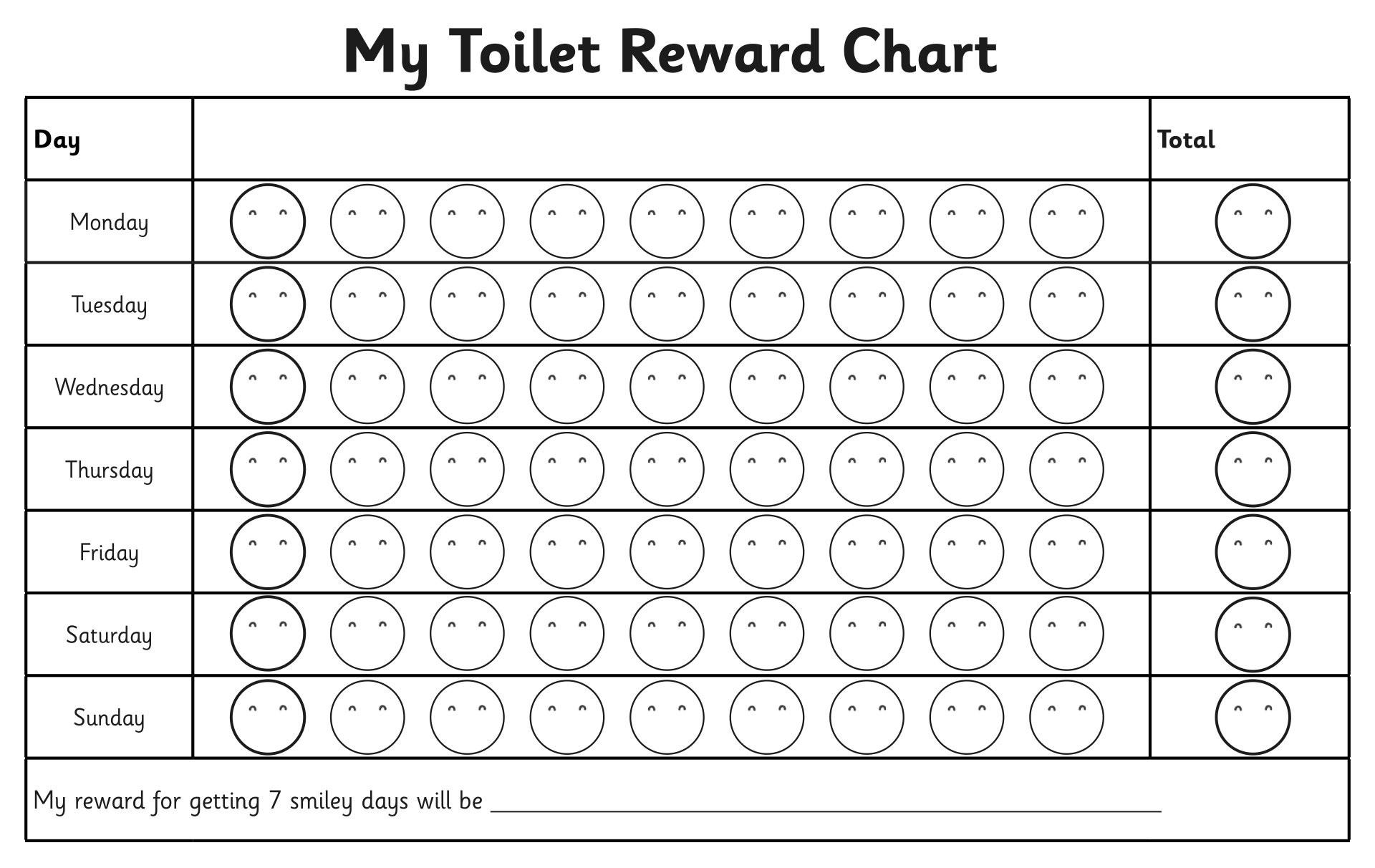
Even the most meticulously designed template will flop without a disciplined rollout. Follow this execution plan to keep the momentum rolling.
Step One: Introduce the Chart
Gather the family around the chosen wall, unroll the chart, and explain each section in a low, steady voice. Emphasize that the chart is a “mission log,” not a punishment board.
Step Two: Demonstrate the Reward Mechanics
Show how a sticker is placed immediately after a successful bathroom trip. If using a QR code, scan it together and play the short victory clip. Consistency in the moment of reward is crucial.
Step Three: Set the First Milestone
Pick a low‑bar milestone—perhaps “First successful sit.” Celebrate loudly when it’s achieved, but keep the tone serious enough to convey the gravity of the achievement.
Step Four: Monitor and Adjust
Track the child’s reaction for a week. If the chart feels too harsh, soften the palette slightly. If it feels too lenient, add a “Failure” penalty or tighten the milestone thresholds.
Step Five: Celebrate the Final Victory
When the child reaches the ultimate goal, hold a small ceremony. Let them place the final sticker, scan the QR code for a grand “mission complete” video, and present the promised reward—whether it’s a special outing, a new toy, or a day of screen‑free freedom.
Common Pitfalls and How to Avoid Them
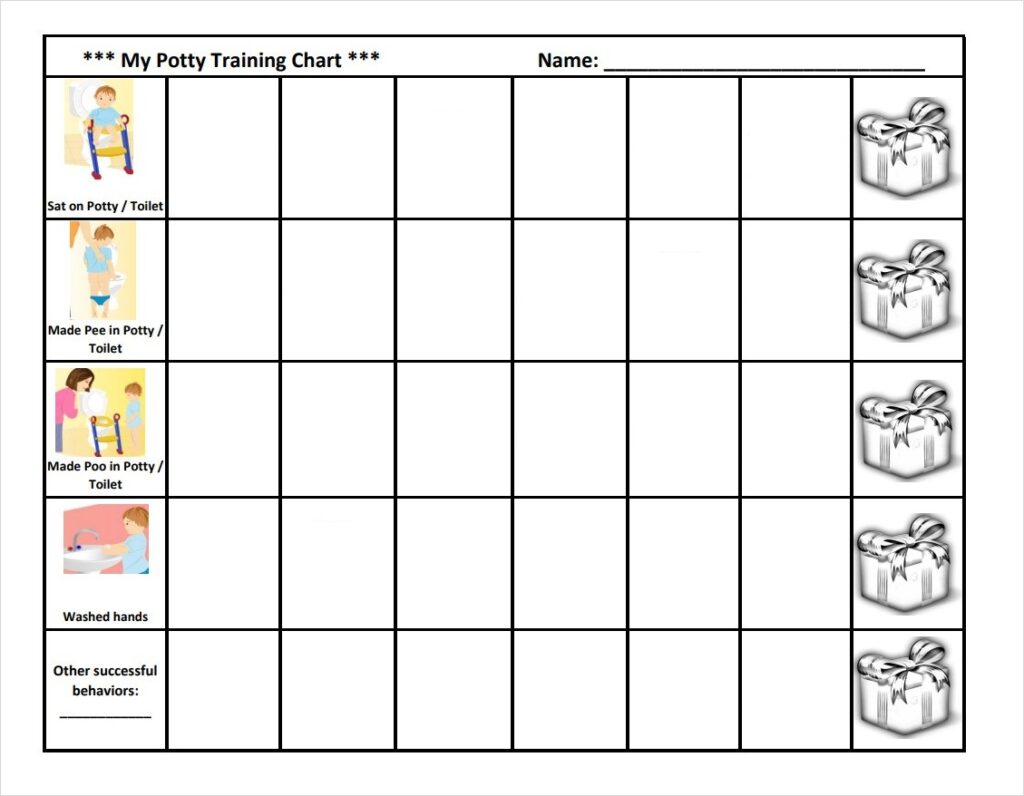
Even seasoned parents stumble. Recognizing the traps early saves you from a spiral of frustration.
Over‑Rewarding
Flooding the chart with stickers for every tiny success dilutes the impact. Reserve stickers for truly notable achievements to keep the reward valuable.
Inconsistent Application
Missing a reward or forgetting to remove a sticker after a setback breaks the feedback loop. Assign one adult as the “chart keeper” to maintain consistency.
Using Shame as a Tool
The dark theme may tempt you to lean into guilt. Avoid public shaming; instead, use the “Failure” zone as a private reminder, not a public humiliation.
Neglecting the Child’s Voice
Even the most rebellious kid wants agency. Let them pick the stickers or decide the final reward. This ownership boosts intrinsic motivation.
Real‑World Examples That Prove It Works
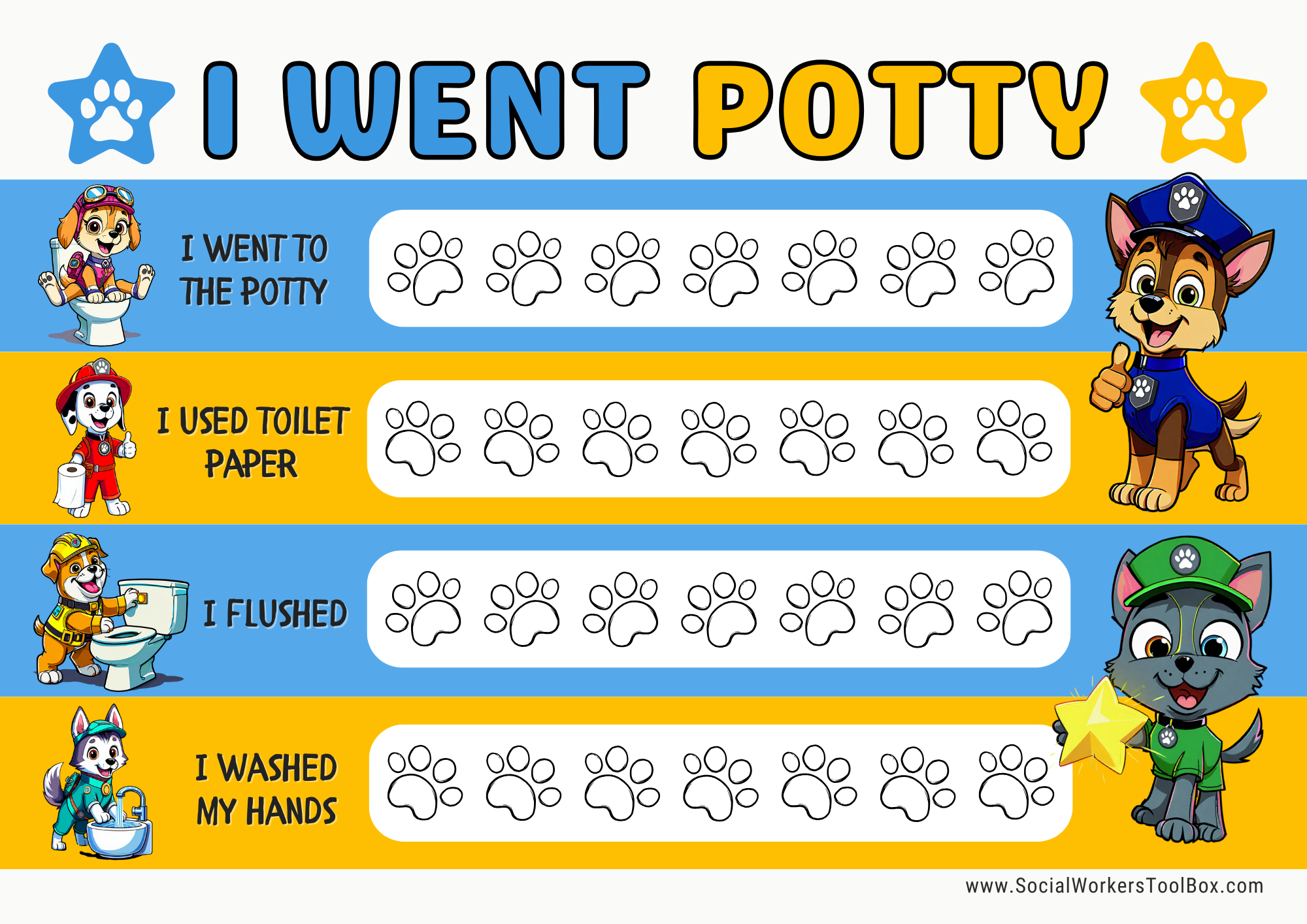
Below are three anonymized case studies that illustrate how a well‑crafted chart can turn a chaotic toilet‑training saga into a disciplined triumph.
Case Study: The Reluctant Three‑Year‑Old
Emily, a three‑year‑old who refused to sit on the potty, was given a black‑bordered chart with neon star stickers. After two weeks of consistent sticker placement and a “failure” penalty that removed a star for each accident, Emily’s accident rate dropped from seven per day to zero. The final reward—a trip to the zoo—was celebrated with a ceremonious sticker placement and a QR‑linked video of a “mission accomplished” banner.
Case Study: The Sibling Competition
When twins Jake and Lily both started potty training, their parents created a split‑chart with mirrored columns. Each sibling could see the other’s progress, sparking a competitive drive that doubled the speed of acquisition. The rivalry stayed friendly thanks to a “team win” reward unlocked only when both reached the final milestone.
Case Study: The Night‑Time Warrior
Sam struggled with nighttime dryness. His parents added a “night‑time” section to the chart, using glow‑in‑the‑dark stickers that only appeared after the lights were out. The novelty of a hidden sticker that only revealed itself in the dark turned bedtime into a covert operation, and Sam stayed dry for five consecutive nights before earning his ultimate “midnight champion” reward.
Digital vs. Paper: The Eternal Debate

While a paper chart offers tactile satisfaction, a digital version can add layers of interactivity. Here’s a quick comparison.
Paper Advantages
- Immediate physical reinforcement.
- No screen time—crucial for toddlers.
- Easy to customize with stickers, markers, and tape.
Digital Advantages
- Automated reminders for parents.
- Ability to track long‑term trends with graphs.
- Integration with gamified apps that add sound effects and virtual badges.
Many families blend the two: a paper chart for daily use and a digital dashboard for parental analytics.
Frequently Asked Questions

How many stickers should I use per day?
One sticker per successful bathroom use is ideal. Avoid rewarding the same behavior multiple times in one day to keep the system meaningful.
What if my child refuses to look at the chart?
Place the chart at eye level and incorporate it into a routine—like “Place a sticker before dinner.” If resistance persists, let the child choose a different spot or a new design.
Can I use non‑sticker rewards?
Absolutely. Small tokens, stamps, or even a quick high‑five work as long as they are immediate and clearly tied to the behavior.
How long should the chart stay up?
Keep it visible until the child consistently stays dry for a week beyond the final milestone. Then transition to a “maintenance” chart for occasional reinforcement.
Conclusion

The Toilet Training Reward Chart Template is more than a decorative sheet; it’s a strategic framework that leverages visual cues, psychological triggers, and disciplined consistency to turn a chaotic developmental stage into a structured conquest. By designing a dark‑themed, personalized chart, printing it on sturdy cardstock, and enforcing a strict yet compassionate reward system, parents can transform tantrums into triumphs. Remember, the chart is only as effective as the routine that backs it—stay consistent, celebrate victories, and treat setbacks as lessons, not punishments. When the final sticker is placed, the reward isn’t just a toy or a treat; it’s the quiet confidence that your child can master a milestone on their own terms, guided by a chart that never shied away from the truth.





Related posts of "Toilet Training Reward Chart Template"
