
Team Leader Evaluation Template is the grim ledger every organization should dread to fill, because it forces leaders to confront the stark reality of their performance and the unforgiving metrics that define success or failure. In a world where mediocrity masquerades as competence, a meticulously crafted evaluation template slices through the fog, exposing the true impact of a team leader on productivity, morale, and strategic alignment. This article dissects the anatomy of an effective template, outlines the ruthless criteria that separate the elite from the expendable, and equips you with a step‑by‑step guide to implement it without sugar‑coating the hard truths.
Why a Ruthless Evaluation System Is Non‑Negotiable
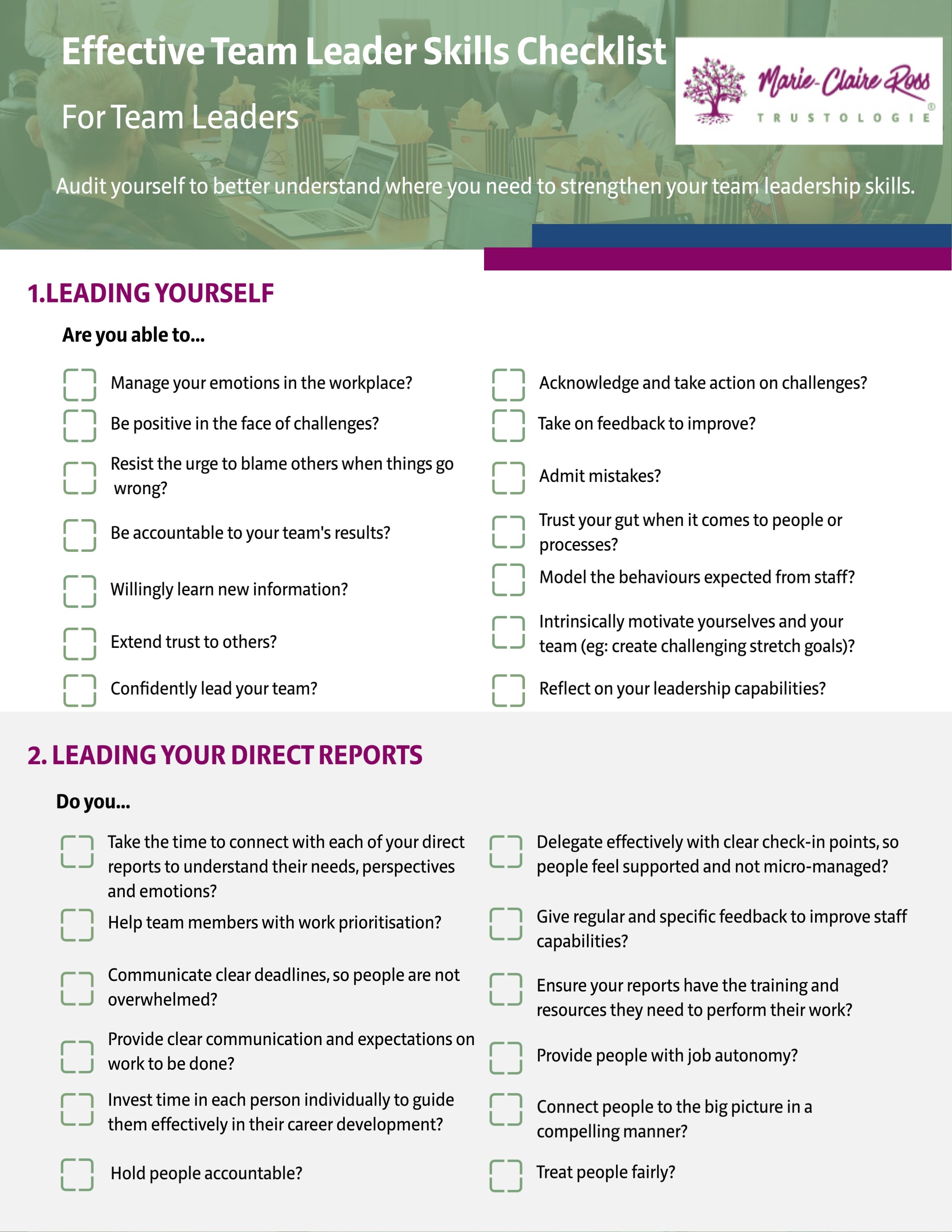
Organizations that cling to vague, feel‑good performance reviews inevitably drown in stagnation. A black‑tone approach to evaluation acknowledges that leadership is a battlefield, not a charity. When a team leader fails to meet concrete standards, the collateral damage spreads to deadlines missed, talent churn, and eroded stakeholder confidence. By embracing a hard‑edge template, you create a weapon that cuts through excuses and drives accountability.
Core Components of a Cutting‑Edge Evaluation Template

Every robust Team Leader Evaluation Template must contain four pillars: measurable outcomes, behavioral indicators, strategic alignment, and development directives. Neglect any one, and the assessment becomes a hollow exercise.
Measurable Outcomes
- Key Performance Indicators (KPIs): Quantify deliverables such as on‑time project completion, budget adherence, and quality metrics. Use percentages and absolute numbers to avoid ambiguity.
- Productivity Ratios: Track output per team member against industry benchmarks. A decline signals leadership inefficacy.
- Turnover Rate: High churn under a leader is a red flag; document voluntary and involuntary exits with dates and reasons.
Behavioral Indicators
- Communication Clarity: Assess whether directives are precise, documented, and consistently followed. Measure via feedback surveys and incident logs.
- Decision‑Making Speed: Record the average time taken to resolve critical issues. Lagging decisions often indicate paralysis.
- Conflict Management: Log the number and severity of escalated conflicts. A leader who cannot defuse tension creates a toxic environment.
Strategic Alignment
- Goal Congruence: Evaluate how well the team’s objectives mirror the organization’s strategic roadmap. Misalignment wastes resources.
- Innovation Initiatives: Count implemented improvement ideas and their impact on efficiency. Stagnation is a symptom of stagnant leadership.
- Risk Mitigation: Review documented risk assessments and mitigation actions taken under the leader’s watch.
Development Directives
The template must close the loop with actionable growth plans. This is where the black tone turns constructive: instead of vague encouragement, you prescribe concrete milestones, coaching sessions, and measurable checkpoints. Examples include “Complete a certified project‑management course within 90 days” or “Reduce average decision‑making time by 20% over the next quarter.”
Designing the Template: Layout and Formatting Tips

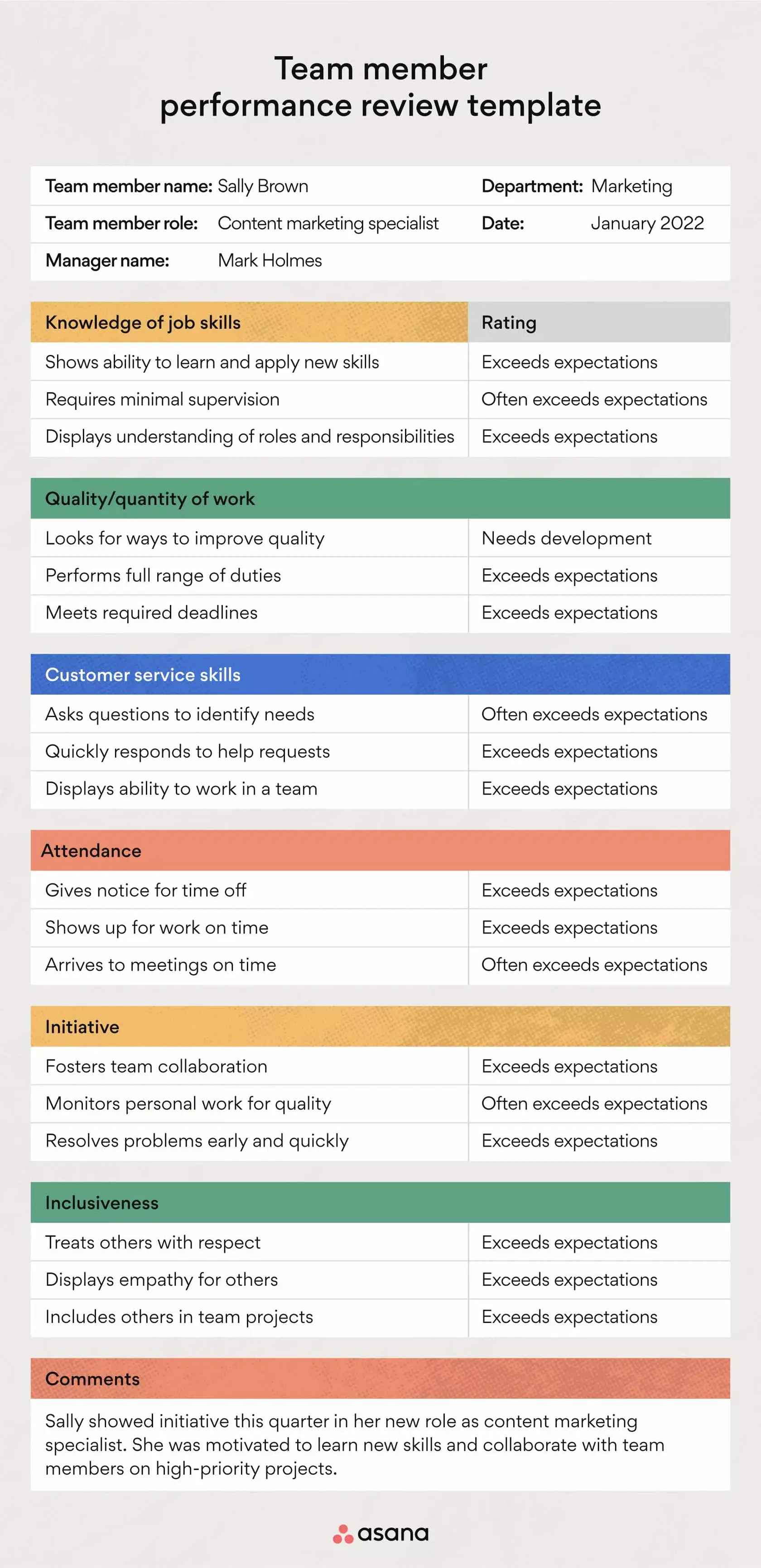
A well‑structured template is a weapon of precision. Use tables for quantitative data, bullet points for qualitative observations, and rating scales for quick visual assessment. Below is a recommended layout:
- Section 1 – Executive Summary: One‑paragraph snapshot of overall performance.
- Section 2 – KPI Dashboard: Table with targets, actuals, variance, and comments.
- Section 3 – Behavioral Review: Rating scale (1‑5) with space for examples.
- Section 4 – Strategic Fit: Checklist of alignment criteria.
- Section 5 – Development Plan: Action items, owners, deadlines, and success metrics.
Maintain a dark visual theme—deep greys, stark whites, and bold accents—to reinforce the serious nature of the evaluation. Consistency in font weight and spacing prevents the reader from slipping into complacency.
Implementing the Evaluation Process Without Dilution

Even the most brutal template is useless if the process surrounding it is softened. Follow these hard‑line steps to ensure integrity:
Preparation Phase
- Communicate the evaluation schedule at least 30 days in advance, emphasizing that the process is non‑negotiable.
- Distribute the template to the leader and relevant stakeholders, allowing a brief period for data collection.
- Assign a neutral evaluator—typically an HR senior manager or an external auditor—to oversee fairness.
Data Collection Phase
- Gather quantitative data from project management tools, financial systems, and HR records.
- Conduct anonymous 360‑degree surveys targeting direct reports, peers, and superiors. Ensure anonymity to capture raw honesty.
- Compile incident logs, client feedback, and any documented escalations.
Evaluation Phase
- Fill the template with collected data, leaving no room for guesswork.
- Score each KPI and behavioral indicator against predefined thresholds. Use color coding—red for below 70%, amber for 70‑89%, green for 90%+—to make gaps obvious.
- Write concise commentary that references specific events, avoiding generic language like “needs improvement.”
Feedback Session
- Schedule a face‑to‑face meeting in a neutral setting. No emails, no Slack messages—this is a serious confrontation.
- Present the completed template, highlighting red‑flag areas first. Allow the leader to respond, but keep the discussion focused on data, not emotions.
- Co‑create the development plan, locking down timelines and accountability mechanisms.
- Document the session minutes and have both parties sign the final document.
Real‑World Example: Turning a Failing Team Around
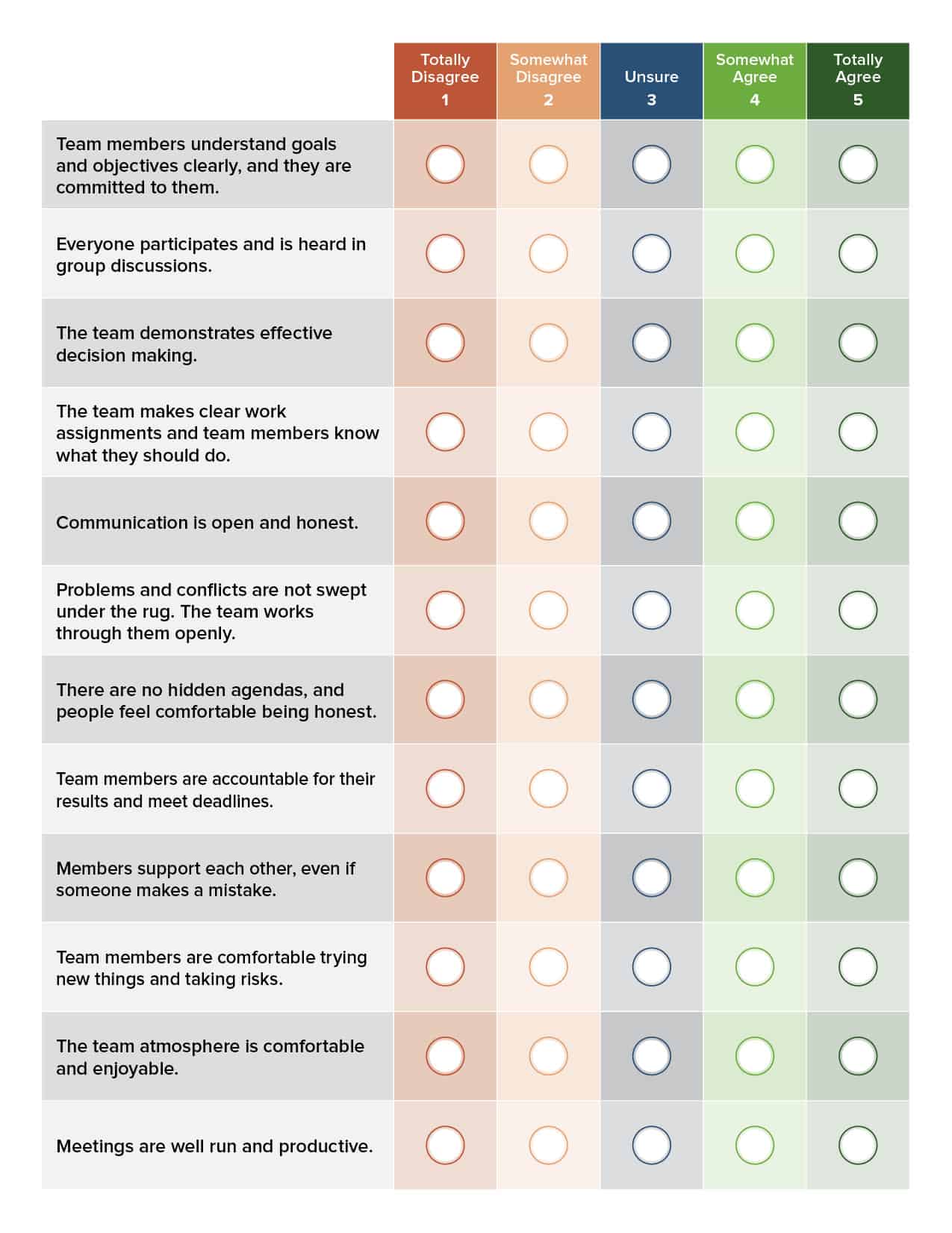
Consider a mid‑size software firm where the team leader of a critical product line consistently missed release deadlines. The organization deployed a ruthless Team Leader Evaluation Template that revealed the following:
- KPI variance: 45% of milestones missed over six months.
- Communication clarity rating: 2/5, with multiple instances of ambiguous requirements.
- Turnover rate: 30% of the team left within a year, citing “lack of direction.”
The evaluation forced a candid conversation. The leader was assigned a mentor from senior management, mandated to complete an agile‑methodology certification, and given a 90‑day improvement window with weekly check‑ins. Within the next quarter, KPI compliance rose to 85%, communication scores hit 4/5, and turnover dropped to 10%. The template’s unforgiving honesty sparked measurable change.
Common Pitfalls and How to Avoid Them
Even the most hardened template can be sabotaged by sloppy execution. Guard against these traps:
Over‑Reliance on Subjectivity
Never let personal bias dictate scores. Anchor every rating to documented evidence—emails, project logs, and survey data. Use a calibration panel to review outlier scores.
Inadequate Follow‑Through
Development plans are meaningless without enforcement. Set automated reminders, quarterly progress reviews, and tie outcomes to compensation or promotion decisions.
Failure to Update the Template
Business environments evolve; so must your evaluation criteria. Review the template annually, incorporate emerging KPIs (e.g., remote‑work productivity metrics), and retire obsolete items.
Integrating the Template With Existing HR Systems
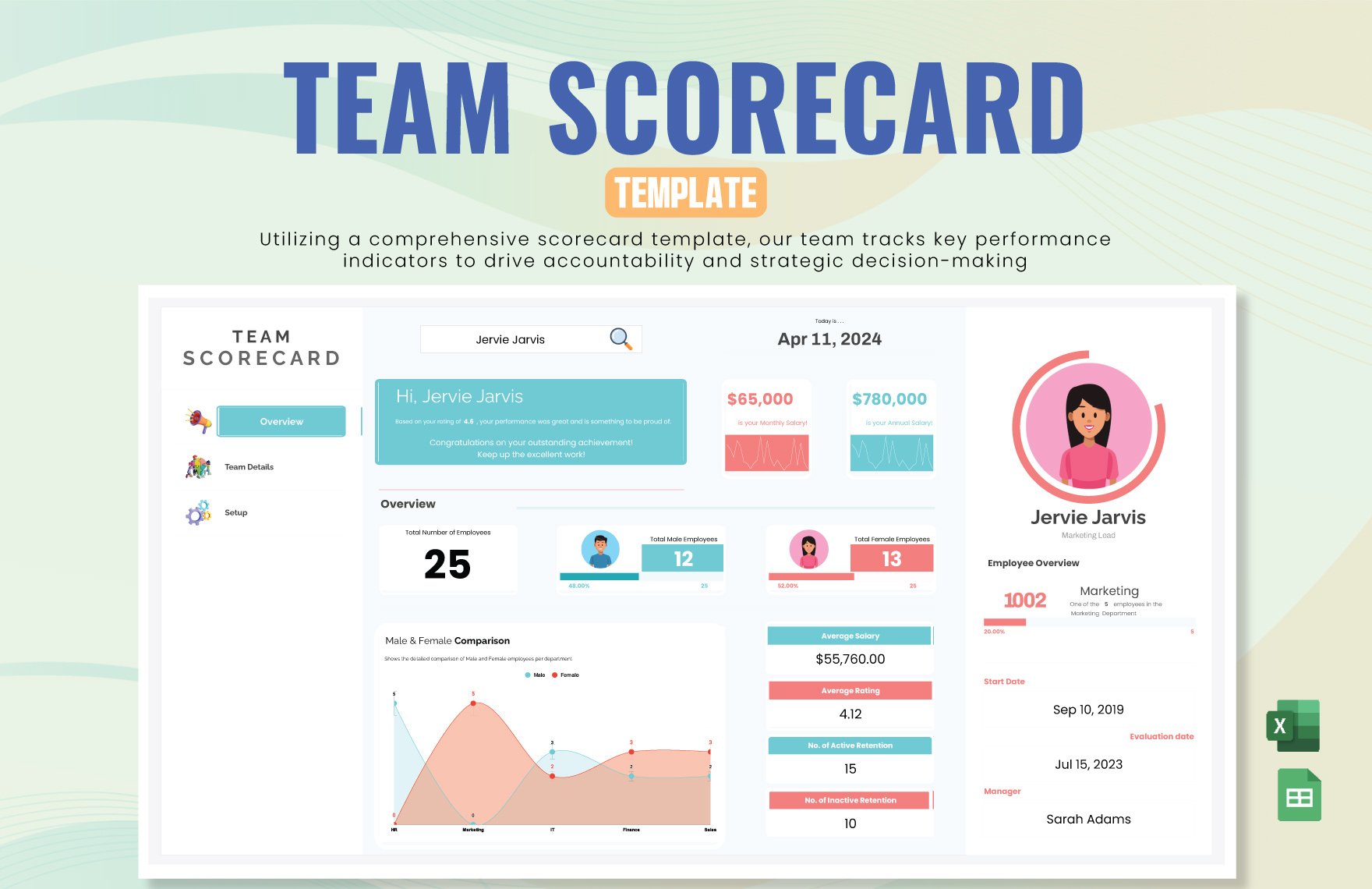
For seamless adoption, embed the template into your HRIS or performance‑management platform. Map each KPI to existing data fields, automate score calculations, and generate dashboards for executive visibility. This reduces manual entry errors and reinforces the template’s authority.
Legal and Ethical Considerations

While the tone is harsh, the process must still respect legal boundaries. Ensure that evaluations are:
- Non‑discriminatory—apply the same criteria across all leaders regardless of gender, race, or age.
- Documented—retain records for the legally required retention period.
- Transparent—provide the leader with the opportunity to review and dispute factual inaccuracies.
Balancing a black‑tone rigor with ethical compliance protects the organization from litigation and maintains internal credibility.
Conclusion: Harnessing the Dark Power of Evaluation

The Team Leader Evaluation Template is not a pleasant tool; it is a necessary instrument of truth in an environment that often rewards complacency. By embracing its unforgiving structure, defining clear, data‑driven criteria, and enforcing a disciplined implementation process, organizations can weed out ineffective leadership, elevate high performers, and align team output with strategic imperatives. The darkness of this approach cuts through illusion, leaving only the stark reality of performance—exactly what any serious enterprise needs to survive and thrive.




Related posts of "Team Leader Evaluation Template"
