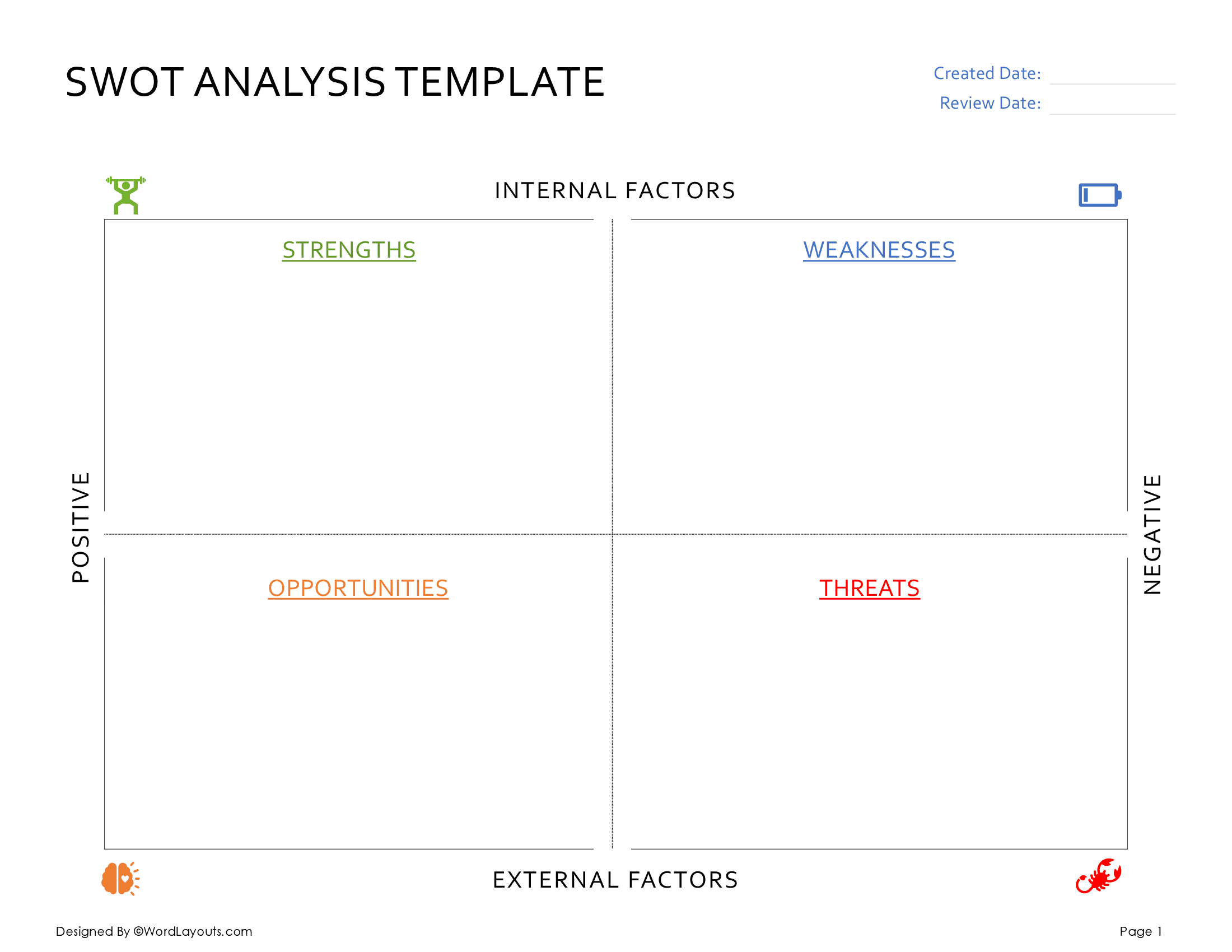
Swot Analysis Template Internal External serves as a timeless compass for businesses seeking clarity amid the bustling markets of Asia and beyond, helping leaders sift through strengths, weaknesses, opportunities, and threats with the precision of a seasoned tea master brewing the perfect blend.
Understanding the Core of SWOT

What is SWOT?
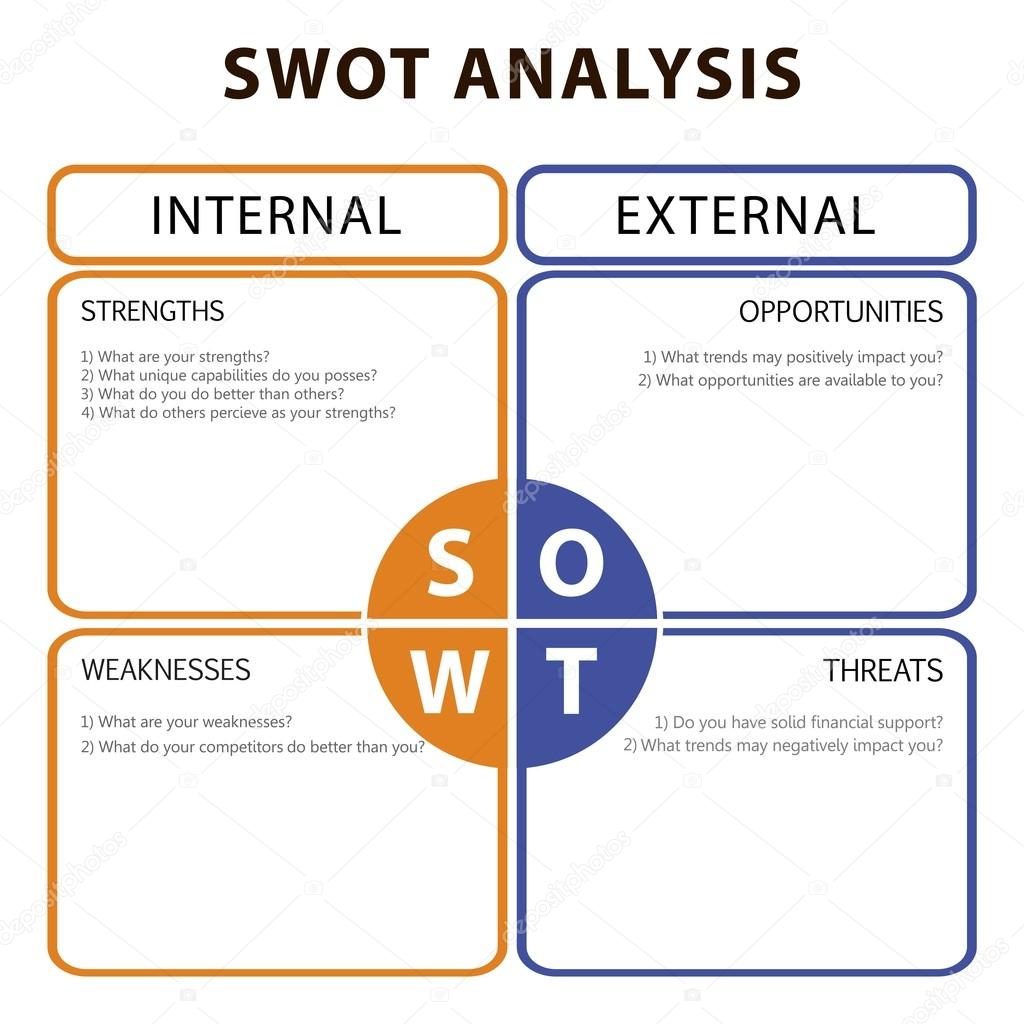
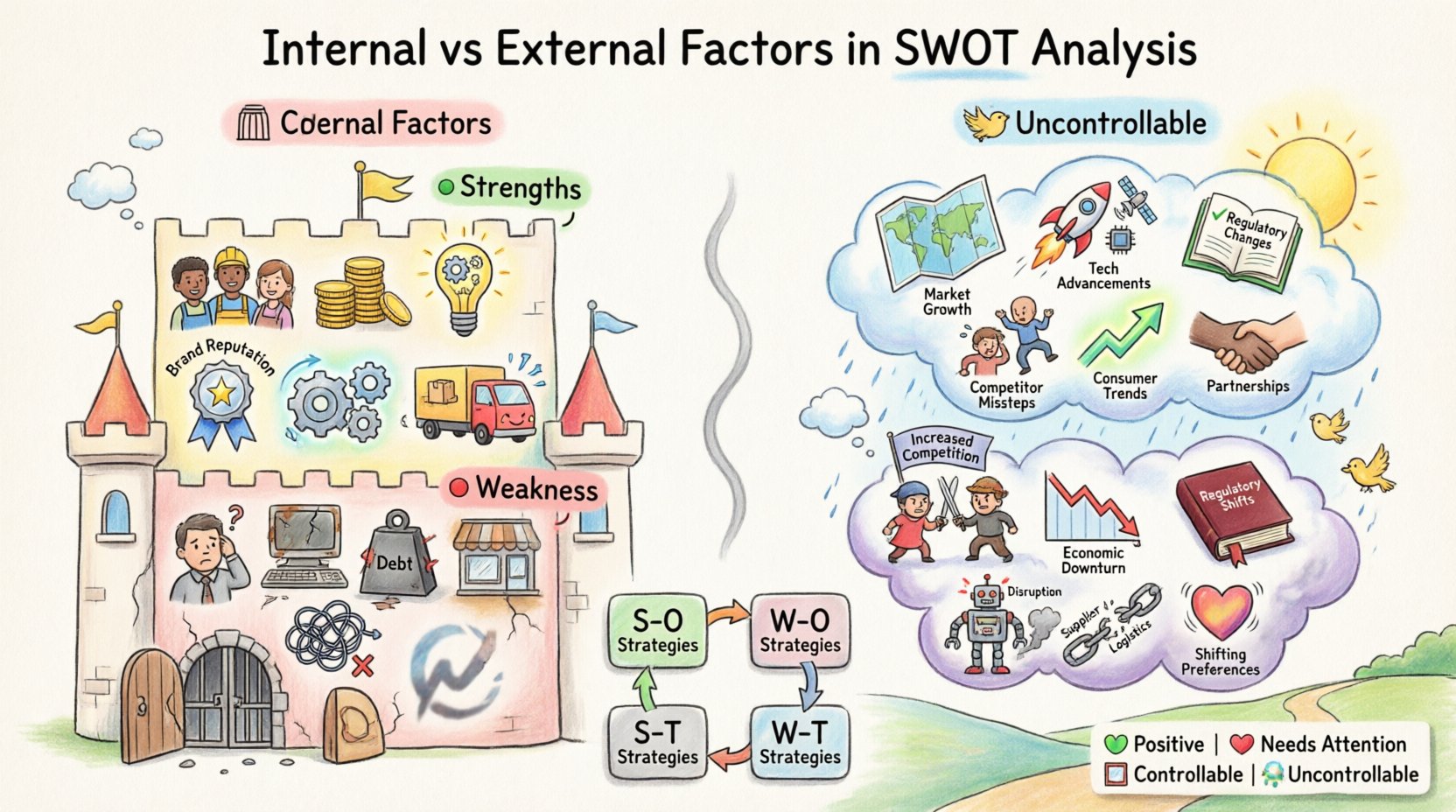
SWOT is an acronym that stands for Strengths, Weaknesses, Opportunities, and Threats. It is a structured framework that enables organizations to map internal capabilities against external realities, creating a snapshot that informs strategic decision‑making. Think of it as a yin‑yang diagram where internal factors (yin) balance against external forces (yang), achieving harmony in business planning.
Why It Matters in an Asian Context
Asian economies are characterized by rapid technological adoption, diverse cultural nuances, and shifting regulatory landscapes. A robust SWOT analysis captures these dynamic forces, allowing companies to align their heritage and innovation with market demands, much like a bamboo forest bends with the wind yet remains rooted.
Internal Factors: Strengths and Weaknesses
Identifying Strengths
Strengths are the positive attributes that give a company a competitive edge. In an Asian setting, these often include:
- Deep cultural insight and local market knowledge.
- Established supply‑chain networks across borders.
- Strong brand loyalty driven by heritage and trust.
- Agile workforce accustomed to fast‑paced change.
When listing strengths, be specific. Instead of “good reputation,” write “over 30 years of trusted service in the Southeast Asian food sector, reflected in a Net Promoter Score of 78.”
Spotting Weaknesses
Weaknesses are internal limitations that can hinder growth. Common examples include:
- Outdated IT infrastructure that slows digital transformation.
- Limited presence in emerging markets like Vietnam or the Philippines.
- Heavy reliance on a single supplier, increasing vulnerability.
- Language barriers within multinational teams.
Facing weaknesses head‑on is akin to a samurai acknowledging a crack in their armor before battle; it allows you to reinforce or strategize around the flaw.
External Factors: Opportunities and Threats

Uncovering Opportunities
Opportunities arise from trends, policies, or gaps in the market. In Asia, watch for:
- Government incentives for green technology and sustainable practices.
- Rising middle‑class consumption driving demand for premium products.
- Cross‑border e‑commerce platforms expanding market reach.
- Collaborations with fintech firms enabling innovative payment solutions.
Document each opportunity with a brief impact estimate, such as “potential 15 % revenue increase in the next fiscal year by entering the Indonesian e‑commerce market.”
Assessing Threats
Threats are external challenges that could jeopardize success. Typical Asian threats include:
- Regulatory shifts, such as stricter data‑privacy laws.
- Currency volatility affecting import costs.
- Intense competition from local startups with aggressive pricing.
- Supply‑chain disruptions caused by natural disasters.
Quantify threats where possible. For instance, “Projected 5 % increase in raw material costs due to new carbon tax regulations.”
Designing a Practical SWOT Template
Choosing the Right Layout
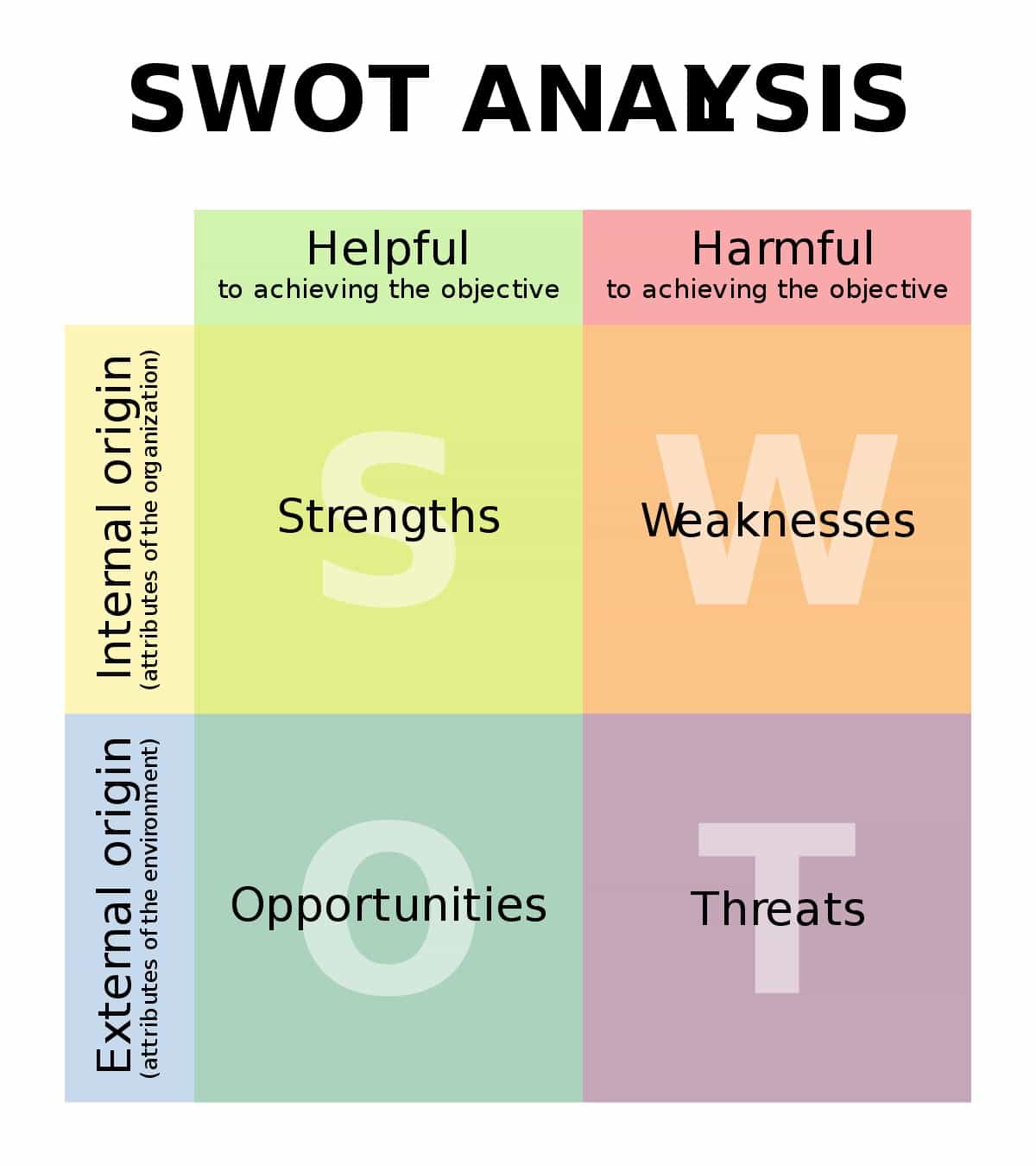
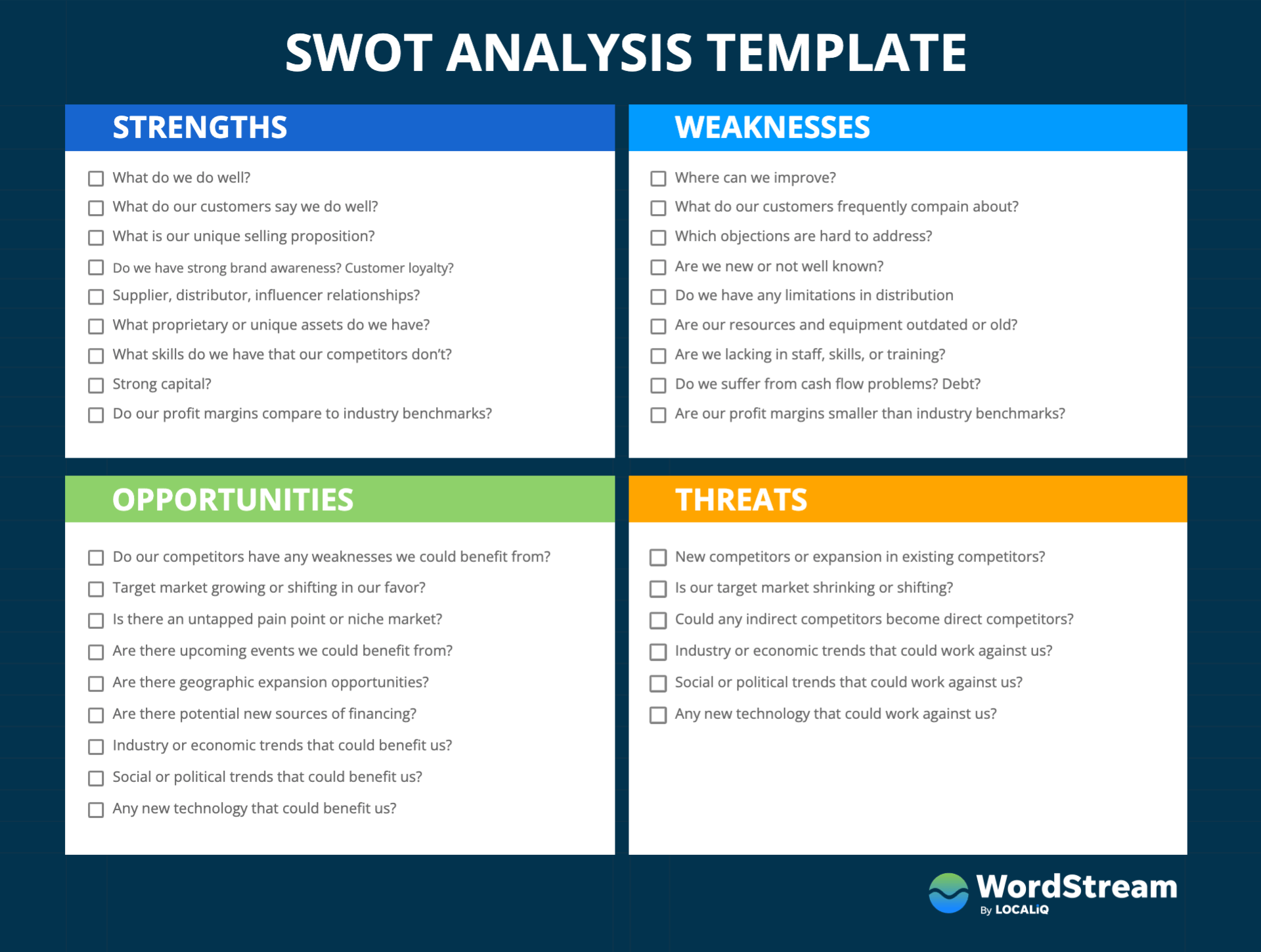
A clean, visual template speeds up analysis and fosters collaboration. The classic 2×2 matrix works well, but consider adding color coding: green for strengths, red for weaknesses, blue for opportunities, and orange for threats. This visual cue mirrors the subtle yet vivid aesthetics found in traditional Asian art.
Step‑by‑Step Template Construction
Follow these steps to build a usable template:
- Set the Canvas: Create a table with four quadrants, labeling each with Strengths, Weaknesses, Opportunities, and Threats.
- Gather Stakeholders: Invite cross‑functional teams—marketing, finance, operations, and HR—to contribute diverse perspectives.
- Brainstorm Internally: Use sticky notes or a digital board to capture ideas for strengths and weaknesses.
- Research Externally: Pull market reports, competitor analyses, and regulatory updates for opportunities and threats.
- Prioritize: Rank each item on a scale of 1‑5 based on impact and likelihood, then highlight the top three in each quadrant.
- Action Planning: For each high‑priority item, assign an owner, deadline, and measurable KPI.
Sample Template Snapshot (Textual Representation)
Strengths: • Strong brand heritage (Score 5) • Agile supply chain (Score 4) • High employee engagement (Score 3)
Weaknesses: • Limited digital presence (Score 4) • Dependence on single supplier (Score 5) • Outdated ERP system (Score 3)
Opportunities: • Government green subsidies (Score 5) • Growing e‑commerce market (Score 4) • Partnerships with fintech firms (Score 3)
Threats: • New data‑privacy regulations (Score 4) • Currency fluctuations (Score 3) • Intensifying local competition (Score 5)
Applying the Template in Real‑World Asian Business Scenarios

Case Study: A Traditional Tea Company Expanding Online
A family‑owned tea brand from Taiwan sought to launch an e‑commerce platform across Southeast Asia. Using the SWOT template, they discovered:
- Strength: Authentic tea heritage recognized across the region.
- Weakness: Lack of digital marketing expertise.
- Opportunity: Rising health‑conscious consumer base demanding premium tea.
- Threat: Established online tea retailers with aggressive discounting.
Action steps derived from the analysis included hiring a local digital agency, launching a storytelling campaign around tea rituals, and negotiating bulk shipping rates to counter price competition.
Case Study: A FinTech Startup Navigating Regulatory Waters
A Singapore‑based fintech aimed to provide cross‑border payment solutions for SMEs. Their SWOT revealed:
- Strength: Cutting‑edge blockchain technology.
- Weakness: Limited regulatory compliance team.
- Opportunity: New ASEAN payment interoperability framework.
- Threat: Stricter anti‑money‑laundering (AML) laws.
They responded by partnering with a compliance consultancy, obtaining necessary licences ahead of competitors, and marketing the secure, fast payment feature as a differentiator.
Tips for Keeping Your SWOT Fresh and Actionable

Schedule Regular Reviews
Markets shift like monsoon seasons; a SWOT that is not updated becomes stale. Set quarterly review meetings, inviting new data sources and rotating team members to bring fresh eyes.
Integrate Real‑Time Data
Leverage dashboards that pull live sales figures, social sentiment, and macro‑economic indicators. When a KPI dips, revisit the relevant quadrant to see if a weakness has emerged or a threat intensified.
Link SWOT to Strategic Roadmaps
Each high‑priority SWOT item should map directly to a project in your strategic roadmap. Use a RACI matrix to clarify responsibilities, ensuring accountability and avoiding the “analysis paralysis” trap.
Common Pitfalls and How to Avoid Them

Being Too Vague
General statements like “good reputation” or “market growth” add little value. Replace them with quantifiable facts—e.g., “brand recognition score of 88 % in consumer surveys.”
Overloading the Matrix
Filling every cell with dozens of items creates noise. Prioritize by impact and feasibility, keeping the list to 5‑7 items per quadrant for clarity.
Neglecting the Human Element
SWOT is not only a data exercise; it reflects people’s insights. Encourage open dialogue, respect hierarchical nuances, and capture cultural insights that numbers alone cannot convey.
Conclusion

Mastering a Swot Analysis Template Internal External equips Asian enterprises with a disciplined yet adaptable tool to harmonize internal strengths with external opportunities while mitigating weaknesses and threats. By following the structured steps, tailoring the template to cultural nuances, and committing to regular, data‑driven refresh cycles, businesses can navigate the vibrant, ever‑changing Asian marketplace with confidence, turning strategic insight into sustainable growth.




Related posts of "Swot Analysis Template Internal External"
