
Swot Analysis Template Free Ppt offers a quick and effective way for businesses, educators, and students to assess internal and external factors that shape strategic decisions. By leveraging a ready‑made PowerPoint design, you can focus on the data itself while maintaining a polished, professional presentation style that captures stakeholders’ attention.
What Is a SWOT Analysis and Why It Matters
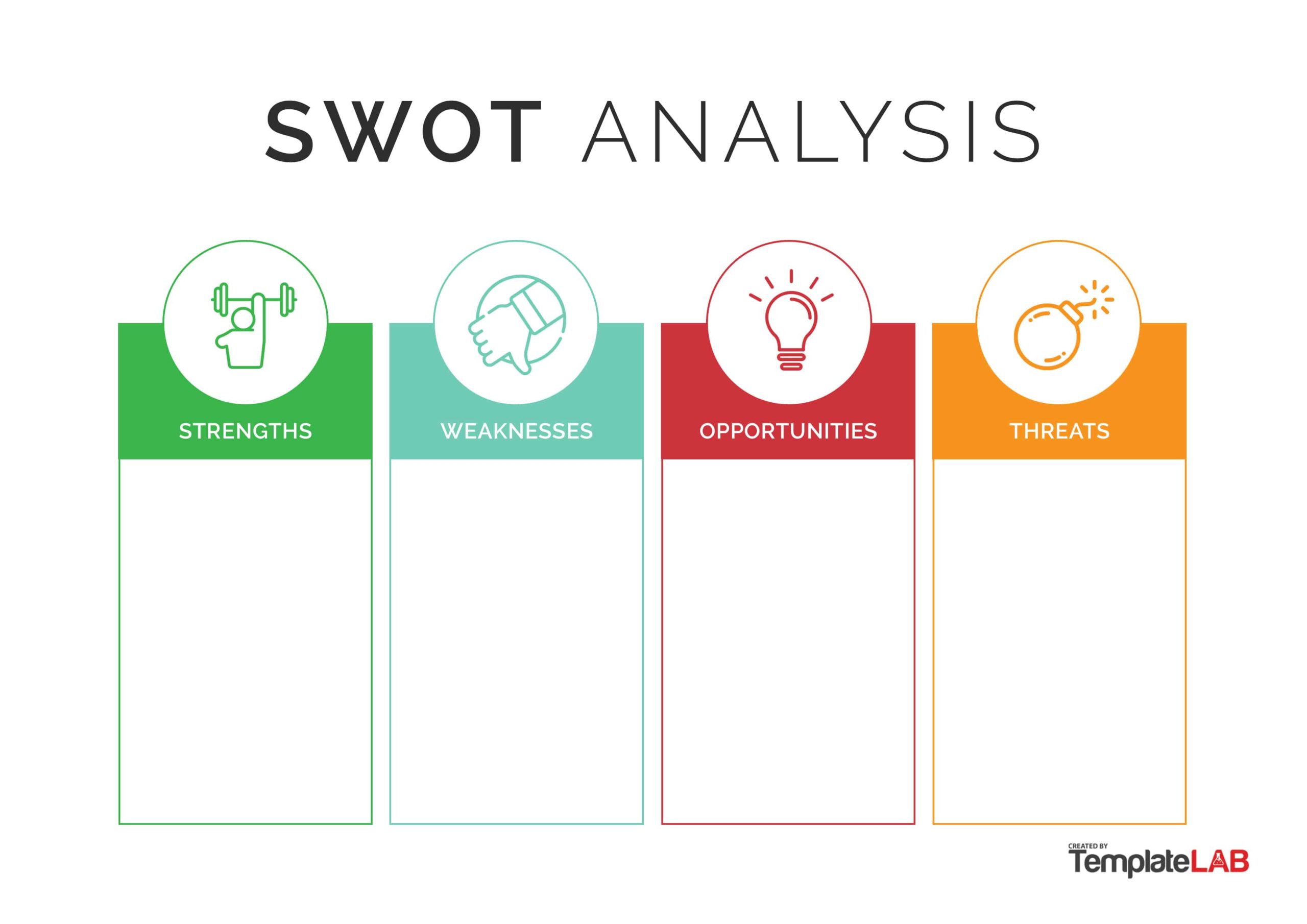
A SWOT analysis is a foundational tool that examines four critical dimensions: Strengths, Weaknesses, Opportunities, and Threats. When conducted thoroughly, this framework provides a clear snapshot of where an organization stands and what pathways are available for future growth.
Components: Strengths, Weaknesses, Opportunities, Threats
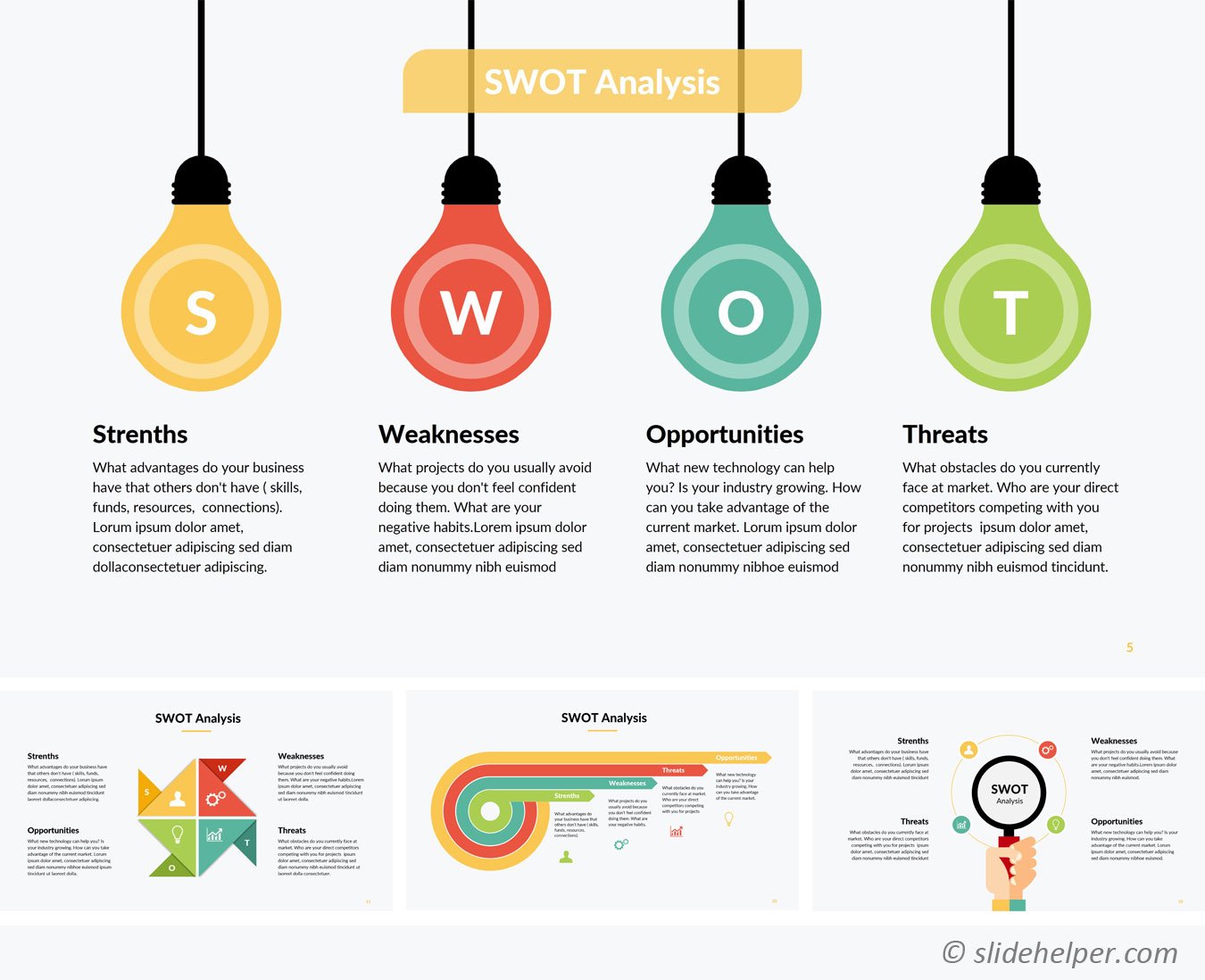
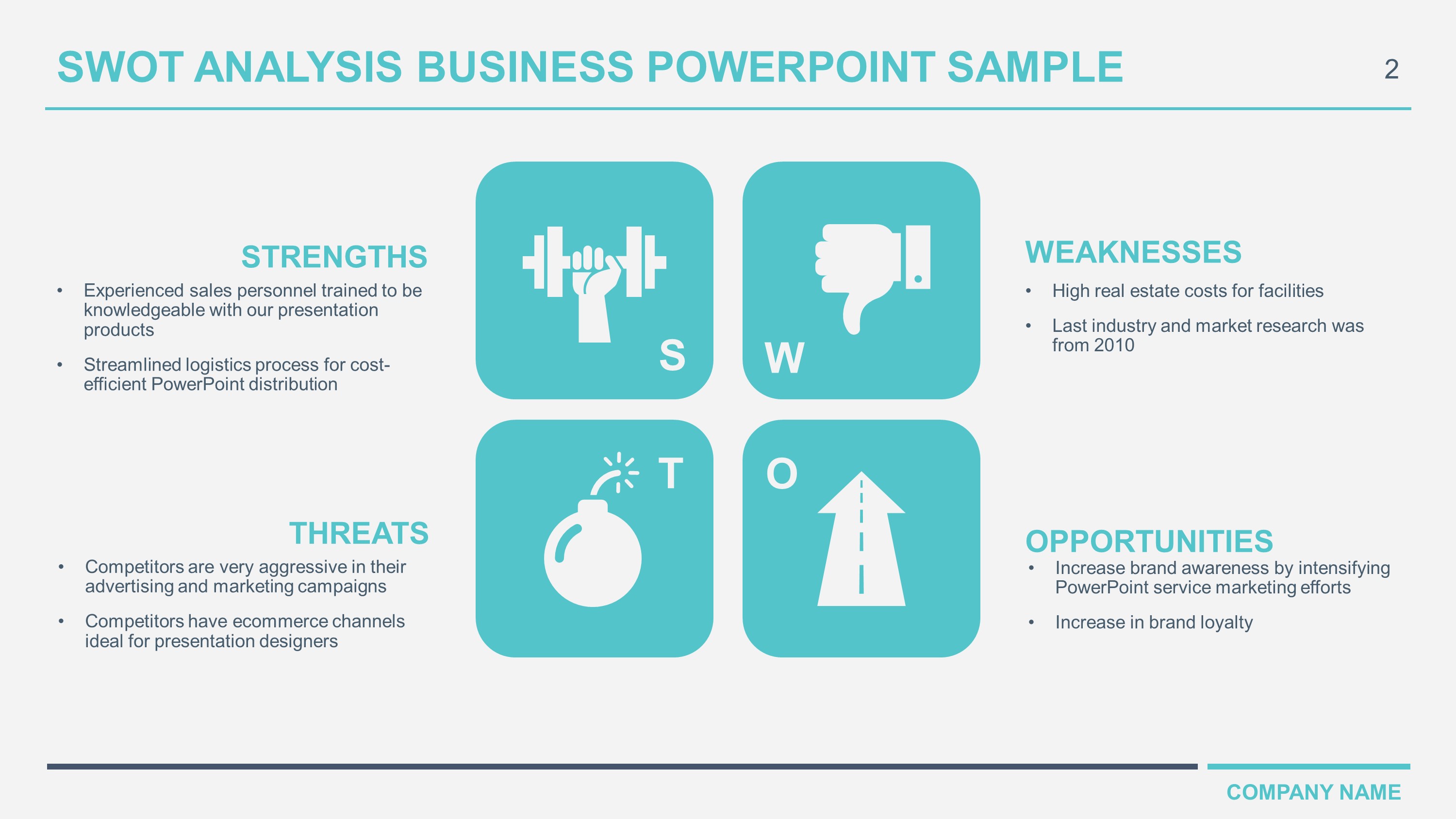
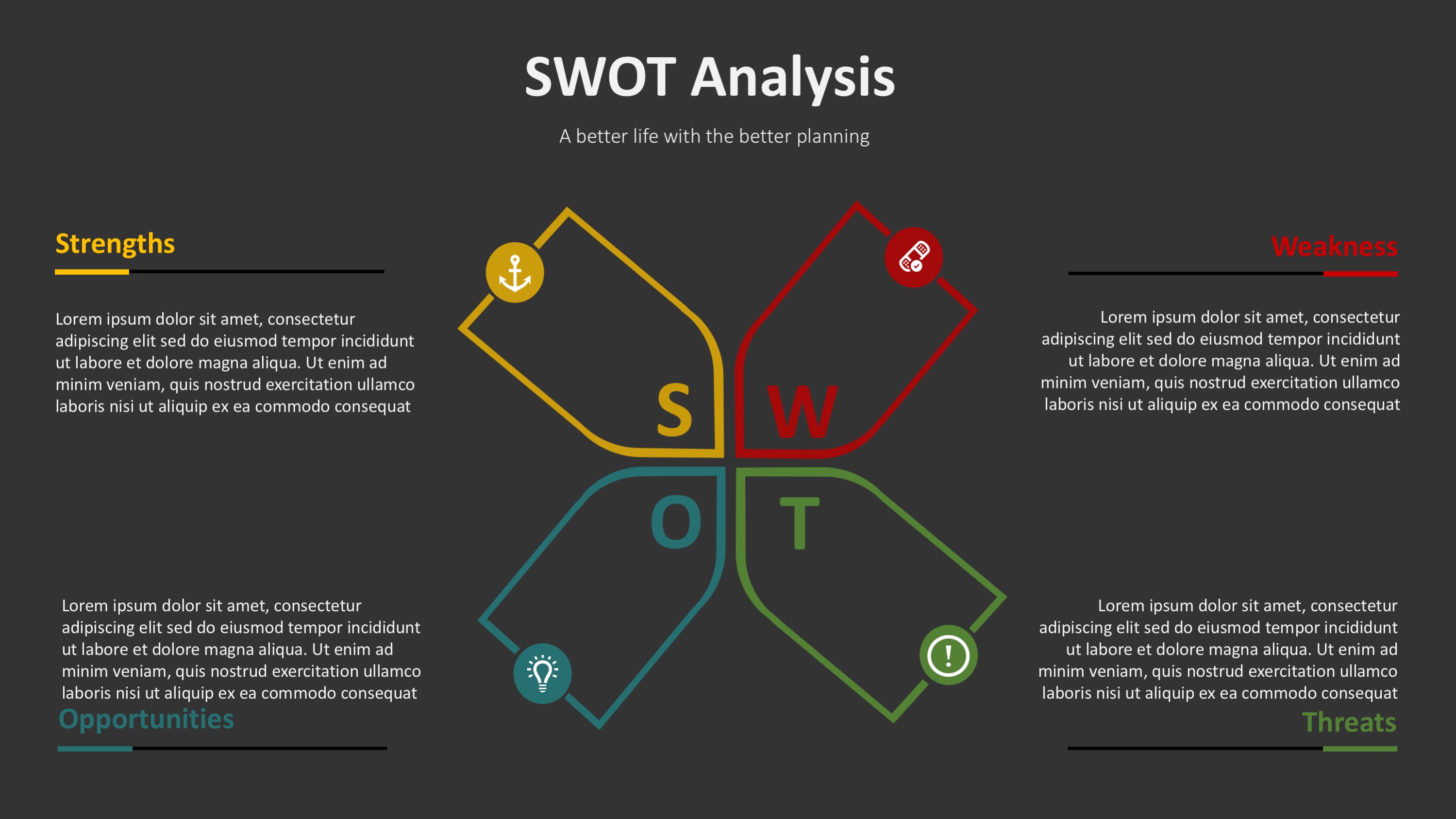
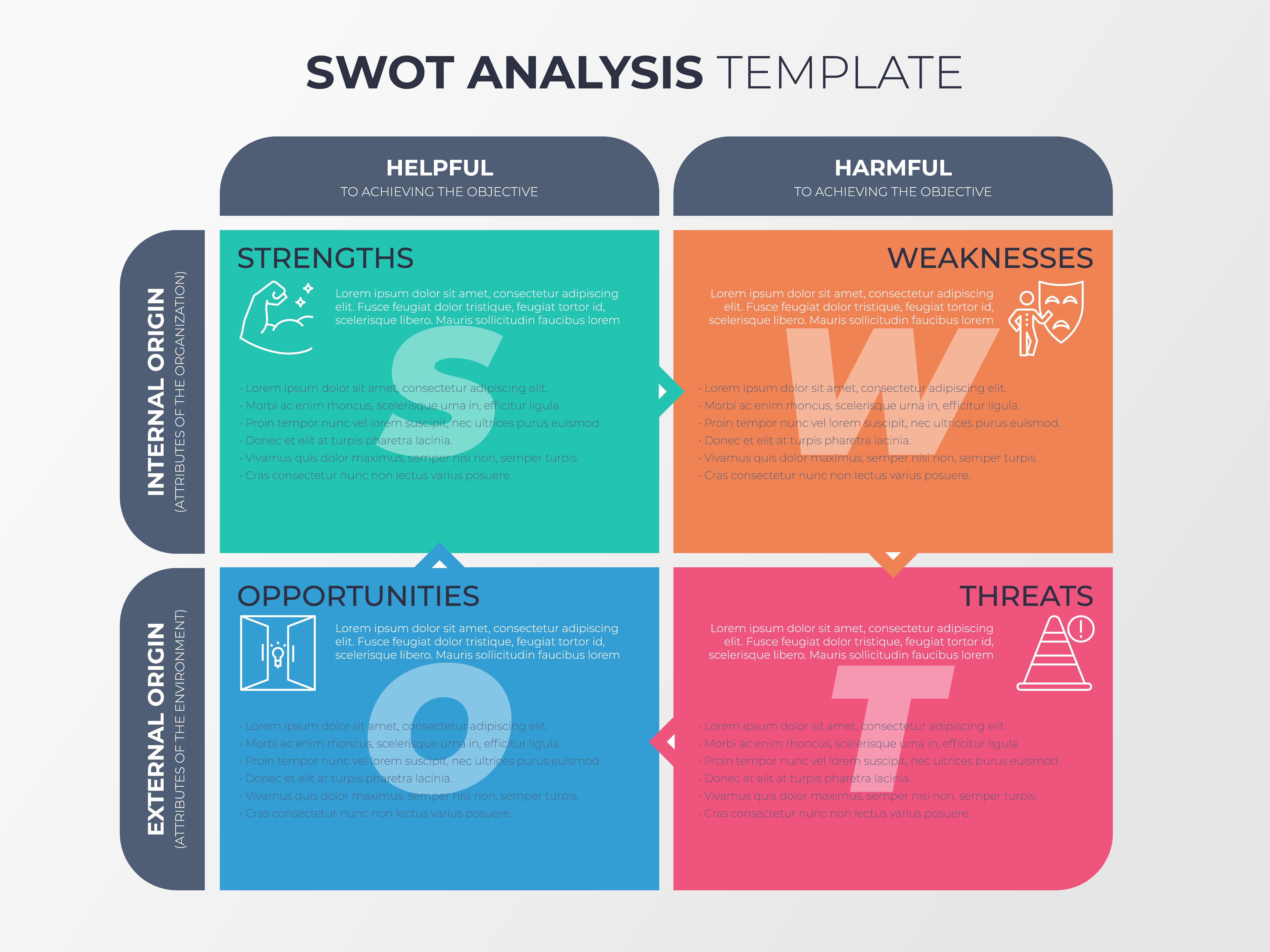
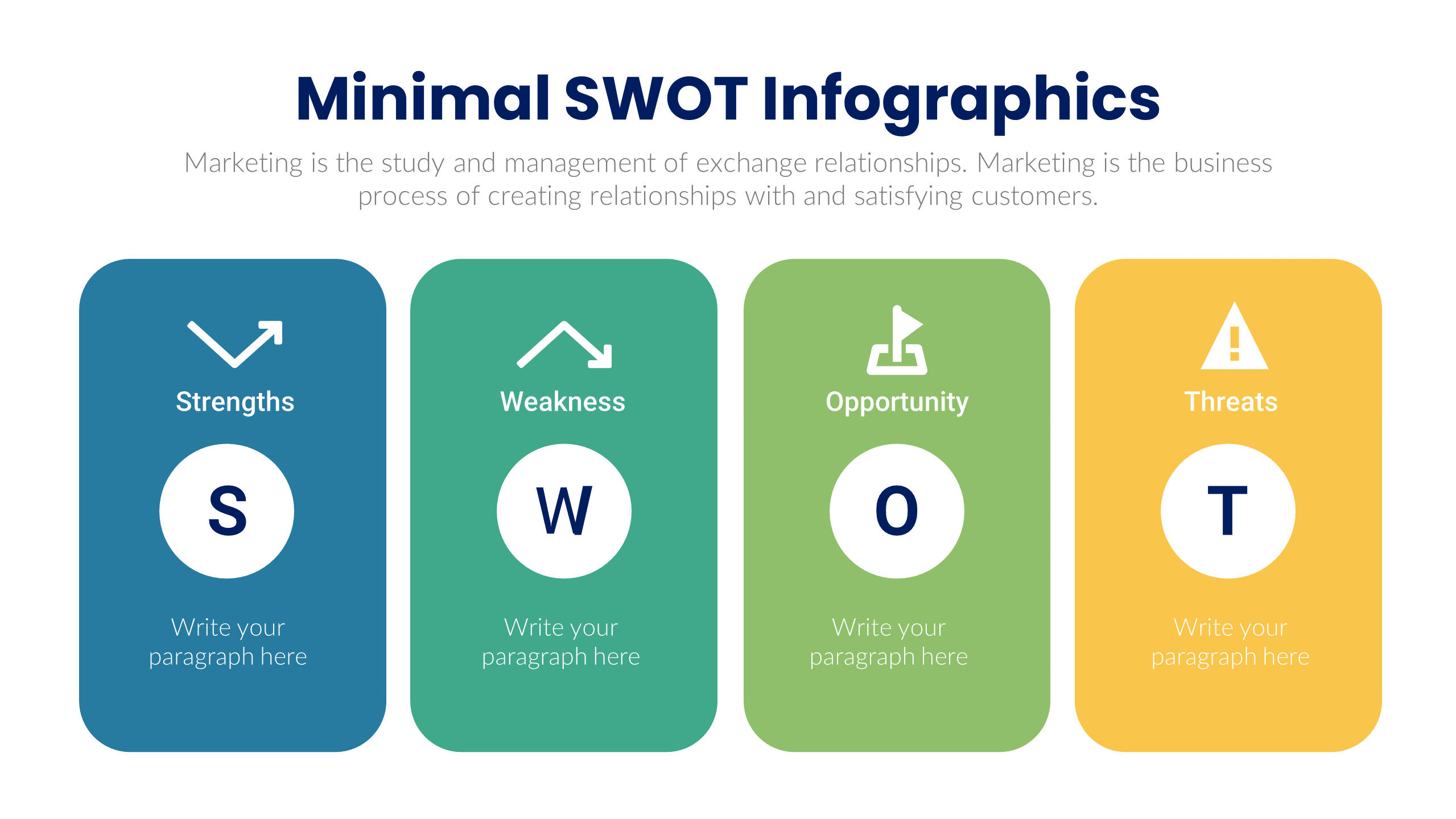
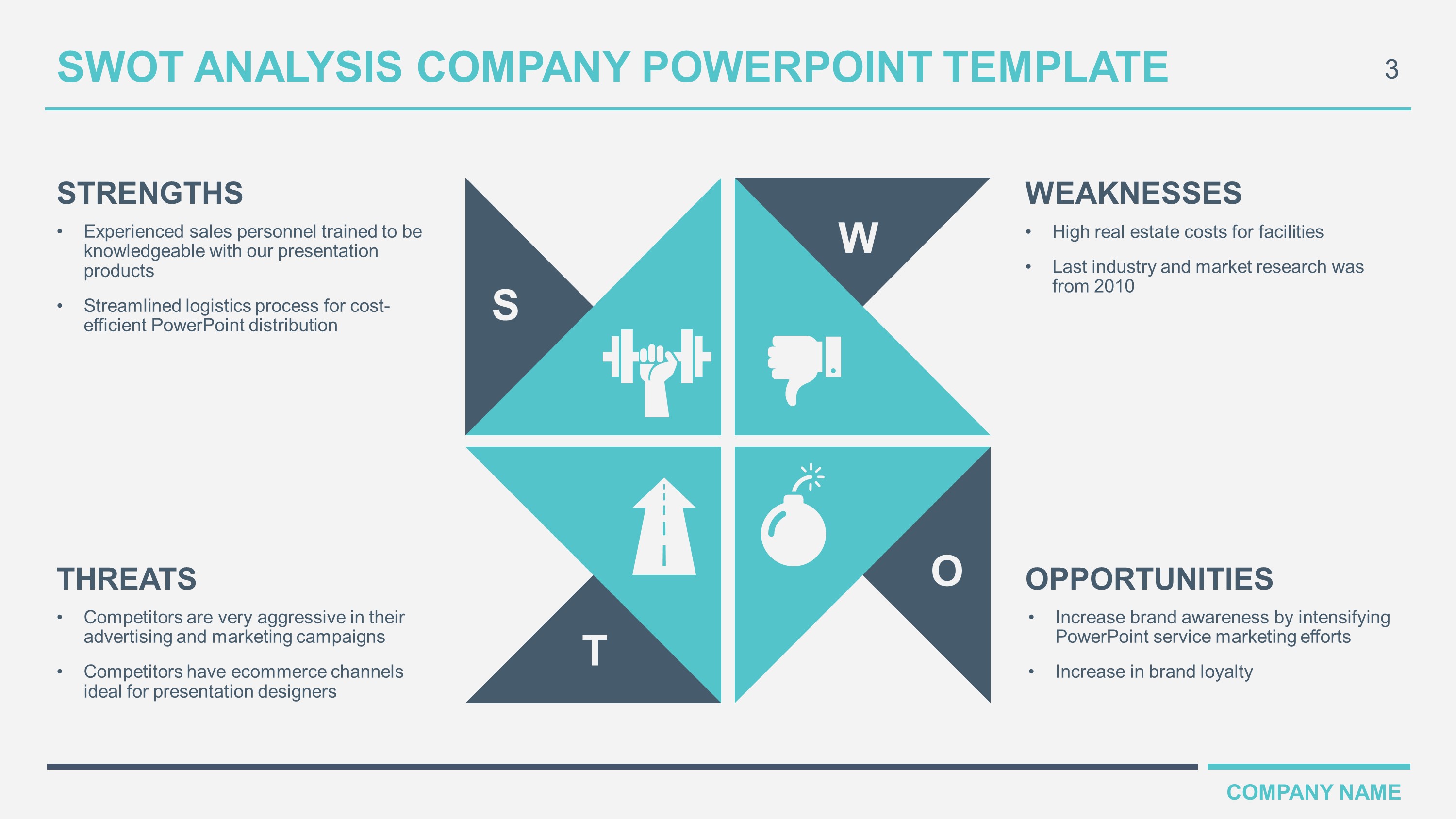
Strengths highlight internal capabilities such as skilled staff, proprietary technology, or strong brand equity. Weaknesses point to gaps like limited capital or outdated processes. Opportunities emerge from market trends, new regulations, or technological advancements that can be capitalized on. Threats involve competitive pressure, shifting consumer preferences, or economic downturns that could undermine success.
Understanding these elements allows teams to prioritize initiatives, mitigate risks, and align resources with strategic priorities.
Benefits of Using a Free PPT Template

While creating a SWOT slide from scratch is possible, a pre‑designed template eliminates repetitive formatting tasks and ensures a cohesive aesthetic across all slides.
Customization Ease
Most free SWOT templates come with editable placeholders and color palettes. By simply swapping text or inserting company logos, you can personalize the deck without graphic design skills. This speed is invaluable during fast‑paced board meetings or investor pitches.
Visual Consistency
Consistent typography, spacing, and iconography convey professionalism. Templates provide a uniform style, reducing visual clutter and making the information easier to digest.
How to Choose the Right Free SWOT Analysis PPT Template
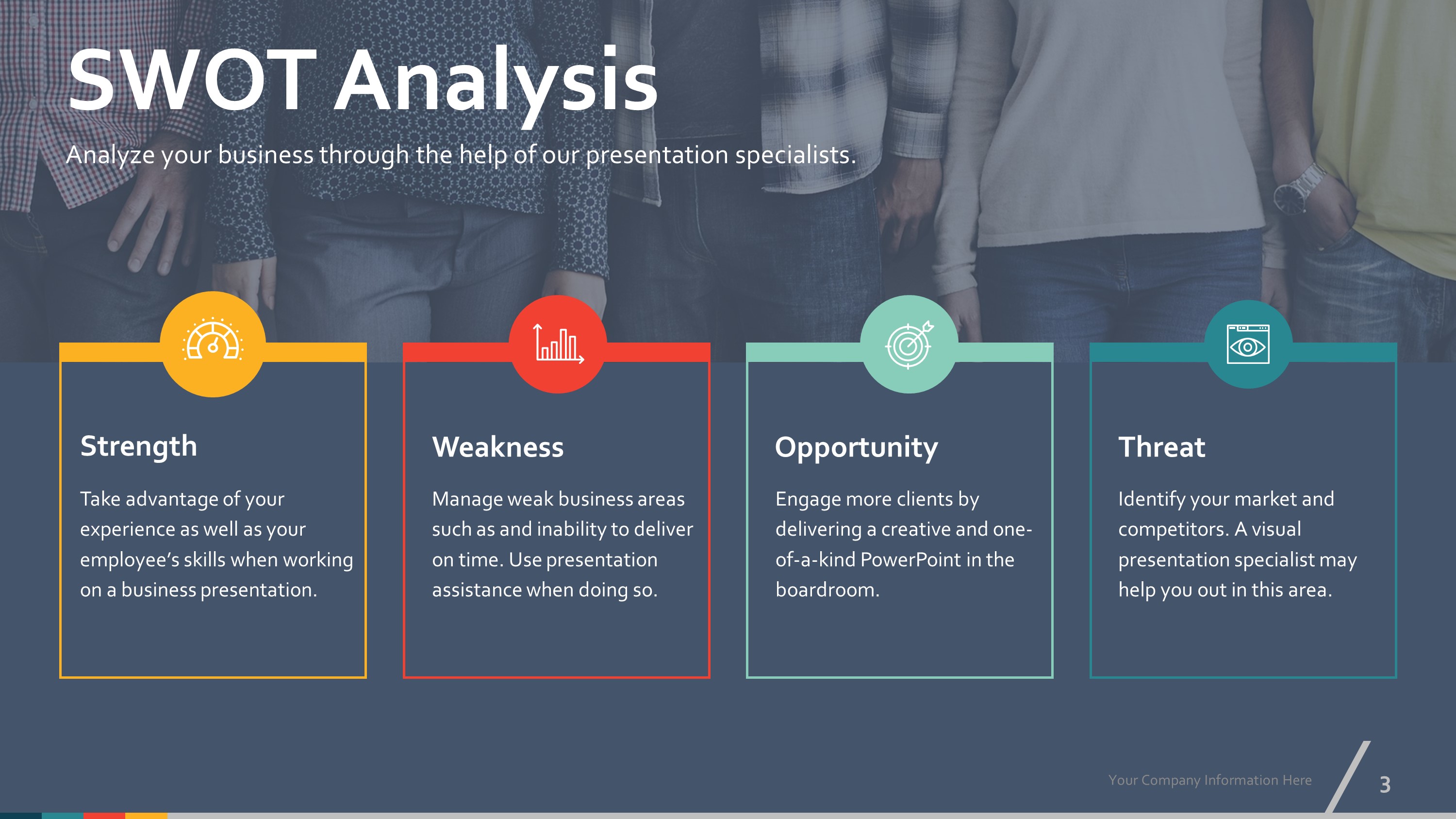
Not all templates are created equal. When selecting a template, consider design elements that match your brand and presentation goals.
Design Simplicity
A clutter‑free layout emphasizes data over decoration. Look for clean grid structures that separate each quadrant clearly, allowing the audience to focus on the core insights.
Slide Layout Variety
Some templates offer multiple slide options—such as an overview slide, a detailed quadrant slide, and a conclusion slide. This variety supports storytelling, letting you transition smoothly from analysis to action plans.
Compatibility with PowerPoint Versions
Ensure the template uses standard slide master features compatible with the PowerPoint version you use. Avoid templates that rely on proprietary animations or advanced formatting that may break on older software.
Step‑by‑Step Guide to Implementing Your Template

With a solid template in hand, you can streamline the creation process into a few logical steps.
Gather Your Data
Begin by collecting internal reports, market research, and stakeholder interviews. Organize findings under each of the four SWOT categories before mapping them onto the template.
Populate the Slides
Insert concise bullet points for each quadrant. Keep each entry to one line, focusing on the most impactful point. Use icons or symbols to represent each category visually—this aids quick comprehension.
Refine Visuals
Adjust font sizes, adjust spacing, and tweak color hues to align with your brand’s palette. Adding a subtle background image or texture can enhance visual appeal without distracting from content.
Real-World Examples
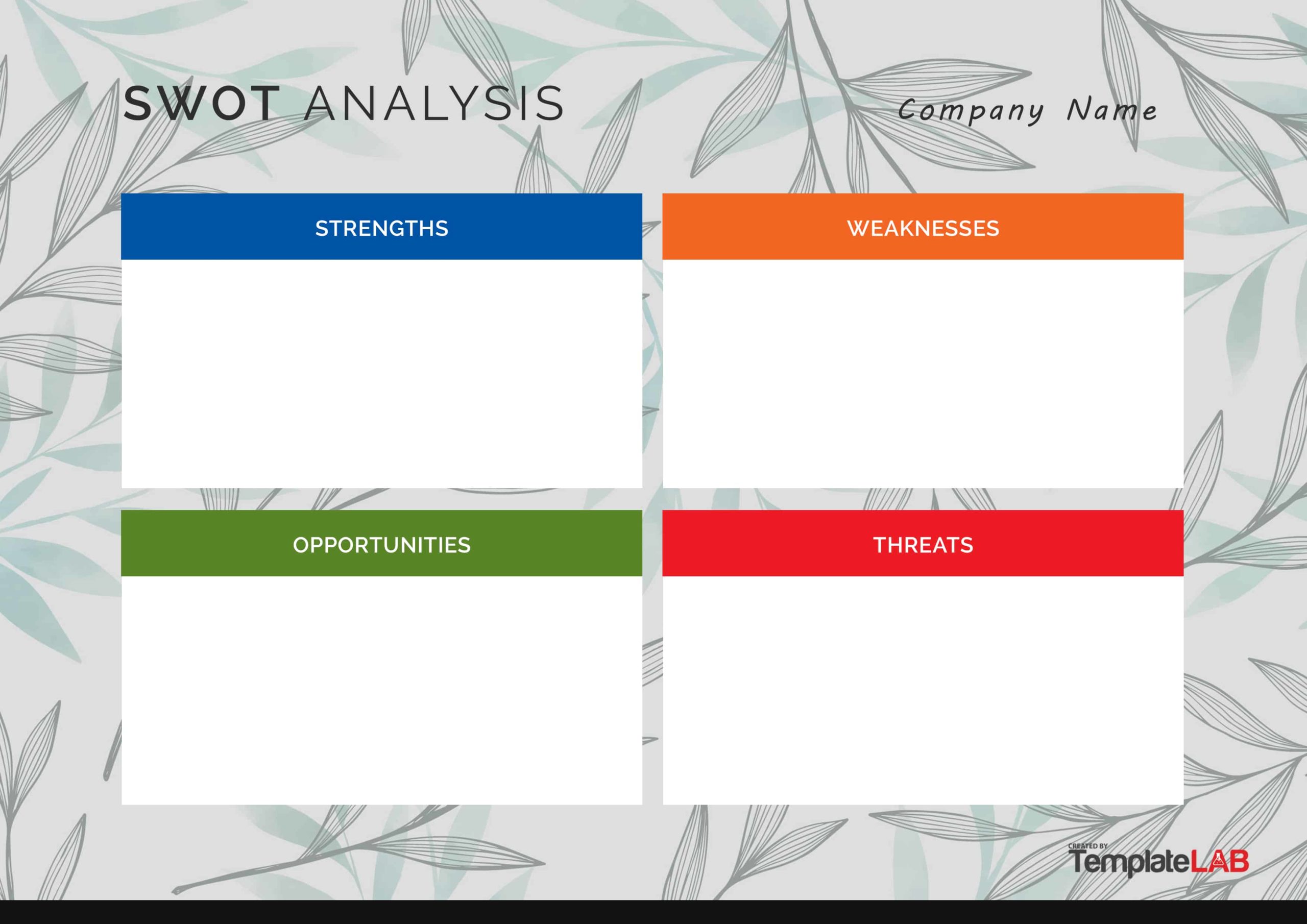
Understanding how others successfully use SWOT templates can guide your own application. Below are two illustrative scenarios.
Startup Pitch Deck
A tech startup preparing to secure seed funding uses a clean, minimalist template. They highlight strengths such as a patented algorithm, weaknesses like a lean team, opportunities in emerging markets, and threats from established competitors. The slide deck’s visual consistency keeps the venture capitalist’s focus on the numbers rather than design gimmicks.
Market Entry Strategy
A retail chain planning to expand into a new region starts with a SWOT slide that compares the current market with the target region. Strengths include existing supply chain infrastructure; weaknesses are limited brand awareness; opportunities stem from rising consumer demand; and threats involve local regulatory hurdles. The template’s clear quadrant layout allows the strategy team to quickly decide whether to enter or partner locally.
Tips for Enhancing Your SWOT Slide Deck

Even a well‑structured template can be elevated with thoughtful design choices.
Use of Icons and Colors
Assign each quadrant a distinct color that aligns with your brand identity—green for strengths, red for threats, etc. Pair icons that reflect the content (e.g., a trophy for strengths, a shield for threats). Icons speed up recognition and create visual hooks.
Incorporating Graphs
When quantifying opportunities or threats, add simple bar charts or heat maps to illustrate magnitude. Ensure the graphs are directly linked to the corresponding SWOT entry to avoid confusing the audience.
Common Mistakes to Avoid
Even seasoned presenters can slip into pitfalls that weaken the analysis.
Overloading Information
Too many bullet points or excessive detail can overwhelm viewers. Aim for one or two key points per quadrant and provide supporting data in the speaker notes or annex slides.
Ignoring Context
A SWOT analysis must reflect the current environment. Avoid using outdated data or assuming that a previously identified strength remains unchanged. Periodic updates keep the presentation relevant.
Conclusion

Employing a Swot Analysis Template Free Ppt streamlines the process of turning complex data into a concise, visually engaging narrative. By selecting a design that matches your brand, following a structured implementation approach, and applying thoughtful enhancements, you can deliver a compelling SWOT presentation that informs strategy, aligns teams, and persuades stakeholders. Remember to keep the content focused, the visuals clean, and the context current, and you’ll harness the full power of this timeless analytical tool.




Related posts of "Swot Analysis Template Free Ppt"
