
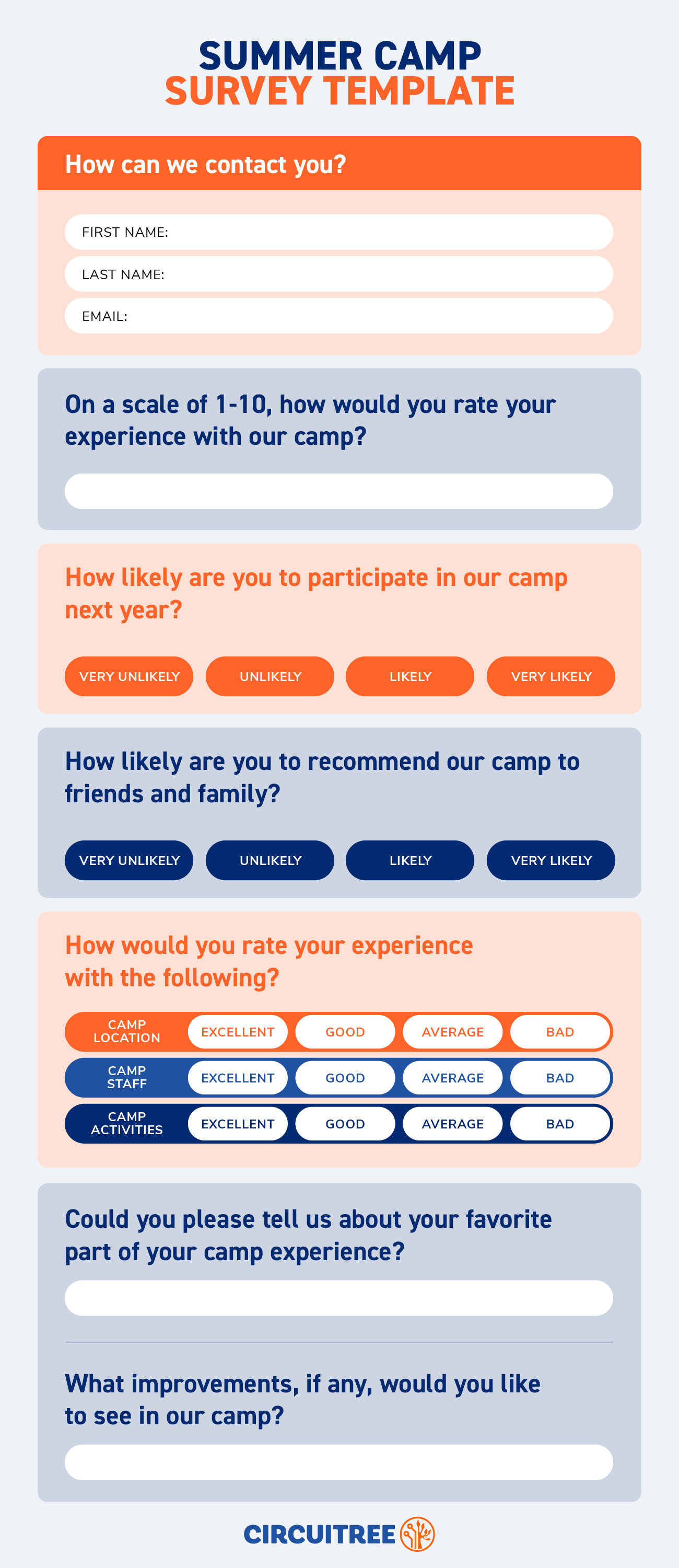
Summer Camp Evaluation Template is more than just a form—it’s a strategic tool that transforms raw experience into measurable success. By structuring feedback from campers, parents, and staff, camp leaders can pinpoint what worked, what didn’t, and how to elevate future seasons.
Why a Structured Evaluation Matters
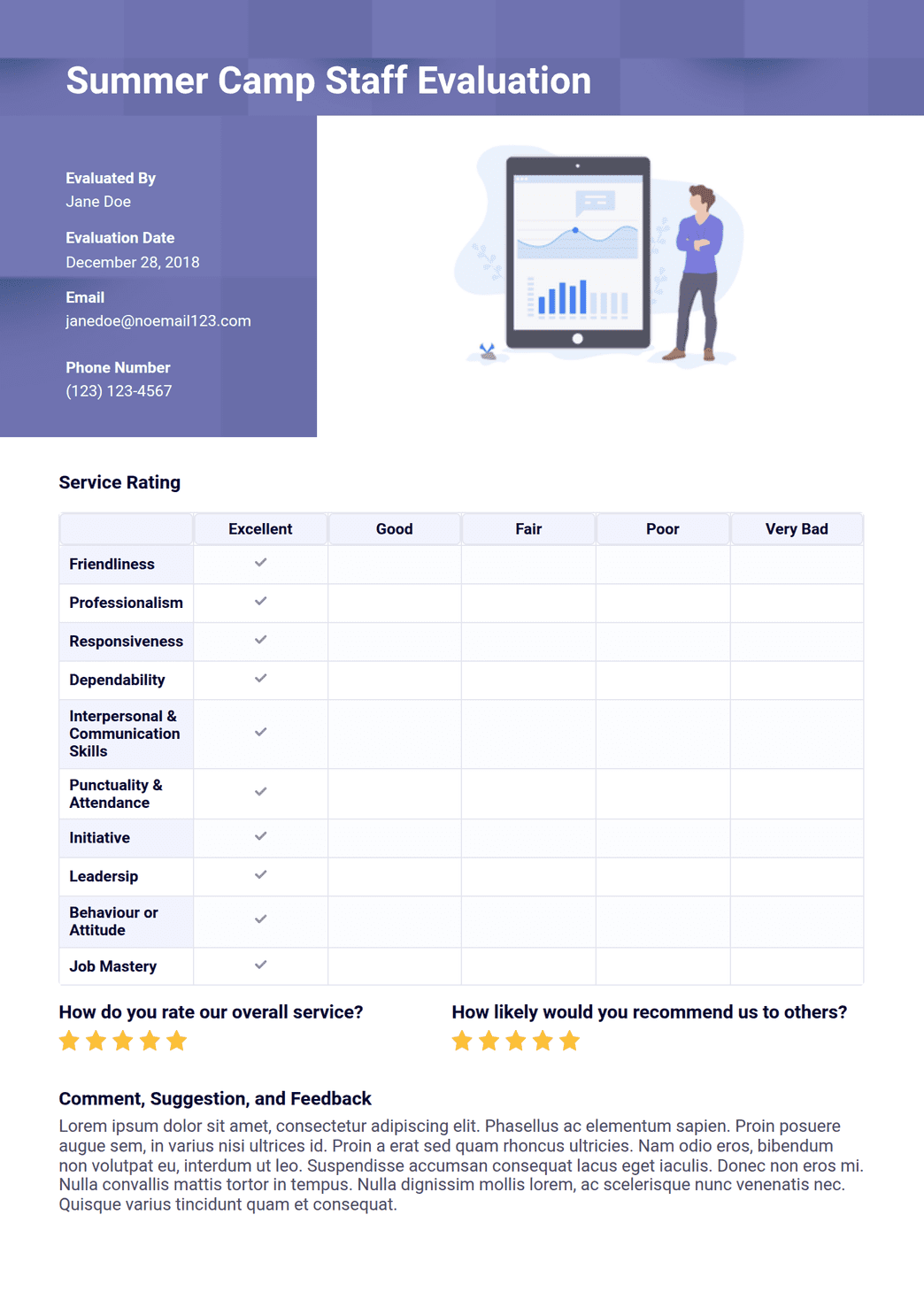
Every summer camp, whether it’s a week of water‑splashing on a lake or a month of coding bootcamps, thrives on continuous improvement. A well‑crafted evaluation template brings consistency, accountability, and a data‑driven mindset into the otherwise chaotic world of camp operations.
Immediate Feedback
When campers and staff complete a template at the end of each activity, insights surface in real time. Instead of waiting for a post‑camp debrief, you capture emotions while they’re fresh, reducing recall bias and providing actionable points that can be implemented instantly for the next session.
Long‑Term Improvement
Aggregating evaluations across multiple years allows you to track trends—such as increasing safety concerns or declining interest in certain programs. Over time, this data becomes a compass, guiding curriculum shifts, staffing changes, and infrastructure investments.
Core Elements of an Effective Summer Camp Evaluation Template
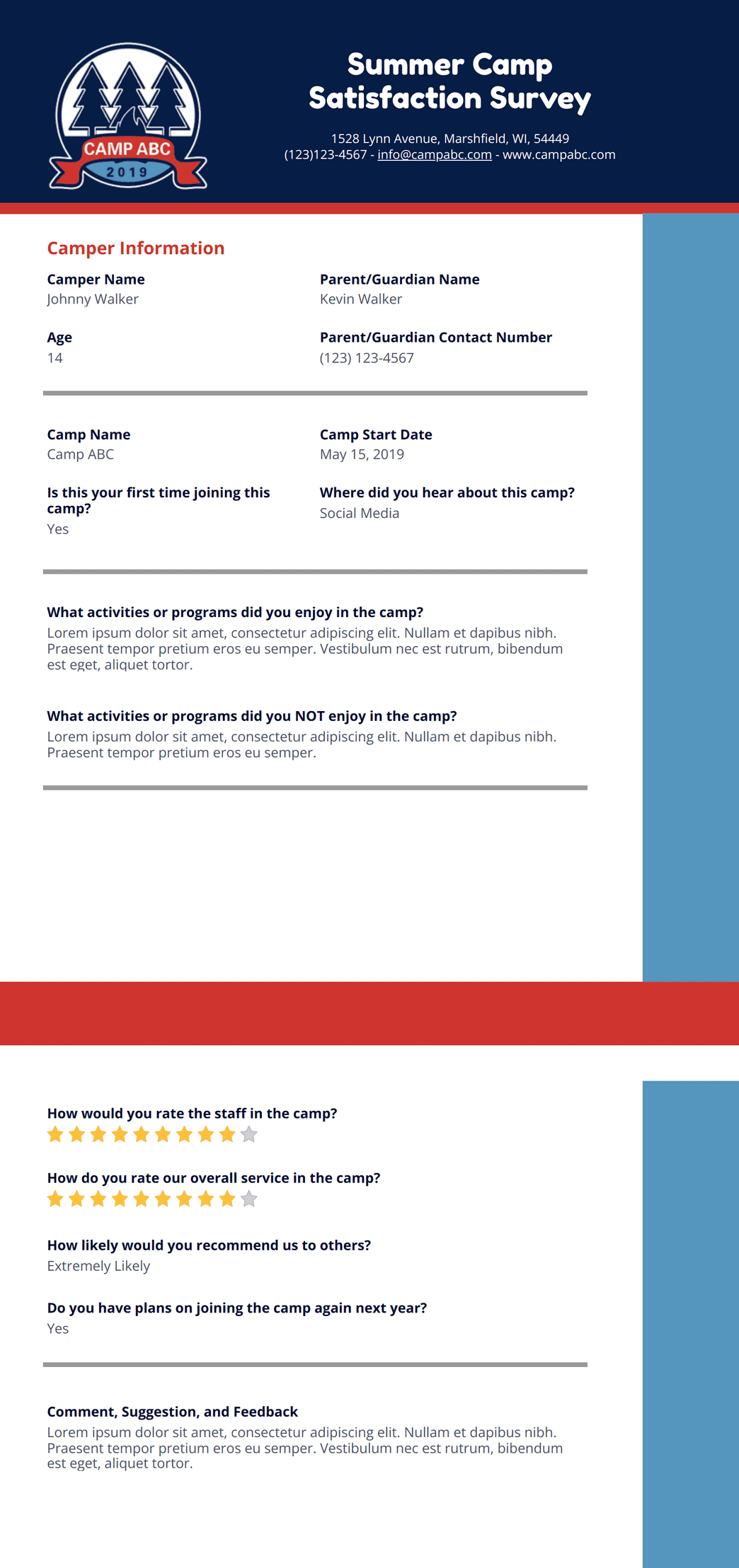
A high‑impact template balances depth and simplicity. Below are the essential sections you should consider incorporating.
Program Goals Assessment
- Alignment with Objectives: Each activity should be measured against clear, pre‑defined learning or recreational goals.
- Skill Development: Ask participants how much they felt they improved in areas such as teamwork, confidence, or technical skills.
- Goal Achievement Rate: Include a checkbox or rating scale for staff to indicate whether each goal was met.
Participant Experience
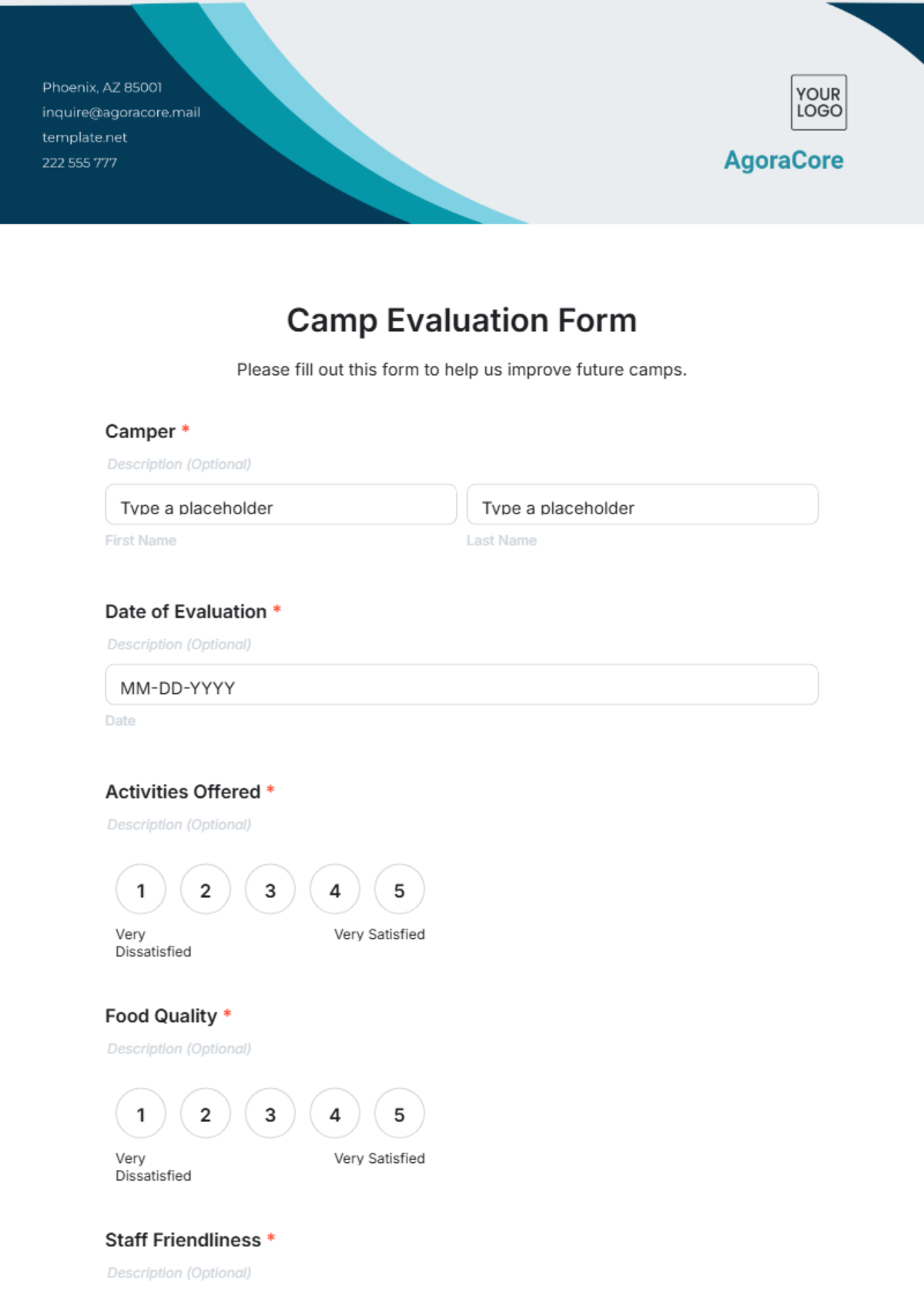
- Enjoyment & Engagement: Use a 1‑10 scale to gauge overall satisfaction.
- Facilities & Safety: Provide specific questions about lodging, meals, and emergency procedures.
- Inclusivity: Capture feedback on accessibility, cultural sensitivity, and peer interactions.
Staff Performance Metrics
- Communication: Rate clarity of instructions, responsiveness, and approachability.
- Leadership: Assess ability to inspire, mediate conflicts, and manage time efficiently.
- Professional Development: Include a reflection section where staff can note what they learned and future training needs.
How to Implement the Template in Your Camp Workflow
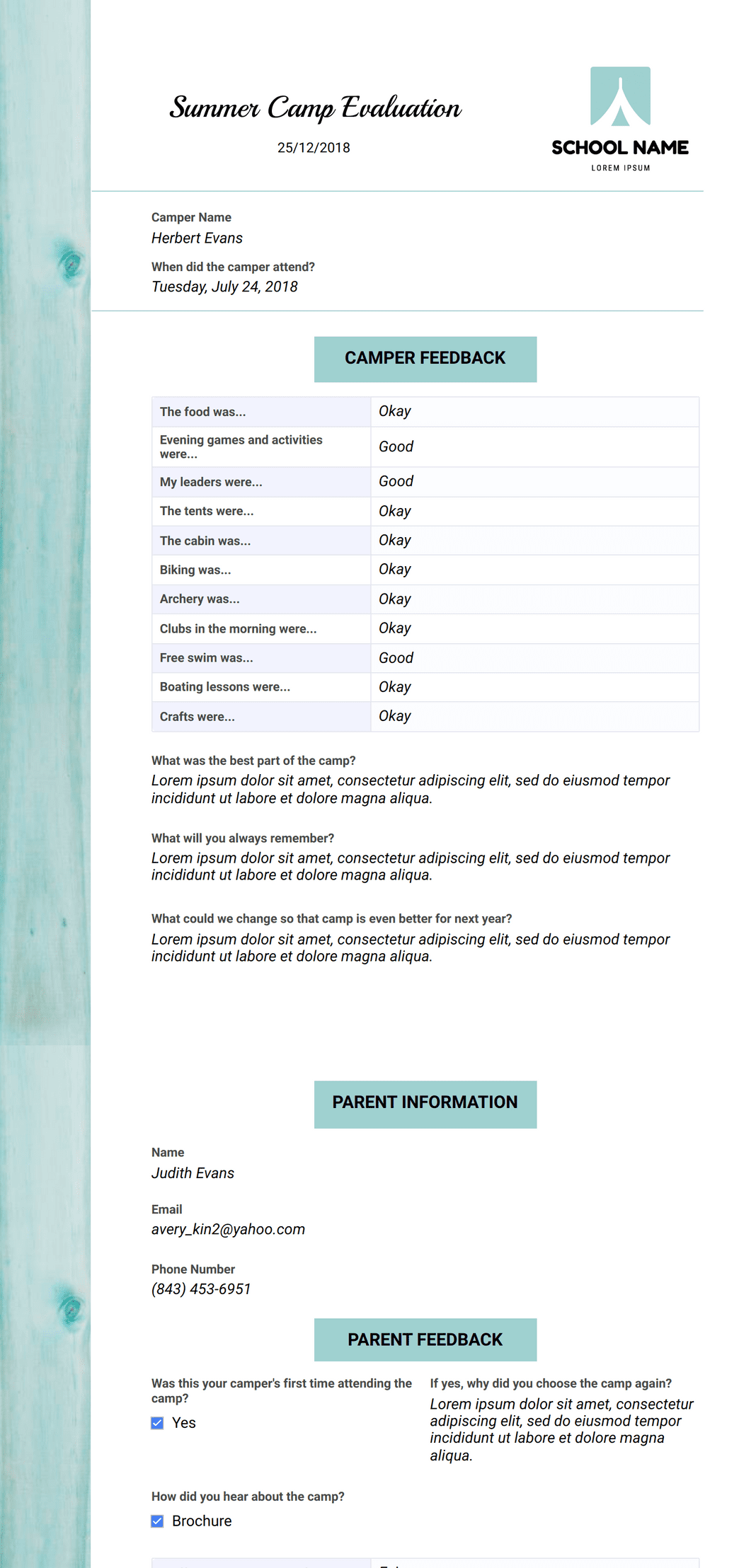
Adopting a new evaluation tool is most successful when it’s woven seamlessly into everyday camp life.
Pre‑Camp Setup
- Template Customization: Tailor questions to reflect your camp’s unique mission and the demographic of your attendees.
- Staff Training: Conduct a quick workshop to explain the importance of honest responses and how to use the data afterward.
- Technology Check: Ensure that all devices, whether tablets or laptops, are ready for digital data entry and that backup paper copies exist.
During Camp Collection
- Scheduled Intervals: Implement daily or weekly checkpoints, depending on camp length.
- Anonymous Options: Allow campers to submit evaluations anonymously to encourage candidness.
- Real‑Time Sync: Use cloud‑based forms that automatically update a shared spreadsheet for instant analysis.
Post‑Camp Analysis
- Data Consolidation: Aggregate responses, calculate average scores, and spot outliers.
- Trend Identification: Compare current data against previous seasons to see if interventions are working.
- Stakeholder Briefing: Share findings with staff, board members, and sponsors in a clear, visual report.
Customizing Your Template for Different Camp Types
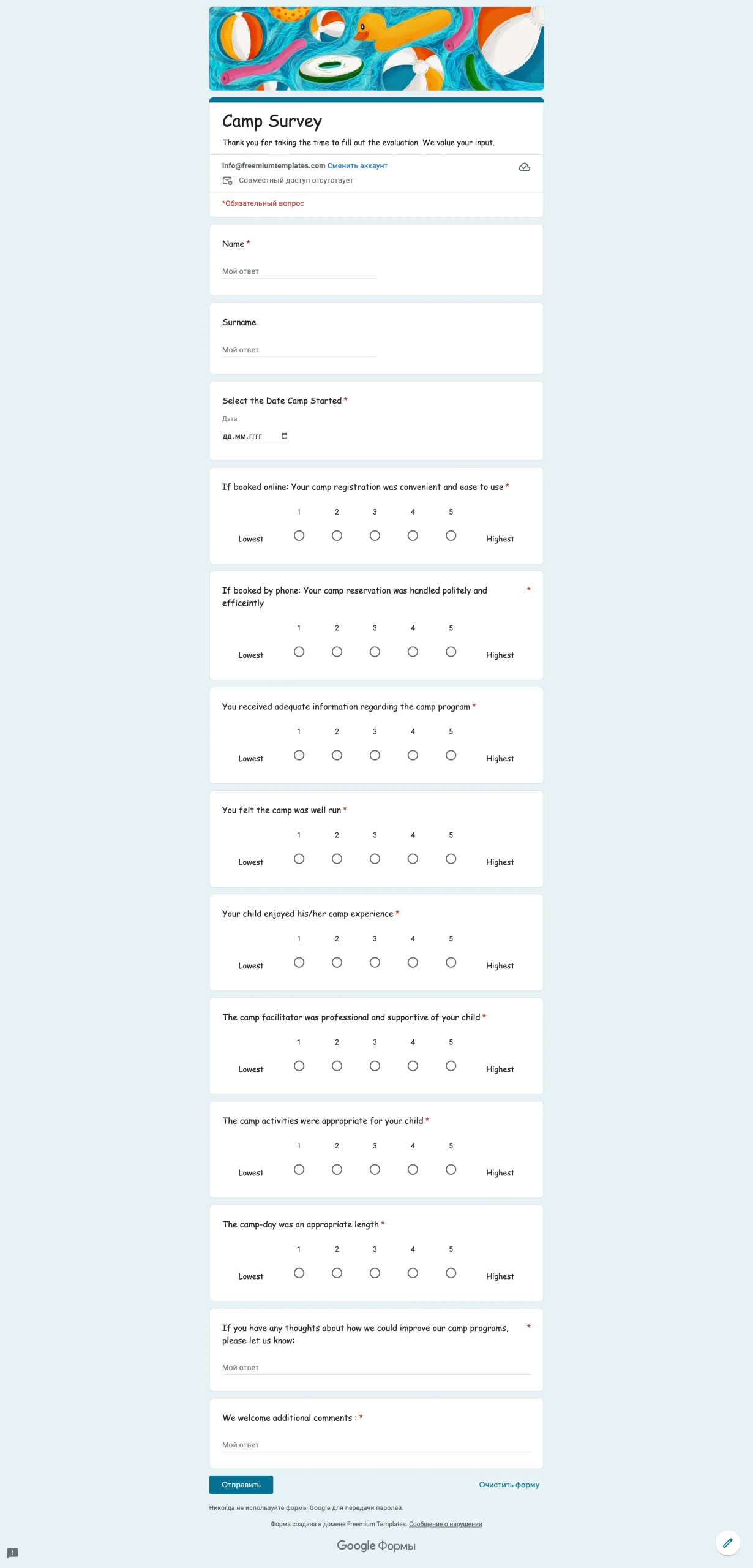
While core metrics remain consistent, the flavor of questions adapts to each camp’s focus. Below are three distinct examples.
Adventure and Outdoor Camps
- Safety drills effectiveness.
- Equipment condition and adequacy.
- Environmental stewardship practices.
Academic Enrichment Camps
- Depth of content coverage.
- Application of learning in practical projects.
- Quality of mentorship interactions.
Creative Arts Camps
- Opportunity to showcase original work.
- Quality and variety of materials supplied.
- Feedback from external judges or community audiences.
Real‑World Case Studies
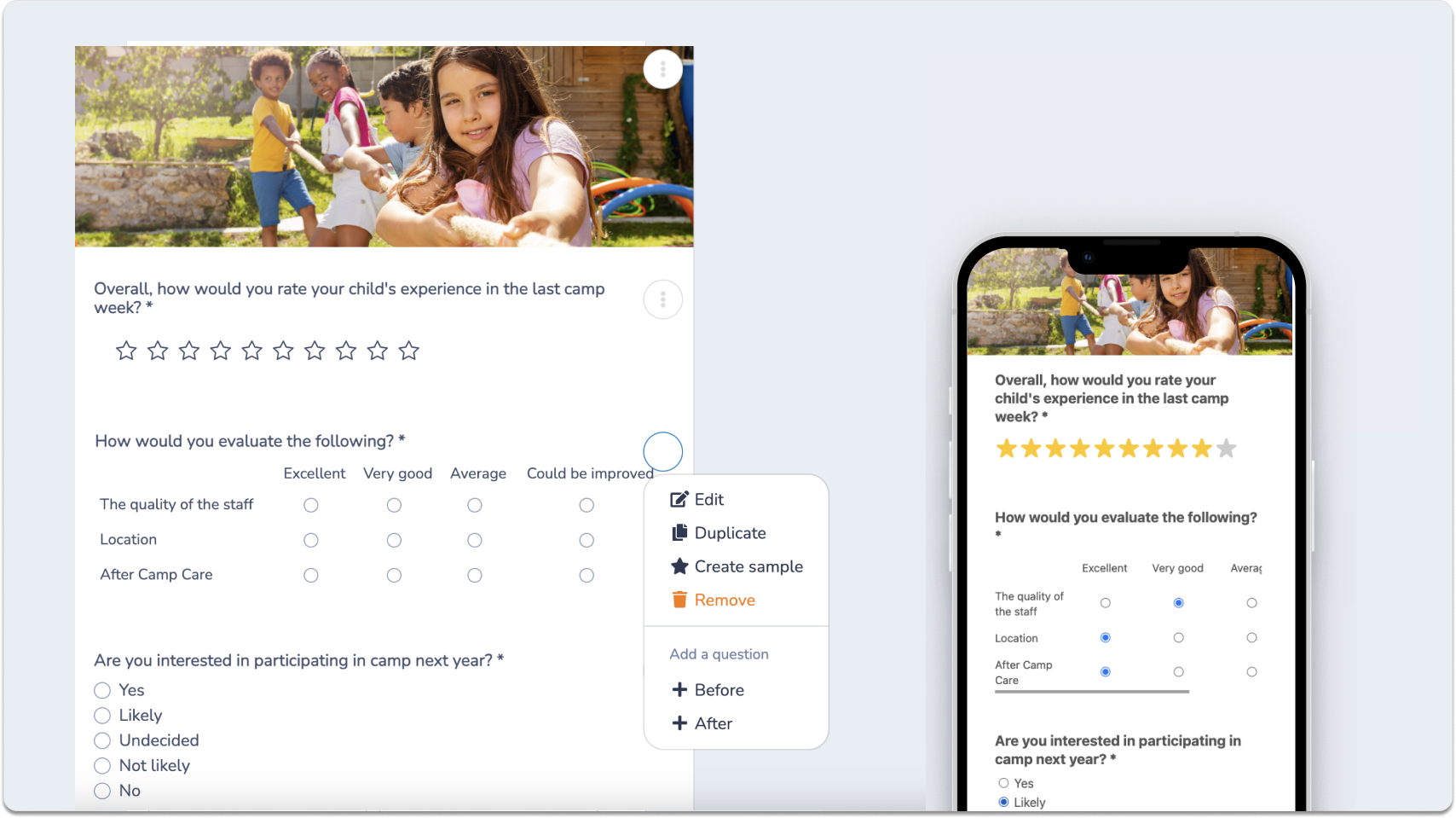
Illustrating how a template translates into tangible outcomes can inspire you to adopt it.
Example 1: Lakeside Adventure Camp
After integrating a Summer Camp Evaluation Template, the camp identified that canoeing lessons were consistently rated low for safety. Immediate corrective action—adding a 10‑minute refresher on emergency signals—boosted satisfaction scores from 5.2 to 7.9 in subsequent seasons.
Example 2: STEM Innovation Camp
By adding a “Future Interest” section, the camp discovered that 68% of participants wanted more robotics content. They shifted the curriculum, resulting in a 15% increase in enrollment the following year.
Leveraging Digital Tools for Better Data
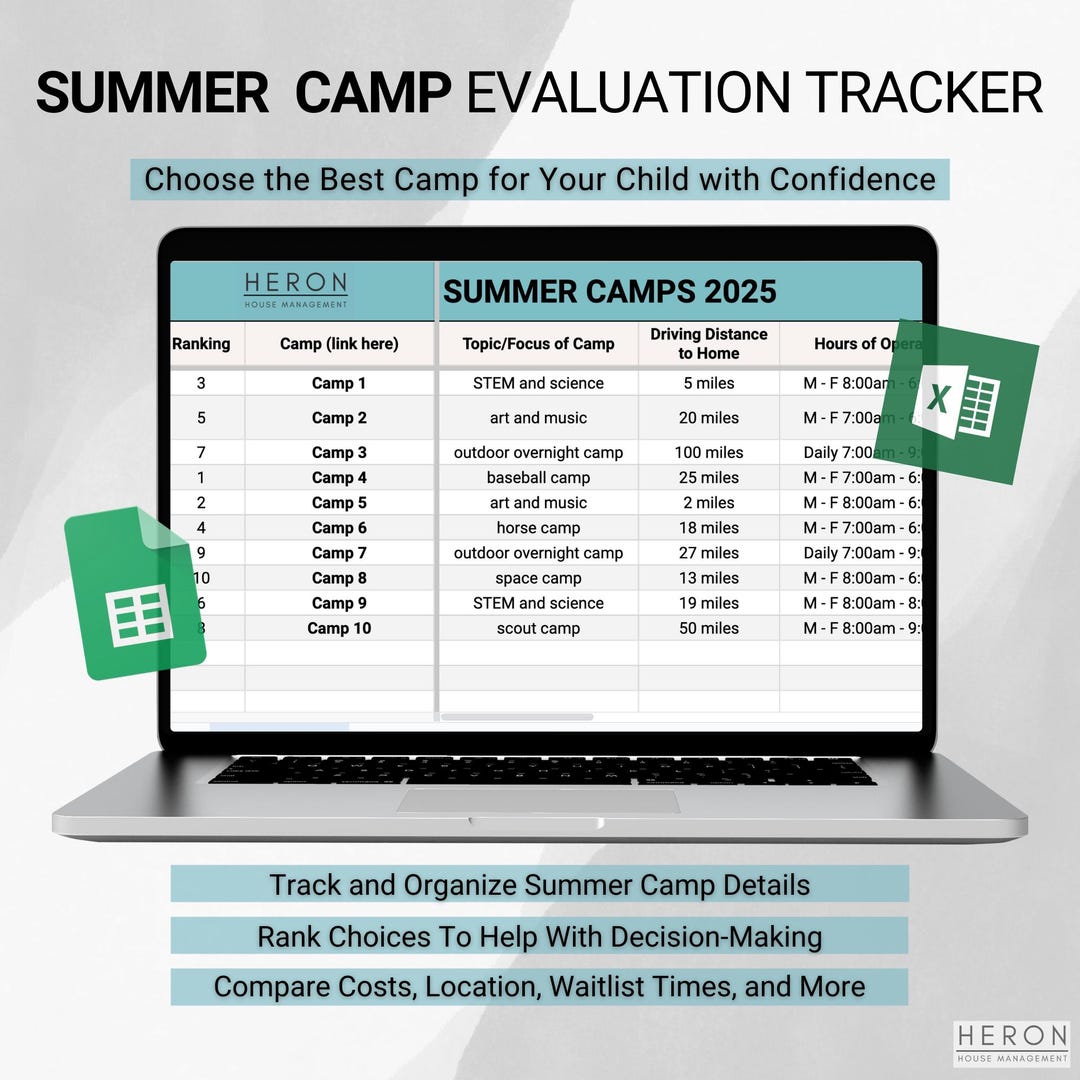
Technology amplifies the value of your evaluation template by simplifying collection, analysis, and sharing.
Integration with Spreadsheets
- Automated formulas calculate average scores in real time.
- Conditional formatting flags scores below a threshold for quick review.
- Pivot tables summarize data by activity, staff, or participant age group.
Using Cloud Storage for Accessibility
- All staff can view and update data from any device, ensuring transparency.
- Archived reports are searchable, supporting compliance and historical comparisons.
- Data backup eliminates the risk of lost feedback due to hardware failures.
Tips for Encouraging Honest Feedback
High‑quality evaluations hinge on trust and motivation. Employ these strategies to keep responses authentic.
Anonymity Assurance
Guarantee that individual responses remain confidential, especially for sensitive topics like bullying or medical concerns.
Incentivizing Participation
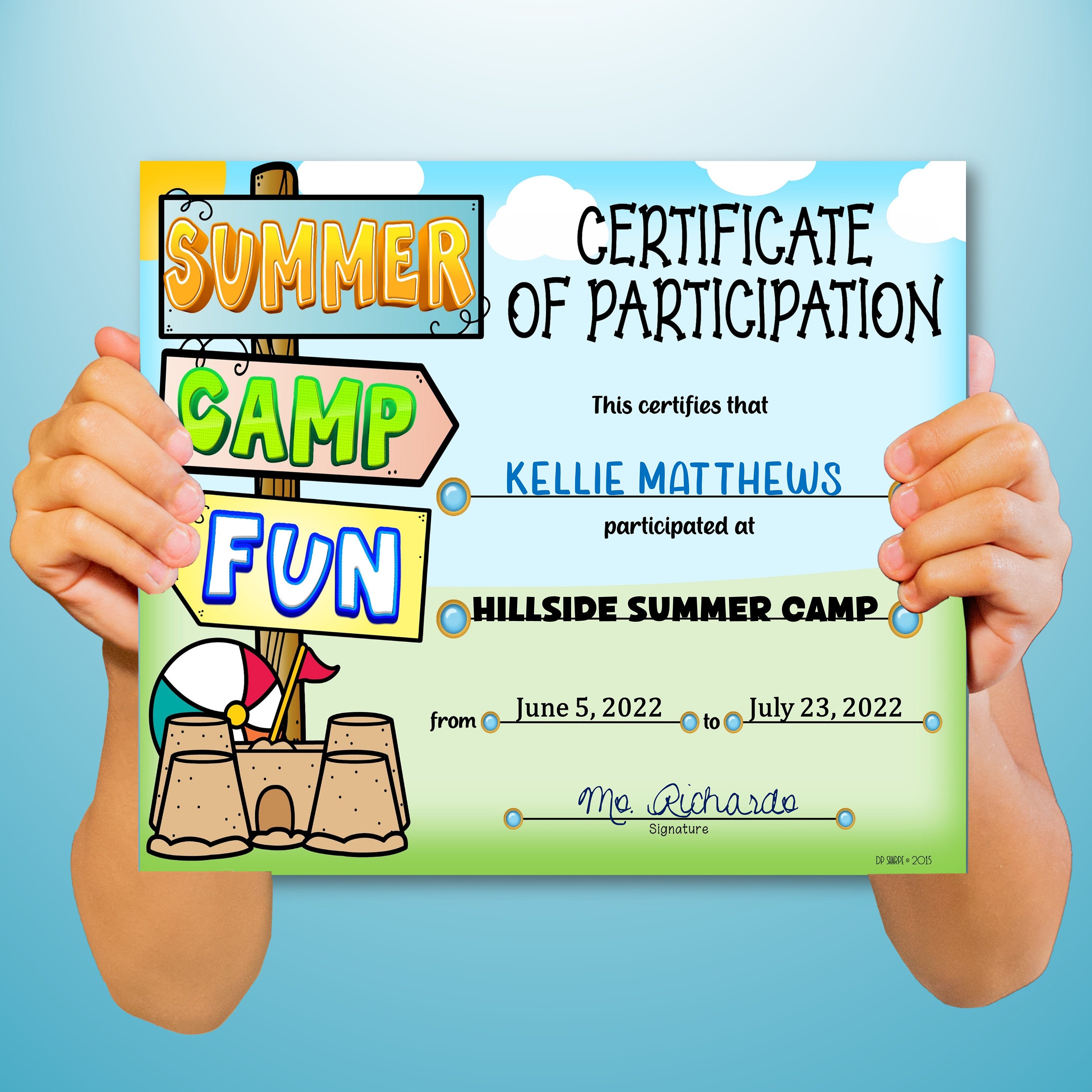
Offer small tokens—such as camp merch, certificates, or a raffle—while making it clear that honesty outweighs rewards.
Common Pitfalls to Avoid
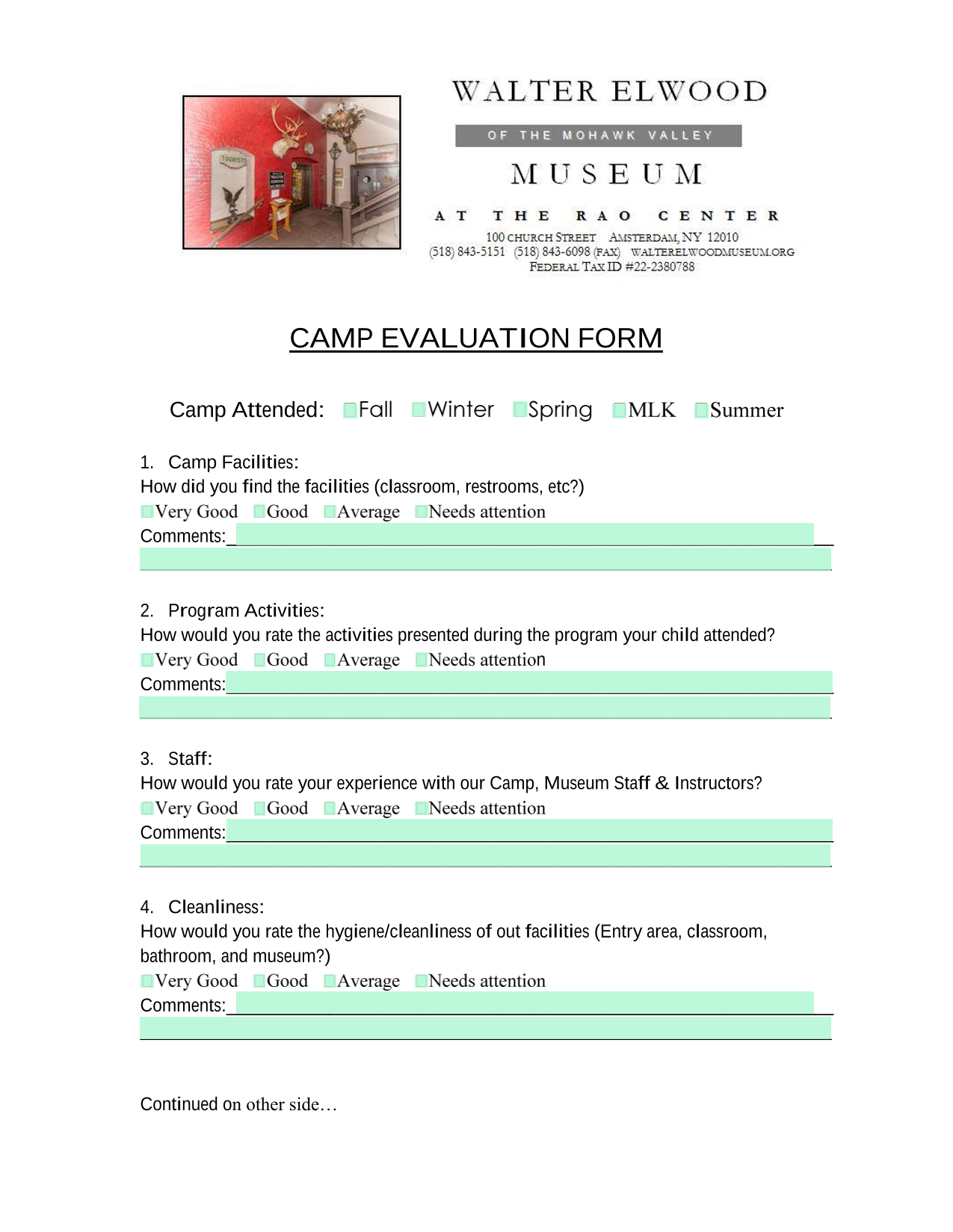
Even the best-designed templates can fail if not handled correctly.
Overly Complex Forms
Long questionnaires fatigue participants and reduce completion rates. Keep it concise—no more than 25 questions per template.
Ignoring Data Trends
Collecting data is meaningless without analysis. Assign a dedicated analyst or use automation to surface actionable insights.
Final Thoughts and Call to Action
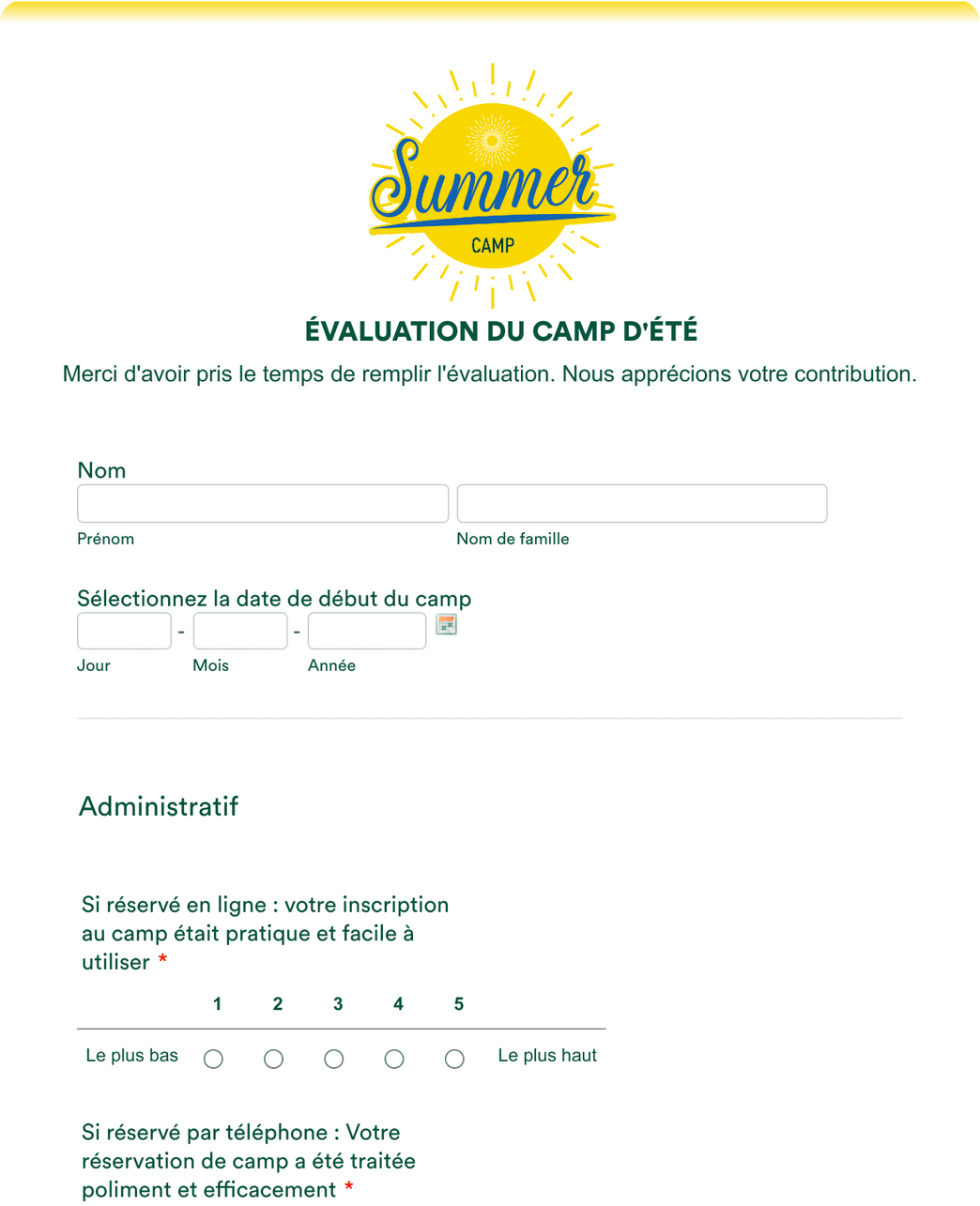
A thoughtfully designed Summer Camp Evaluation Template turns subjective impressions into strategic intelligence. By embedding this tool into your camp’s rhythm—pre‑camp planning, daily engagement, and post‑camp reflection—you’ll create a culture of continuous improvement that resonates with campers, parents, and staff alike. Start tailoring your template today, roll it out, and watch your camp evolve into a more safe, engaging, and impactful experience for every participant.



Related posts of "Summer Camp Evaluation Template"
