
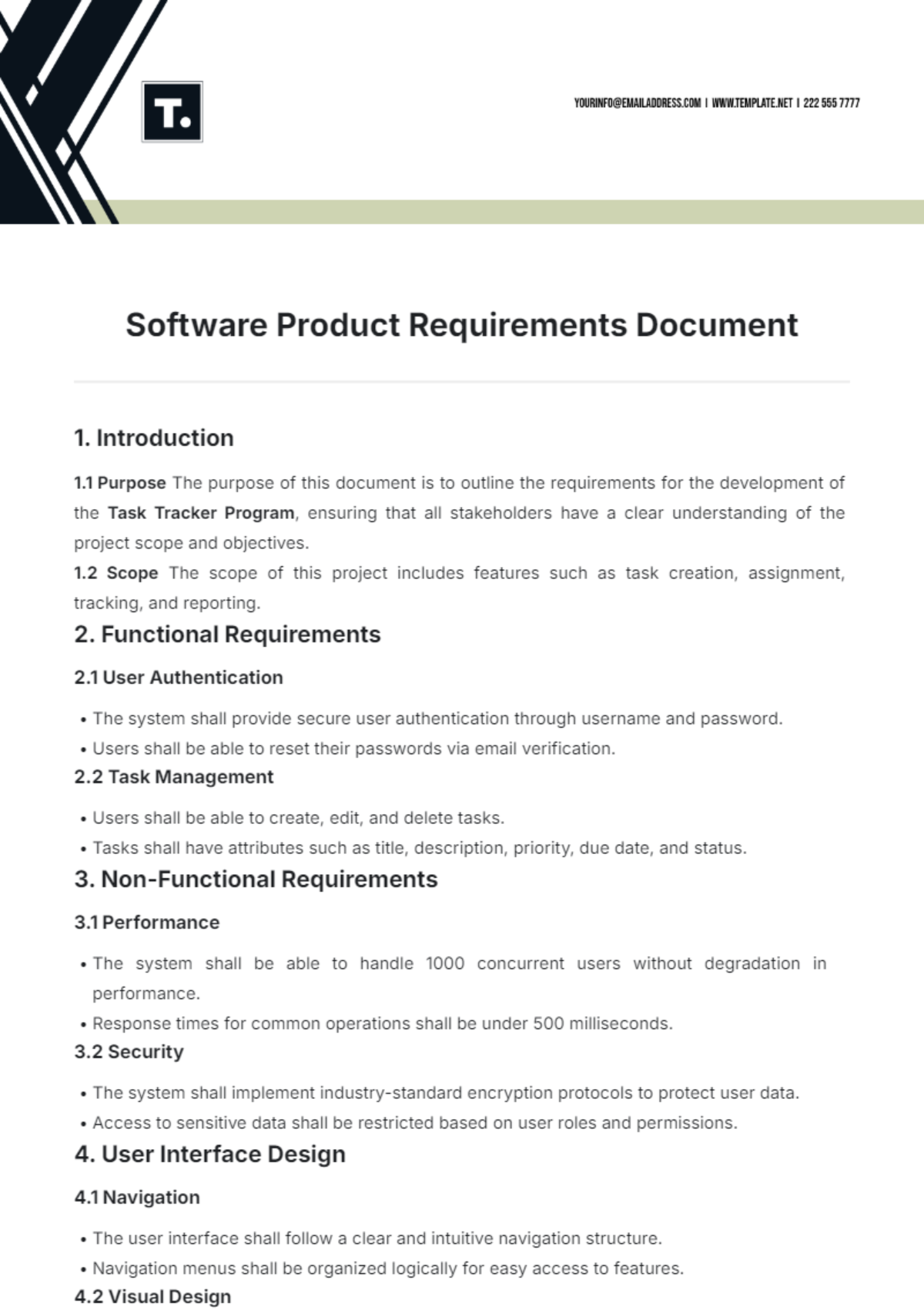
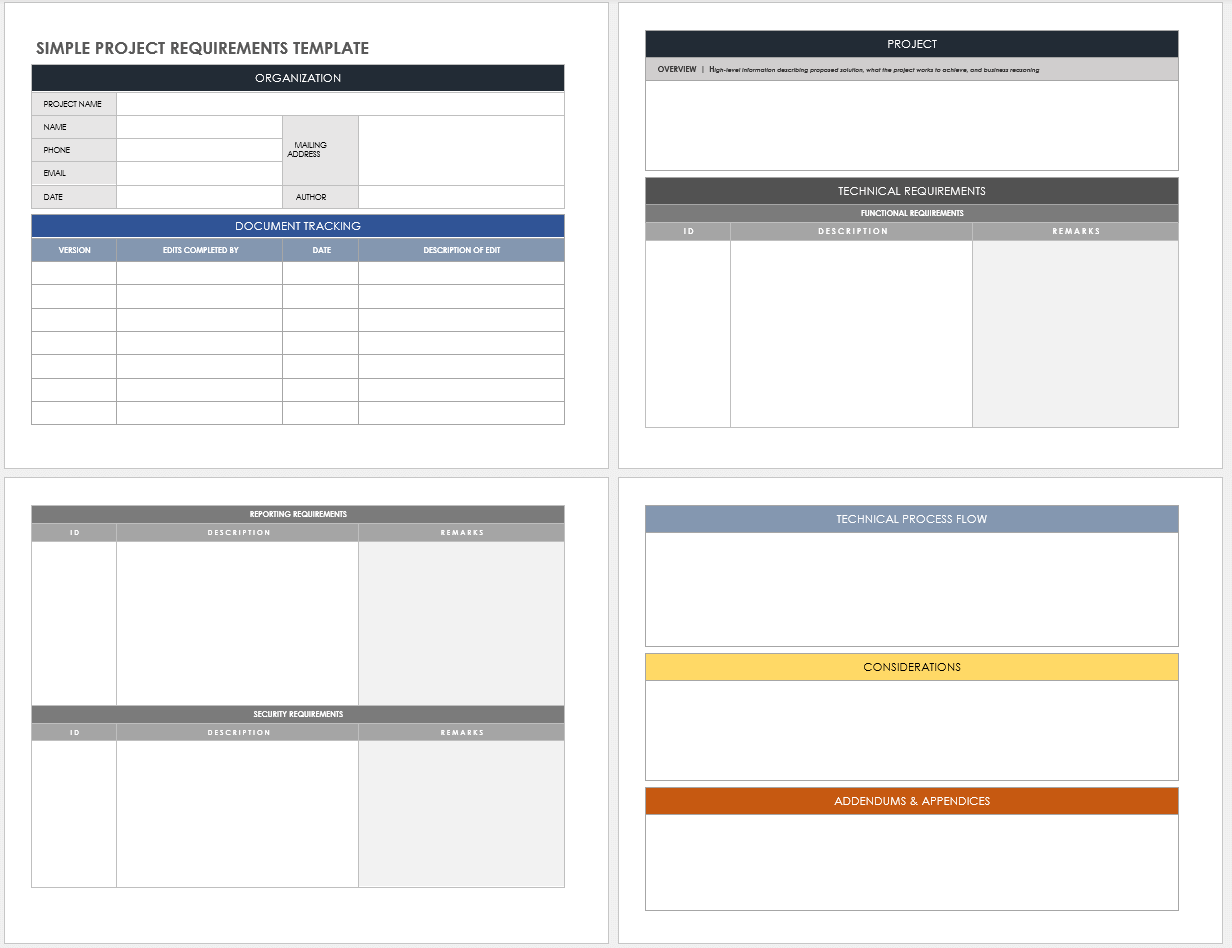
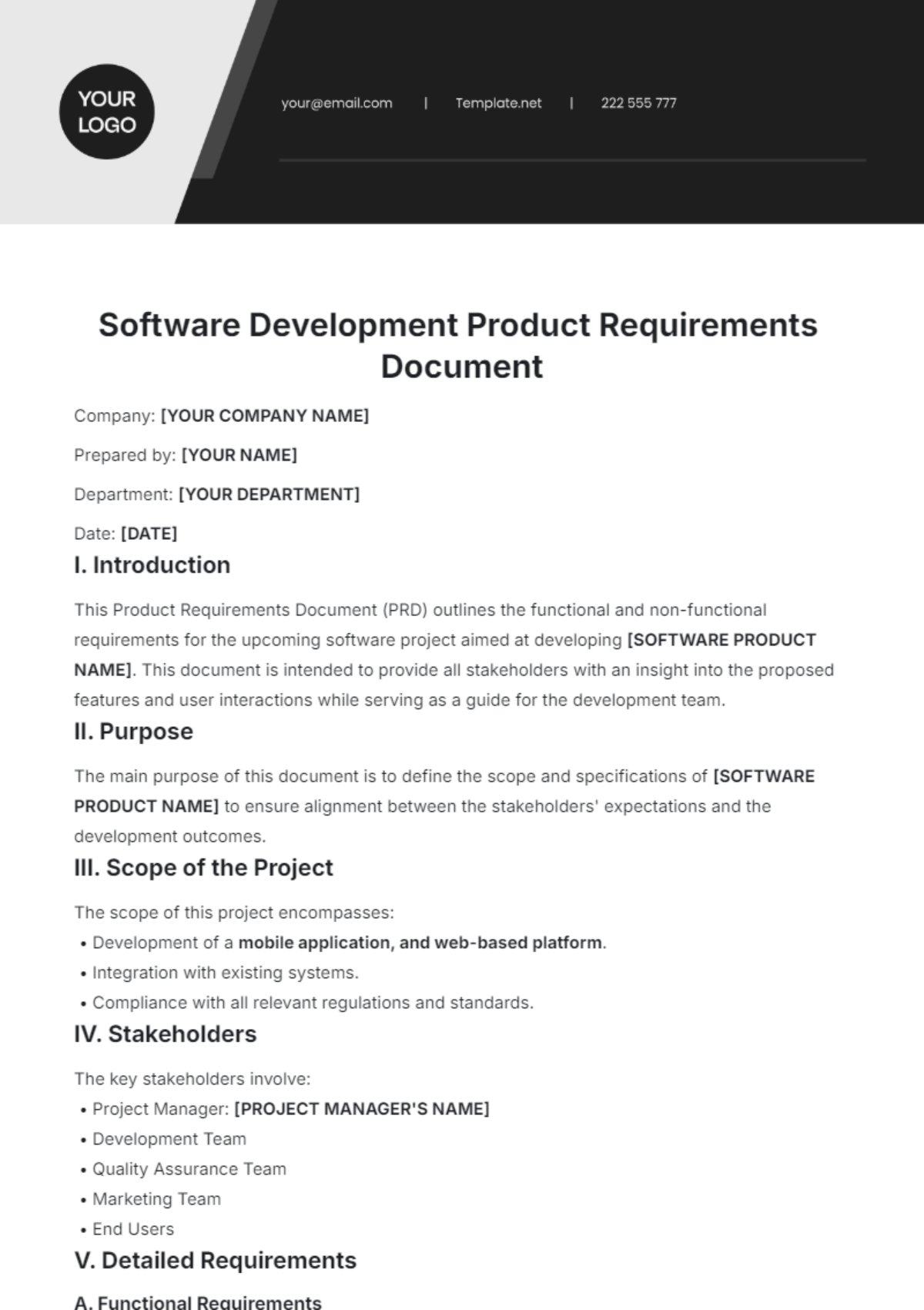
Software Requirement Analysis Document Template is the cornerstone of any successful software project, providing a clear, shared understanding of what needs to be built before the first line of code is written. By capturing user stories, functional and non‑functional requirements, constraints, and acceptance criteria in a single, organized format, the template eliminates ambiguity, aligns stakeholders, and paves the way for smoother design, development, and testing phases. In this guide we’ll walk through every element of a top‑notch requirements document, show how to populate each section with actionable details, and give you practical tips for tailoring the template to your team’s workflow.
Why a Structured Template Matters
Reduces Scope Creep and Rework
When the requirements are documented in a consistent format, changes can be tracked, assessed for impact, and approved through a formal change control process. This visibility curtails the frequent “I just realized we need that feature” moments that can derail timelines and inflate budgets.
Facilitates Communication Across Disciplines
Developers, testers, UX designers, product managers, and business sponsors all have different priorities. A well‑designed template speaks the language of each group—technical specifics for engineers, testable acceptance criteria for QA, and business value statements for executives—ensuring everyone can interpret the same information accurately.
Supports Compliance and Audits
Industries such as finance, healthcare, and defense require traceable documentation to demonstrate that software meets regulatory standards. By embedding traceability links (e.g., requirement ID to test case ID) into the template, audit teams can quickly verify compliance without digging through disparate files.
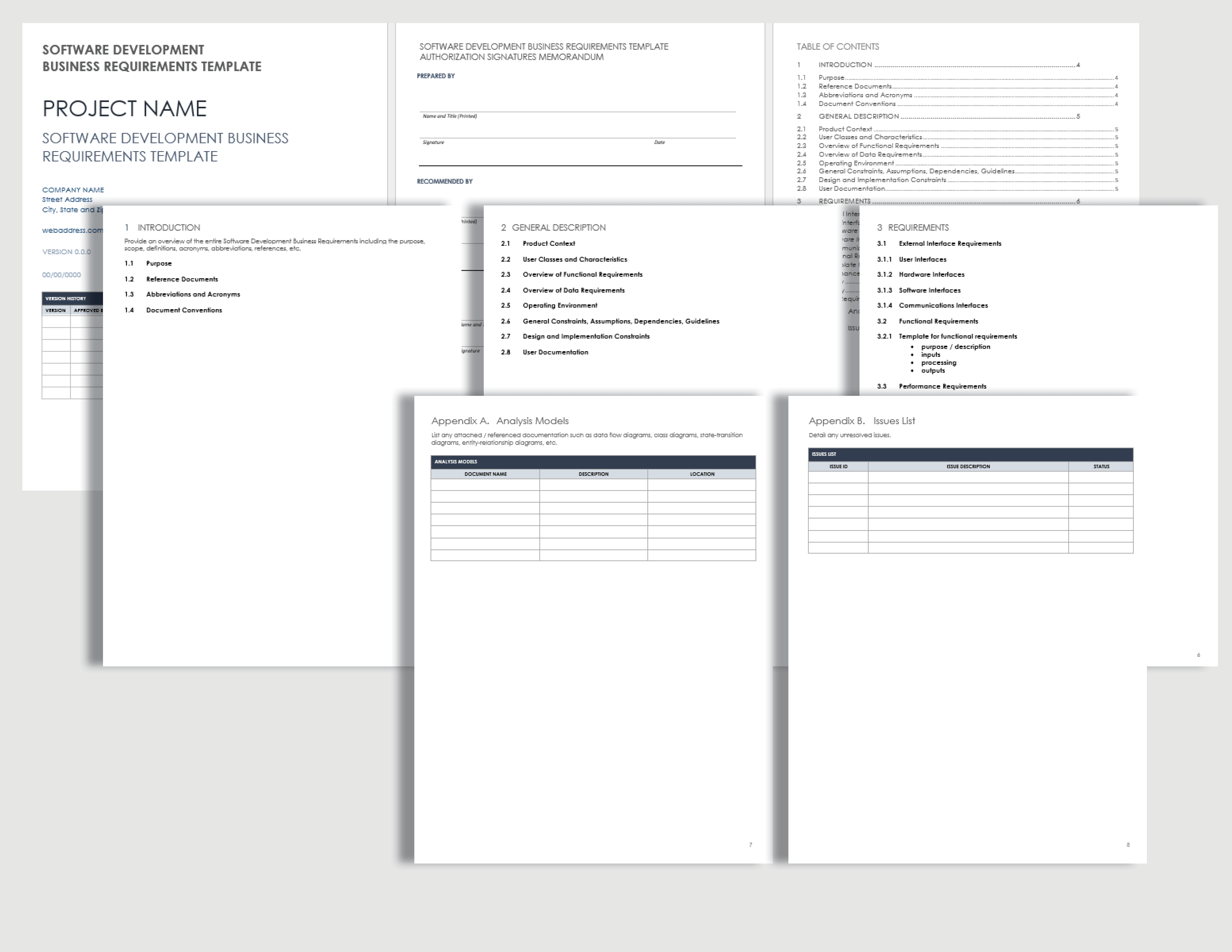
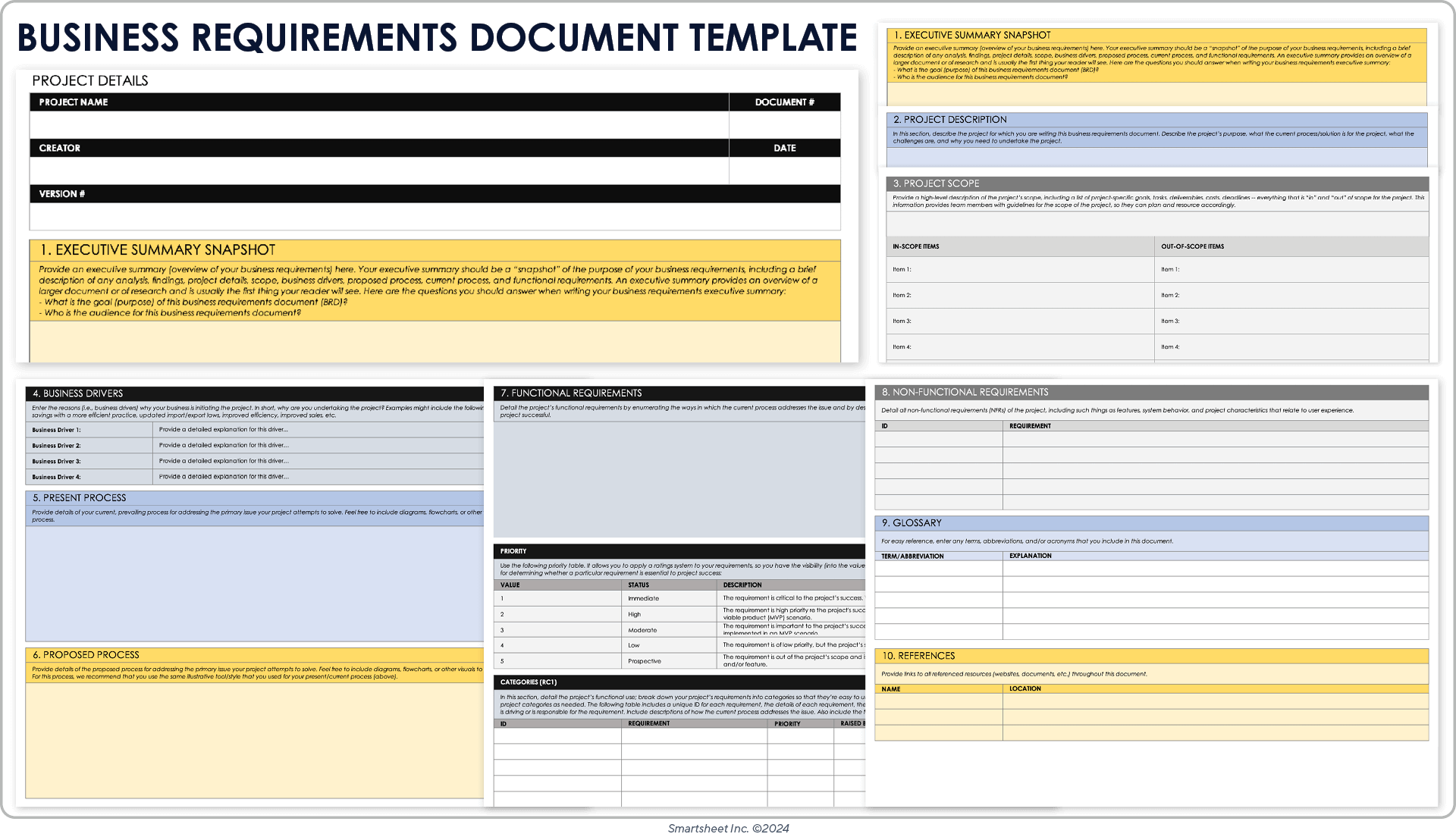
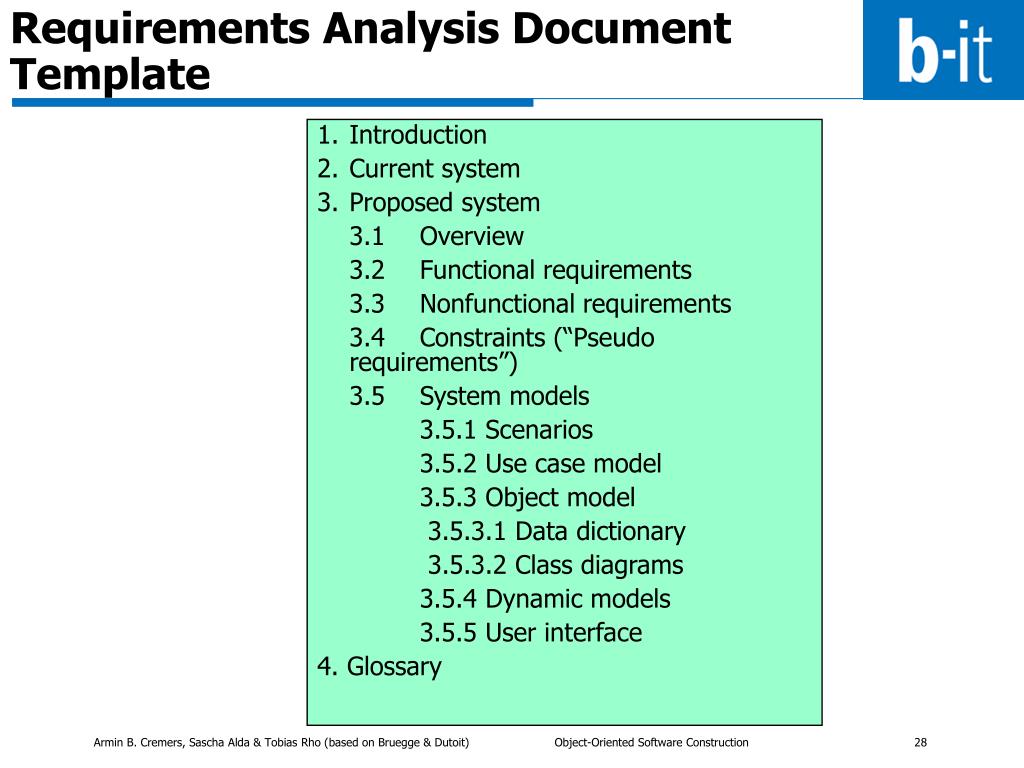
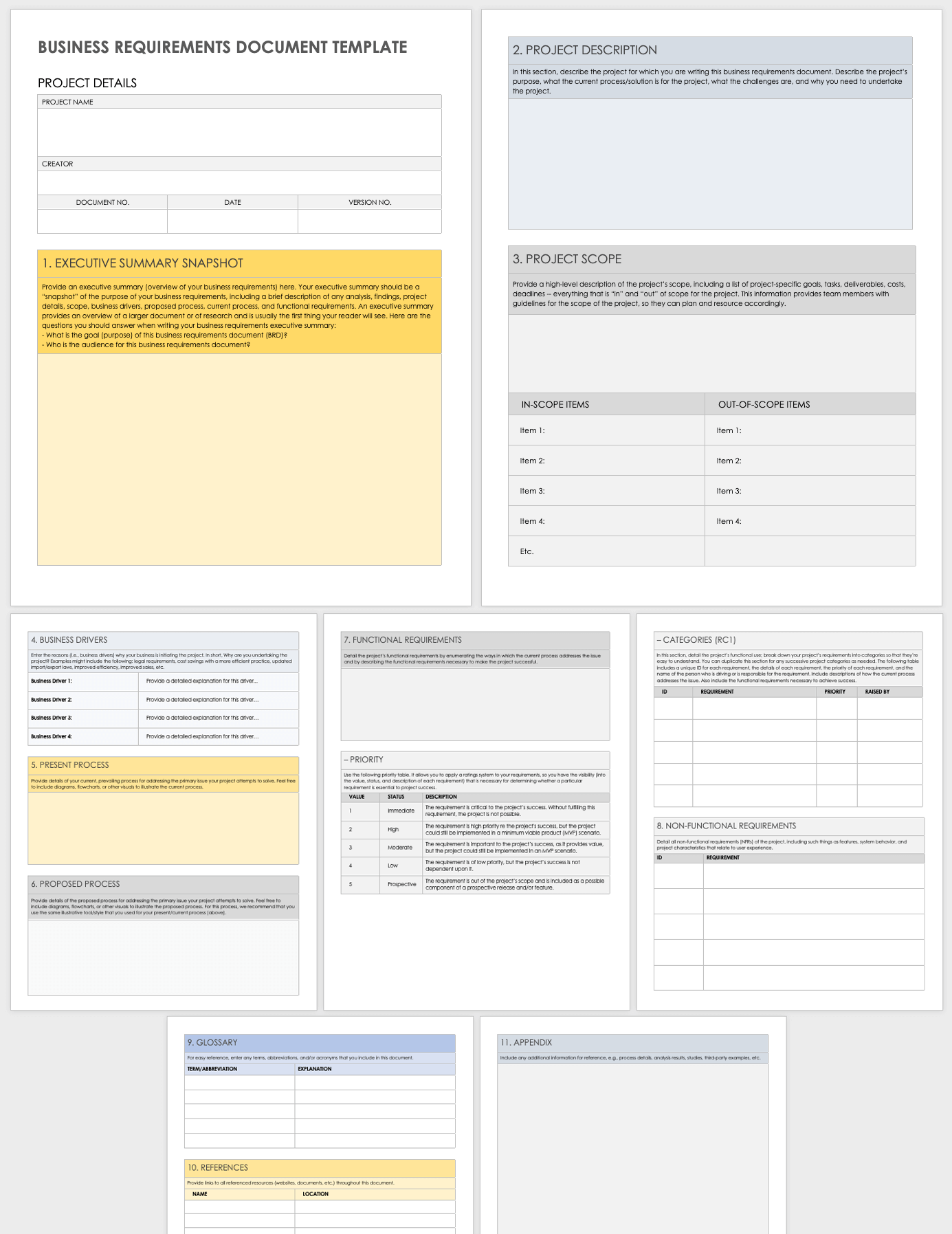
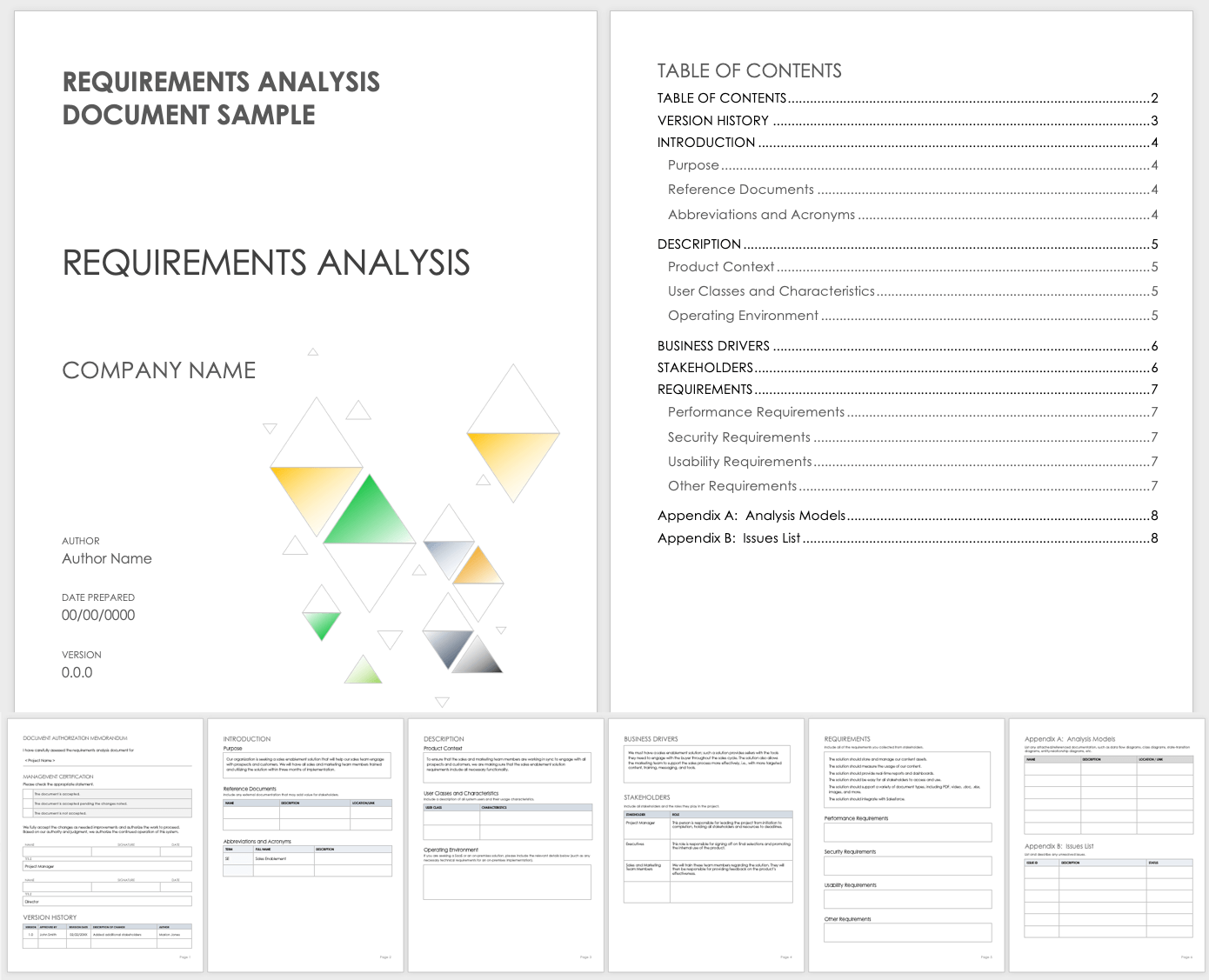
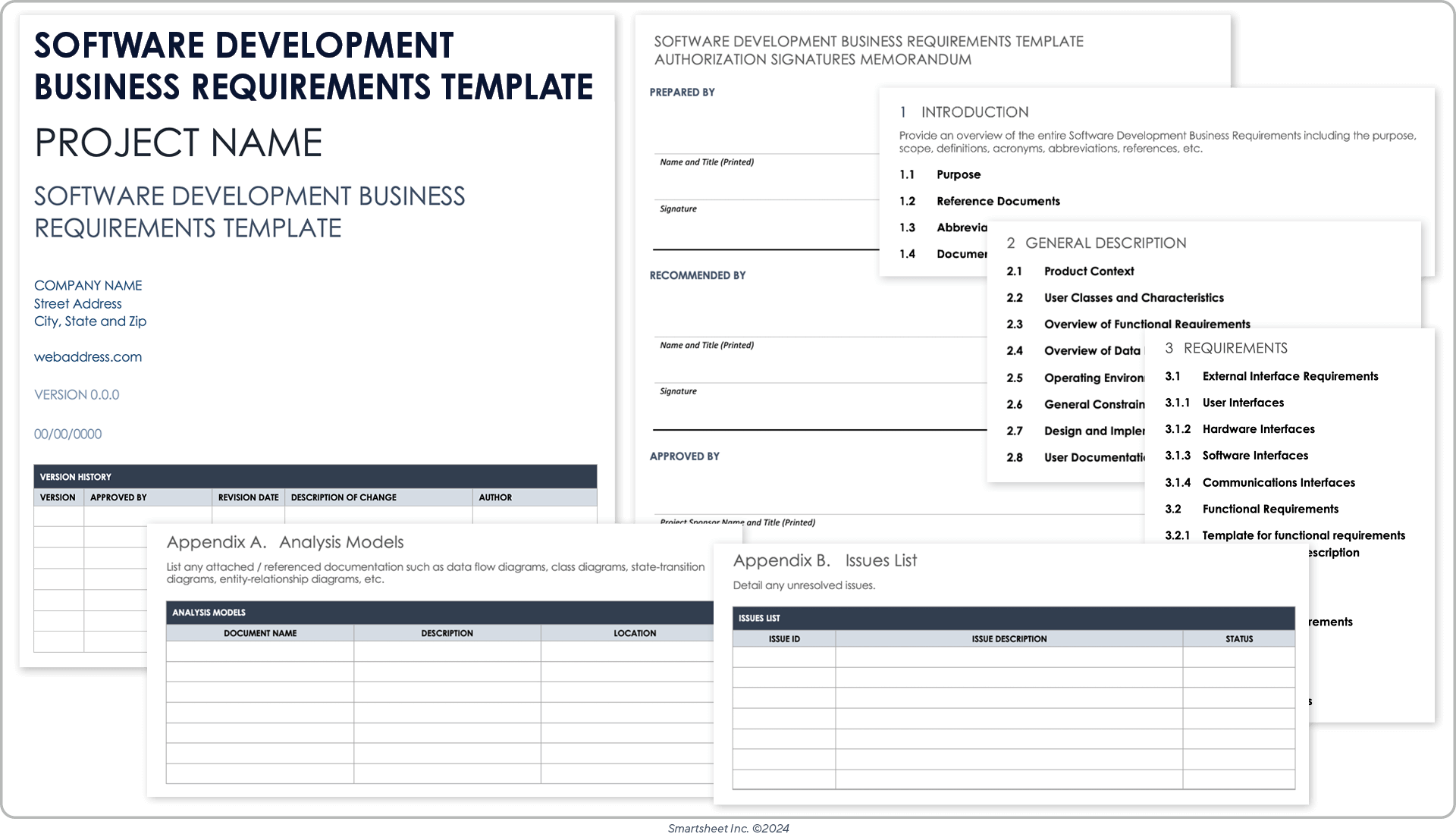
Core Sections of a Robust Document

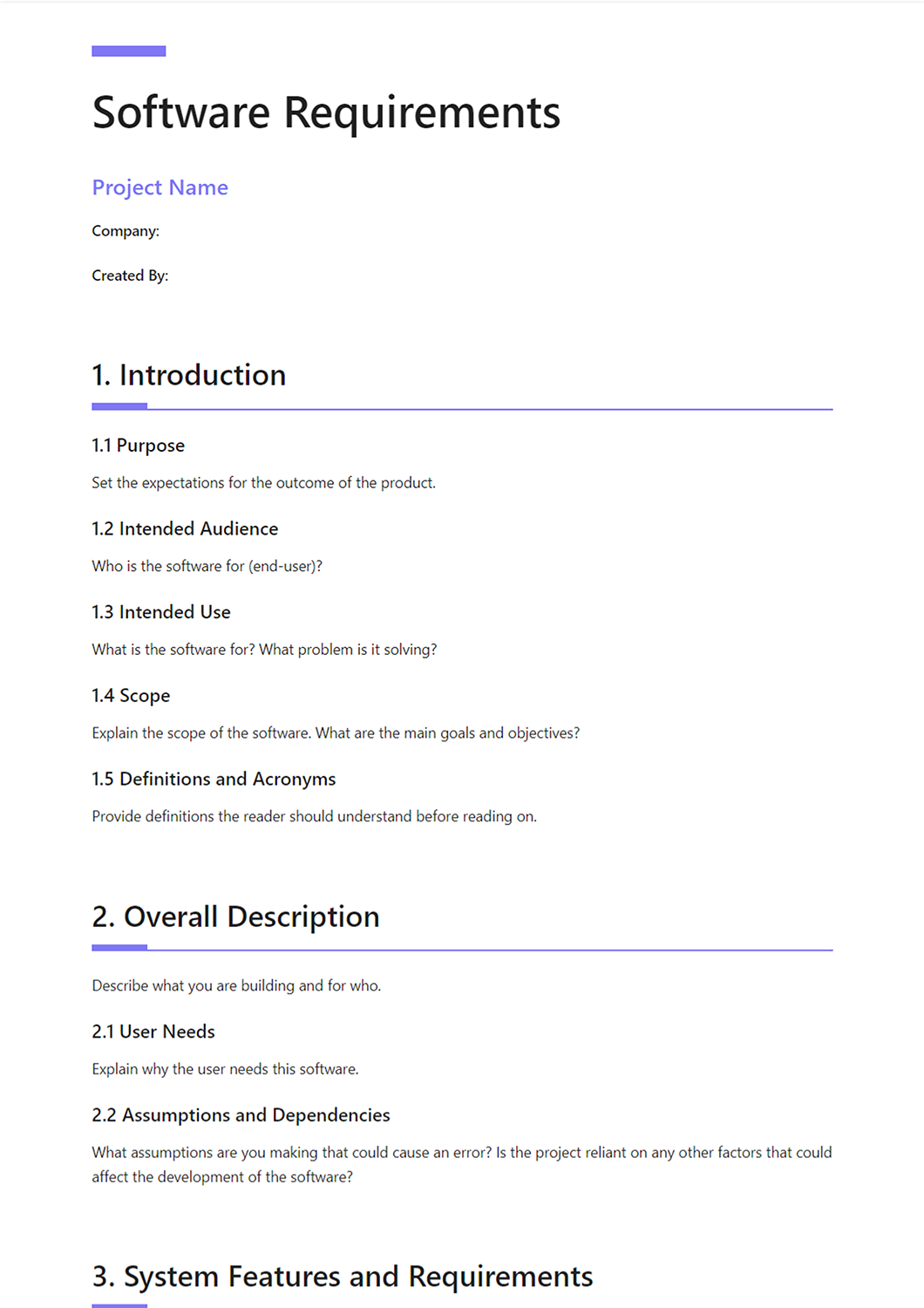
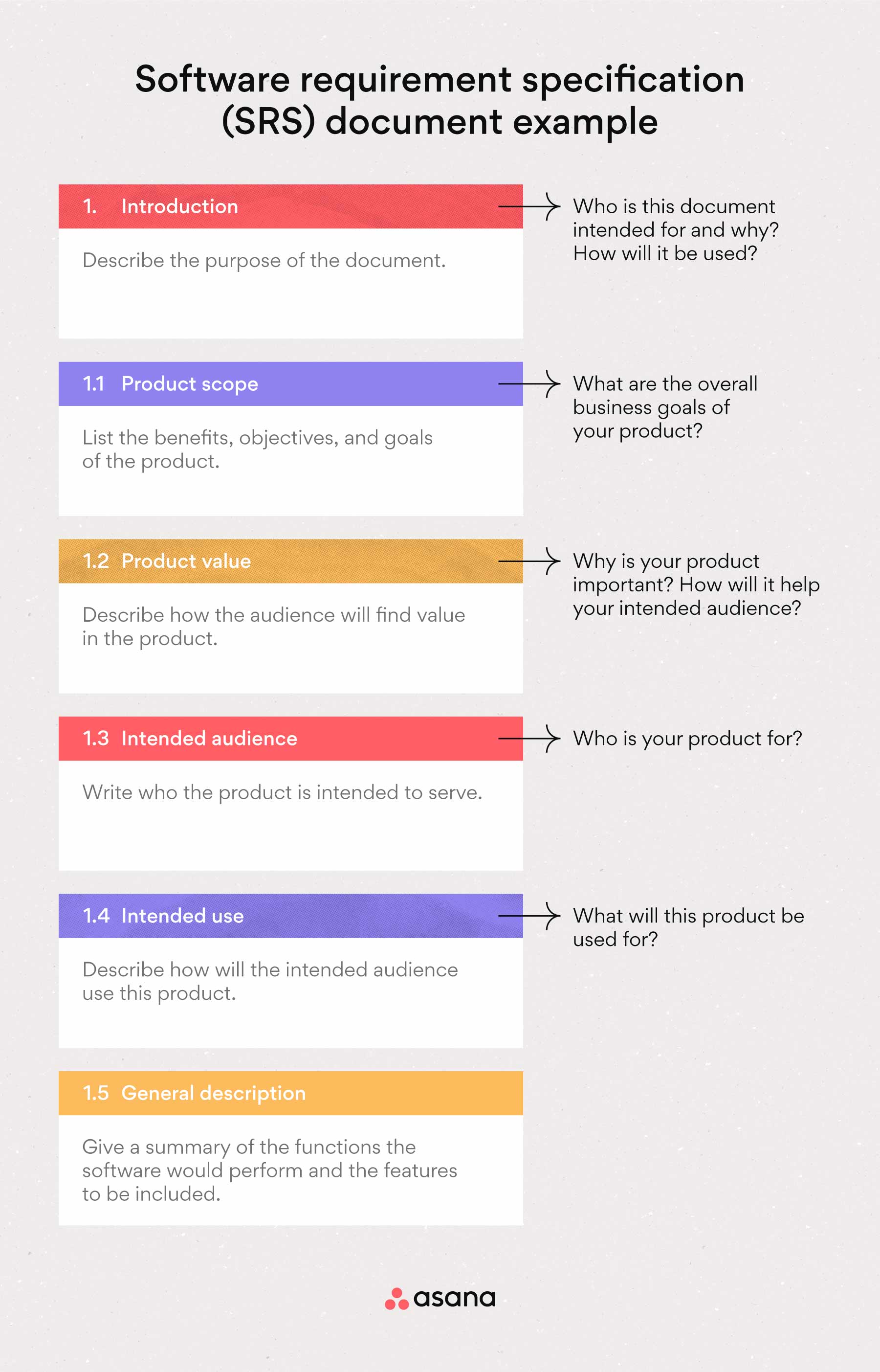
1. Executive Summary
Start with a concise overview of the project’s purpose, scope, and key stakeholders. This one‑to‑two paragraph snapshot lets senior executives grasp the big picture without wading through technical jargon.
2. Project Context and Business Drivers
Detail the market opportunity, strategic objectives, and pain points the software will address. Include high‑level business goals, expected ROI, and any critical success factors that will influence requirement prioritization.
3. Scope Definition
Clearly delineate what is in scope versus out of scope. Use a simple matrix or a feature list to avoid “scope creep” later. Highlight constraints such as budget limits, technology stacks, or integration dependencies.
4. Stakeholder Matrix
List every stakeholder group, their roles, responsibilities, and contact information. This ensures the right people are consulted for each requirement category and keeps communication channels open.
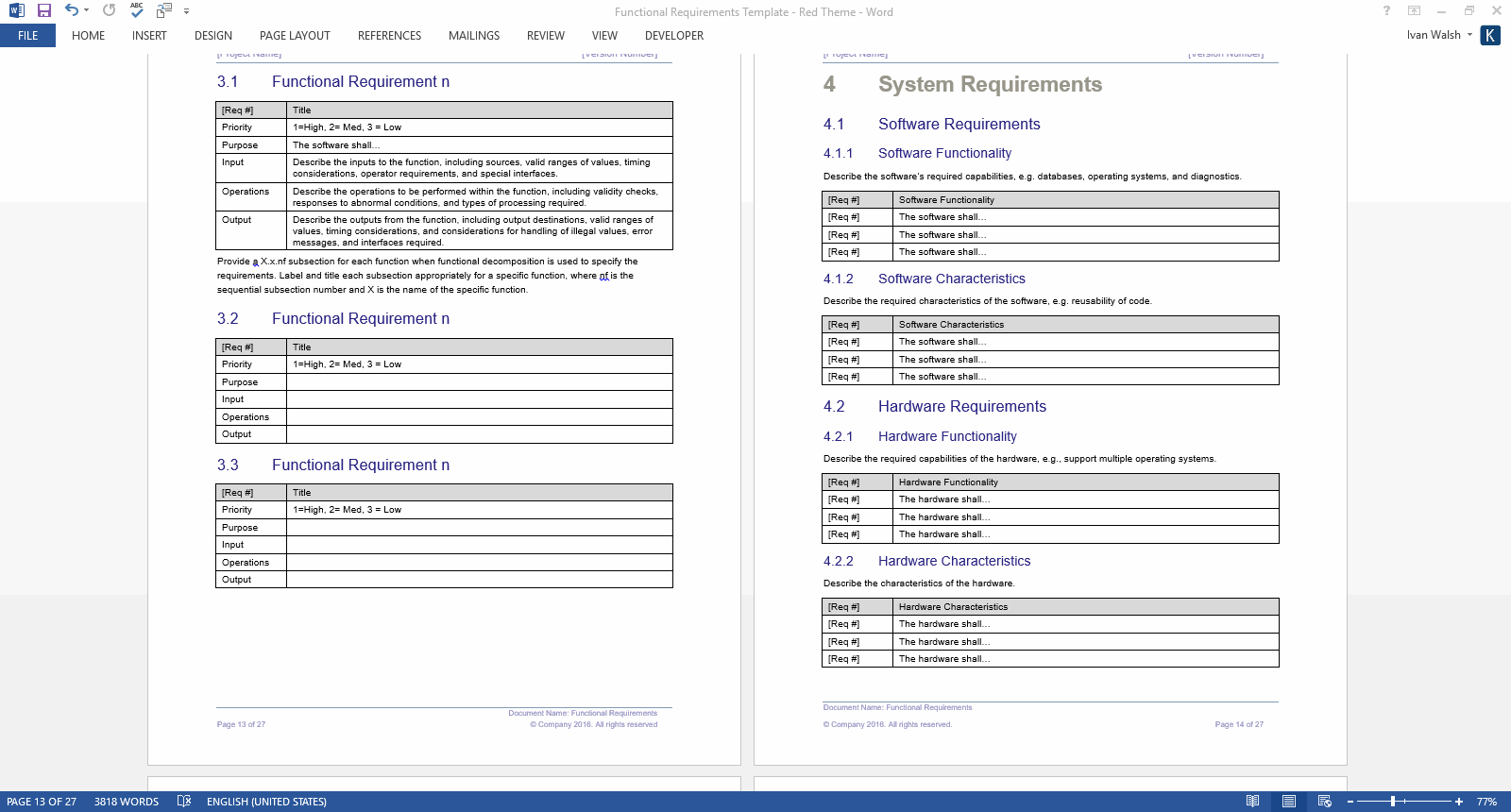
5. Functional Requirements
Organize requirements by feature or module. Each entry should include:
- Requirement ID (e.g., FR‑001)
- Title (brief descriptive name)
- Description (detailed behavior)
- Priority (High/Medium/Low)
- Acceptance Criteria (clear, testable conditions)
- Dependencies (preconditions or related requirements)
Example: FR‑023: User Login – “The system shall allow users to log in using email and password, with two‑factor authentication as an optional step.” Acceptance criteria would enumerate success and failure scenarios.
6. Non‑Functional Requirements
Capture performance, usability, security, scalability, and other quality attributes. Use quantifiable metrics whenever possible. Example: “The application shall respond to user actions within 2 seconds 95% of the time.”
7. Assumptions and Dependencies
Document assumptions that could affect design decisions (e.g., “We assume the backend API will be available by Q4”). List external dependencies, such as third‑party services or hardware components.
8. Acceptance Criteria Matrix
Cross‑reference each functional requirement with its acceptance tests. This table helps QA teams verify that the deliverables meet the stated expectations before release.
9. Traceability Matrix
Map requirements to design elements, code modules, test cases, and business objectives. Traceability ensures that every requirement has a corresponding implementation artifact, reducing the risk of missed features.
10. Change Management Process
Outline how changes will be submitted, evaluated, approved, and documented. Include roles responsible for reviewing change requests and a timeline for decision making.
11. Glossary and Acronyms
Provide definitions for domain‑specific terminology and a list of acronyms used throughout the document. This keeps the language consistent and assists new team members.
Step‑by‑Step Guide to Filling the Template
Step 1: Gather Stakeholder Input Early
Schedule workshops or interviews with business sponsors, end users, and technical leads. Capture their expectations, constraints, and success metrics. Document any initial user personas or use‑case sketches that will shape later requirements.
Step 2: Define the Minimum Viable Product (MVP)
Identify the core set of features that deliver the highest business value. Prioritization frameworks such as MoSCoW (Must have, Should have, Could have, Won’t have) or Weighted Shortest Job First (WSJF) help decide what gets built first.
Step 3: Draft Functional Requirements with Acceptance Criteria
For each feature, write a short title and a detailed description. Then craft acceptance criteria using the “Given/When/Then” format: “Given a registered user, when they enter correct credentials, then they should be logged in.” This format is friendly to both developers and testers.
Step 4: Quantify Non‑Functional Needs
Translate vague goals into measurable targets. Instead of saying “fast performance,” specify “response time < 2 seconds for 90% of requests.” Engage performance engineers or QA analysts to validate feasibility.
Step 5: Validate with Stakeholders
Conduct a review session where each requirement is read aloud and questioned. Use a voting mechanism (e.g., sticky notes) to confirm consensus on priority and scope. Capture any agreed changes in a separate change log.
Step 6: Populate the Traceability Matrix
Link each requirement to its design diagram, code module, test case, and business goal. Use a spreadsheet or a dedicated traceability tool to keep the matrix up to date as the project evolves.
Step 7: Finalize the Document and Sign Off
Distribute the finalized document to all stakeholders. Obtain formal sign‑off from the product owner, project manager, and key technical leads. This formal approval marks the transition to the design and development phase.
Tips for Maintaining the Template Throughout the Project
Keep It Living
A requirements document should evolve with the project. Set a regular cadence (e.g., every sprint or bi‑weekly) to review and update sections that might change, such as non‑functional thresholds or new external dependencies.
Automate Traceability
Integrate the template with your issue tracking system (Jira, Azure DevOps) so that requirement IDs automatically link to user stories, tasks, and test cases. Automation reduces manual errors and saves time.
Use Version Control
Store the requirements document in a Git repository or a collaborative platform that supports version history. This allows rollback if a change causes unforeseen issues and keeps everyone on the same page.
Educate the Team on the Template’s Rules
Hold a quick training session or create a cheat sheet that highlights the naming conventions, priority levels, and how to write effective acceptance criteria. Consistency is key to preventing misunderstandings.
Leverage Templates in Tooling
Many documentation tools (Confluence, SharePoint) let you create reusable templates with placeholders. Embedding the structure you’ve outlined into the tool ensures new documents start from a proven baseline.
Common Pitfalls and How to Avoid Them
Over‑Specification of Requirements
Trying to write the perfect implementation details in the requirements phase can lock developers into a rigid design and stifle innovation. Keep requirements high‑level and let the technical team propose architecture.
Neglecting User Acceptance Criteria
Without clear, testable acceptance criteria, QA teams might miss critical edge cases. Always pair each requirement with at least one acceptance test that covers normal and error scenarios.
Missing Non‑Functional Requirements
Security, performance, and accessibility are often added late, causing costly re‑work. Treat NFRs as first‑class citizens and document them early in the process.
Skipping Stakeholder Sign‑Off
Skipping formal sign‑off can lead to misaligned expectations. Even a brief “I agree” from each stakeholder is invaluable for future reference.
Real‑World Example: Building a Mobile Banking App
Project Context
The client wants a secure, cross‑platform banking app that allows account overview, fund transfer, and bill payment. The goal is to reduce branch visits by 30% within a year.
Key Functional Requirements
- FR‑001: User Authentication with biometric support.
- FR‑002: Account Summary dashboard.
- FR‑003: Peer‑to‑Peer transfer.
- FR‑004: Bill payment with scheduled reminders.
Non‑Functional Requirements
- NFR‑001: End‑to‑end latency < 1.5 seconds for 95% of transactions.
- NFR‑002: System uptime 99.99% monthly.
- NFR‑003: Compliance with PCI‑DSS and GDPR.
Traceability Snapshot
FR‑001 maps to design diagram D‑001, code module M‑Auth, test case TC‑101, and business goal “Increase security awareness.” This clear chain helps QA and auditors trace implementation back to business value.
Conclusion
A Software Requirement Analysis Document Template is more than a formality; it is a living artifact that drives clarity, alignment, and efficiency across the entire software lifecycle. By structuring your document with executive context, stakeholder details, scoped requirements, traceability, and change management, you equip your team to deliver high‑quality software on time and within budget. Remember to treat the document as a dynamic resource, keep it concise yet complete, and involve all key players from day one. With a well‑crafted template in place, your next project will benefit from fewer surprises, stronger stakeholder confidence, and a smoother path from idea to market launch.





Related posts of "Software Requirement Analysis Document Template"
