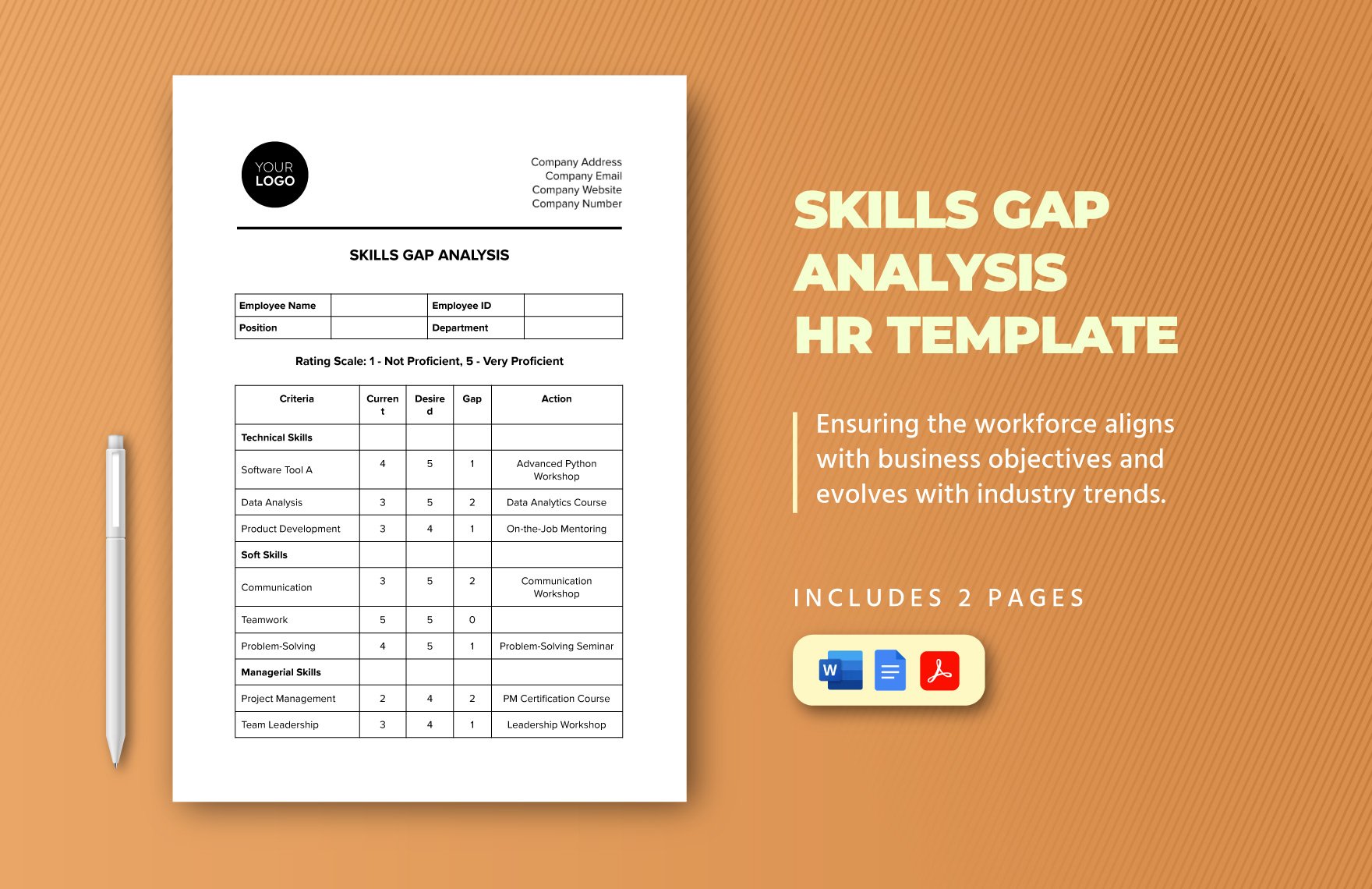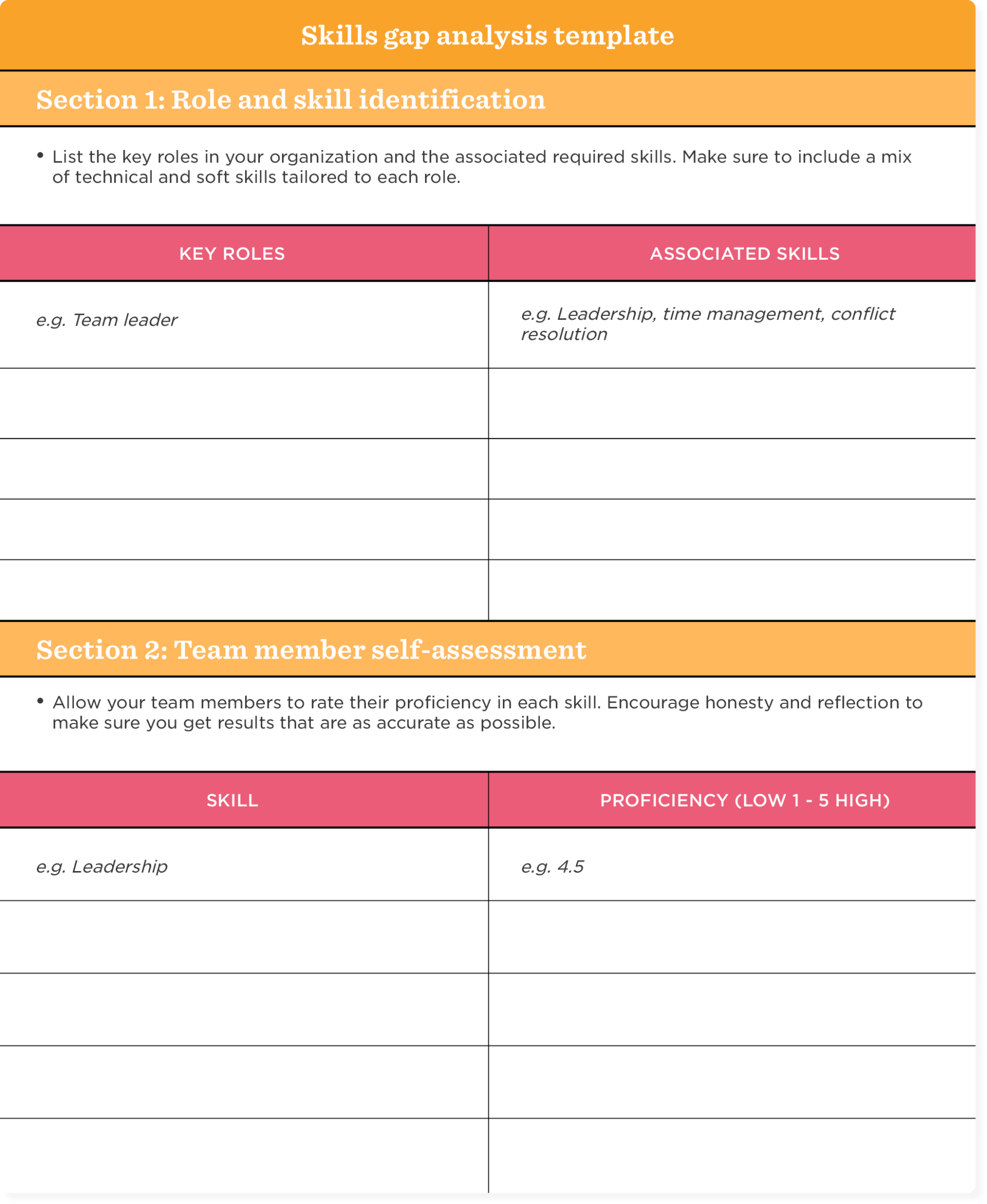
Skills Gap Analysis Template Uk is the cornerstone for any organization that wants to stay competitive in today’s fast‑moving labour market, and it starts with a clear, structured approach to identifying where talent meets—or misses—business needs. Whether you’re a small‑scale startup in Manchester or a multinational corporation with offices across London, a well‑designed template helps you turn vague concerns about employee capabilities into concrete data you can act on, faster and with far less guesswork.
Understanding the Skills Gap Concept
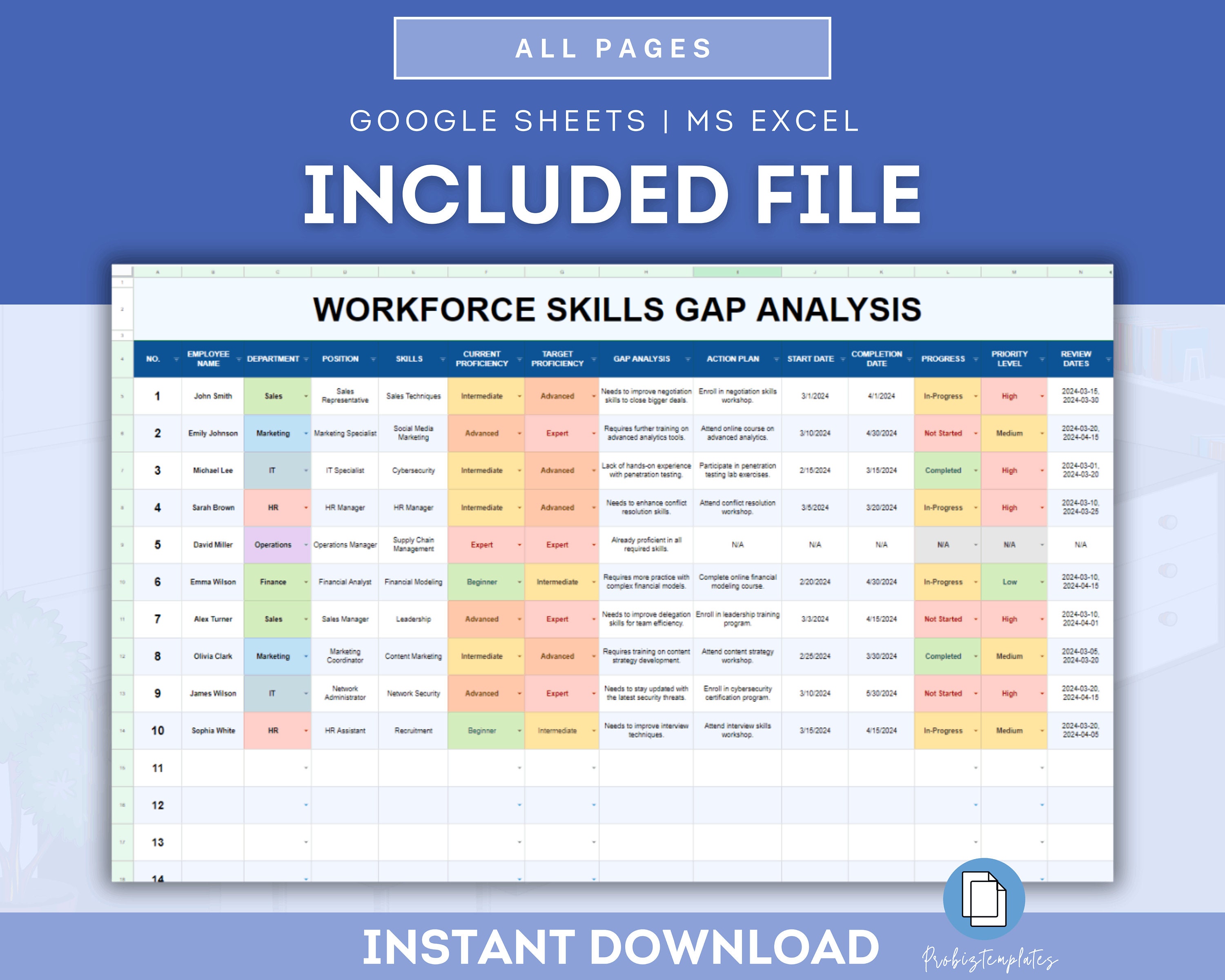
A skills gap is the difference between the skills your workforce currently possesses and the skills required to achieve your strategic objectives. In the UK, rapid digital transformation, evolving regulatory frameworks post‑Brexit, and an increasingly diverse talent pool have amplified these gaps, making precise measurement essential. By quantifying the gap, you can prioritize training investments, align recruitment with future needs, and demonstrate ROI to senior leadership.
Why a Template Matters
Without a standardized template, each department may assess gaps using its own language and criteria, leading to fragmented insights and duplicated effort. A universal Skills Gap Analysis Template Uk creates a common language, ensures consistency, and accelerates cross‑functional collaboration. It also embeds best‑practice metrics, such as proficiency levels, competency weightings, and time‑to‑competence forecasts, which are often overlooked in ad‑hoc spreadsheets.
Key Components of an Effective Template

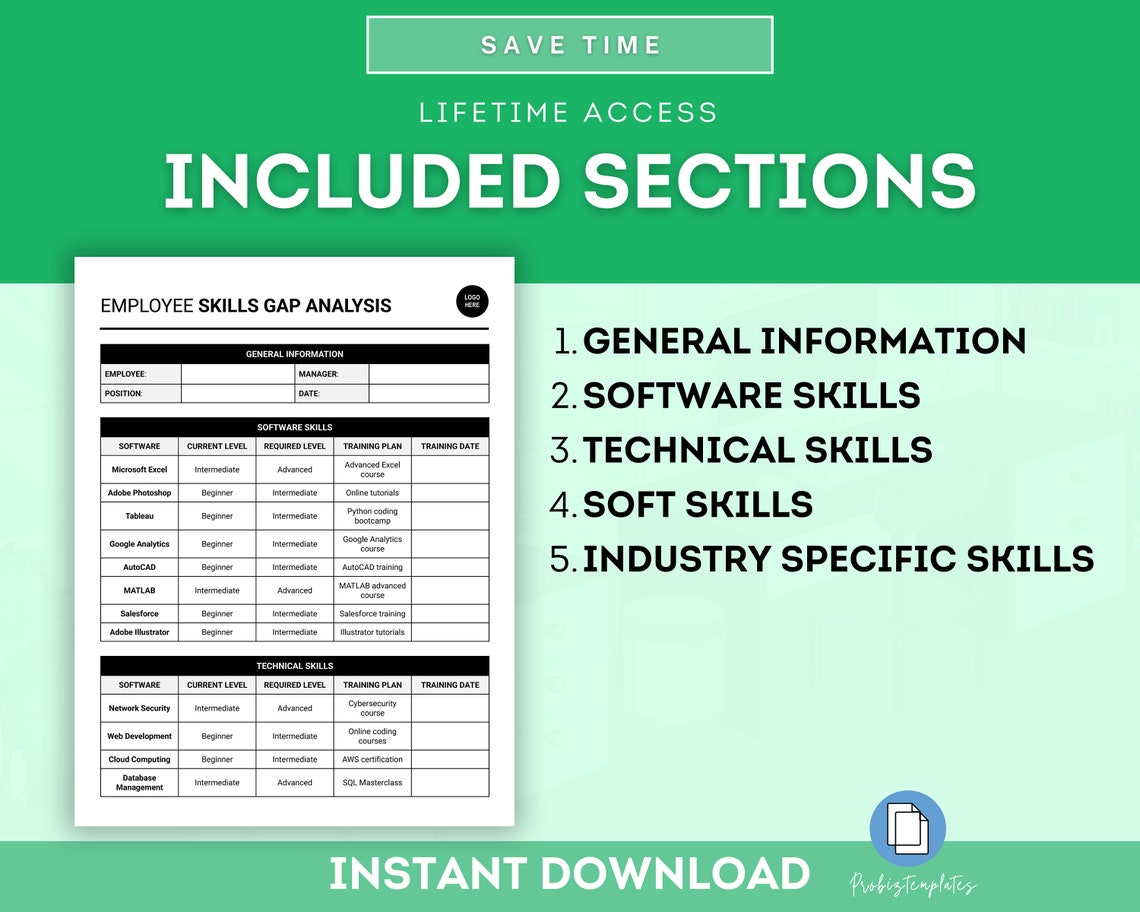
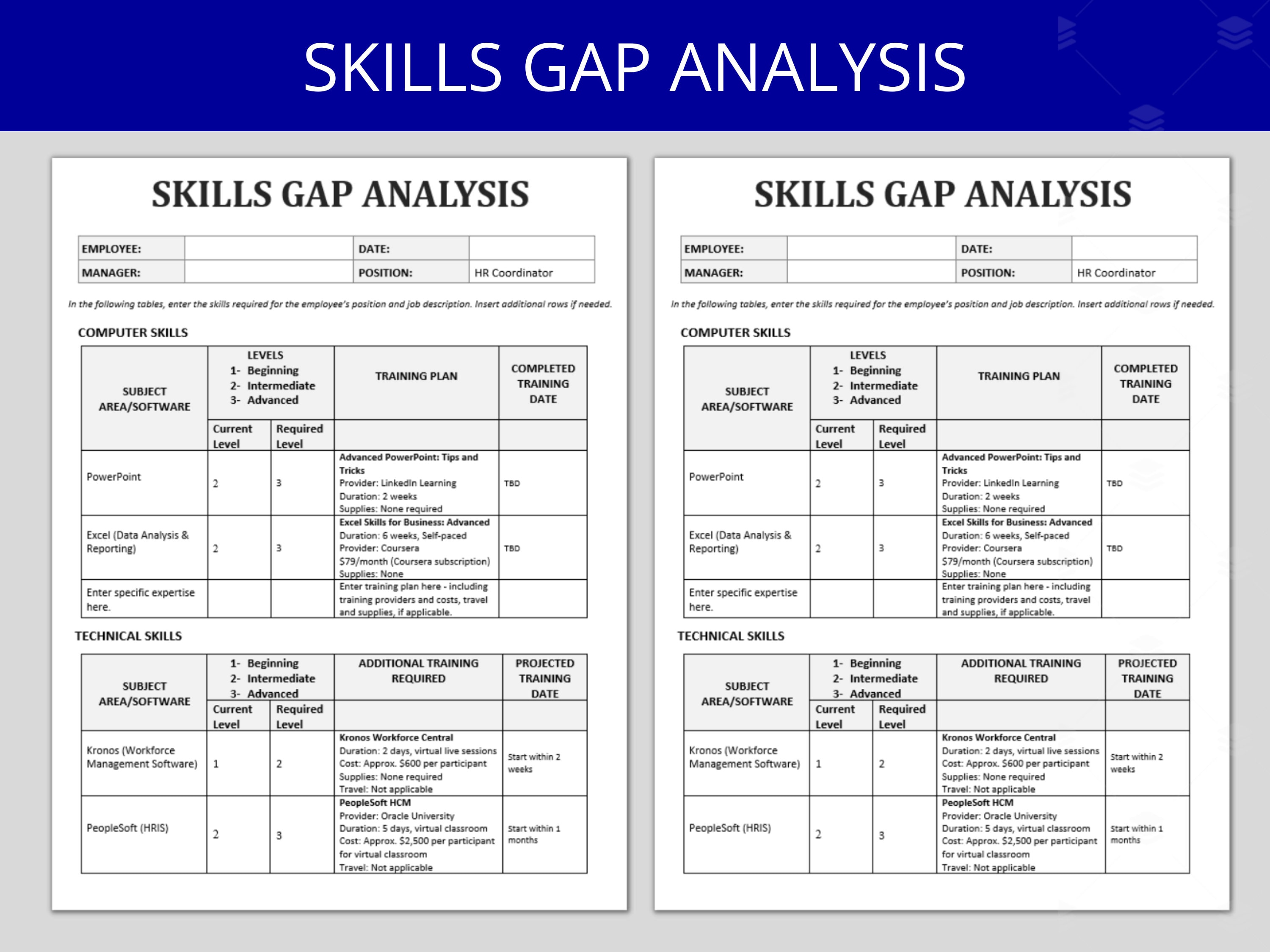
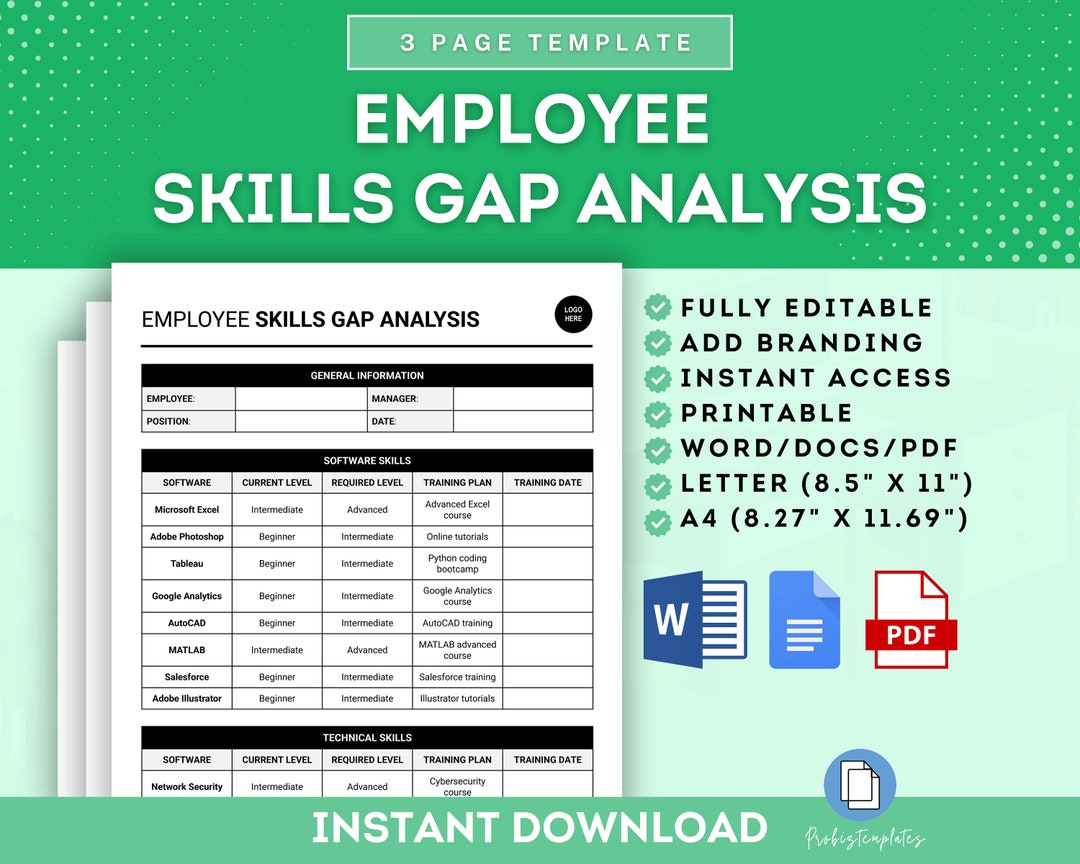
Designing a robust template involves more than a simple checklist. Below are the essential sections you should include, each with a brief description of its purpose.
- Strategic Alignment: Connect each skill to a specific business goal, such as “increase market share in fintech” or “reduce carbon emissions by 20%”. This ensures relevance.
- Skill Inventory: List every critical skill, competency, and sub‑skill required for each role or function. Use industry‑standard taxonomies like the UK’s National Occupational Standards where possible.
- Current Proficiency Levels: Capture employee self‑assessments, manager ratings, and objective test scores on a consistent scale (e.g., 1–5).
- Desired Proficiency Levels: Define the target level needed within a specific timeframe, typically aligned with performance cycles or project milestones.
- Gap Quantification: Subtract current from desired levels to highlight the size of the gap for each skill.
- Priority Scoring: Apply weightings based on impact, urgency, and resource availability to rank gaps.
- Action Plan: Outline concrete interventions—training, mentoring, hiring, or job rotation—along with owners, timelines, and success metrics.
- Monitoring & Review: Set review dates and KPIs to track progress, ensuring the analysis remains a living document rather than a one‑off exercise.
Step‑by‑Step Guide to Using the Template
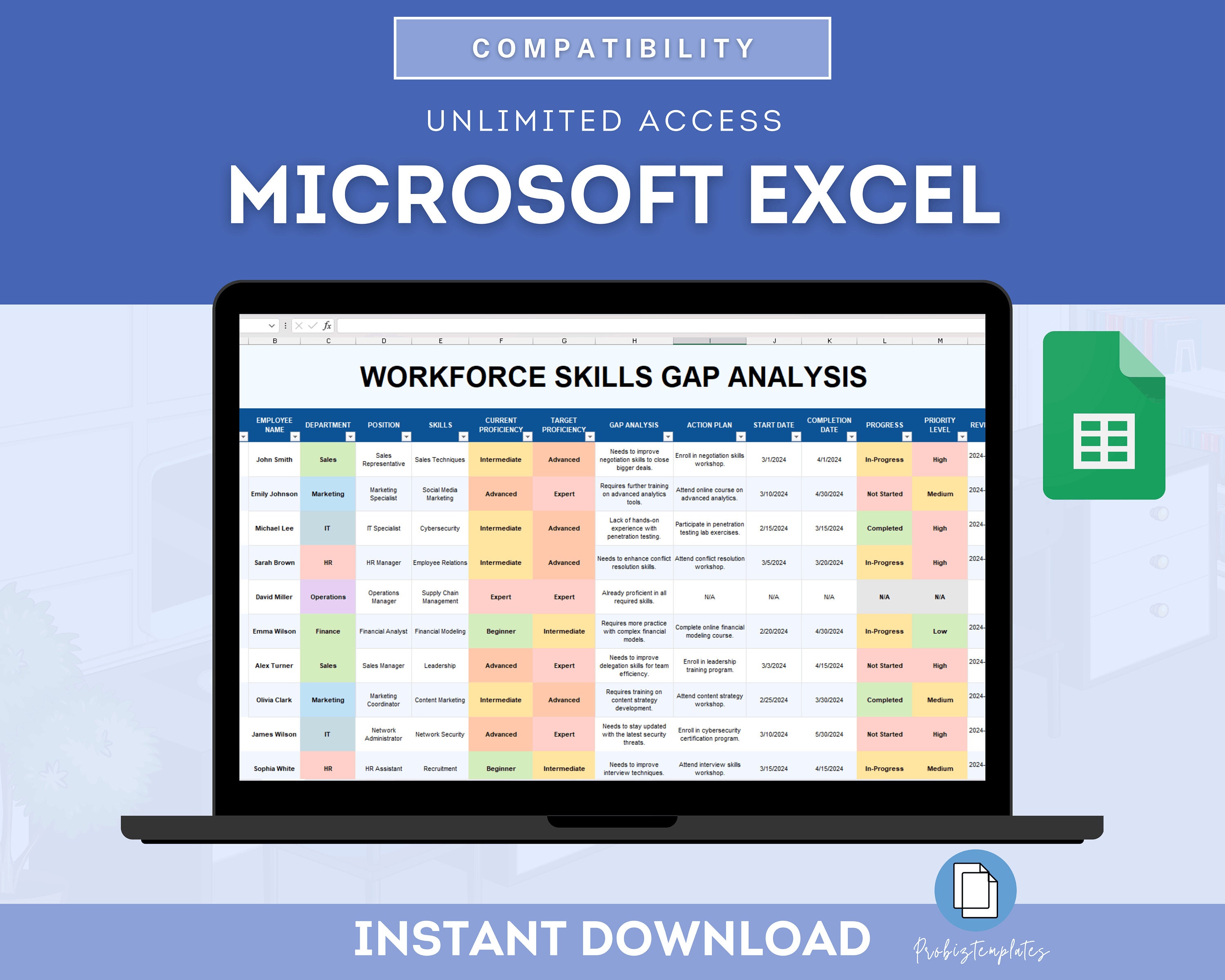
Below is a practical roadmap you can follow the moment you open your Skills Gap Analysis Template Uk. Each step builds on the previous one, creating a logical flow that reduces ambiguity and accelerates decision‑making.
Step 1: Define Business Objectives
Begin by listing the top three to five strategic priorities for the next 12‑24 months. For example, a retail chain may aim to “launch an omnichannel experience” while a manufacturing firm might target “adopt Industry 4.0 technologies.” These objectives become the lens through which you evaluate all required skills.
Step 2: Map Required Skills to Objectives
Gather input from functional leaders, HR business partners, and subject‑matter experts to identify the precise capabilities needed to achieve each objective. Document each skill in the template’s “Skill Inventory” column, linking it to the relevant objective via a simple reference code (e.g., O1 for Objective 1).
Step 3: Gather Current Skill Data
Utilise a mix of self‑assessment surveys, manager evaluations, and objective testing (such as certifications or online assessments) to populate the “Current Proficiency” column. Encourage honesty by making the process confidential and by emphasizing that the goal is development, not punitive action.
Step 4: Establish Target Proficiency Levels
Determine the level of mastery required for each skill by consulting industry benchmarks, competency frameworks, and the complexity of the upcoming work. Record these targets in the “Desired Proficiency” column, using the same scale as the current assessment for consistency.
Step 5: Calculate Gaps and Prioritize
Subtract current scores from desired scores to generate a numeric gap. Then apply a priority weighting based on factors such as strategic impact, regulatory risk, and talent availability. Sort the list by weighted score to surface the most critical gaps first.
Step 6: Design Targeted Interventions
For each high‑priority gap, decide on the most effective remedy. Options include:
- In‑house workshops led by senior experts.
- External e‑learning modules from accredited UK providers.
- Mentoring or job‑shadowing arrangements.
- Targeted recruitment to bring in missing expertise.
- Cross‑functional project assignments to build on‑the‑job experience.
Assign a responsible owner, set a realistic timeline, and define measurable outcomes (e.g., “80% of participants achieve a post‑course score of 4 or higher within three months”).
Step 7: Implement and Track Progress
Roll out the action plan, using a project‑management tool or HRIS to log activities, completion dates, and results. Schedule monthly check‑ins to ensure accountability and adjust the plan if gaps shrink faster or slower than expected.
Step 8: Review and Refresh the Analysis
At the end of each fiscal quarter, reconvene the analysis team to update the template with new data. This iterative approach captures emerging skill demands—such as new data‑privacy regulations—or shifts in business strategy, keeping the template perpetually relevant.
Real‑World Example: Bridging the Digital Skills Gap in a UK FinTech Firm

Consider a mid‑size FinTech company based in Edinburgh that aimed to launch an AI‑driven credit‑scoring platform within 18 months. The leadership identified “machine‑learning model development,” “data governance,” and “regulatory compliance (UK FCA)” as critical skills. Using a Skills Gap Analysis Template Uk, the HR team performed the following:
- Mapped each skill to the AI product launch objective.
- Collected current proficiency via a combination of internal skill‑matrix surveys and external certification checks.
- Set desired proficiency at “advanced” (level 4) for model development and “intermediate” (level 3) for governance and compliance.
- Identified a gap of 2 points for model development in 12 out of 30 data scientists.
- Prioritized this gap, assigning a blended learning path that combined a Coursera specialization, internal hackathons, and a mentorship program with a senior AI researcher.
- Tracked progress monthly, noting a 0.8‑point improvement per quarter, allowing the team to meet the launch deadline with confidence.
This example demonstrates how a structured template translates abstract concerns into actionable steps, delivering measurable business outcomes while staying aligned with UK‑specific regulatory demands.
Integrating Findings into Your Training Strategy

A skills gap analysis is only as valuable as the development initiatives it fuels. To maximize impact, embed the template’s insights into your broader learning‑and‑development (L&D) framework.
Link Gaps to Learning Objectives
Each identified gap should correspond to a learning objective within your L&D catalog. For instance, a gap in “advanced Excel modelling” becomes a learning objective titled “Create dynamic financial models using Excel.” This alignment ensures that training content directly addresses the business‑driven need.
Leverage Blended Learning
Combine online modules, face‑to‑face workshops, and on‑the‑job projects. The UK market offers a rich ecosystem of providers—from the Open University to industry‑specific bodies like the Chartered Institute of Personnel and Development (CIPD)—that can supplement in‑house expertise.
Measure Learning Impact
Post‑training, re‑assess proficiency using the same scale as the initial analysis. Compare pre‑ and post‑scores to quantify improvement, and tie these results back to key performance indicators (KPIs) such as project delivery speed, error rates, or customer satisfaction.
Common Pitfalls and How to Avoid Them
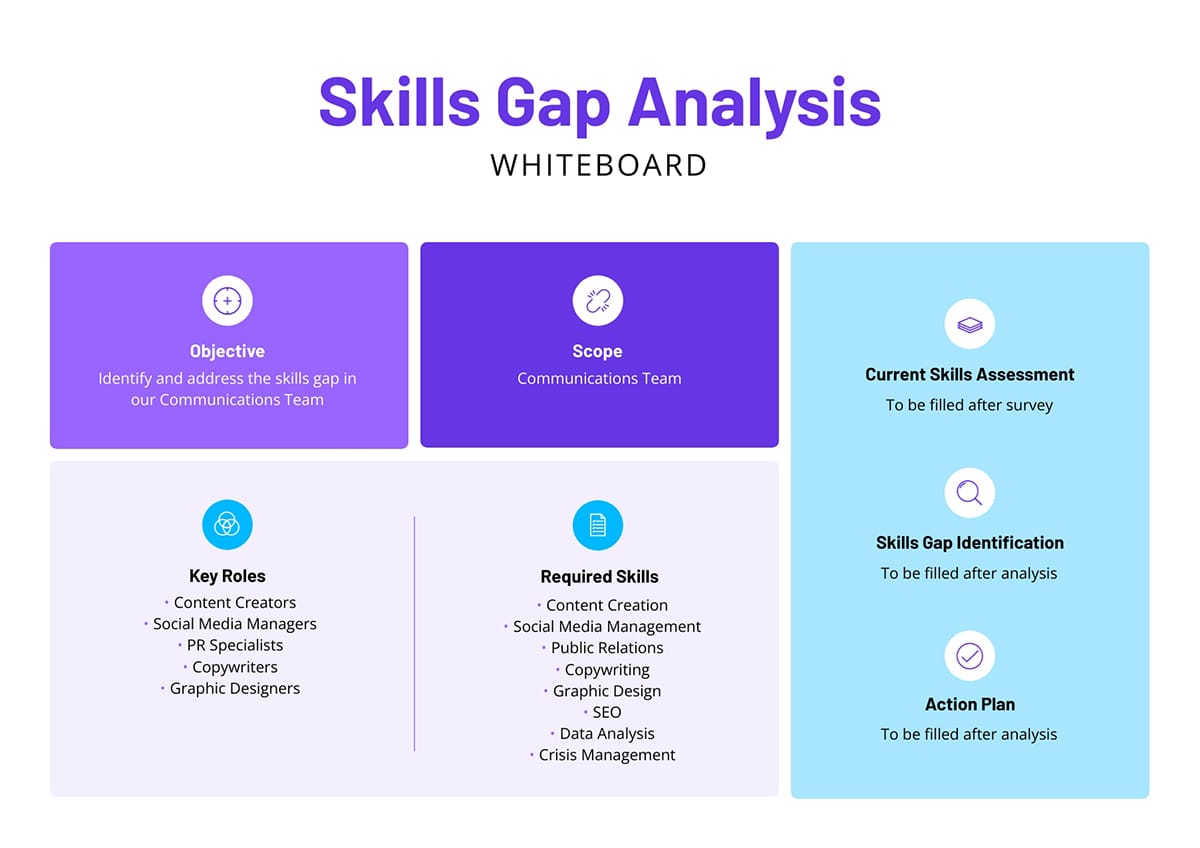
Even with a solid template, organisations often stumble on predictable challenges. Below are the most frequent pitfalls and practical remedies.
Over‑Reliance on Self‑Assessment
Employees may over‑rate their abilities, leading to an under‑estimation of gaps. Counter this by triangulating data with manager ratings, third‑party certifications, or objective assessments like coding tests or simulations.
Neglecting Future Skills
Focusing solely on current needs can leave you unprepared for emerging trends. Include a “Future Skills” section that captures anticipated capabilities—such as quantum computing basics or sustainability reporting—based on industry forecasts and strategic roadmaps.
Failing to Prioritize
A massive list of gaps can paralyze decision‑making. Use the priority scoring matrix within the template to rank gaps by impact and urgency, then tackle the top tier first.
Isolated Implementation
When training is siloed from performance management, learning outcomes rarely translate into improved performance. Integrate the action plan with performance review cycles, ensuring that skill development is a measurable component of employee objectives.
Tools and Resources to Streamline the Process

While a spreadsheet‑based template works for many, several specialised tools can automate data collection, analytics, and reporting, especially for larger organisations.
- HRIS Platforms: Systems like Workday or BambooHR often include competency libraries and gap‑analysis modules.
- Learning Management Systems (LMS): Platforms such as Cornerstone or SAP SuccessFactors can map training courses directly to identified gaps.
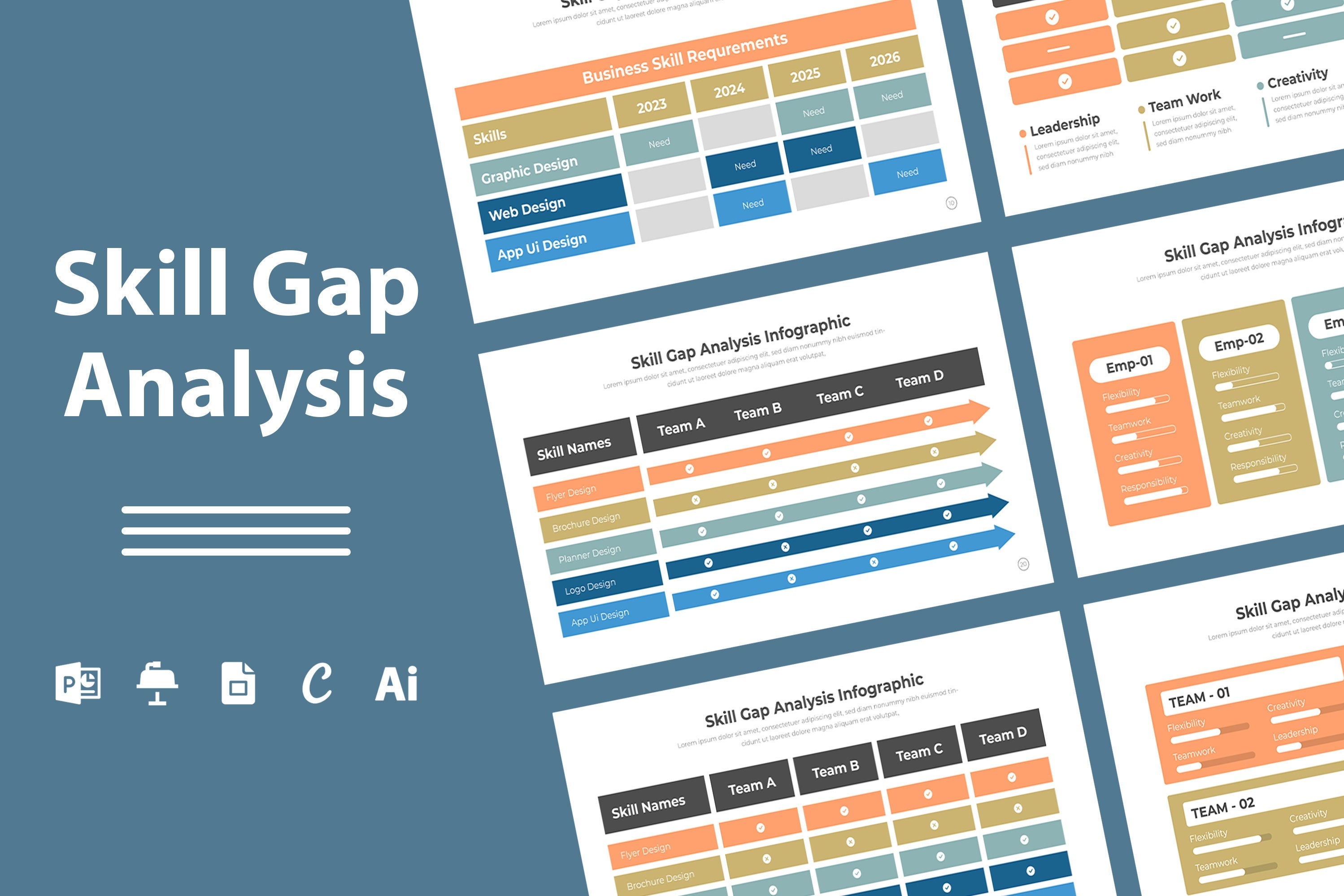
- Skill‑Mapping Software: Tools like Degreed or Pluralsight Skills provide real‑time skill inventories and visual dashboards.
- Industry Frameworks: The UK’s Apprenticeship Standards, the Institute of Leadership & Management (ILM) frameworks, and the European e‑Competence Framework (eCF) offer ready‑made competency descriptors you can import into your template.
Choosing the right mix depends on budget, scale, and existing technology stacks, but even a simple Google Sheet equipped with data‑validation rules can deliver a functional template for small teams.
Conclusion

Employing a Skills Gap Analysis Template Uk transforms vague concerns about employee capabilities into a clear, data‑driven roadmap that aligns talent development with strategic business goals. By following a systematic approach—defining objectives, mapping required skills, assessing current proficiency, quantifying gaps, prioritizing interventions, and continuously monitoring progress—organizations can close skill shortages faster, allocate training budgets more efficiently, and future‑proof their workforce against the rapid changes shaping the UK labour market. The template not only uncovers where you need to upskill, but also provides the structure to act, measure, and iterate, ensuring that every learning investment drives tangible business value and sustains competitive advantage well into the future.