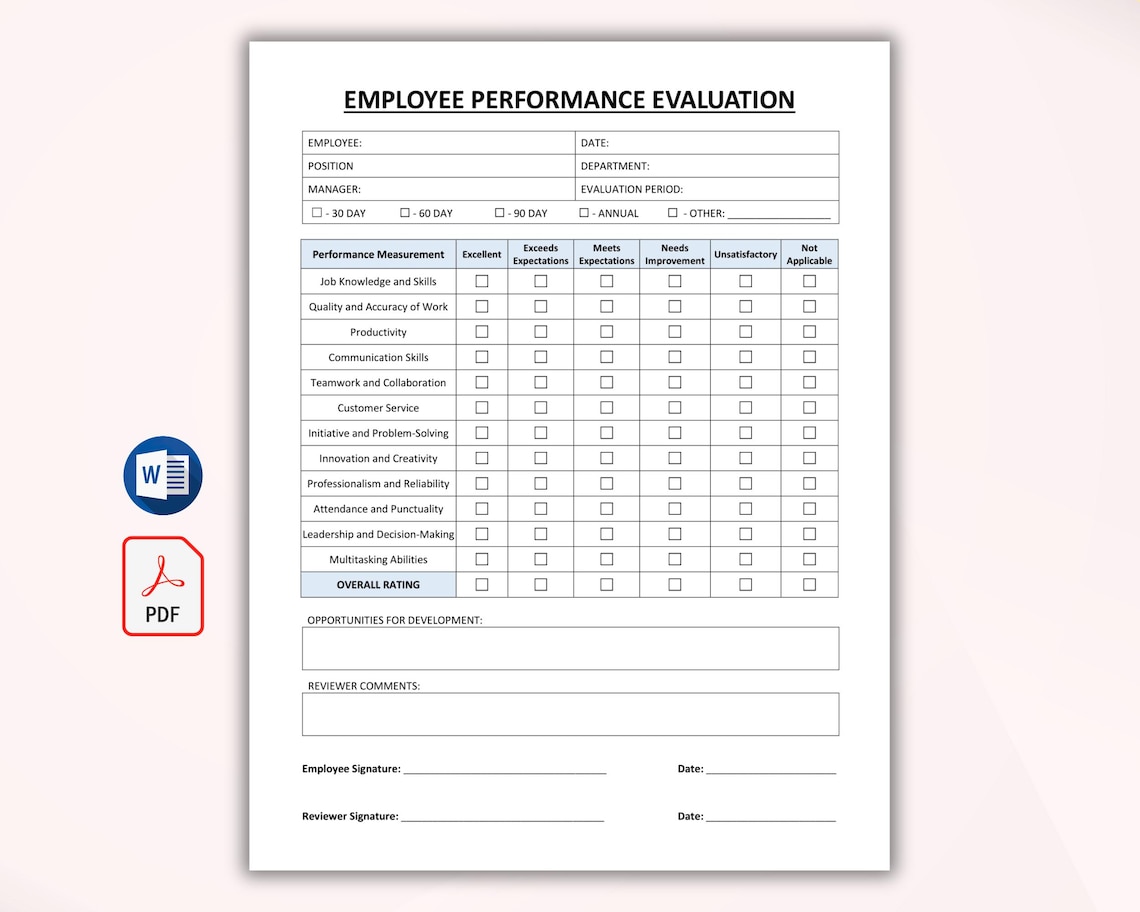
Shrm Performance Evaluation Template is a powerful tool for managers who want to streamline the assessment of employee contributions while aligning with industry best practices. By weaving objective metrics, behavioral insights, and future‑oriented goals into a single framework, it offers a consistent, scalable way to recognize achievement, identify improvement opportunities, and drive organizational success. In the following sections, we dive into every aspect of the template—from its origins in the Society for Human Resource Management’s guidelines to practical implementation tips that make performance reviews more effective, fair, and data‑driven.
Why the SHRM Template Stands Out
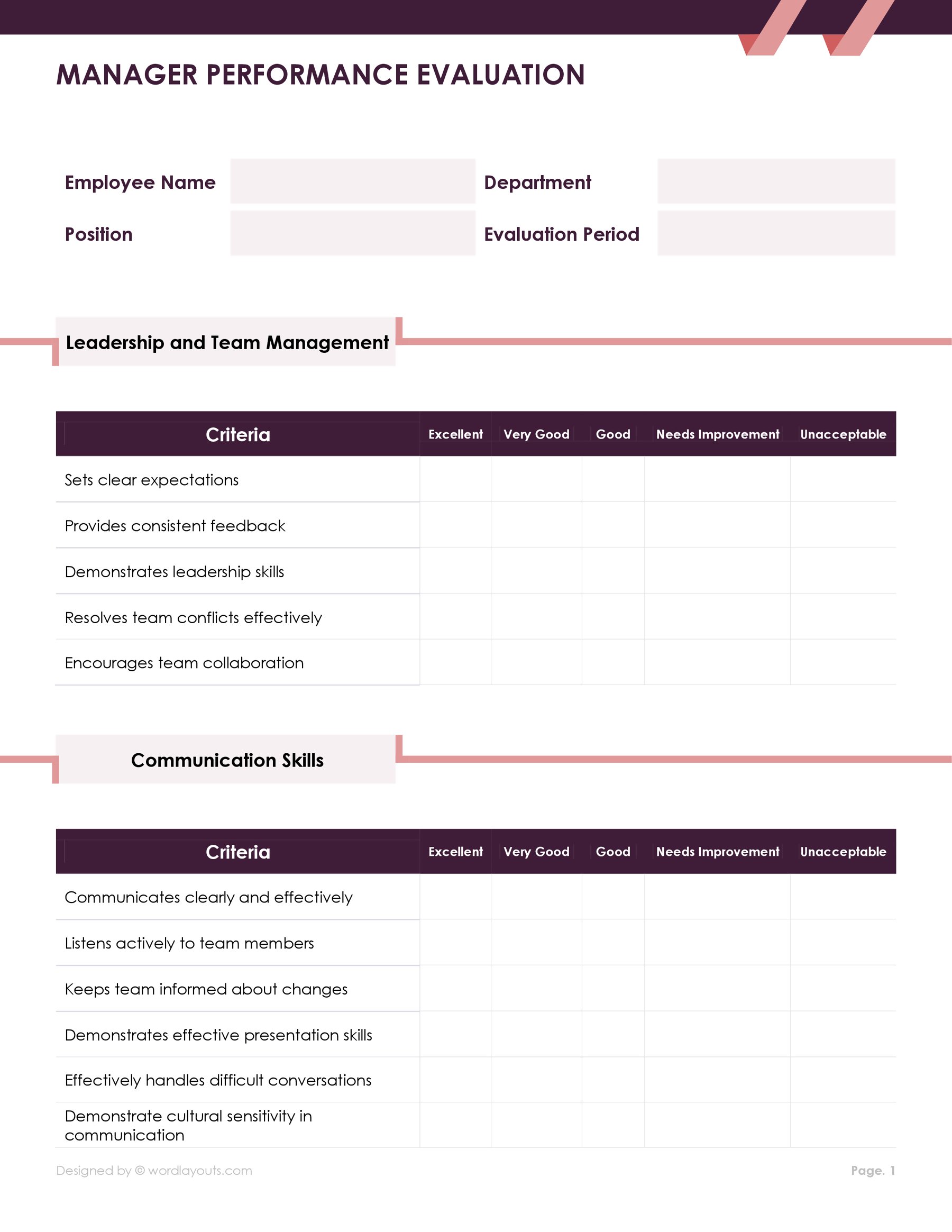
The Society for Human Resource Management (SHRM) has long championed standardized, evidence‑based tools to improve workforce outcomes. Its performance evaluation template reflects decades of research, field testing, and feedback from HR professionals worldwide. Unlike generic appraisal forms that rely on vague language or sporadic check‑ins, the SHRM template incorporates a balanced scorecard approach, blending quantitative KPIs with qualitative competency assessments. This duality ensures that employees feel both measured and understood, reducing the perception of bias and increasing engagement.
Core Components of the Template

1. Goal Alignment
Every evaluation begins with a clear statement of individual goals that mirror organizational objectives. The template offers a structured section to document SMART goals—Specific, Measurable, Achievable, Relevant, and Time‑bound. By aligning each goal with broader business metrics, managers create a tangible link between day‑to‑day work and company success.
2. Competency Assessment
Competency metrics move beyond output and tap into the behaviors that drive performance. Typical competencies include:
- Communication – clarity, active listening, and stakeholder engagement.
- Teamwork – collaboration, conflict resolution, and mentorship.
- Problem Solving – analytical thinking, creativity, and decision quality.
- Leadership (if applicable) – vision setting, influence, and change management.
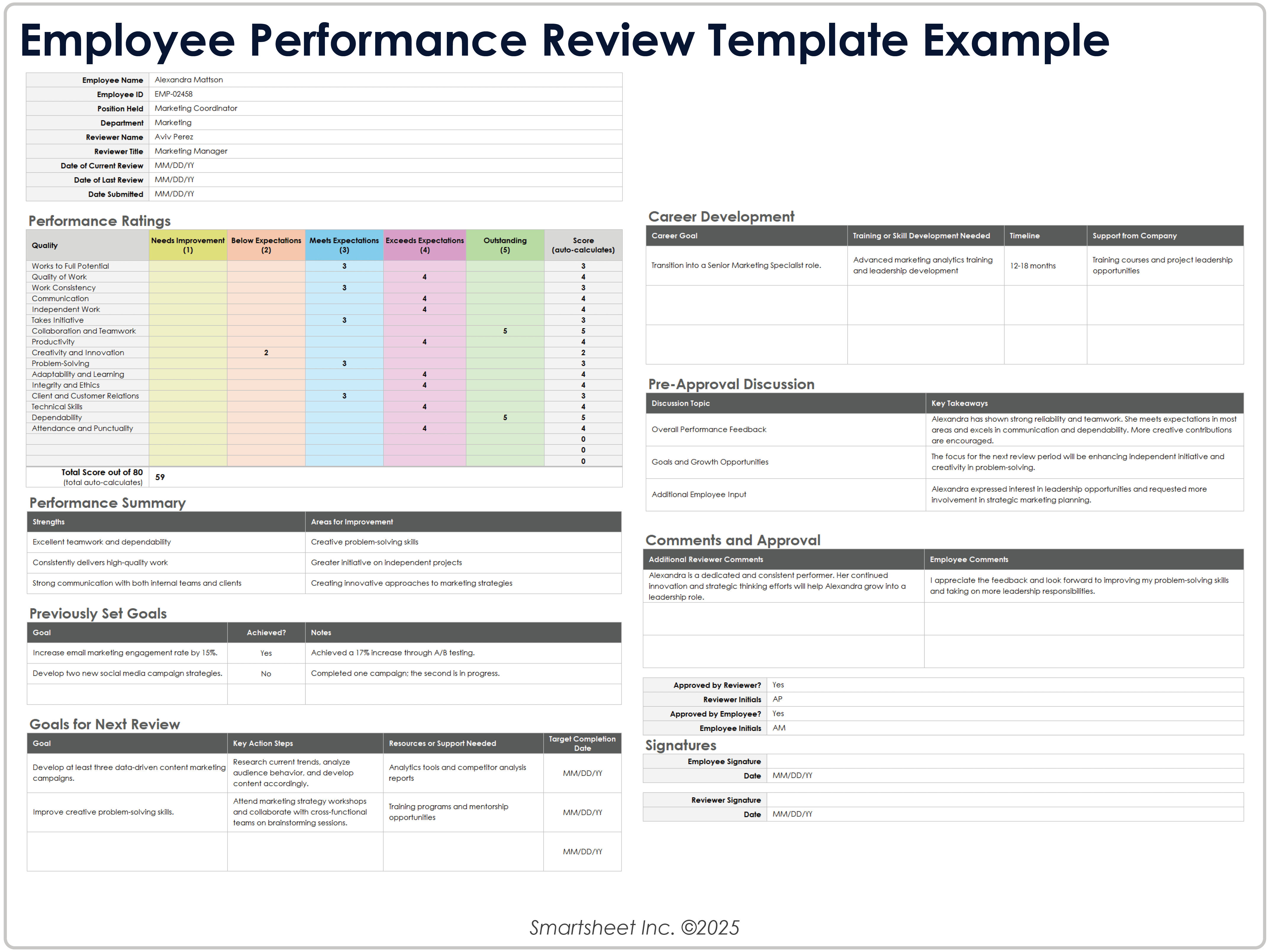
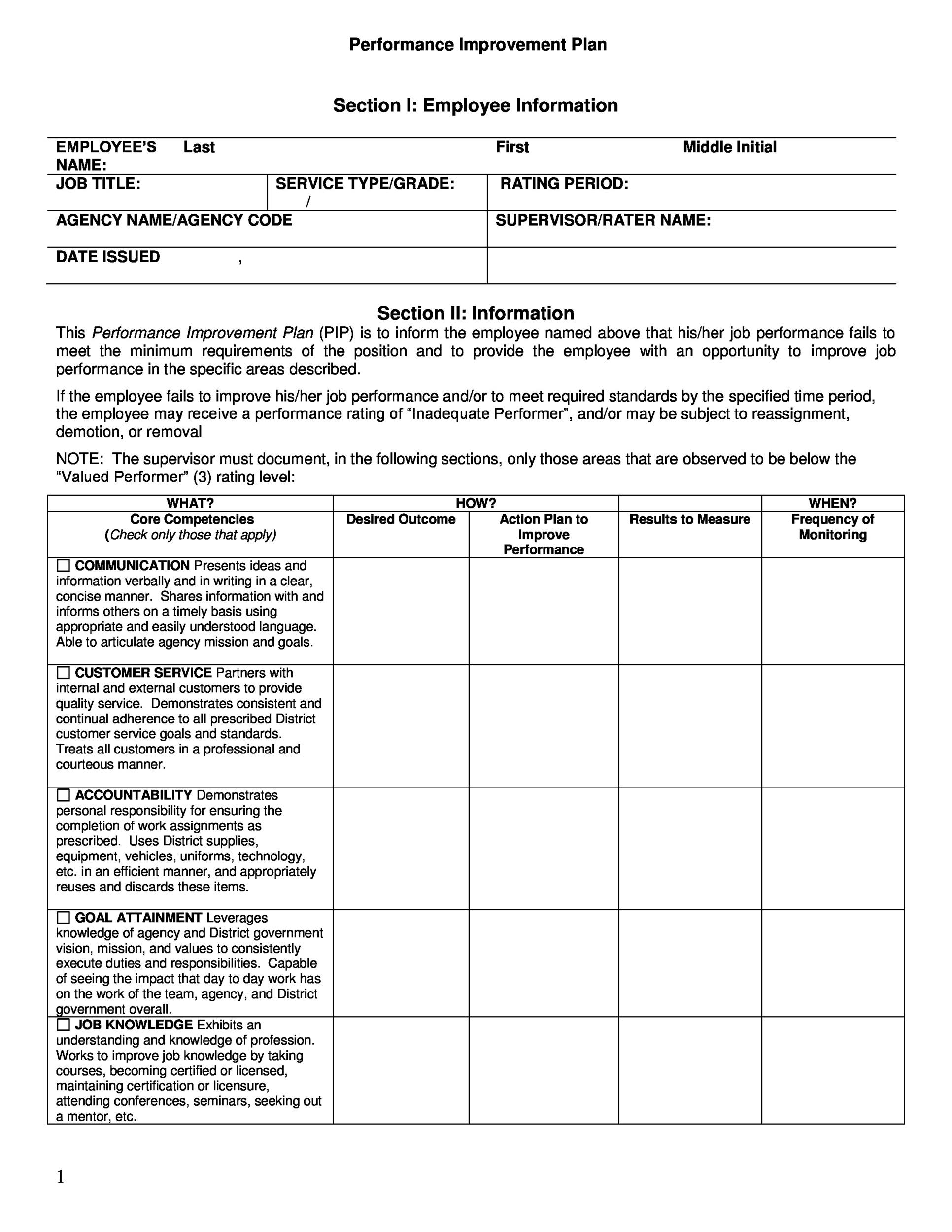
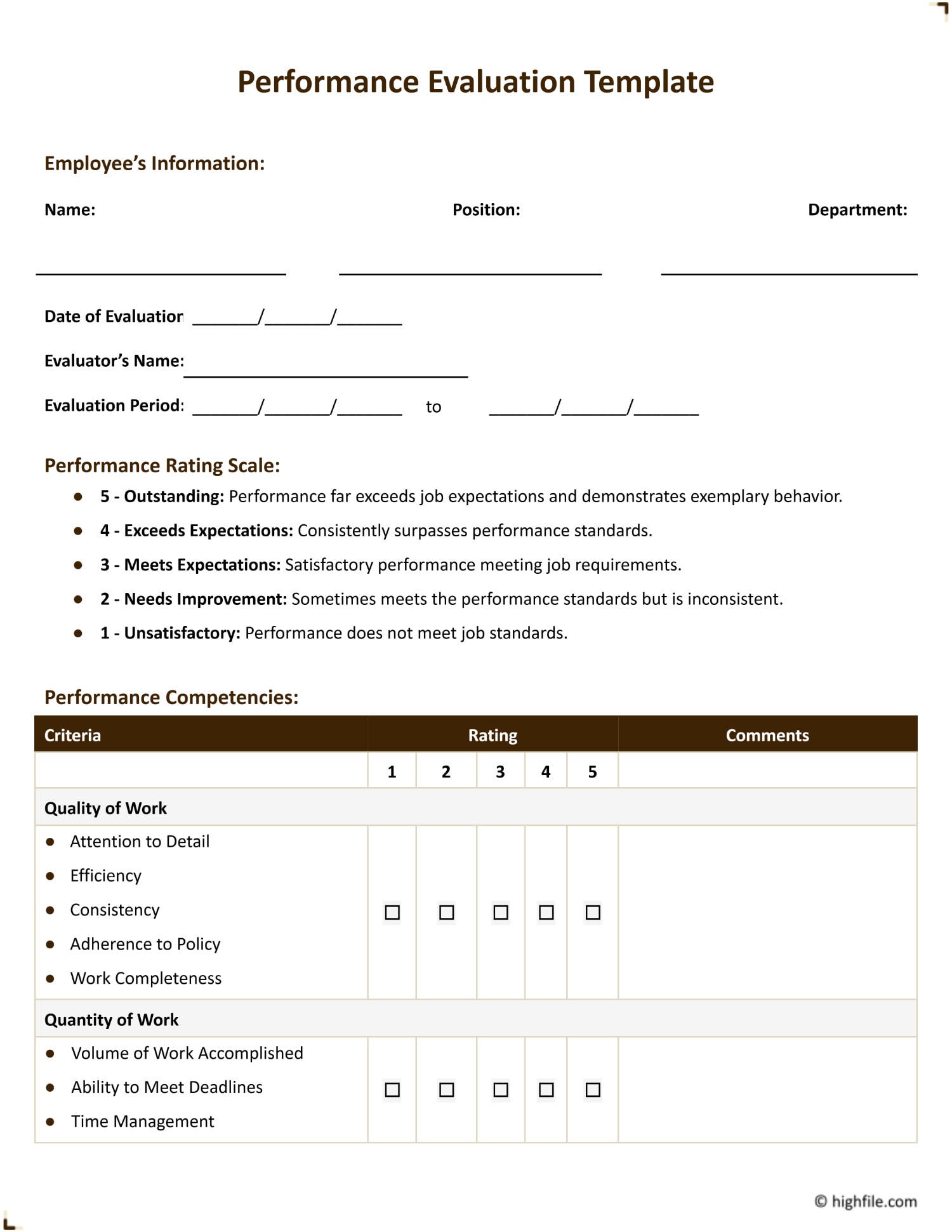
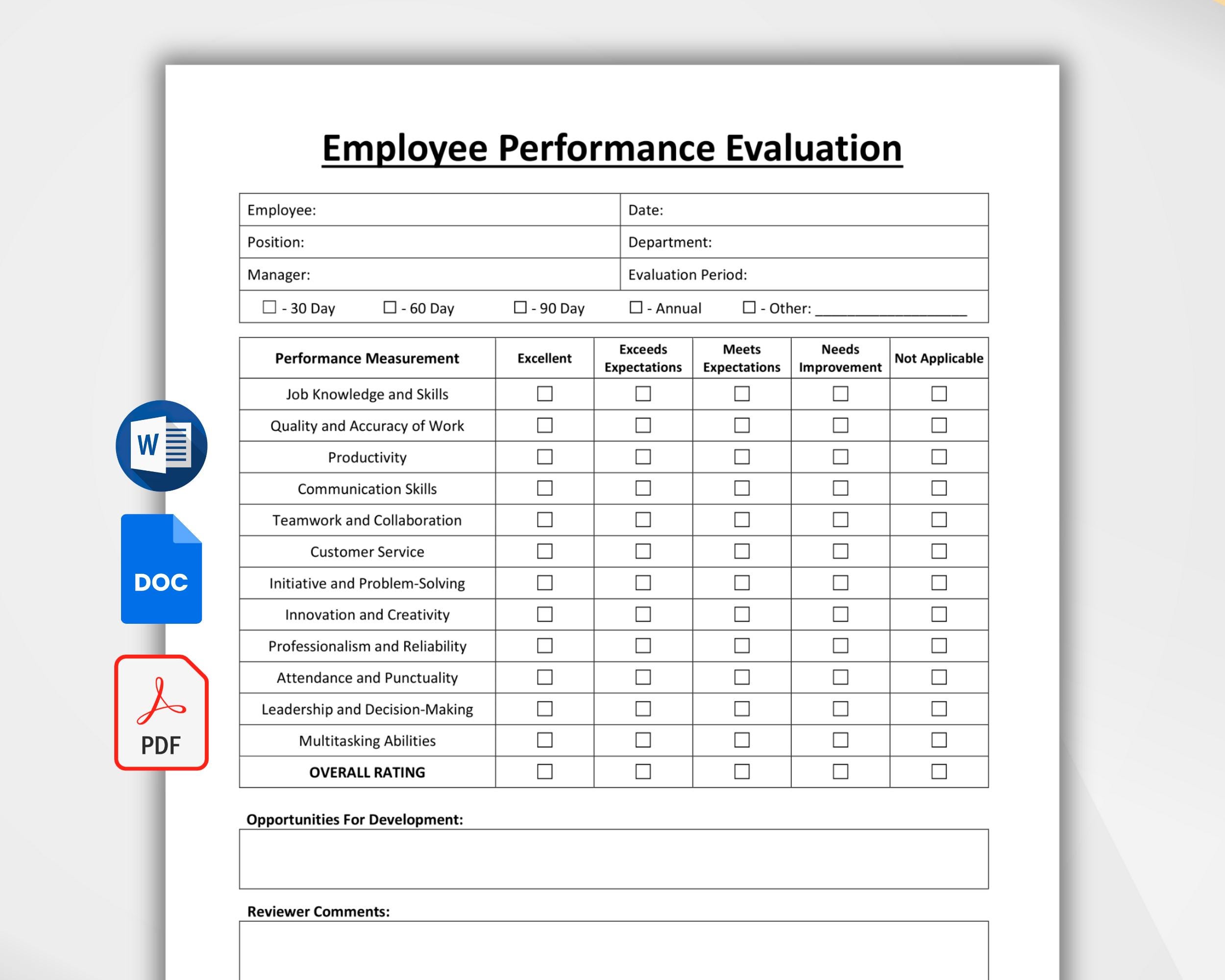
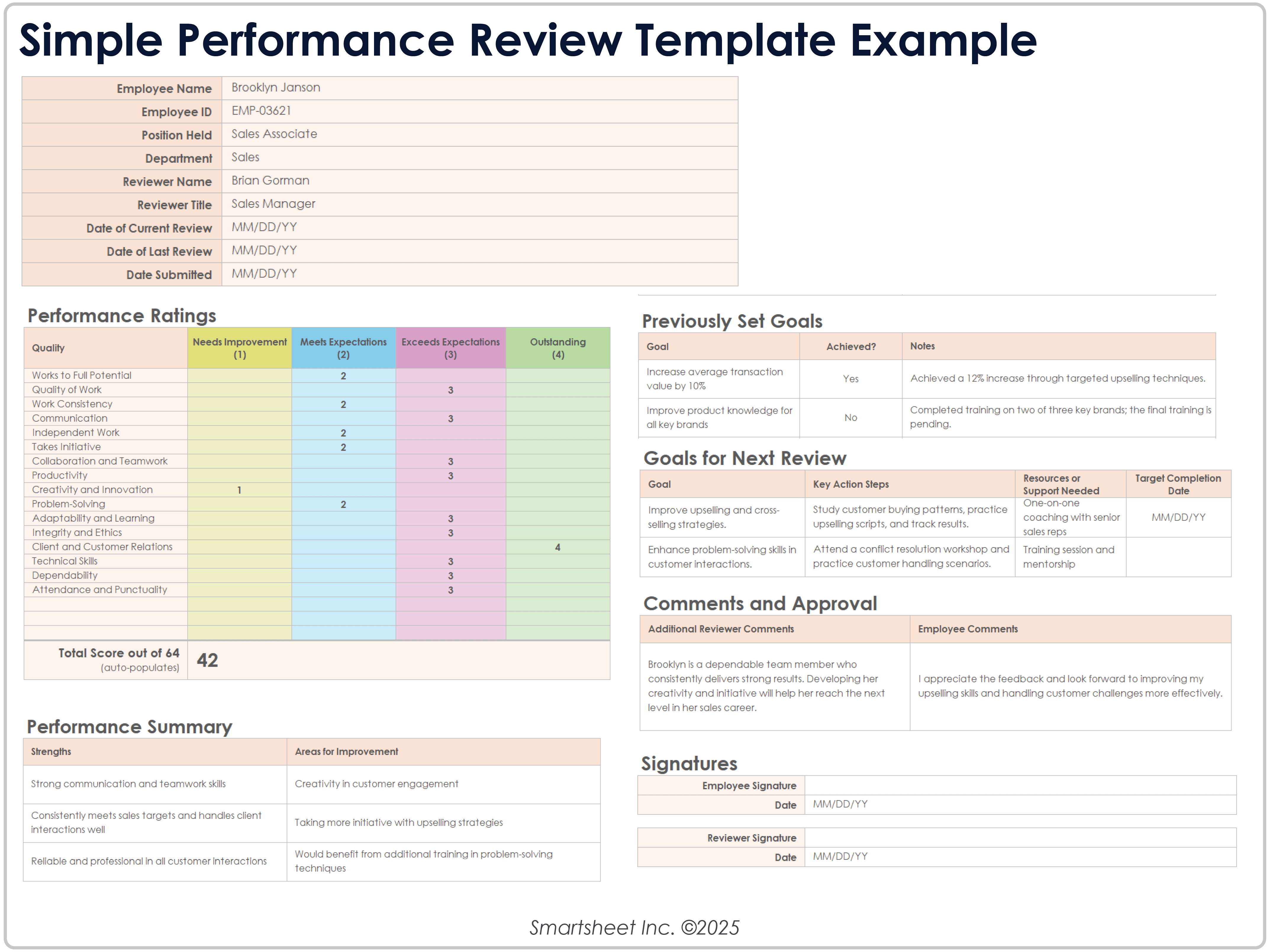
Each competency is rated on a scale (e.g., 1–5), allowing for objective comparisons across the workforce.
3. Results & Outcomes
Quantifiable outcomes are the backbone of any appraisal. The template invites managers to record key achievements, sales numbers, project completions, or cost savings. Including actual figures not only supports the narrative but also helps identify patterns of high performance or potential gaps.
4. Development Plan
Where performance falls short, the template encourages constructive feedback paired with actionable growth steps. A dedicated space for skill gaps, training resources, and timelines turns critique into a forward‑moving plan, fostering continuous improvement.
5. Self‑Assessment
Incorporating the employee’s self‑view balances the manager’s perspective. Self‑assessment sections prompt individuals to reflect on achievements, challenges, and future ambitions. When compared side‑by‑side, this dual lens reduces misunderstandings and sparks authentic conversations.
Step‑by‑Step Implementation Guide
Preparing the Review Cycle
Before the first review, set a calendar that mirrors your organization’s rhythm—quarterly, semi‑annual, or annual. Notify employees about the timing, objectives, and any preparatory materials. Consistency builds trust and expectation.
Gathering Data
Leverage multiple data points:
- Performance dashboards – real‑time metrics from CRM or project management tools.
- Peer feedback – 360‑degree insights to capture teamwork and collaboration.
- Client testimonials – external validation of service quality.
- Self‑reports – personal reflections and goal progress.
Collecting diverse inputs reduces bias and offers a holistic view.
Populating the Template
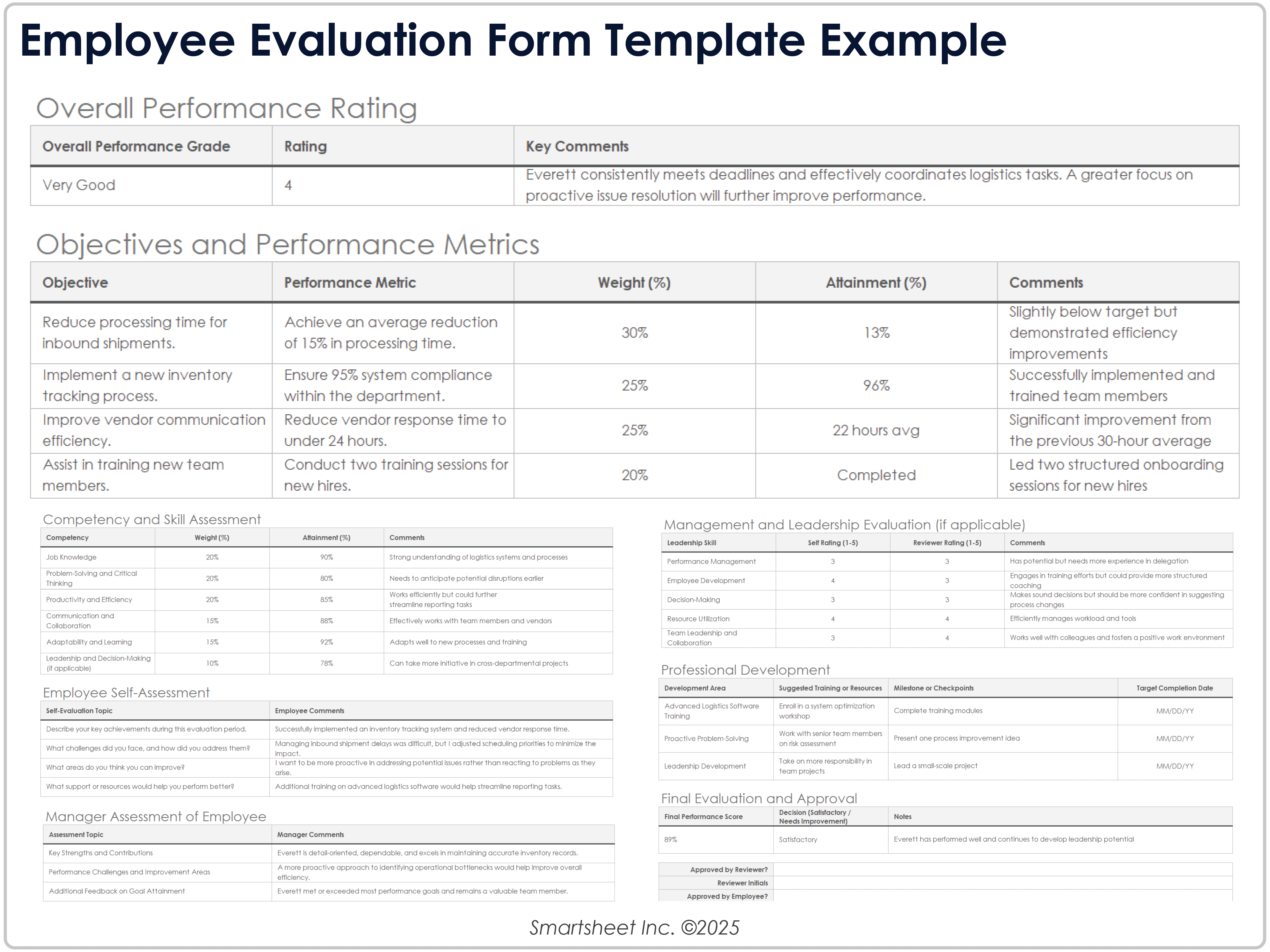
Start with the employee’s name, role, and review period. Move through each section, filling in data and ratings. Use the following tips to maintain clarity:
- Keep language concise and fact‑based.
- Use the same rating scale across all competencies for comparability.
- Insert specific examples to illustrate each rating.
- Highlight achievements with quantifiable outcomes where possible.
Conducting the Review Meeting
Schedule a dedicated time slot—ideally 30–45 minutes—to discuss the completed form. Structure the conversation as follows:
- Opening – Set a collaborative tone and review objectives.
- Self‑Assessment Review – Let the employee explain their perspective.
- Manager Feedback – Discuss strengths, gaps, and supporting evidence.
- Goal Revision – Adjust current goals or set new ones.
- Development Plan – Agree on learning resources and timelines.
- Closing – Summarize action items and reaffirm commitment.
Documenting and Following Up
Store the completed template in your HR system with a timestamp. Schedule check‑ins to monitor progress on development plans. Use the template as a living document, updating it at each milestone to keep the review cycle dynamic and relevant.
Best Practices for Maximum Impact
1. Maintain Objectivity
Avoid subjective terms like “hard worker” or “good attitude” unless supported by concrete evidence. Use behavioral anchors that clearly define what each rating means. For example, “exceeds expectations” might be characterized by “completed projects 20% ahead of schedule and received client praise for innovation.”
2. Foster a Growth Mindset
Reframe feedback to emphasize learning rather than judgment. Use language such as “Opportunity for growth” or “Skill to develop.” This approach encourages employees to view performance reviews as coaching moments.
3. Align with Corporate Goals
Embed company‑wide KPIs—such as customer satisfaction scores, revenue targets, or product launch timelines—into the individual goal sections. Demonstrating how each employee’s work fuels organizational success reinforces purpose and motivation.
4. Use Technology Wisely
Many HRIS platforms allow you to embed the SHRM template directly into the system. Automation can send reminders, collect data, and generate analytics dashboards that track performance trends over time. Leverage these features to reduce administrative burden and increase transparency.
5. Protect Confidentiality
Handle evaluation data with care. Ensure that only authorized personnel can access sensitive information, and anonymize data when using it for analytics or research purposes.
Real‑World Examples

Case Study 1: Sales Team Performance Boost
In a mid‑size tech company, the sales manager used the SHRM template to track quarterly revenue goals alongside competency scores in negotiation and client management. After a year of consistent reviews, the team’s average deal size increased by 18%, while turnover dropped from 22% to 9%. The manager credited the structured feedback and clear development plans for the sustained improvement.
Case Study 2: Improving Customer Support Satisfaction
A customer support department adopted the template to assess response time, ticket resolution quality, and empathy. By integrating peer feedback into the competency section, managers identified a bottleneck in knowledge sharing. A targeted training program, followed by regular 360 reviews, lifted the customer satisfaction score from 78% to 92% within six months.
Common Pitfalls to Avoid

1. Overloading the Form
Including too many metrics or overly detailed questions can overwhelm reviewers and dilute focus. Stick to a handful of critical KPIs and a handful of core competencies.
2. Skipping the Self‑Assessment
Ignoring the employee’s voice can breed resentment and reduce engagement. Treat self‑assessment as a starting point for dialogue, not a formality.
3. Neglecting Follow‑Up
A finished template is only useful if its insights drive action. Schedule regular check‑ins and adjust plans as circumstances evolve.
4. Ignoring Legal and Ethical Standards
Ensure compliance with employment laws and anti‑discrimination guidelines when rating and documenting performance. Consistency and fairness are not optional—they’re mandatory.
Conclusion
Adopting the Shrm Performance Evaluation Template transforms performance management from a bureaucratic checkbox activity into a strategic partnership that fuels growth, accountability, and employee satisfaction. By marrying clear goal alignment, competency insights, measurable outcomes, and actionable development plans, this template equips leaders to recognize excellence, address gaps, and cultivate a culture of continuous improvement. When implemented thoughtfully—respecting data integrity, fostering open dialogue, and leveraging technology—organizations can achieve measurable performance gains, reduced turnover, and stronger alignment with their long‑term vision. With the SHRM template in hand, managers no longer merely evaluate—they inspire and elevate.






Related posts of "Shrm Performance Evaluation Template"
