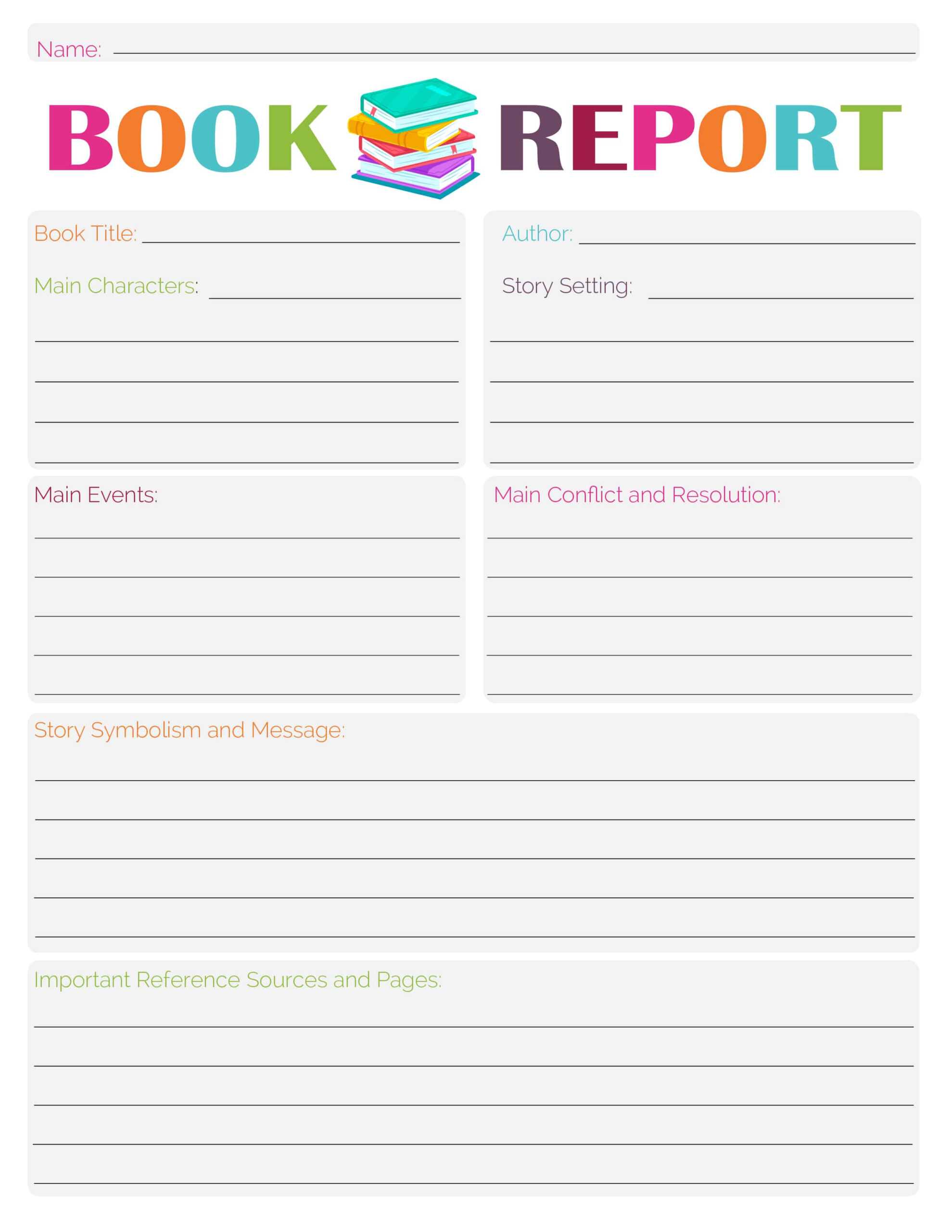
When a child steps into the world of reading, a Second Grade Book Report Template becomes a guiding star that transforms a simple story into a thoughtful reflection, fostering confidence, comprehension, and a lifelong love for literature.
Why a Second Grade Book Report Template Matters
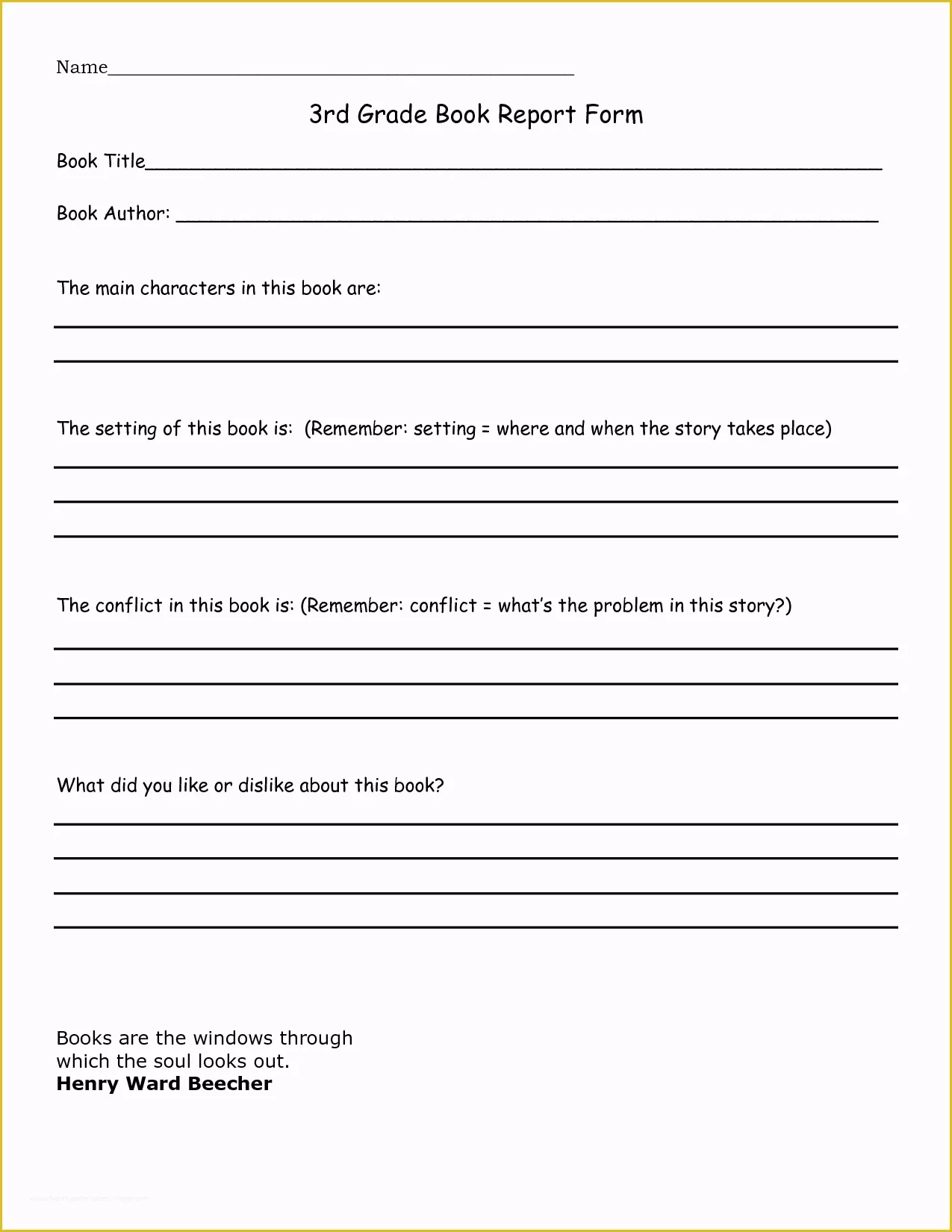
For many parents and teachers in Asia, the first encounter between a young reader and a formal report is a pivotal moment. A well‑structured template not only streamlines the process but also nurtures critical thinking, encourages respectful dialogue, and aligns with classroom expectations. By giving children clear checkpoints, it turns a daunting task into a manageable, creative exercise.
Cultural Touchstones for Asian Readers

In Asian educational systems, storytelling is often rooted in heritage, moral lessons, and community values. A second‑grade book report should reflect this ethos by incorporating elements such as:
- Respect for elders and authority figures within the story.
- Group harmony and collective responsibility.
- Traditional problem‑solving approaches that emphasize patience and perseverance.
- Reflection on how the story connects to local customs or folklore.
By weaving these themes into the template, students feel a deeper connection between global literature and their cultural identity.
Core Elements Every Template Should Include

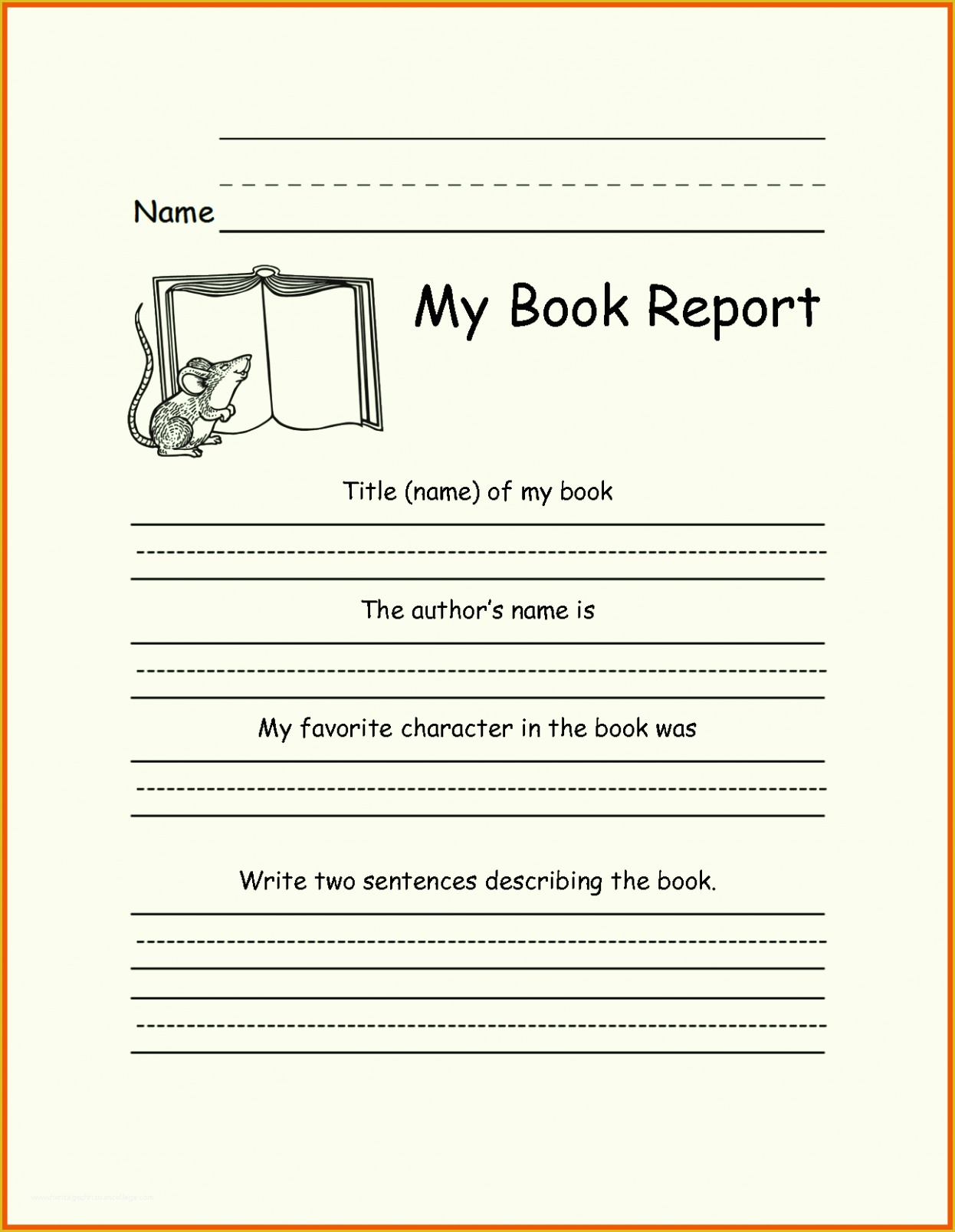
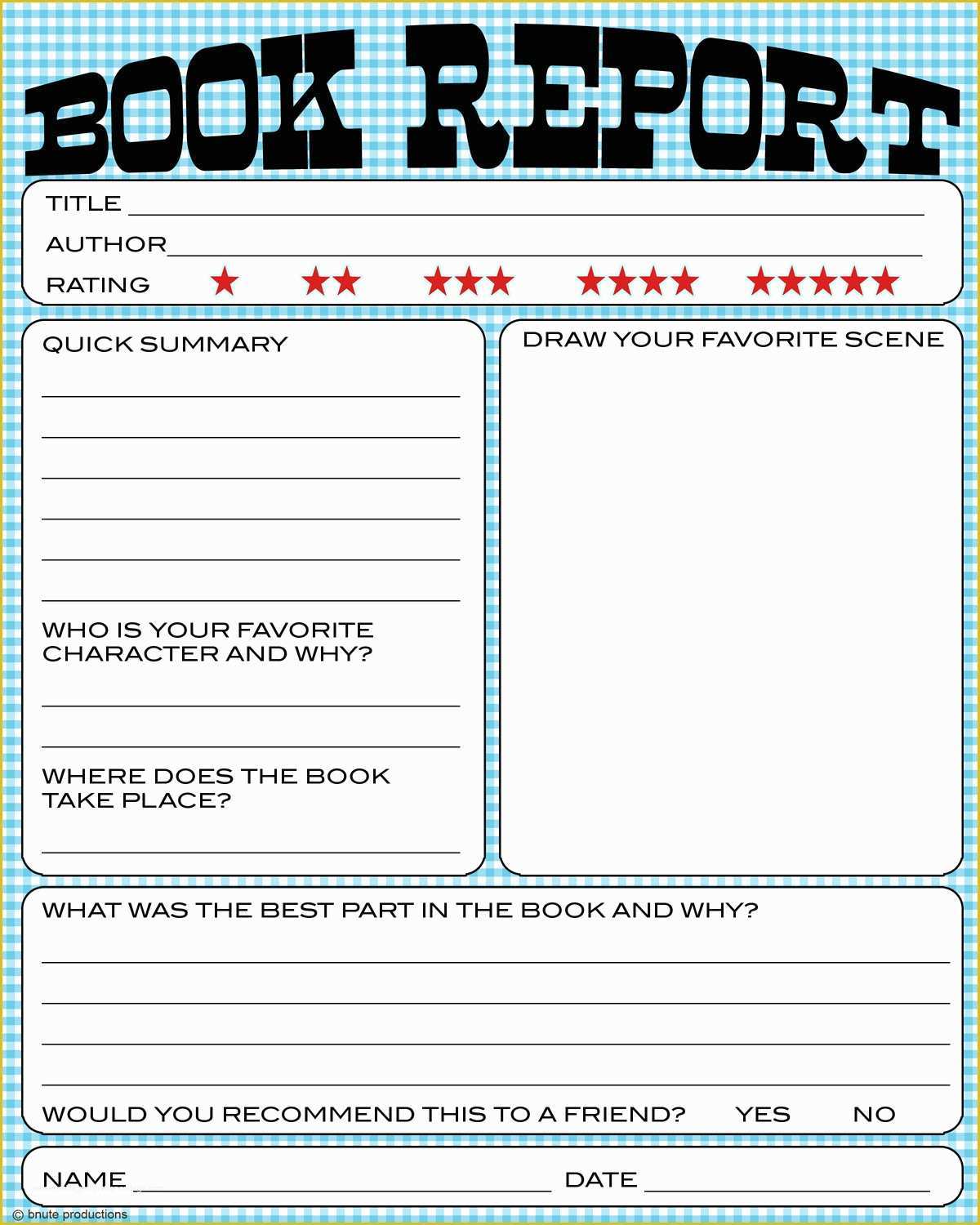
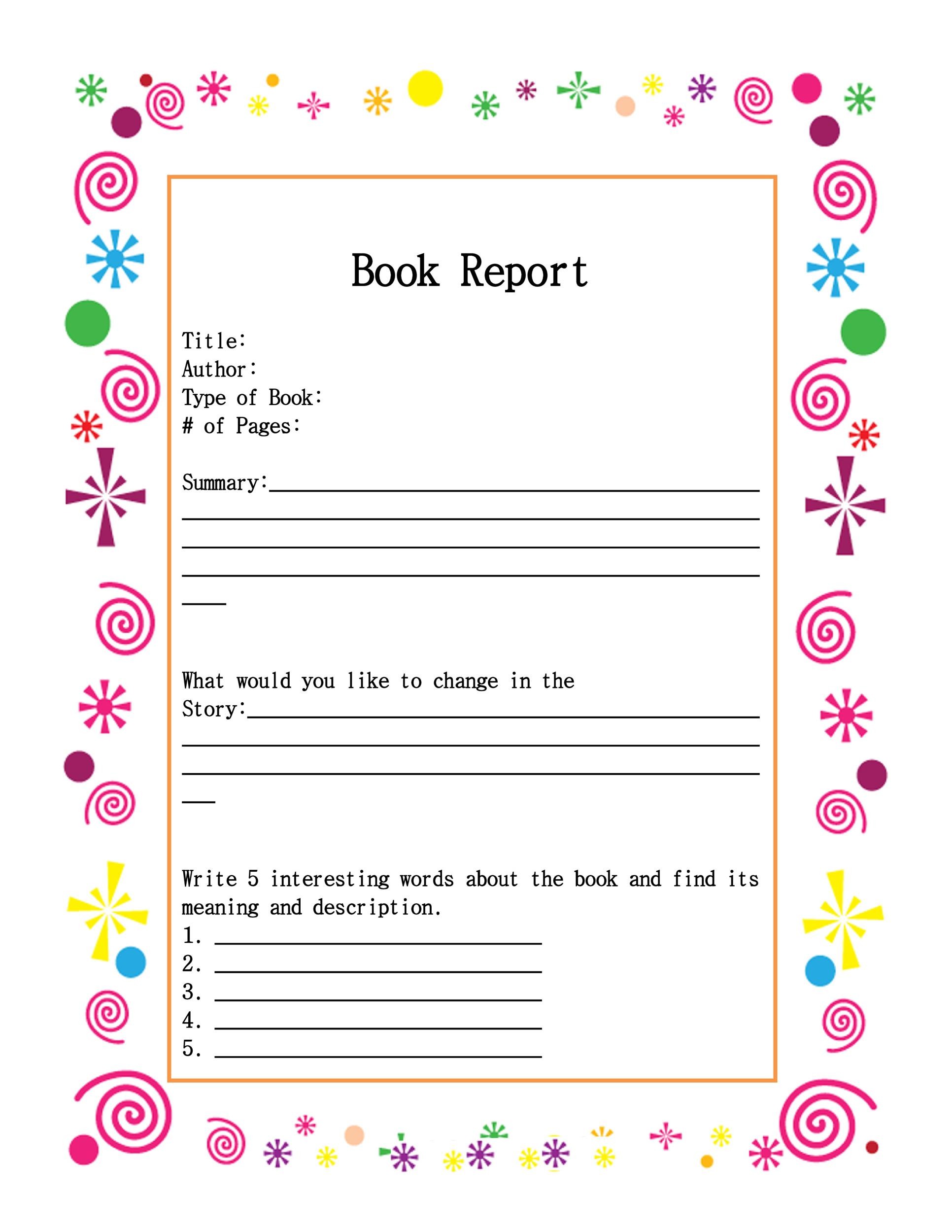
Title and Author
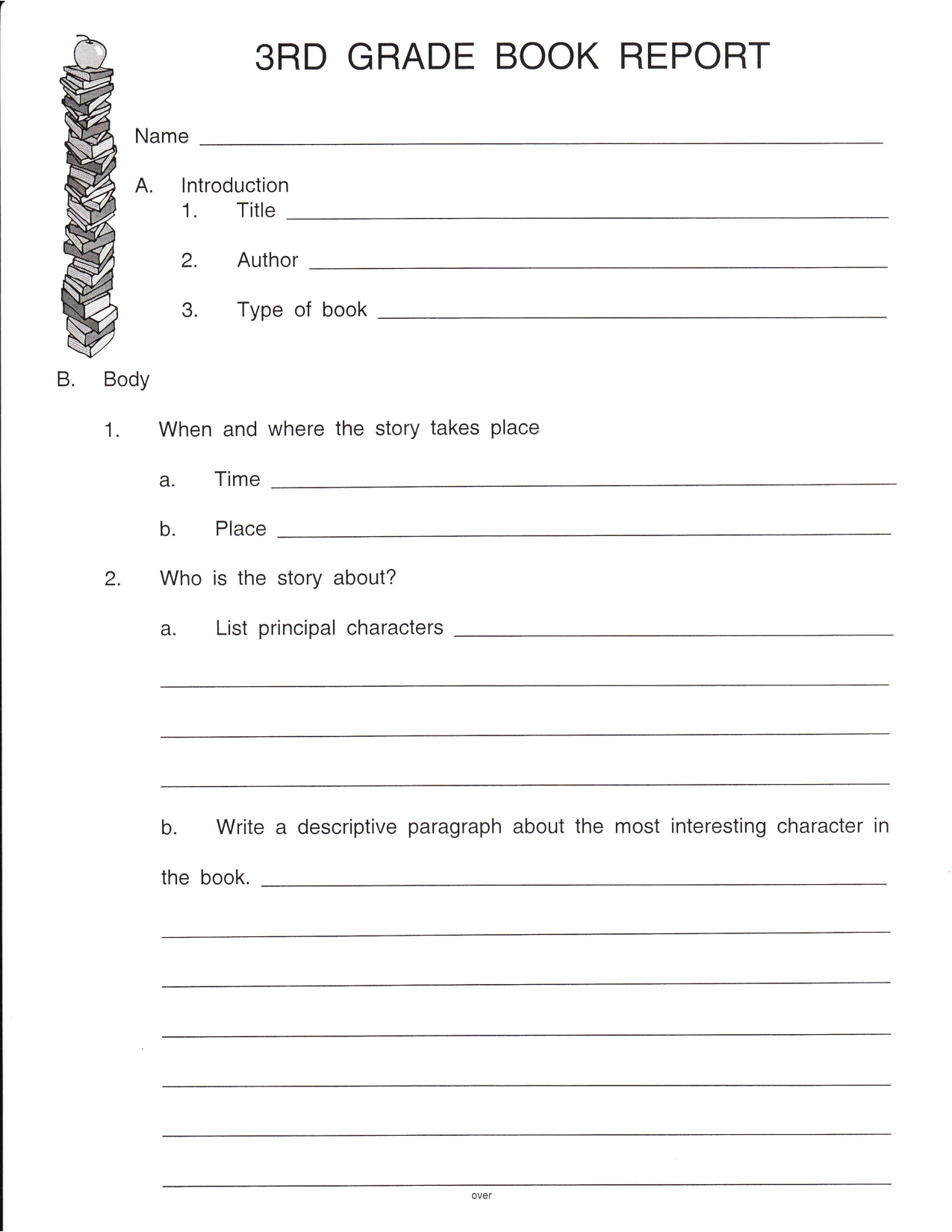
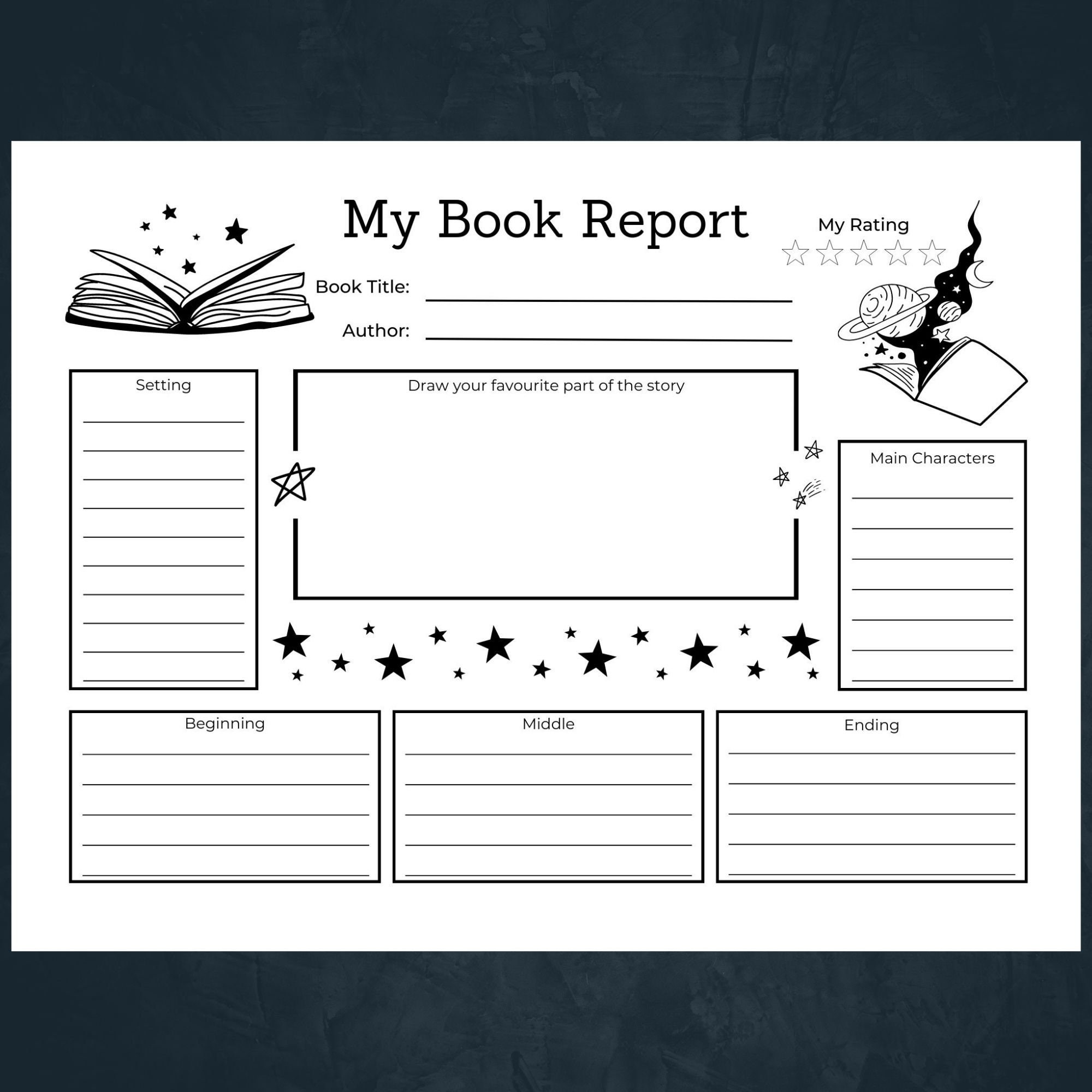
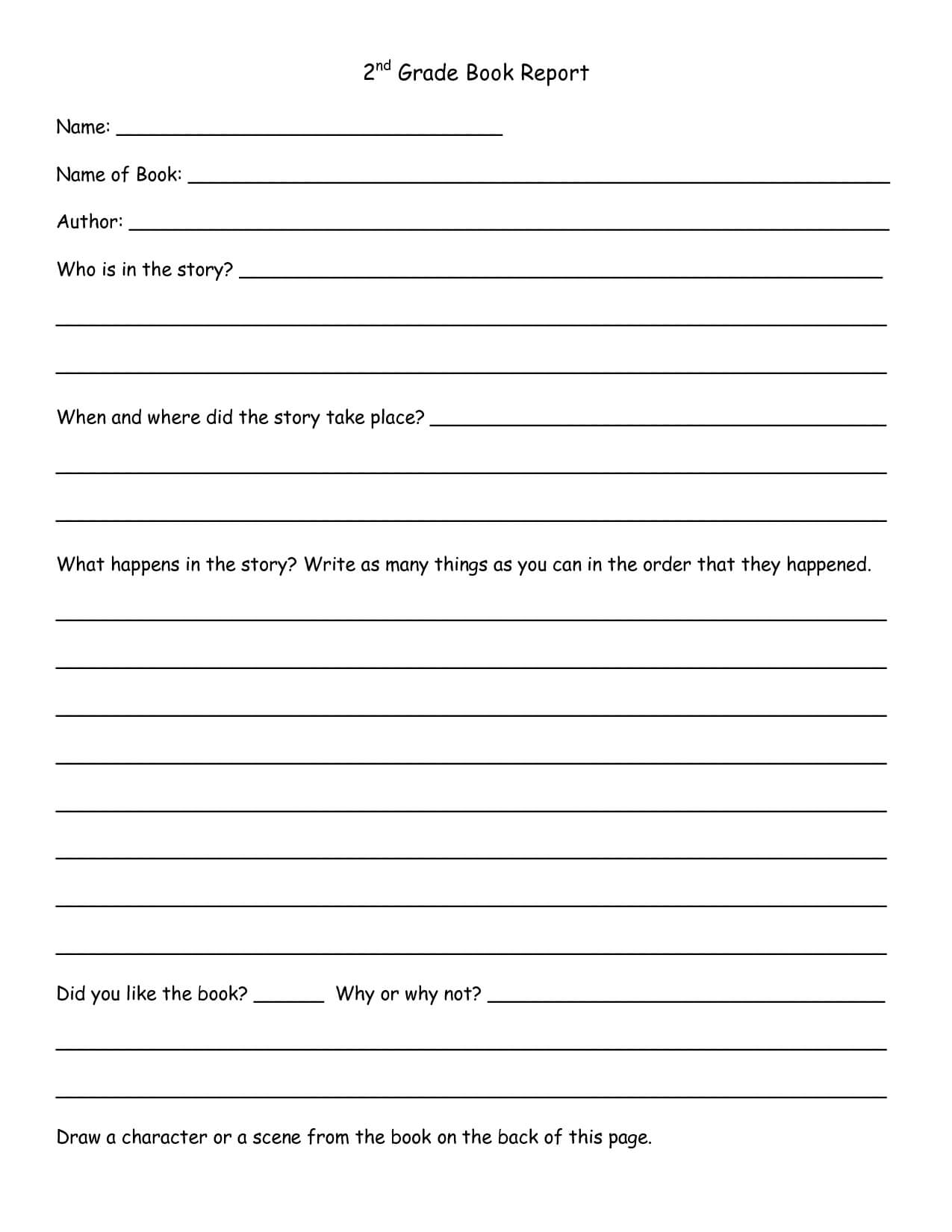
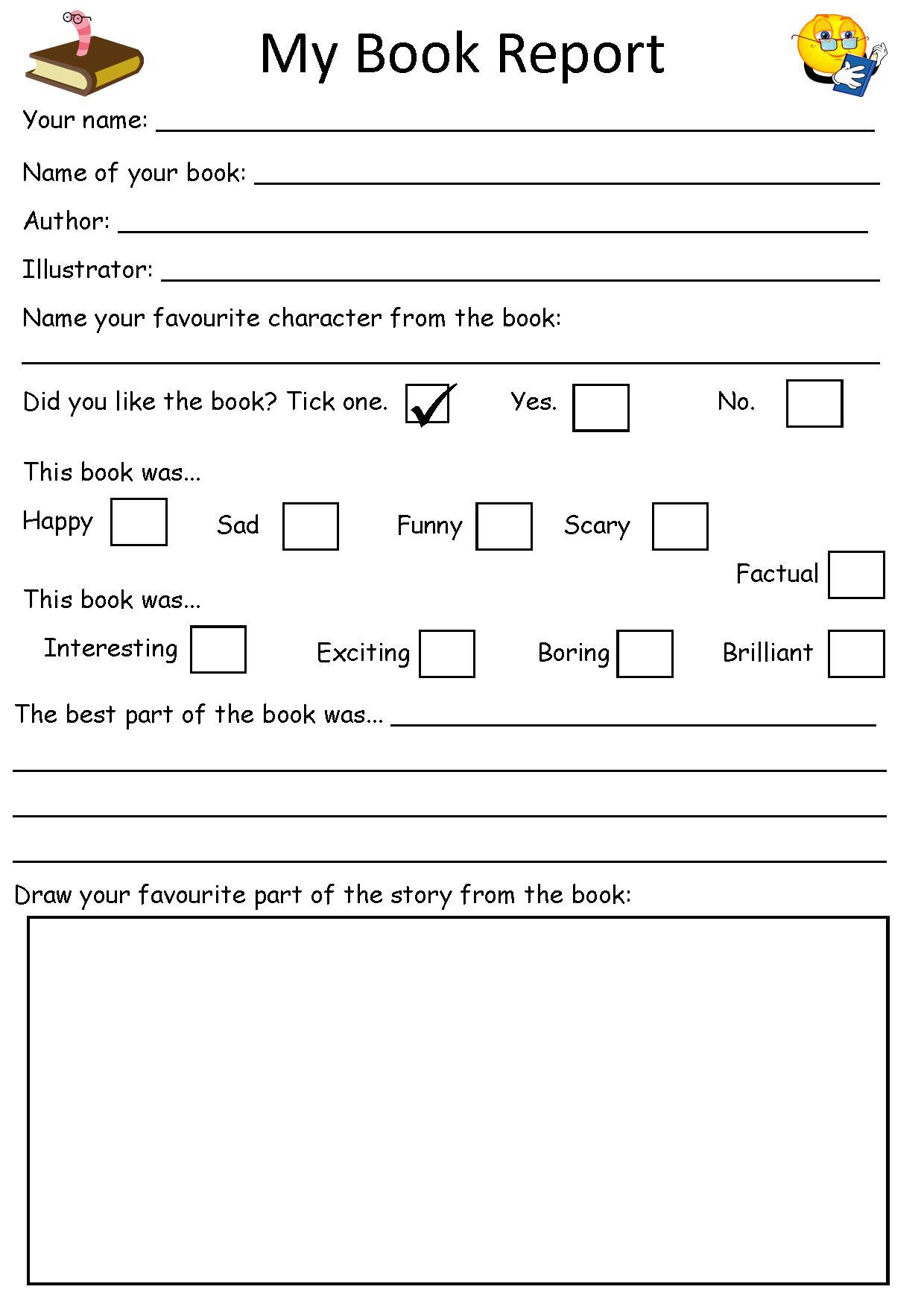
Begin with a clear space for the book’s title, author, and illustrator. Encourage children to note publication details, which reinforces attention to bibliographic information—a skill valued in many Asian schools.
Summary
A concise paragraph summarizing the plot helps children practice concise writing and ensures they grasp the storyline before moving to deeper analysis.
Characters
List main characters and a brief description. Adding a short “character sketch” encourages children to observe traits and motivations, mirroring the character‑centric narratives found in Japanese and Korean literature.
Favorite Part
Ask the student to describe their favorite scene or chapter, along with an explanation of why it stood out. This nurtures personal connection and emotional expression.
Questions
Provide prompts for questions such as:
- What was the main conflict?
- How did the protagonist solve the problem?
- Did the ending satisfy you? Why or why not?
These open‑ended questions mirror the inquiry‑based learning emphasized in many Asian classrooms.
Reflection
Finally, a short reflection section lets students connect the book’s themes to real‑life lessons or local cultural practices. For example, a student reading “The Monkey and the Turtle” might reflect on the value of patience, a virtue celebrated in Chinese tradition.
How to Create a Simple Template

Below is a step‑by‑step guide to designing a clean, user‑friendly template that balances structure with creative freedom.
Step 1: Choose a Layout Style
Opt for a two‑column design: one column for prompts, the other for student responses. This layout mirrors many printable worksheets used in elementary schools across East Asia.
Step 2: Select Clear Fonts and Spacing
Use a legible typeface such as Arial or Noto Sans. Maintain generous line spacing (1.5) to accommodate handwritten answers and to reduce visual clutter.
Step 3: Integrate Visual Cues
Include icons—e.g., a book icon for the title, a question mark for the “Questions” section—to aid quick identification. Visuals are powerful in Asian education where color and symbols often enhance memory.
Step 4: Add Cultural Relevance
Insert a small box titled “Cultural Connection” where students can link the story to a local legend, festival, or proverb. This encourages contextual learning.
Step 5: Provide Space for Teacher Feedback
Allocate a section for teacher comments, fostering a two‑way dialogue that is vital in Confucian educational traditions that value respectful feedback.
Printable Resources and Digital Tips
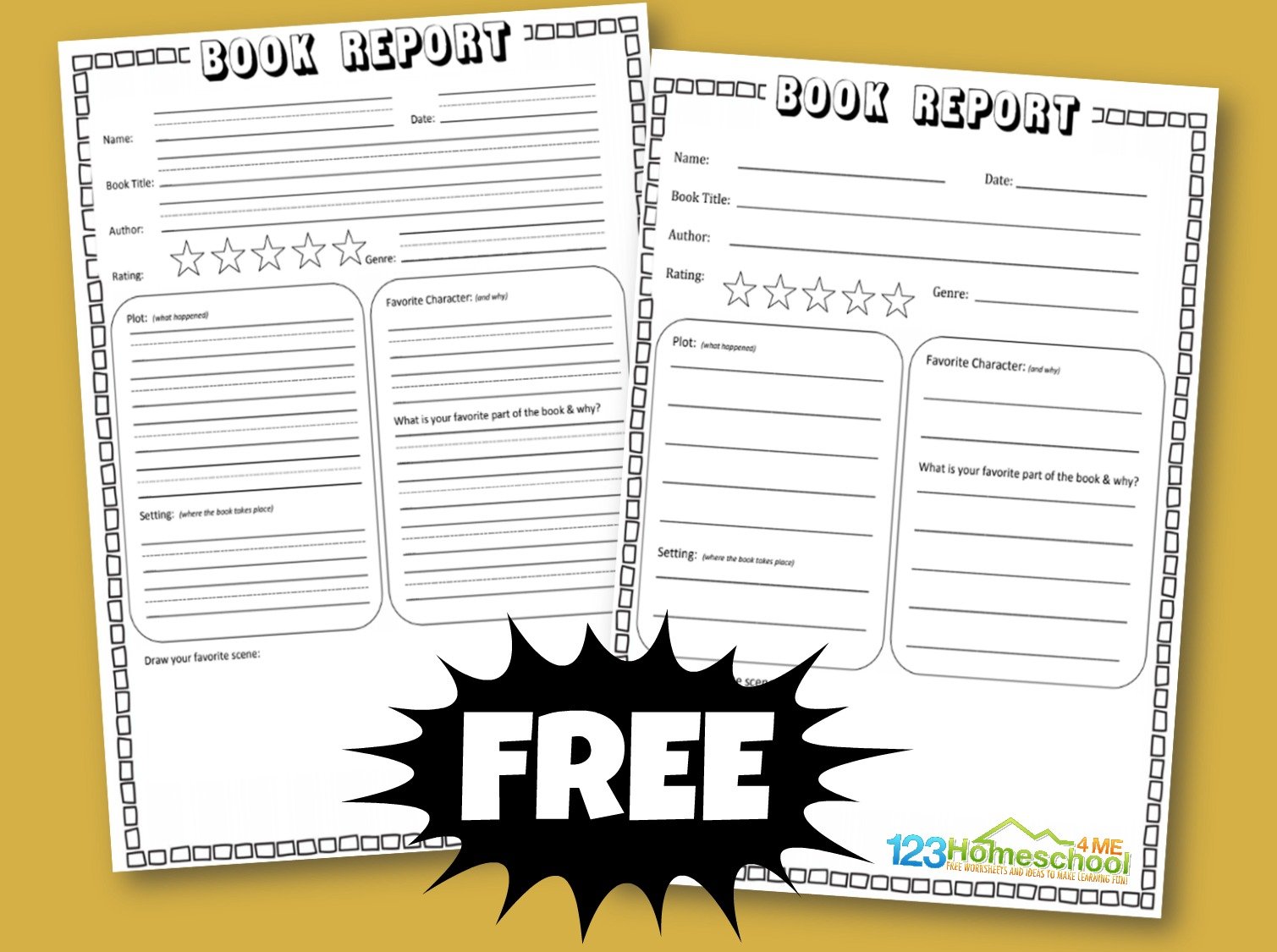
While a hand‑crafted template feels personalized, there are numerous free, high‑quality printables that align with Asian educational priorities. Choose templates that emphasize:
- Simple, clear sections that avoid excessive text.
- Inclusion of a “Cultural Connection” box.
- Printable pages with both English and local language headings where possible.
For digital versions, consider converting the template into a Google Docs or Word document with fill‑in fields. This allows students to practice typing—an increasingly important skill in modern Asian classrooms—while still receiving the structure of a printed sheet.
Engaging Parents and Teachers
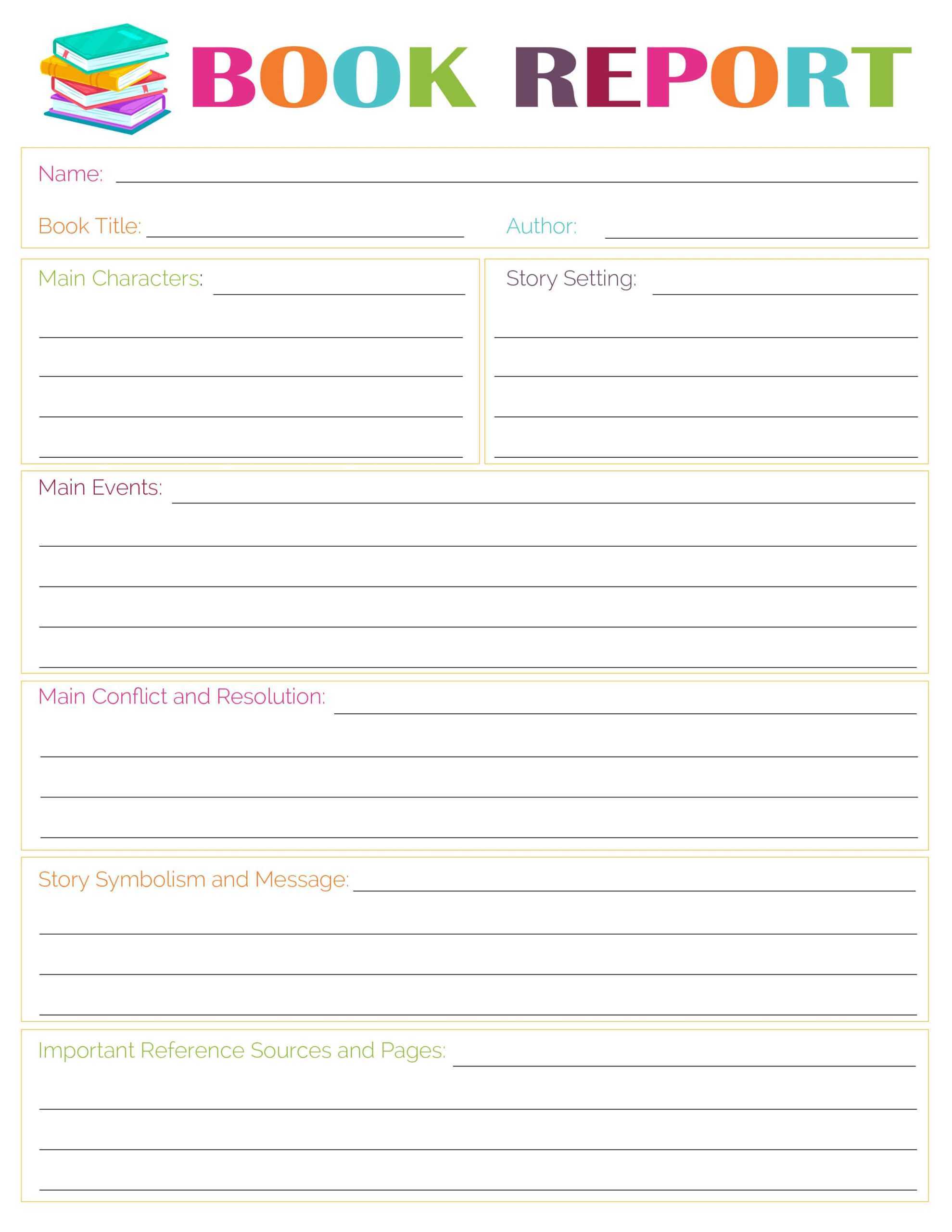
Parental involvement is a cornerstone of success in many Asian families. To maximize engagement:
- Hold a short workshop where parents practice filling out the template with a favorite children’s book.
- Encourage teachers to provide constructive feedback that highlights growth rather than just correctness.
- Use the template as a conversation starter for family book‑night discussions, reinforcing reading habits at home.
These activities reinforce a collaborative learning environment, a valued practice in Asian cultures.
Customizing for Asian Educational Values
To adapt the template to specific regional preferences:
- In Japan, add a section for “Respectful Language” where students reflect on polite speech used by characters.
- In South Korea, include a “Moral Lesson” box to discuss Confucian values reflected in the narrative.
- In China, a “Historical Context” section can help students relate the story to dynastic history or folklore.
These customizations respect local curriculum standards while preserving the universal structure of a second‑grade book report.
Common Mistakes to Avoid
- Overloading the template with too many sections—keep it simple and age‑appropriate.
- Forgetting to allow room for creative responses; rigid grids can stifle imagination.
- Neglecting to align the template with the book’s reading level; adjust difficulty accordingly.
- Ignoring cultural relevance; a generic template may feel disconnected for many students.
- Failing to provide examples; a model page helps clarify expectations.
Final Tips for Success

Consistency, feedback, and cultural resonance are key. Try the following strategies:
- Introduce the template at the start of the reading cycle, so students know what to expect.
- Schedule peer‑review sessions where classmates discuss their answers.
- Reward effort with small certificates or stickers that emphasize process over grade.
- Encourage students to reread their reports before submission, reinforcing revision skills valued in Asian education.
- Use technology: simple QR codes can link to related audio or video content that deepens understanding.
Conclusion
A well‑crafted Second Grade Book Report Template is more than a worksheet; it is a bridge between the narrative world and a student’s own cultural and intellectual growth. By embedding clear structure, respectful inquiry, and local relevance, teachers and parents can empower young readers to articulate insight, celebrate literature, and cultivate the habits of thoughtful learners—qualities that resonate across borders and generations.





Related posts of "Second Grade Book Report Template"
