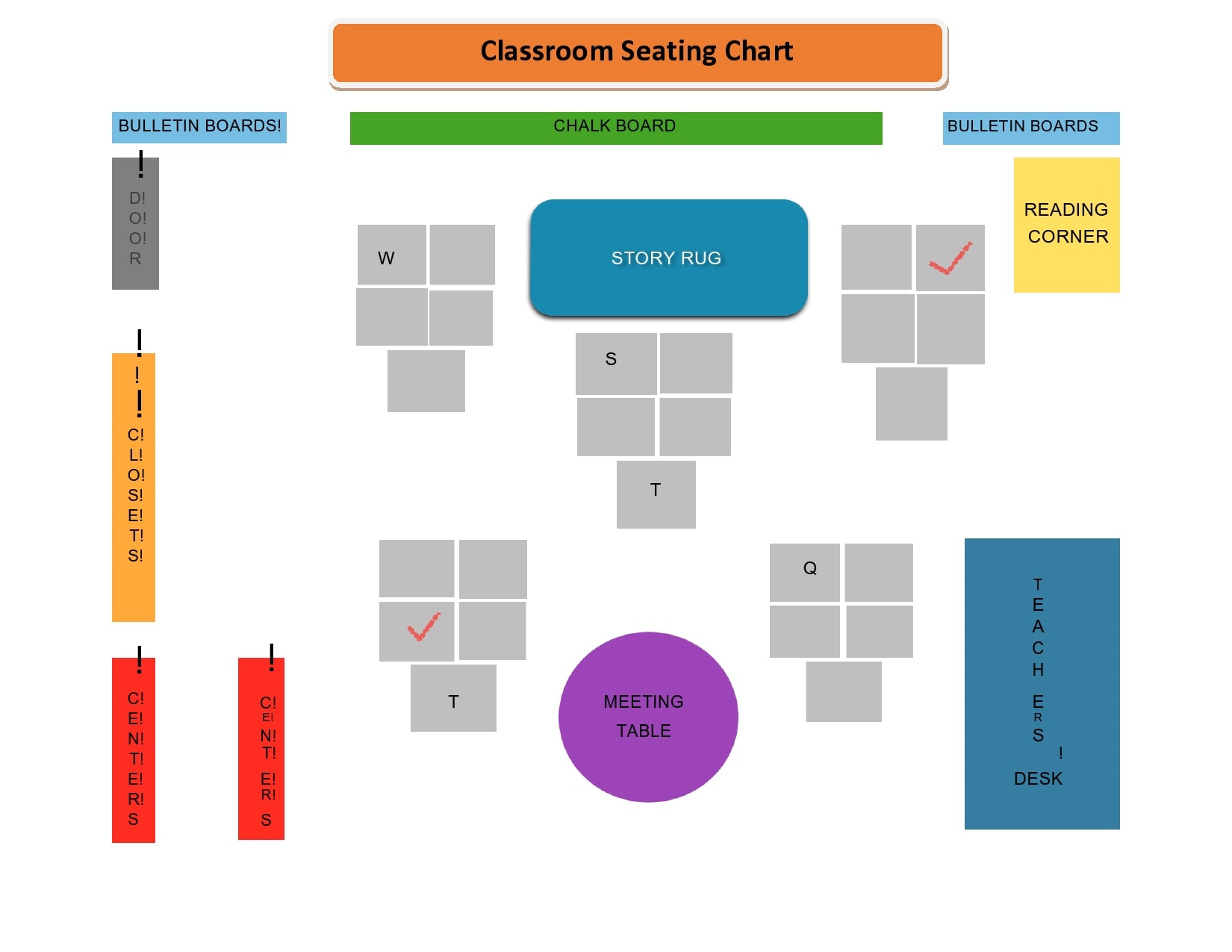
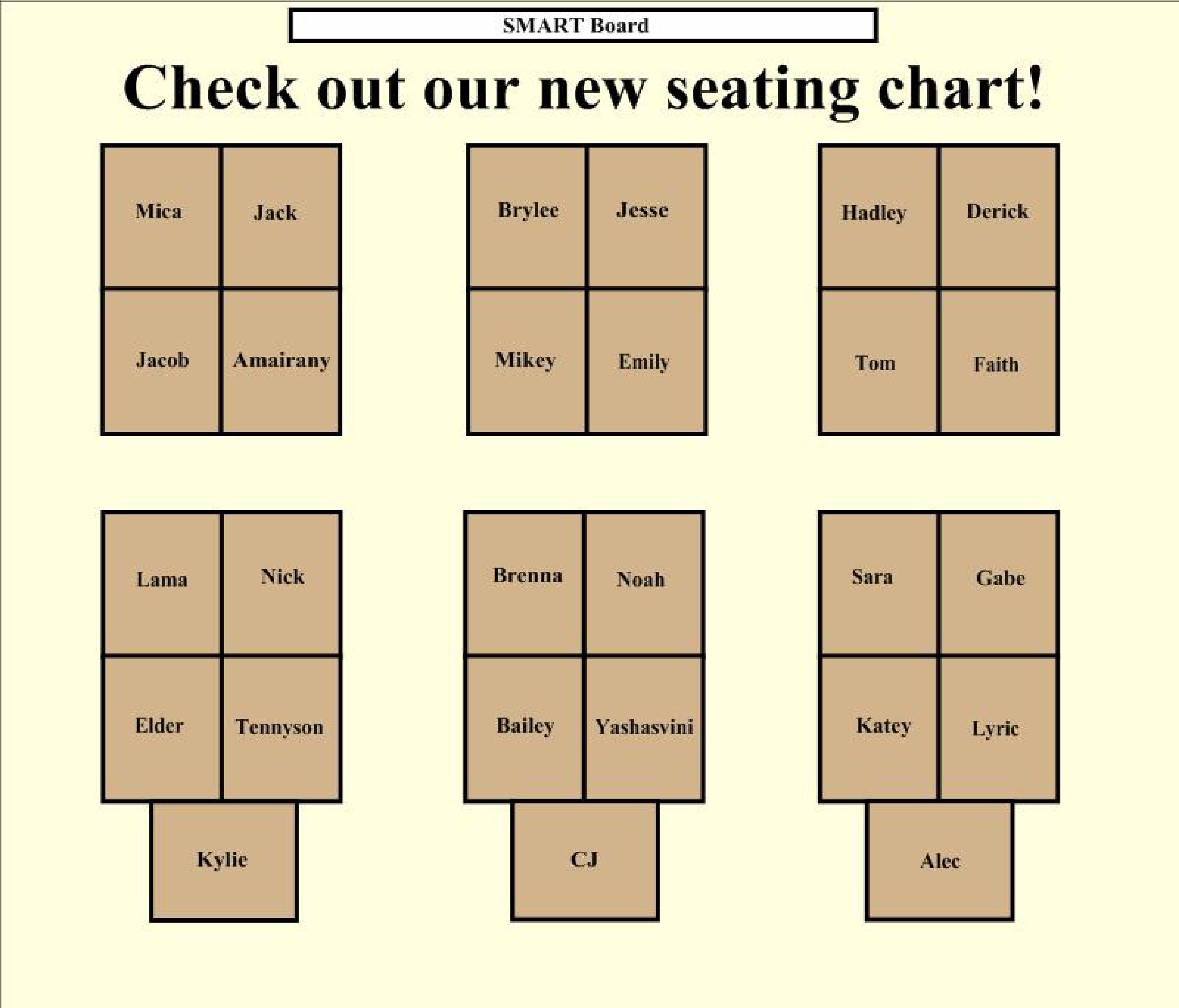
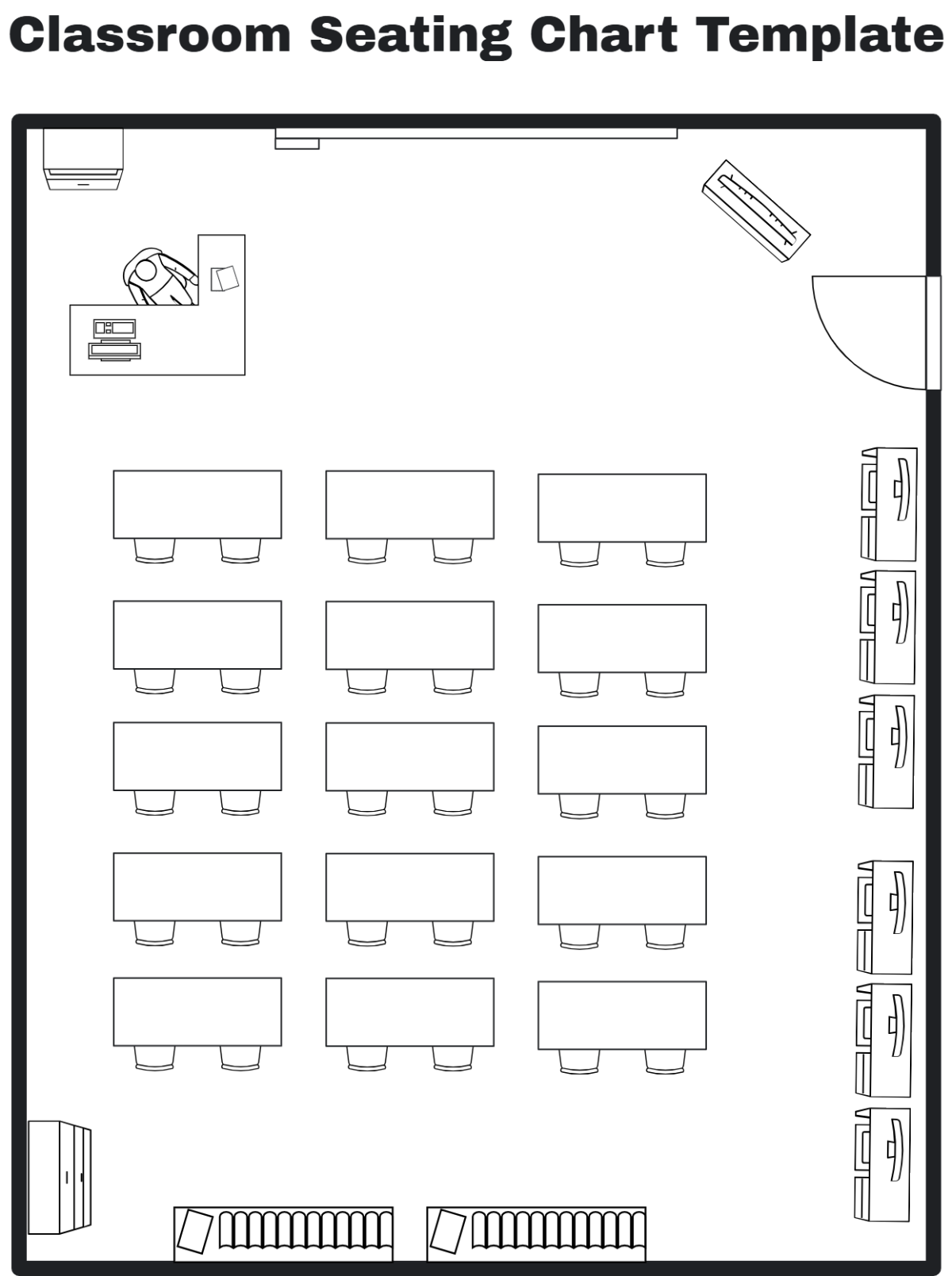
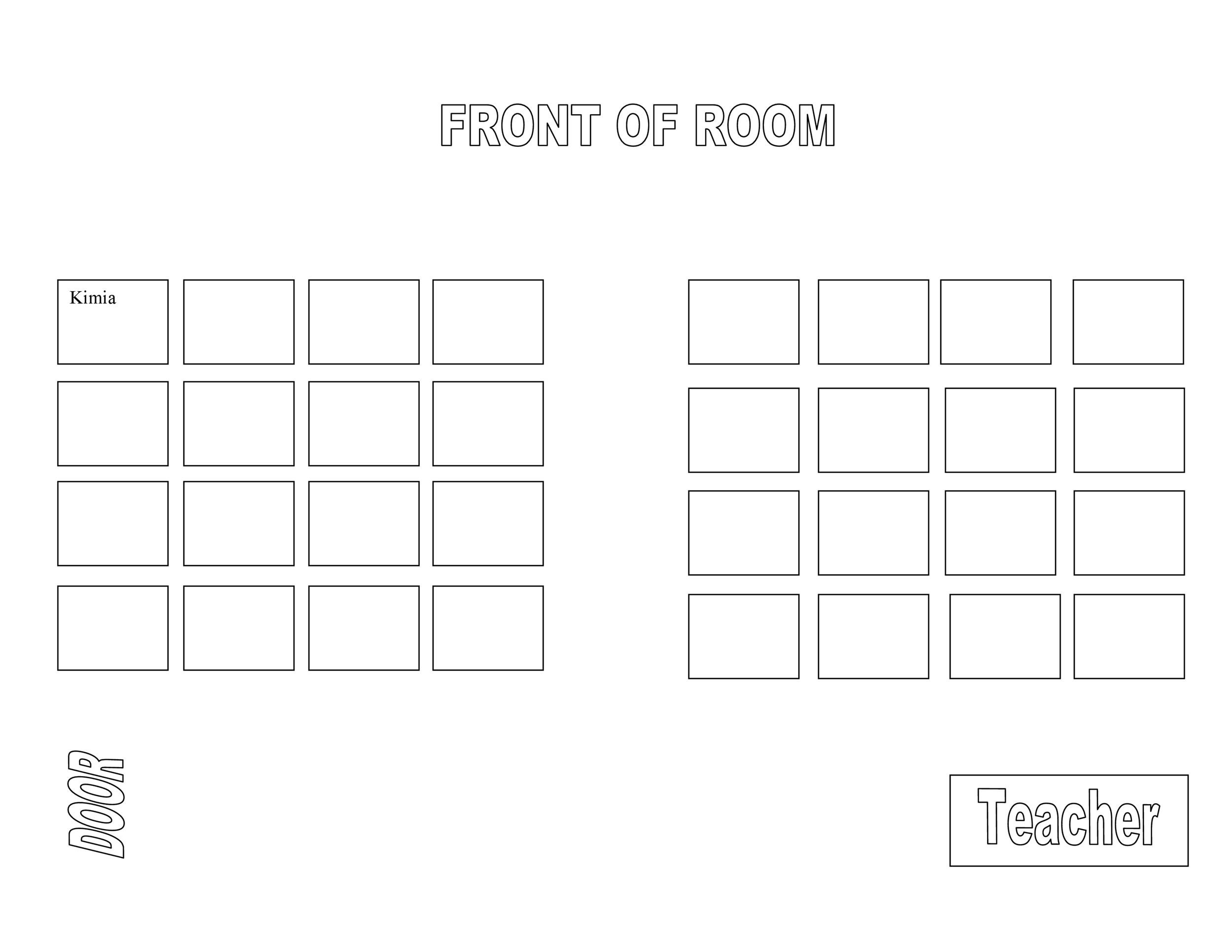
Seating Chart For Classroom Template is the secret weapon I’ve discovered to keep my classroom organized and my students engaged. Every time I set it up, I feel that invisible thread tying the room together, pulling attention toward the learning objectives and away from chaos.
Why Every Teacher Needs One

Think of a classroom as a living organism—students, teachers, materials—all moving in a delicate balance. When that balance is disrupted, the learning environment can feel stagnant or even hostile. A well‑designed seating chart restores order, signals expectations, and signals that you care about each student’s experience. It helps with:
- Managing noise levels by placing high‑energy students near the teacher’s desk.
- Encouraging peer collaboration by grouping students with complementary skills.
- Facilitating easy access to resources like textbooks and digital devices.
- Tracking attendance and behavior patterns over time.
Without a seating chart, you’re essentially navigating blindfolded. The template gives you a map that makes the day smoother for everyone.
Choosing the Right Template for Your Classroom

Not all templates are created equal. When picking a template, ask yourself these questions:
What is the classroom layout?
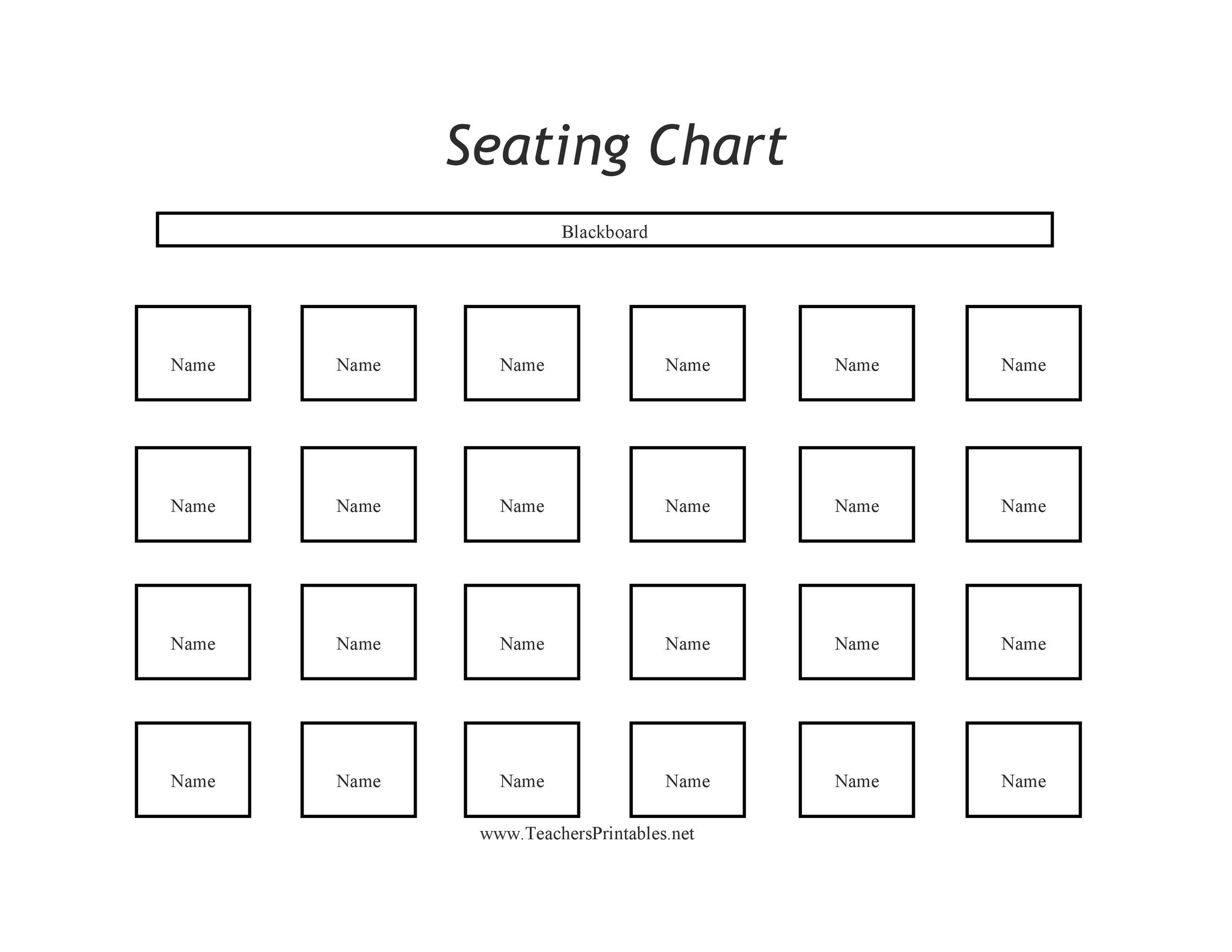
If you have a traditional row layout, a grid template works best. For U‑shaped or circle arrangements, look for a circular or semi‑circular design. The goal is to match the physical space, so you avoid awkward angles or students reaching over others.
Do I need flexibility?
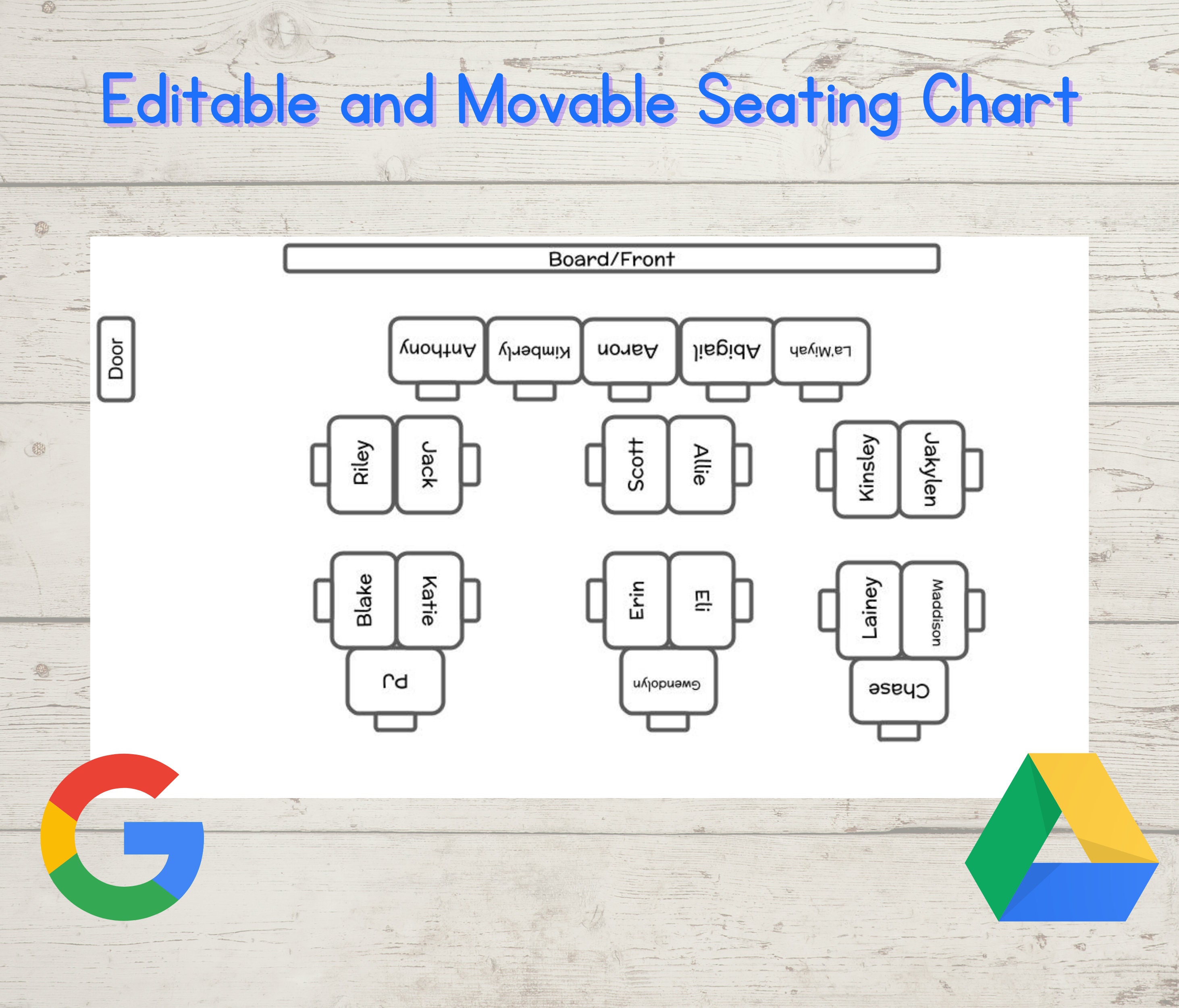
Some templates come with drag‑and‑drop features that let you shift students around with a click. If you anticipate frequent changes—like rotating partners or accommodating absences—a flexible template saves time.
Is the template printable?
Print‑ready templates let you display charts on posters or walls. Digital templates are great for tablets or interactive whiteboards. Decide which medium resonates best with your teaching style.
Customizing Your Template Like a Pro
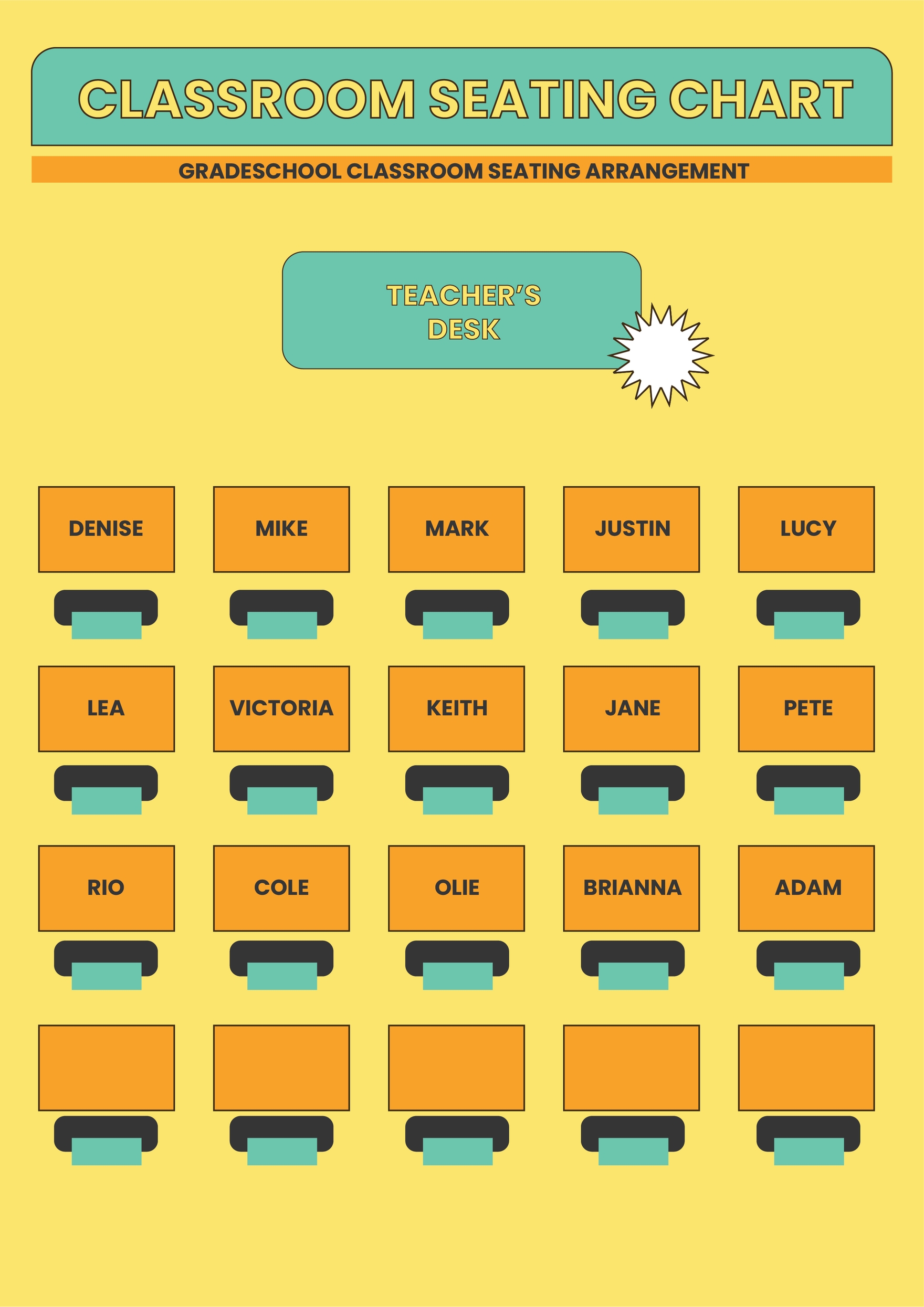
Once you’ve chosen a template, personalize it so it feels like a part of your teaching identity.
Add Student Names and Photos
Using student photos builds a sense of belonging and makes it easier for kids to locate each other during group work.
Incorporate Color Coding
Assign colors to signify roles—leaders, collaborators, or those needing extra support. A quick glance tells you who is where and what they’re responsible for.
Insert Notes or Reminders
Use the template’s annotation feature to jot down special instructions. For example, “Remember to bring the math workbook” or “Pair with Alex for science project.”
Digital vs. Print: Which Works Best for You?
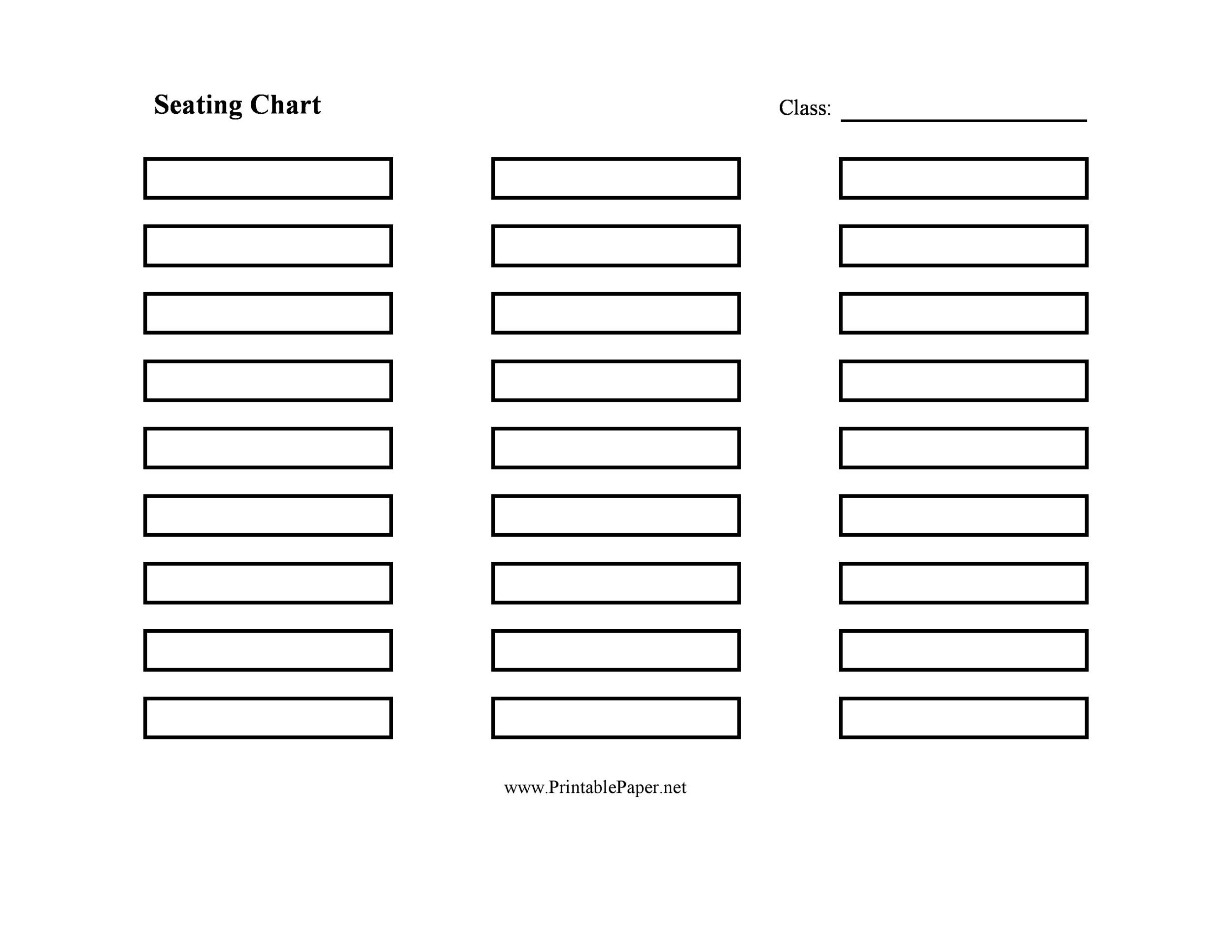
Choosing between digital and print isn’t just about preference; it’s about how you interact with students.
Digital Advantages
- Instant updates—change seating in seconds.
- Interactive elements—students can see their own seats on a tablet.
- Easy to share with parents or colleagues via email or cloud.
Print Advantages
Printing a large chart and sticking it on the wall creates a constant visual cue. It’s accessible even when technology fails.
Hybrid Approach
Keep a digital version for planning and a printed one for daily reference. That way you enjoy the best of both worlds.
Integrating Seating Charts into Daily Routines

A seating chart is most effective when it’s woven into your daily rhythm.
Morning Roll‑Call
Use the chart to guide students to their seats before attendance. The visual structure keeps the process smooth.
Group Work Sessions
Assign groups based on the chart and then let them move around if needed. The chart gives you a baseline, but flexibility encourages collaboration.
End‑of‑Day Reflections
Ask students to check if they’re still comfortable in their seats or if they’d like a swap. This promotes ownership and reduces disruptions.
Common Mistakes and How to Avoid Them

Even seasoned teachers stumble. Recognizing pitfalls saves time and frustration.
Forgetting Student Preferences
Never assume that a student’s seating is the same as last week’s. Periodically ask for feedback and adjust accordingly.
Overloading the Chart with Information
Too many icons, colors, or notes can become overwhelming. Stick to essential data—names, roles, and special needs.
Not Updating for New Arrivals
When a new student joins, treat their seat placement as a fresh opportunity. Update the chart promptly to avoid confusion.
Real‑World Success Stories
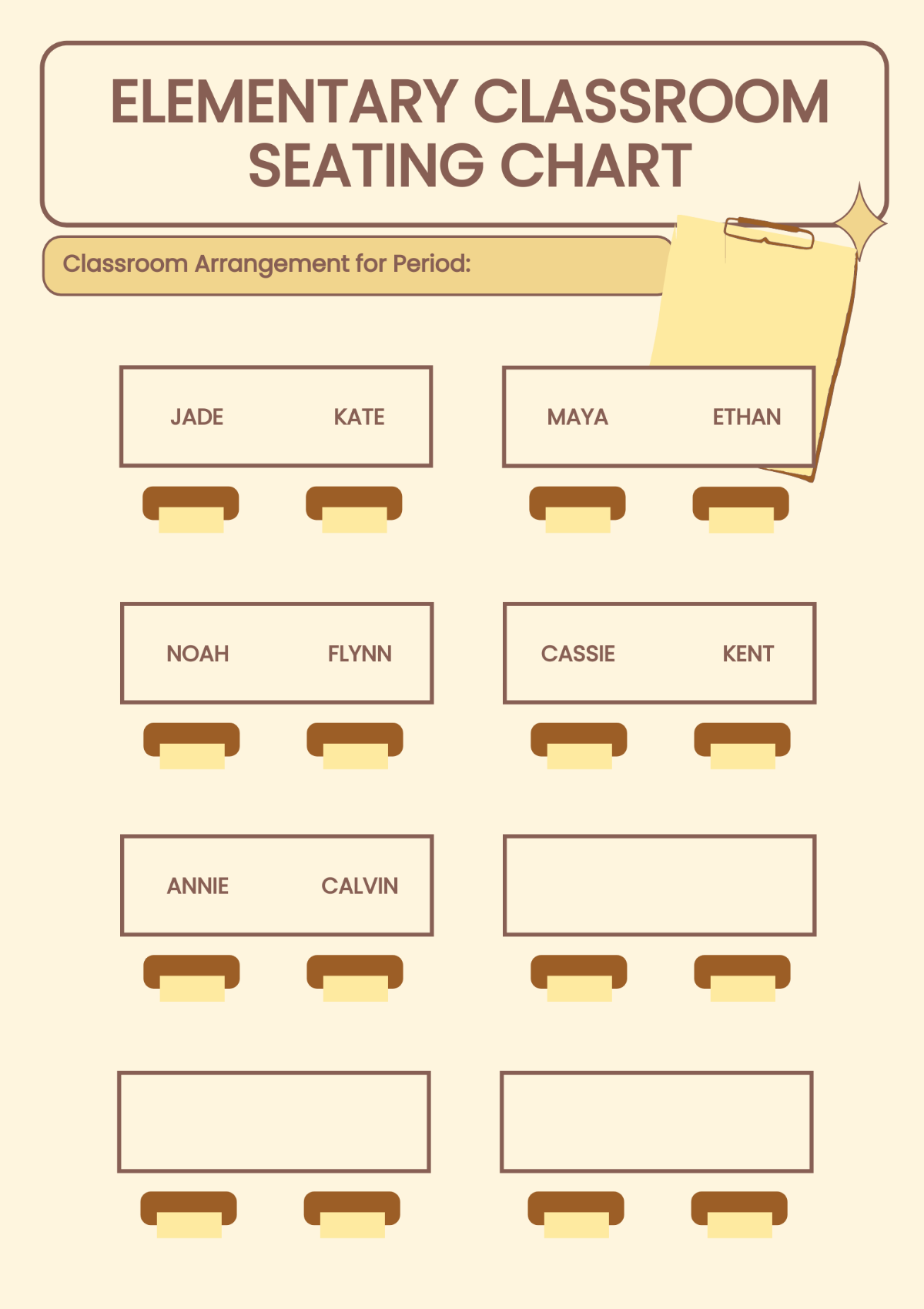
Here are a few anecdotes that illustrate how a simple template can transform a classroom.
Case 1: The Quiet Learner
Ms. Rivera noticed a student who stayed quiet. By moving him to a seat closer to the teacher, her seating chart helped the student feel more involved and eventually raised his participation.
Case 2: The Team Builder
Mr. Lopez used color coding to pair a shy student with a more outgoing peer. The partnership, guided by the chart, led to better group projects and stronger friendships.
Case 3: The Tech‑Savvy Teacher
Using a digital template, Ms. Chen could reconfigure the entire class in minutes during a sudden classroom reshuffle, saving valuable lesson time.
Tips for Maintaining Flexibility

Change is inevitable. Here’s how to keep your seating chart adaptable.
Keep a Backup Plan
Have a secondary layout for when you need to shuffle students due to absences or special activities.
Rotate Seats Regularly
Rotational seating promotes equity and ensures each student interacts with different classmates. Set a schedule—perhaps once a month—to keep the rhythm.
Use Student Input
Invite students to suggest seat changes. This democratic process reduces conflicts and builds respect for shared spaces.
Final Thoughts

Mastering a Seating Chart For Classroom Template isn’t just about arranging desks; it’s about crafting an environment where every student feels seen, heard, and ready to learn. By choosing the right template, customizing it thoughtfully, and integrating it into your daily routine, you’ll turn the mundane task of seating into a powerful teaching tool. Embrace flexibility, stay observant, and watch as your classroom evolves from a chaotic room into a coordinated learning community. Your students will thank you with quieter desks, more engaged participation, and a clearer sense of belonging—all thanks to the simple act of a well‑crafted seating chart.




Related posts of "Seating Chart For Classroom Template"
