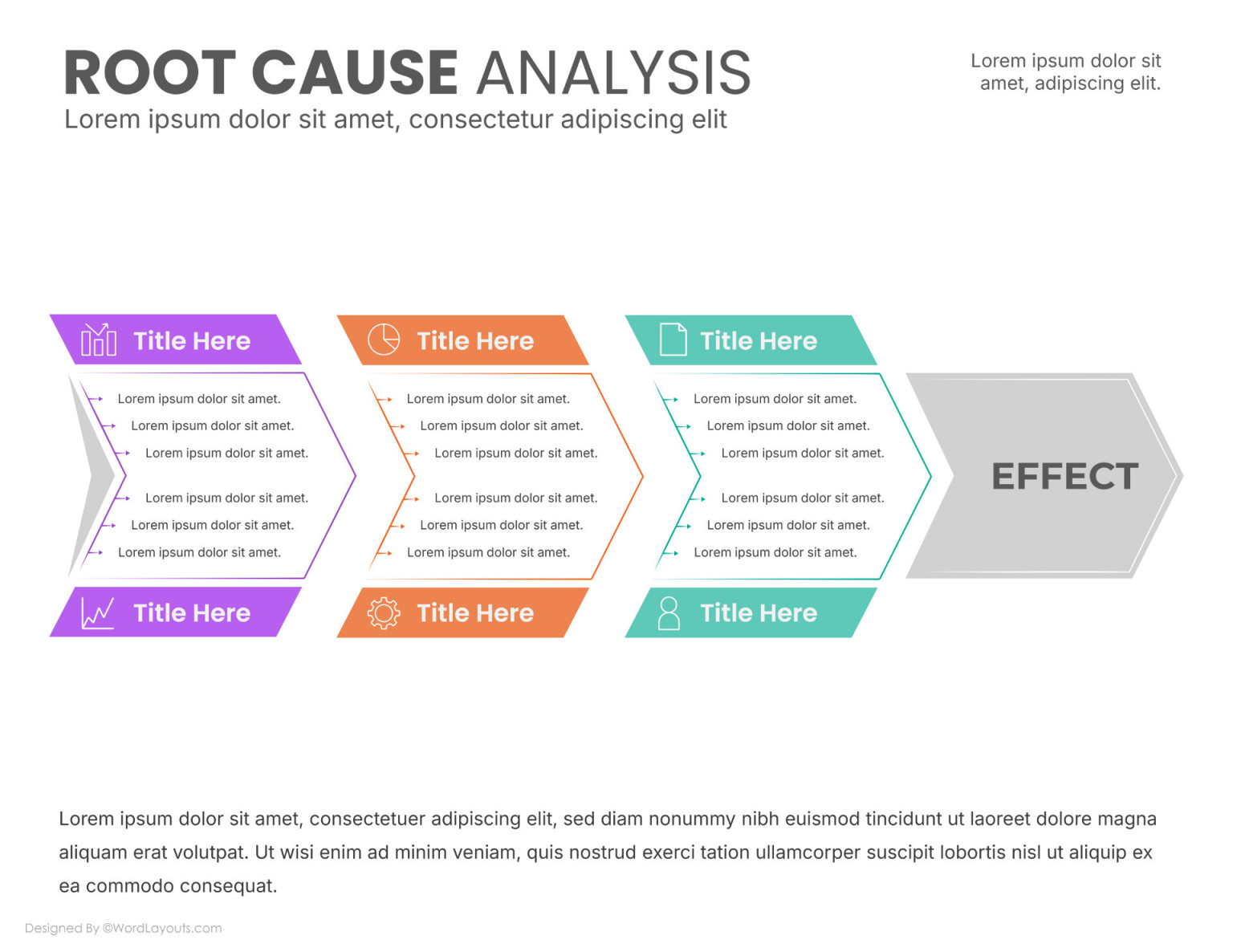
Root Cause Analysis Template It is the secret sauce that transforms chaotic problem‑solving sessions into systematic, data‑driven investigations, ensuring that teams not only fix symptoms but eradicate the underlying issues that cause recurring failures.
Why a Root Cause Analysis Template Matters
Reducing Guesswork
Without a structured template, teams often rely on intuition, which can lead to misdiagnosing problems. A well‑designed RCA template forces participants to capture facts, differentiate between correlation and causation, and document each step of the investigation. This disciplined approach eliminates speculation and builds a clear audit trail that stakeholders can trust.
Boosting Team Alignment
When everyone follows the same layout, communication becomes seamless. The template provides a common language—sections for problem statements, data, cause maps, and action plans—so cross‑functional groups can collaborate without stepping on each other’s toes. Alignment also speeds up decision‑making because each contributor knows exactly where to contribute their expertise.
Ensuring Consistency Over Time
Organizations that reuse the same RCA template create a repository of past investigations. Over months and years, patterns emerge, making it easier to spot systemic weaknesses before they cause costly incidents. Consistency also simplifies training new hires, as they can learn the process by reviewing completed templates.
Core Components of an Effective RCA Template

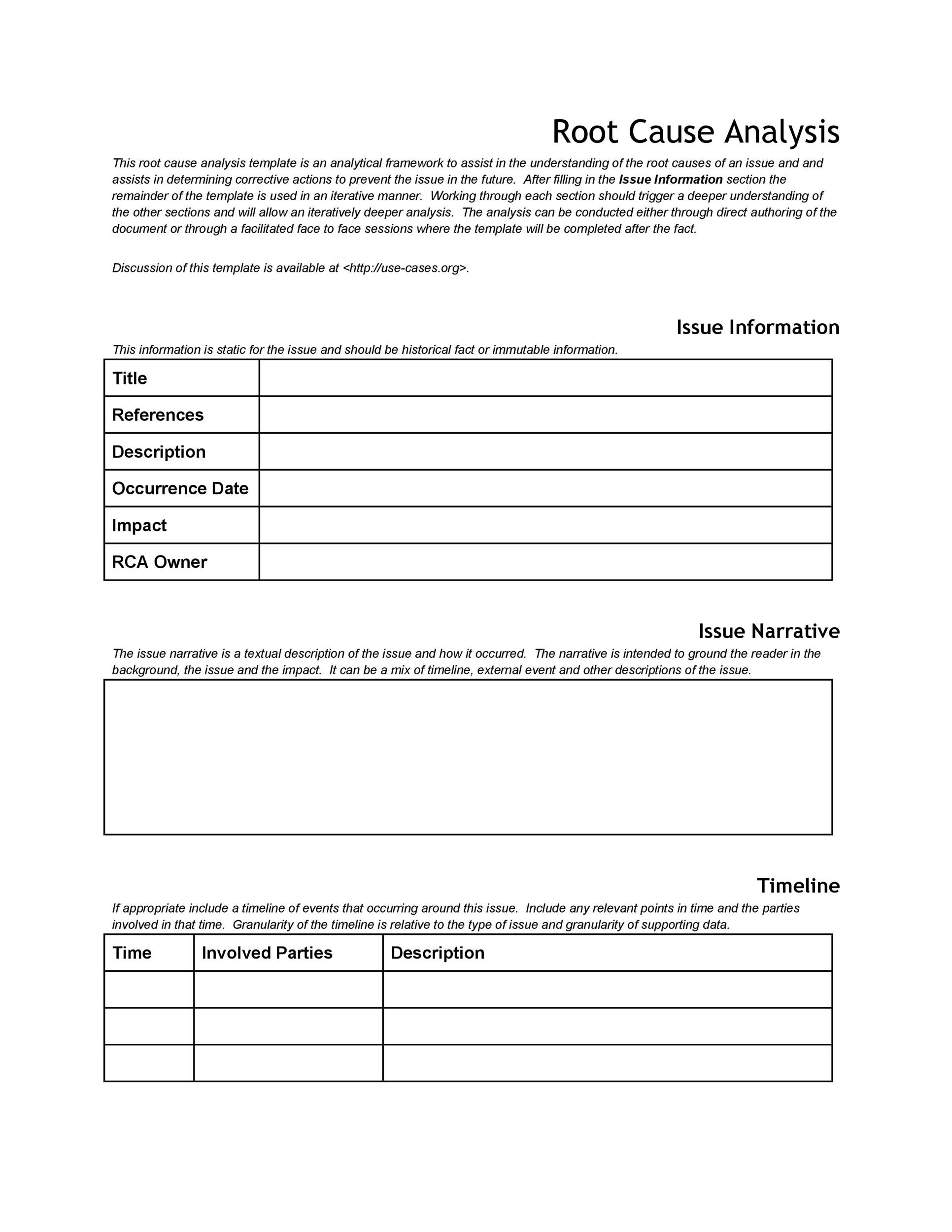
Problem Statement
The first section must concisely describe what happened, when, where, and its impact. A precise problem statement sets the scope and prevents scope creep. Example: “On March 12, the assembly line halted for 45 minutes, resulting in a loss of $12,000 in production.”
Data Collection
Gathering quantitative and qualitative data is the backbone of any analysis. Include fields for timestamps, sensor readings, personnel logs, and any relevant photographs or screenshots. The template should prompt users to note the source of each data point to maintain credibility.
Cause Mapping
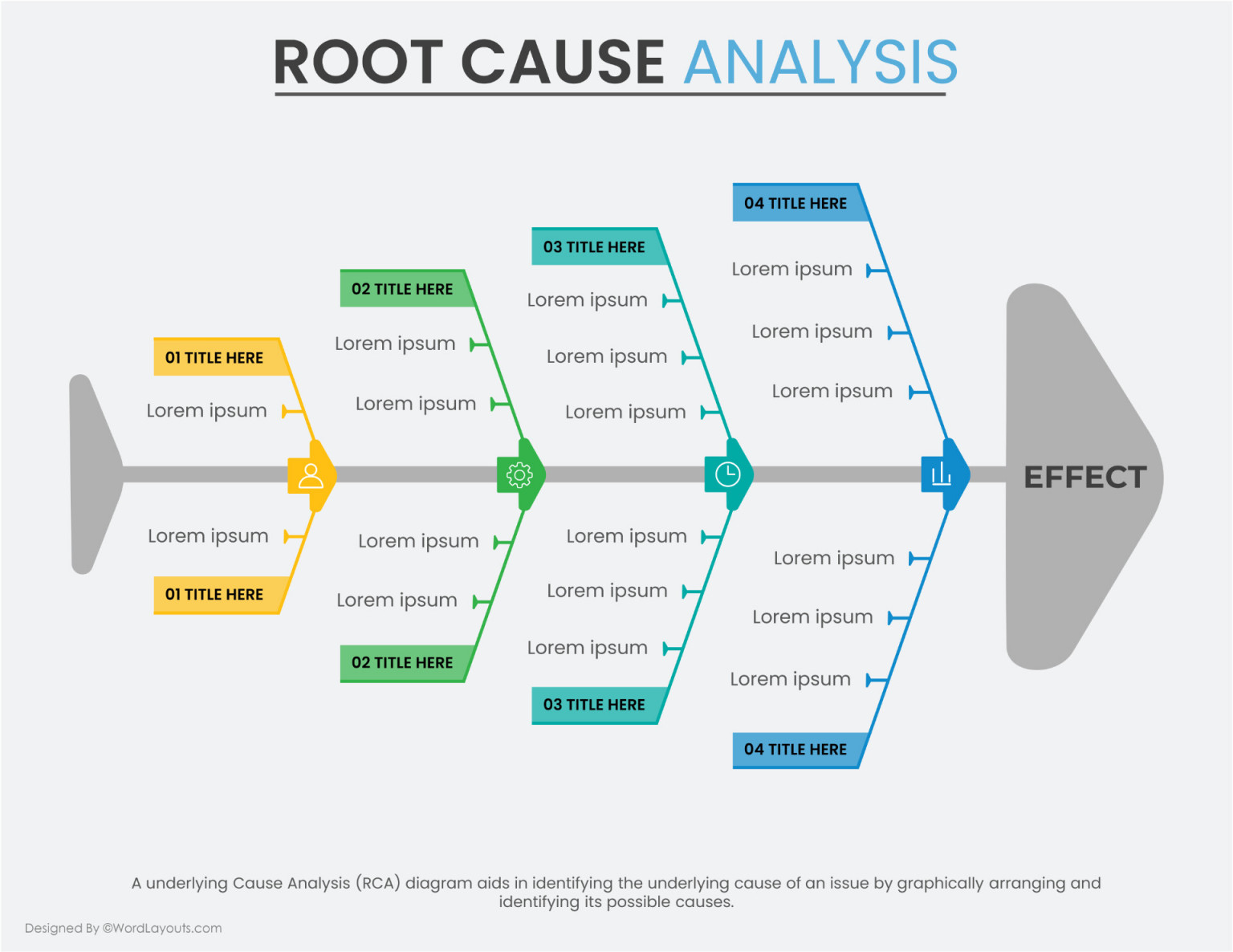
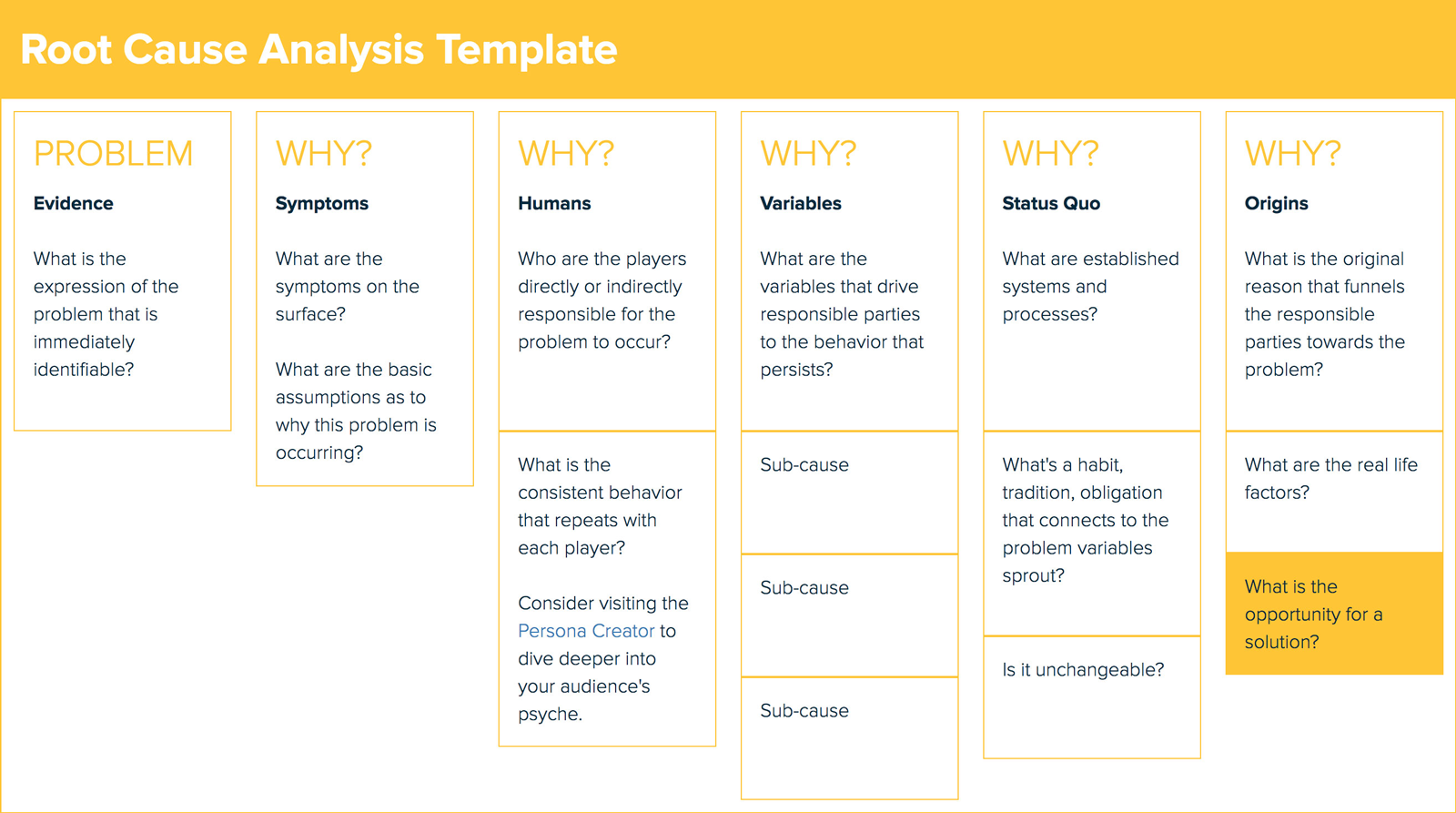
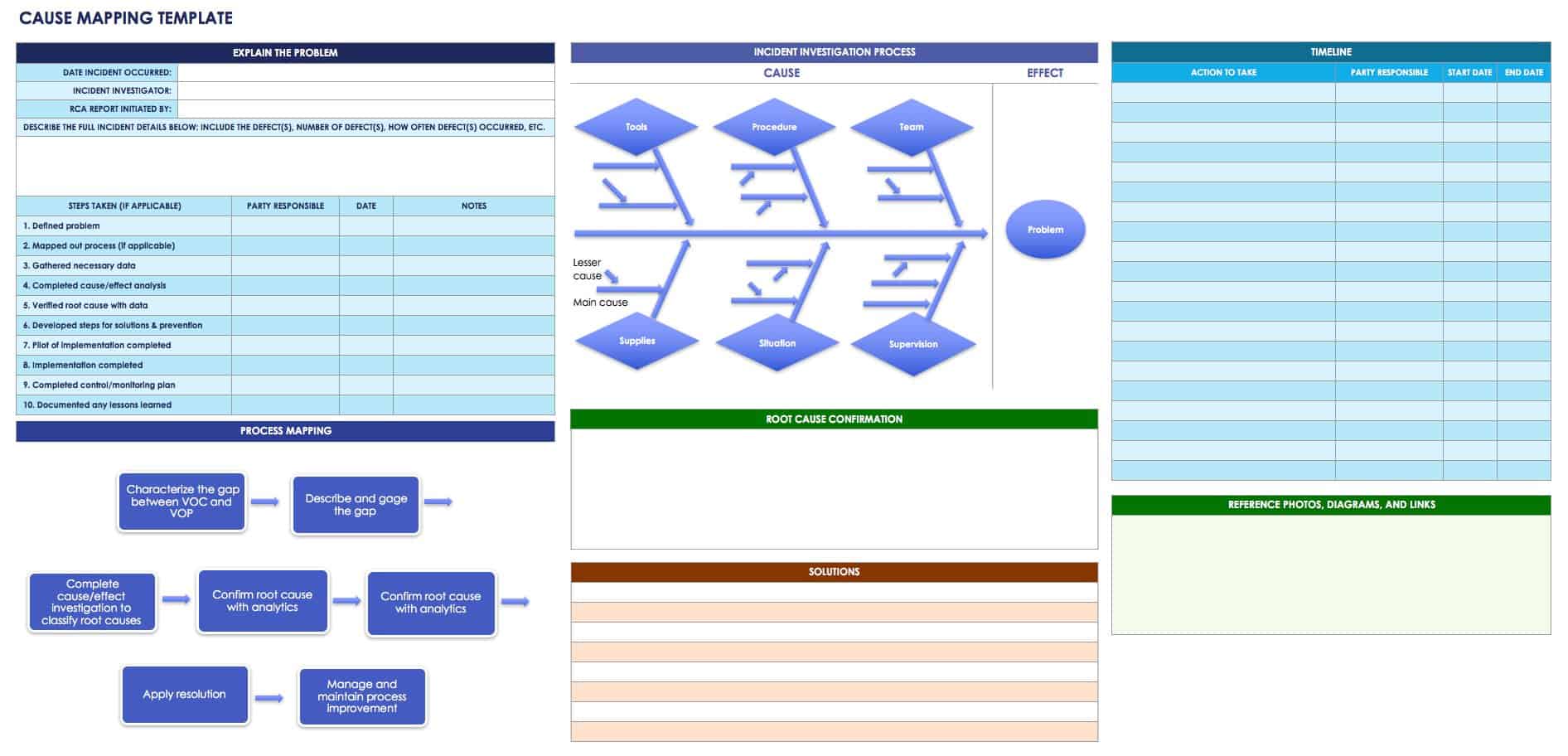
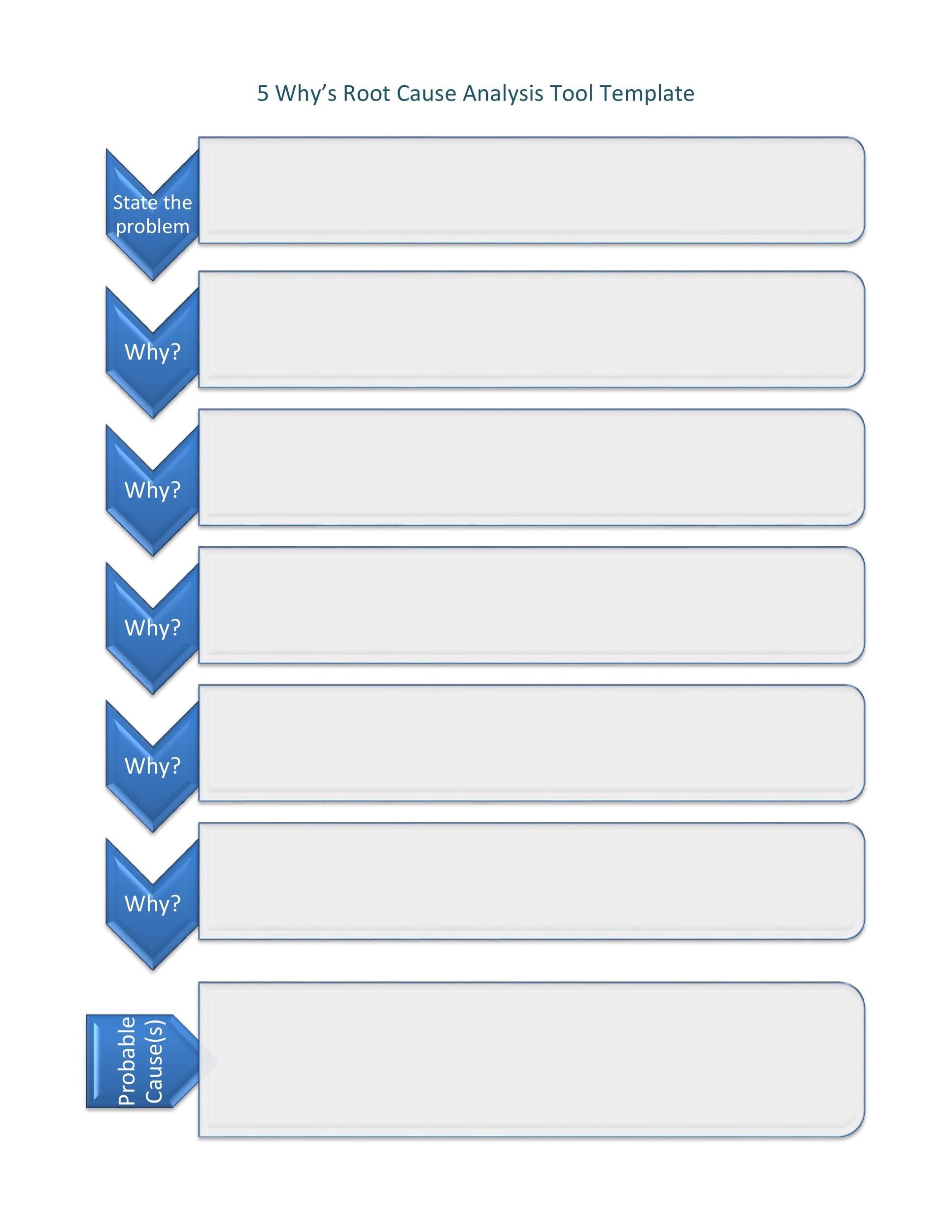
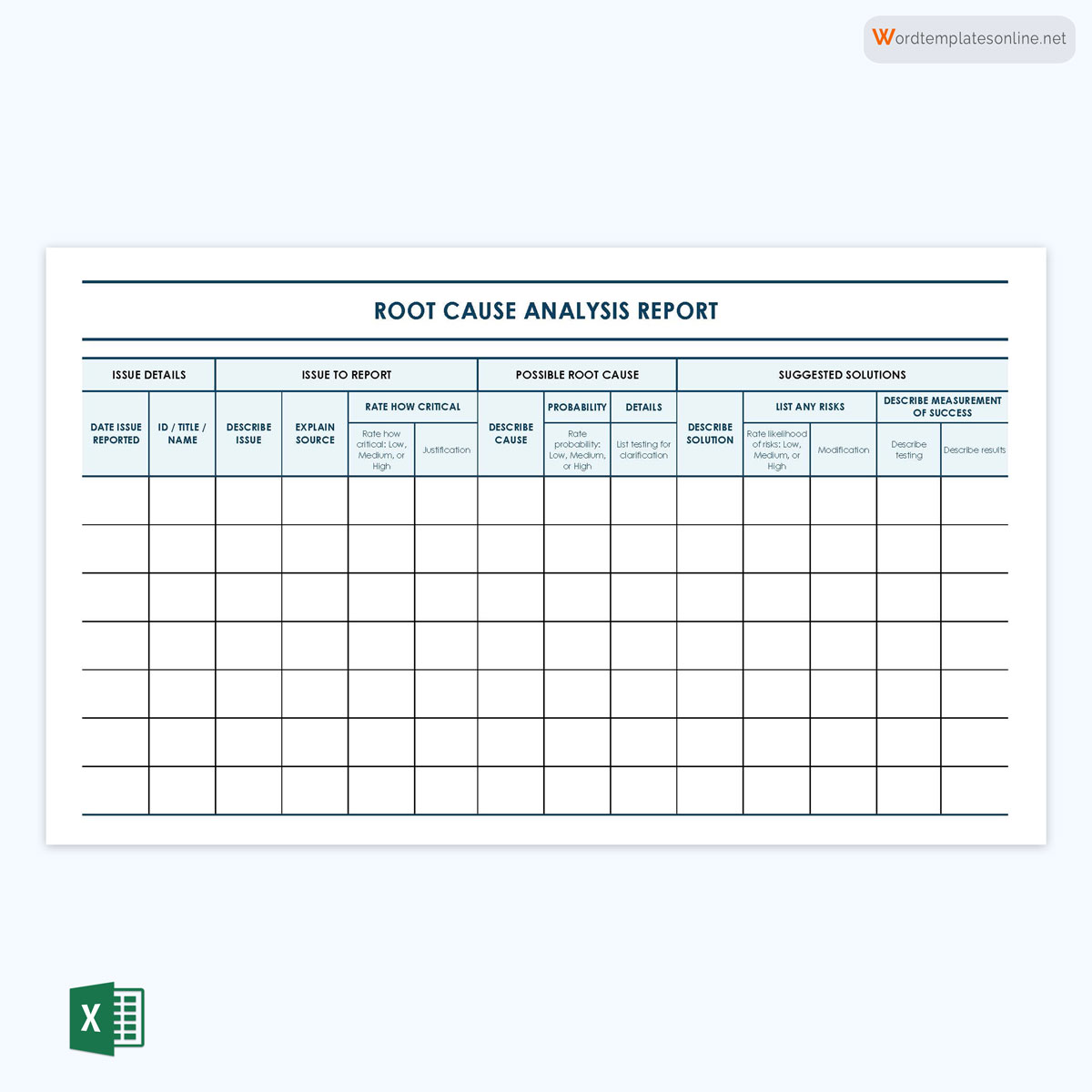
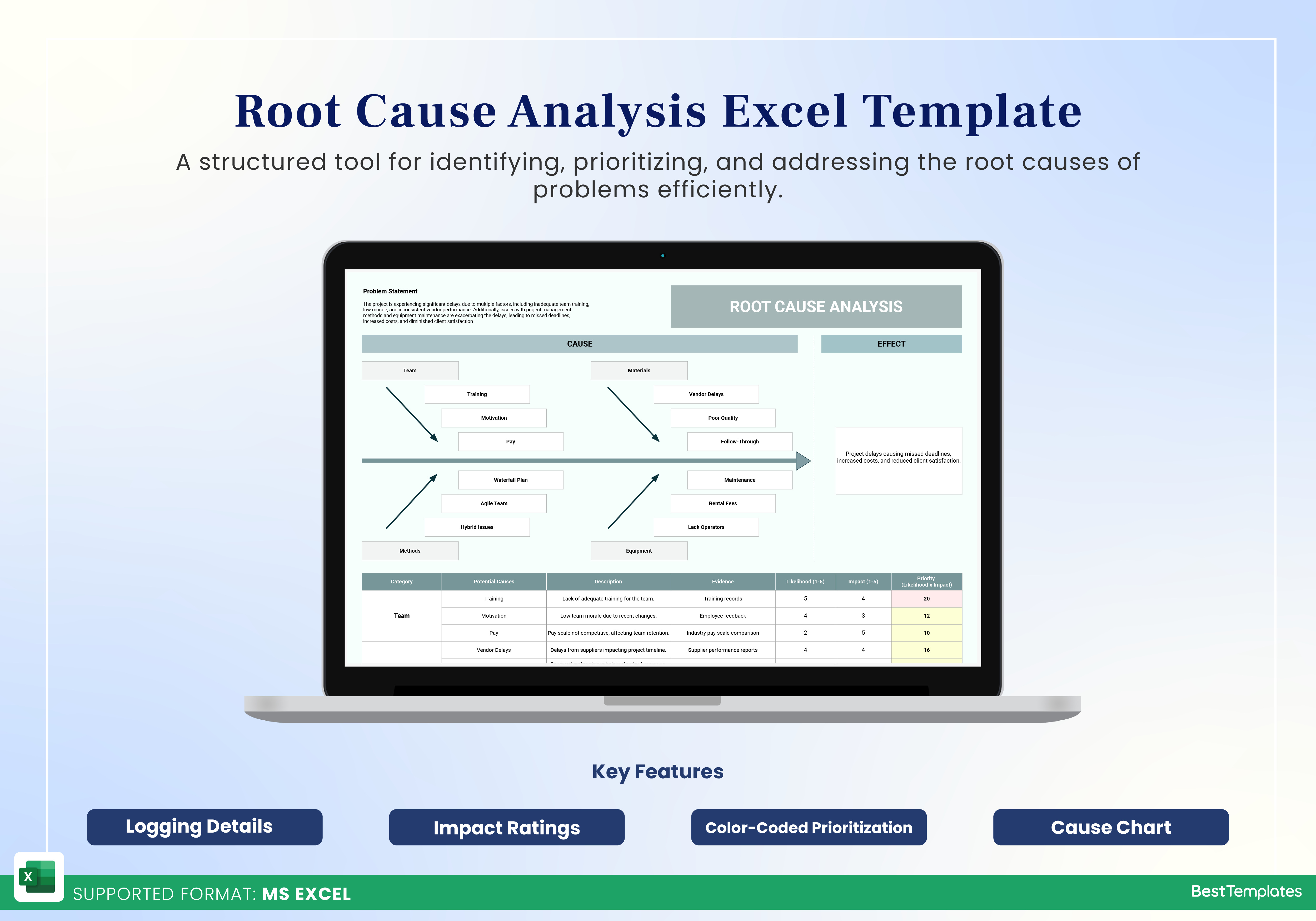
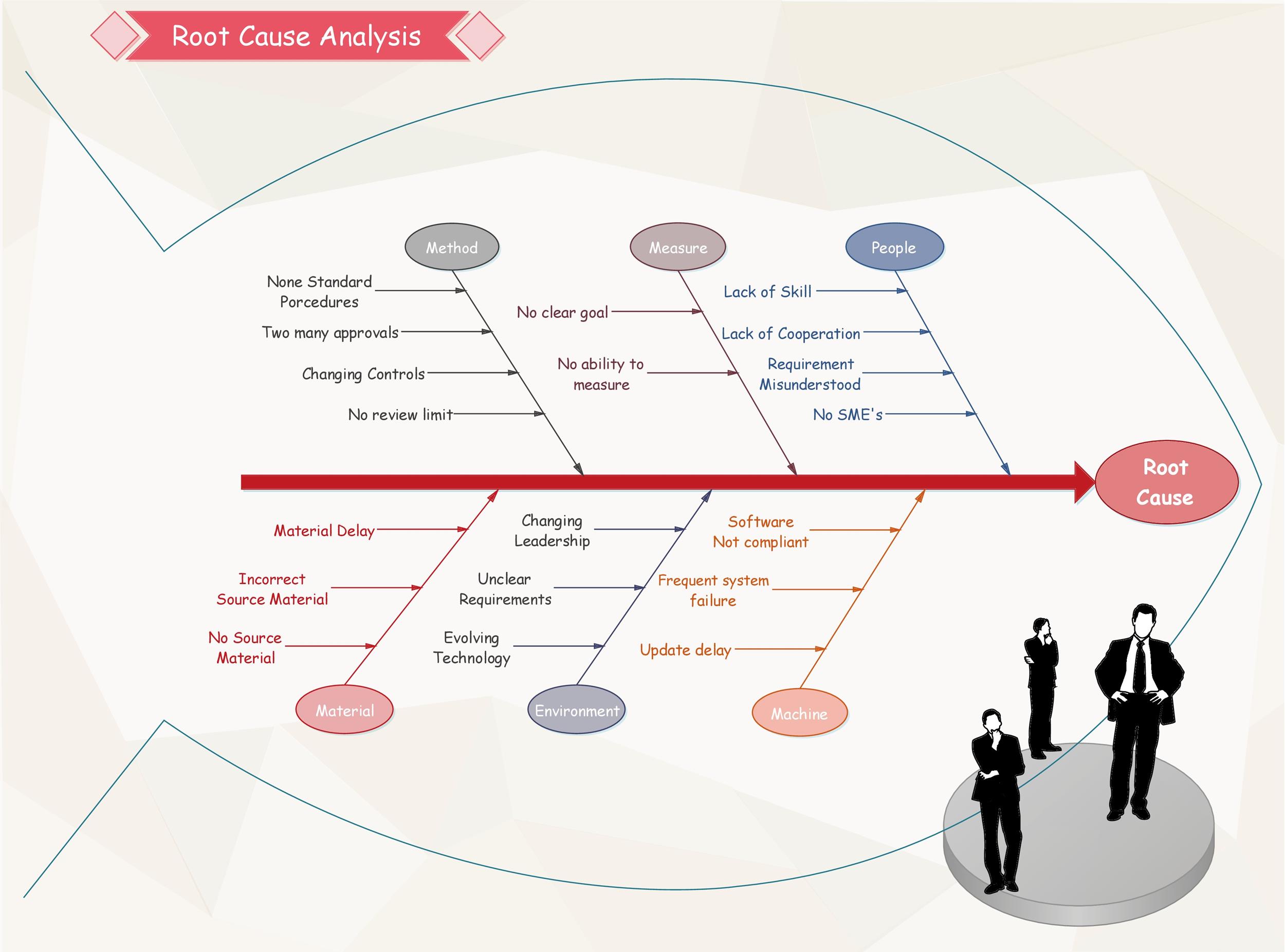
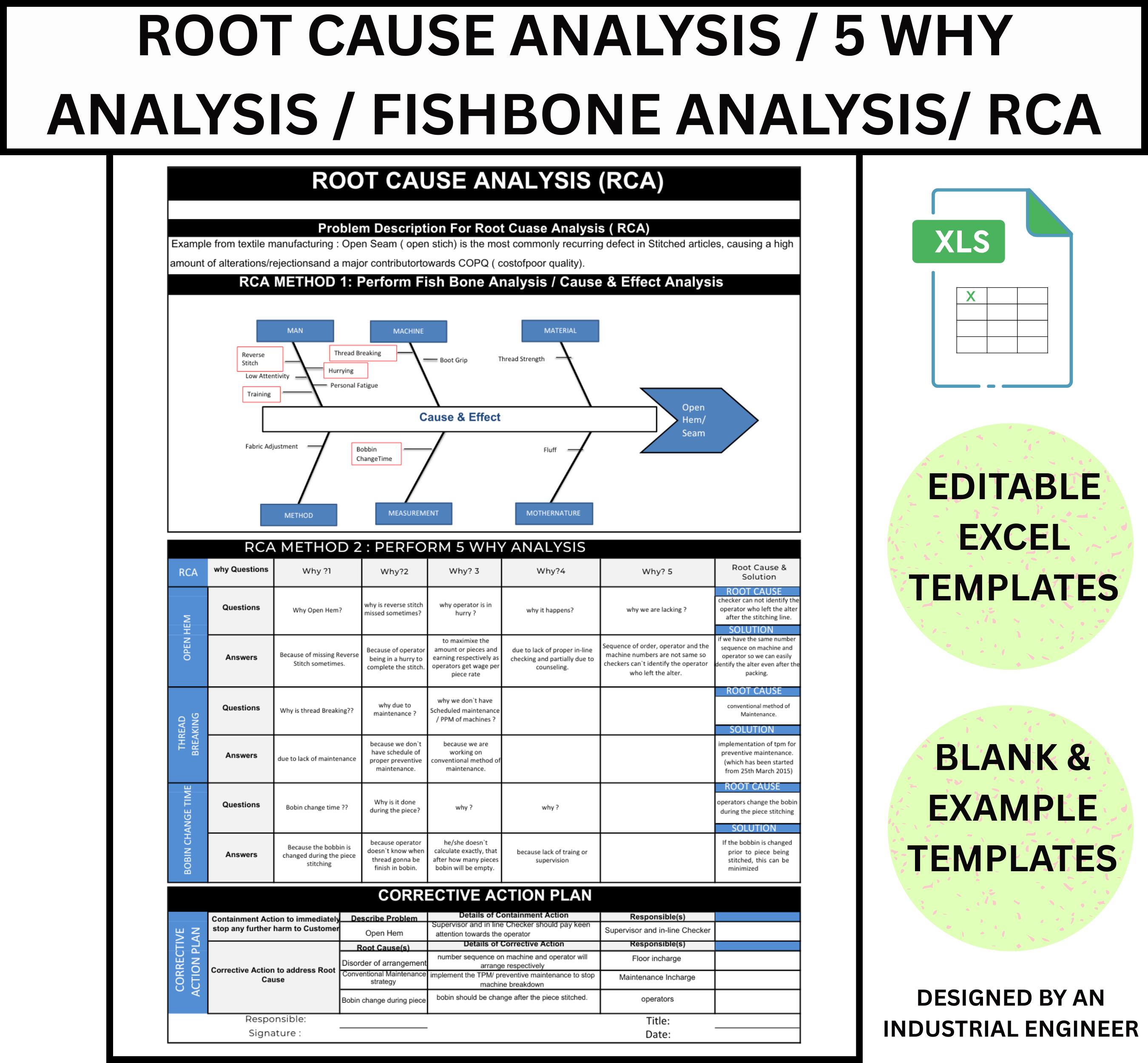
Most templates embed popular visual tools such as the Fishbone (Ishikawa) diagram or the 5 Whys worksheet. Provide placeholders for each major category—People, Process, Equipment, Materials, Environment, and Management—so analysts can systematically explore every angle.
Action Plan
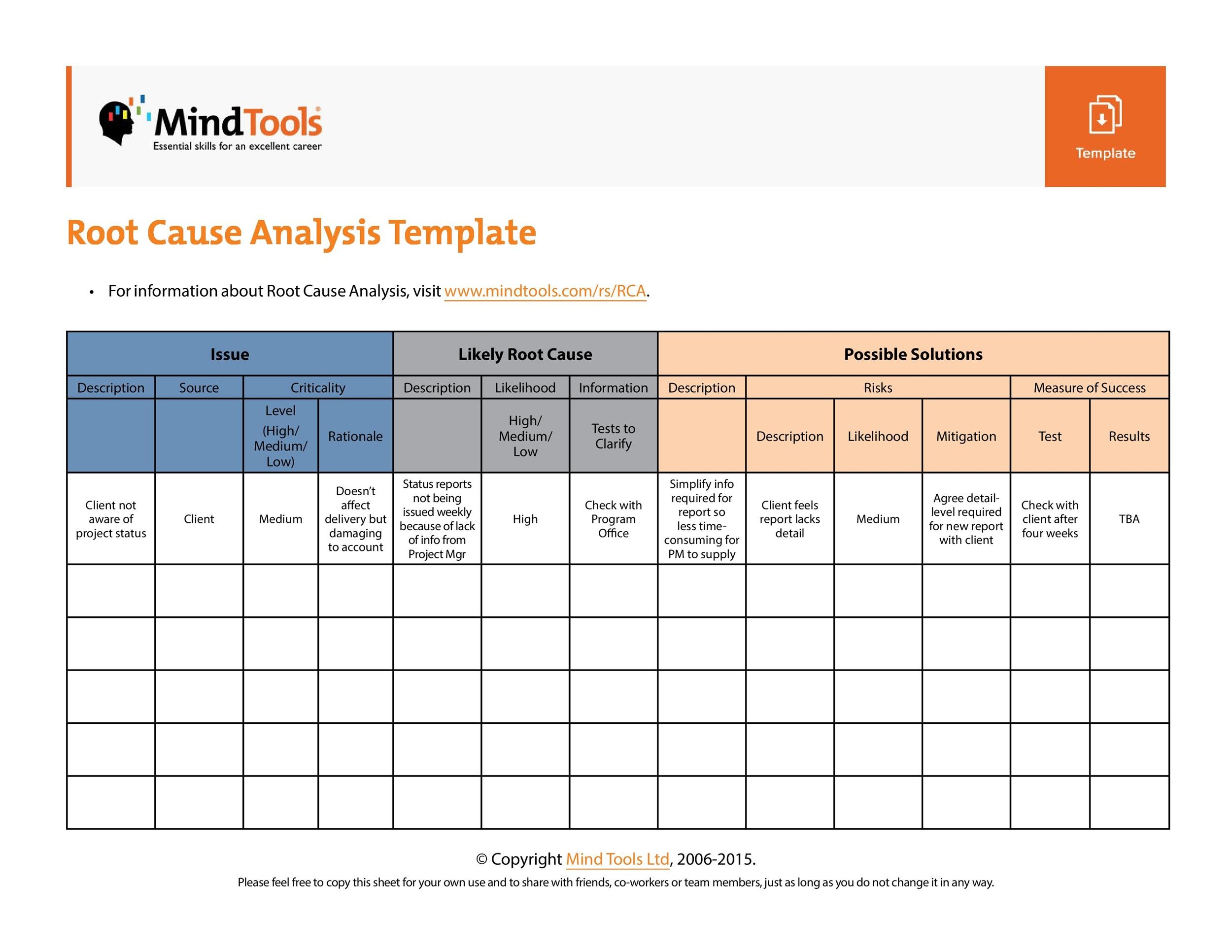
Once root causes are identified, the template moves into corrective actions. Include columns for the specific action, responsible owner, target completion date, required resources, and success criteria. This transforms insights into measurable improvements.
Verification and Follow‑up
Closing the loop is critical. Add a section for post‑implementation review, where teams can record whether the corrective action resolved the issue, any unexpected side effects, and lessons learned for future investigations.
Step‑by‑Step Guide to Fill Out the Template
Step 1 – Define the Issue Clearly
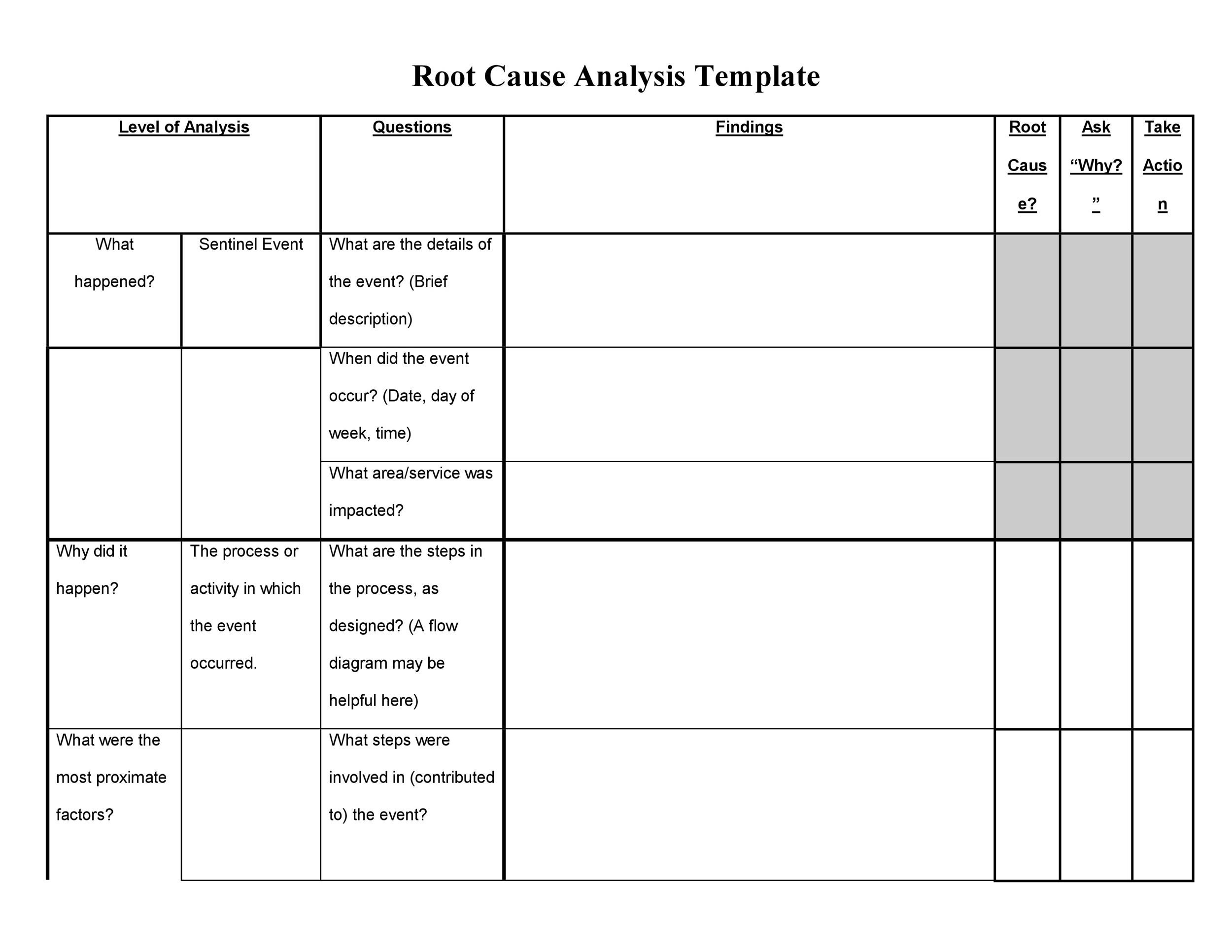
Start by answering the five Ws: Who was involved? What exactly failed? When did it occur? Where did it happen? Why does it matter? A crystal‑clear problem statement prevents ambiguity later in the analysis.
Step 2 – Gather Evidence
Collect logs, interview witnesses, retrieve system alerts, and capture any physical evidence. Use the template’s data fields to record each piece of evidence with timestamps and source attribution. The more concrete the data, the stronger the subsequent conclusions.
Step 3 – Identify Primary and Contributing Causes
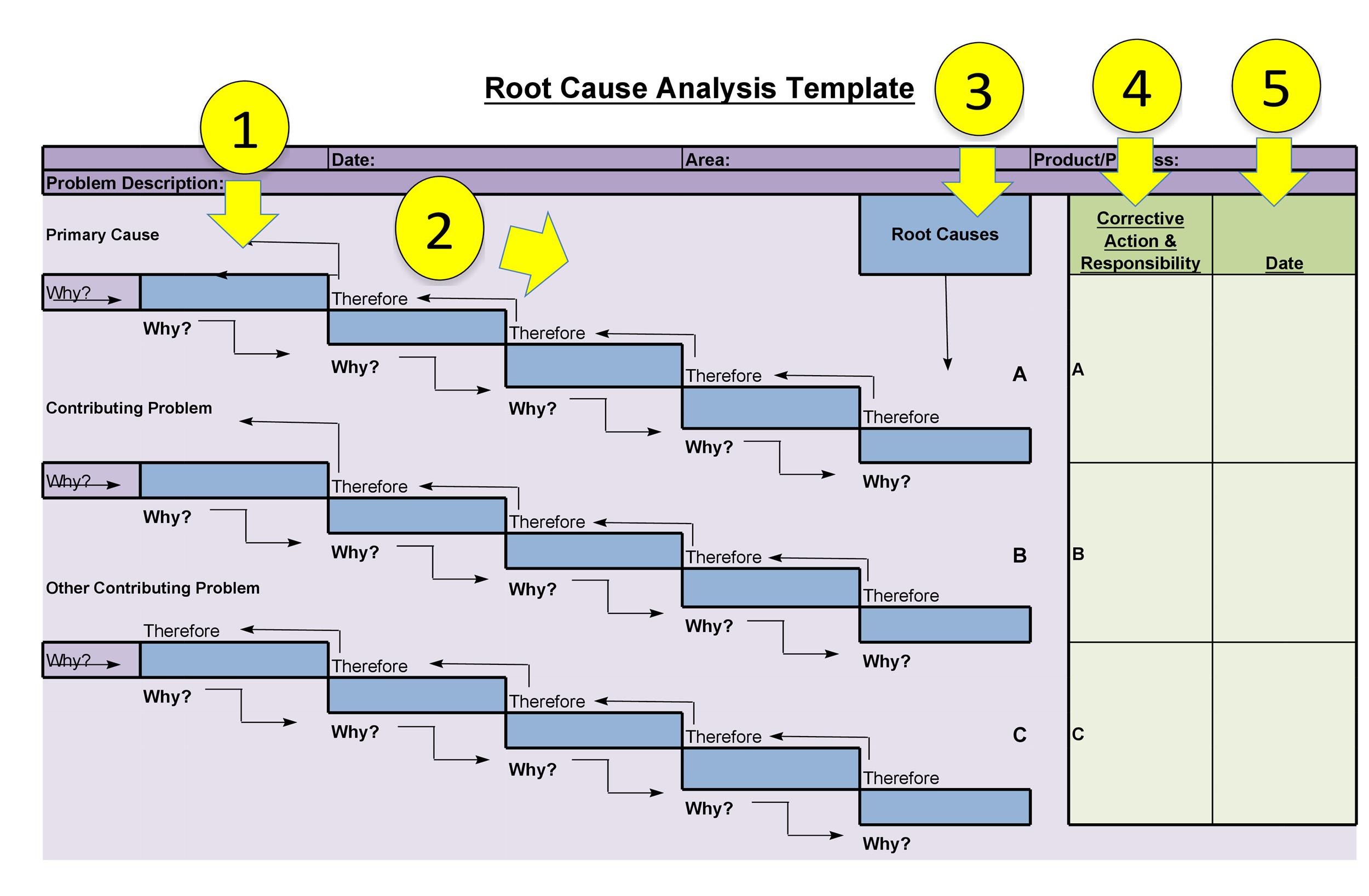
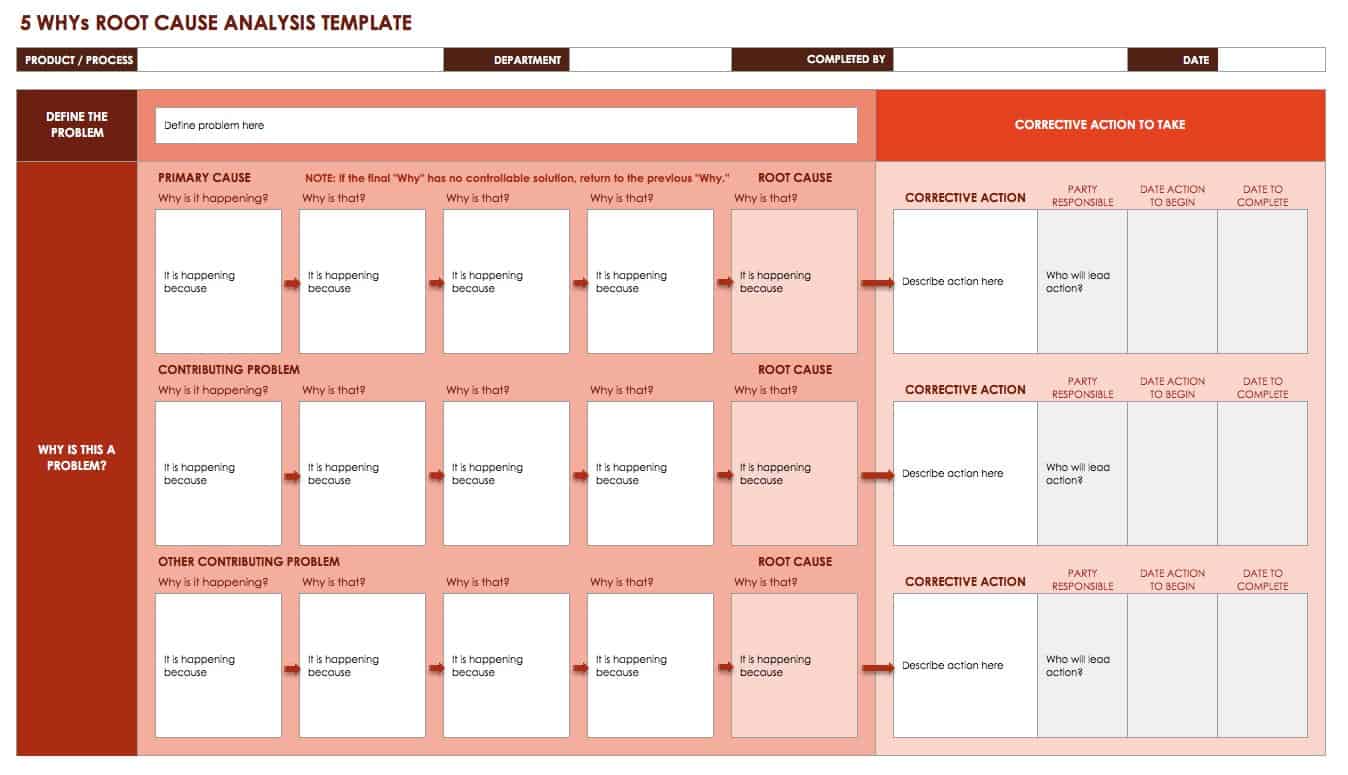
Apply the 5 Whys technique directly within the template. Ask “Why?” repeatedly until you reach a root cause that is controllable. Simultaneously, fill out the Fishbone diagram sections to capture side causes that may not be the primary driver but still need mitigation.
Step 4 – Prioritize Root Causes
Not every identified cause warrants immediate action. Use a simple impact‑effort matrix within the template: plot each cause by its potential impact on the problem versus the effort required to address it. Focus first on high‑impact, low‑effort items.
Step 5 – Develop Corrective Actions
For each prioritized root cause, craft a SMART action (Specific, Measurable, Achievable, Relevant, Time‑bound). Document the action in the template’s Action Plan section, assign a clear owner, and set a realistic deadline.
Step 6 – Assign Ownership and Timeline
Accountability drives execution. The template should have a dedicated column for the responsible person or team, their contact information, and a target completion date. Including a review date helps keep the initiative on track.
Step 7 – Review and Close
After the corrective actions are implemented, reconvene to verify results. Record verification outcomes, note any residual risk, and capture key takeaways. Closing the loop in the template ensures the investigation is complete and the knowledge is retained for future reference.
Customizing the Template for Different Industries
Manufacturing
Manufacturing environments often need space for equipment serial numbers, maintenance logs, and shift schedules. Adding a “Machine Downtime” column helps correlate failures with specific assets, while a “Safety Impact” field highlights regulatory implications.
Healthcare
In healthcare, patient safety is paramount. A customized RCA template should include fields for patient identifiers (de‑identified for privacy), clinical outcomes, and compliance checks with HIPAA or other regulations. Adding a “Root Cause Category” dropdown—such as Medication Error, Procedure Deviation, or Equipment Failure—streamlines reporting.
IT & Software Development
IT teams benefit from sections for error codes, stack traces, version numbers, and deployment dates. Incorporating a “Change Management Review” area ensures that recent code pushes or configuration changes are examined early in the analysis.
Service Sectors
Service‑oriented businesses often focus on customer experience. Tailor the template with fields for customer feedback, service level agreement (SLA) breaches, and ticket numbers. Including a “Revenue Impact” metric helps quantify the financial stakes of the issue.
Common Pitfalls and How to Avoid Them

- Skipping Data Verification: Relying on unvalidated information leads to false conclusions. Always cross‑check logs, interview multiple witnesses, and corroborate with objective measurements.
- Stopping at the First “Why”: The initial cause is rarely the true root. Push the 5 Whys process further until the answer is a controllable factor rather than a symptom.
- Overloading the Template: Adding unnecessary sections creates confusion. Keep the layout lean—only include fields that add real value to the investigation.
- Neglecting Follow‑up: Without verification, corrective actions remain theoretical. Schedule a post‑implementation review and document the outcome in the template.
- Assigning Vague Ownership: “Team Lead” is too generic. Specify a name, role, and contact details to ensure accountability.
Tools and Software That Complement Your RCA Template

- Diagramming platforms (e.g., Lucidchart, Microsoft Visio) for creating Fishbone or Flowchart visuals directly linked to template sections.
- Project‑management tools (e.g., Asana, Trello, Monday.com) to track corrective actions, assign owners, and monitor deadlines.
- Data‑collection apps (e.g., Google Forms, Microsoft Forms) that feed structured data straight into the template’s evidence fields.
- Collaboration suites (e.g., Confluence, SharePoint) that store completed RCA templates for future reference and enable version control.
Measuring Success After Implementing the RCA Template
- Reduction in Recurrence Rate: Track how often similar incidents reappear within a defined period.
- Mean Time to Resolution (MTTR): Measure the average time from incident detection to root‑cause identification using the template.
- Action Completion Rate: Percentage of corrective actions completed on schedule.
- Stakeholder Satisfaction: Survey internal teams and customers to gauge confidence in the problem‑solving process.
- Cost Savings: Calculate avoided downtime, rework, or warranty claims attributable to effective root‑cause elimination.
Real‑World Example: From Incident to Insight
A mid‑size electronics manufacturer experienced an unexpected line stoppage that cost $8,000 in lost production. Using the Root Cause Analysis Template It, the investigation team recorded the incident details, collected sensor logs, and interviewed the shift crew. The Fishbone diagram highlighted three potential categories: equipment wear, operator error, and material defect. Applying the 5 Whys revealed that a worn‑out bearing on the conveyor motor caused an overload, which triggered an emergency stop. The corrective action plan prescribed immediate bearing replacement, a revised preventive‑maintenance schedule, and a short training refresher for operators on bearing inspection. Follow‑up after two weeks showed no repeat stoppage, and the new maintenance cadence reduced unplanned downtime by 22% over the next quarter.
Quick Checklist for Your Next RCA Session
- Clearly articulate the problem statement with impact metrics.
- Gather all relevant data before meeting—logs, photos, witness statements.
- Populate the Fishbone diagram or 5 Whys worksheet without skipping categories.
- Identify at least three potential root causes and prioritize them.
- Draft SMART corrective actions, assign owners, and set deadlines.
- Schedule a verification meeting to confirm that actions resolved the issue.
- Archive the completed template in a centralized repository for future reference.
Conclusion
Implementing a Root Cause Analysis Template It empowers organizations to move from reactive firefighting to proactive problem prevention. By standardizing the investigative workflow, capturing accurate data, and translating insights into accountable actions, teams can dramatically cut recurrence rates, accelerate resolution times, and foster a culture of continuous improvement. Whether you operate in manufacturing, healthcare, IT, or any service‑driven sector, customizing the template to your specific needs ensures relevance and maximizes impact. Remember, the true value of an RCA lies not just in identifying the cause, but in embedding the lessons learned into everyday practice—turning each incident into an opportunity for lasting excellence.

Related posts of "Root Cause Analysis Template It"
