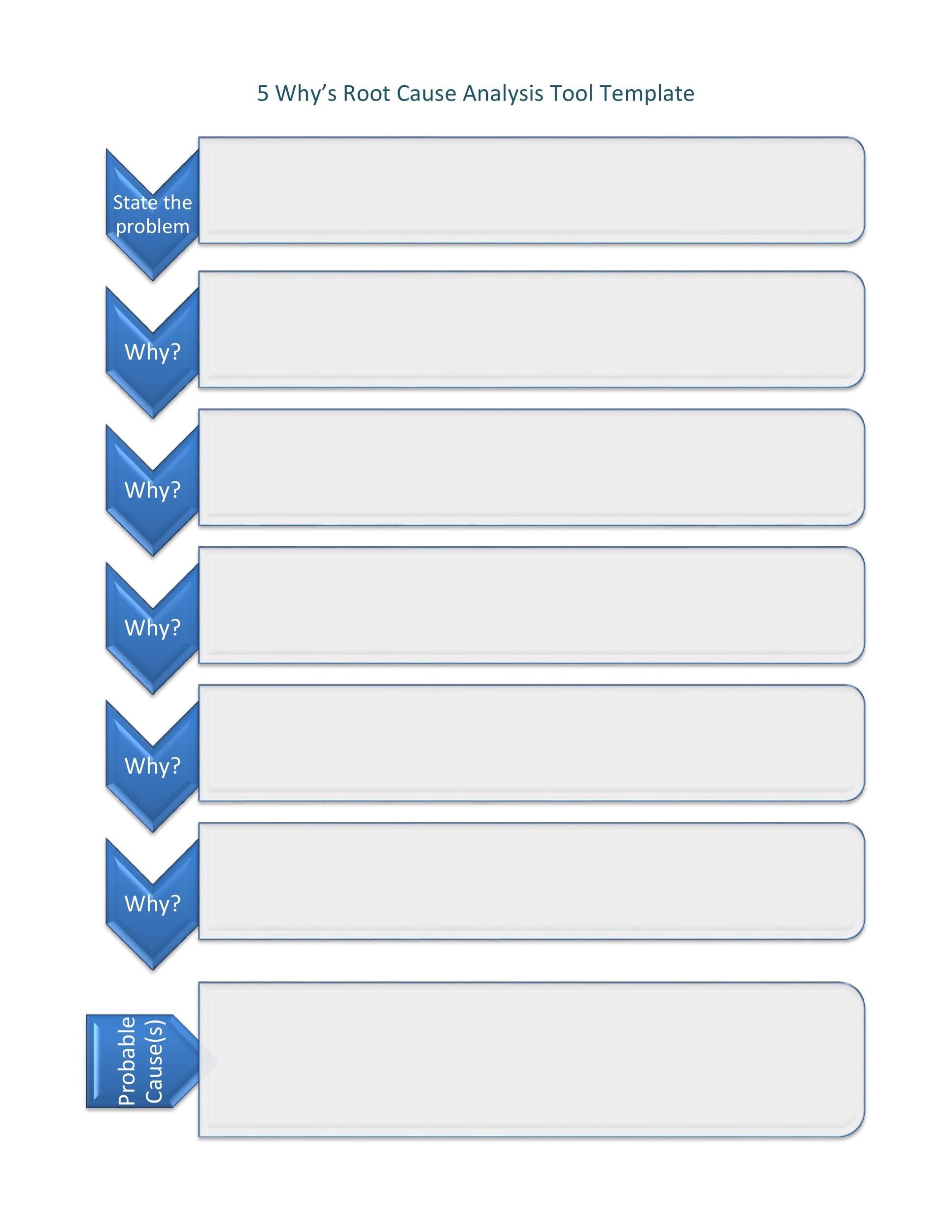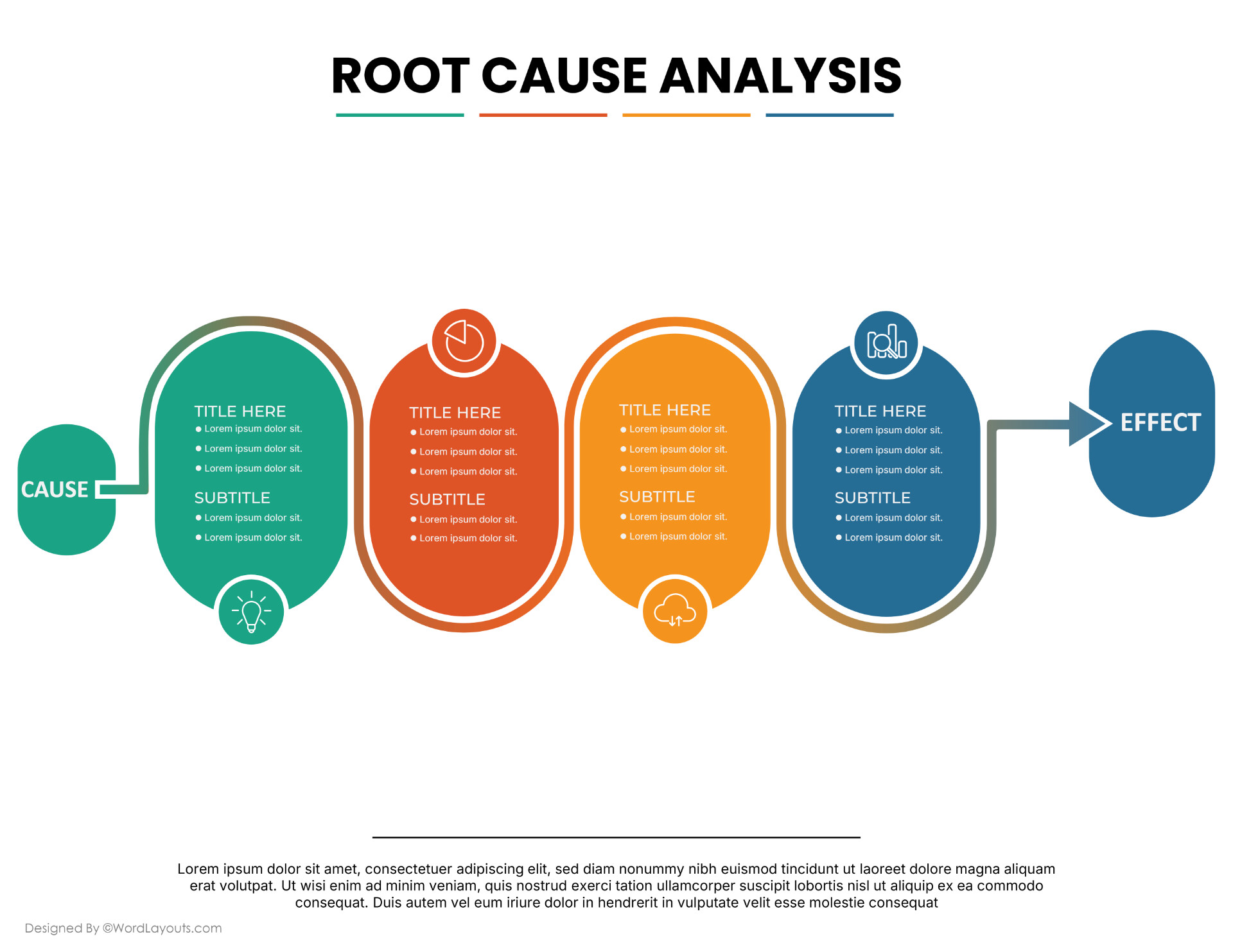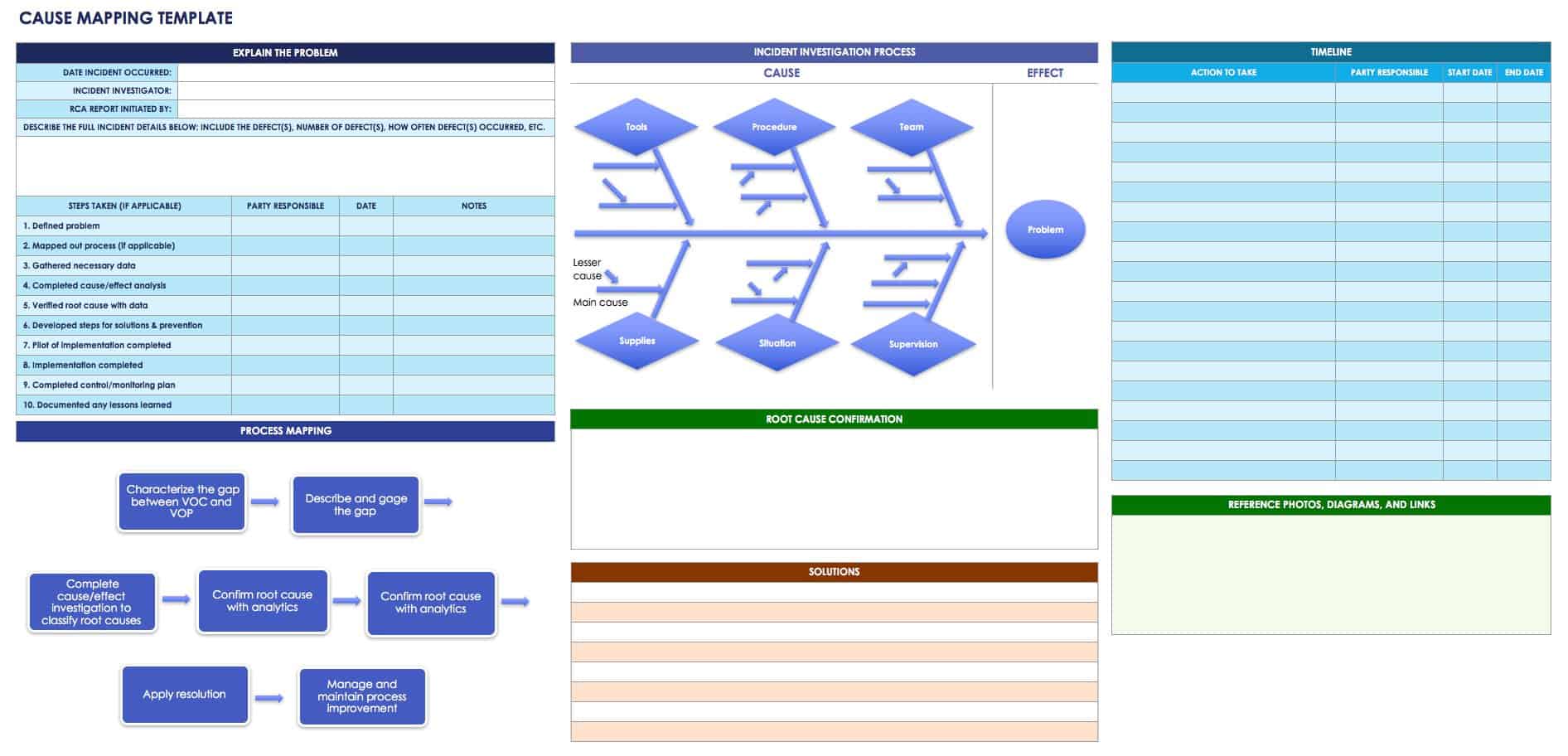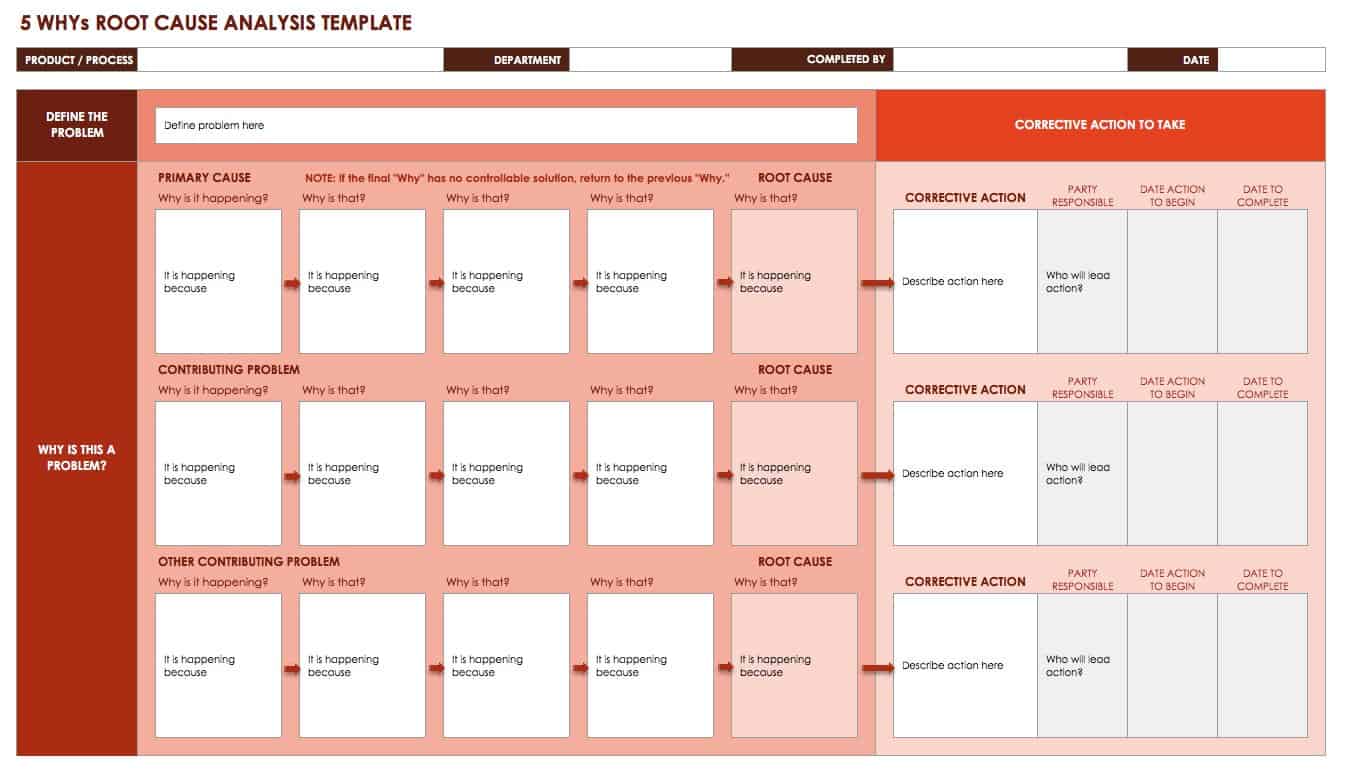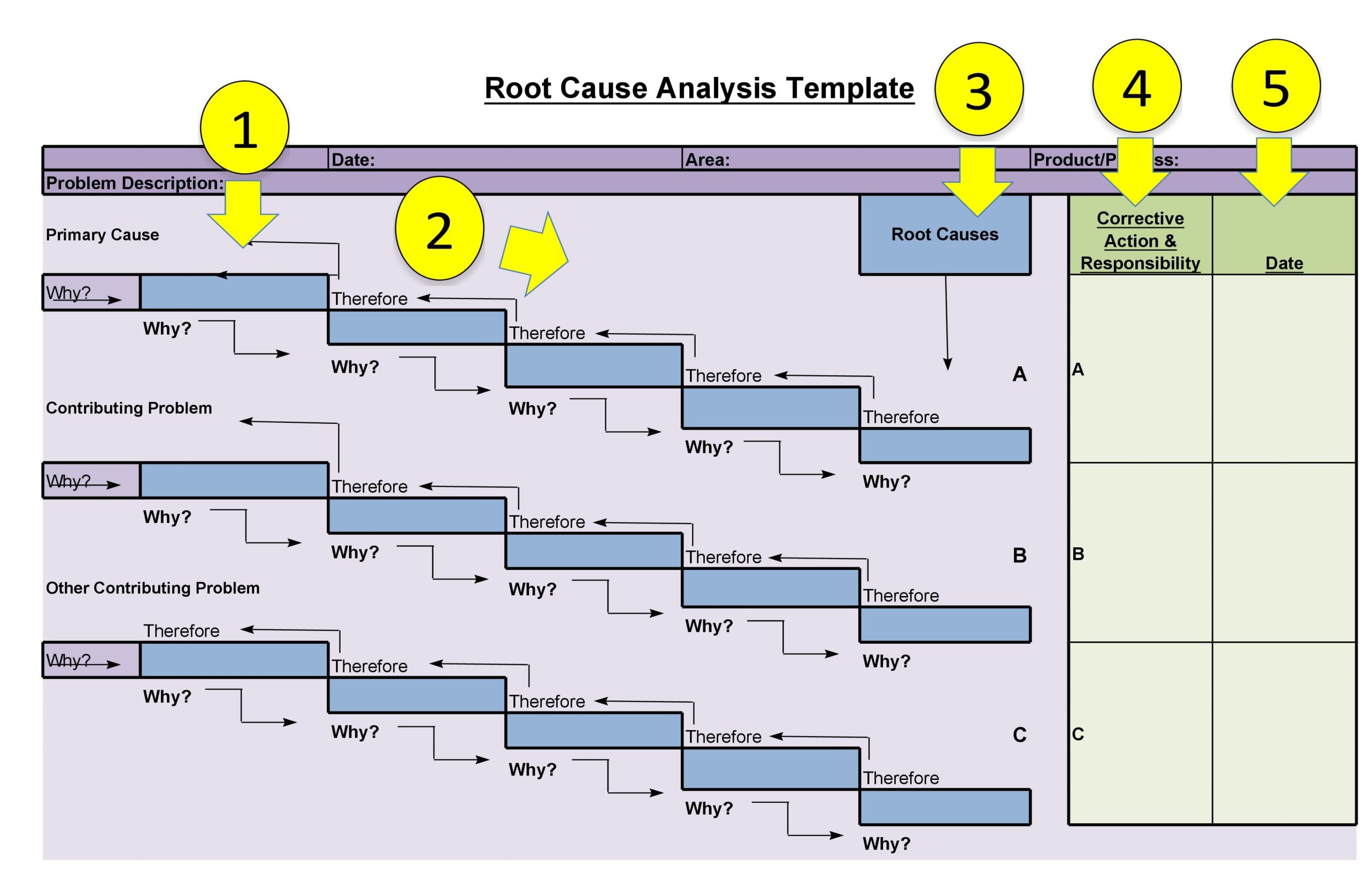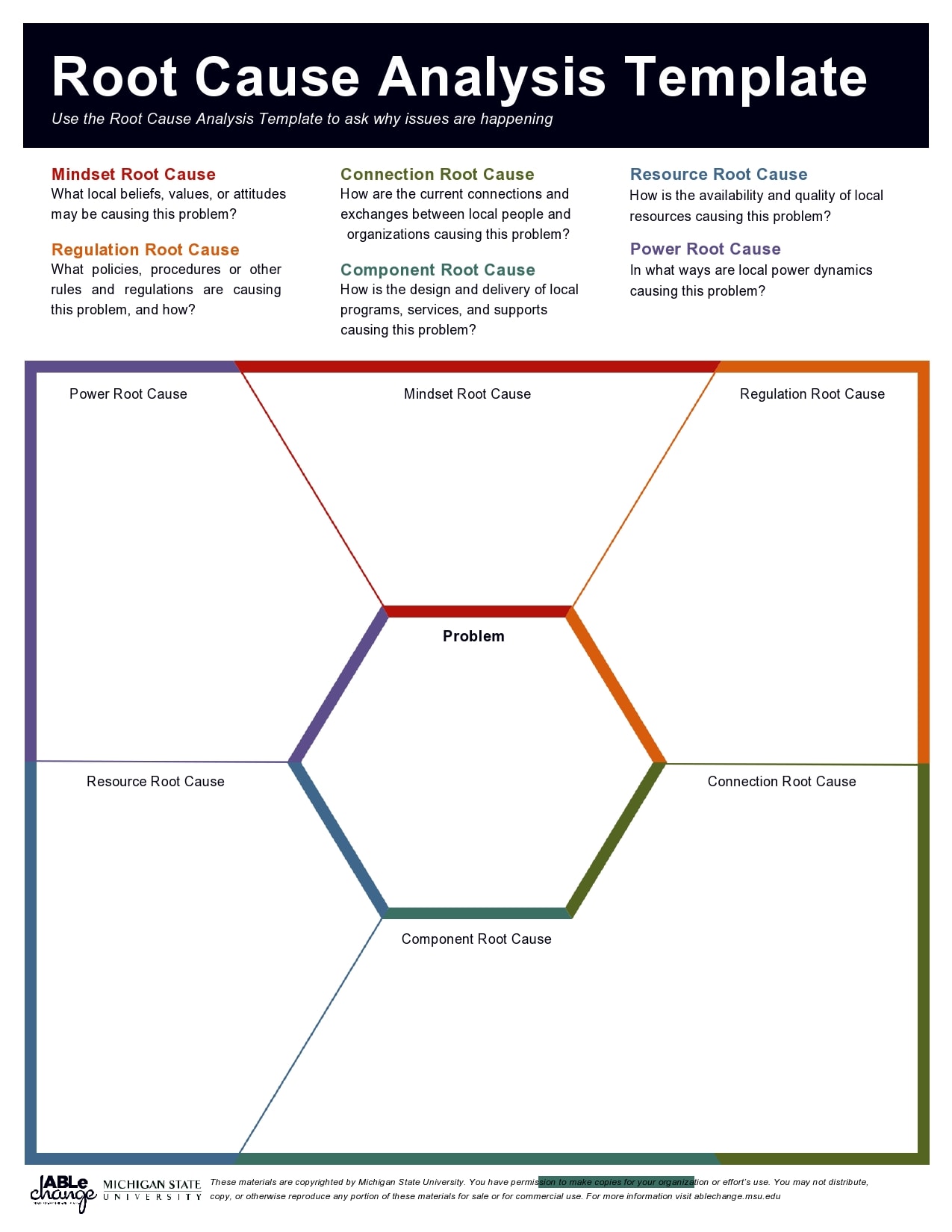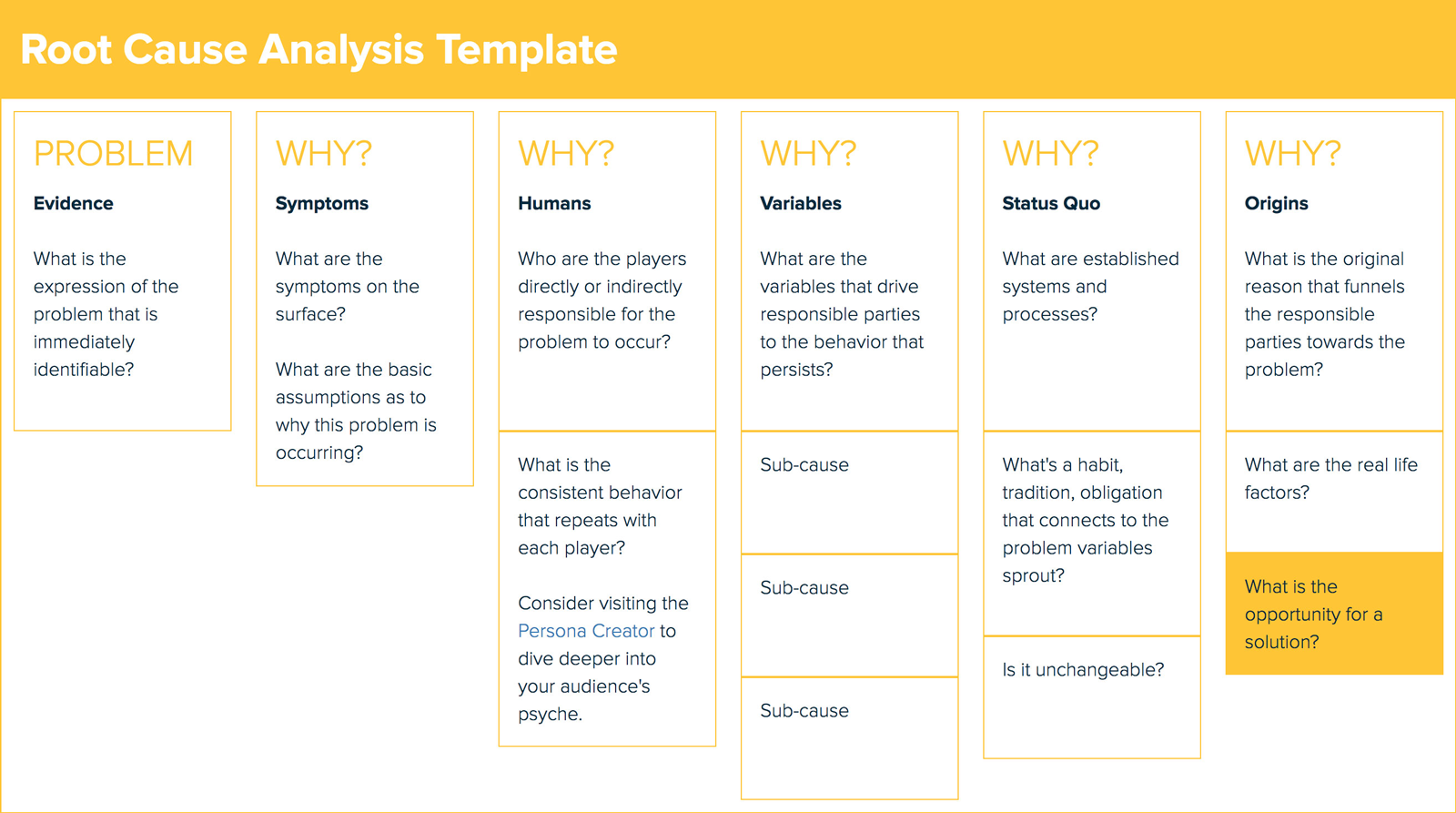
Root Cause Analysis Action Plan Template is a powerful framework that transforms raw data into actionable insights, enabling teams to tackle problems at their source instead of merely treating symptoms.
Understanding Root Cause Analysis
What Is Root Cause Analysis?
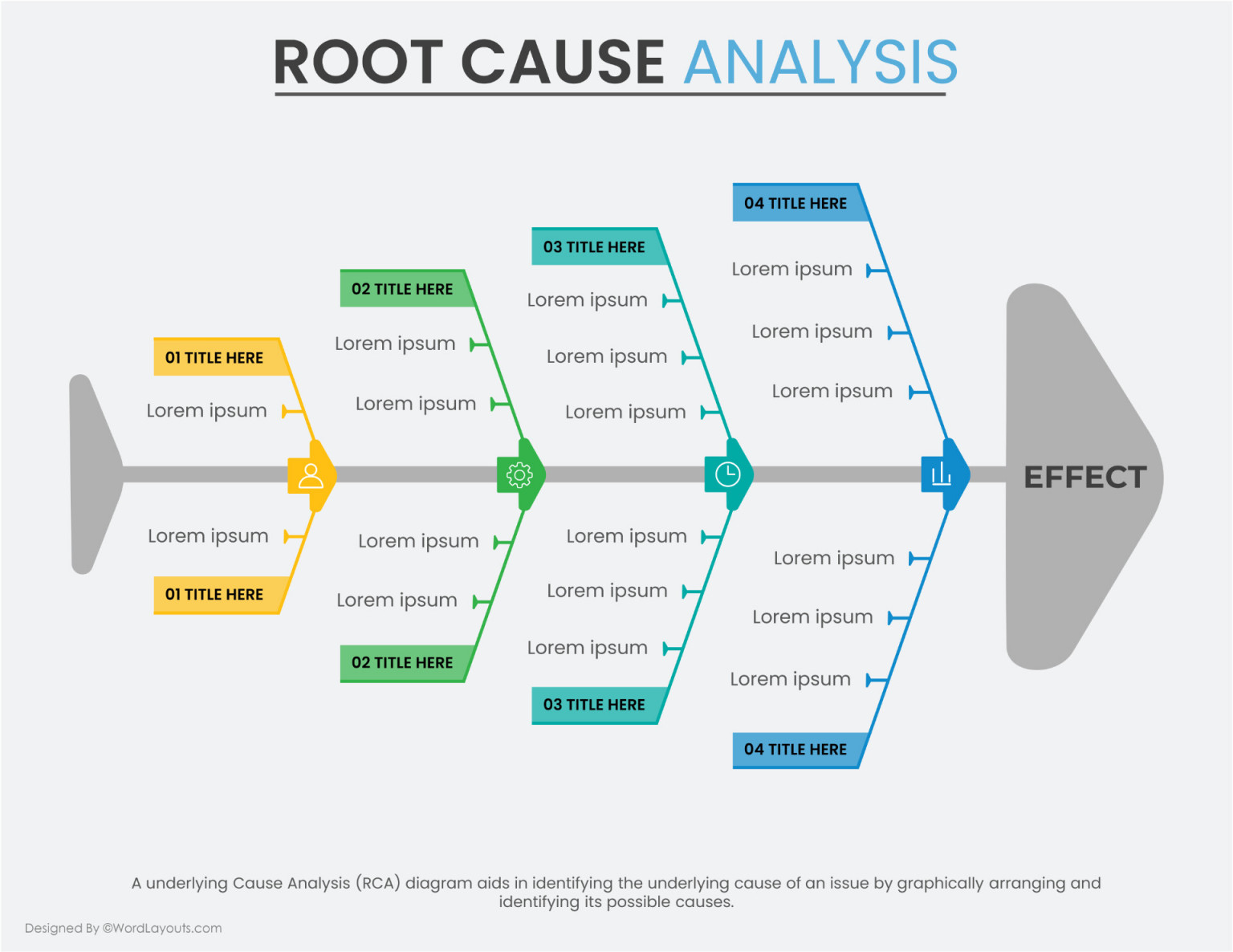
Root Cause Analysis (RCA) is a structured problem‑solving methodology used across industries to identify the underlying causes of an issue. Instead of stopping at the immediate problem, RCA digs deeper, uncovering the chain of events and systemic flaws that allowed the problem to surface.
Why It Matters
When organizations rely on quick fixes, they often experience recurring issues that erode customer trust, waste resources, and lower employee morale. An effective RCA framework ensures that each problem is addressed comprehensively, preventing future occurrences and fostering continuous improvement.
The Role of an Action Plan
Bridging Analysis and Implementation
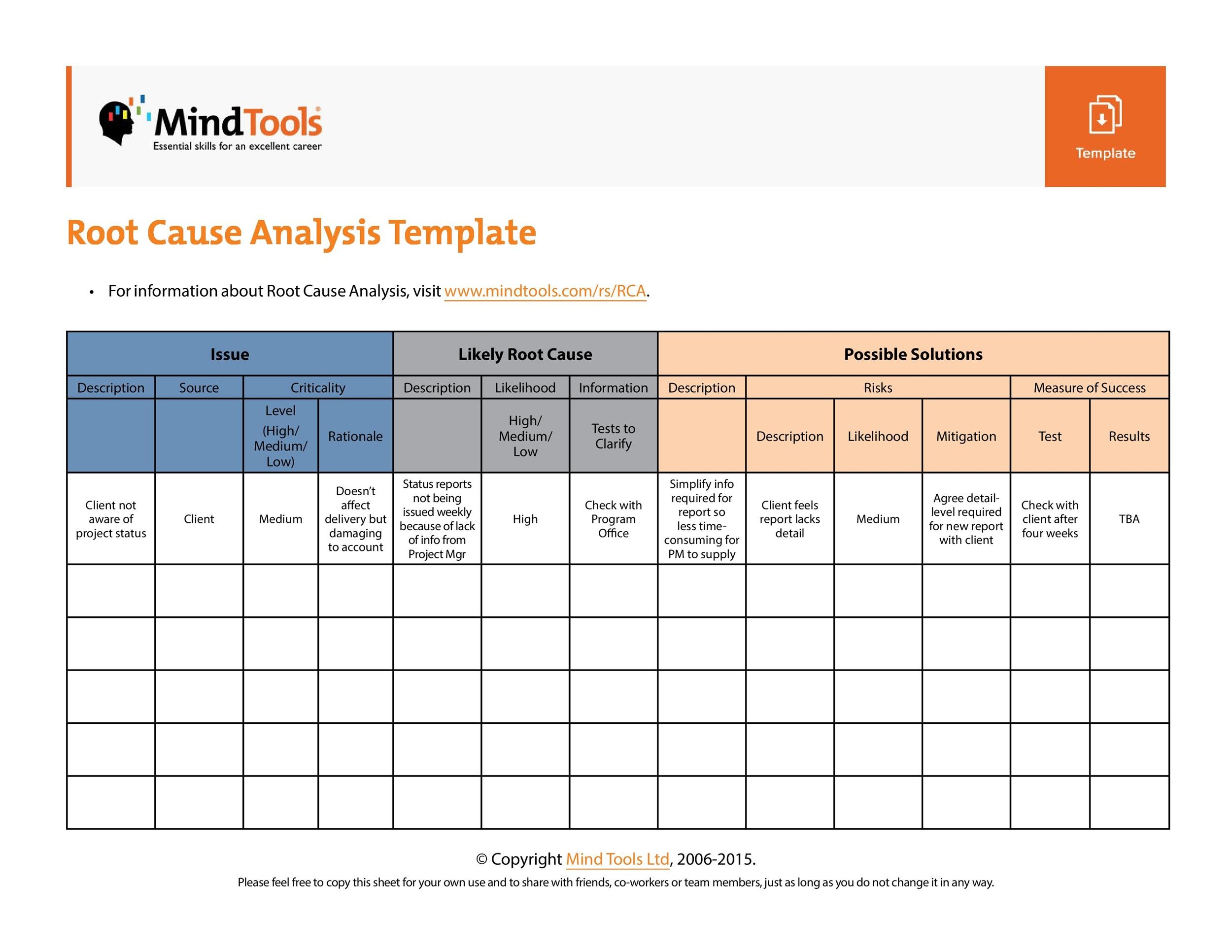
Identifying root causes is only half the battle; the real impact comes from translating insights into concrete actions. An Action Plan takes the findings from the RCA process and outlines who will do what, when it will be done, and how success will be measured.
Key Components of a Root Cause Analysis Action Plan Template
Executive Summary
This brief section captures the essence of the problem, the key findings, and the high‑level corrective actions. It should be concise yet informative enough for senior stakeholders to grasp the situation at a glance.
Problem Statement
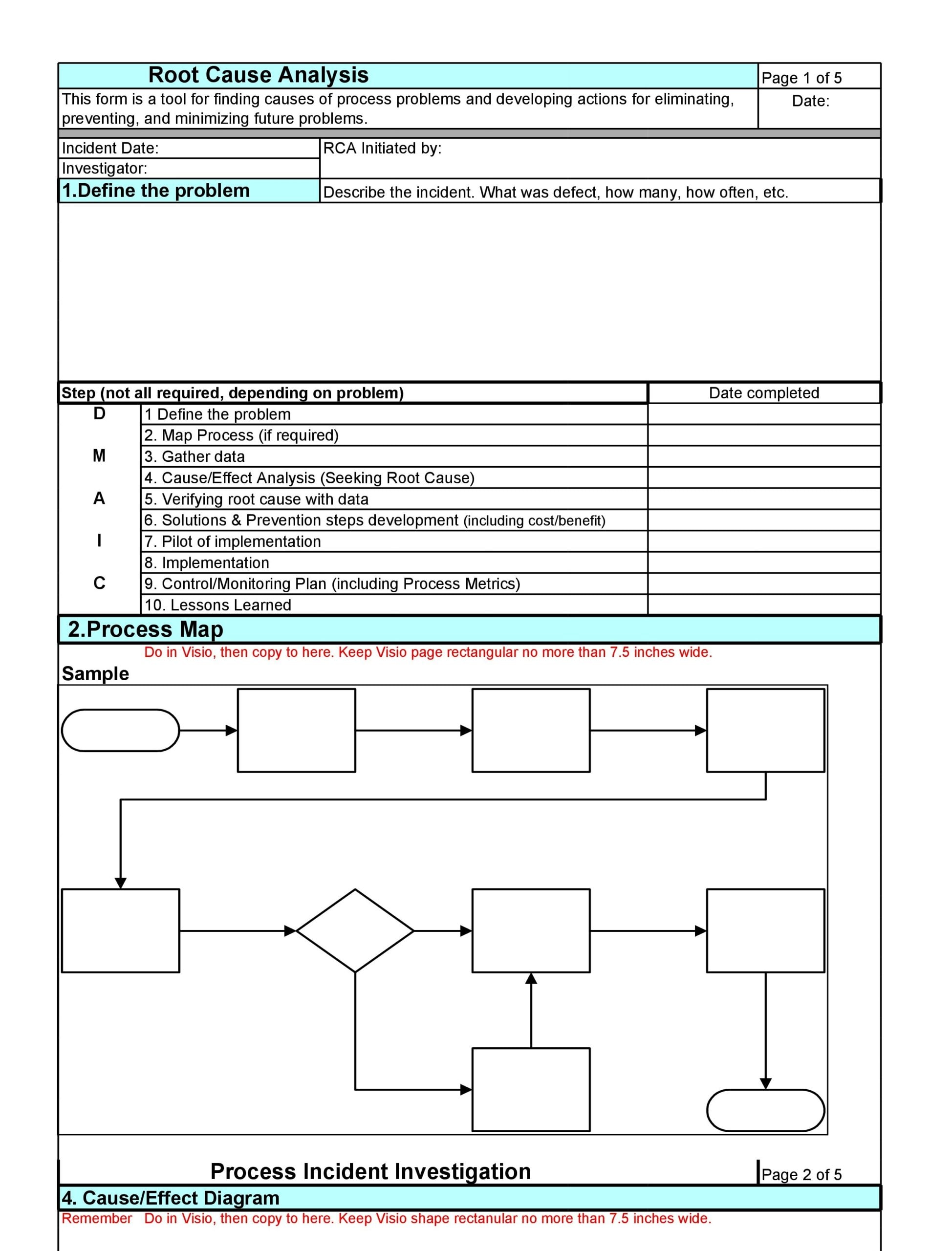
Define the problem clearly and precisely. Include relevant data points such as incident dates, impacted processes, and the scope of impact. A well‑crafted problem statement anchors the entire analysis and keeps the team focused.
Root Cause Findings
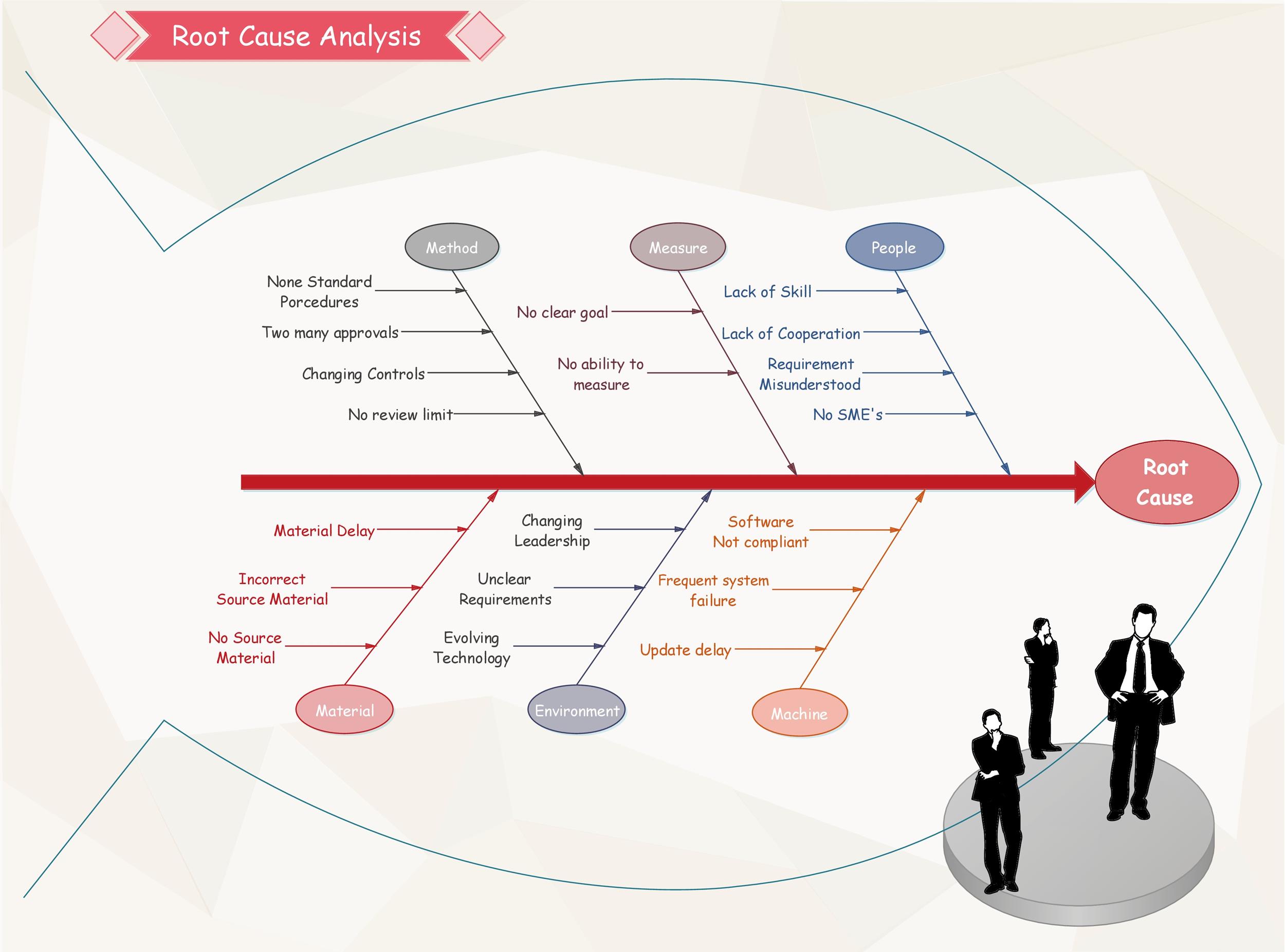
Present the root causes uncovered during the RCA process. Use visual aids like fishbone diagrams or cause‑effect tables to illustrate the relationships between contributing factors. This section should link each cause to specific evidence gathered during the investigation.
Recommended Actions
List specific actions that directly address each root cause. For every action, specify the responsible party, the deadline, required resources, and success metrics. This makes the plan actionable and accountable.
Risk Assessment
Identify potential risks or unintended consequences of the proposed actions. Assign risk owners and develop mitigation strategies to ensure that corrective steps do not create new problems.
Implementation Timeline
Provide a clear timeline that maps actions to milestones. Use Gantt‑style charts or simple tables to visualize when tasks will commence and complete, ensuring alignment across departments.
Measurement & Verification
Define the metrics and data sources that will confirm the effectiveness of the implemented actions. Include both leading indicators (process changes) and lagging indicators (outcomes).
Documentation & Knowledge Transfer
Outline how the lessons learned will be captured and shared with relevant teams. This might involve updating standard operating procedures, training programs, or knowledge bases to institutionalize the improvements.
Step-by-Step Guide to Building the Template

Step 1: Define Scope
Start by determining what you want to cover. Is the RCA for a single incident or a series of related events? Clarify the boundaries to avoid scope creep.
Step 2: Gather Data
Collect all relevant information: incident reports, logs, stakeholder interviews, and historical data. The quality of your template hinges on the depth and accuracy of the data you input.
Step 3: Conduct the RCA
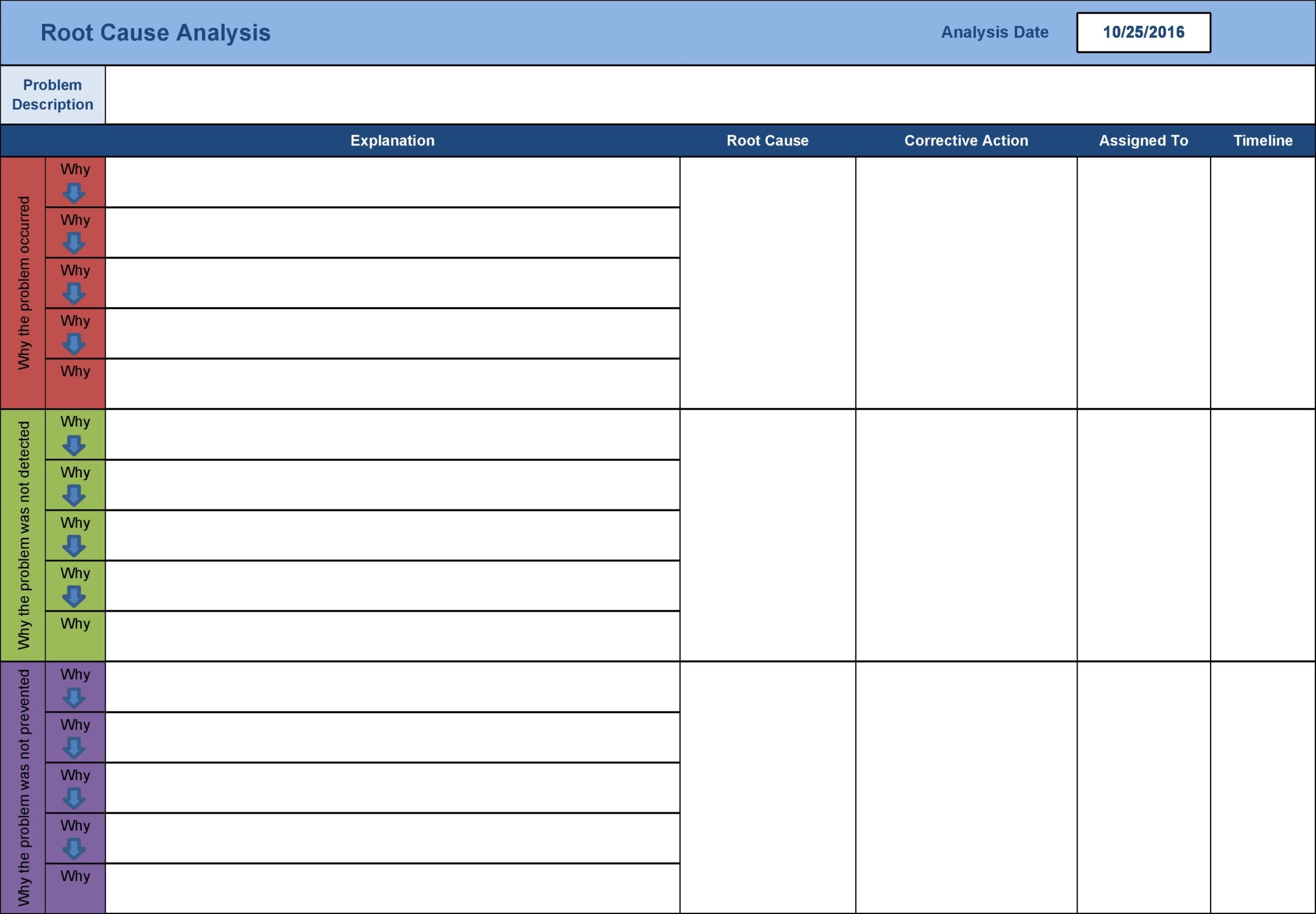
Use established techniques—such as the Five Whys, Fault Tree Analysis, or Pareto Charts—to uncover root causes. Document findings systematically so they can be referenced later in the action plan.
Step 4: Draft the Action Plan
Populate each component of the template with the insights from your analysis. Keep the language clear and concise, avoiding jargon that could confuse stakeholders.
Step 5: Validate with Stakeholders
Review the draft with key stakeholders—process owners, front‑line staff, and executives—to confirm that the actions are realistic, prioritized, and aligned with business goals.
Step 6: Finalize and Communicate
Once validated, finalize the document, circulate it to all relevant parties, and schedule a kickoff meeting to assign responsibilities and confirm timelines.
Step 7: Monitor Progress
Track action completion, update the template with new data, and hold regular status meetings to keep momentum. Adjust the plan if unforeseen obstacles arise.
Step 8: Close and Celebrate
After the corrective actions are fully implemented and verified, formally close the RCA cycle. Celebrate successes, share lessons learned, and integrate improvements into ongoing processes.
Real‑World Examples

Manufacturing Case Study
In a mid‑size automotive parts plant, a recurring defect in brake pads caused frequent customer returns. Using the Root Cause Analysis Action Plan Template, the plant identified a faulty material batch and inadequate inspection procedures as root causes. The action plan assigned the quality team to revise inspection checklists, the procurement team to enforce stricter supplier qualification, and the maintenance crew to recalibrate inspection equipment. Within six months, defect rates dropped by 85% and return costs fell significantly.
IT Incident Example
During a cloud migration, a data center outage disrupted e‑commerce operations for eight hours. RCA revealed that a misconfigured load balancer and insufficient monitoring were the culprits. The action plan outlined steps to update load balancer configurations, implement automated alerting, and conduct quarterly infrastructure reviews. Subsequent outages were reduced to less than a minute, and incident response times improved dramatically.
Tips for Maintaining and Updating the Template
Version Control
Keep every iteration of the template under version control. Document changes, rationale, and dates to preserve a clear audit trail and facilitate future reviews.
Stakeholder Engagement
Invite continuous feedback from all stakeholders. Regularly schedule “lessons learned” sessions where teams can suggest refinements to the template, ensuring it remains relevant and practical.
Automate Where Possible
Integrate the template with project management tools. Automated reminders for deadlines and status updates can reduce manual effort and minimize human error.
Review After Major Incidents
After significant incidents, revisit the template to capture new insights. This iterative process keeps the template alive and responsive to evolving business needs.
Common Pitfalls to Avoid
Incomplete Data Collection
Skipping thorough data gathering leads to weak conclusions. Always validate data sources and corroborate findings with multiple evidence streams.
Overcomplicating the Template
Too many fields or complex formatting can discourage users. Keep the design clean, focusing on essential information that drives action.
Ignoring Stakeholder Input
Failing to involve frontline staff or business leaders can result in unrealistic actions. Their insights are critical for feasibility and buy‑in.
Neglecting Follow‑Up
An action plan loses value if actions are not tracked or verified. Embed monitoring mechanisms to ensure accountability and continuous improvement.
Conclusion
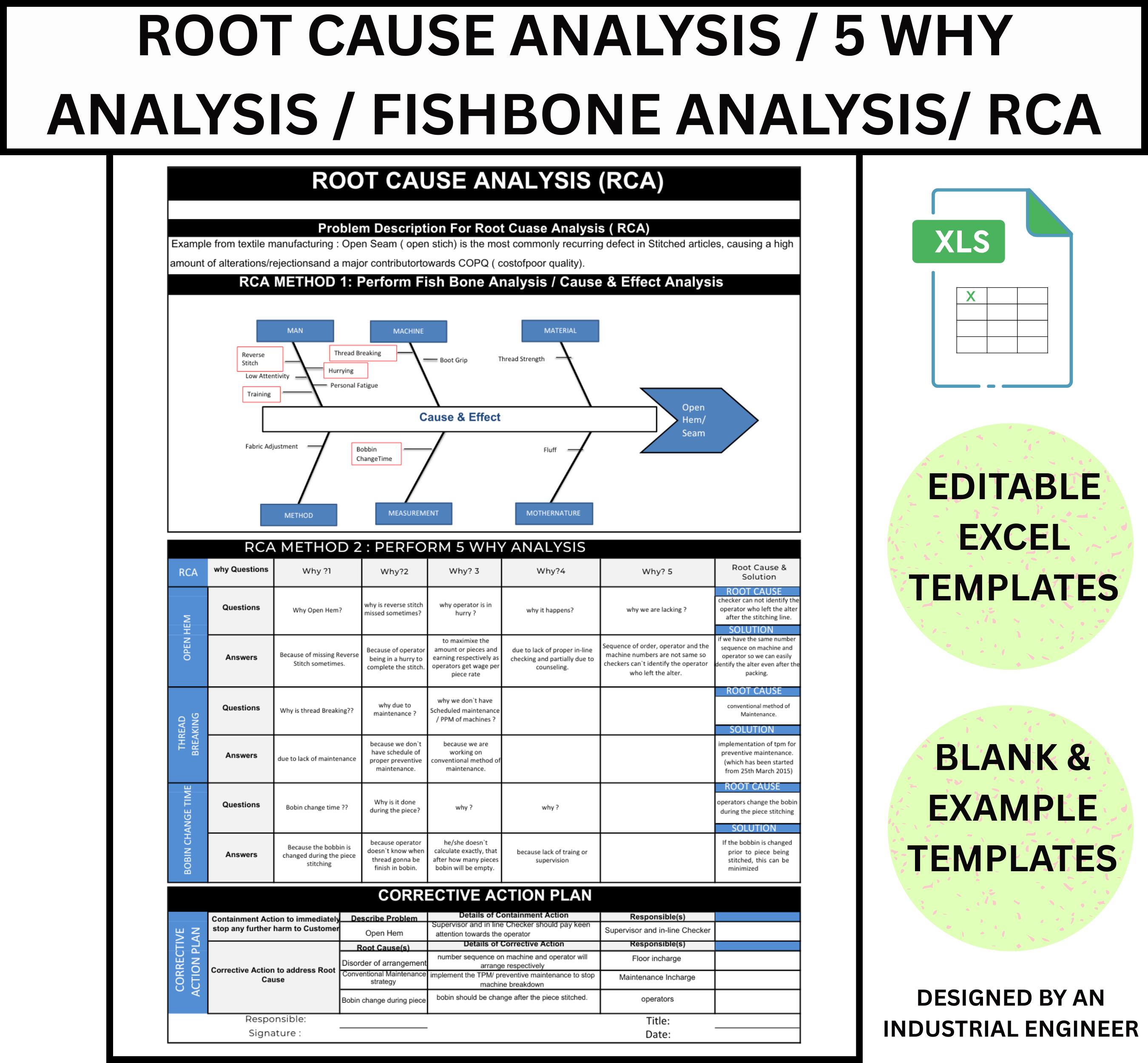
A well‑structured Root Cause Analysis Action Plan Template turns analytical insight into operational excellence. By clearly documenting problem statements, root causes, recommended actions, and measurement plans, organizations can ensure that every corrective measure is targeted, accountable, and measurable. When consistently applied, this approach not only resolves current issues but also builds a resilient culture of proactive problem solving, leading to sustained quality, efficiency, and customer satisfaction.