
Risk Analysis Project Management Template is the cornerstone of every successful project in today’s fast-paced and complex business environment, especially in the vibrant and dynamic Asian markets where agility and precision are prized. By integrating a well-structured template, project managers can translate uncertain variables into actionable insights, ensuring that timelines, budgets, and stakeholder expectations stay on track. This article will walk you through the intricacies of creating, customizing, and implementing a risk analysis template that resonates with Asian business values such as collective harmony, respect for hierarchy, and an emphasis on continuous improvement.
Understanding the Core Elements of a Risk Analysis Template
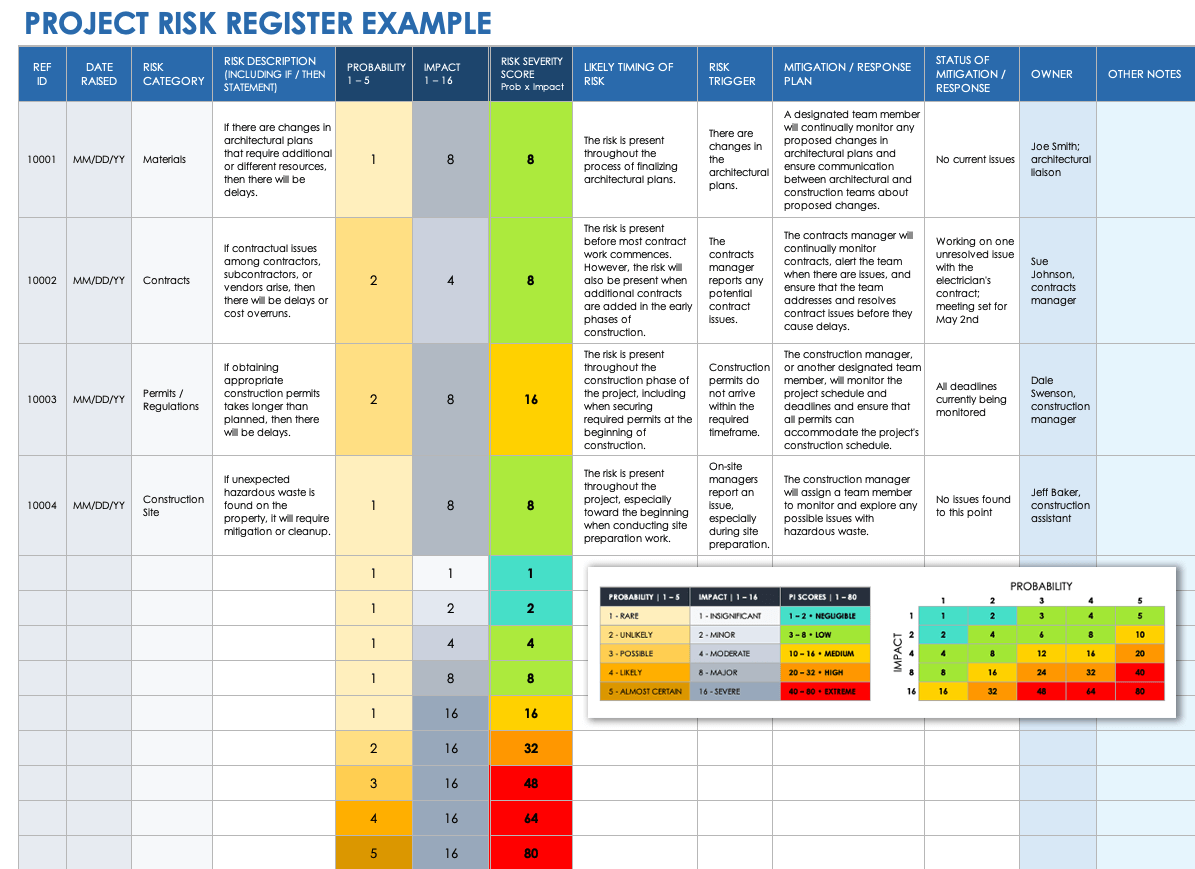
1. Risk Identification Table
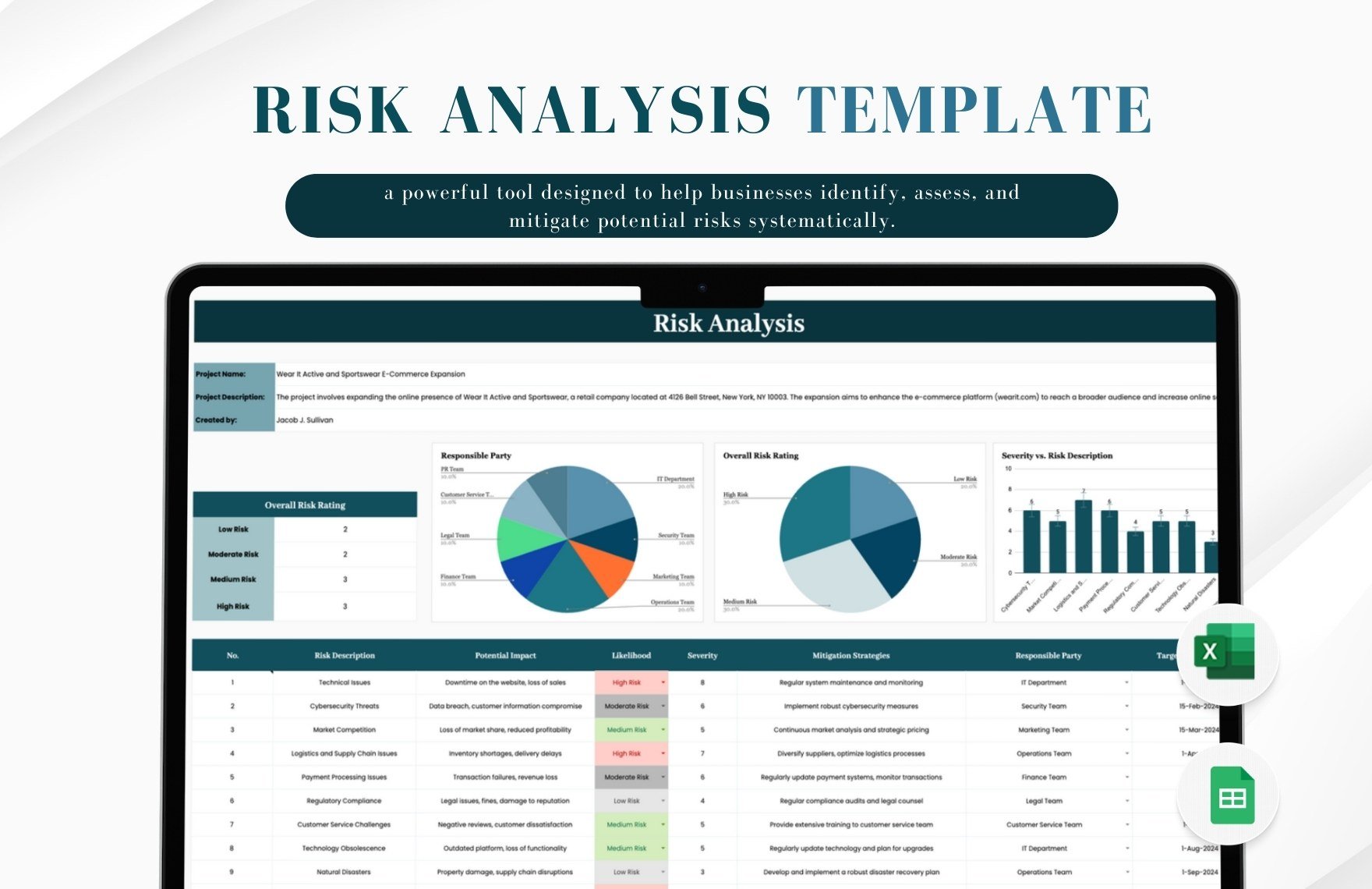
The first building block is a comprehensive risk identification table. It typically contains columns for a unique risk ID, description, source, potential impact, likelihood, and initial owner. In Asian project settings, it is beneficial to add a column for cultural or regulatory compliance, as local laws and social expectations often shape risk profiles. For example, a software launch in Japan may list “unapproved third-party APIs” as a regulatory risk, while in India, “unpredictable power supply” could be a logistical risk.
2. Risk Matrix Chart
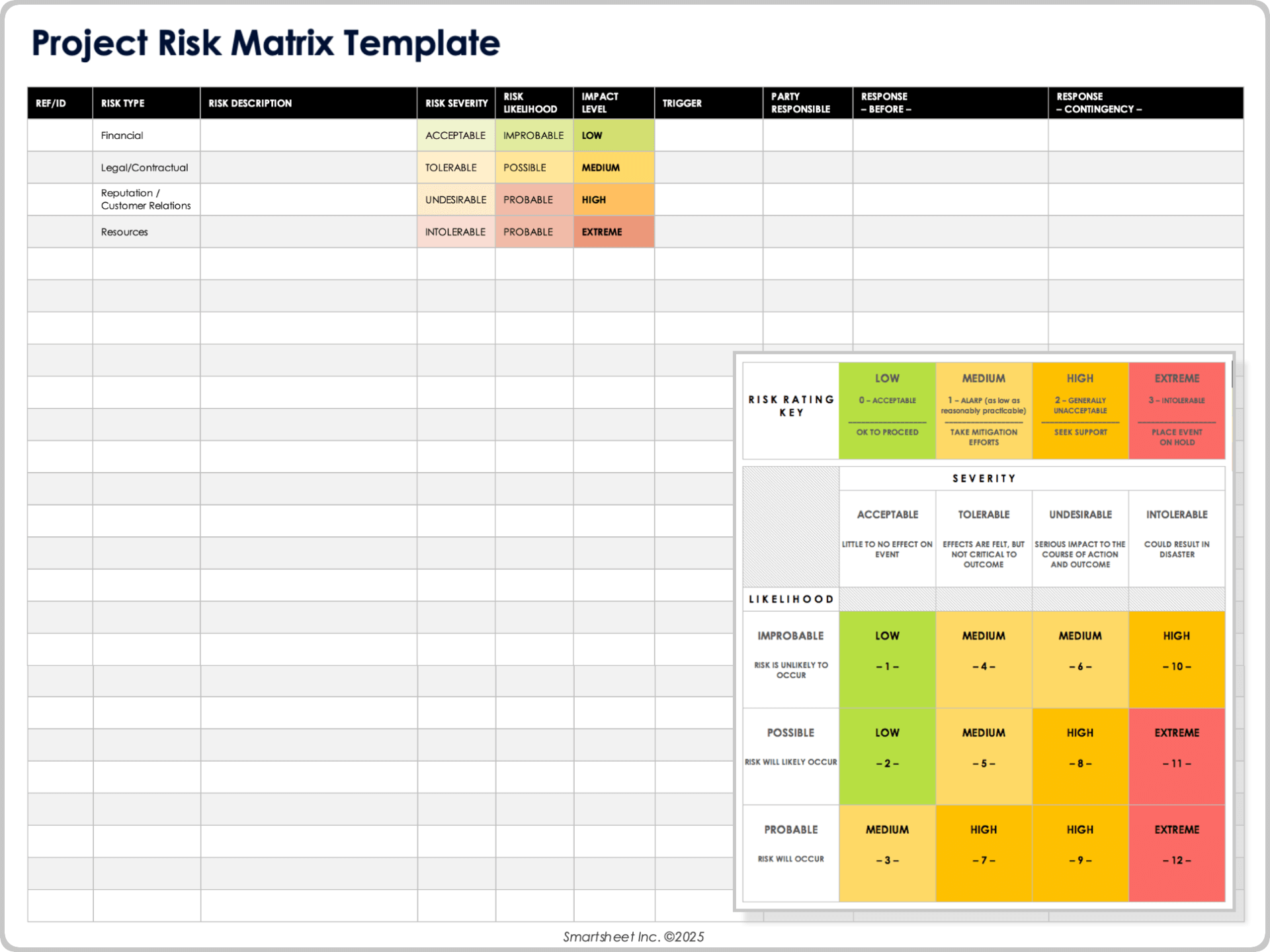
A visual risk matrix converts quantitative values into a color-coded grid, allowing teams to quickly see which risks require immediate attention. Typically, a 5×5 matrix with high impact on one axis and high probability on the other is used. The template should automatically calculate risk scores by multiplying probability and impact, then place the risk in the appropriate quadrant. This dynamic feature eliminates manual calculations and reduces errors, a critical factor when multiple stakeholders review the risk register simultaneously.
3. Risk Response Planning Section
Once risks are mapped, the template should provide a section for mitigation strategies, responsible parties, required resources, and monitoring timelines. Each risk can have multiple response options such as “Avoid”, “Transfer”, “Mitigate”, or “Accept”. By integrating these options directly into the template, managers can quickly assign action items and track progress.
4. Status Tracking and Updates
Risk status—“New”, “Under Review”, “Mitigated”, or “Closed”—helps keep the board focused on priority items. The template should also allow for periodic status updates, including date stamps and comments. A built-in trend analysis feature can illustrate whether risk exposure is decreasing over successive project phases, aligning with the Kaizen mindset prevalent across many Asian enterprises.
Step‑by‑Step Construction of a Custom Template
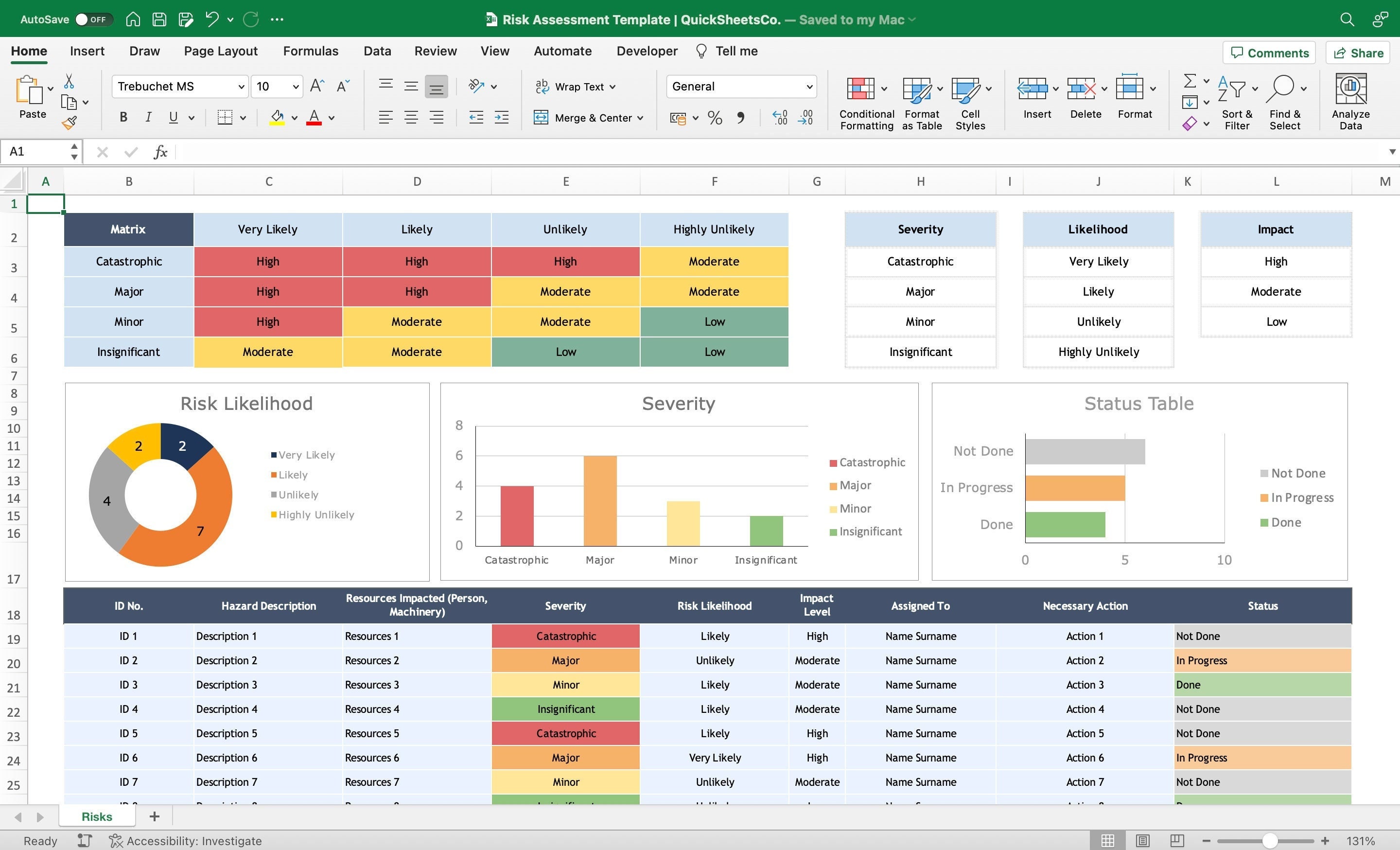
Step 1: Define Your Project Context
Start by mapping out the project scope, timeline, key stakeholders, and any regulatory frameworks specific to your region. This contextual information will guide the selection of risk categories. For instance, a construction project in Hong Kong might need to prioritize environmental compliance and safety regulations, while a fintech project in Singapore must address data protection laws.
Step 2: Populate the Risk Identification Table
Using a spreadsheet tool, create columns: Risk ID, Risk Title, Description, Source, Likelihood (1–5), Impact (1–5), Initial Owner, Category, and Regulatory Note. Populate each row with risks identified through brainstorming sessions, historical data review, and expert interviews. In a multicultural team, encourage each member to submit risks in their native language, then translate into English for consistency.
Step 3: Build the Dynamic Risk Matrix
Create a pivot table that reads the Likelihood and Impact columns, multiplies them, and outputs a Risk Score. Use conditional formatting to color-code scores: green for low risk, yellow for moderate, red for high. Position the matrix next to the table so that managers can see both raw data and visual representation side by side.
Step 4: Add Risk Response Columns
Expand the sheet with columns for Response Strategy, Mitigation Actions, Resources Needed, Expected Completion Date, and Current Status. Include drop‑down menus for standardized responses to maintain uniformity. Link these columns to a separate “Action Log” sheet that tracks task owners, deadlines, and completion confirmations.
Step 5: Automate Updates with Data Validation
Implement data validation to prevent entry errors—restrict Likelihood and Impact values to integers 1–5. Use formulas to automatically calculate the risk score and update the status based on the latest action log entry. Adding a simple VBA macro (if using Excel) or a Google Apps Script can trigger email reminders to risk owners when deadlines approach.
Step 6: Review and Refine with Stakeholders
Share the draft template with senior executives, risk owners, and project team members. Gather feedback on clarity and comprehensiveness. In Asian business cultures, involving senior leadership in the review phase not only ensures accuracy but also reinforces collective ownership of risk management.
Real-World Applications of the Template in Asian Markets

Case Study 1: Manufacturing Supply Chain in Vietnam
A mid-sized electronics manufacturer in Vietnam adopted the template to manage supplier disruptions. Risks such as “raw material price volatility”, “local labor strikes”, and “export duty changes” were identified and scored. The matrix highlighted high-impact, high-probability risks in the orange quadrant. Mitigation actions included diversifying suppliers, securing long-term contracts, and setting aside a contingency fund. Within six months, the risk exposure score dropped by 35%, improving production continuity.
Case Study 2: IT Infrastructure Upgrade in South Korea
A financial services firm in Seoul needed to upgrade its cloud infrastructure. Risks like “data breach”, “service downtime”, and “regulatory non‑compliance” were logged. The template’s status tracker allowed the IT team to monitor patching progress, while the response section linked risk owners to specific compliance officers. After implementation, audit reports noted a 90% reduction in compliance-related incidents, demonstrating the template’s effectiveness.
Case Study 3: Construction Project in Singapore
During a high‑rise development, the project manager used the template to manage risks tied to “seismic activity”, “labor safety”, and “public perception”. The matrix highlighted a high probability risk of “public opposition due to environmental concerns”. The response strategy involved community outreach and an environmental impact assessment, which were documented in the action log. Stakeholder confidence increased, leading to smoother approvals from municipal authorities.
Integrating the Template with PMBOK Practices

Risk Management Planning
According to PMBOK, the risk management plan outlines methodology, thresholds, and responsibilities. The template encapsulates these elements by providing pre‑defined categories, scoring mechanisms, and a clear audit trail. Project managers can export the risk register to formal documents required for compliance and governance.
Risk Identification and Analysis
PMBOK emphasizes early identification and detailed analysis. The template’s structured table ensures that risks are captured systematically, while the matrix delivers a quick visual assessment. This dual approach satisfies the “Plan Risk Management” and “Identify Risks” processes outlined in PMBOK.
Risk Response Planning and Monitoring
Using the template, teams can align each risk with an appropriate response strategy, track execution, and review outcomes. The status column provides real‑time visibility, enabling proactive adjustments—exactly what the “Plan Risk Responses” and “Monitor Risks” processes demand.
Optimizing the Template for Agile Environments

Lean Risk Register
For startups or fast‑moving projects, a lean version of the risk register eliminates excessive columns and focuses on high‑impact items. The template can be customized to show only “Risk ID”, “Title”, “Score”, “Response”, and “Status”. This streamlined approach aligns with agile principles of minimal documentation and rapid iteration.
Daily Stand‑Ups and Risk Triage
Integrate the risk matrix into daily stand‑up meetings by displaying a snapshot of the highest‑priority risks. Use the status updates to ensure that mitigation actions are being addressed. This practice keeps risk management a live conversation rather than a quarterly exercise.
Continuous Improvement Loops
After each sprint or milestone, revisit the risk register to evaluate whether mitigation actions were effective. Incorporate lessons learned into the template’s “Lessons Learned” section. This feedback loop reflects the Kaizen philosophy, fostering an environment where risk management evolves with the project.
Best Practices for Maintaining and Updating the Template
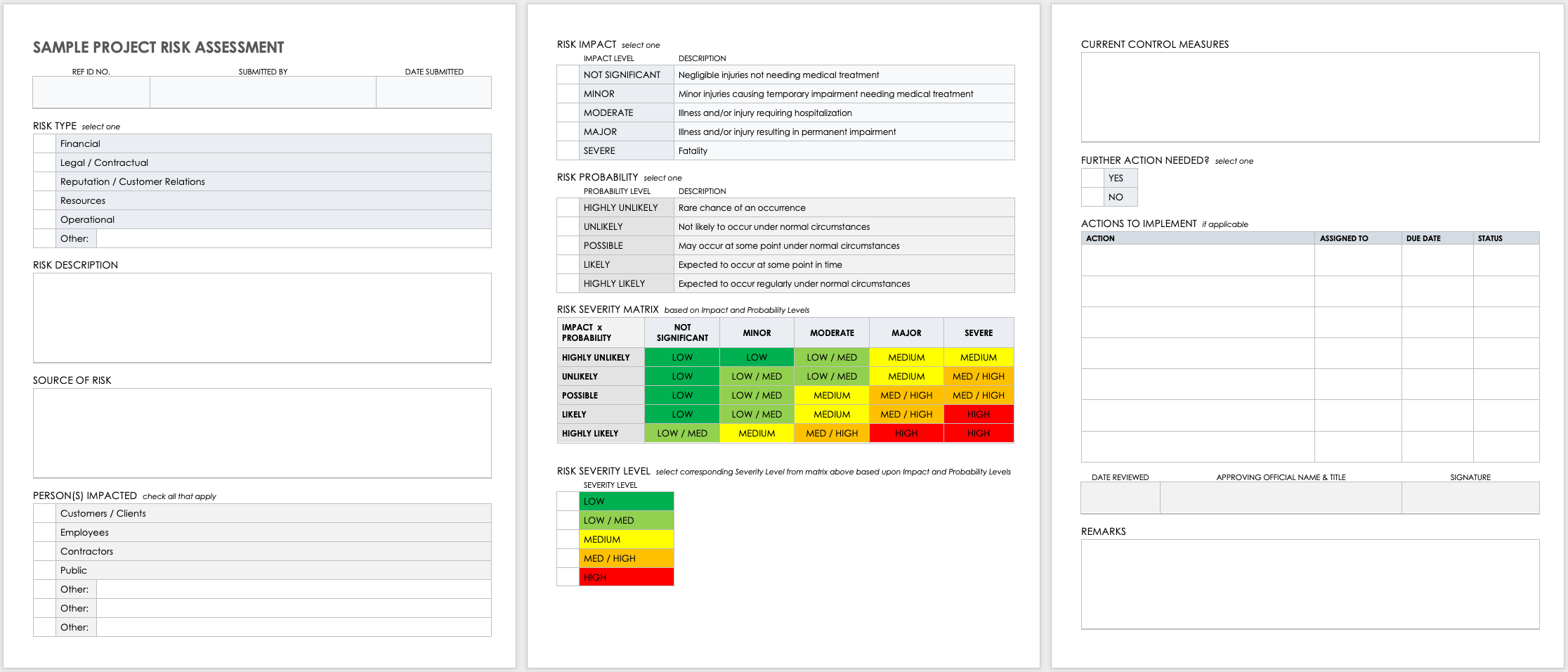
Establish Ownership and Accountability
Assign a dedicated risk owner for each risk entry. This ensures clarity on who is responsible for monitoring and implementing mitigation actions, a crucial factor in high‑trust cultures where hierarchical responsibility matters.
Regular Audits and Data Integrity Checks
Schedule monthly audits to verify that risk scores, likelihoods, and impacts remain current. Use built-in formulas to flag any entries that deviate from historical patterns, signaling potential data entry errors.
Version Control and Historical Archiving
Maintain version histories of the template to track changes over time. Store archived risk registers in a secure cloud repository to comply with audit requirements and to provide a reference for future projects.
Leverage Automation for Notifications
Configure email or messaging notifications when a risk’s status changes or when a deadline is approaching. Automation reduces manual oversight and keeps stakeholders informed in real time.
Conclusion
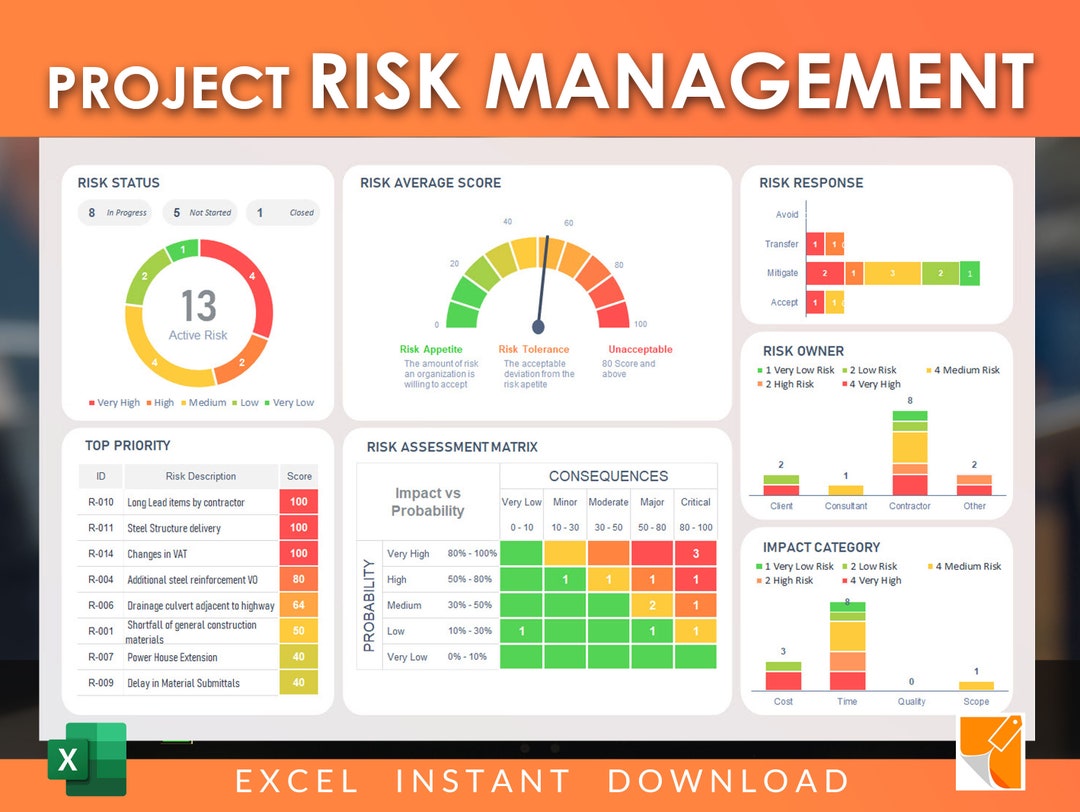
Adopting a Risk Analysis Project Management Template tailored to Asian business environments equips project leaders with a systematic, data‑driven approach to navigating uncertainty. By blending structured tables, dynamic matrices, and actionable response sections, the template not only satisfies PMBOK standards but also aligns with local cultural values of harmony, accountability, and continuous improvement. Whether you are steering a manufacturing supply chain, a technology rollout, or a large construction project, this template becomes an indispensable tool for turning risks into opportunities, ensuring that every milestone is met with confidence and precision. As your projects grow in complexity, keep refining the template—add new risk categories, adjust scoring thresholds, and embed lessons learned—to create a living document that evolves with your organization’s aspirations and market realities.




Related posts of "Risk Analysis Project Management Template"
