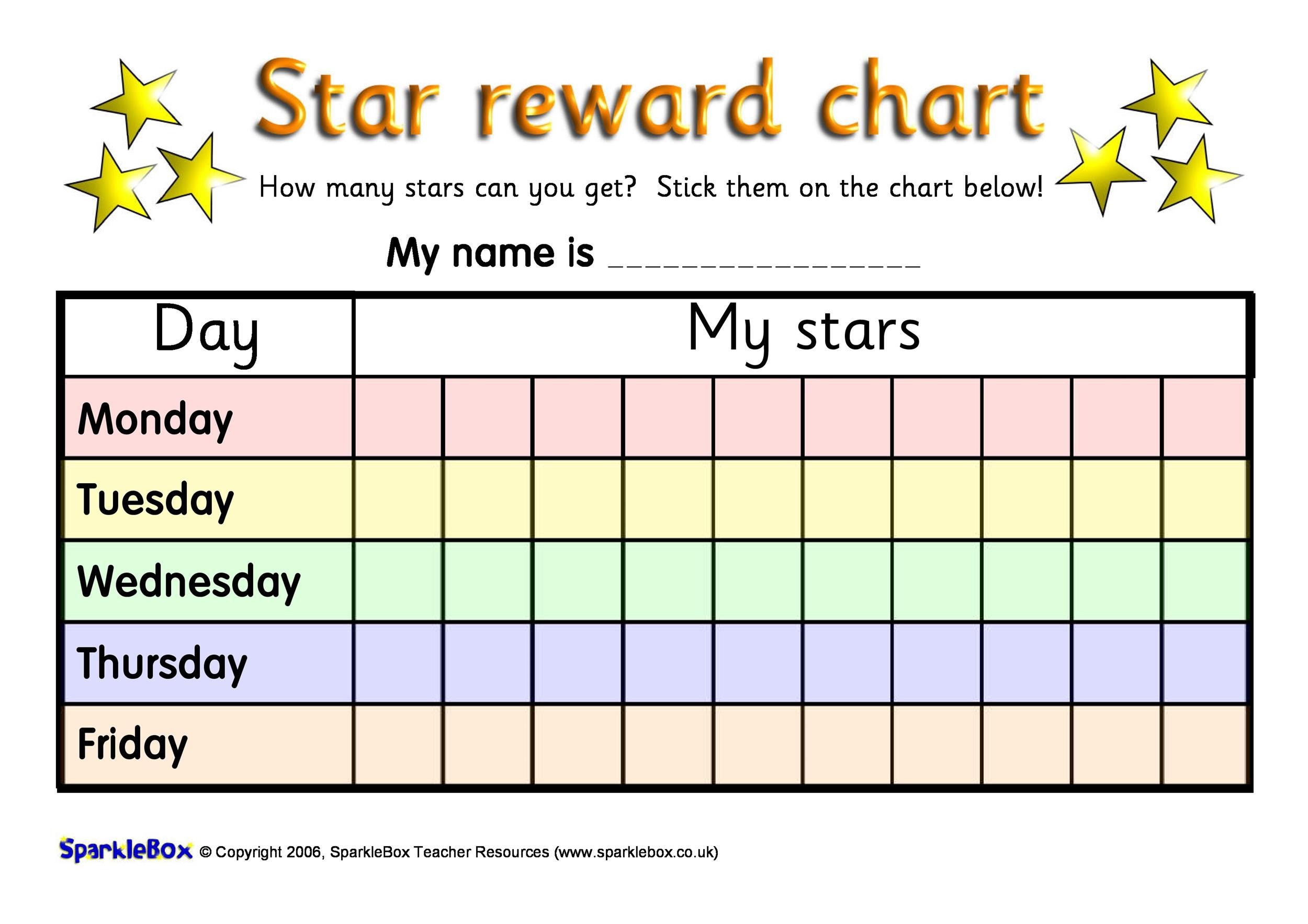
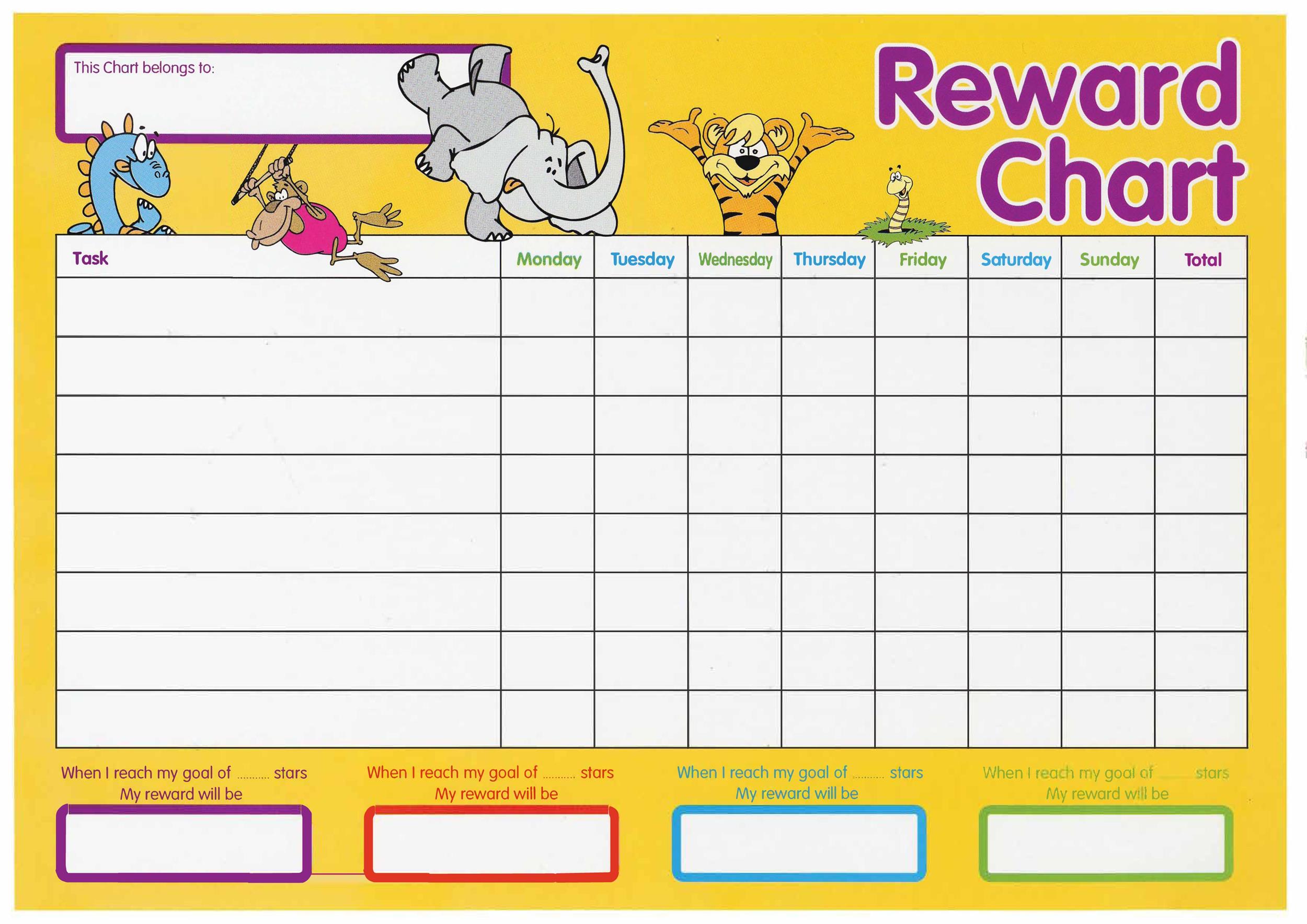
Reward Charts For Preschoolers Template is more than a visual aid—it’s a dynamic tool that transforms everyday routines into engaging milestones, encouraging positive behavior while strengthening a child’s sense of accomplishment.
Why Reward Charts Work for Preschoolers

Immediate Feedback, Long‑Term Habits
Preneurs in early childhood education know that preschoolers thrive on instant, tangible feedback. A reward chart provides a clear, visual representation of progress, turning abstract expectations into concrete goals. When a child can see a sticker or a star move across a page, they experience a direct link between action and reward, fostering intrinsic motivation over time.
Builds Self‑Regulation Skills
By setting daily or weekly targets—such as finishing a puzzle, brushing teeth, or sharing crayons—parents give preschoolers a roadmap to self‑management. The chart becomes a rehearsal space for self‑discipline, encouraging children to anticipate outcomes and plan their behavior accordingly.
Strengthens Parent‑Child Communication
Reward charts require regular check‑ins. Parents discuss what earned a reward, reinforcing positive language and clarifying expectations. These conversations create a shared language of success that can be extended to other areas of life.
Choosing the Right Reward Chart Template

Consider Your Child’s Interests
Preschoolers respond best to themes that capture their imagination—dinosaurs, space, rainbows, or favorite cartoon characters. Selecting a template that features vibrant colors and familiar symbols can make the chart a source of excitement rather than a chore.
Keep It Simple and Flexible
Overly complex charts with too many columns or cryptic symbols can overwhelm a young child. A simple layout—one column for each behavior and a row for each day—ensures clarity while still offering a sense of progression. Make sure the template allows you to add or remove tasks as your child’s needs evolve.
Printable vs. Digital
Print a chart to place on a fridge or a wall and let your child place stickers by hand. Digital templates offer interactive features like animated stickers or automatic tallying, but they require a screen and may reduce tactile engagement. Choose the format that best fits your household routine.
Designing a Reward Chart Tailored to Your Preschooler
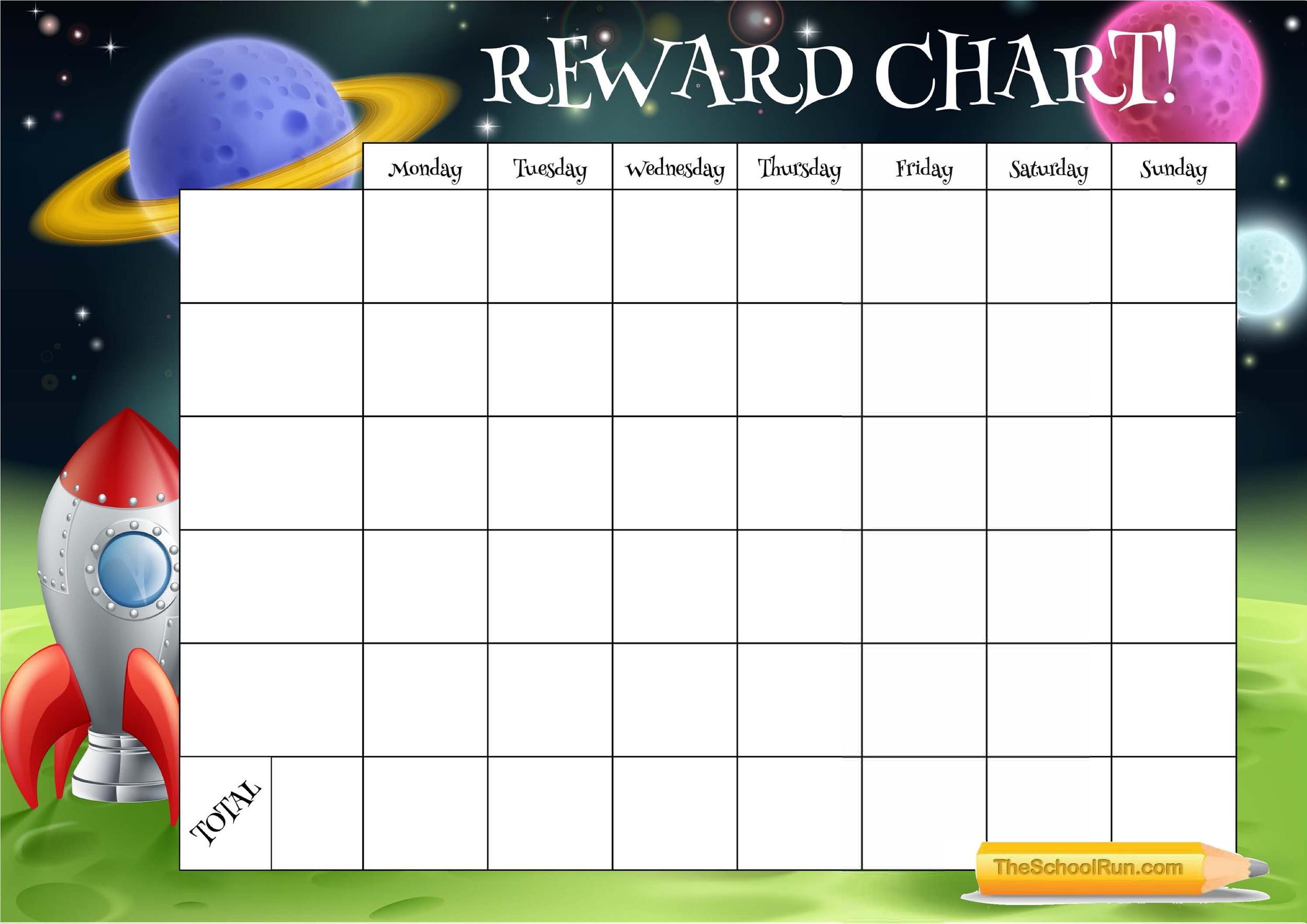
Select the Behaviors You Want to Reinforce
- Morning routine (brushing teeth, putting on shoes)
- Clean‑up time (tucking toys, helping set the table)
- Social skills (sharing, saying “please” and “thank you”)
- Academic tasks (staying in seat, listening to instructions)
- Self‑care (washing hands, using a napkin)
Define Clear, Achievable Goals
Each behavior should have a measurable target. For instance, “Brush teeth twice a day for 7 days” or “Help tidy up after play for 5 consecutive days.” Clear goals help avoid ambiguity and give both parent and child a shared understanding of what counts as success.
Choose Rewards That Motivate
Rewards need not be lavish. Small, frequent incentives—a special sticker, a five‑minute play break, a storytime extra—can be highly effective. For longer‑term milestones, offer a larger reward such as a trip to the park or a new book.
Setting Up a Reward System That Sticks

Start with a “First‑Step” Chart
Begin by mapping out only one or two behaviors. Once the child masters them, introduce additional columns. This progressive layering keeps the chart manageable and prevents overwhelm.
Use Consistent Reward Timing
Children thrive on routine. Decide whether rewards will be given daily, at the end of the week, or upon reaching a particular milestone. Consistent timing reinforces the cause‑effect relationship between effort and reward.
Celebrate Small Wins Publicly
When a child earns a star or sticker, celebrate openly. A cheerful “Great job!” or a high‑five creates a positive feedback loop that encourages continued effort.
Adjust as Needed
Children grow quickly, and what was motivating one month may lose appeal the next. Monitor engagement, and modify tasks or rewards to maintain excitement.
Common Pitfalls and How to Avoid Them
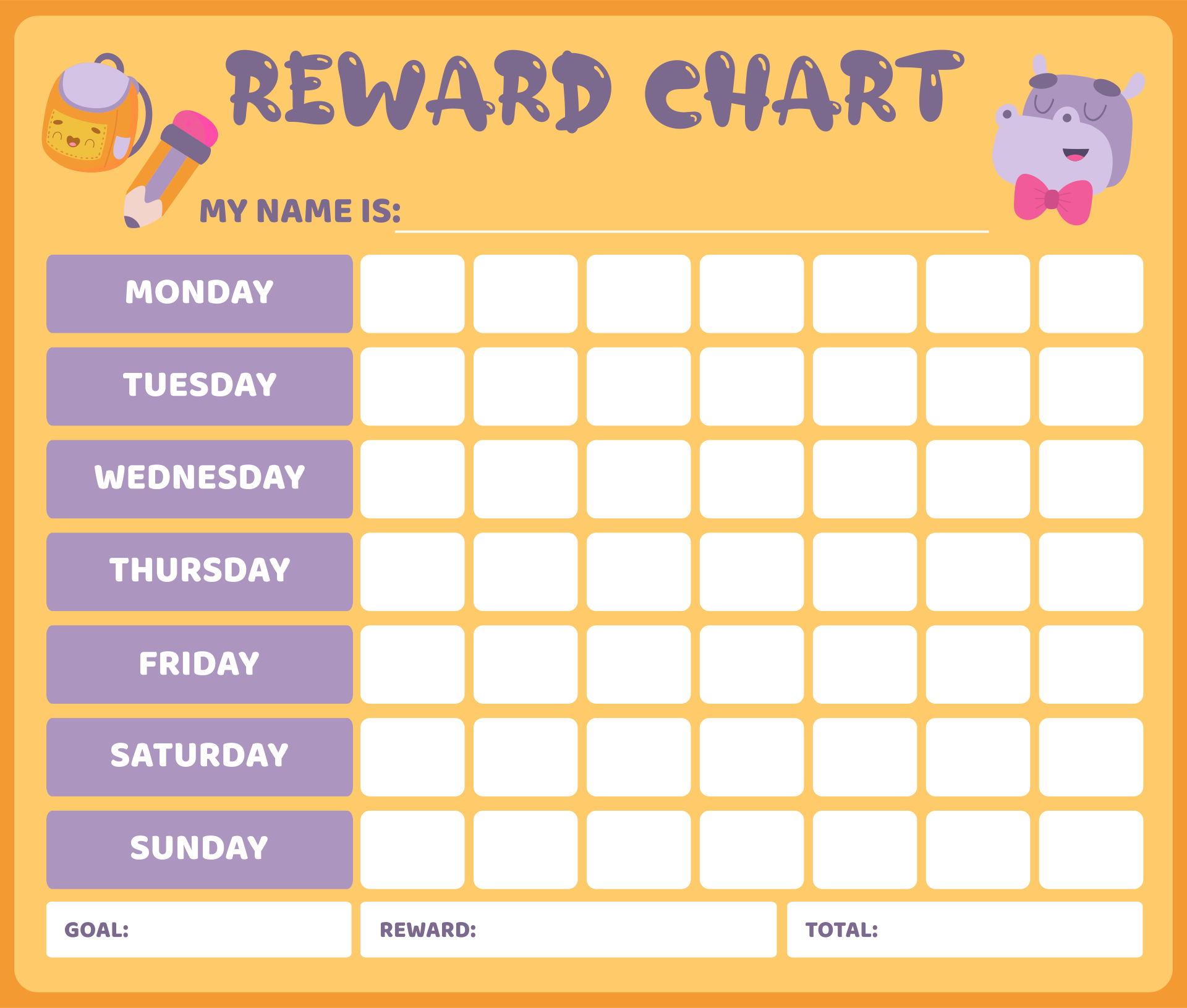
Over‑Rewarding
Too frequent or too large rewards can diminish intrinsic motivation. Aim for a balanced approach where rewards feel meaningful but not obligatory.
Inconsistent Tracking
Missing a day or forgetting to record a success can confuse the child and undermine the chart’s credibility. Set a reminder to check the chart at a set time each day.
Using a One‑Size‑Fits‑All Template
Each child has unique strengths and challenges. A template that works for one may not work for another. Personalize the chart with your child’s interests, and feel free to adjust the language or icons.
Failing to Discuss the Why
Reward charts should not be a black‑and‑white transaction. Take time to explain why each behavior matters—link the action to broader goals like “Sharing helps friends feel happy” or “Brushing keeps teeth healthy.”
Real‑World Examples of Reward Chart Success
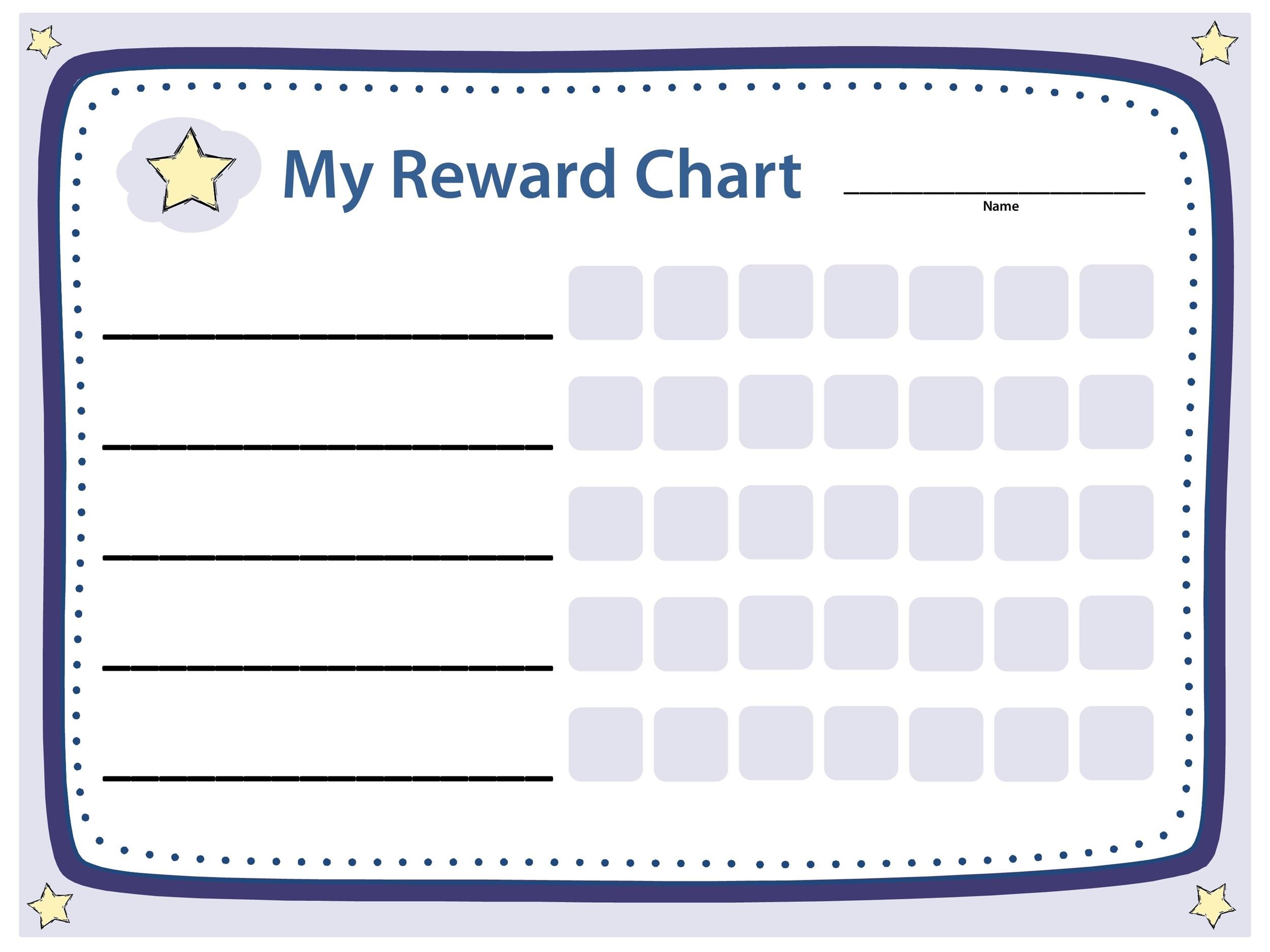
Case Study 1: The “Super Clean‑Up” Chart
A mother used a rainbow‑themed chart that rewarded children for picking up toys. The child earned a star each day the room stayed tidy for 10 minutes. By the end of the month, the child not only maintained a clean space but also expressed pride in keeping the room organized.
Case Study 2: The “Morning Routine” Chart
An elementary preschooler struggled with getting ready on time. A simple chart with a sun icon for each task (brush, dress, breakfast) helped him build a routine. After four weeks, he consistently finished his morning routine with minimal prompting.
Customizing Reward Charts for Different Behaviors

Academic Skills
Use a chart to track homework completion or reading time. Incorporate small rewards like a bookmark or a sticker on the next storybook.
Social Interaction
Highlight behaviors such as “sharing a toy” or “listening to a friend.” Offer a reward that involves social play, like choosing a game for family game night.
Health and Hygiene
Track habits such as hand washing, eating a balanced meal, or staying hydrated. Celebrate with a healthy snack or a “super‑hero” badge for staying clean.
Practical Tips for Parents to Maximize Effectiveness

Make the Chart Visible
Place it in a high‑traffic area—fridge, hallway, or child’s bedroom—so it’s always in view and serves as a constant reminder.
Involve the Child in Creation
Let your child choose colors, stickers, or even write a short message of encouragement. Ownership boosts motivation.
Keep Language Positive
Instead of “not doing it,” phrase goals as “do this.” For example, “Sit still while drawing” rather than “Don’t move.” Positive framing builds confidence.
Use a Variety of Rewards
Rotate rewards to keep interest high: stickers, extra playtime, a new book, or a special dinner treat. Variety prevents the chart from becoming routine.
Review and Reflect Weekly
Spend five minutes each week reviewing progress. Discuss successes, challenges, and what could be tweaked. This reflection turns the chart into a learning tool rather than a simple tally.
Conclusion

When thoughtfully designed and consistently applied, Reward Charts For Preschoolers Template can become a cornerstone of positive parenting. By setting clear, achievable goals, celebrating small victories, and continually adapting to your child’s evolving needs, reward charts transform everyday habits into a roadmap for growth. Whether you choose a vibrant printout or a digital app, the key lies in making the process fun, meaningful, and engaging—empowering your preschooler to take charge of their own progress while fostering a lasting sense of self‑efficacy. With these strategies in hand, you’ll watch your child’s confidence blossom, one star at a time.