Resume Template Summary Of Qualifications is more than just a header; it’s the opening statement that hooks recruiters, showcases your value proposition, and sets the tone for the rest of your resume. Think of it as your elevator pitch written in a concise, visual format that tells hiring managers why you’re the perfect fit for the role in a flash. In this post, I’ll walk you through everything you need to know about crafting, refining, and using a Summary Of Qualifications that actually lands interviews.
Understanding the Purpose of a Summary of Qualifications

What a Summary of Qualifications Is
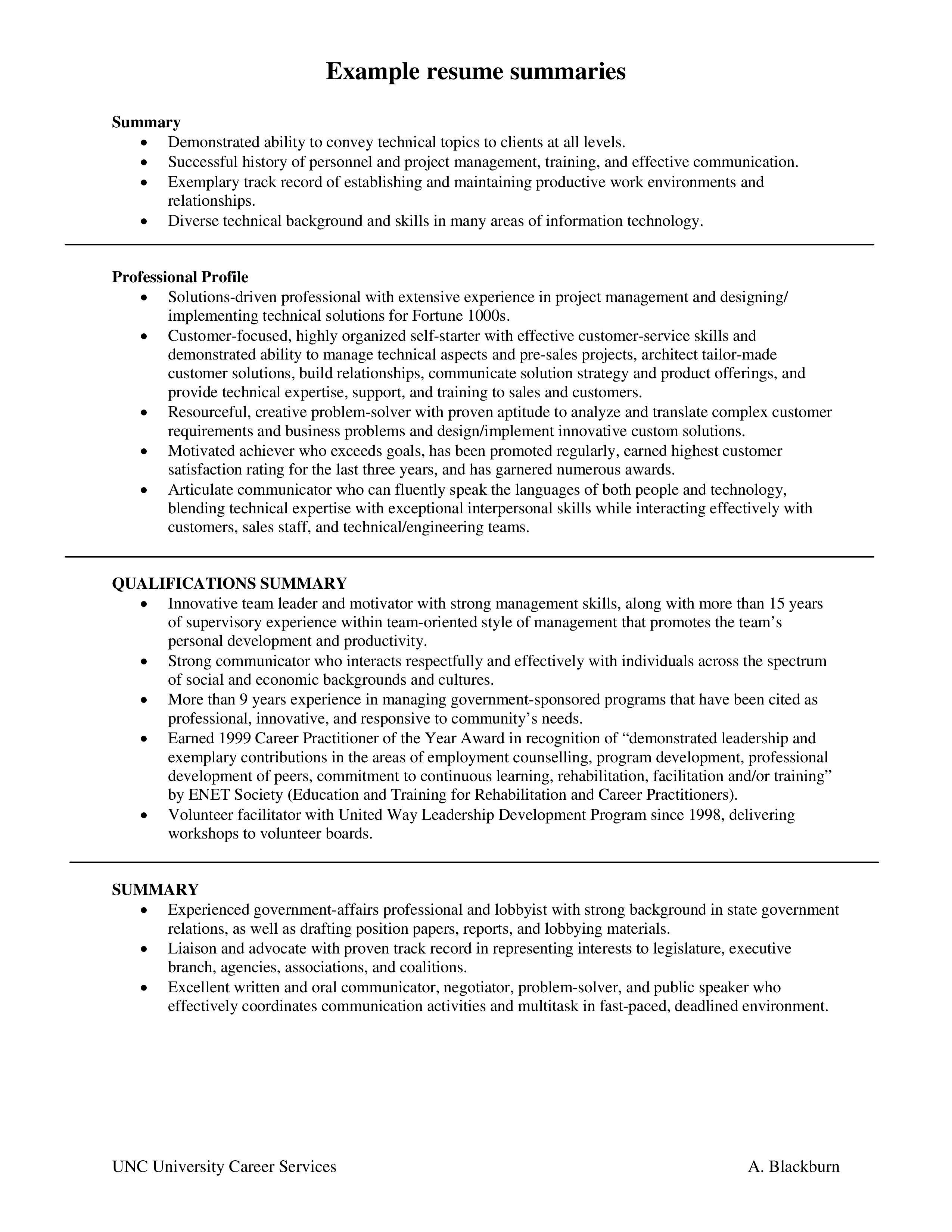
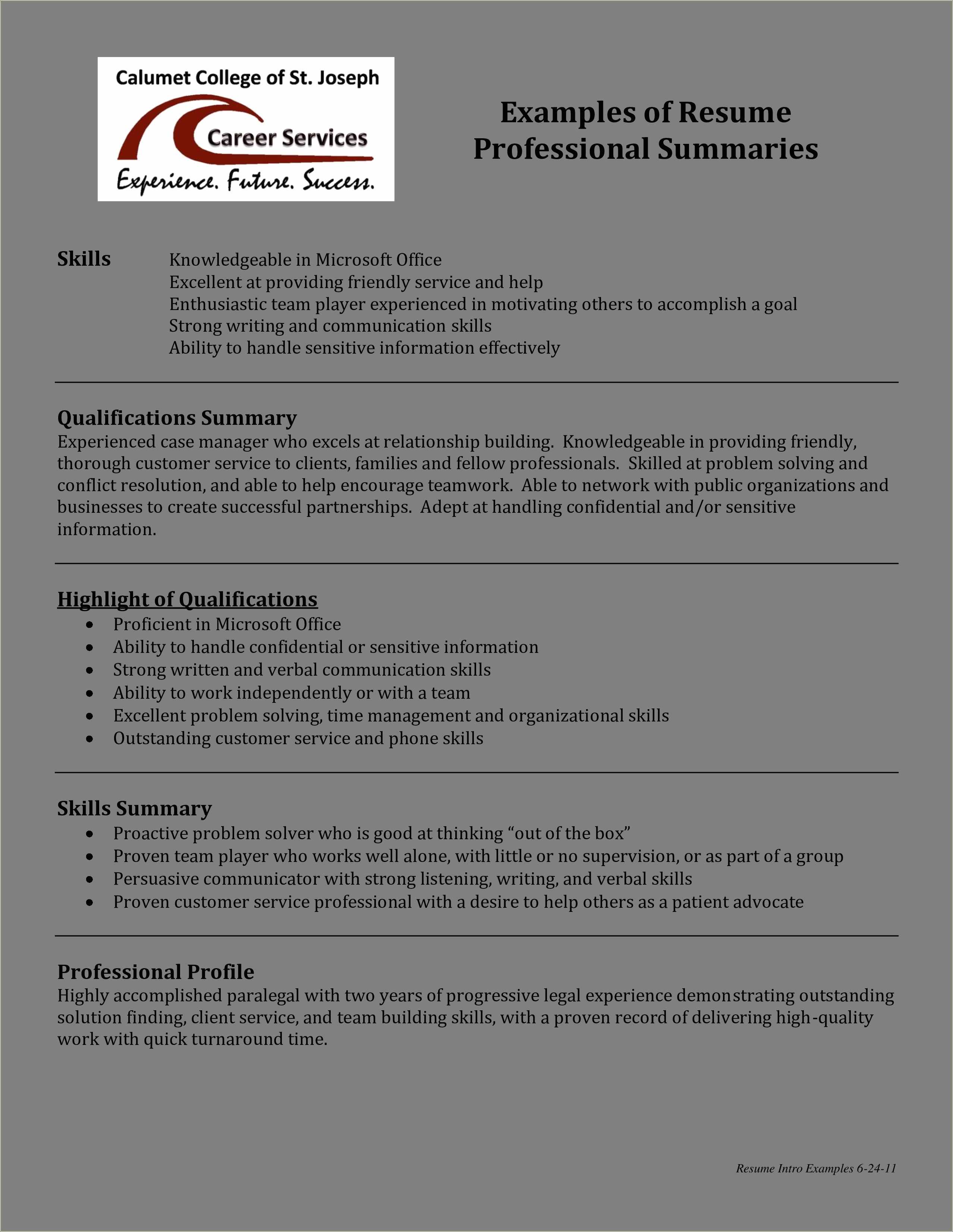
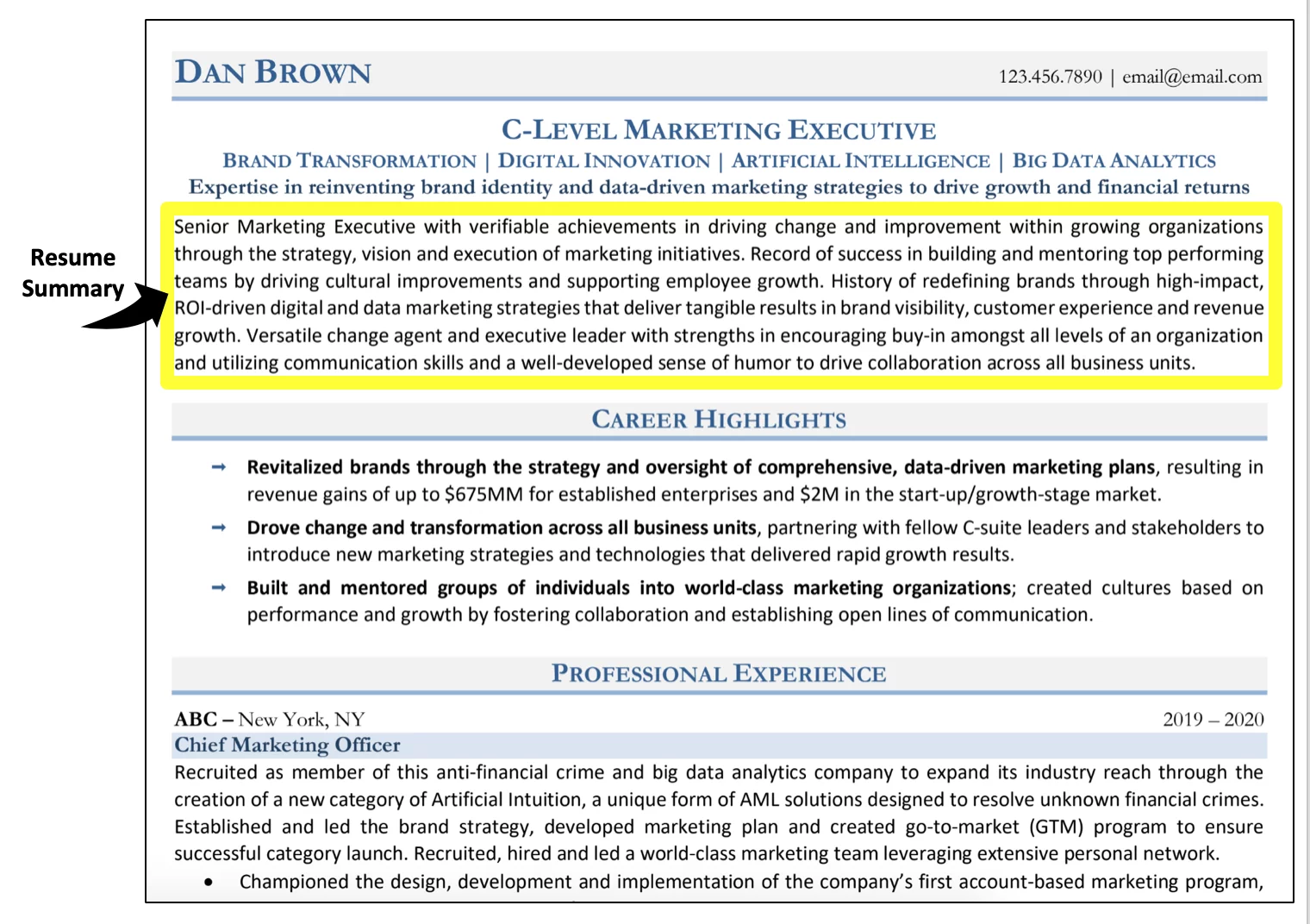
A Summary of Qualifications is a targeted, bulleted or paragraph-based section that appears immediately after your contact details and before your professional experience. It distills your most relevant skills, accomplishments, and certifications into a quick-read format. Unlike a traditional objective statement, it focuses on what you bring to the table rather than what you seek.
Why It Matters in a Resume
Recruiters often spend less than a minute scanning a resume, especially in industries where high-volume hiring is common. A well-crafted Summary of Qualifications cuts through that noise, delivering a snapshot of your strengths that aligns with the job description. It also helps applicant tracking systems (ATS) identify your keyword relevance, increasing the likelihood your resume will pass initial scans.
Crafting an Irresistible Summary: Step‑by‑Step Guide

Step 1: Identify Your Target Role
Before you even think about wording, map out the key responsibilities and desired competencies listed in the job posting. Highlight the most common buzzwords—such as “project management,” “data analysis,” or “customer engagement”—and note any specific tools or certifications required. This inventory becomes your foundation.
Step 2: List Your Core Competencies
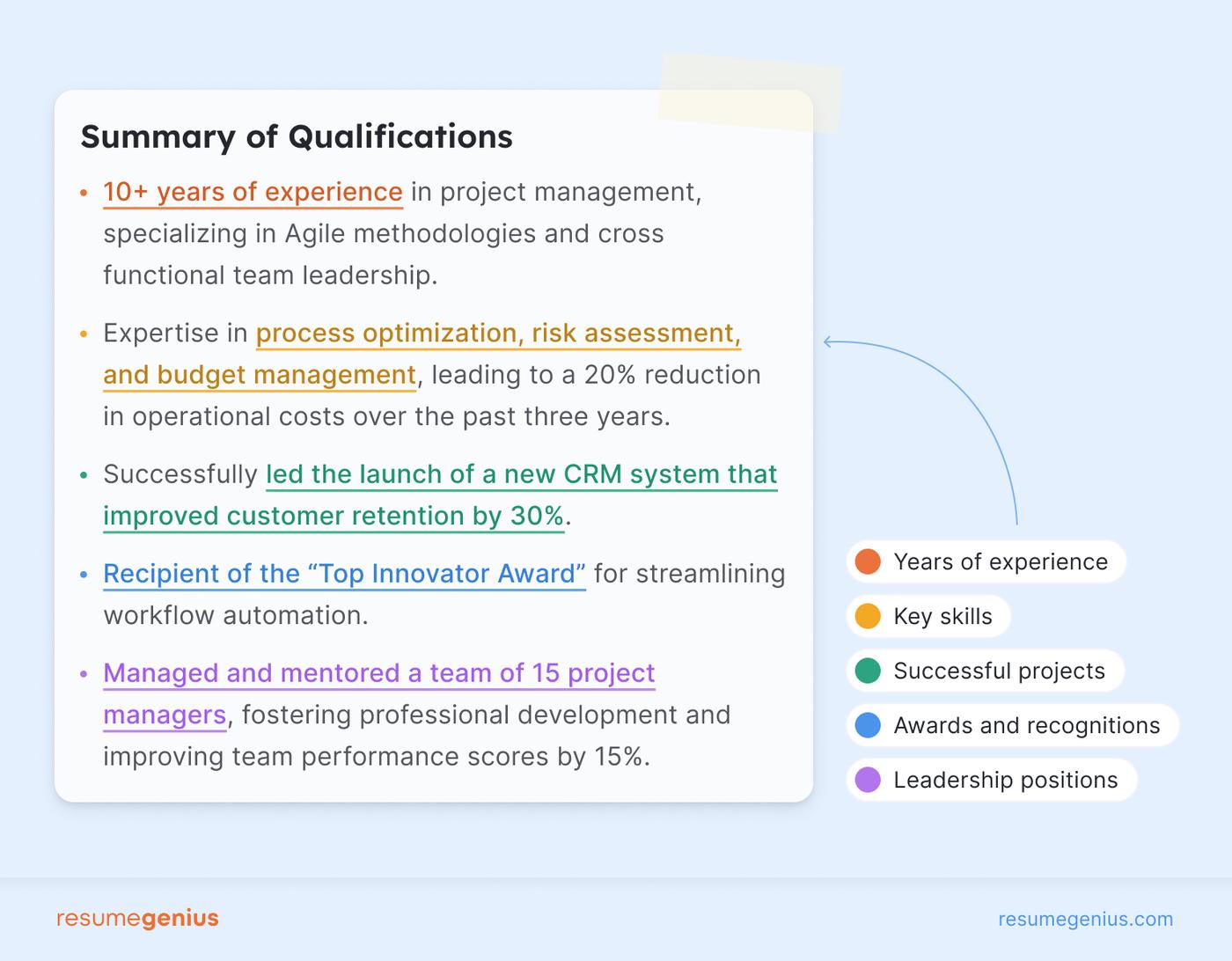
Translate your professional experiences into a list of strengths that match your target role. Use action-oriented adjectives and avoid generic fluff. For instance, “Led cross-functional teams to deliver quarterly revenue targets” is far more compelling than “Team player.” Aim for 4‑6 bullet points or a brief paragraph that feels dynamic and readable.
Step 3: Quantify Your Achievements
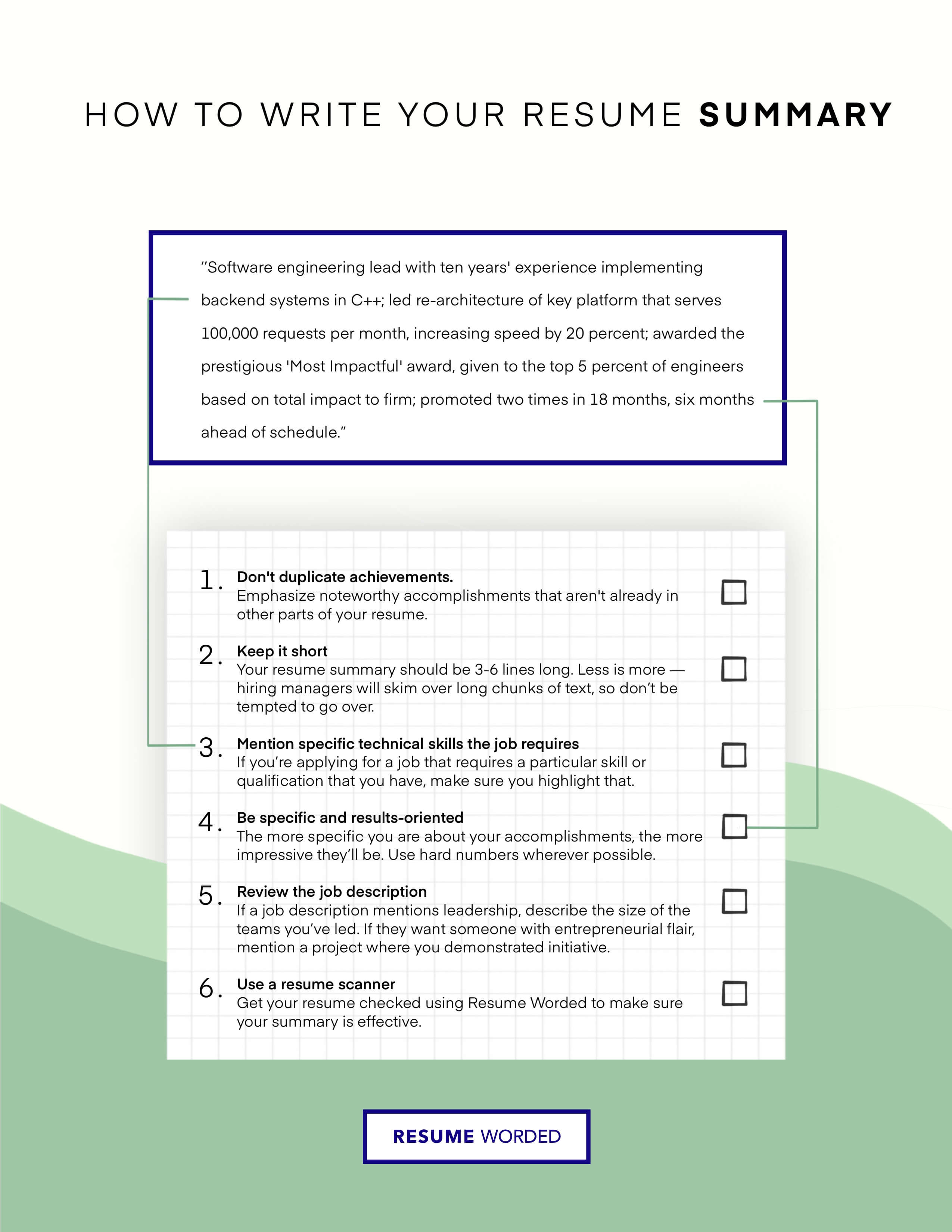
Numbers tell a story. Replace vague claims like “increased sales” with concrete figures: “boosted quarterly sales by 24% in a highly competitive market.” Quantifiable results demonstrate impact and provide hiring managers with a clear sense of what you can accomplish.
Step 4: Keep It Concise and Punchy
A Summary of Qualifications should occupy no more than 3‑4 lines or a short paragraph. Think of each bullet as a headline. If a point can be condensed into a single sentence that still delivers value, trim the excess. Remember: brevity is the ultimate sophistication.
Common Mistakes to Avoid

Overloading with Generic Buzzwords
Terms like “hardworking,” “team-oriented,” and “detail-focused” are overused and fail to differentiate you. Instead, opt for specific descriptors that tie directly to measurable outcomes.
Listing Duties Instead of Outcomes
Rather than saying, “Responsible for managing a team of 5,” say, “Spearheaded a team of five to deliver a 12-week product launch ahead of schedule.” Outcomes speak louder than duties.
Using a One-Size-Fits-All Template
Every industry, every role, every company culture is different. Tailoring your summary to match the job description and corporate tone not only shows attention to detail but also signals genuine interest. A generic résumé template that works for a tech startup may fall flat for a Fortune 500 analyst position.
Real-World Examples That Work
Example for a Marketing Manager
Results-Driven Marketing Leader
• Developed integrated campaigns that increased brand awareness by 35% across digital channels
• Managed a $2M budget, optimizing spend to achieve a 28% ROI on paid media
• Leveraged analytics tools (Google Analytics, HubSpot) to refine audience segmentation and boost conversion rates
Example for a Software Engineer
Full-Stack Developer with a Passion for Clean Architecture
• Built scalable microservices using Node.js and Docker, reducing deployment time by 50%
• Implemented automated testing suites that raised code coverage from 65% to 92%
• Mentored junior engineers, fostering a culture of continuous learning and peer review
Example for a Sales Executive
High-Impact Account Executive
• Generated $5M in new revenue within the first year through strategic upselling and cross-selling
• Negotiated contracts totaling over $10M, maintaining a win rate above 70%
• Developed CRM workflows that streamlined lead qualification and reduced sales cycle time by 18%
Integrating Your Summary with the Rest of the Resume

Placement and Formatting Tips
Position your Summary of Qualifications right after your contact information and before your professional experience. Keep the font size consistent with the rest of the resume but make the section stand out with a subtle separator line or bolded heading.
Linking to the Work Experience Section
Your summary should act as a teaser that compels the recruiter to delve deeper. Each bullet point should have a clear connection to the subsequent job description or achievement. For instance, a bullet about “boosted conversion rates by 20%” can be directly followed by an experience section that elaborates on the tactics used.
Template Variations to Suit Different Industries

Creative Fields
Creative professionals may benefit from a more narrative-style summary that highlights storytelling and design sensibilities. Use adjectives that evoke visual impact—“visionary,” “innovative,” “user-centric”—and pair them with portfolio links or project highlights.
Corporate Settings
In corporate environments, a more structured, bullet-based approach works best. Focus on leadership, process improvement, and measurable KPIs. Keep the language professional and lean.
Freelance and Gig Economy
Freelancers should emphasize versatility, client satisfaction, and portfolio diversity. Highlight a range of skills that show you can pivot between projects, and include brief metrics that reflect client growth or retention.
Final Checklist Before You Hit Send
Proofreading for Errors
Spelling, grammar, and punctuation mistakes can undermine your credibility. Read your summary aloud, use spellcheck, and consider having a colleague review it. A second pair of eyes often catches subtle errors that you may miss.
Tailoring for ATS Compatibility
Avoid heavy formatting, graphics, or unconventional fonts that can confuse ATS parsing. Use plain text for the summary section and ensure all keywords are naturally embedded rather than forced.
Getting a Fresh Pair of Eyes
Ask a trusted friend or mentor in your industry to read the summary and provide feedback. They can offer perspective on whether your tone aligns with the company culture and whether your achievements are communicated effectively.
Conclusion
Mastering a Resume Template Summary Of Qualifications is a blend of strategic content, precise wording, and thoughtful design. By aligning your strengths with the job’s demands, quantifying your achievements, and avoiding common pitfalls, you create a powerful hook that can turn a fleeting glance into a scheduled interview. Treat each summary as a living document—review it regularly as you gain new experiences, certifications, and metrics, and adjust it to match evolving career goals. When crafted with intention, this concise section becomes the cornerstone of a resume that not only passes ATS filters but also resonates with human recruiters looking for the exact skill set they need.