
Practical Completion Certificate Template Jct is the magical ticket that says, “Yes, the building is finally finished enough to be moved into, but we still need to keep an eye out for any sneaky bugs.” It’s the construction industry’s version of a graduation cap—except it’s a bit heavier and usually involves a lot more paperwork, a dash of legalese, and an occasional coffee spill on the builder’s signature.
What Is a Practical Completion Certificate Anyway?

In the world of building and renovation, “practical completion” is the moment when a project is deemed fit for its intended use, even if a few tiny things still need polishing. Think of it as the day a chef declares a soufflé ready for the table: it may have a slight wobble, but the guests can safely eat it.
The Legal Magic Behind It
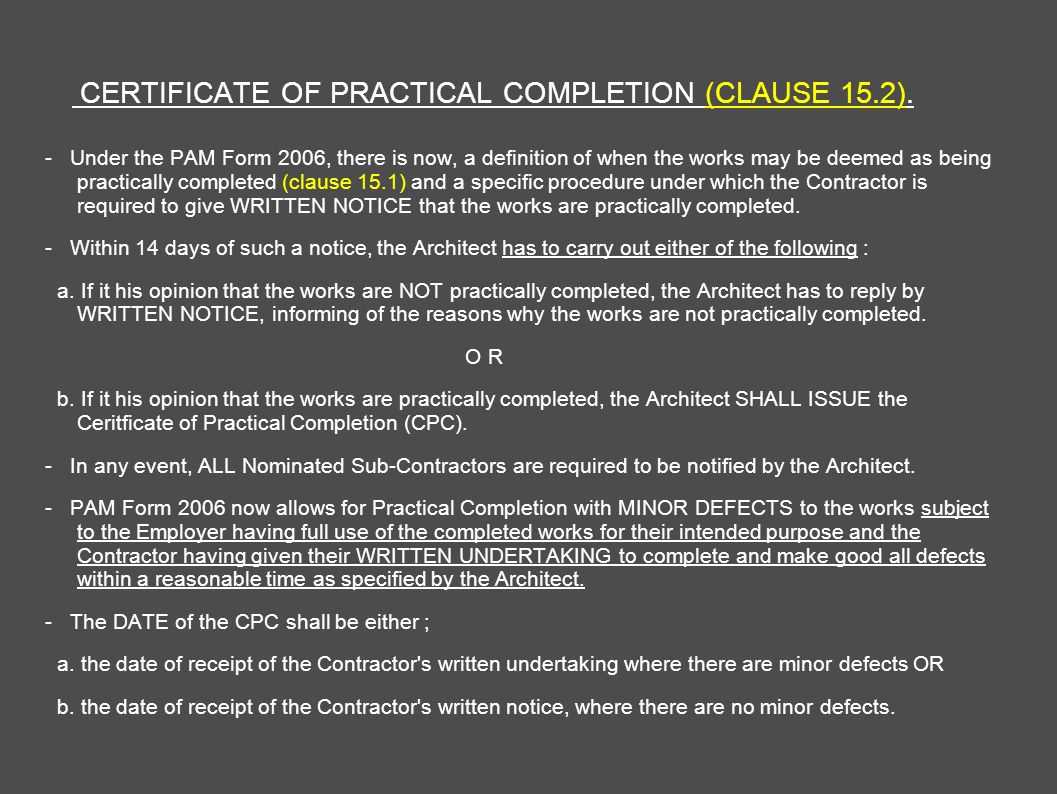
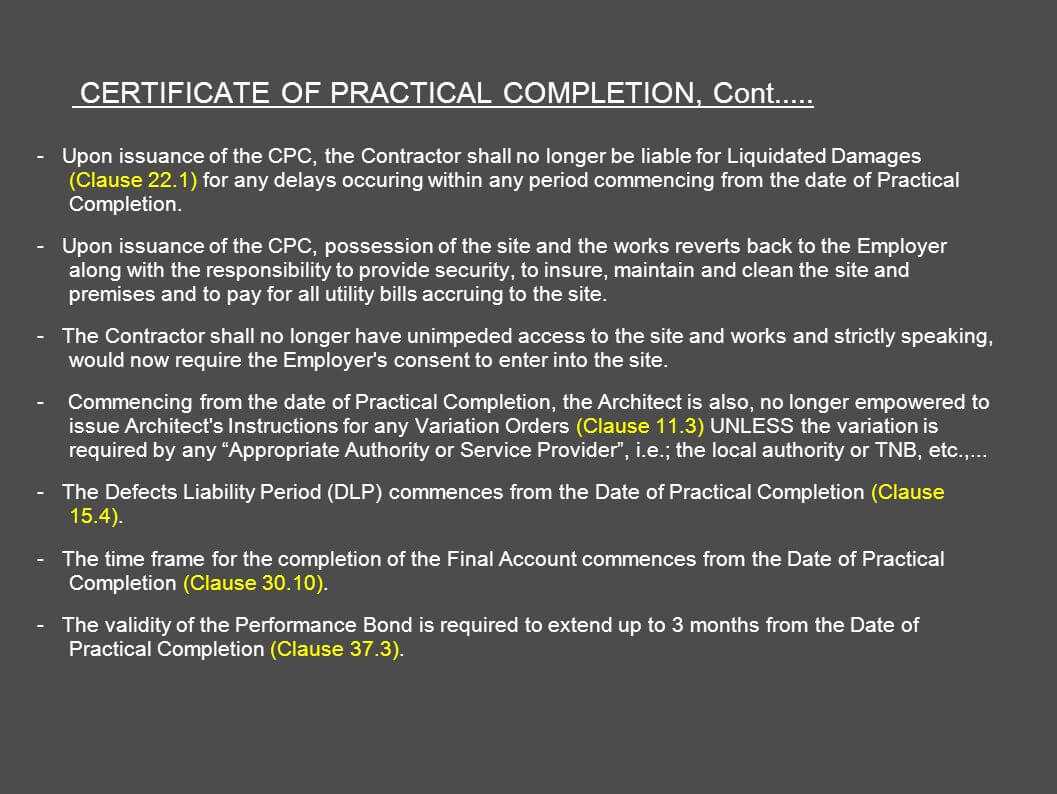
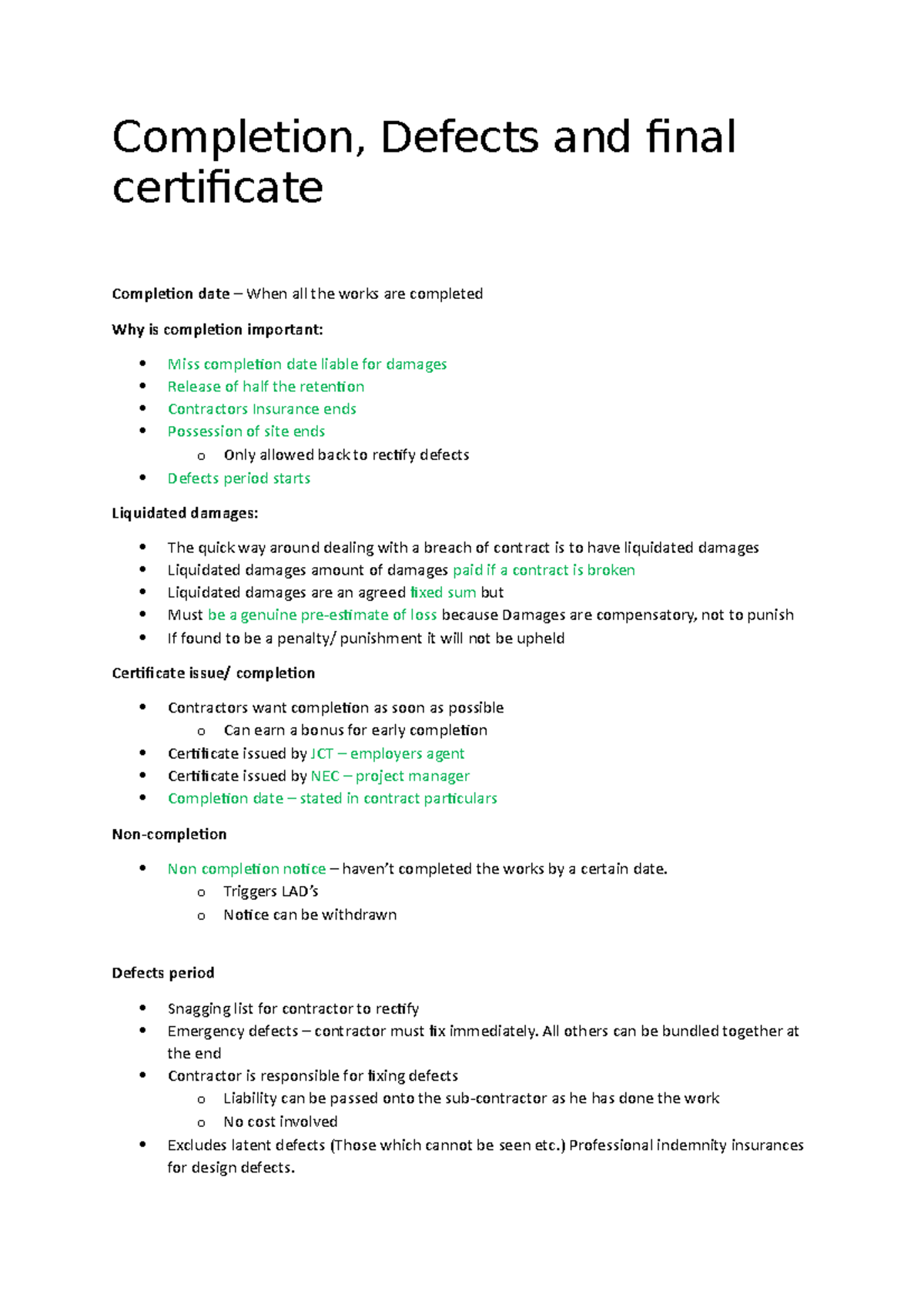
Under the umbrella of the Joint Contracts Tribunal (JCT), a Practical Completion Certificate is more than just a pretty form. It triggers the start of the defects liability period, moves the project from the “construction” phase into the “maintenance” phase, and, spoiler alert, usually signals the time the client can begin paying the contractor’s final invoice.
Why JCT Is the Superhero of Construction Contracts
JCT contracts are the superheroes of UK construction contracts—no cape, but plenty of capes of paper. They standardize terms, reduce the risk of legal battles, and provide templates like the Practical Completion Certificate so that every builder can say, “I did this, and it’s done, now what?” with confidence.
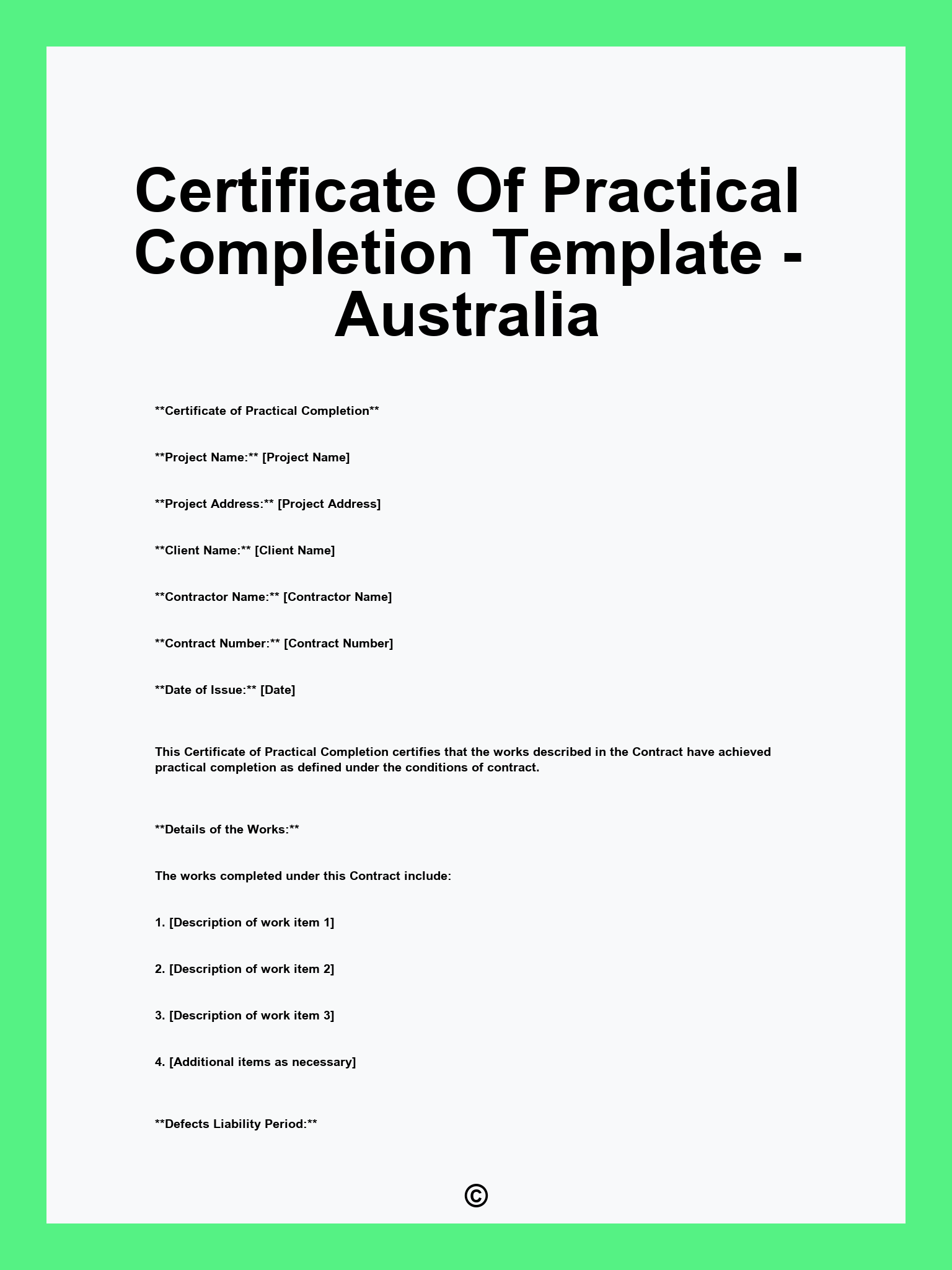
The Anatomy of a JCT Practical Completion Certificate Template

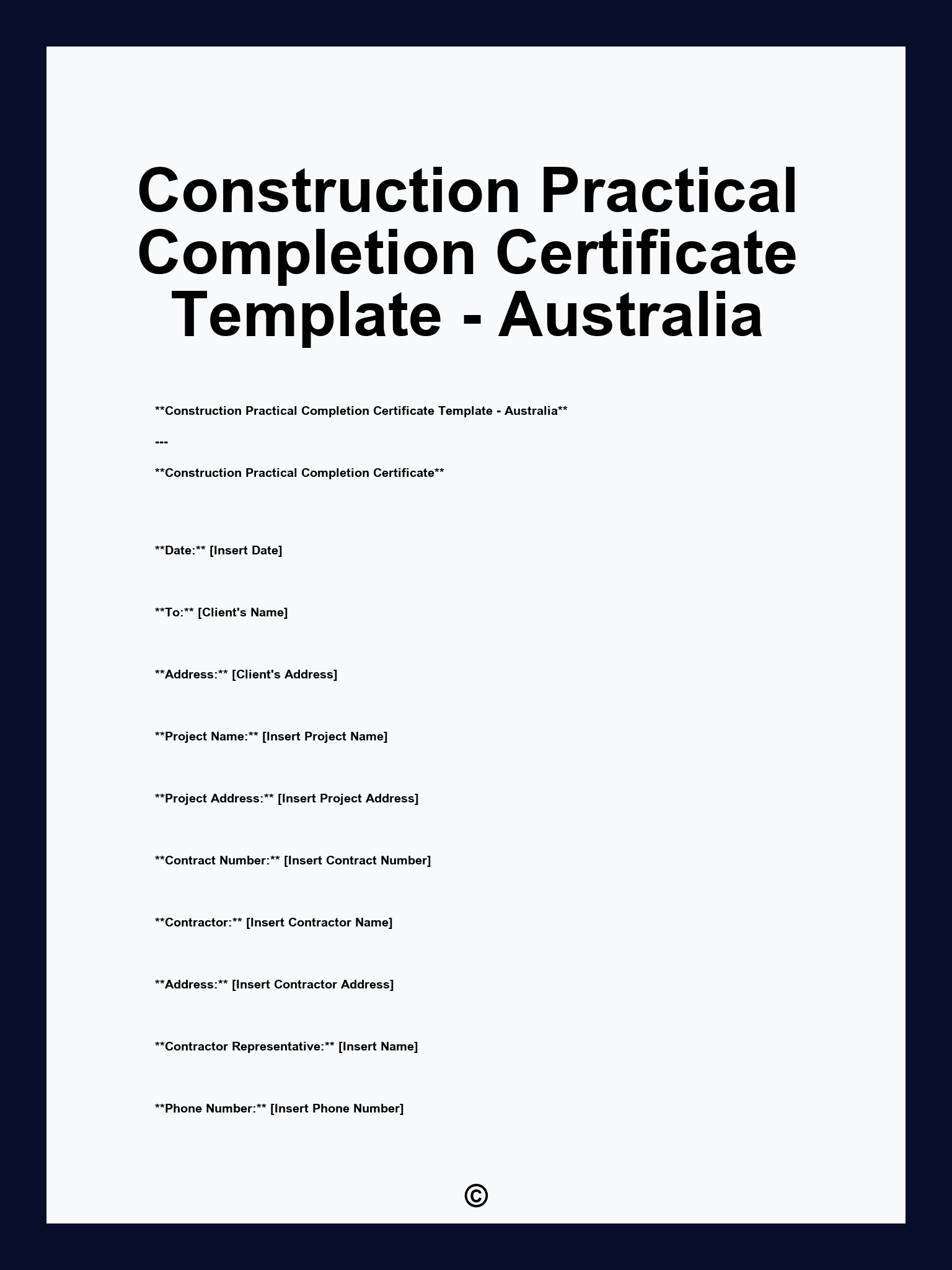
Before you dive into filling out a template, let’s dissect the anatomy of a typical JCT Practical Completion Certificate. Knowing what each part does makes the process feel less like filling out a tax form and more like playing a strategic game of Jenga—except the blocks are words, not wood.
Header: Who Is Involved?
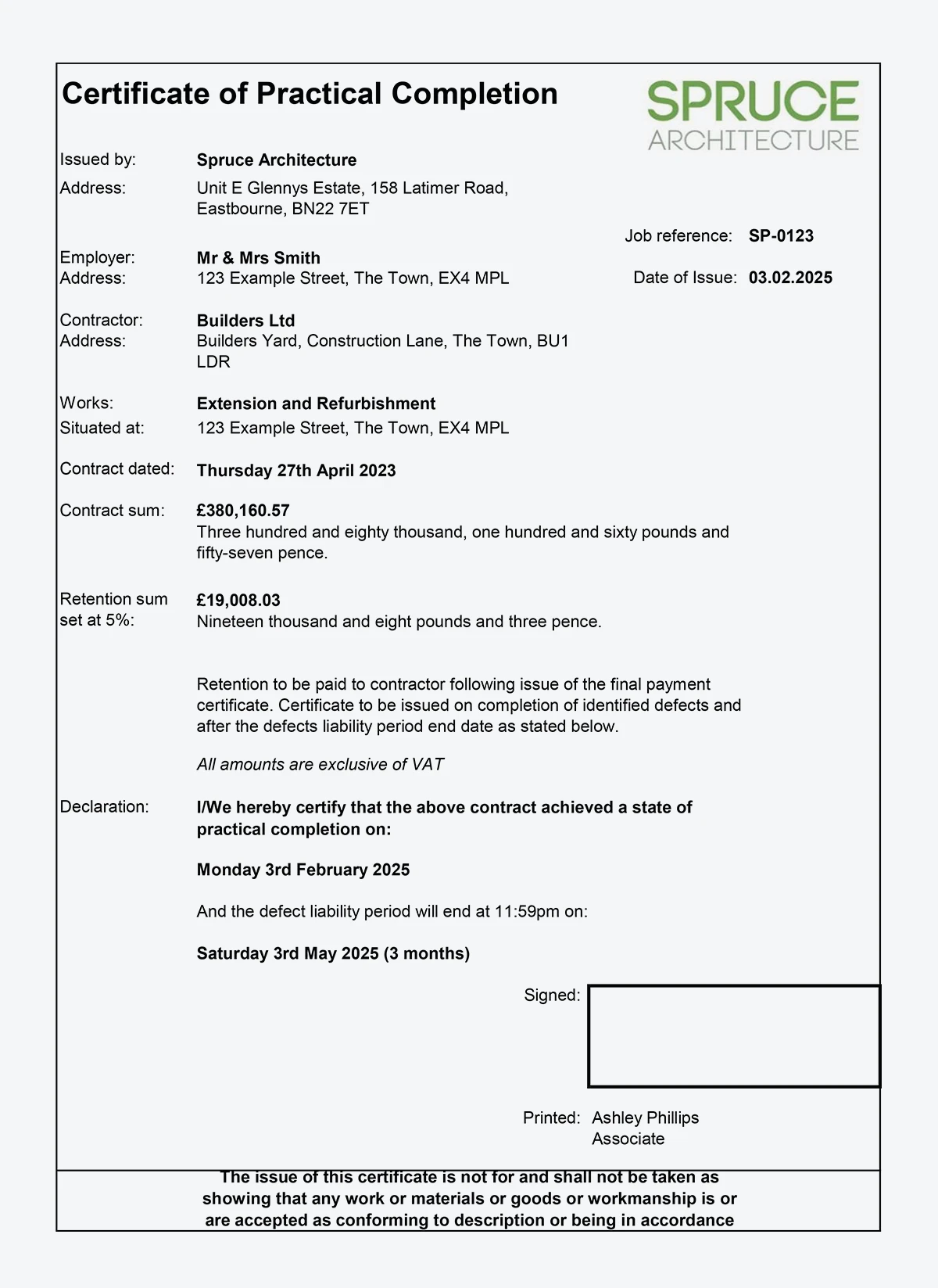
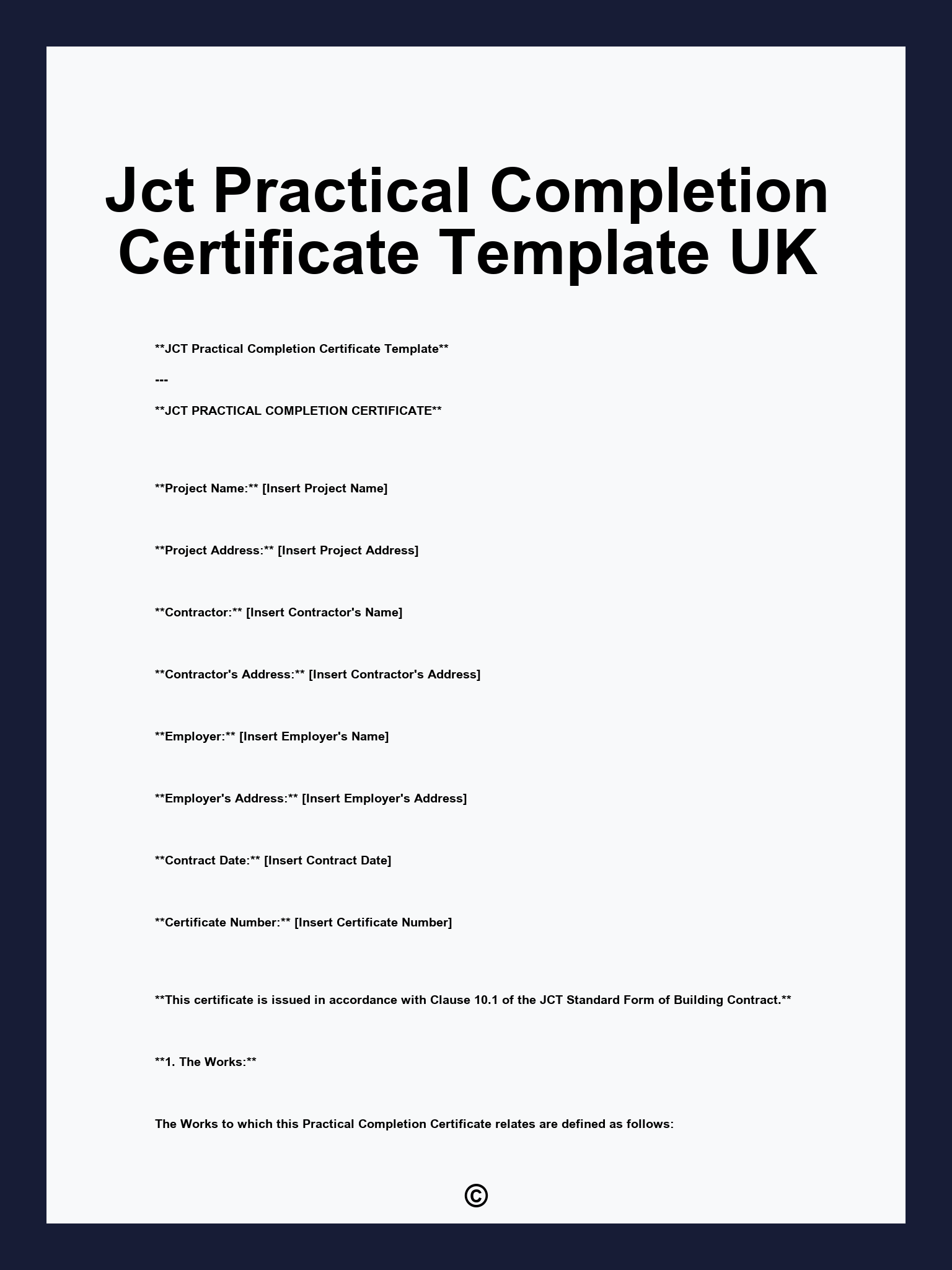
The header lists the parties—client, contractor, and the contract reference. It’s the part of the form that says, “Okay, you’re the boss, and I’m the worker, and we’re about to get into legal business.”
Body: The Big Reveal
This is the meat of the certificate. It usually contains clauses about:
- Completion Date – The exact day the project is practically finished.
- Defects Liability Period – The window during which the contractor must fix any issues.
- Payment Conditions – When and how the final payment will be released.
- Certificate Signatures – Who signs, and why they sign.
All of this is wrapped in a polite but firm tone that says, “Congratulations, you’re done. Now let’s make sure nothing goes wrong later.”
Footer: The Final Seal of Approval
The footer is where the contractor and client put their signatures, stamps, and maybe a celebratory doodle of a trophy. It’s the legal stamp that turns the whole document from a draft into a “I am legally bound” piece of paper.
How to Fill Out the Template Like a Pro (And Keep Your Sanity)
Filling out a Practical Completion Certificate might feel like decoding a secret language, but with the right approach, you’ll breeze through it faster than a roofer can say “Roof’s done!” Below is a step-by-step guide, peppered with a few laughs to keep your spirits up.
Step 1: Gather Your Documents
Collect all relevant documents: the original JCT contract, progress reports, inspection certificates, and any correspondence about defects. Having everything in one place is like having a toolbox before you start hammering—don’t start building a house without a hammer.
Step 2: The Great Name Game
Make sure the names of the client, contractor, and any subcontractors are spelled correctly. A misspelled name can lead to a legal limbo that feels like a bad prank. Double‑check the spelling and make sure you use the exact legal names as they appear on your contracts.
Step 3: Dates, Dates, Dates
Enter the completion date in the correct format (usually DD/MM/YYYY). Double‑check the day, month, and year—time travel in paperwork is frowned upon. If you’re unsure, ask the contract administrator or refer to your official project schedule.
Step 4: The “Defects” Clause—Avoiding the Tricky Trap
This is where you specify the defects liability period—typically 12 months from practical completion. Be clear and precise. A vague clause could turn your contractor into a mystery box of unfinished work. Remember: the clause should say, “Contractor will correct any defects during this period, no questions asked.”
Step 5: Signatures That Matter
Signatures should be in ink, not digital, if your contract requires it. Don’t sign with a fountain pen that leaks ink onto the carpet—this is not a modern art project. Ensure both parties sign in the designated places and that the signatures are witnessed if required.
Common Mistakes—and How to Dodge Them Like a Ninja

Even seasoned builders can slip on a few classic blunders. Below are some common pitfalls and how to avoid them, so you won’t find yourself in a courtroom instead of a coffee shop.
Forgetting the Completion Date
It sounds silly, but forgetting to write a completion date can invalidate the entire certificate. Treat the date like the secret sauce of a recipe—without it, the dish is incomplete.
Skipping the Defects Liability Period
A missing defects clause leaves you in a legal limbo where the contractor might claim the project is finished while you’re still dealing with leaks. Include the period or risk having your future self chasing down the contractor for every little problem.
Signing with a Pen That Bleeds Ink
It might seem harmless to use a pen that drips, but a messy signature can lead to disputes about authenticity. Use a reliable ballpoint or rollerball and test it on a spare sheet before signing the official doc.
Real-World Example: A Small Bakery’s Surprise
Let’s talk about the humble bakery in town, “Bread & Butter,” that just finished a new shop. They used the JCT Practical Completion Certificate Template and ran into a tiny snag: the bakery’s new oven wasn’t firing properly.
The Bakery’s Story
Mr. Dough, the baker, wanted his new shop to open on Monday. He had the certificate signed, but a week later, the oven started making a weird hissing sound. He called the contractor, and a technician arrived—only to discover a minor misalignment in the vent.
The Certificate in Action
Because the defects liability period was clearly stated in the certificate, the contractor had to fix the issue within 30 days. Mr. Dough didn’t have to pay extra; the contractor did the repair, and the oven was back to making perfect buns. The bakery’s grand opening went off without a hitch—thanks to a well‑written certificate.
Where to Get the Template (Without Buying a Fortune)
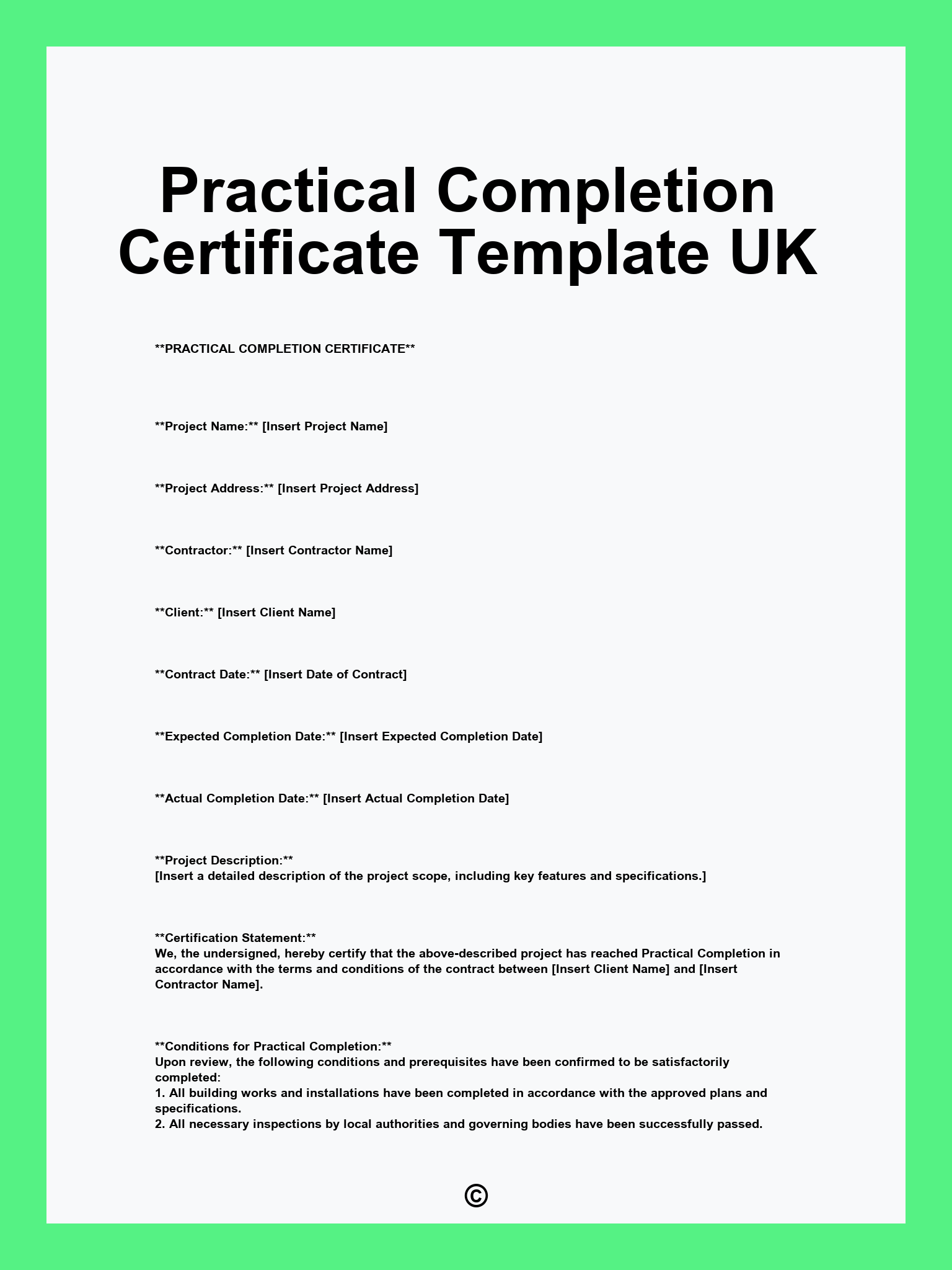
You don’t have to pay a fortune to get a practical completion template. Plenty of resources offer free or affordable options, ensuring you can focus on building instead of burning money.
Free Downloads
Many construction law blogs and government portals provide free PDFs or Word documents that you can adapt to your needs. Just make sure the template aligns with the JCT contract version you’re using.
Paid Templates and Why You Might Not Need Them
Paid templates usually come with a support package or legal review. If you’re confident in the contract’s language and you have a solicitor who can review the document, the free version should do the trick. Otherwise, a paid package might be worth the extra peace of mind.
FAQ: Quick Fixes for Your Most Annoying Questions
What Does “Practical Completion” Actually Mean?
It means the building can be used for its intended purpose, even if minor works are still pending. Think of it as “almost finished, but you can already move in.”
Can I Use the Template for Other Contracts?
Only if the template is compatible with the contract’s version and terms. Using a JCT template for a non-JCT contract can lead to misinterpretation and legal headaches.
Do I Need a Lawyer?
While it’s not mandatory, having a solicitor review the certificate before signing can save you headaches. They’ll spot any ambiguous clauses and ensure the document meets legal standards.
Conclusion: You’re Now a Certificate Connoisseur

Congratulations! You’ve navigated the labyrinth of legalese, learned how to avoid common pitfalls, and discovered how a practical completion certificate can be the unsung hero of any construction project. Whether you’re a seasoned contractor, a new project manager, or a curious homeowner, mastering the Practical Completion Certificate Template Jct will keep your projects on track, your legal risks low, and your coffee supply high.




Related posts of "Practical Completion Certificate Template Jct"
