
Porter 5 Forces Analysis Template is like the Swiss Army knife of business analysis—only this one comes with a built‑in sense of humor, and it doesn’t need any extra tools to help you slice through competition, suppliers, buyers, new entrants, and substitutes.
What Is the Porter 5 Forces Analysis Template?

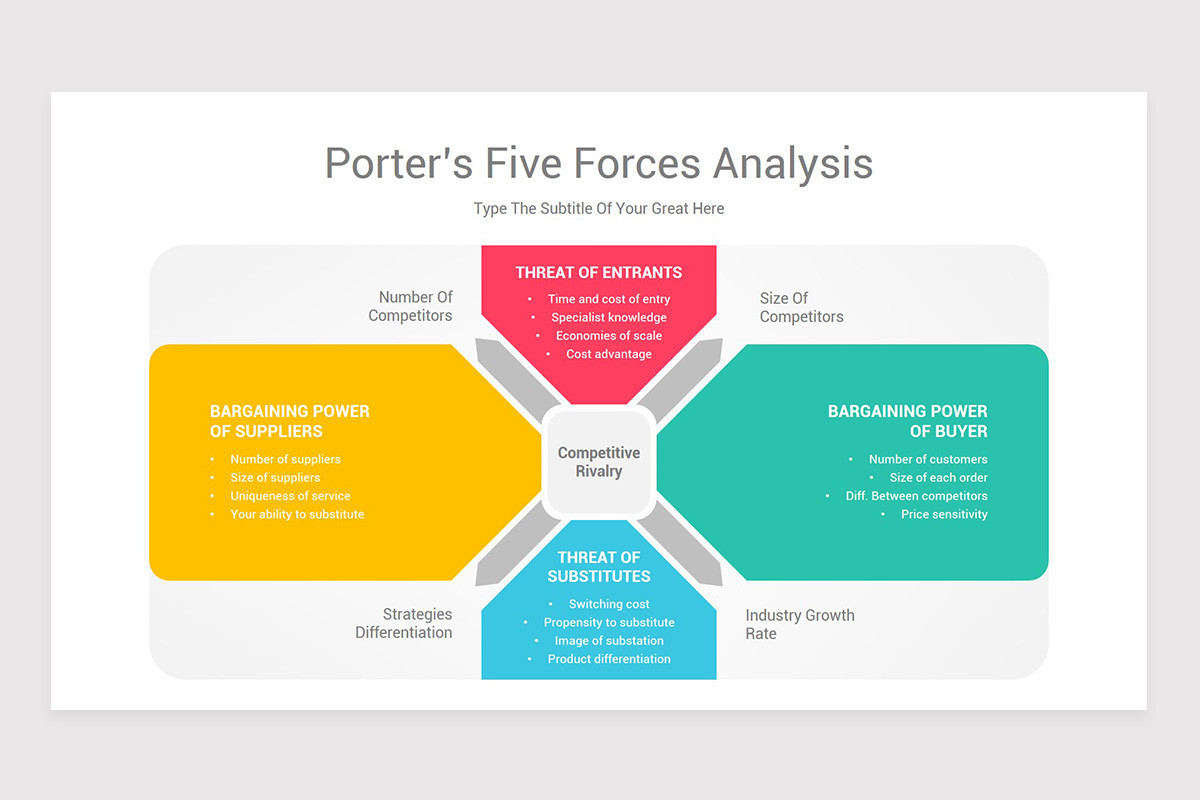
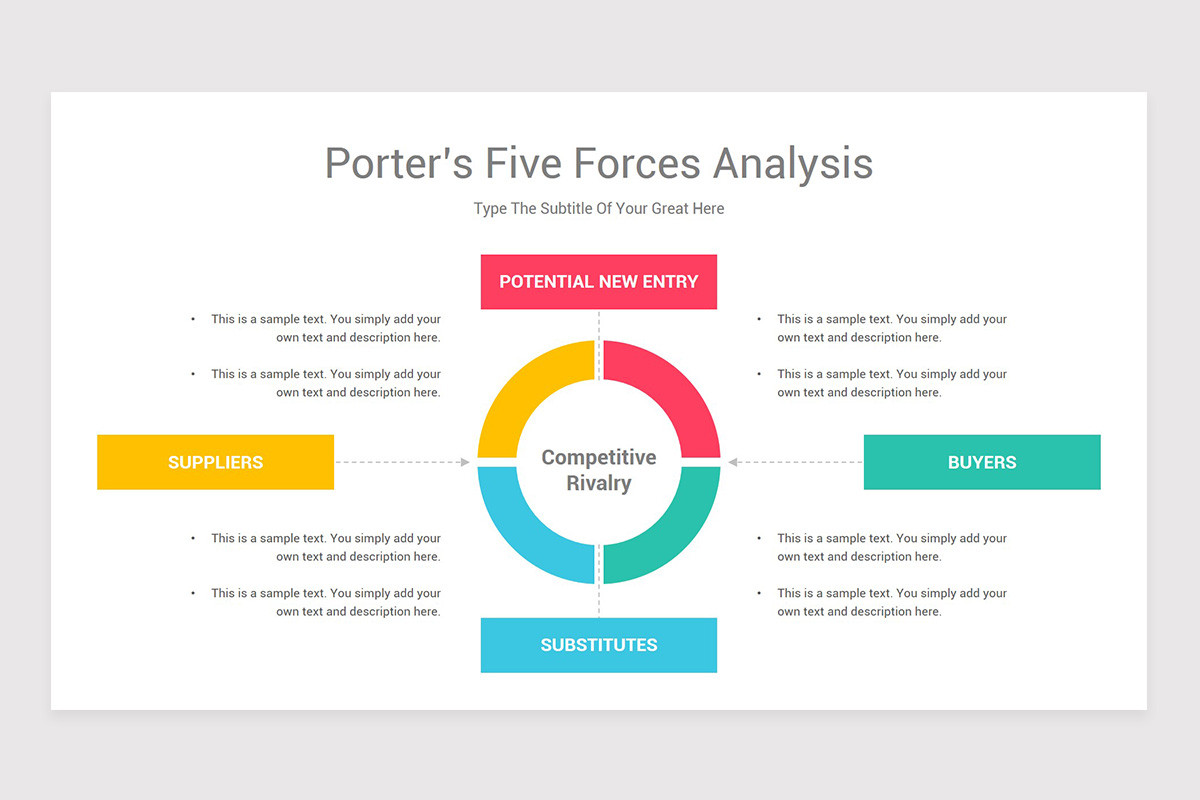
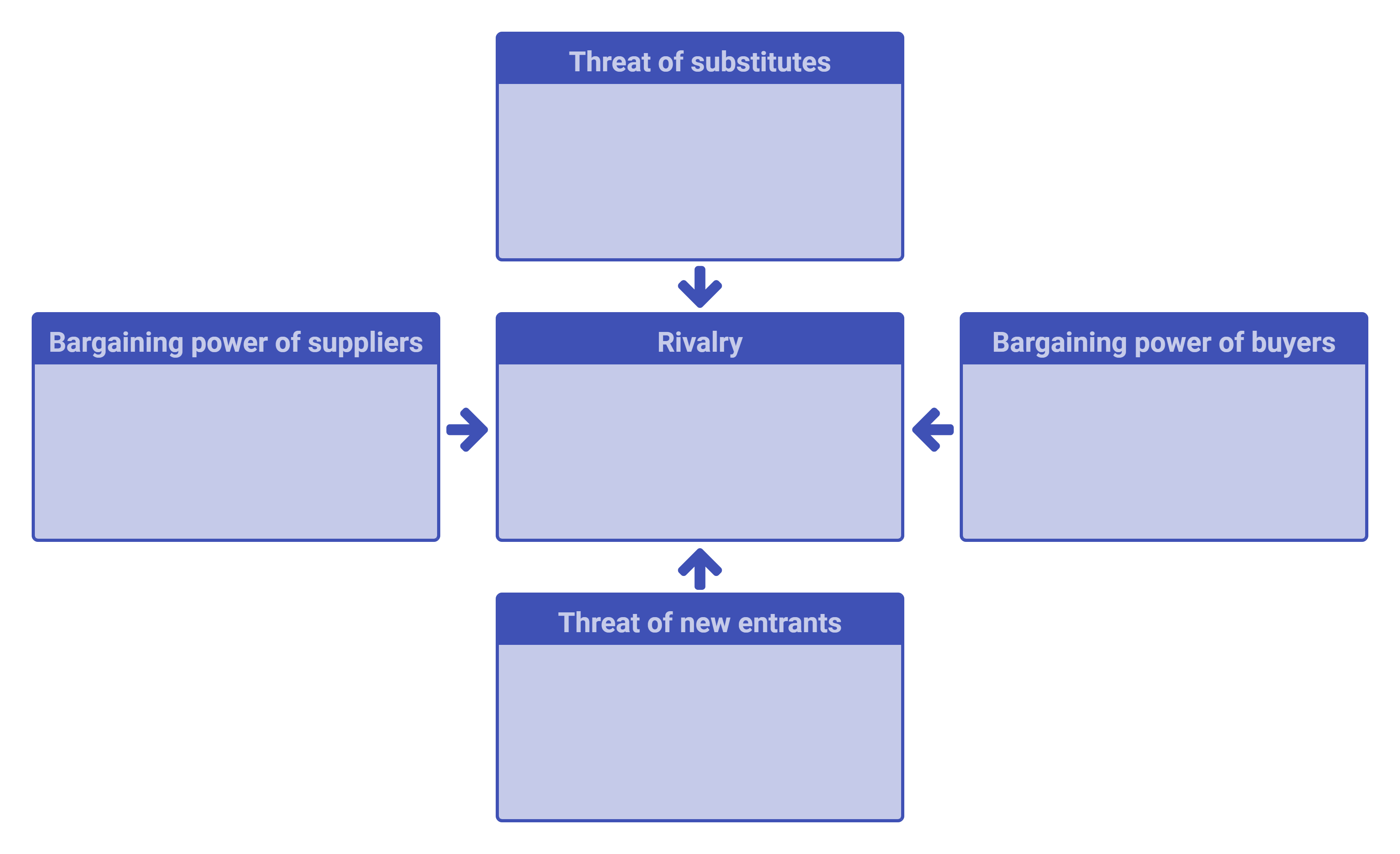
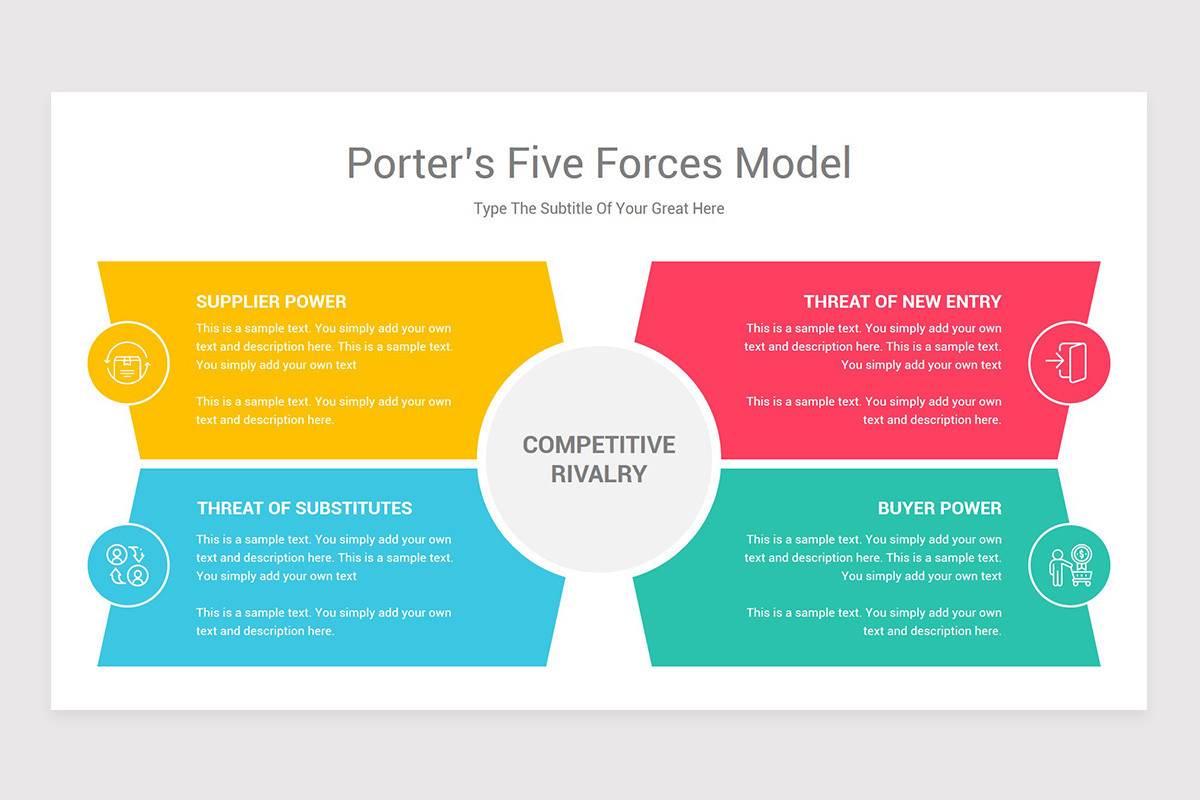
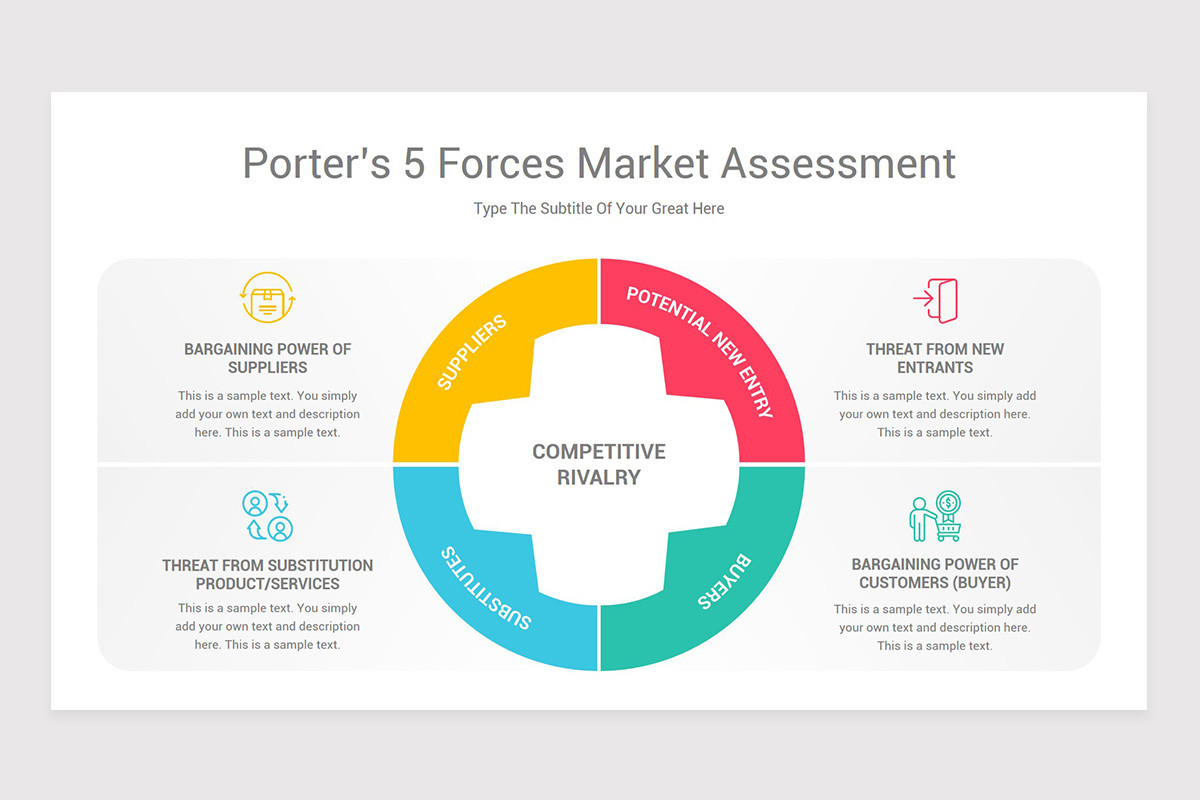
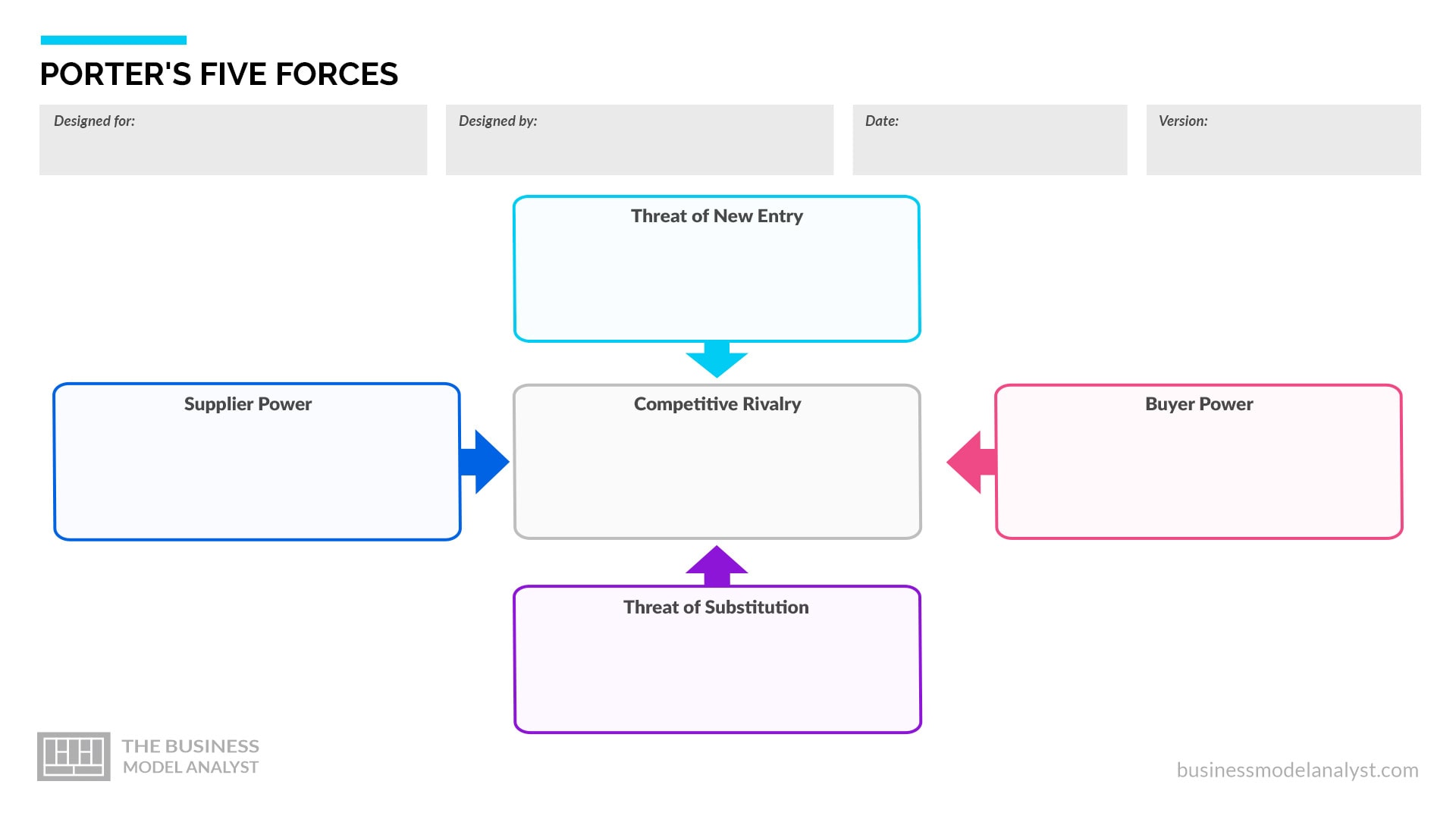
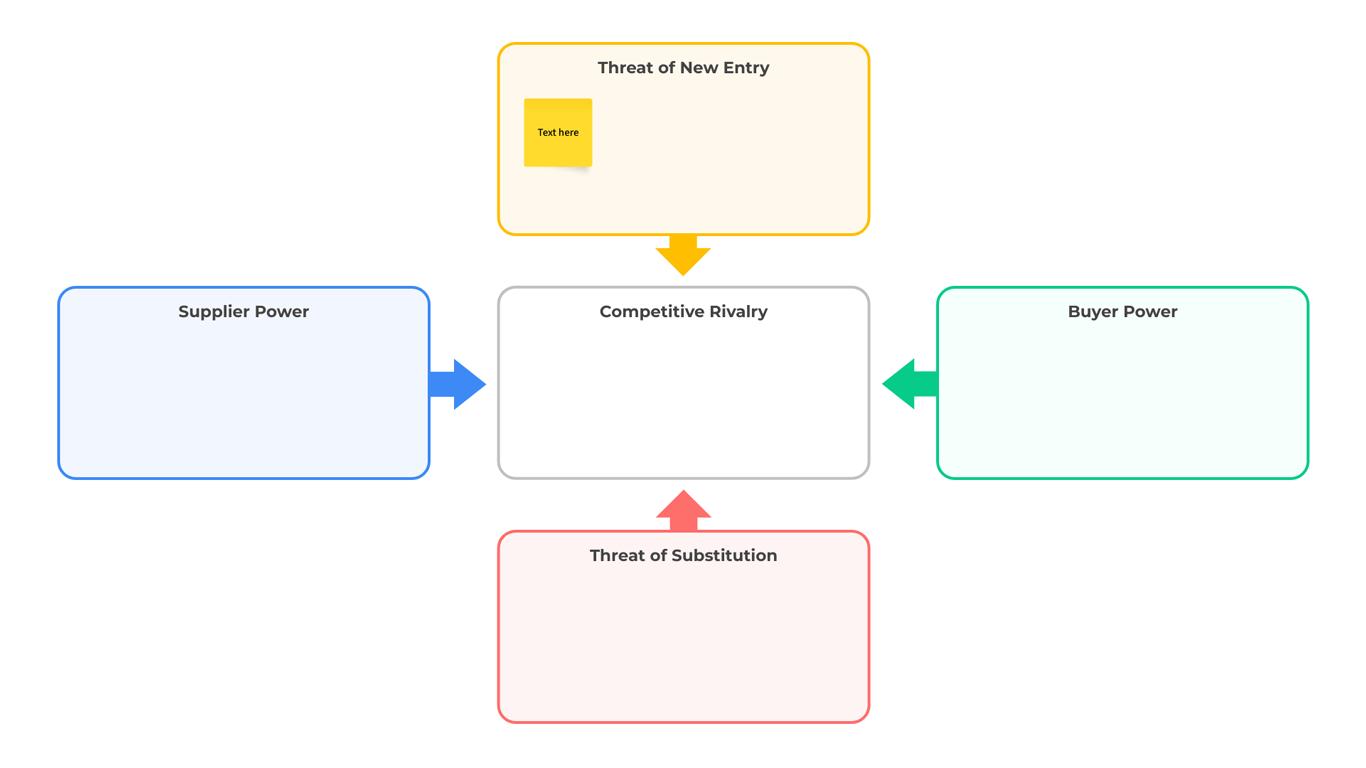
At its core, the Porter 5 Forces Analysis Template is a structured worksheet that forces you to confront the five relentless predators that stalk every industry. Think of it as a checklist that asks, “Are your suppliers demanding higher prices?” “Is a new competitor ready to crash the party?” and “Will substitutes show up with a better product?” By answering these questions in a systematic way, you gain clarity on where your business sits in the market’s ecosystem.
Five Predators, One Simple Sheet
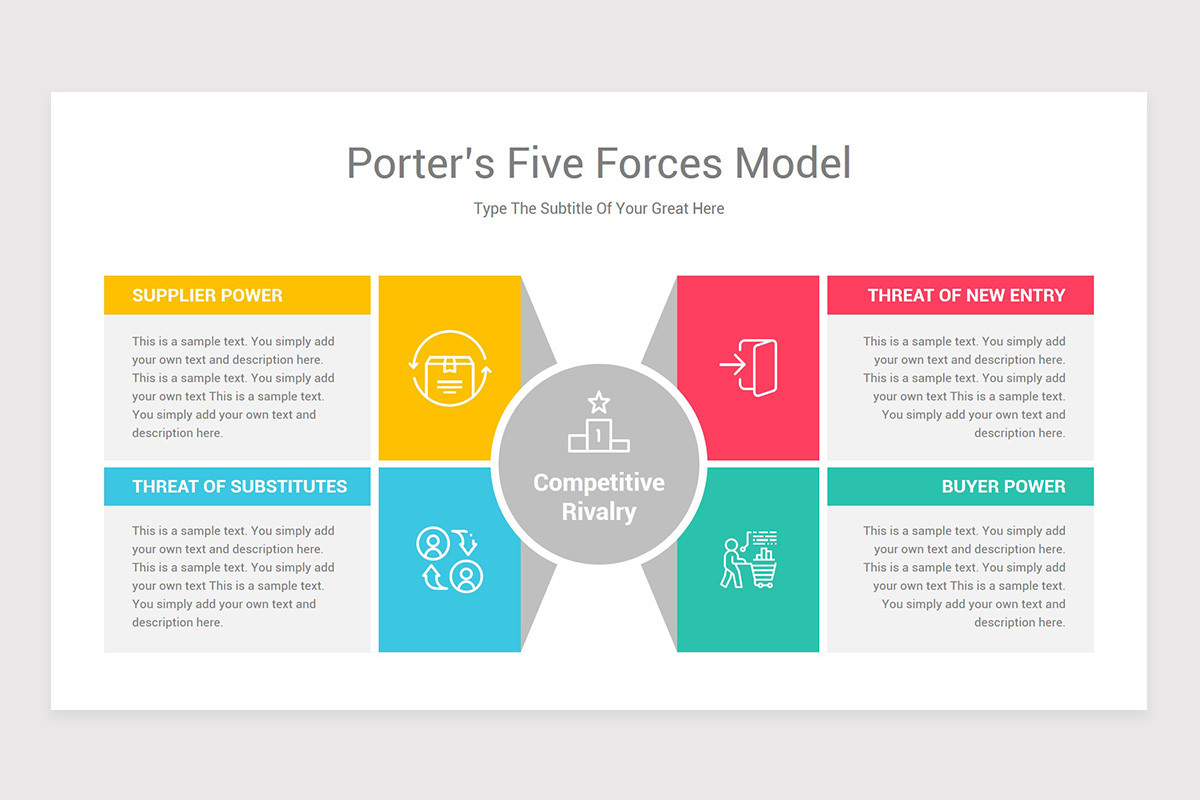
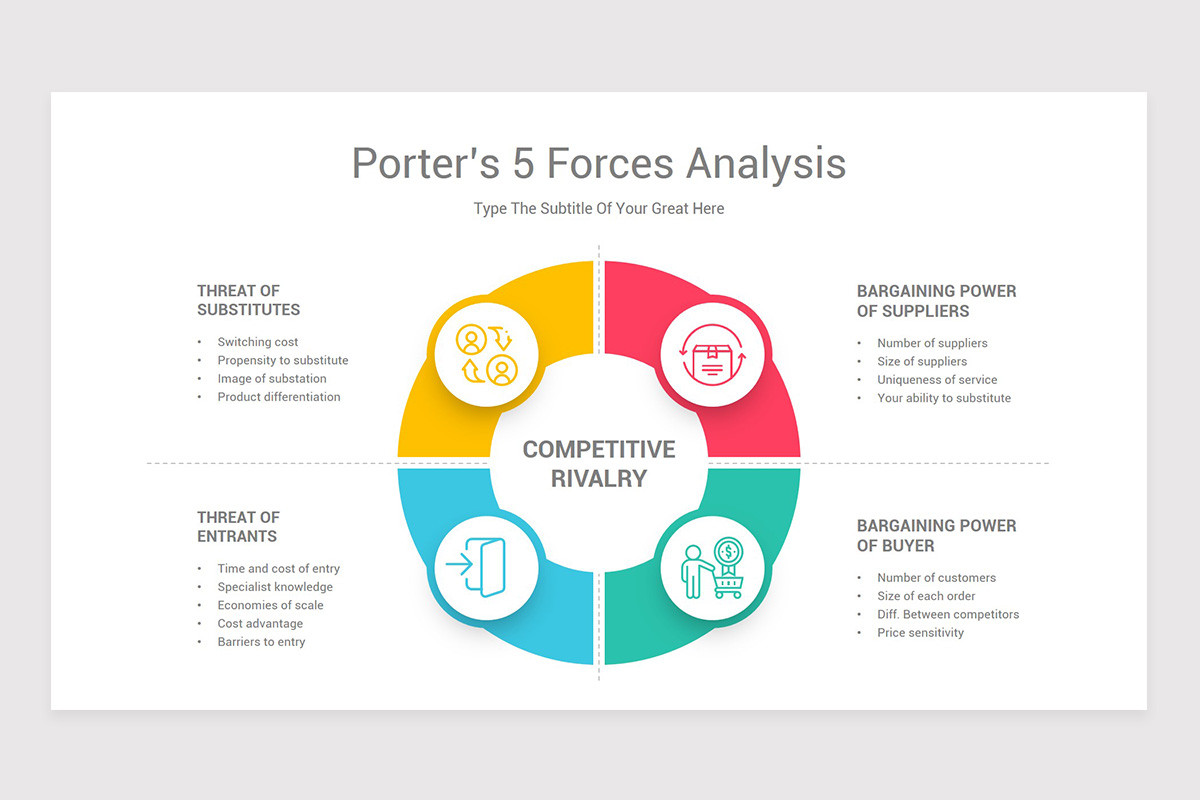
- Supplier Power: Can your suppliers dictate terms? Do they own the critical raw material like a superhero owns the city?
- Buyer Power: Are customers demanding discounts like a kid with a lemonade stand?
- Threat of New Entrants: Is there a new company ready to swoop in like a superhero movie villain?
- Threat of Substitutes: Are alternative products ready to replace yours faster than a meme goes viral?
- Competitive Rivalry: Are your competitors playing chess while you’re still learning how to move the pawns?
Why This Template Is a Comedy Goldmine

Humor is the secret sauce that turns dry data into an engaging story. By infusing jokes into the template, you keep analysts awake and executives entertained. Picture a CEO reading a line that reads, “Our suppliers are more controlling than your in-laws on a Sunday dinner.” Suddenly the data feels relatable.
Humor Makes the Data Memorable
Humorous anecdotes stick in the brain like sticky notes on a fridge. When you remember that your suppliers are “more controlling than your in‑laws,” you’re more likely to revisit that insight when making a strategic decision. And let’s be honest: a few laughs can defuse the tension that usually accompanies risk assessment.
Engagement Boosts Collaboration
When stakeholders laugh, they’re more willing to brainstorm. A funny template turns a tedious meeting into a brainstorming session where ideas flow faster than a caffeinated squirrel. The result? Better strategies and a happier team.
How to Use the Template in a Nutshell

Using the Porter 5 Forces Analysis Template is as easy as assembling a sandwich. Grab a coffee, fill out each section, and you’ll have a comprehensive snapshot of your competitive environment. The key is to keep the language lively while remaining data‑driven.
Step 1: Gather Your Data
Start by collecting industry reports, customer feedback, supplier contracts, and competitor press releases. Treat your data like the ingredients for a gourmet pizza—each one adds flavor.
Step 2: Pop the Template
Open your favorite spreadsheet program and import the template. If you’re lucky, it’ll already have the five columns you need. If not, create five sections and label them with the predator names.
Step 3: Fill, Laugh, Repeat
Answer each question with both numbers and witty commentary. For instance: “Supplier price increases: +20% (Supplier’s new strategy: ‘We’re now a boutique brand!’).” Keep the humor consistent so the entire document reads like a fun report, not a disjointed comic strip.
Step 4: Analyze and Act
Once the template is populated, look for patterns. Are suppliers too powerful? Do customers have too much leverage? The insights should point to strategic actions, such as renegotiating contracts or diversifying suppliers.
Step‑by‑Step: Filling Each Force
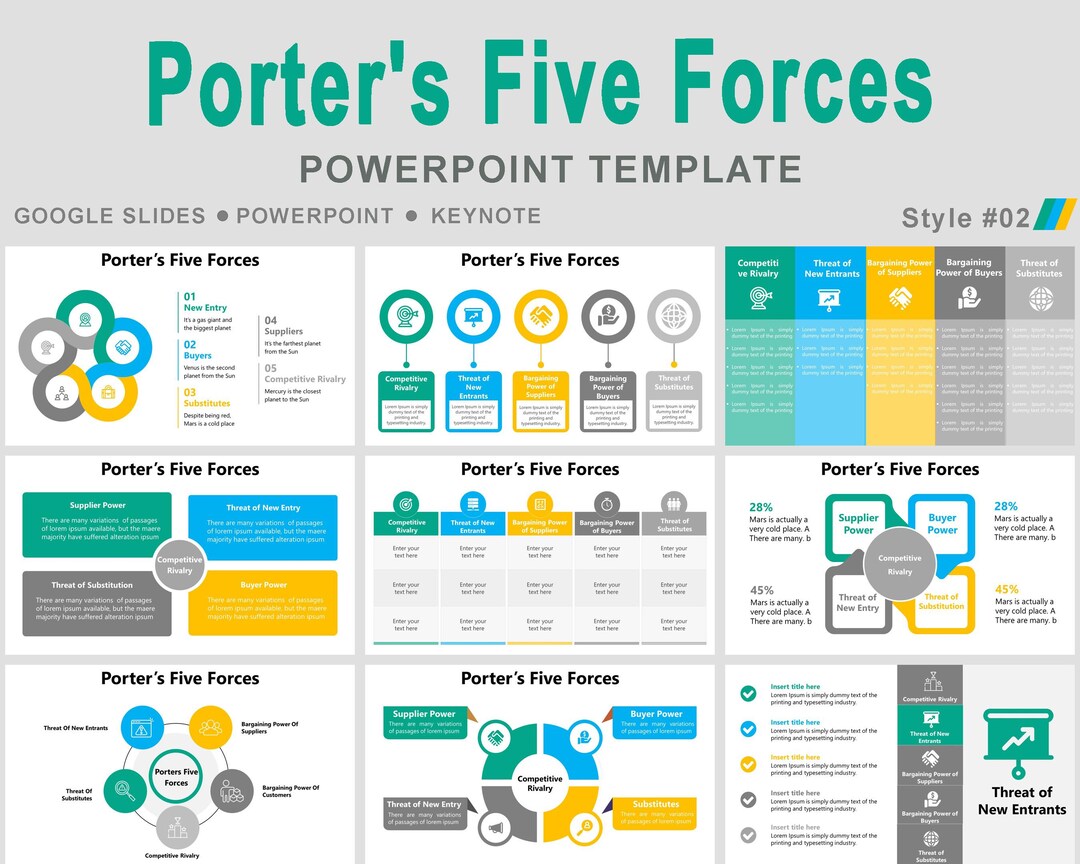
Below is a detailed guide to filling out each force, complete with real‑world examples and humorous prompts.
Supplier Power
Data Points to Collect: Supplier concentration, cost of switching, availability of substitutes.
Humorous Prompt: “How many suppliers can we keep in our debt portfolio? Let’s see if they’re more loyal than a golden retriever.”
Actionable Advice: Diversify suppliers or lock in long‑term contracts to reduce volatility. If your suppliers are as fickle as a cat, consider vertical integration.
Buyer Power
Data Points to Collect: Buyer concentration, price sensitivity, product differentiation.
Humorous Prompt: “Are our customers demanding discounts like a toddler demands ice cream? If yes, let’s add a sprinkle of exclusivity.”
Actionable Advice: Enhance customer loyalty through premium services or bundled offers. If buyers are too powerful, consider segmenting your market to focus on high‑margin niches.
Threat of New Entrants
Data Points to Collect: Barriers to entry, capital requirements, brand loyalty.
Humorous Prompt: “New entrants are coming like a flock of pigeons—will we give them a runway or a pigeon‑scented sign?”
Actionable Advice: Build strong brand identity, invest in R&D, and secure patents to make entry costly for newcomers.
Threat of Substitutes
Data Points to Collect: Substitute availability, price-performance trade‑off, consumer trends.
Humorous Prompt: “If substitutes were pizza toppings, would they be pepperoni or pineapple? If pineapple, we need a better strategy.”
Actionable Advice: Differentiate product features, create ecosystem lock‑in, or improve pricing to stay competitive.
Competitive Rivalry
Data Points to Collect: Number of competitors, industry growth rate, product differentiation.
Humorous Prompt: “Are we in a duel or a dance? Let’s choreograph our moves to avoid stepping on competitors’ toes.”
Actionable Advice: Use strategic alliances, acquire niche players, or focus on cost leadership to outpace rivals.
Common Mistakes and How to Avoid Them

Even seasoned strategists can trip up. Here are the most frequent blunders and how to dodge them like a pro.
Over‑Simplifying the Analysis
Some analysts treat the template as a checkbox. Remember, each force has nuances that require qualitative and quantitative depth. Skipping layers is like using a bandage for a broken bone.
Ignoring the Humorous Touch
Humor is optional, but it’s the spice that turns a bland report into a memorable conversation starter. Without it, stakeholders might read it and nod politely before scrolling away.
Failing to Update Regularly
Markets evolve faster than a cat video goes viral. An analysis that’s a year old is like wearing a disco outfit to a black‑tie event—awkward and out of place.
Assuming One‑Size‑Fits‑All
Your industry’s dynamics differ from those of a software firm. Adapt the template to match your specific context. Use industry‑specific metrics where possible.
Real‑World Success Stories
Below are a few companies that leveraged the Porter 5 Forces Analysis Template to turn competitive threats into opportunities.
Case Study 1: The Coffee Bean Empire
By filling out the template, the company discovered suppliers were monopolizing bean prices. They diversified their sourcing and negotiated multi‑year contracts, reducing cost volatility by 18% and allowing them to launch a premium line that increased profit margins by 12%.
Case Study 2: The Smart‑Home Startup
New entrants were flooding the market, but the startup used the template to identify a niche—high‑security smart locks. By focusing on this niche, they built a loyal customer base and secured a 25% market share within two years.
Case Study 3: The Health‑Food Brand
Substitutes like sugary cereals threatened the brand’s core product. The template revealed an opportunity to bundle with health apps, creating a holistic wellness ecosystem. This strategy increased customer lifetime value by 30% and turned the brand into a household name.
Final Thoughts
The Porter 5 Forces Analysis Template is more than a tool; it’s a comedic, strategic compass that guides you through the labyrinth of market forces. By combining structured data with a splash of humor, you’ll keep your team engaged, your stakeholders informed, and your strategies razor‑sharp. So next time you need to map out the competitive terrain, don’t just fill out a spreadsheet—create a story, add a punchline, and let the analysis work its magic.




Related posts of "Porter 5 Forces Analysis Template"
