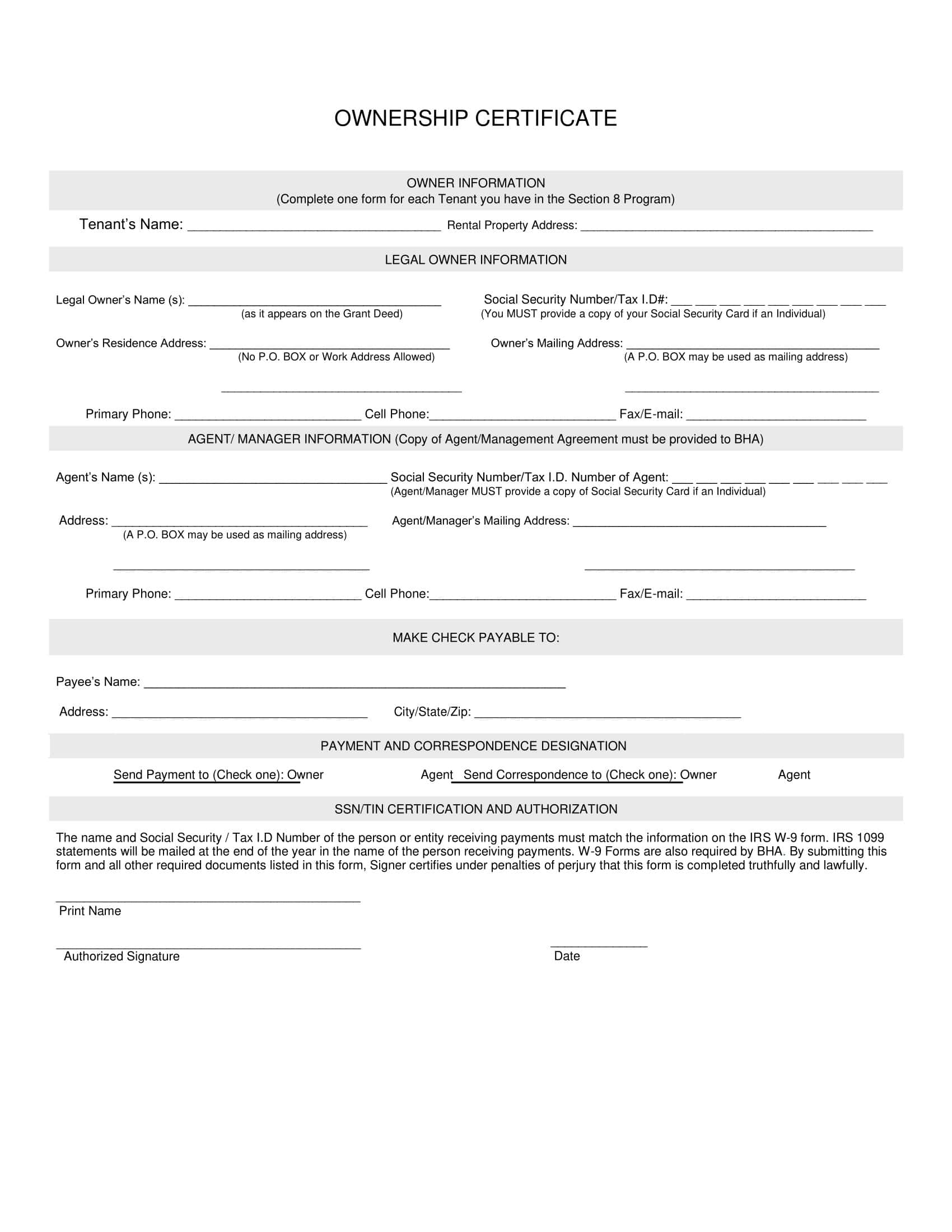
A well-crafted Ownership Certificate Template is the cornerstone of clear, enforceable proof that a specific individual or entity holds legal title to an asset, whether that asset is tangible or intangible. In today’s fast‑moving business landscape, having a professional, adaptable template saves time, reduces legal risk, and projects credibility to partners, investors, and regulators.
What Is an Ownership Certificate Template?

At its core, an ownership certificate is a formal document that declares that a particular party owns a piece of property. The template serves as a repeatable framework that can be filled with the unique details of each transaction. Rather than drafting a new deed or title from scratch every time, a robust template ensures consistency, accuracy, and legal compliance.
Definition
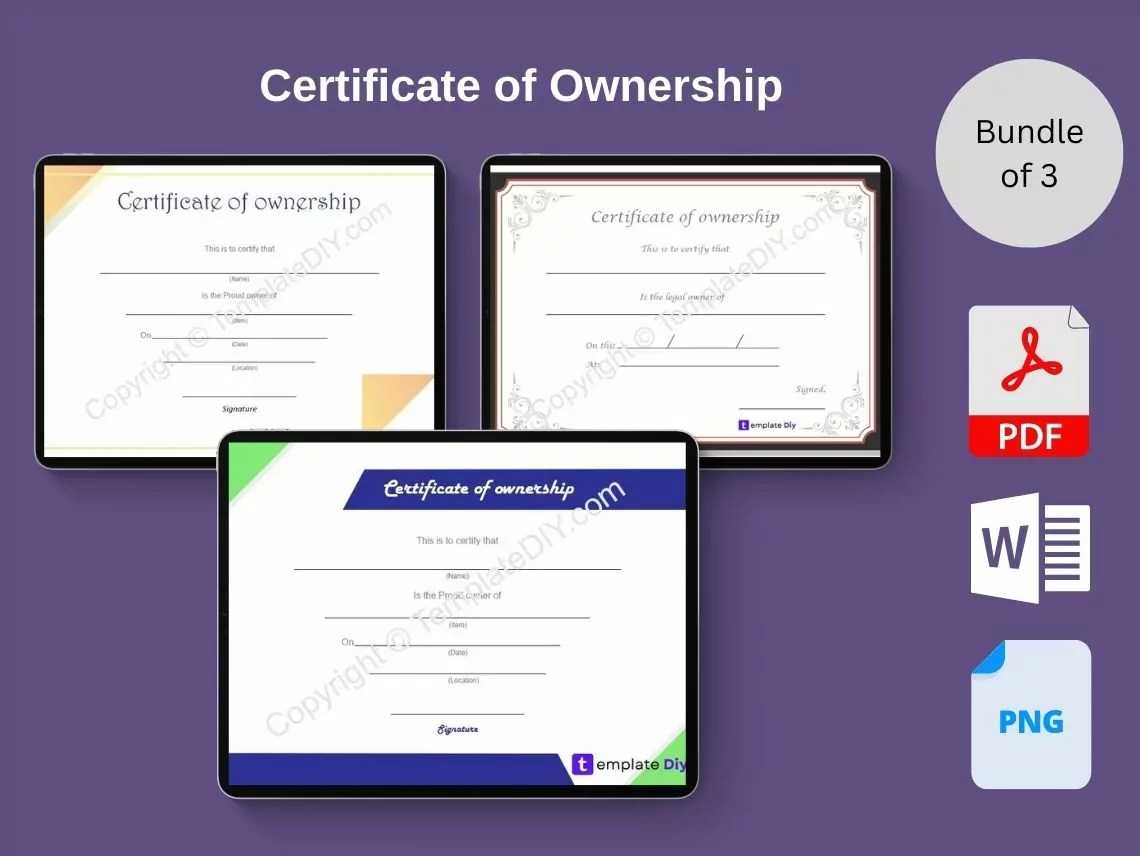
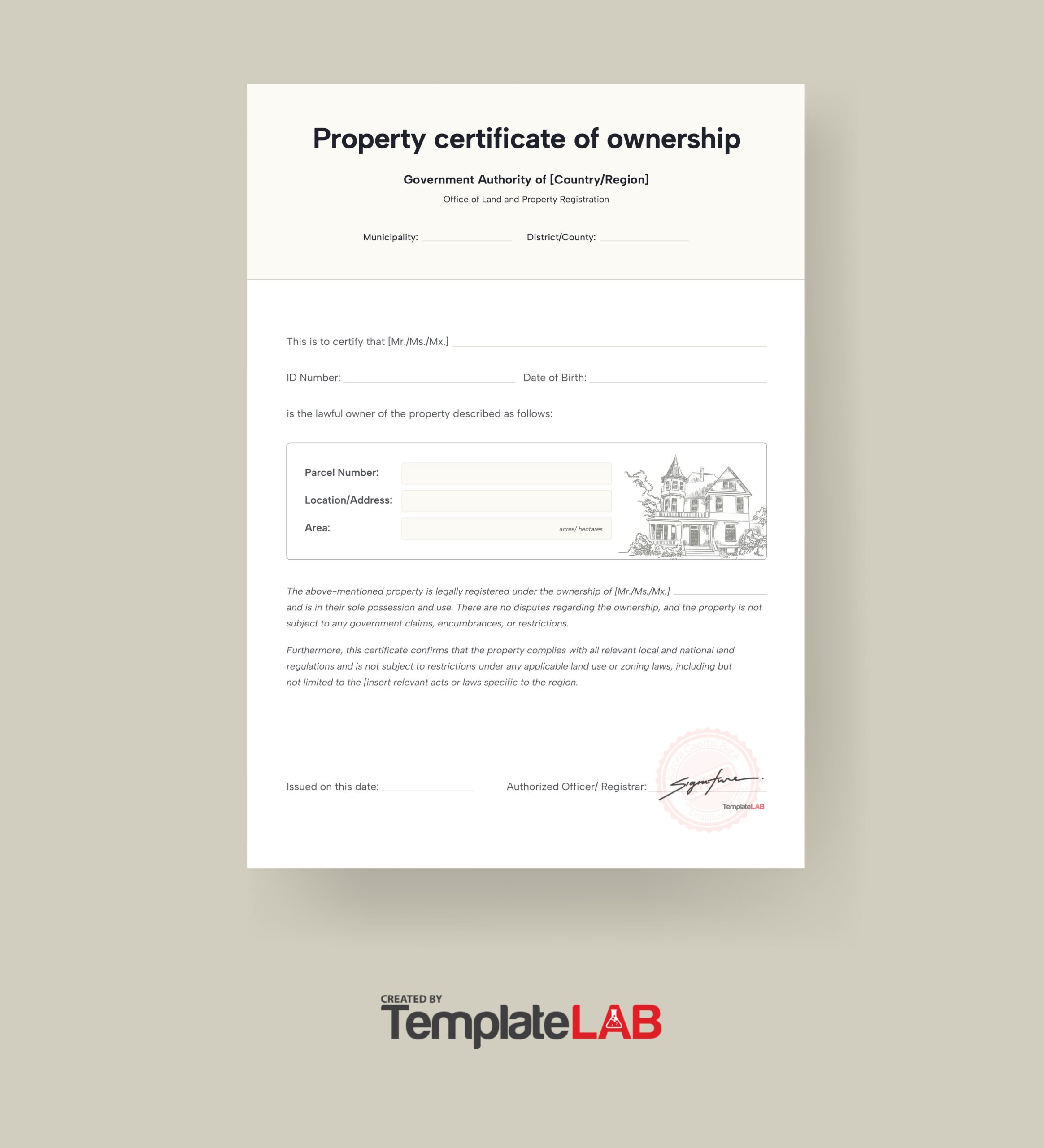
In legal terms, a certificate of ownership is a written statement that enumerates the rights held by the named owner. The template typically contains a standardized layout with placeholders for the owner’s name, asset description, date of acquisition, and signatures.
Legal Significance
Courts recognize certificates of ownership as a reliable source of evidence. When disputes arise, the certificate can be presented as prima facie proof of title. Therefore, the wording, format, and structure of the template must align with jurisdictional requirements to withstand scrutiny.
Key Components of a Robust Template
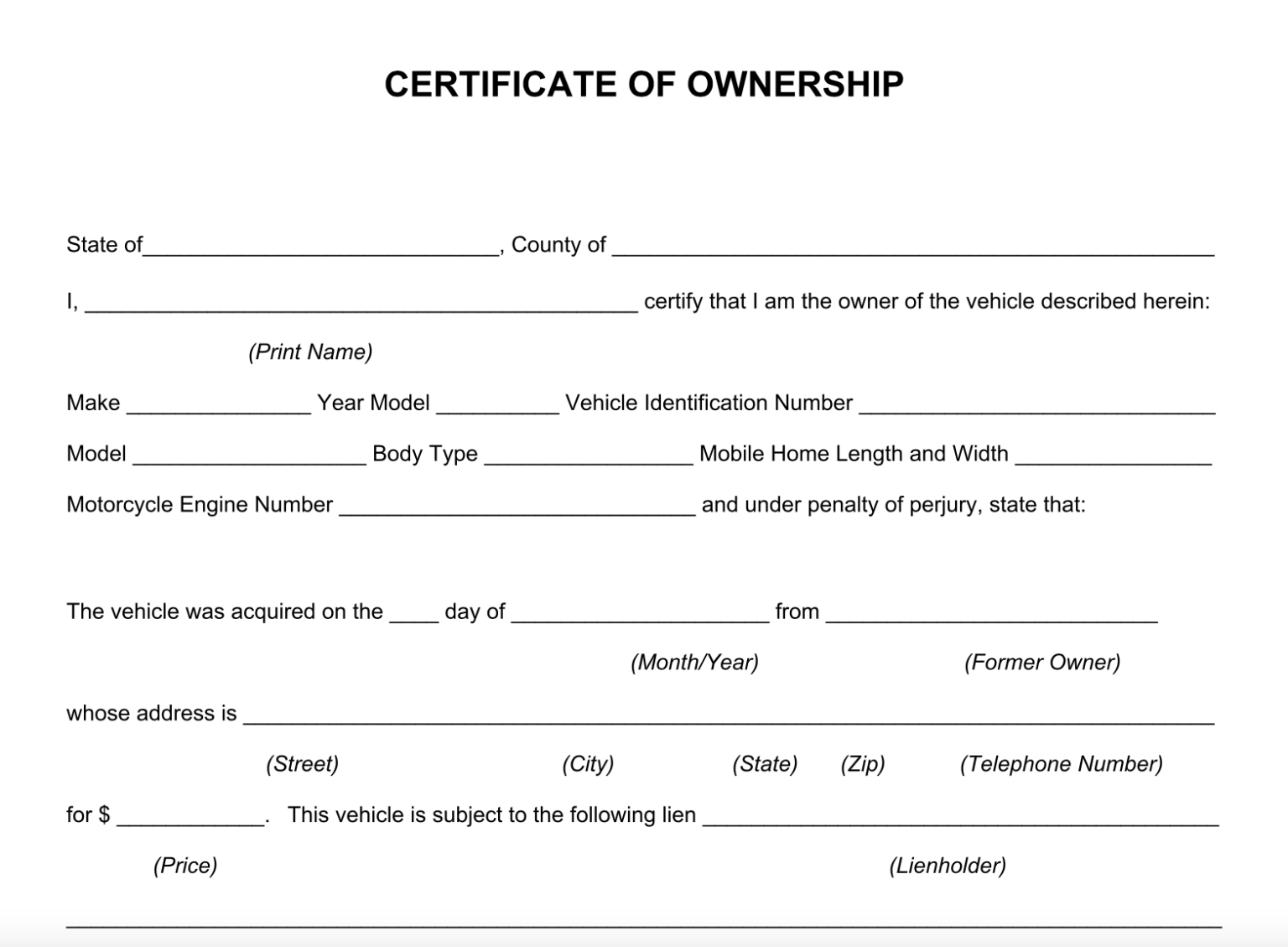
A quality template balances formality with clarity. Each component serves a distinct purpose, from verifying identity to ensuring enforceability.
Owner Information
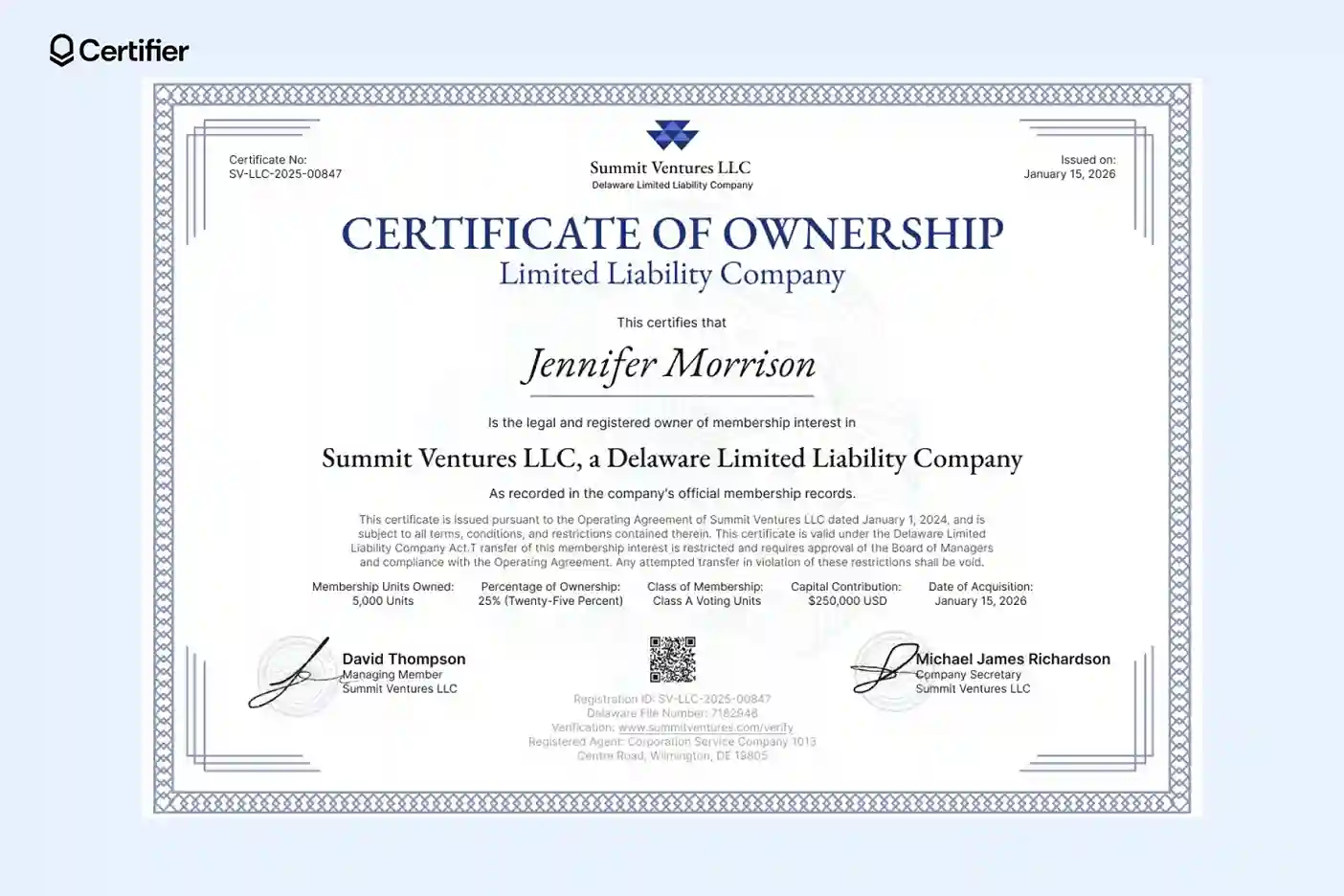
Include full legal name, address, and contact details. For corporate owners, list the entity’s legal name, state of incorporation, and registered agent. This section should also capture tax identification numbers or Social Security numbers, as appropriate.
Asset Details
Describe the asset with precision: serial numbers, model specifications, property identifiers, or unique characteristics. For real estate, add lot numbers, survey references, and legal descriptions. For intangible assets, include copyright registration numbers or patent citations.
Legal Clauses
Incorporate clauses that cover transfer conditions, warranties, and limitations. A typical template might include statements such as “The owner warrants that the asset is free of encumbrances” or “The owner retains all rights unless expressly transferred.”
Signatures and Witnesses
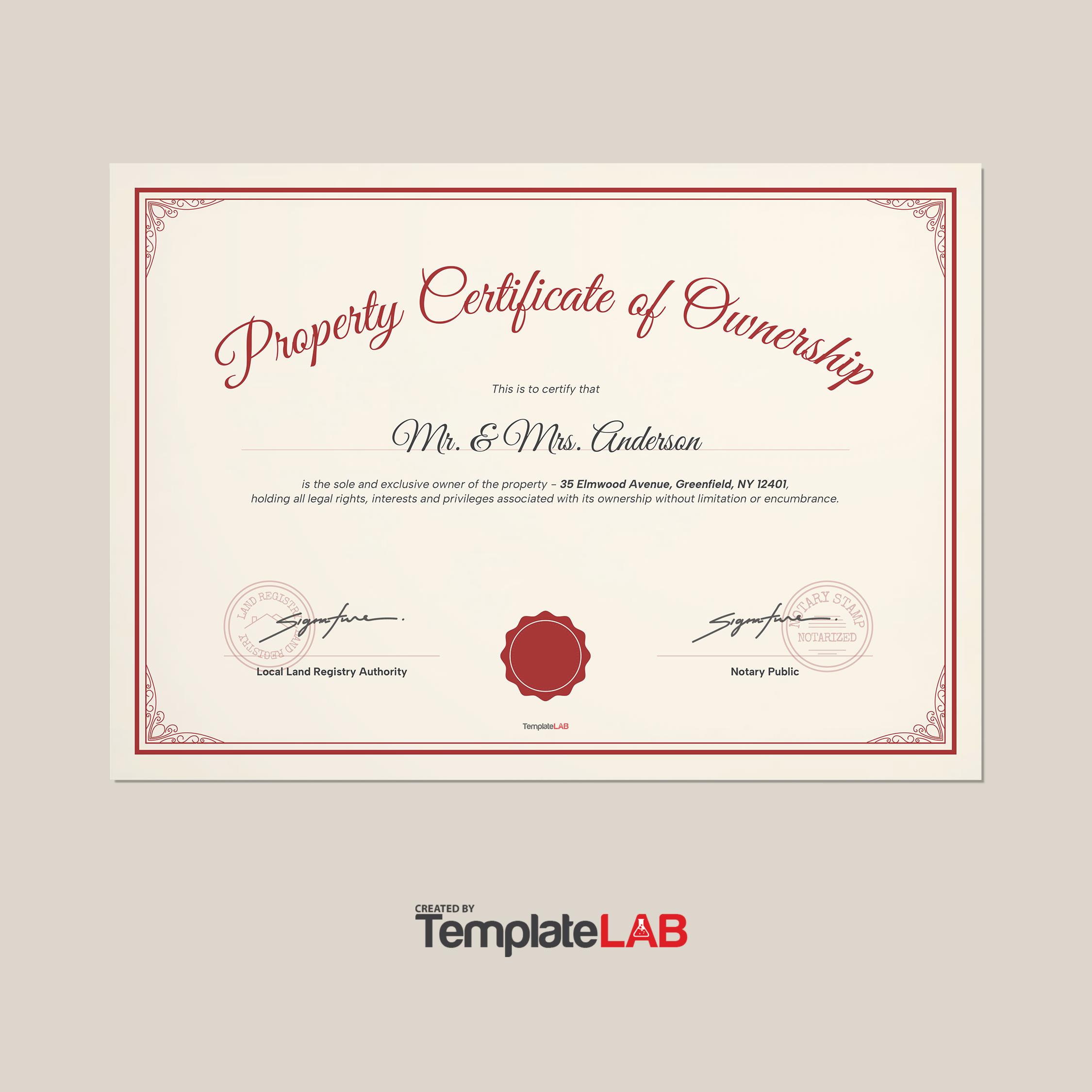
Provide space for the owner’s signature, date, and a notary or witness line if required. Including a notarization block strengthens the document’s legal standing and can be essential for high‑value assets.
Common Uses Across Industries
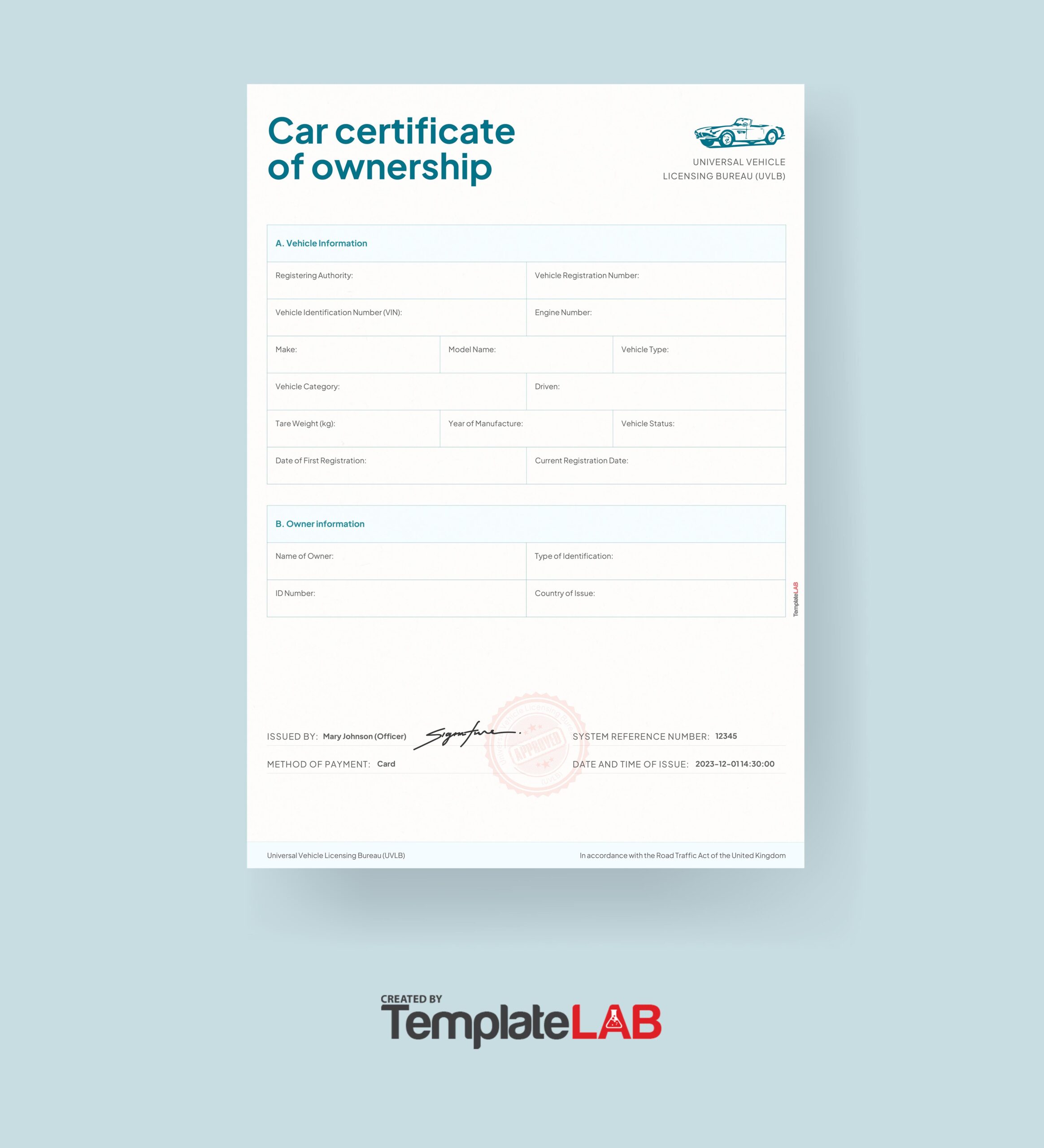
Ownership certificates are not limited to real estate or vehicles. They find application across diverse sectors, each with its own nuances.
Real Estate
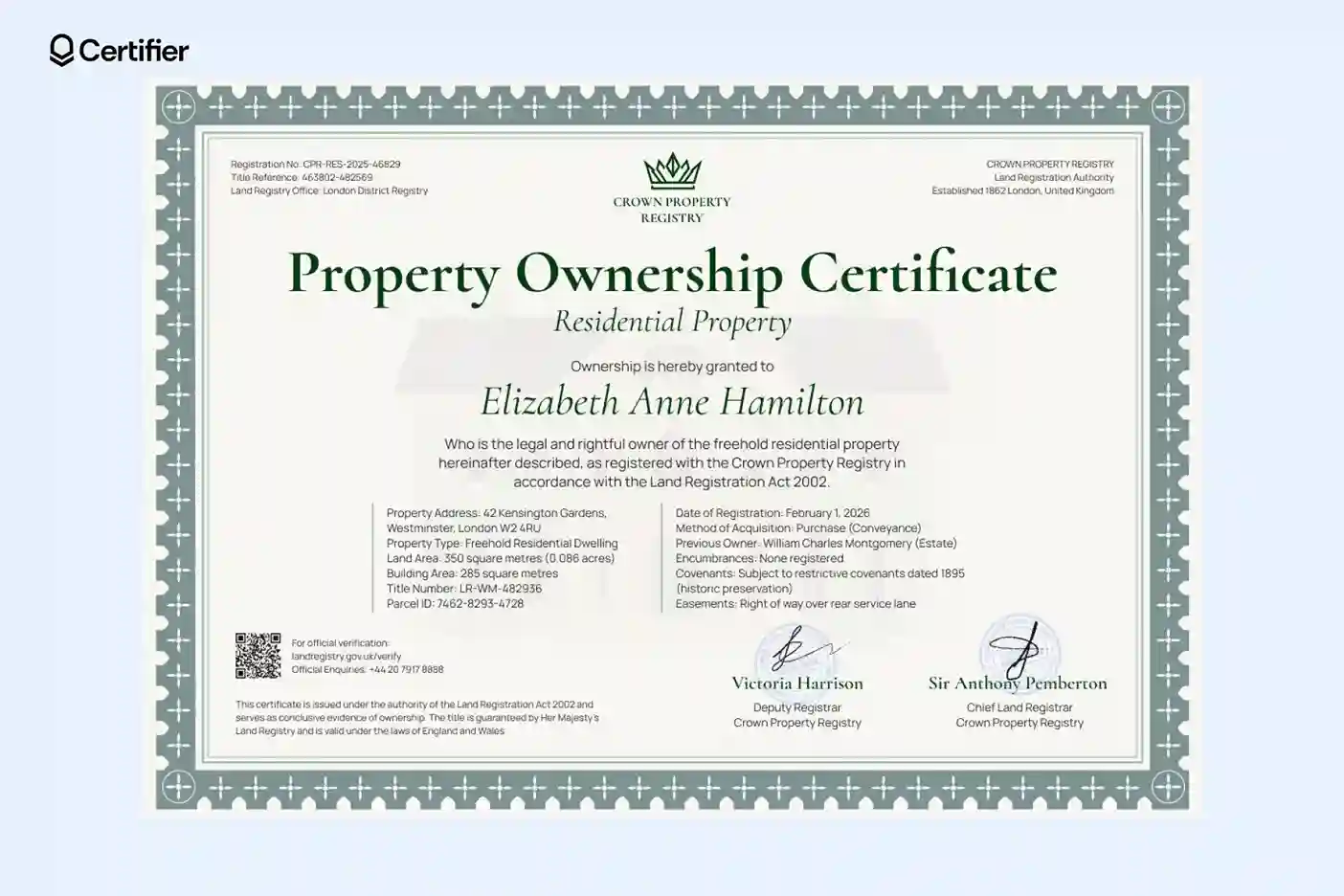
When a property is sold or transferred, the certificate confirms that the buyer now holds the title, often used in tandem with deeds and titles.
Intellectual Property
Patents, trademarks, and copyrights often require a certificate of ownership to verify that the holder can enforce exclusive rights or license the work.
Vehicles and Motor Vehicles
Car titles, boat registrations, and aircraft ownership statements are all variations of the ownership certificate, ensuring that the registered owner can legally operate or sell the vehicle.
Art and Collectibles
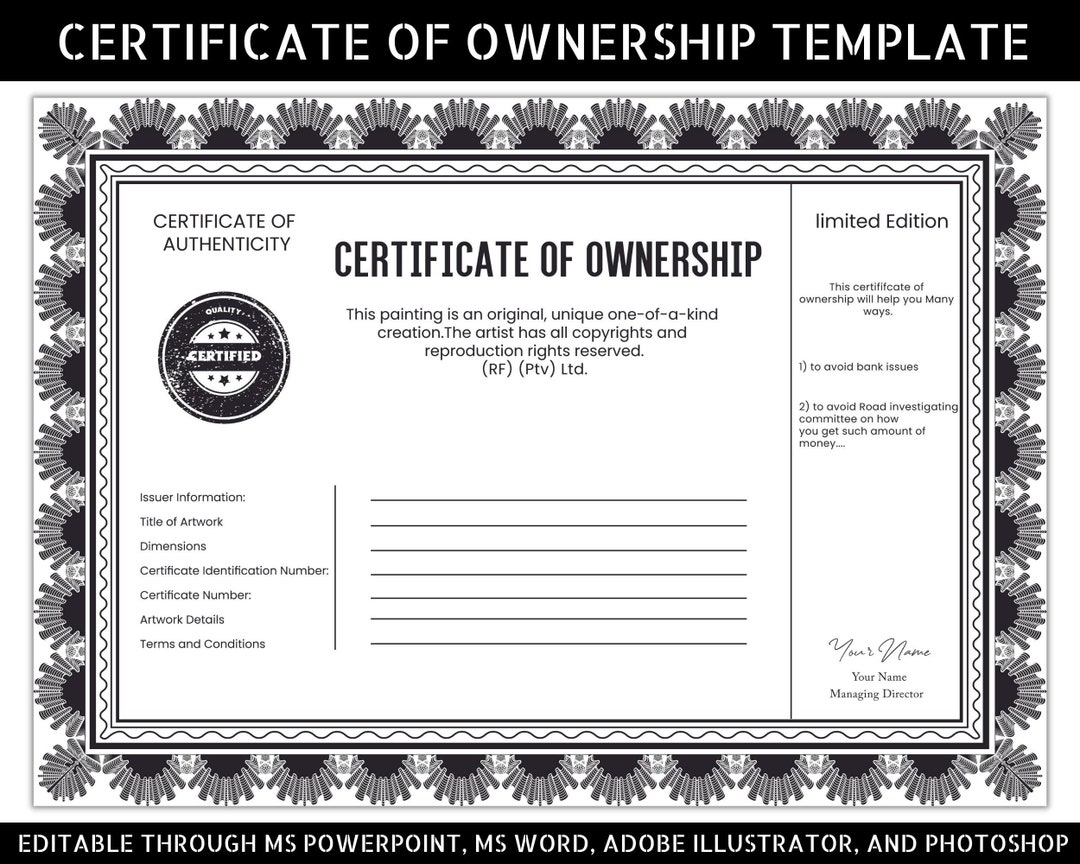
Provenance is critical in the art world. A certificate of ownership that documents previous owners, auction records, and authenticity statements protects both buyers and sellers.
Design Principles for an Effective Template

Beyond legal language, visual clarity and usability make a template more valuable.
Clarity and Readability
Use a clean, sans‑serif typeface, ample line spacing, and clear section headings. Avoid dense paragraphs; instead, use bullet points or numbered lists where possible.
Branding Consistency
Incorporate your organization’s logo and color palette sparingly, so the document remains professional and not overly branded. Consistency builds trust with stakeholders.
Digital Versatility
Design the template for both print and electronic distribution. Ensure that fields remain editable in PDF form or Word document, and that any embedded QR codes or digital signatures function across devices.
How to Customize Your Template
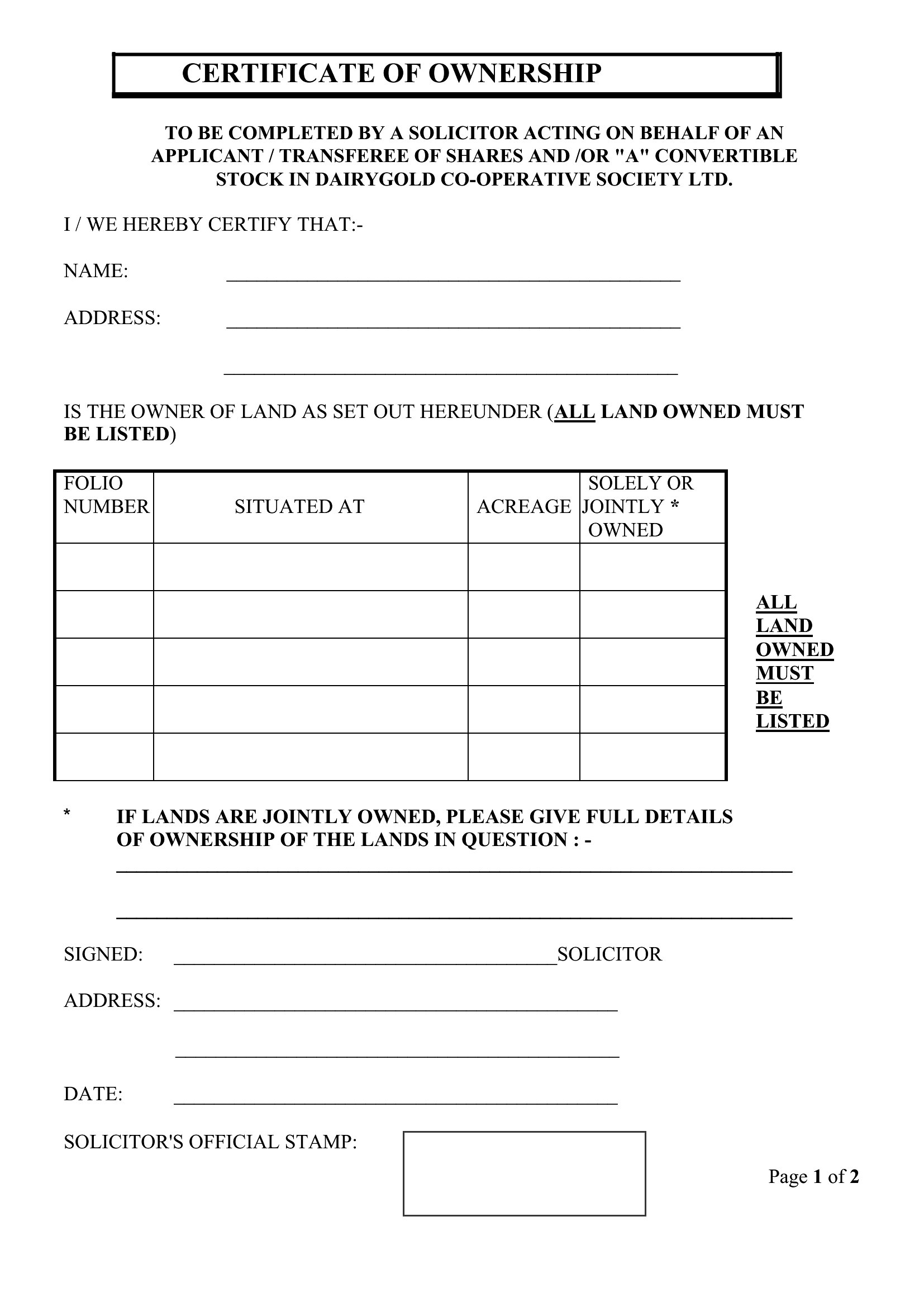
Customization is key to adapting a generic template to specific transaction contexts.
Choosing the Right Format (PDF vs. Word)
PDFs preserve formatting across platforms but are less editable. Word or Google Docs files allow for easier editing by multiple parties but may require more version control. Some organizations use a hybrid approach: a master PDF with embedded form fields.
Adding Personalization Fields
Insert placeholders such as [[OWNER_NAME]], [[ASSET_SERIAL]], and [[TRANSFER_DATE]]. These can be automatically populated by a database or manually filled during final review.
Incorporating QR Codes and Digital Signatures
Adding a QR code that links to a secure online verification page increases authenticity. Digital signature pads or software like DocuSign can streamline signing while maintaining audit trails.
Avoiding Common Pitfalls
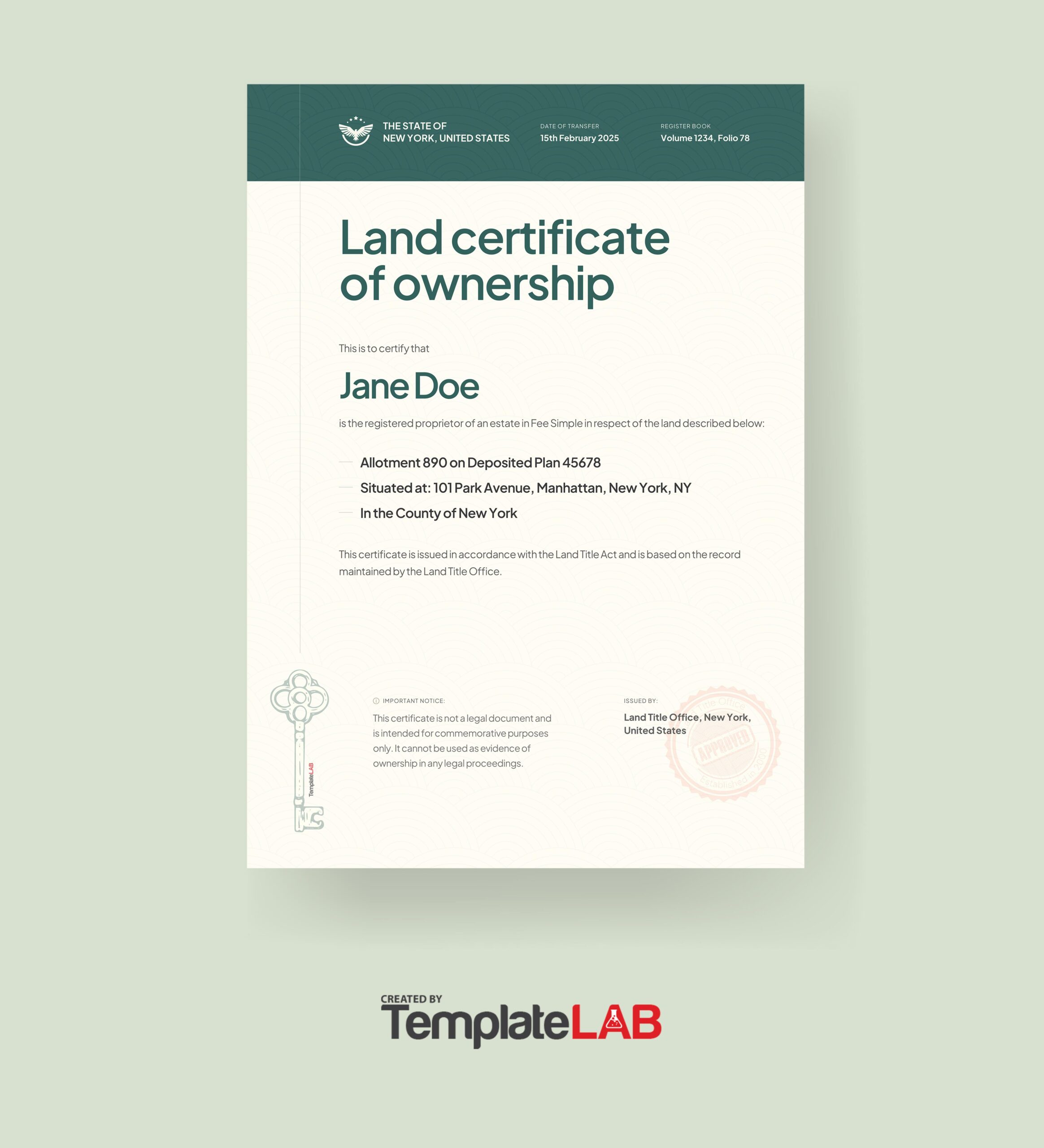
Even a well‑structured template can fail if common mistakes are not addressed.
Overcomplicating Language
Legal jargon should be minimized. Aim for plain language that conveys the same legal force without confusing readers.
Neglecting Legal Updates
Legislation changes. Regularly review your template against local and federal statutes to ensure ongoing compliance.
Poor Layout Choices
A cluttered design can obscure critical information. Prioritize white space, logical flow, and visual hierarchy to guide the reader through the document.
Step‑By‑Step Guide: Creating Your Own Ownership Certificate
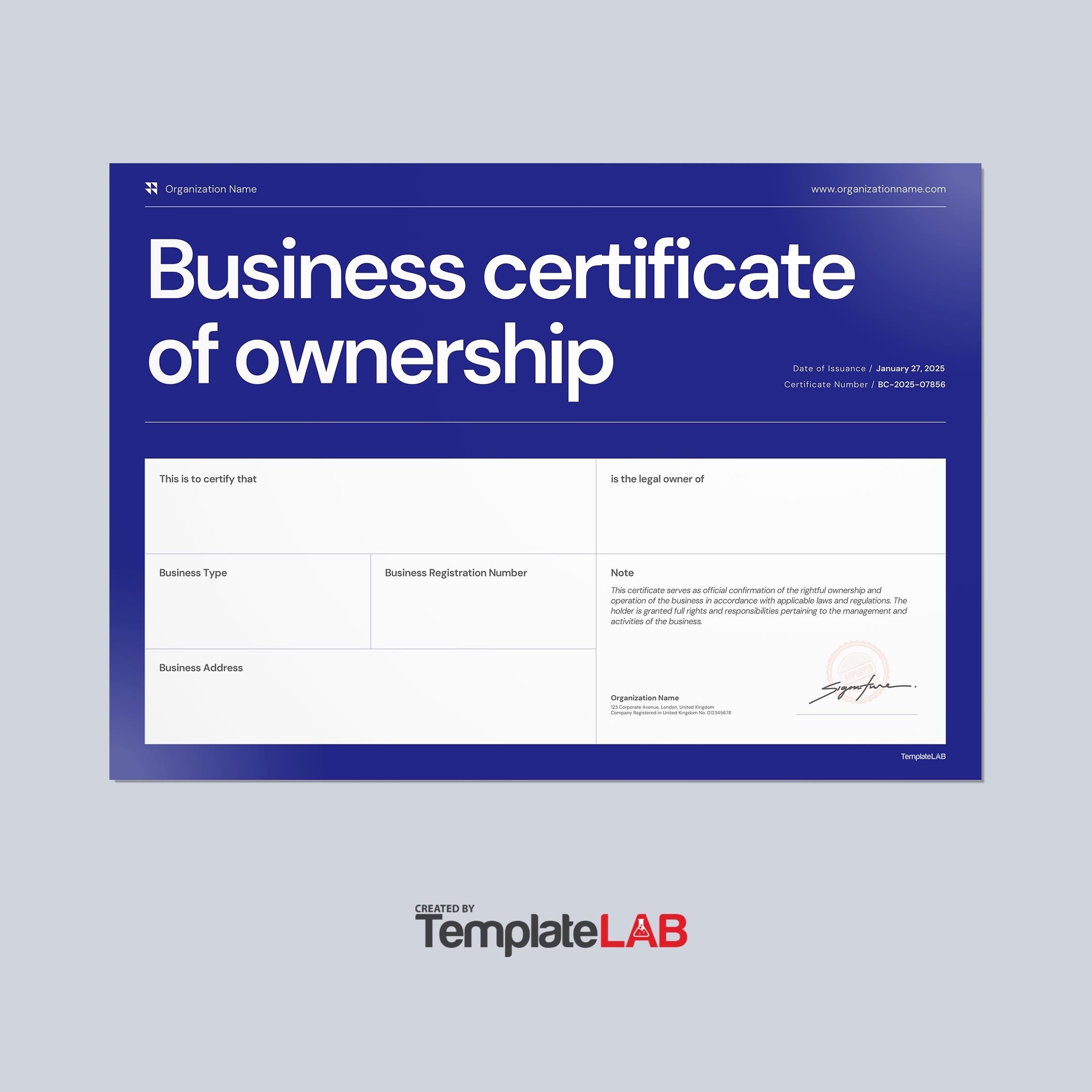
Follow this practical workflow to produce a professional, legally sound certificate.
Step 1: Outline Requirements
Identify the jurisdiction, asset type, and any industry‑specific mandates that influence the document’s content.
Step 2: Draft the Core Sections
Write the standard sections—owner, asset, legal clauses, and signatures—using the placeholders for later filling.
Step 3: Apply Design Elements
Choose a consistent font, color scheme, and layout. Add your logo and any required regulatory seals.
Step 4: Review and Legal Consultation
Have a qualified attorney review the draft to verify compliance and suggest language adjustments.
Step 5: Distribute and Store Securely
Once finalized, distribute the certificate via secure electronic channels or hard copy, and archive copies in a protected, searchable database.
Case Studies
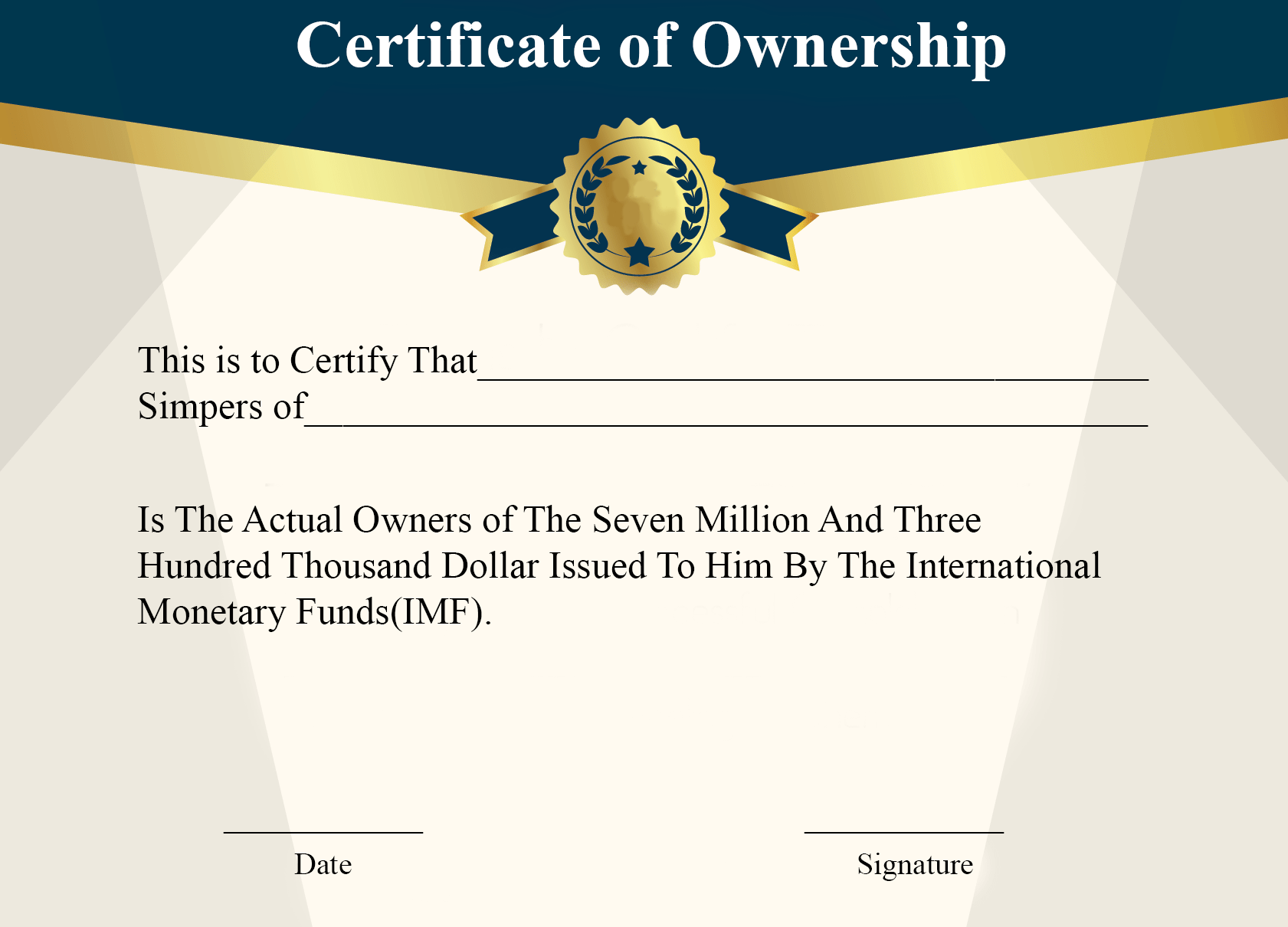
Real‑world examples illustrate how a well‑crafted template can streamline complex processes.
Example 1: Small Business Asset Transfer
When a family business sold its machinery, the owner used a template that captured serial numbers and maintenance history. The certificate’s clear layout facilitated a swift transfer of ownership, satisfying lender requirements and reducing downtime.
Example 2: Art Gallery Certificate of Ownership
An art gallery issued a certificate to a collector, including provenance details, exhibition history, and authenticity statements. The certificate’s professional presentation protected the gallery’s reputation and provided the collector with verifiable proof for future resale.
Resources for Templates and Tools

Finding a starting point can accelerate development, but always customize to meet your unique needs.
Free Online Generators
Several reputable platforms offer free, downloadable templates that can be adapted for local use. These often include editable PDFs or Word files.
Professional Services
Legal firms, graphic designers, and document automation companies can create bespoke certificates tailored to specific industries and jurisdictions.
Conclusion

A professionally designed Ownership Certificate Template is more than a formality; it is a strategic tool that protects ownership rights, simplifies transactions, and builds trust. By integrating clear language, precise asset data, and robust legal clauses, and by adhering to design principles that enhance readability and authenticity, businesses and individuals can confidently navigate ownership transfers across any industry. Implementing the steps outlined above, staying vigilant against common pitfalls, and leveraging both free and professional resources will ensure that your certificate of ownership stands up to scrutiny, facilitates smooth transactions, and upholds the integrity of your assets for years to come.
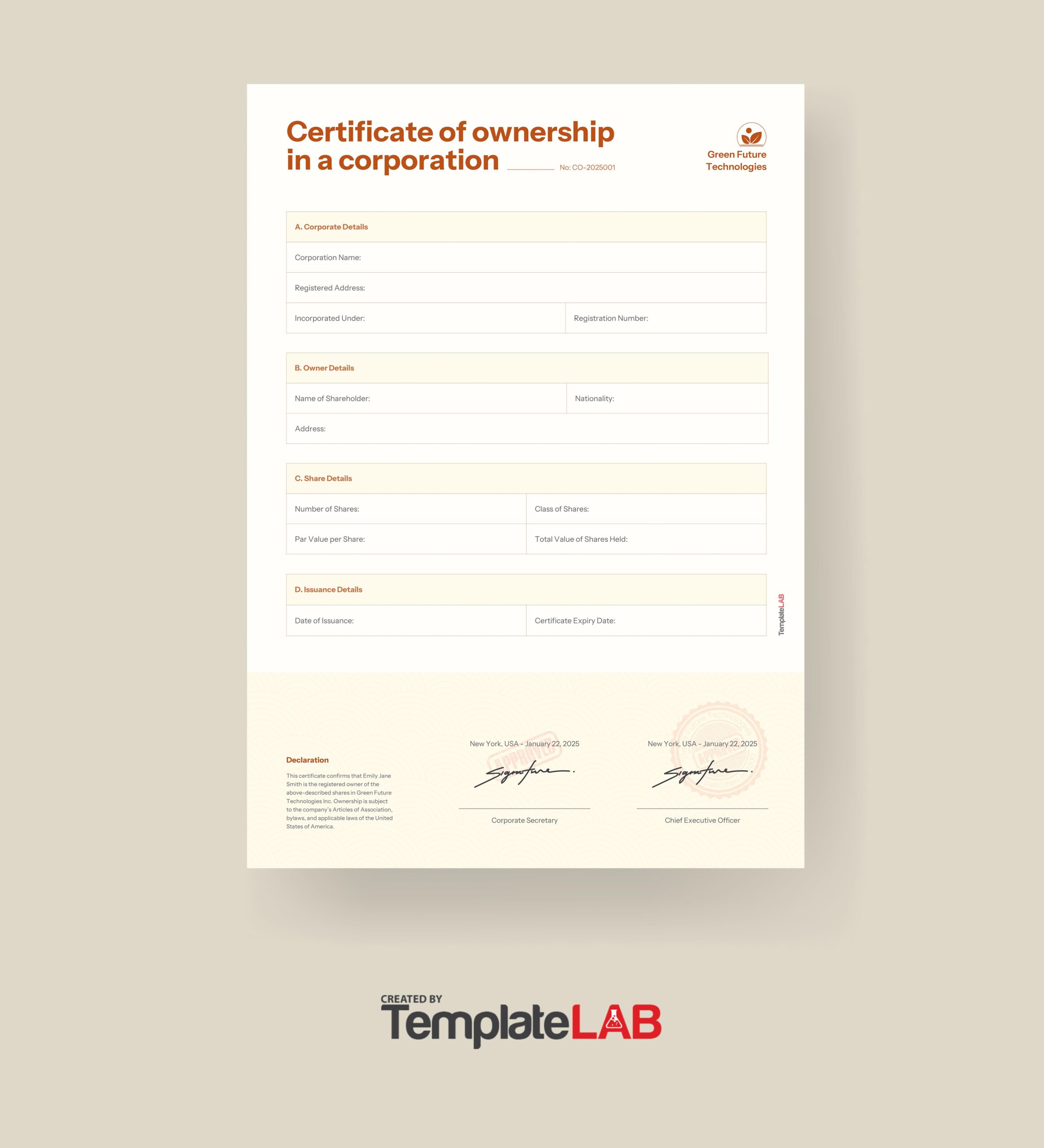


Related posts of "Ownership Certificate Template"
