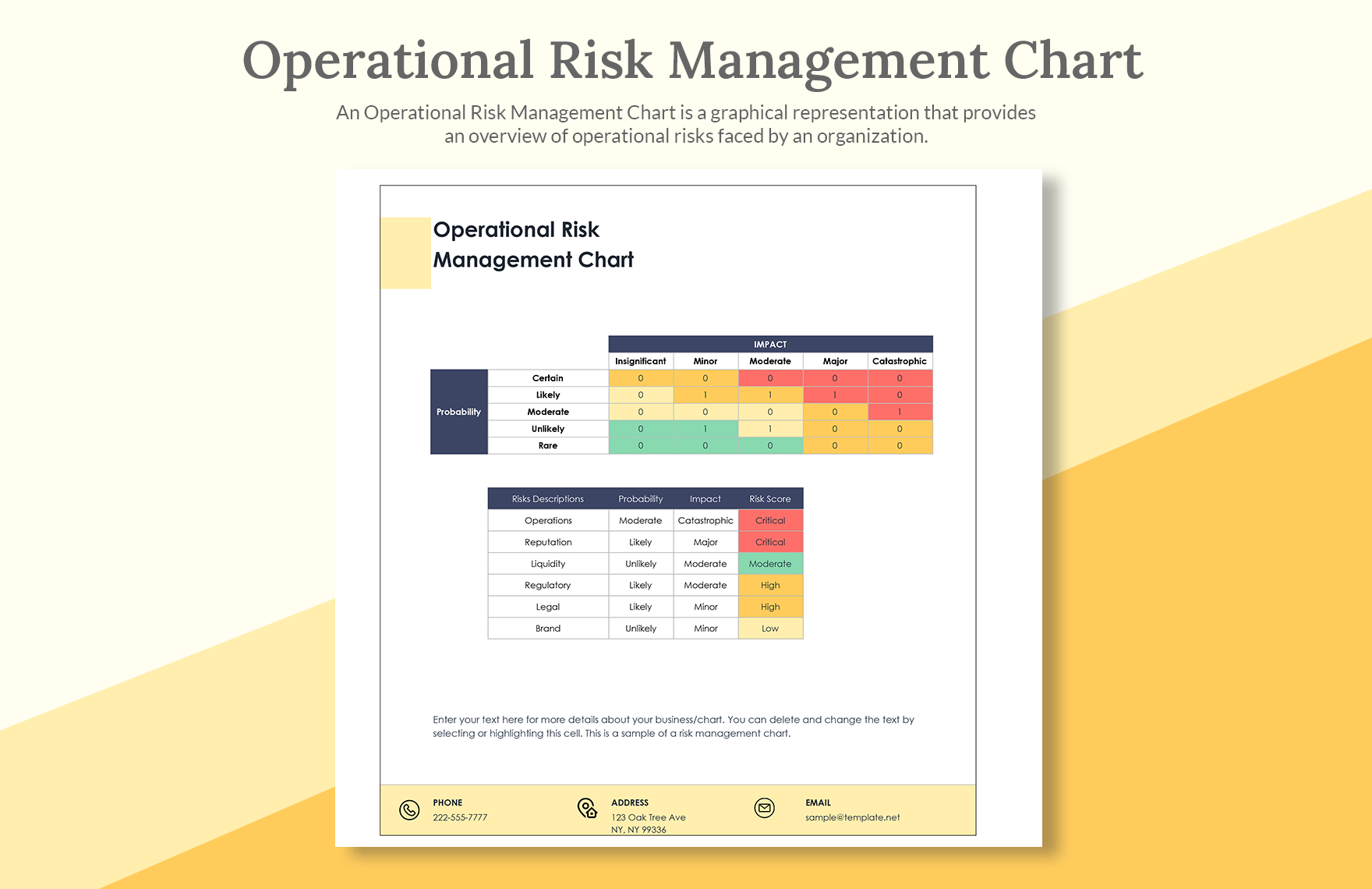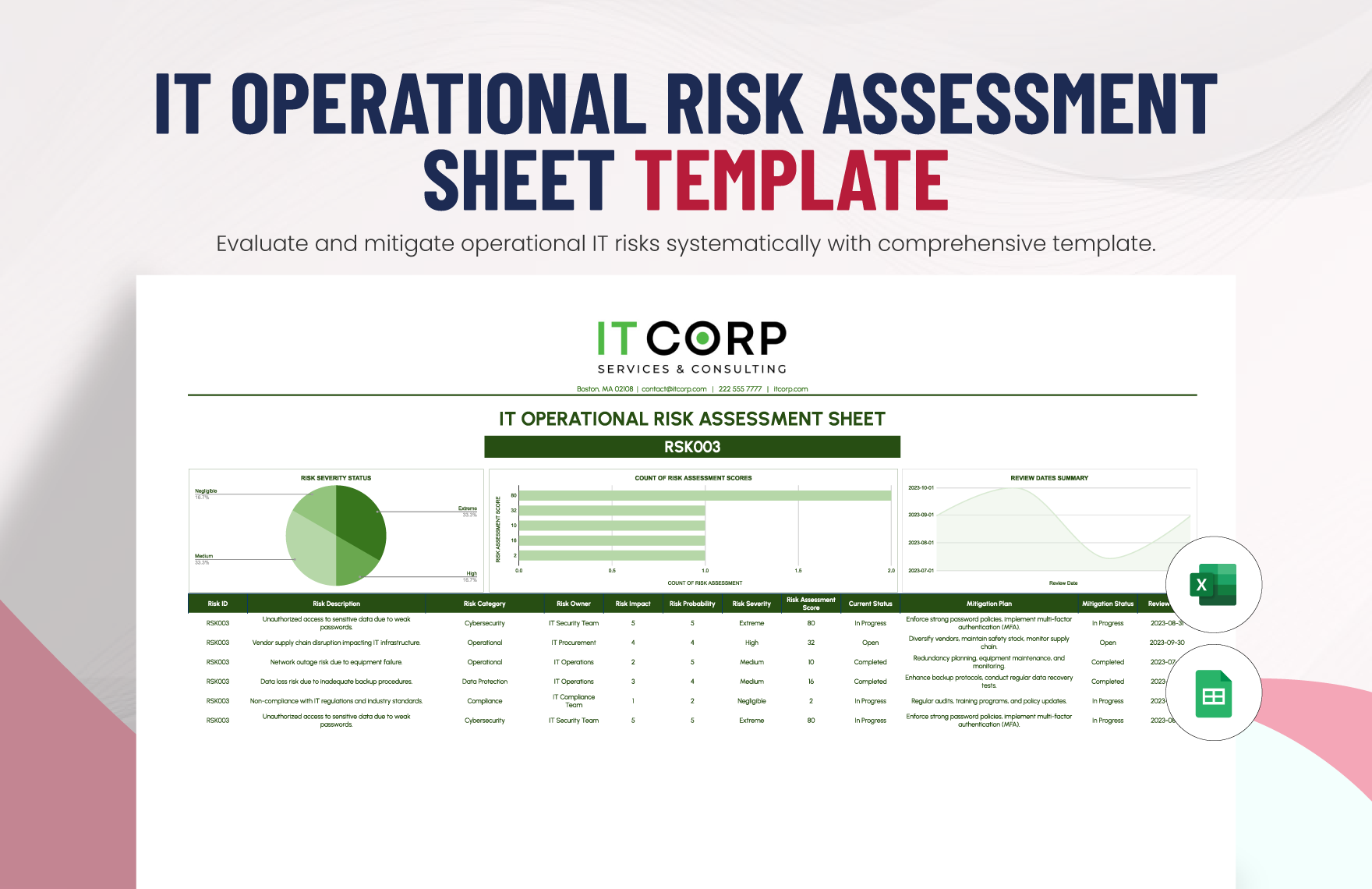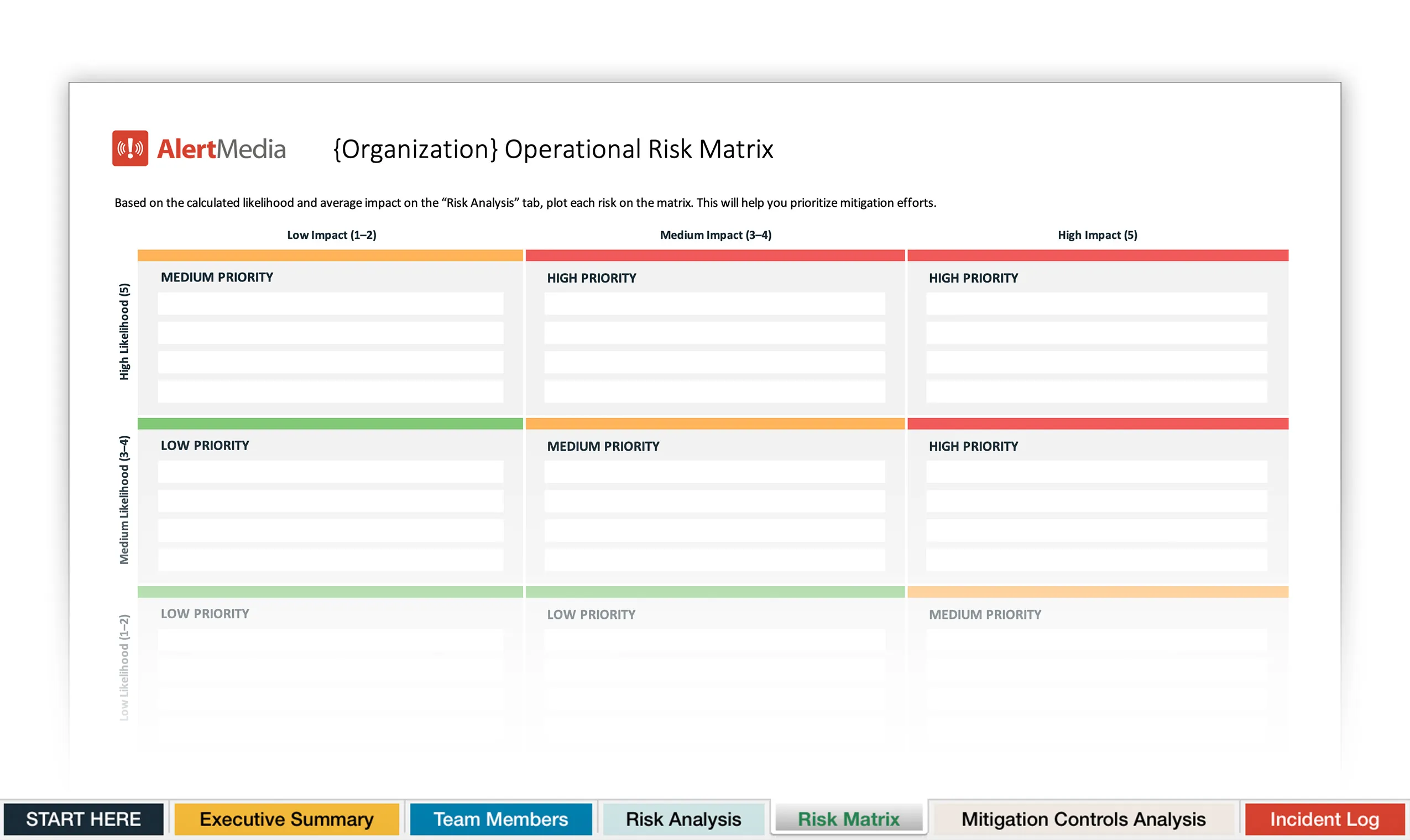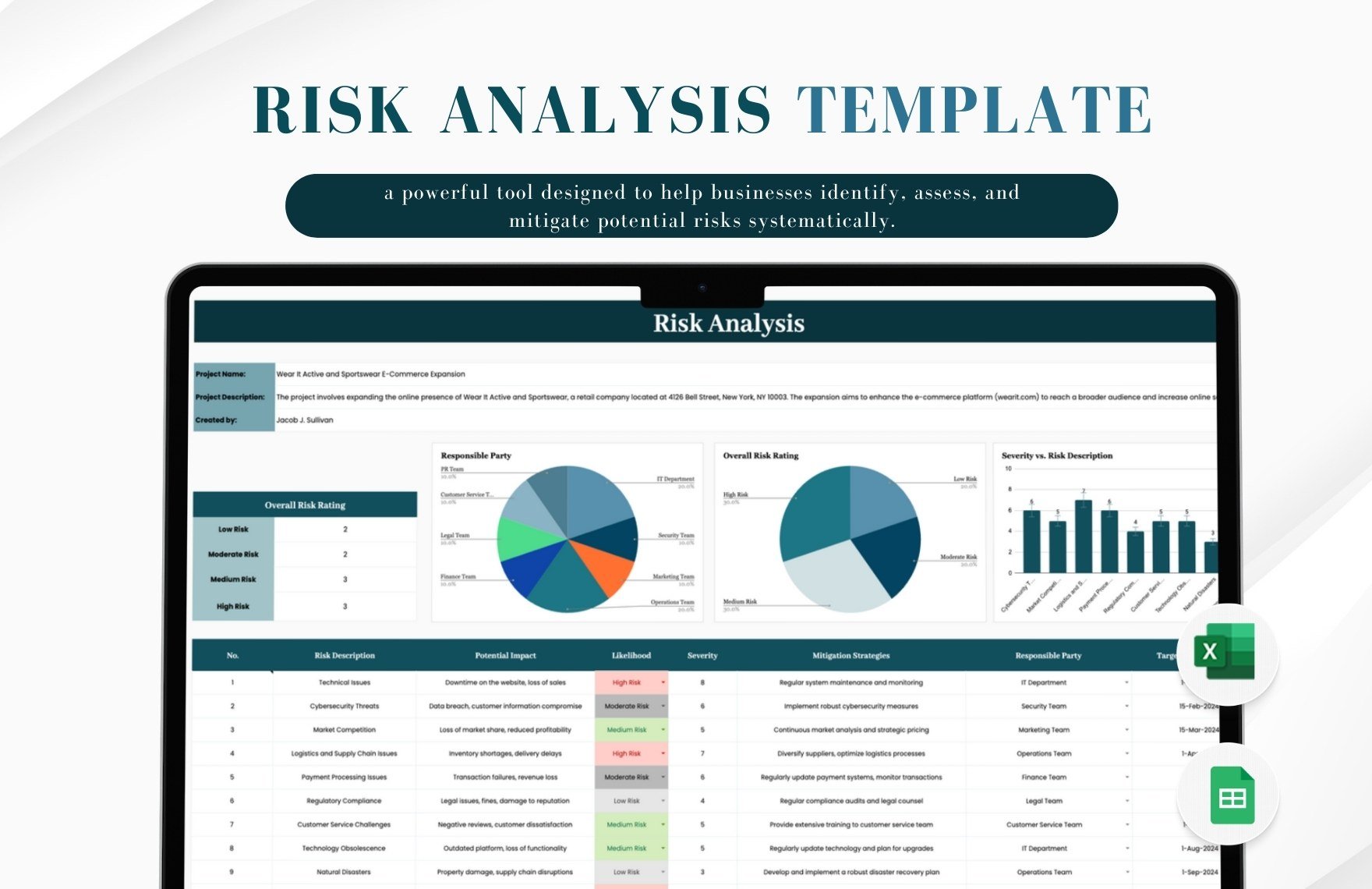
Operational Risk Scenario Analysis Template is the cornerstone of a resilient risk management strategy, allowing organizations to anticipate disruptions, quantify potential impacts, and prioritize mitigation efforts with razor‑sharp precision. This guide delivers a no‑fluff, deep‑dive into crafting, deploying, and optimizing this powerful tool, so you can transform uncertainty into actionable insight.
Why Scenario Analysis Matters

Operational risk thrives on the unknown: system outages, supply chain interruptions, regulatory changes, or sudden market shocks. Traditional risk registers capture probability and impact, but they miss the narrative behind each threat. Scenario analysis fills that gap by mapping out the “what if” pathways that could lead to financial loss, reputational damage, or regulatory fines. By visualizing these paths, leaders gain clarity on where to invest capital and how to design contingency plans that withstand real‑world turbulence.
Beyond Numbers: The Value of Context
- Strategic Alignment – Scenarios reveal how operational hiccups ripple through business units, aligning risk mitigation with corporate objectives.
- Decision‑Making Confidence – Leaders can make informed choices when they see the cascade of consequences from a single event.
- Regulatory Readiness – Regulators increasingly demand scenario‑based stress testing; a solid template ensures compliance without excessive bureaucracy.
Key Elements of an Effective Template

A robust Operational Risk Scenario Analysis Template should be modular, data‑driven, and repeatable. Below are the core components that every organization must include to capture the full spectrum of operational risk.
1. Scenario Definition Matrix
- Trigger – The initiating event (e.g., cyber breach, vendor shutdown, natural disaster).
- Contextual Factors – Conditions that amplify risk (e.g., high demand period, regulatory changes, geopolitical tensions).
- Assumptions – Quantifiable premises such as failure rates, recovery times, and cost estimates.
- Likelihood – Assign a probability or a qualitative grade (high/medium/low).
2. Impact Assessment Grid
- Financial Impact – Direct losses, indirect costs, and revenue shortfalls.
- Operational Impact – Production downtime, service degradation, and supply chain disruptions.
- Reputational Impact – Brand erosion, customer churn, and stakeholder trust.
- Regulatory Impact – Fines, penalties, and remedial actions required.
3. Mitigation & Response Plan
- Preventive Controls – Policies, technologies, or training that reduce likelihood.
- Deterrent Controls – Measures that make exploitation less attractive.
- Contingency Measures – Rapid response actions, backup systems, and crisis communication plans.
- Recovery Roadmap – Steps to restore normal operations and lessons learned.
4. Performance Metrics & Dashboards
- Key Risk Indicators (KRIs) – Early warning signs that feed into scenario triggers.
- Scenario‑Based KPIs – Metrics that track mitigation effectiveness during drills or real incidents.
- Dashboard Views – Visual summaries for board presentations and executive reviews.
Step‑by‑Step Construction Guide

Creating a template that is both comprehensive and user‑friendly requires discipline. Follow this structured approach to build a template that can be replicated across business units.
Step 1: Assemble a Cross‑Functional Team
- Include representatives from IT, Operations, Finance, Legal, Compliance, and Business Continuity.
- Assign a dedicated risk owner to coordinate inputs and maintain the template.
- Establish a governance cadence: quarterly reviews, annual updates, and ad‑hoc revisions post‑incident.
Step 2: Define High‑Priority Scenario Categories
- Identify top‑tier categories: Cyber, Supply Chain, Operational, Regulatory, Environmental.
- For each category, brainstorm 3–5 high‑impact scenarios that align with your industry’s threat landscape.
- Document each scenario in the Definition Matrix, ensuring that triggers and assumptions are realistic and data‑driven.
Step 3: Quantify Impact Using Data Sources
- Leverage internal metrics: historical loss data, downtime logs, and cost of remediation.
- Integrate external benchmarks: industry loss ratios, market studies, and regulatory guidance.
- Apply scenario‑specific formulas to calculate financial loss, such as Loss = Exposure × Probability × Impact Multiplier.
Step 4: Build the Mitigation & Response Framework
- Map existing controls to each scenario; assess gaps.
- Prioritize remediation actions using a Cost‑Benefit Analysis: Benefit / Cost Ratio > 1 indicates a worthwhile investment.
- Document fallback plans, alternate suppliers, and third‑party agreements within the template.
Step 5: Integrate with Risk Management Software
- Export the template into your Risk Management Information System (RMIS) or spreadsheet platform.
- Set up automated alerts when a trigger threshold is met.
- Enable drill‑down capabilities for detailed scenario exploration.
Step 6: Validate and Test
- Run tabletop exercises with stakeholders to walk through each scenario.
- Simulate real‑time triggers using data feeds or mock incidents.
- Collect feedback and refine the template iteratively.
Integrating the Template into Your Risk Management Process
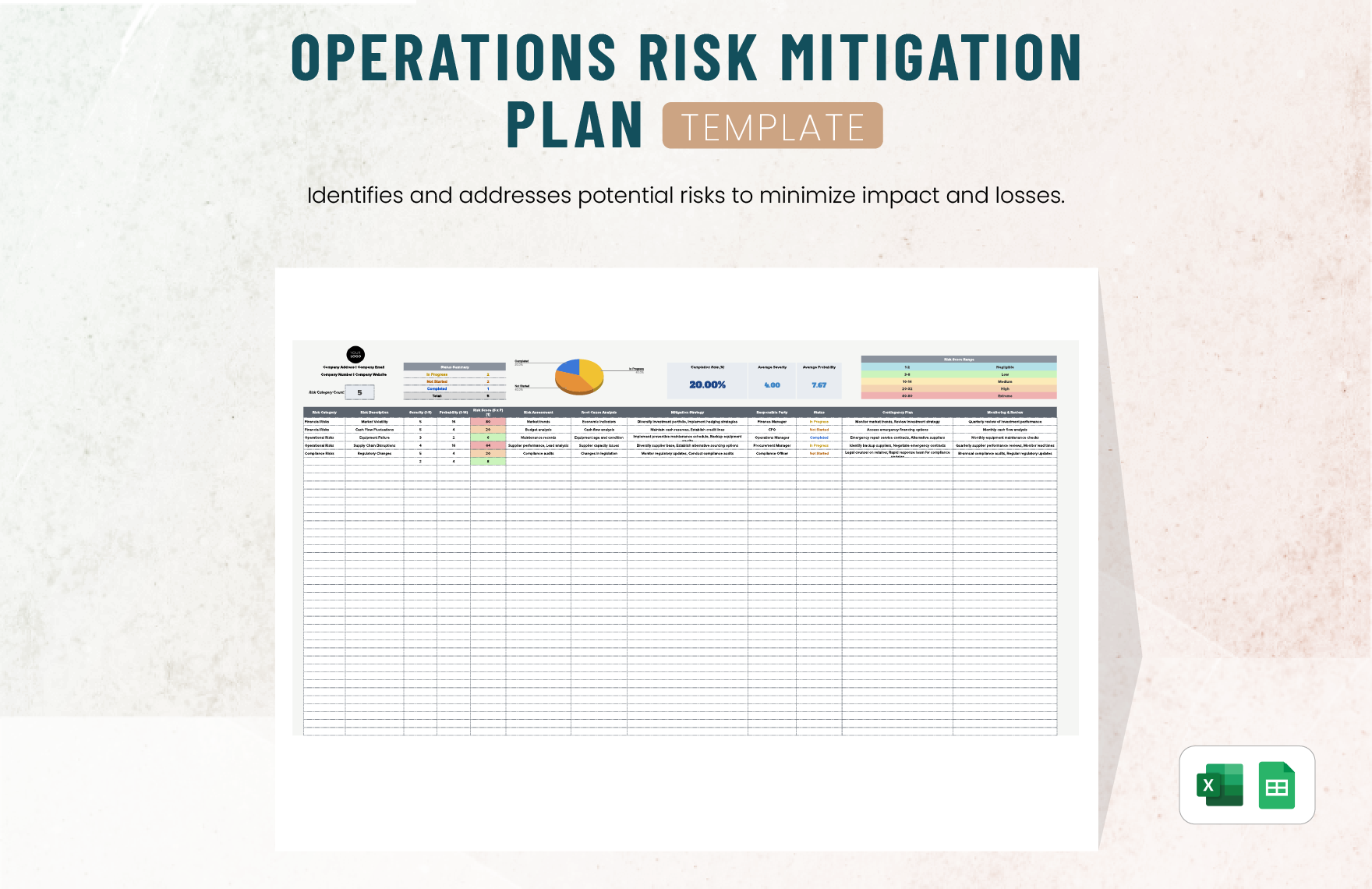
A template is only as effective as the processes that support it. Embed it seamlessly into your existing frameworks to ensure maximum ROI.
1. Risk Appetite Alignment
- Link scenario outcomes to your organization’s risk appetite thresholds.
- Use the template to assess whether projected losses exceed appetite and trigger escalation.
2. Board and Executive Reporting
- Generate concise scenario reports highlighting potential losses, mitigation status, and action plans.
- Present visual dashboards that track KRIs against scenario triggers.
3. Continuous Improvement Loop
- Schedule post‑incident reviews to capture lessons learned.
- Update assumptions, impacts, and controls based on real data.
- Incorporate emerging threats (e.g., AI‑driven cyber attacks, supply chain digitization) into the next template cycle.
Common Pitfalls and How to Avoid Them

Even the best‑intentioned teams can fall into traps that undermine scenario analysis. Recognize these pitfalls early and take corrective actions.
Over‑Simplification
Reductive models that ignore interdependencies between risks lead to blind spots. Always map cross‑risk interactions; a cyber incident can cascade into supply chain, operational, and regulatory risks.
Static Assumptions
Assumptions baked into a template should be reviewed quarterly. Market dynamics, technology changes, and regulatory shifts can render them obsolete.
Data Silos
Fragmented data sources impede accurate impact assessment. Create a centralized repository for loss data, KPI metrics, and control evidence.
Inadequate Stakeholder Engagement
Scenario analysis loses relevance if business units see it as a compliance checkbox. Embed scenario exercises into business planning cycles and reward participation.
Real‑World Application: Case Study

Consider a mid‑size manufacturing firm that adopted a scenario analysis template to tackle a potential ransomware attack. The scenario team mapped the trigger (phishing email) and assumptions (10% success rate, 5‑day recovery window). Impact assessment projected a $2.5M loss from production downtime and a $750K regulatory fine. Mitigation actions—implementing multi‑factor authentication, conducting quarterly phishing drills, and purchasing cyber‑insurance—were prioritized. During the next tabletop drill, the team realized that backup restoration time was overestimated. They updated the recovery plan, shortening the window to 3 days and reducing projected losses to $1.2M. After the actual incident, the company successfully mitigated the breach, recovered operations in 2 days, and saved over $1M versus the initial scenario projection.
Lessons Learned
- Scenario analysis can dramatically lower actual losses when coupled with iterative refinement.
- Engaging frontline employees in drills surfaces practical gaps in response plans.
- Quantitative impact estimates sharpen executive focus on high‑priority controls.
Conclusion

Operational risk scenario analysis is no longer optional; it is an essential discipline for enterprises that seek to thrive in a volatile environment. By building a Operational Risk Scenario Analysis Template that is data‑rich, modular, and integrated into the broader risk framework, organizations gain foresight, strengthen decision‑making, and safeguard their bottom line. Commit to continuous refinement, cross‑functional collaboration, and executive oversight, and your risk posture will evolve from reactive to proactive—turning uncertainty into a competitive advantage.