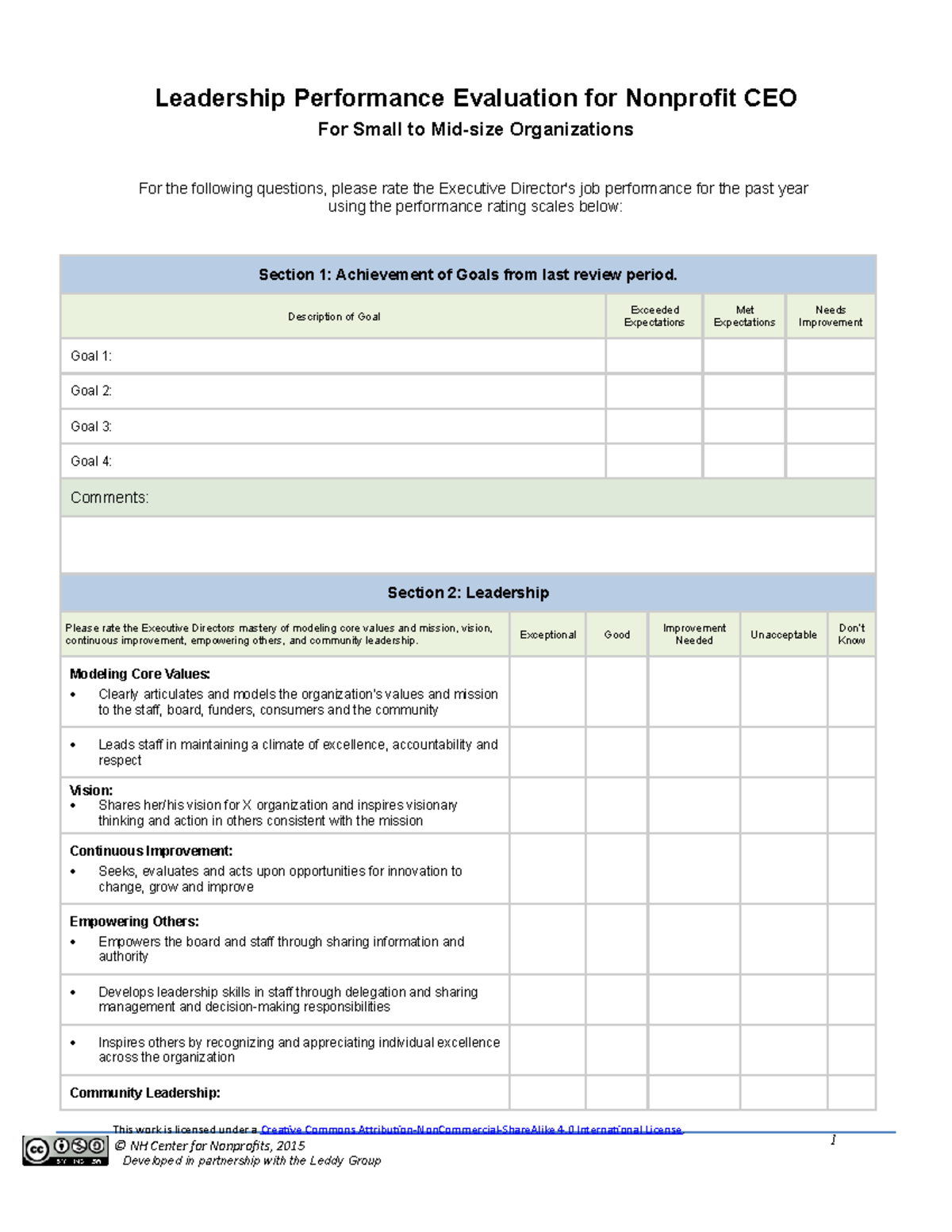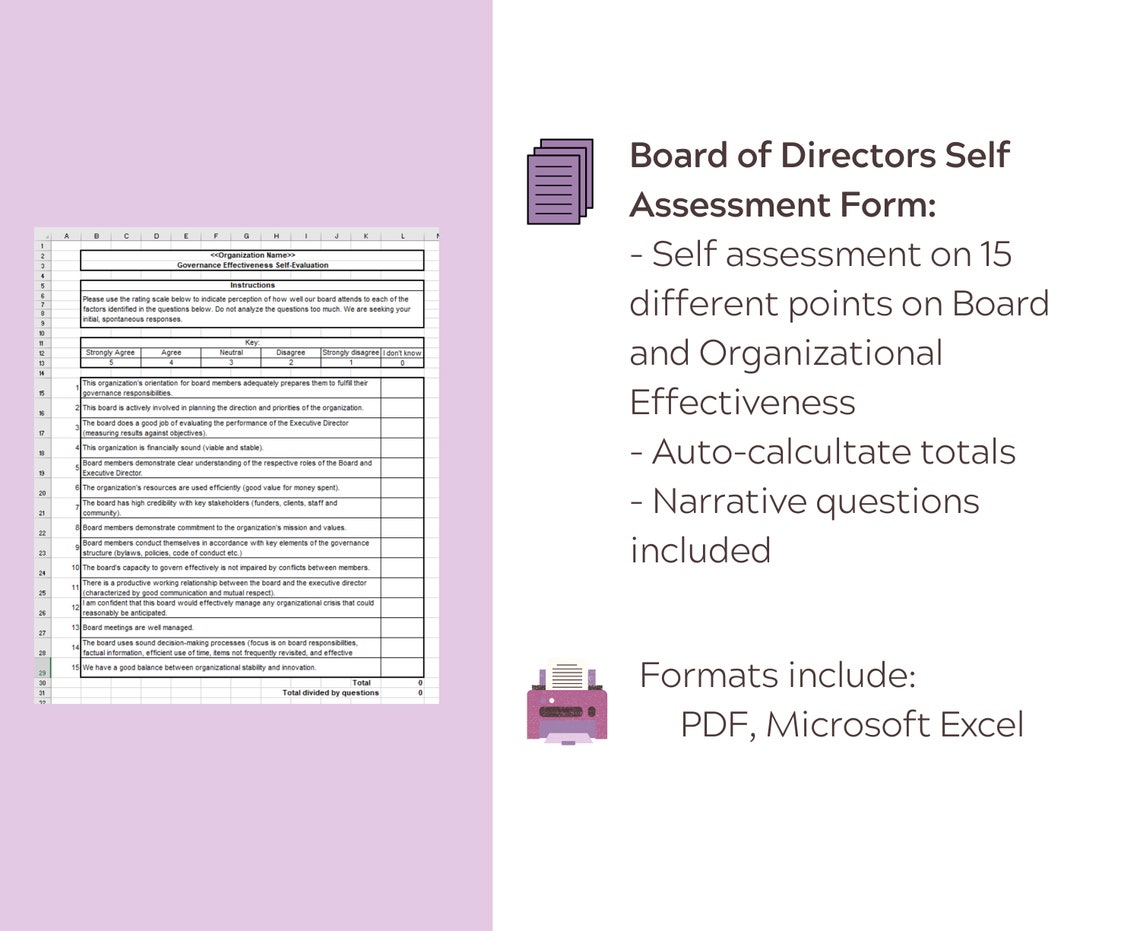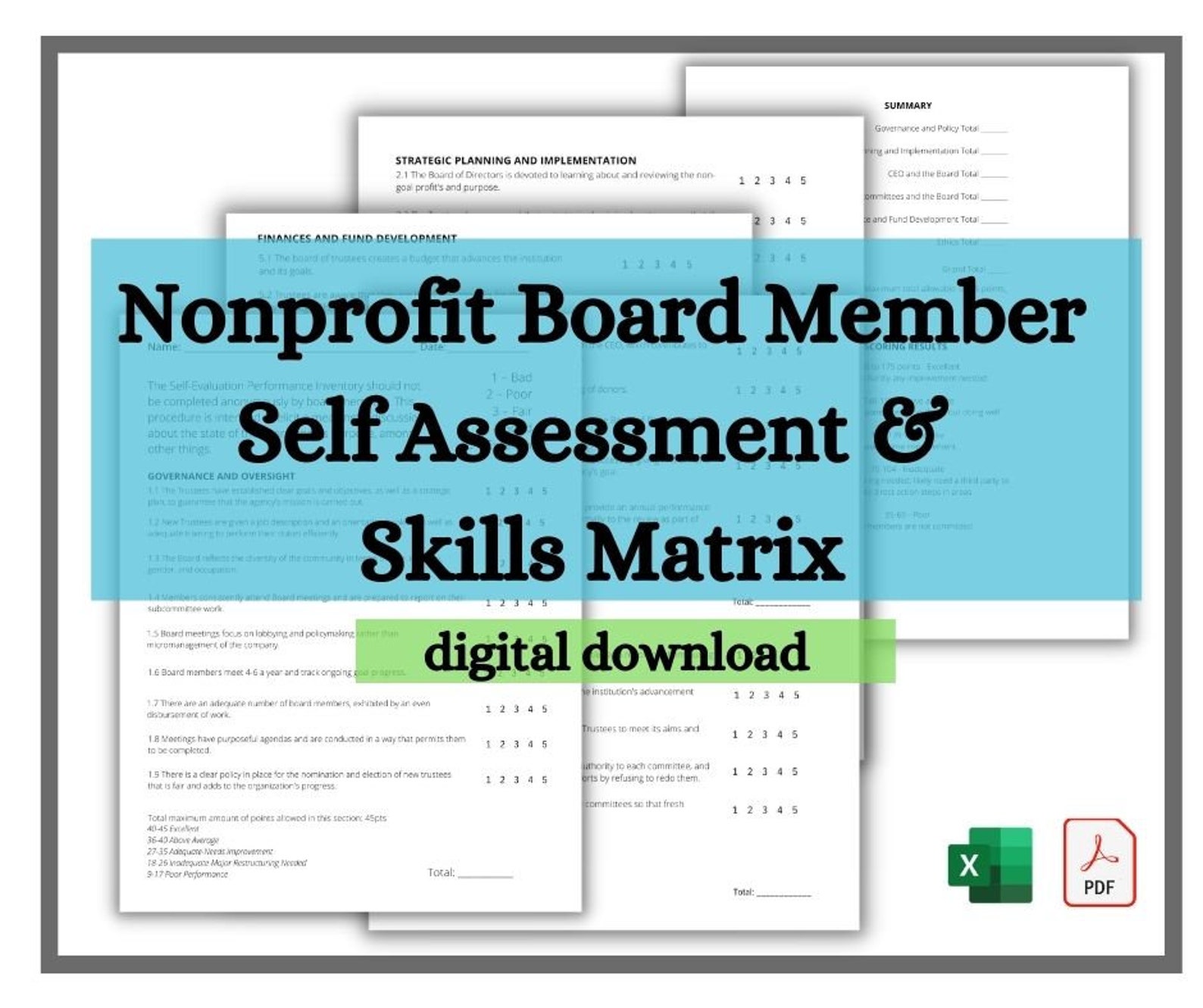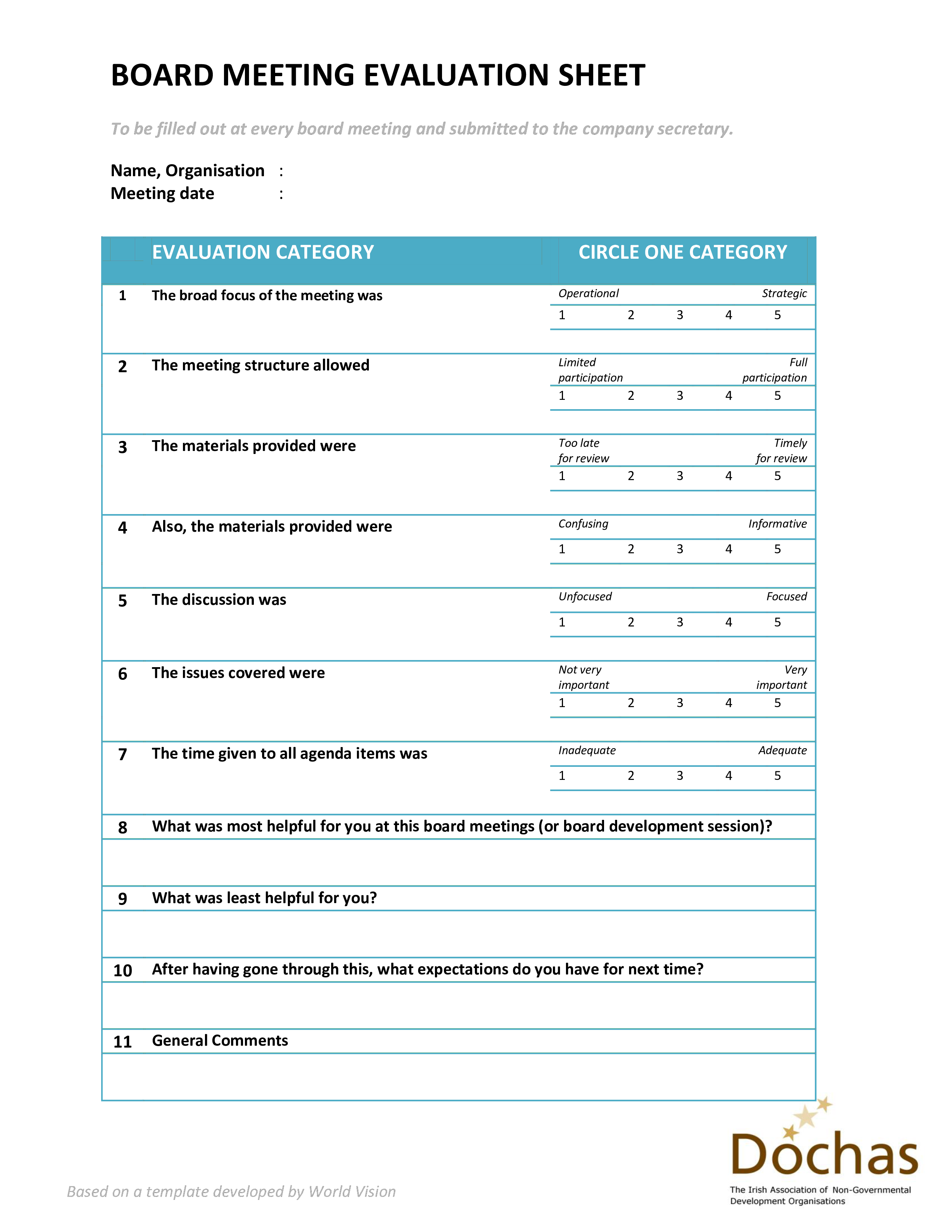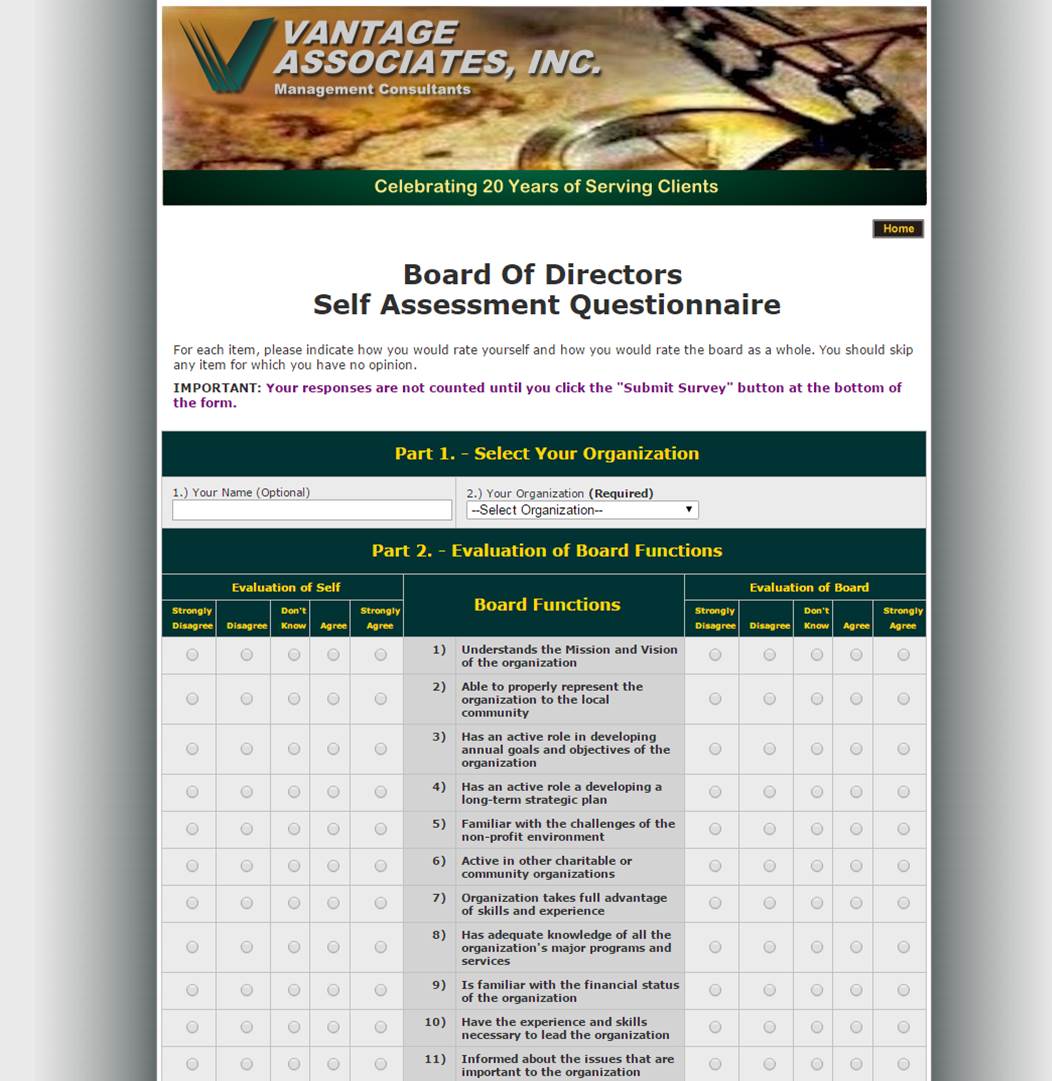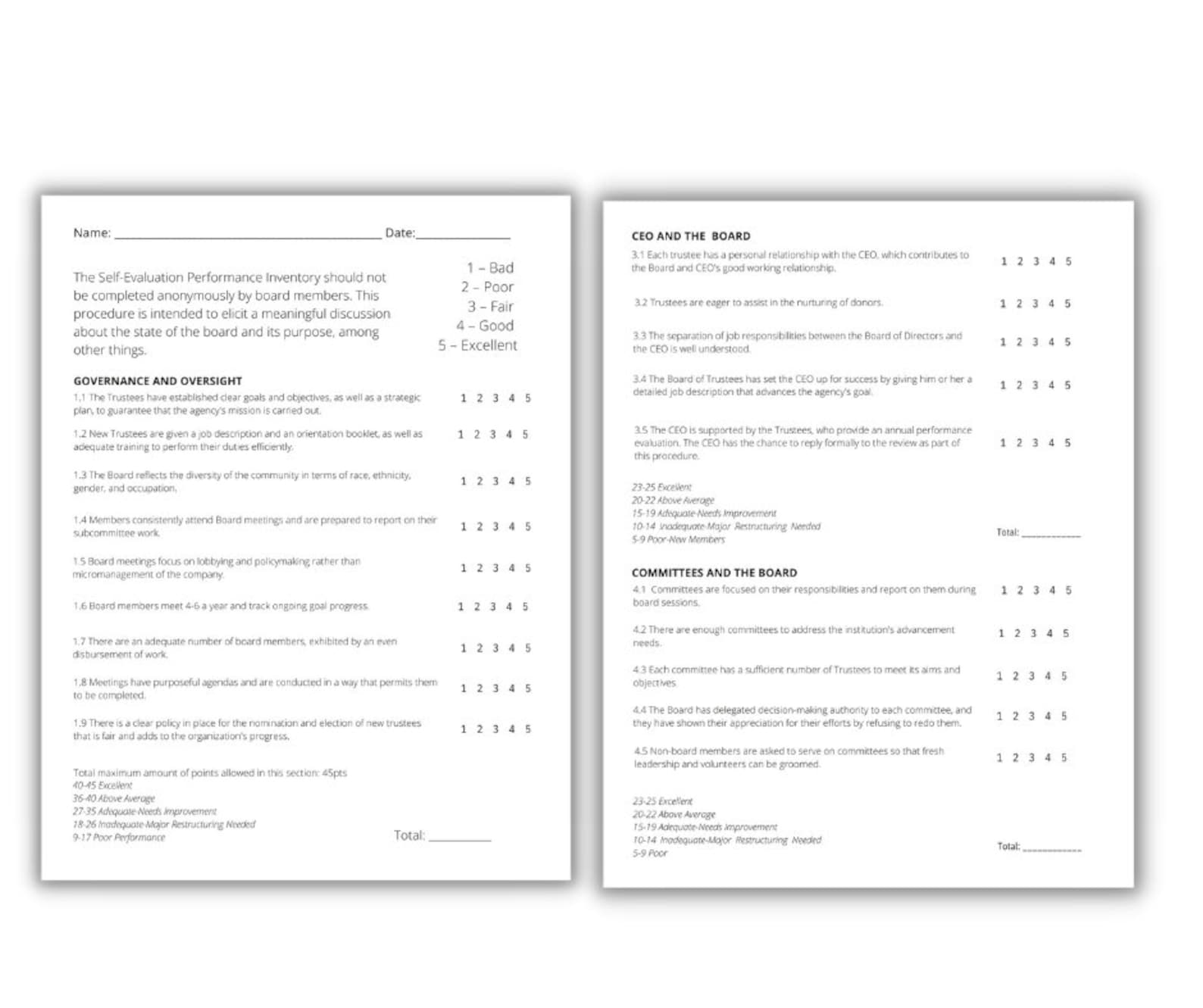
Nonprofit Board Self Evaluation Template is a pivotal tool that empowers boards to measure their effectiveness, identify gaps, and foster continuous improvement. In a landscape where fiduciary responsibility, transparency, and impact are scrutinized by donors, regulators, and the communities served, a structured self‑assessment can be the catalyst that turns good intentions into measurable success.
Why Boards Need a Self‑Evaluation Template
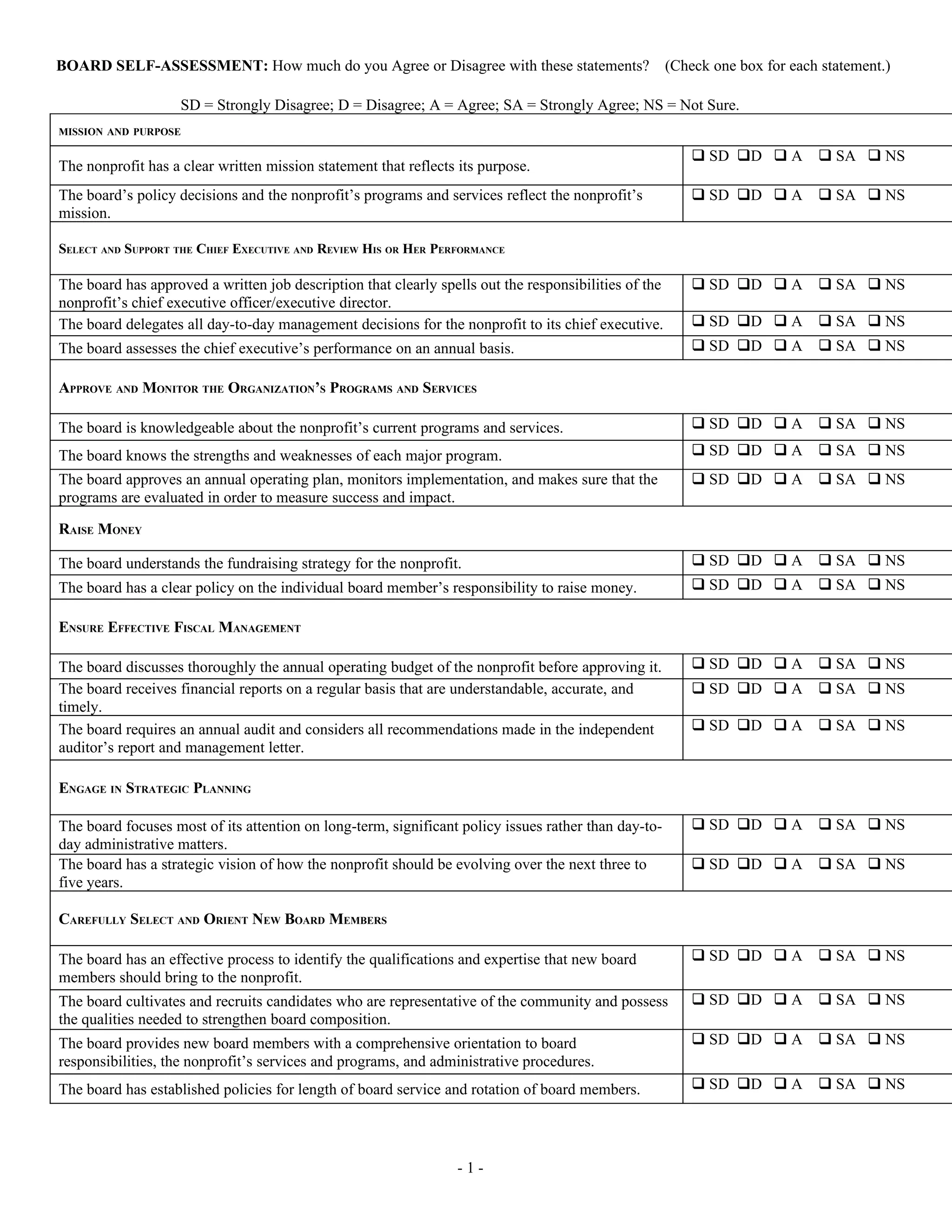
Nonprofit boards often operate under tight resource constraints, yet they hold ultimate authority over strategy, policy, and stewardship of assets. A well‑designed template forces board members to step back, examine their collective performance, and make data‑driven decisions. Some of the key benefits include:
- Objective Insight – By answering a consistent set of questions, boards gain a clear snapshot of strengths and weaknesses.
- Alignment with Mission – Self‑evaluation ensures that governance practices remain tightly coupled to the organization’s core purpose.
- Strategic Planning Aid – Findings from the template can feed into long‑term strategic plans and board composition strategies.
- Accountability and Transparency – Documentation of assessment results demonstrates due diligence to stakeholders.
Common Misconceptions About Self‑Evaluation
Many boards mistakenly view self‑evaluation as a bureaucratic checkbox or a tool for blame. In reality, it is a growth mechanism. Treat the process as an honest dialogue rather than a punitive audit, and encourage candid feedback while maintaining confidentiality where needed.
Core Components of an Effective Template
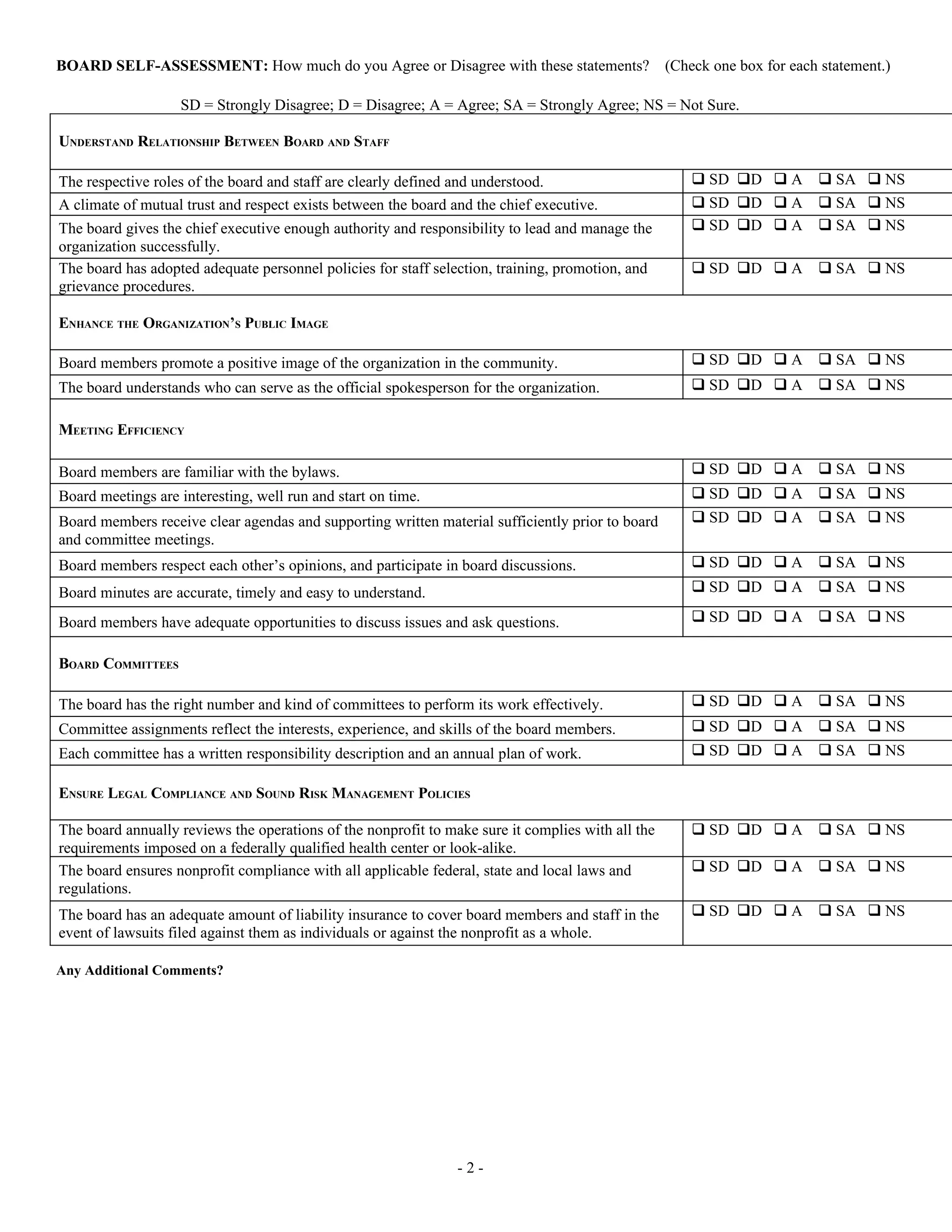
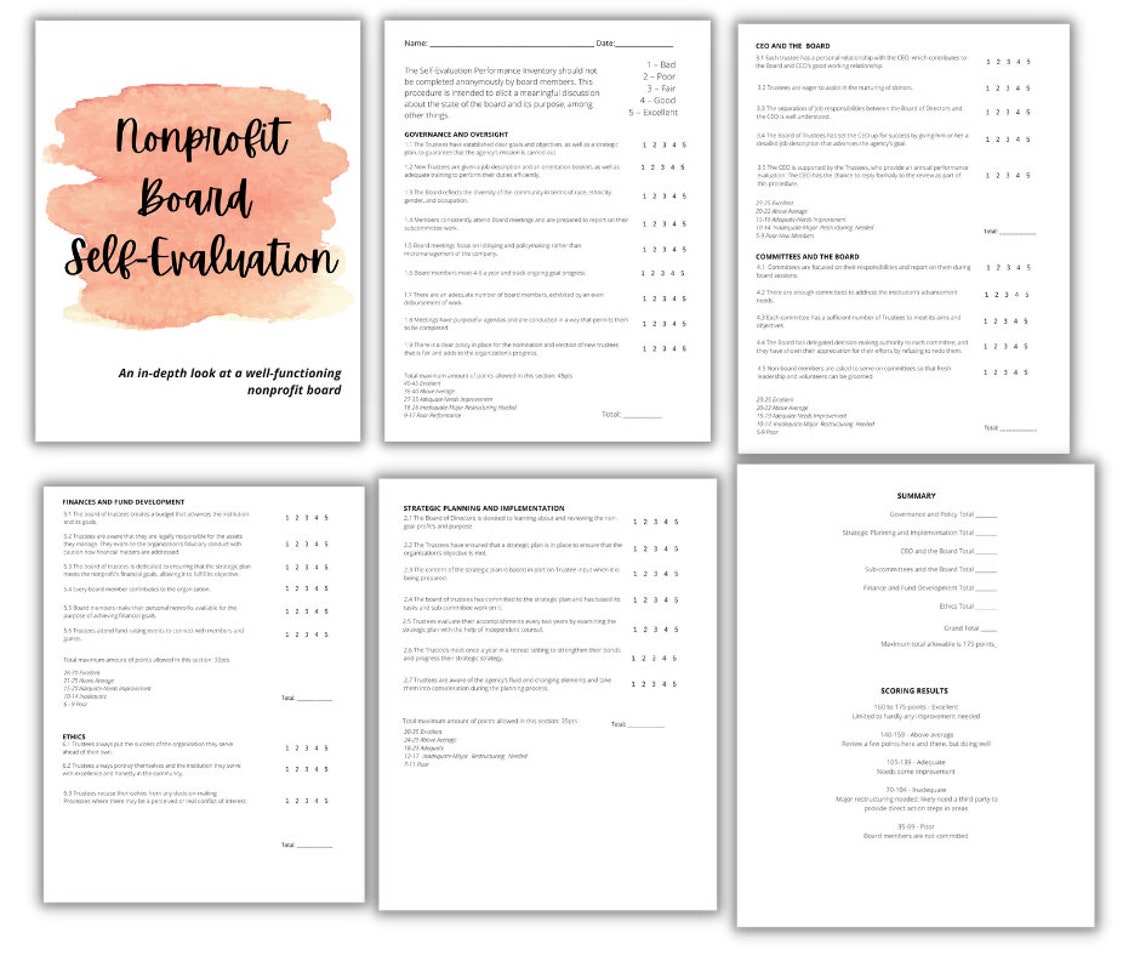
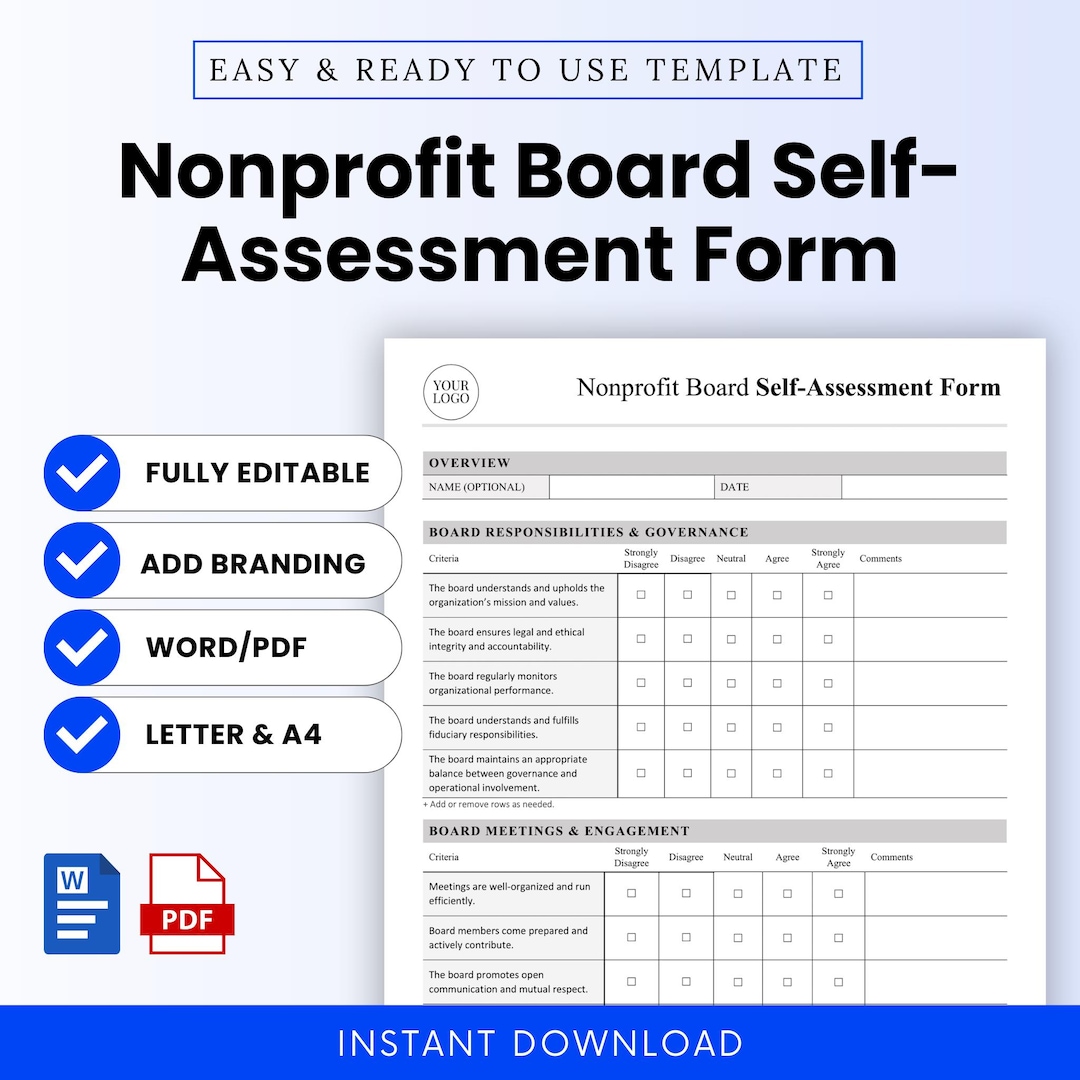
A robust board self‑evaluation template typically covers the following dimensions. Each category can be scored using a simple Likert scale (e.g., 1–5) and supplemented with qualitative comments.
Governance and Leadership
- Clarity of board charter and bylaws
- Frequency and quality of board meetings
- Board’s understanding of legal and fiduciary obligations
- Leadership effectiveness of the board chair
Strategic Oversight
- Alignment of board actions with the organization’s strategic plan
- Participation in setting long‑term goals
- Monitoring of key performance indicators (KPIs)
- Risk assessment and mitigation oversight
Financial Stewardship
- Approval and monitoring of annual budgets
- Fundraising strategy and donor stewardship
- Asset management and investment oversight
- Compliance with financial reporting standards
Human Capital and Culture
- Effectiveness of board member recruitment and onboarding
- Diversity and inclusion within the board composition
- Professional development opportunities for board members
- Evaluation of the executive director or CEO
Community Engagement and Advocacy
- Representation of stakeholder perspectives in decision making
- Advocacy activities aligned with the mission
- Impact assessment of programs and services
- Public communication and storytelling effectiveness
Step‑by‑Step Guide to Using the Template
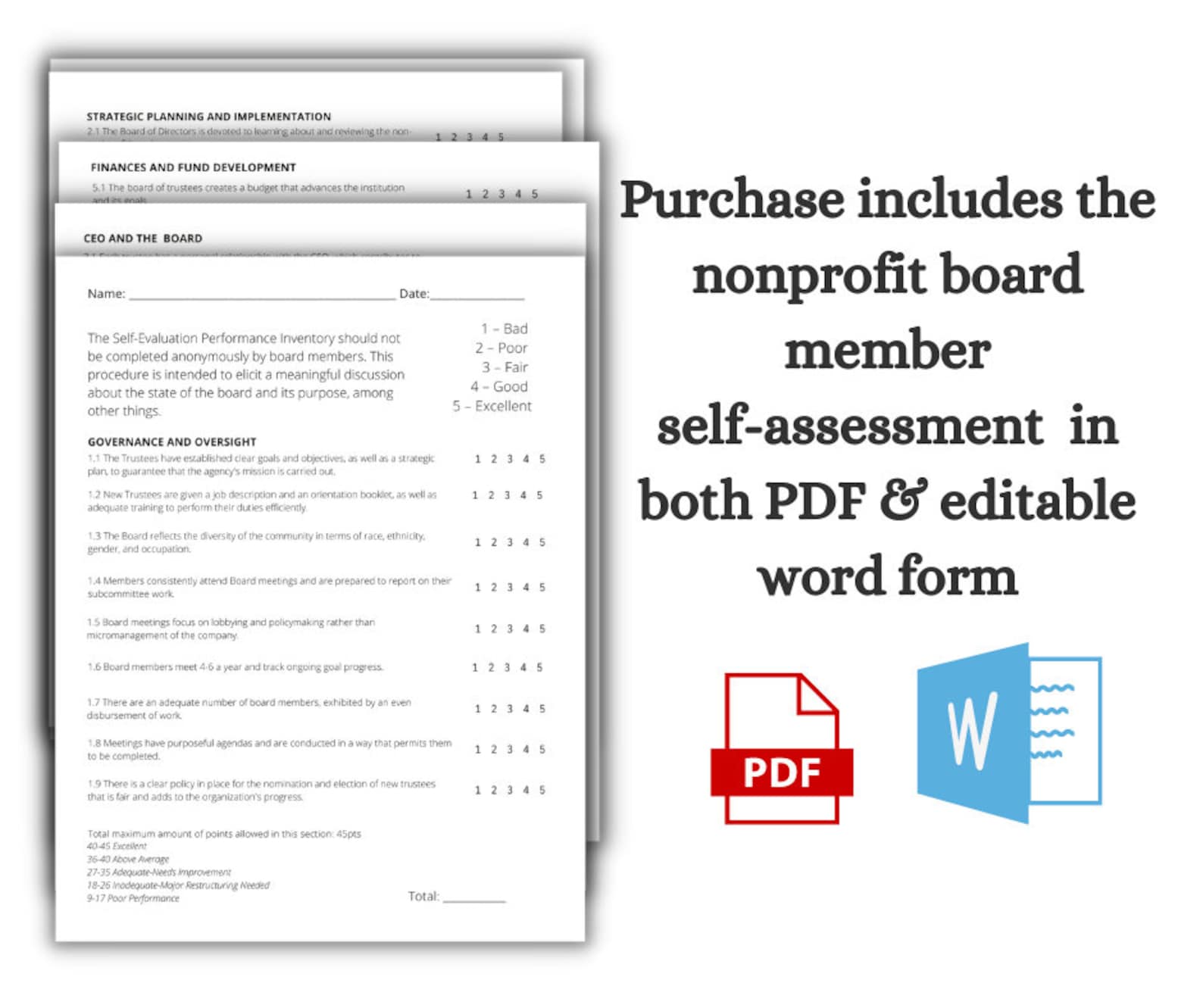
Implementing a self‑evaluation is more than filling out a worksheet; it is a structured process that involves preparation, participation, analysis, and action.
Step 1 – Prepare the Board
Distribute the template at least two weeks before the evaluation meeting. Accompany it with a brief explanatory memo that defines each dimension and offers examples of what a strong versus weak score might look like. Encourage members to review relevant documents (charter, bylaws, strategic plan, financial statements) in advance.
Step 2 – Individual Scoring
Each board member independently rates themselves and the board as a whole for each item. Anonymity is key to honest responses. Scores can be aggregated later to highlight trends without attributing them to individuals.
Step 3 – Facilitate a Group Discussion
The board chair or an external facilitator should lead a structured dialogue. Use a timer to keep each section focused. Capture qualitative insights on a whiteboard or shared document. Highlight consensus areas and divergent opinions.
Step 4 – Analyze Results
Compile the quantitative scores into a simple visual dashboard—bar charts or heat maps work well. Pair each score with the qualitative comments to provide context. Look for patterns: Are strategic oversight scores lower than governance? Does diversity appear underrepresented?
Step 5 – Develop an Action Plan
For each identified weakness, assign a concrete initiative, responsible person, and a realistic timeline. For example, “Improve financial oversight” might translate into a quarterly financial review workshop led by the treasurer.
Step 6 – Document and Report
Produce a concise report that summarizes findings, action items, and next steps. Share it with the board, the executive team, and, when appropriate, key stakeholders. This demonstrates accountability and transparency.
Real-World Examples of Effective Self‑Evaluation
Below are two illustrative cases that show how different nonprofit sectors leveraged self‑evaluation to unlock new levels of performance.
Case Study 1 – Community Health Clinic
After a 2019 self‑evaluation, the clinic’s board discovered that its risk assessment scores were low. They established a risk committee and instituted quarterly risk workshops. Over two years, the clinic reduced operational incidents by 30% and increased patient satisfaction scores.
Case Study 2 – Arts & Culture Organization
The organization’s evaluation revealed a gap in board diversity and community engagement. In response, they created a diversity and outreach sub‑committee, recruited members from under‑represented groups, and launched a social media strategy. Audience engagement grew by 45% and fundraising revenue increased by 18% in the following year.
Common Pitfalls and How to Avoid Them
Even the best templates can falter if not applied carefully. Be mindful of these traps:
Over‑Quantification
Relying solely on numbers can mask nuances. Ensure each metric has a qualitative counterpart to capture the story behind the score.
Ignoring Cultural Factors
A template that doesn’t consider organizational culture may produce unrealistic expectations. Adjust language and metrics to fit your unique context.
Inadequate Follow‑Up
Identifying gaps is only the first step. Without a clear action plan and accountability, the evaluation becomes a paper exercise. Embed the findings into the board’s annual agenda.
Resistance to Transparency
Boards that fear judgment may skew responses. Promote a culture where honest self‑assessment is valued over perfection.
Customizing the Template for Your Board

Every nonprofit has distinct priorities. Below are tips for tailoring the template while preserving its core strength.
Adjust Metrics to Match Strategic Priorities
If your organization’s mission centers on youth education, amplify the community engagement dimension. Add specific KPIs such as “Number of schools partnered with” or “Average student enrollment growth.”
Incorporate Stakeholder Feedback
Invite a representative from the donor or client base to review the template. Their perspective can highlight blind spots that board members may overlook.
Leverage Technology
Online survey tools (e.g., Google Forms, SurveyMonkey) can streamline data collection. Use conditional logic to drill deeper into areas that score low, saving time during discussions.
Iterate Periodically
Every 3–5 years, revisit the template’s relevance. Remove outdated items and introduce new metrics that reflect emerging governance trends, such as cyber‑security oversight or ESG (Environmental, Social, Governance) responsibilities.
Resources to Complement Your Self‑Evaluation
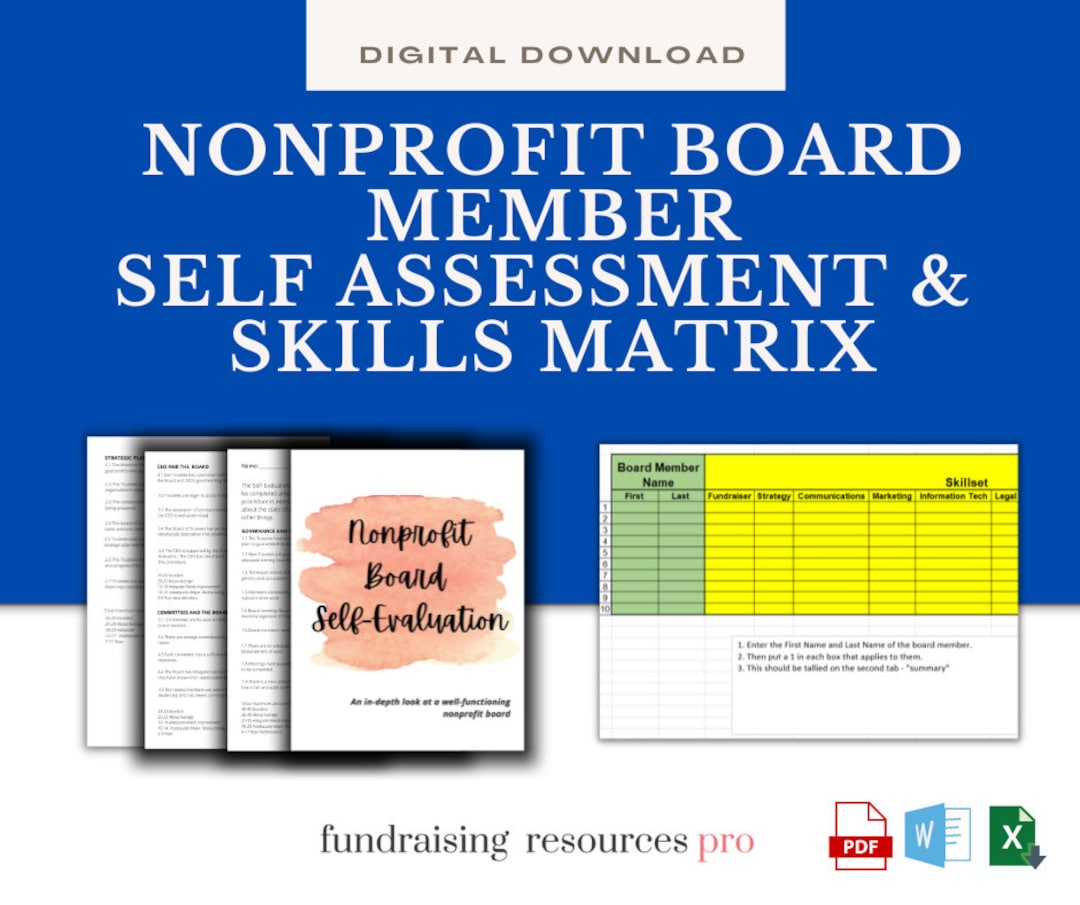
While a template provides structure, additional tools and frameworks can enrich the process.
Board Governance Best Practices Guides
Many national associations publish free guides that outline board responsibilities and effective governance practices. Use them to benchmark your scores.
Strategic Planning Frameworks
Frameworks such as Balanced Scorecard or OKR (Objectives & Key Results) help translate self‑evaluation findings into actionable strategies.
Professional Development Platforms
Platforms like BoardSource or The NonProfit Times offer workshops and webinars on topics ranging from fiduciary duties to diversity hiring practices.
Conclusion

A well‑structured Nonprofit Board Self Evaluation Template is more than a compliance checklist; it is a catalyst for board empowerment, strategic clarity, and organizational impact. By thoughtfully preparing, engaging in honest dialogue, and translating insights into concrete actions, boards can evolve from passive oversight bodies to proactive leaders who drive their missions forward with confidence and accountability. With the steps and examples outlined above, any nonprofit can implement a self‑evaluation process that not only reveals blind spots but also charts a clear path toward sustained excellence. The journey of self‑improvement begins with a single assessment, but its ripple effect can reshape the entire organization for years to come.