
Ngo Brochure Templates have become an essential tool for organizations seeking to communicate their mission, programs, and impact in a concise, visually appealing format that resonates with donors, volunteers, and partners. In a digital age where attention spans are limited, a well‑crafted brochure can capture hearts and wallets within seconds, translating complex social issues into clear, actionable narratives. This article explores the strategic value of brochure templates for NGOs, outlines the core components of an effective design, and provides step‑by‑step guidance on customizing, distributing, and measuring the success of your printed and digital outreach materials.
Why Brochures Remain Vital for NGOs

Even as social media and email newsletters dominate the communication landscape, brochures continue to hold a unique position for several reasons. First, they offer a tactile experience that reinforces credibility; a high‑quality printed piece can convey professionalism and permanence that a fleeting online post cannot. Second, brochures serve as portable ambassadors, easily handed out at community events, conferences, and fundraising galas. Third, they function as a compact repository of information, allowing readers to absorb key messages without the distraction of hyperlinks or pop‑ups.
In addition, brochures are highly adaptable. They can be printed for face‑to‑face interactions, converted into PDFs for email attachments, or embedded in website download sections, ensuring consistent branding across all channels. For NGOs, this versatility translates into cost‑effective outreach, especially when a single template can be repurposed for multiple campaigns throughout the year.
Core Elements of an Effective NGO Brochure

An impactful brochure balances visual appeal with persuasive content. Below are the essential building blocks that every template should accommodate.
Compelling Headline
The headline is the first point of contact. It should be succinct, emotionally resonant, and reflective of the NGO’s core mission. For example, “Empowering Communities Through Clean Water” instantly tells the reader what the organization does and why it matters.
Mission Statement and Vision
Within the first fold, include a brief mission statement that encapsulates the NGO’s purpose in one or two sentences. Follow this with a vision snippet that paints a picture of the desired future. Use active language and avoid jargon to keep the message accessible to a broad audience.
Impact Statistics
Numbers lend credibility. Present quantifiable outcomes—such as “1,200 families provided with safe drinking water in the past year”—in a visually distinct format (icons, infographics, or bold typography). Pair statistics with short anecdotes to humanize the data.
Program Highlights
Dedicate a section to showcase flagship programs. Use concise bullet points or short paragraphs to describe objectives, methods, and results. Include compelling images or illustrations that illustrate beneficiaries in action, reinforcing the narrative of change.
Call to Action (CTA)
A clear CTA guides the reader toward the next step—whether it is donating, volunteering, signing up for a newsletter, or attending an event. Position the CTA prominently, using contrasting colors or button‑style graphics to draw attention.
Contact Information
Provide multiple contact channels: email, phone, physical address, and social media handles. Include QR codes that link to the donation page or a volunteer sign‑up form for seamless digital integration.
Design Principles for Impactful Templates

Design is not merely decorative; it shapes perception and influences how information is processed. Follow these principles to ensure your brochure template maximizes engagement.
Brand Consistency
Maintain a uniform color palette, typography, and logo placement across all pages. Consistency reinforces brand recognition and builds trust. If your NGO’s brand uses a teal and gold scheme, incorporate these colors into headings, borders, and accent elements throughout the template.
Visual Hierarchy
Guide the reader’s eye by establishing a clear hierarchy. Use larger fonts for headlines, medium sizes for subheadings, and smaller text for body copy. Pair headings with visual cues such as icons or colored bars to separate sections.
Whitespace Management
Whitespace—or negative space—is crucial for readability. Avoid clutter by giving each element breathing room. This not only improves comprehension but also creates a premium feel that can influence donor perception.
Imagery and Icons
Select high‑resolution photographs that depict real beneficiaries and program activities. Supplement images with custom icons that illustrate concepts like education, health, or sustainability. Ensure all visuals are aligned with the NGO’s ethical standards and have proper usage rights.
Responsive Layout
Design the template with a modular grid that can be easily adapted for different formats: trifold, bifold, or single‑page flyers. A flexible grid allows you to rearrange content for digital PDFs without sacrificing visual balance.
Choosing the Right Template for Your Organization

Selecting a template involves assessing both strategic goals and practical constraints. Below is a decision‑making framework to help you pick the best fit.
- Audience Profile: Identify who will receive the brochure—potential donors, volunteers, corporate partners, or community members. Templates with more data‑driven sections suit donor audiences, while volunteer‑focused brochures benefit from storytelling elements.
- Distribution Channels: If the primary channel is face‑to‑face at events, prioritize a tactile, high‑gloss finish. For email attachments, choose a lightweight PDF‑optimized template to avoid large file sizes.
- Budget Constraints: Free or low‑cost templates can be a starting point, but investing in a premium design may yield higher conversion rates due to superior aesthetics and customization options.
- Technical Skill Set: Ensure your team can edit the template using familiar software—Adobe InDesign, Canva, or Microsoft PowerPoint. Templates that come with editable layers and clear instructions reduce the learning curve.
- Scalability: Consider future campaigns. A versatile template that can be repurposed for annual reports, grant proposals, or event invitations maximizes ROI.
Customization Tips for Maximum Engagement

Even the most polished template needs personalization to reflect your NGO’s unique voice. Follow these practical steps to tailor the design without compromising its integrity.
Replace Placeholder Text with Authentic Stories
Swap generic lorem ipsum with real beneficiary narratives. A short quote such as, “Thanks to clean water projects, my children no longer miss school due to illness,” adds emotional depth and credibility.
Adapt Color Accents to Campaign Themes
For seasonal campaigns—like a winter clothing drive—introduce subtle accent colors that evoke the season while preserving the core brand palette. This keeps the brochure fresh without a full redesign.
Integrate Interactive Elements in Digital PDFs
Embed clickable hyperlinks, embedded videos, or form fields for online donations. Ensure these elements are clearly indicated with icons or underlined text so readers know they are interactive.
Use Data Visualization Tools
Transform raw data into charts, graphs, or infographics using tools like Canva’s chart maker or Adobe Illustrator. Visual data is processed 30% faster than plain text, increasing retention of your impact metrics.
Proofread and Test Print
Before finalizing, conduct a thorough proofread to eliminate grammatical errors. Print a single test copy to evaluate color fidelity, font legibility, and image quality. Adjust settings as needed to avoid costly reprints.
Effective Distribution Strategies
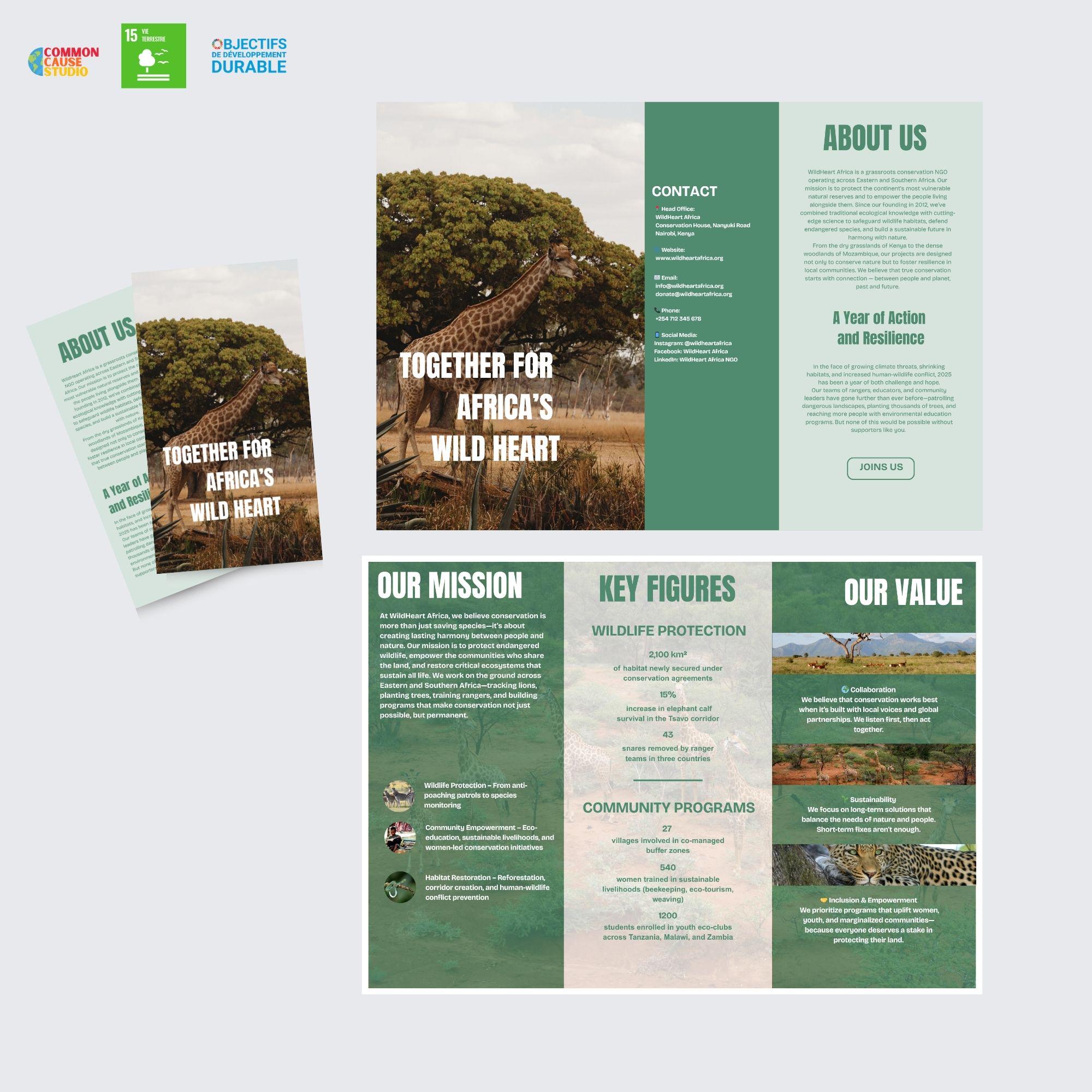
A brochure’s success hinges on strategic placement and timing. Below are proven tactics to amplify reach and drive action.
Event‑Centric Distribution
Set up a dedicated brochure station at conferences, community fairs, and fundraising galas. Train volunteers to hand out brochures while offering a brief elevator pitch that reinforces the CTA.
Partner Networks
Leverage relationships with corporate sponsors, schools, and local businesses. Provide them with printed copies to display in waiting areas, break rooms, or storefronts, extending your message to new audiences.
Direct Mail Campaigns
Combine the brochure with a personalized cover letter and a pre‑addressed donation envelope. Direct mail still yields a higher response rate for certain donor demographics, especially older supporters accustomed to physical correspondence.
Digital Distribution
Upload the PDF version to your website’s resource hub, and promote it via email newsletters, social media posts, and QR codes on event signage. Track downloads using Google Analytics to gauge interest.
Follow‑Up Sequences
After distributing the brochure, schedule a follow‑up email or phone call within a week. Reference specific sections of the brochure to demonstrate attentiveness and encourage the next step.
Measuring ROI and Impact

Quantifying the effectiveness of your brochure campaign informs future investments and demonstrates accountability to stakeholders.
Key Performance Indicators (KPIs)
- Response Rate: Number of inquiries, donations, or volunteer sign‑ups generated per brochure distributed.
- Cost Per Acquisition (CPA): Total printing and distribution costs divided by the number of new supporters acquired.
- Engagement Metrics: PDF download count, average time spent on the brochure page, and click‑through rates on embedded links.
- Retention Impact: Percentage of brochure‑derived donors who continue to give after the initial contribution.
Data Collection Methods
Use unique tracking codes or QR codes that direct recipients to a landing page with UTM parameters. This isolates brochure‑driven traffic from other marketing channels. For printed copies, include a short, memorable URL or a “mention this code” field on the donation form.
Analyzing Results
Compile the data in a simple spreadsheet or dashboard. Compare the CPA of brochure campaigns against digital ads to assess cost efficiency. Identify patterns—such as higher conversion rates at specific events—to refine future distribution plans.
Conclusion
Investing in well‑designed Ngo Brochure Templates equips nonprofit organizations with a versatile, high‑impact communication tool that bridges the gap between storytelling and fundraising. By understanding why brochures remain relevant, mastering the core design elements, selecting the right template, customizing with authentic narratives, and executing strategic distribution, NGOs can maximize donor engagement and amplify their social impact. Continuous measurement of ROI ensures that each brochure iteration becomes more effective than the last, turning paper and pixels into lasting change for the communities they serve.


Related posts of "Ngo Brochure Templates"
