
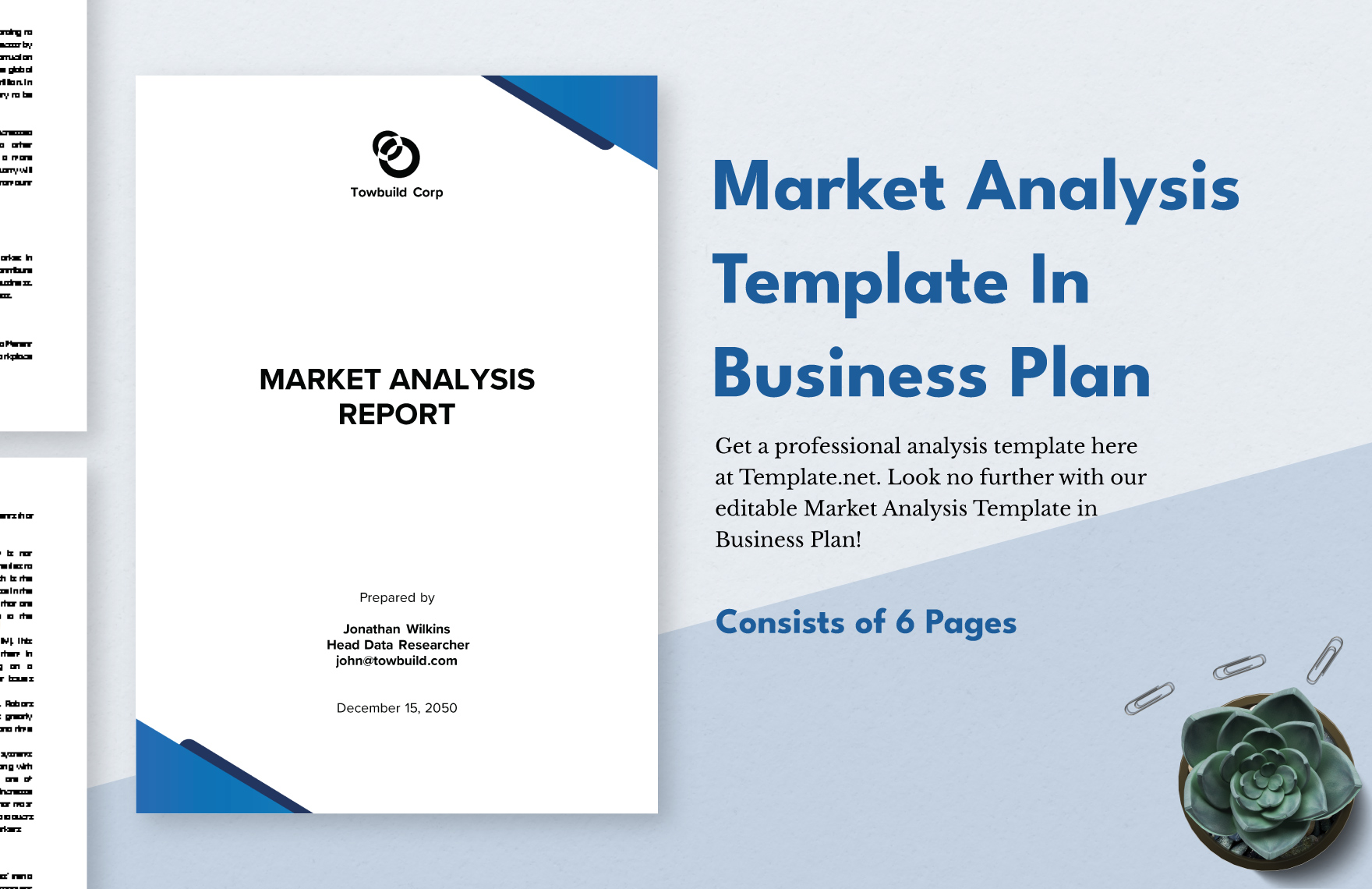
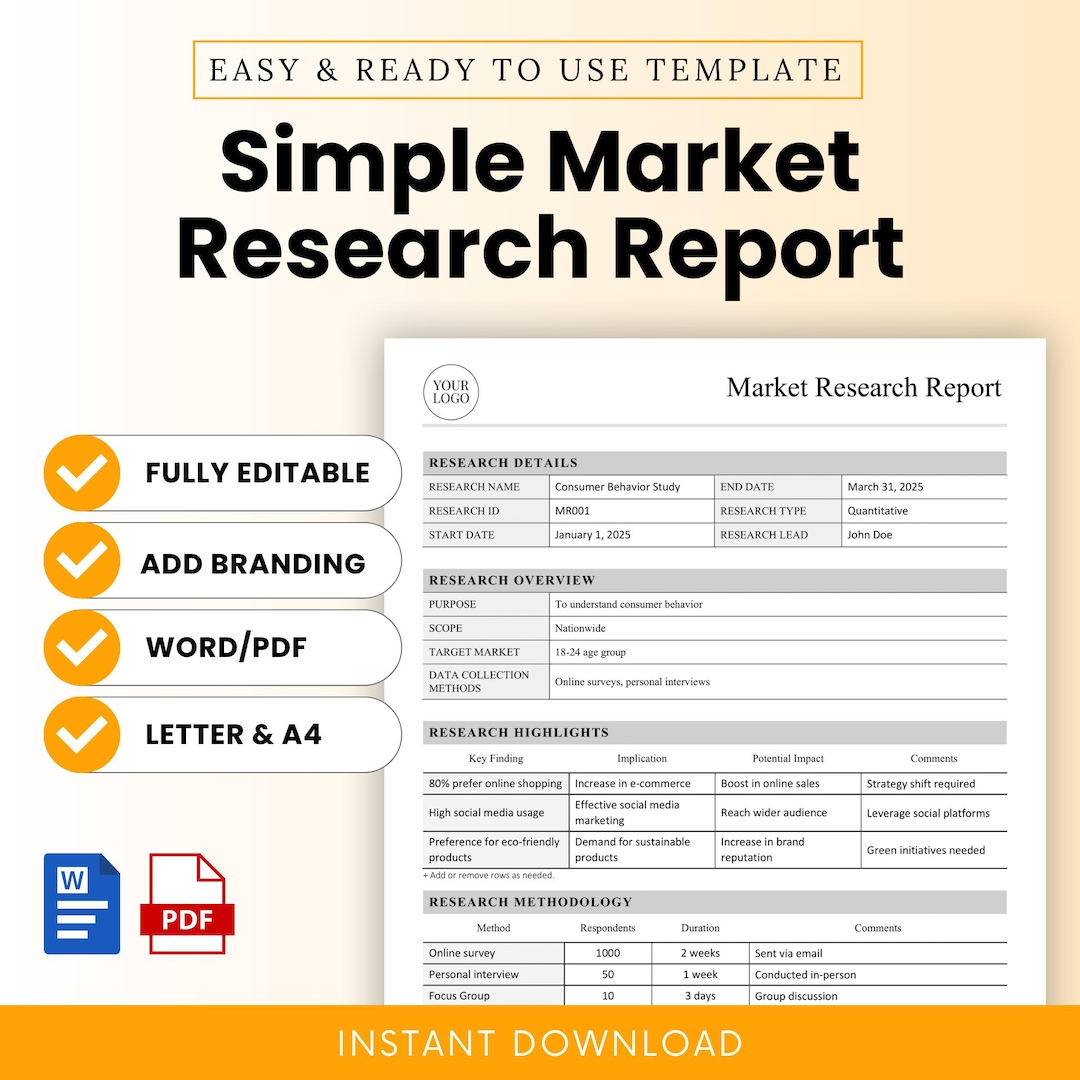
Market Research Analysis Report Template serves as the cornerstone for turning raw data into actionable insights, allowing businesses to make informed decisions in a competitive landscape. Whether you’re a seasoned analyst or a startup founder, a well‑structured template streamlines the research process, eliminates redundancy, and ensures consistent storytelling across reports.
Why a Dedicated Template Matters
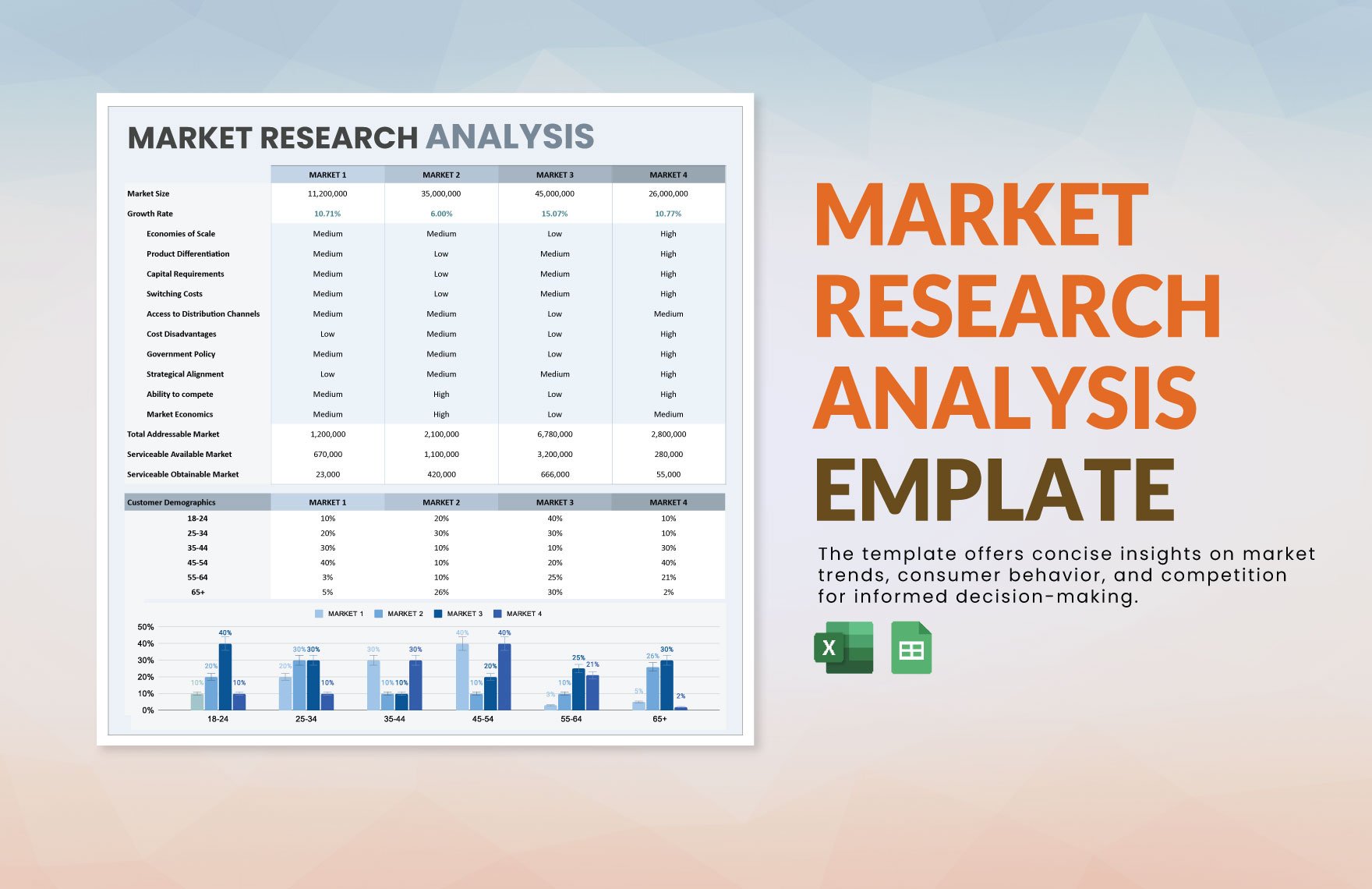
In the data‑driven world, consistency is king. A dedicated template guarantees that every stakeholder—executives, investors, or team members—receives the same narrative flow and visual cues. It reduces the risk of misinterpreting figures, saves time on formatting, and establishes a professional brand identity. Moreover, a template can be reused across projects, fostering efficiency and scalability.
Key Advantages of Using a Template
- Speed: Fill in the cells, and the layout, charts, and summaries generate instantly.
- Clarity: Consistent sections and headings guide the reader through the analysis.
- Accuracy: Pre‑defined formulas minimize manual errors in calculations.
- Collaboration: Shared templates allow multiple analysts to work simultaneously.
- Auditability: Documented steps and data sources make it easy to trace back conclusions.
Core Components of a Market Research Analysis Report
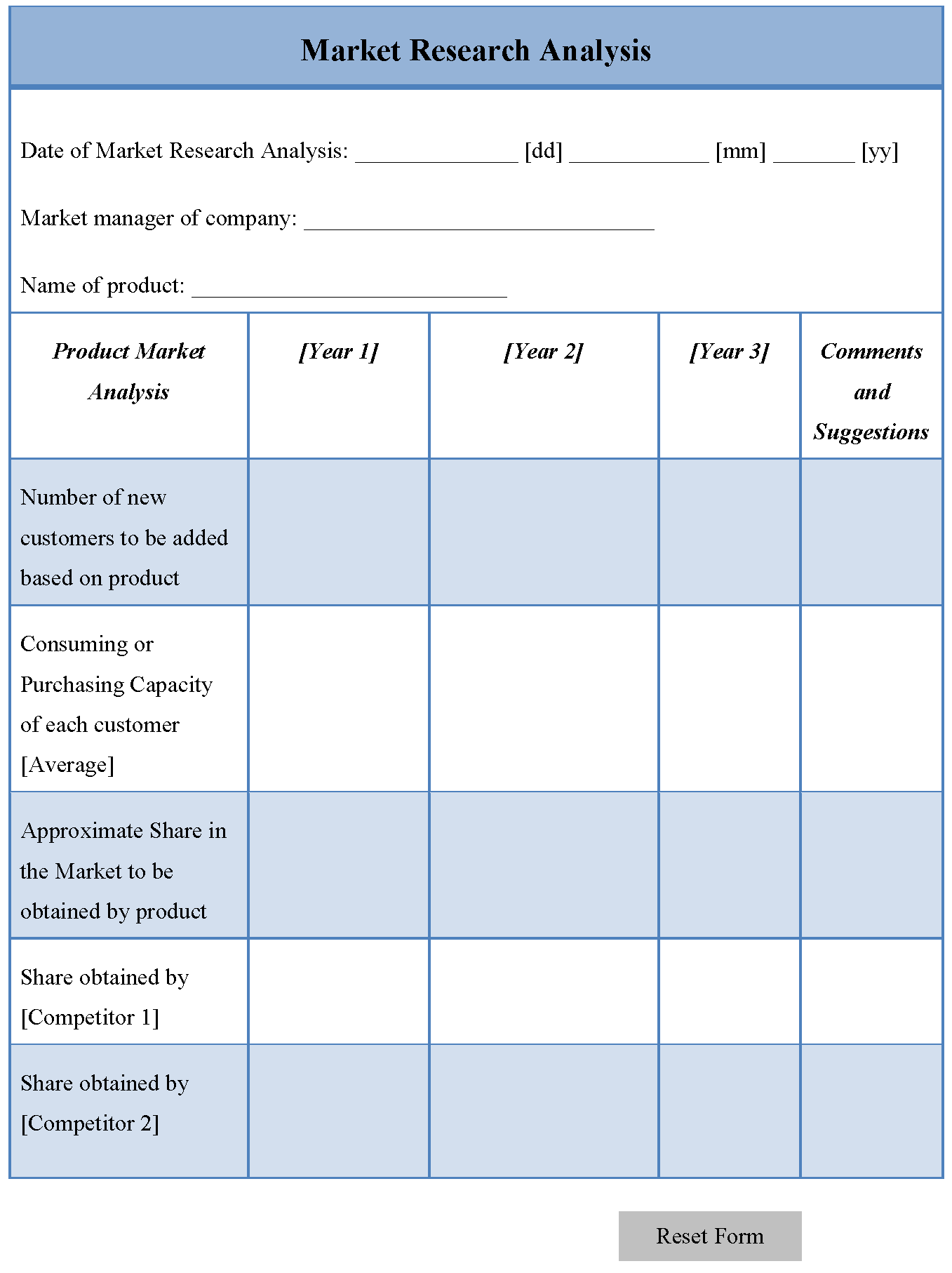
A comprehensive template usually contains several interconnected modules, each designed to capture a specific aspect of the market landscape.
Executive Summary
Provide a high‑level snapshot of findings, key metrics, and actionable recommendations. Keep it under two pages and use bullet points for quick scanning.
Market Overview
- Industry size, growth rates, and segmentation.
- Historical trends and future forecasts.
- Competitive landscape mapping.
Consumer Insights
Delve into demographics, psychographics, and behavioral patterns. Include survey data, focus groups, and social media sentiment analysis.
Competitive Analysis
- SWOT analyses for top competitors.
- Market share distribution.
- Pricing strategies and product differentiation.
Financial Metrics
Present revenue projections, cost structures, and profitability scenarios. Use tables and charts for clarity.
Strategic Recommendations
Translate findings into concrete actions—product launches, marketing pivots, or partnership opportunities.
Building Your Template in Excel: Step‑by‑Step
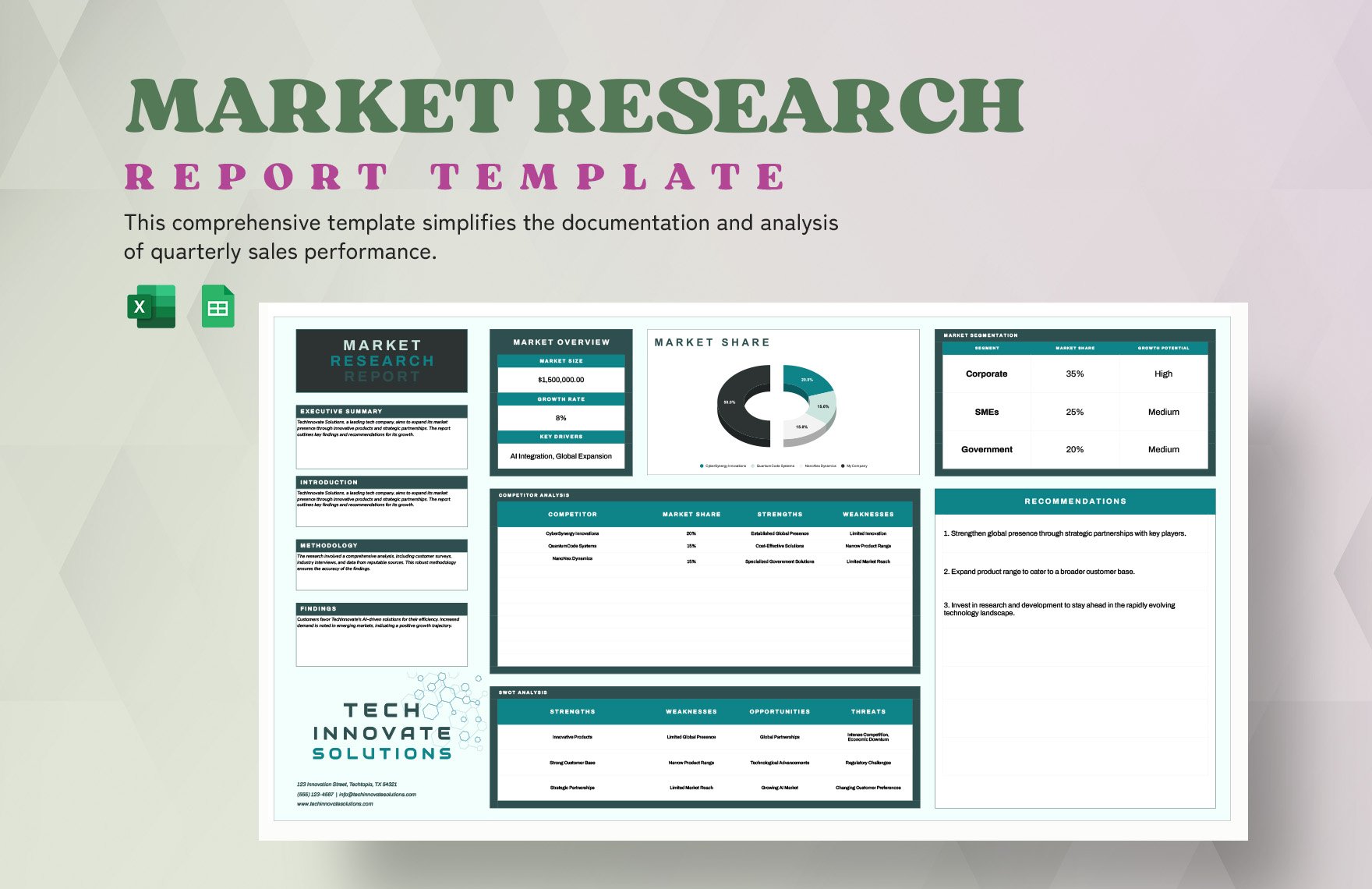
Excel’s versatility makes it the go-to tool for crafting a market research template. Below is a practical guide to constructing a robust, reusable framework.
Step 1: Define the Data Inputs
Create a hidden worksheet called “Inputs.” List every raw data source: sales figures, market surveys, industry reports. Use named ranges to reference these cells throughout the template.
Step 2: Set Up the Dashboard
- Insert a clean, minimalist layout with a header logo.
- Use conditional formatting to highlight key metrics—e.g., a 10% YoY growth in green.
- Employ pivot tables to enable dynamic filtering of segments.
Step 3: Automate Calculations
Leverage formulas such as SUMIF, AVERAGEIFS, and VLOOKUP to aggregate data. Protect cells with calculated fields so users only edit input ranges.
Step 4: Integrate Visuals
- Bar charts for market share.
- Line graphs for trend analysis.
- Heat maps to identify high‑potential regions.
Step 5: Add Narrative Sections
Use text boxes and comment fields to embed explanations. Link these to the data sources for transparency.
Step 6: Test and Refine
Run a pilot with a small dataset. Check for formula errors, formatting glitches, and narrative flow. Adjust as needed before wide deployment.
Real‑World Examples of Effective Templates

Here are two illustrative scenarios where a template proved decisive.
Tech Startup Market Entry
Company X used a template to analyze a niche SaaS market. By quickly populating the competitive landscape section, they identified a gap in the enterprise segment and secured a $2 million seed round within 30 days.
Retail Chain Expansion
Retailer Y employed the same template for a geographic expansion plan. The financial metrics section revealed that a new store in the Midwest would yield a 12% ROI after three years, guiding the company to allocate capital accordingly.
Common Pitfalls and How to Avoid Them

Even the best template can falter if mishandled. Below are typical mistakes and mitigation tips.
Overcomplicating the Design
Keep the layout simple. Too many colors or charts can distract from the story.
Neglecting Data Validation
Use drop‑downs and error checks to prevent typos or incorrect values.
Failing to Update
Set a revision schedule. A market that grows 15% annually can become outdated quickly if the template is not refreshed.
Ignoring Audience Needs
Tailor the depth of analysis to the reader. Executives may only need a high‑level overview, while analysts demand granular data.
Enhancing Your Template with Advanced Features

For teams looking to push beyond basics, consider the following enhancements.
Dynamic Dashboards with Power BI Integration
Export Excel data to Power BI for interactive visualizations and real‑time updates.
Automated Data Pulls via APIs
Connect to market data providers (e.g., Statista, Bloomberg) to feed the template automatically, eliminating manual uploads.
Version Control Using SharePoint or OneDrive
Track changes and maintain a history of revisions, ensuring accountability.
Best Practices for Maintaining Your Template Library

To keep your template ecosystem efficient, adopt these practices.
Central Repository
Store all templates in a shared folder with clear naming conventions.
Template Governance
Create a review board that approves new templates or major edits.
User Training Sessions
Conduct quarterly workshops to showcase new features and gather feedback.
Feedback Loop
Encourage users to report issues or suggest enhancements, fostering continuous improvement.
Conclusion

A Market Research Analysis Report Template is more than a convenient tool; it is a strategic asset that transforms raw data into compelling narratives. By incorporating well‑structured sections, automated calculations, and visual storytelling, businesses can accelerate decision‑making, reduce errors, and maintain consistency across projects. Whether you’re drafting a market entry strategy or measuring competitive positioning, a robust template empowers you to present insights with clarity and confidence. Invest the time to build, refine, and maintain your template library today, and watch how it becomes the backbone of your data‑driven success.








Related posts of "Market Research Analysis Report Template"
