
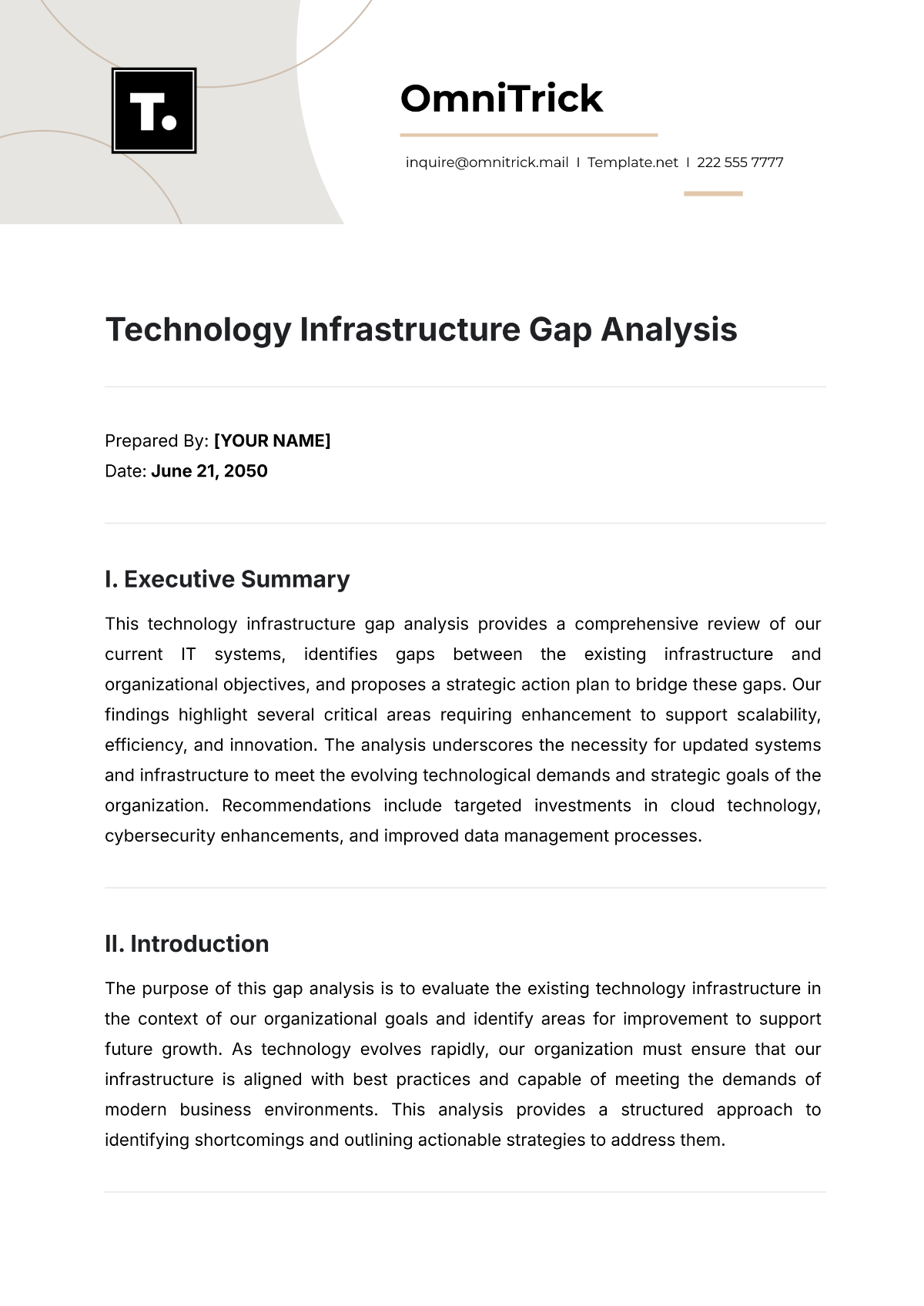
It Infrastructure Gap Analysis Template is the cornerstone for any organization that wants to bridge the divide between its current technology environment and its strategic vision, ensuring that resources are allocated wisely and risks are mitigated before they become costly setbacks.
Understanding the Gap Analysis Concept
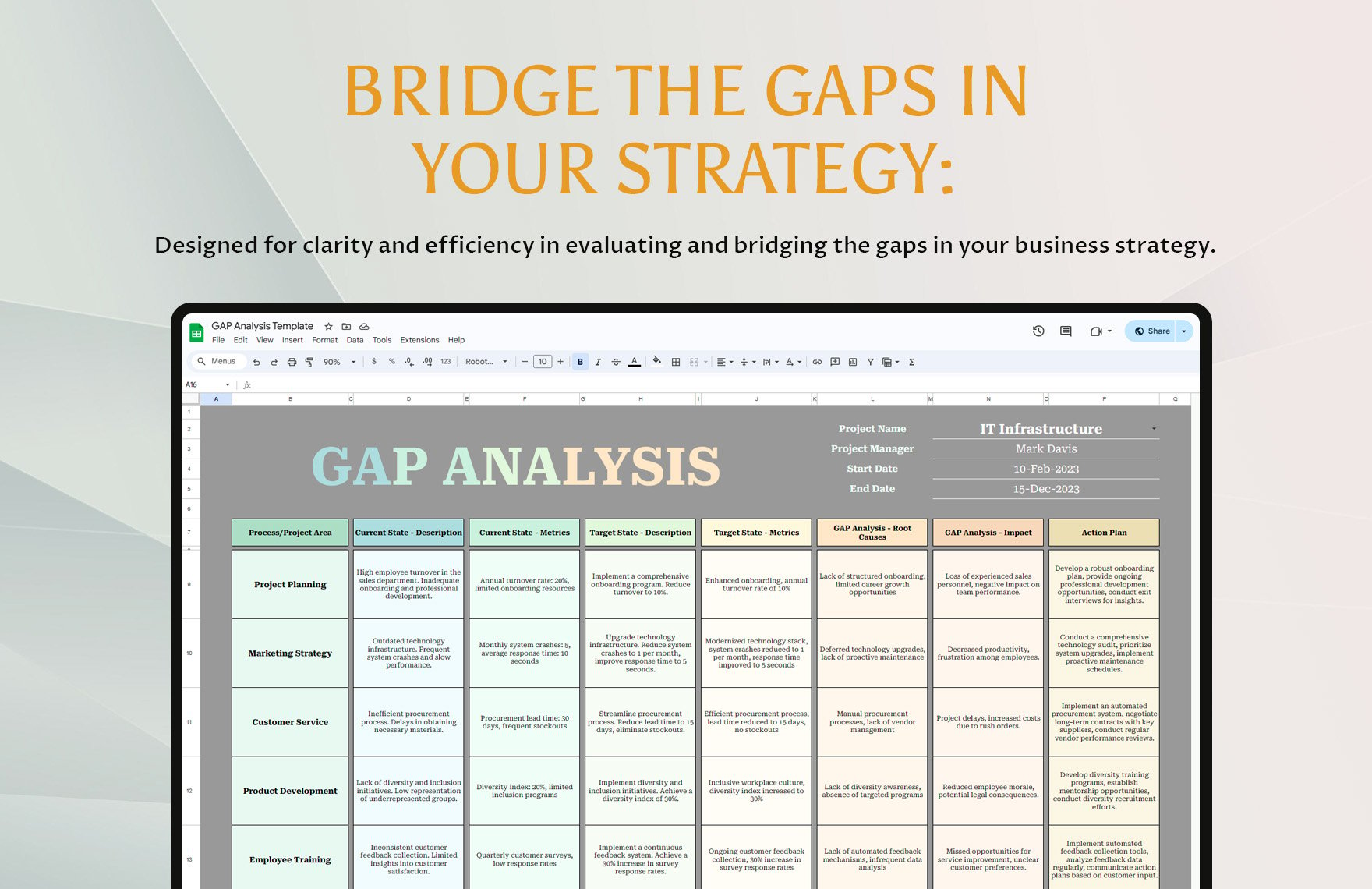
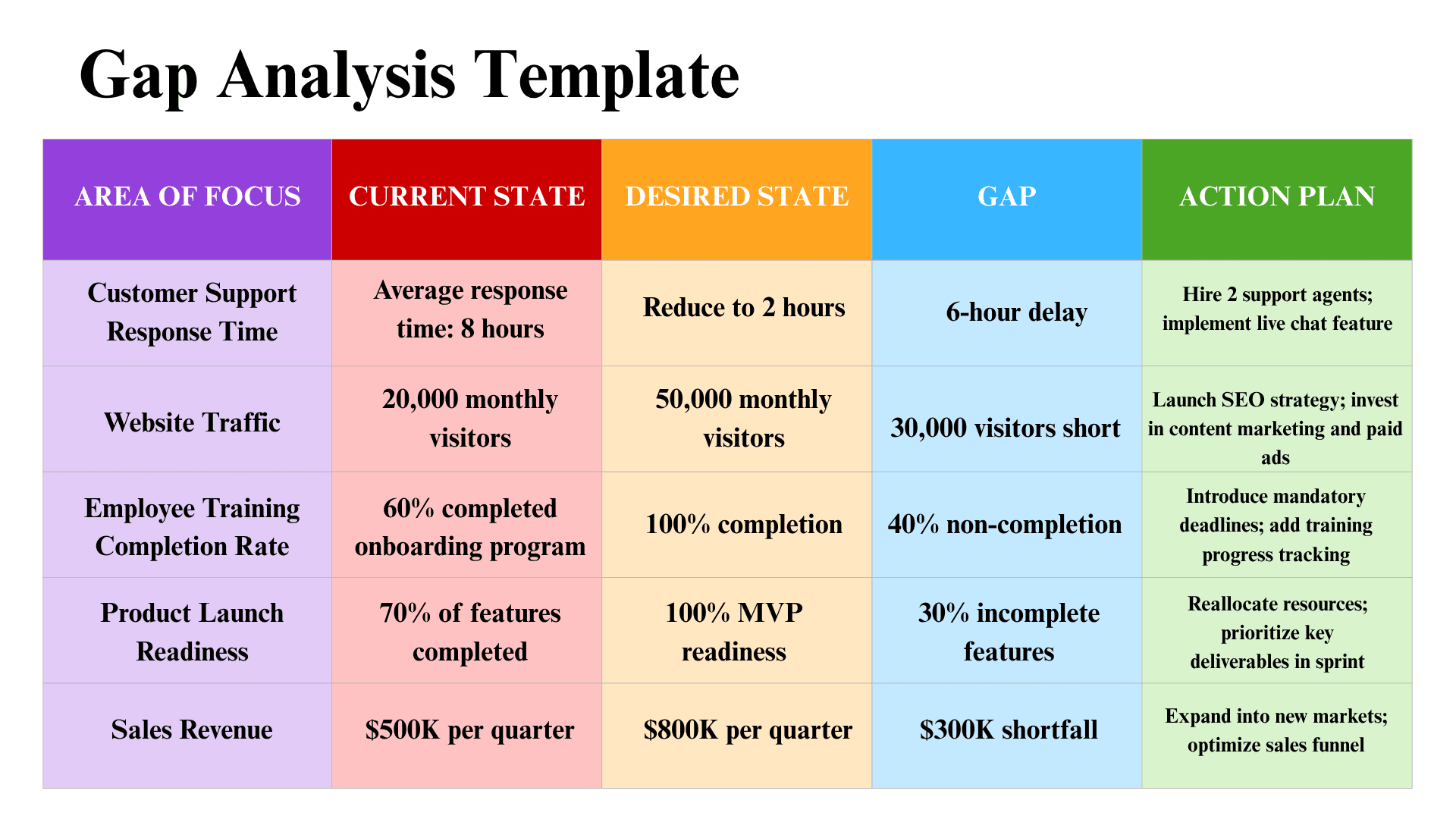
A gap analysis is a systematic approach used to compare the present state of an organization’s IT infrastructure with a desired future state. By pinpointing discrepancies—known as “gaps”—business leaders can prioritize initiatives, allocate budgets, and develop roadmaps that align technology investments with corporate objectives. This methodology is especially critical in today’s fast‑changing digital landscape where legacy systems, security vulnerabilities, and scalability constraints can hinder growth.
Why Gap Analysis Matters in IT
- Strategic Alignment: Ensures that every technology project directly supports business goals such as revenue growth, market expansion, or operational efficiency.
- Cost Efficiency: Identifies redundant or under‑utilized assets, enabling organizations to de‑commission wasteful components and reinvest savings.
- Risk Management: Highlights security blind spots, compliance gaps, and performance bottlenecks before they evolve into incidents.
- Future‑Proofing: Provides a clear roadmap for adopting emerging technologies like cloud, AI, and edge computing.
Core Components of an IT Infrastructure Gap Analysis Template
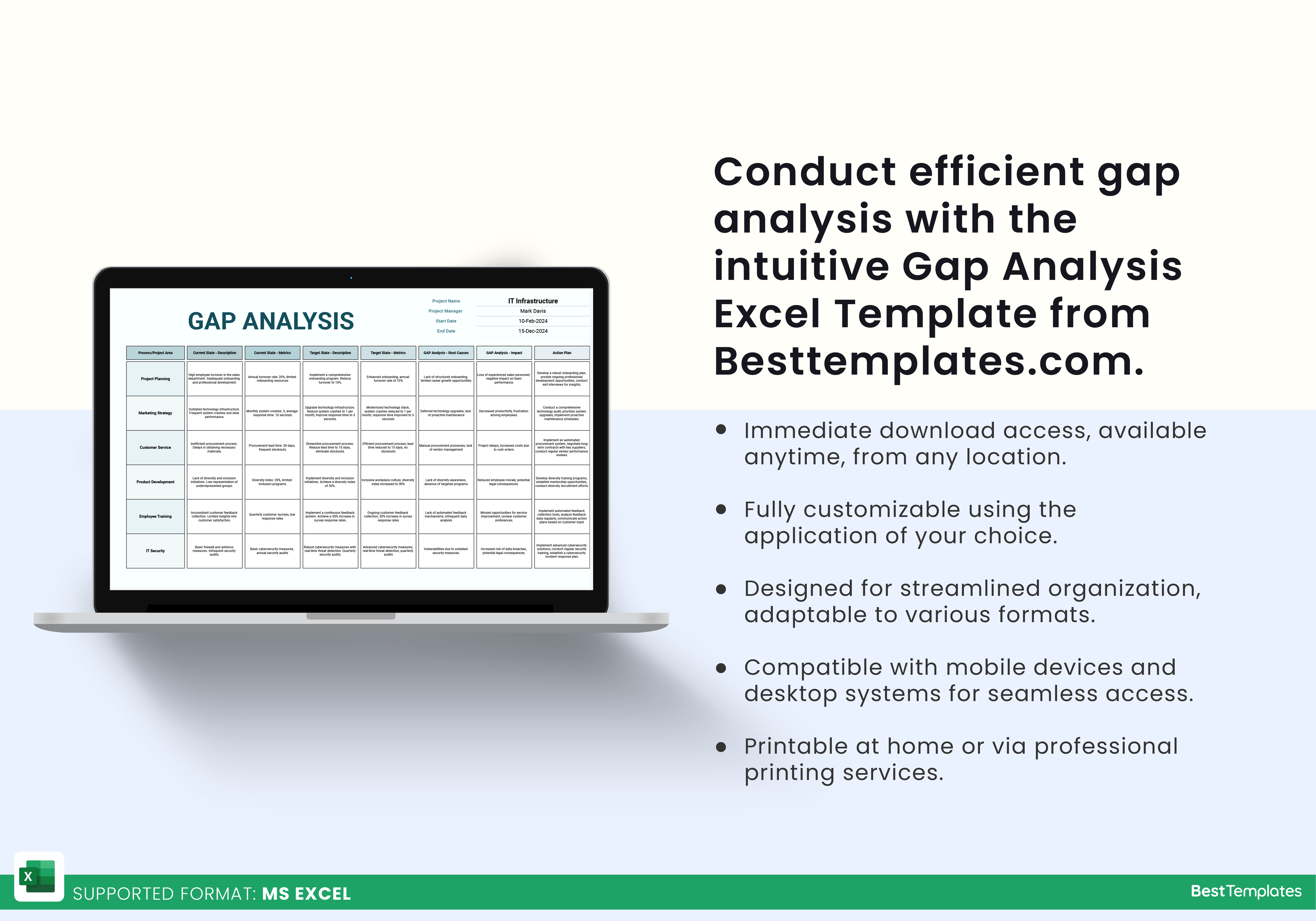
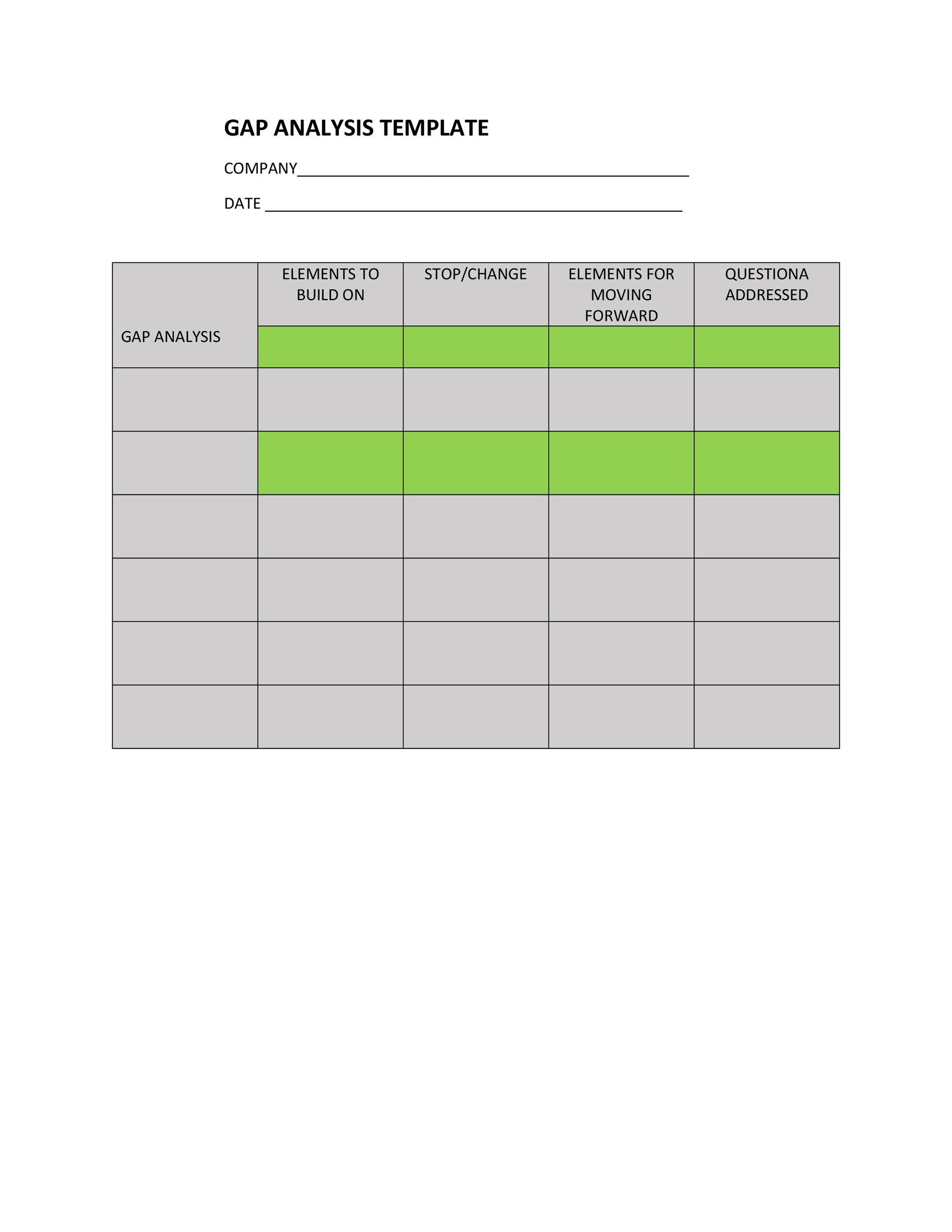
A well‑structured template serves as a living document that captures data, analysis, and action plans in a consistent format. Below are the essential sections that should be present in any robust template.
Executive Summary
Briefly outlines the purpose of the analysis, key findings, and high‑level recommendations. This section is designed for senior leadership and should be concise yet compelling.
Current State Assessment
Documents the existing IT landscape, including hardware, software, network topology, data centers, cloud services, and support processes. Typical data points include:
- Asset inventory (servers, storage, networking equipment)
- Software versions and licensing status
- Performance metrics (uptime, latency, capacity utilization)
- Security posture (patch levels, vulnerability scans)
- Operational processes (change management, incident response)
Desired Future State
Defines the target architecture and capabilities that align with business strategy. Elements to capture are:
- Scalability requirements (e.g., support for 2× user growth over 3 years)
- Technology stack preferences (e.g., migration to hybrid cloud)
- Compliance standards (e.g., GDPR, HIPAA)
- Performance benchmarks (e.g., < 2‑second page load time)
- Innovation goals (e.g., AI‑driven analytics platform)
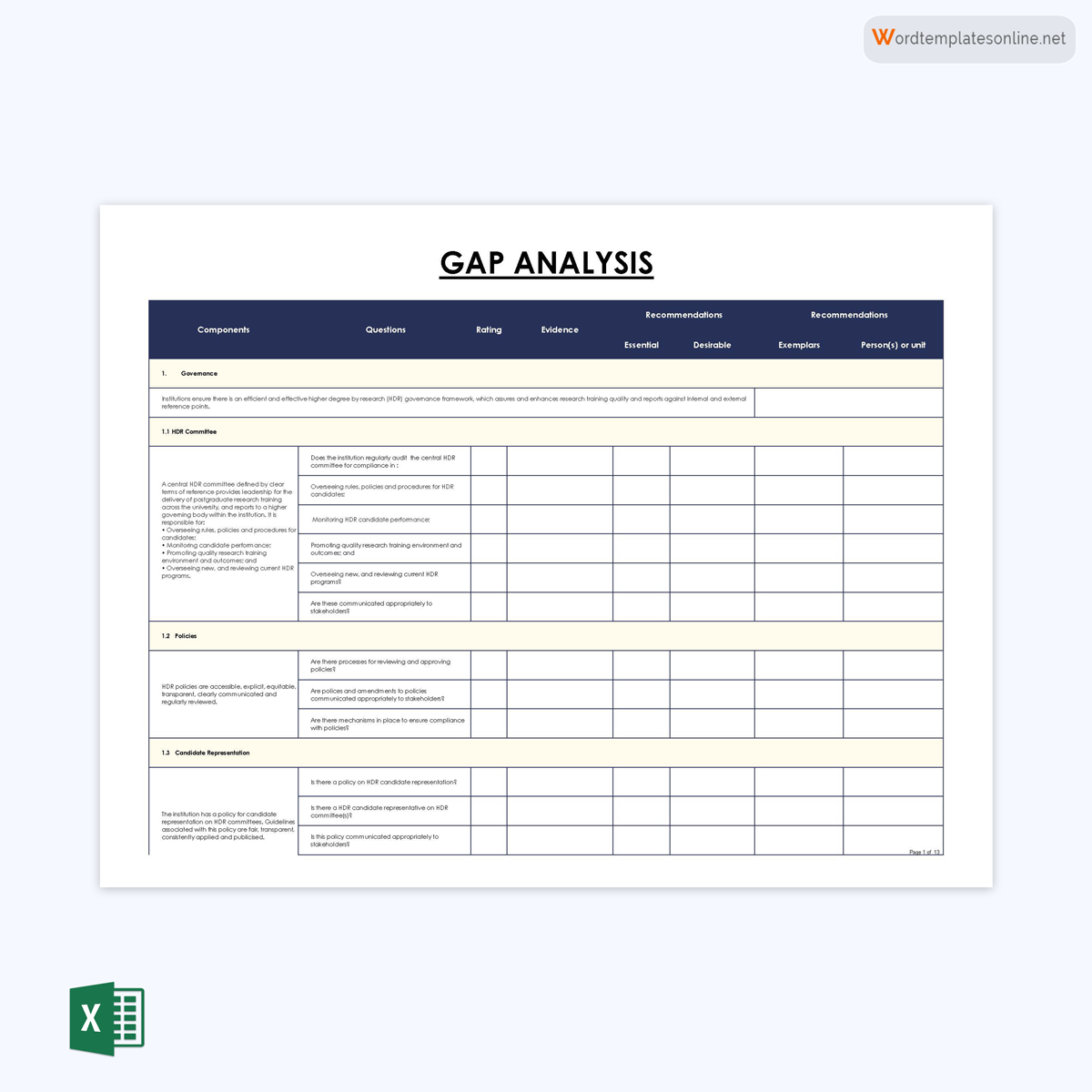
Gap Identification Matrix
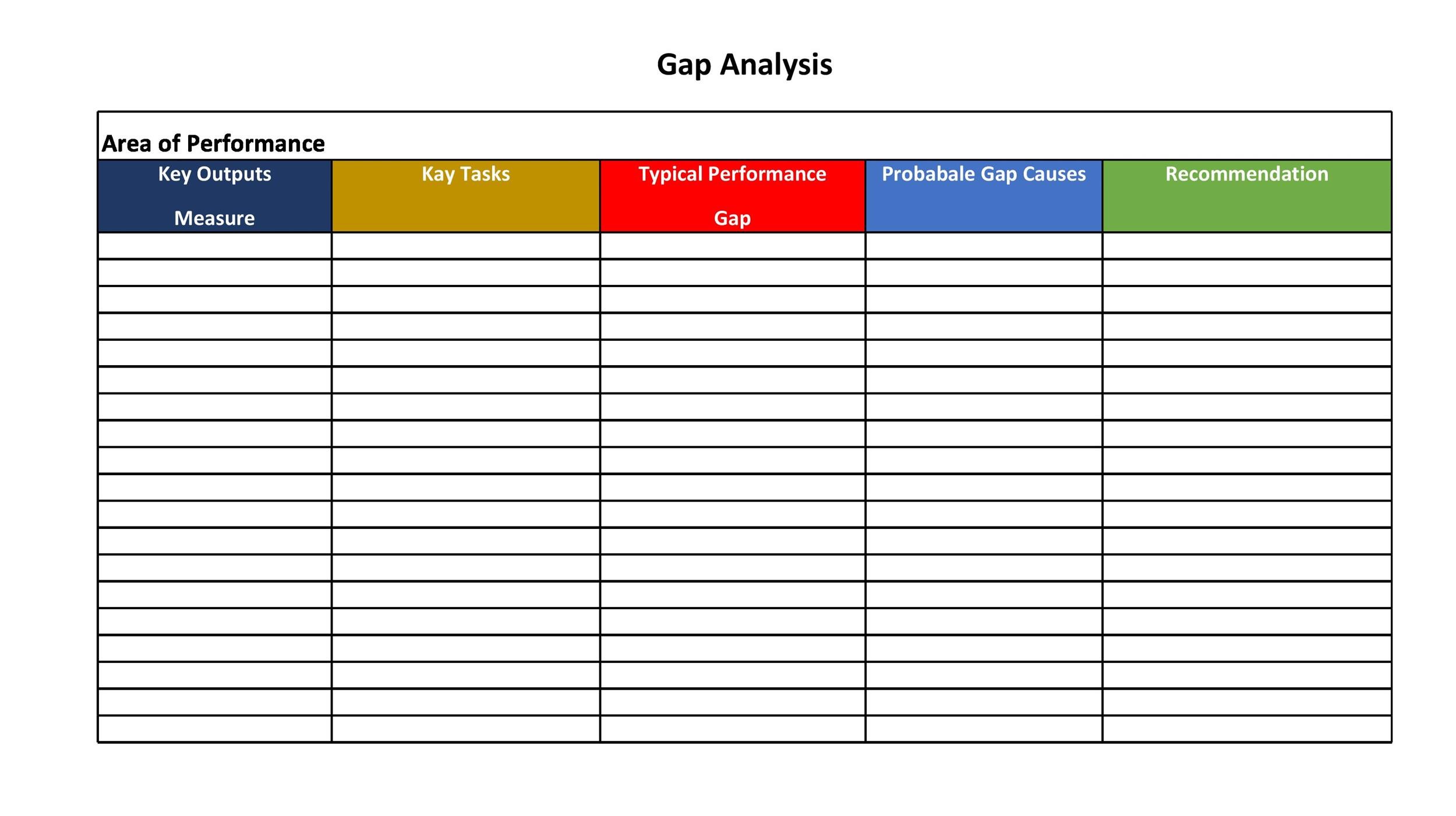
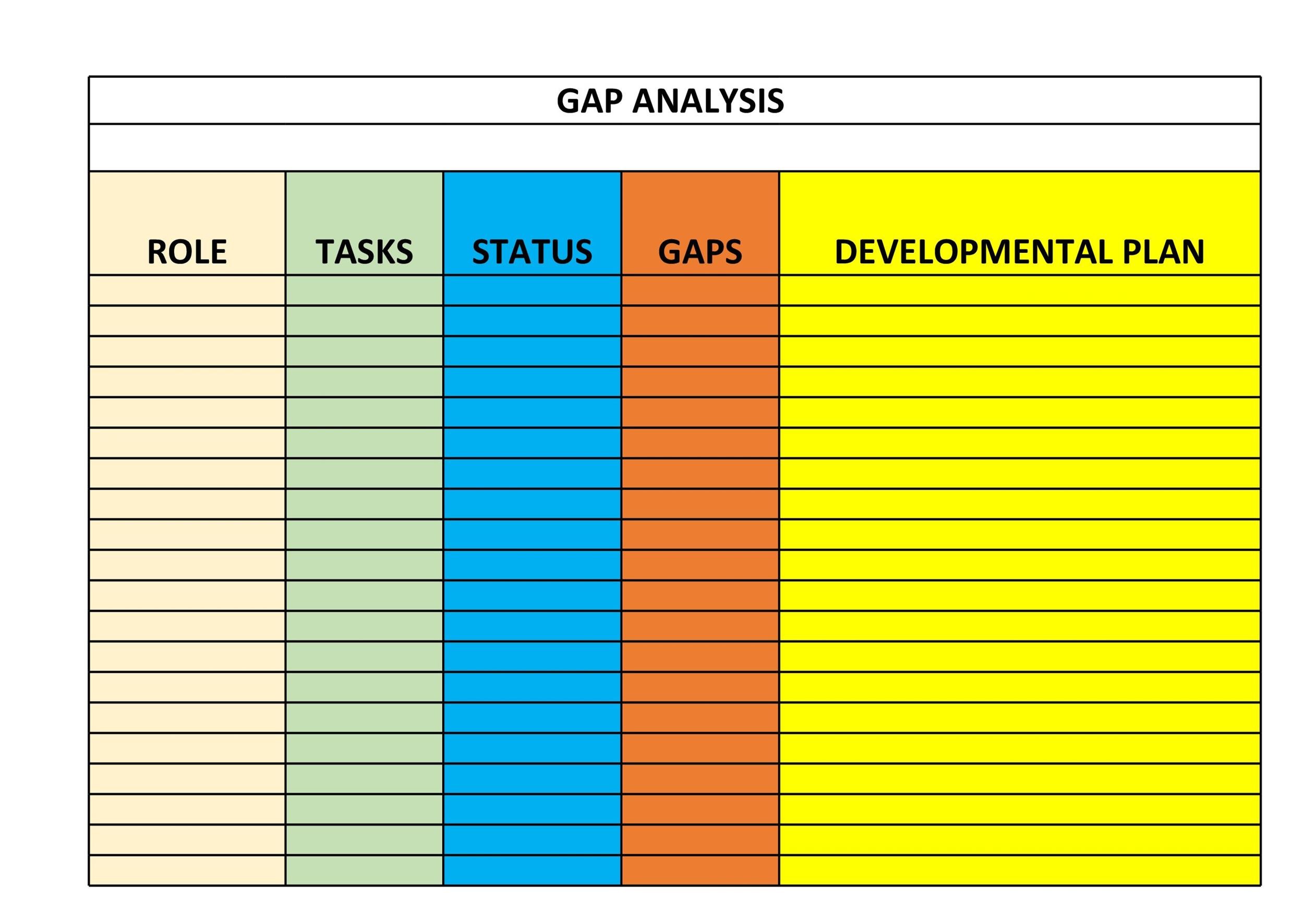
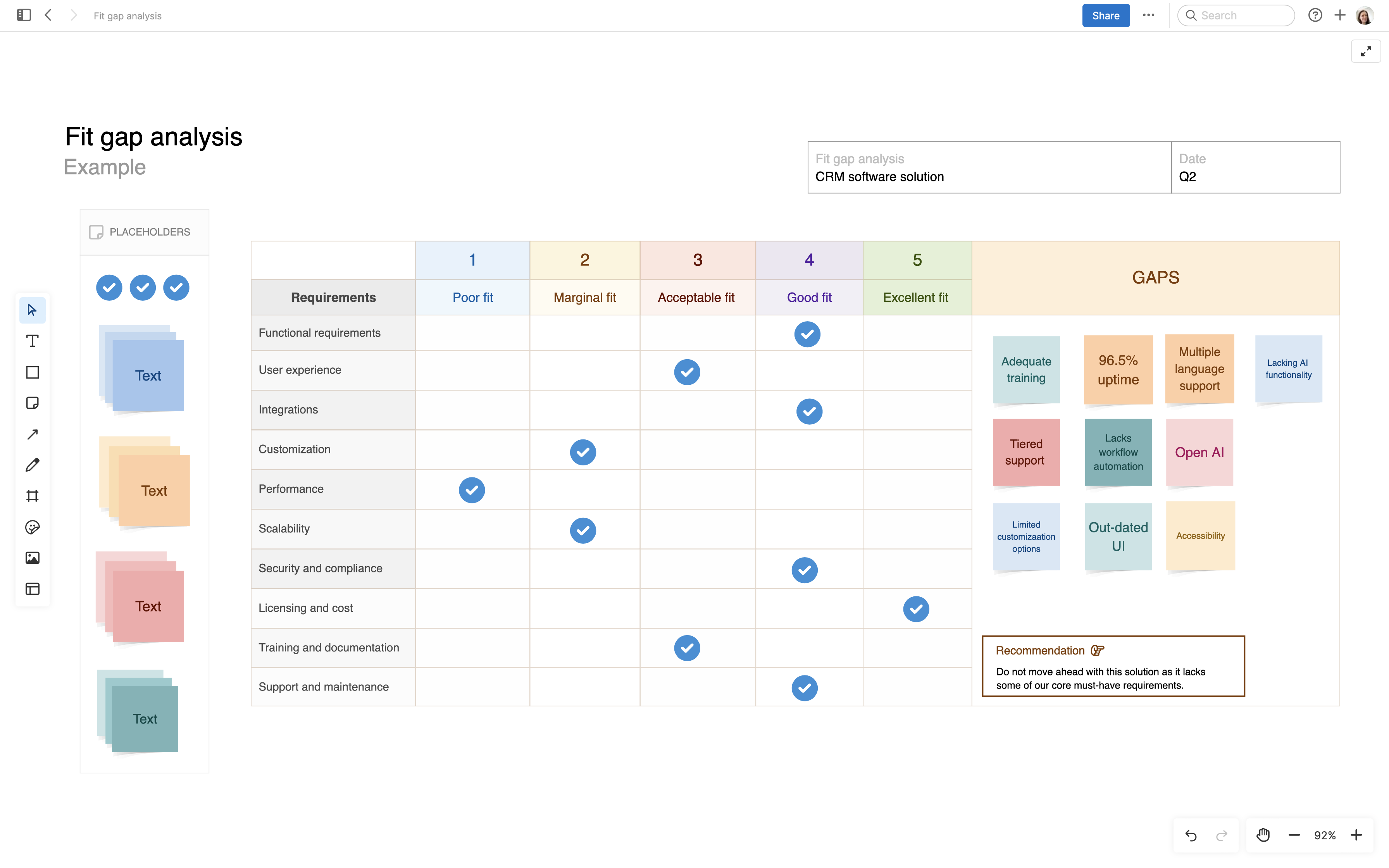
This matrix cross‑references each current‑state element with the desired‑state criteria, highlighting discrepancies and categorizing them by severity (high, medium, low). The matrix should also note the root cause of each gap—whether it is outdated hardware, insufficient staffing, or lack of governance.
Risk Assessment
Assigns risk scores to each identified gap based on impact and likelihood. A typical risk matrix uses a 1‑5 scale, allowing stakeholders to focus on high‑risk areas that could jeopardize business continuity.
Prioritization & Action Plan
Transforms gaps into actionable projects, complete with owners, timelines, estimated costs, and key performance indicators (KPIs). Prioritization can follow methodologies such as MoSCoW (Must have, Should have, Could have, Won’t have) or Weighted Scoring.
Financial Analysis
Provides a cost‑benefit overview, projecting ROI for each remediation effort. Include CAPEX vs. OPEX considerations, depreciation schedules, and potential savings from de‑commissioning legacy assets.
Governance & Review Schedule
Outlines the cadence for reviewing the gap analysis (quarterly, semi‑annual) and defines the governance committee responsible for approving updates and tracking progress.
Step‑by‑Step Guide to Using the Template Effectively

Implementing the template is more than filling out fields; it requires a disciplined process that engages the right stakeholders and leverages accurate data.
Step 1: Assemble a Cross‑Functional Team
Include representatives from IT operations, security, finance, procurement, and business units. This diversity ensures that all perspectives are captured and that the analysis reflects true organizational needs.
Step 2: Gather Accurate Inventory Data
Leverage automated discovery tools (e.g., SCCM, SolarWinds, or cloud asset managers) to pull real‑time data on hardware and software. Manual verification should follow to address any anomalies.
Step 3: Define Business Objectives
Work with senior leadership to translate strategic goals into measurable IT objectives. For example, a goal to “expand e‑commerce capacity by 30%” becomes a requirement for additional web servers, load balancers, and bandwidth.
Step 4: Populate the Current State Section
Enter collected data into the template, ensuring that each asset is linked to its owner, lifecycle stage, and performance metrics. Use visual aids such as network diagrams or topology maps for clarity.
Step 5: Articulate the Desired Future State
Describe the target architecture using industry best practices (e.g., NIST Cloud Computing Reference Architecture). Include diagrams that illustrate the envisioned environment, highlighting new components and de‑commissioned elements.
Step 6: Conduct Gap Identification
Match each current asset against the future‑state criteria. Populate the Gap Identification Matrix, noting both technical and process gaps. For instance, a legacy database running on Windows Server 2008 may lack the required encryption standards for GDPR compliance.
Step 7: Evaluate Risks and Prioritize
Assign risk scores and prioritize gaps based on business impact. High‑risk gaps such as unpatched critical servers should surface at the top of the remediation queue.
Step 8: Develop the Action Plan
Translate each prioritized gap into a project charter, assigning owners, budgets, and timelines. Include measurable KPIs such as “reduce average incident resolution time from 4 hours to 2 hours within six months.”
Step 9: Secure Executive Buy‑In
Present the Executive Summary and financial analysis to the leadership team. Emphasize ROI, risk mitigation, and alignment with strategic goals to obtain funding and authority.
Step 10: Execute, Monitor, and Review
Implement projects according to the action plan, track progress against KPIs, and hold regular governance meetings to adjust priorities as business conditions evolve.
Best Practices for Maintaining an Accurate Gap Analysis
Continuous improvement is essential; the template should evolve alongside the organization’s technology landscape.
Automate Data Collection
Integrate the template with configuration management databases (CMDB) and monitoring platforms to automatically refresh inventory and performance data.
Align with ITIL and COBIT Frameworks
Map gap analysis activities to IT service management (ITSM) processes such as Change Management, Incident Management, and Service Asset & Configuration Management for consistency.
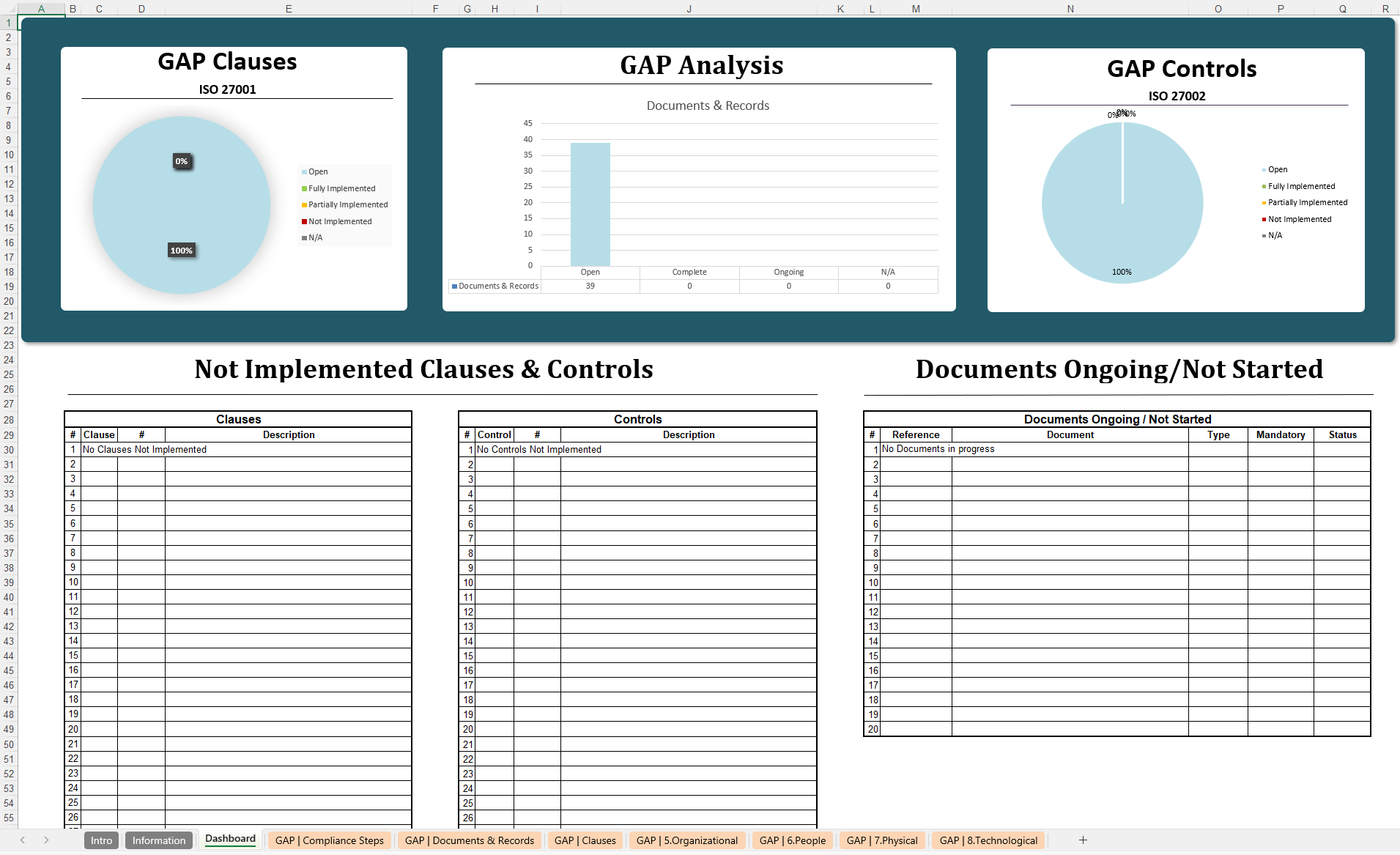
Use Visual Dashboards
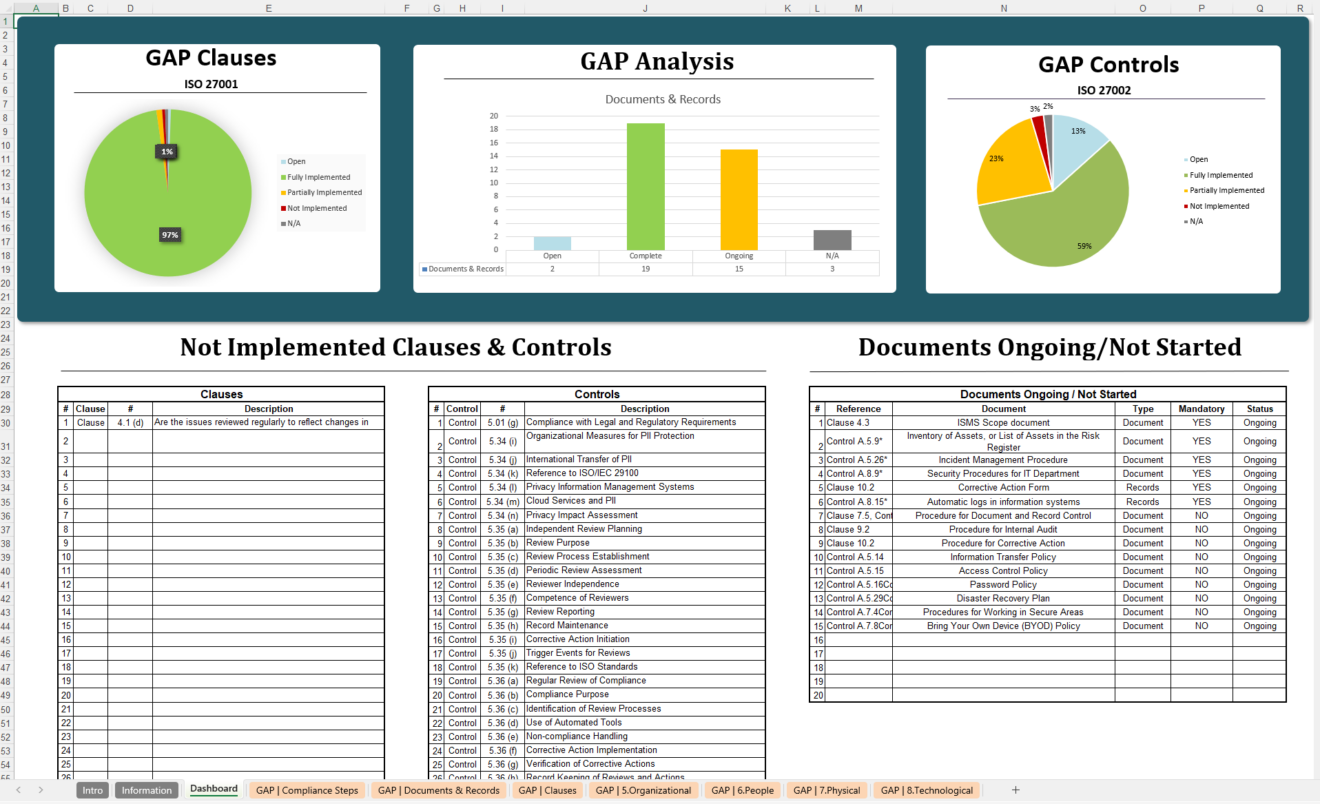
Leverage business intelligence tools (Power BI, Tableau) to create real‑time dashboards that visualize gap status, risk levels, and project progress, making the information accessible to non‑technical stakeholders.
Document Assumptions and Constraints
Every analysis relies on assumptions (e.g., budget limits, staffing availability). Clearly documenting these ensures that future reviewers understand the context behind decisions.
Regularly Re‑Validate Assumptions
Business environments change; schedule quarterly reviews to confirm that assumptions remain valid and adjust the future state accordingly.
Common Pitfalls and How to Avoid Them
Even seasoned IT leaders can stumble when conducting a gap analysis. Recognizing typical errors helps you steer clear of costly rework.
Insufficient Stakeholder Engagement
Skipping input from key business units leads to misaligned priorities. Mitigate this by establishing a steering committee with representation from every major department.
Overlooking Soft Gaps
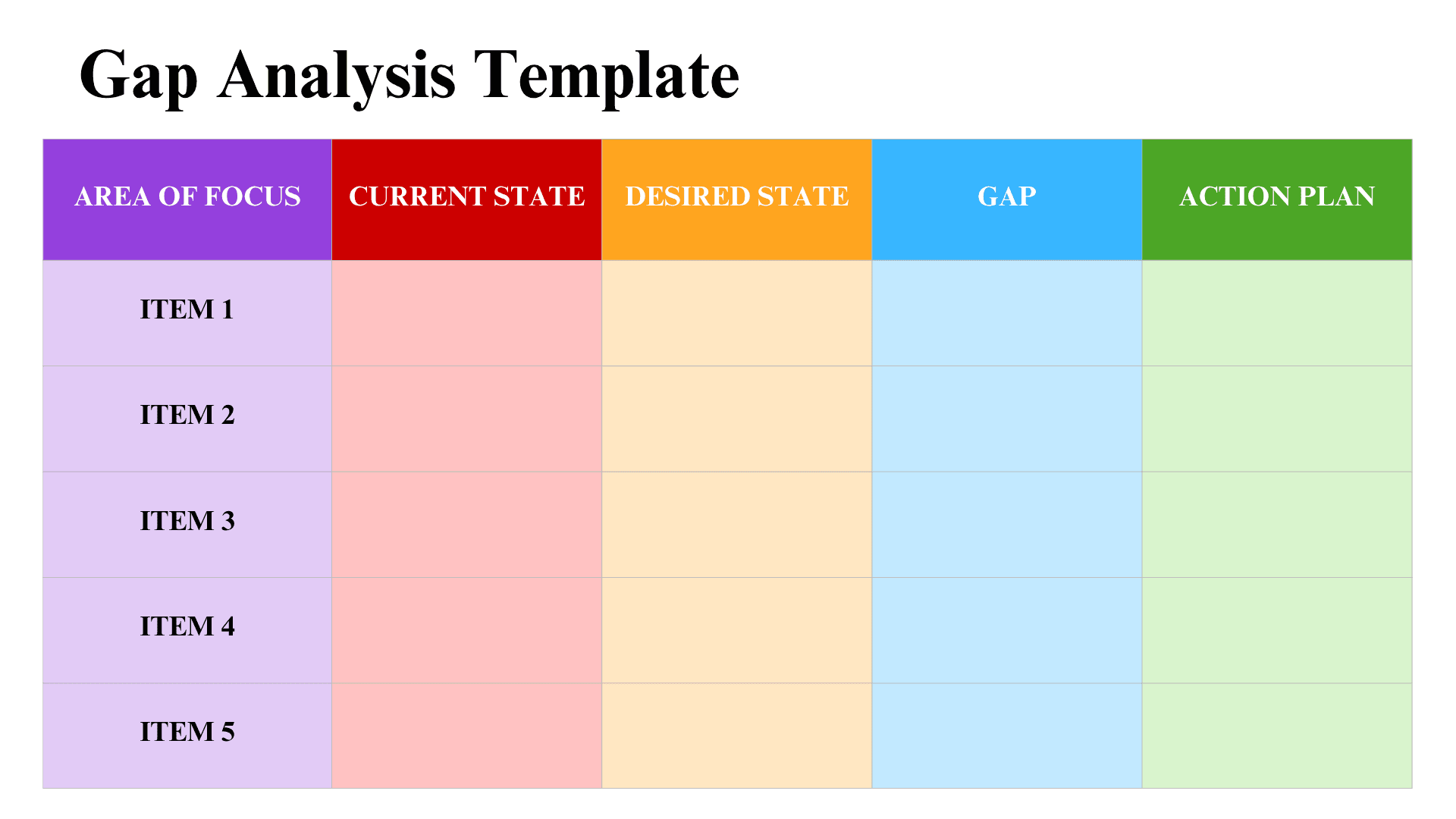
Technical gaps are easier to spot, but cultural or process gaps—such as lack of training or unclear ownership—can be equally damaging. Include a “People & Process” column in the matrix to capture these nuances.
Underestimating Complexity
Assuming a simple “lift‑and‑shift” migration without accounting for data dependencies or integration points often results in project overruns. Conduct detailed dependency mapping early in the analysis.
Failing to Prioritize
Attempting to address every identified gap simultaneously dilutes focus and resources. Use risk scoring and business impact analysis to rank initiatives.
Neglecting Ongoing Maintenance
A gap analysis is not a one‑time exercise. Establish a maintenance schedule—ideally tied to major change windows—to keep the template current.
Real‑World Example: Transforming a Mid‑Size Retailer’s IT Landscape

Consider a mid‑size retailer with a fragmented IT environment consisting of on‑premise point‑of‑sale (POS) systems, an aging ERP platform, and a siloed e‑commerce website. The leadership team wanted to launch a new omnichannel experience within 18 months but lacked clarity on the technology prerequisites.
Using an It Infrastructure Gap Analysis Template, the retailer’s IT team performed the following steps:
- Current State: Cataloged 120 physical servers, three legacy ERP instances, and a single‑node e‑commerce application lacking load balancing.
- Desired Future State: Adopted a hybrid cloud model with Azure for the ERP, implemented microservices for the e‑commerce platform, and introduced a unified POS solution with edge computing capabilities.
- Gap Identification: Highlighted critical gaps such as insufficient bandwidth for cloud migration, non‑compliant data encryption on POS devices, and missing API gateways.
- Risk Assessment: Rated the POS encryption gap as “high” due to PCI‑DSS compliance risk, while bandwidth constraints were “medium.”
- Action Plan: Prioritized POS encryption upgrades, followed by bandwidth expansion, then phased migration of ERP workloads to Azure over three 6‑month sprints.
Within 12 months, the retailer completed the high‑risk remediation, reduced POS‑related security incidents by 80%, and achieved a 25% reduction in infrastructure OPEX by de‑commissioning under‑utilized servers. The gap analysis template proved instrumental in aligning technology initiatives with the company’s omnichannel strategy and securing executive sponsorship.
Customizing the Template for Different Organizational Sizes
While the core structure of a gap analysis template remains consistent, tailoring it to the organization’s size and maturity level maximizes relevance.
Small Businesses
Focus on high‑level categories—hardware, software, security, and compliance. Use a simplified matrix with fewer columns and rely on spreadsheet tools for tracking.
Medium Enterprises
Introduce sub‑sections for cloud services, virtualization, and data analytics. Leverage project management software (e.g., Jira, Asana) to link gaps directly to tickets and sprints.
Large Enterprises
Integrate the template into an enterprise architecture repository (e.g., TOGAF‑based tools) and align gaps with enterprise risk management (ERM) frameworks. Consider multi‑layered dashboards that aggregate data across business units and geographic locations.
Integrating the Gap Analysis with Other Planning Frameworks

To avoid siloed planning, combine the gap analysis with complementary methodologies.
Strategic IT Roadmaps
Translate high‑priority gaps into roadmap milestones, ensuring that each phase of the roadmap directly addresses a documented deficiency.
Business Continuity Planning (BCP)
Map identified infrastructure gaps to continuity scenarios. For instance, a lack of redundant power supplies becomes a critical item in the BCP risk register.
Budgeting & Forecasting
Use the financial analysis section of the template to feed into annual IT budgeting cycles, aligning spend with quantified ROI estimates.
Tools and Resources to Enhance Gap Analysis
While a template provides structure, the right tooling accelerates data collection, analysis, and reporting.
Discovery & Inventory Tools
- Microsoft System Center Configuration Manager (SCCM)
- SolarWinds Network Performance Monitor
- Qualys Cloud Inventory
Risk Scoring Platforms
- RiskLens for cyber‑risk quantification
- RSA Archer for enterprise risk management
Visualization & Dashboard Solutions
- Power BI with custom data connectors to pull template data
- Tableau for interactive gap heatmaps
Collaboration Suites
Confluence or SharePoint can host the template, enabling version control, comments, and stakeholder sign‑offs.
Conclusion
Deploying a well‑crafted It Infrastructure Gap Analysis Template empowers organizations to move from reactive firefighting to proactive, strategic planning. By methodically assessing the current environment, defining a future vision, pinpointing gaps, and translating those gaps into prioritized, financially justified projects, businesses can safeguard their digital assets, optimize spend, and accelerate innovation. The template’s flexibility allows it to scale from small startups to global enterprises, and when integrated with broader planning frameworks, it becomes a pivotal element of a resilient, future‑ready IT strategy. Consistent execution, regular reviews, and stakeholder engagement turn the template from a static document into a dynamic engine that continuously aligns technology with business success.



Related posts of "It Infrastructure Gap Analysis Template"
