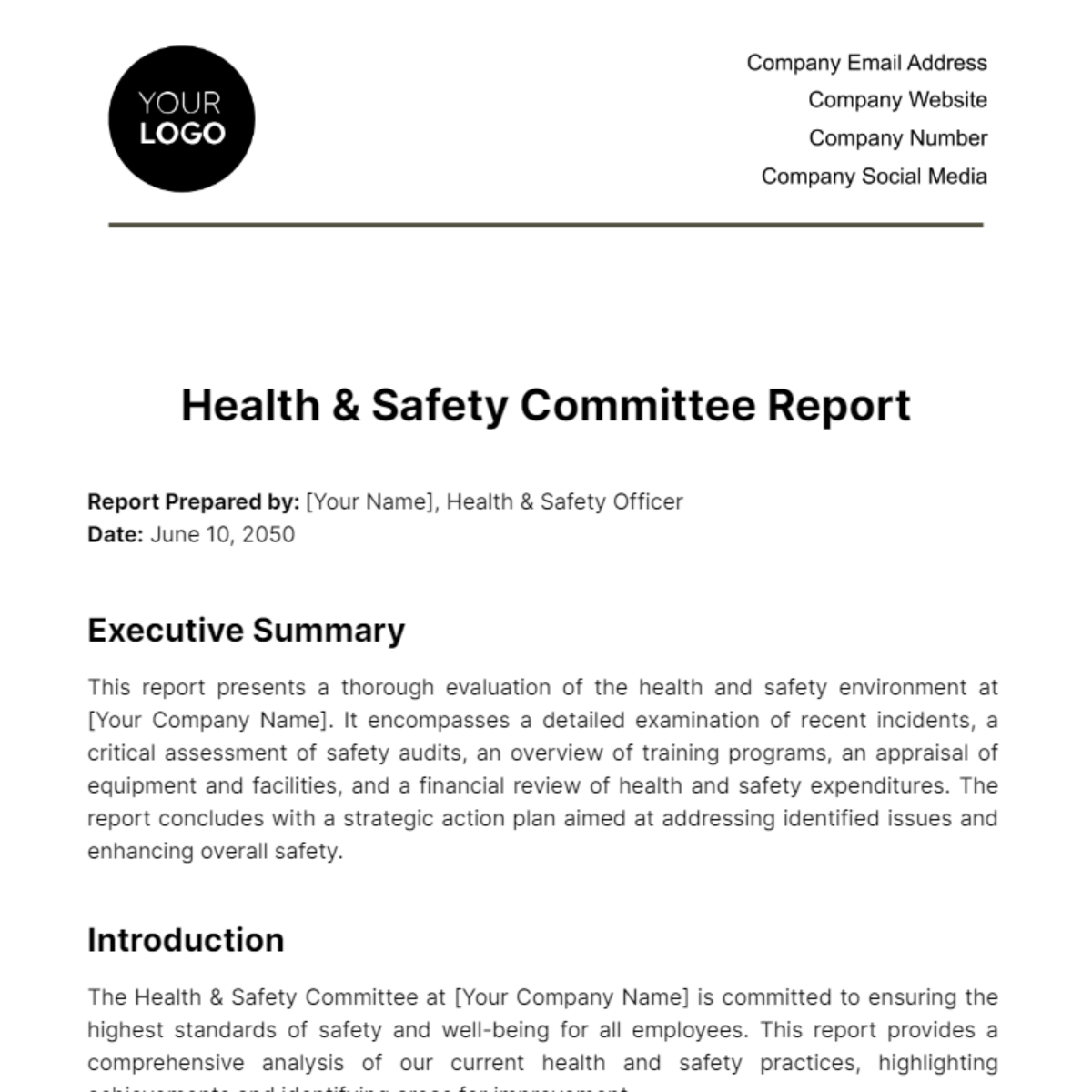
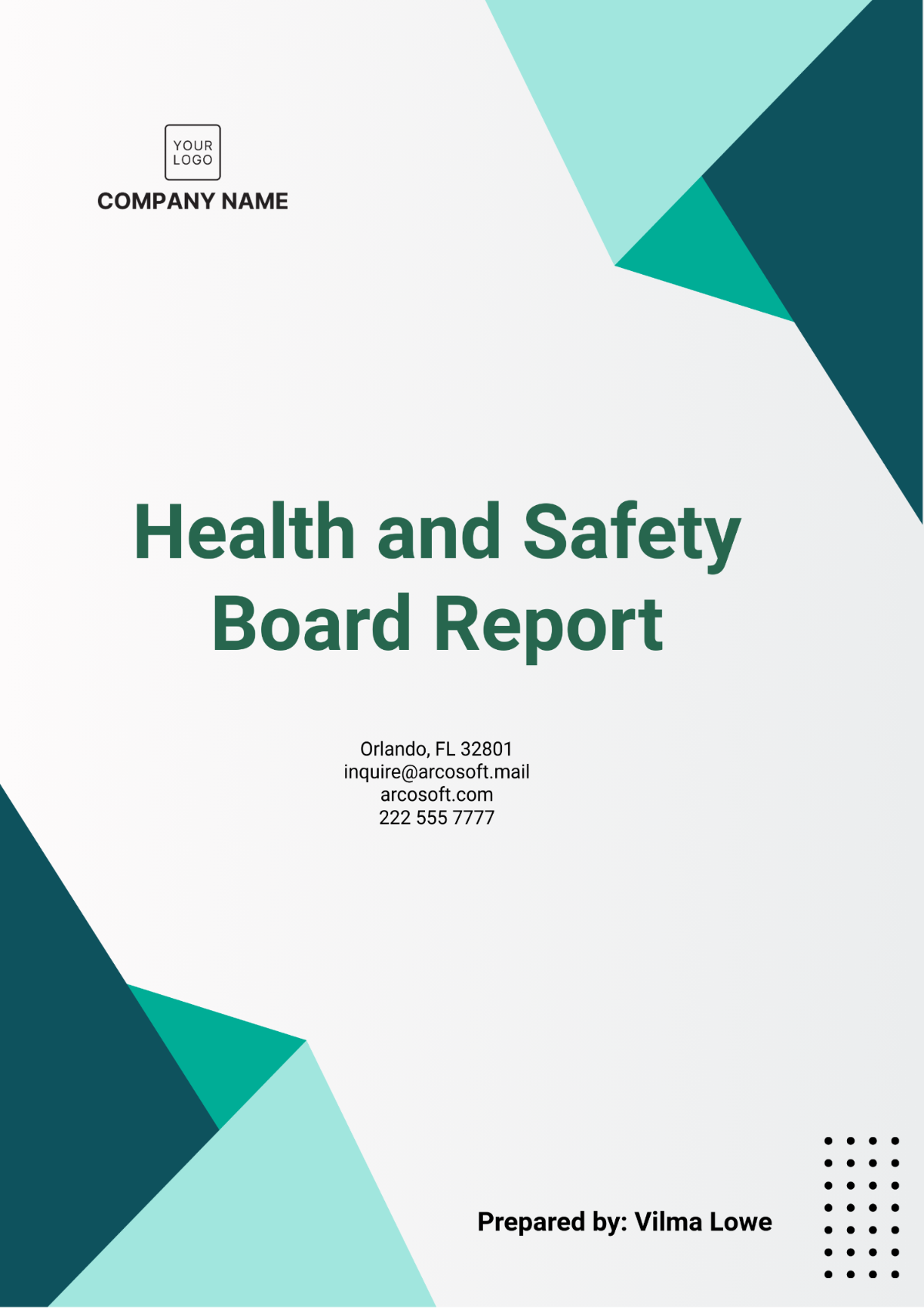
Health And Safety Board Report Template serves as the cornerstone for communicating safety performance, risk assessments, and compliance status to stakeholders, auditors, and regulatory bodies. A well-crafted template not only streamlines data collection but also enhances transparency and accountability across an organization.
Why Every Organization Needs a Standardized Health and Safety Report

In today’s risk‑driven business environment, a single, consistent report format ensures that all safety data is captured, analyzed, and shared in the same structure. Standardization eliminates confusion, reduces the time required to compile reports, and guarantees that critical information is never omitted. Employers, board members, and employees rely on these documents to gauge safety culture, spot emerging hazards, and track corrective actions.
Key Components of an Effective Health And Safety Board Report Template

Executive Summary
This brief section highlights the most critical safety metrics, incident trends, and action items. It should be concise—no more than one page—yet comprehensive enough to inform high‑level decisions.
Operational Highlights
Include a quick snapshot of the reporting period, such as total hours worked, number of incidents, near‑misses, and key safety initiatives launched.
Incident Report Summary
- Number and severity of incidents.
- Root cause analysis for each incident.
- Corrective actions taken and their effectiveness.
- Trends across departments or sites.
Compliance Status
Detail the organization’s adherence to local, state, and federal regulations. Use a table to mark each requirement as “Compliant,” “Non‑Compliant,” or “Pending.”
Training and Development
Track mandatory safety training completion rates, new certifications earned, and upcoming training schedules.
Risk Assessment and Mitigation
Provide an overview of identified risks, risk ratings, and ongoing mitigation plans. Include a risk matrix visual if possible.
Continuous Improvement Initiatives
Summarize improvement projects, lessons learned, and future plans to enhance safety culture.
Appendices and Supporting Documents
Attach incident reports, audit findings, and any relevant evidence in a standardized format for easy reference.
Designing the Template: Layout and Structure
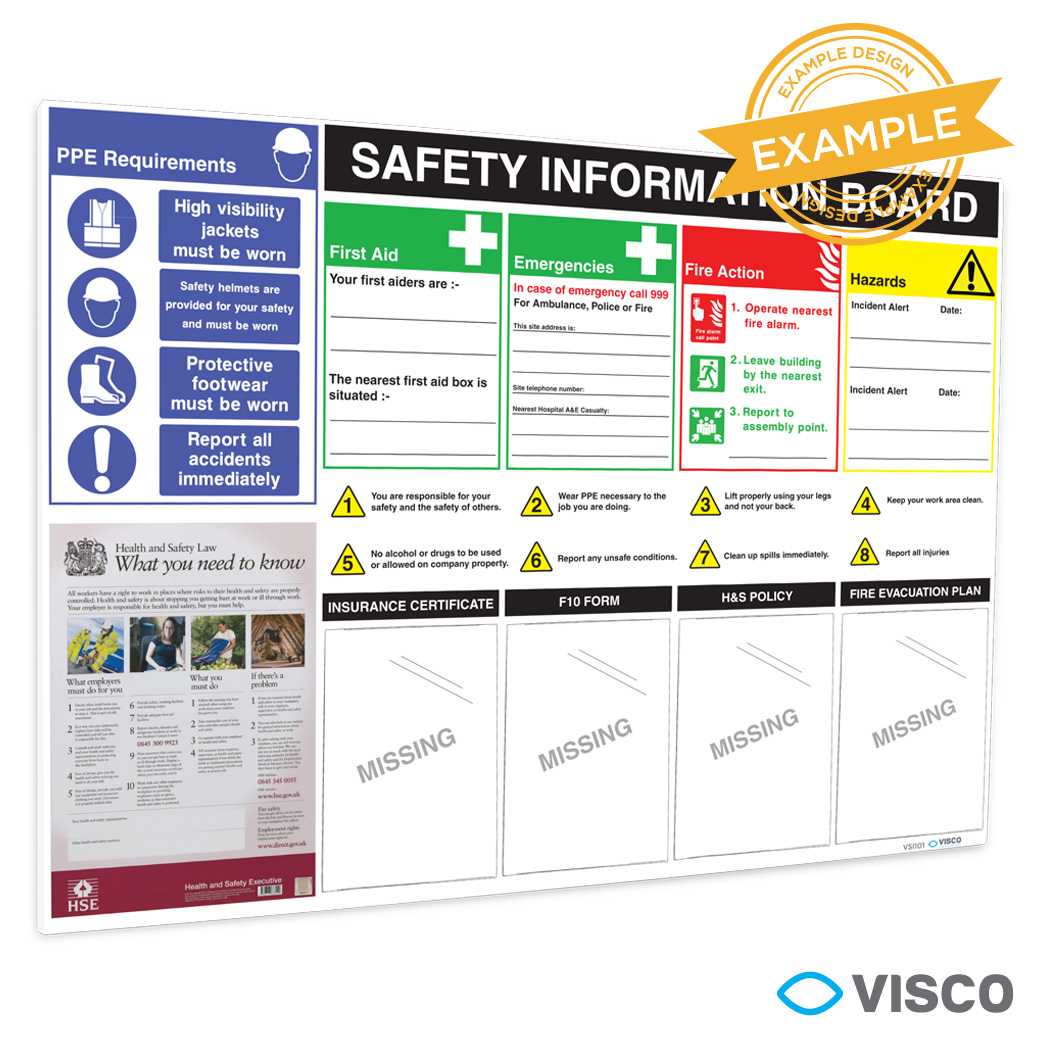
Choosing the Right Paper Size and Orientation
Most board reports are formatted on A4 or Letter size in portrait orientation, allowing ample space for tables and charts. Ensure margins are consistent to improve readability.
Header and Footer Elements
The header should include the company logo, report title, date range, and version number. Footers can contain page numbers, confidentiality notices, and contact details.
Consistent Typography and Color Scheme
Use a corporate font—such as Arial or Calibri—for body text and bold or italic styles to emphasize key figures. A muted color palette (blues or greys) keeps the document professional while enabling charts to stand out.
Visualizing Data with Charts and Graphs
Bar charts, line graphs, and heat maps can illustrate incident trends or risk levels more clearly than raw numbers. Keep visualizations simple and labeled, and ensure they align with the narrative in the text.
Tabular Summaries for Quick Reference
Tables allow readers to scan compliance status or training completion rates instantly. Use conditional formatting—such as red for non‑compliance—to draw attention to critical gaps.
Customizing Content for Different Industries
Construction and Manufacturing
Include sections for fall protection compliance, machinery inspection logs, and hazardous material handling. A risk assessment matrix specific to heavy equipment is essential.
Healthcare Facilities
Focus on exposure incidents, biohazard protocols, and patient safety metrics. Incorporate patient incident rates alongside staff injury statistics.
Technology and Office Environments
Emphasize ergonomics, workplace violence prevention, and cyber‑physical security risks. Include metrics such as ergonomic assessment completion and incident reports on harassment.
Retail and Hospitality
Highlight customer safety incidents, theft or vandalism reports, and food safety compliance. A separate appendix can detail sanitation audits.
Digital Tools and Software Options
Spreadsheet-Based Templates
Excel or Google Sheets are common choices for small to medium businesses. They allow for dynamic calculations, conditional formatting, and easy distribution.
Dedicated Safety Management Systems
Software such as Intelex, iAuditor, or SafetyCulture offers pre‑built report modules that integrate incident tracking, risk assessment, and training management into a single platform.
Cloud Collaboration Platforms
Using cloud‑based tools like Microsoft Teams or Google Workspace permits real‑time editing, version control, and secure sharing among board members.
PDF Generation and Signing
Once finalized, reports can be converted to PDF for distribution. Digital signature features ensure authenticity and streamline approval workflows.
Integrating the Template into Your Reporting Workflow

Establish a Reporting Cadence
Decide on a monthly, quarterly, or annual reporting frequency based on regulatory requirements and organizational needs.
Define Data Collection Responsibilities
Assign specific roles—such as safety officers, HR representatives, or department heads—to gather and verify data before it enters the template.
Automate Data Population Where Possible
Link the template to incident databases or HR systems so that tables and charts populate automatically, reducing manual entry errors.
Review and Approve Cycles
Set a clear review chain: draft by the safety manager, peer review by department leads, final approval by the board or executive committee. Include time stamps and change logs for transparency.
Distribute and Archive
Share the final report with stakeholders via secure email, intranet, or a shared drive. Keep a master archive with version history for audit purposes.
Common Mistakes to Avoid in Health And Safety Reporting

Overloading with Unnecessary Detail
While depth is valuable, excessive technical jargon or excessive raw data can overwhelm readers. Focus on actionable insights.
Inconsistent Data Formats
Using different date formats, measurement units, or naming conventions across sections leads to confusion and reduces trust in the data.
Missing or Incomplete Incident Follow‑Up
Failing to document corrective actions or their outcomes makes it difficult to assess progress and may raise compliance concerns.
Neglecting Visual Clarity
Small fonts, crowded tables, or unclear charts can dilute the report’s impact. Prioritize readability.
Ignoring Stakeholder Feedback
Board members may have specific metrics they want tracked. Incorporate their input early to avoid revisions later.
Case Studies and Success Stories
Construction Firm Reduces Incident Rate by 35%
A mid‑size construction company adopted a standardized board report template that highlighted near‑misses in real time. By implementing corrective measures directly after each incident, they saw a measurable decline in serious injuries over a 12‑month period.
Healthcare Organization Achieves Zero Biohazard Exposure
Using a tailored template that tracked PPE compliance and incident reporting, a large hospital system monitored exposure incidents. The clear visualization of compliance metrics helped staff understand their role in prevention, leading to a zero‑incident year.
Retail Chain Enhances Customer Safety
By incorporating customer incident logs and training completion rates into their health and safety reports, a national retail chain identified hotspots for shoplifting. They adjusted lighting and staff training, reducing incidents by 22% within six months.
Advanced Tips for Enhancing Visibility and Compliance

Embed Interactive Dashboards
Link dashboards that allow board members to drill down into specific incidents or trends without navigating away from the report.
Incorporate Narrative Case Studies
Adding brief case studies of incidents provides context to the numbers and encourages a learning culture.
Align with ISO 45001 Standards
Ensuring the template references ISO 45001 clauses—like risk assessment, legal obligations, and improvement processes—helps meet international best practices.
Use Predictive Analytics
Integrate trend analysis tools that forecast potential risk spikes based on historical data, enabling proactive interventions.
Audit Trail Integration
Include a section that logs all changes to the report, ensuring transparency and aiding external audits.
Future Trends in Health And Safety Reporting
Artificial Intelligence for Risk Prediction
AI algorithms can analyze incident patterns, suggest risk mitigation strategies, and even flag potential compliance breaches before they occur.
Mobile-First Reporting
With smartphones ubiquitous on job sites, templates that can be edited and reviewed on mobile devices streamline data capture and approval processes.
Blockchain for Data Integrity
Using blockchain to store incident reports can ensure tamper‑proof records, which is especially valuable in highly regulated industries.
Gamification of Safety Training
Embedding game elements into training modules tied to the report can boost engagement and retention of safety protocols.
Augmented Reality for Incident Reconstruction
AR tools can reconstruct accident scenes, providing rich context for investigations and subsequent report entries.
Conclusion

Adopting a well‑structured Health And Safety Board Report Template transforms raw safety data into actionable insights that drive continuous improvement. By incorporating clear sections, visual tools, and industry‑specific adaptations, organizations can foster accountability, satisfy regulatory demands, and ultimately protect their most valuable asset—their people. A disciplined reporting workflow, coupled with modern digital tools and an eye for detail, ensures that every board meeting is informed by accurate, transparent, and impactful safety information.





Related posts of "Health And Safety Board Report Template"
