Free Value Chain Analysis Template—the superhero cape of business strategy that lets you slice and dice your operations without breaking the bank or your sanity. Imagine a spreadsheet that’s as friendly as a golden retriever but as powerful as a Swiss Army knife. That’s what we’re about to dive into, with a splash of humor and a dash of real‑world wisdom to keep things lively.
What Is a Value Chain, Anyway?
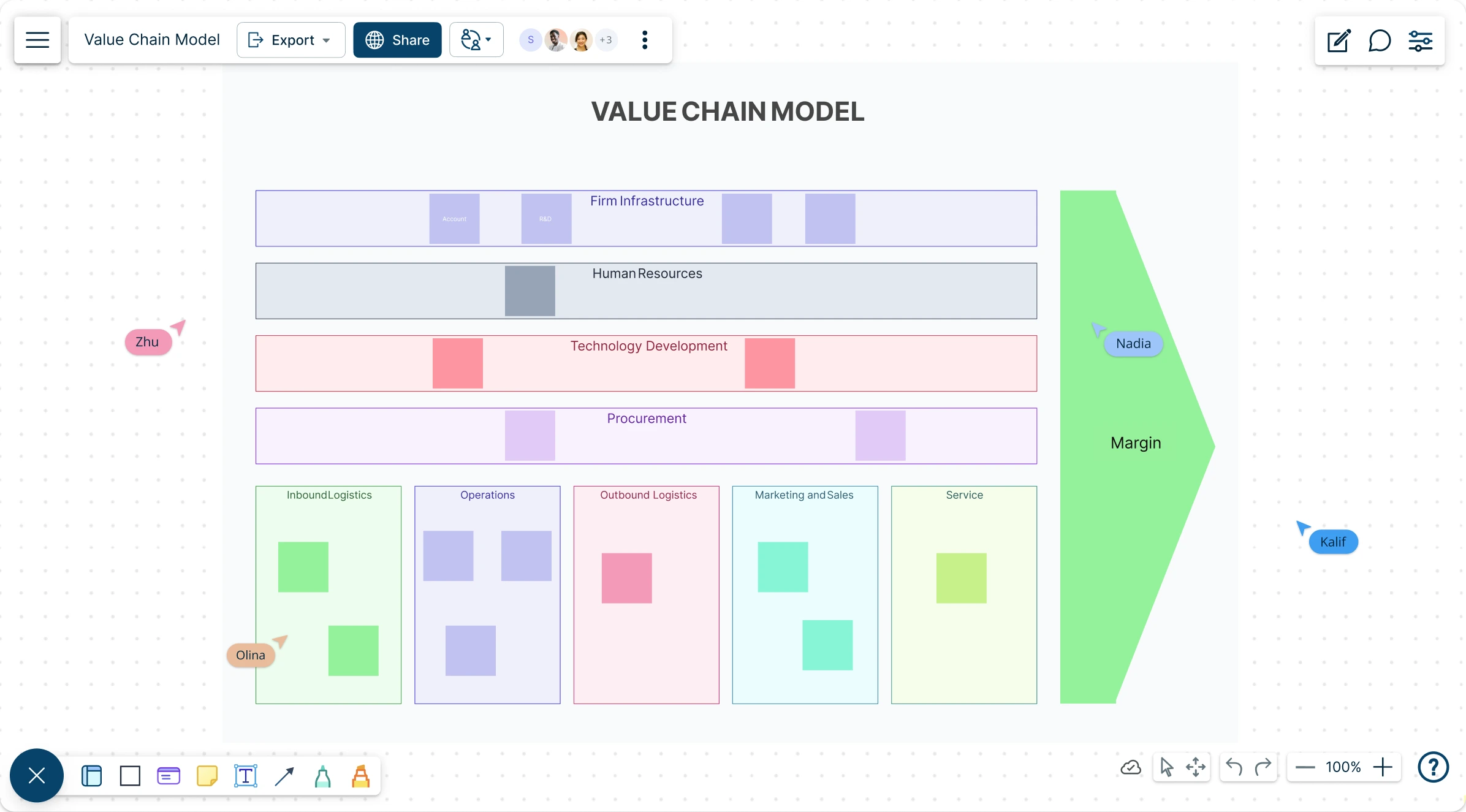
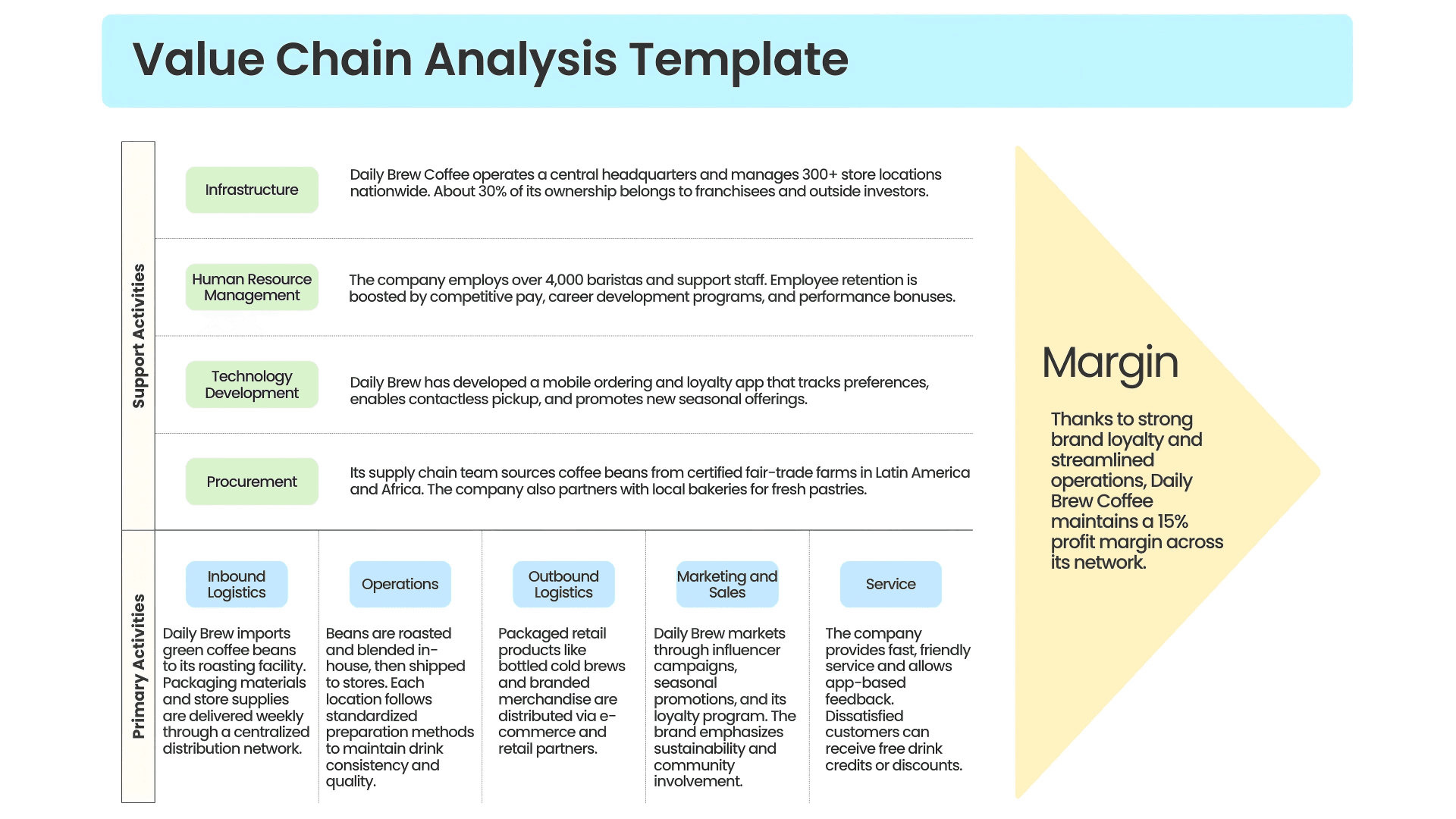
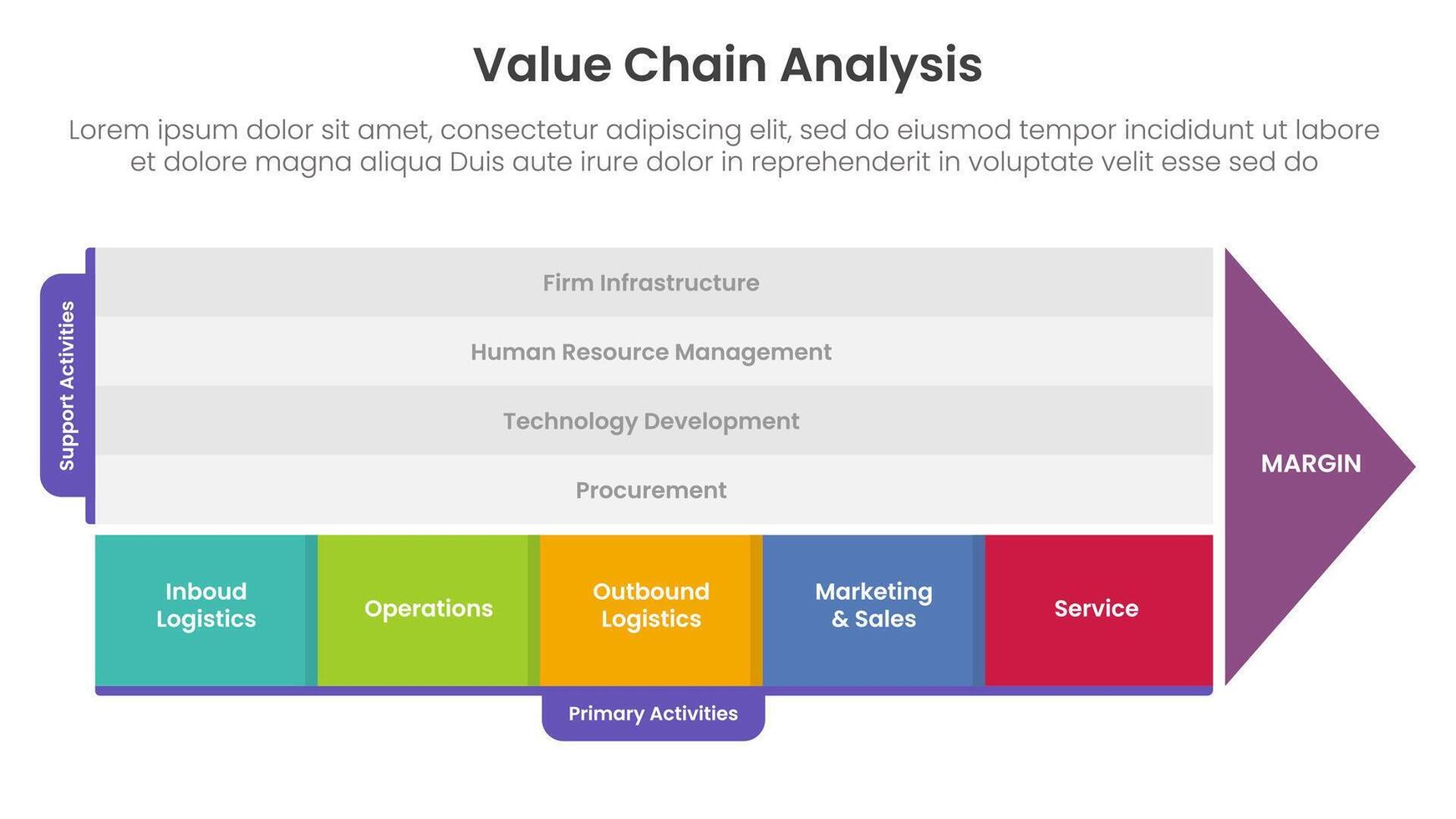
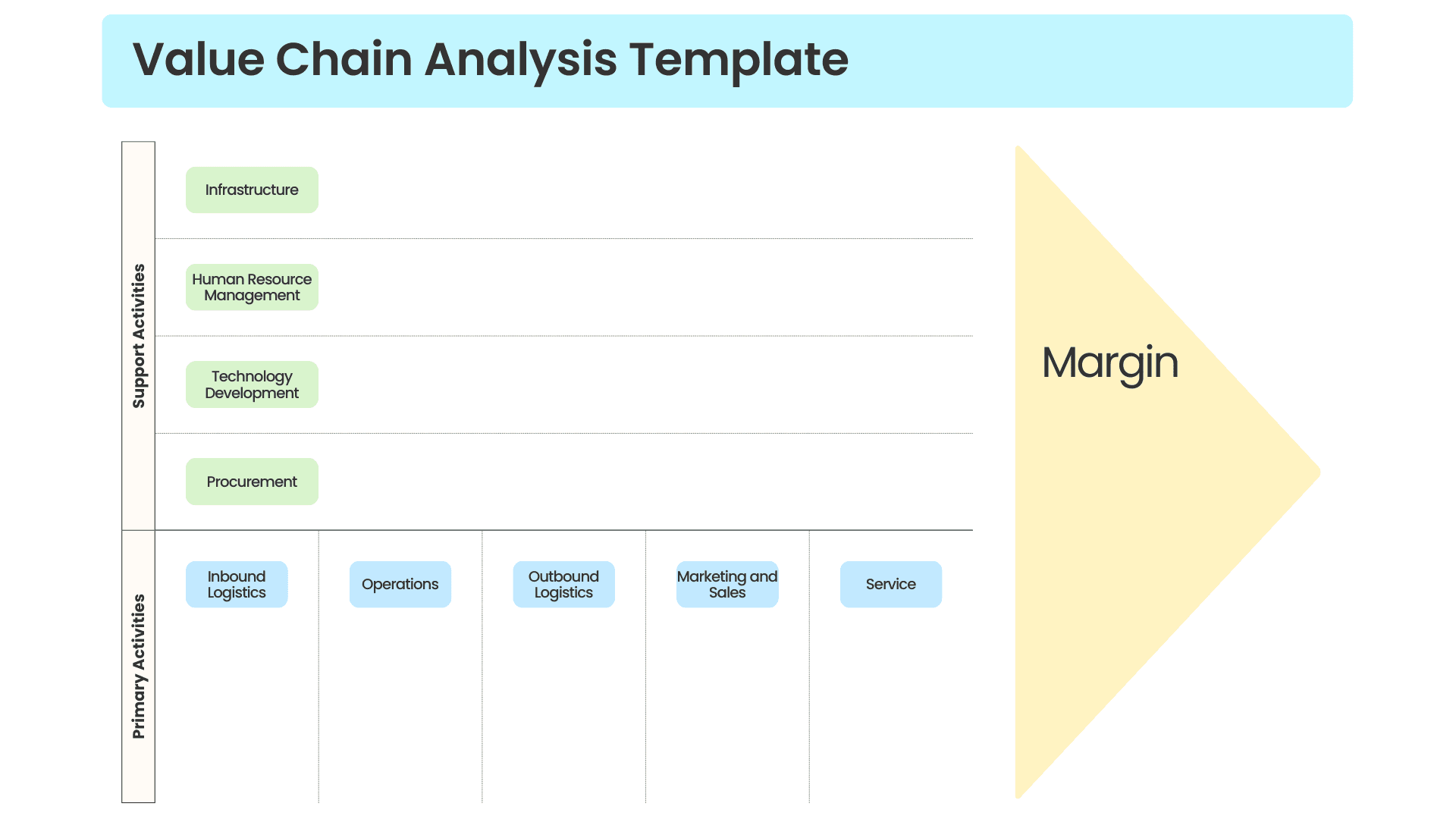
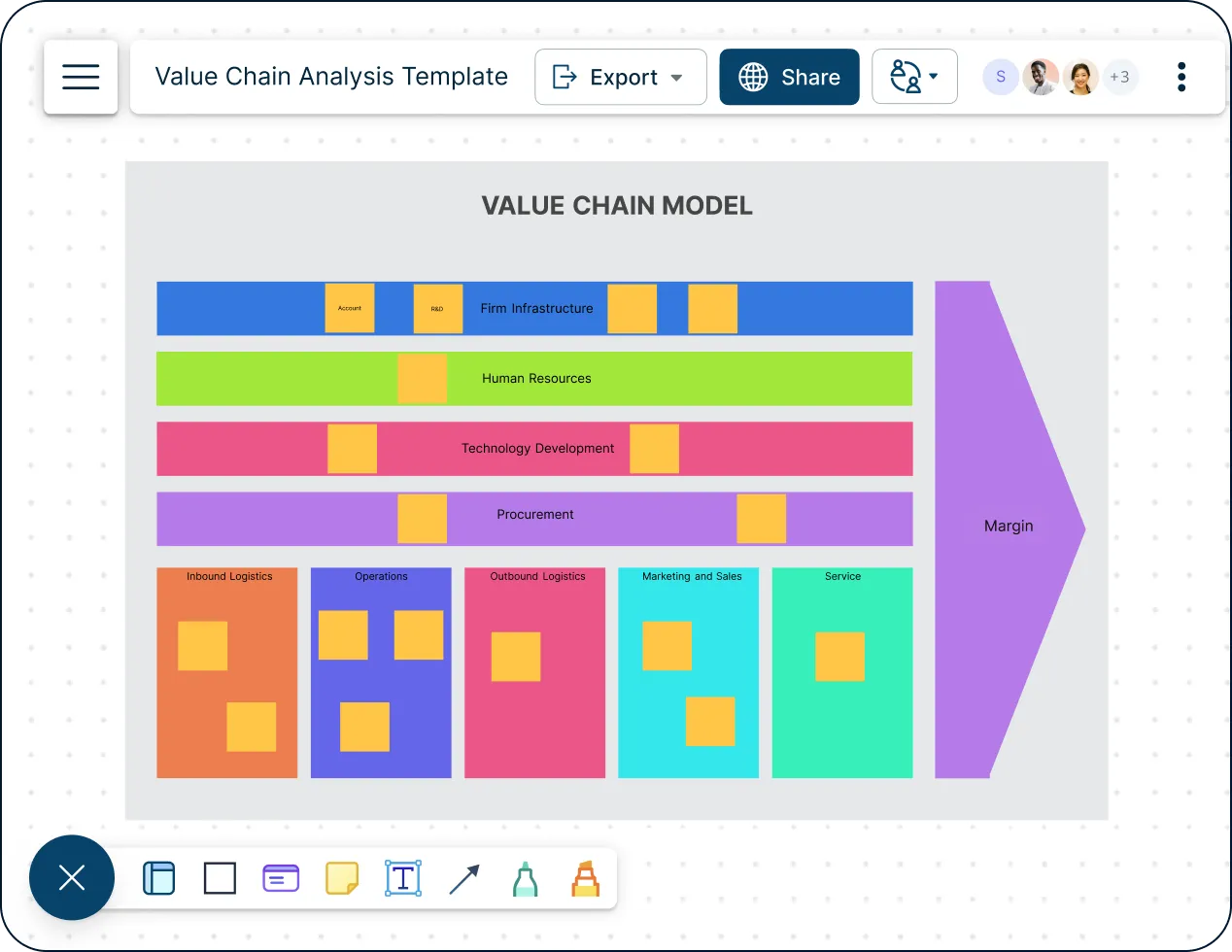
First, let’s decode the term that sounds like a sci‑fi weapon. A value chain is a series of activities a company performs to deliver a product or service that creates value for the customer—and profits for the business. Think of it like a relay race: each runner (activity) hands off a baton (value) until it reaches the finish line (customer satisfaction). When you map these activities, you can spot where you’re sprinting, stumbling, or just standing still.
The Classic Five Stages
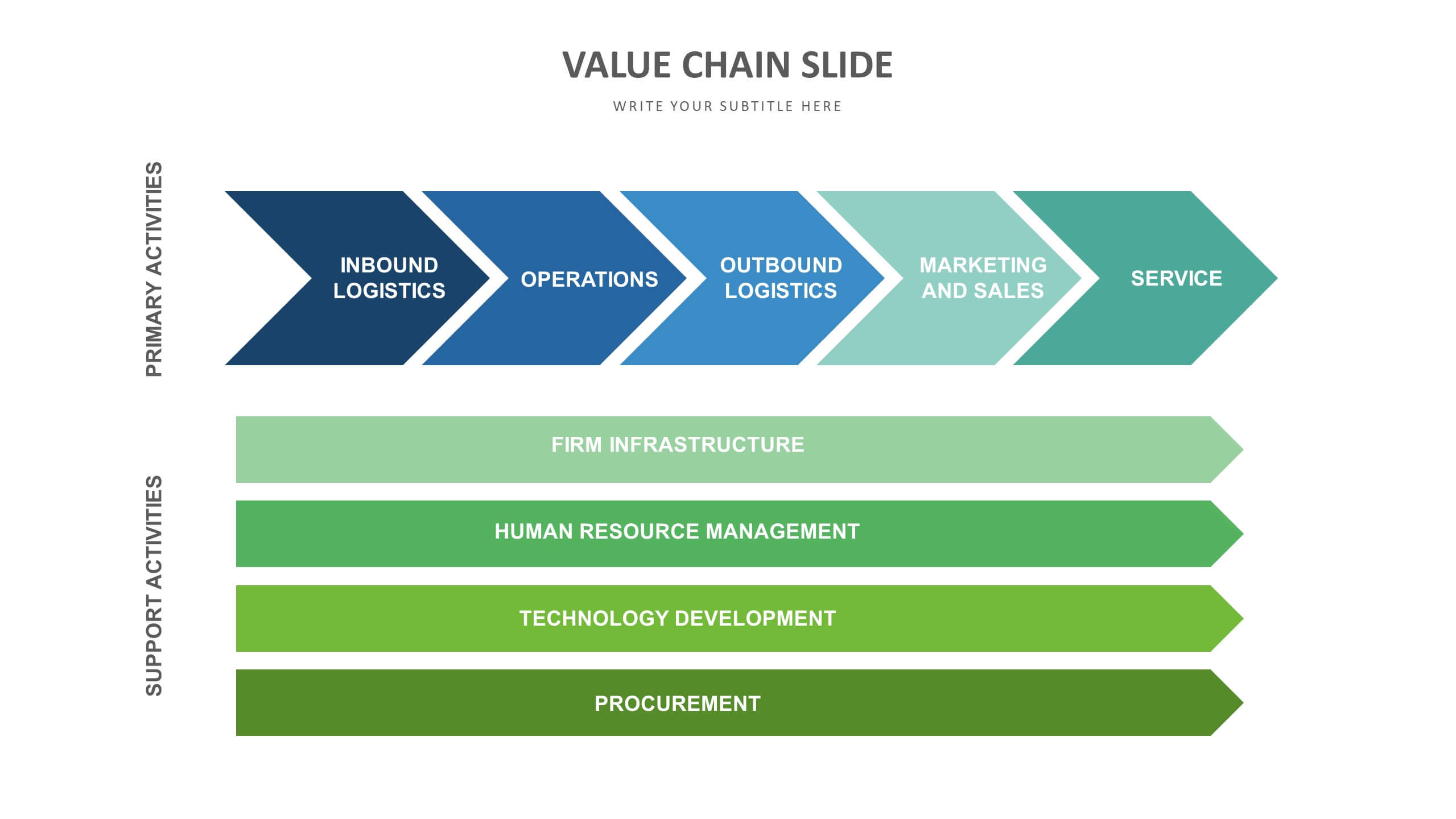
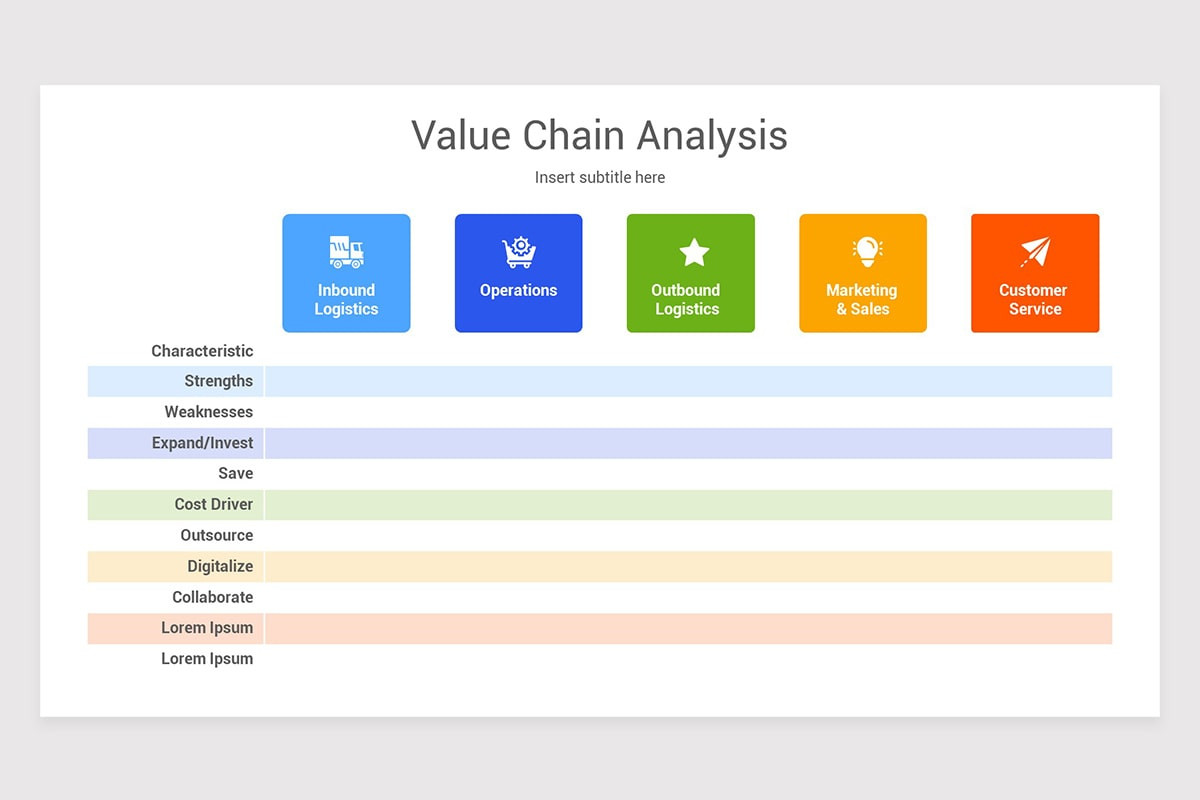
Inbound Logistics – getting raw materials or information into the shop.
Operations – the meat and potatoes of turning inputs into outputs.
Outbound Logistics – getting the finished goods to the customer.
Marketing & Sales – convincing people to buy.
Service – the after‑care that keeps customers coming back.
Each stage can be a cost driver or a competitive advantage. The trick? Knowing where to focus your budget, time, and talent.
Why Free Templates Are Your Best Friend
Free value chain templates are like that friend who brings pizza to a work party: they’re convenient, they save you a ton of effort, and they make you look good. Here’s why you should jump on the free template bandwagon:
Speed – No more building from scratch. Get instant structure.
Flexibility – Most free templates are in editable formats (PDF, Word, Excel). Plug in your data and boom!
Learning Tool – By filling in the blanks, you internalize the value chain concept.
Budget‑Friendly – No license fees, no subscription hell.
Think of it as a cheat sheet that lets you ace the business strategy test without pulling an all‑night study session.
Choosing the Right Free Value Chain Analysis Template
Not all templates are created equal—some are so generic they could apply to a pizza delivery service, a space agency, or a backyard garden. Here’s how to pick a template that actually fits your business model.
Look for Customizability
Can you rename stages to match your industry?
Does it allow you to add extra columns for cost or performance metrics?
Check Format Compatibility
Excel is king for calculations; Word is great for narrative; PDF is handy for sharing.
Make sure the template supports the version of software you use.
Assess Detail Level
Do you need a high‑level overview or a granular dive?
Some templates include cost buckets like labor, materials, overhead—others leave that for you.
Read Reviews (or the Template’s Comments)
Often, the people who downloaded it before you will have left feedback in the file’s metadata or comments. A quick skim can save you a lot of frustration.
Step‑by‑Step: Using Your Free Template Like a Pro
Now that you’ve got your template, let’s walk through the process with the enthusiasm of a kid opening a new toy box.
1. Gather Your Data
List all suppliers, production facilities, distribution channels, marketing partners, and support teams.
Collect cost figures, timeframes, and key performance indicators (KPIs).
Use tools like a simple spreadsheet, Google Sheets, or a sticky‑note board if you’re feeling analog.
2. Populate the Template
Start with Inbound Logistics: Input raw material costs, supplier lead times, and inventory holding costs.
Move to Operations: Add labor hours, machine depreciation, energy usage, and defect rates.
Continue down the chain, filling in Outbound Logistics (shipping costs, delivery times), Marketing & Sales (advertising spend, conversion rates), and Service (support tickets, warranty claims).
3. Analyze the Numbers
With all the data in place, look for:
High cost nodes that could be outsourced or automated.
Stages where the value delivered to customers is low but costs are high.
Opportunities for cross‑functional collaboration to reduce duplication.
4. Benchmark Against Industry Standards
Use industry reports or competitor analysis to gauge whether your costs are in line with peers. If you’re paying twice as much for inbound logistics as the average in your sector, you’ve found a sweet spot.
5. Draft Action Items
Turn insights into concrete steps. For example:
Inbound Logistics: Negotiate bulk discounts with suppliers.
Marketing & Sales: Shift budget from print ads to targeted social media campaigns.
Service: Implement a self‑service portal to cut support tickets.
Document these in a separate action log linked to the template for easy reference.
Real‑World Example: The Coffee Shop That Outsold Competitors
Meet “Joe’s Java Junction,” a small but ambitious coffee shop in a bustling city. Joe used a free value chain template to uncover hidden inefficiencies.
The Problem
Joe’s profits were flat, and his competitors were offering cheaper lattes with a faster service time.
The Discovery
By filling out the template, Joe noticed:
His Operations stage had a 30% waste rate in coffee beans.
Inbound logistics cost 20% higher due to a single supplier.
Marketing spend was mostly on generic flyers, yielding low foot traffic.
The Fixes
Negotiated a bulk deal with a second supplier, cutting inbound costs by 12%.
Implemented a new inventory tracking system that reduced waste to 8%.
Within six months, Joe’s profits rose by 18%, and his shop became the go‑to spot for latte lovers in the neighborhood.
This example proves that a free template isn’t just a paperweight—it’s a roadmap to tangible results.
Common Pitfalls and How to Dodge Them
Even the best templates can lead you astray if you fall into these traps:
Over‑Complicating the Model
Too many variables can make the template a spreadsheet nightmare.
Stick to core metrics first; add depth later.
Ignoring the Human Factor
Quantitative data is vital, but employee insights can reveal hidden bottlenecks.
Hold quick workshops with frontline staff to validate assumptions.
Neglecting Regular Updates
Business dynamics change; a static template becomes stale.
Set a quarterly review cadence to keep data fresh.
Assuming One Size Fits All
Different industries have unique cost drivers.
Customize the template to reflect your specific value chain nuances.
Tips to Customize Your Template for Extra Impact
Now that you’re comfortable with the basic flow, let’s sprinkle some extra seasoning.
Add a “Value Driver” Column
Identify what truly adds value at each stage (e.g., premium beans, quick delivery).
Use color coding to highlight high‑value activities.
Incorporate a SWOT Analysis
Overlay strengths, weaknesses, opportunities, and threats onto each stage.
Visualize this with a quick matrix or icons.
Use Conditional Formatting
Highlight cost overruns in red, efficiency gains in green.
Set thresholds that trigger alerts when costs exceed a set limit.
Link to External Dashboards
Integrate your template with tools like Power BI or Tableau for live data feeds.
Automate reporting to stakeholders without manual intervention.
Beyond the Spreadsheet: Turning Analysis into Action
A template is only as good as the actions it inspires. Here’s how to transform insight into impact.
Create an Action Board
List each identified improvement with owners, deadlines, and success metrics.
Place the board in a shared workspace (e.g., Trello, Asana).
Assign Accountability
Each action point should have a person or team responsible.
Use regular check‑ins to keep momentum.
Track ROI
After implementing changes, revisit the template to measure cost savings or revenue gains.
Document the before/after to build a compelling case for continuous improvement.
When a cost is cut or a KPI is hit, share the success story in company meetings.
Recognition fuels motivation and reinforces the value of the analysis.
Wrap‑Up: The Power of a Free Value Chain Analysis Template
Free value chain analysis templates are the unsung heroes of strategic planning. They let you map your operations, spotlight inefficiencies, and launch targeted improvements—all while keeping your budget intact. Whether you’re a solo entrepreneur, a mid‑size company, or a large corporation, the principles remain the same: understand every link, measure its contribution, and fine‑tune where it matters most.
So grab your favorite template, roll up your sleeves, and start dissecting your value chain. The results may surprise you—and so will the coffee shop that turned a spreadsheet into a profit machine.
Related posts of "Free Value Chain Analysis Template"
In the labyrinthine world of supply chain economics, the Cost To Serve Analysis Template is the enchanted map that turns the quest for profit into a mildly humorous adventure rather than a tragic odyssey. Picture it as a cheat‑sheet for your business’s fiscal wizardry: a spreadsheet that whispers, “Here’s how much it really costs you...
Example Cost Benefit Analysis Template is a powerful tool that helps businesses and individuals in Asia make informed decisions by weighing potential gains against the associated costs, all while respecting the region’s values of harmony, foresight, and collective benefit. Why a Cost Benefit Analysis Matters in Asian Markets In many Asian cultures, decisions are not...
In today's fast-paced market, decision-makers need a clear lens to cut through ambiguity and focus on what truly matters. Is Is Not Analysis Template offers exactly that—an elegant framework that balances current realities with untapped opportunities, guiding teams toward actionable strategies without losing sight of cultural nuances. Understanding the Core Concept of Is Is Not...
Post Sales Call Analysis Template is the secret sauce that turns routine conversations into a goldmine of insight, helping sales teams fine‑tune their approach, close more deals, and build lasting relationships with customers. Why Post Sales Call Analysis Matters After a sales call ends, the adrenaline fades and the real work begins. Without a structured...