
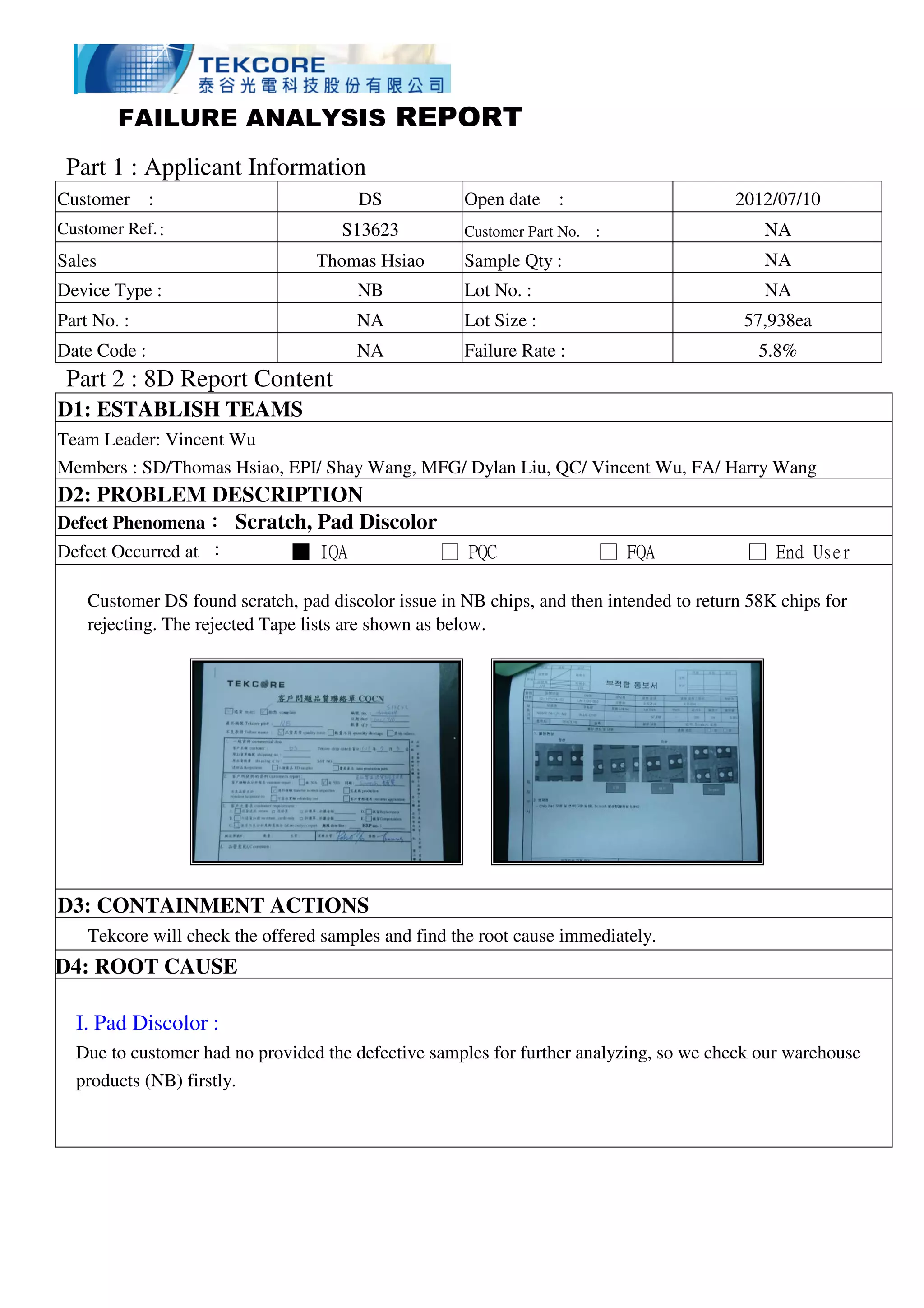
In the high‑stakes world of pharmaceuticals, manufacturing, and regulated industries, a robust Failure Investigation Report Template is the cornerstone of continuous improvement and regulatory compliance. By providing a structured, repeatable framework for documenting incidents, the template transforms chaotic, anecdotal data into actionable insights that can prevent costly recalls, legal challenges, and, most importantly, protect patient safety.
Why a Structured Failure Investigation Report Matters
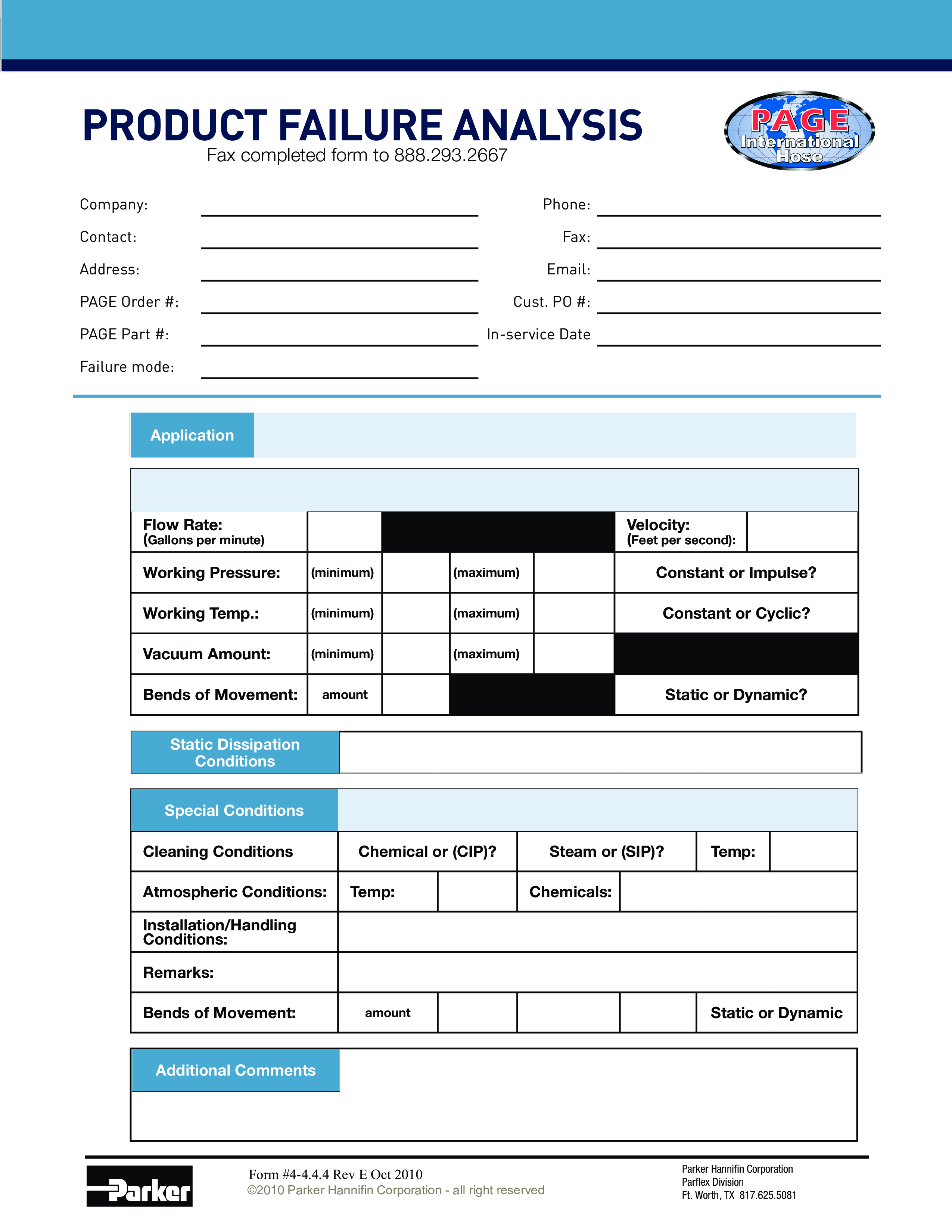
When a failure occurs—whether a batch deviates from specifications, a quality control test fails, or a safety event is reported—organizations face the dual pressures of rapid response and thorough analysis. A well‑designed template ensures that every investigation follows the same logical progression, reducing the risk of missed root causes and inconsistent findings. Moreover, regulatory bodies such as the FDA, EMA, and ICH expect detailed, traceable records. A template that aligns with these expectations not only streamlines audits but also demonstrates a proactive commitment to quality.
Core Components of a Failure Investigation Report Template

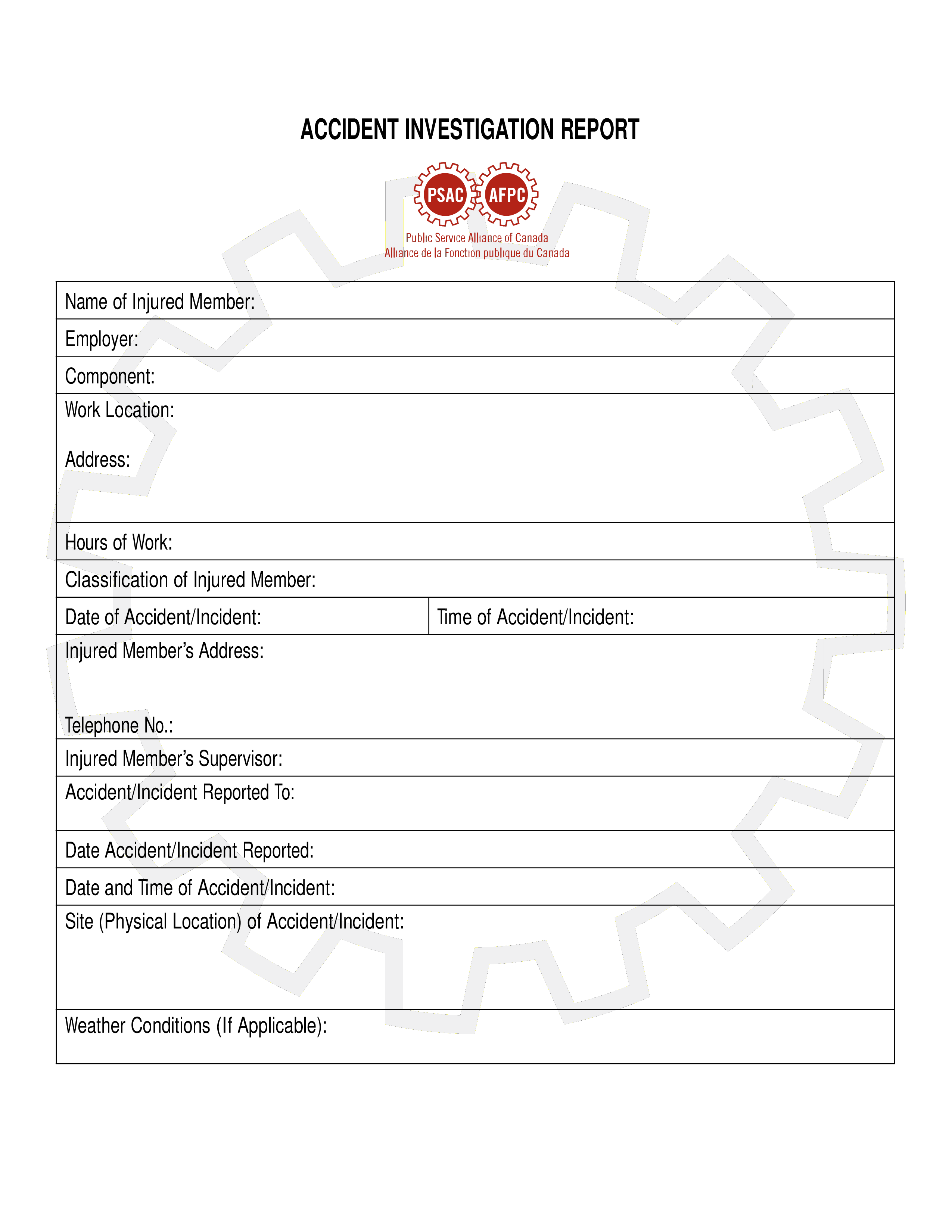
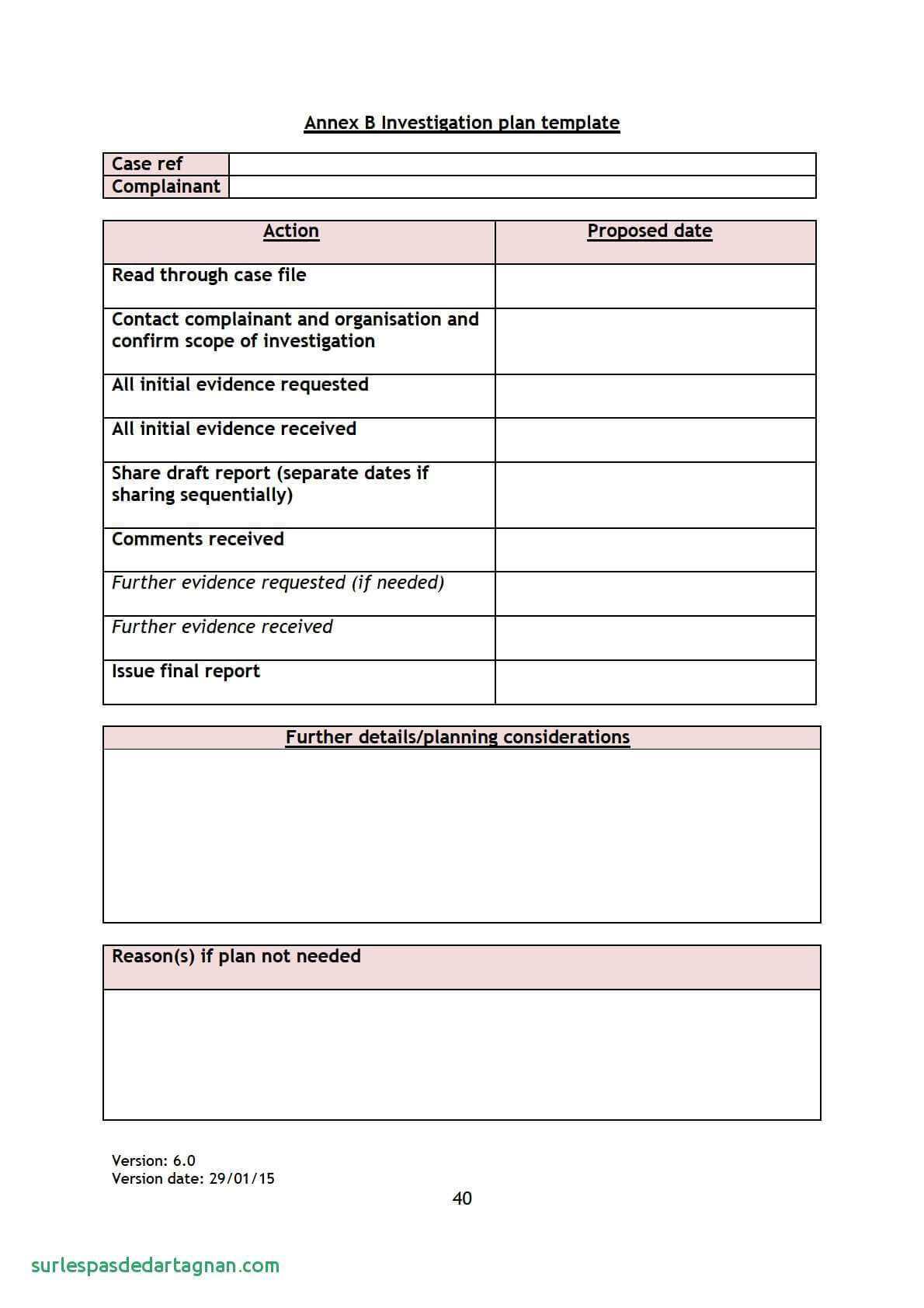
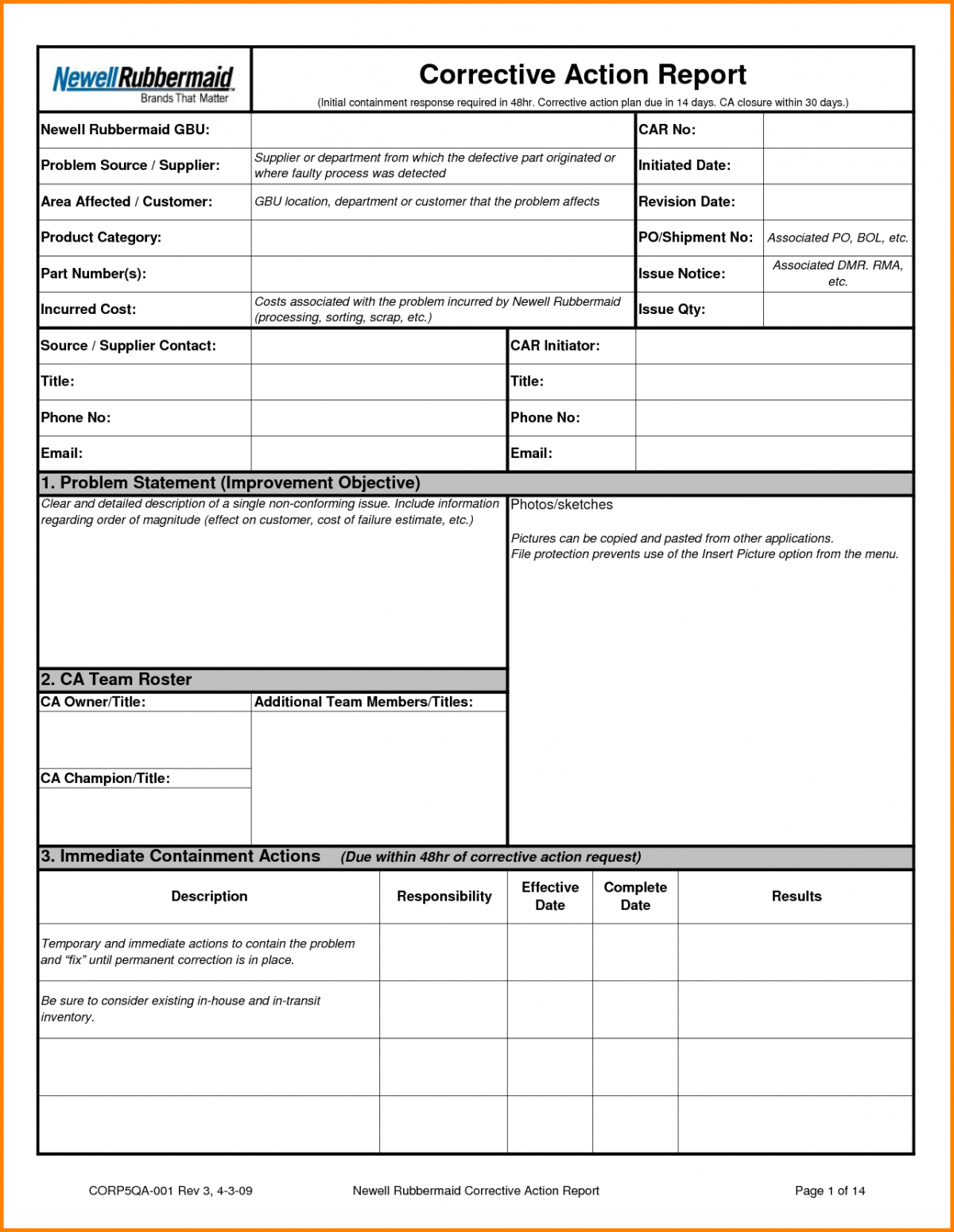
A robust template balances detail with usability. The following sections outline the essential elements that every report should include to be both comprehensive and actionable.
Event Description
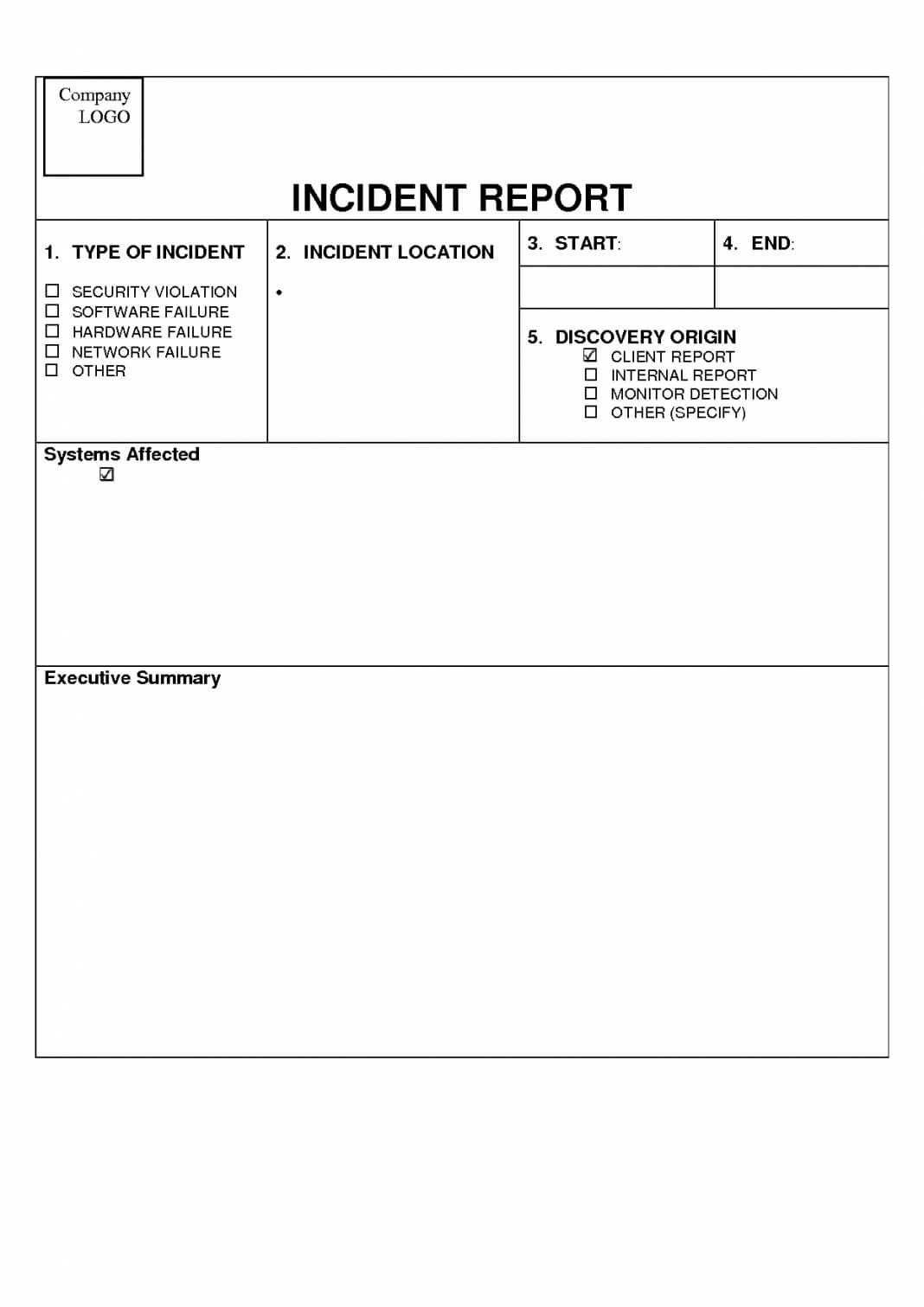
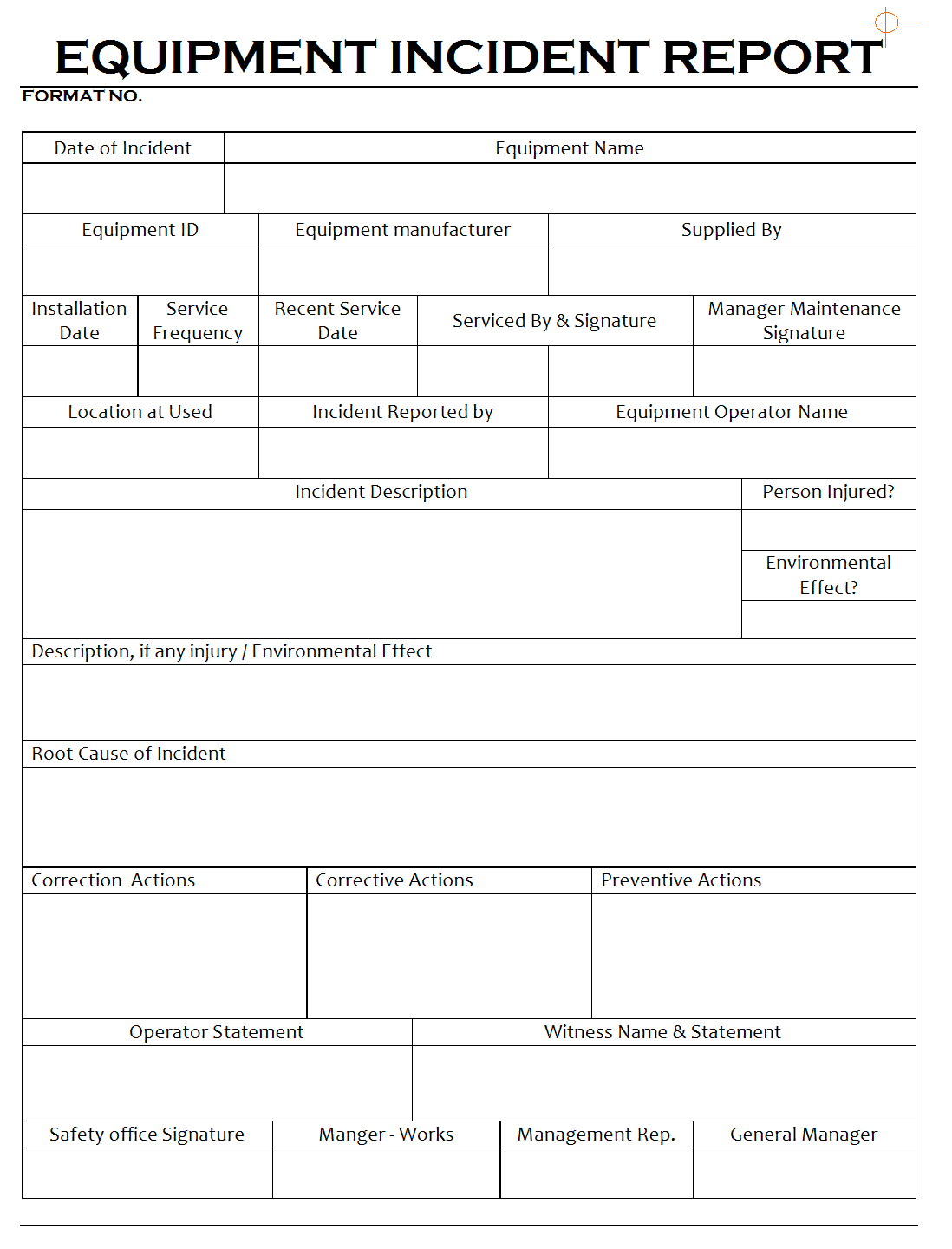
Begin with a clear, objective narrative that captures the what, when, where, and who involved. Include batch numbers, lot identifiers, equipment codes, and any environmental conditions. A concise description helps reviewers quickly understand the context before diving into deeper analysis.
Immediate Actions
Document all corrective actions taken at the time of discovery. This can include isolating the affected product, halting production, or initiating a quarantine. Recording these steps not only satisfies regulatory timelines but also provides a baseline for assessing the effectiveness of later interventions.
Root Cause Analysis
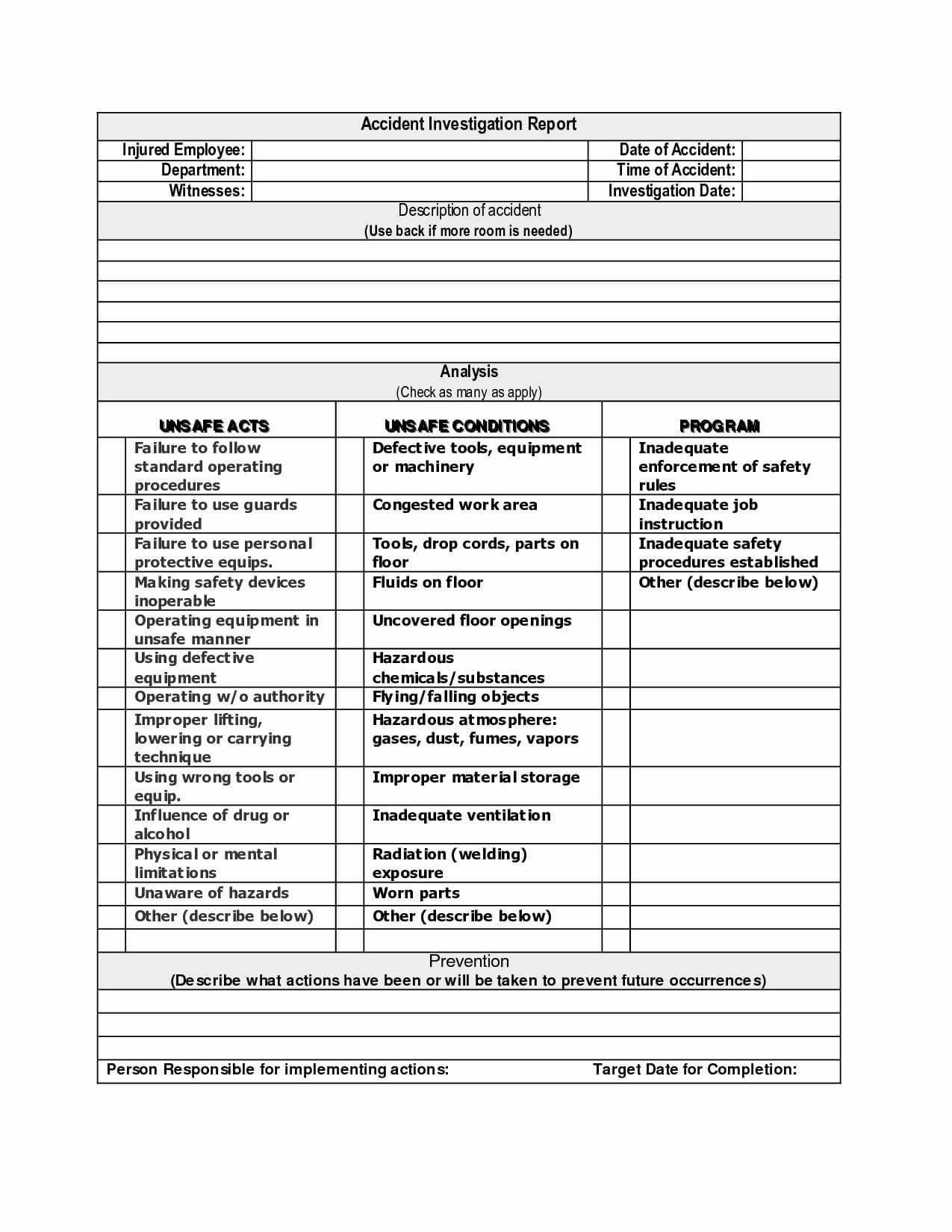
Employ a structured method—such as the Five Whys, Fishbone Diagram, or Failure Modes and Effects Analysis (FMEA)—to trace the underlying cause. Each cause should be supported by data: instrument readings, test results, or observation logs. Highlighting the causal chain enables teams to target systemic weaknesses rather than treating surface symptoms.
Corrective and Preventive Actions (CAPA)
Outline specific actions designed to eliminate the root cause and prevent recurrence. CAPA entries should be SMART (Specific, Measurable, Achievable, Relevant, Time‑bound). For example, “Update cleaning SOP to include a 15‑minute dwell time for solvent A; completion deadline: 30 days.”
Verification and Validation
After implementing CAPA, verify that the solution works. Include validation data, re‑test results, or post‑implementation audit findings. This step confirms that the problem has been resolved and that the corrective measure is effective.
Documentation and Sign‑Off
Conclude with a formal sign‑off section that lists the names and titles of the investigators, reviewers, and approvers. Attach any supporting documents—photos, instrument logs, or calibration records—to maintain a single source of truth. This final checkpoint ensures accountability and traceability.
How to Build a Custom Failure Investigation Report Template

While industry standards provide a solid foundation, tailoring the template to your organization’s specific processes, equipment, and risk profile maximizes its value. Follow these steps to create a fit‑for‑purpose template.
Assess Your Organization’s Needs
Map out the critical process areas—manufacturing, QC, packaging, and distribution—where failures are most likely. Identify regulatory expectations for each area, and align the template fields accordingly. A gap analysis will reveal missing data points or redundant sections that can be streamlined.
Select Template Formats
Choose a format that integrates smoothly with existing workflows. Many organizations use a PDF form for manual entry, a SharePoint list for tracking, or a dedicated CAPA software module. Whichever platform you select, ensure that it supports version control, audit trails, and easy retrieval.
Populate Key Fields
Populate the template with mandatory and optional fields. Mandatory fields enforce compliance; optional fields allow for additional context. Use dropdowns, checkboxes, and text boxes to reduce data entry errors and expedite completion.
Integrate with Quality Management Systems
Link the template to your overall QMS. This can involve automated workflows that trigger CAPA creation, update status dashboards, or generate compliance reports. Integration reduces duplication of effort and keeps all stakeholders on the same page.
Best Practices for Using the Template Effectively

Even the best template falls short if not applied correctly. Adopt these practices to ensure consistent, high‑quality investigations.
Timeliness
Set internal deadlines for each investigation stage—e.g., initiate the report within 24 hours, complete root cause analysis within 48 hours, and close the CAPA within 30 days. Use automated reminders to keep the process moving.
Cross‑Functional Collaboration
Include representatives from manufacturing, QC, engineering, and regulatory affairs. Diverse perspectives uncover hidden root causes and ensure that CAPAs address all affected areas.
Data Integrity
Only use verified data. Attach instrument calibration certificates and data integrity statements where appropriate. Data integrity safeguards protect against regulatory penalties and reinforce trust in the findings.
Continuous Improvement
Review closed investigations regularly to identify trends. Use dashboards to spot recurring root causes and prioritize process redesigns. A feedback loop transforms isolated incidents into systemic improvements.
Real‑World Example: From Production Line Failure to Process Improvement
At a mid‑size biologics manufacturer, a batch of recombinant protein failed potency testing. Using the failure investigation template, investigators captured the event description, immediately quarantined the batch, and logged the failure. Root cause analysis revealed that a temperature sensor in the fermentation tank had drifted due to a recent software update. The CAPA included re‑calibration of the sensor, updating the software, and adding a duplicate sensor for redundancy. Verification data showed that temperature remained within specification during subsequent runs, and the CAPA was signed off by the plant manager. The incident was then entered into the company’s knowledge base, preventing a similar failure across multiple sites.
Common Pitfalls and How to Avoid Them
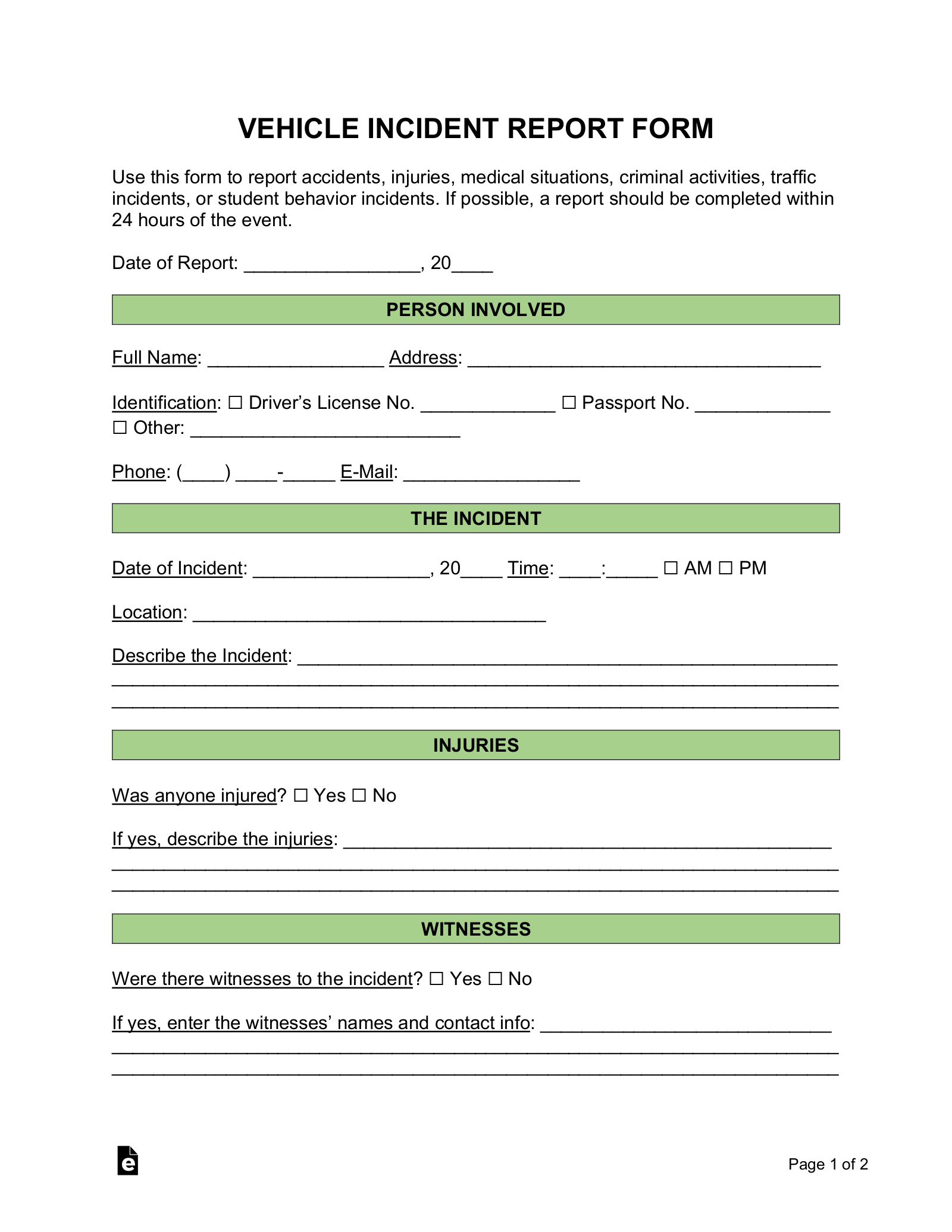
Even experienced teams can fall into familiar traps. Recognizing and correcting these issues keeps investigations credible and effective.
Incomplete Data Collection
Relying on memory or incomplete logs can lead to wrong conclusions. Always use checklists, capture raw data, and retain supporting documents. Where gaps exist, document the uncertainty and plan for further data collection.
Bias in Root Cause Analysis
Team members may unconsciously favor familiar causes. Mitigate bias by involving a neutral facilitator, using structured techniques, and validating findings with independent data.
Inadequate Follow‑Up
Closing a CAPA too early can leave residual risk. Schedule verification testing and monitor key indicators for a defined period. Record any deviations and adjust the CAPA if necessary.
Tools and Resources to Support Failure Investigation Reporting

Leverage technology and external resources to enhance your template’s effectiveness.
Software Solutions
Quality management software such as MasterControl, Sparta, or Greenlight Guru offers built‑in failure investigation modules. These tools automate data capture, enforce field completeness, and provide audit trails.
Training Programs
Invest in regular training for investigators, including root cause analysis techniques, regulatory requirements, and the use of your specific template. Certification programs from ASQ or the International Society for Quality in Healthcare add credibility.
Templates and Checklists
Industry bodies often publish template samples. Adapt these to your internal standards. For instance, the FDA’s guidance on CAPA includes a recommended root cause analysis checklist that can be integrated into your report.
Conclusion
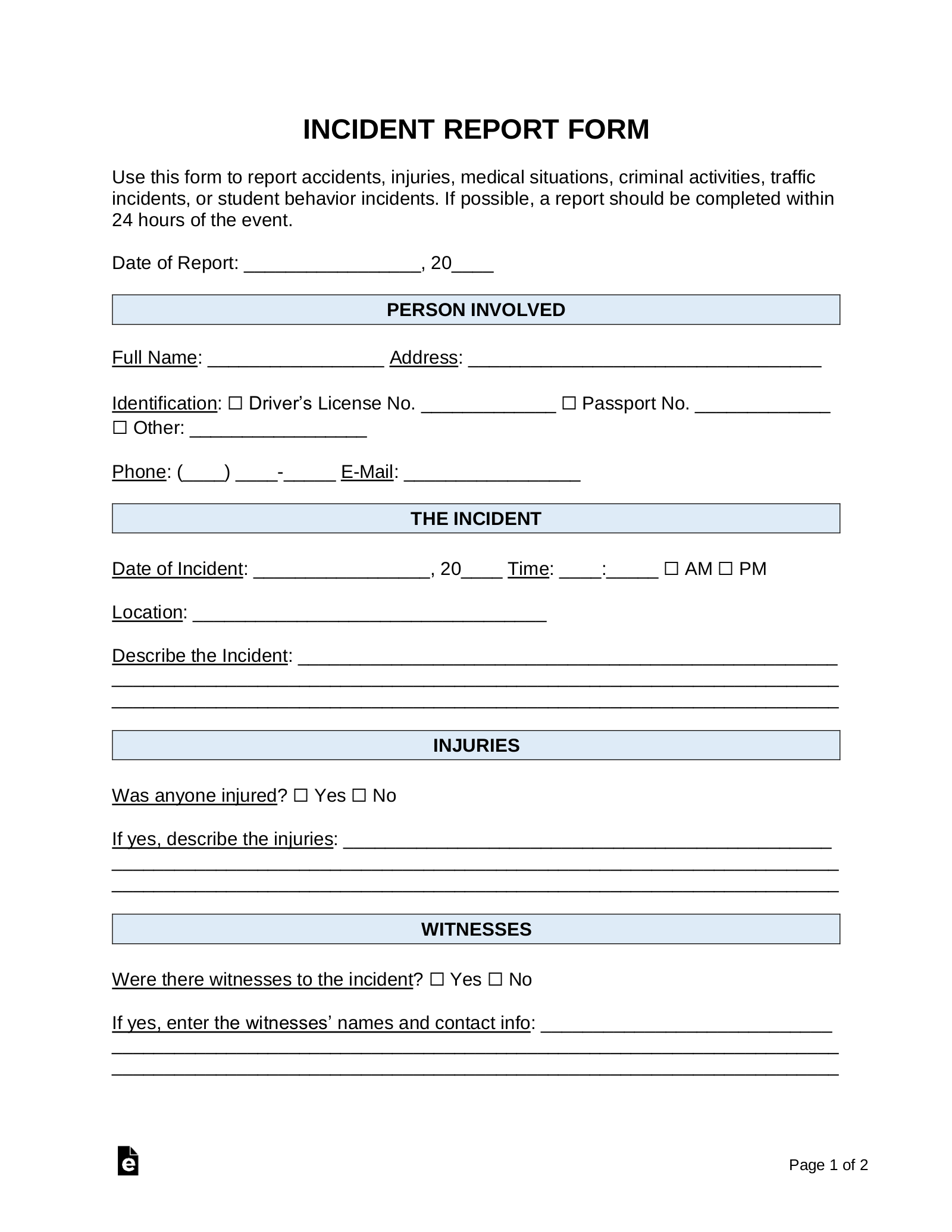
A well‑crafted Failure Investigation Report Template is more than a compliance checkbox—it is a strategic asset that turns failures into opportunities for growth. By defining clear event descriptions, immediate actions, and rigorous root cause analyses, organizations create a transparent record that satisfies regulators and informs stakeholders. Customizing the template to fit your processes, embedding it within your QMS, and applying best practices such as timely completion, cross‑functional teamwork, and data integrity guarantee that every investigation yields actionable, lasting improvements. Ultimately, the disciplined use of a structured template elevates quality culture, reduces recurrence risk, and protects the integrity of every product that reaches the market.



Related posts of "Failure Investigation Report Template"
