
Example Of A Swot Analysis Template can be the catalyst that transforms vague strategic ideas into concrete, actionable plans, and this article walks you through every nuance of building, customizing, and applying such a template in a way that feels both intuitive and results‑driven.
Understanding the Core of SWOT Analysis
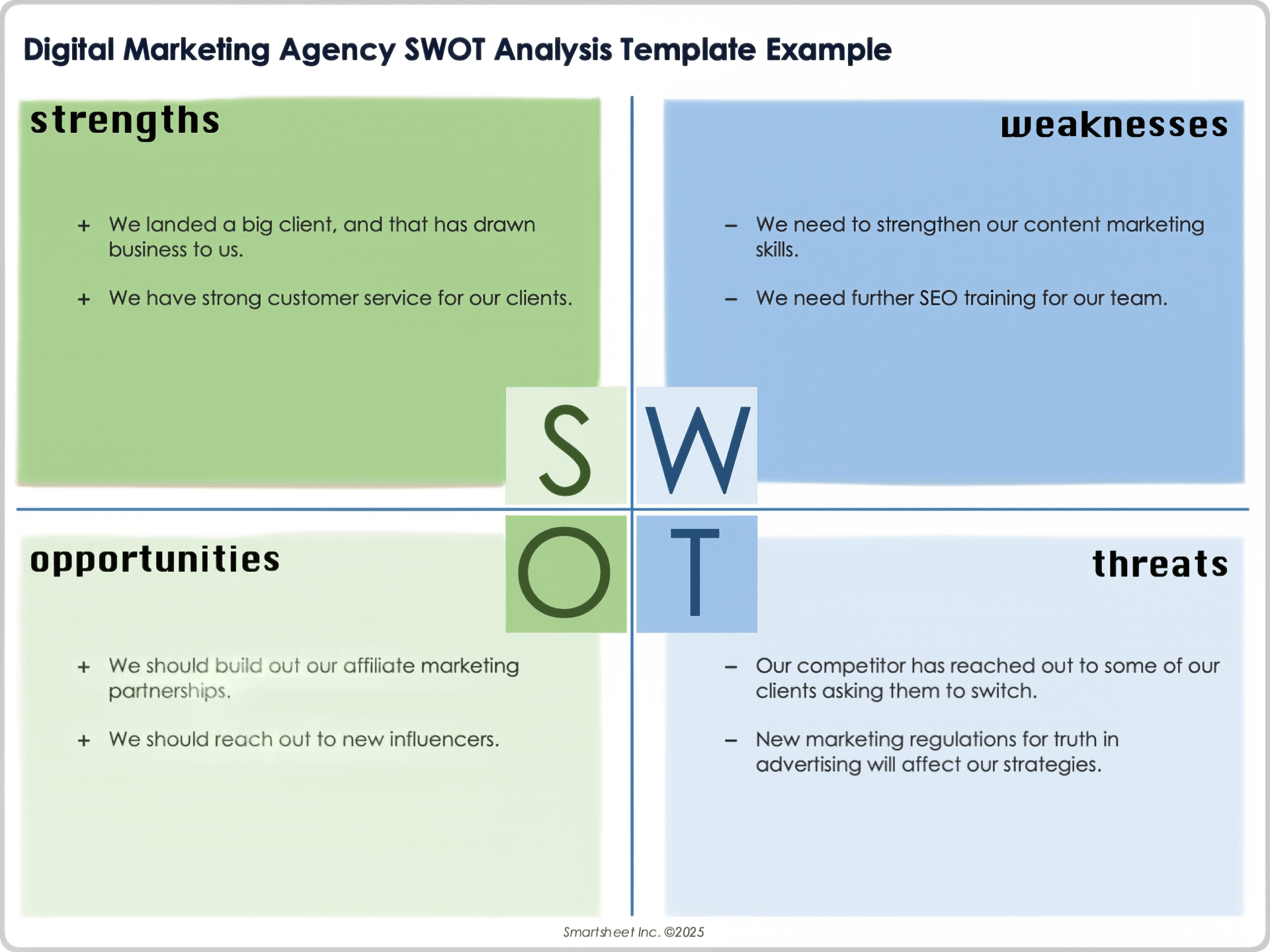
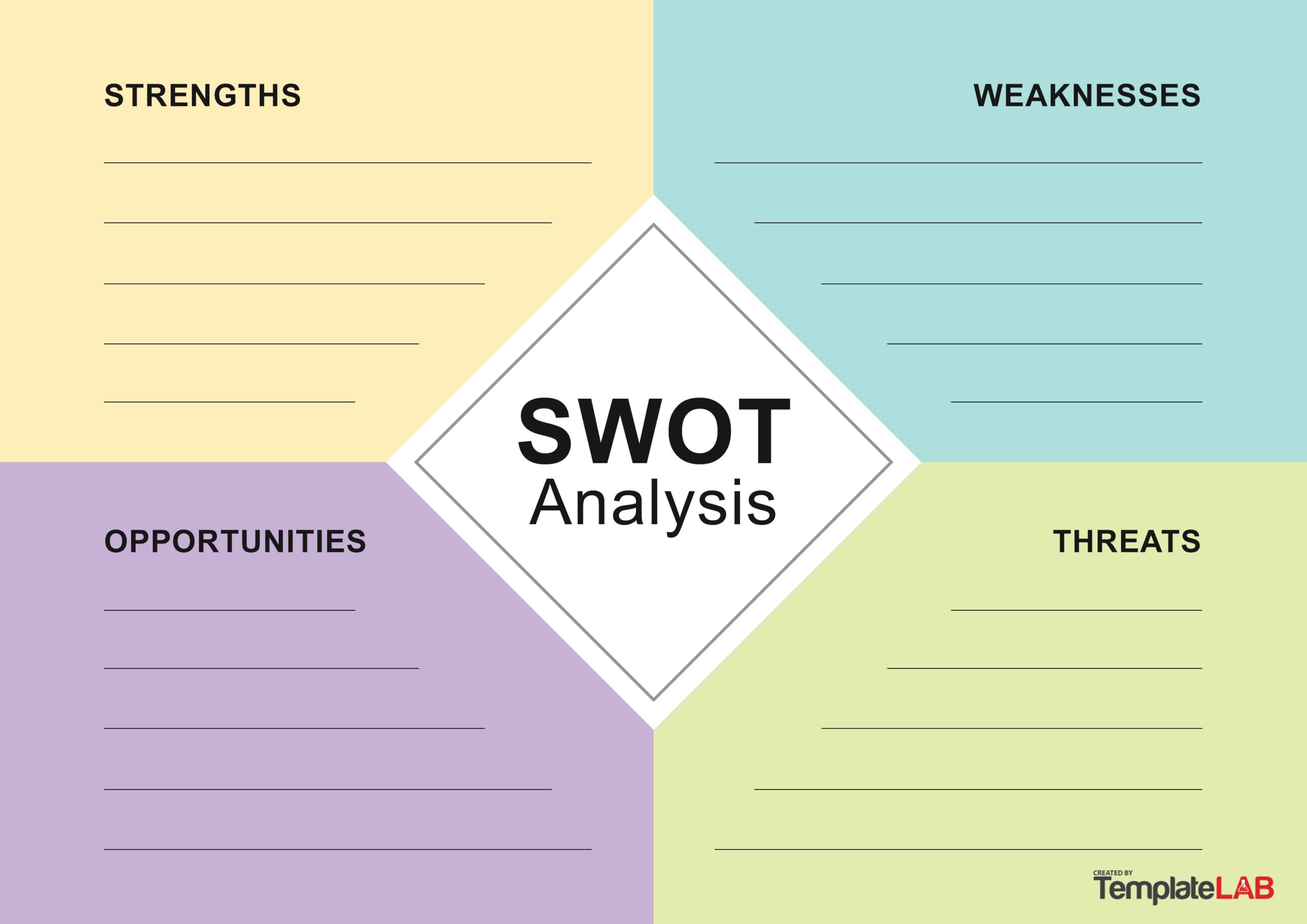
SWOT stands for Strengths, Weaknesses, Opportunities, and Threats. It is a structured brainstorming tool that helps individuals and organizations assess internal capabilities against external realities. While the concept is simple, the power of a well‑crafted template lies in its ability to surface hidden insights, prioritize initiatives, and align stakeholders around a shared vision.
Why a Template Matters
A template provides a visual framework that standardizes the thinking process, ensuring that each quadrant receives equal attention. It reduces the risk of overlooking critical factors, speeds up data collection, and creates a reusable asset that can be updated quarterly or annually.
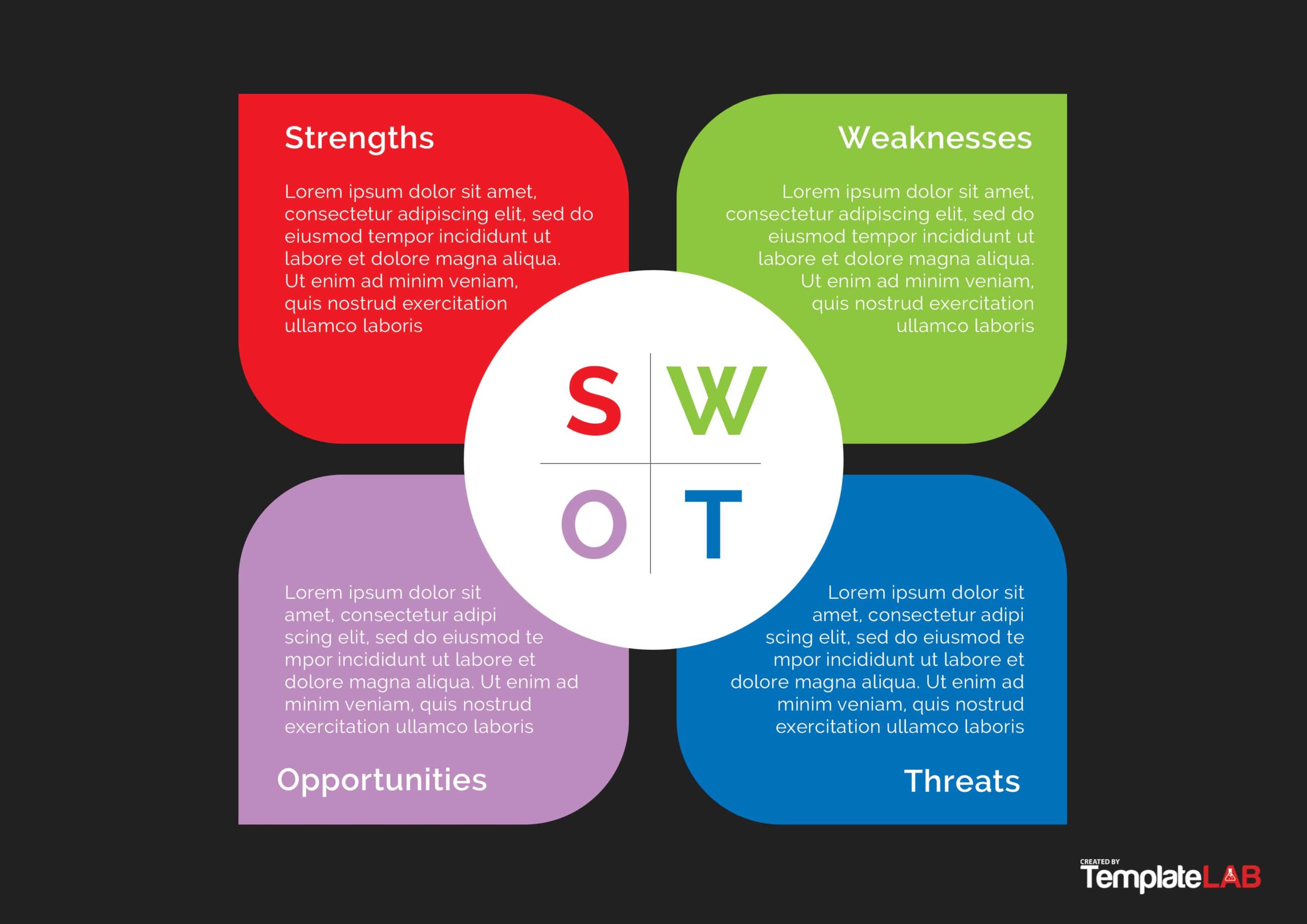
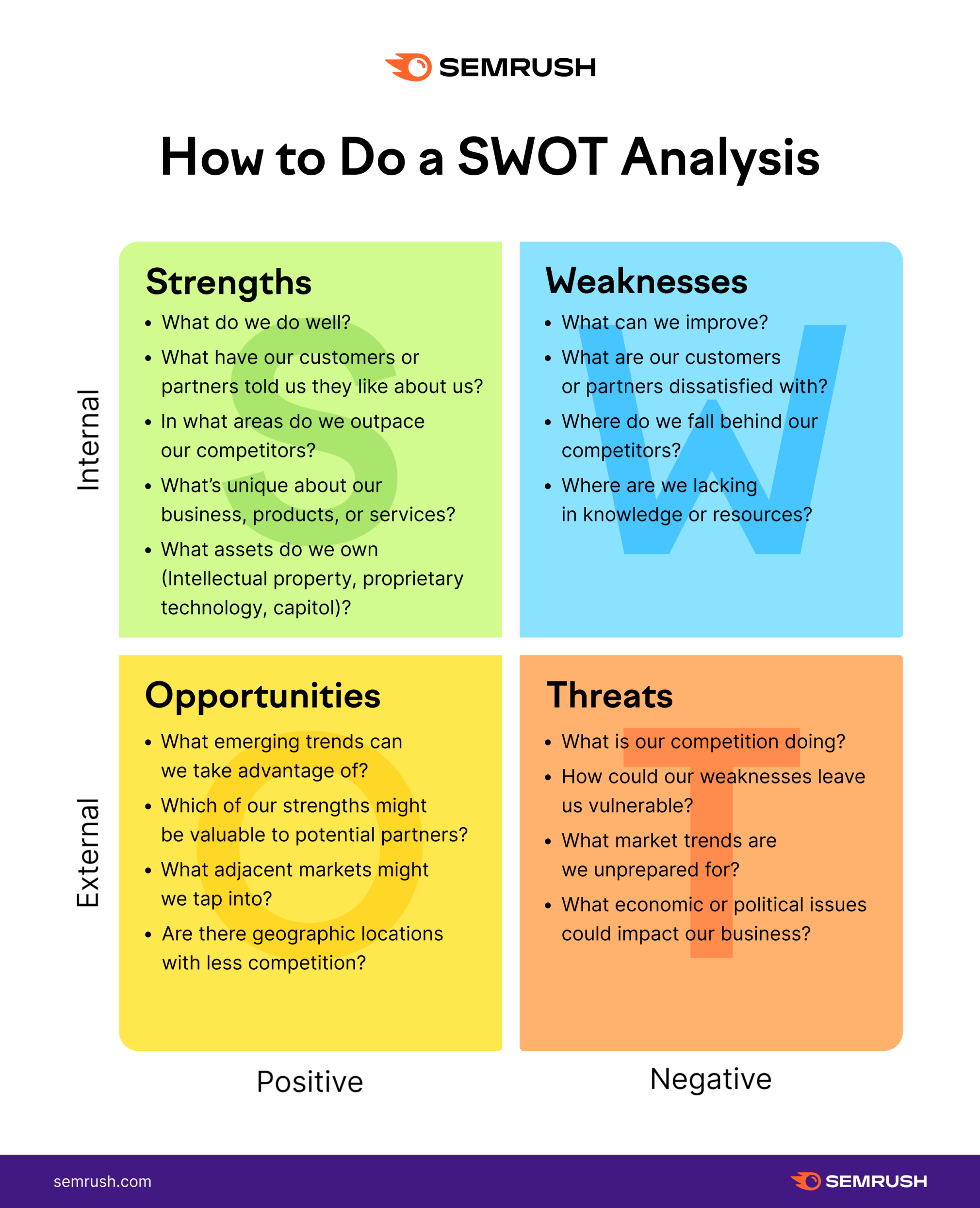
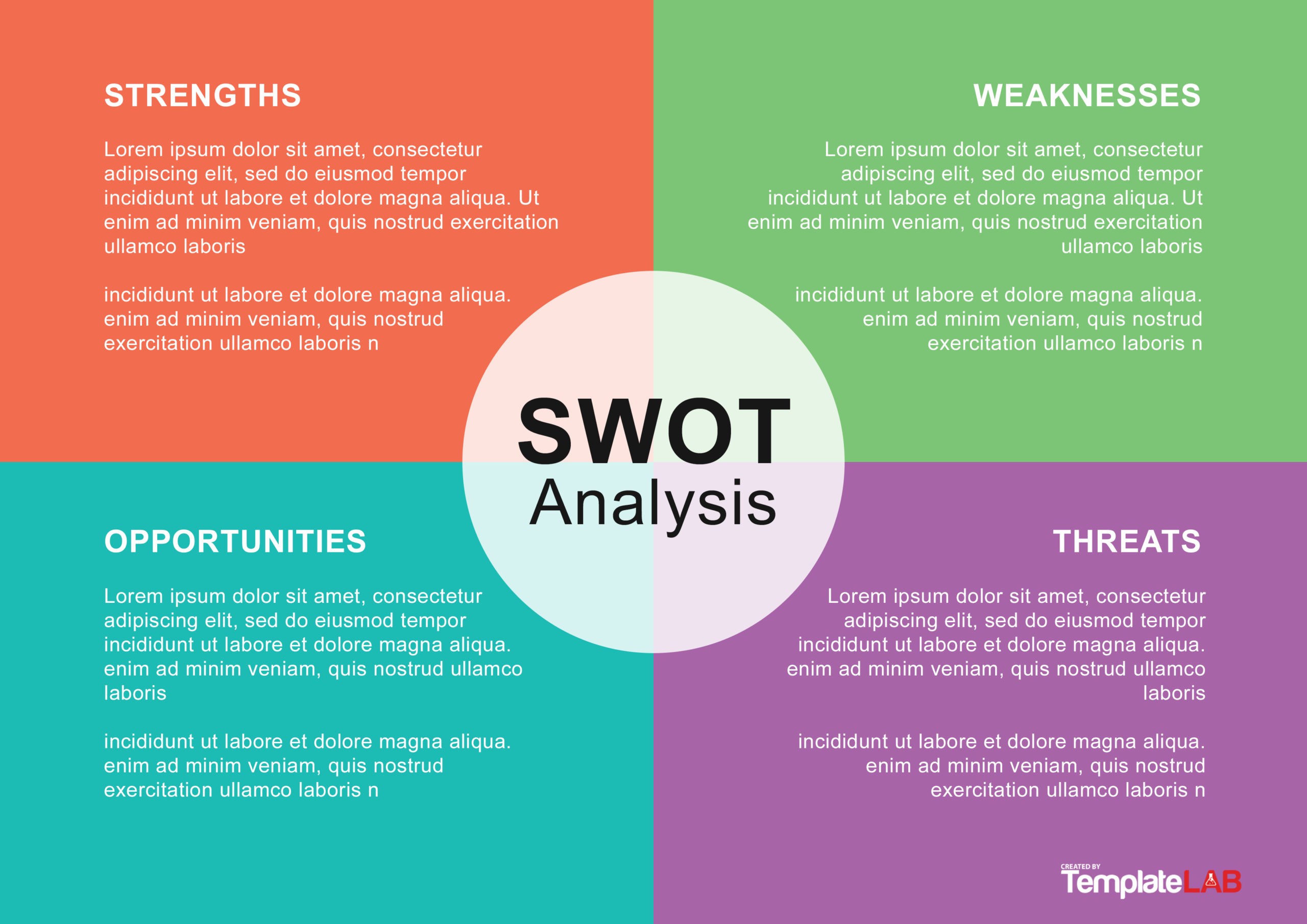
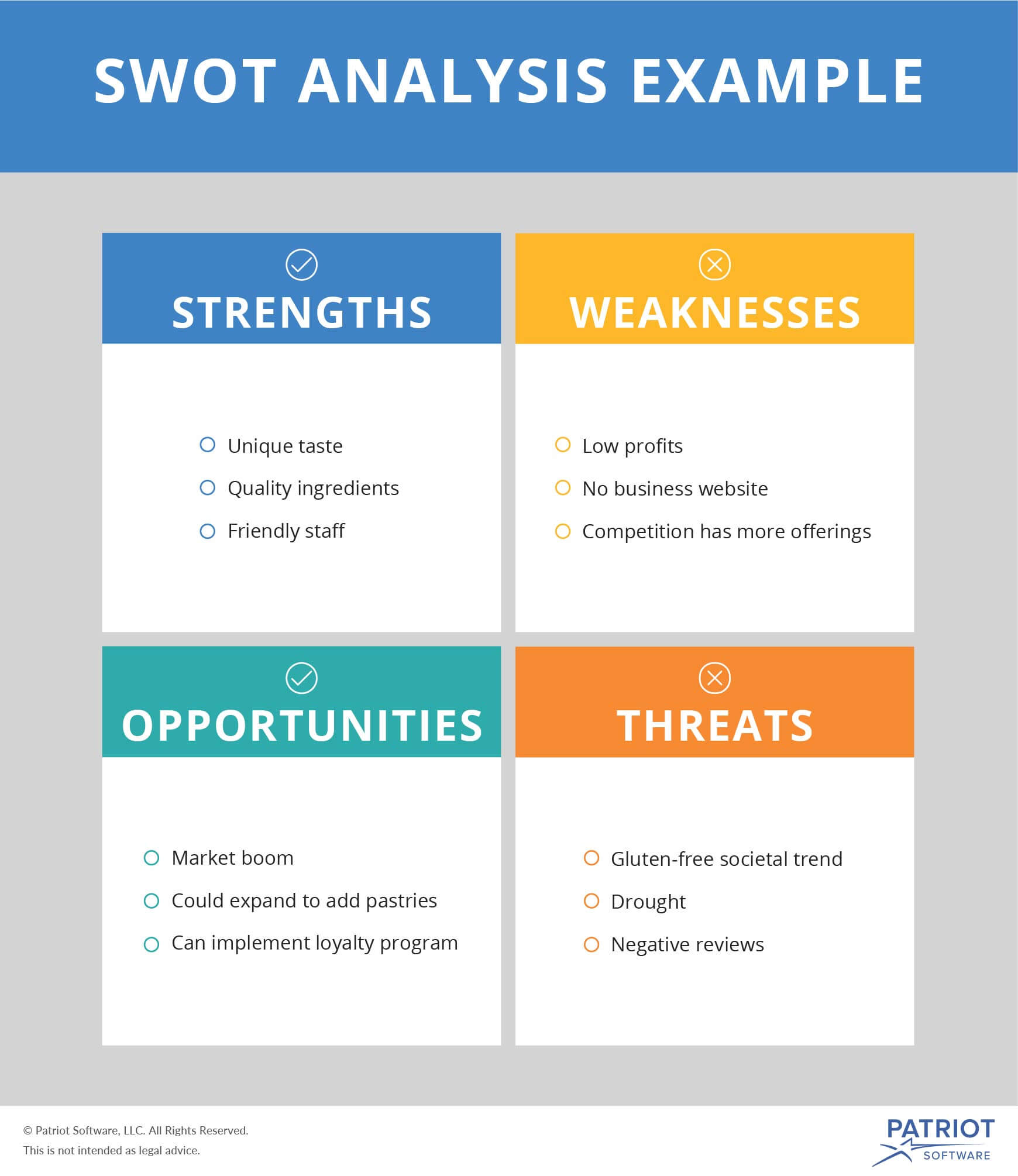
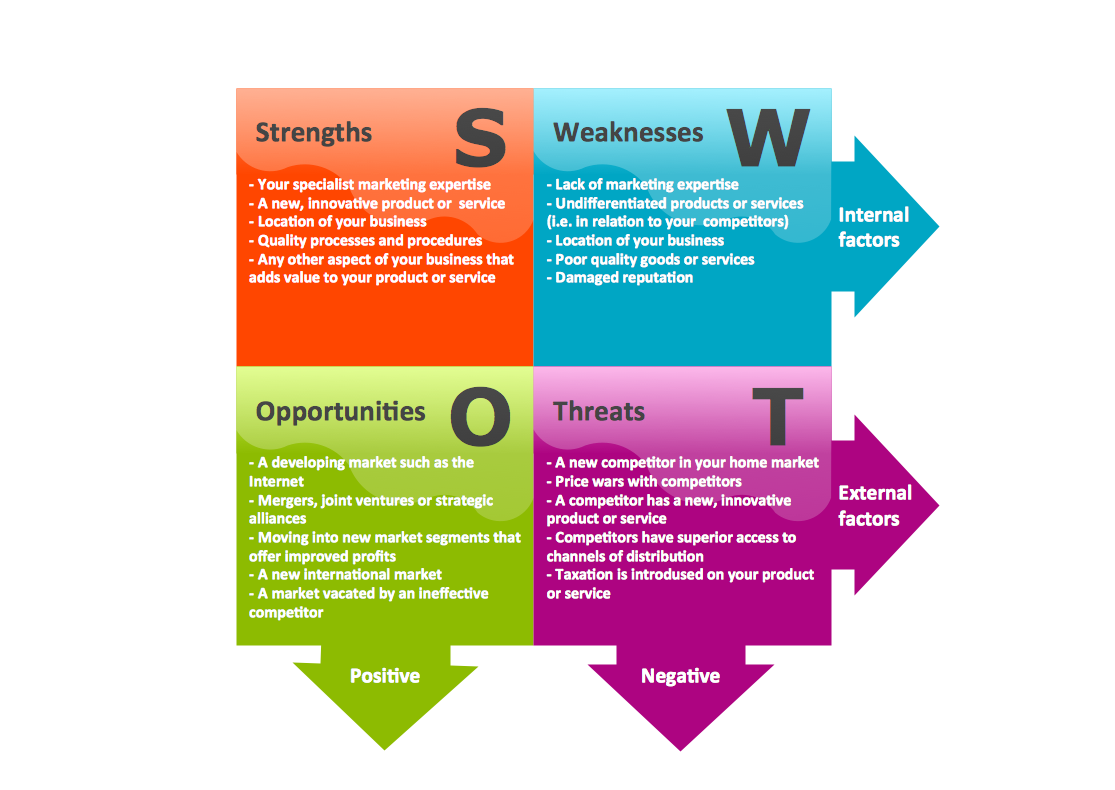
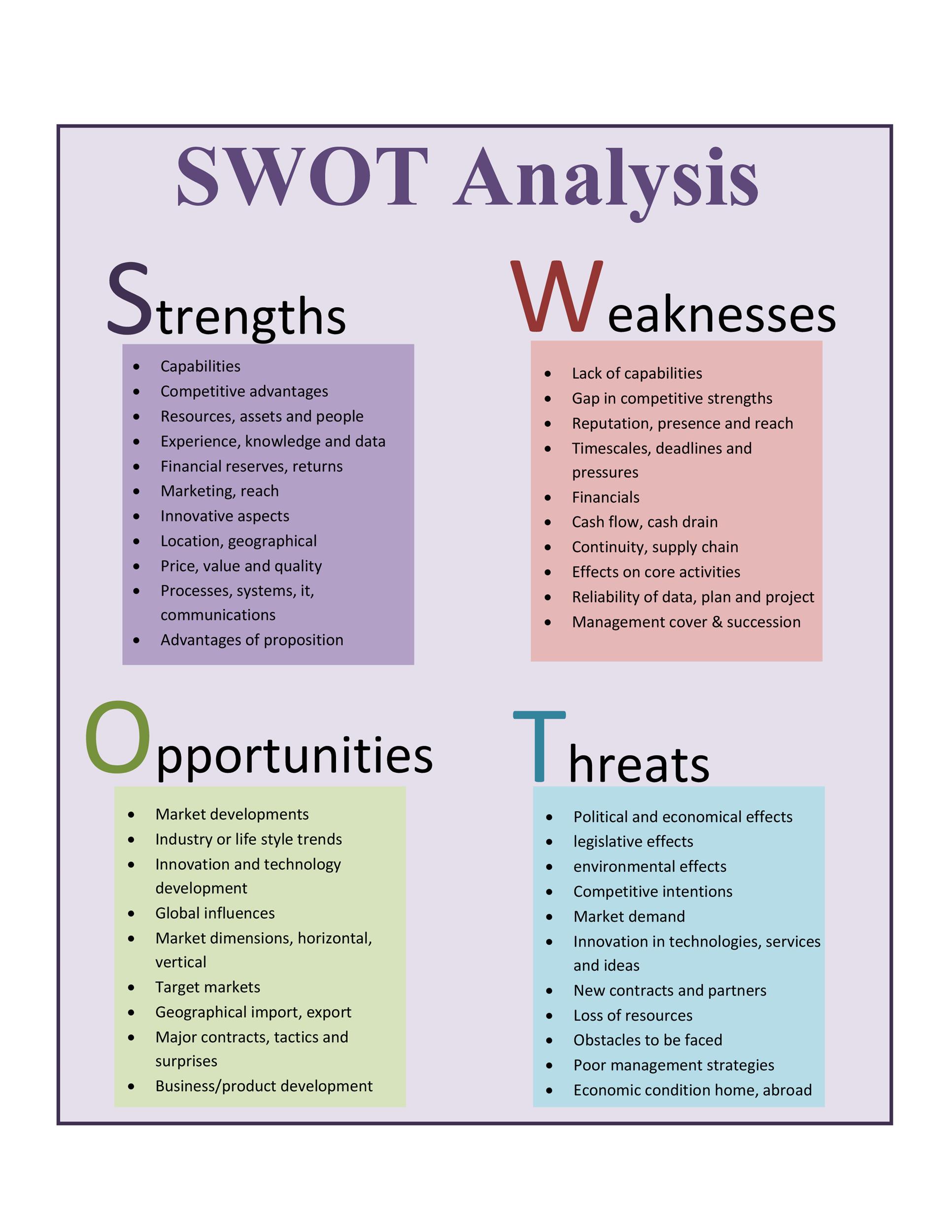
The Four Quadrants Explained
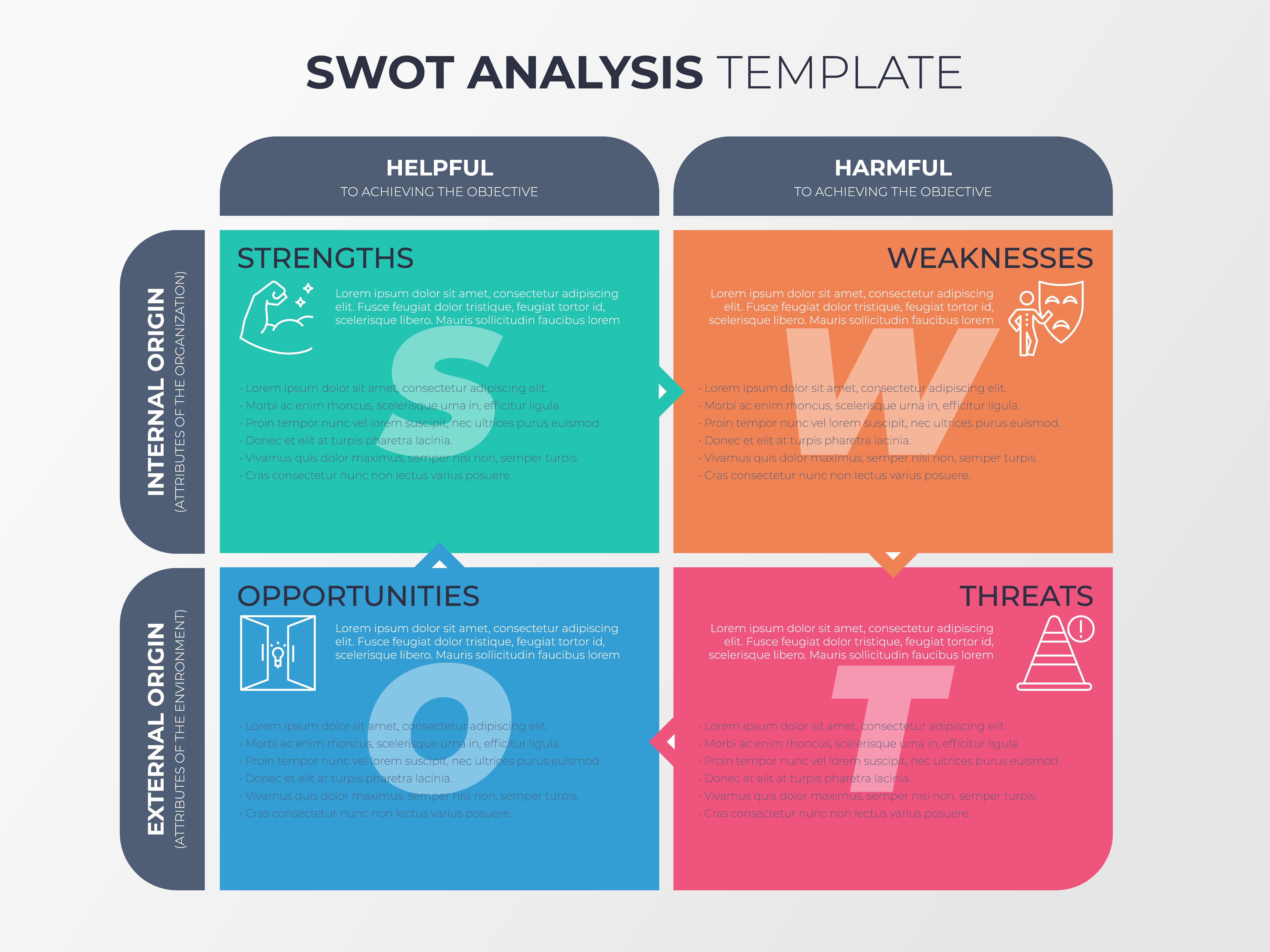
- Strengths – Internal attributes that give your organization a competitive edge, such as unique expertise, strong brand equity, or proprietary technology.
- Weaknesses – Internal limitations that hinder performance, including skill gaps, outdated processes, or resource constraints.
- Opportunities – External trends or events you can exploit, like emerging markets, regulatory changes, or technological breakthroughs.
- Threats – External challenges that could jeopardize success, such as new competitors, shifting consumer preferences, or economic downturns.
Key Components of a SWOT Analysis Template
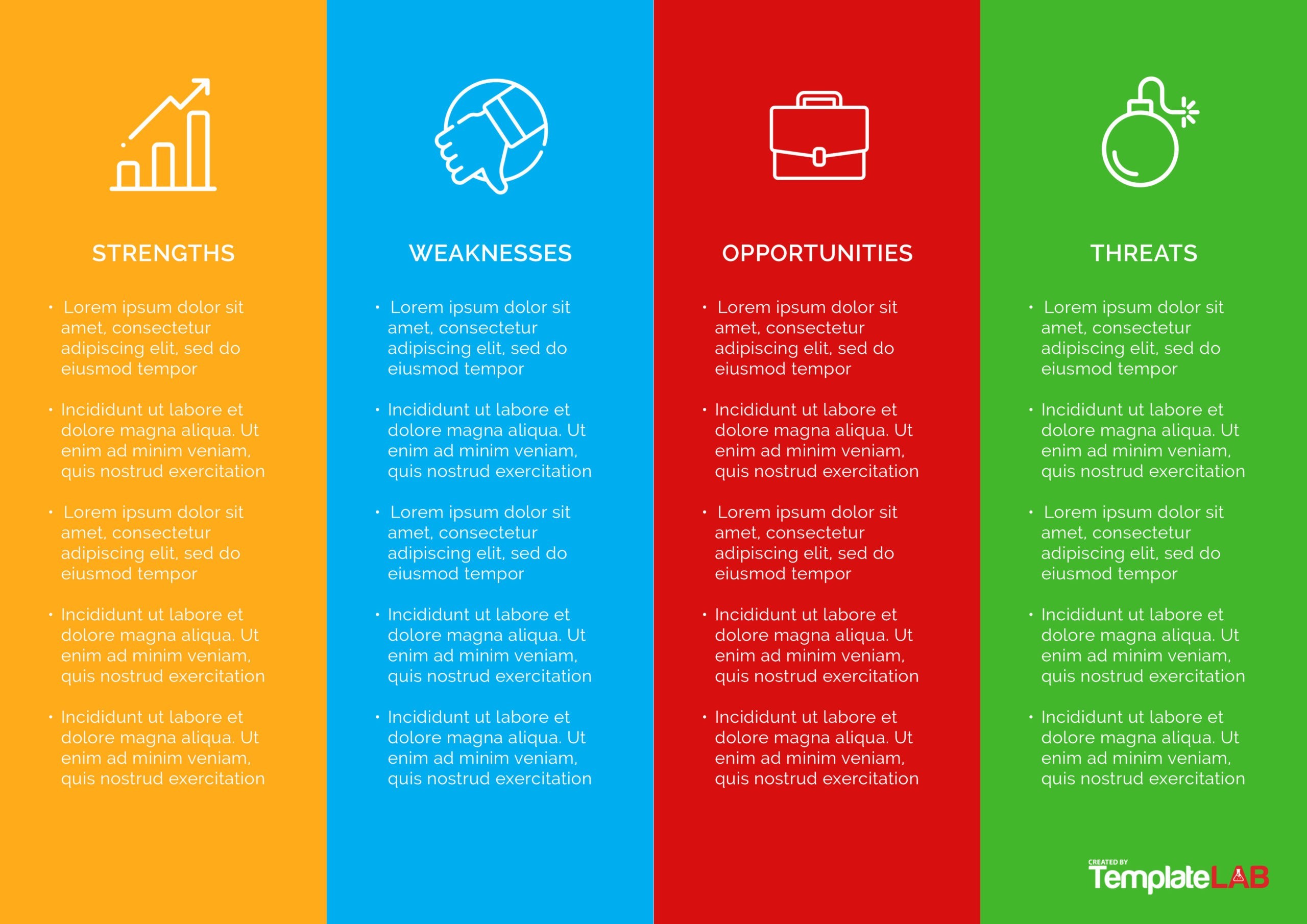
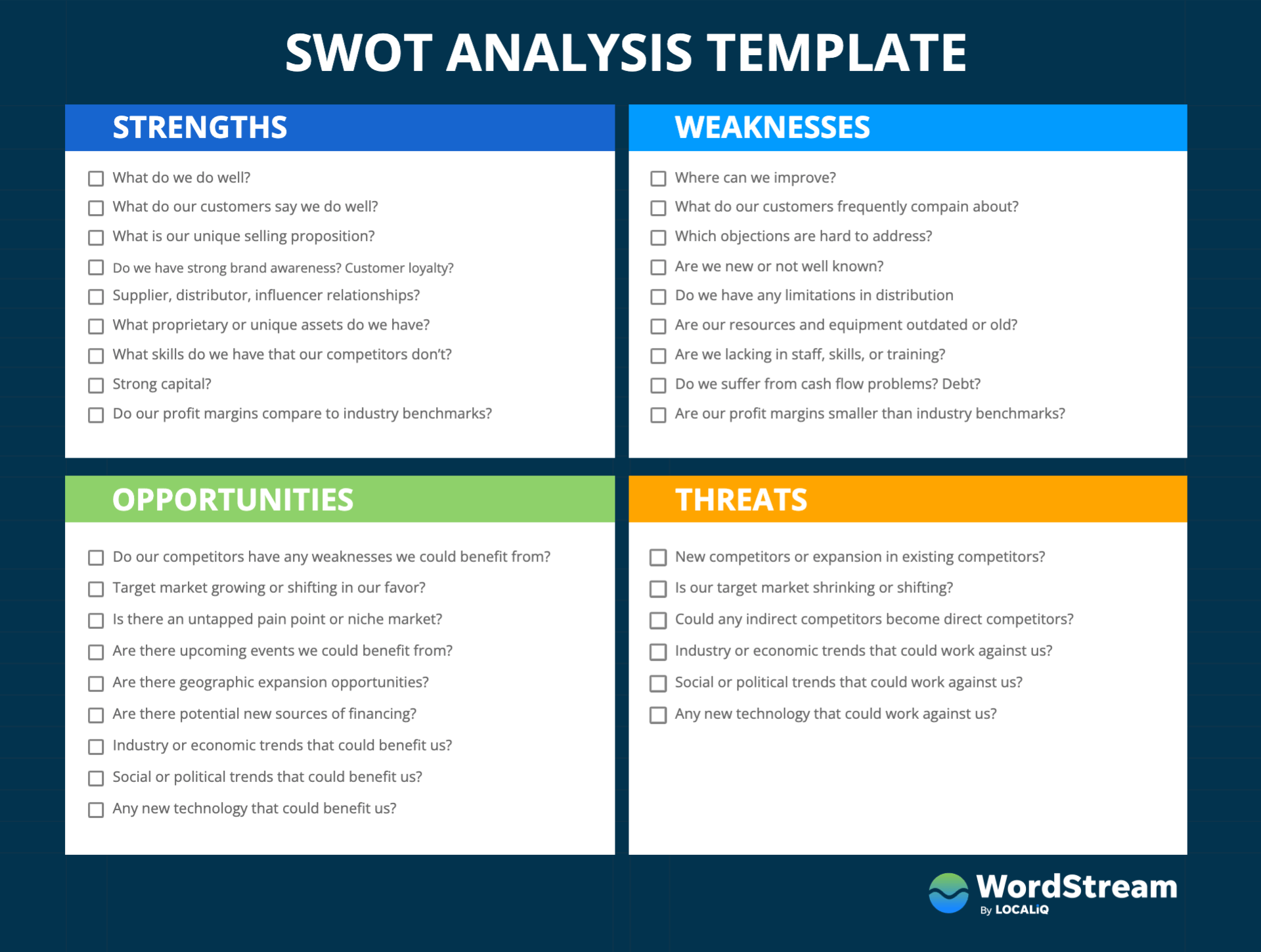
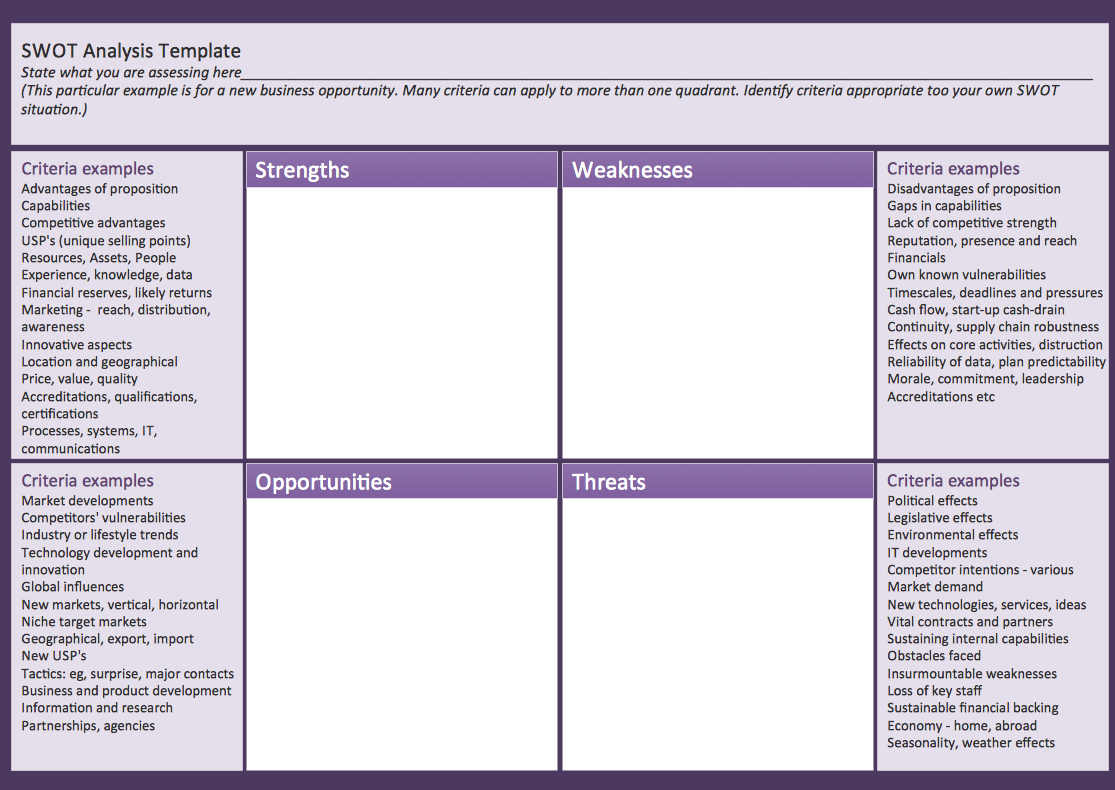
A robust SWOT template should balance simplicity with depth. Below are the essential elements to include.
Header Section
The header captures the analysis’s scope—date, project name, and participants. This context helps future reviewers understand the conditions under which the assessment was made.
Quadrant Layout
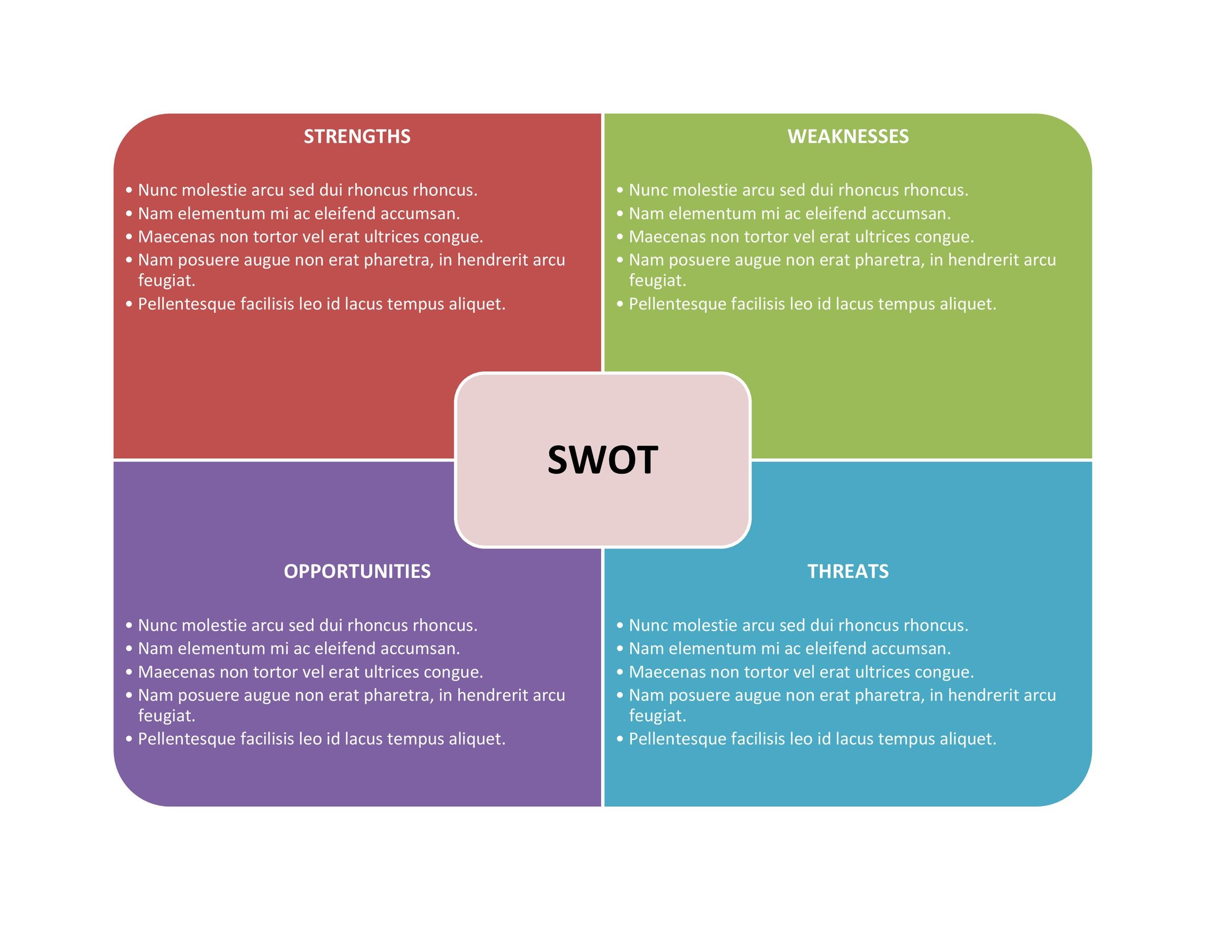
Visually separate each quadrant, typically using a 2×2 grid. Use clear labels and ample white space so teams can add bullet points, icons, or color‑coded symbols without clutter.
Scoring or Prioritization Columns
Adding a column for impact (high, medium, low) or a numeric score (1‑5) next to each item lets you rank ideas quickly. This scoring aids in the next step—turning insights into actions.
Action Item Tracker
Include a dedicated area where each insight can be linked to a concrete action, an owner, and a deadline. This bridges the gap between analysis and execution.
Step‑by‑Step Guide to Fill Out the Template
Even seasoned strategists benefit from a repeatable process. Follow these steps to populate your template with meaningful data.
Step 1: Assemble a Cross‑Functional Team
Invite participants from marketing, finance, operations, and product development. Diversity of perspective reduces blind spots and enriches each quadrant.
Step 2: Gather Data
Collect quantitative metrics (sales figures, market share, employee turnover) and qualitative inputs (customer feedback, competitor reviews). Use surveys, interviews, and existing reports to build a solid evidence base.
Step 3: Brainstorm Strengths and Weaknesses
Start internally. Ask questions like, “What do we do better than anyone else?” and “Where do we consistently miss targets?” Capture every answer in bullet form, then refine for relevance.
Step 4: Identify Opportunities and Threats
Shift focus outward. Explore macro trends, regulatory updates, and technological shifts. Encourage the team to think beyond the current market—consider adjacent industries and emerging customer segments.
Step 5: Score and Prioritize
Apply the scoring column to each item. A simple 1‑5 scale (1 = low impact, 5 = high impact) works well. Discuss discrepancies as a group to reach consensus.
Step 6: Translate Insights into Action
For every high‑scoring item, draft a concrete action, assign a responsible owner, and set a realistic deadline. Place these entries in the Action Item Tracker at the bottom of the template.
Step 7: Review and Iterate
Schedule a follow‑up meeting within 30‑60 days to assess progress, adjust scores, and capture new data. The template becomes a living document that evolves with the business.
Real‑World Example: Small Business Retailer
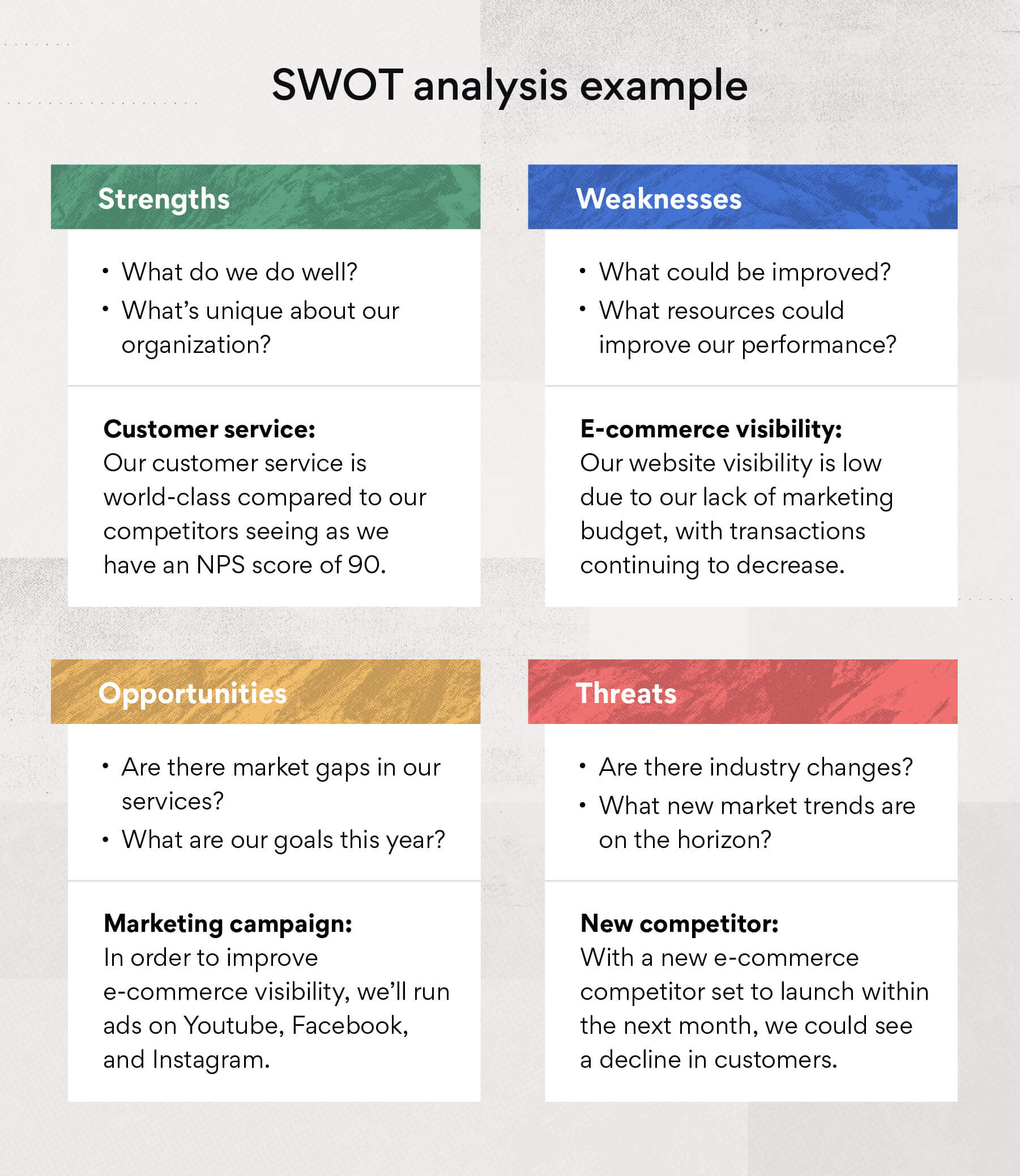
To illustrate the template in action, consider a boutique clothing store aiming to expand its online presence.
Strengths
- Curated product selection that resonates with a niche audience.
- Strong local brand loyalty reflected in repeat foot traffic.
- Owner’s deep knowledge of fashion trends and supplier relationships.
Weaknesses
- Limited e‑commerce platform functionality.
- Small marketing budget restricting paid advertising.
- Inconsistent inventory tracking across physical and online channels.
Opportunities
- Rising consumer preference for online shopping post‑pandemic.
- Partnership potential with local influencers for brand amplification.
- Emerging social‑commerce tools that integrate directly with Instagram.
Threats
- National retailers offering similar styles at lower price points.
- Supply chain disruptions causing delays in new collections.
- Changing algorithmic favorability on major social platforms.
After scoring, the team identifies “Limited e‑commerce platform functionality” (score 4) as a top weakness and “Rising consumer preference for online shopping” (score 5) as a top opportunity. The resulting action items include upgrading to a Shopify Plus plan, allocating 15% of revenue to targeted social ads, and implementing an inventory management system that syncs in real time.
Adapting the Template for Different Industries
While the core quadrants remain constant, each sector can tailor the template to reflect unique drivers.
Technology Start‑ups
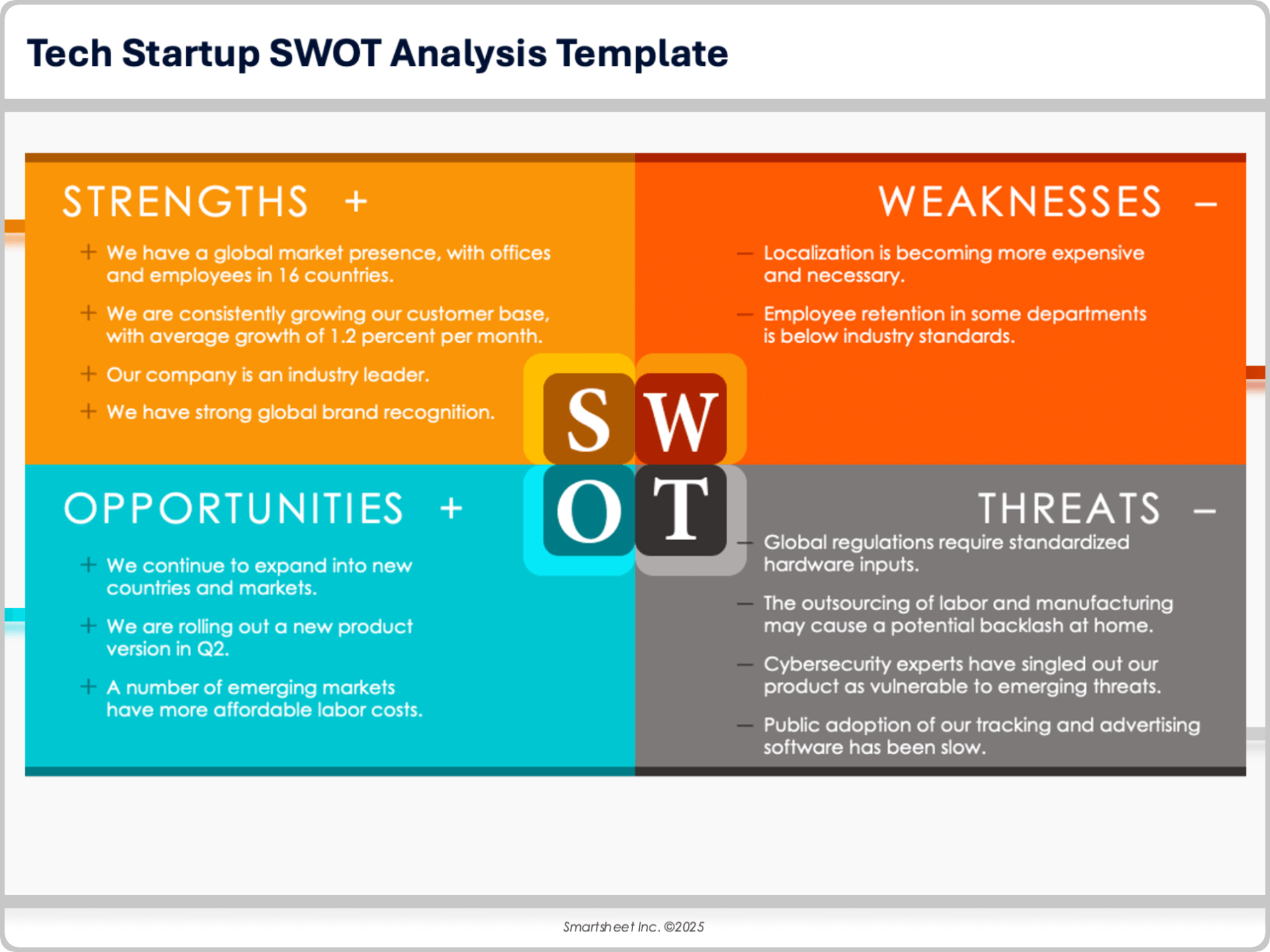
Emphasize intellectual property, talent acquisition, and rapid scalability. Include a column for “Stage of Development” to differentiate early‑stage challenges from growth‑phase opportunities.
Healthcare Providers
Focus on regulatory compliance, patient outcomes, and technology adoption (e.g., telehealth). Add a “Risk Level” column to prioritize threats that could affect patient safety.
Manufacturing Firms
Highlight supply chain reliability, equipment downtime, and lean process efficiencies. Incorporate a “Cost Impact” metric to quantify financial exposure.
Common Mistakes and How to Avoid Them
Even with a solid template, pitfalls can undermine the analysis.
Overloading with Information
Listing every possible factor creates noise. Aim for 5‑7 concise bullet points per quadrant, focusing on those with the greatest strategic relevance.
Confusing Strengths with Opportunities
Strengths are internal assets; opportunities are external possibilities. Mixing them blurs the line between what you control and what you can leverage.
Neglecting the Action Item Tracker
A SWOT without follow‑up is merely an academic exercise. Always tie each insight to a measurable action, an accountable owner, and a timeline.
Static One‑Time Assessments
Markets evolve. Treat the template as a dynamic tool, revisiting it quarterly or after any major market event.
Tips for Turning Insights into Action

Bridging the gap from analysis to implementation requires discipline.
Prioritize High‑Impact, Low‑Effort Wins
Identify items with a high impact score but modest resource requirements. Quick wins build momentum and demonstrate the value of the SWOT process.
Leverage Cross‑Functional Accountability
Assign owners from different departments to foster collaboration. For example, a marketing lead might own a social‑commerce opportunity, while an operations manager tackles inventory synchronization.
Integrate with Project Management Tools
Export the action items into platforms like Asana, Trello, or Monday.com. This ensures visibility, task tracking, and deadline adherence.
Measure Success with KPIs
Define clear key performance indicators for each action—e.g., “Increase online conversion rate by 12% within three months.” Regularly monitor these metrics to gauge effectiveness.
Conclusion
Using an Example Of A Swot Analysis Template is not just a box‑checking exercise; it is a strategic catalyst that translates raw data into purposeful direction. By mastering the template’s structure, following a disciplined step‑by‑step process, and committing to continuous iteration, businesses of any size can uncover hidden strengths, mitigate looming threats, seize emerging opportunities, and systematically address internal weaknesses. The result is a clear, actionable roadmap that aligns teams, drives measurable outcomes, and positions the organization for sustainable growth.



Related posts of "Example Of A Swot Analysis Template"
