
Disaster Drill Evaluation Template serves as the backbone of any effective emergency preparedness program, turning chaotic practice sessions into measurable, improvable processes that protect lives and assets. When organizations invest time in creating a structured, comprehensive evaluation form, they gain clear insight into what worked, what didn’t, and how to refine future drills. This article walks you through every element of a high‑impact template, from foundational concepts to practical customization tips, ensuring that your next disaster drill delivers actionable data and continuous improvement.
Why a Disaster Drill Evaluation Template Matters
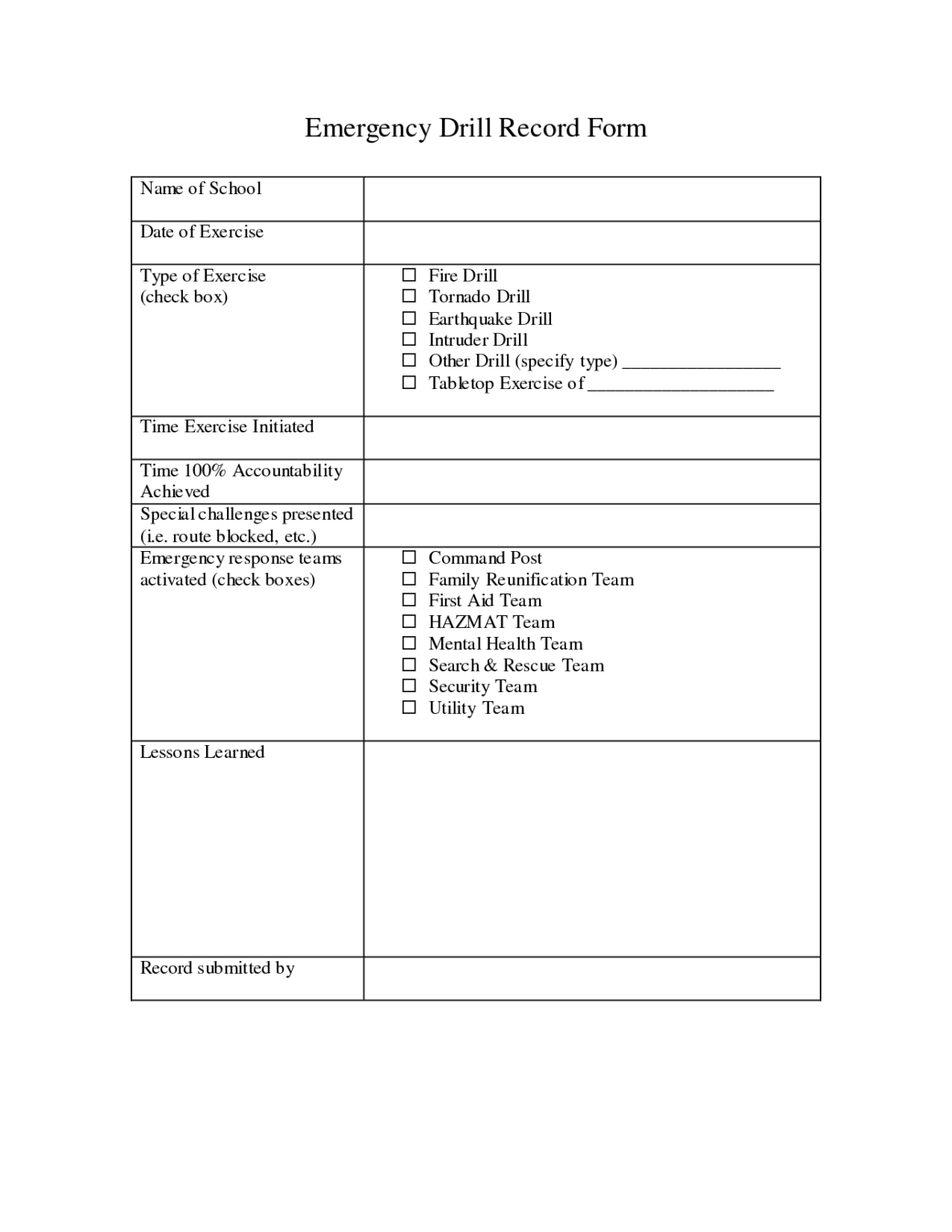
Without a standardized evaluation tool, post‑drill debriefs become vague recollections rather than data‑driven assessments. A well‑designed template provides:
- Consistency: Every drill is scored against the same criteria, allowing trends to emerge over time.
- Accountability: Specific responsibilities are assigned, making it clear who is responsible for corrective actions.
- Compliance: Many industries face regulatory mandates that require documented evidence of emergency preparedness; a template satisfies audit requirements.
- Continuous Improvement: Structured feedback highlights gaps, informs training updates, and strengthens overall resilience.
Core Components of an Effective Template

Each section of the evaluation form should capture distinct data points that collectively paint a full picture of the drill’s performance.
Basic Drill Information
Start with fields that record the “who, what, when, and where.” Typical entries include:
- Date and time of the drill.
- Location(s) involved (building, floor, outdoor area).
- Type of disaster simulated (fire, earthquake, active shooter, etc.).
- Primary objectives (evacuation speed, communication clarity, equipment usage).
Participant Details
Understanding who took part helps you assess training reach and identify gaps in coverage.
- Number of employees, contractors, visitors, and any third‑party responders.
- Roles represented (executives, floor staff, safety officers, security personnel).
- Attendance verification (sign‑in sheets, badge scans).
Procedural Execution
This section evaluates how closely the drill followed the established emergency plan.
- Activation of alarms and notification systems.
- Response time from alarm to initial action.
- Compliance with evacuation routes and assembly points.
- Use of personal protective equipment (PPE) where applicable.
Communication Effectiveness
Clear, timely communication can mean the difference between order and panic.
- Clarity of verbal commands and announcements.
- Functionality of public address systems, radios, and mobile alerts.
- Feedback loop: Did participants receive confirmation that they were safe?
Safety and Health Outcomes
Even a simulated event can reveal safety hazards.
- Number of injuries or near‑miss incidents.
- Observations of unsafe behavior (e.g., running down stairs, ignoring exit signage).
- Effectiveness of first‑aid stations and medical response kits.
Resource Utilization
Track how well equipment and personnel were deployed.
- Performance of fire extinguishers, alarms, and emergency lighting.
- Response time of internal emergency teams and external agencies.
- Availability of emergency supplies (blankets, water, medical kits).
Overall Scoring and Comments
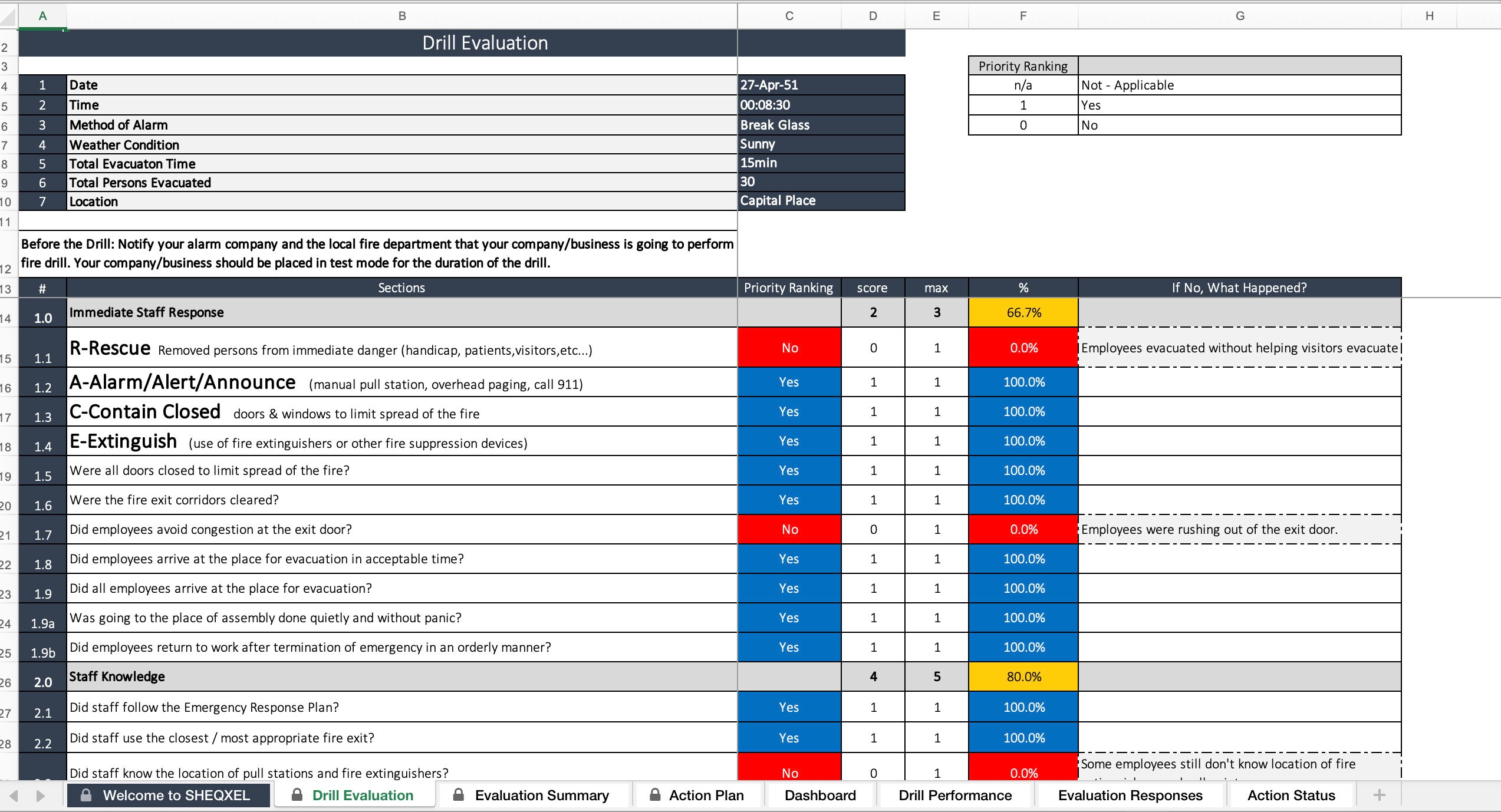
Conclude each evaluation with a quantitative score (e.g., 1‑5) for each major category and a free‑form comments box for qualitative insights.
Customizing the Template for Your Organization

One size rarely fits all. Tailor the template to reflect your unique operational realities.
Industry‑Specific Adjustments
Manufacturing plants may need sections for hazardous material handling, while schools might focus on student headcounts and classroom lockdown procedures. Identify the regulatory standards that apply (OSHA, NFPA, FEMA) and embed corresponding checkboxes or compliance fields.
Scalable Complexity
For small businesses, a concise one‑page form may be sufficient. Large enterprises often prefer multi‑page PDFs or digital surveys with conditional logic, allowing deeper dive into each department’s performance.
Digital vs. Paper Formats
Modern safety software can auto‑populate basic drill information (date, location, participants) and instantly aggregate scores across multiple sites. However, paper forms still hold value in low‑tech environments or when a rapid, on‑site debrief is needed.
Branding and Accessibility
Include your company logo and use inclusive language. Ensure the template complies with accessibility standards (e.g., WCAG) by using legible fonts, sufficient contrast, and alternative text for any embedded graphics.
Running the Drill: From Planning to Execution

Even the best template is ineffective if the drill itself is poorly managed. Follow these steps to guarantee a smooth operation.
Pre‑Drill Planning
- Define clear objectives aligned with business continuity goals.
- Secure senior leadership endorsement and allocate resources.
- Notify external partners (fire department, EMS) while maintaining the element of surprise for internal participants.
- Conduct a risk assessment to ensure the drill will not cause actual harm.
During the Drill
- Trigger alarms precisely at the scheduled time.
- Assign observers to record real‑time observations against the template’s criteria.
- Use a stopwatch or digital timer to capture response times.
- Maintain a safe environment: keep hazardous equipment de‑energized, ensure clear exit paths.
Immediate Post‑Drill Debrief
Gather participants within 10–15 minutes for a quick “hot wash.” Capture instinctive reactions, clarify any confusion, and note obvious issues that may not appear later in the written evaluation.
Collecting and Consolidating Data

Accurate data collection is the bridge between observation and improvement.
Observer Roles and Training
Designate trained safety officers or third‑party auditors to fill out the evaluation form. Provide a short briefing on how to use rating scales consistently, what constitutes a “critical failure,” and how to note nuanced observations.
Digital Submission Workflow
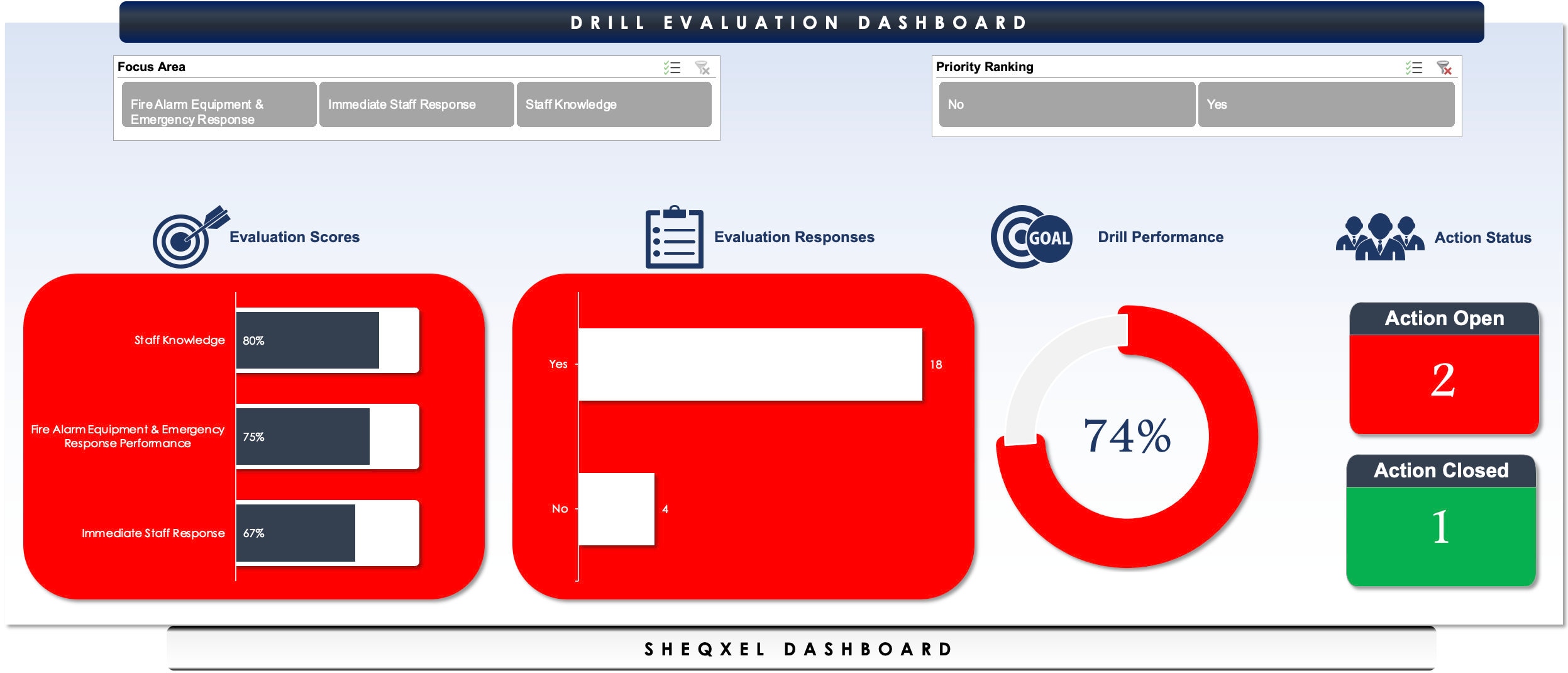
If using an online platform, set up automated email notifications to the safety manager once a form is submitted. Enable real‑time dashboards that visualize trends across multiple drills, locations, or business units.
Data Validation
Before analysis, verify that all mandatory fields are completed, timestamps are logical, and any free‑text comments are legible. Incomplete entries can skew trend analysis and lead to misinformed decisions.
Analyzing Results: Turning Numbers into Action

Data alone is meaningless without interpretation. Follow a systematic approach to extract insights.
Score Aggregation
Calculate average scores for each major category (communication, evacuation, safety). Identify thresholds—e.g., scores below 3 out of 5 trigger mandatory corrective actions.
Root Cause Analysis
For any critical failures, ask “why” at least three times to uncover underlying causes. Example: If the alarm failed to activate, the first “why” might reveal a dead battery; the second “why” could expose missed maintenance, and the third “why” points to an inadequate inspection schedule.
Trend Identification
Compare results across multiple drills to spot patterns. A consistent delay in evacuation times may indicate blocked exit routes or inadequate signage, prompting a facility‑wide audit.
Action Planning
Document corrective actions in a separate tracking sheet or project management tool. Assign owners, set deadlines, and schedule follow‑up verification drills to confirm that improvements are effective.
Reporting Findings to Stakeholders

Transparent communication builds trust and ensures that resources are allocated to address identified gaps.
Executive Summary
Provide a concise overview (one page) highlighting key scores, critical failures, and high‑impact recommendations. Use bullet points and visual charts for quick digestion.
Detailed Report
Include the full completed template, narrative analysis, root cause diagrams, and a prioritized action plan. Attach supporting evidence such as photos, video clips, or sensor data where applicable.
Follow‑Up Meetings
Schedule a formal review with department heads, safety committees, and senior leadership. Discuss resource implications, timeline commitments, and any regulatory reporting requirements.
Best Practices for Ongoing Success
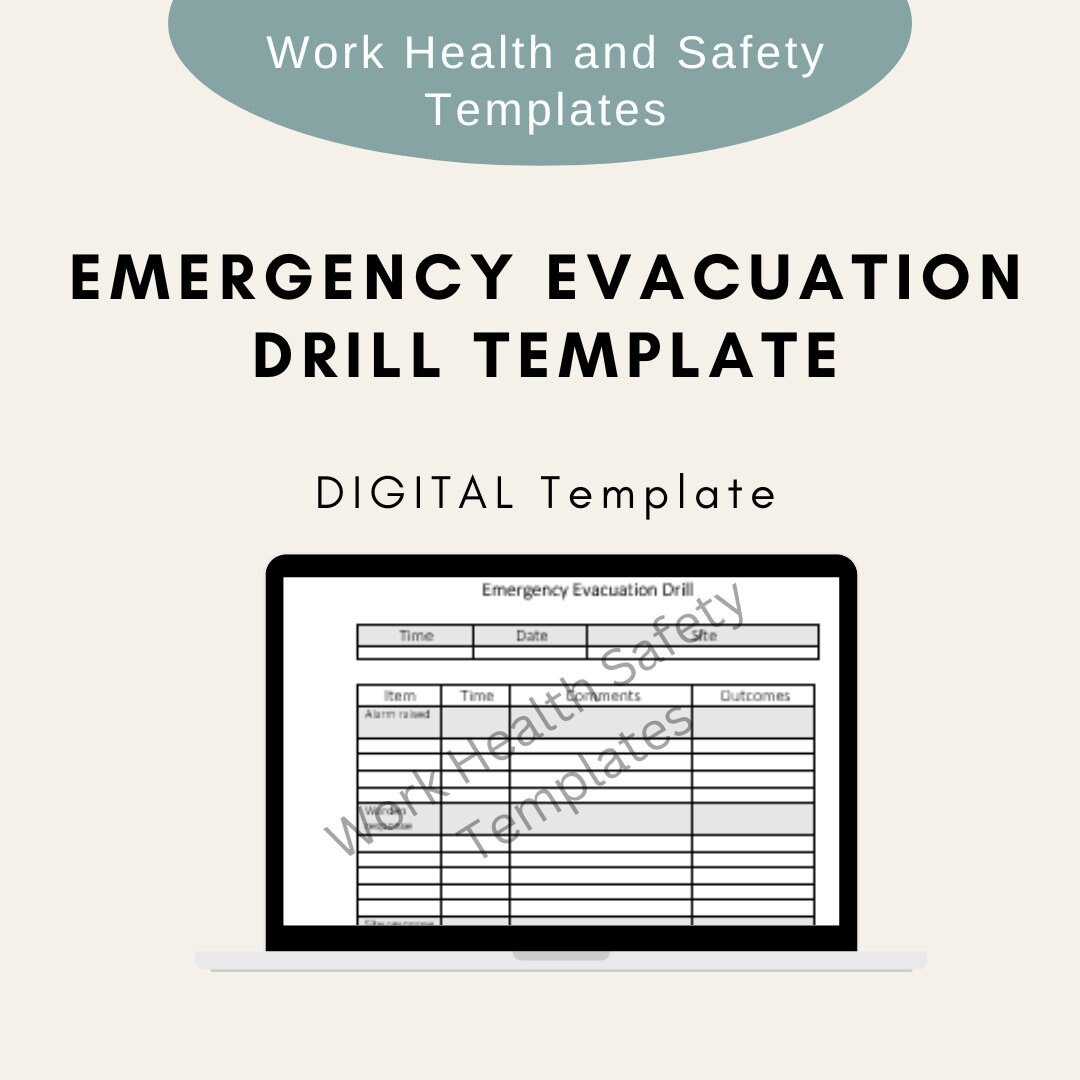
Implementing a template is just the start. Sustain a culture of preparedness with these proven practices.
- Regular Review Cycle: Update the template annually or after significant regulatory changes.
- Integrated Training: Align drill objectives with quarterly safety training modules.
- Cross‑Functional Involvement: Involve HR, facilities, IT, and communications teams to ensure a holistic approach.
- Scenario Variety: Rotate disaster types (fire, flood, cyber‑physical attacks) to test different response capabilities.
- Recognition Programs: Reward teams that consistently achieve high scores or implement innovative safety solutions.
Common Pitfalls and How to Avoid Them
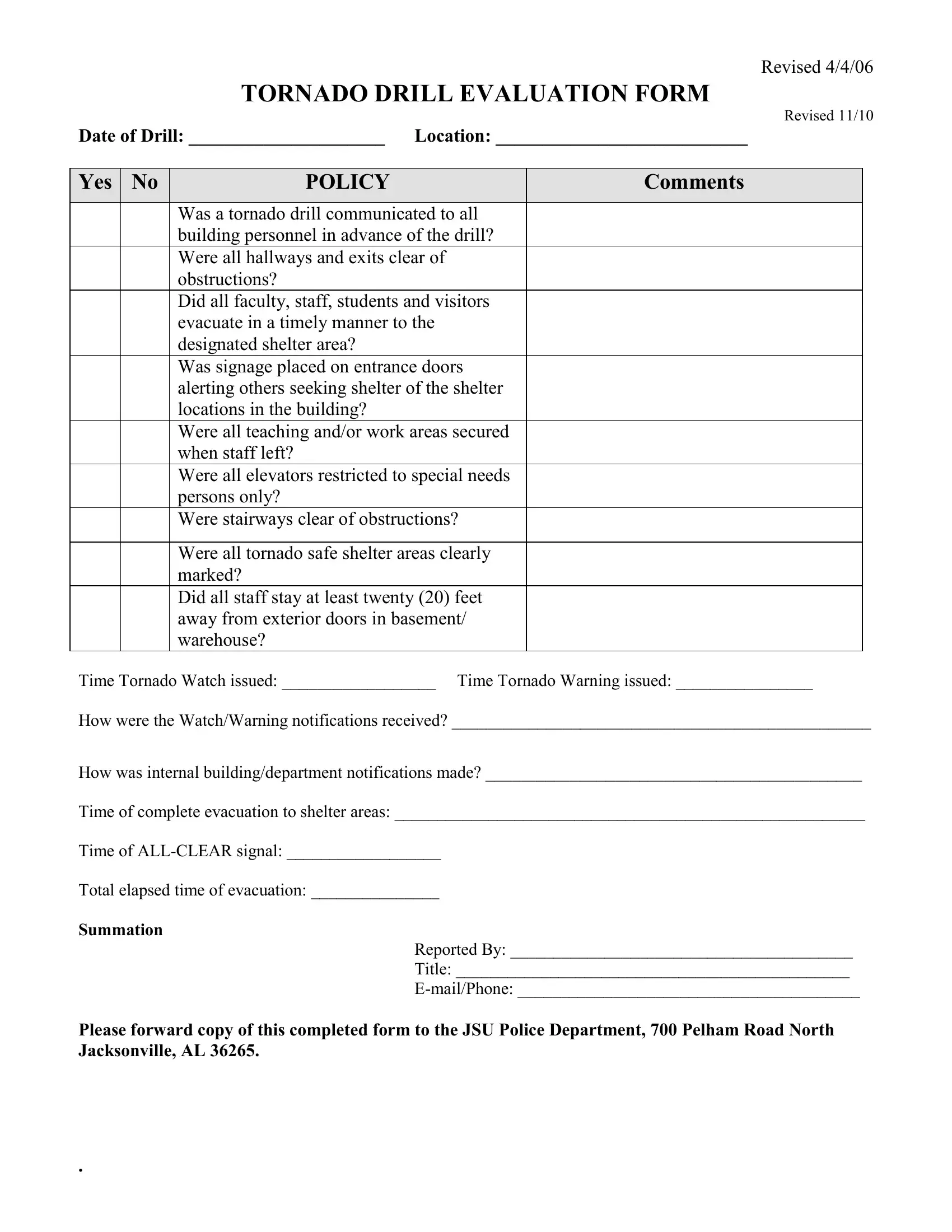
Even experienced safety professionals can fall into traps that diminish the value of a drill.
Over‑Complex Templates
Too many fields overwhelm observers and reduce data quality. Keep the form concise, focusing on the most critical metrics.
Insufficient Training for Evaluators
If observers are not calibrated, scores become subjective. Conduct calibration sessions where multiple observers rate the same simulated event and discuss discrepancies.
Neglecting Follow‑Through
Documented findings lose impact if corrective actions are not tracked. Use a simple ticketing system to monitor progress and close loops.
Ignoring the Human Factor
Drills that feel like a “check‑the‑box” exercise can generate complacency. Incorporate realistic stressors, such as simulated smoke or limited visibility, to gauge genuine responses.
Failing to Communicate Results
When participants never hear back about what was learned, morale drops. Share summary findings promptly and celebrate improvements.
Conclusion

A thoughtfully crafted Disaster Drill Evaluation Template transforms chaotic rehearsals into strategic learning opportunities, delivering measurable data that drives safety excellence. By understanding its purpose, building core components, customizing for your unique environment, and rigorously analyzing results, organizations can close gaps, meet compliance, and foster a resilient culture. Consistent execution, transparent reporting, and diligent follow‑up ensure that every drill not only tests readiness but also continuously raises the bar for emergency preparedness. Embrace the template as a living document—review, refine, and repeat—and you’ll turn each simulated crisis into a stepping stone toward real‑world safety and peace of mind.




Related posts of "Disaster Drill Evaluation Template"
