
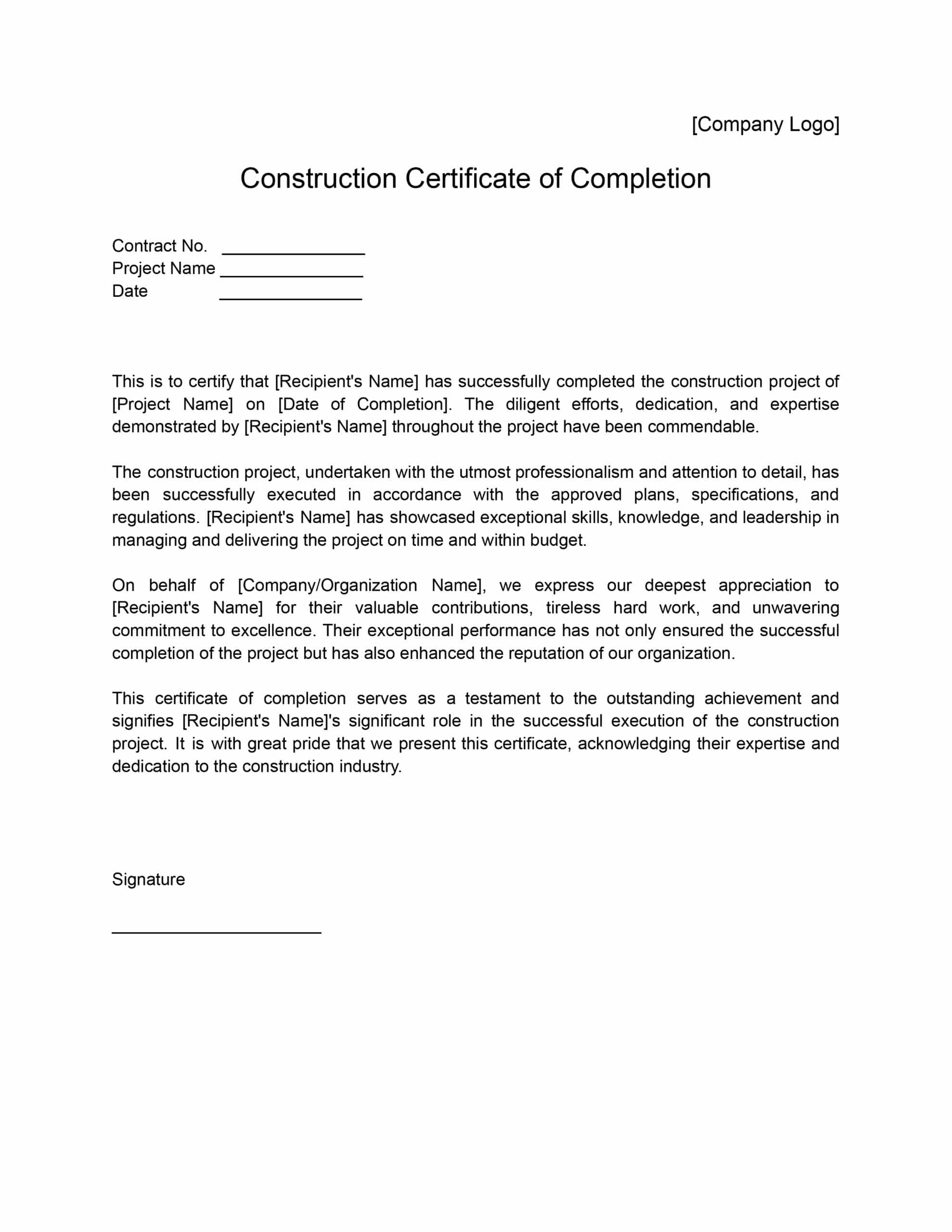
Certificate Of Substantial Completion Template serves as a pivotal document in construction projects, marking the point where a building is deemed fit for its intended use, despite minor pending items. This comprehensive guide explores its purpose, essential components, practical customization tips, and common pitfalls, ensuring professionals can confidently draft, manage, and leverage these certificates to streamline project delivery.
Understanding Substantial Completion

Substantial completion is a contractual milestone where the project is substantially finished and ready for occupation or use, even if minor touch‑ups remain. This status triggers insurance coverage, warranty periods, and often the transition of risk from the contractor to the owner. While “substantial” may sound subjective, most contracts define it through measurable criteria—completed work, functionality, and adherence to design intent.
Legal Significance
- Activates the owner’s operational use of the facility.
- Triggers final payment schedules and retainage release.
- Initiates defect liability and warranty phases.
- Serves as evidence in dispute resolution if performance issues arise.
Key Stakeholders
- Owner or Developer – final approval and use of the space.
- Contractor – completion and sign‑off responsibilities.
- Architect/Engineer – verification of compliance with design and standards.
- Legal Counsel – ensures contractual alignment.
Components of a Robust Certificate Of Substantial Completion Template
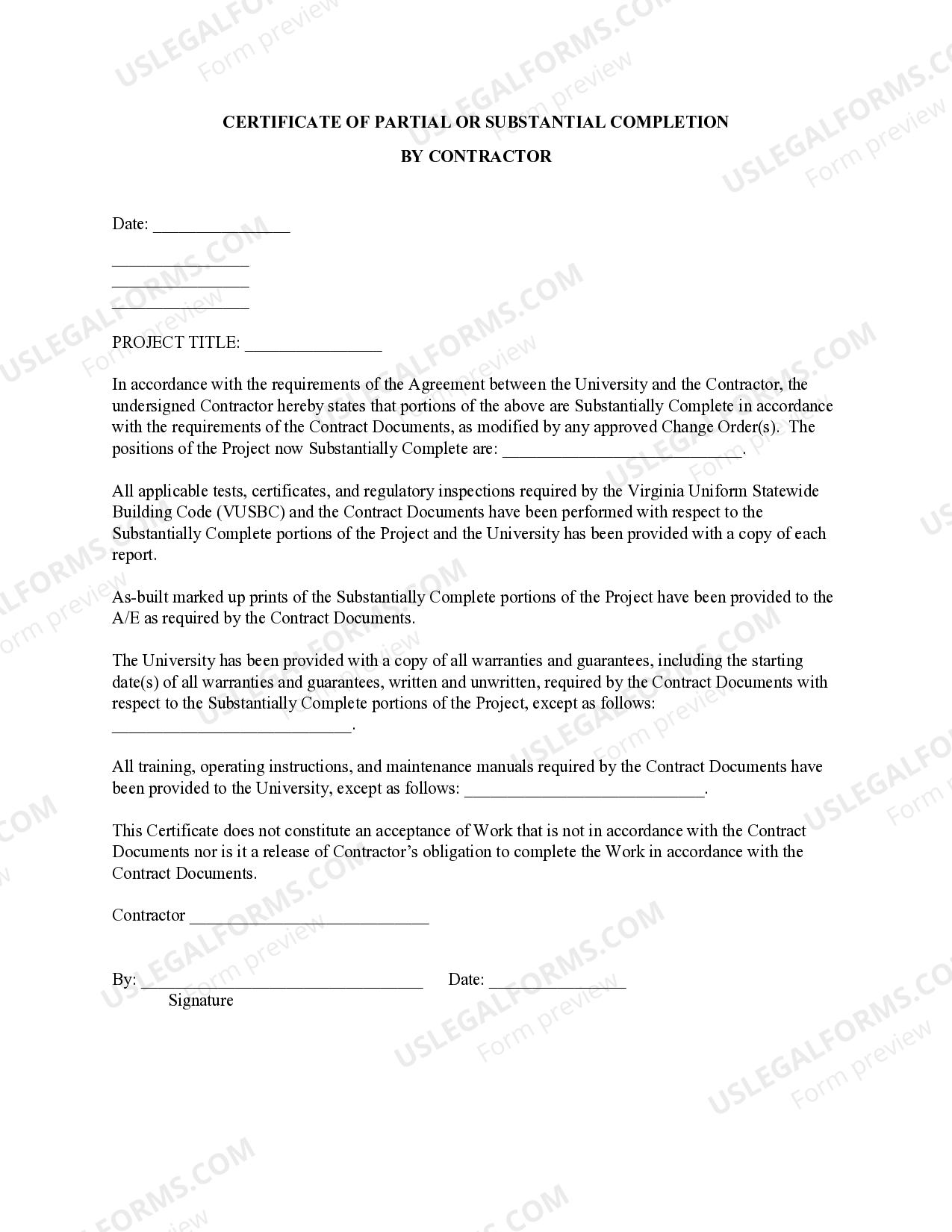
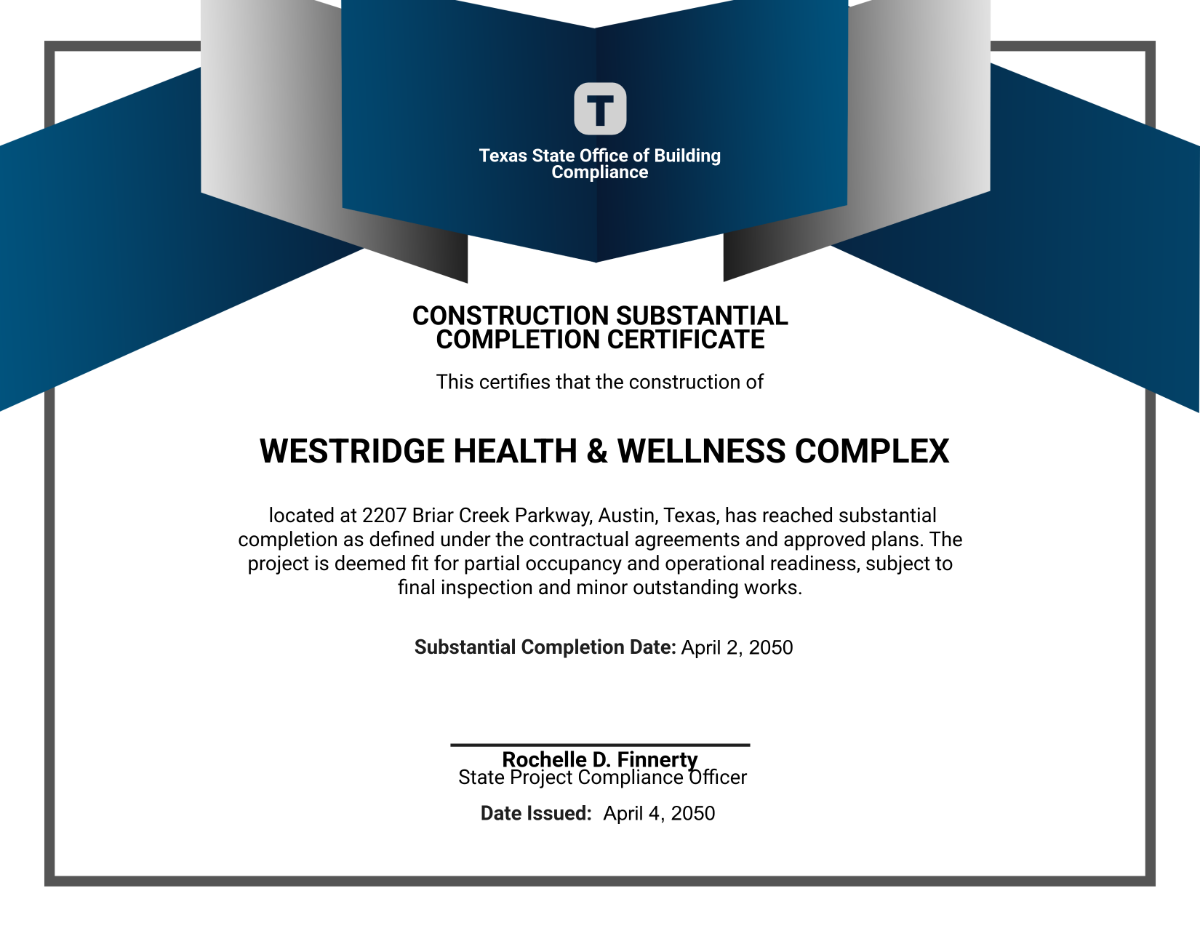
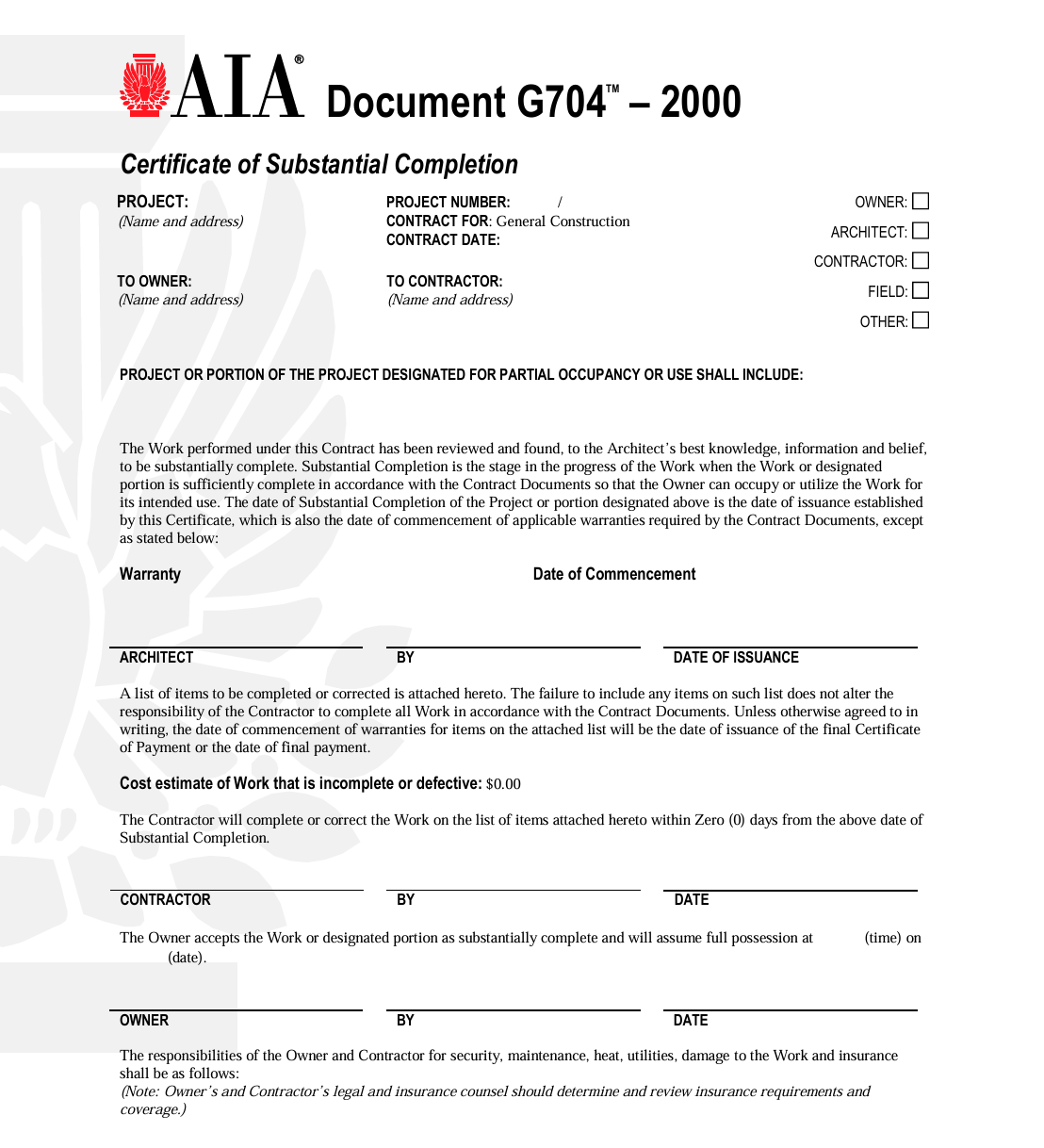
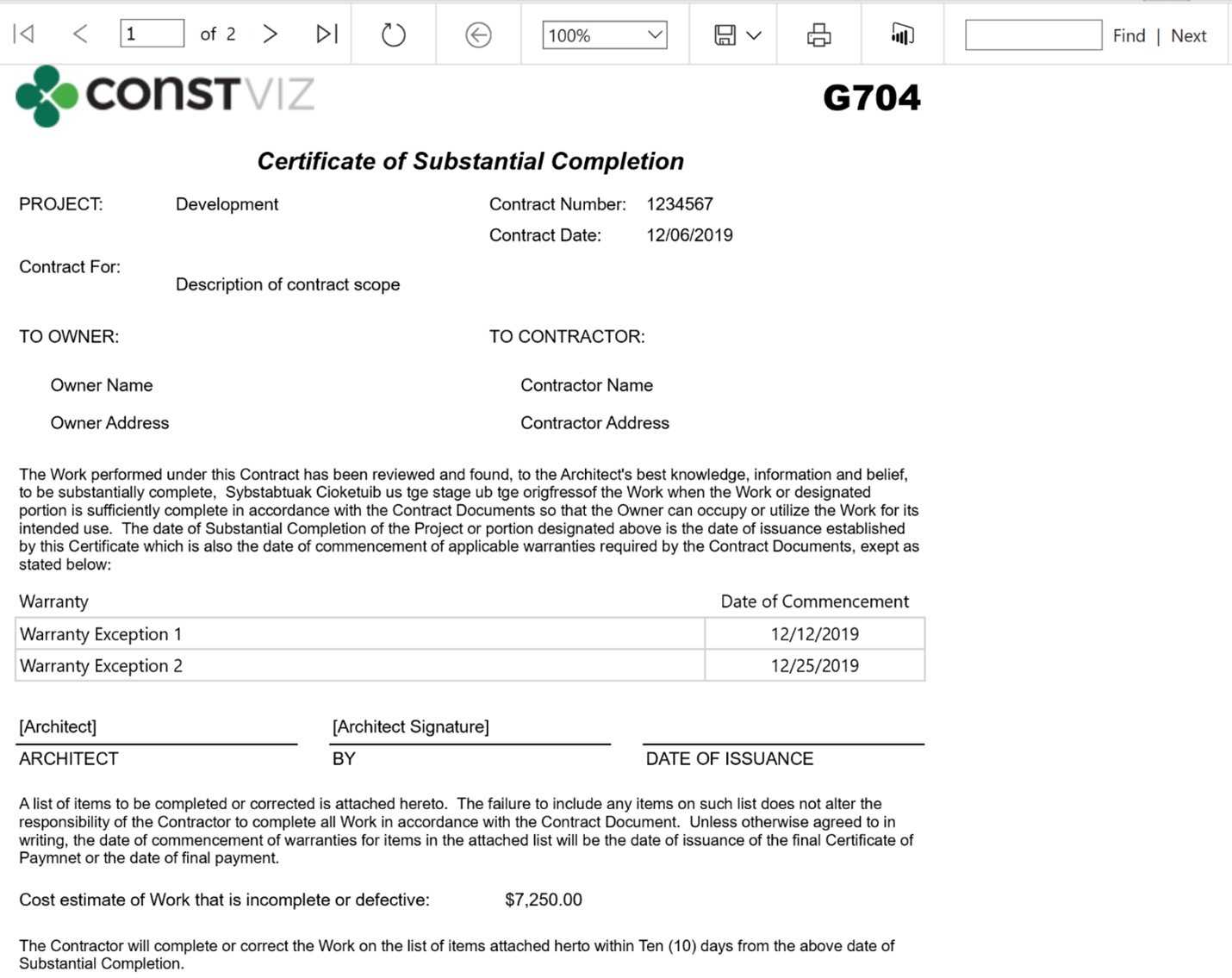
An effective template balances clarity, legality, and practicality. Below are the core sections most professionals include, with concise explanations of each component.
Header Information
- Project name and location.
- Certificate number or identifier.
- Date of issuance.
- Prepared by and authorized by contact details.
Project Description
This section provides a succinct overview: scope, total square footage, primary use, and any special features. It anchors the certificate to the contractual work scope.
Statement of Substantial Completion
Here, the contractor declares that the work is substantially completed and ready for its intended use. The statement often includes a specific date of completion and a reference to the contract clause governing this milestone.
List of Outstanding Items
Minor defects or incomplete tasks are cataloged, typically as a punch list. Each item should identify the issue, responsible party, and proposed completion date.
Warranty and Defect Liability
Specifies the period during which the contractor remains responsible for defects, often ranging from 12 to 24 months. This clause protects the owner’s interests and clarifies responsibilities.
Signatures
Lines for the signatures of the owner’s representative, the contractor, and the architect or engineer provide legal enforceability. Digital signatures are increasingly common and may be included if the jurisdiction allows.
Attachments
Supporting documents such as final drawings, inspection reports, or compliance certificates can be referenced or attached.
Customizing the Template to Fit Your Project
While a generic template provides a solid foundation, tailoring it to your project’s unique needs enhances its effectiveness. Here are actionable steps to customize without compromising compliance.
Align with Contract Language
- Match terminology from the construction contract to avoid ambiguity.
- Insert clause references where the contract outlines specific documentation or inspection requirements.
Incorporate Project‑Specific Milestones
Some projects may have unique milestones—like LEED certification or specialized mechanical systems. Include sections that note when these milestones have been achieved or are pending.
Adjust Warranty Periods
Depending on the owner’s risk tolerance, warranty periods may vary. Some high‑end projects demand extended warranties for critical infrastructure.
Embed Digital Compliance Checks
When using Building Information Modeling (BIM) or project management software, embed links or QR codes that direct readers to digital punch lists or inspection dashboards.
Best Practices for Issuing a Certificate Of Substantial Completion
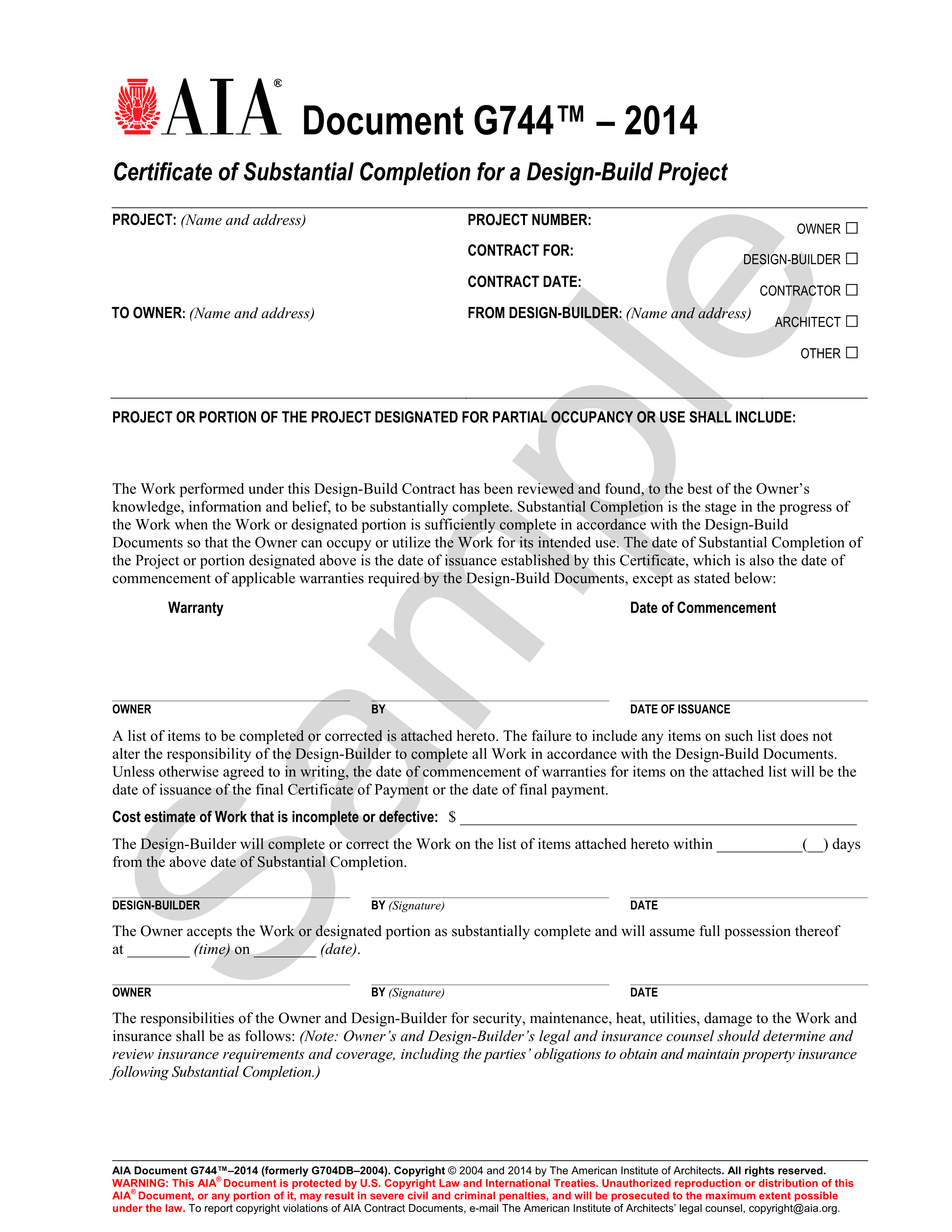
Proper execution reduces disputes and streamlines the transition from construction to occupancy.
Conduct Thorough Inspections
- Engage a third‑party inspector or a dedicated quality control team.
- Document findings with photographs and detailed notes.
- Cross‑check against the punch list to ensure completeness.
Use a Formal Approval Workflow
Implement an approval chain that includes the owner, architect, and contractor. Digital workflows can expedite this process while maintaining audit trails.
Maintain Version Control
Label each version of the certificate clearly (e.g., “V1.0 – Draft,” “V1.1 – Revised”). This prevents confusion, especially in multi‑phase projects.
Secure Electronic Signatures
Leverage secure platforms that comply with e-signature regulations (e.g., eIDAS, ESIGN Act). This not only speeds up processing but also enhances traceability.
Common Mistakes and How to Avoid Them

Under‑Documenting Punch List Items
Failing to itemize each outstanding task leads to future disputes. Use a standardized punch list template and verify completion dates with responsible parties.
Ignoring Legal Requirements
Some jurisdictions require specific language or notarization. Consult local regulations or legal counsel before finalizing the document.
Overlooking the Warranty Clause
Not specifying the warranty period or responsibilities can leave owners exposed to unforeseen defects. Ensure this section mirrors the contract terms.
Neglecting to Include Supporting Documentation
Failing to attach inspection reports or compliance certificates may undermine the certificate’s credibility. Attach or reference all relevant evidence.
Real‑World Example: Commercial Office Build
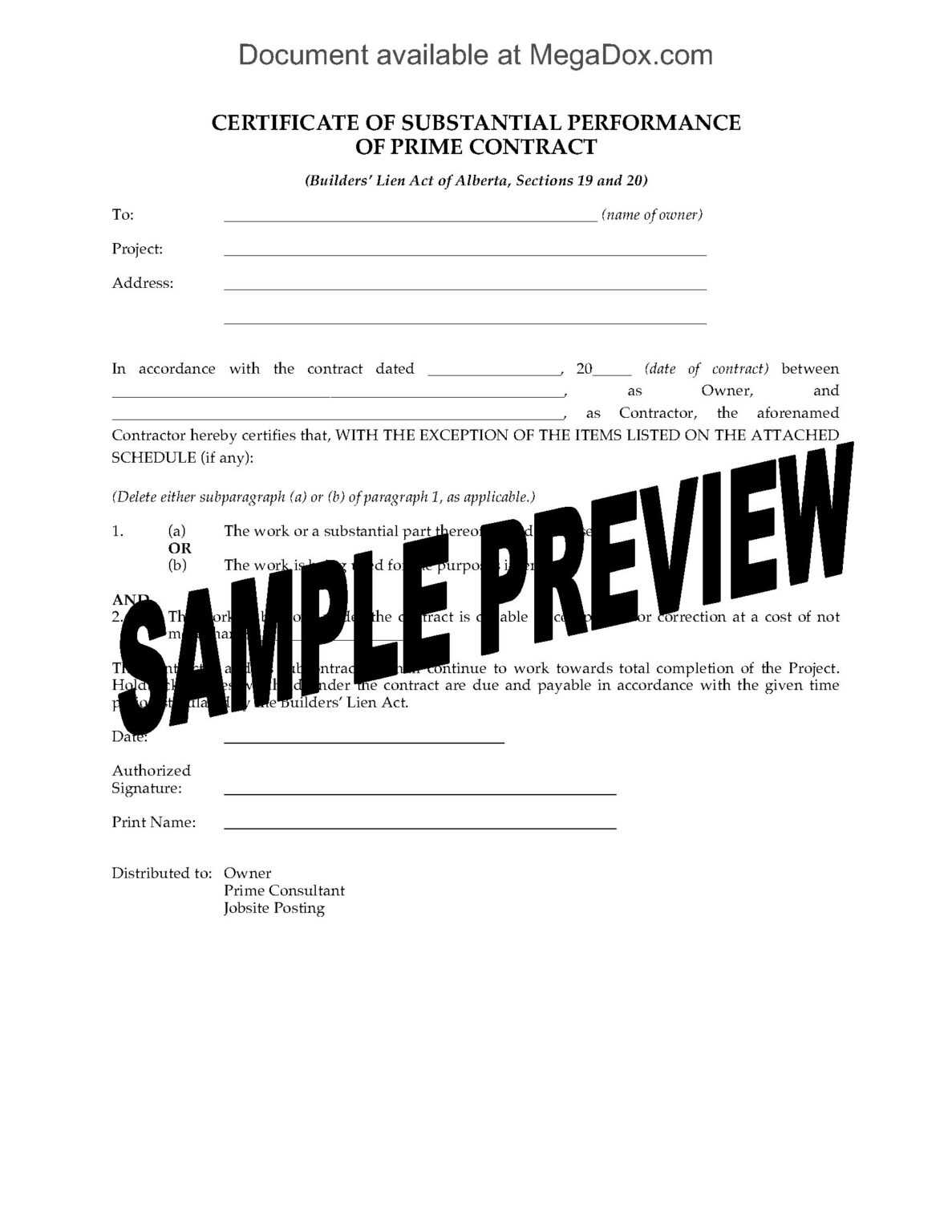
Consider a 200,000‑square‑foot corporate headquarters. Upon reaching the substantial completion milestone, the project manager issues a certificate that reads:
- Project name: “Northbridge Corporate Campus.”
- Date of substantial completion: 15 June 2024.
- Outstanding items: 12 minor HVAC adjustments, 3 façade paint touch‑ups.
- Warranty period: 24 months from issuance.
- Signatories: John Doe (Owner), Jane Smith (Contractor), Alan Lee (Lead Architect).
After signing, the certificate is logged in the project’s digital management platform, and an email notification alerts all stakeholders. This streamlined process ensures transparency and accountability.
Leveraging Digital Tools for Certificate Management
Modern construction projects benefit from integrated software solutions that streamline template creation, version control, and signature workflows.
Project Management Platforms
- Platforms like Procore or BIM 360 allow for template storage, real‑time editing, and collaboration.
- Built‑in punch list modules ensure every item is tracked and closed before the certificate is issued.
Document Automation Systems
- Tools such as DocuSign or Adobe Sign enable secure electronic signing.
- Automated reminders reduce bottlenecks in the approval chain.
Compliance Tracking Apps
- Compliance software can automatically pull inspection results into the certificate.
- Integration with building codes ensures all required fields are present.
Conclusion
A well‑crafted Certificate Of Substantial Completion Template is more than a formality; it is a critical contractual instrument that marks the transition of a project from construction to occupancy. By embedding precise legal language, maintaining meticulous documentation, and leveraging digital tools, professionals can protect stakeholder interests, minimize disputes, and ensure a smooth handover. Tailoring the template to your project’s unique specifications, following rigorous inspection and approval processes, and staying vigilant against common pitfalls will position your construction program for success and client satisfaction.




Related posts of "Certificate Of Substantial Completion Template"
