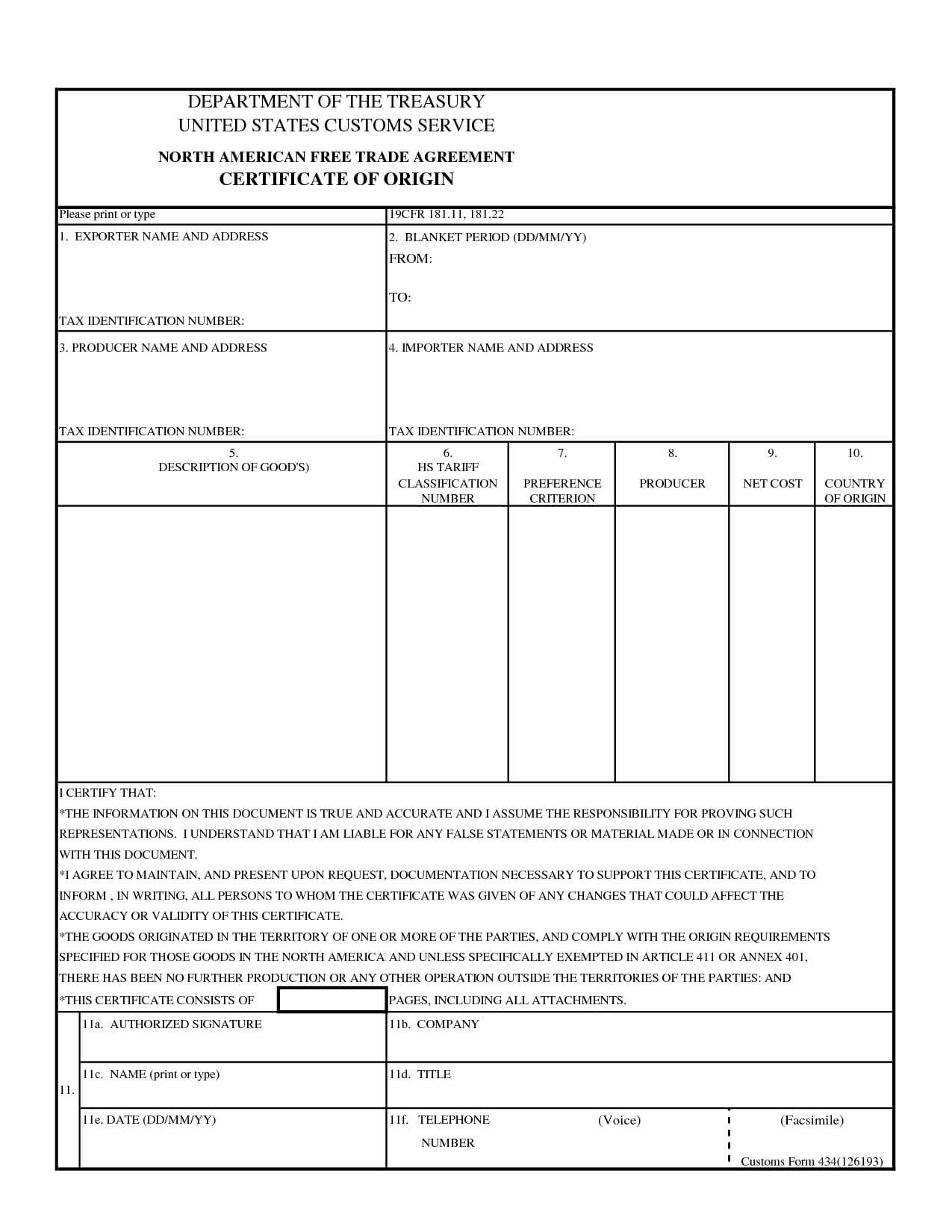
Certificate Of Origin Form Template is a pivotal document in international trade, serving as a definitive record that verifies the country where goods were manufactured or assembled. By ensuring compliance with customs regulations and facilitating smooth border inspections, this template becomes an essential tool for exporters, importers, and logistics professionals who strive for efficiency and transparency in global commerce.
Understanding the Purpose of a Certificate of Origin

A Certificate of Origin (COO) provides customs authorities and trade partners with incontrovertible evidence that products meet specific origin criteria. Whether the focus is on tariff classification, eligibility for preferential trade agreements, or simply proving authenticity, a properly drafted COO streamlines customs clearance and reduces the risk of delays or penalties.
Key Functions of the Certificate
- Tariff Classification: Determines the correct duty rate by confirming the country of production.
- Trade Agreements: Validates eligibility for reduced or zero tariffs under agreements such as NAFTA, EU–UK, or ASEAN.
- Evidence of Compliance: Demonstrates adherence to import regulations, anti-dumping duties, and national safety standards.
- Quality Assurance: Assists buyers in verifying product origins, which can influence brand reputation and consumer trust.
Who Uses a Certificate of Origin?
Exporters, manufacturers, shipping agents, customs brokers, and government customs officials rely on the COO. Importers often request the document before accepting delivery to confirm that the goods match their contractual specifications.
Core Components of an Effective Template
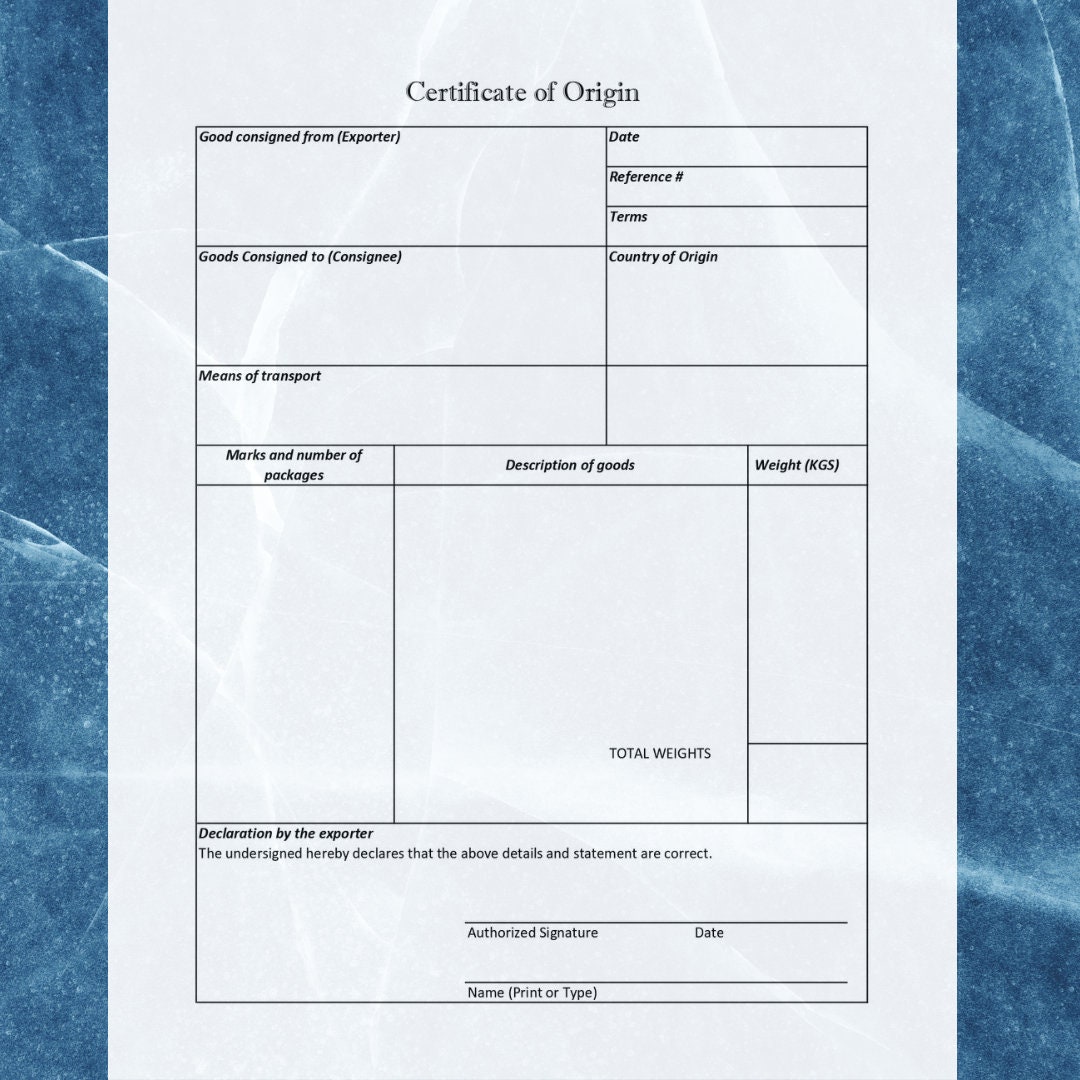
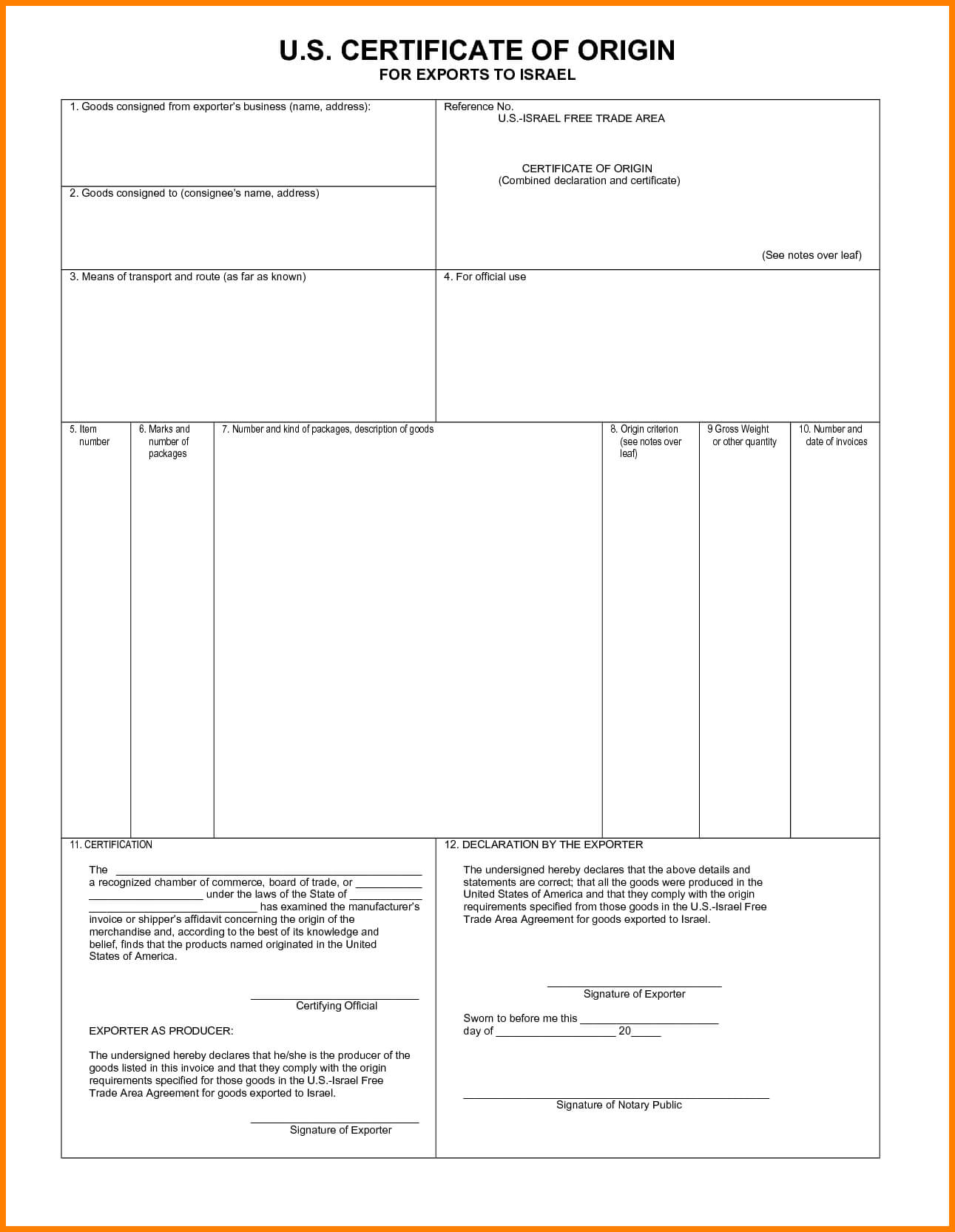
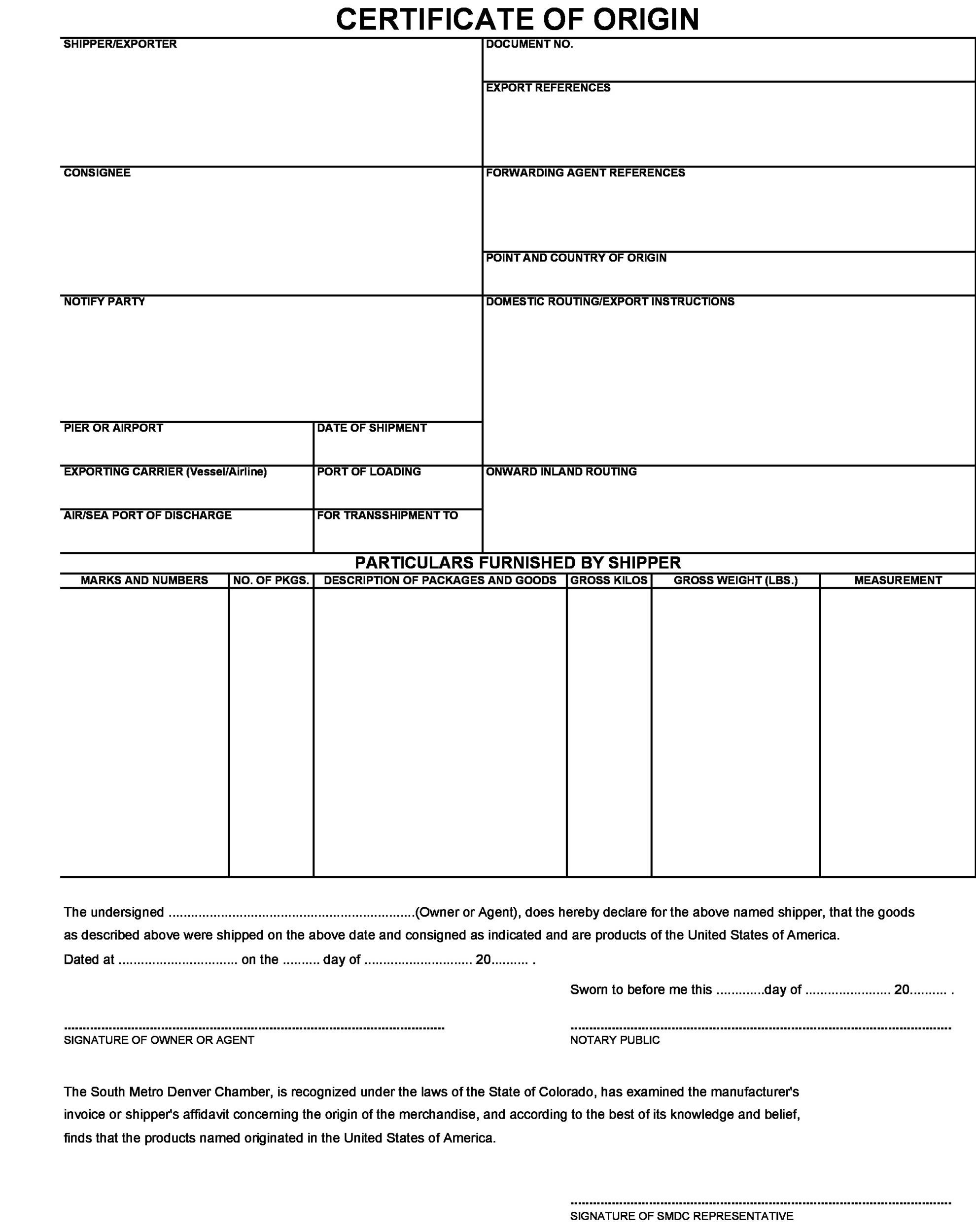
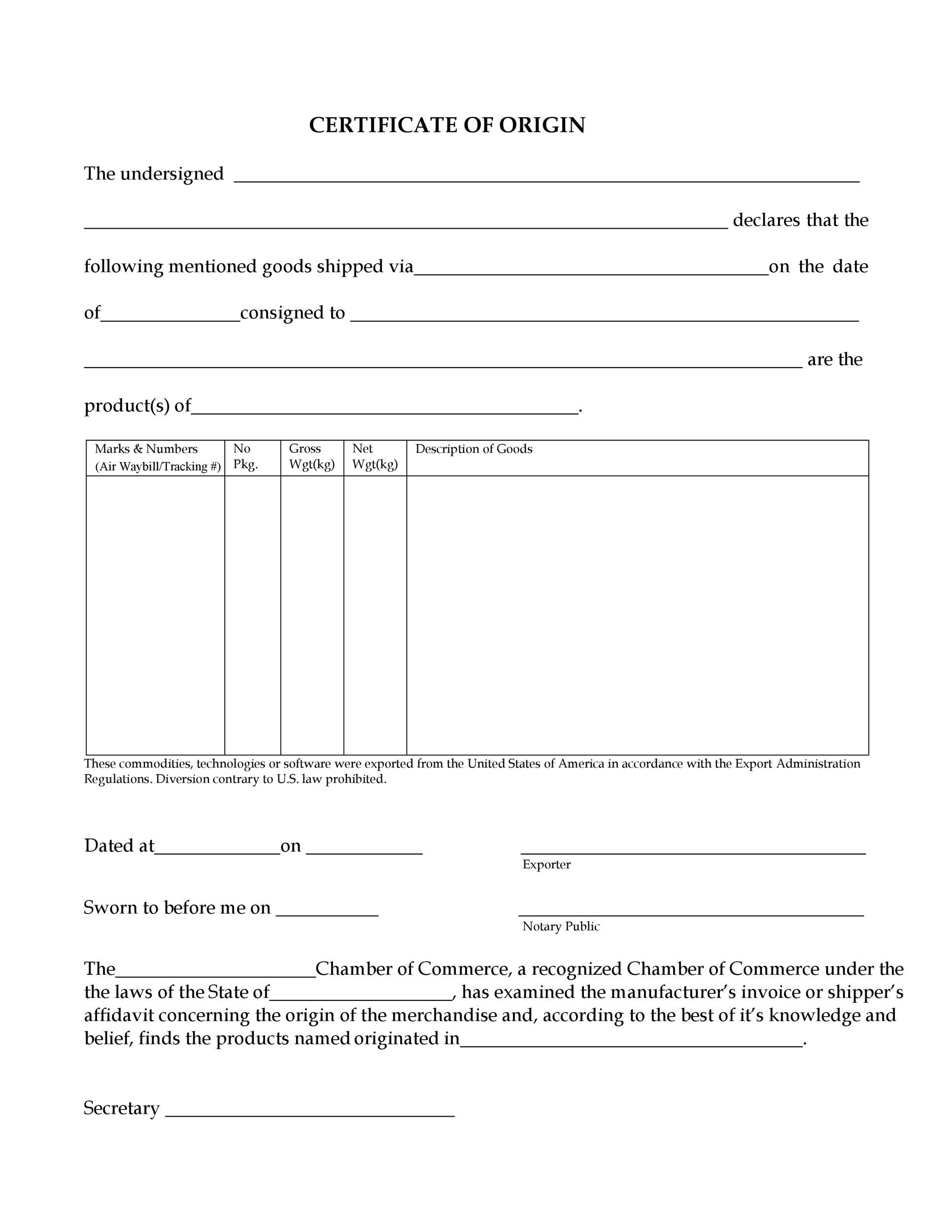
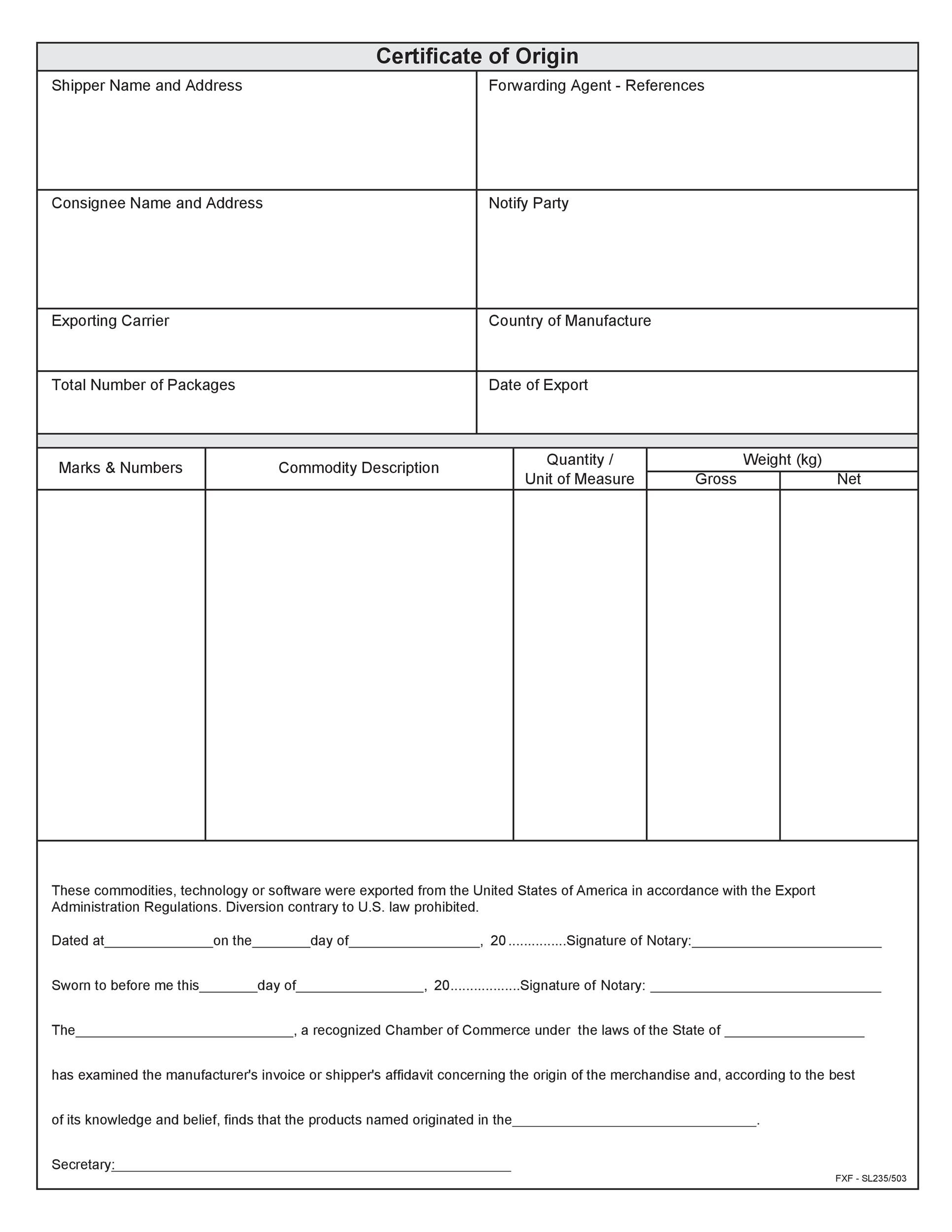
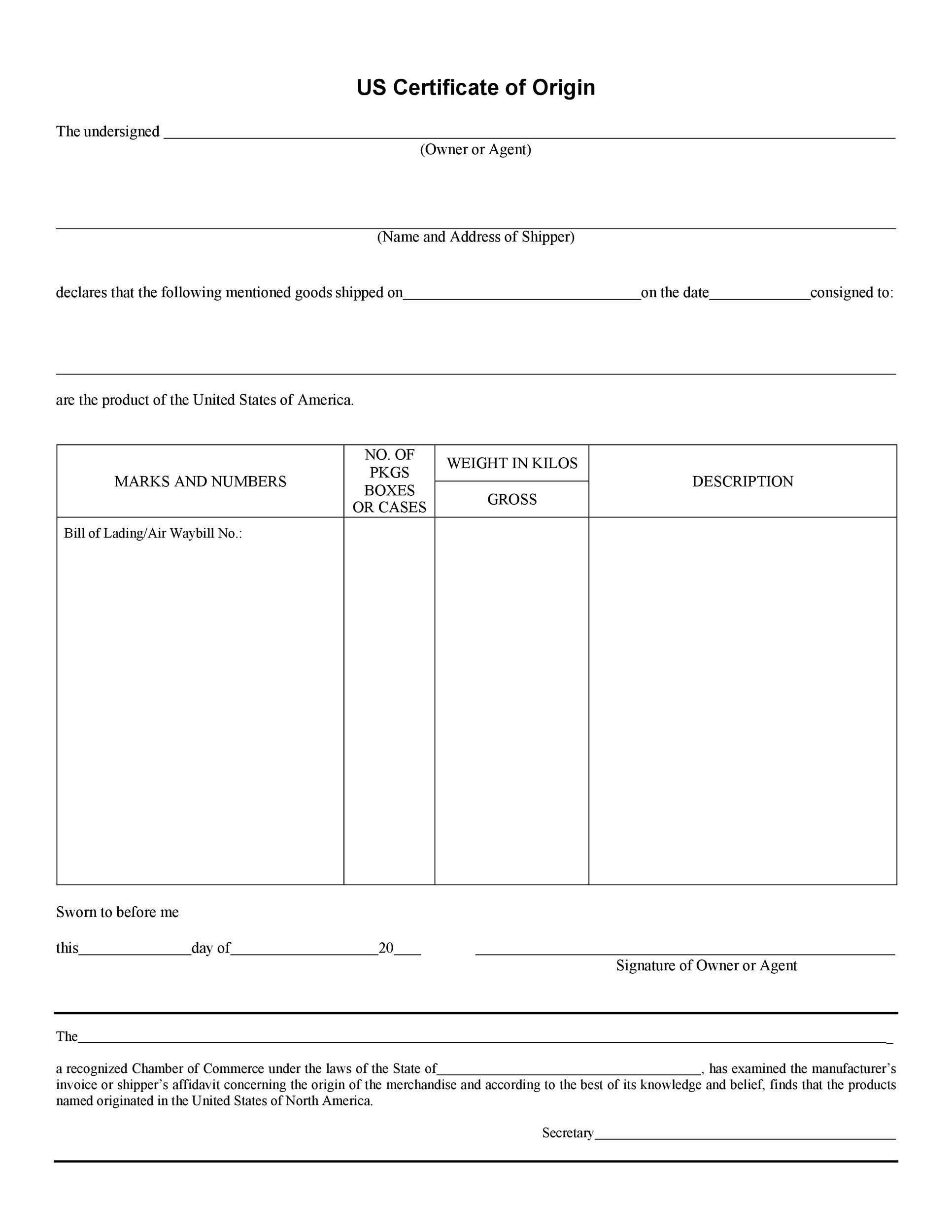
While the specific layout may vary by industry, a robust COO template consistently includes the following elements:
Header and Identification
Include the issuing authority’s name, logo, and contact details, along with the document’s reference number and issue date.
Exporter and Importer Information
Full legal names, addresses, and tax identification numbers of both parties must be recorded to establish clear accountability.
Detailed Description of Goods
Provide a precise item description, quantity, unit of measure, and weight. If the product is a composite, list each component’s origin.
Country of Origin Statement
Clearly state the country where the goods were manufactured, processed, or assembled, along with the specific location or production facility if applicable.
Signature and Seal
Authenticate the certificate with an authorized signature and official seal. Some jurisdictions require a notary or chamber of commerce endorsement.
Supplementary Information
Include any relevant certifications, compliance statements, or special notes that might affect tariff classification or import eligibility.
Crafting a Customizable Template for Your Industry

Different sectors have unique needs; adapting the template accordingly can enhance clarity and reduce processing time.
Manufacturing and Electronics
Detail component origins, especially for products containing sensitive or high-value parts. Highlight any compliance with trade sanctions or embargoes.
Agriculture and Food Products
Add specific information about packaging, preservation methods, and any required health certifications, such as HACCP or ISO 22000.
Textiles and Apparel
Include fabric composition, manufacturing processes, and any certifications like GOTS or OEKO-TEX to satisfy both customs and consumer standards.
Automotive Parts
Specify whether the component is a finished part or a subassembly, and provide serial numbers or batch codes for traceability.
Step-by-Step Guide to Building Your Certificate of Origin Form
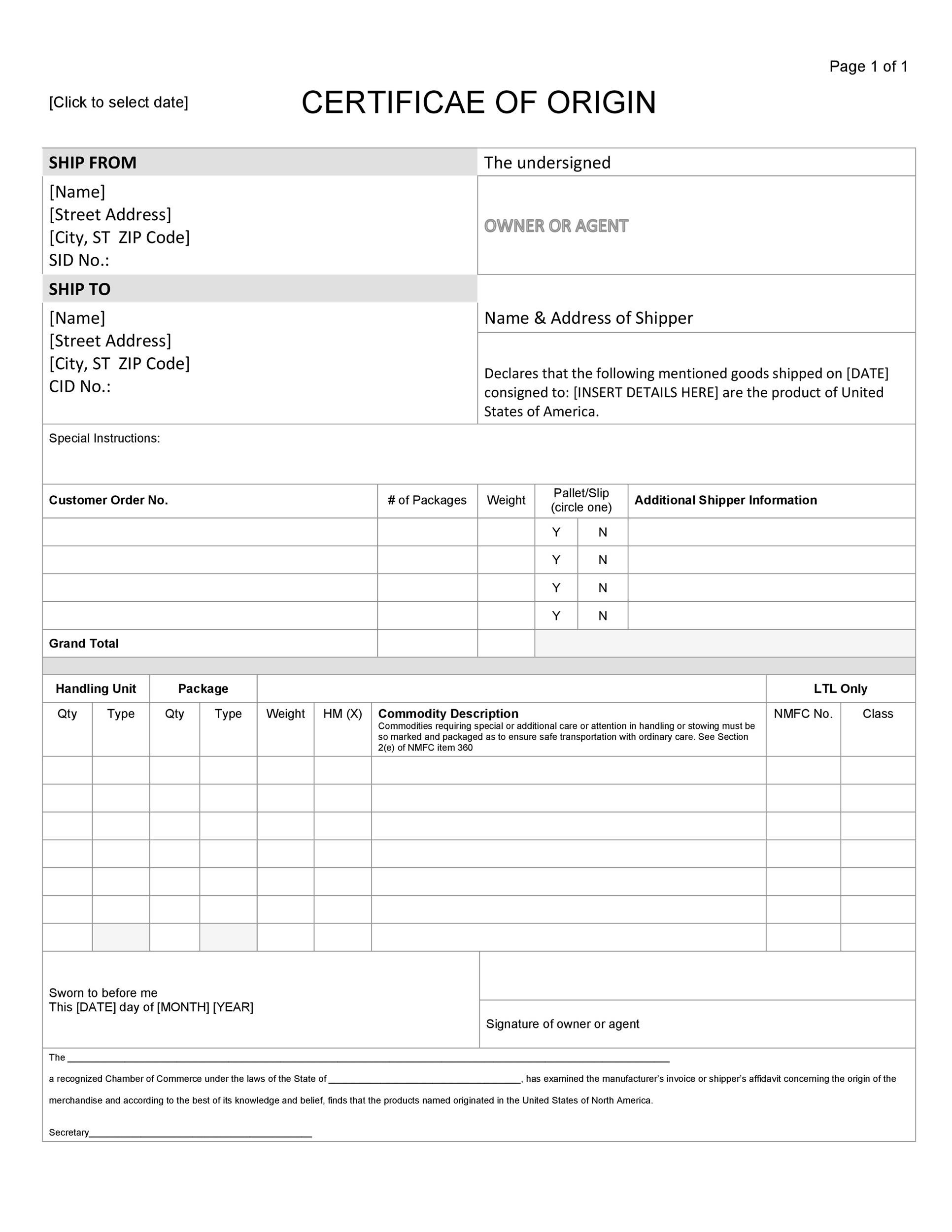
Creating a reliable COO template involves a methodical approach that balances legal requirements with user-friendly design.
1. Gather Legal Requirements
Research the specific regulations of the destination country, including any preferred trade agreements or additional documentation requirements.
2. Define Your Data Fields
Select the essential information needed for customs clearance and incorporate any optional fields that could aid in future audits.
3. Design the Layout
Use a clean, professional format with clearly labeled sections. Consistency in font, spacing, and alignment enhances readability and reduces the chance of misinterpretation.
4. Integrate Digital Signatures
For modern workflows, include a secure digital signature field to expedite processing and comply with e‑commerce standards.
5. Test the Template
Run a pilot with a few shipments to ensure that the document meets customs expectations and that all parties understand the required fields.
6. Implement Version Control
Assign unique version numbers and maintain a revision log to track updates or regulatory changes.
Digital Tools and Resources

Several software solutions can streamline the creation and management of COOs, including:
Cloud‑Based Templates
Platforms such as Microsoft Office 365, Google Workspace, and Adobe Acrobat provide reusable templates that can be customized per shipment.
Export Management Systems (EMS)
Integrated systems automatically populate COO data from order records, reducing manual entry errors.
Blockchain Verification
Emerging solutions embed COO data onto a blockchain, providing immutable proof of origin and enhancing supply chain transparency.
Common Mistakes to Avoid
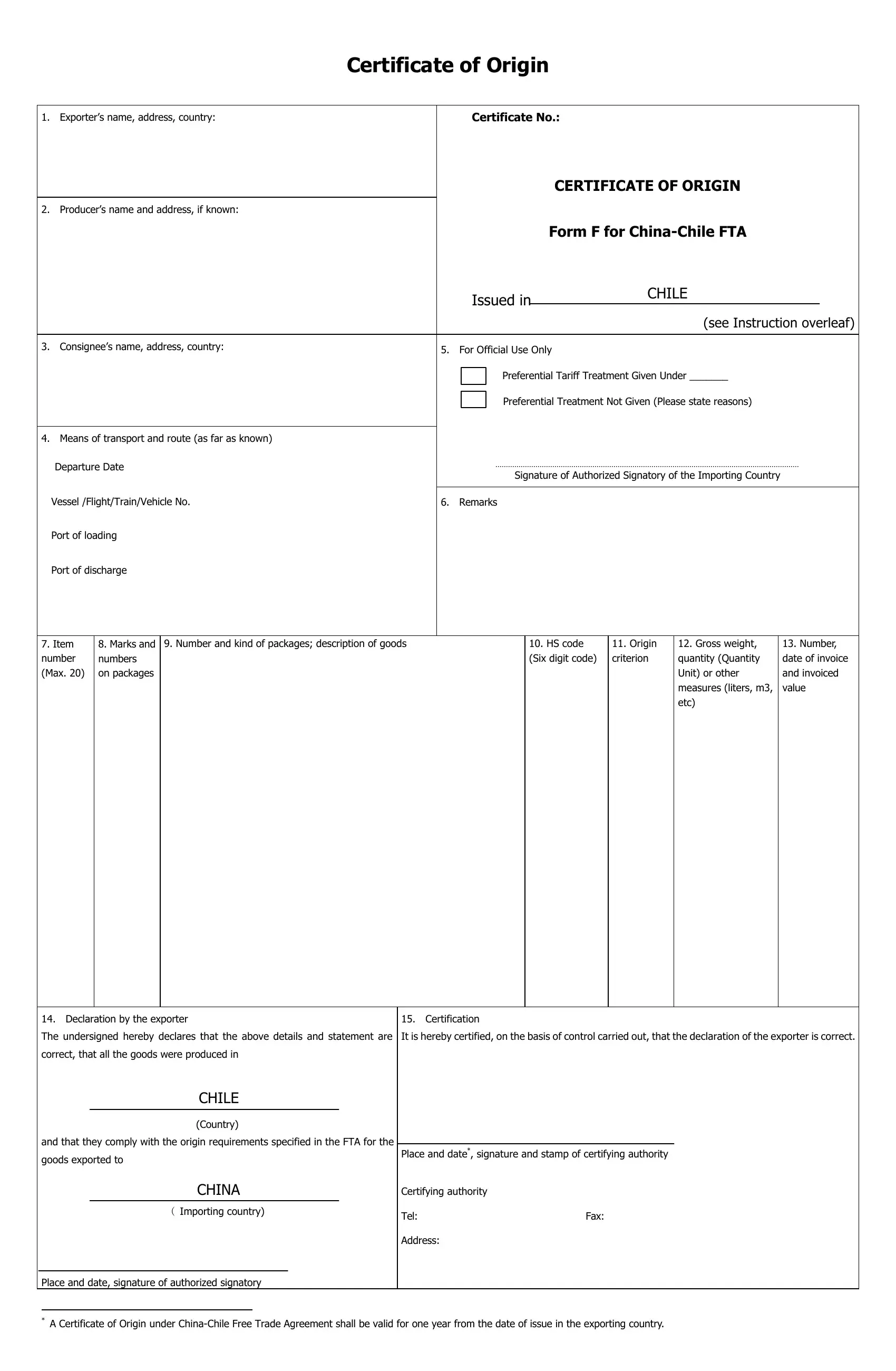
Even with a well‑designed template, certain pitfalls can cause costly delays.
Inaccurate Origin Statements
Misstating the country of origin may trigger customs penalties or shipment rejections. Verify all production details before finalizing the document.
Incomplete or Missing Signatures
Without a proper signature or seal, the document may be considered void. Ensure all necessary parties authenticate the form before submission.
Neglecting Compliance Updates
Trade regulations evolve. Regularly review and update your template to reflect current laws and agreements.
Overcomplicating the Layout
A cluttered or overly technical document can confuse customs officers and delay clearance. Keep information concise and well‑structured.
Compliance and Legal Considerations

Adhering to international and domestic law is paramount.
Customs Authority Requirements
Each country may require specific wording or additional certifications. Verify with local customs or a qualified broker before use.
Data Protection and Confidentiality
When handling sensitive manufacturing details, ensure compliance with data protection regulations such as GDPR or CCPA.
Record Keeping
Maintain copies of all COOs for at least five years, as customs audits or dispute resolutions may occur long after the shipment has arrived.
Real-World Examples of Certificate of Origin Impact
Consider the following scenarios to illustrate how a well‑structured COO can influence trade outcomes.
Scenario A: Exporting Electronics to the EU
The COO specifies the origin as Mexico, qualifying the shipment under the EU–Mexico free trade agreement for reduced tariffs. The exporter benefits from lower customs duties, enabling competitive pricing in the European market.
Scenario B: Importing Agricultural Goods into the United States
By attaching a detailed COO that references an approved USDA inspection, the importer avoids additional quarantine checks, saving time and reducing storage costs.
Scenario C: Automotive Parts Reassembled in Singapore
The COO clarifies that parts were assembled in Singapore, which allows the importer to claim preferential duties under the Singapore–Japan Economic Partnership Agreement, resulting in significant cost savings for the automotive manufacturer.
Conclusion
A meticulously crafted Certificate Of Origin Form Template not only satisfies regulatory demands but also empowers businesses to navigate international borders with confidence. By understanding the essential components, tailoring the layout to industry needs, and vigilantly maintaining compliance, exporters and importers can reduce delays, lower costs, and reinforce trust with trade partners. Investing time in a reliable, adaptable template is a strategic move that delivers measurable benefits across every step of the global supply chain.




Related posts of "Certificate Of Origin Form Template"
