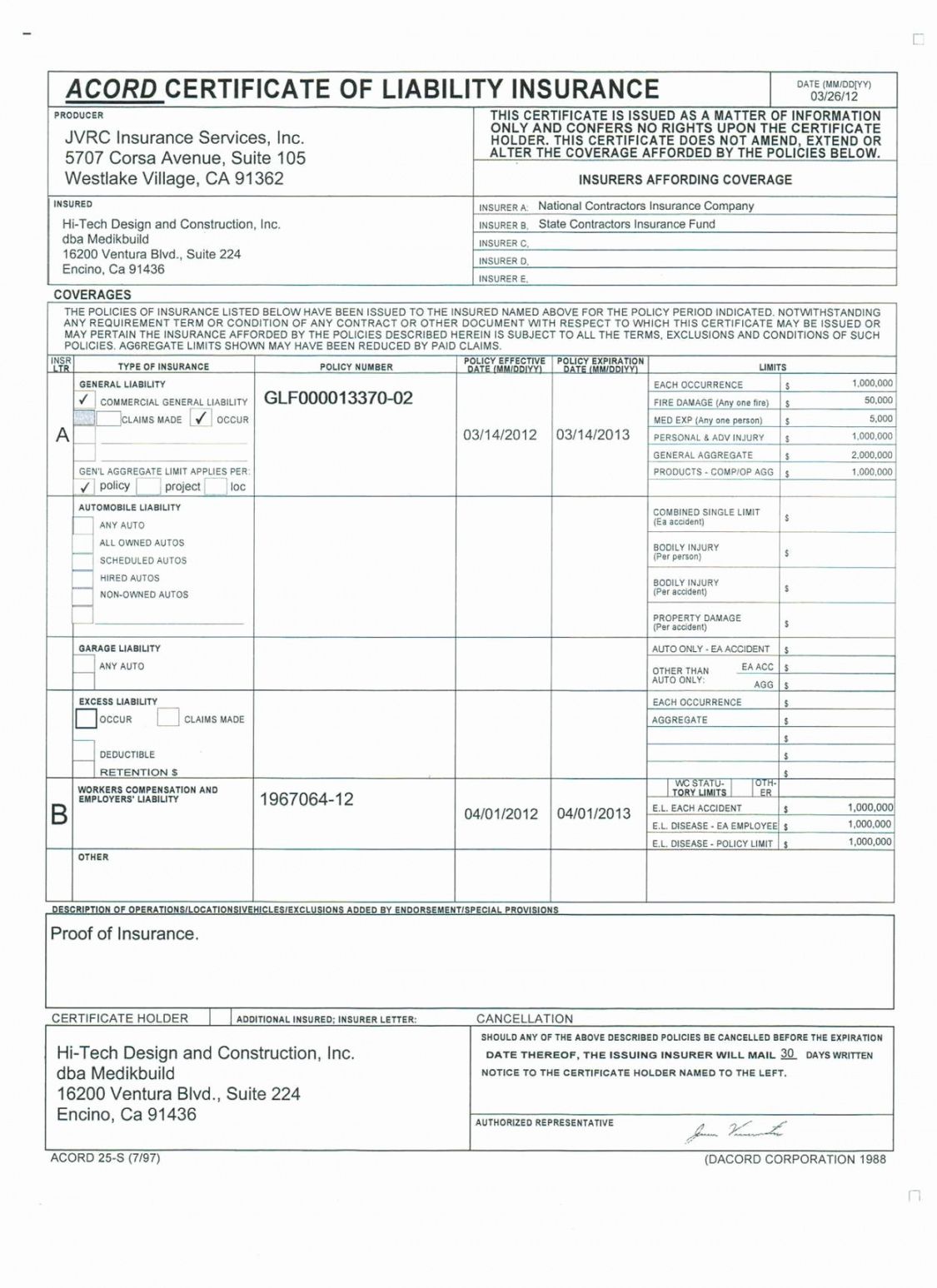
Certificate Of Liability Insurance Template is a pivotal document for businesses, contractors, and professionals who need to prove their insurance coverage to clients, partners, or regulatory bodies. This template acts as a standardized format that not only demonstrates compliance but also builds trust and protects stakeholders from potential disputes. By mastering the art of creating and using a reliable liability insurance template, you can streamline risk management, ensure clarity, and secure a competitive edge in your industry.
Understanding the Core Components of a Liability Certificate
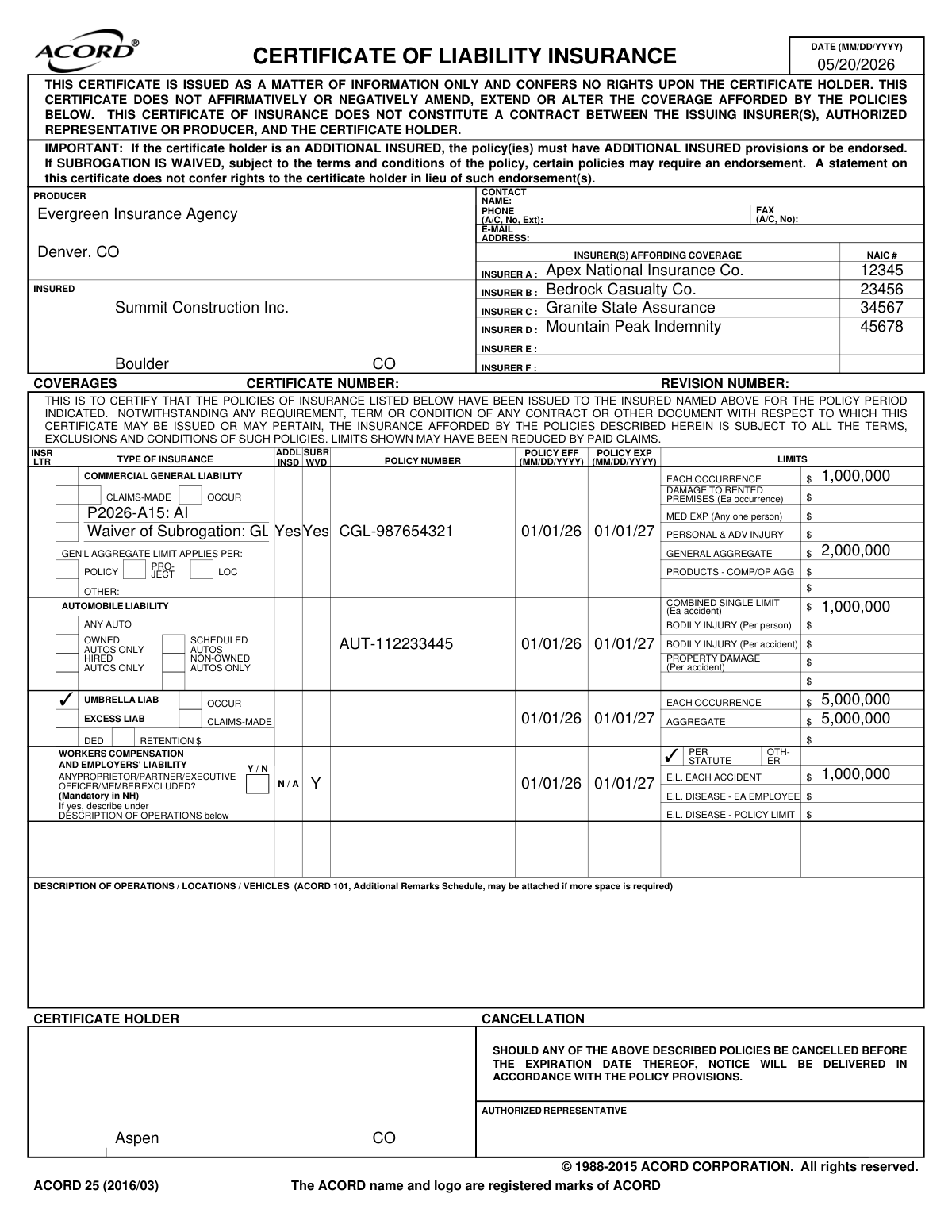
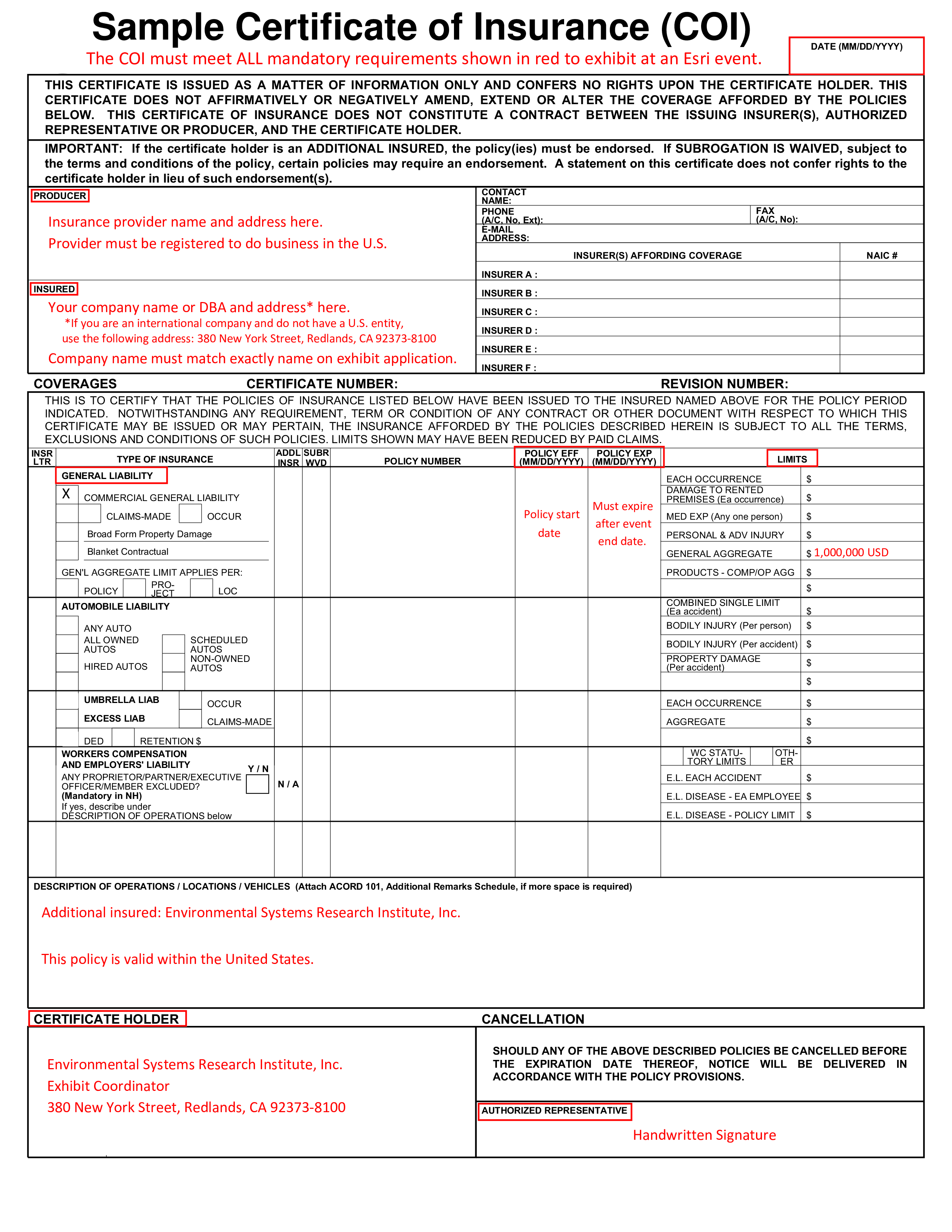
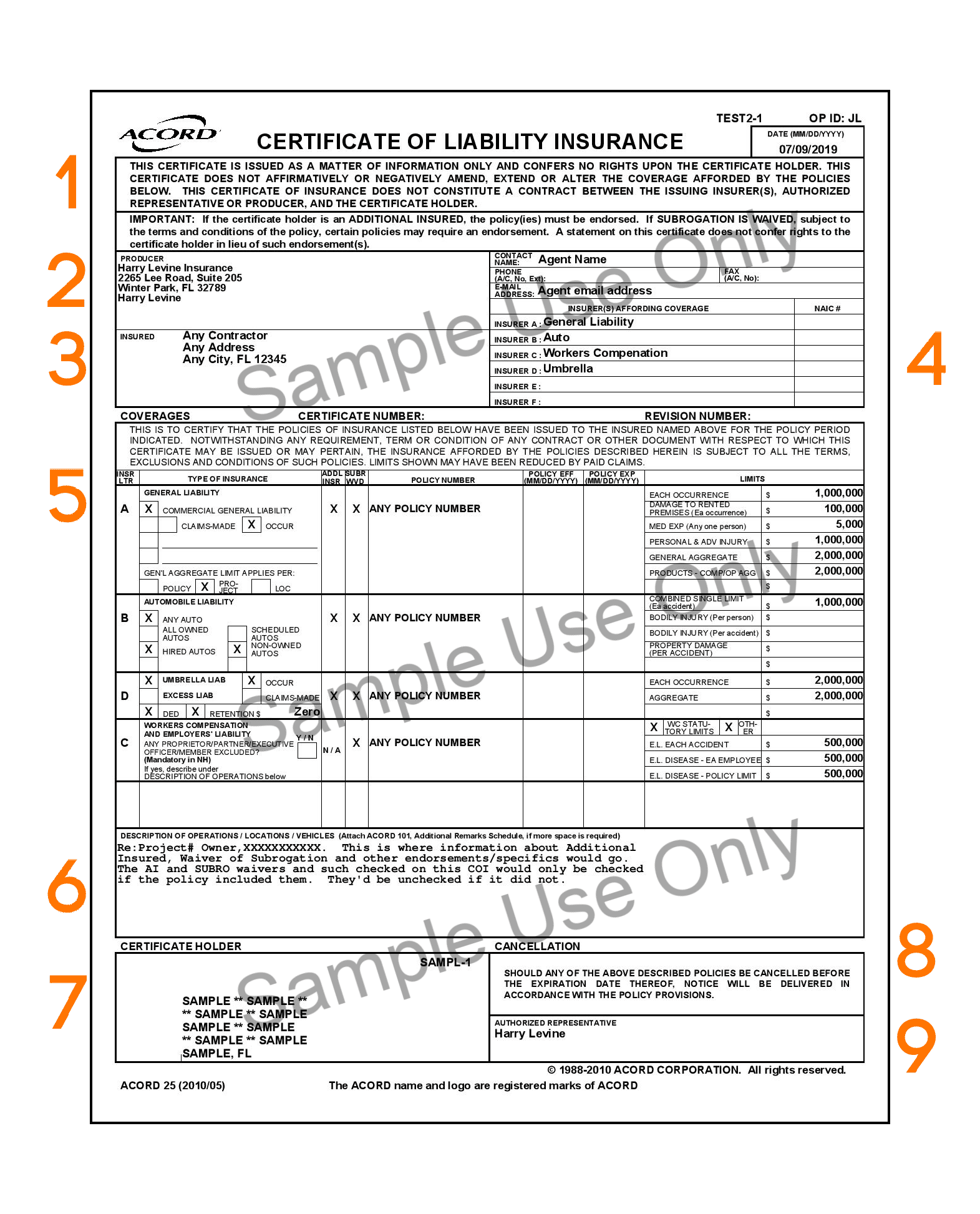
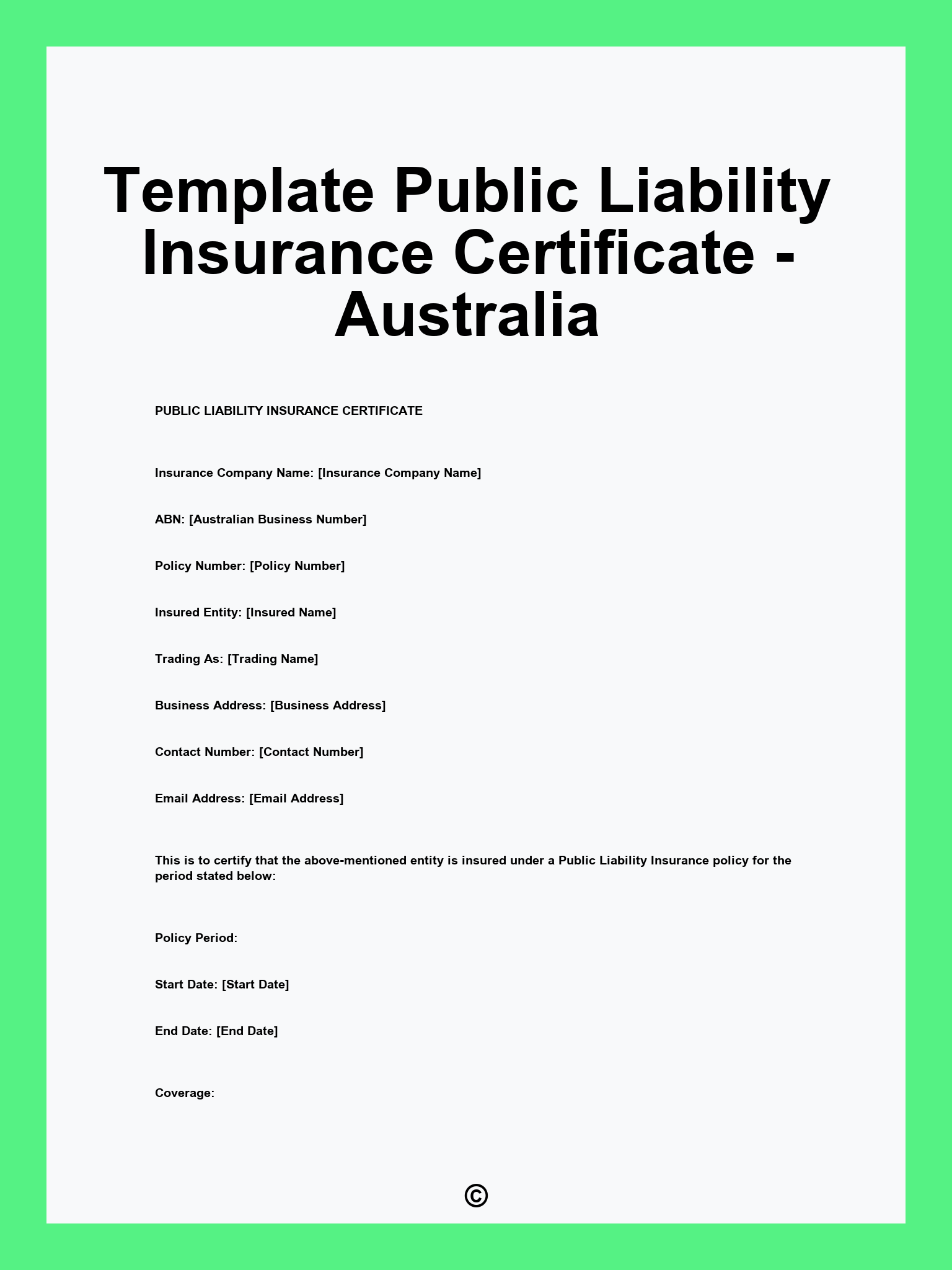
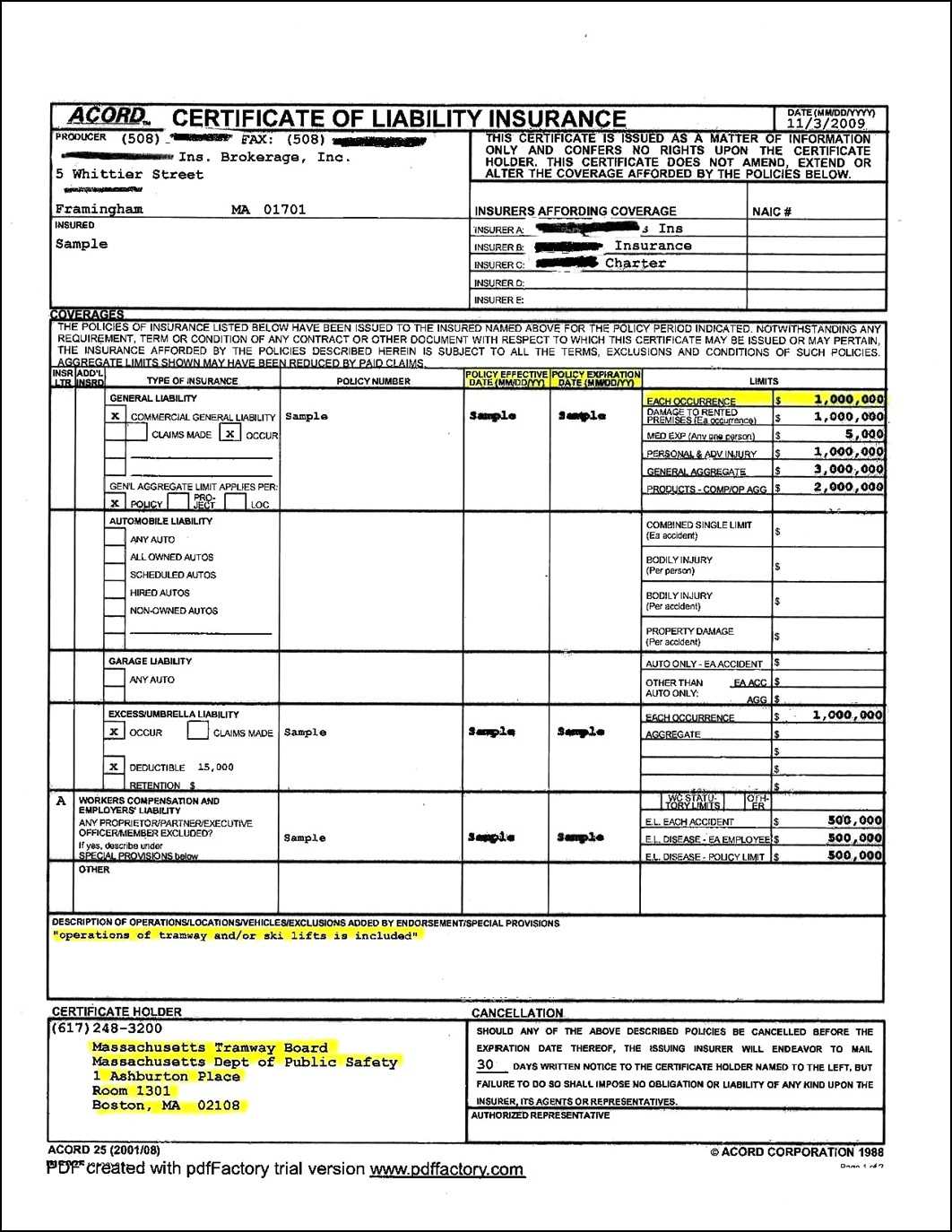
A well-structured liability certificate contains several critical sections that together provide a transparent view of your insurance coverage. These components include:
- Insurer Information: Name, address, and contact details of the issuing company.
- Policyholder Details: The insured party’s name, address, and relevant policy numbers.
- Coverage Description: A concise summary of the types of liability covered, such as general liability, professional liability, or product liability.
- Policy Limits and Endorsements: The maximum payout amounts and any additional riders that modify coverage.
- Effective Dates: Start and expiration dates indicating the coverage period.
- Proof of Compliance: A statement affirming that the policy meets any applicable regulatory or contractual requirements.
- Signature and Date: Official acknowledgment from the insurer or authorized representative.
When drafting or reviewing a template, pay close attention to each element to avoid ambiguity that could lead to coverage disputes.
Why Businesses Need a Standardized Template
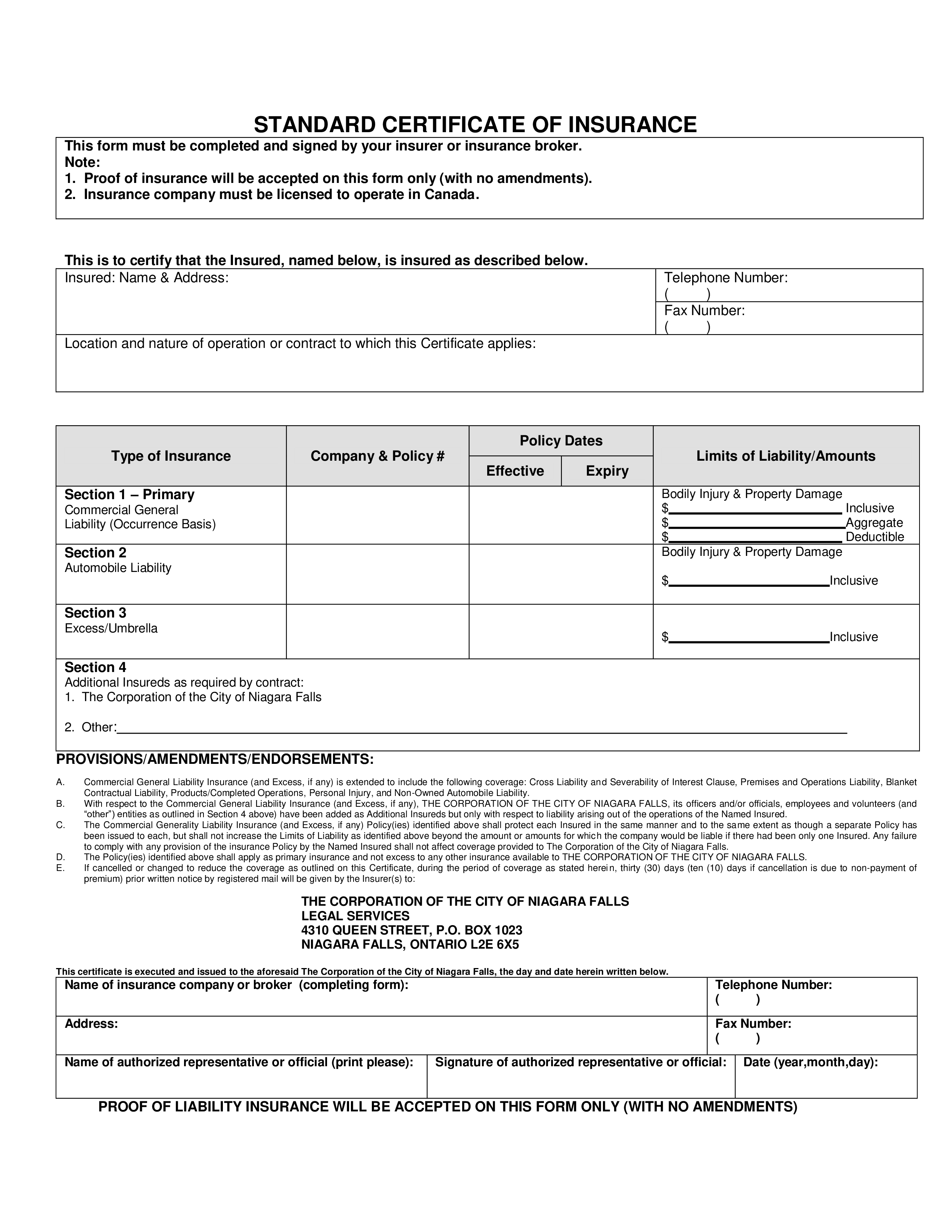
Having a consistent liability certificate template offers multiple advantages for businesses, especially those with high exposure to third‑party claims.
1. Consistency Across Projects
Project managers and procurement teams can rely on a uniform format to compare coverage quickly, reducing administrative overhead and accelerating contract negotiations.
2. Legal Compliance
Many industries, including construction, healthcare, and technology, mandate evidence of liability coverage before a contract is signed. A template that aligns with statutory requirements helps mitigate legal risk.
3. Enhanced Credibility
Presenting a professional certificate signals that the business is organized and financially stable, strengthening relationships with clients and partners.
4. Easier Auditing and Record‑Keeping
Standardized documents simplify internal audits and make it easier for auditors to verify compliance during risk assessments.
Choosing the Right Type of Liability Insurance
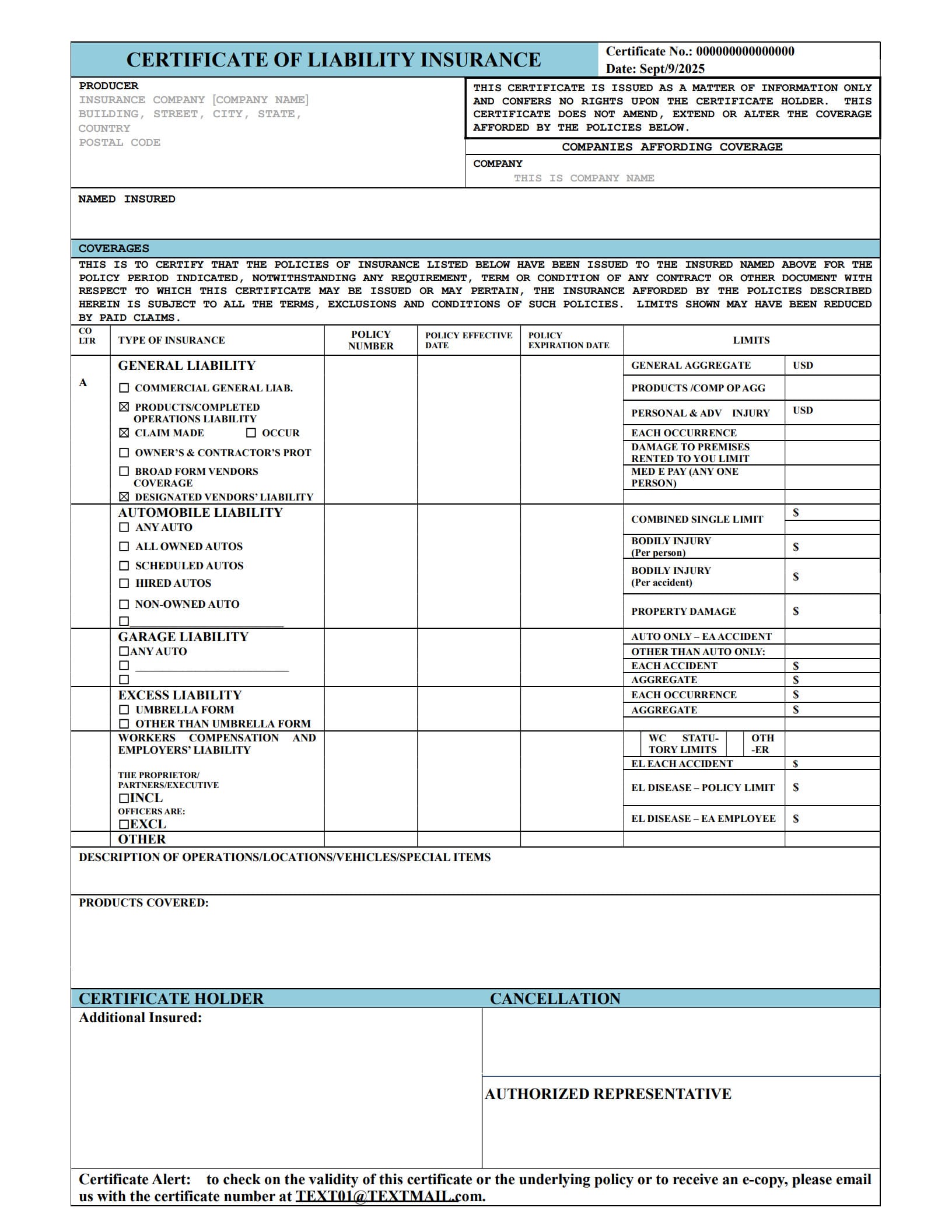
Depending on the nature of your business, different liability coverages may be relevant. Below are common types you might need to address in your template:
General Liability Insurance
Provides coverage for bodily injury, property damage, and personal injury that may occur on your premises or as a result of your operations.
Professional Liability Insurance (Errors & Omissions)
Protects against claims of negligence or inadequate performance, crucial for service‑based firms such as consulting, IT, or legal services.
Product Liability Insurance
Applicable to manufacturers and distributors; covers damages resulting from defects in products sold or distributed.
Contractual Liability Insurance
Addresses obligations required by a contract, often specifying minimum coverage limits that a subcontractor must hold.
Cyber Liability Insurance
Emerging necessity for businesses dealing with sensitive data, covering data breaches, cyber‑attacks, and associated recovery costs.
Step‑by‑Step Guide to Crafting a Custom Template

Step 1: Define Your Audience and Purpose
Determine whether the certificate is for internal use, client submission, or regulatory compliance. This informs the level of detail and specific wording required.
Step 2: Gather Essential Information
Collect insurer details, policy numbers, coverage limits, and expiration dates. Verify that these details match the actual policy documents to avoid discrepancies.
Step 3: Draft the Core Structure
Use a clean, professional layout with clear headings and bullet points. Avoid excessive jargon that could confuse non‑industry readers.
Step 4: Include a Verification Statement
Add a line such as “This certificate confirms that the policyholder is covered under the listed policy for the duration indicated.” This reinforces authenticity.
Step 5: Obtain the Signatory Authority
Have a licensed insurance agent or authorized representative sign and stamp the document. This provides legal validation and helps prevent forgery.
Step 6: Convert to PDF and Securely Store
Generate a PDF version for electronic transmission and archive it with backup copies. Use secure, password‑protected storage if sensitive information is present.
Common Pitfalls to Avoid

Inaccurate Policy Limits
Misstating coverage amounts can lead to claims being denied. Always double‑check numbers against the primary policy.
Missing Endorsements
Omissions such as additional insured clauses or waiver of subrogation riders can expose your business to unanticipated liabilities.
Outdated Expiration Dates
Submitting a certificate that has already expired undermines credibility and may be considered non‑compliant.
Improper Signatures
A signature from an unauthorized individual may invalidate the certificate. Ensure that only a licensed agent or insurer representative signs.
Real‑World Scenario: A Construction Contractor’s Tale
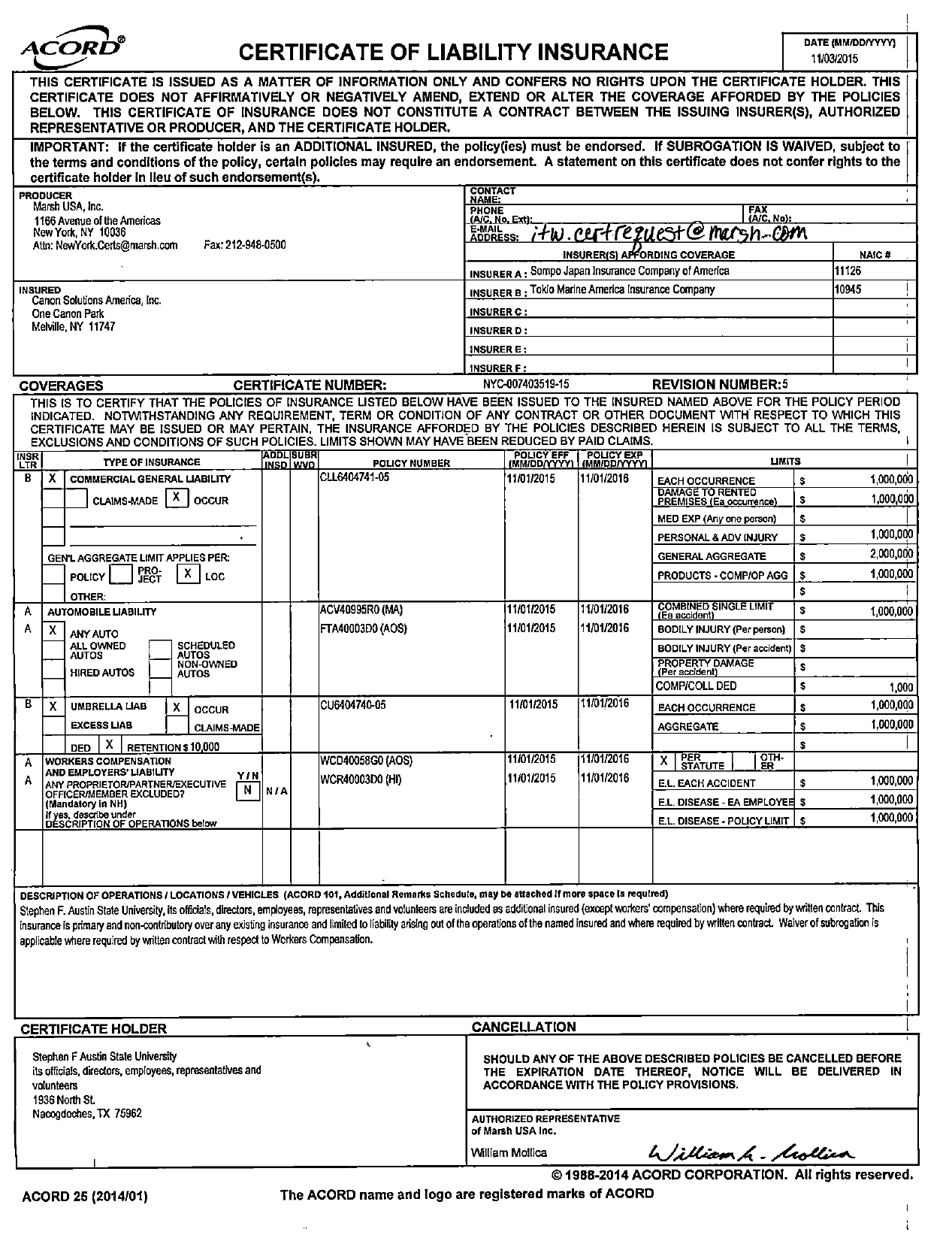
Consider a mid‑size construction firm that is awarded a municipal project. The city requires a contractor to provide a Certificate Of Liability Insurance Template demonstrating a minimum general liability limit of $1 million and workers’ compensation coverage. The contractor’s standard template includes an endorsement that names the city as an additional insured. By presenting this certificate promptly and with accurate details, the firm not only satisfies the city’s requirement but also positions itself favorably against competitors who lacked immediate proof of coverage.
When a subcontractor is brought in, the main contractor uses the same template framework, adjusting the coverage limits to reflect the subcontractor’s role. This streamlined approach reduces the risk of miscommunication and accelerates the onboarding process.
Leveraging Technology: Digital Templates and Automation
Cloud‑Based Document Management
Storing liability certificates in cloud platforms enables instant access for remote teams and clients. Features such as version control and audit trails help maintain accuracy.
Automated Renewal Reminders
Integrate renewal dates into your ERP system so that notifications trigger weeks before expiration, preventing lapses in coverage.
Electronic Signatures (e‑Signature)
Adopting e‑signature solutions speeds up the issuance process and complies with legal frameworks like ESIGN and UETA.
Integrating the Template with Your Risk Management Strategy

Periodic Audits
Schedule annual reviews to confirm that certificates remain valid and that policy limits reflect current business exposure.
Cross‑Check Against Business Expansion
If you’re opening a new office or entering a new market, assess whether existing coverage still applies or if additional policies are required.
Client‑Specific Customization
Some clients may demand specific language or additional insured clauses. Create modular sections in your template to accommodate such requests without starting from scratch each time.
Conclusion

A robust Certificate Of Liability Insurance Template is more than a formality; it is a cornerstone of risk management and professional credibility. By incorporating all essential components, selecting the correct liability coverages, following a structured creation process, and avoiding common mistakes, businesses can protect themselves and build trust with clients and regulators alike. Embrace technology to keep certificates current, accurate, and readily available. In the fast‑paced, compliance‑heavy world of modern commerce, a well‑crafted liability certificate is not optional—it’s an indispensable tool that safeguards your operations and secures your reputation.