
Car Damage Report Template is the silent sentinel that separates chaos from clarity when a collision turns an ordinary day into a paperwork nightmare, and it deserves a place in every driver’s emergency arsenal.
Why a Car Damage Report Template Matters
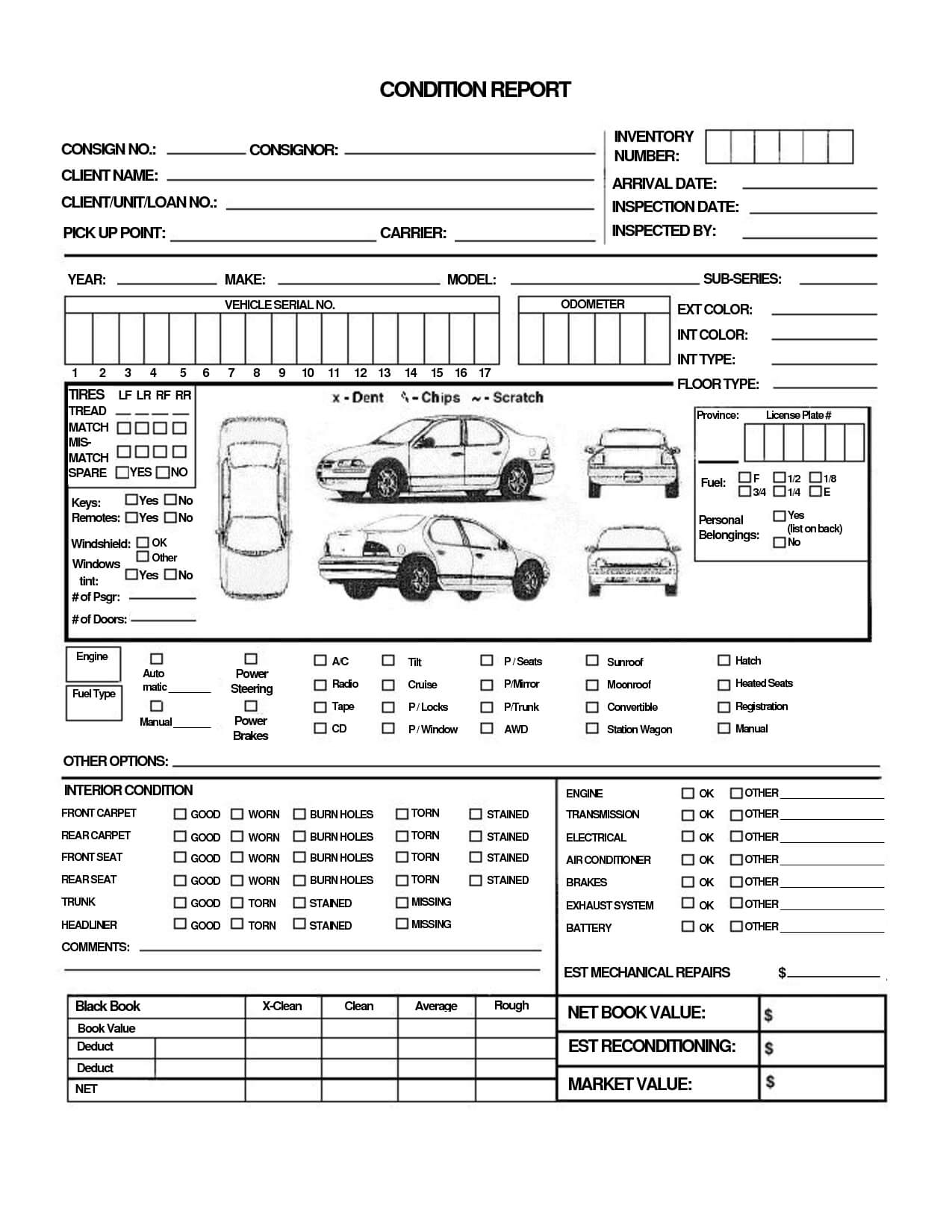
When steel meets steel, the aftermath isn’t just dents and scratches; it’s a flood of details that insurance adjusters, police officers, and repair shops demand with razor‑sharp precision. A well‑crafted template captures those details before they dissolve into memory, providing a structured narrative that can make or break a claim. The stakes are high: a missed photo, an omitted VIN, or a vague description can delay reimbursement, inflate out‑of‑pocket costs, or even lead to a claim denial. By using a dedicated report form, you eliminate guesswork, demonstrate professionalism, and establish an audit trail that protects you from disputes.
Beyond the immediate claim, the template becomes a reference for future maintenance, resale, or legal proceedings. When you have a documented history of damage and repairs, you can negotiate better resale prices, verify the authenticity of repair work, and safeguard yourself should a liability case arise. In short, the template is the backbone of accountability for every stakeholder involved.
Core Elements of an Effective Template
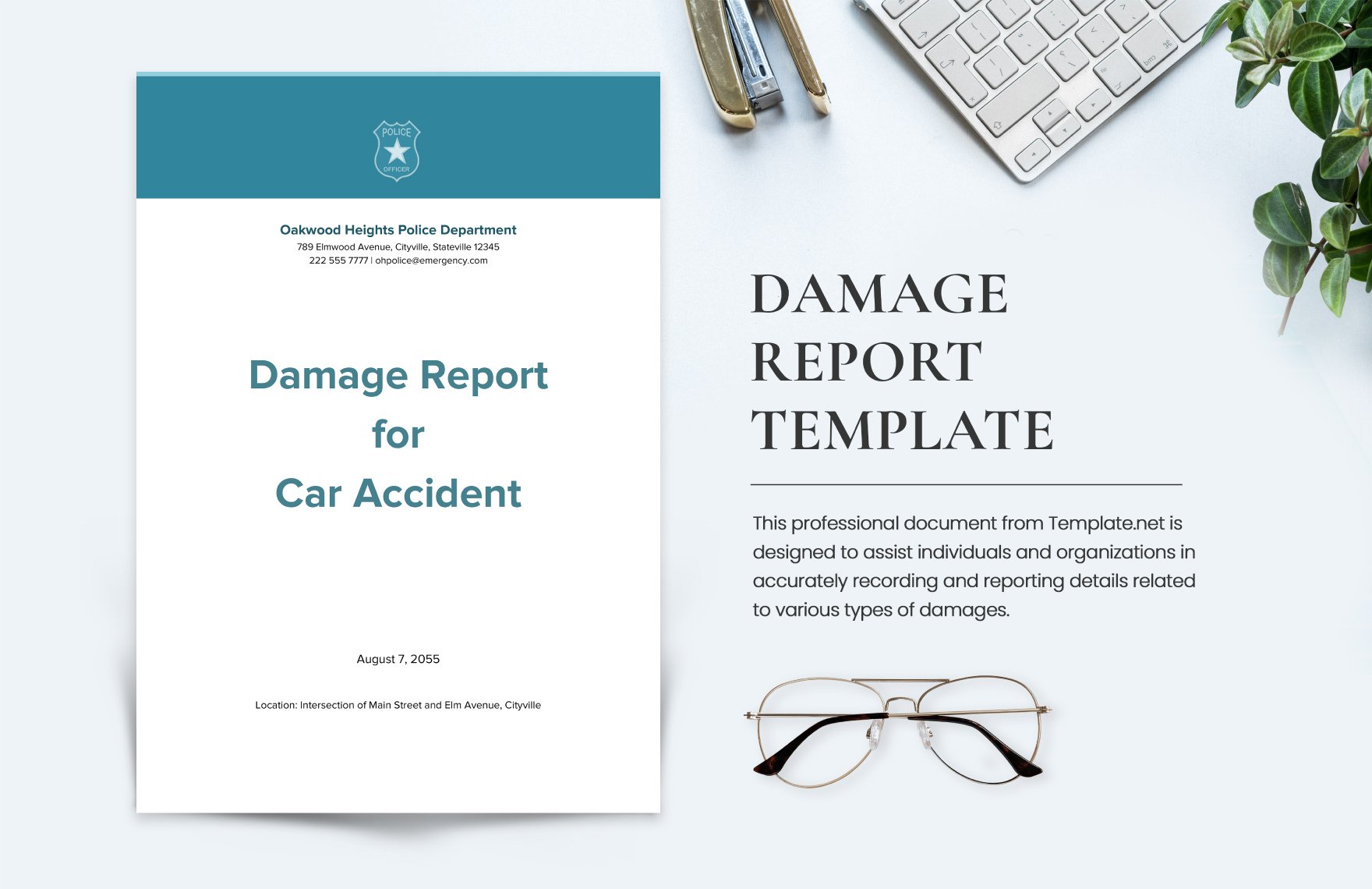
Not all templates are created equal. The most functional versions share a set of critical components that together form a comprehensive snapshot of the incident.
Vehicle Identification Data
Start with the basics: make, model, year, license plate, and VIN. Include a separate line for any secondary vehicles or trailers, as well as the precise location (street, city, state, and GPS coordinates if possible). This data anchors the report to a specific asset, eliminating any ambiguity later.
Incident Chronology
Chronological clarity is vital. Record the date, exact time (down to the minute), and a step‑by‑step narrative of the events agitates. Use active verbs—“braked,” “swerved,” “collided”—to convey a clear picture. A timeline not only helps adjusters understand causality but also builds credibility when you recount the incident to law enforcement.
Damage Documentation
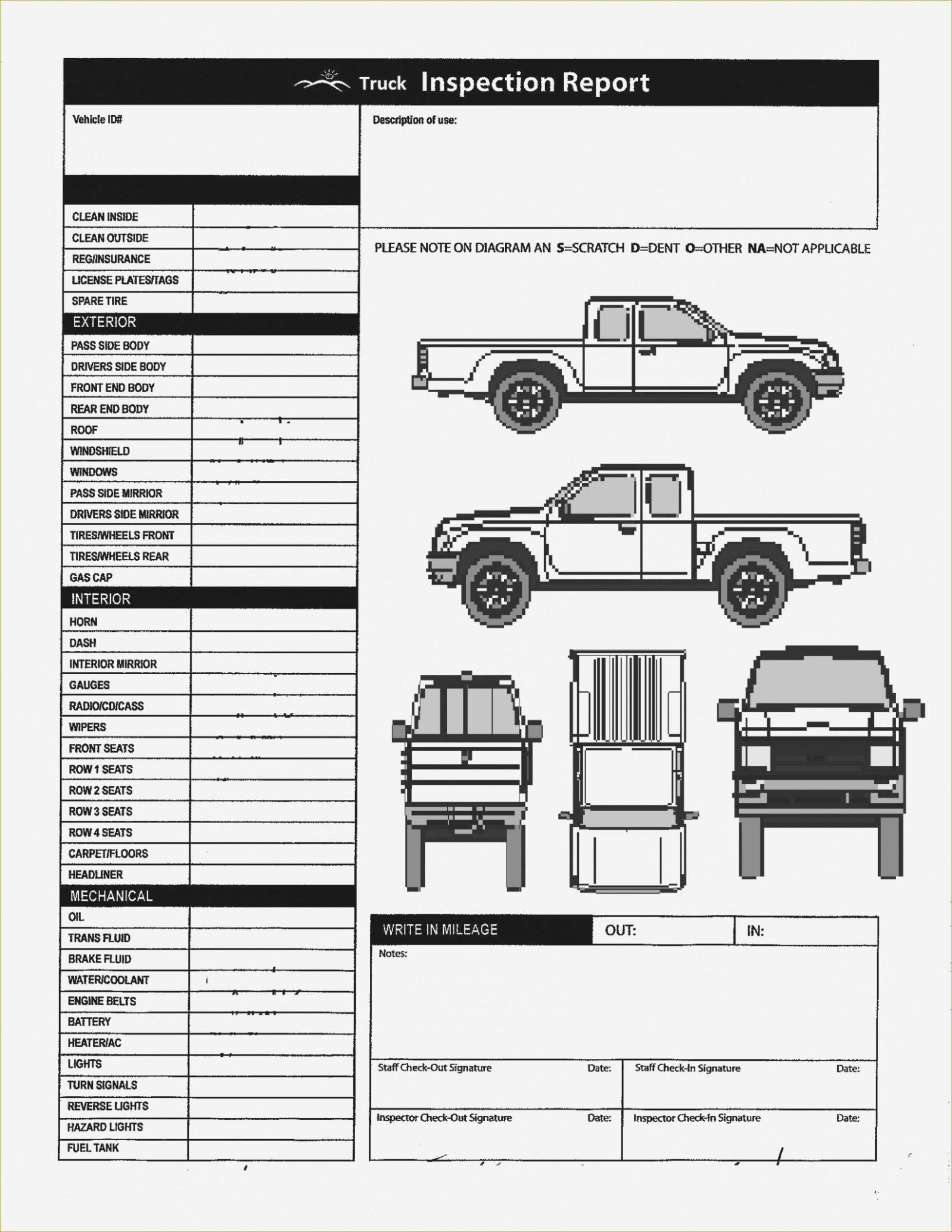
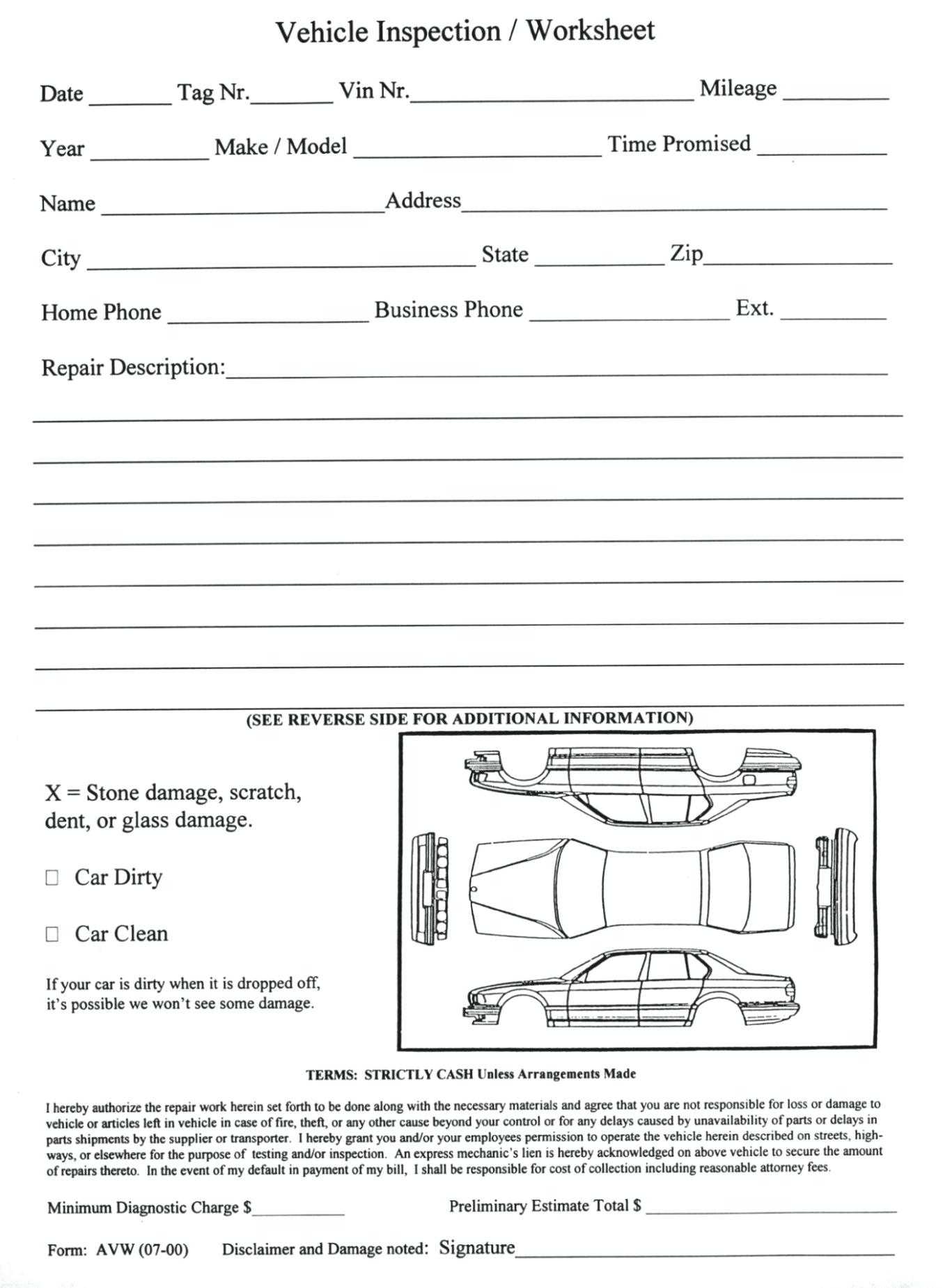
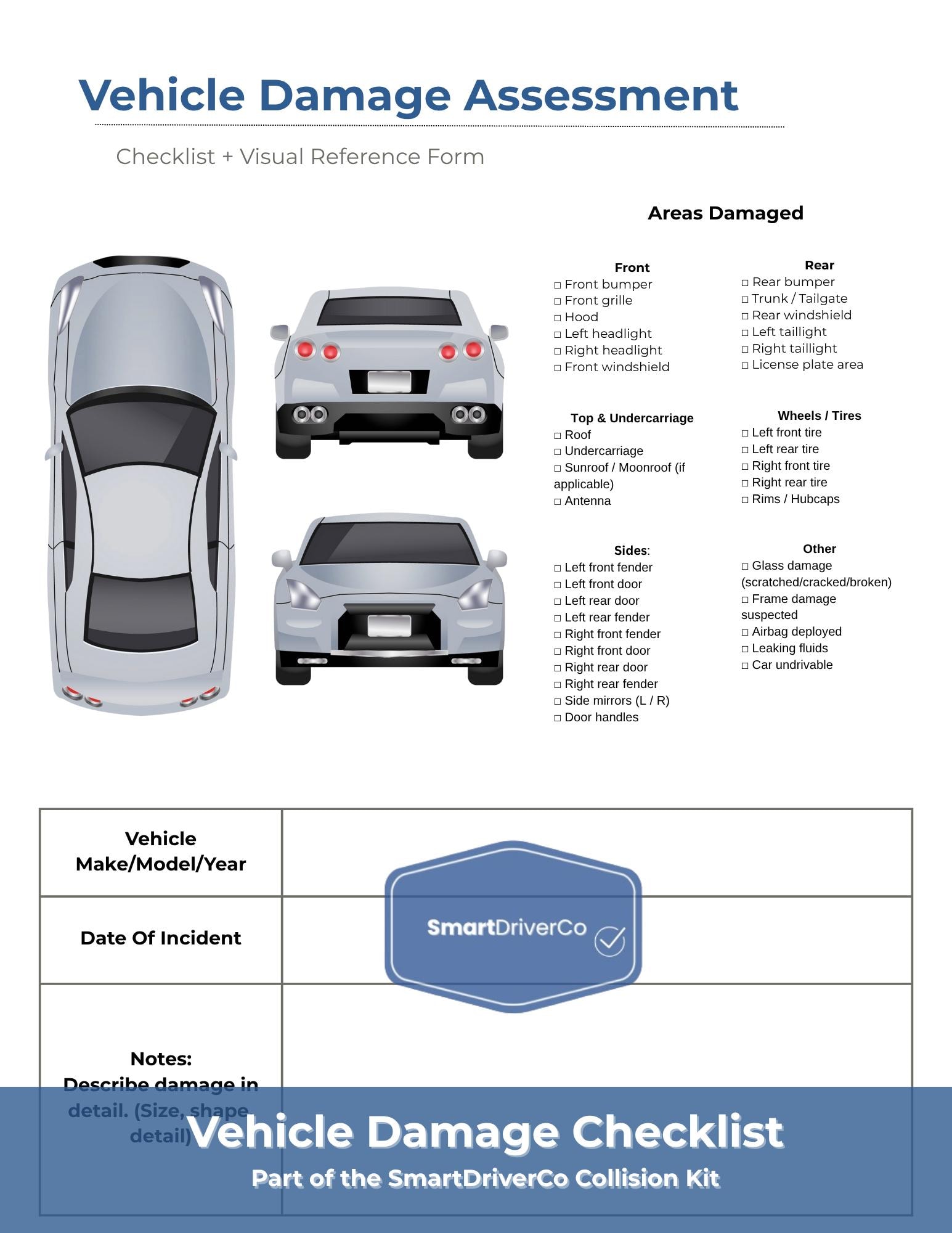
Detail every dent, scratch, structural deformation, and hidden damage (like suspension or frame issues). Use a standardized grading scale (e.g., minor, moderate, severe) and note the exact location on the vehicle (driver’s door, front bumper, rear axle). Include spaces for high‑resolution photographs taken from multiple angles; a visual reference often outweighs a thousand words.
Witness and Third‑Party Information
Collect names, contact numbers, and statements from any witnesses, passengers, or other drivers. Even a single impartial observation can tip the scales in your favor when fault is contested. If a police report was filed, note the report number and the officer’s badge number for cross‑reference.
Pre‑Existing Conditions
Declare any prior damage or repairs that could be mistakenly attributed to the current incident. This prevents insurers from “double‑dipping” or disputing the new claim on the basis that the damage is pre‑existing.
Insurance and Claim Details
List the policy number, claim number (once assigned), and the insurer’s contact person. Include a checklist of required documents (e.g., driver’s license copy, registration, proof of insurance) to streamline the submission process.
Signature and Date
A signed and dated report locks the information in time, providing legal weight. Ensure the signature line is clearly marked for you, any co‑driver, and the insurance adjuster if they review the form on site.
Step‑By‑Step Guide to Filling Out the Report

Even the most detailed template can become a liability if completed haphazardly. Follow this disciplined workflow to maximize the report’s effectiveness.
1. Secure the Scene and Gather Evidence
Before you open the template, prioritize safety. Move vehicles out of traffic if possible, turn on hazard lights, and call emergency services if anyone is injured. Once the scene is secured, photograph the overall accident layout, then focus on individual vehicles, road conditions, signage, and any relevant skid marks. Capture wide‑angle shots for context and close‑ups for detail—metadata such as timestamps can be extracted later to prove the sequence of events.
2. Populate the Identification Section
Pull your registration and insurance card to transcribe the VIN, license plate, and policy details accurately. Double‑check each alphanumeric character; a single typo can send the entire claim to a dead end.
3. Document the Chronology
Write the timeline in a bullet‑point format within the template’s narrative box. Begin with the moment you entered the roadway, note any sudden maneuvers, and end with the final stop. Keep the language factual—avoid speculation about another driver’s intent.
4. Assess and Record Damage
Walk around the vehicle and note every imperfection, even the superficial ones. Use the grading scale provided and annotate the corresponding diagram (if the template includes a body outline). Immediately attach the photographs you took; label them with the same damage code to maintain a direct link between visual evidence and written description.
5. Capture Witness Statements
Ask each witness for a written statement, even if it’s a brief paragraph. Include their contact information, relationship to the incident, and whether they are willing to be contacted later. If possible, have them sign their statements to authenticate them.
6. Review for Pre‑Existing Conditions
Look over previous repair receipts or inspection reports to confirm whether any of the noted damage predates the accident. Mark these clearly on the form to avoid future disputes.
7. Assemble the Insurance Packet
Gather all required documents—driver’s license copy, registration, insurance card, police report, repair estimates, and the filled‑out template. Arrange them in the order specified by your insurer’s claim checklist. This systematic approach reduces back‑and‑forth communication and speeds up the payout.
8. Sign, Date, and Submit
Place your signature and the date in the designated area. If an adjuster is present, ask them to initial the form to confirm receipt. Submit the packet via the insurer’s preferred channel—online portal, email, or certified mail—keeping a copy for your records.
Common Mistakes to Avoid
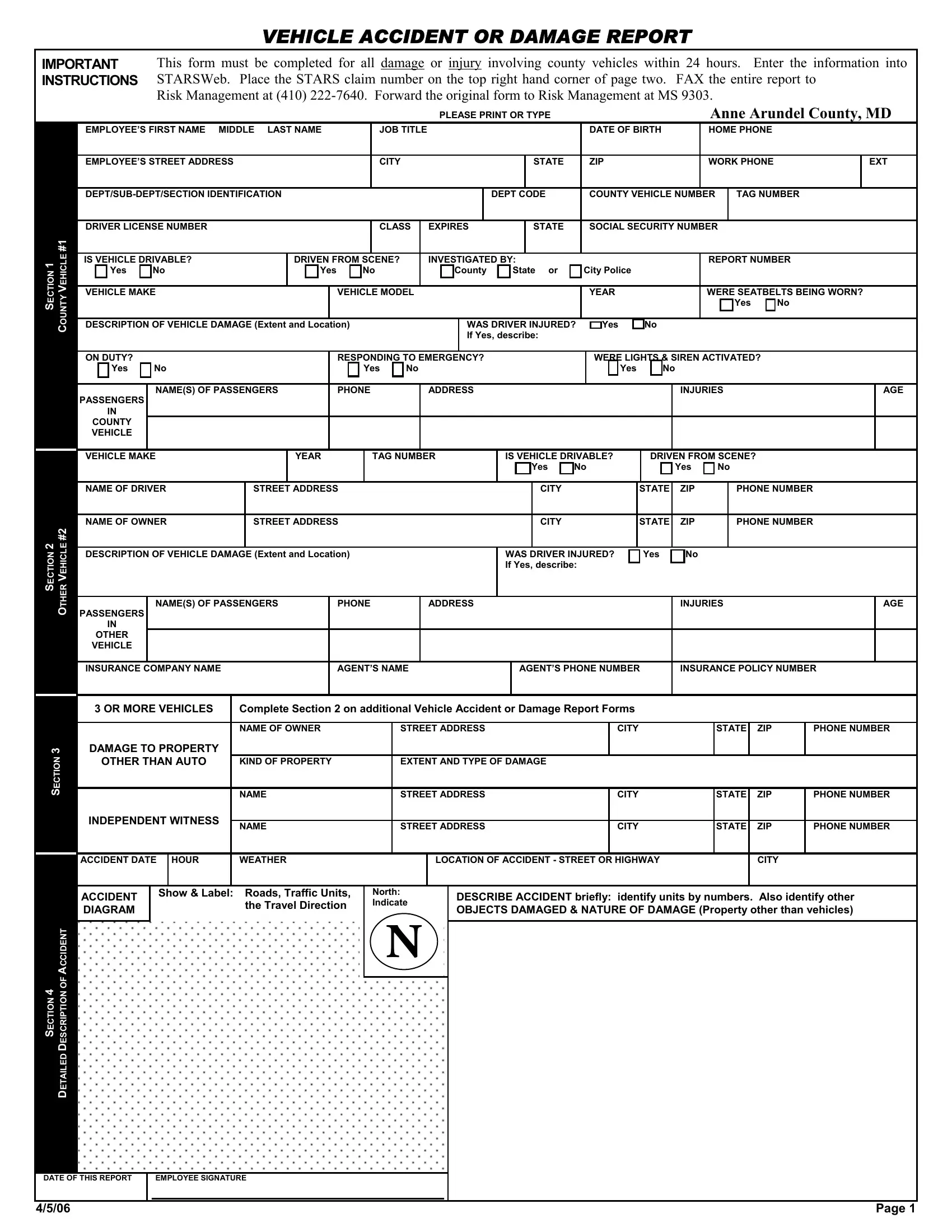
Even seasoned drivers stumble when emotions run high. Recognizing and steering clear of typical errors can preserve the integrity of your report.
Omitting Photographic Evidence
Written descriptions are valuable, but a photo can instantly validate the extent of damage. Skipping images invites skepticism and often leads to lower settlement offers.
Leaving Sections Blank
Every field in the template is a question the insurer will ask. Blank spaces are interpreted as missing information, prompting follow‑up requests that stall the claim timeline.
Using Ambiguous Language
Terms like “a bit dented” or “looks bad” are subjective and open to interpretation. Stick to objective measurements—centimeters, degrees of severity, or standardized codes.
Failing to Record Time Stamps
Time is a critical factor in liability determinations. Without a precise time, the sequence of events can be contested, especially when multiple parties claim different timelines.
Neglecting Pre‑Existing Damage Disclosure
Attempting to hide prior repairs can backfire dramatically. If the insurer discovers undisclosed damage, they may deny the claim entirely or label you a fraudster.
Submitting an Incomplete Claim Package
Missing a single document—such as a copy of your driver’s license—can cause the insurer to issue a request for information (RFI), adding weeks to the payout process.
How to Leverage the Report for Insurance Claims

The report’s true power is realized when it becomes the centerpiece of a well‑orchestrated claim. Here’s how to wield it effectively.
Present a Cohesive Narrative
Insurance adjusters skim through dozens of claims daily. A cleanly organized template—paired with chronological notes and visual proof—creates a storyline that’s easy to follow, increasing the likelihood of a swift, favorable settlement.
Negotiate with Data‑Backed Confidence
When the insurer proposes a payout, reference specific sections of your report—damage codes, photographic IDs, and repair estimates—to justify the amount you’re seeking. Data‑driven arguments carry more weight than vague pleas.
Utilize the Template for Multiple Claims
If the incident involves multiple parties, you can adapt the same template for each claim, adjusting the sections that pertain to the other driver’s vehicle. This consistency demonstrates thoroughness and reduces duplication of effort.
Maintain a Digital Archive
Save a PDF version of the completed template, along with all supporting photos and documents, in a cloud‑based folder. This ensures you have instant access for future reference, whether you need to dispute a settlement, prove a repair history, or provide evidence for a legal case.
Customizing the Template for Your Needs

While standard templates cover the essentials, you can tailor them to suit specific scenarios, such as rideshare accidents, fleet vehicle management, or high‑value classic car collisions.
Rideshare Adaptations
Include fields for the rideshare app’s trip ID, driver’s rating at the time of the incident, and a separate section for passenger injuries. This extra data aligns with rideshare insurance policies, which often differ from personal coverage.
Fleet Management Enhancements
For businesses, embed columns that track vehicle mileage, scheduled maintenance dates, and assigned driver IDs. This integration helps fleet managers monitor asset depreciation and schedule preventive maintenance after an incident.
Classic and Collector Vehicles
High‑value automobiles demand a higher resolution of detail. Add sections for VIN verification against historic registries, restoration documentation, and an appraisal estimate from a certified appraiser. Insurance companies handling collector cars typically require such depth before approving a claim.
Where to Find Reliable Templates
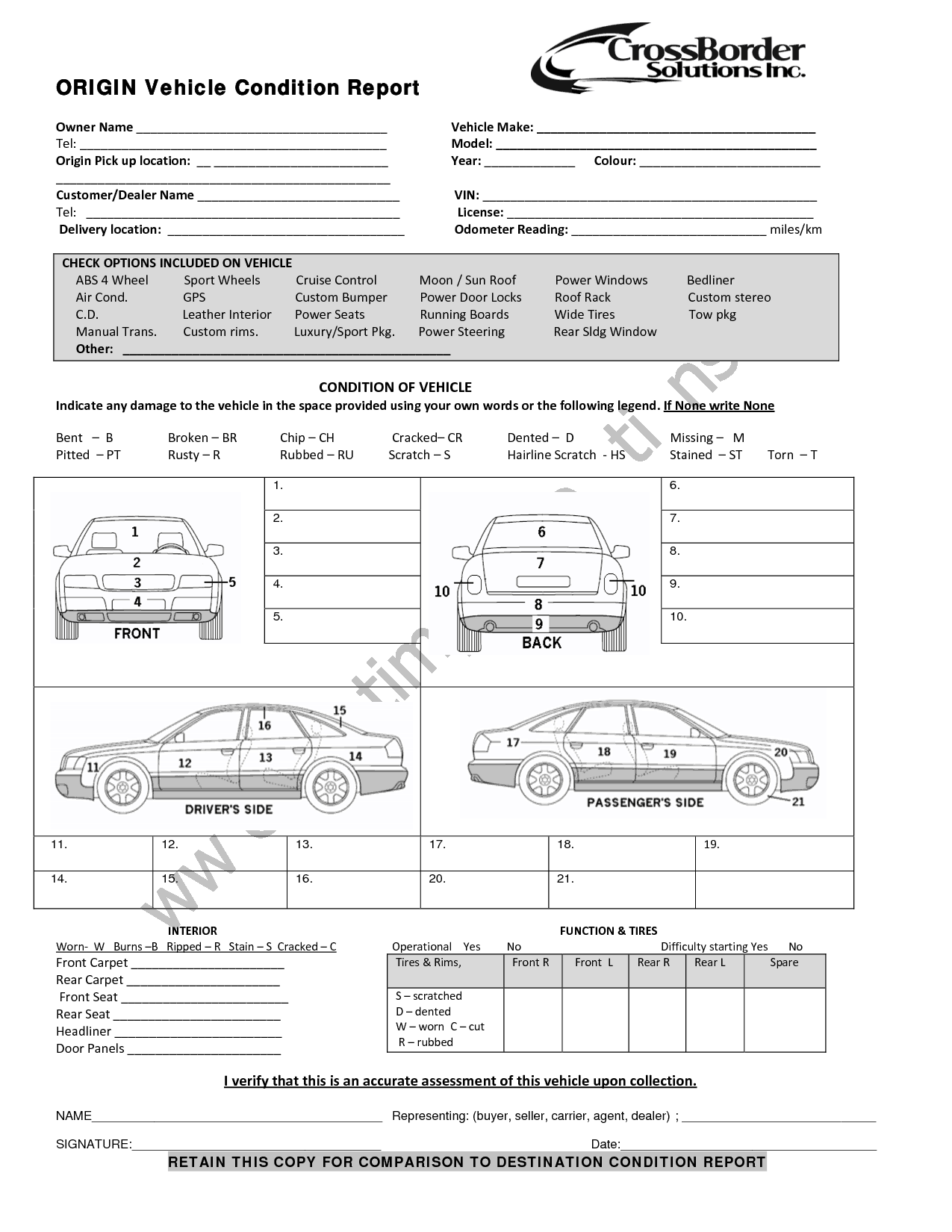
Although you can create a report from scratch, starting with a proven template saves time and ensures you cover all critical boxes. Look for resources that provide:
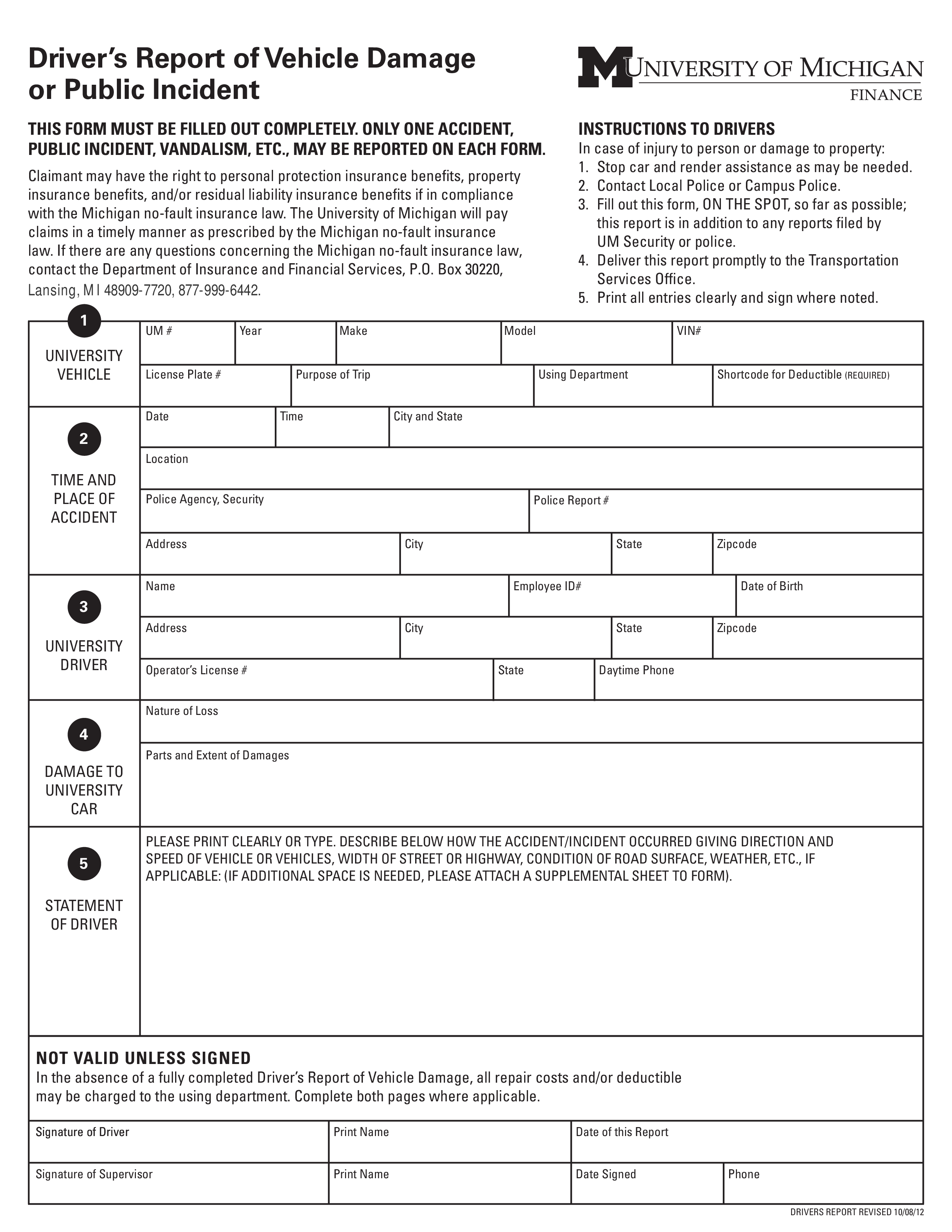
- A printable PDF layout with clearly labeled sections.
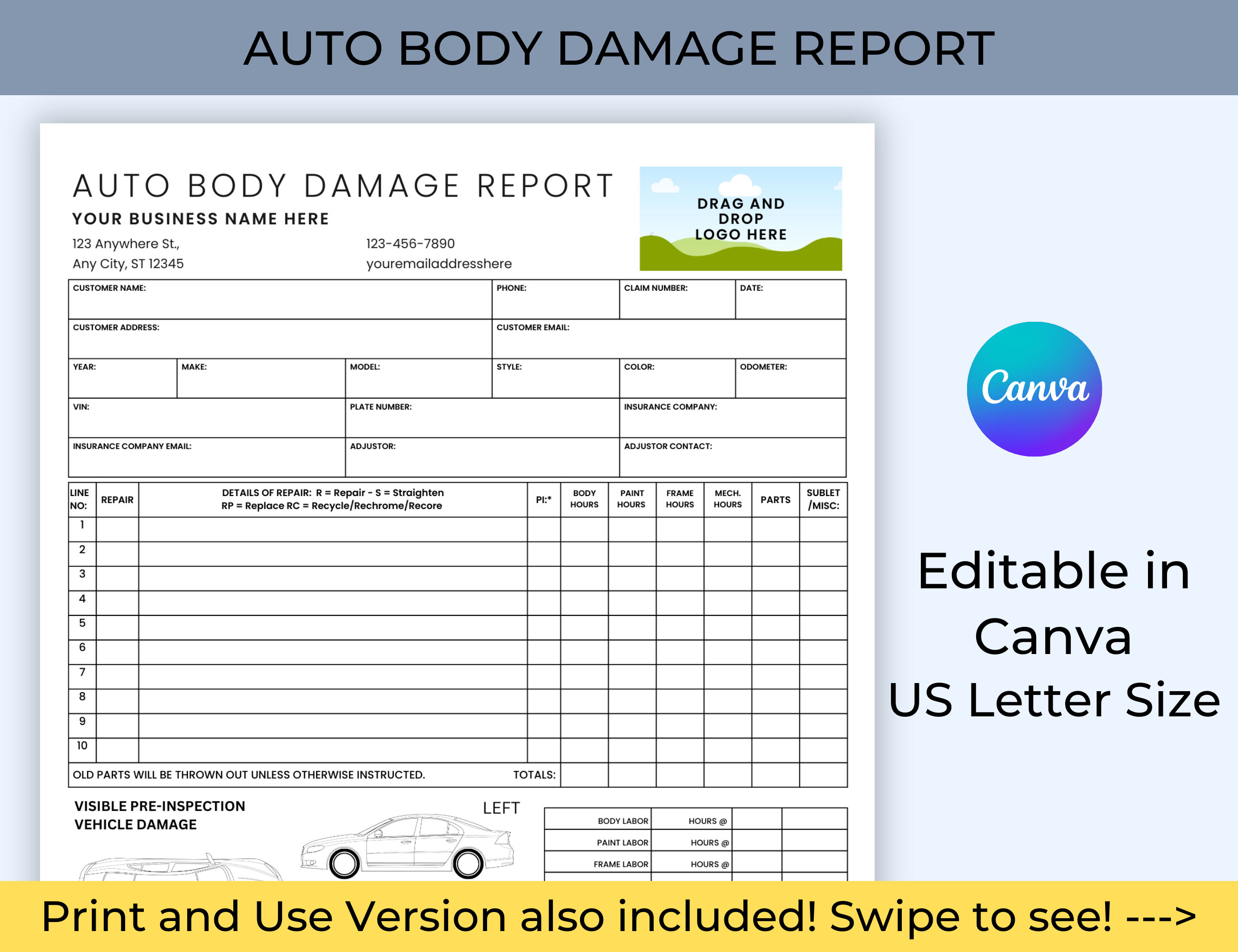
- Editable digital formats (e.g., Word or fillable PDF) for on‑the‑go completion.
- Pre‑designed vehicle diagrams for annotating damage locations.
- Built‑in checklists that align with major U.S. insurers’ claim requirements.
Many industry associations, insurance agencies, and reputable automotive websites offer free downloads that meet these criteria. Opt for templates that are regularly updated to reflect current regulatory changes and insurance best practices.
Final Thoughts

In the chaotic moments after a collision, a Car Damage Report Template transforms a scattered mess of facts into a coherent, actionable document that can dictate the financial outcome of your claim. By mastering the essential elements, following a disciplined completion process, avoiding common pitfalls, and customizing the form for your specific context, you empower yourself with the evidence needed to navigate the insurance labyrinth confidently. A thorough, well‑organized report doesn’t just expedite payouts; it shields you from disputes, preserves your vehicle’s value, and, ultimately, gives you a measure of control in an otherwise unpredictable situation. Keep a printed copy in your glove compartment and a digital version on your phone—when the unexpected strikes, you’ll be ready to turn the tide in your favor.





Related posts of "Car Damage Report Template"
