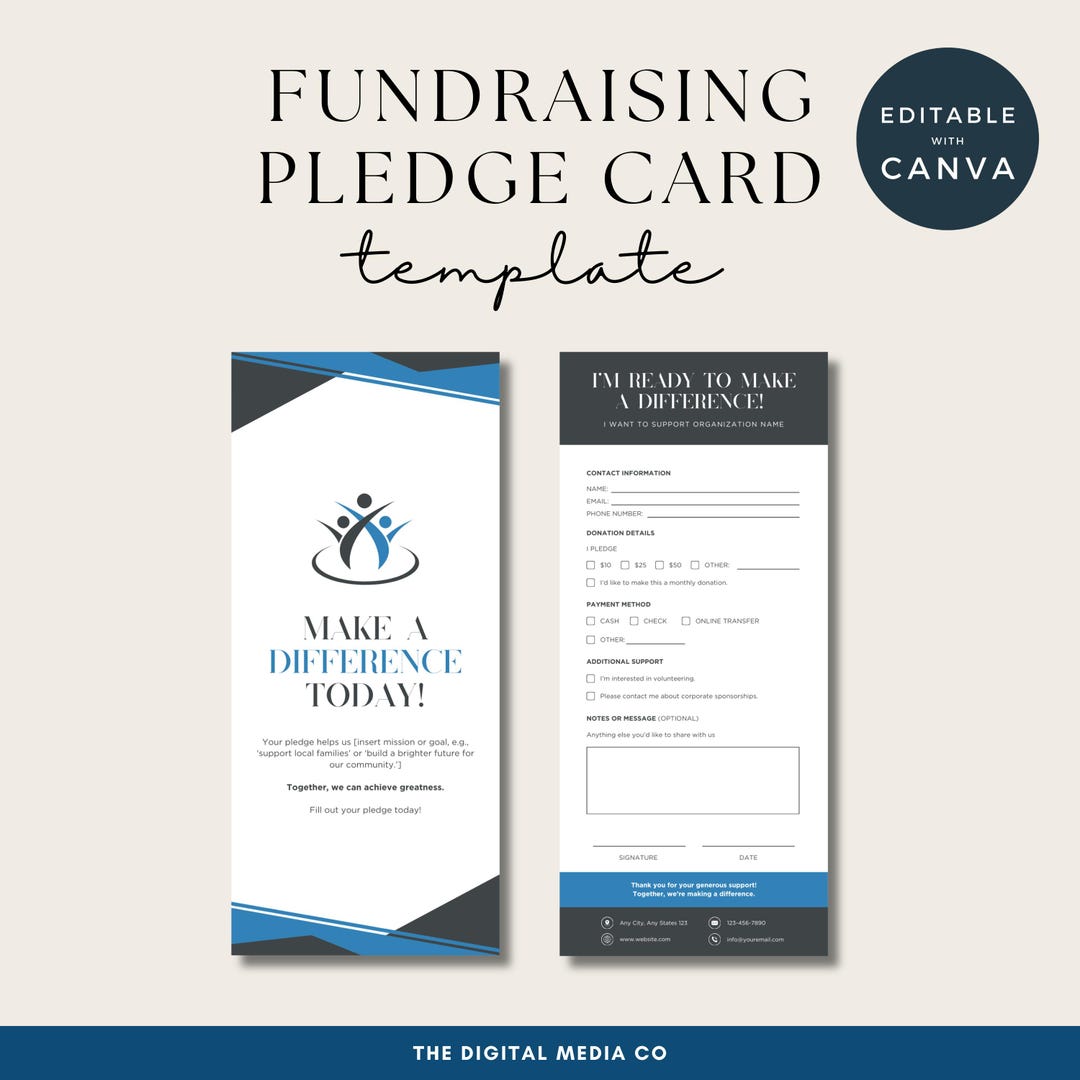
Building Fund Pledge Card Template is a powerful tool for founders, nonprofits, and community groups looking to streamline their fundraising process. By presenting a clean, customizable format, it turns a simple pledge into a compelling call to action that boosts donor engagement, simplifies record keeping, and drives measurable results. Whether you’re hosting a charity run, a school fundraiser, or a startup launch, a well‑crafted pledge card template can become the cornerstone of your campaign’s success.
What Is a Building Fund Pledge Card?
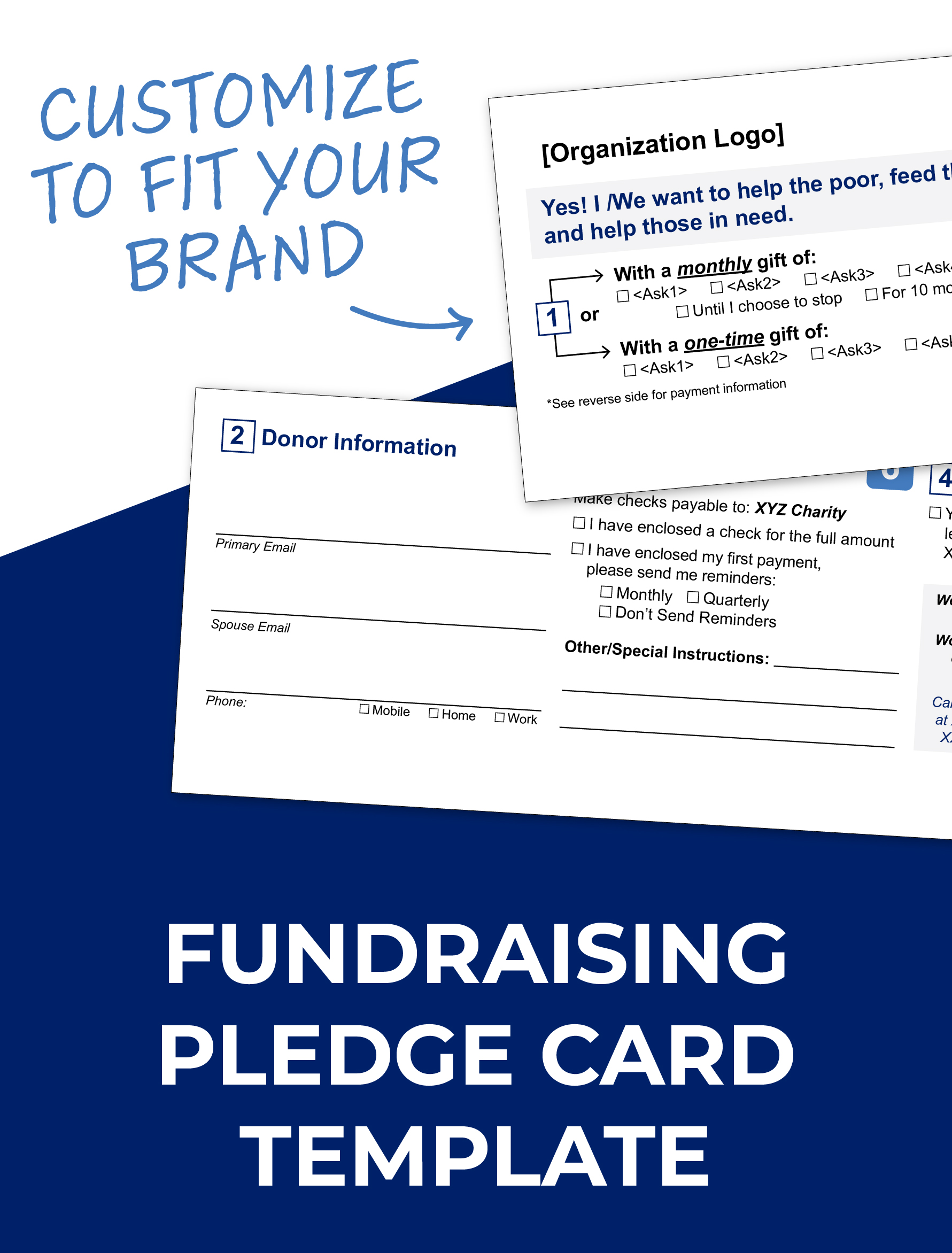
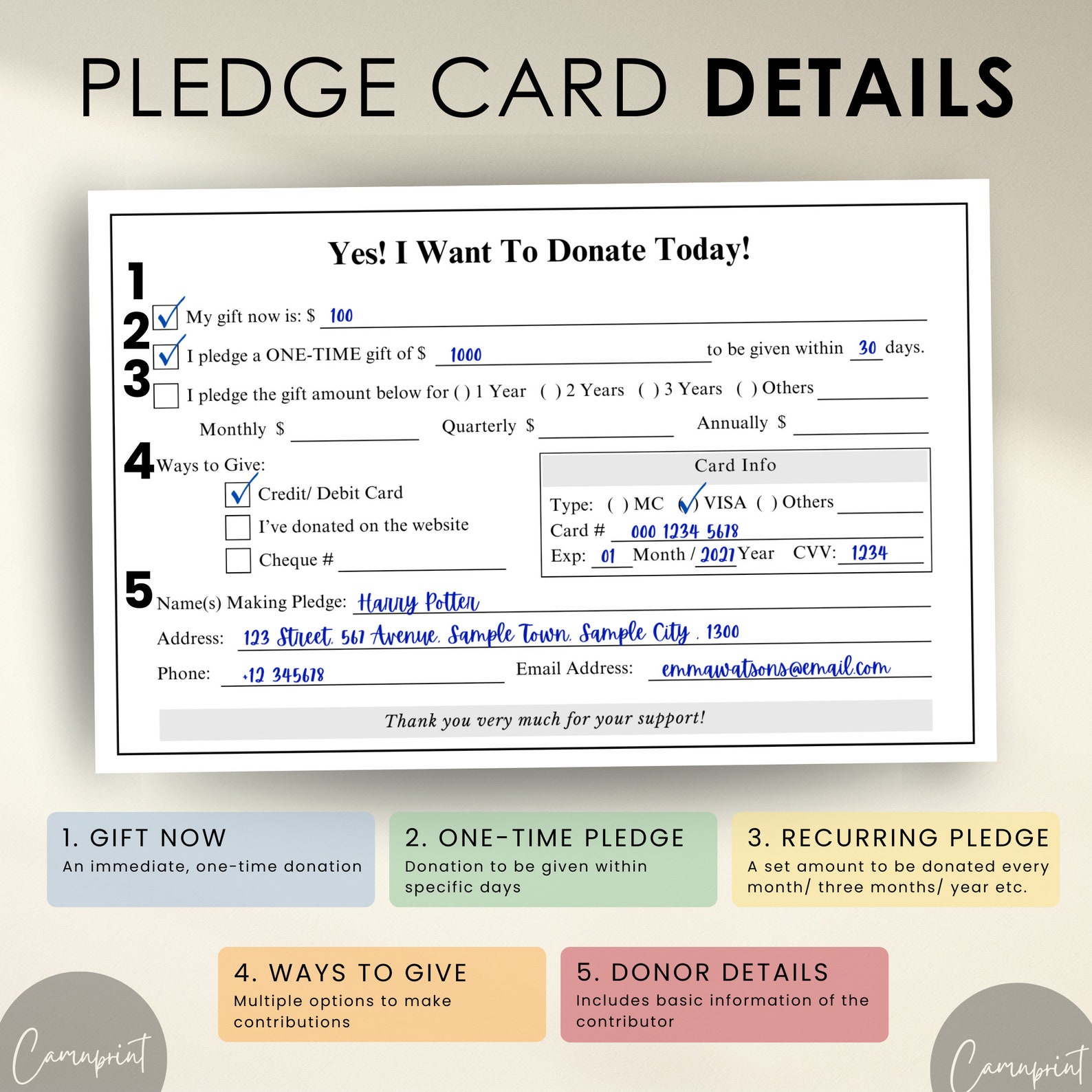
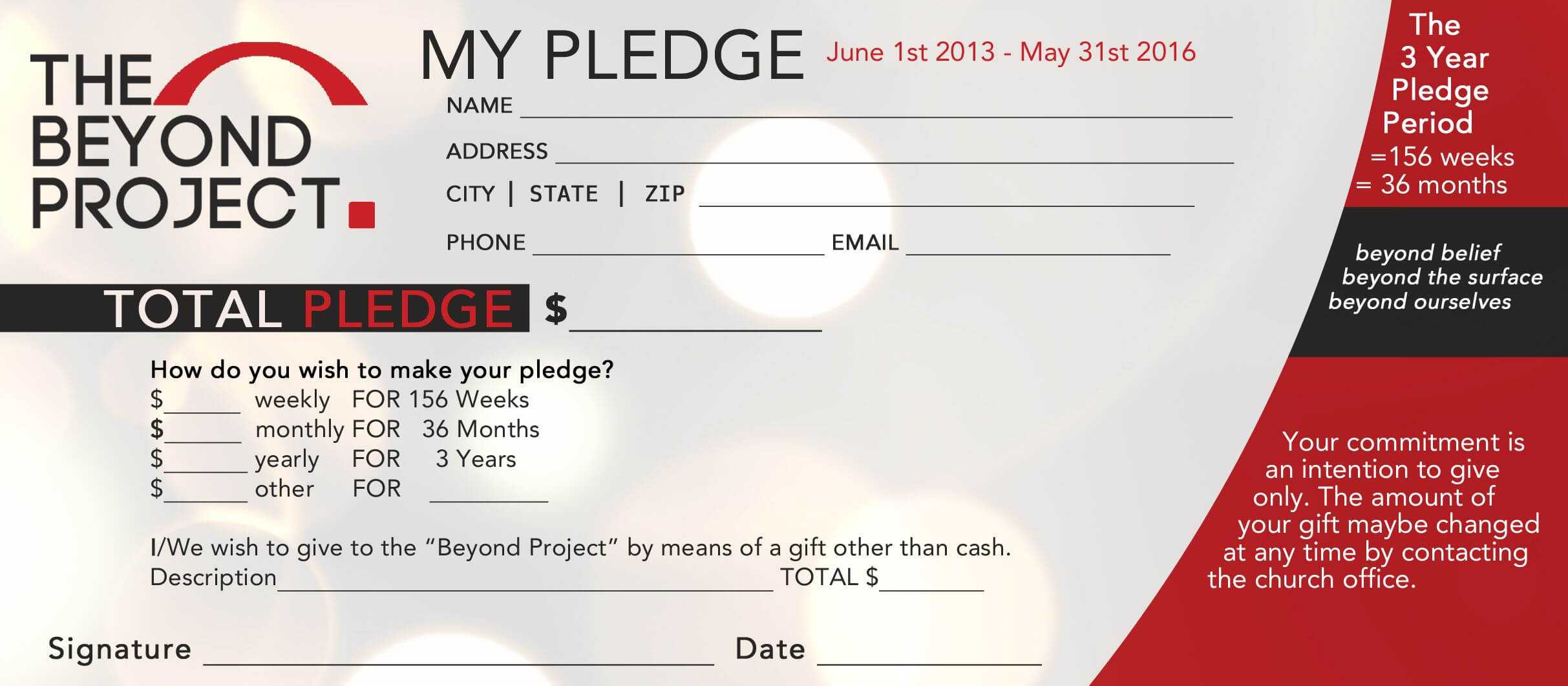
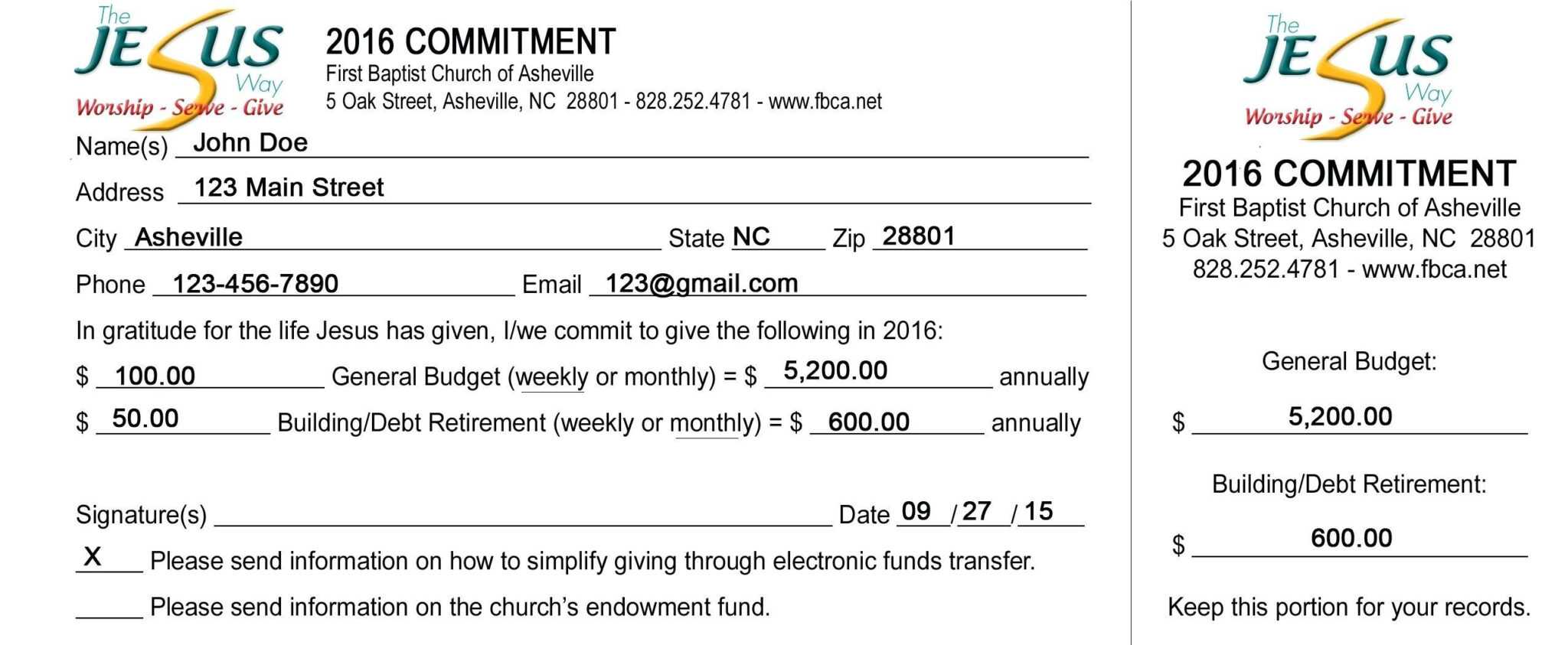
A pledge card is a document that captures a donor’s commitment to support a specific project or organization. In a “Building Fund” context, it often refers to a structured approach where contributors commit to a series of payments over time, helping to finance construction, renovation, or capital projects. The template serves as a repeatable, branded form that can be distributed online or in person, allowing supporters to easily specify the amount, frequency, and payment method.
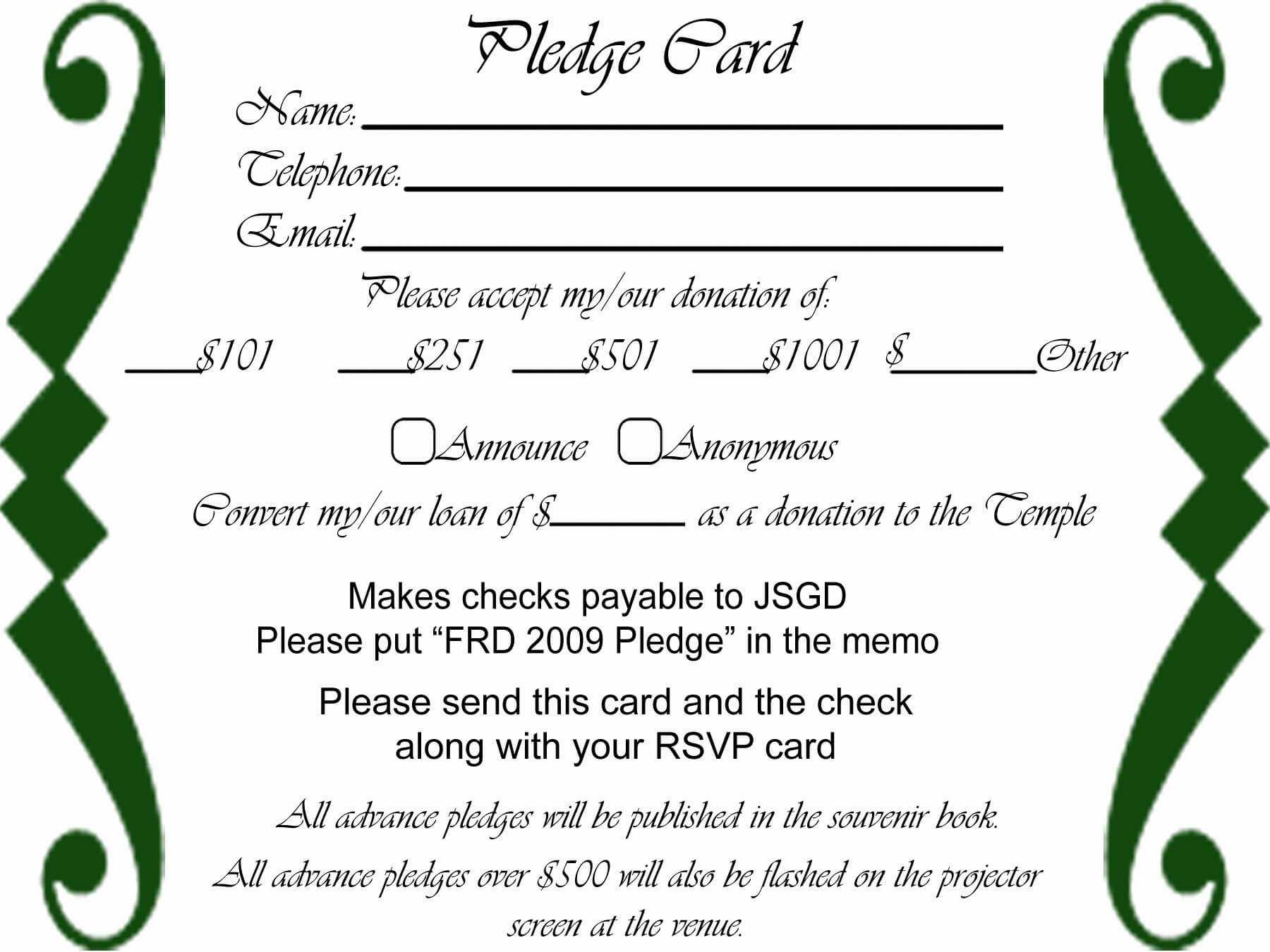
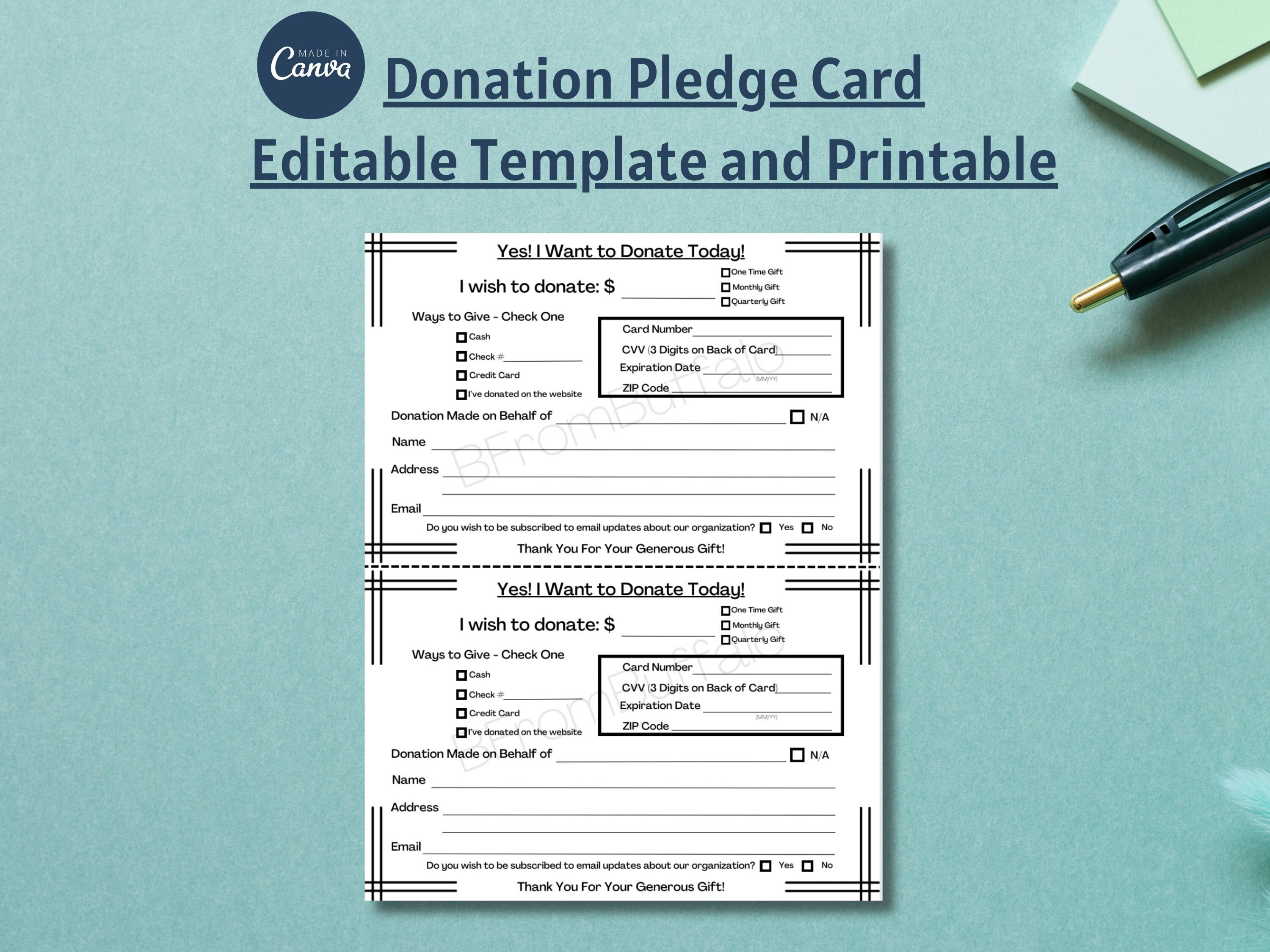
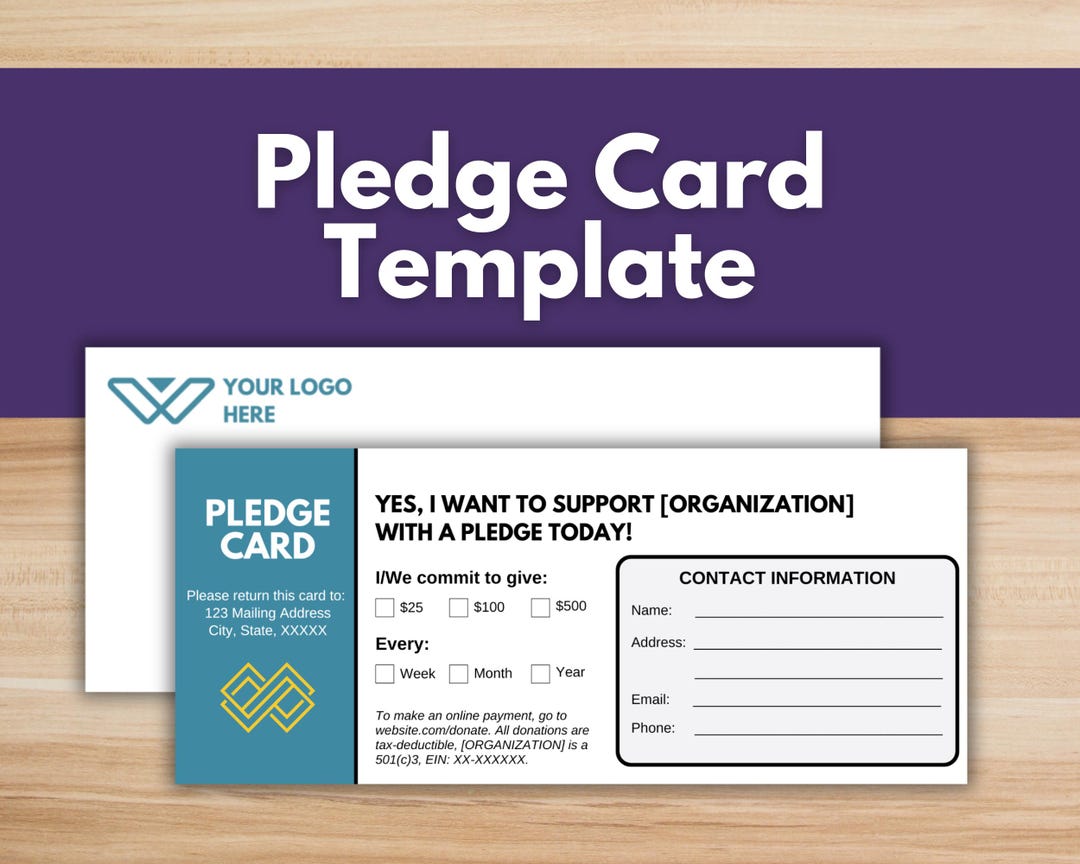
Typical Elements on a Pledge Card
- Organization branding – logo, colors, and tagline to reinforce identity.
- Project description – brief details of what the funds will build.
- Personal information fields – name, contact, and address.
- Pledge amount and schedule – options for one‑time or installment payments.
- Payment method options – check, credit card, or bank transfer instructions.
- Signature line – legal confirmation of commitment.
- Thank you note – expresses gratitude and reinforces the impact of the pledge.
Why Use a Pledge Card Template?
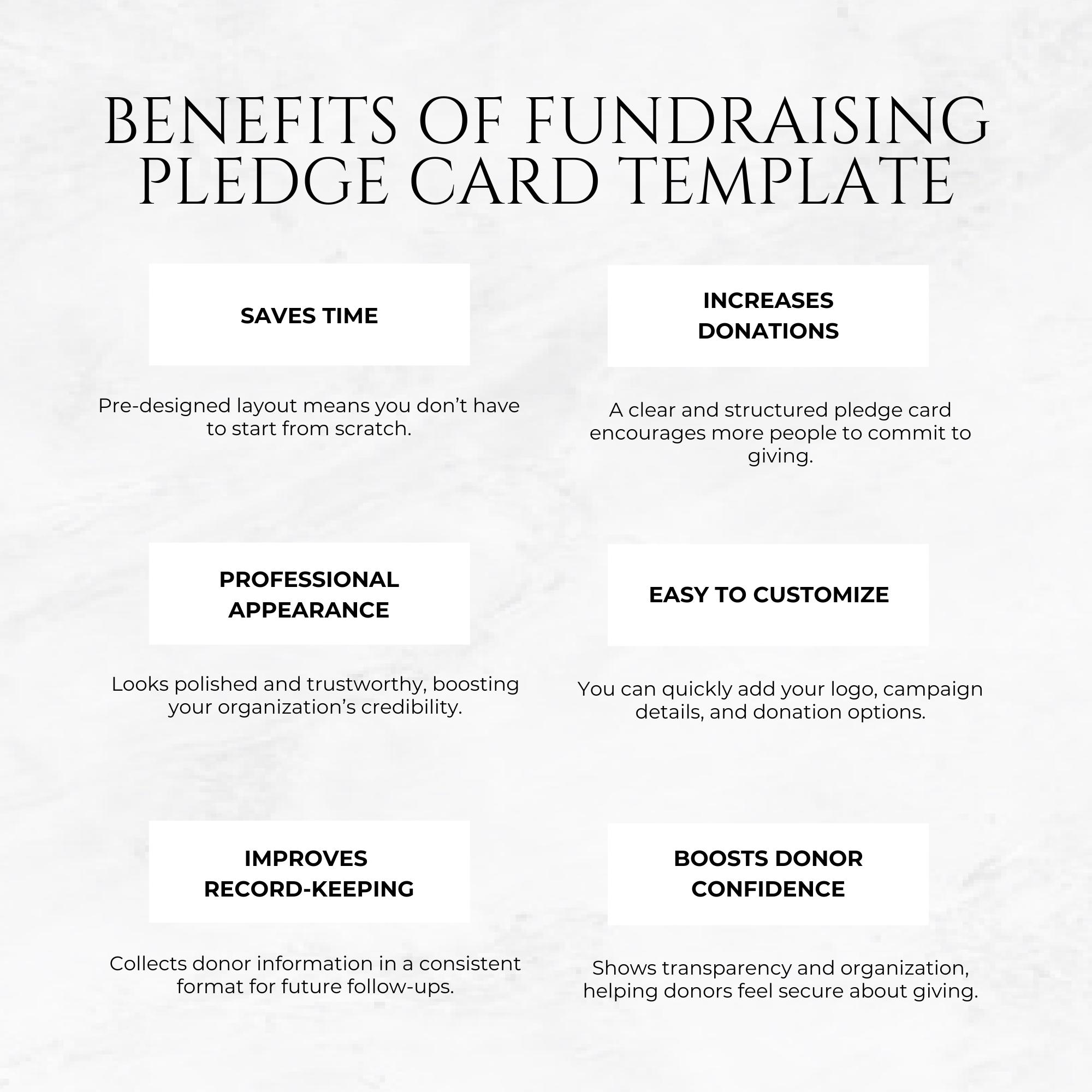
Adopting a template offers several strategic advantages:
- Consistency – ensures every pledge looks professional and aligns with brand guidelines.
- Efficiency – reduces drafting time and eliminates errors that arise from manual creation.
- Data Accuracy – standardized fields help in automating data capture for future reporting.
- Scalability – you can duplicate and adapt the template for multiple campaigns without starting from scratch.
Designing an Effective Template

Crafting a template that resonates requires balancing aesthetics and functionality. Below are key design considerations that can elevate your pledge card’s impact.
1. Visual Hierarchy
Use font sizes, weight, and spacing to guide the reader’s eye from the headline to the call‑to‑action. The most critical information—project name and pledge amount—should stand out.
2. Readable Layout
Employ a clean grid with ample white space. Avoid cluttering the card with excessive text or images. A single column layout often works best for printed versions, while a two‑column split can accommodate online forms.
3. Brand Integration
Incorporate your organization’s colors, logo, and typography consistently across all pages. A cohesive visual identity builds trust and recall among donors.
4. Accessibility
Use high‑contrast text, legible fonts (size 11–12 pt for body), and include alt text for images if the card is digital. This ensures that the pledge card can be completed by people with visual impairments.
5. Call‑to‑Action Clarity
Clearly state what the donor is committing to. Instead of “I pledge to support,” use “I pledge to contribute $X toward the new community center.” This removes ambiguity and reinforces intent.
Customizing Your Pledge Card

Every project has unique needs. Customization allows the template to reflect your specific goals without compromising the core structure.
Adding Project-Specific Details
Include a short paragraph describing the building’s purpose, timeline, and the community benefits it will deliver. For example:
“Your pledge will fund the construction of a new elementary school in the heart of Springfield, providing state‑of‑the‑art classrooms and a modern science lab for the next generation.”
Flexible Payment Options
Offer multiple pledge amounts or payment frequencies. A simple table can illustrate the options:
- $500 one‑time pledge
- $100/month for 12 months
- $250/quarter for 4 quarters
Digital Integration
If you’re using an online platform, convert the template into an interactive form with radio buttons and auto‑calculations. This reduces manual entry errors and speeds up the donation process.
Common Mistakes to Avoid

Even well‑planned templates can fall short if they contain careless errors or lack essential elements. Pay attention to these pitfalls:
- Missing signature fields – Without a signature, pledges may be considered non‑binding.
- Confusing terminology – Use plain language; avoid jargon like “installment” if your audience may not know what it means.
- Overlooking tax information – Include a statement about tax deductions if applicable.
- No contact details – Don’t leave the contact section blank; this prevents follow‑up opportunities.
Real‑World Examples
To illustrate effective use, let’s examine two successful campaigns that leveraged pledge card templates.
Case Study 1: Community Library Expansion
The city of Oakville used a pledge card template that highlighted each funding milestone: “Phase 1 – Construction ($50k), Phase 2 – Furnishing ($20k).” By segmenting the build, donors felt a tangible connection to progress and were more willing to commit recurring payments. After six months, the campaign raised 120% of its goal.
Case Study 2: Startup Incubator Construction
A tech incubator in Seattle offered a “Build‑Your‑Own” pledge card where founders could choose to fund specific rooms or amenities. The flexibility increased engagement from multiple stakeholders—investors, alumni, and local businesses—leading to a fully funded project within nine months.
Implementing the Pledge Card in Your Campaign
Deploying a template successfully involves several coordinated steps.
1. Prepare the Content
Draft a compelling project description, set clear financial goals, and determine the payment schedule. Gather all branding assets (logo, color codes, fonts).
2. Design the Template
Use a design tool (Adobe InDesign, Canva, or Google Docs) to lay out the template. Keep the file editable for future tweaks.
3. Test the Flow
Print a sample card or run a beta test of the digital form. Verify that all fields capture data accurately and that the layout is reader‑friendly.
4. Distribute Strategically
Print high‑quality copies for in‑person events, or host a QR code link on your website and social media to capture online pledges. Offer both options to accommodate diverse preferences.
5. Follow Up
Send a confirmation email or letter thanking donors and summarizing their pledge details. Include a receipt for tax purposes. Maintain a database to track each pledge and send timely reminders as due dates approach.
Tracking and Reporting

Beyond collecting pledges, a template can serve as a foundation for comprehensive reporting.
Maintaining a Pledge Ledger
Export signed pledge cards into a spreadsheet. Create columns for donor name, pledge amount, payment schedule, and status. This allows quick insight into which funds have been secured and which follow‑up is required.
Transparent Updates
Share progress milestones with donors. For example, “You contributed $200,000 toward the new wing—thanks to your support, we’ve reached 75% of our goal!” Transparency builds trust and encourages additional contributions.
Financial Reporting
When preparing annual reports, include a section dedicated to pledge commitments versus actual receipts. Highlight how the pledge card system improved accuracy and reduced administrative overhead.
Conclusion
Adopting a well‑designed Building Fund Pledge Card Template is more than a convenience; it’s a strategic asset that can elevate donor engagement, streamline operations, and accelerate project completion. By focusing on clarity, brand consistency, and flexible payment options, you create a pledge experience that feels personal and powerful. Whether you’re drafting your first card or refining an existing one, remember that the goal is to make it effortless for supporters to say “yes” and for you to manage the resulting commitments efficiently. With the right template in place, your building fund campaign will not only meet its financial targets but also leave a lasting impression of professionalism and impact on every contributor.





Related posts of "Building Fund Pledge Card Template"
