Annual Review Report Template serves as the cornerstone for reflecting on the past year’s achievements, challenges, and future ambitions in a structured, culturally sensitive manner. By weaving together clear metrics, narrative insights, and actionable growth plans, this template turns ordinary performance reviews into powerful tools for aligning individual contributions with the broader vision of an organization.
Choosing the Right Annual Review Report Template

When selecting a template, consider the unique rhythm of your organization’s culture. An effective template balances formality with flexibility, allowing employees to articulate personal growth while staying rooted in company values.
Understanding the Core Elements
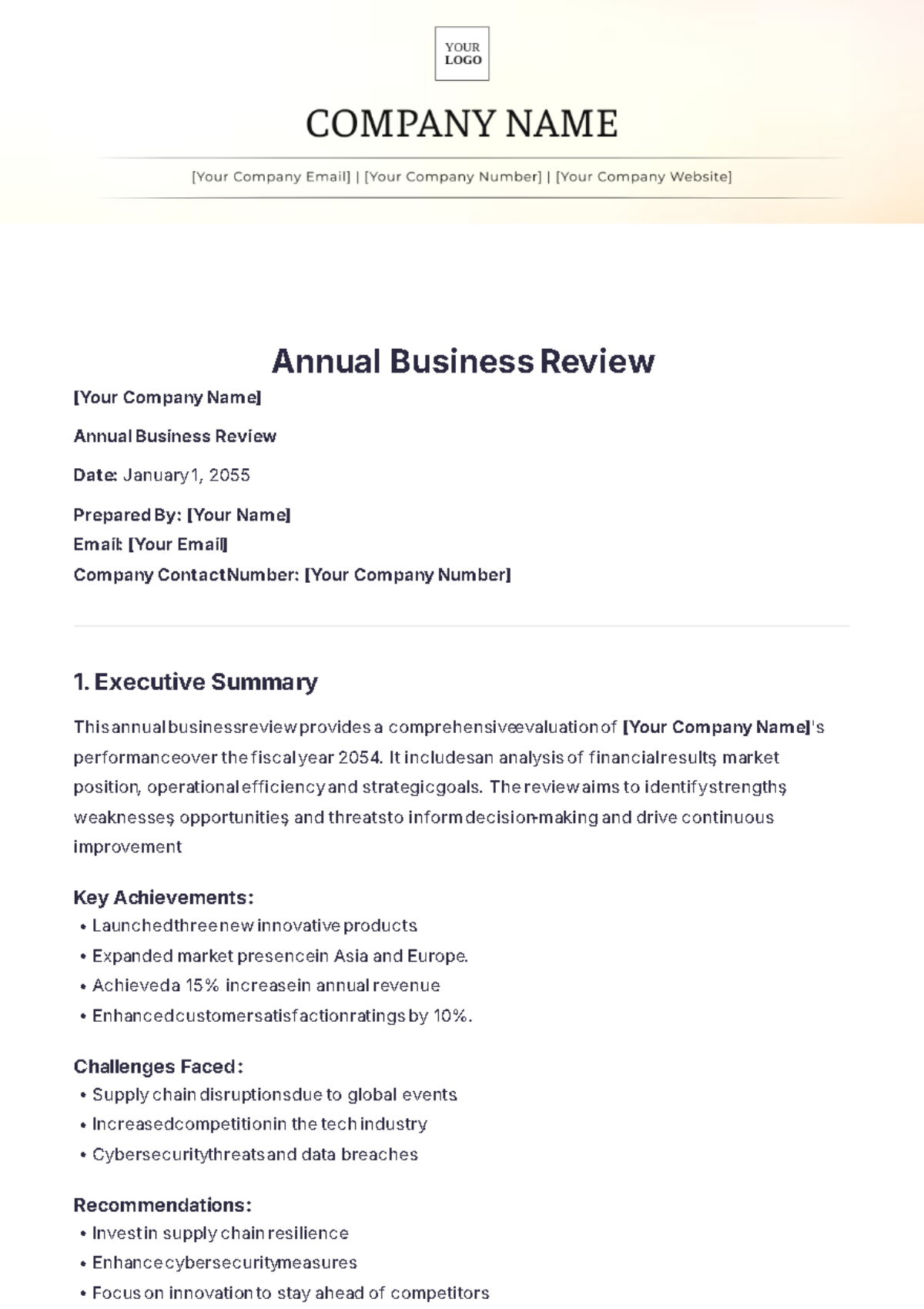
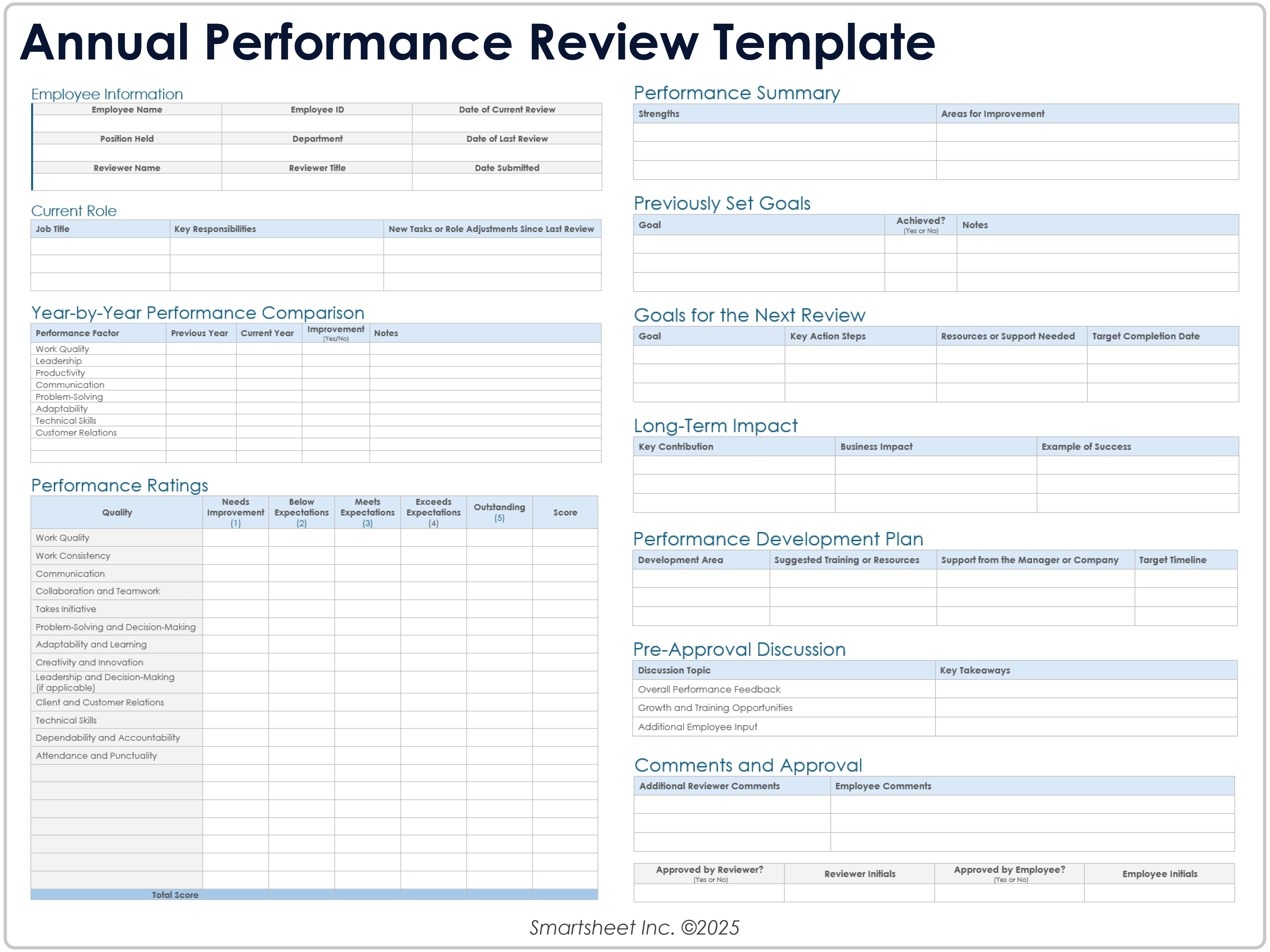
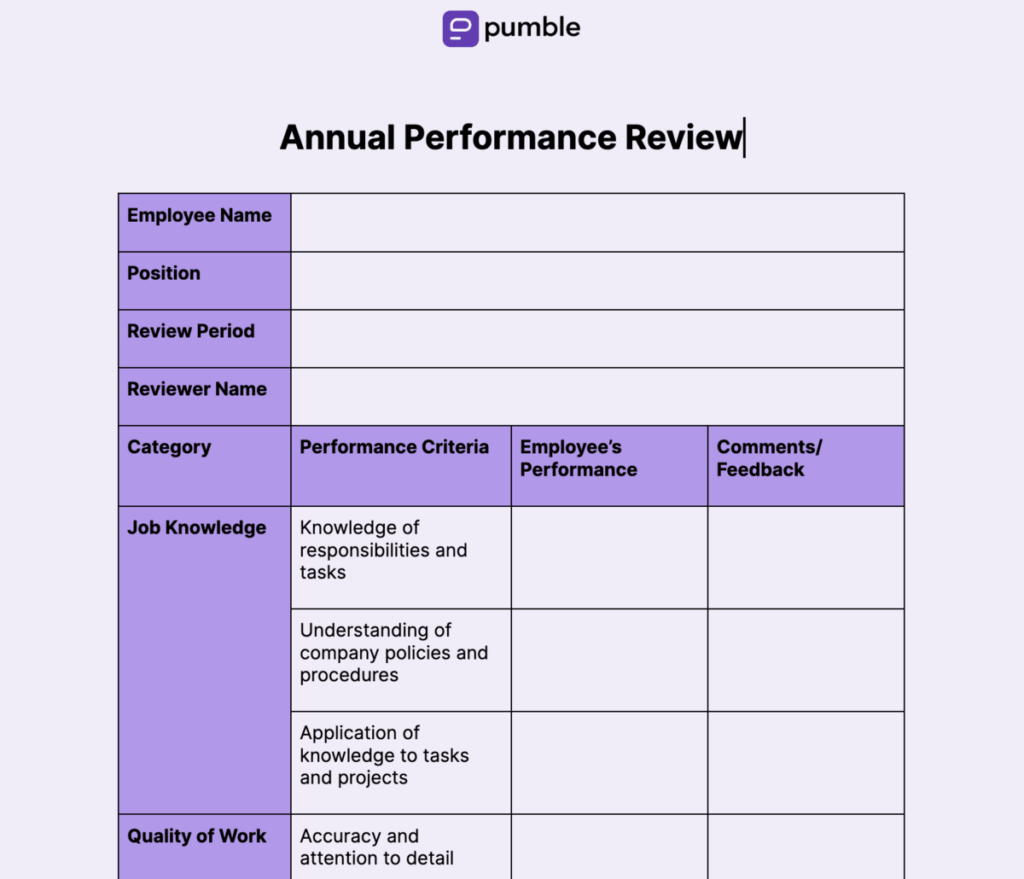
Every robust annual review report template contains six foundational components: an executive summary, performance highlights, goal alignment, skill assessment, challenges, and a future development plan. These elements provide a clear narrative arc, enabling managers and employees alike to trace progress over time.
Customization for Asian Work Culture
Asian workplaces often emphasize harmony, collective responsibility, and respect for hierarchy. To honor these norms, embed sections that encourage collaborative feedback, mentor reflections, and team-based goal outcomes. For instance, include a “Team Synergy” column that highlights how individual work supports departmental cohesion.
Key Sections of an Effective Annual Review Report Template

Executive Summary
Begin with a concise overview that captures the employee’s overall trajectory. Highlight key accomplishments, major milestones, and any significant contributions that align with corporate objectives.
Performance Highlights
Detail specific projects, revenue impacts, or process improvements. Use quantifiable data—such as a 12% increase in client satisfaction or a 25% reduction in production downtime—to illustrate tangible results.
Goals and Objectives
Show how yearly goals were set, tracked, and achieved. Include both quantitative targets and qualitative outcomes, such as enhanced cross‑department collaboration or mentorship roles.
Skills and Competencies
Assess technical proficiencies, soft skills, and cultural adaptability. For example, list proficiency in a new software tool, language skills, or the ability to mediate conflicts within diverse teams.
Challenges and Opportunities
Identify obstacles faced and lessons learned. Offer constructive insights that transform challenges into future opportunities, reinforcing a growth mindset that is essential in dynamic Asian markets.
Development Plan
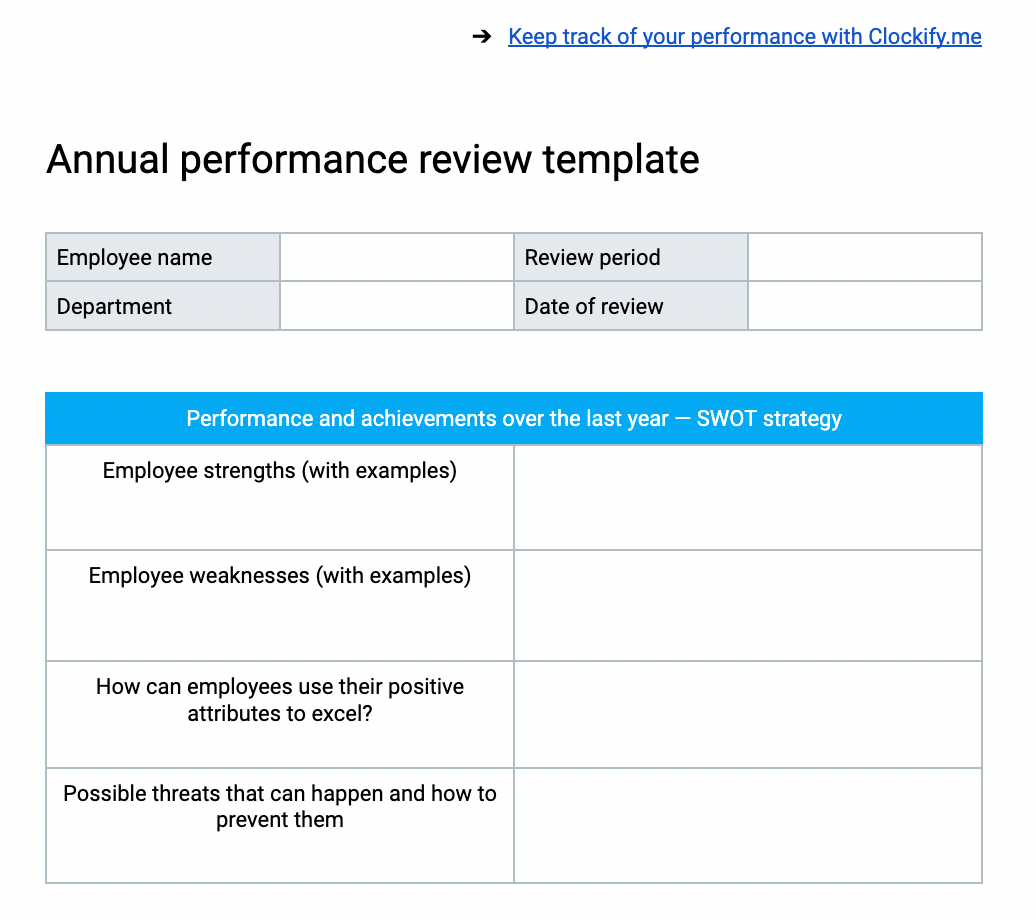
Outline next steps: training courses, mentorship programs, or strategic projects that will build on current strengths and address identified gaps. This forward‑looking section reinforces long‑term engagement.
Step‑by‑Step Guide to Building Your Annual Review Report Template
Step 1: Define Objectives and Metrics
Collaborate with stakeholders to determine which metrics most accurately reflect success. For a manufacturing firm, key performance indicators might include defect rates or machine uptime. For a tech company, user engagement and feature release velocity are critical.
Step 2: Design a Clean Layout
Use a grid system with clear headings, consistent fonts, and ample white space. A clean design reduces cognitive load, making it easier for readers to focus on critical data points.
Step 3: Integrate Visuals and Charts
Visual representations such as bar graphs or radar charts convey complex data quickly. For example, a radar chart can showcase strengths across multiple competencies—communication, leadership, analytical thinking—providing instant visual insight.
Step 4: Include Peer and Self‑Assessment
Encourage self‑reflection by adding a “Self‑Assessment” section, and invite peers to contribute a brief commentary. This dual perspective enriches the review process and promotes transparency.
Step 5: Review and Iterate
After drafting, circulate the template for feedback from HR, managers, and employees. Incorporate suggestions to refine language, adjust metrics, and streamline the layout for the next cycle.
Real‑World Examples from Asian Companies

Case Study: Tech Startup in Singapore
A Singaporean startup adopted a template that integrated a “Digital Innovation” section, highlighting contributions to AI-driven customer support. By showcasing a 15% reduction in response times, the review reinforced a culture of continuous improvement.
Case Study: Manufacturing Firm in Japan
In a Japanese plant, the template added a “Kaizen Initiative” subsection where employees documented micro‑improvements. Celebrating 200+ Kaizen suggestions in a year fostered a collective sense of ownership and aligned with lean manufacturing principles.
Best Practices for Using the Template

Keep It Concise and Data‑Driven
Avoid long paragraphs of narrative. Use bullet points, charts, and concise summaries to convey information efficiently while maintaining clarity.
Align with Corporate Values
Embed company values—such as integrity, innovation, or customer focus—into each section. For instance, tie performance highlights back to the core value of “customer first” to demonstrate alignment.
Leverage Digital Tools
Use collaborative platforms like Google Docs or dedicated HR software to streamline data collection, version control, and real‑time feedback. Automation can populate metric fields, freeing managers to focus on qualitative insights.
Common Pitfalls to Avoid
Overloading with Text
Excessive narrative can dilute key findings. Prioritize critical data and insights, and use concise language that respects readers’ time.
Ignoring Cultural Nuances
For Asian teams, subtlety and respect are paramount. Avoid direct criticism; instead, frame feedback in terms of collaborative growth and shared success.
Not Updating Regularly
Annual reviews are most effective when paired with mid‑year check‑ins. Regular updates keep the template relevant and reinforce a continuous feedback loop.
Conclusion
Implementing a well‑structured Annual Review Report Template transforms performance assessment from a routine task into a strategic conversation that propels individual growth and organizational success. By integrating clear metrics, culturally attuned sections, and actionable development plans, leaders can foster a culture of transparency, continuous improvement, and shared achievement—qualities that resonate across Asia’s dynamic business landscape while delivering measurable results in the United States market. Embrace the template as a living document that evolves with your team’s needs, and watch performance, morale, and innovation rise in harmony.





Related posts of "Annual Review Report Template"
